How can better-planned cities create the conditions for more creative, livable, and resilient urban environments? “Makati Urban Recipes for a City’s Survival,” a colloquium held at the Ayala Museum on September 15, brought together architects and practitioners from the fields of urbanism and the creative economy to discuss how design, planning, and collaboration can address […]
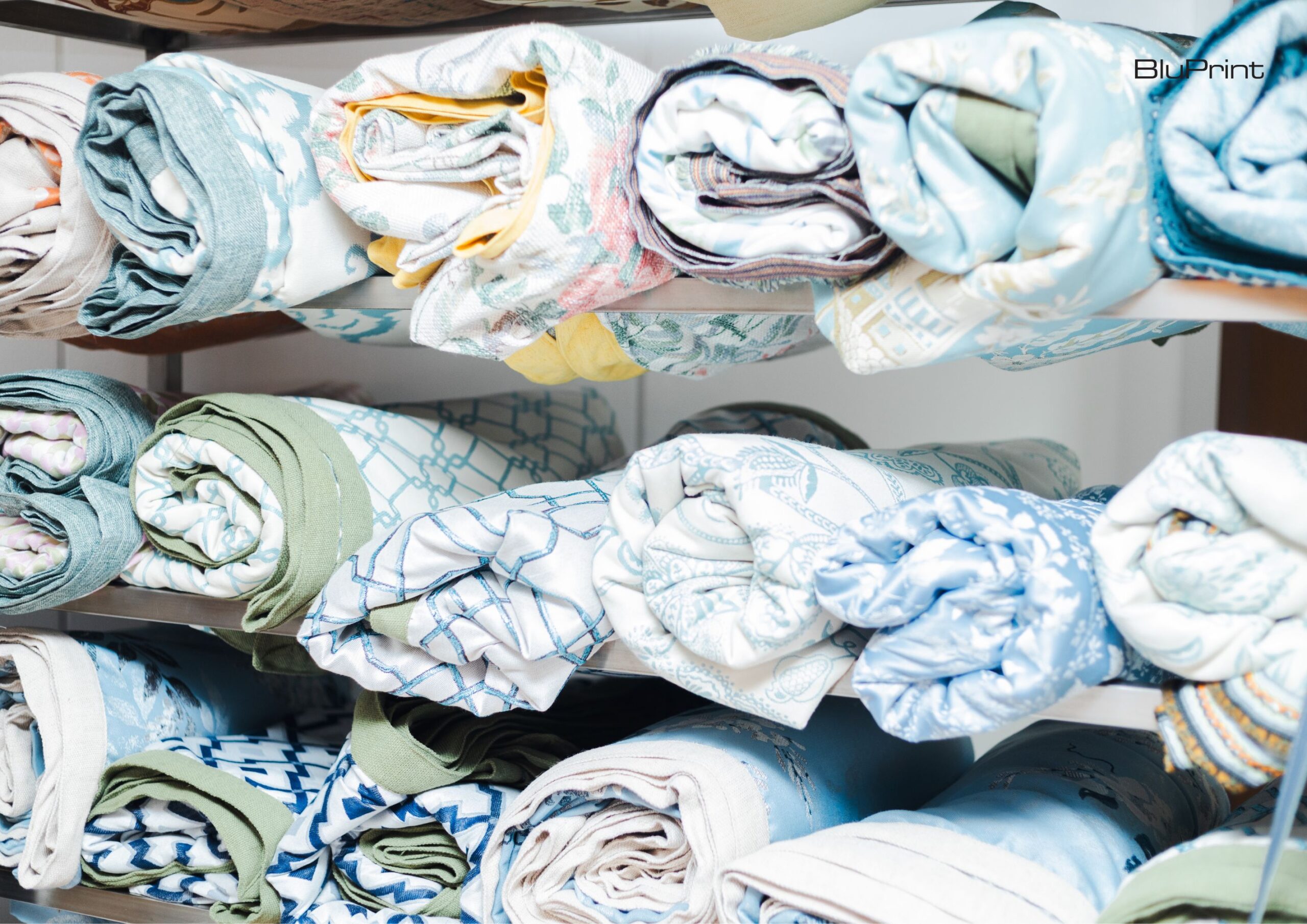
Ultimate Guide to Best Sustainable Fabrics for a Greener Home



The right fabrics can instantly elevate any furniture and interior space no matter their style. But they’re even more appealing when crafted from renewable and eco-friendly materials and practices. As the demand for responsible consumption grows, sustainable upholstery fabrics are one of the conscious choices to mirror this value in interiors. Here are the top selections you can choose for a greener home today and a healthier planet for the future.
Organic Cotton
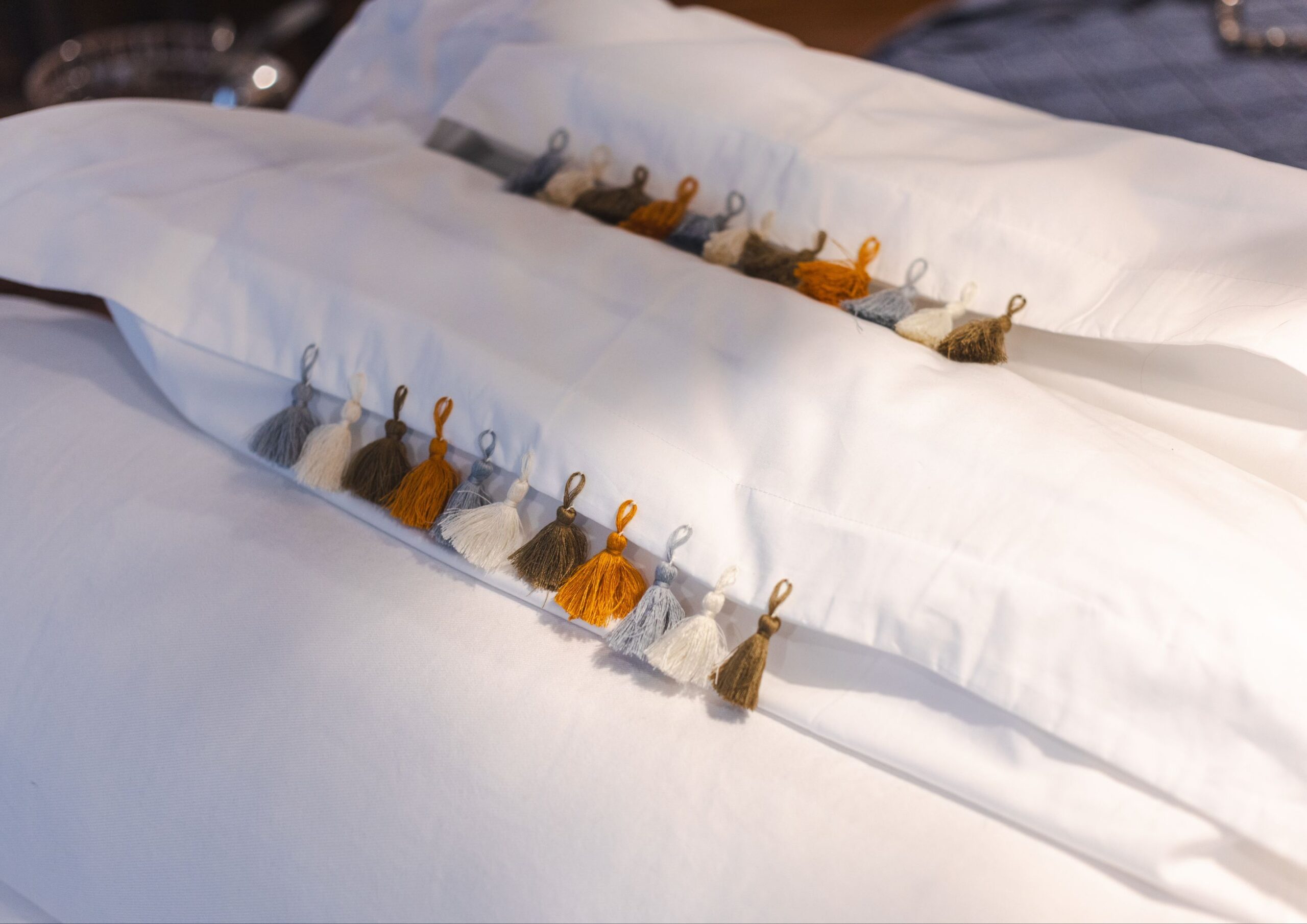
Organic cotton fabrics have a lot of advantages compared to their conventional counterparts. In terms of quality and texture, organic cotton feels softer and more durable due to their longer, healthier fibers. This is because these sustainable fabrics aren’t grown from genetically modified seeds, nor do they use pesticides and synthetic fertilizers.
Look for Global Organic Textile Standard (GOTS) or Organic Content Standard (OCS) labels to ensure authenticity. Their eco-friendly farming techniques, such as drip irrigation and rainwater harvesting, minimize water consumption compared to conventional methods. Farmers also use cover crops and crop rotation to reduce soil erosion, promote biodiversity, and enhance climate resilience.
With such careful cultivation methods, organic cotton fabrics make the perfect material for everyday furniture, even for nurseries. Aside from their softness and durability, their breathability is less likely to irritate sensitive skin, perfect for year-round use.
Natural Wool
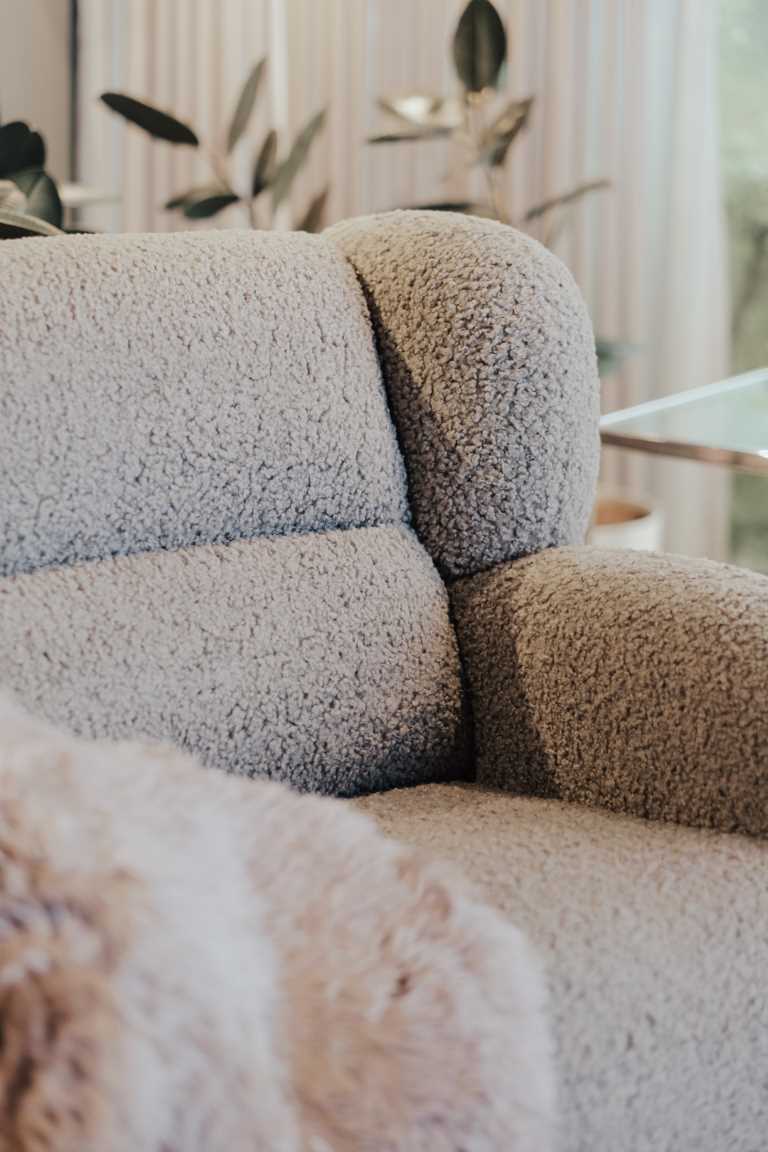
Natural wool fabrics are sustainable and biodegradable. With their coiled spring-like structure, these materials can expand up to 50 percent of their actual length when wet. This allows them to resist more than 20,000 times compression without breaking, making them incredibly resistant to wrinkles and tears.
Quick moisture absorption, thermal insulation, and fire resistance make them more versatile compared to other natural materials. This additionally prevents stains and bacteria build-up that cause odors, making them easier to maintain.
Aside from absorbing moisture, natural wool can improve indoor air quality by sucking up airborne pollutants like volatile organic compounds. It also helps in reducing carbon in the atmosphere as this material acts as short-term storage for pure organic carbon.
Contrary to popular belief, natural wool doesn’t only come from sheep. Goats, llamas, alpacas, Arctic muskox, camels, and vicuñas also produce other types of wool. With these wide sources and options, this eco-friendly material offers remarkable diversity in texture, warmth, and rarity, making it a popular choice for furniture upholstery.
However, despite its environmentally-friendly properties, some wool producers still practice inhumane and irresponsible methods to gather this material. These practices include mulesing and using toxic chemical sheep dip to purge parasites. To guarantee ethically-sourced natural wool fabrics, make sure they carry the Responsible Wool Standard, Woolmark, and International Wool Textile Organization labels.
Organic Peace Silk
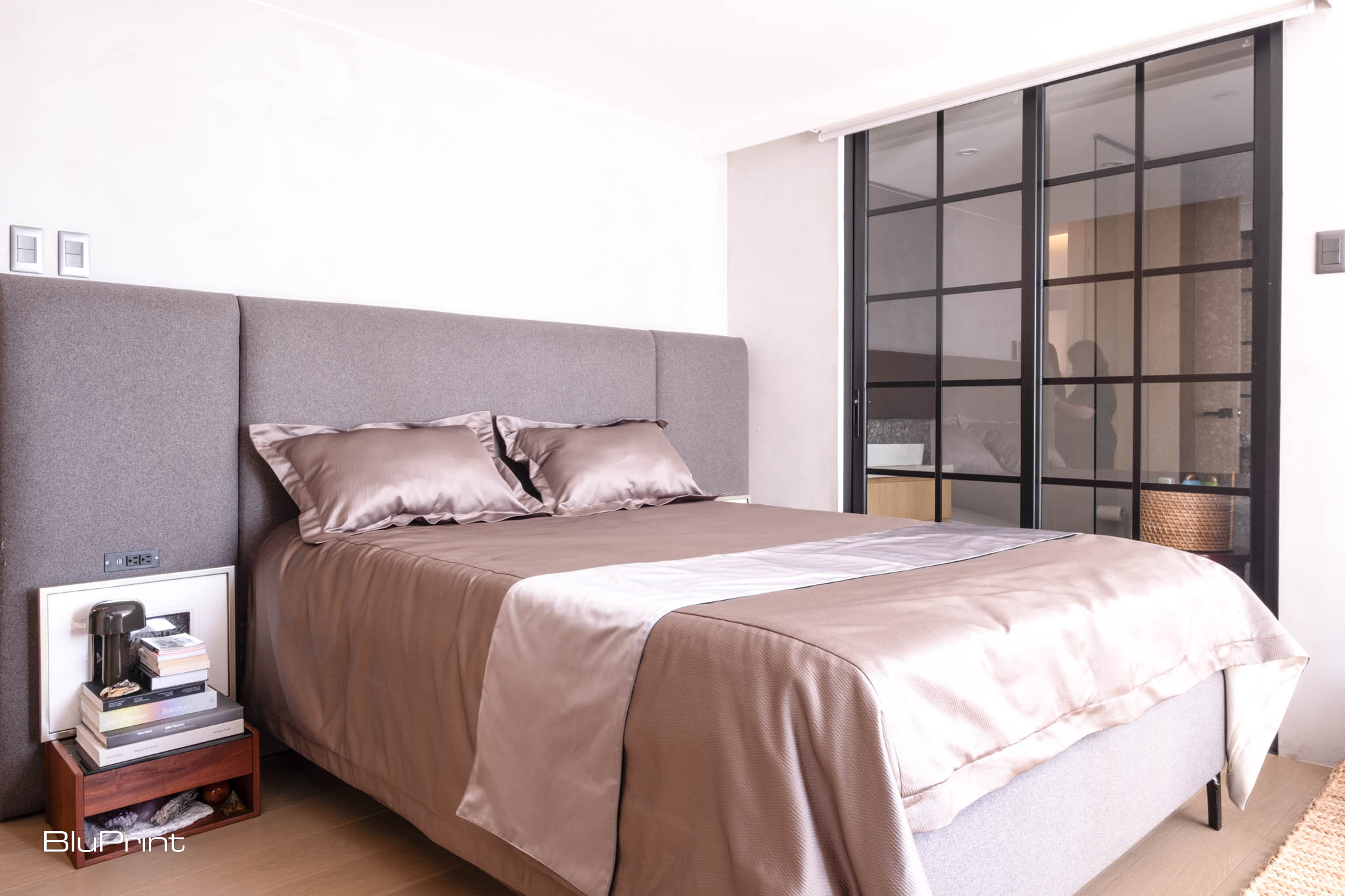
Organic peace silk, or Ahimsa silk fabrics, offer the unmatched comfort and sophistication of traditional silk without the ethical concerns. Unlike conventional and organic silks, this approach allows silkworms to complete their butterfly cycle before harvesting the cocoons. The resulting peace silk fibers may be shorter and less lustrous. But their edge lies with their silk filaments spun together to create a rope-like appearance and make it more durable.
Despite the slow production, organic peace silk promises natural and organic farming methods. The Mulberry trees, the silkworms’ food source, receive no toxic pesticides and chemicals during cultivation. This minimizes environmental impact and ensures human safety. Similar to organic cotton, organic peace silk fabrics have GOTS and OCS tags to verify their sustainable credentials.
Besides being cruelty-free and eco-friendly, organic peace silk fabrics are naturally gentle on skin. With their breathable, hypoallergenic, and antimicrobial qualities, they’re ideal for upholstery, particularly for bedroom furniture.
Hemp
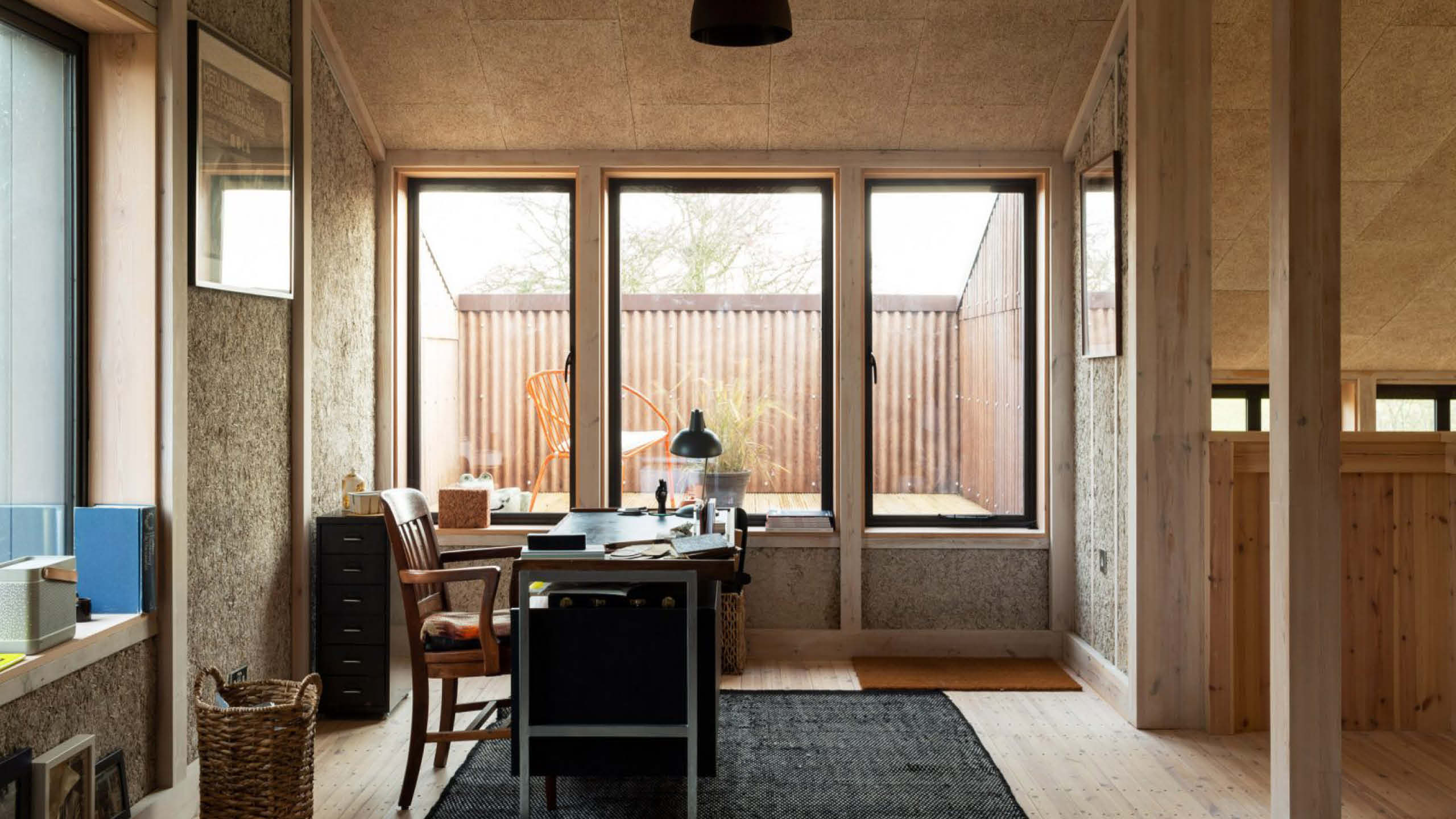
Thanks to its impressive growth characteristics and naturally beneficial properties, hemp emerges as another frontrunner in sustainable fabrics. Its rapid growth cycle allows multiple harvests within a single season, minimizing land use and maximizing resource efficiency. On top of that, hemp possesses a natural resistance to pests and diseases, requiring minimal reliance on pesticides. In addition to their resilience, this eco-friendly material can also be planted in even in types of soil unsuited for most plants.
Moreover, their deep rooted systems naturally replenish heavy metals and other contaminants in soil. As this process happens, it contributes to trapping carbon from the atmosphere, which in turn helps mitigate the effects of climate change.
But even with their unassuming nature, hemp fibers are incredibly strong, even surpassing cotton in tensile strength. This translates to upholstery fabrics that are remarkably durable and resistant to wear and tear, ensuring your furniture looks its best for years to come. So, they make the perfect choice for furniture in high-traffic areas like sofas and armchairs.
Aside from their exceptional durability, hemp fabrics also boast resistance to allergens like dust mites and mold. They are additionally easier to clean due to their hollow and breathable core.
These fabrics should also have GOTS and Oeko-Tex Standard 100 certifications to ensure they’re in par with the standards.
Sustainability is achievable through conscious choices, and your home is a great place to start. There’s no reason why style and ecological methods can’t work hand-in-hand. So, the next time you’re revamping your furniture, consider these top sustainable fabrics. You’ll not only elevate your interior space but also invest in a greener tomorrow for your home.
Read more: Future Proofing 101: Easy Sustainable Living for Today and Tomorrow

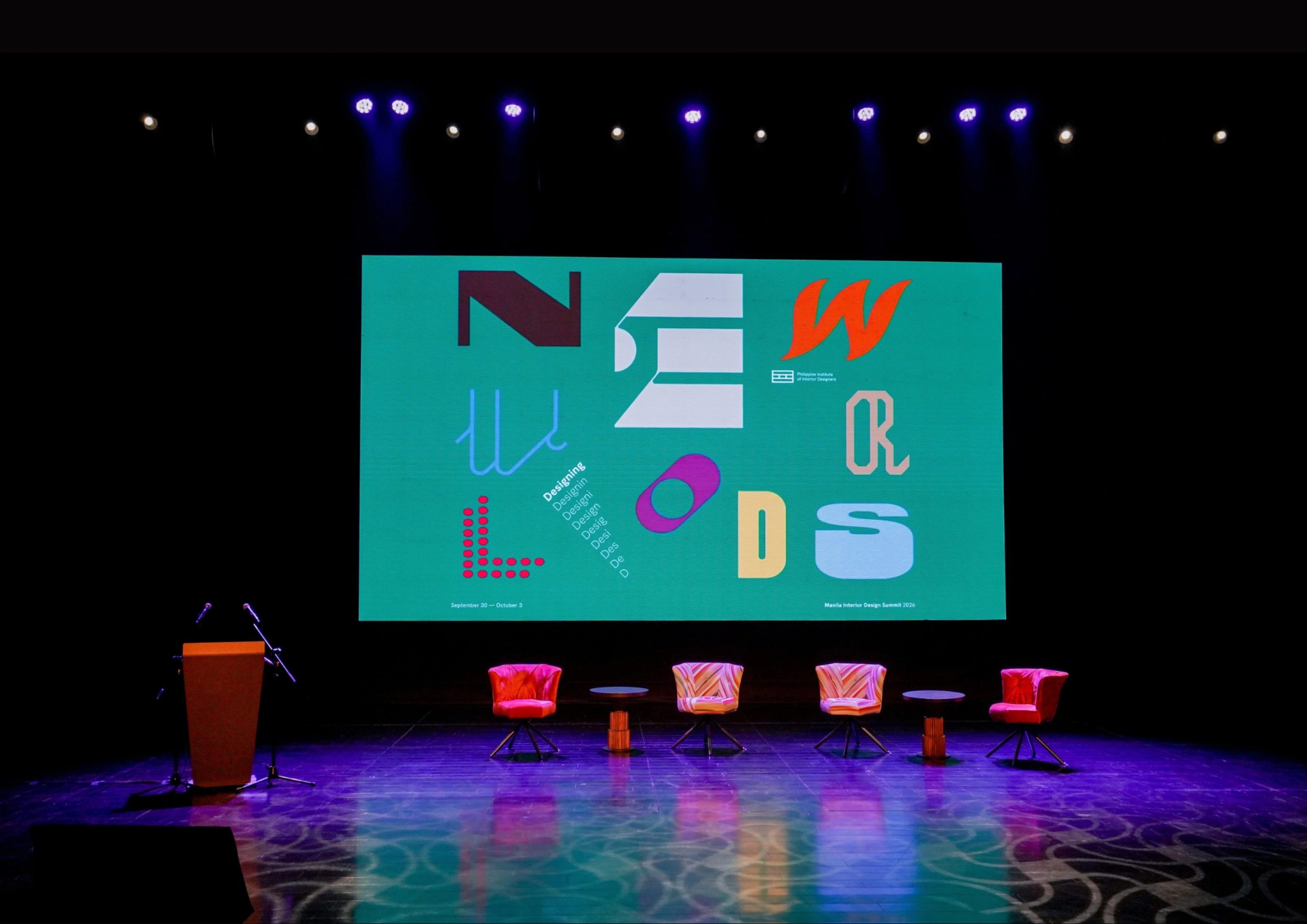
The fourth Manila Interior DesignInterior DesignThe discipline of planning and shaping interior spaces for function, comfort, safety, and beauty. It covers layout, lighting, materials, finishes, furniture, and color, and in the Philippines is a licensedGo to Interior Design Glossary Summit (MIDS) brought together more than 300 delegates for four days of conversations, exhibitions, and design […]
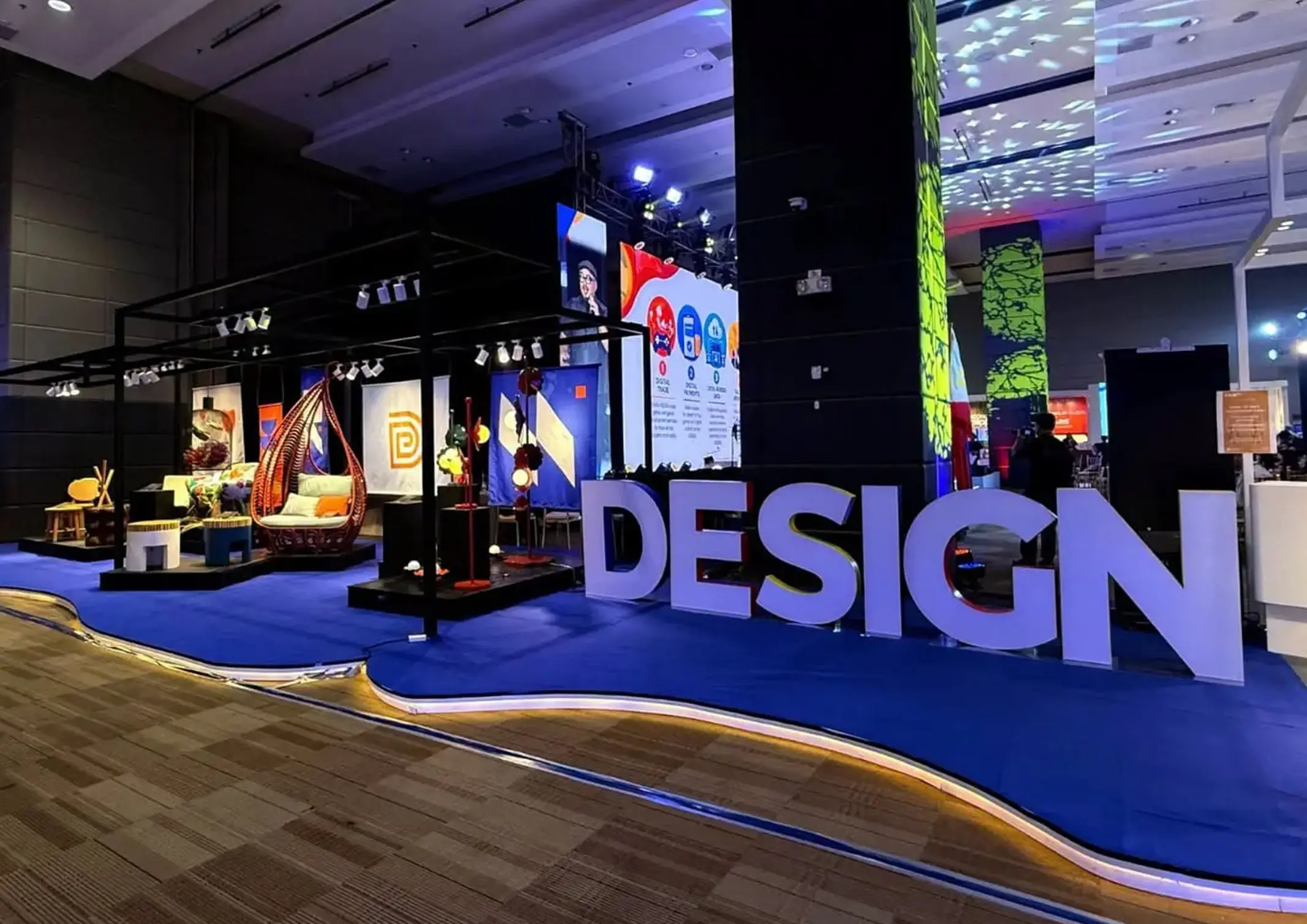
Held at the SMX Convention Center Aura in Taguig City, the first ASEAN Creative Industries Expo by Malikhaing Pinoy (ASEAN MPEx) features nine creative domains, including design, visual arts, digital interactive media, and performing arts. Organized by the Department of Trade and Industry (DTI), the event includes exhibitions, cultural performances, industry talks, and pitching sessions […]

The SSS Building as an Expression of Civic Modernism My favorite modernist landmark in Quezon City is the SSS building on East Avenue. Designed by National Artist for ArchitectureArchitectureThe art and science of designing and constructing buildings, structures, and spaces that are functional, safe, and aesthetically pleasing. It encompasses the planning, design, materials, and techniques […]

Archie G. Carrasco, Chairman and CEO of AGC Power Holdings Corp. (AGC PHC), has been named to The BoF 500 Class of 2026 under the Media category, joining The Business of Fashion’s global community of individuals shaping the fashion industry. Carrasco is among 100 new members from 33 countries and 48 nationalities selected for the […]

Culture in design does not always announce itself through a recognizable motif, material, or symbol. It can also be embedded in the relationships designers build, the knowledge they listen to, the materials they choose, and the decisions they make in response to communities and their environments. This distinction emerged throughout the 2026 International Design Conference […]
Read the issues.

Collect the volumes.

Recommended Video
Tap to Unmute
Unmute
0:00
0:00