Modern bathrooms are no longer purely functional spaces. Increasingly, they are being designed as environments that support cleanliness, ease, and quiet restoration within the home. As daily life becomes more demanding and health awareness continues to rise, homeowners are beginning to expect more from the spaces where daily rituals begin and end. For architects and […]

5 Questions to Ask a Seller When Buying a New Home



Buying a home involves a lot of searching and contemplation. Among all the people you’ll interact with throughout the process, sellers are your best source of first-hand knowledge (and secrets) about the property. While inspections and reports offer relevant information, a seller’s insights can be invaluable in helping you decide if the property is right for you. So, before signing on the dotted line, here are five questions to ask a seller when buying a home.
1) What Is the Home’s History?

Every home has a story, and understanding its past can be a great way to envision your future in it.
Ask the seller when the property was built. The home’s age reveals what construction materials and practices were used at that time. This will give you a better understanding of its potential strengths and weaknesses, and will be a determining factor on whether the home needs renovations or not.
Advertisement
If the seller did some major renovations and additions, it could be a good indication that the property has been well-maintained. But you can’t be too complacent and should be upfront in finding any known structural problems like foundation cracks, settling issues, or leaky roofs. Along with the exterior and interior layout, ask about the kind of plumbing and electrical systems it has.
Request for the original blueprints, details on permits, warranties, or any documentation. In this way, you’ll know which parts need re-checking and updating now. While the seller is legally obligated to disclose certain issues, an open conversation can uncover even minor concerns that might not be readily apparent.
Take it a step further and request for any old photos of the property or the neighborhood. This is a good way to learn if the home has historical significance or local legends surrounding it. If it does, repairs and upgrades might require additional considerations or come at a higher price point.
Advertisement
2) How Long Have They Lived in the Home?
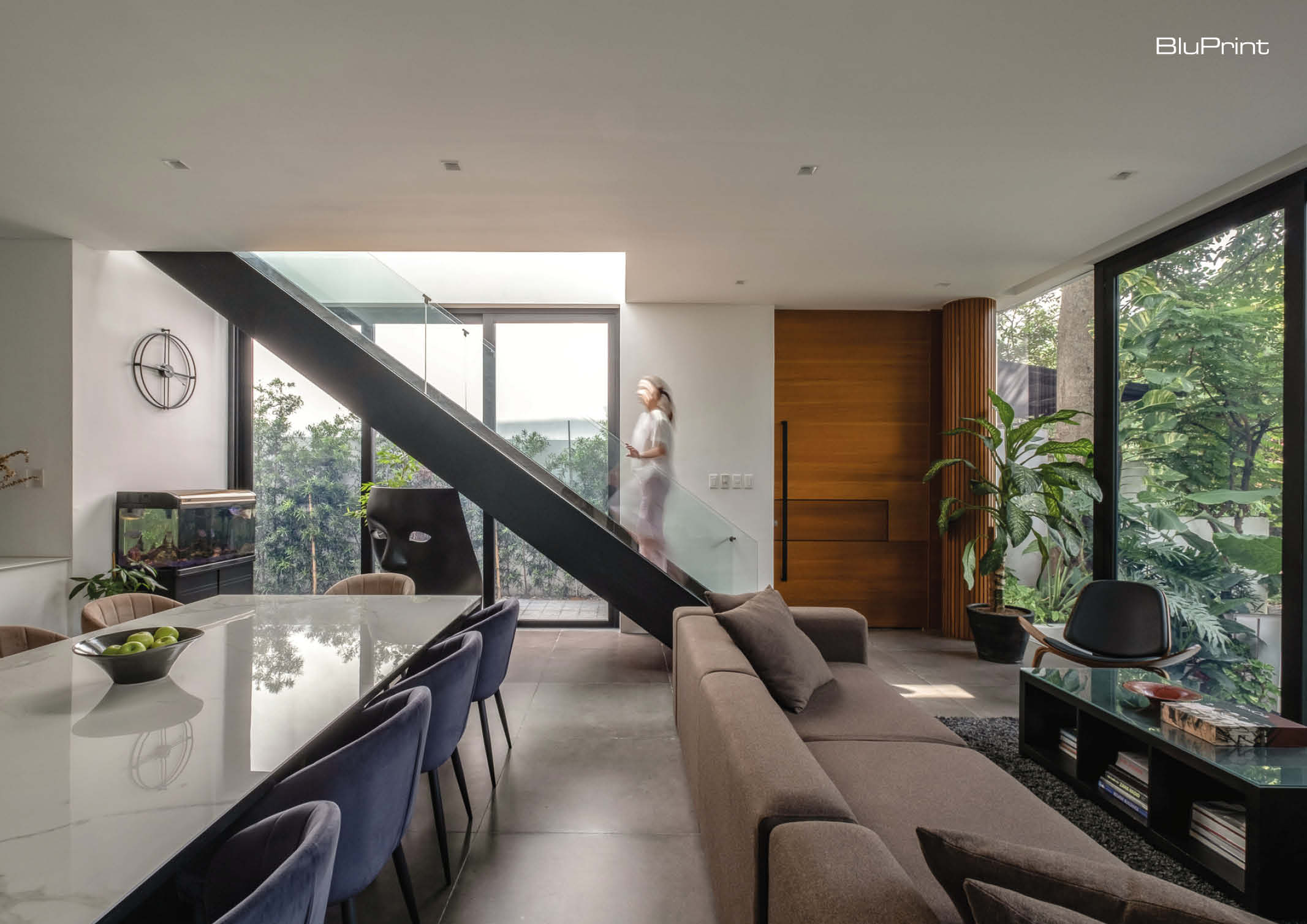
The seller’s experience living in a home bridges the impersonal facts and figures and the reality of actually inhabiting it. Understanding their perspective paints a clearer picture of the property’s potential fit with your lifestyle.
Knowing how long they’ve been living there can give you a clue to their motivation for selling. A seller who stayed for a brief period could have reasons unrelated to the property itself. Although it doesn’t automatically mean a red flag, it warrants further investigation to understand what prompted them to sell. This way, you can determine if the reason for selling aligns with potential challenges in the property itself, or if it’s simply due to a change in the seller’s circumstances.
Longer ownership, on the other hand, suggests a deeper understanding of the property’s overall quality. Compared to short-term ownership, a longer stay allows the seller to develop a well-rounded outlook on the home’s quirks and benefits. They’ve likely experienced the efficiency and capacity of the property through the seasons and even natural disasters. They might also share some hidden gems, tell you who the friendly neighbors are, or what the area is like in general.
Advertisement
These lived-in experiences translate into valuable insights you won’t find in a report. So, it’s fine to take advantage of the seller’s tenure when deciding to buy your new home.
3) What Comes with the Home When You Buy It?

In addition to the structure itself, ask about its inclusions. Particularly, what appliances and fixtures will be turned over to you when you buy the home? To ensure a smooth transition, confirm the specific list of appliances that will stay with the property. Additionally, clarify whether the home is sold furnished or not, and if they intend to leave anything else behind which you might have to get rid of yourself.
The seller should know that fixtures generally come with selling a residential property. This means anything attached using nails, bolts, screws, or glue. These typically include faucets, built-in cabinets, curtain rods, and certain lighting.
Advertisement
However, the seller can still choose what items stay in the property and should state it clearly in the purchase agreement. So, it’s important to negotiate if you have other features you want to add. And this is where a licensed realtor can do the talking for you.
Begin by understanding the items’ condition by asking about their age, functionality, and any warranties. The last thing you want is negotiating for a broken-down appliance or fixture. Once you’ve sorted your list, inquire about particular items like refrigerator, stove, bookshelves, or entertainment centers.
Specifying the focus helps clarify the seller’s stance on major inclusions like these. Additionally, their response will help you understand what’s standard and what might require further discussion.
Advertisement
Prepare to compromise. While you might not get everything on your wishlist, having some of those desired items could come with a slightly higher price. But a trusted realtor can make a win-win situation for both the seller and the first-time homebuyer.
4) How Much Are the Ongoing Costs?

Beyond the initial purchase price, you’ll also have to factor recurring costs into your budget when buying a home. While experienced realtors can offer estimates and insights, the seller can give you a better idea regarding any additional expenses.
These include real property taxes (RPT) and homeowners association (HOA) fees. RPT is the yearly fee you pay to your local government. The amount you owe depends on the estimated value of your house—the higher the value, the higher the tax.
Advertisement
Many localities offer incentives for early payment of property taxes and give discounts when you pay in full. Sellers can give the most up-to-date information on the exact amount. They can additionally confirm if there are any discounts for early payment as these might vary depending on the locality.
Meanwhile, HOA fees only add up when the property is part of a community with shared amenities or common areas. They are very common in condominiums, townhouses, gated communities, planned unit developments, and some single-family homes.
If applicable, ask the seller about the monthly dues and if they have a copy of the HOA’s fee structure. You can also inquire whether the HOA has a healthy reserve fund to help cover unexpected expenses and avoid special assessments (if any).
Advertisement
Having knowledge of ongoing costs impacts your budget planning and prevents financial surprises during and after the homebuying process.
5) How Long Has the Home Been up for Sale?

Like other products for sale, a house listed for a long time indicates a potential mismatch between asking price and market value. Knowing its days on the market is valuable information that sheds light on several aspects of the property and the current market conditions. So, it’s crucial to ask the seller how long has the property been up for sale.
Fast-selling homes, probably within a few weeks, might mean their price and features are competitive and desirable.
Advertisement
Meanwhile, slow-selling homes might have low demand features. There could also be similar properties with better prices, attracting potential buyers away from this particular house.
But beyond the price and features, a long time on the market could potentially signal underlying issues with the property. However, it’s important to investigate further before jumping to conclusions. There could be reasons unrelated to the house itself, such as a shift in the local market or the seller’s specific needs.
In doing so, you’ll also get to know more about the seller’s motivation to craft your negotiation strategy. See if they are flexible on closing dates, are eager to sell quickly, or open to waiting for the right offer.
Advertisement
Ideally, slow-selling homes give you some leverage when negotiating the purchase price. The seller might be more motivated to accept an offer closer to your asking price to avoid additional marketing costs and carrying costs.
Along with all your careful considerations, the seller holds the key to a unique perspective you won’t find anywhere else. So, don’t be afraid to ask these five questions to unlock worthy and hidden information to confidently buy your new home.
Stay tuned for a series of articles diving deeper into expert tips and everything you need to know about buying a new home.
Advertisement
Read more: 5 Questions to Ask Yourself before Buying a New Home


From the moment a diner steps through the door, each detail shapes how a meal is experienced. Restaurant design has evolved, with architects and culinary professionals collaborating to create built spaces that are as intentional as the menu itself. The spatial atmosphere acts as an additional ingredient that can define the culinary experience. Taupe and […]

With climate change and global warming, the Philippine climate is in constant evolution. Consequently, it is important for Filipinos to have living spaces that respond to the local environment. In this article, BluPrint lists down Filipino architects who are reimagining the tropical house, aligning the built and natural environment. BAAD Studio Principal architects Benjee Mendoza […]

Ventilation involves the introduction of outdoor air into a room, providing occupants with their needs. Proper ventilation allows for the moderation of internal temperatures, the creation of better airflow, the dilution of carbon dioxide to acceptable levels, and the removal of contaminants. This addresses health risks associated with indoor air pollution, such as respiratory problems […]

WORLDBEX 2026, running from March 12 to 15, 2026, proves itself as the Philippines’ leading construction and design expo as it wrapped its 29th edition. It drew together 1,000 local and international exhibitors under one theme, “Building Opportunities: Sustaining Lives.” Organized by Worldbex Services International (WSI), in support of the ABS-CBN Foundation Inc., the event […]

Located near the equator, factors such as heat and humidity are the norm in the Philippines. This tropical climate has shaped the development of architecture in the country. As Leandro V. Locsin stated: “The first consideration of the Filipino builder and certainly the most evident in his architecture, which is after all an outgrowth of […]

Download this month's BLUPRINT magazine digital copy from:



Subscribe via [email protected]