Just moments away from the bustling area of Bonifacio Global City is 171, a multi-level villa set on a 302-square-meter lot. M.CAL Architecture Design Studio, headed by Ar. Monique C. Albert-Lopez, built the residence as a minimalist modern sanctuary surrounded by landscaped gardens. This creative direction was drawn from the homeowners’ brief to create a […]
The New Premium: Why Experience Now Defines Philippine Luxury Residences



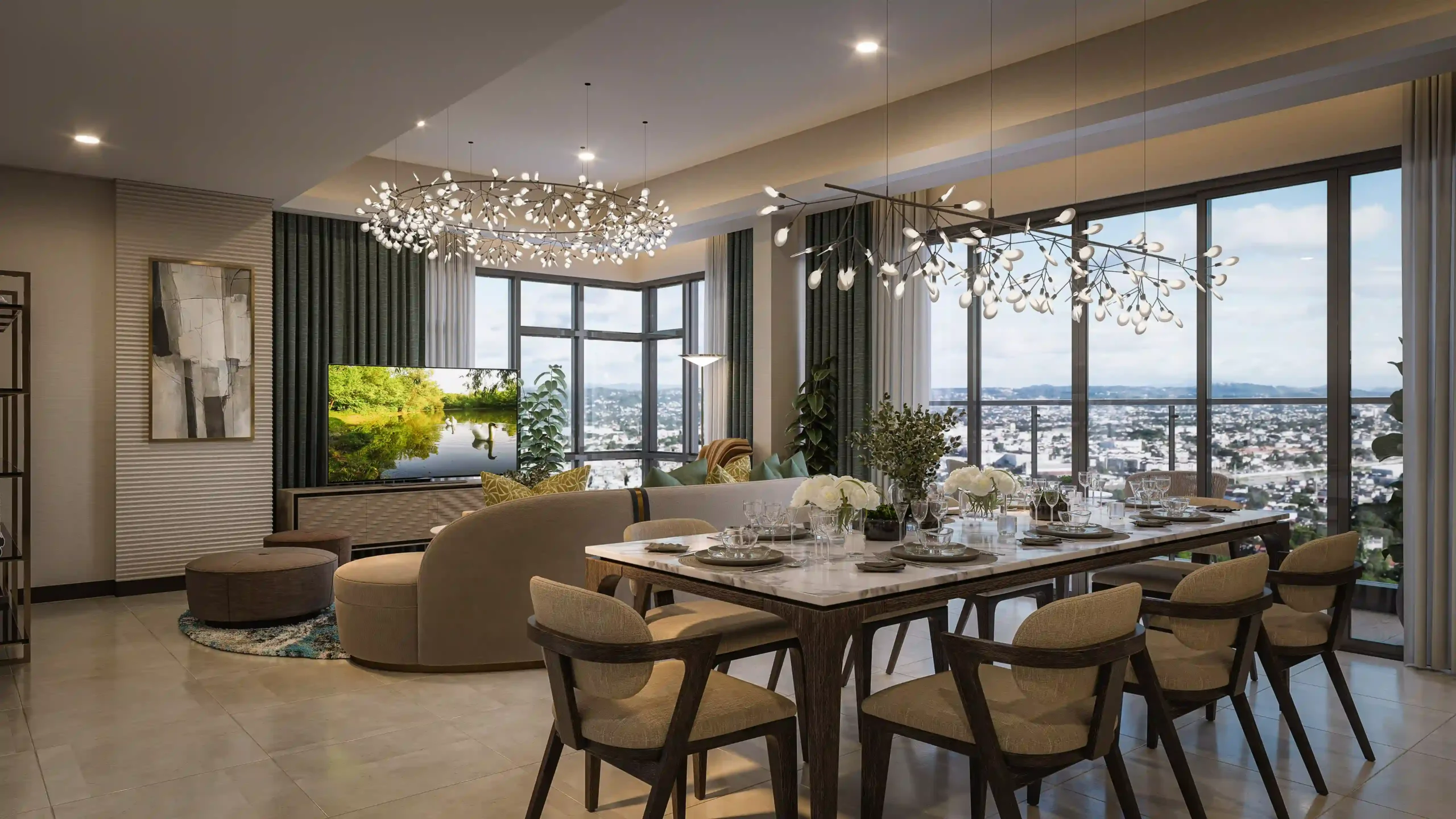
For decades, the language of luxury residences was written in marble, glass, and square footage. Premium was a checklist of tangible assets: a prime address, imported finishes, and cavernous spaces. But a quiet and decisive shift is underway. The new benchmark for premium is no longer what a home is, but what it does. This project proves that the future of luxury residences is not in material opulence, but in the seamless integration of lifestyle systems—convenience, wellness, and adaptability—into the very blueprint of the home.
The modern high-value homebuyer, armed with global perspective and a post-pandemic recalibration of priorities, now seeks an environment that actively enhances their life. They are asking not for features, but for flow; not for amenities, but for well-being. This evolution is prompting leading developers to pivot from building static structures to engineering dynamic living experiences.
As Karen Cesario, Senior Director, Marketing Head and Chief Integration Officer of RLC Residences, observes, “Today’s homeowners are no longer just looking for a space to live in. They want homes that allow them to thrive in every aspect.”
Here’s a breakdown of the three core pillars defining this new paradigm of luxury residences.
Convenience as a Curated Ecosystem
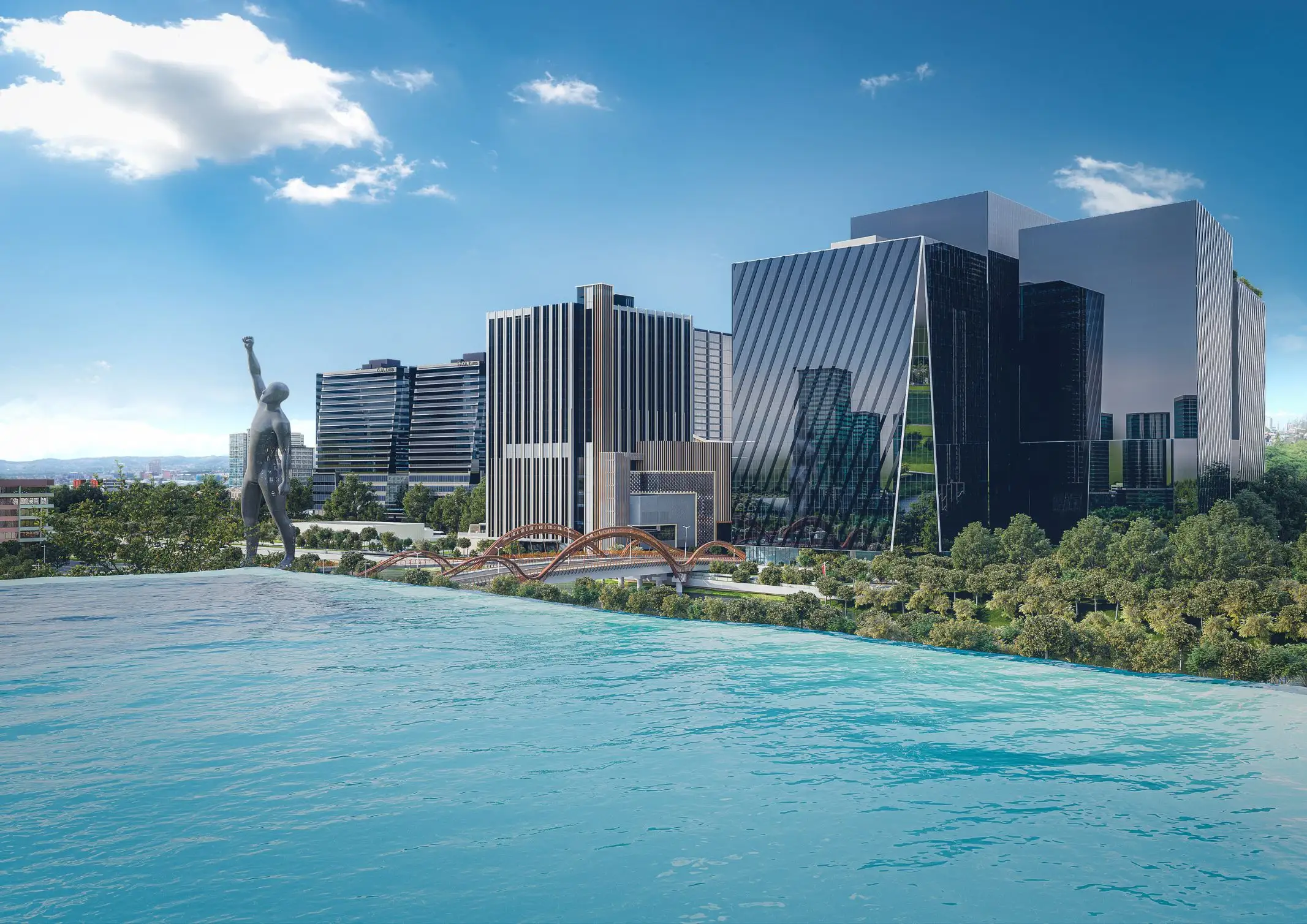
Location is the anchor of an integrated lifestyle. The old premium was about proximity to a central business district. The new premium is about embedding life within a master-planned ecosystem that dissolves the friction between work, home, and leisure.
Le Pont Residences exemplifies this by rising within the Bridgetowne Destination Estate. Its strategic position connecting Pasig and Quezon City is only the starting point. The true value lies in its programmatic integration into a township where offices, retail, green spaces, and recreation are not a commute away, but a short walk. This transforms convenience from a simple benefit into an elevated daily experience, giving back the ultimate luxury: time.
Wellness as a Design Mandate
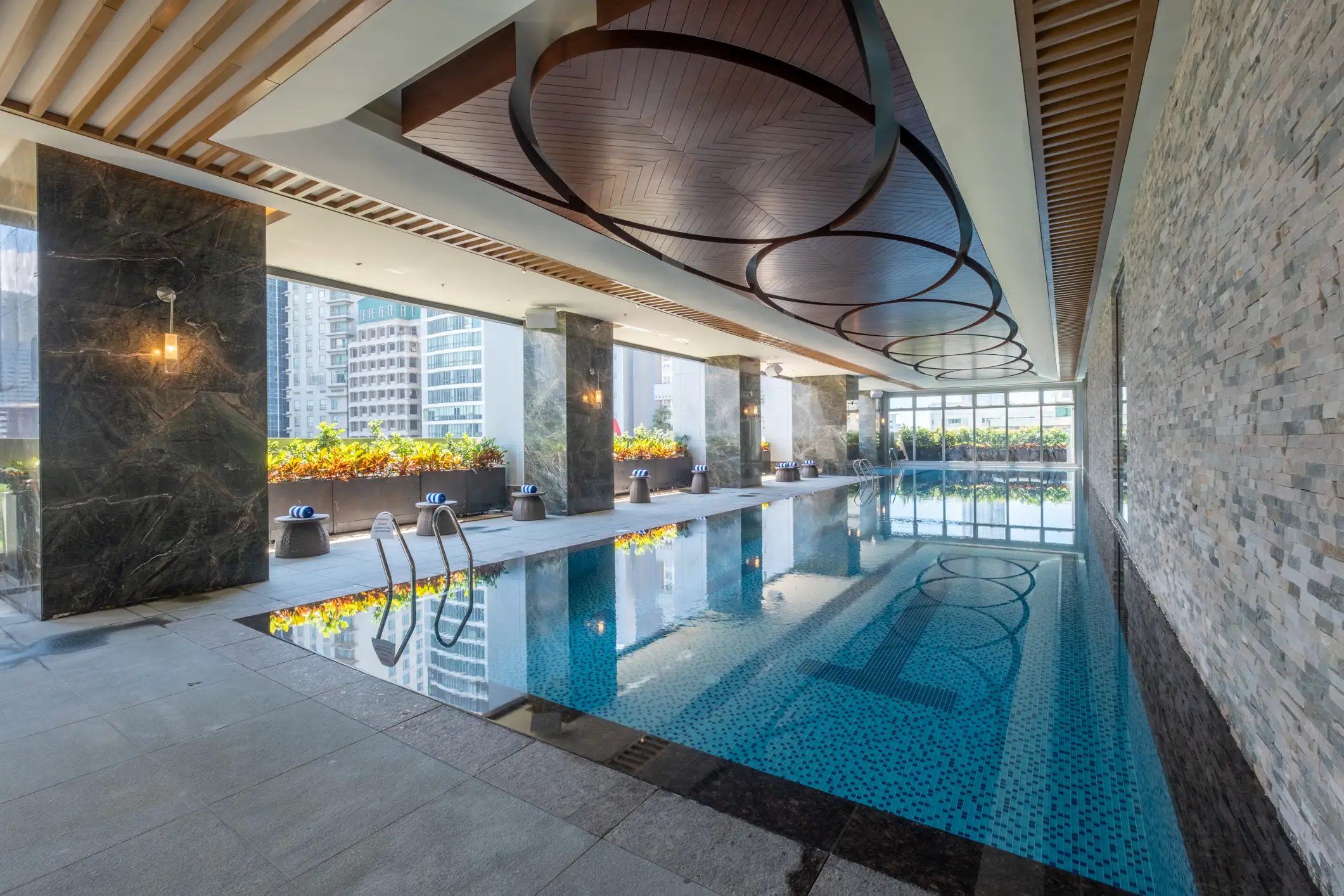
Once relegated to a basement gym or a token spa, wellness is now hardwired into the architectureArchitectureThe art and science of designing and constructing buildings, structures, and spaces that are functional, safe, and aesthetically pleasing. It encompasses the planning, design, materials, and techniques used to createGo to Architecture Glossary of premium residences. It has become a design mandate, shaping spaces to proactively nurture the physical and mental health of their inhabitants.
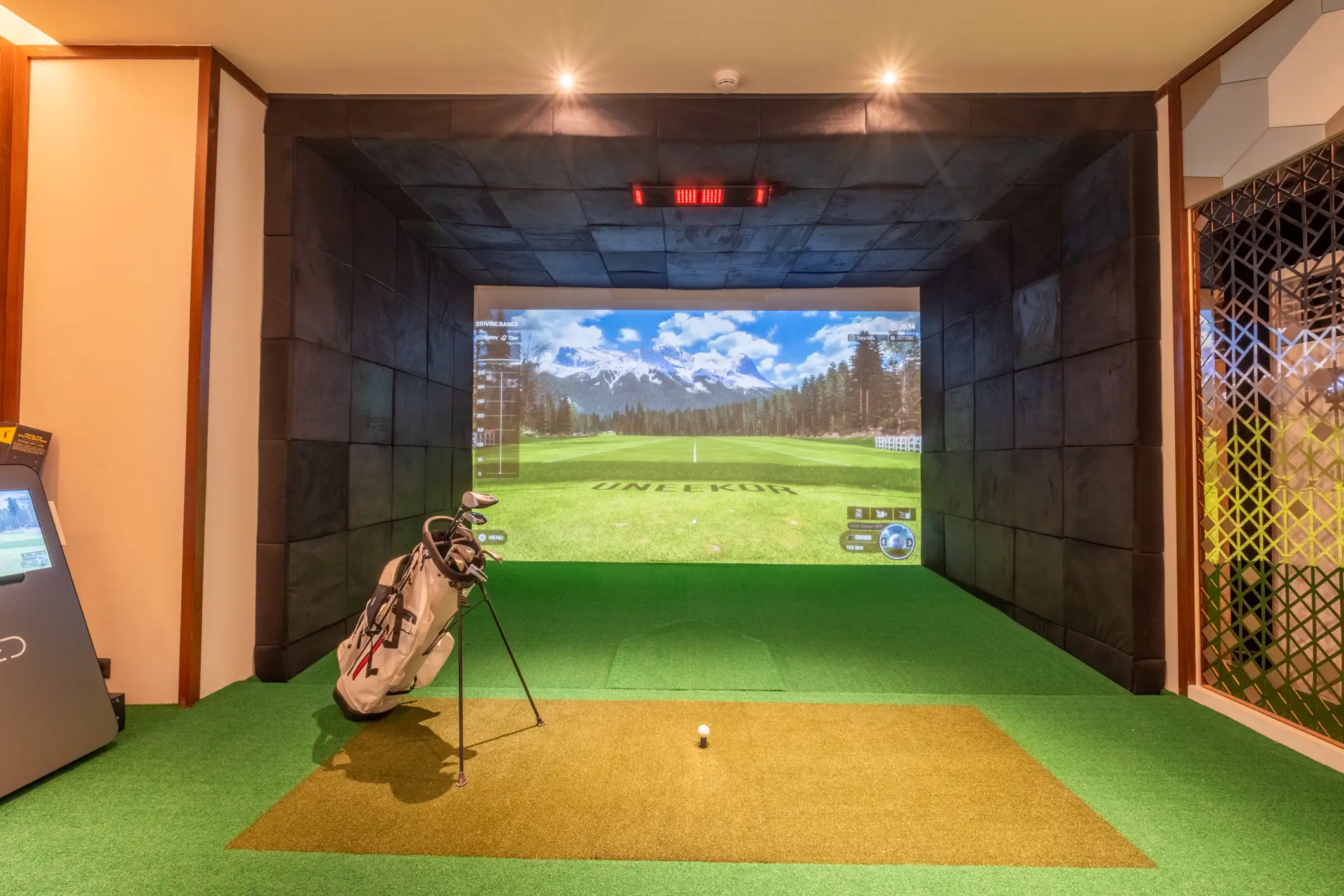
This principle is the cornerstone of The Residences at The Westin Manila. Drawing from Westin’s Six Pillars of Well-being—Sleep Well, Eat Well, Move Well, Feel Well, Work Well, and Play Well—the development treats the home as an urban sanctuary.
Amenities like the Tee on Third golf simulator or the serene indoor lap pool are not just add-ons; they are programmed spaces for restoration. By locating this retreat within the energetic Ortigas CBD, the project makes a powerful statement: true luxury is the ability to find balance and mindfulness amidst the urban hustle.
Future-Readiness as a Core Feature
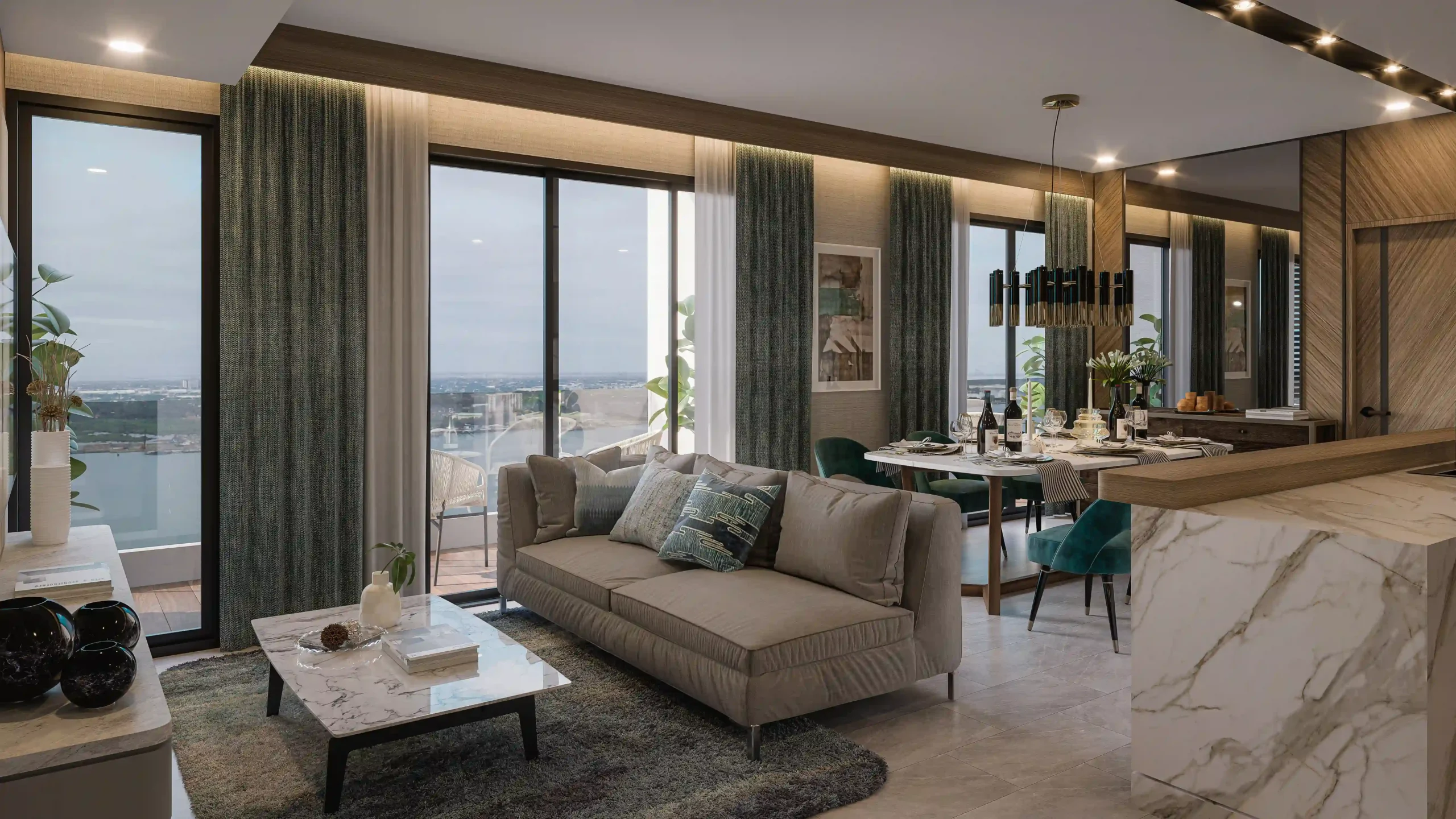
A premium home today must be a resilient and adaptable partner for the future. This means integrating technology that simplifies life and designing spaces that can evolve with the owner’s needs.
In Cebu, Mantawi Residences is a case study in future-readiness. Smart home features are standard, preparing residents for an increasingly connected world. More significantly, its design addresses the need for spatial flexibility. Every bedroom type includes a loggia—a versatile, semi-outdoor space that acts as a private threshold between the interior calm and the city’s dynamic energy. In a world where the home must now function as an office, a gym, or a classroom, these adaptable spaces are no longer a luxury but a necessity for modern living.
The Experience Equation
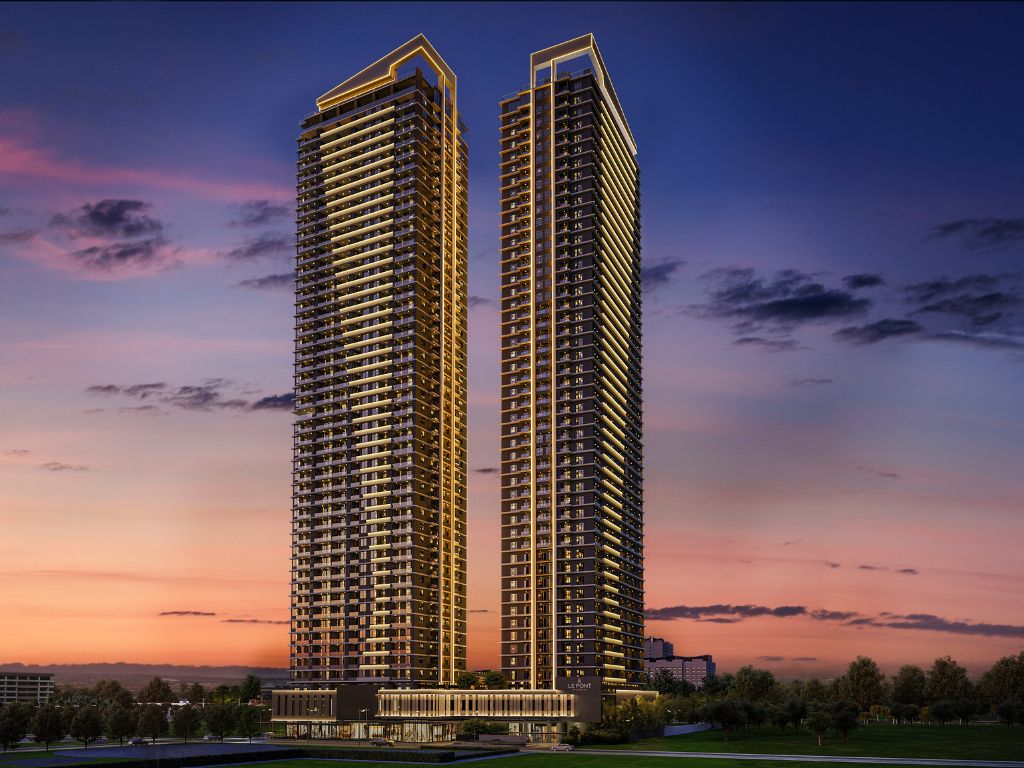
As the real estate market becomes more sophisticated, the defining factor of a premium property is the quality of the life it enables. Developments like Le Pont Residences, The Residences at The Westin Manila, and Mantawi Residences demonstrate that the most valuable features are experiential: the ease of a well-planned day, the peace of a restorative environment, and the confidence of a home built for tomorrow.
“Our vision is to create homes that matter to people—not just because of their design, but because of the life and experiences they enable,” Cesario concludes. In the end, the new luxury residences aren’t measured not by what you own, but by how well you live.
Images courtesy of RLC.
Read more: RLC Residences Rises to the Top Among Residential Condo Developers
Frequently Asked Questions
The New Premium marks a shift from material opulence—like marble finishes and square footage—to the quality of the living experience. Today’s luxury benchmark is defined by how a home actively enhances a resident’s life through the integration of lifestyle systems. Developers are pivoting from static structures to engineering dynamic environments that prioritize wellness, convenience, and spatial adaptability to meet the needs of a post-pandemic, globalized market.
In the new luxury paradigm, convenience is a curated ecosystem that dissolves the friction between work, home, and leisure. Projects like Le Pont Residences within the Bridgetowne Destination Estate exemplify this by embedding life in a township where essential services are a short walk away rather than a commute. This architectural integration gives residents the ultimate luxury—time—by removing daily logistical stressors through strategic urban planning.
Wellness has evolved from a token amenity to a design mandate that shapes the entire building’s program. For instance, The Residences at The Westin Manila utilize a “Six Pillars of Well-being” framework to treat the home as an urban sanctuary. Spaces are specifically programmed for restoration—such as indoor lap pools and golf simulators—allowing residents to find mental and physical balance even when situated in high-energy central business districts (CBDs).
A future-ready home is defined by spatial flexibility and smart technology. Features like the loggia in Mantawi Residences provide a versatile, semi-outdoor space that can adapt to become an office, a gym, or a private retreat. This flexibility, combined with standard smart-home systems, ensures the residence remains a resilient partner that can evolve alongside the owner’s changing lifestyle and the demands of an increasingly connected world.
Experience is more valuable because it determines the daily quality of life enabled by the property. Modern homebuyers prioritize “flow over features,” seeking environments that provide ease, restorative peace, and future resilience. While high-end materials are still present, they are secondary to the experiential equation: the confidence and well-being gained from a home designed to help its inhabitants thrive in every aspect of their lives.
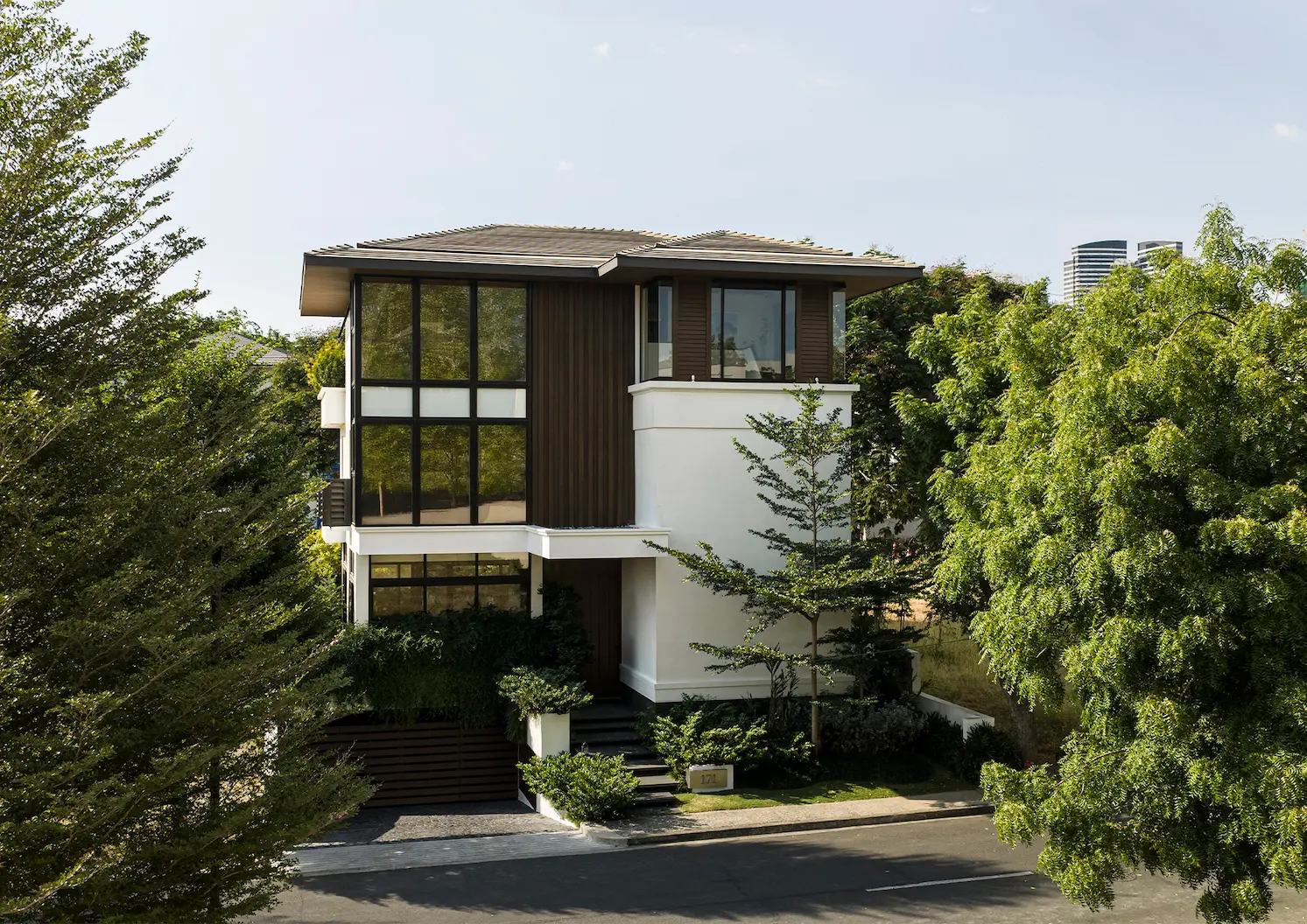
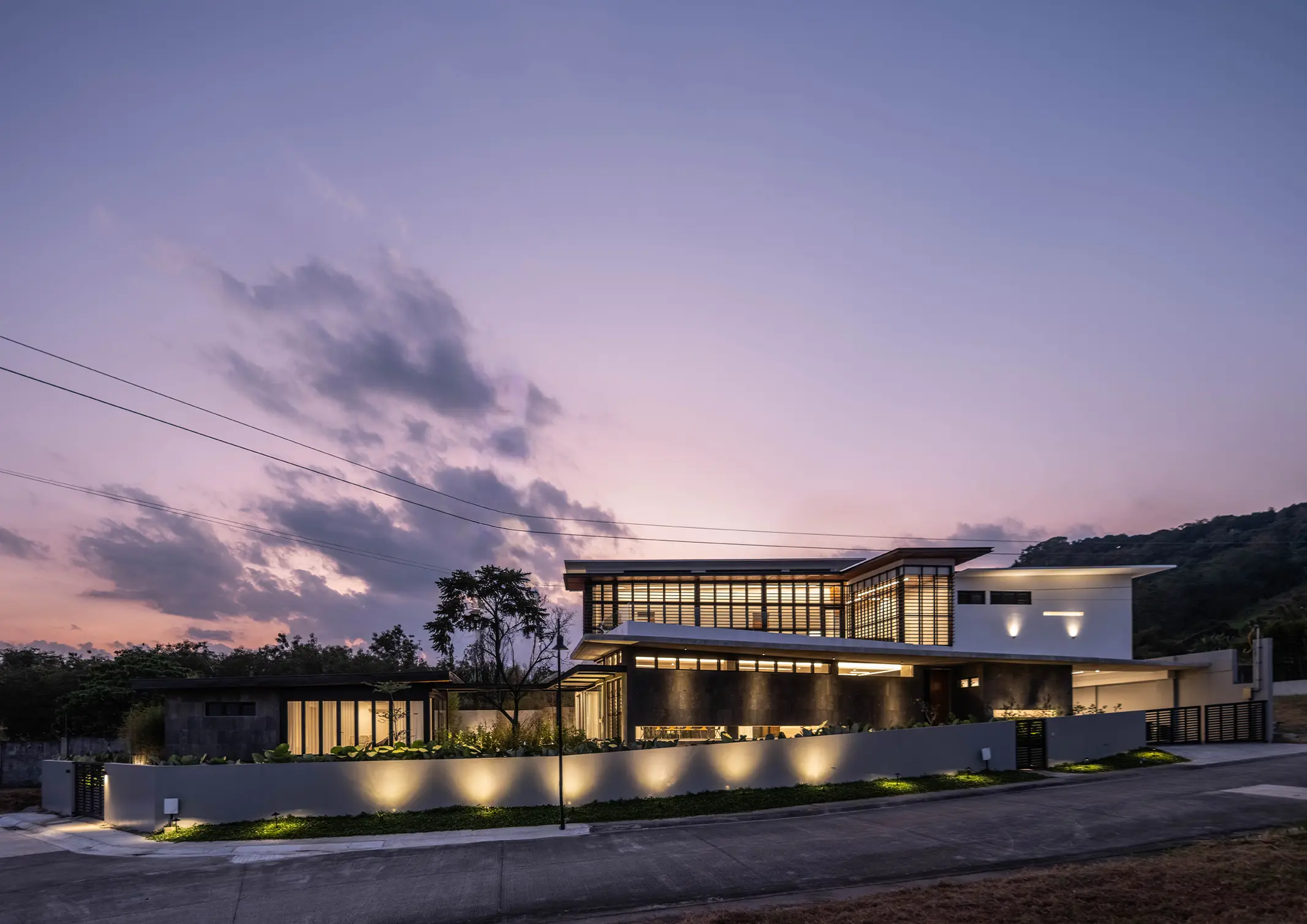
Located in Paroc, Pampanga is MQ Residence—a tropical-modern private residential home designed by Marikina-based architectureArchitectureThe art and science of designing and constructing buildings, structures, and spaces that are functional, safe, and aesthetically pleasing. It encompasses the planning, design, materials, and techniques used to createGo to Architecture Glossary firm Arkisens, spearheaded by principal architect and co-founder […]
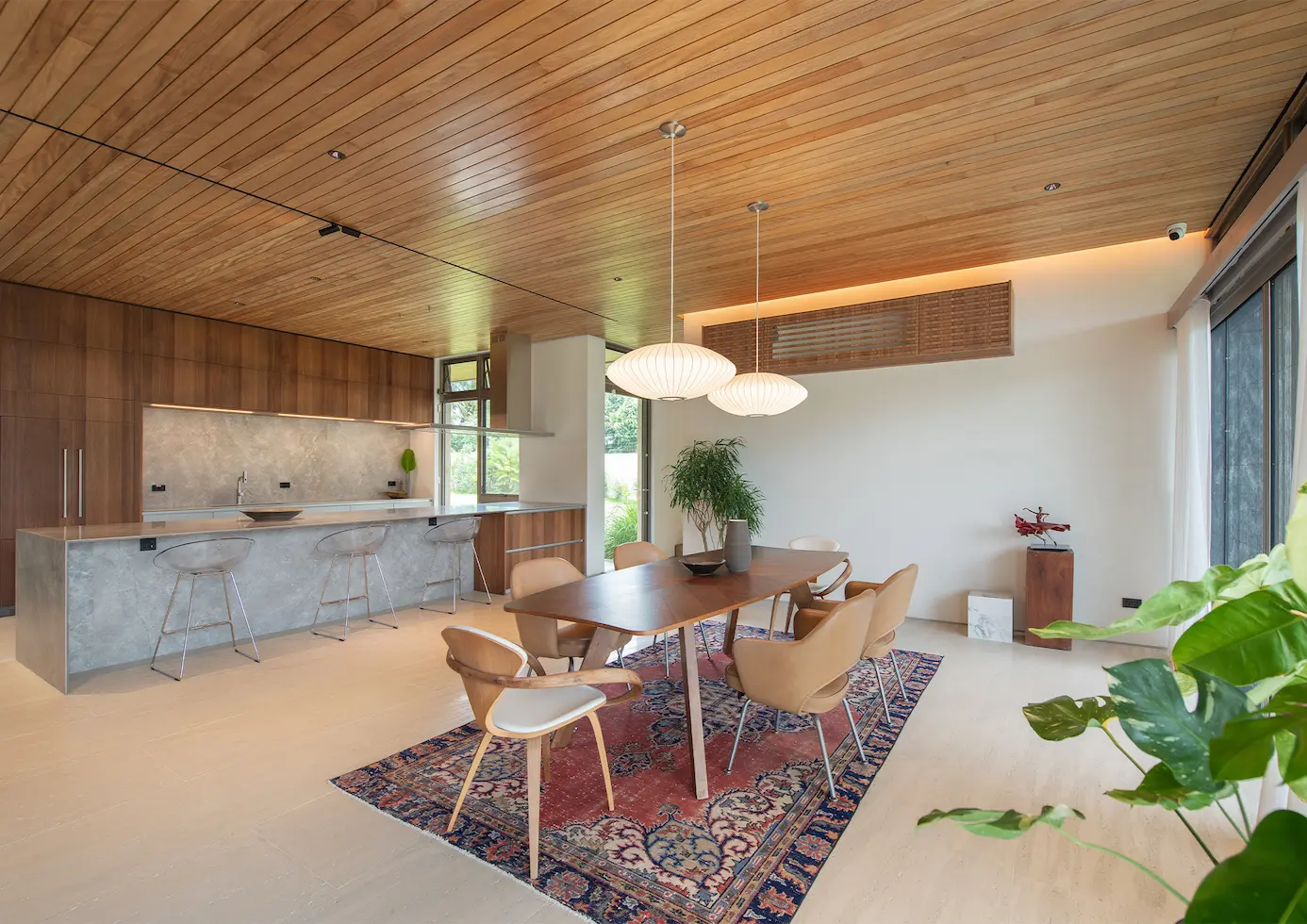
Standing on a former 1,200-square-meter pineapple plantation is CAW House, a Mid-Century ModernMid-Century ModernA design movement from roughly the 1940s to the 1960s, known for clean lines, organic curves, open plans, and a close relationship between indoors and outdoors. Filipino architects such asGo to Mid-Century Modern Glossary-inspired loft located just on the border of Silang […]
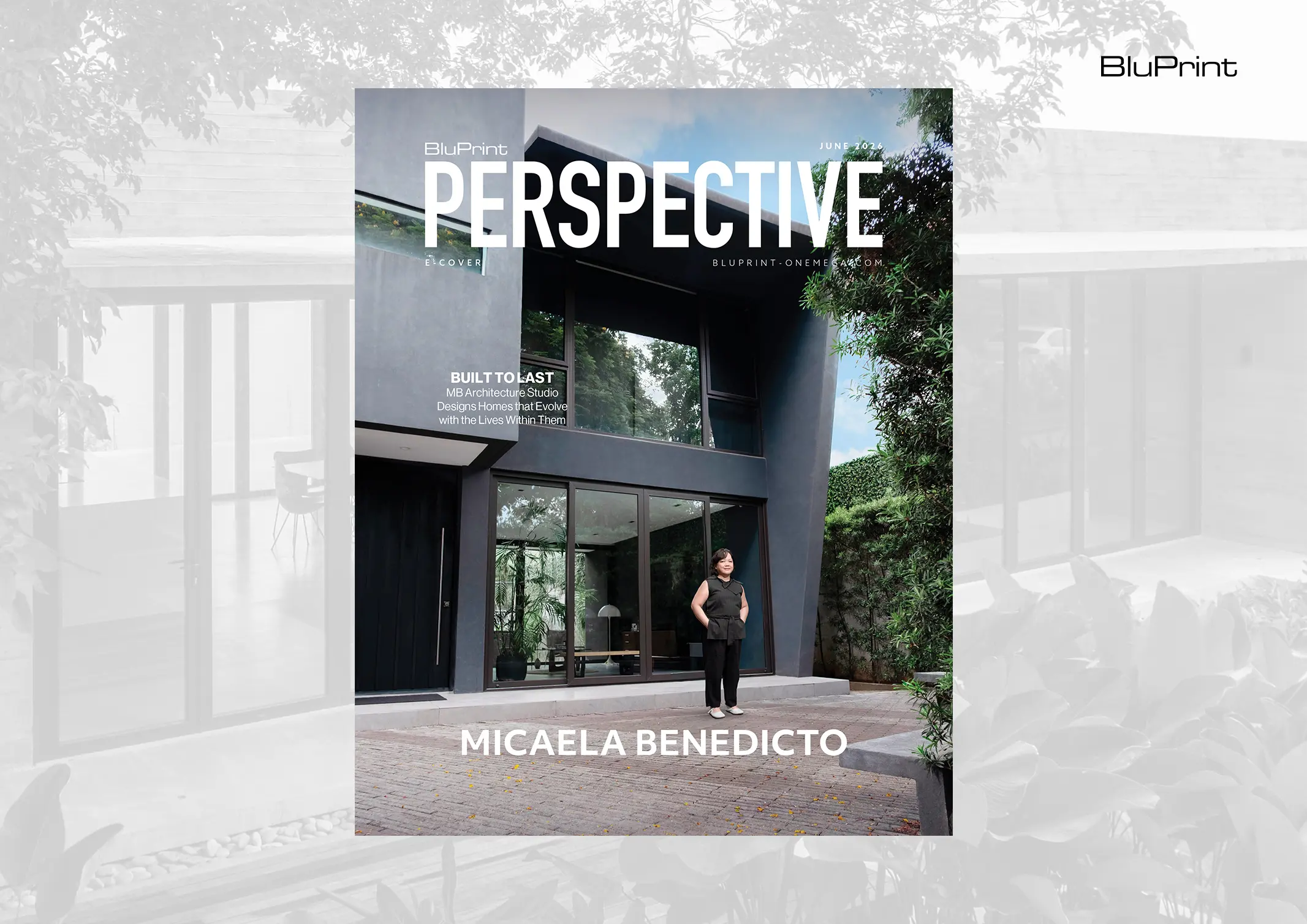
Since setting up her design firm, MB Architecture Studio, in 2007, Ar. Micaela Benedicto has built a diverse portfolio of architectural projects. Her works, whether residential or commercial, showcase a distinct spatial quality, “I like to create things that can go from something static to something that is alive and reactive,” Benedicto states. “In creating […]
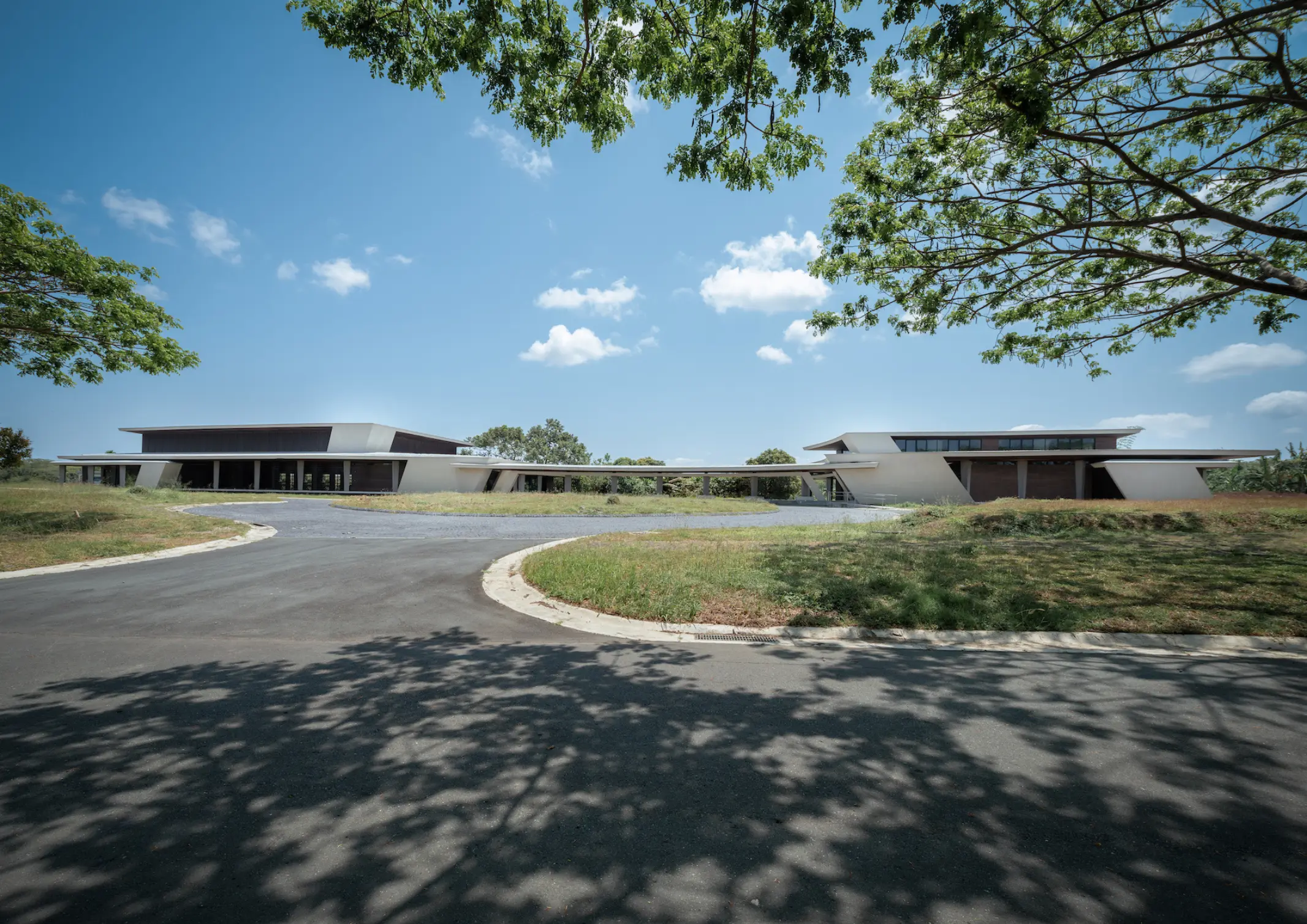
Luscara and Soliento: Barchan + Architecture on Designing a Clubhouse that Responds to its Landscape
Situated in Laguna, south of Metro Manila, is a multi-thousand-hectare development created by Ayala Land Premier within the growth corridor of the CALABARZON Region. Barchan + Architecture was tasked with crafting a clubhouse for the subdivisions of Luscara and Soliento. Principal Architect of Barchan + ArchitectureArchitectureThe art and science of designing and constructing buildings, structures, […]
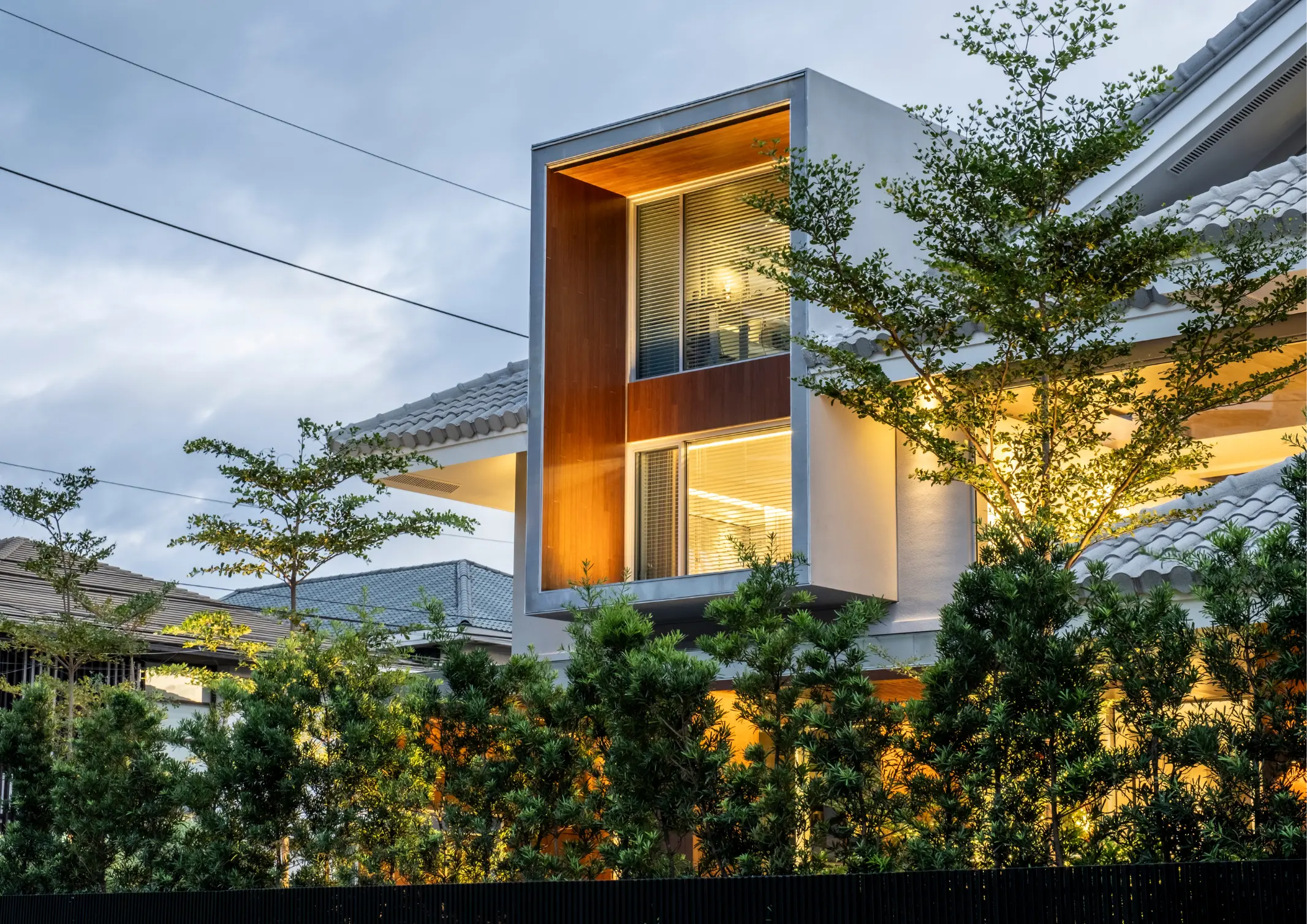
Over the past decades, adaptive reuseAdaptive ReuseThe practice of converting an old or disused building for a new purpose while keeping its structure and character. In the Philippines, it has turned heritage houses, warehouses, and factoriesGo to Adaptive Reuse Glossary has been utilized as a sustainable alternative for the built environment. It involves repurposing existing […]
Read the issues.

Collect the volumes.

Recommended Video
Tap to Unmute
Unmute
0:00
0:00