Modern bathrooms are no longer purely functional spaces. Increasingly, they are being designed as environments that support cleanliness, ease, and quiet restoration within the home. As daily life becomes more demanding and health awareness continues to rise, homeowners are beginning to expect more from the spaces where daily rituals begin and end. For architects and […]
Keyhole Gardening: Easy Hacks for Sustainable Garden Practices



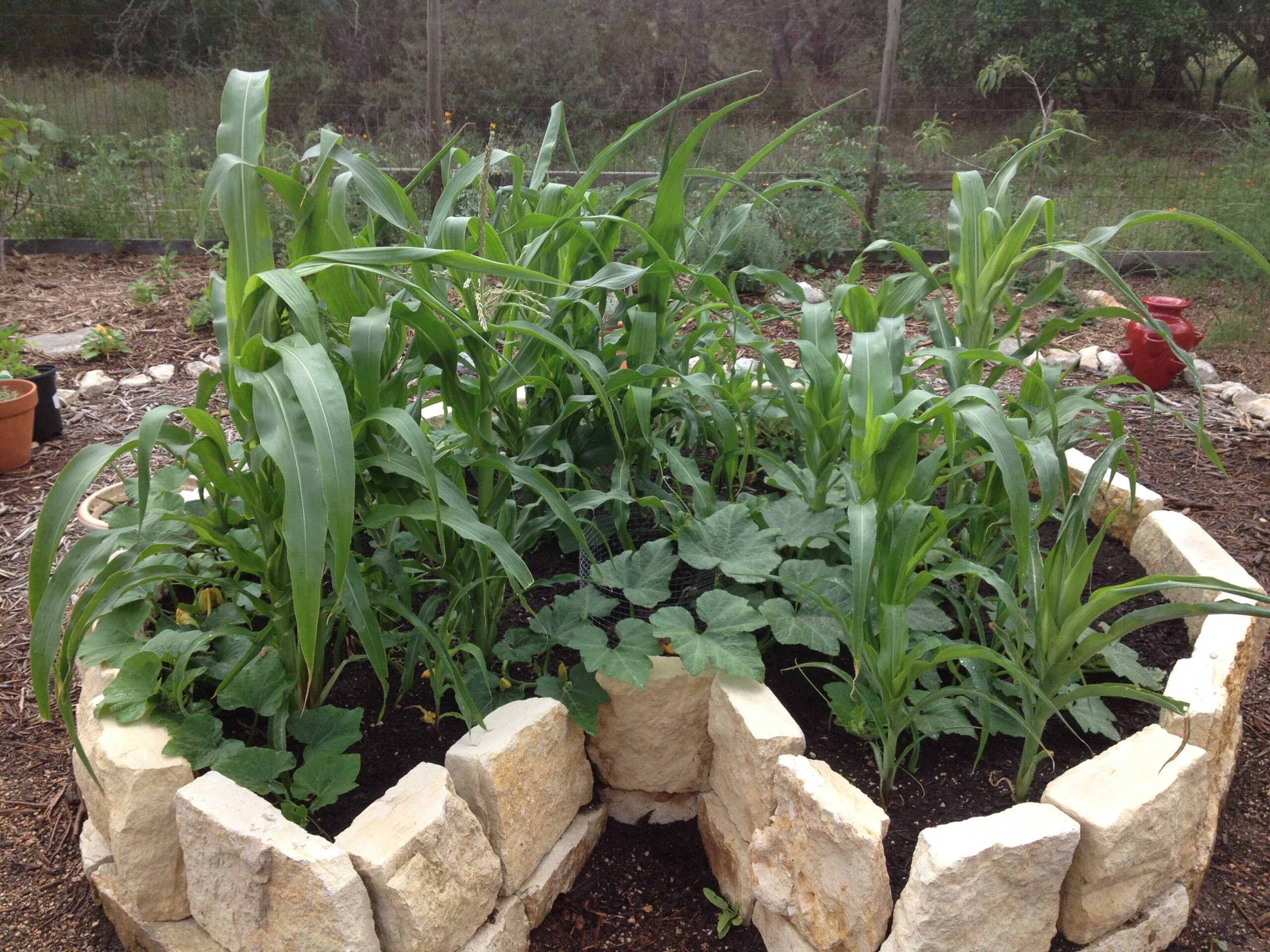
It’s officially the dry season! But it also means extreme drought. And simply watering your plants might not be enough for them to survive the scorching hot weather. A new permaculture approach found a sustainable solution to protect your green buddies throughout this harsh humid season. Specifically designed for countries with challenging climates like the Philippines, keyhole gardening lets you maintain a compact and healthy natural area with just a stone cage, soil bed, and biodegradable scraps.
What is Keyhole Gardening?
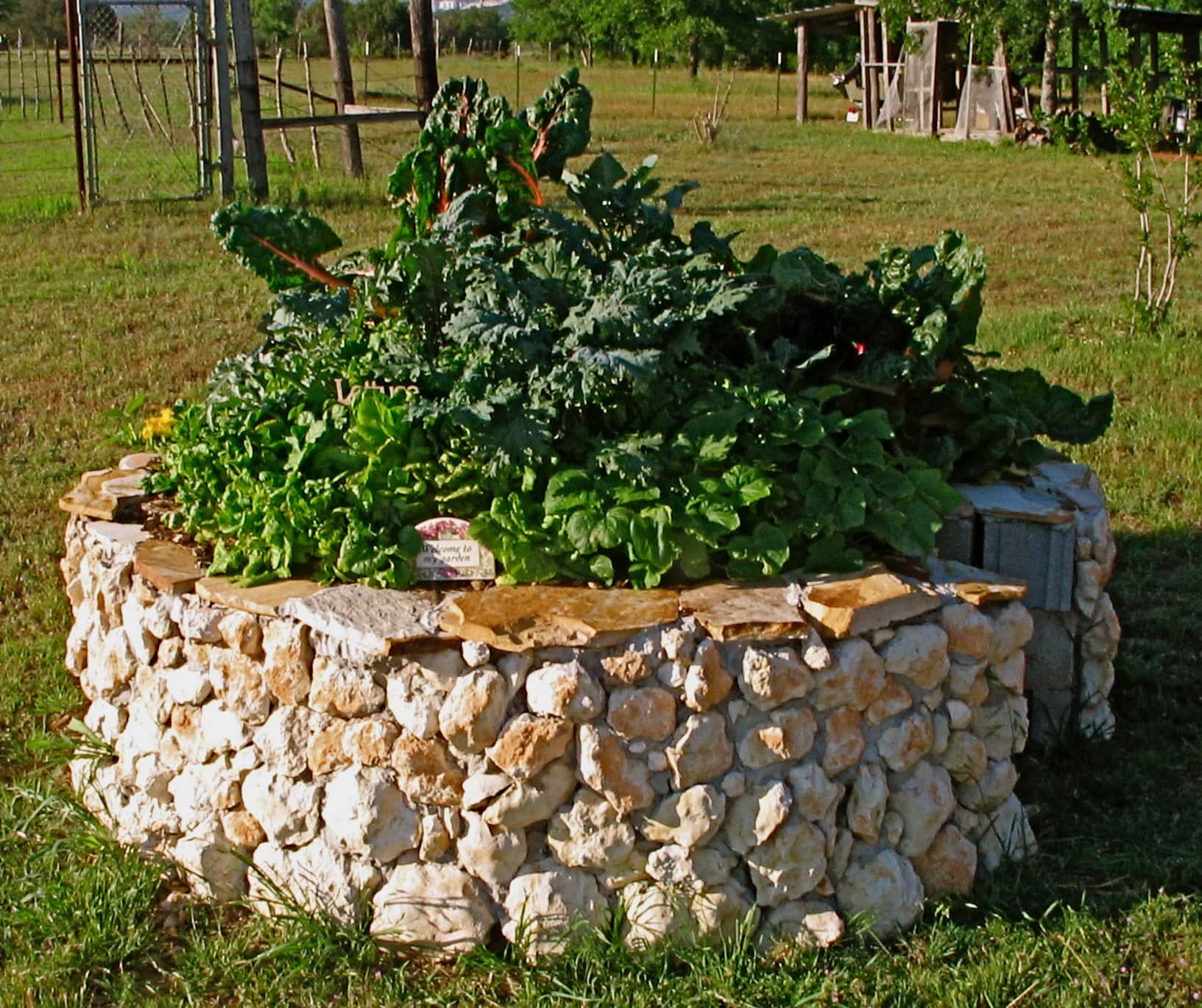
Keyhole gardening is a method for raising crops in a circular, raised soil bed. A keyhole-shaped cavity on one side allows gardeners to reach the entire planting area. Usually two meters wide, it has a composting basket in the center, where compostables like graywater, food waste, and manure go into. As you water the basket, it carries the nutrients from the scraps to the gently sloped soil bed. Stone walls about a meter high above the ground surround the garden, giving its clean and defined form.
Originating from Lesotho, South Africa, keyhole gardening was the alternative gardening method for HIV/AIDS patients. This then evolved into kitchen gardens and spread across Africa and the United States.
Advertisement
Today, keyhole gardens also serve as a clever planter to easily maintain your ornamental plants all at once. And with its compact design, you can even set it up on your balcony or patio, making it compatible with any home size.
Unlocking the Science Behind
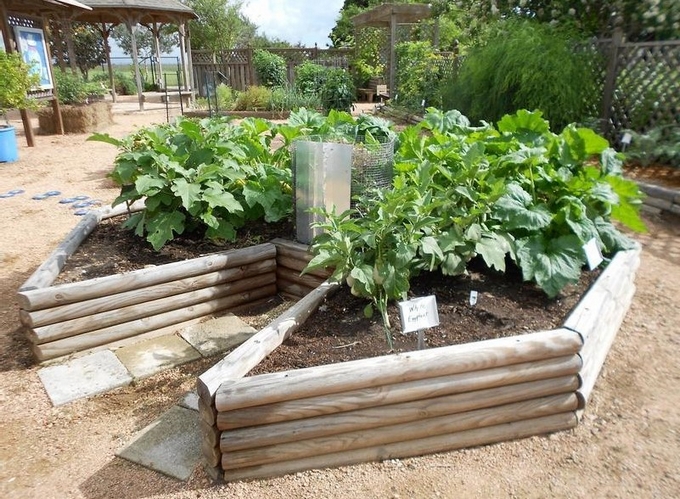
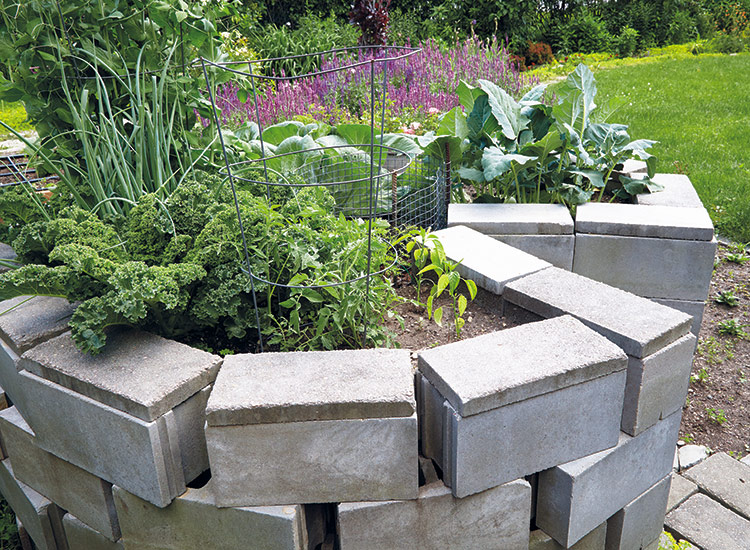
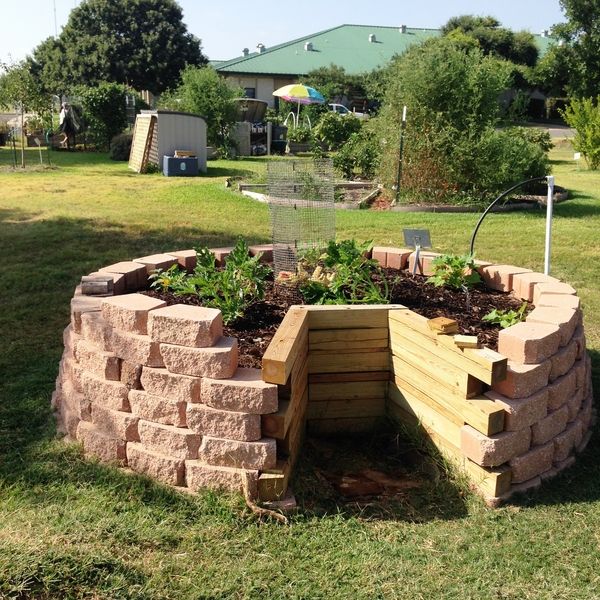
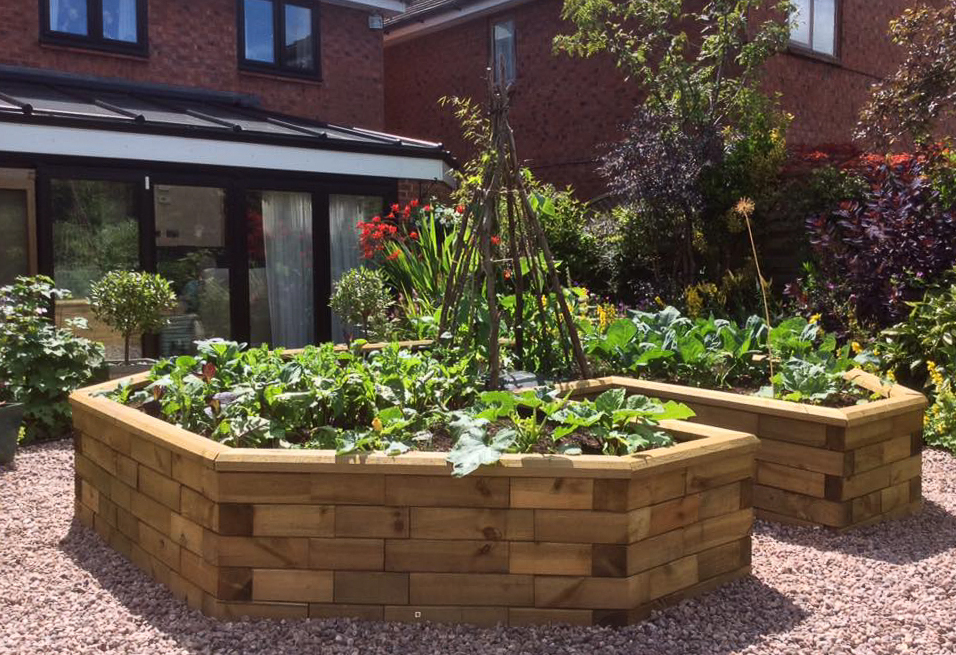
It’s not just the composting technique that makes keyhole gardening a sustainable solution for humid countries. With its unique garden structure, it is also able to withstand drought by maintaining its microclimate.
Its tightly arranged stone cage, typically made of cinder blocks or brick, traps moisture as it holds the soil bed. This creates an ideal environment for earthworms to exist and burrow through the soil, which enhances the bed’s fertility. As the center basket is constantly filled with biodegradables, the keyhole garden maintains its mini ecosystem.
Advertisement
Even with a little amount of water, the sustainable cycle of producing a lush area by reducing waste continues.
The Keys to Keyhole Gardening
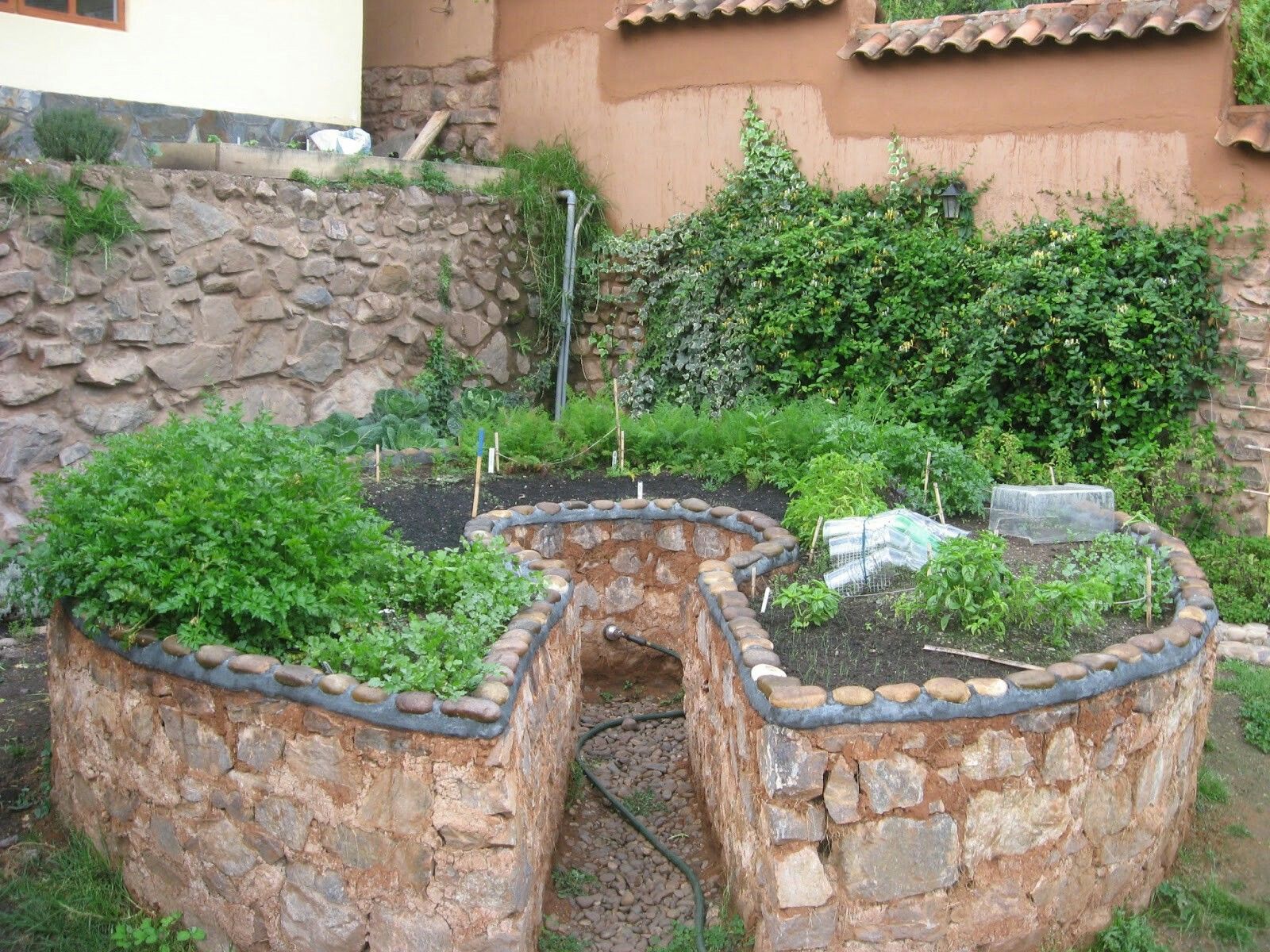
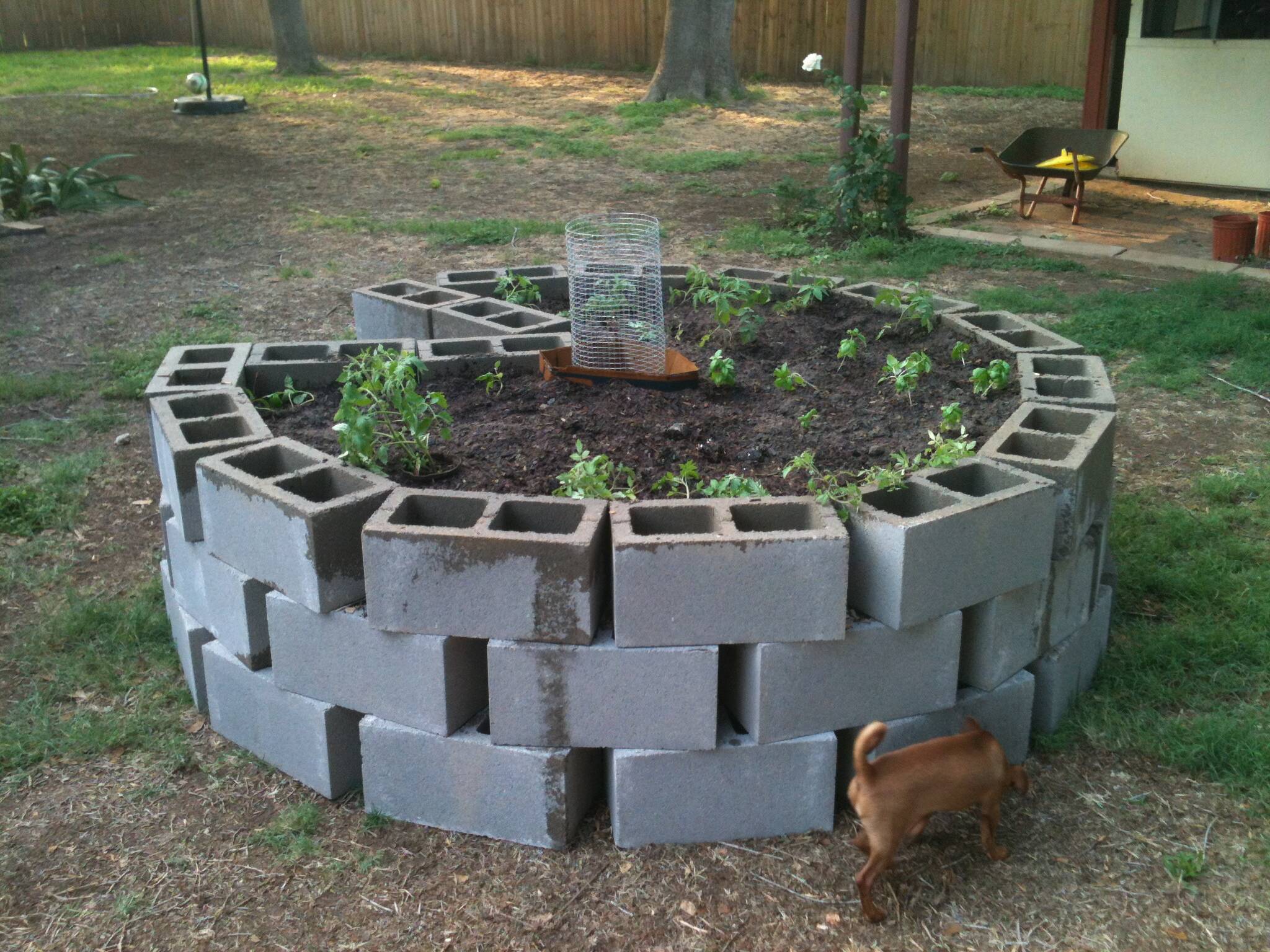
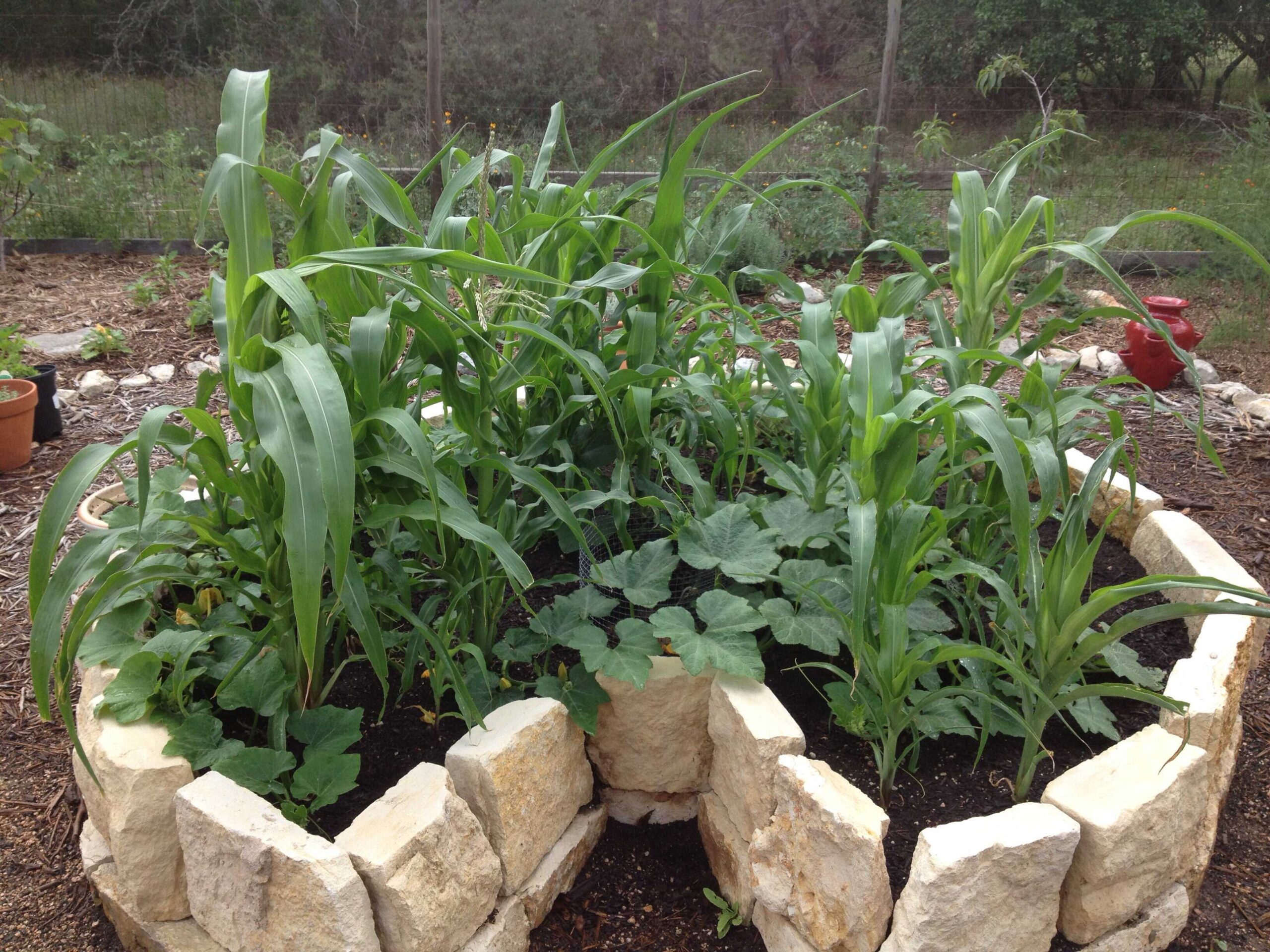
As easy as turning the right key in a lock, here are the simple steps to build your own keyhole garden.
The first step in keyhole gardening is to pick a flat area at least six feet in diameter. This will give a closer and more equal distribution of soil nutrients from the compost basket. Then, put markers for your soil bed about two or three feet high.
Advertisement
Acting as a compass, place a wooden stake with an attached string in the middle of your chosen area and plot the outer circular line. This will be your guide later when you finally put up the walls of your garden.
Choose where you want to place your “keyhole path”, a space that’s about 20 to 26 inches wide. Afterwards, put the compost basket in the center. Hold the basket up by installing a wooden support wrapped with chicken wire. Add stones at the base to allow a smooth flow of water and compost.
Next is building the outer walls. Pick any stone or brick you want and ensure a tight and sturdy pile of your material to hold the soil. Then, it’s time to pour fertile soil mixed with organic fertilizers like cow dung and mulch.
Advertisement
Now all that is left to do is plant.
We all have our own ways to relieve the stress of hot weather. And like us, plants need a comfortable place to survive the long, withering sunny days. Through keyhole gardening, not only can you practice sustainability at home, your plants can also get through the dry season with you.
Advertisement
Read more: Green is in: Indoor gardening for commercial and residential spaces


From the moment a diner steps through the door, each detail shapes how a meal is experienced. Restaurant design has evolved, with architects and culinary professionals collaborating to create built spaces that are as intentional as the menu itself. The spatial atmosphere acts as an additional ingredient that can define the culinary experience. Taupe and […]
Advertisement
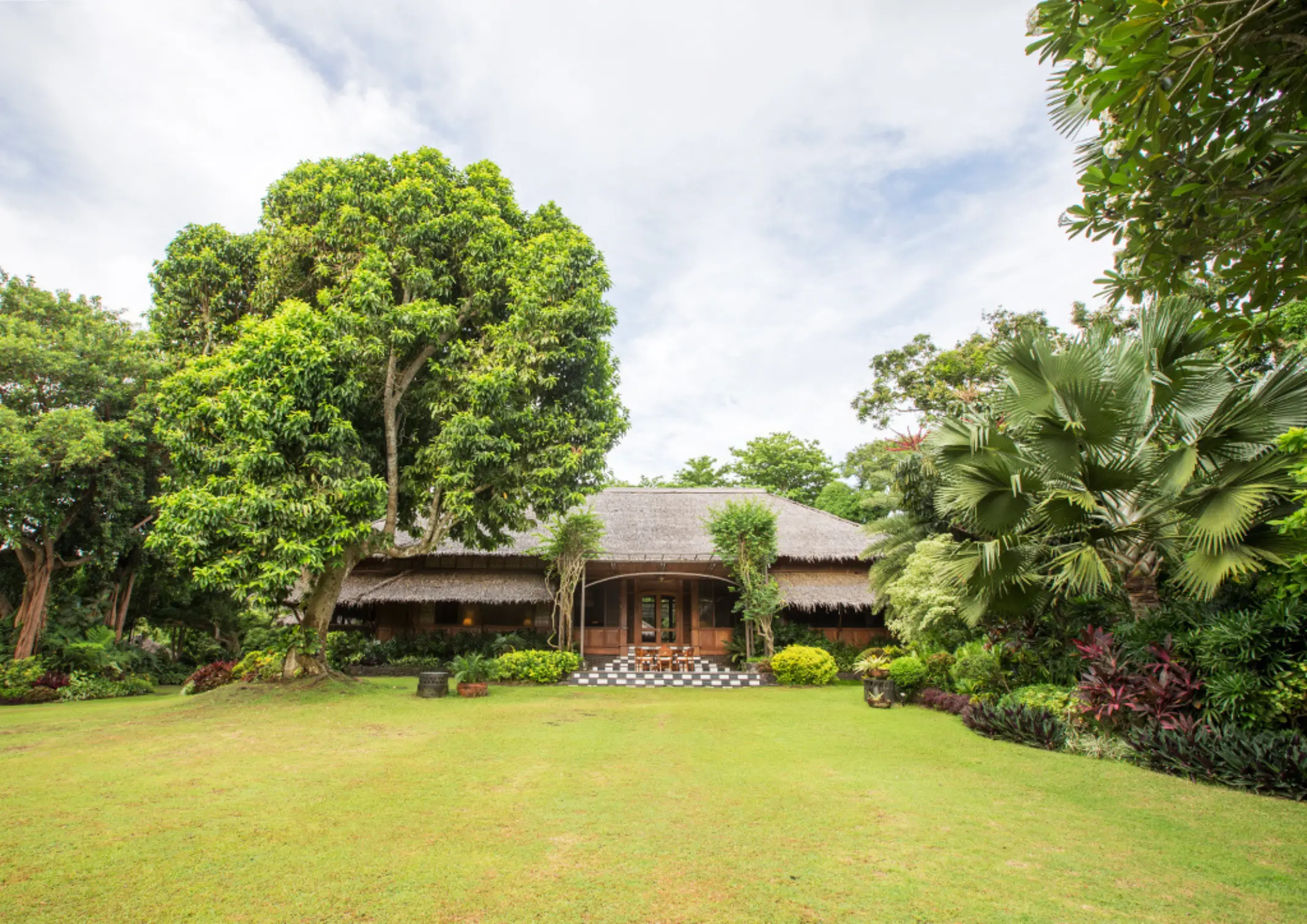
With climate change and global warming, the Philippine climate is in constant evolution. Consequently, it is important for Filipinos to have living spaces that respond to the local environment. In this article, BluPrint lists down Filipino architects who are reimagining the tropical house, aligning the built and natural environment. BAAD Studio Principal architects Benjee Mendoza […]
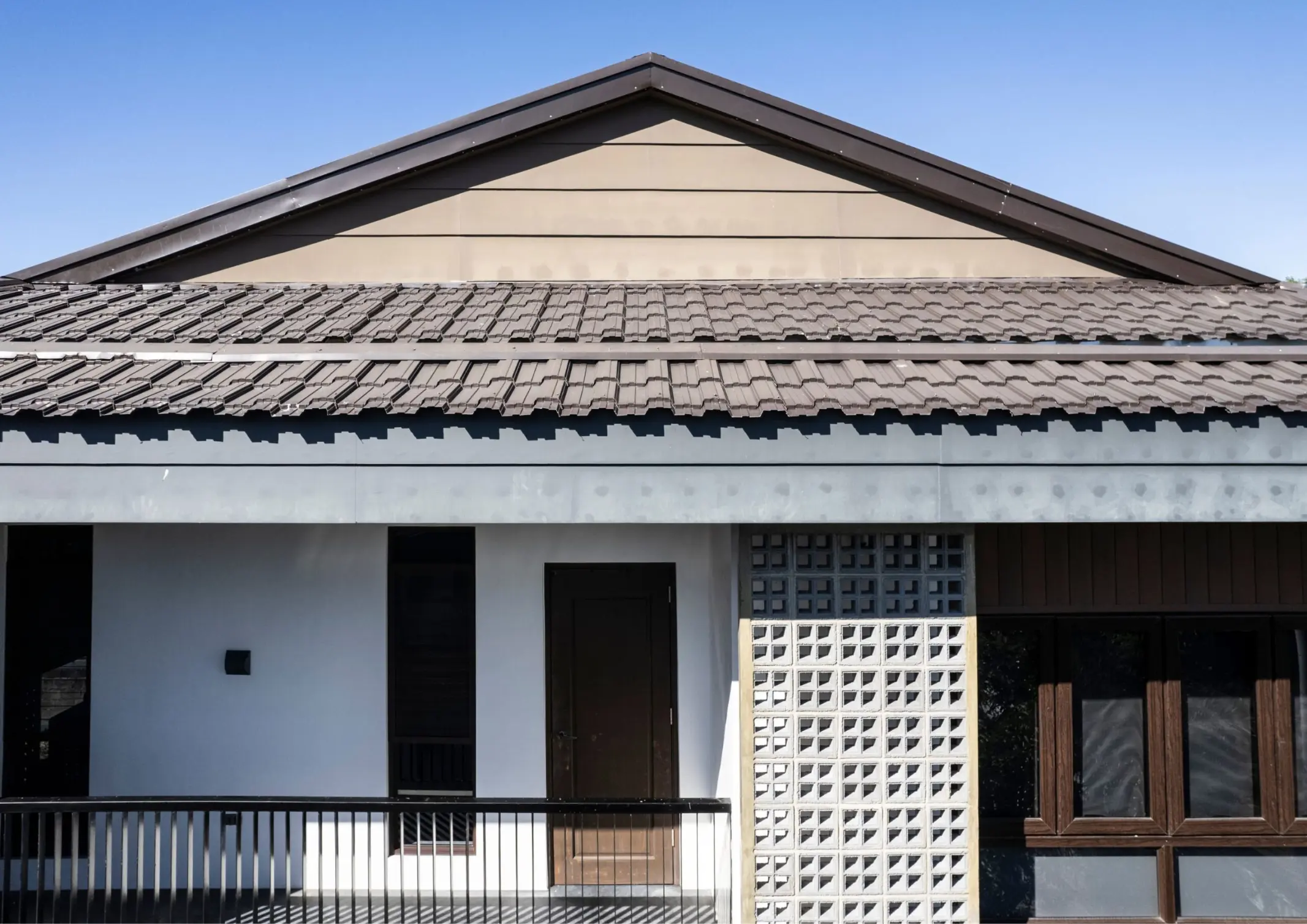
Ventilation involves the introduction of outdoor air into a room, providing occupants with their needs. Proper ventilation allows for the moderation of internal temperatures, the creation of better airflow, the dilution of carbon dioxide to acceptable levels, and the removal of contaminants. This addresses health risks associated with indoor air pollution, such as respiratory problems […]

WORLDBEX 2026, running from March 12 to 15, 2026, proves itself as the Philippines’ leading construction and design expo as it wrapped its 29th edition. It drew together 1,000 local and international exhibitors under one theme, “Building Opportunities: Sustaining Lives.” Organized by Worldbex Services International (WSI), in support of the ABS-CBN Foundation Inc., the event […]
Advertisement
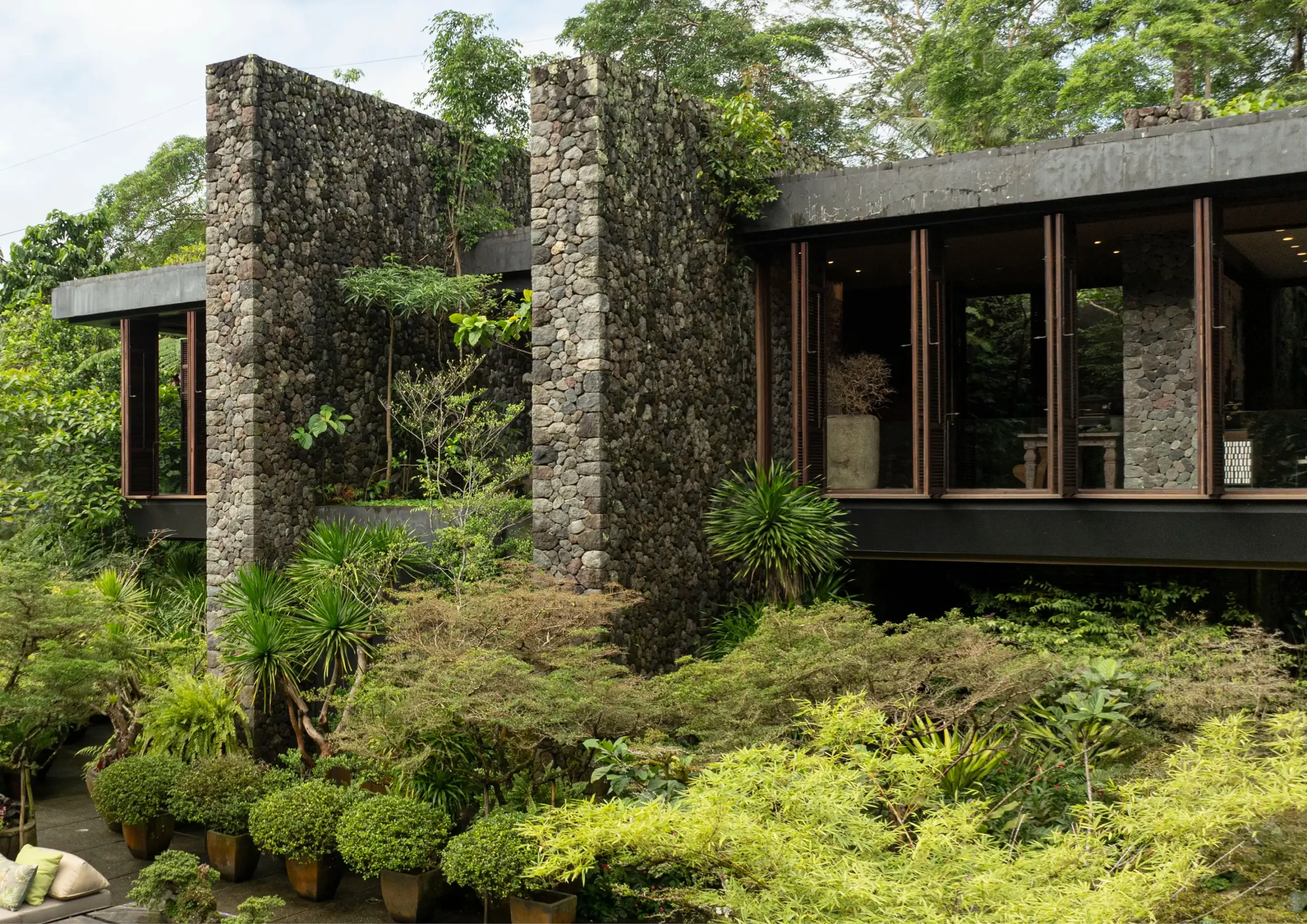
Located near the equator, factors such as heat and humidity are the norm in the Philippines. This tropical climate has shaped the development of architecture in the country. As Leandro V. Locsin stated: “The first consideration of the Filipino builder and certainly the most evident in his architecture, which is after all an outgrowth of […]

Download this month's BLUPRINT magazine digital copy from:



Subscribe via [email protected]