How can better-planned cities create the conditions for more creative, livable, and resilient urban environments? “Makati Urban Recipes for a City’s Survival,” a colloquium held at the Ayala Museum on September 15, brought together architects and practitioners from the fields of urbanism and the creative economy to discuss how design, planning, and collaboration can address […]
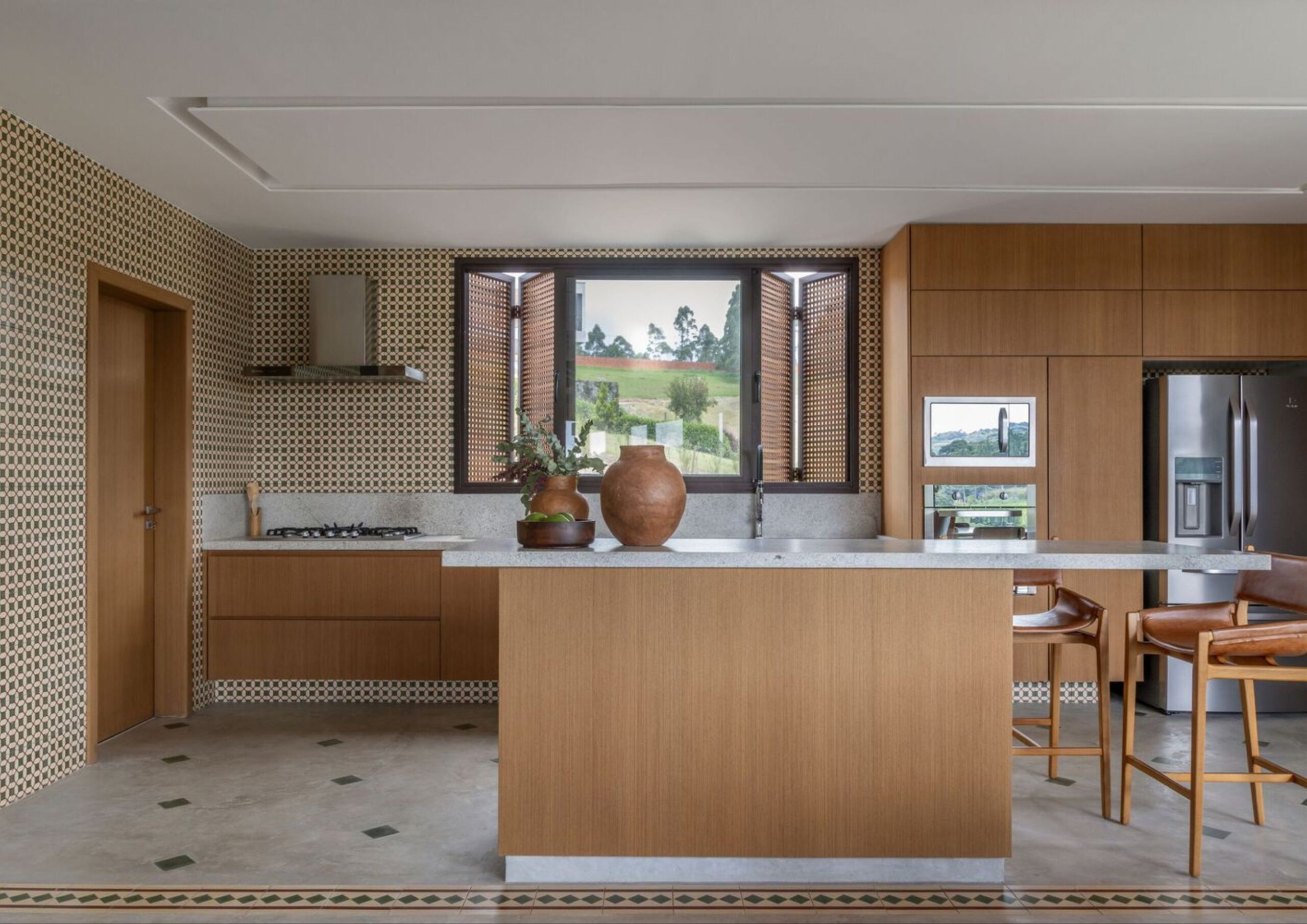
How to Create a Unified Design with the Red Thread Theory



When decorating your home, the rule of thumb is to make it as cohesive and harmonious as possible. It’s the reason why we plan the design to ensure that every piece and detail comes together. It generally applies to any interior style, be it in the most striking or simplest design and everything in between. You might already be practicing this unconsciously by including pieces with a touch of your favorite color, print, or even brand across your home. And this is actually an established design principle called “the red thread theory.”
The Red Thread and Its Interwoven Narrative
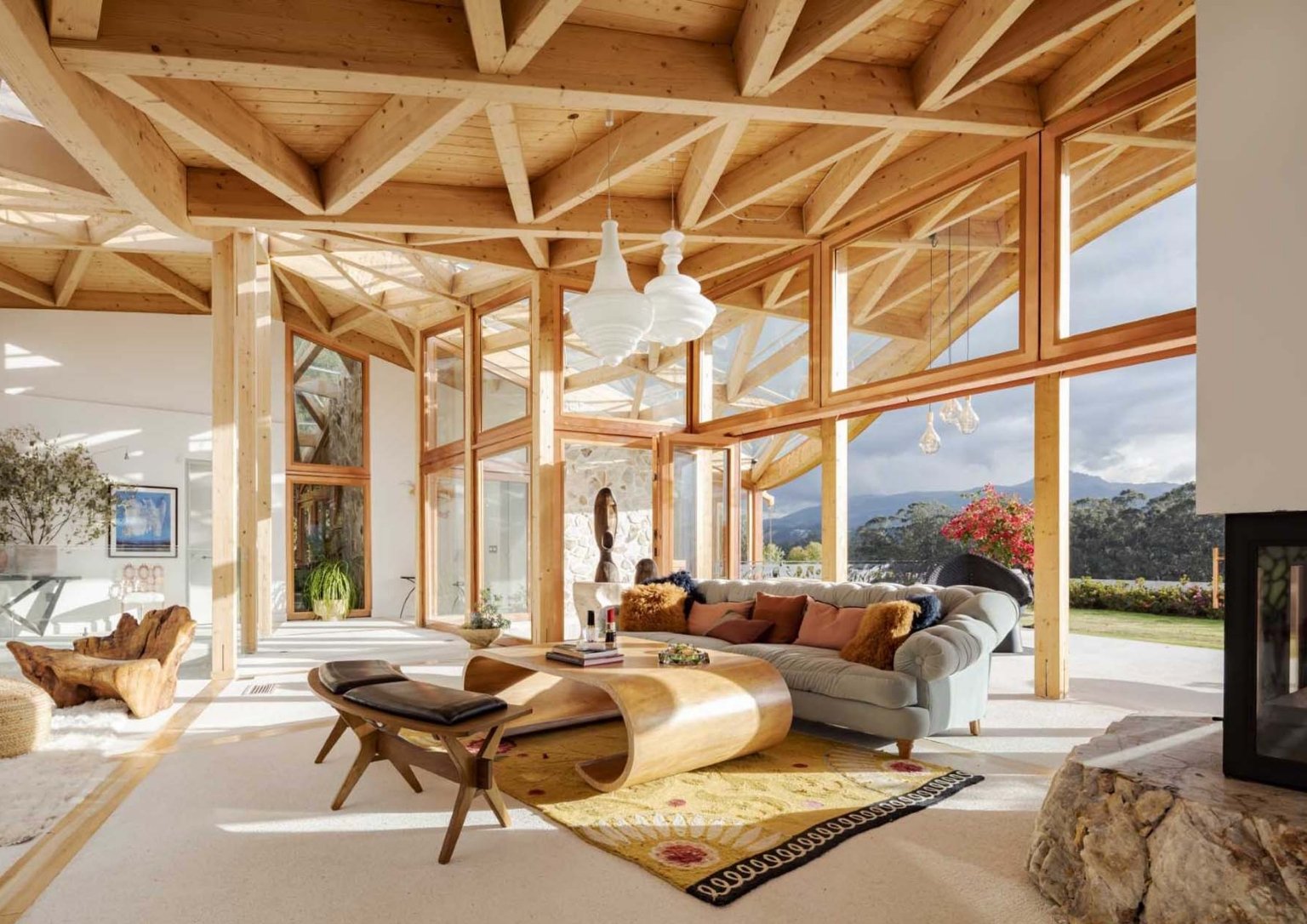
The red thread theory focuses on applying a consistent set of design elements throughout the entire space. Everything is used repeatedly to create a unified and familiar aesthetic as you move through your home. From the palette, style, material, pattern, decor, and ambiance, you can connect them and make them seemingly parallel or homologous. As this principle incorporates shared features in each room and corner, it builds a sense of togetherness and continuity, like individual strands weaved into a single thread.
Originating from Sweden, the red thread theory is nowhere related to the color nor to another trend called the “unexpected red theory.” Instead, it came from a Nordic expression “röd tråd”, translated as red thread, which means a core idea or theme. It could also be influenced from the Greek myth of Theseus and the Minotaur, where the red thread was used to navigate the former’s escape from the labyrinth. Having these origins, the red thread is now seen as a metaphor for a guiding principle or connection.
Using this design theory, you can envision your home as a whole rather than treating each area separately and differently. But it doesn’t necessarily have to look so uniform to the point that it appears monotonous. As long as there is a single element present in each place, you can create a cohesive and congruous space.
How to Weave Your Own Red Thread
The great thing about the red thread theory is that your preferences rule. And it doesn’t matter what element you pick as your red thread. This Nordic principle puts more emphasis on how you incorporate your chosen red thread into your home. So, here’s a guide on how to do it.
Color Palette
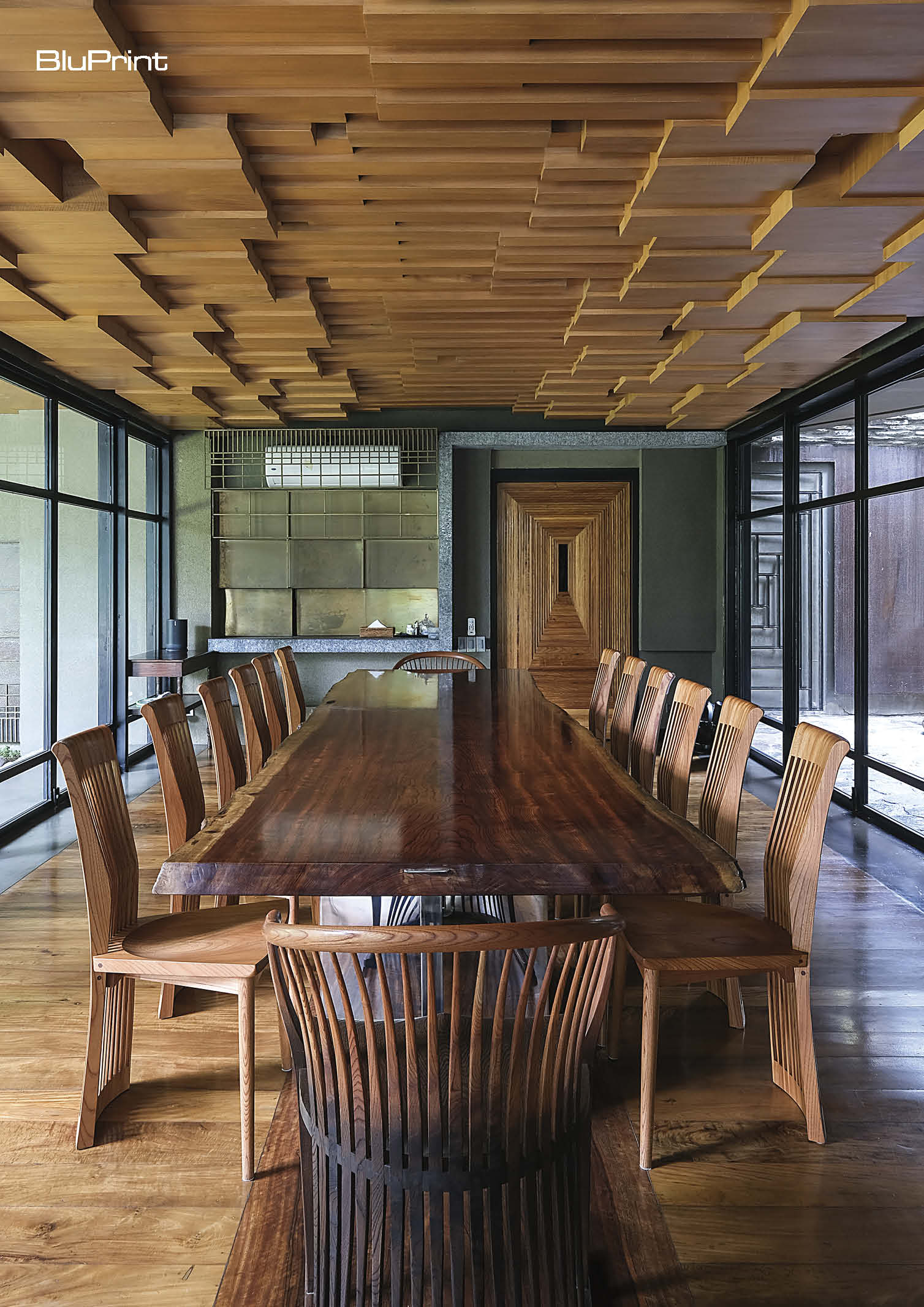
If you want color to be the focal point, build a color palette first. It can be a combination of two to three complementing colors or different tones of a single hue. Consider the ambiance you want to establish in your home in general and the natural light each space receives.
If the area is dimmer during daytime, apply a lighter tint of your chosen color scheme. Contrarily, if the area is bathed with sunlight, opt for a slightly darker shade. In this way, you can balance the brightness and shadows cast in each room. And this doesn’t only apply to surfaces. You can incorporate the color palette in your furniture, decor, and other home objects.
Interior Style
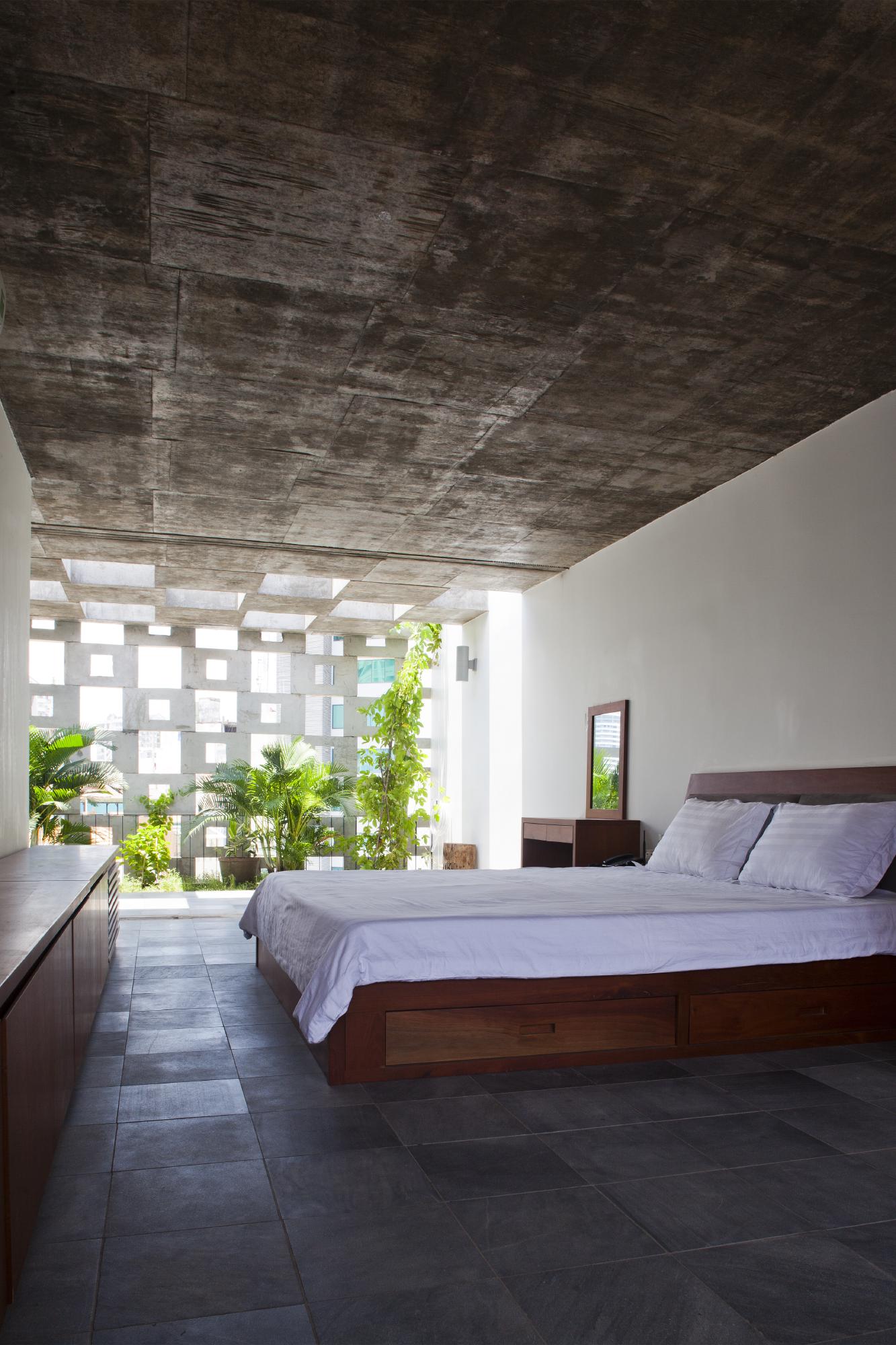
Along with the color palette, interior style is one of the easiest red threads to follow since it’s automatically applied all over your home. But you should consider three things first: your personal taste, your lifestyle, and your home’s architectureArchitectureThe art and science of designing and constructing buildings, structures, and spaces that are functional, safe, and aesthetically pleasing. It encompasses the planning, design, materials, and techniques used to createGo to Architecture Glossary.
Your personal taste should mirror the kind of atmosphere you want to create. If you like clean lines and sleek details, opt for straightforward styles like modern and minimalist. But if you want to add a little more personality, lived-in designs like rustic, industrial, and bohemian might work best for you.
As for lifestyle, think of your habits and interests. If you’re into hosting social events, you can include flexible furniture like ottomans, folding chairs, and expandable tables. This allows you to move your red thread anywhere in the house. For homebodies, you can bring your red thread in designated cozy corners like reading nooks. You can adopt the same style for your bookshelf as your bedroom or carry similar pieces and style from other rooms.
Most importantly, assess if your home’s current design can cater the interior style you want. Complex designs like art nouveau, hollywood glam, and traditional require specific, intricate details to achieve. And if your house features simple lines and geometric shapes, it might be taxing and pricey to renovate to suit those styles.
Materials, Patterns, and Objects
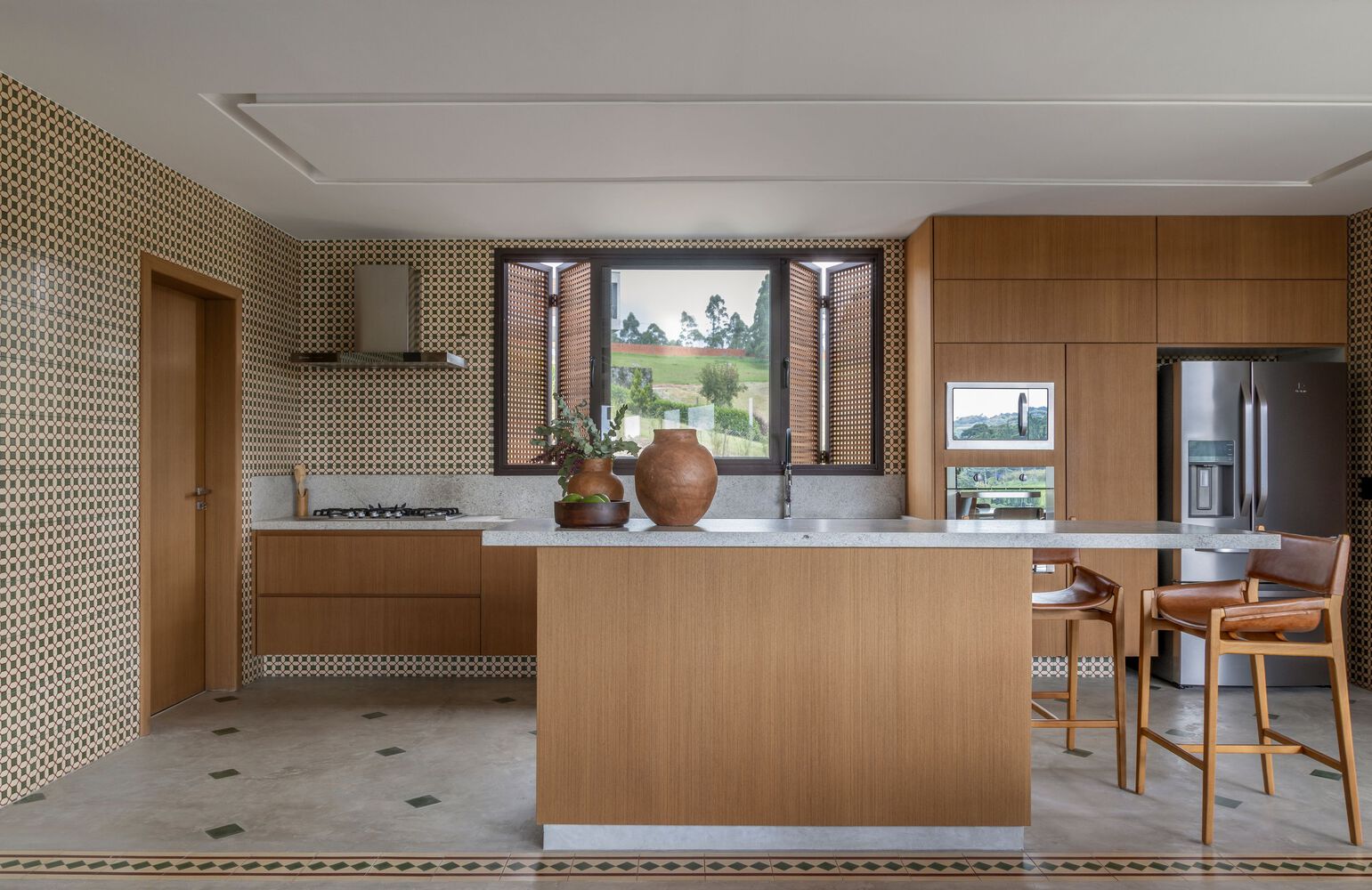
Unlike the first two elements, using materials, patterns, and objects as your red thread requires a more dynamic application. Since they are relatively smaller in size and scope, they need more obvious variations to ensure the spaces won’t be too repetitive and plain. One solution for this is to curate their placement for each area.
For example, if you choose wood slats to accent your living room wall, you can also use it for the headboard in your bedroom. Or if you incorporate marble flooring in the bathroom, you can use the same material for a backsplash or countertop. Even if you purchase a set of furniture made of the same material, make sure to spread them out across your home.
For patterns, the best way to distribute them is to pick a main pattern and incorporate them in different sized items and spaces. Rugs, throw pillows, upholstery, tiles, or walls are some of the ideal places to put them. In this way, you can easily disperse them and avoid flooding the space with a single, overpowering design.
The same goes for objects. Place vases, potted plants, artworks, and other trinkets in different areas to seamlessly and cohesively blend with the space. You can try putting your favorite indoor plant as the centerpiece for your coffee table, and place the rest on the windowsill. Or for collected artworks with similar art styles, hang the smaller frames in bedrooms and the larger ones in open floor areas.
The red thread theory may be a simple unifying design principle. But it guides you to not only stitch together design elements but also weave a sense of connection to your space. And as it intertwines through your home, a strong bond forms between you and your environment.
Read more: How Slow Decorating Changes Our Perspective in Home Design

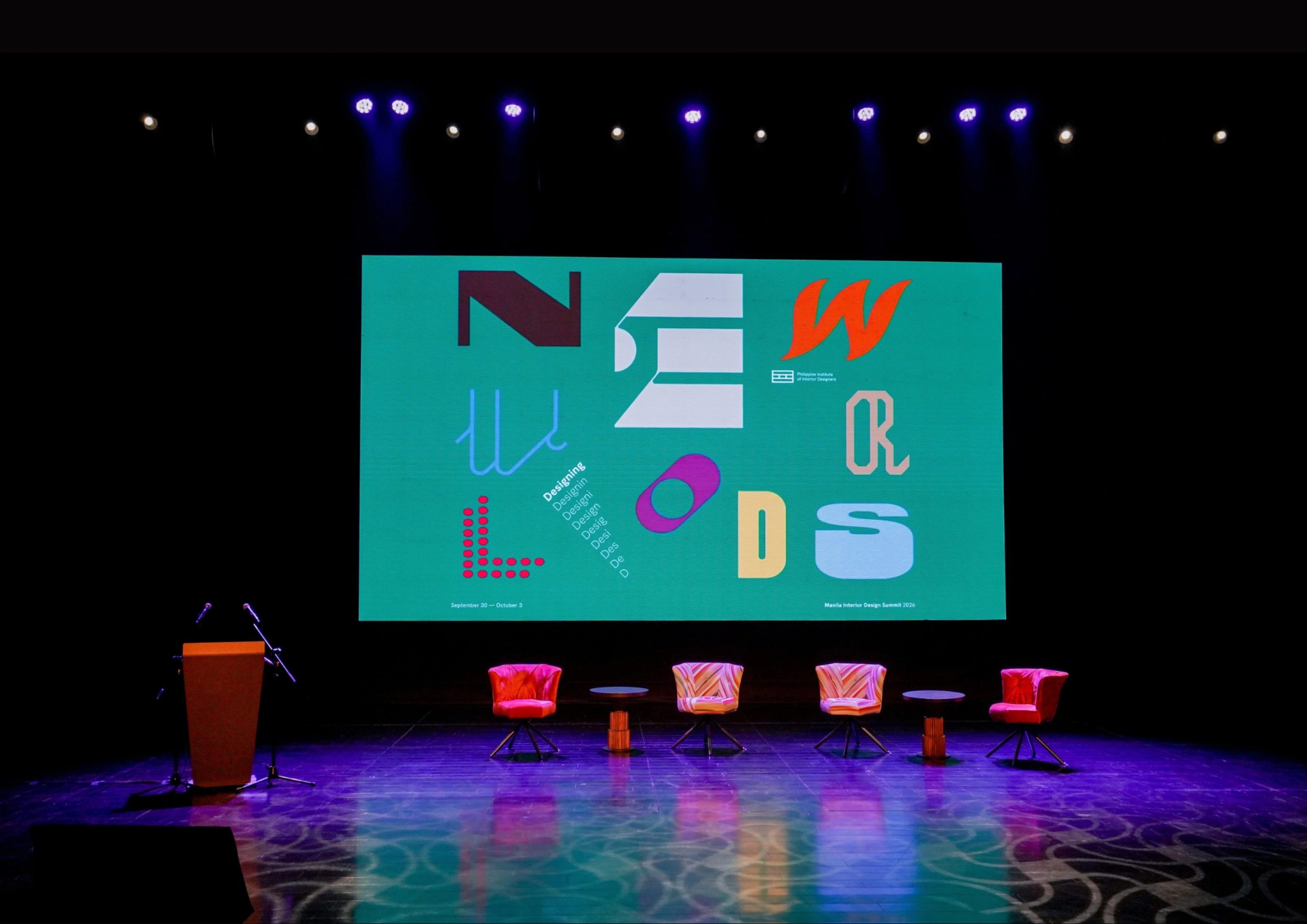
The fourth Manila Interior DesignInterior DesignThe discipline of planning and shaping interior spaces for function, comfort, safety, and beauty. It covers layout, lighting, materials, finishes, furniture, and color, and in the Philippines is a licensedGo to Interior Design Glossary Summit (MIDS) brought together more than 300 delegates for four days of conversations, exhibitions, and design […]
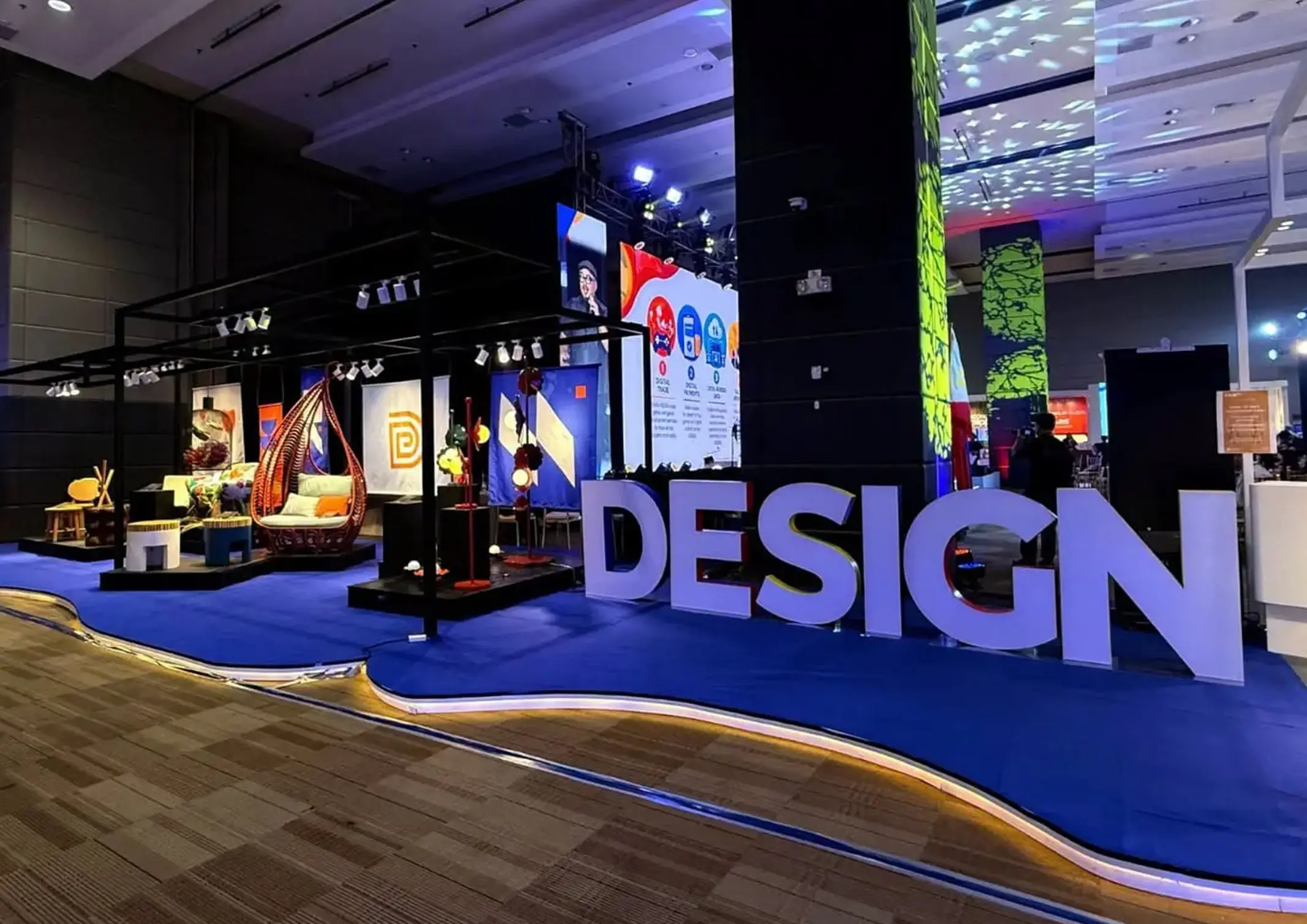
Held at the SMX Convention Center Aura in Taguig City, the first ASEAN Creative Industries Expo by Malikhaing Pinoy (ASEAN MPEx) features nine creative domains, including design, visual arts, digital interactive media, and performing arts. Organized by the Department of Trade and Industry (DTI), the event includes exhibitions, cultural performances, industry talks, and pitching sessions […]
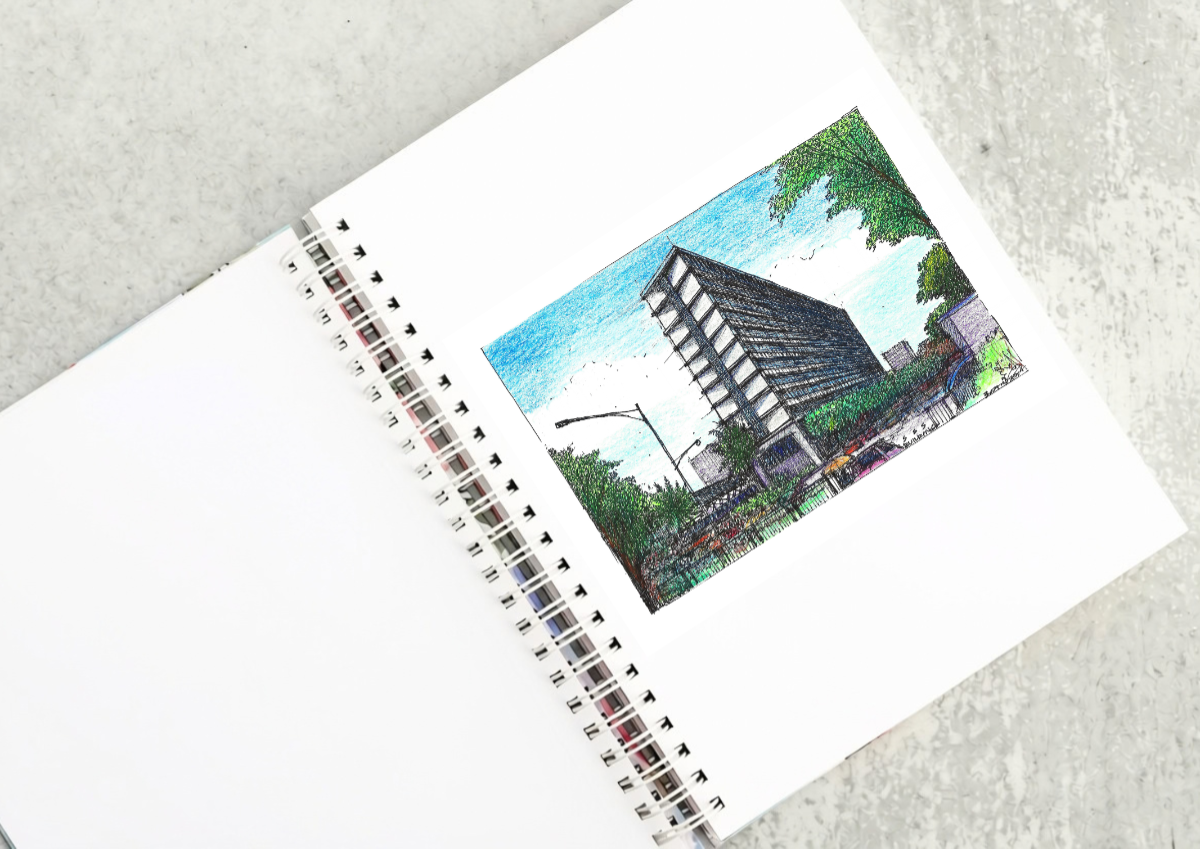
The SSS Building as an Expression of Civic Modernism My favorite modernist landmark in Quezon City is the SSS building on East Avenue. Designed by National Artist for ArchitectureArchitectureThe art and science of designing and constructing buildings, structures, and spaces that are functional, safe, and aesthetically pleasing. It encompasses the planning, design, materials, and techniques […]

Archie G. Carrasco, Chairman and CEO of AGC Power Holdings Corp. (AGC PHC), has been named to The BoF 500 Class of 2026 under the Media category, joining The Business of Fashion’s global community of individuals shaping the fashion industry. Carrasco is among 100 new members from 33 countries and 48 nationalities selected for the […]

Culture in design does not always announce itself through a recognizable motif, material, or symbol. It can also be embedded in the relationships designers build, the knowledge they listen to, the materials they choose, and the decisions they make in response to communities and their environments. This distinction emerged throughout the 2026 International Design Conference […]
Read the issues.

Collect the volumes.

Recommended Video
Tap to Unmute
Unmute
0:00
0:00