How can better-planned cities create the conditions for more creative, livable, and resilient urban environments? “Makati Urban Recipes for a City’s Survival,” a colloquium held at the Ayala Museum on September 15, brought together architects and practitioners from the fields of urbanism and the creative economy to discuss how design, planning, and collaboration can address […]
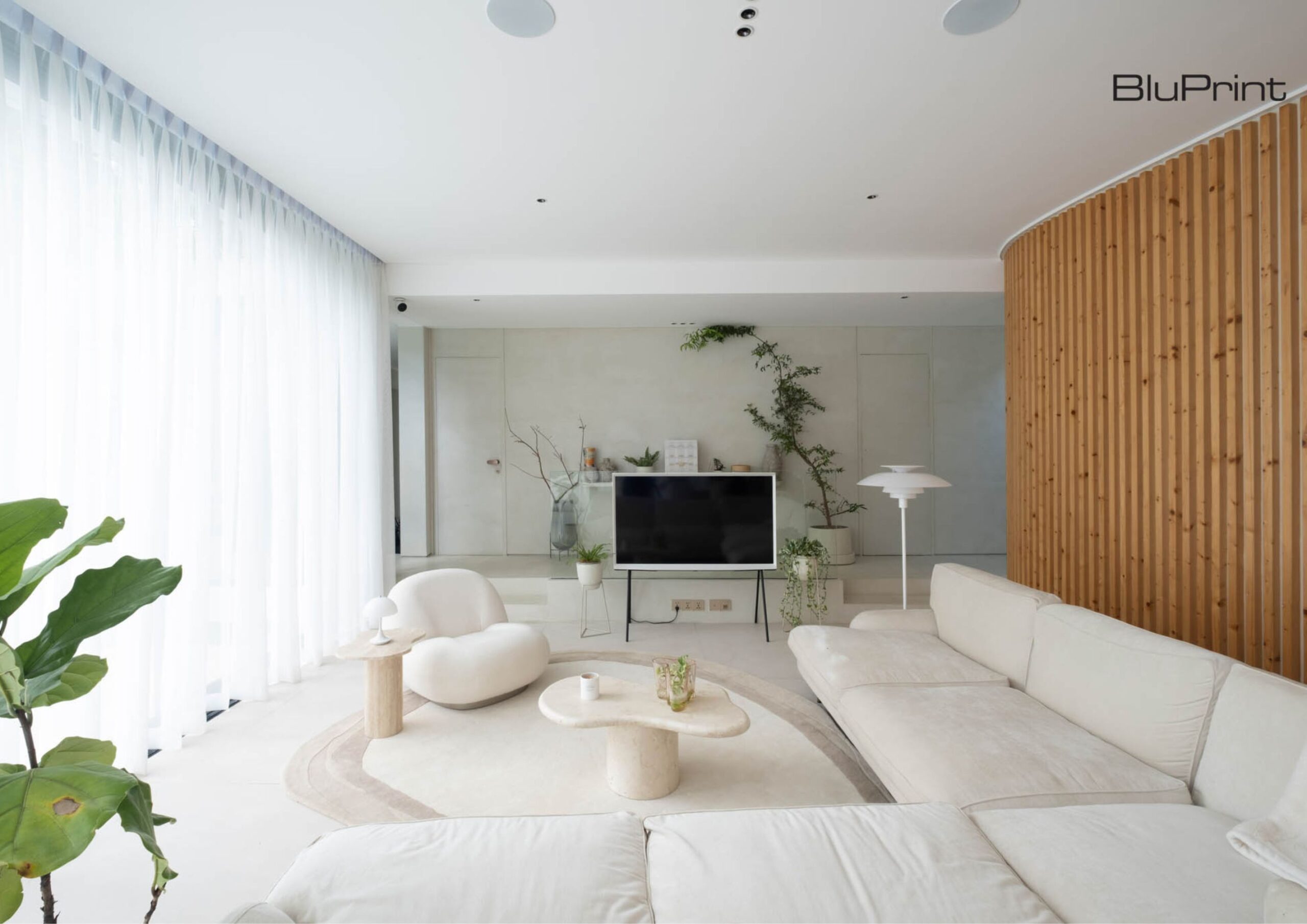
Ikigai Is the Design Philosophy That Reflects Your Purpose



With all the noise and hustle of the outside world, the last thing you want for your place to be is a cluttered, chaotic space. More than providing shelter, homes should be a sanctuary where you can truly unwind, de-stress, and recharge after a long day. And to truly achieve that, a Japanese philosophy called “ikigai” offers useful applications to craft a space that resonates with your well-being and deepest purpose.
The Search for Ikigai
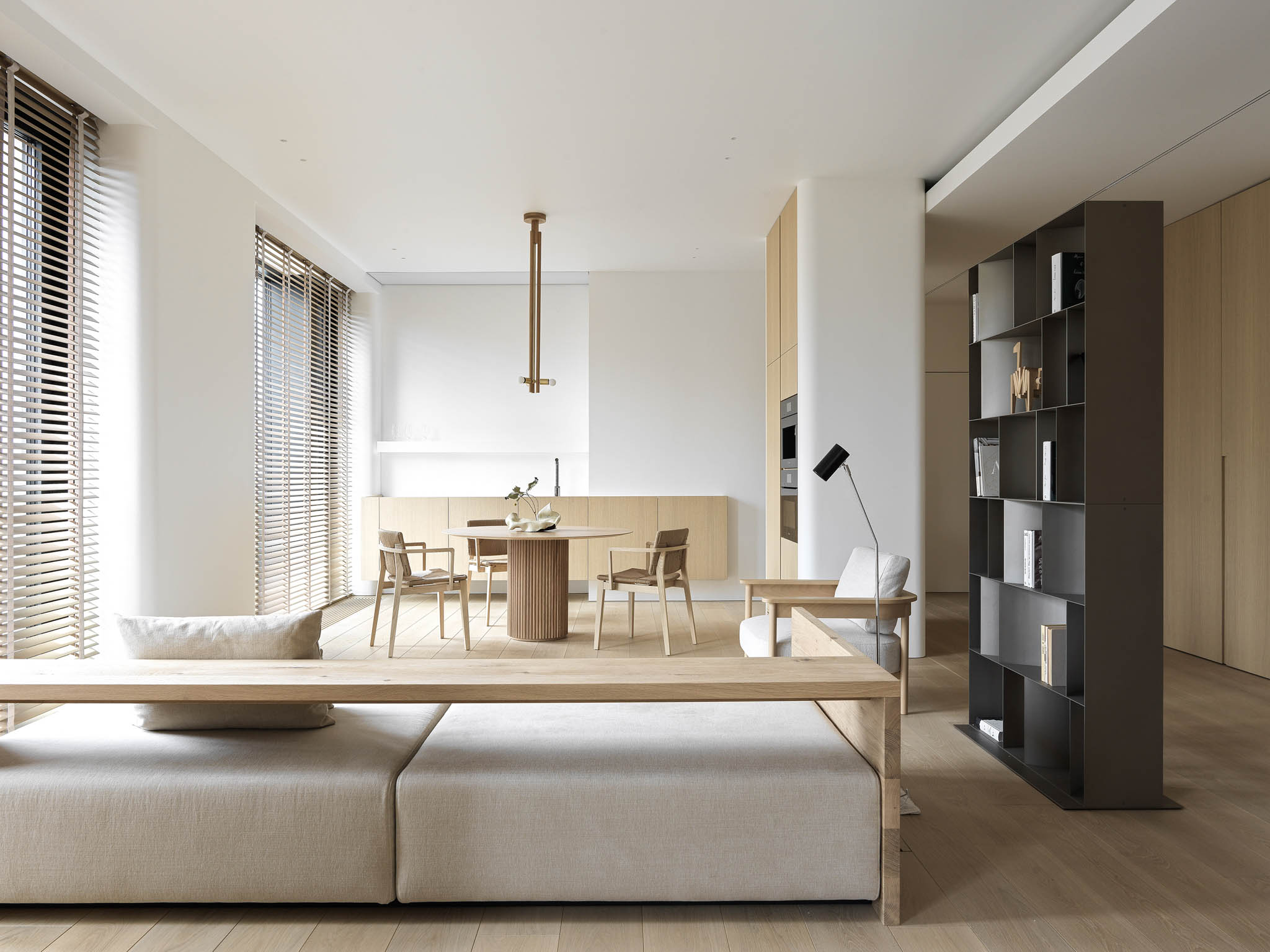
Ikigai is an idea deeply rooted in Japanese culture and history. Directly translated as “reason for being,” it emphasizes the value of life and the attainment of happiness aligned with your purpose. But it deviates from chasing wealth and other materialistic desires since it focuses on passion, vocation, profession, and mission. This is often associated with career building and life purpose in general, but it certainly can be significant in interior designInterior DesignThe discipline of planning and shaping interior spaces for function, comfort, safety, and beauty. It covers layout, lighting, materials, finishes, furniture, and color, and in the Philippines is a licensedGo to Interior Design Glossary as well.
When applied in homes, ikigai is about making a calm ambiance where every part of your well-being can develop. It creates spaces according to how you want to live your life. But along with personalization, it mainly includes functionality, nature, and simplicity. All of these can result in contentment, which is where the essence of ikigai in interior designInterior DesignThe discipline of planning and shaping interior spaces for function, comfort, safety, and beauty. It covers layout, lighting, materials, finishes, furniture, and color, and in the Philippines is a licensedGo to Interior Design Glossary truly lies.
Ikigai’s Four Pillars
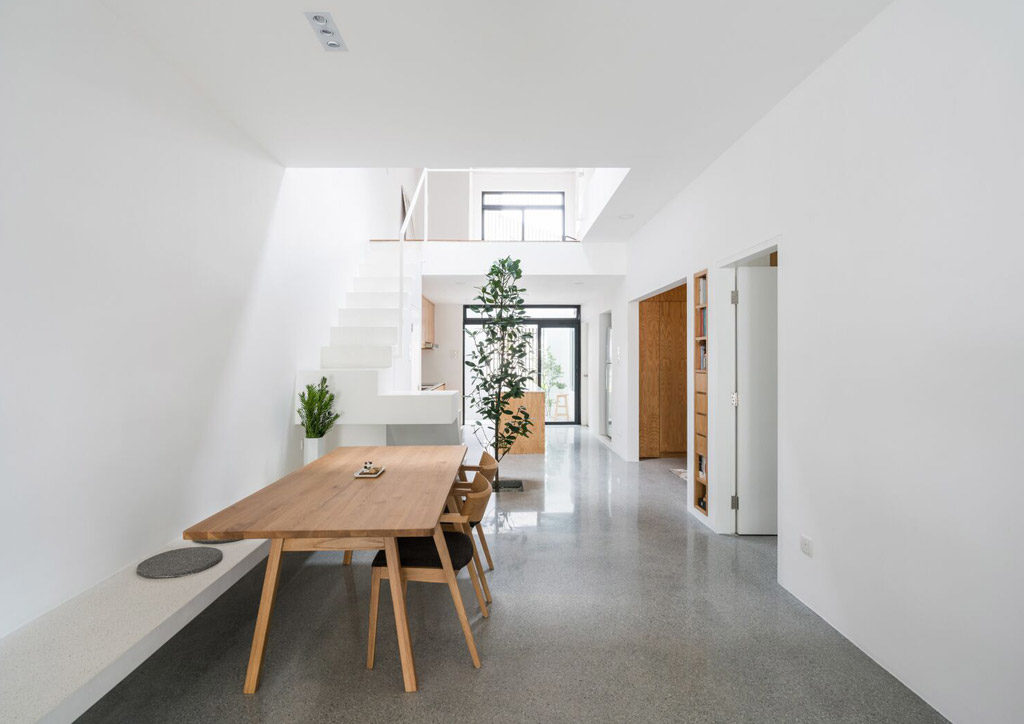
Imagine a four-circle venn diagram, where ikigai is at the center. Its key areas are composed of what you love, what you’re good at, what the world needs, and what you can be paid for. And the convergence of these sections forms the reason for your being. Understanding this concept can help curate a holistic home design approach that reflects your purpose.
Passion
What you love includes anything that brings you joy and ignites your spirit. It’s about knowing the activities that you’d still do even if you’re not making a profit from them. In interior design, it’s about improving spaces to further inspire you to pursue your habits.
This is often done by filling the area with objects and decor essential to continue or enhance your passion. If you enjoy creating or listening to music, for example, you can hang your guitar collection, vinyl albums, and music posters on the wall. Or if you like writing or reading, you can place bookshelves featuring your favorite reads or a nook with a comfy seating.
Vocation
Vocation comprises the things you’re good at. This highlights your skills, talents and natural abilities that come easily to you. Observe activities where you excel the most and strengths you’re frequently complimented.
When applied at home, it’s about dedicating spaces where your vocation can flourish. If you’re a skilled artist, you can translate ikigai by alloting a studio room. Or if you have a green thumb, you can design a balcony garden or integrate plants throughout your place.
Mission
Mission is defined by using your passion and skills to make positive impacts and contributions. It underscores the causes you care about and the problems you help solve to improve the lives of others.
Your interiors can reflect this by choosing eco-friendly and natural materials like bamboo or recycled textiles. It can also mean harnessing natural light and ventilation, using energy-efficient appliances and fixtures, or patronizing local brands. And spaces promoting connection and collaboration like spacious living rooms and shared workspaces complete this key area of ikigai.
Profession
What you can be paid for refers to using your passion and skills to make a sustainable livelihood. It can be by choosing a career path, starting a business, or embracing new opportunities. In homes, you can convey this through dedicating home offices or a room where you can display your work or place your supplies and equipment.
Reflecting Your Ikigai at Home
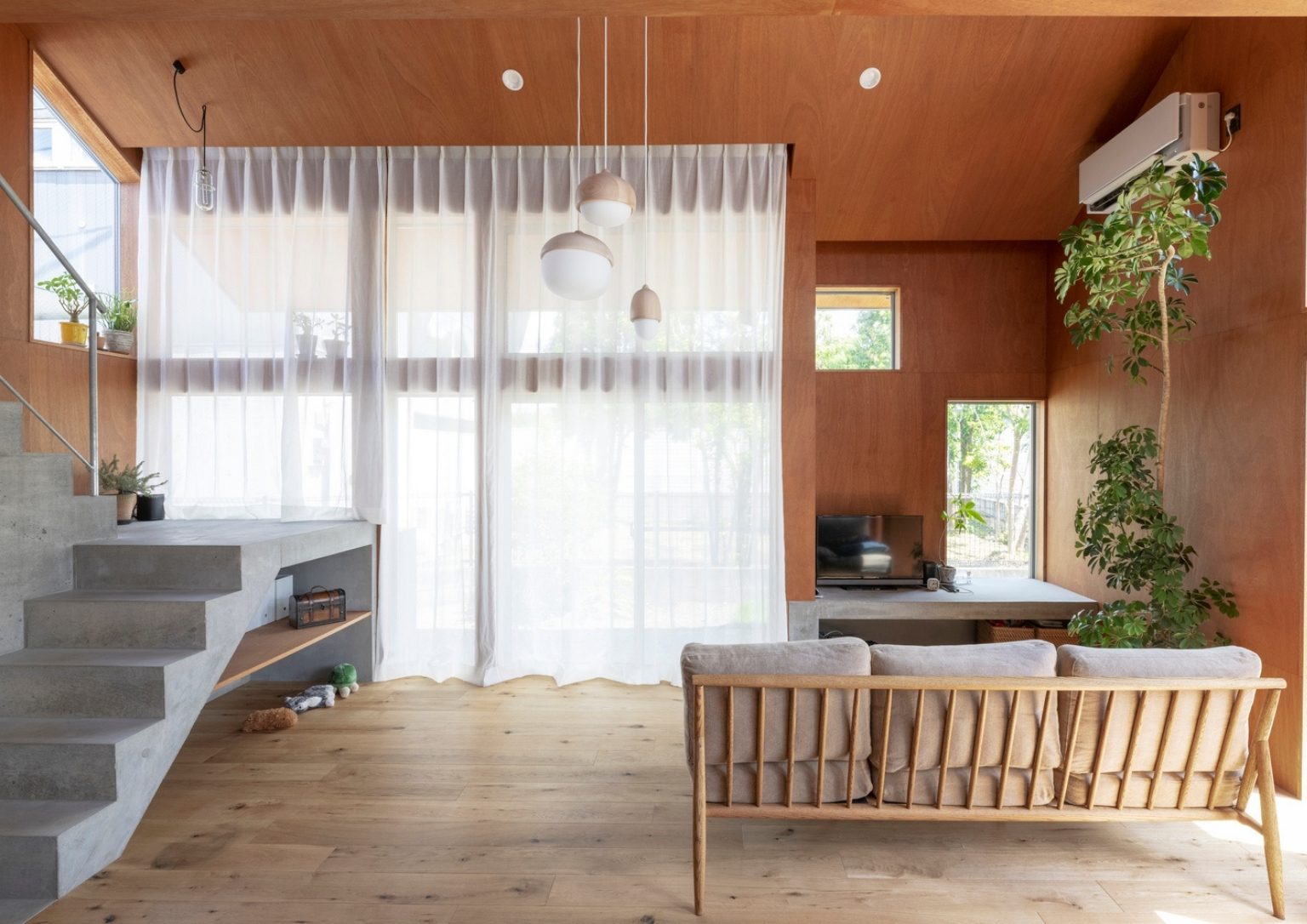
You might be thinking about adopting JapandiJapandiAn interior design style that blends Japanese minimalism with Scandinavian functionality. It favors clean lines, uncluttered rooms, natural materials such as wood, rattan, and linen, and a muted, earthy palette.Go to Japandi Glossary or Wabi Sabi interior styles to completely epitomize ikigai in your home. But applying this philosophy is much simpler than that.
Discover Your Ikigai
To identify your ikigai, try to answer the four principles. Better yet, make a venn diagram to easily visualize your reason for being and integrate them in your home.
Reflect on your passion and ask yourself what activities leave you energized and fulfilled even without a reward. Determine your skills and talents by looking back at your outputs and experiences and assessing the feedback you receive. Think about the contribution you want to make in society and the selfless acts you’re willing to do. Lastly, pick a professional path you want to explore and provide you enough to get through every day.
But don’t feel confined with your current answers. Ikigai isn’t always permanent and it might evolve as you make new discoveries along your life journey. Also, you don’t need to figure out all four key areas, but doing so can bring you closer to discovering your life’s purpose.
Design for Functionality and Flow
After knowing how you’ll personalize your space, decide on the design and furnishings that can sustain your ikigai. More than the aesthetics, prioritize their functionality and how they can create a calm and smooth flow inside your home.
Start by choosing furniture that’s both comfortable and purposeful to your ikigai. Think chairs with good back support for your reading nook or a compact yet efficient desk for your home office.
Make your space free of clutter by investing in well-designed storage solutions that blend seamlessly with your decor. Utilize cabinets, shelves, ottomans with hidden storage, or even stylish baskets to keep things organized and easily accessible. And if you want to make it neater and more practical, opt for multi-purpose pieces like a convertible couch and dining table with a hidden extension leaf.
You can additionally blur boundaries by matching the color of door and window frames with the walls. You can even carry some design elements from the interior to your balcony or patio like similar houseplants or furniture material. These create a sense of openness and seamlessly connect your space outdoors.
To establish a zen ambiance, harness the power of sunlight by opting for light-colored or sheer curtains. Refrain from blocking windows with large furniture and, if possible, arrange your space to fully enjoy the natural light. Welcome fresh air by opening windows regularly and choosing fans over air conditioners.
Harmonize with Nature
Natural elements are crucial in ikigai design to foster a sense of serenity to overall well-being. Select furniture and accents crafted from natural materials like wood, stone, and woven fibers. These elements bring warmth and texture to your space, creating a sense of connection to the natural world. These also make your space more organic and inviting.
You can also integrate sustainable choices like sustainably harvested wood, recycled stone, or fast-growing bamboo. Making eco-conscious choices answers to the idea of contributing to a better world, which is one of ikigai’s core principles.
Greenery is a staple of ikigai to act as natural air purifiers, reduce stress levels, and add a touch of vibrancy to your home. Choose plants that thrive in your light conditions and care preferences. You can also grow a small herb garden by your windowsill to enjoy fresh ingredients.
Additionally, you can harmonize your home design with nature by applying neutral and earth tones. Beige, white, and light grays provide a perfect backdrop for pops of color from artwork, throw pillows, or accent furniture. You can even draw inspiration from the colors of sandy beaches and clear skies and incorporate them both in anchor pieces and negative spaces.
Embrace Ikigai’s Simplicity
Ikigai thrives in simplicity, but it doesn’t automatically translate to following a minimalist approach.
You can achieve this by decluttering and editing your space, but not to the point that you’ll leave it bare. Get rid of items that no longer serve a purpose or spark joy. They can be unused or outdated electronics and appliances, worn-out keepsakes, or dilapidated decor. This allows you to surround yourself with more important things and gives space for what truly matters for you.
When acquiring new items, prioritize quality over quantity. Invest in well-made, timeless pieces that will last for years to come. Not only does it reduce clutter but also promotes sustainability.
You can also minimize visual noise by refraining from decorating with excessive patterns and busy wallpapers. Better to maintain clean and sleek lines to promote a sense of order.
And most importantly, embrace the beauty of imperfection. Don’t shy away from classic, antique, or vintage pieces with a bit of wear and tear. Minor scratches, dents, or faded paint can add character and depth to your space. A slightly crooked picture frame, a mismatched throw pillow, or a well-loved book with dog-eared pages are some of the imperfections that tell stories and add authenticity to your space.
Ikigai isn’t just a simple philosophy of defining your life purpose. It’s a peaceful escape from the troubles of the outside world you can always bring indoors. And by transforming your home into a place of solace, you’re gradually decorating your way towards a fulfilling and meaningful life.
Read more: Dopamine Decorating: Creating a Free and Happy Space at Home

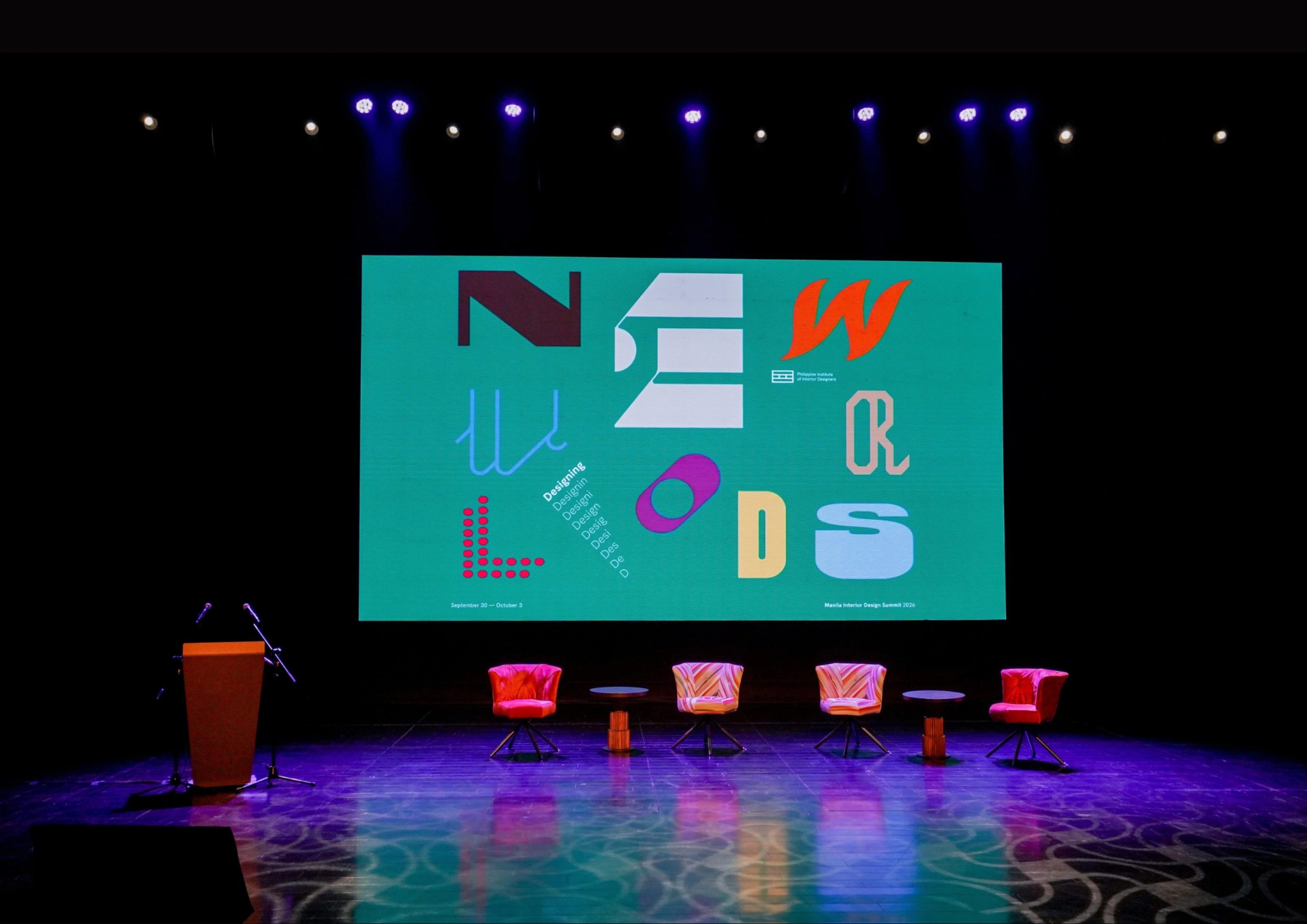
The fourth Manila Interior DesignInterior DesignThe discipline of planning and shaping interior spaces for function, comfort, safety, and beauty. It covers layout, lighting, materials, finishes, furniture, and color, and in the Philippines is a licensedGo to Interior Design Glossary Summit (MIDS) brought together more than 300 delegates for four days of conversations, exhibitions, and design […]

Held at the SMX Convention Center Aura in Taguig City, the first ASEAN Creative Industries Expo by Malikhaing Pinoy (ASEAN MPEx) features nine creative domains, including design, visual arts, digital interactive media, and performing arts. Organized by the Department of Trade and Industry (DTI), the event includes exhibitions, cultural performances, industry talks, and pitching sessions […]
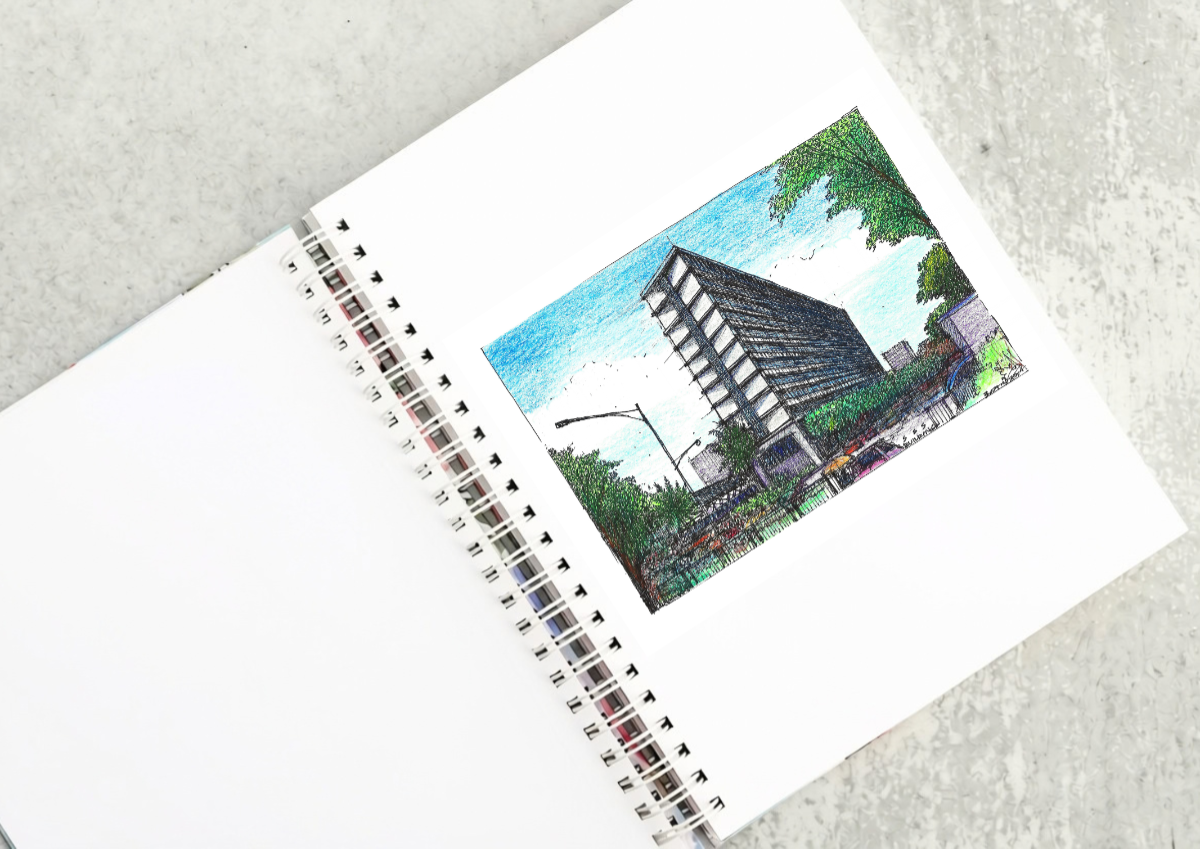
The SSS Building as an Expression of Civic Modernism My favorite modernist landmark in Quezon City is the SSS building on East Avenue. Designed by National Artist for ArchitectureArchitectureThe art and science of designing and constructing buildings, structures, and spaces that are functional, safe, and aesthetically pleasing. It encompasses the planning, design, materials, and techniques […]

Archie G. Carrasco, Chairman and CEO of AGC Power Holdings Corp. (AGC PHC), has been named to The BoF 500 Class of 2026 under the Media category, joining The Business of Fashion’s global community of individuals shaping the fashion industry. Carrasco is among 100 new members from 33 countries and 48 nationalities selected for the […]

Culture in design does not always announce itself through a recognizable motif, material, or symbol. It can also be embedded in the relationships designers build, the knowledge they listen to, the materials they choose, and the decisions they make in response to communities and their environments. This distinction emerged throughout the 2026 International Design Conference […]
Read the issues.

Collect the volumes.

Recommended Video
Tap to Unmute
Unmute
0:00
0:00