Today’s interior design is all about creating spaces that tell a story, and texture plays a starring role in this captivating narrative. Textured walls are no longer relegated to Tuscan kitchens or rustic cabins. They’ve become a versatile and stylish design element that can add depth, drama, and a touch of the unexpected to any room.
Whether you’re craving a cozy and inviting atmosphere or a modern and sophisticated vibe, textured walls offer a unique way to achieve your desired aesthetic.
What is Drywall Mud?
Photo from Unsplash
Drywall mud is a solution of white gypsum dust powder and water, creating a frosting-like paste applied on a drywall. As its consistency sits in the middle of paints and plasters, this compound makes a good concealer for surface blemishes.
Advertisement
But more than its repairing ability, you can also shape it into your preferred lines, curves, and patterns. This makes drywall mud an adaptive interior backdrop to your personal style.
Variations Never Run Dry
Photo by Arqon Design Inc.
Due to its moldable characteristics, drywall mud has numerous applications, and the only limit is your imagination. But there are common texture patterns you can already follow or take inspiration from.
Smooth Texture Paint
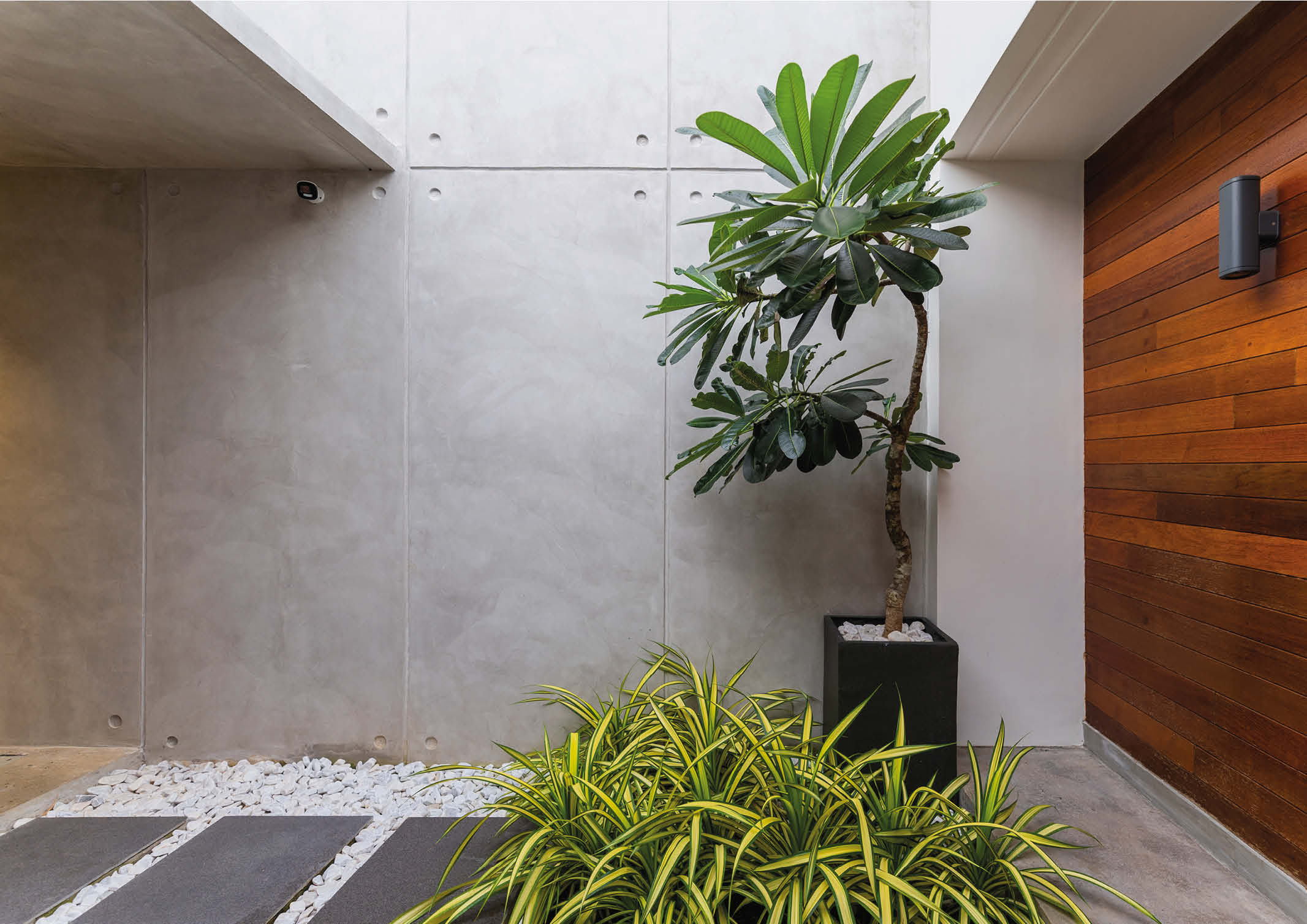
Among all the wall textures, this is the closest to a polished flat surface. But it’s not as smooth as its name implies. Similar to stucco or plaster finish, smooth texture paint gives a thick barely finished look. Better to use a putty knife to ensure a consistent smooth application. This textured finish goes well with interior styles involving clean lines and natural textures like modern minimalist, contemporary, and Scandinavian.
Advertisement
Popcorn
As the most frequently used wall texture, popcorn may seem old-fashioned compared to other types. However, its small bumps and peaks are great for masking imperfections. You can use a stipple brush or a textured paint roller to achieve this design. This will complement rustic and tuscan interior styles’ warm colors and worn and aged elements.
Orange Peel
As the name suggests, orange peel mimics the texture of the fruit. With its slightly splattered and pebbled look, it is one of the easiest textures to coat with paint. If you want a more subtle and safer design, this type is the most forgiving option for you. For a seamless application, it’s best to use a hopper sprayer. Transitional and Mediterranean houses can adopt this texture to add a delicate visual interest.
Knockdown
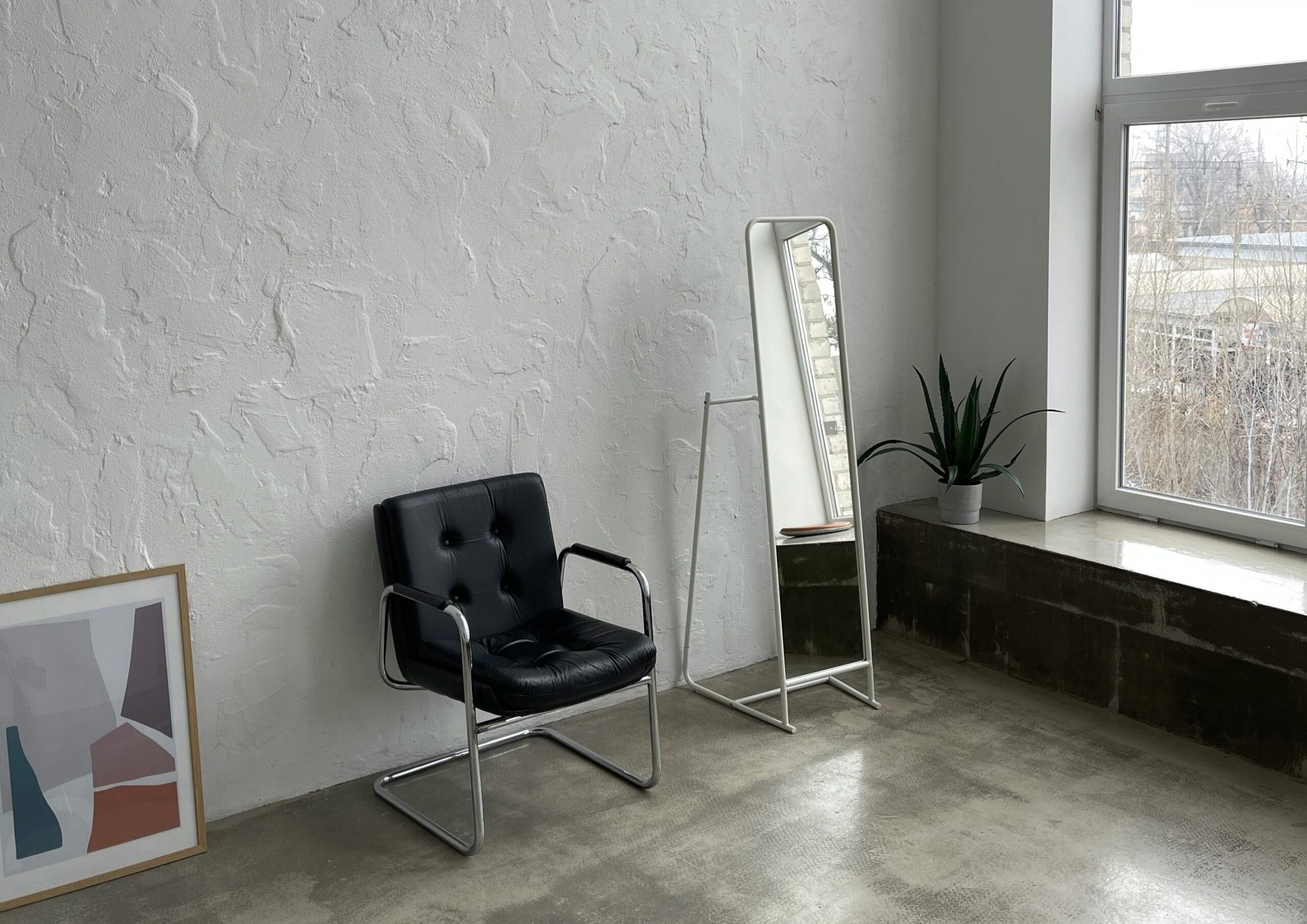
Imagine a popcorn texture, but smoother and more flattened—that’s knockdown. The same with applying stucco, using a knife or any straight-edged applicators make its flawless texture. Giving a marble-like finish, this texture blends with industrial interiors’ rough and bold elements.
Advertisement
Slap Brush
This is your chance to channel your inner Jackson Pollock. Because of its fun and freestyle application, slap brush texture gives rugged patches of drywall mud. And like its name, this design is achieved by dipping a stomp brush into the drywall solution and slapping it onto the wall. Wabi-Sabi and southwest houses are the perfect application of this sloppy textured finish.
Slap Brush Knockdown
If slap brush and knockdown had a child, this is it. Slap brush knockdown is basically the combination of slap brush’s stomp-down effect and knockdown’s cool marbling treatment. To execute this texture, follow the slap brush’s process first then wipe it off with a straight-edged applicator. Formal traditional and Japandi are the most suitable interior styles for this blend of textures.
Comb
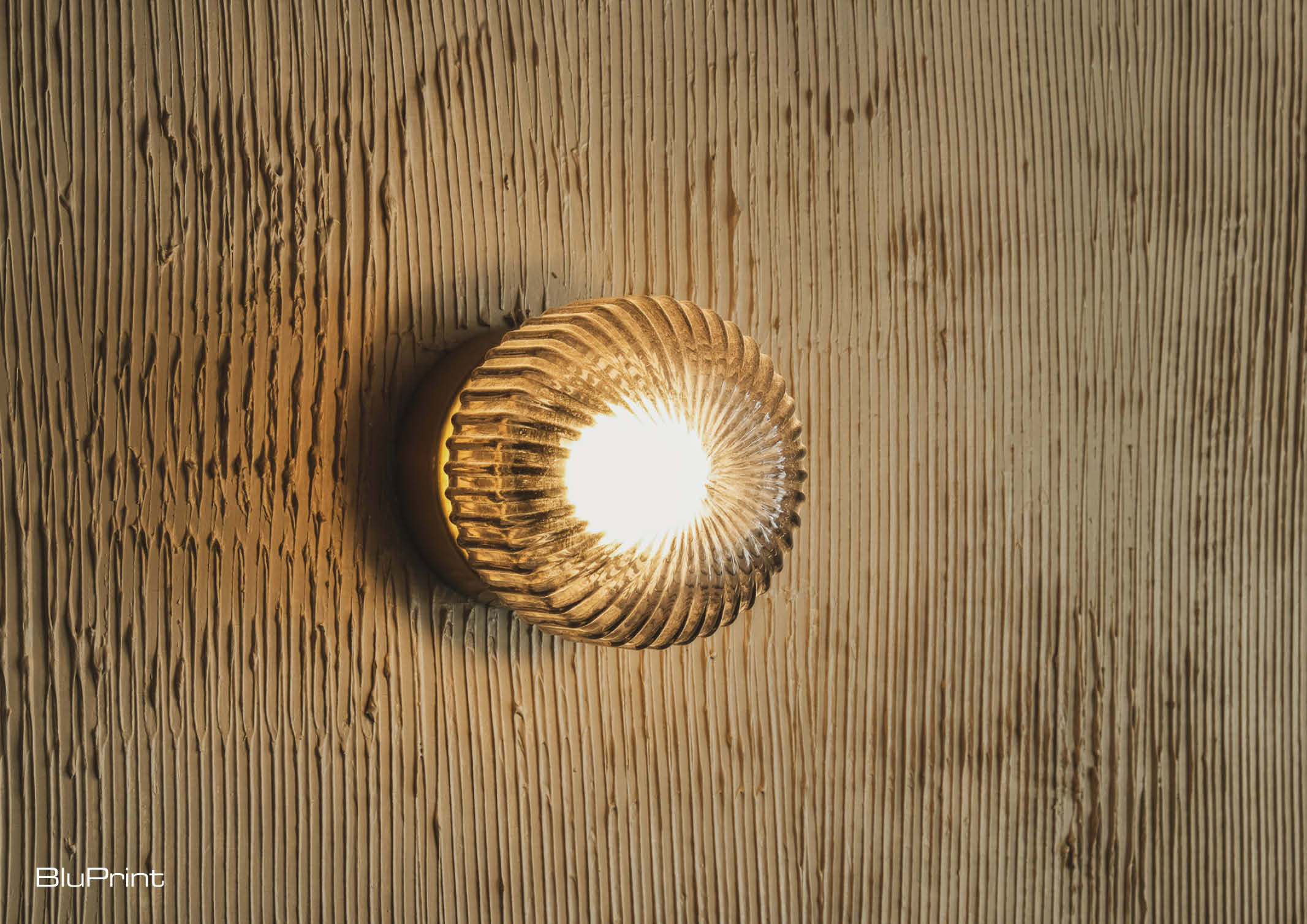
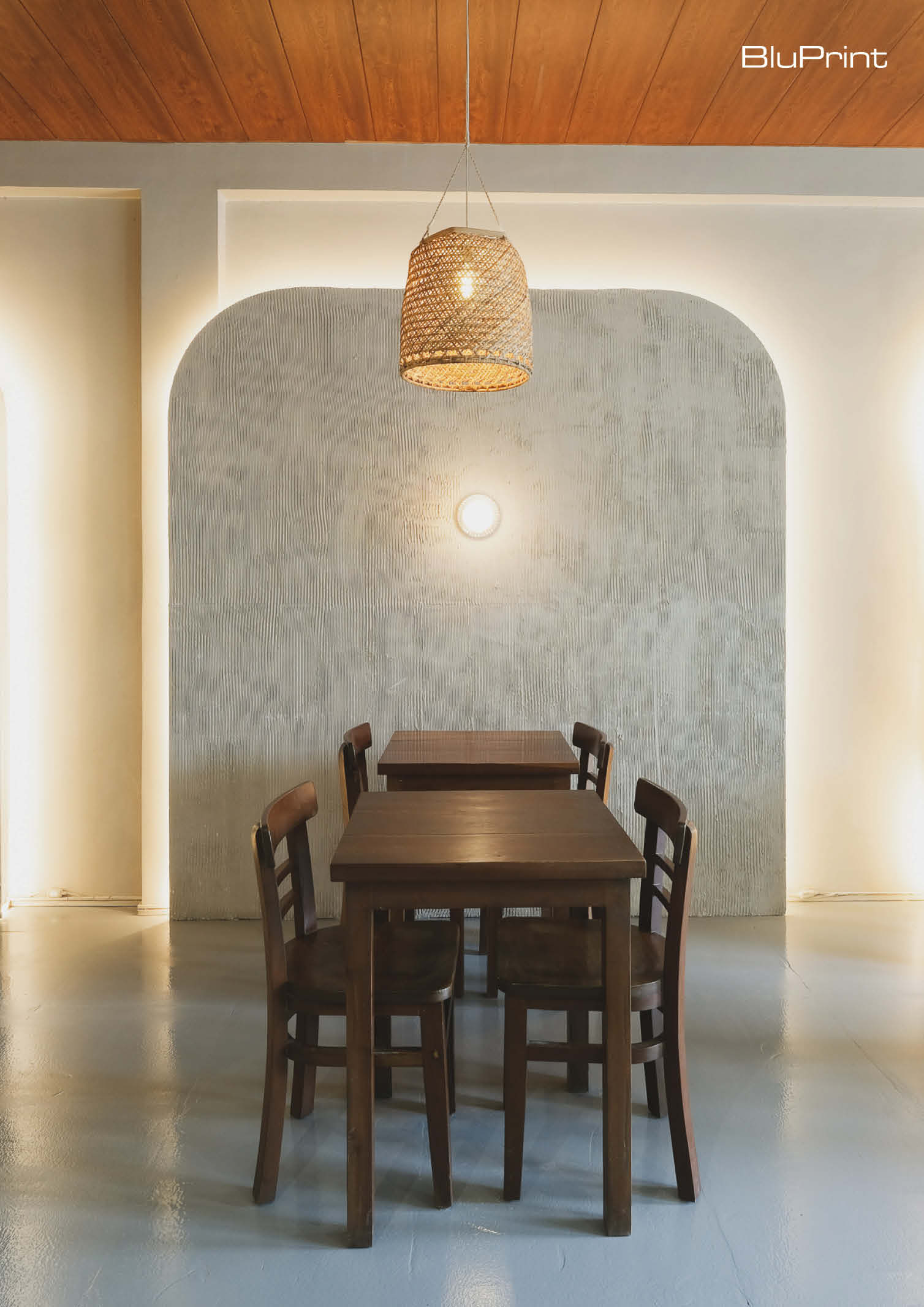
For a more visible wall design, comb texture offers delicate yet bold patterns. Mimicking the freshly combed hair, this type creates repeated horizontal or vertical ridges. You can achieve a more uniform look by using a trowel with straight bristles or a rougher organic design with uneven toothed trowel. Because of its evident design, loud interior designs like art deco and Moroccan would go well with comb textured paint.
Advertisement
Sand Swirl
Sand swirl achieves its gritty texture by adding real or silica sand to the drywall solution. This wall texture type usually has half circle patterns, which creates a smooth visual flow of its design. The trick to get perfect swirls is to make the first two drywall mud coats thick using a paint roller. Coastal and bohemian styles align with this textured paint’s whimsy and beachy vibe.
Drywall Dry Run
Photo by Ed Simon
Drywall mud’s application is not only limited to walls. You can even use it on ceilings and kitchen vent hoods to add value to your space. While you can bring this texture design in almost every area of your home, it is important to note that textured wall treatment can be a little tricky and taxing.
Instead of going all-out on your home makeover, begin by practicing your chosen design on some cardboard. Once you’re sure you’ve perfected your technique, begin applying them on smaller areas of your home like powder rooms and bathrooms. If you’re satisfied with the outcome, then it’s time to try them out in larger spaces.
Advertisement
Of course you can also coat drywall textures with paint. The only catch is you have to paint even the tiny and complicated fissures and peaks to leave a cleaner and smoother finish. Similar to the process of applying the textured wall treatment, try coating a small portion first to test if it’s possible to DIY paint it. But if it takes a long time to finish, you can always seek professional help.
In interior design, polished colors are sometimes not enough to fulfill the visual dynamics you’re looking for. By using drywall mud in creating textured surfaces, you can create stunning accents to give life and visual weight to those same old bland walls.
Modern bathrooms are no longer purely functional spaces. Increasingly, they are being designed as environments that support cleanliness, ease, and quiet restoration within the home. As daily life becomes more demanding and health awareness continues to rise, homeowners are beginning to expect more from the spaces where daily rituals begin and end. For architects and […]
From the moment a diner steps through the door, each detail shapes how a meal is experienced. Restaurant design has evolved, with architects and culinary professionals collaborating to create built spaces that are as intentional as the menu itself. The spatial atmosphere acts as an additional ingredient that can define the culinary experience. Taupe and […]
With climate change and global warming, the Philippine climate is in constant evolution. Consequently, it is important for Filipinos to have living spaces that respond to the local environment. In this article, BluPrint lists down Filipino architects who are reimagining the tropical house, aligning the built and natural environment. BAAD Studio Principal architects Benjee Mendoza […]
Ventilation involves the introduction of outdoor air into a room, providing occupants with their needs. Proper ventilation allows for the moderation of internal temperatures, the creation of better airflow, the dilution of carbon dioxide to acceptable levels, and the removal of contaminants. This addresses health risks associated with indoor air pollution, such as respiratory problems […]
WORLDBEX 2026, running from March 12 to 15, 2026, proves itself as the Philippines’ leading construction and design expo as it wrapped its 29th edition. It drew together 1,000 local and international exhibitors under one theme, “Building Opportunities: Sustaining Lives.” Organized by Worldbex Services International (WSI), in support of the ABS-CBN Foundation Inc., the event […]
Located near the equator, factors such as heat and humidity are the norm in the Philippines. This tropical climate has shaped the development of architecture in the country. As Leandro V. Locsin stated: “The first consideration of the Filipino builder and certainly the most evident in his architecture, which is after all an outgrowth of […]