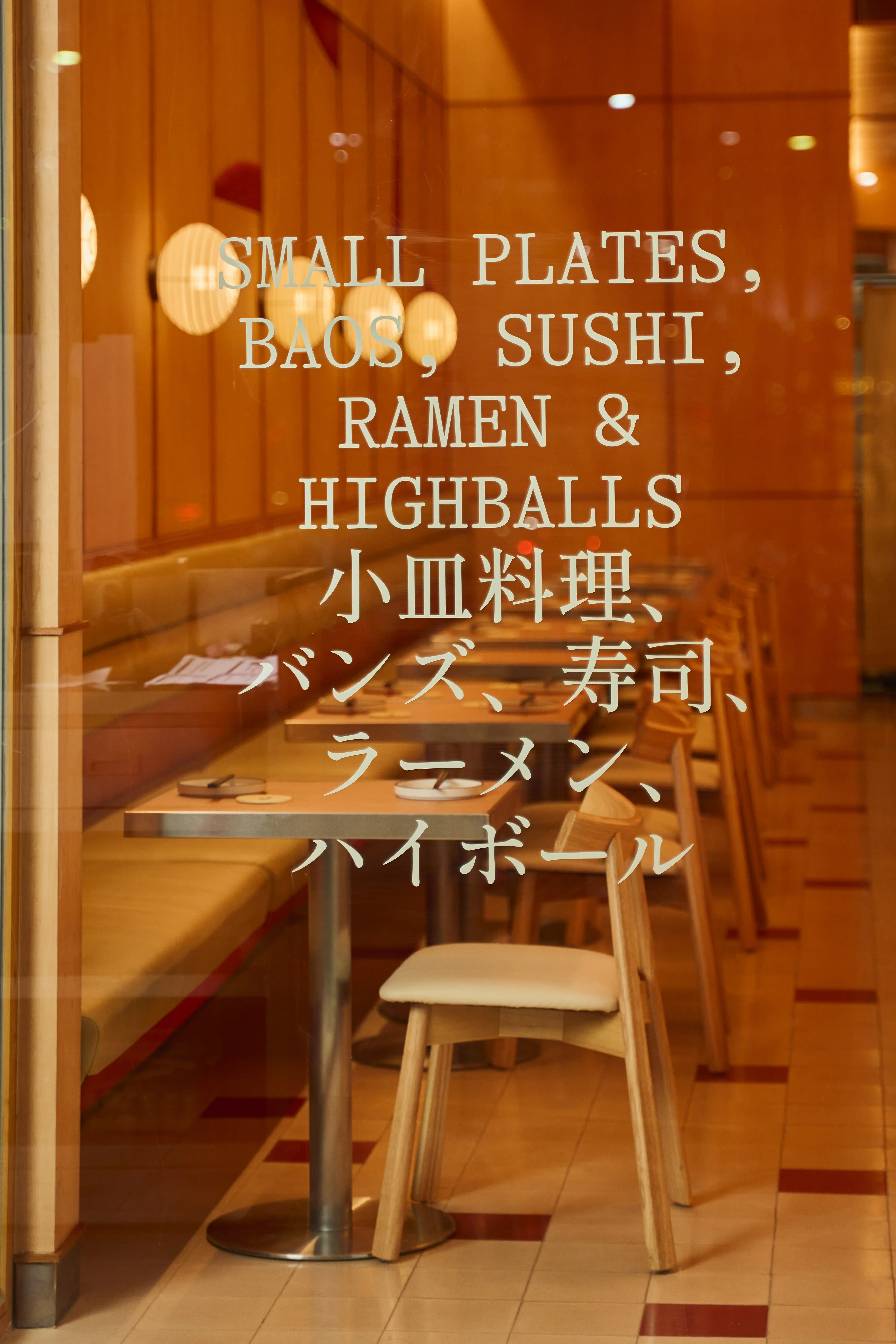
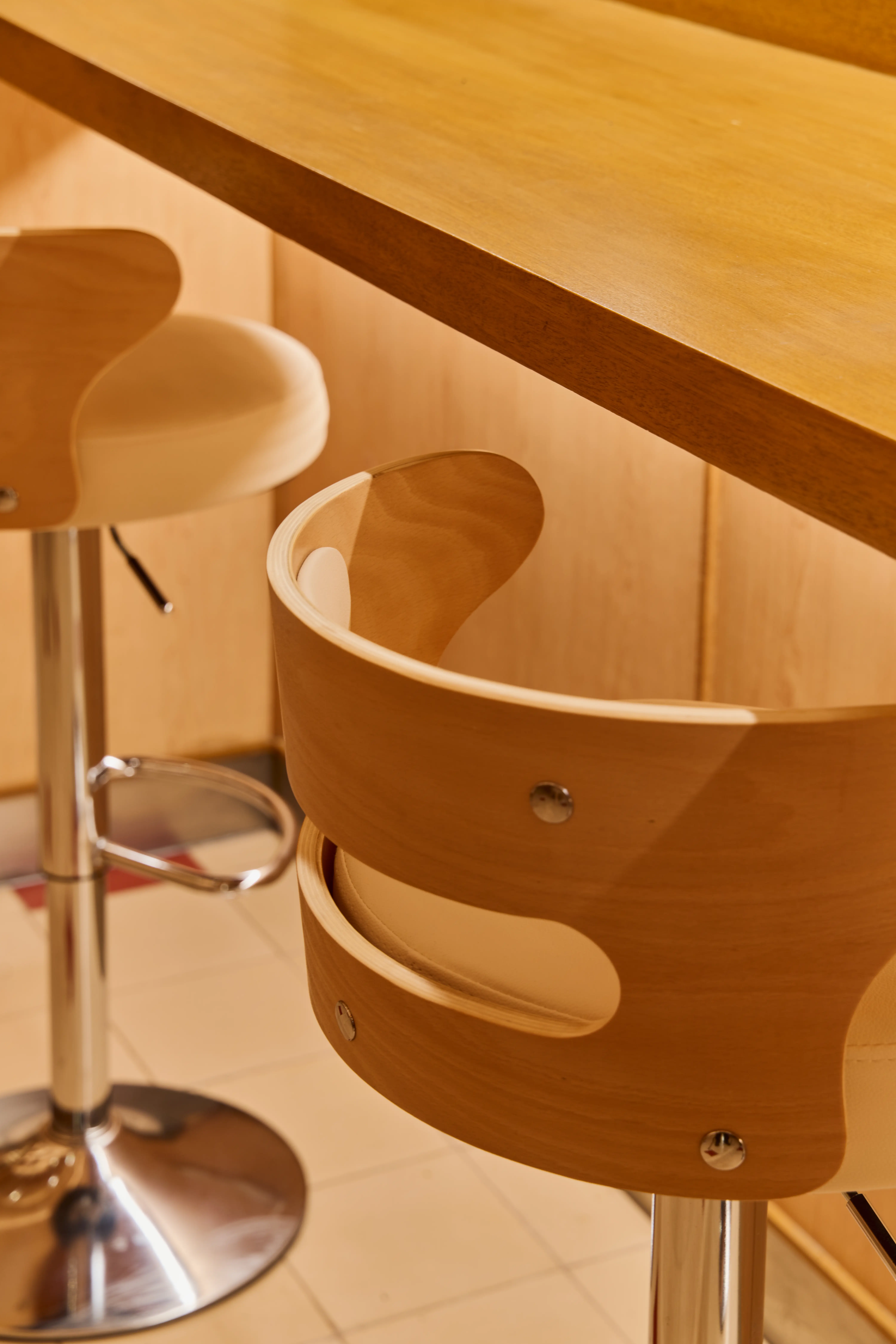
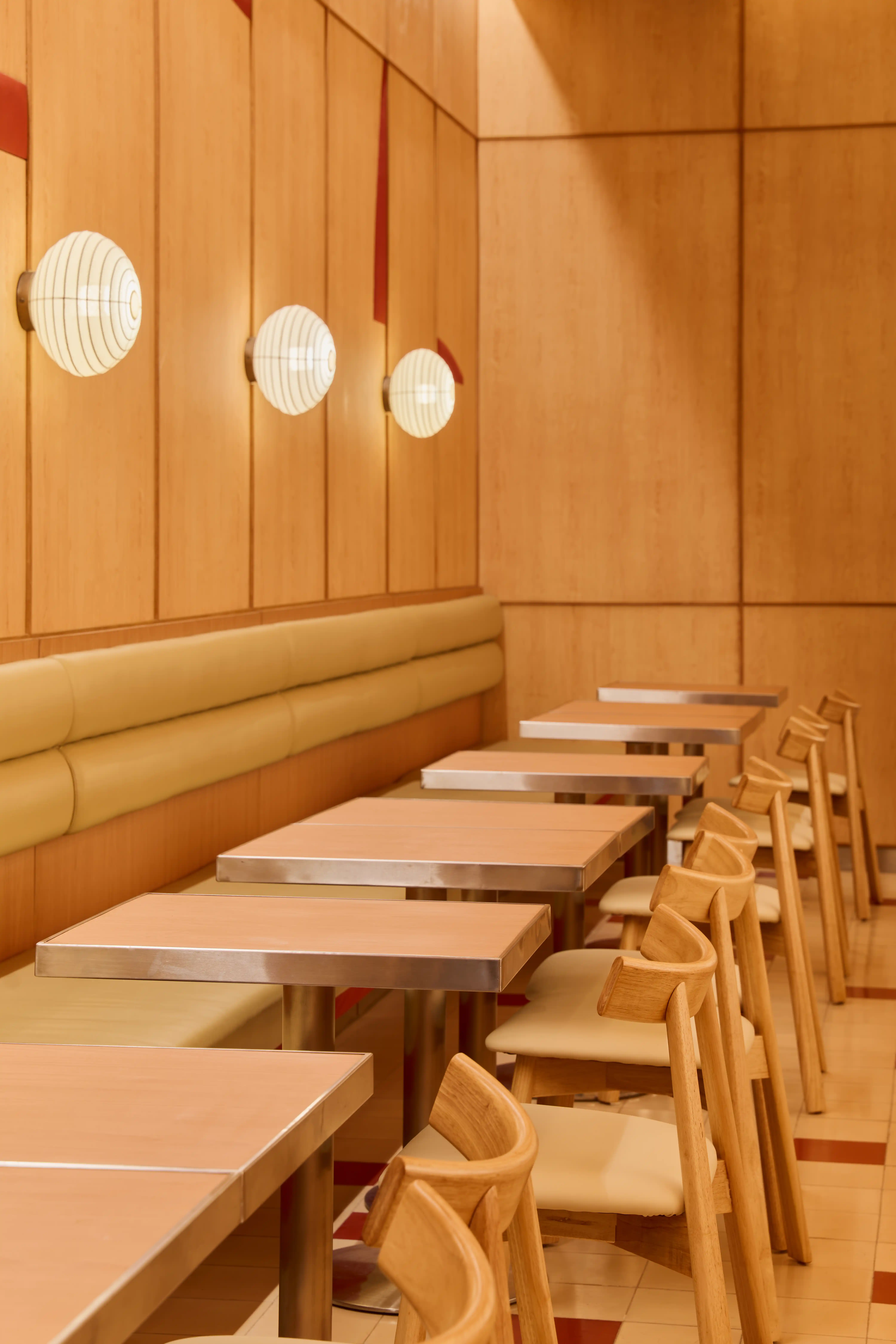

Ippudo has long been synonymous with ramen-making mastery, but with the debut of its first-ever Ramen Bar concept, the brand ventures into a bold new direction. Here, heritage and innovation converge in a strikingly modern space. Hong Kong-based architecture firm DEFT translated the brand’s storied identity into a fresh, contemporary experience. The result is a space that is both inviting and dynamic, a balance of tradition and reinvention. In this exclusive interview with BluPrint, Architect Peter Lampard of DEFT shared insights into the creative vision behind the innovative Ippudo Ramen Bar.
Honoring Tradition Through a Contemporary Lens
Standard Hospitality Group (SHG), the company also behind Yabu, Kiwami, and Elephant Grounds, is a long time collaborator of IPPUDO (Chikaranomoto Holdings). Together, they proudly unveiled this groundbreaking new concept on March 27 at Uptown Mall, BGC. SHG CEO John Concepcion revealed the Japanese brand gave them free reign in reimagining the ramen experience from the ground up.
“At its core, Ippudo Ramen Bar still holds mastery and authority,” explains Lampard. “It made sense to us to lean into Ippudo’s heritage, looking into ephemera from its beginnings in the 80s. Typewritten documents stood out the most, with their confidence and raw edge. Additionally, this reference felt like a good foil to the store design’s sleeker look.” The result is a design that pays homage to Ippudo’s origins. It embraces a more minimalist, forward-thinking aesthetic—expressing tradition and innovation in equal measure.
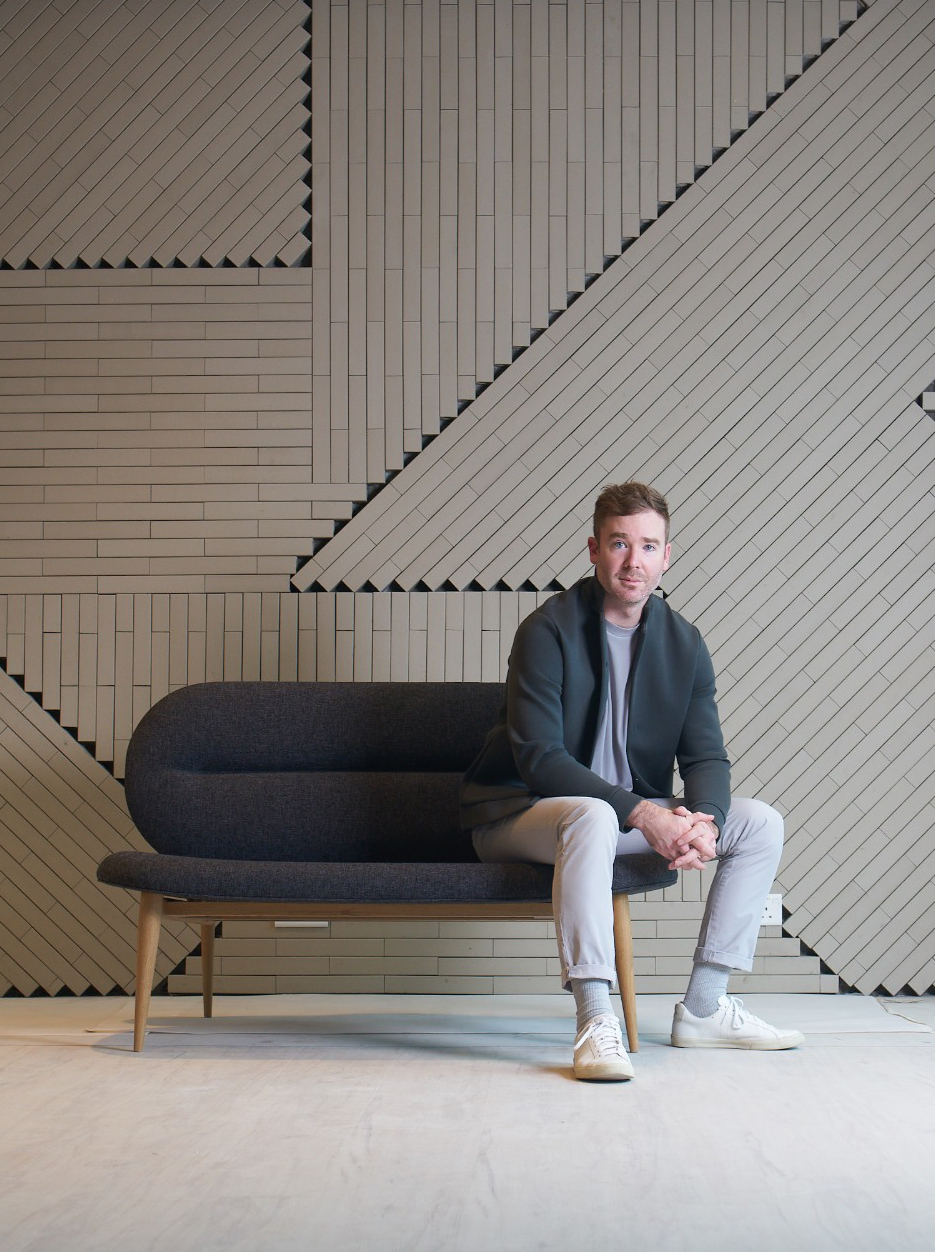
Architect Peter Lampard of Hong Kong-based architecture firm DEFT.
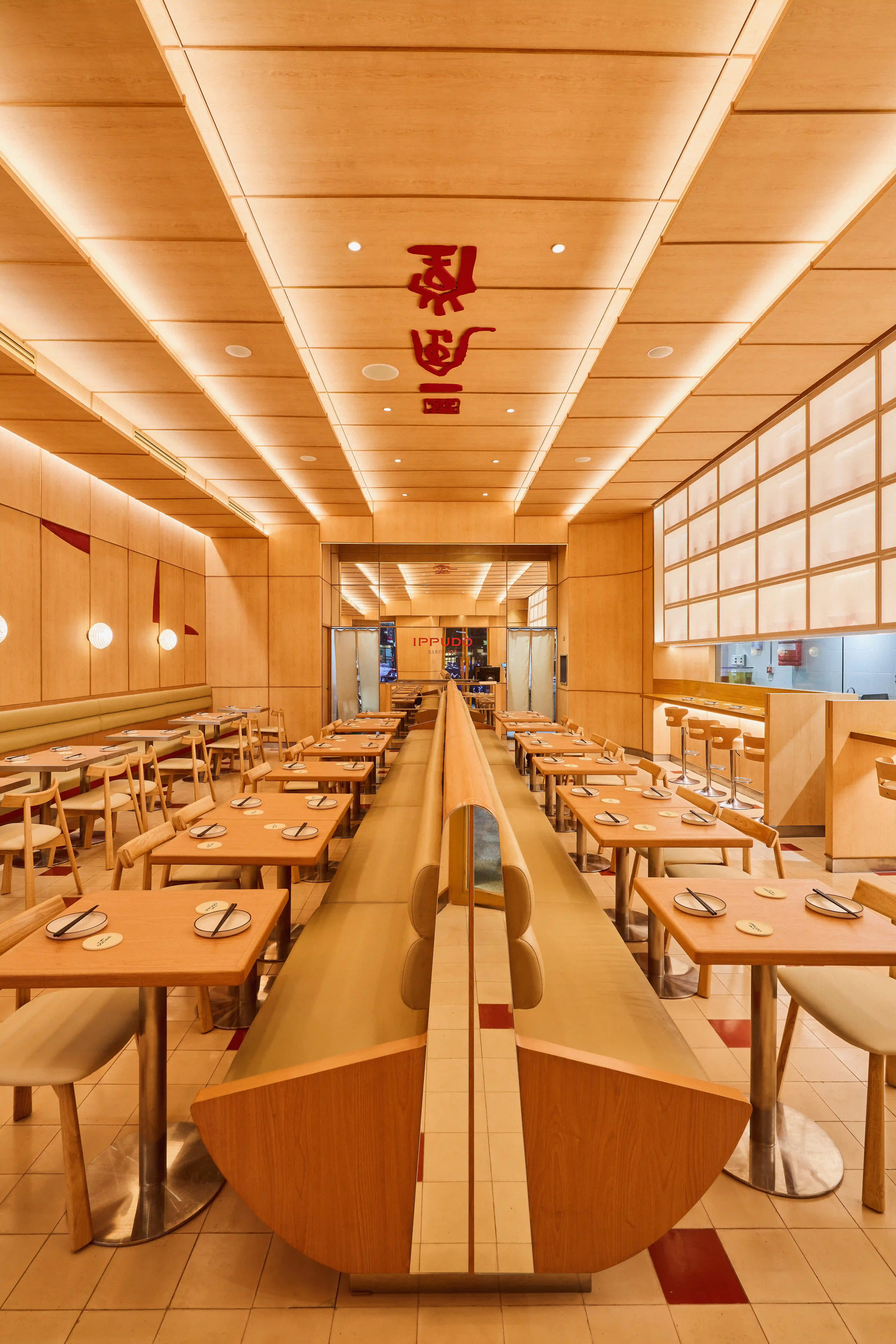
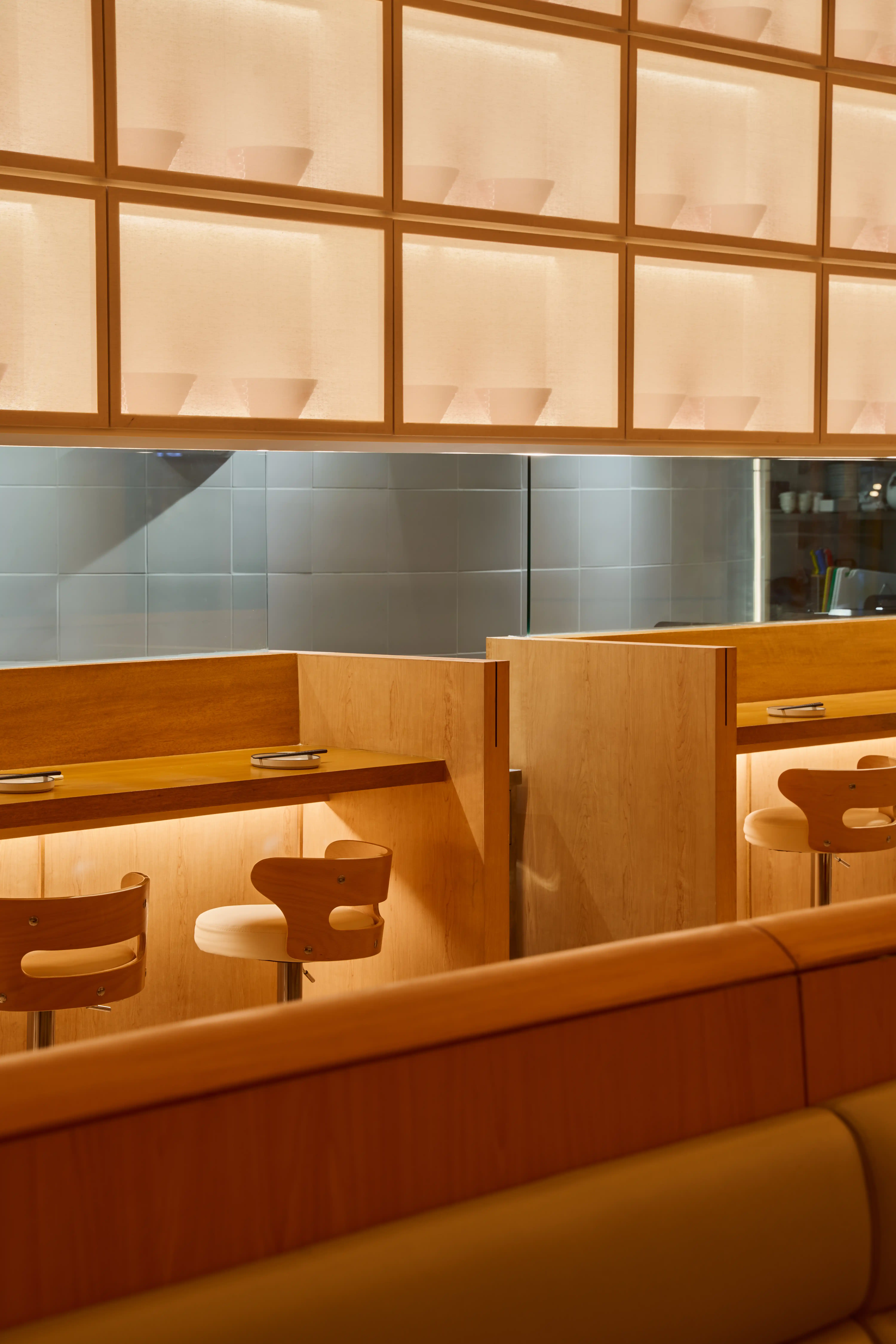
The success of any dining space depends on how it makes customers feel, and DEFT designed Ippudo Ramen Bar to be an immersive experience. “We wanted the atmosphere to feel both inviting and dynamic, a space where customers could fully immerse themselves in the experience,” says Lampard. To achieve this, the team prioritized balanced indirect lighting. This effectively softens the ambiance while accentuating the textures and warmth of the space.
Considerate acoustic design also plays a crucial role. “We integrated textiles and timber wall finishes to absorb sound and create an intimate yet lively feel, avoiding that hollow echo you sometimes get in modern spaces,” he adds. Meanwhile, the use of hand-painted cement floor tiles adds a tactile, artisanal touch, grounding the sleek design with a sense of craft. Together, these materials—wood, fabric, and subtle earth tones—create a cocoon-like environment that enhances the dining experience beyond just the food itself.
Advertisement
Striking the Balance
The essence of a ramen bar is rooted in tradition, yet Ippudo infuses it with a contemporary edge. “We anchored the design around the iconic ramen bar counter—it’s the heart of the space, a nod to the traditional Japanese ramen shop where the craft unfolds right in front of you,” Lampard explains. The symmetrical layout lends a sense of order and discipline. Abstract shapes and a contemporary color palette—muted metallics and bold accents—introduce a modern dynamism.
“It’s about honoring the simplicity and focus of tradition while letting the space breathe with a modern sensibility that feels fresh and relevant,” he continues. The end result is a seamless dialogue between past and present, a space that respects heritage without feeling beholden to it.
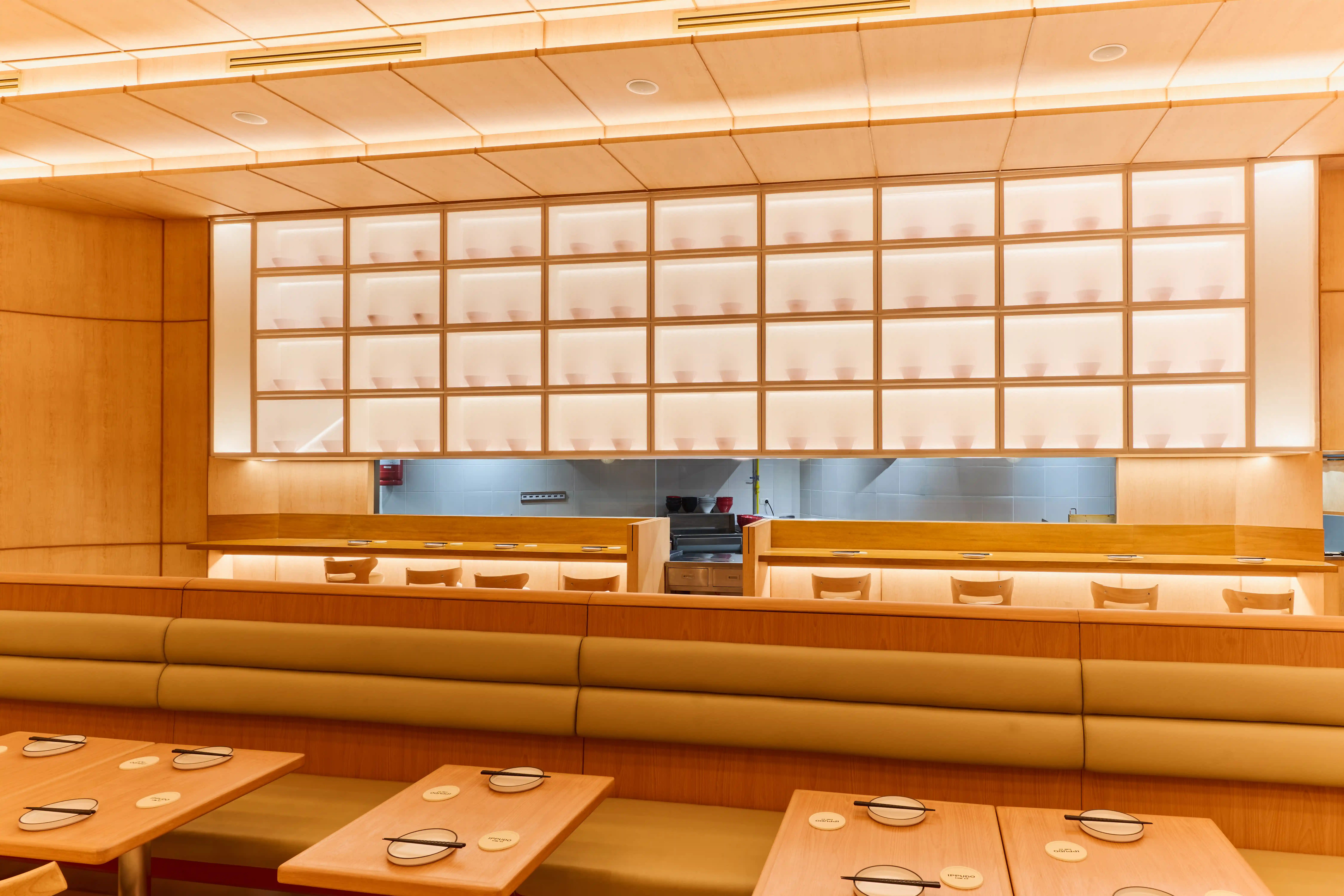
A few key elements make Ippudo Ramen Bar a visual and sensory standout. “The glowing katcha fabric-clad feature bowl display above the bar is a showstopper—it’s this luminous, almost sculptural moment that draws your eye and celebrates the ramen bowl as an icon,” says Lampard.
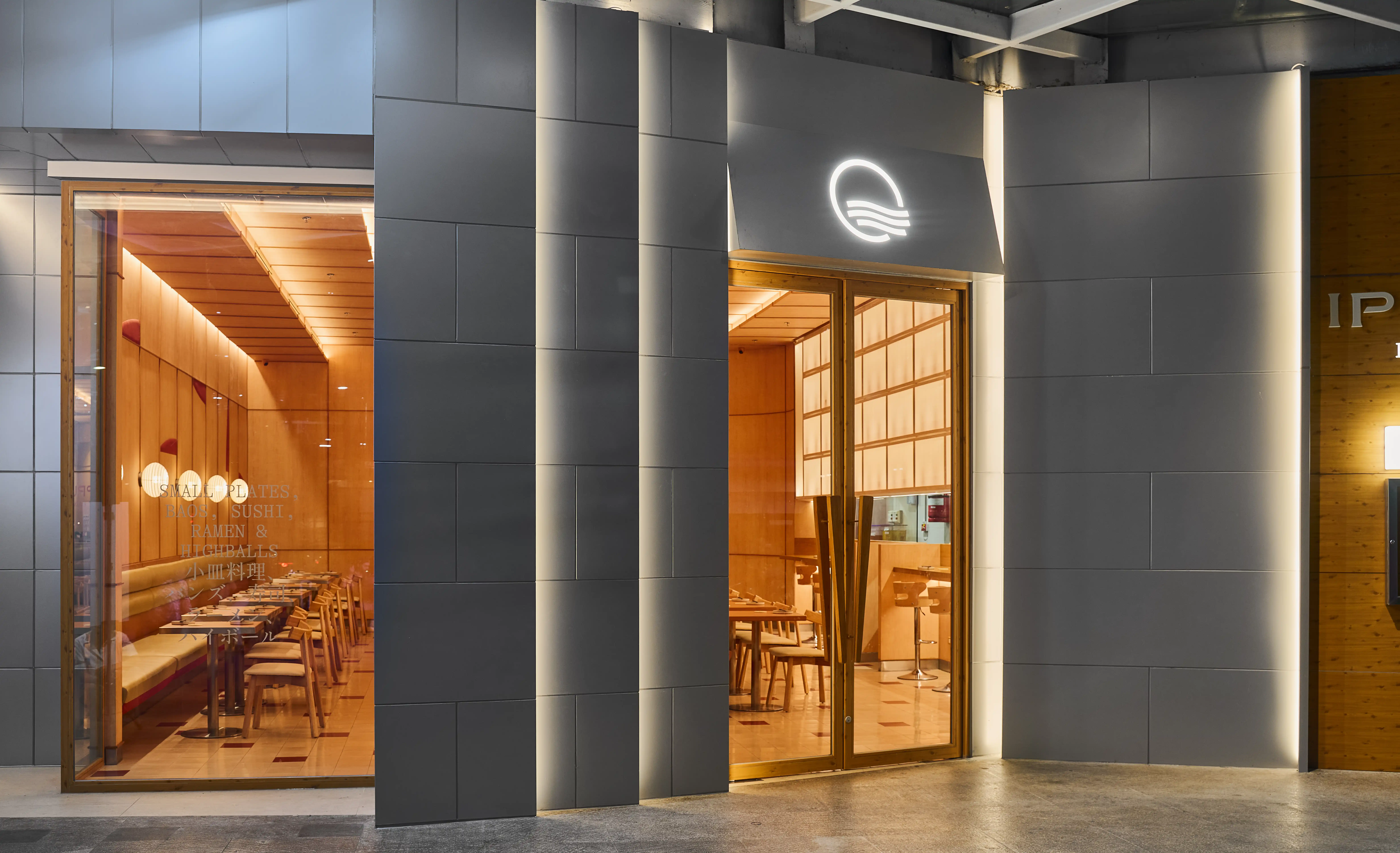
The carefully framed main window, another highlight, offers passersby a curated glimpse of the vibrant interior. “It’s both an invitation and a tease, framing the energy of the interior,” he adds. Meanwhile, the metallic-clad facade creates a striking contrast—a hard, almost industrial shell that encloses the warmth within. “These features don’t just stand out visually; they tell the story of Ippudo’s evolution in a bold, tangible way.”
Advertisement
Enhancing the Culinary Experience Through Design
Beyond aesthetics, the design of Ippudo Ramen Bar was crafted to elevate the dining experience. “We made sure everyone has a view of the kitchen—it’s open and unmissable, letting customers see the action of the kitchen team, the precision, the movement,” Lampard explains. The acoustics, carefully tuned to maintain a lively but controlled energy. Even during peak hours, the space never feels overwhelming.
The efficient seating plan maximizes space without feeling cramped, catering to both quick solo diners and those settling in for a longer meal. “It’s all about creating this dynamic, communal vibe where the design doesn’t just support the menu—it amplifies the whole experience into something memorable and engaging.”
With Ippudo Ramen Bar, DEFT has successfully redefined what a ramen experience can be. It’s a celebration of craftsmanship, not just in the food but in the space itself—where every design choice enhances the ritual of enjoying a perfect bowl of ramen.
Advertisement
The new Ippudo Ramen Bar opens its doors to the public at Uptown BGC on March 29, 2025.
Modern bathrooms are no longer purely functional spaces. Increasingly, they are being designed as environments that support cleanliness, ease, and quiet restoration within the home. As daily life becomes more demanding and health awareness continues to rise, homeowners are beginning to expect more from the spaces where daily rituals begin and end. For architects and […]
From the moment a diner steps through the door, each detail shapes how a meal is experienced. Restaurant design has evolved, with architects and culinary professionals collaborating to create built spaces that are as intentional as the menu itself. The spatial atmosphere acts as an additional ingredient that can define the culinary experience. Taupe and […]
With climate change and global warming, the Philippine climate is in constant evolution. Consequently, it is important for Filipinos to have living spaces that respond to the local environment. In this article, BluPrint lists down Filipino architects who are reimagining the tropical house, aligning the built and natural environment. BAAD Studio Principal architects Benjee Mendoza […]
Ventilation involves the introduction of outdoor air into a room, providing occupants with their needs. Proper ventilation allows for the moderation of internal temperatures, the creation of better airflow, the dilution of carbon dioxide to acceptable levels, and the removal of contaminants. This addresses health risks associated with indoor air pollution, such as respiratory problems […]
WORLDBEX 2026, running from March 12 to 15, 2026, proves itself as the Philippines’ leading construction and design expo as it wrapped its 29th edition. It drew together 1,000 local and international exhibitors under one theme, “Building Opportunities: Sustaining Lives.” Organized by Worldbex Services International (WSI), in support of the ABS-CBN Foundation Inc., the event […]
Located near the equator, factors such as heat and humidity are the norm in the Philippines. This tropical climate has shaped the development of architecture in the country. As Leandro V. Locsin stated: “The first consideration of the Filipino builder and certainly the most evident in his architecture, which is after all an outgrowth of […]