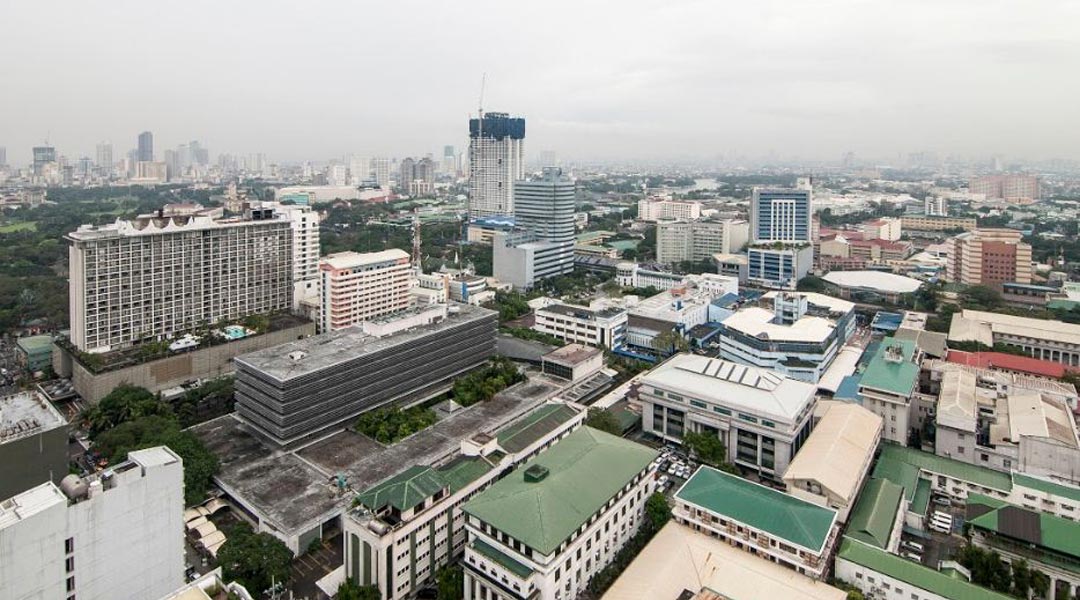
Harvard GSD and AECOM to hold Manila public forum on urbanization



.Manila is the subject city of the third and final year in the Southeast Asia research studio co-organized by the Harvard University Graduate School of Design (GSD) and AECOM. With the theme Manila: Future Habitations, this studio will focus on three strategic areas within or adjacent to Manila’s historic core: the Port of Manila, The Baseco Compound, and the historic Intramuros and “Burnham Plan” monumental core and Adjacent Pasig Riverfront, where infrastructure, architectureArchitectureThe art and science of designing and constructing buildings, structures, and spaces that are functional, safe, and aesthetically pleasing. It encompasses the planning, design, materials, and techniques used to createGo to Architecture Glossary, and challenged ecologies are in need of alignment.
Part of the program is the Manila: Future Habitations public forum happening this 6 February 2018, 2 PM – 5:30 PM at the Ayntamiento de Manila, Intramuros. This event is free. Seating is limited. Contact Mervin Wang at [email protected] to register or for further information. You can also find updates on the event here.
Manila’s extraordinary 500-year recorded history—written, erased, and rewritten—has rendered a current urbanized condition that is among the world’s most extreme, with great tensions. This mega-city of 25 million is ripe with poverty and affluence, congestion and release, pollution and ecological diversity. Yet amidst these contradictions and extremes is a vibrant, dynamic human fabric with global aspirations and vast potential.
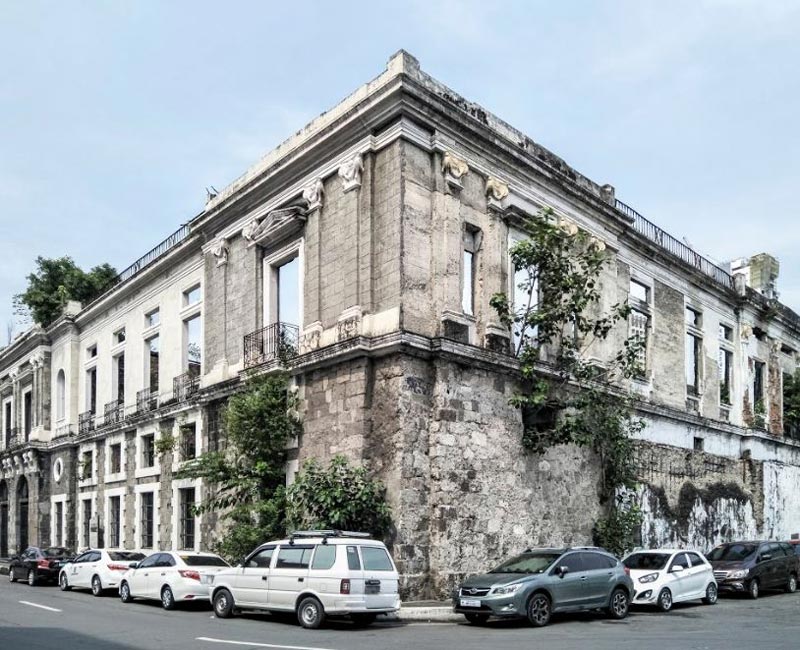
This studio will focus on the design of human settlements, new types of dwellings, the connective tissue and common ground of cities, and the challenge of designing for the human condition against future tensions.
The February forum is an integral, first part of a months-long research studio program where thoughts and ideas will be presented and discussed by the faculty and students of Harvard GSD as well as some of Manila’s prominent urban designers and planners. Harvard University Graduate School of Design dean Mohsen Mostafavi and AECOM Asia Pacific president Sean Chiao will be part of the panel. 
Frequently Asked Questions
This program is the third and final installment of a three-year Southeast Asia research series co-organized by the Harvard Graduate School of Design (GSD) and AECOM. It focuses on realigning architecture and infrastructure in extreme urban conditions to better support the human experience, specifically targeting Manila’s historic and ecological core.
The research studio identifies three critical zones where infrastructure and challenged ecologies intersect. These include the Port of Manila, where industrial land use is examined for urban integration, and the Baseco Compound, which addresses housing and resilience in informal settlements. Additionally, the study focuses on the Historic Core, encompassing Intramuros, the “Burnham Plan” monumental core, and the adjacent Pasig Riverfront to restore the city’s connective tissue.
With a population of approximately 25 million, Manila is characterized by extreme tensions between poverty and affluence, severe congestion, and high pollution levels juxtaposed with ecological diversity. Urban designers view the city as a “living laboratory” where 500 years of recorded history have been repeatedly rewritten, creating a complex human fabric with immense global potential despite its current challenges.
The studio aims to move beyond traditional planning by designing new types of human settlements and dwellings. It investigates the “connective tissue” of the city—specifically the common grounds and public spaces that link disparate neighborhoods—to find sustainable solutions for high-density living in the face of future environmental and social tensions.
The initiative brings together global and local leadership in design, including Mohsen Mostafavi, the Dean of the Harvard Graduate School of Design, and Sean Chiao, President of AECOM Asia Pacific. Harvard GSD faculty and students also work alongside prominent Manila-based urban designers and planners to ensure that local context is integrated with global academic research.