Bigkis is the act of binding. In Tagalog, the word can refer to something used to bind or encircle, as well as a bundle formed by tying several separate elements together. Figuratively, it can also mean a bond, union, or unity. The meanings move from the physical act of joining things together to the connection […]
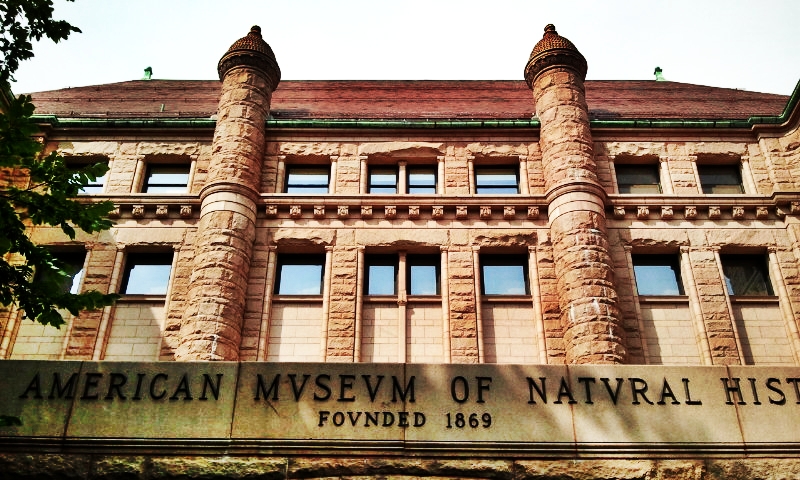
Native American Cultural Artifacts Will Be Returned, Museum Promises



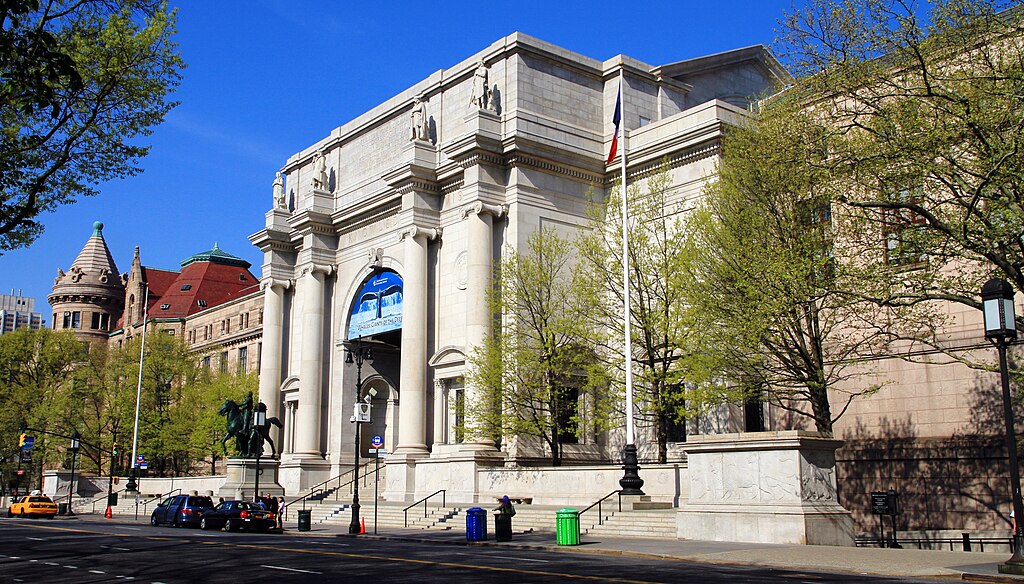
The American Museum of Natural History said on July 25 that they seek to increase the returns of human remains to different Native American tribes over the coming years, as controversy lingers over the alleged lack of communication between the museum and Native organizations.
This announcement came via an open letter from museum President Sean Decatur. The letter details the extensive efforts the museum is taking to identify and return cultural artifacts and human remains to the right tribal organization in the country. He promises semi-annual updates on the progress of the repatriations.
“As I’ve expressed before, the work before us will not be completed in a matter of months or even a few years. But, thanks to the efforts of many across the Museum and outside advisors, we will continue to move forward on lasting and substantive changes to our policies, practices, and approaches,” Decatur said.
Returning Sacred Objects and Remains to Tribes
A new revision to the Native American Graves Protection and Repatriation Act (NAGPRA) took effect on January 12. The revision gives museums and Federal agencies a roadmap and a better-specified system to return human remains, funeral objects, and other cultural items to tribal and Native Hawaiian organizations.
Because of this, the American Museum of Natural History closed the Hall of Eastern Woodlands and the Hall of Great Plains in January as they looked to comply with the law. Other museums around the United States followed suit days after.
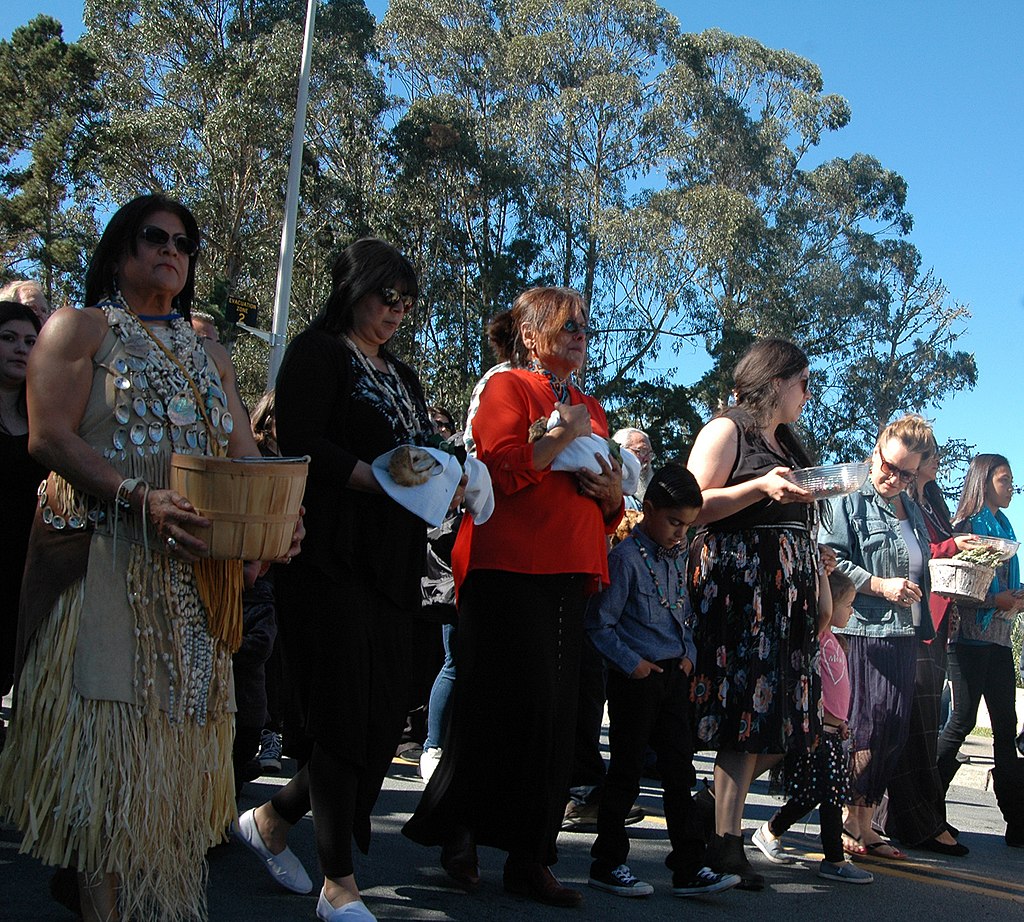
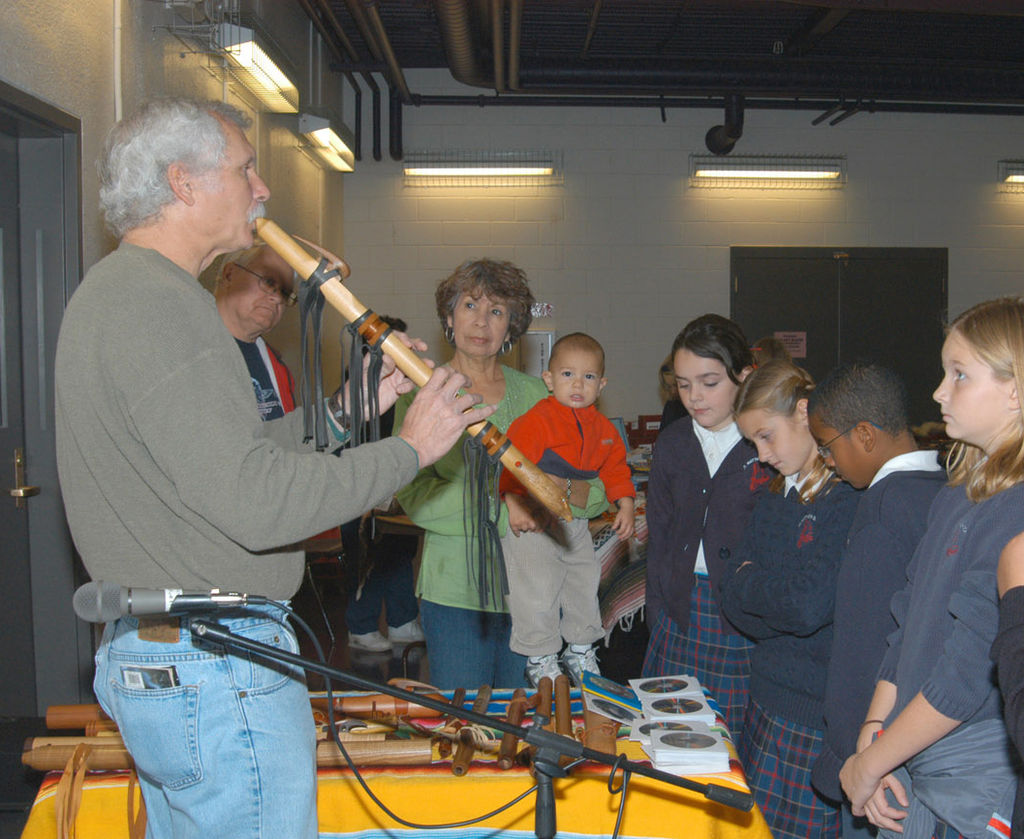
Decatur’s letter announced new exhibition and educational initiatives in the repatriation letter. One focuses on explaining why Native exhibits were closed and the importance of changing our methods of cultural storytelling. The other gives the Haudenosaunee community a spotlight to teach students in New York about the area’s Native tribes.
The letter also details that the museum possesses over 12,000 human remains, of which 25% is reportedly “culturally unidentifiable.” Consultations with tribal and Native Hawaiian organizations regarding different cultural artifacts are also currently ongoing.
In a separate webpage, over 55 reparations to Native American tribes have been completed this year as of May 30, 2024. This includes 1,000 sets of Native American human remains and 2,300 cultural items.
Slow Action
Decatur’s letter came due to a rising outcry in the tribal community over a lack of updates from the museum regarding its plans for its Native American artifacts. They claimed not hearing from the American Museum of Natural History despite other museums’ more public efforts of repatriations.
The Associated Press reported that tribal leaders continue to wait for information on thousands of artifacts that still remain with museums even when they fall under the original 1990 NAGPRA.
“If things move slowly, then address that,” Joe Baker, a member of the Delaware Tribe of Indians, said. “The collections, they’re part of our story, part of our family. We need them home. We need them close.”
Others have complained about the lack of replacement exhibitions detailing Native life in the country. Shinnecock Indian Nation vice chairman Lance Gumbs believed that the lack of representation could be damaging to local tribes, and pushed for replicas to be used instead of the culturally-sensitive artifacts.
“I don’t think tribes want to have our history written out of museums,” he said. “There’s got to be a better way than using artifacts that literally were stolen out of gravesites.”
Related reading: The Sinuda Village in Kitaotao, Bukidnon now has a new Tribal Hall from the DPWH
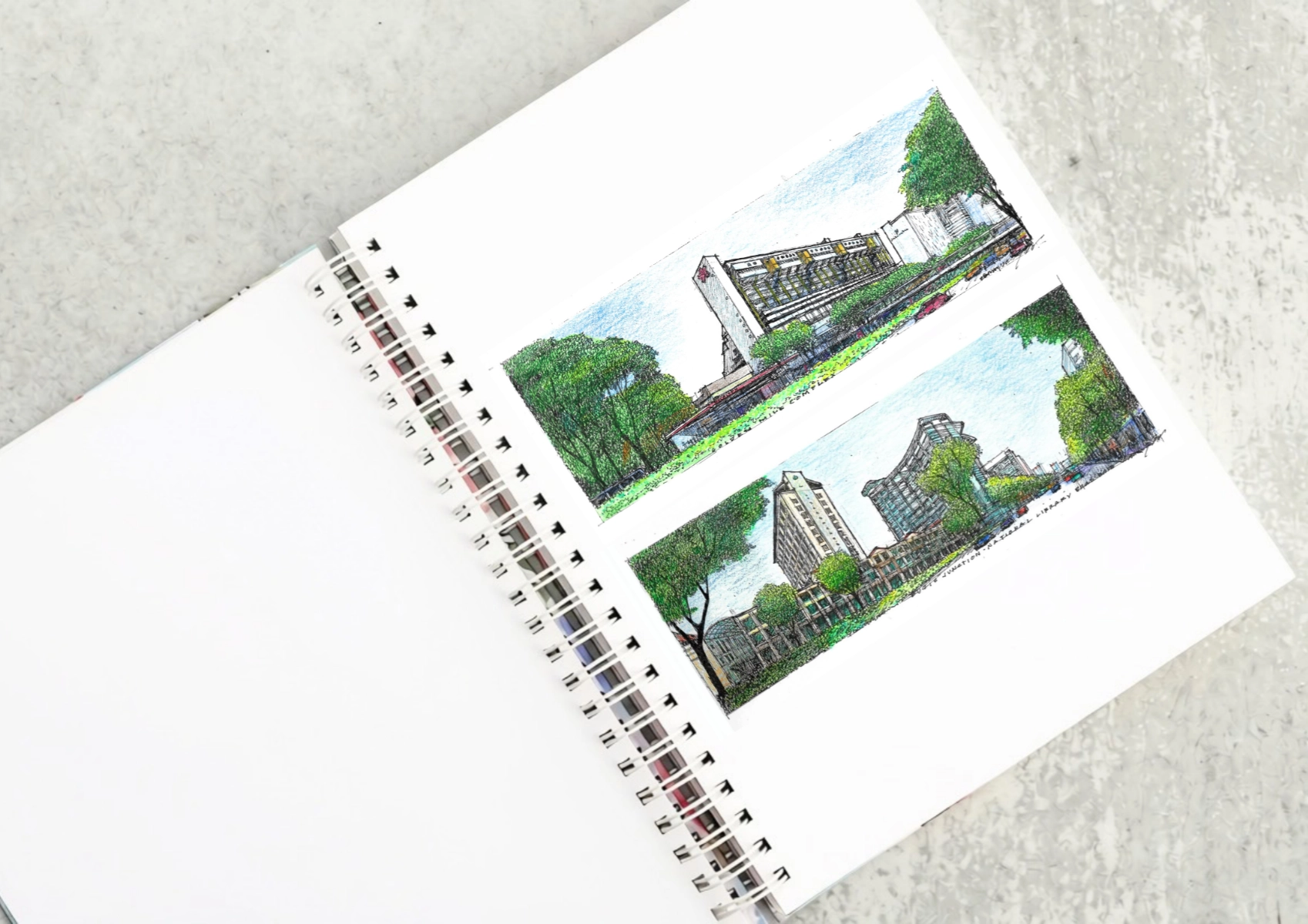
Two sketches of Singapore connect BluPrint Editor in Chief Paulo G. Alcazaren’s personal and professional history with Shared Ground: ArchitectureArchitectureThe art and science of designing and constructing buildings, structures, and spaces that are functional, safe, and aesthetically pleasing. It encompasses the planning, design, materials, and techniques used to createGo to Architecture Glossary of Care, Culture, […]
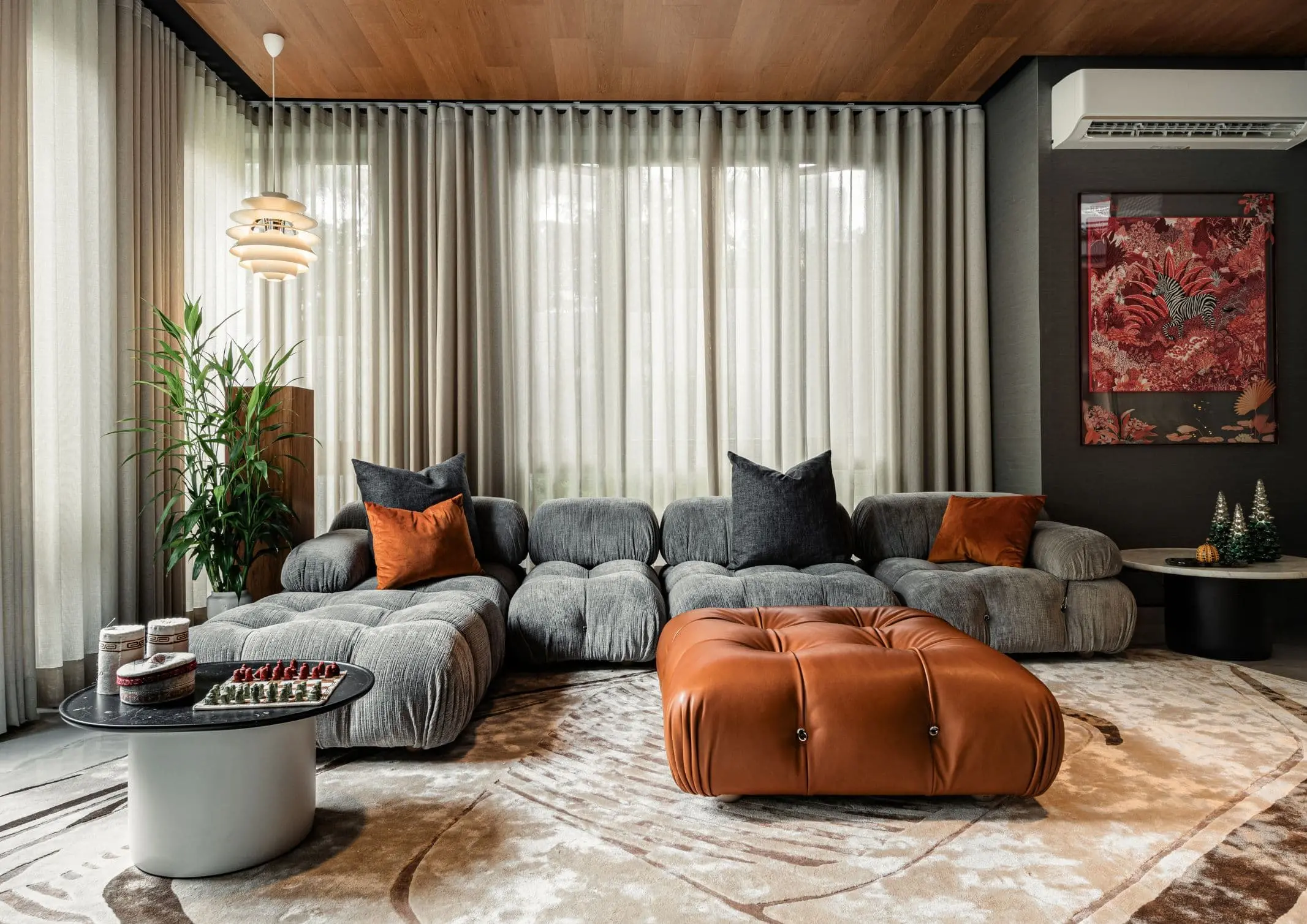
Some have become household names – Coleman, Oster, and KitchenAid – products that have found their way into Filipino kitchens, homes and family routines. In home furnishings, brands such as B&B Italia, Ethan Allen, Sub-Zero, Miele, SieMatic, Louis Poulsen, Hunter Douglas, Tempur, and Technogym, have helped shape the way Filipinos live. From everyday essentials to […]
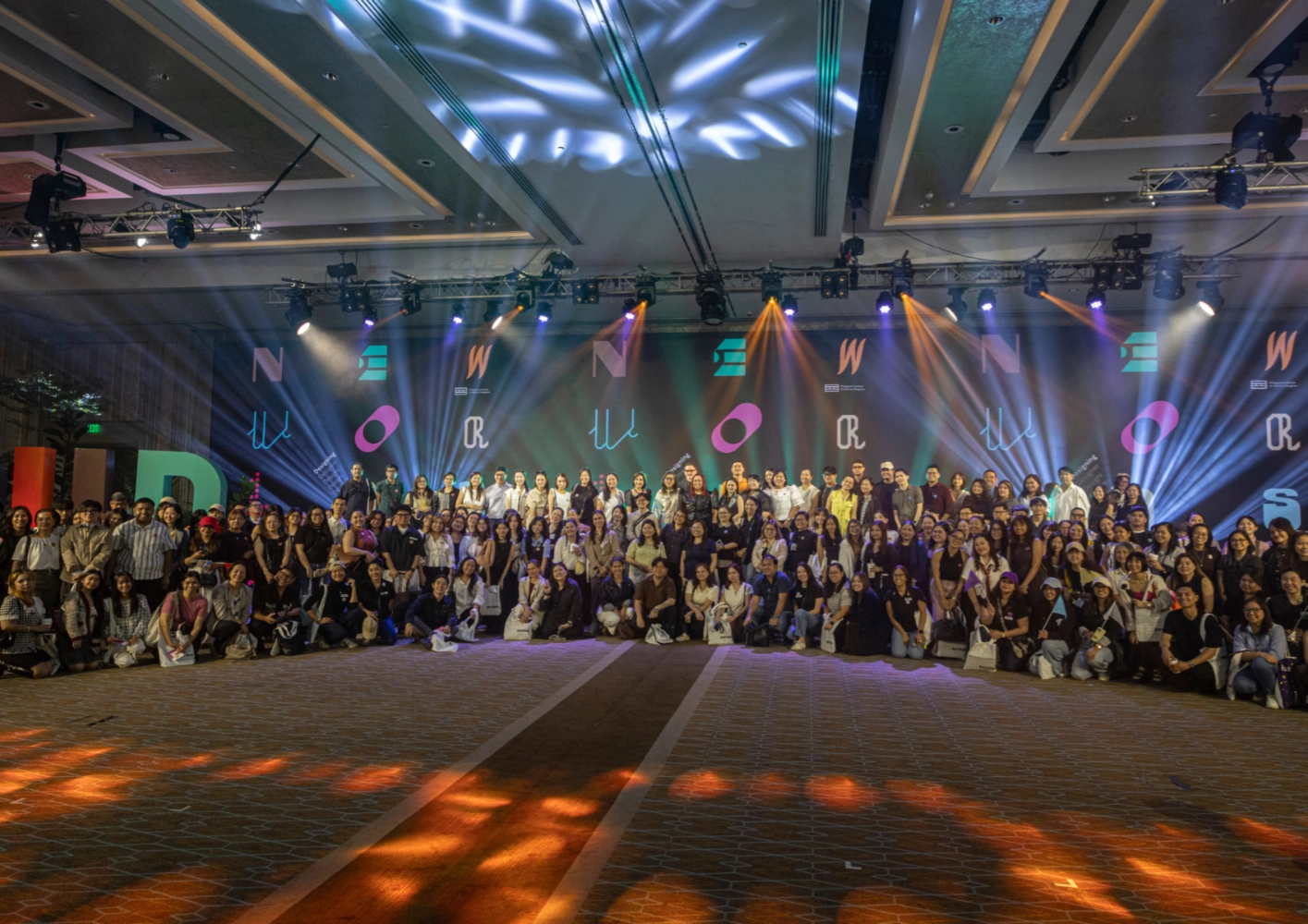
In a way, designers are the modern-day soothsayers and prophets. They design for the future, predicting how a room, a house, a building or a whole city will be used by people. They foresee how users will interact with a space, conjure exact shades of colors to elicit specific behavior and arrange furniture to build […]
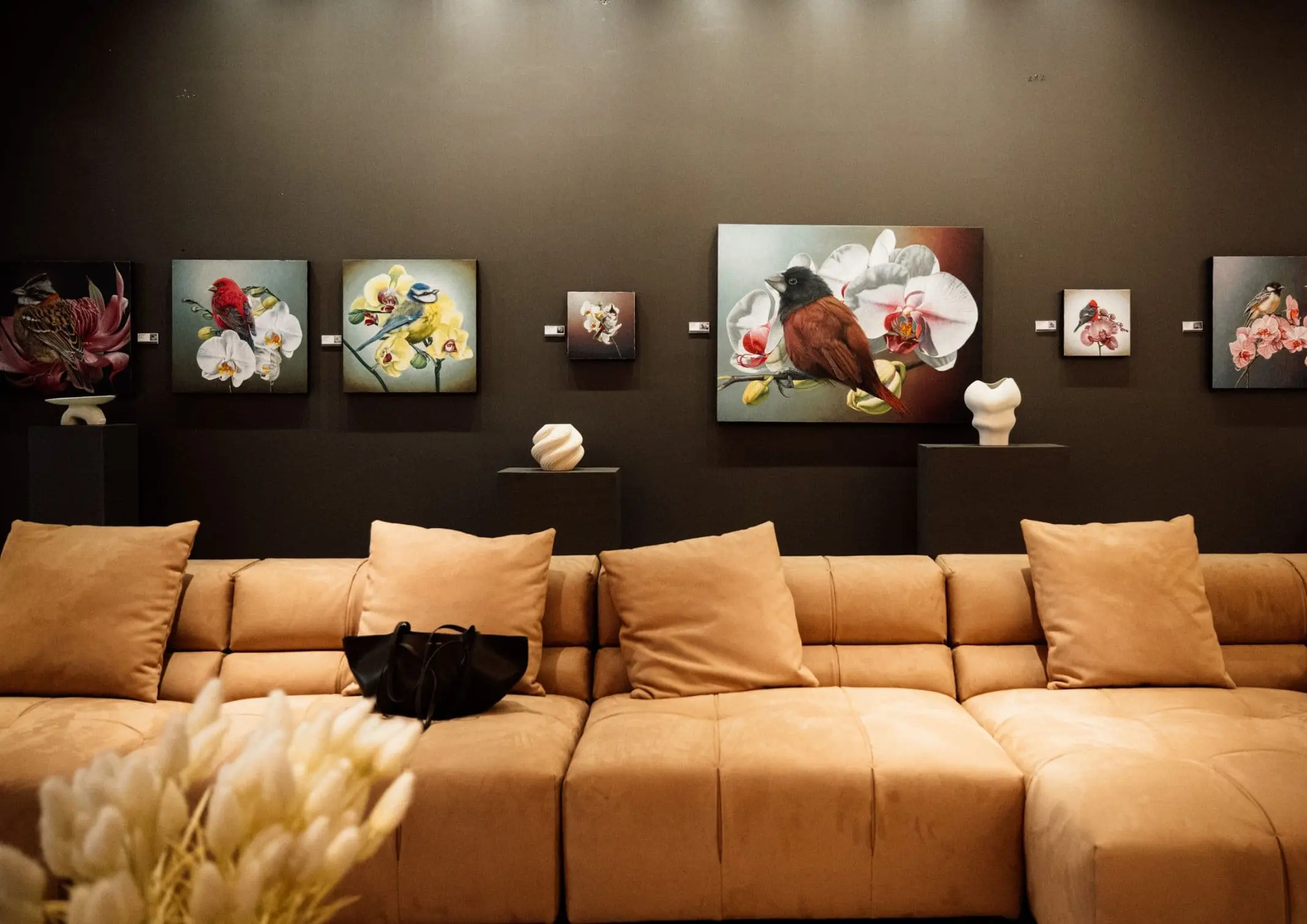
Art and furniture are often selected separately, yet their relationship can shape how a room looks and feels. The collaboration between Hooga and Galerie Joaquin explores how these elements can work together, bringing contemporary artworks into furnished residential settings at Hooga’s showroom in Uptown Mall, Bonifacio Global City. For Hooga, which curates furniture, lighting, and […]
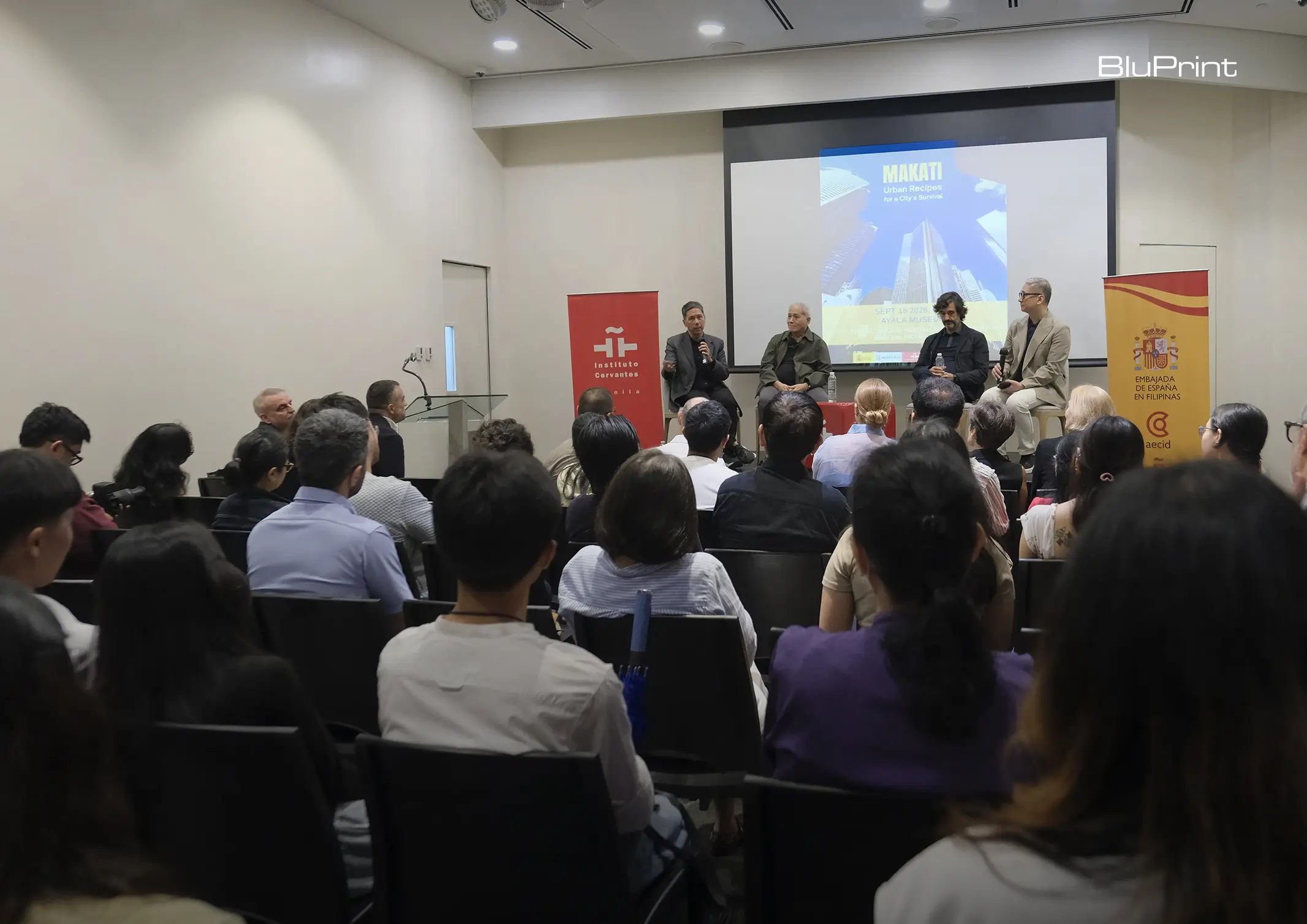
How can better-planned cities create the conditions for more creative, livable, and resilient urban environments? “Makati Urban Recipes for a City’s Survival,” a colloquium held at the Ayala Museum on September 15, brought together architects and practitioners from the fields of urbanism and the creative economy to discuss how design, planning, and collaboration can address […]
Read the issues.

Collect the volumes.

Recommended Video
Tap to Unmute
Unmute
0:00
0:00