Bigkis is the act of binding. In Tagalog, the word can refer to something used to bind or encircle, as well as a bundle formed by tying several separate elements together. Figuratively, it can also mean a bond, union, or unity. The meanings move from the physical act of joining things together to the connection […]
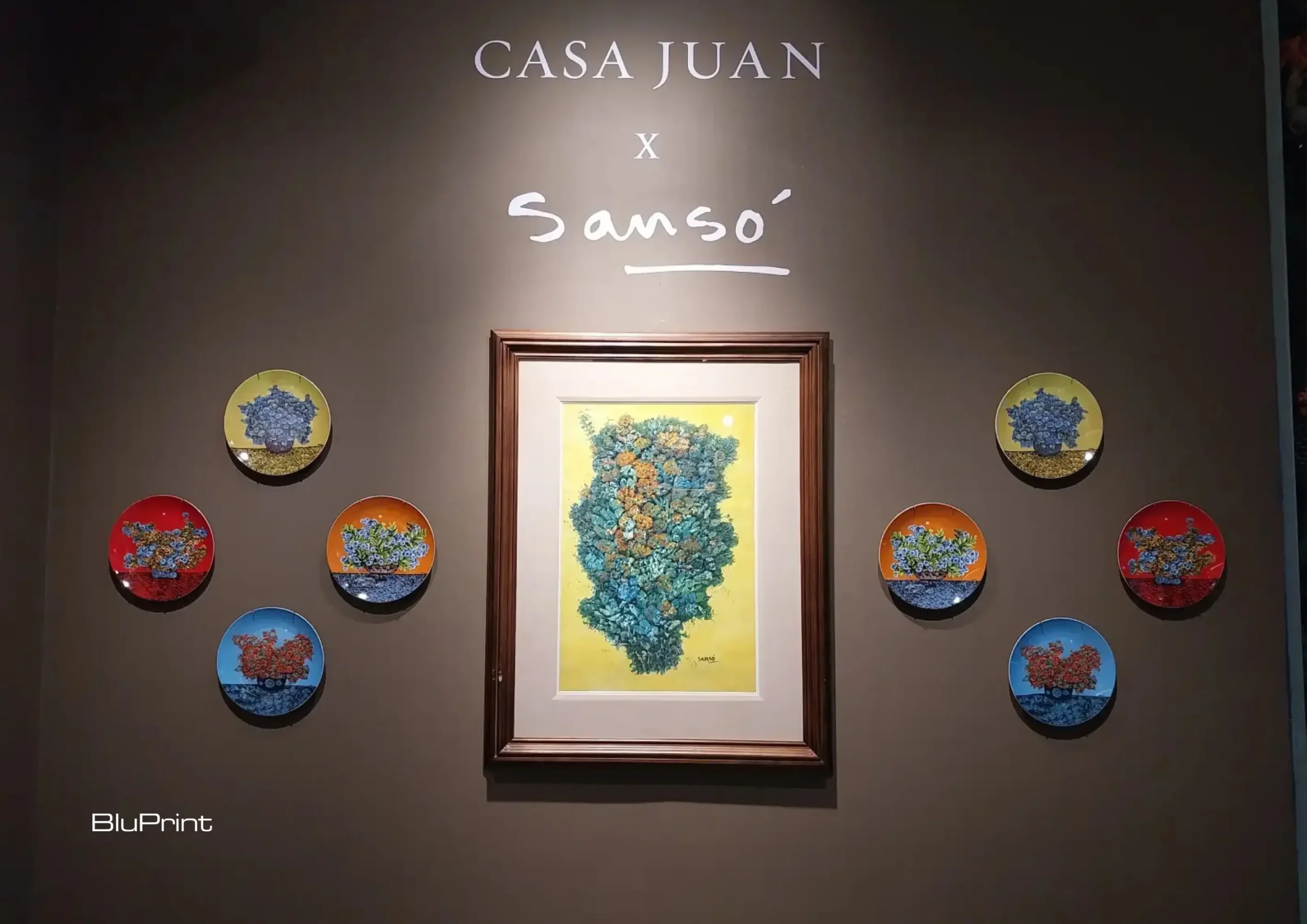
‘Casa Juan x Sansó’ Brings His Art to the Dining Room



Filipino homeware brand Casa Juan recently came out with their new dining and homeware collection, Casa Juan x Sansó. A collaboration between Galerie Joaquin and Fundacion Sansó, this collection translates select artworks from the late Juvenal Sansó onto functional pieces like serving trays, plates, coasters, and jewelry boxes.
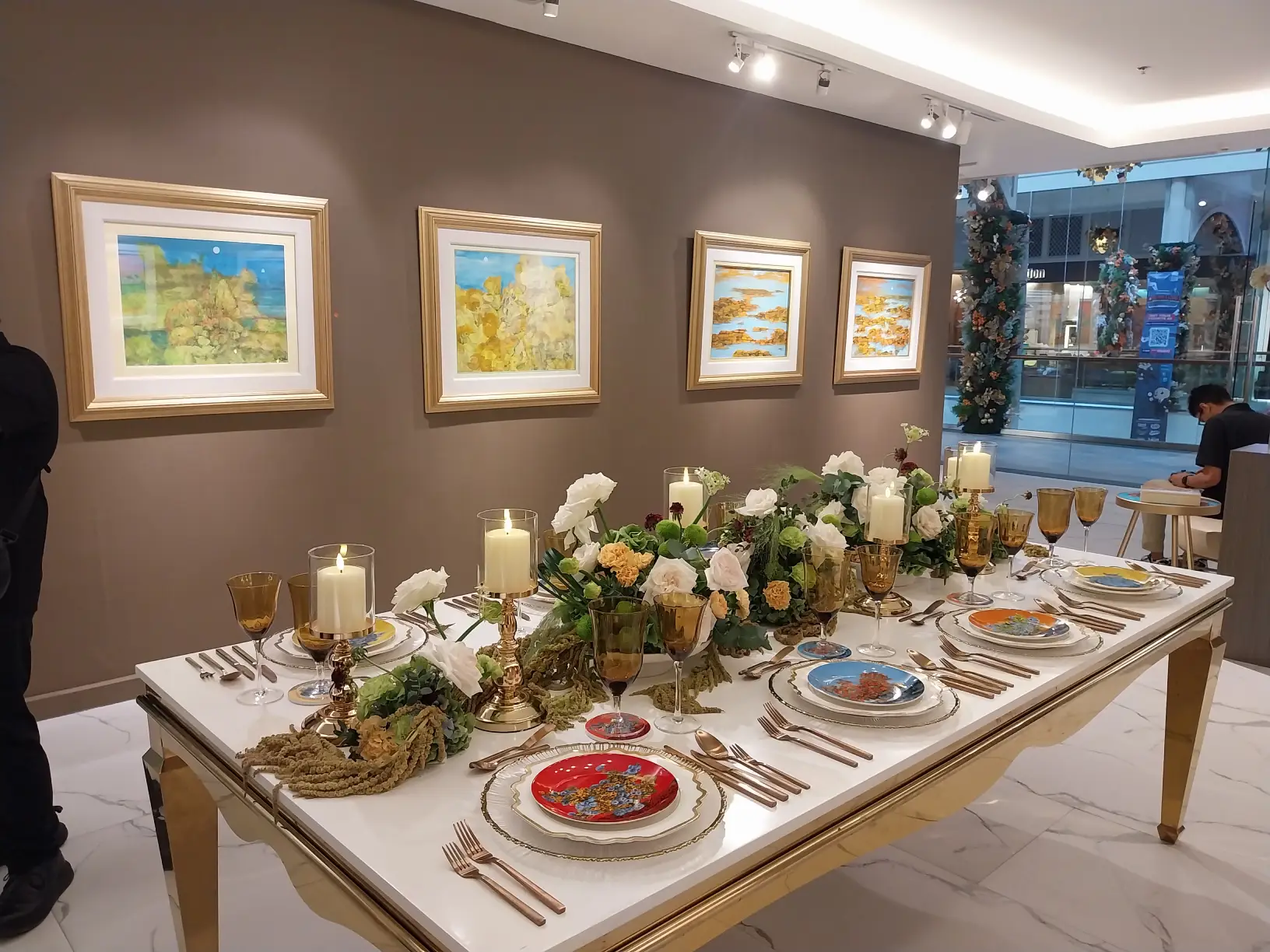
Casa Juan previously released a collection of 200 Sansó trays, which reportedly sold out so fast that “we were not even able to post it on Insta, on social media, and our socials,” according to founder Michelle Fontelera. They also released a Dominic Rubio collection in collaboration with Galerie Joaquin.
With this new, larger collection, she hopes to pay tribute to an important pillar of Filipino art.
“It’s our biggest launch to date because, of course, it’s Sansó,” she said. “And he’s a legend when it comes to art. Galerie Joaquin and I, [we’ve] known each other for quite some time, we just talked about it and then we said, ‘let’s do, let’s do something for Sanso.’ Of course, it’s also an homage and tribute to him, [because] he passed away this year, in February.”
Art That You Can Use
The paintings for Casa Juan x Sansó were personally chosen by Fontelera from the private collection of Fundacion Sansó. Paintings by Sansó in the collection include “A Cerulean Daydream,” “Endearing Charm,” “Of Profound Joy,” and other paintings by the modernist.
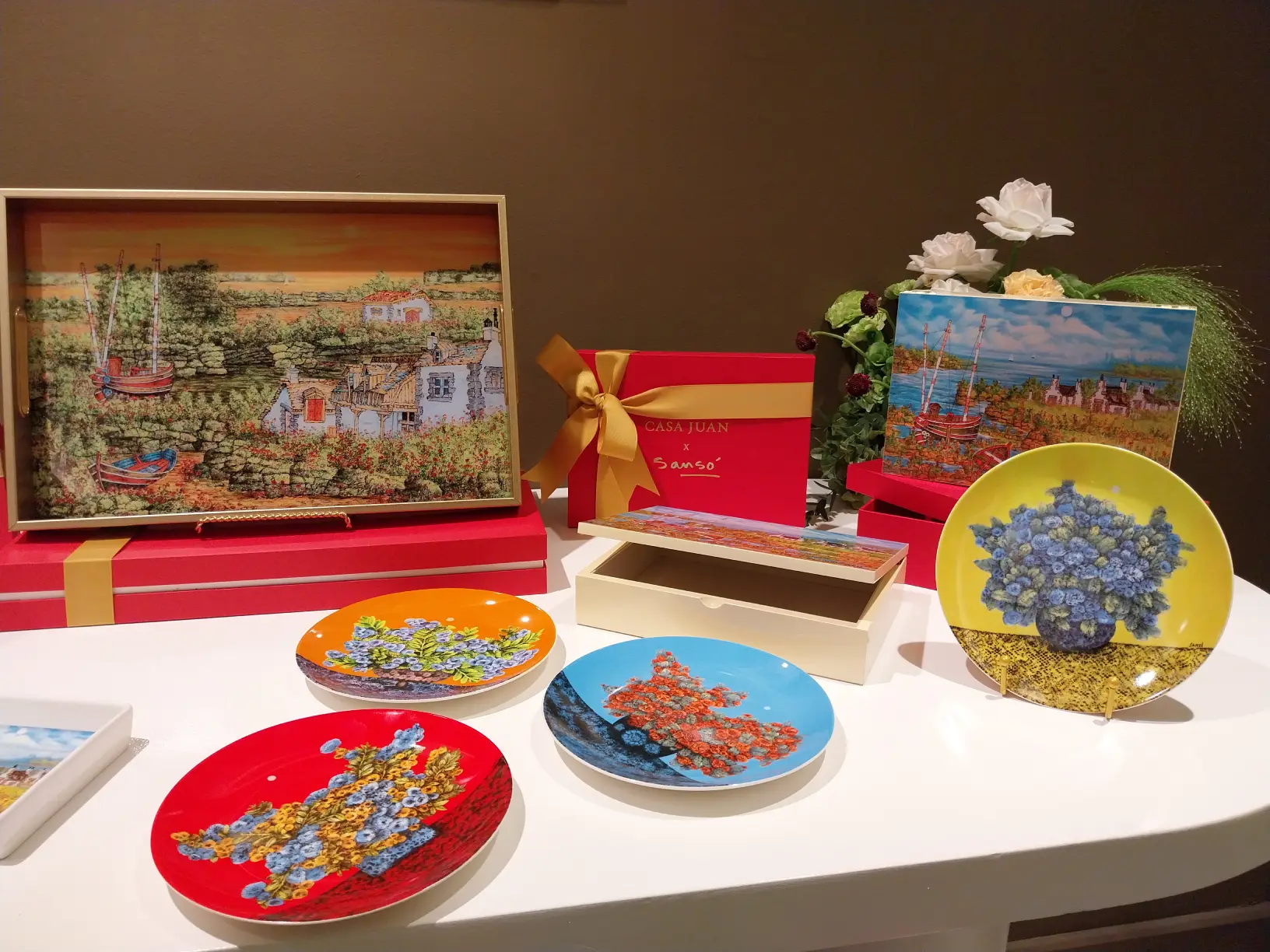
“Sansó is already an institution when it comes to Filipino art, even if he’s Spanish,” she said. “Personally, I like his work, and I’ve always wanted to own a Sansó painting. […] That’s why I collaborated with Galerie Joaquin, because the items that we have now, it’s the closest to a Sansó that I can get.”
Her curatorial choices reflect a deliberate blend of her personal taste and her understanding of the consumer’s desire for “happy art”—pieces that evoke warmth. She acknowledges Sansó’s “darker period,” but intentionally selected uplifting works for this collection so that they spark joy wherever they are used.
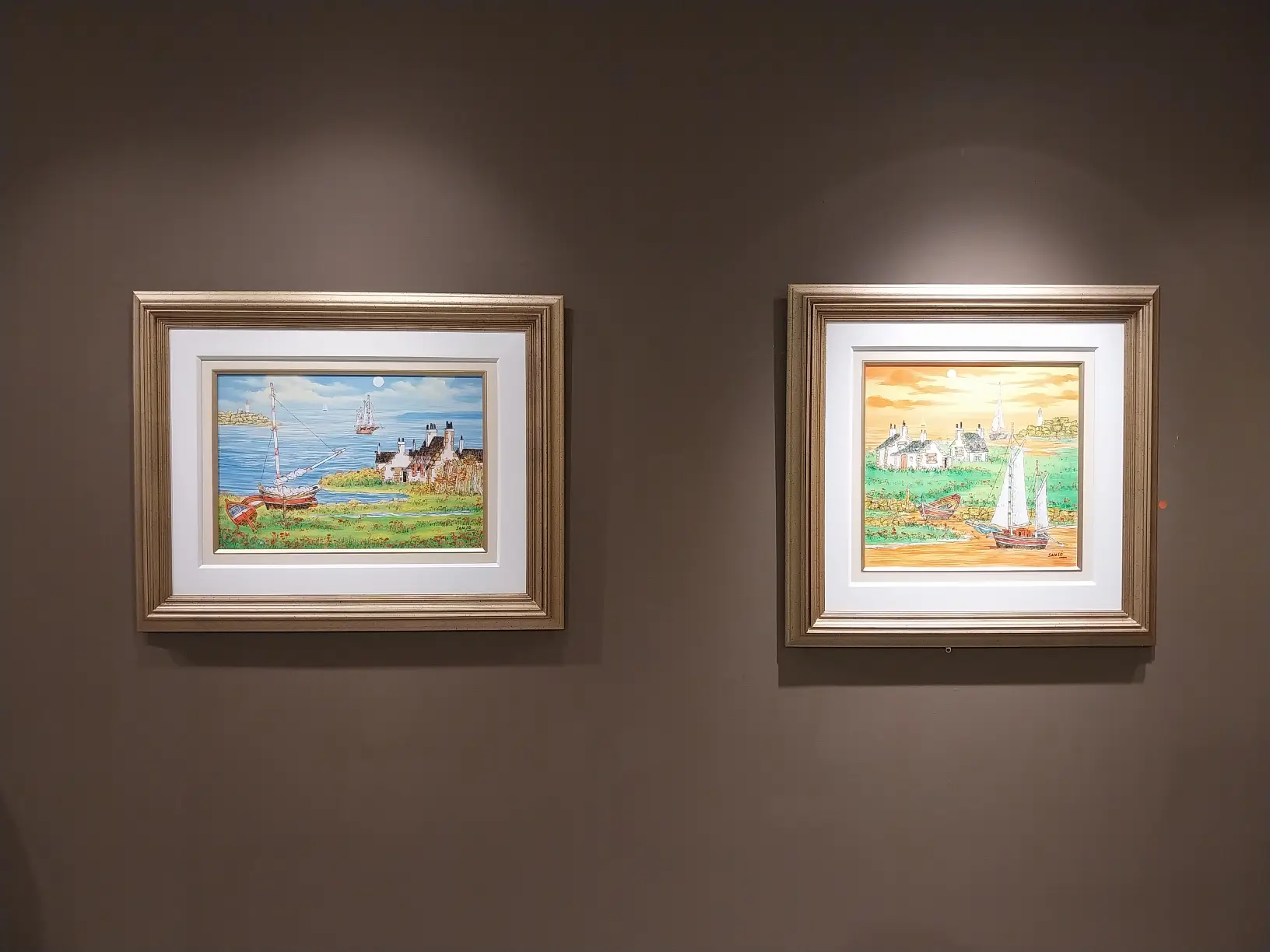
“Some people, they like abstract [art]; for some people they like dark paintings,” she said. “But a lot of people buy art because it makes them happy. [The] essence of buying something [is] it makes you happy; clothes that make you happy, art that makes you happy.”
“We chose these artworks because for me it sparks joy,” she continued. “It makes me happy. Colors, gusto ko ang beautiful seascapes. Basically, it sparks joy with life to the table, to the room.”
‘Casa Juan x Sansó’ and Providing Consumer Happiness
Fontelera sees this collection as an avenue for people to appreciate more of Juvenal Sansó’s art. While the artworks are grandiose and colorful, she also saw an opportunity to integrate fine art into the fabric of daily life. The sturdy construction of the material, she said, was to ensure that it could be used instead of being displayed.
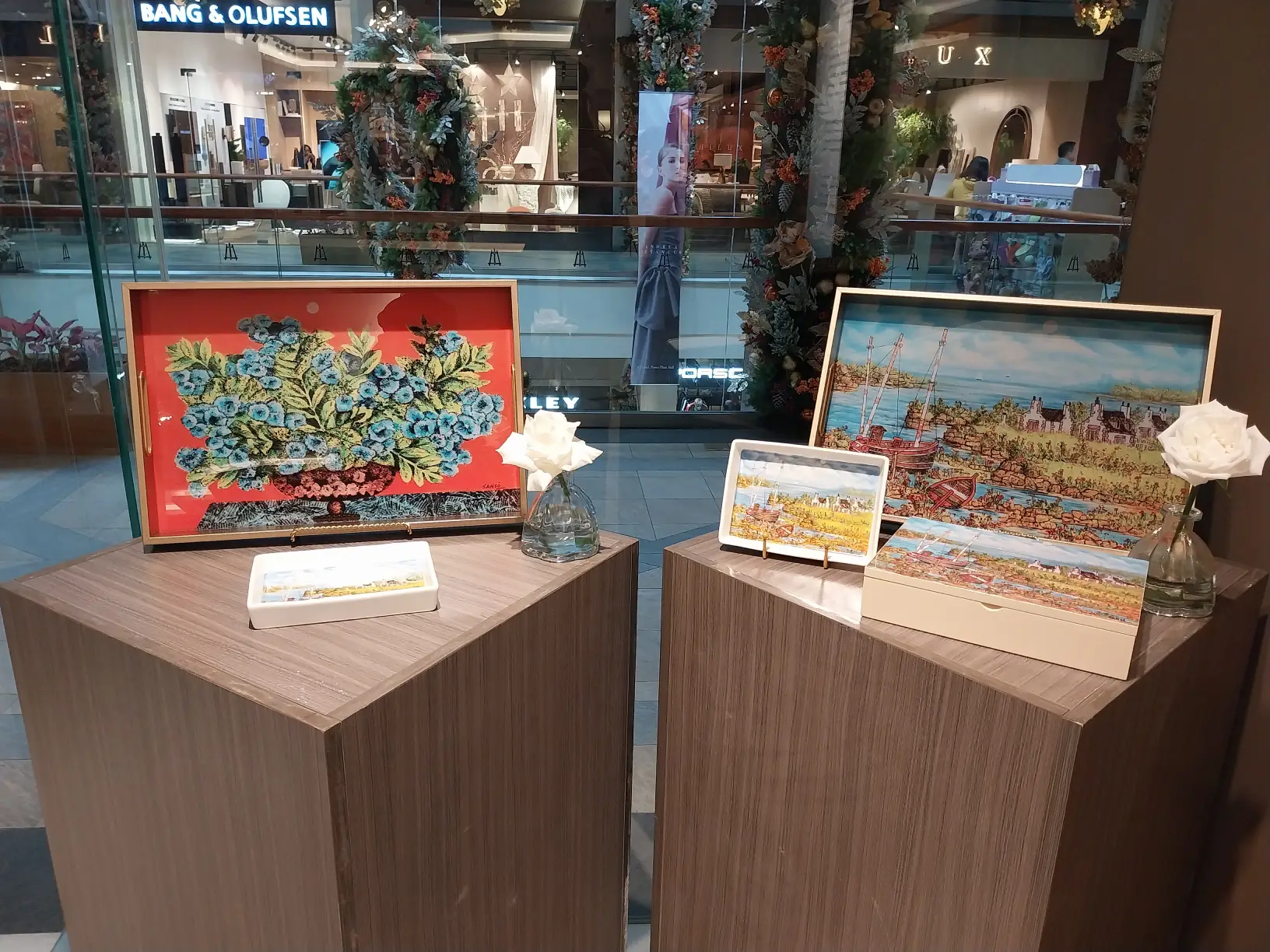
“Diba, normally the plates are on a shelf and naka-plate stand?” she posited. “That’s not what we want. We want it to be useful art, so to speak. For daily [use], for when you have lunch or high tea with your friends. When you have dinner with your family, it’s something that you see, that you use, not just something that you look at.”
A second collaboration with Galerie Joaquin is already in development. While the team remains reserved about the specifics, they hinted that the new collection will be ‘whimsical.’
The limited edition Casa Juan x Sansó collection is currently available for purchase on their website.
Photos by Elle Yap.
Related reading: A Tapestry of Filipino Life: A Collection of Home Pieces Featuring Dominic Rubio
Frequently Asked Questions
“Useful art” refers to the translation of fine art masterpieces onto functional household objects like serving trays, plates, and coasters. The goal is to move art from a static, observational position—such as a painting on a wall or a plate on a display stand—to an active role in daily life. By using sturdy materials designed for high tea or family dinners, the collection ensures that the aesthetic value of a master painter becomes a tactile part of daily rituals rather than just a visual ornament.
The curation was a deliberate shift from Sansó’s “darker period” toward his more idyllic and “happy” works. Fontelera selected pieces like A Cerulean Daydream and Of Profound Joy specifically because they evoke warmth and happiness. This strategy acknowledges that while abstract or dark art has academic value, consumer homeware often prioritizes pieces that “spark joy” and bring a sense of life and vibrant color to a dining room table.
The launch serves as a memorial tribute following Sansó’s passing in February 2025. By collaborating with Fundacion Sansó and Galerie Joaquin, Casa Juan ensures that the artist’s legacy remains accessible to a broader audience. It provides a way for admirers who may not be able to own an original canvas to possess a piece of the modernist’s vision, effectively democratizing his legendary status through limited-edition functional pieces.
Traditional gallery viewing is a purely visual, often distant experience. Tactile art appreciation, as facilitated by this collection, allows the “institution” of Filipino art to be felt and handled. When a masterpiece is printed on a jewelry box or a coaster, it creates a personal, intimate connection between the user and the artwork. This physical interaction helps integrate the artist’s vocabulary into the user’s personal environment, making the art feel more grounded and less intimidating.
Collaborations between homeware brands and art foundations create a “secondary platform” for art education. When items like the initial 200 Sansó trays sell out before even hitting social media, it demonstrates a massive demand for art-integrated products. This success encourages more galleries to open their private collections for high-quality licensing, providing new revenue streams for foundations and ensuring that the works of Filipino masters continue to influence contemporary lifestyle and design trends.
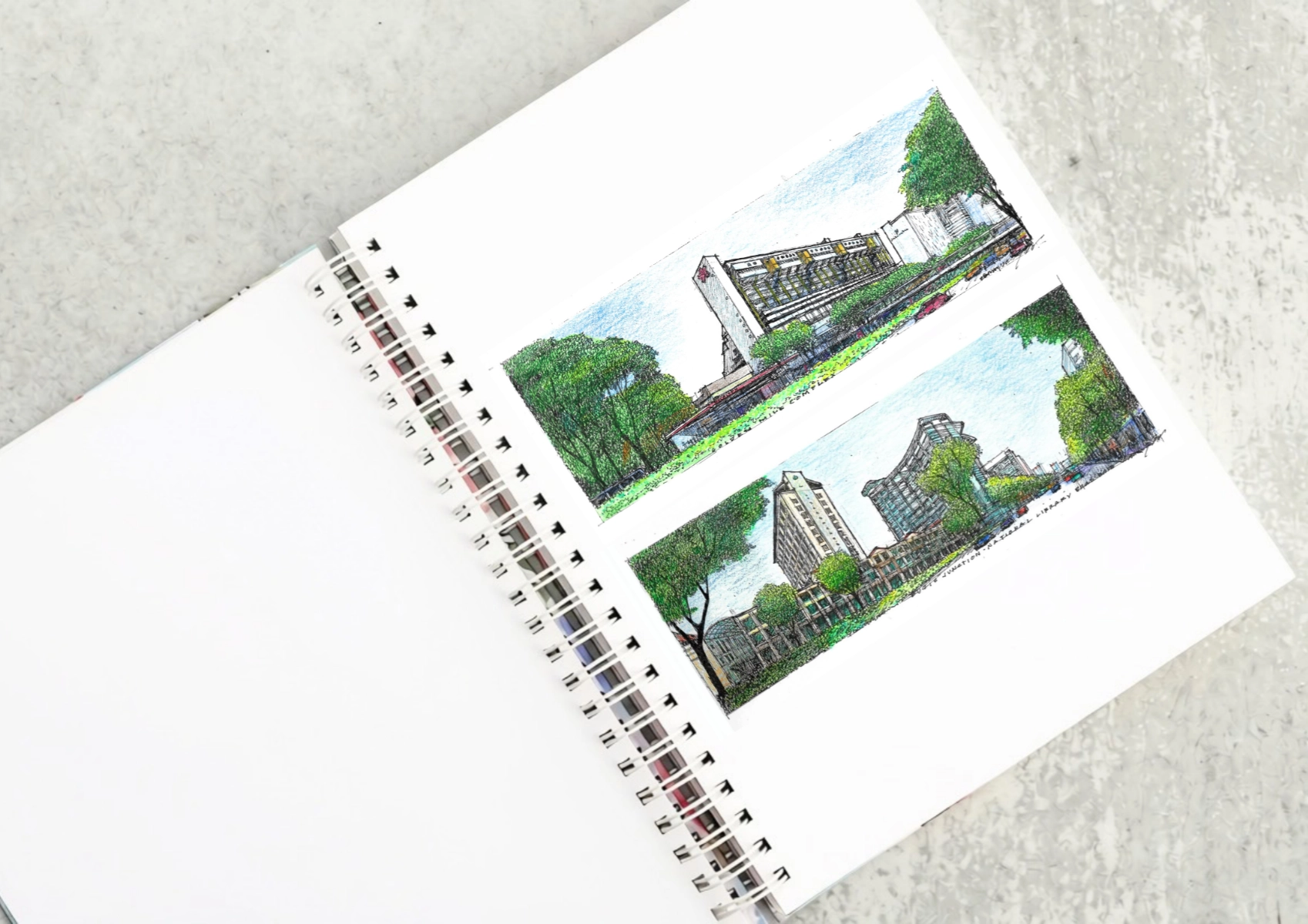
Two sketches of Singapore connect BluPrint Editor in Chief Paulo G. Alcazaren’s personal and professional history with Shared Ground: ArchitectureArchitectureThe art and science of designing and constructing buildings, structures, and spaces that are functional, safe, and aesthetically pleasing. It encompasses the planning, design, materials, and techniques used to createGo to Architecture Glossary of Care, Culture, […]
In a way, designers are the modern-day soothsayers and prophets. They design for the future, predicting how a room, a house, a building or a whole city will be used by people. They foresee how users will interact with a space, conjure exact shades of colors to elicit specific behavior and arrange furniture to build […]
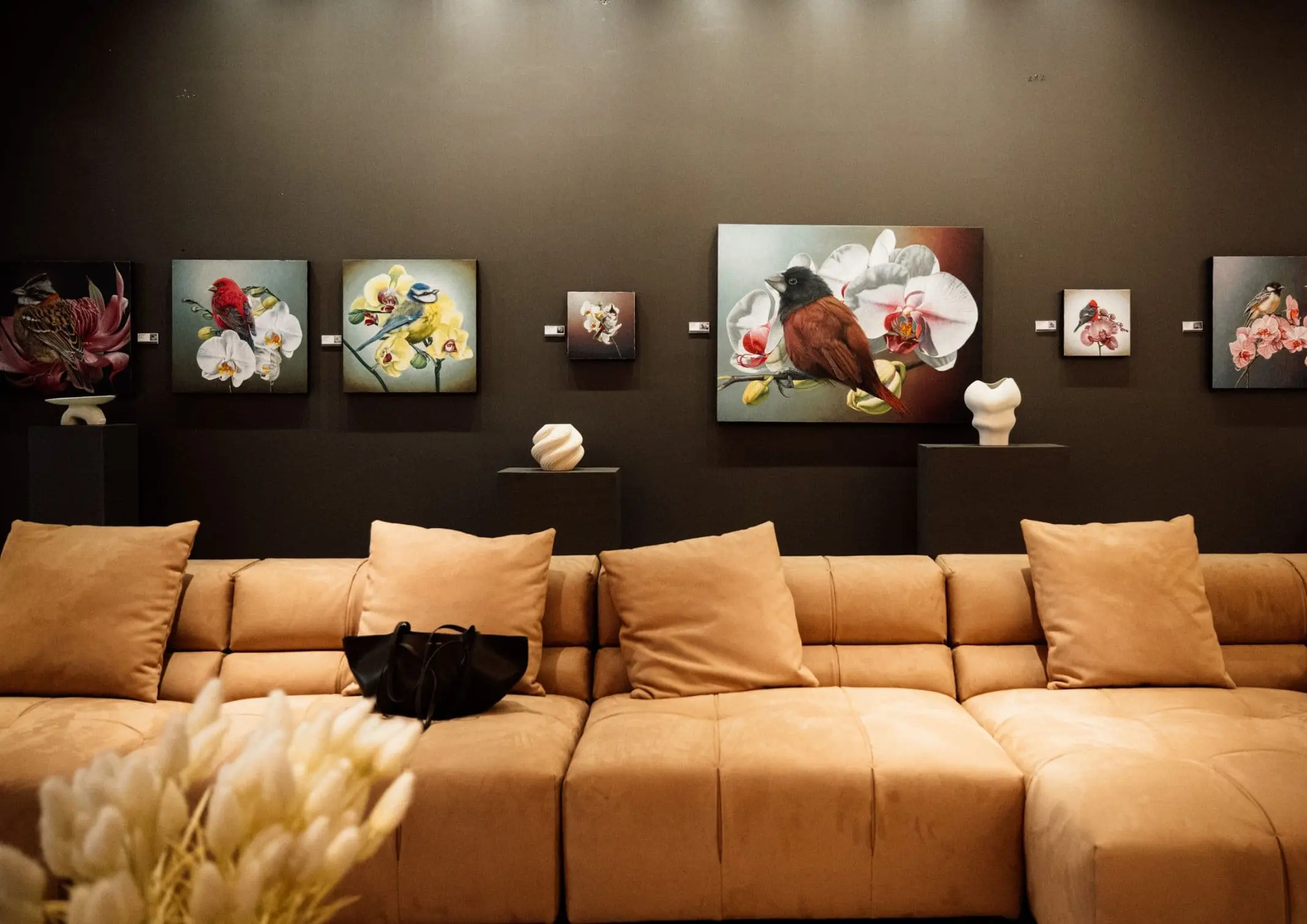
Art and furniture are often selected separately, yet their relationship can shape how a room looks and feels. The collaboration between Hooga and Galerie Joaquin explores how these elements can work together, bringing contemporary artworks into furnished residential settings at Hooga’s showroom in Uptown Mall, Bonifacio Global City. For Hooga, which curates furniture, lighting, and […]
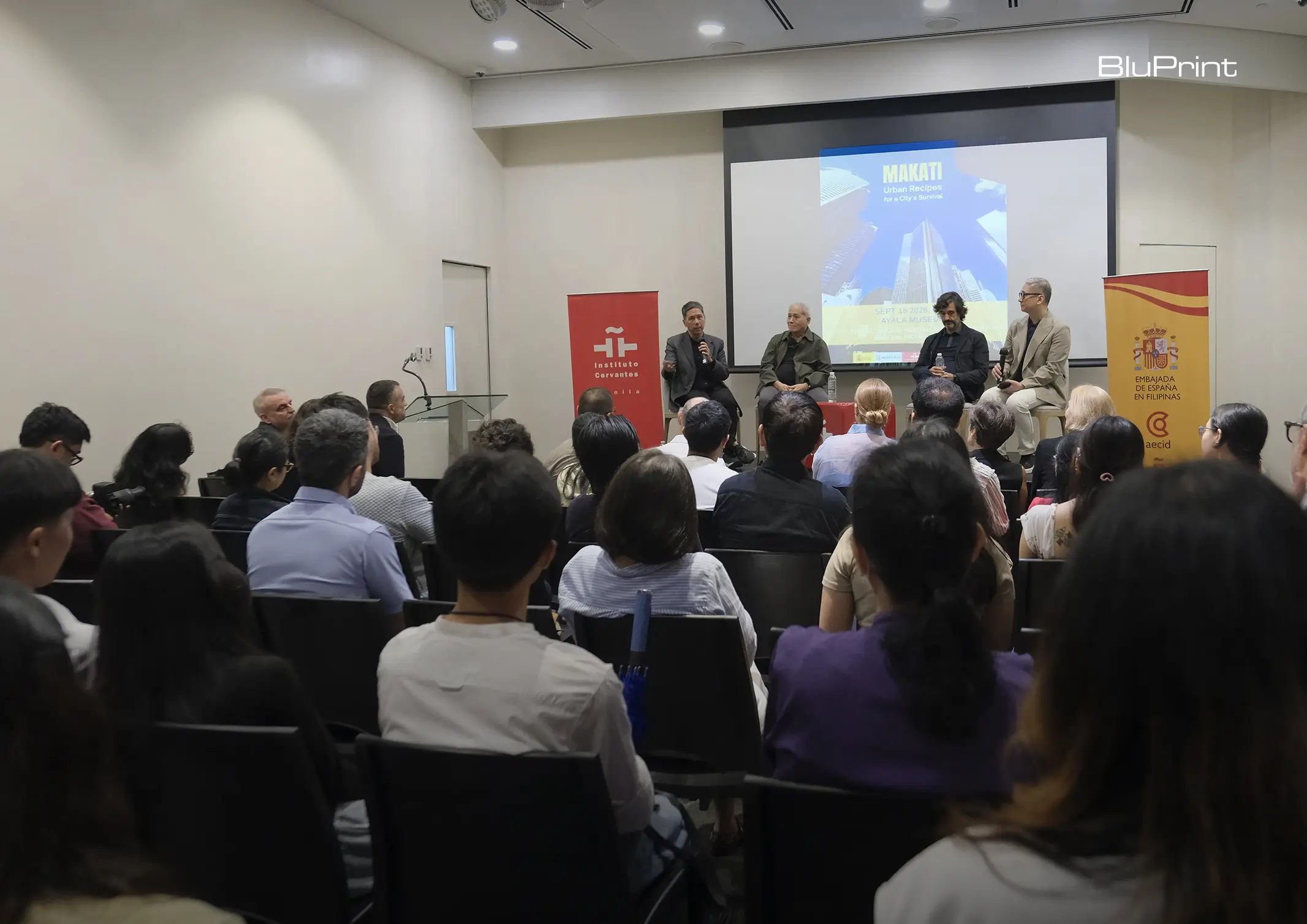
How can better-planned cities create the conditions for more creative, livable, and resilient urban environments? “Makati Urban Recipes for a City’s Survival,” a colloquium held at the Ayala Museum on September 15, brought together architects and practitioners from the fields of urbanism and the creative economy to discuss how design, planning, and collaboration can address […]
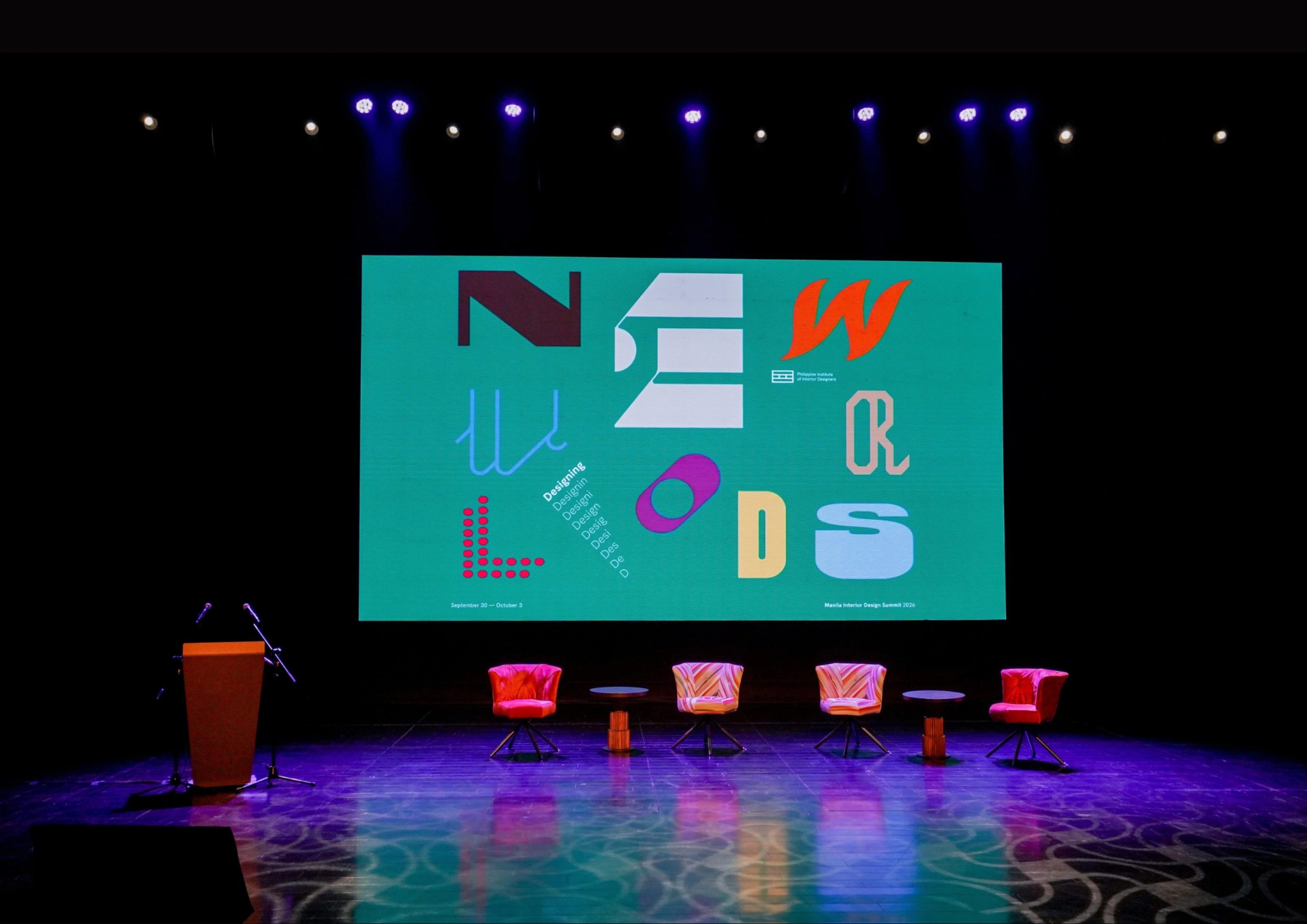
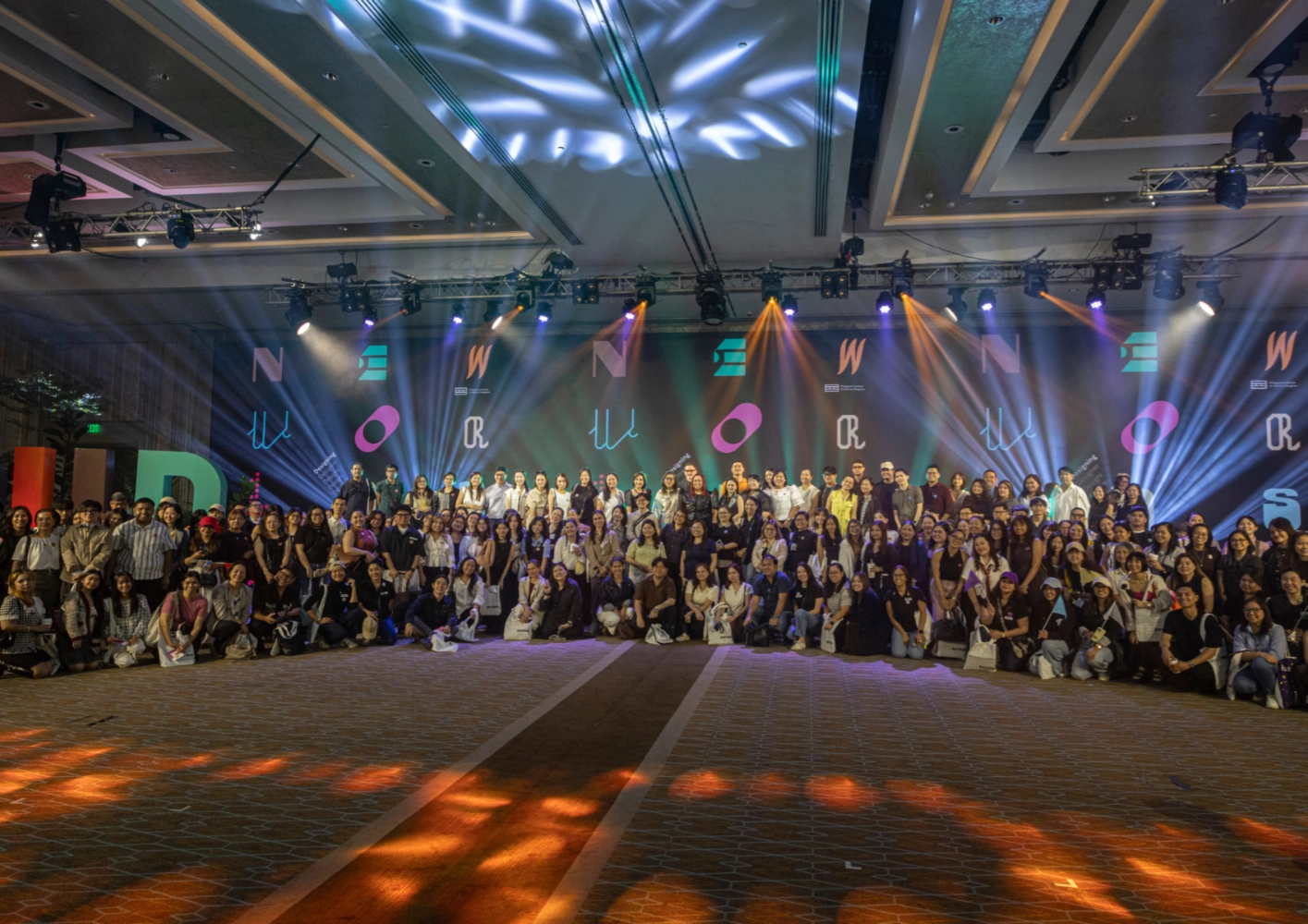
The fourth Manila Interior DesignInterior DesignThe discipline of planning and shaping interior spaces for function, comfort, safety, and beauty. It covers layout, lighting, materials, finishes, furniture, and color, and in the Philippines is a licensedGo to Interior Design Glossary Summit (MIDS) brought together more than 300 delegates for four days of conversations, exhibitions, and design […]
Read the issues.

Collect the volumes.

Recommended Video
Tap to Unmute
Unmute
0:00
0:00