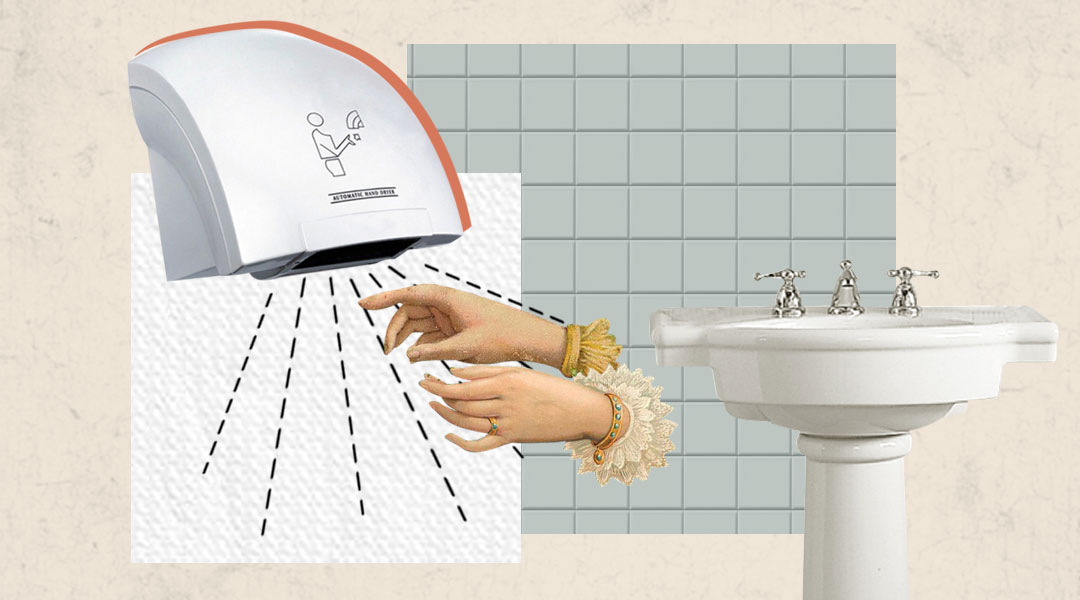



Bathrooms are one of the most unsanitary places, be in in a mall or your home. Any trip to a public bathroom isn’t complete without a proper handwashing. After every visit to the loo, make sure to wash your hands with soap and water. It is a proven fact hand washing can reduce the amount of bacteria on your hands. However, it is also important to note that how you dry your hands after can affect that cleanliness.
So which is more sanitary? Patting your hands dry with a tissue or letting your hands dry under a hand dryer? Both have pros and cons. Tissue drying is faster but less eco-friendly. Meanwhile, hand dryers are slightly more eco-friendly but they do take longer and have the tendency to dry out your skin with the heat.
The Mythbuster’s test this out by conducting an experiment with 16 participants that washed their hands with soap and water, had their hands dried with a tissue and hand dryer, and swabbed for testing. The results will shock you
Hand drying reduced 23% of bacteria load but paper towel drying reduced it to 71%! Proving that using tissue to dry your hands is more sanitary than hand dryers. Moreover, they also tested out the areas of the tissue dispenser and the area of the hand dryer for bacterial colonies. Surprisingly enough, there were only 3 bacterial colonies for the tissue’s general area and there’s 41 bacterial colonies for the hand dryers!
Read More: We Just Discovered Your Shower Head’s Nasty Secret!
So the next time you head to the bathroom, you might want to move away from the hand dryers. Opt for tissue to dry your hands instead, it’s wayyyyy more sanitary! Just remember to get enough tissue (and not too much!) to dry your hands to avoid being too wasteful.
Watch the experiment here:
https://www.facebook.com/MythBusters/videos/10155430633603224/
Frequently Asked Questions
According to experiments conducted by MythBusters, substituting hand dryers for paper towels or tissues is significantly more effective at removing remaining germs. While hand dryers only reduce the bacteria load by 23%, using a tissue can reduce it by 71% through the mechanical action of friction. This physical removal of moisture and microbes makes tissue drying the superior choice for maintaining personal hygiene in high-traffic environments.
A frequent error is believing that touchless hand dryers are more sanitary because you don’t have to pull a lever; however, the area around hand dryers often harbors much higher bacterial counts. Testing revealed 41 bacterial colonies near hand dryer units compared to only 3 near tissue dispensers, as the warm air can circulate and trap bacteria in the immediate vicinity. To avoid cross-contamination, users should prioritize tissue dispensers even if they require physical contact to operate.
Hand dryers often rely on intense heat to evaporate moisture, which has the negative tendency to dry out the skin’s natural oils and cause irritation. Unlike paper towels, which blot moisture away quickly, the prolonged exposure to high-velocity heated air can damage the skin barrier over time. This makes tissue drying not only more sanitary but also gentler for individuals with sensitive skin or those who wash their hands frequently throughout the day.
Tissue drying works through absorption and friction, physically lifting bacteria away from the skin’s surface and onto the disposable paper. In contrast, hand dryers rely on air displacement and evaporation, which can take significantly longer and often fails to remove the bacterial colonies residing in the damp crevices of the hands. This mechanical difference explains why paper towels are nearly three times more effective at reducing the overall bacterial load post-wash.
While tissue drying is less eco-friendly due to waste production, you can minimize your environmental impact by using only the necessary amount—typically one or two sheets—to fully dry your hands. Avoiding the “wasteful” habit of pulling multiple tissues ensures you benefit from the 71% bacteria reduction while keeping paper consumption low. Balancing the high sanitary performance of tissues with mindful usage helps bridge the gap between personal health and environmental responsibility.