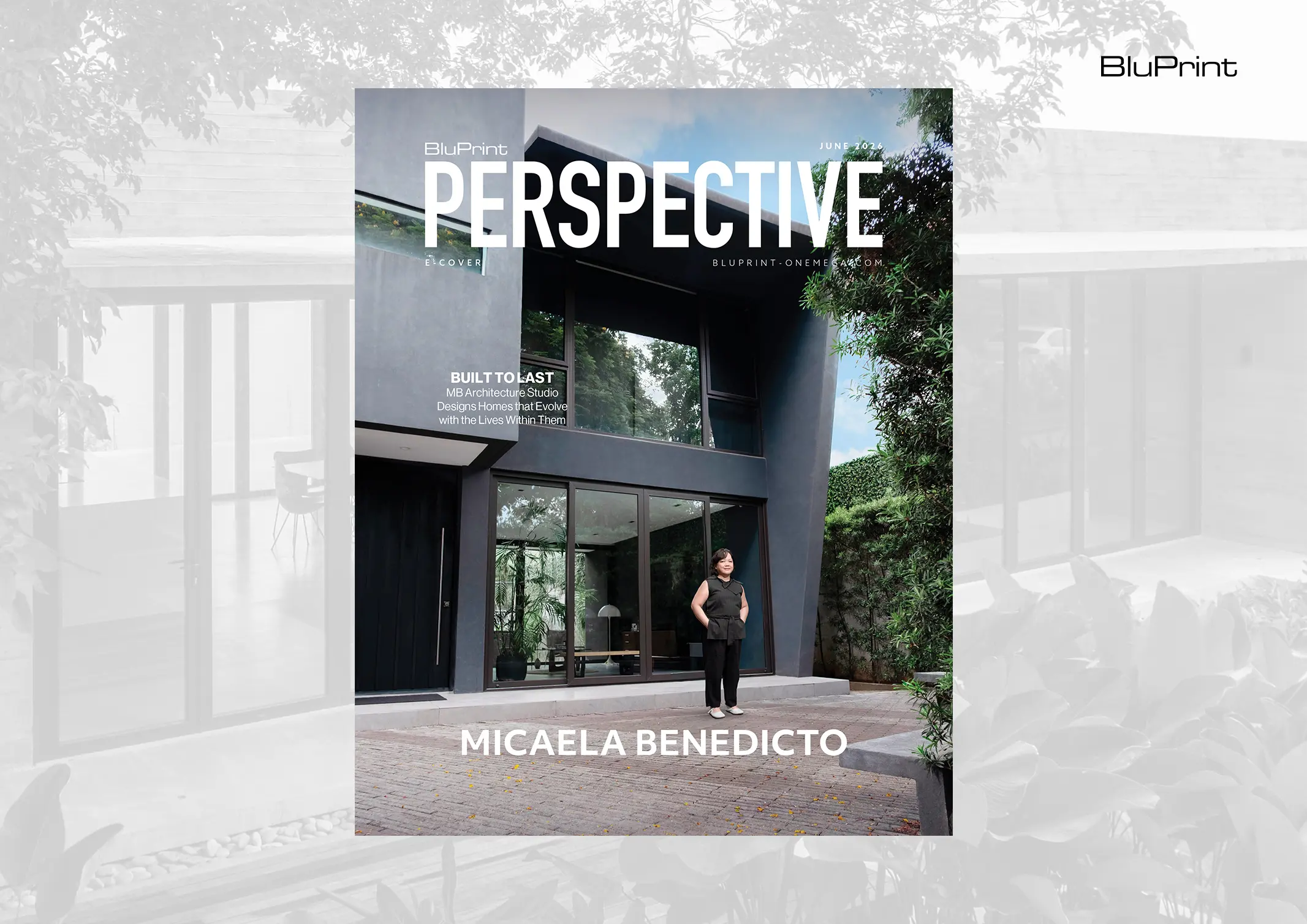
Since setting up her design firm, MB Architecture Studio, in 2007, Ar. Micaela Benedicto has built a diverse portfolio of architectural projects. Her works, whether residential or commercial, showcase a distinct spatial quality, “I like to create things that can go from something static to something that is alive and reactive,” Benedicto states. “In creating […]
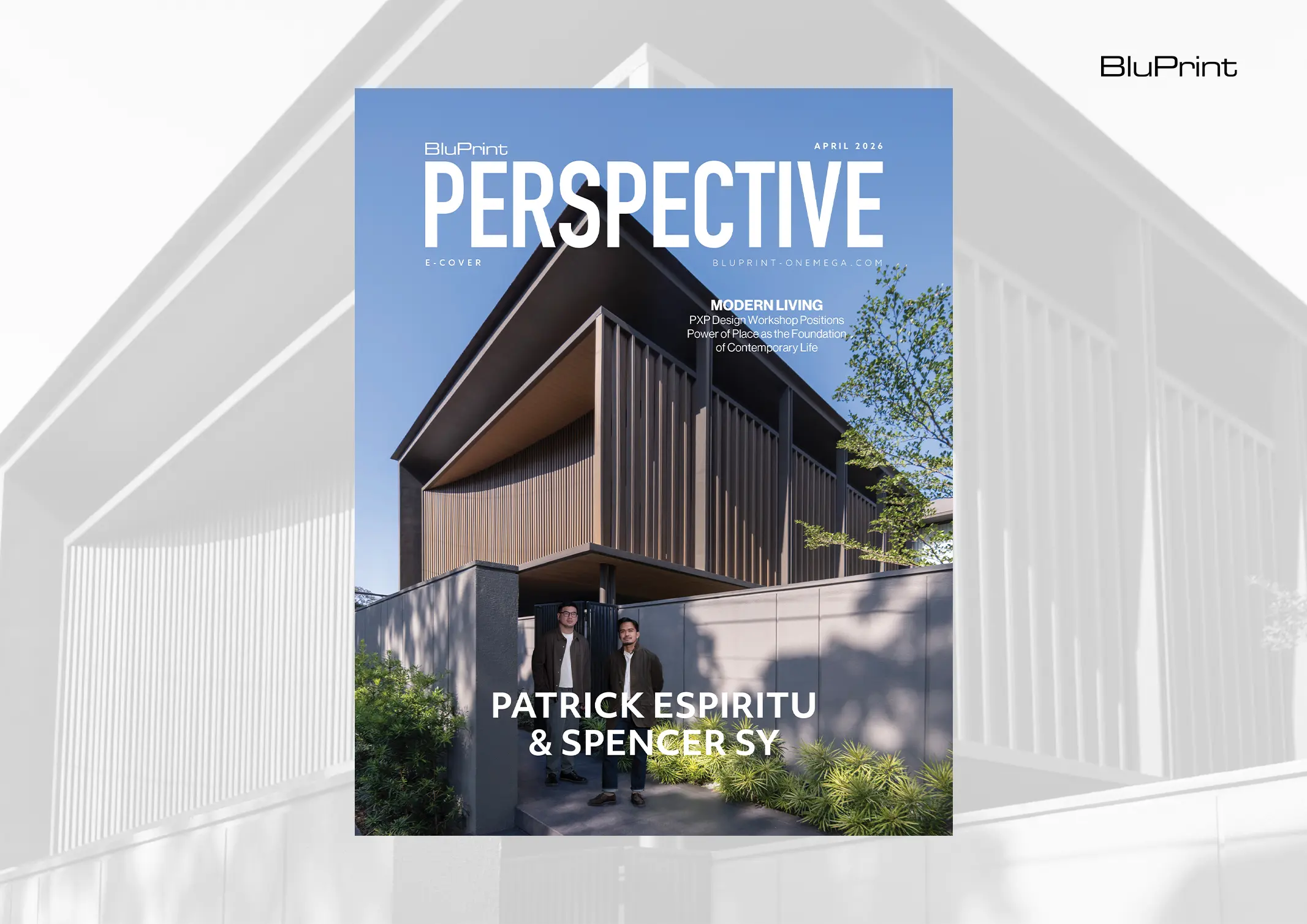
How PXP Design Workshop Shapes Better Living Through Design



Architects Spencer Sy and Patrick Espiritu of PXP Design Workshop believe it is their responsibility to create spaces that improve how people live. The studio is known for modern residences and nature-integrated homes that show how the built environment can shape human interaction.
Building a Practice in the Philippines
As a child, Sy was drawn to architectureArchitectureThe art and science of designing and constructing buildings, structures, and spaces that are functional, safe, and aesthetically pleasing. It encompasses the planning, design, materials, and techniques used to createGo to Architecture Glossary through scale models and how they were made. Espiritu was first interested in visual art, inspired by Caravaggio and the intricacy of his paintings. On his parents’ advice, he eventually pursued architecture.
Their early interests continue to shape their roles today. “Ever since the start, Pat has leaned toward design, while I’m more interested in the technical side. We have clear boundaries in the firm, which creates a great partnership,” Sy shares.
The two architects also shared a similar career path. Both were trained in the same design studio and later gained experience abroad in Singapore. Starting their own practice back home became the natural next step.
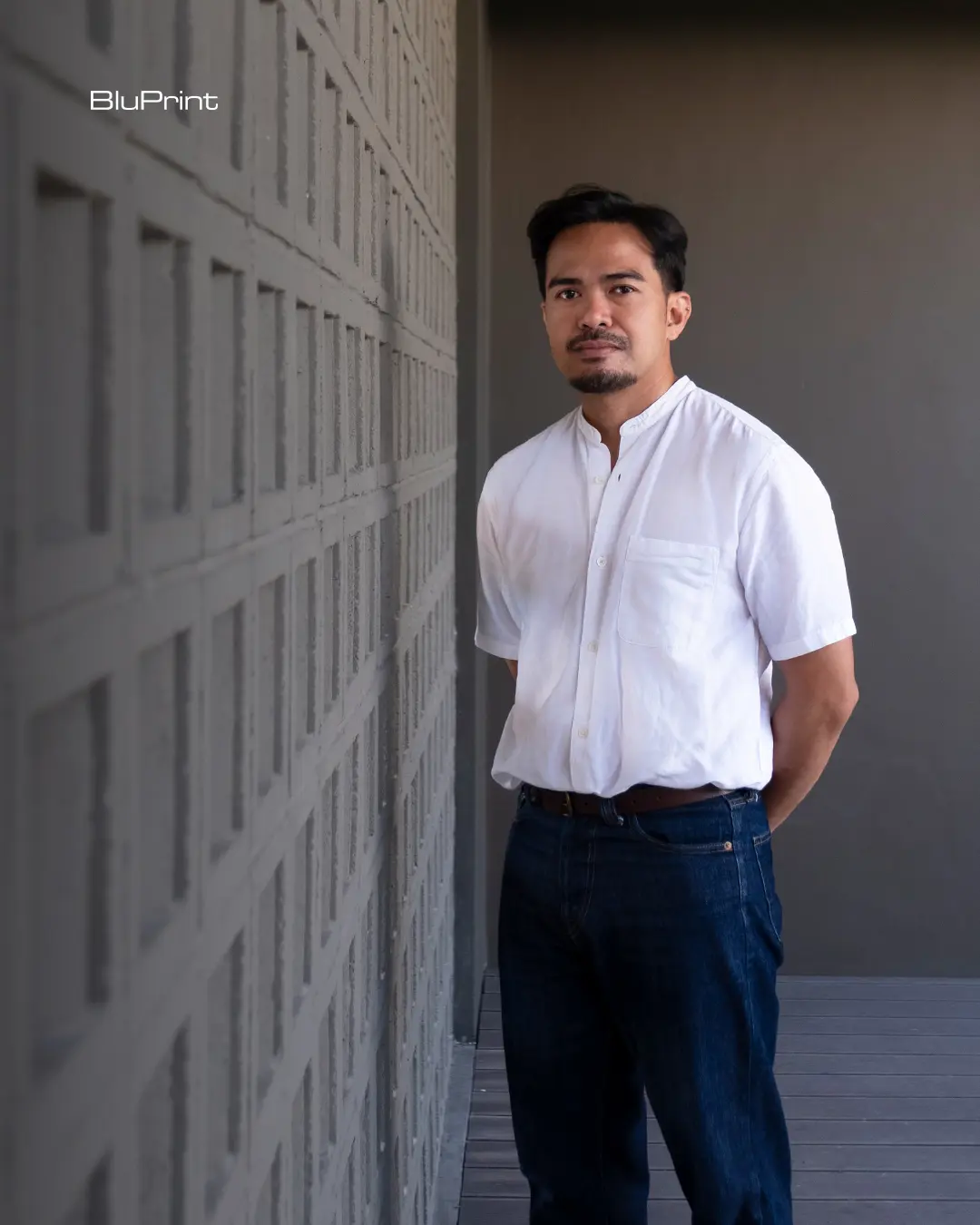
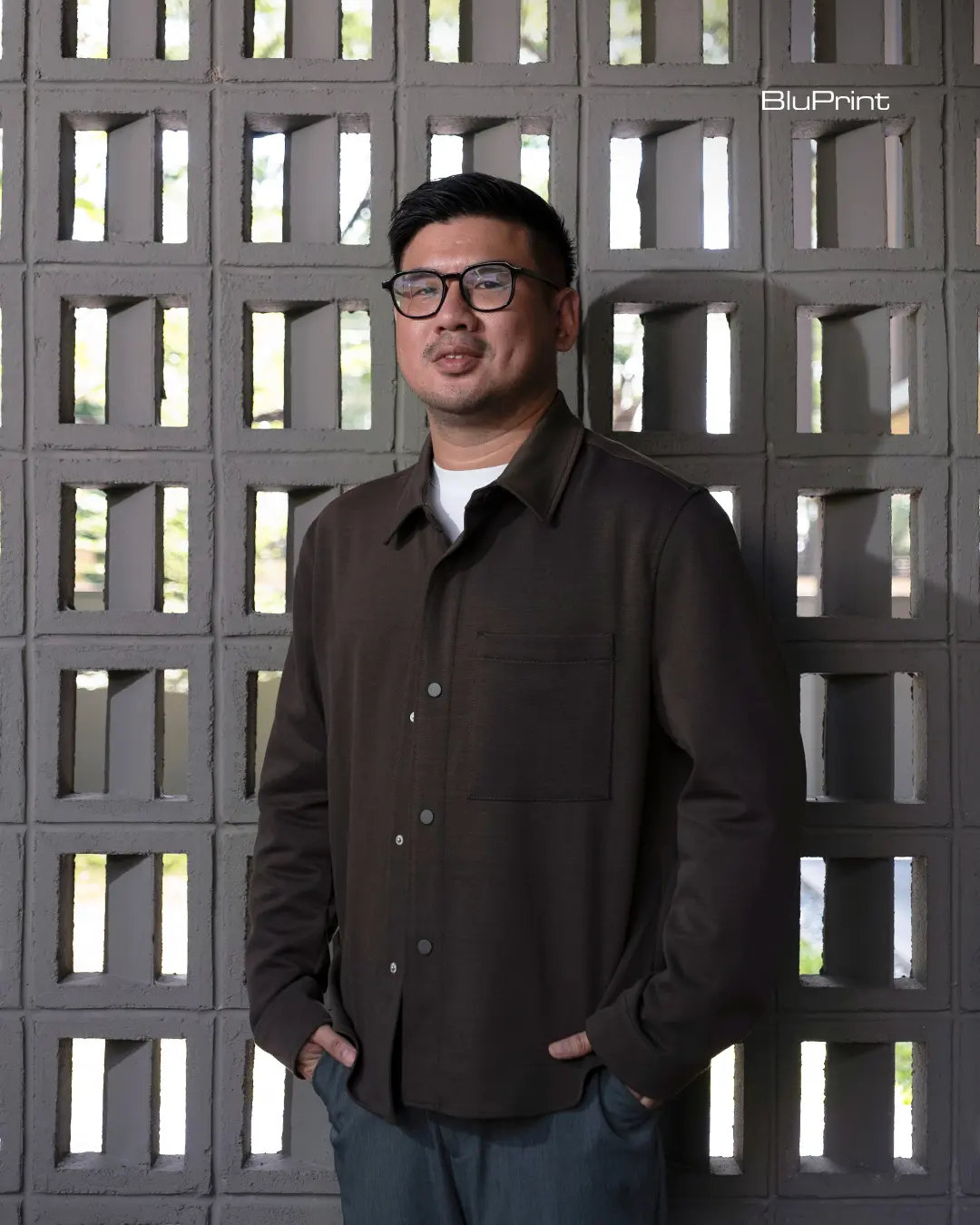
“When I went to Singapore, my goal was to gain experience, learn from international designers, and eventually bring those learnings back home to my own practice,” Espiritu shares.
Sy adds, “After our experience abroad, we felt confident applying what we learned locally. We want to bring international standards in design and work ethics to the Philippines.”
How Biophilic Design Connects Homes to Nature
Biophilic designBiophilic DesignAn approach that strengthens the connection between people and nature within the built environment. It uses daylight, natural ventilation, plants, water, organic forms, and natural materials to improve wellbeing, focus,Go to Biophilic Design Glossary sits at the core of the firm’s philosophy. PXP integrates architecture and interiors with nature and living systems to improve everyday well-being.
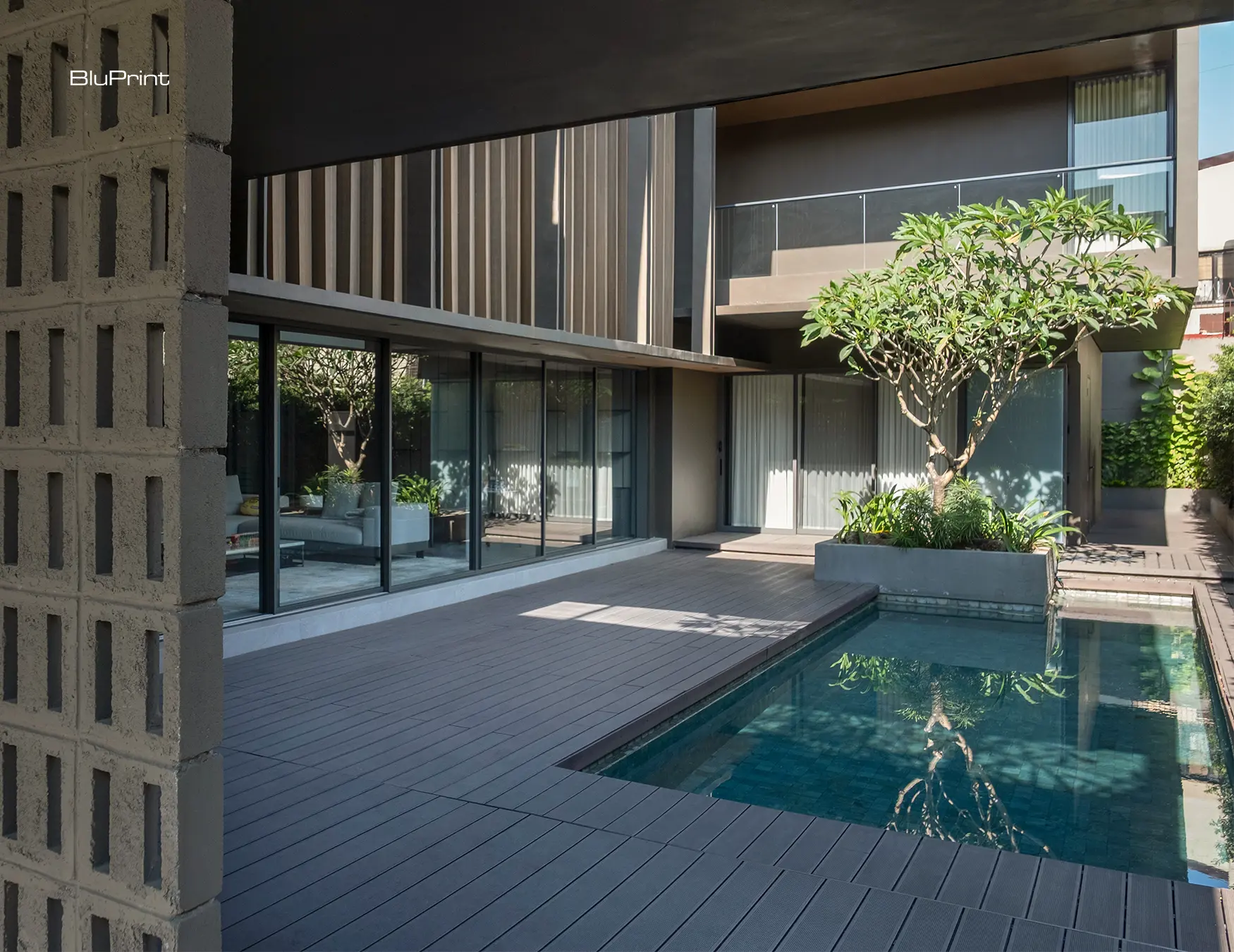
In practice, this often means blurring the boundary between indoors and outdoors. The firm is intentional about how occupants experience the landscape. Material choices also shape mood through organic textures, warmth, and familiarity, helping create comfort and ease.
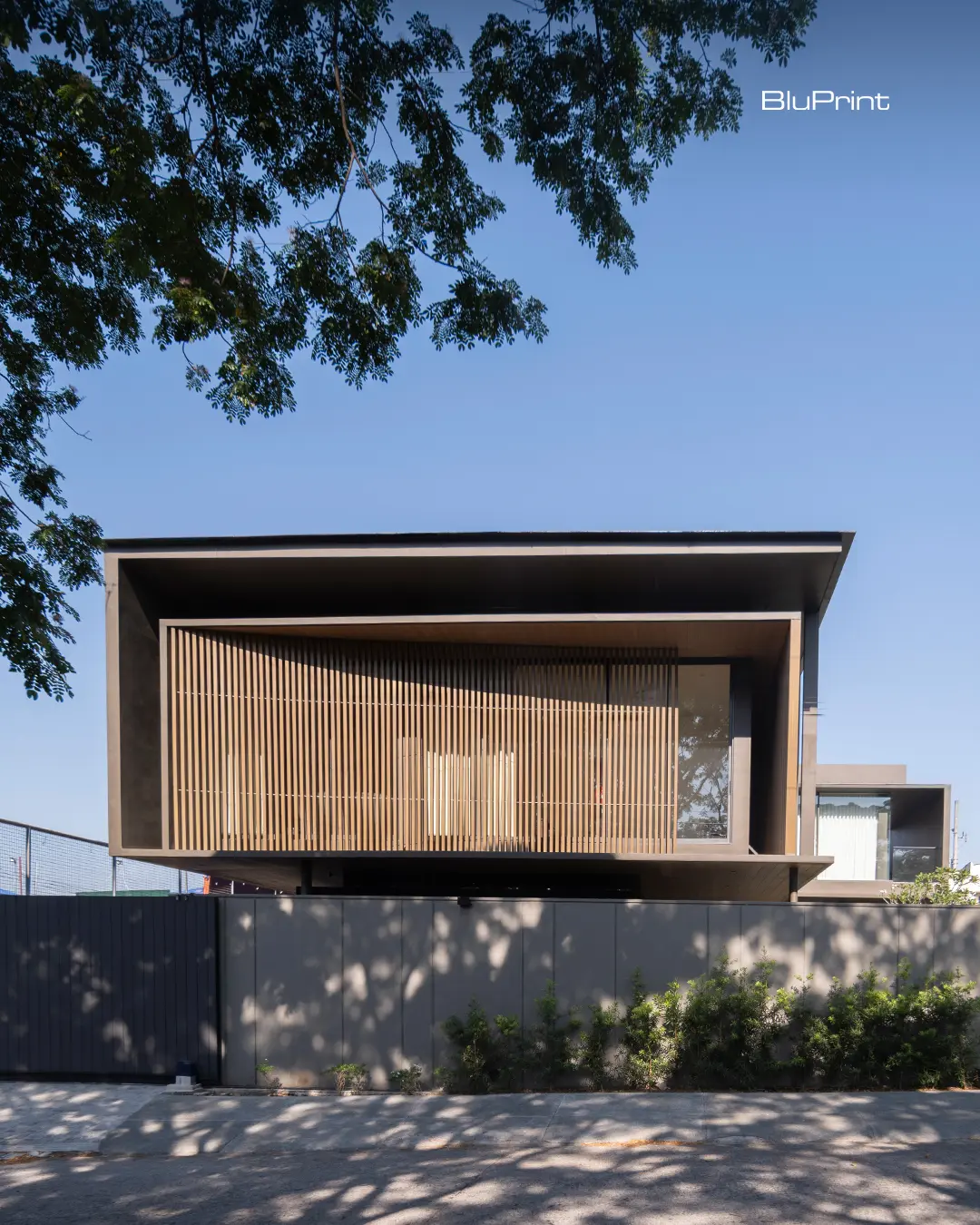
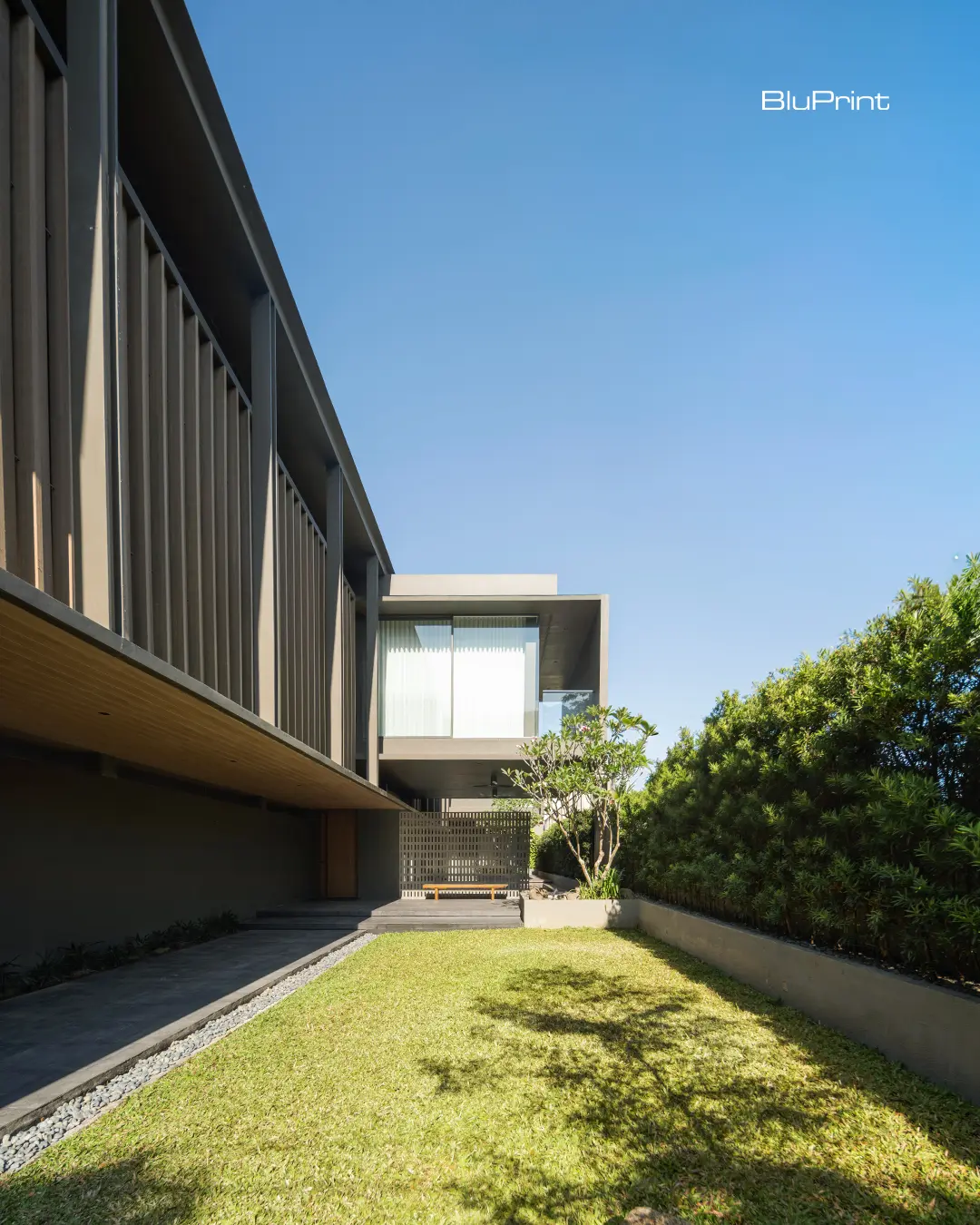
Engaging the senses is equally important. Beyond visual appeal, the firm considers touch through materials such as warm wood and cool stone, as well as sound through the presence of nature.
“The rustling of leaves, the movement of water, and the subtle ambient sounds of nature complete the experience,” Espiritu says.
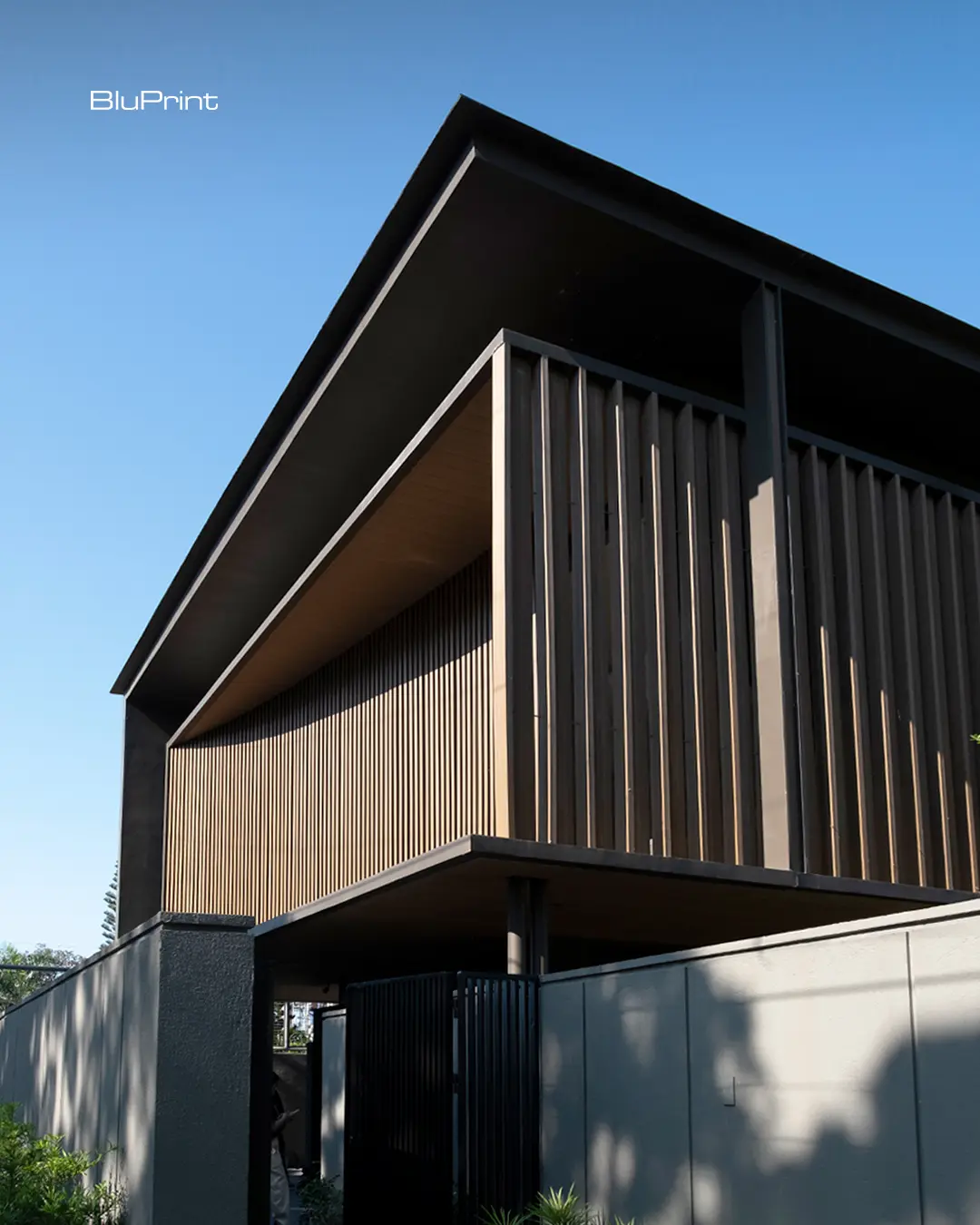
Tropical architecture is another defining layer of their work. It informs passive cooling, shading systems, and the orientation of spaces. Each room is planned for natural ventilation through considered inlet and outlet airflows, improving comfort while reducing energy use.
Related Reading: How to Nurture a Greener Urban Life in Manila
Sustainability is embedded throughout the design process, from site study to spatial orientation. “Rather than treating sustainability as an afterthought, it is part of our design solution and deeply embedded in our process,” Espiritu explains.
Designing for Better Living
PXP’s mission is rooted in human-centered design. The firm takes time to understand how people live and behave, then creates spaces tailored to real needs. Every project begins with a careful study of the site so each response remains grounded in context.
Their vision is to create timeless architecture that improves daily life and helps people find meaning in ordinary routines through thoughtful design. As Espiritu puts it, “Design and construction can be chaotic. It is easy to be swayed and lose sight of your ideas. Stick to your concept. It’s your compass.”
Beyond the client, PXP also considers the broader community. Each home carries a responsibility to its neighborhood through visual identity, gathering, and connection. Espiritu explains, “Ultimately, our responsibility is to create spaces that improve how people live: spaces that foster meaningful relationships, both within the community and with nature.”
Related Reading: Why Natural Ventilation Still Matters in Philippine Architecture
Homes Built Around Everyday Life
A residential project in Antipolo, Rizal, shows how the firm’s philosophies translate into built form. Their process begins with listening. “We always start by understanding the fundamentals: the site and the client. We listen closely to our clients’ needs, and at the same time, we listen to what the site is telling us. That’s always the first step,” shares Espiritu.
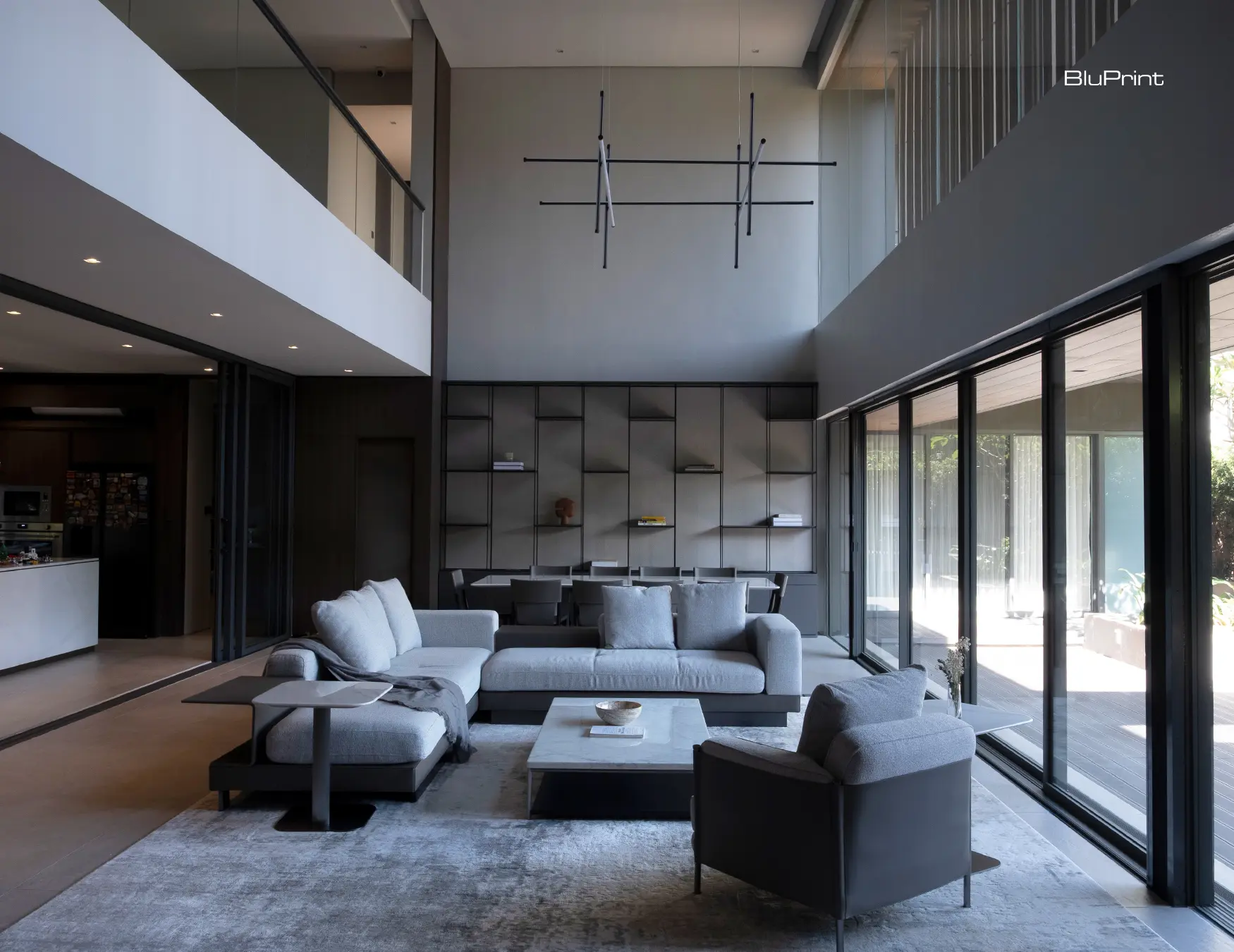
Across many of their home designs, visual connectivity is key. Living, dining, and kitchen spaces are planned as one continuous environment so family members can see and sense one another throughout the day. As Espiritu notes, “Our philosophy remains constant, but our design solutions continue to evolve. We’re always adapting and staying open to new technologies to better respond to the changing needs of people.
In dense cities such as Metro Manila, the firm still finds ways to bring nature in through pocket gardens, setbacks, and inward-looking courtyards. These features soften the environment while improving daylight and passive coolingPassive CoolingStrategies that lower indoor temperatures without mechanical air-conditioning, relying on building design instead. Techniques include cross-ventilation, stack effect, deep eaves, shading devices, thermal mass, courtyards, and vegetation. Essential in theGo to Passive Cooling Glossary. By carefully framing how nature is experienced, PXP creates calm and intentional spaces that counter the pressure of urban life.
Looking Forward: Localizing Global Design Ideas
Espiritu believes globalization has inevitably shaped architectureArchitectureThe art and science of designing and constructing buildings, structures, and spaces that are functional, safe, and aesthetically pleasing. It encompasses the planning, design, materials, and techniques used to createGo to Architecture Glossary in the Philippines. Like many Filipino architects who worked overseas, Sy and Espiritu returned with new perspectives, systems, and ways of thinking.
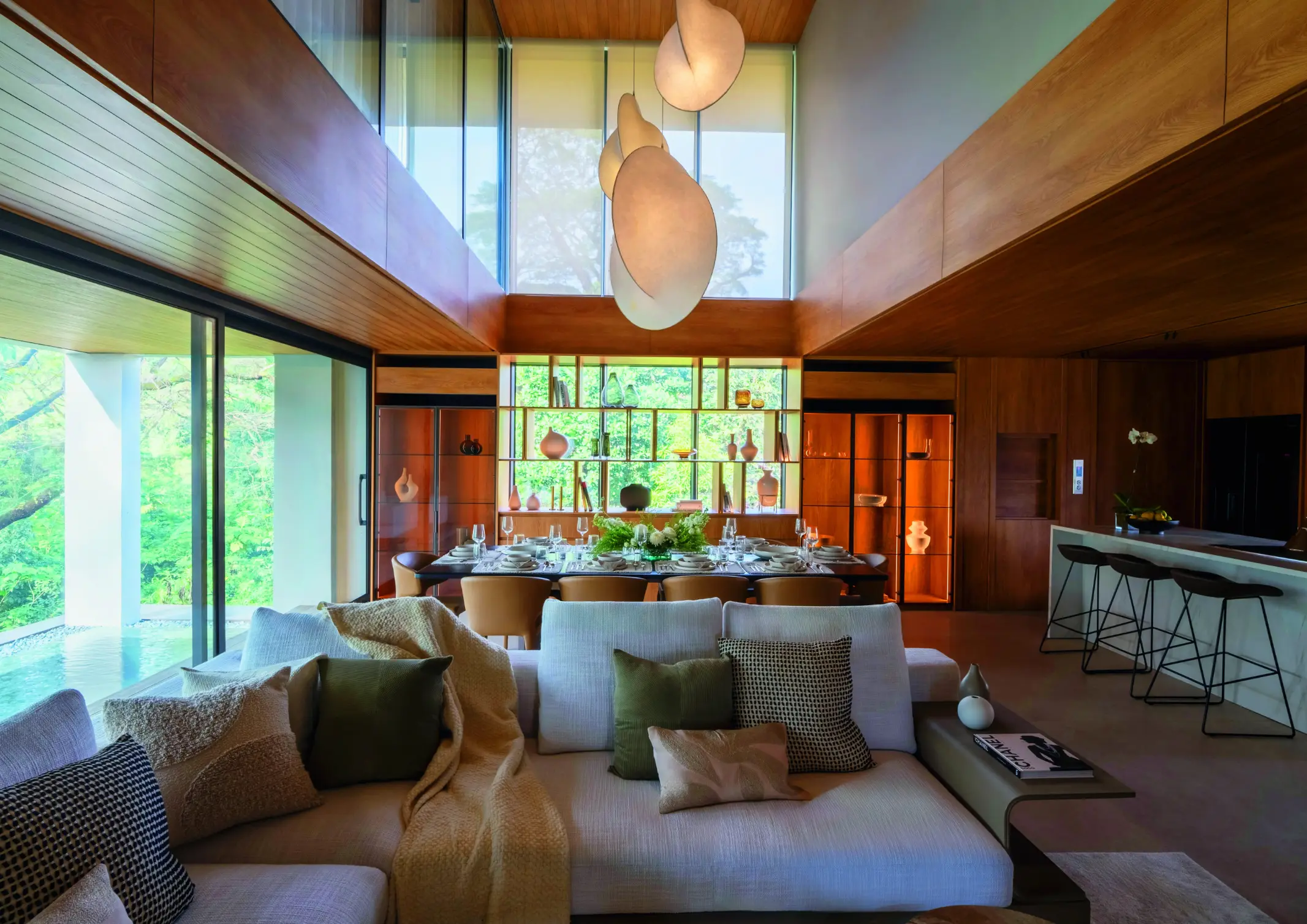
Espiritu shares, “At first, this may raise concerns about losing architectural identity. But identity isn’t lost through exposure. It’s lost when we stop responding to who we are.”
Read More: DA Residence: Into the Woods
Photographer: Ed Simon
MMA: Rachel Oro
Videographer: Zoey Tapalgo
Production Associate: Myka Magcamit
Frequently Asked Questions
PXP Design Workshop is known for modern residences and nature-integrated homes that improve how people live. The firm combines architecture, interiors, and environmental thinking to create spaces shaped by comfort, connection, and everyday use.
Biophilic design is an approach that connects homes to nature through light, ventilation, greenery, materials, and sensory experience. It aims to improve well-being by strengthening the relationship between people and the natural environment.
Human-centered design focuses on how people live, move, behave, and interact within a space. It prioritizes real needs, comfort, usability, and emotional well-being.
Tropical architecture responds to heat, humidity, rainfall, and sunlight. In the Philippines, it helps improve comfort through passive cooling, shade, airflow, and climate-responsive planning while reducing energy use.
Global influences can introduce new systems, ideas, and technologies. When adapted to local climate, culture, and habits, they can help Filipino architecture evolve while preserving identity.
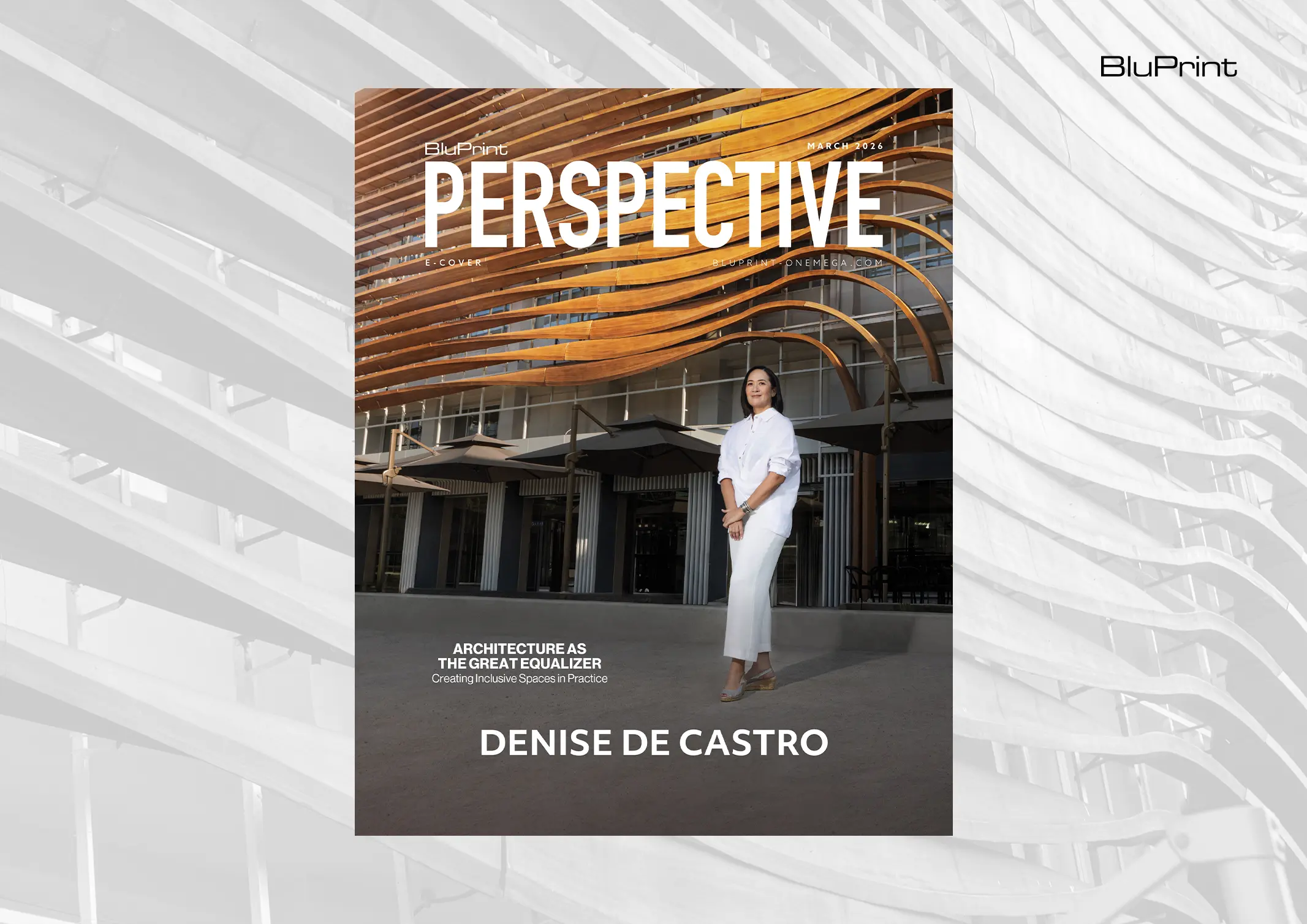
Denise de Castro, Principal Architect of DEQA Design Collaborative, believes that designing with equity in mind means starting at the workplace. Values and practices that your studio or office espouse inevitably filter down to the work that you do. Equitable design ensures that people with different needs and different backgrounds are supported through fair access, […]
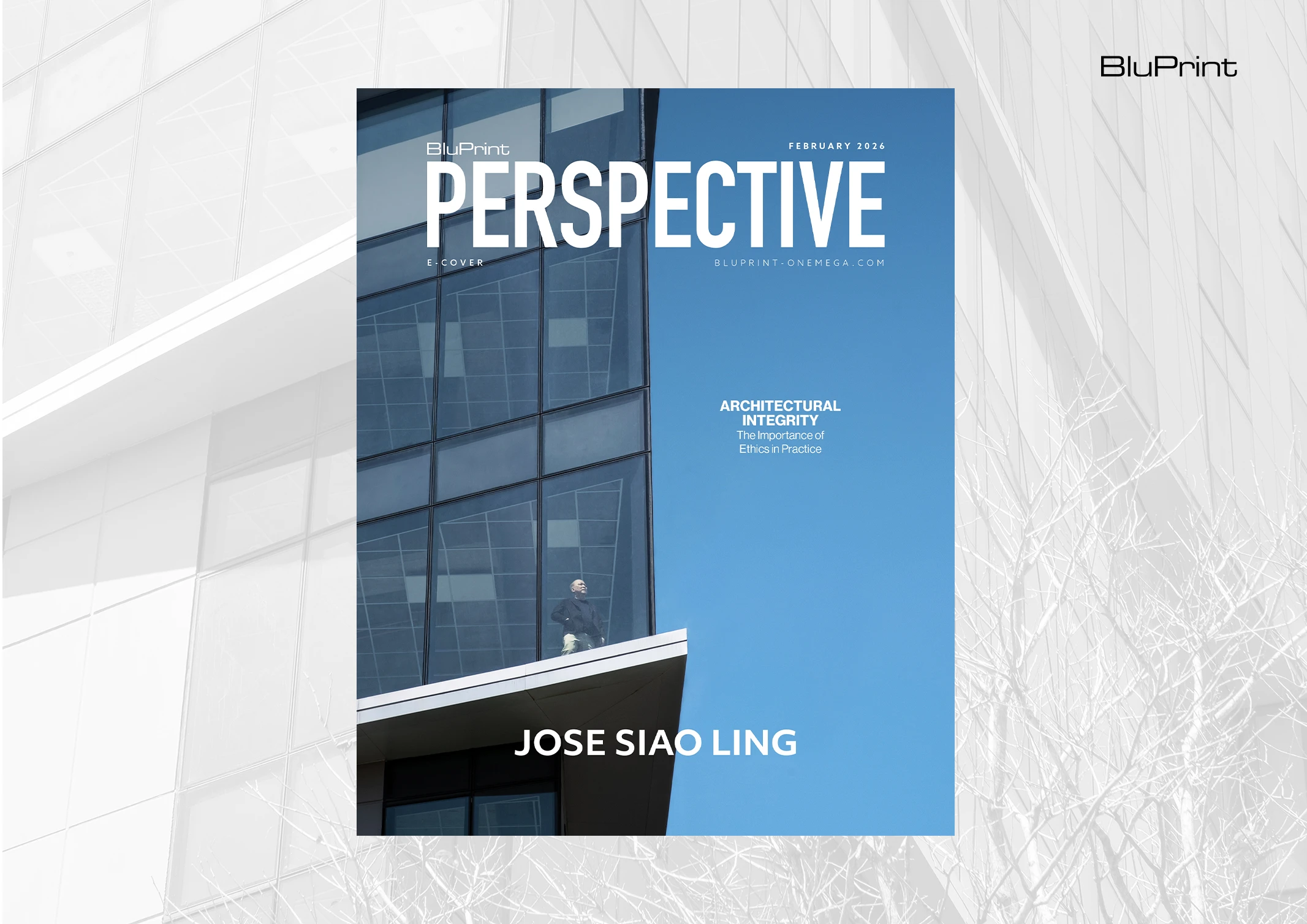
As the built environment evolves, the role of the architect demands reconsideration. For Jose Siao Ling, Co-Founder and Principal Architect of Jose Siao Ling & Associates (JSLA Architects), the role extends far beyond being a licensed professional who designs and oversees construction. By championing ethical practice, ISO-certified systems, and mentorship-driven leadership, he built a firm […]
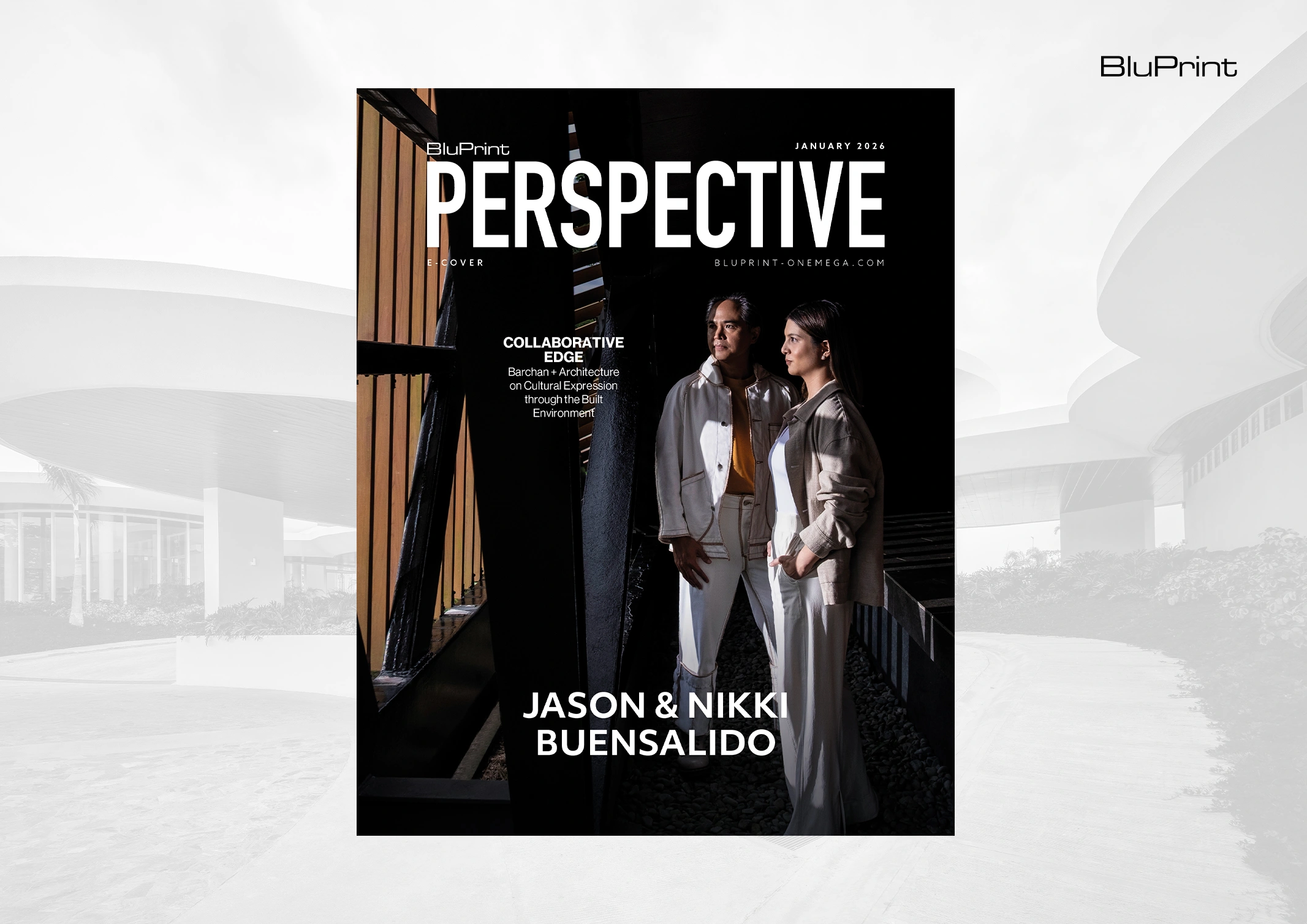
ArchitectureArchitectureThe art and science of designing and constructing buildings, structures, and spaces that are functional, safe, and aesthetically pleasing. It encompasses the planning, design, materials, and techniques used to createGo to Architecture Glossary extends beyond mere structures. It has the power to hold stories that reflect our current social milieu, while also presenting itself as […]
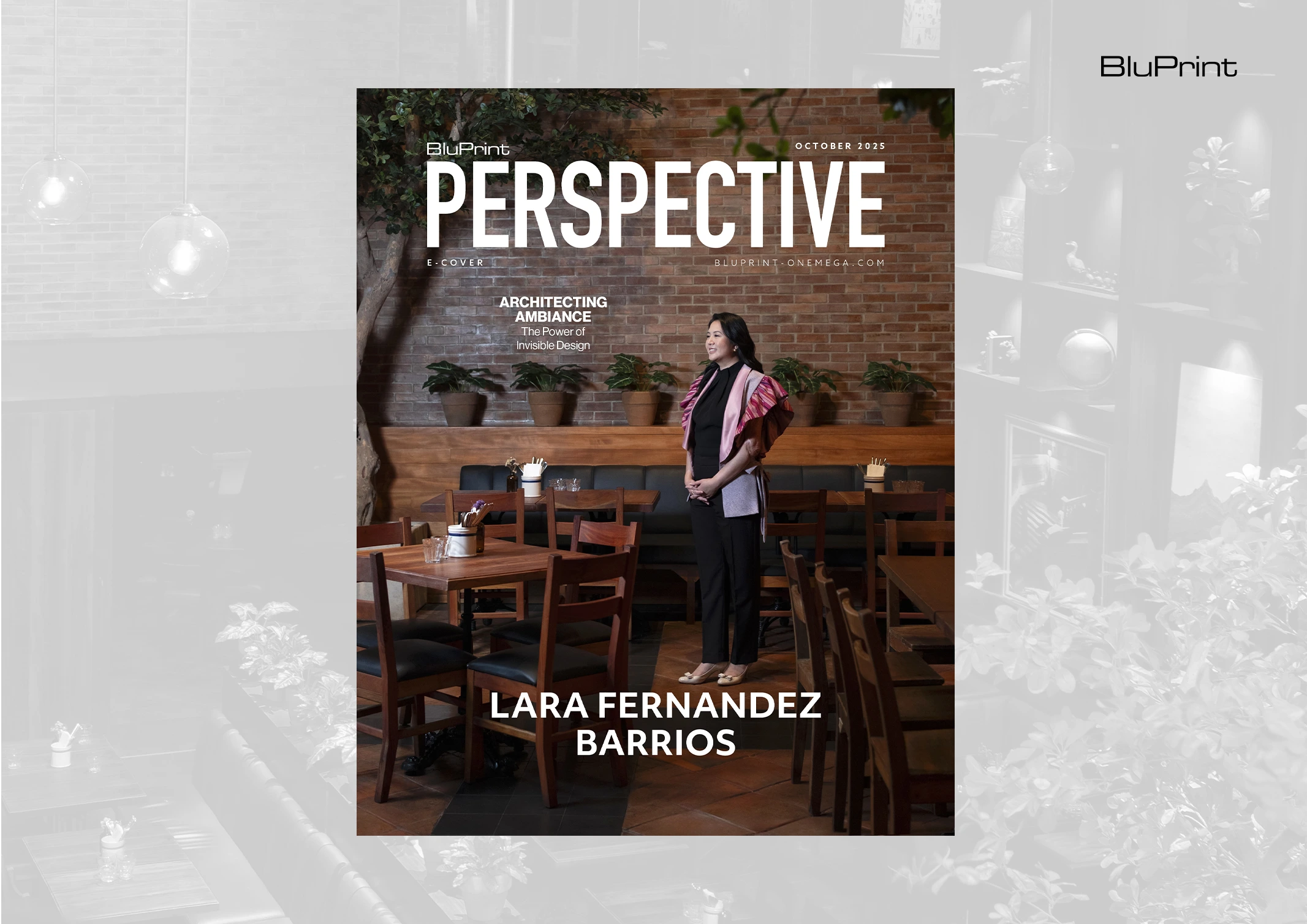
The genius of a well-designed space is often invisible, yet its presence is deeply felt. It’s there in the warmth of light that encourages you to linger, the balance of texture and materials, and in the intuitive layout that guides you effortlessly through the room. This translation of an idea into a tangible, atmospheric reality […]
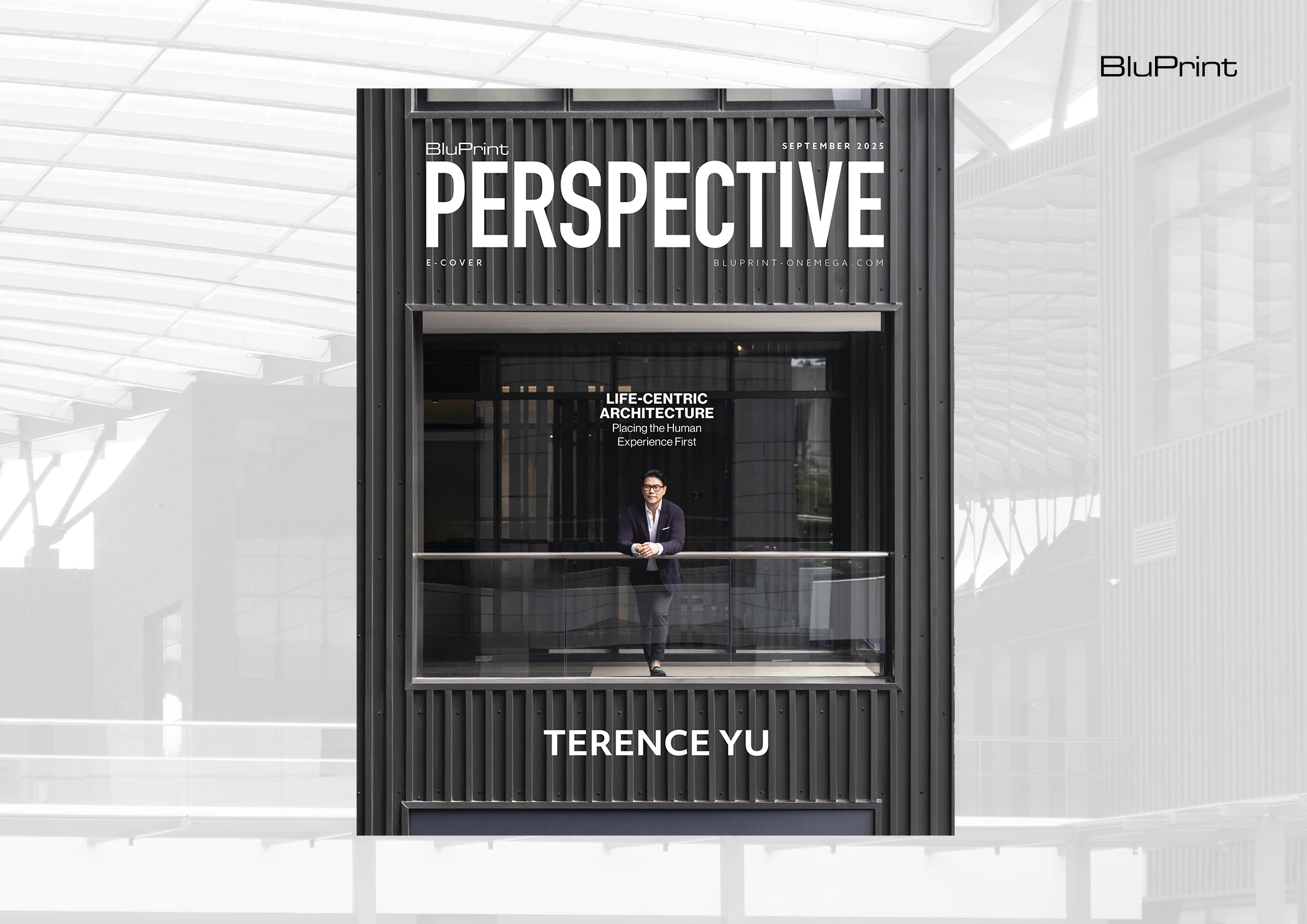
At its core, architectureArchitectureThe art and science of designing and constructing buildings, structures, and spaces that are functional, safe, and aesthetically pleasing. It encompasses the planning, design, materials, and techniques used to createGo to Architecture Glossary has always been about the human experience. While this fundamental purpose can sometimes be overlooked amid the complexities of […]
Read the issues.

Collect the volumes.

Recommended Video
Tap to Unmute
Unmute
0:00
0:00