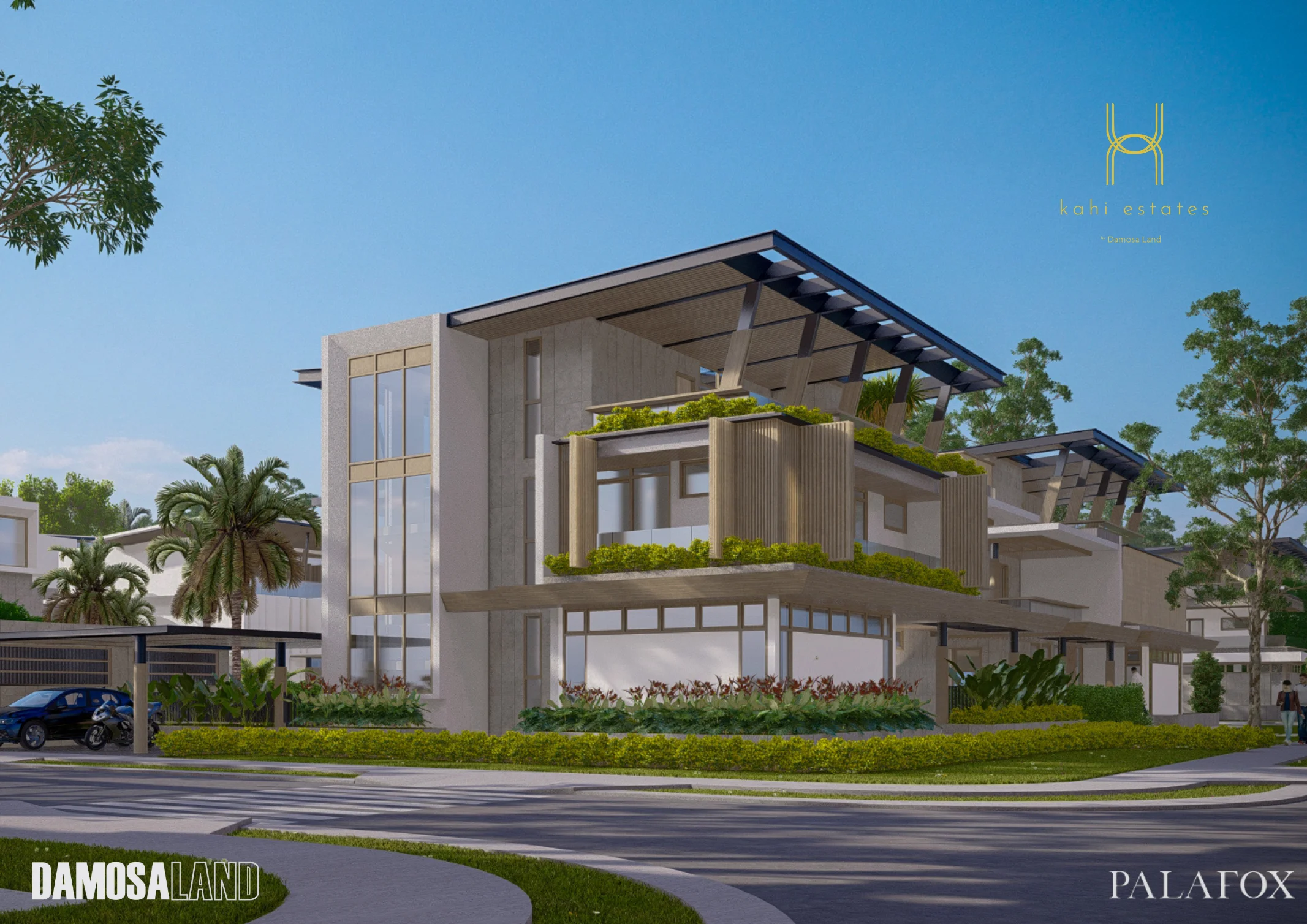
Kahi Estates by Damosa Land: Cultivating a Greener Future in Davao



Damosa Land, a homegrown developer in Mindanao, is pioneering a new standard for residential living. With a steadfast commitment to sustainability and innovation, the company amplifies its message through Kahi Estates – a groundbreaking agri-residential community designed for those seeking a harmonious blend of modern luxury and nature-integrated living. This purposeful, future-ready development is poised to attract Millennials and Gen X investors looking for a sound investment in the South and a lifestyle rooted in the tranquility of “slow living.”
Over the past two decades, Damosa Land continues to evolve their developments, integrating agricultural elements with innovative real estate concepts. Kahi Estates, its first agri-residential development in Davao City, is meticulously designed by renowned architect Felino “Jun” Palafox Jr. to promote wellness and multi-generational living.
Nature within Modernity
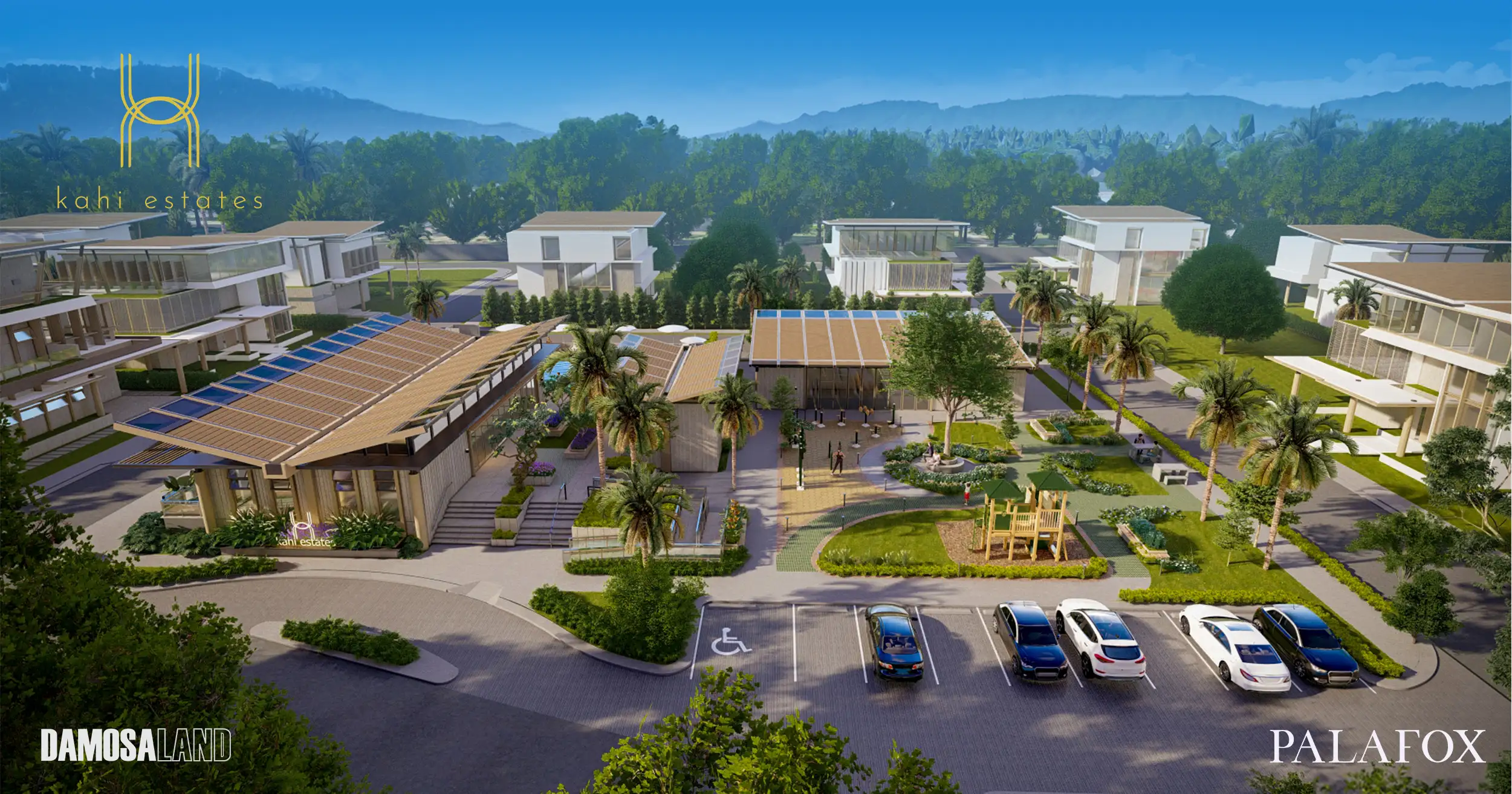
Pioneering a concept that seamlessly merges modern Filipino architectureArchitectureThe art and science of designing and constructing buildings, structures, and spaces that are functional, safe, and aesthetically pleasing. It encompasses the planning, design, materials, and techniques used to createGo to Architecture Glossary with sustainable technology, Kahi Estates has a deep respect for the natural environment and the community. Its unique selling proposition lies in creating spacious homes within a secure, eco-conscious, and vibrant community, setting a new benchmark for sustainable living in Mindanao.
“Kahi Estates is our response to a growing desire for a lifestyle that is both luxurious and deeply connected to the environment,” says Ricardo “Cary” F. Lagdameo, President of Damosa Land, Inc. “We envision a community where families can thrive, surrounded by nature, while enjoying the conveniences of modern living and the security of a sound investment in Davao’s promising future.”
Tucked away in Barangay Bago Gallera, along the quiet stretches of Libby Road in Talomo District, the 5-hectare development is distinguished by its significant areas of existing fruit-bearing trees. These include Durian, which provide natural buffers and contribute to the overall ecological health of the community. This commitment to preserving and enhancing natural assets is a cornerstone of Kahi Estates’ “Eco-Neighborhood Concept.”
Green Infrastructure and Sustainable Design
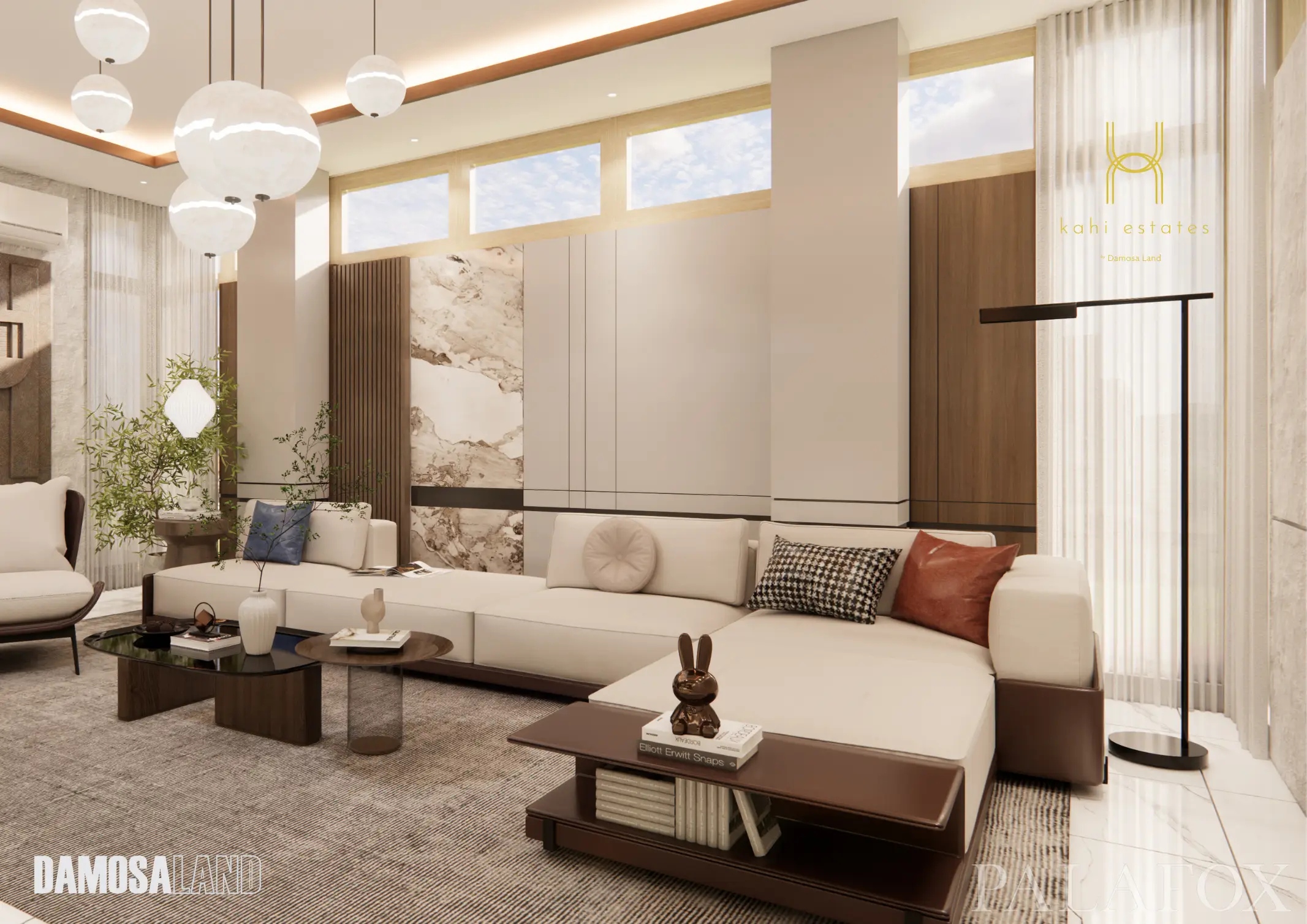
Derived from the word “kahilom,” which means peace and tranquility, Kahi Estates’ design philosophy emphasizes ecological harmony and a welcoming neighborhood spirit. “Each design element harmonizes with the surrounding environment, weaving a seamless tapestry where the structure doesn’t impose upon nature, but rather dances in tandem with its rhythms,” said Architect Palafox.
Underground cabling enhances the visual appeal and safety of the community by concealing utilities, ensuring unobstructed views and fostering greener streetscapes. A signature architectural element, the butterfly roofs of the clubhouse and guardhouse are aesthetically striking and serve as a crucial environmental function. Designed for efficient rainwater harvesting, collected water is stored and repurposed for toilet flushing and garden irrigation, significantly promoting water conservation and readiness for potential solar integration.
Furthering its commitment to the environment, Kahi Estates implemented an ecological restoration initiative. It dedicates at least 10% of its development footprint to restoring native ecological communities thereby enhancing local native biodiversity conservation. The thoughtful preservation of existing trees and the cultivation of tree-lined streetscapes are central to this vision. They provide natural shade, improve air quality through carbon sequestration, and beautify the neighborhood.
Embracing Nature, Harvesting Wellness
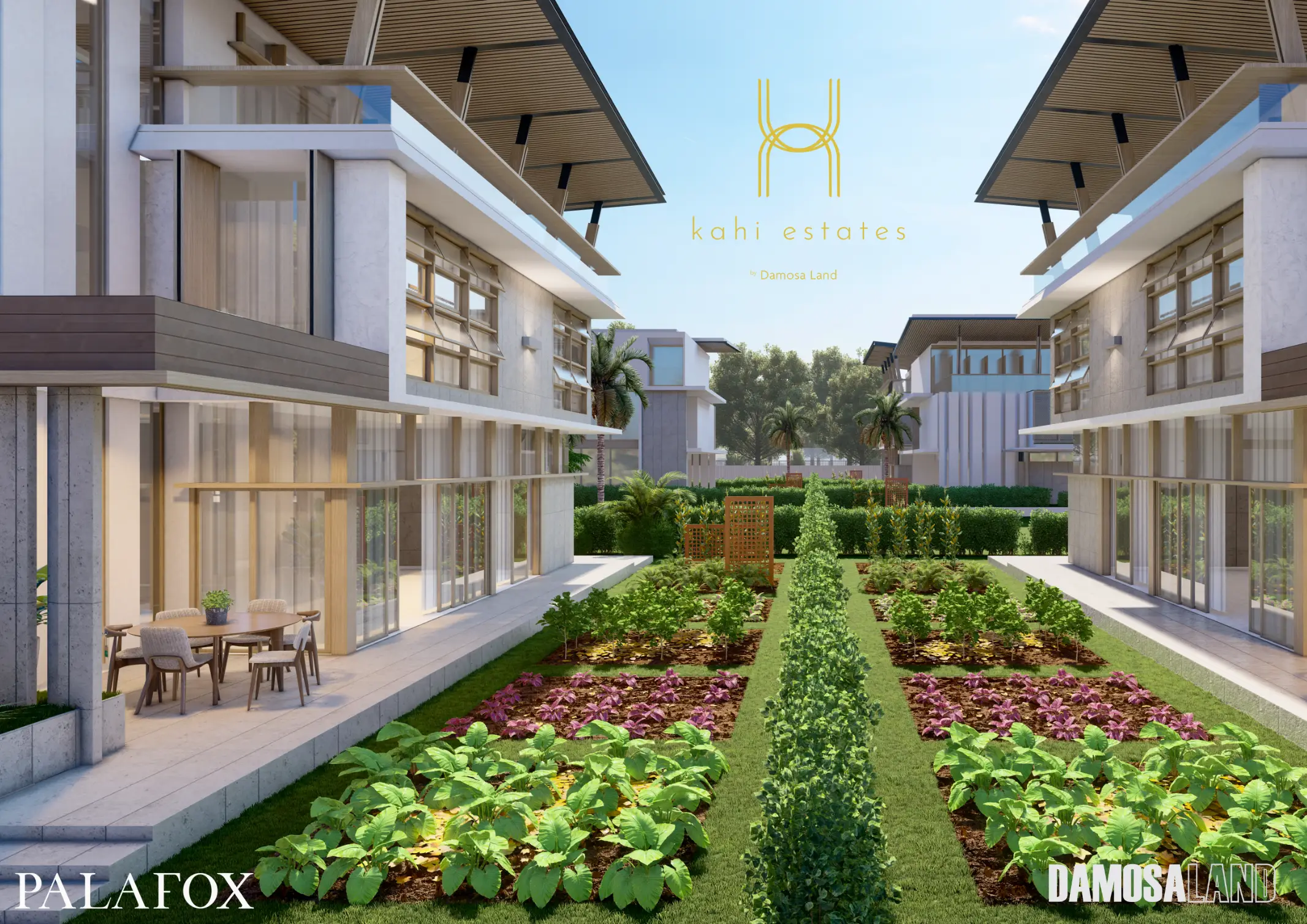
The principles of nature-inspired design and wellness permeate every aspect of Kahi Estates. Integrated landscaping brings nature to every level with built-in planters, fostering a constant connection with the outdoors. The architectural design prioritizes natural ventilation optimization through strategic cross-ventilation, reducing the need for artificial cooling. Large window openings and thoughtfully placed shading elements maximize the penetration of natural light while minimizing heat gain, thereby reducing daytime electricity consumption.
The overall aesthetic is one of harmony, achieved through a carefully selected material palette of off-white, natural stone, and light wood that allows the buildings to blend seamlessly with their environment, promoting an organic and integrated appearance.
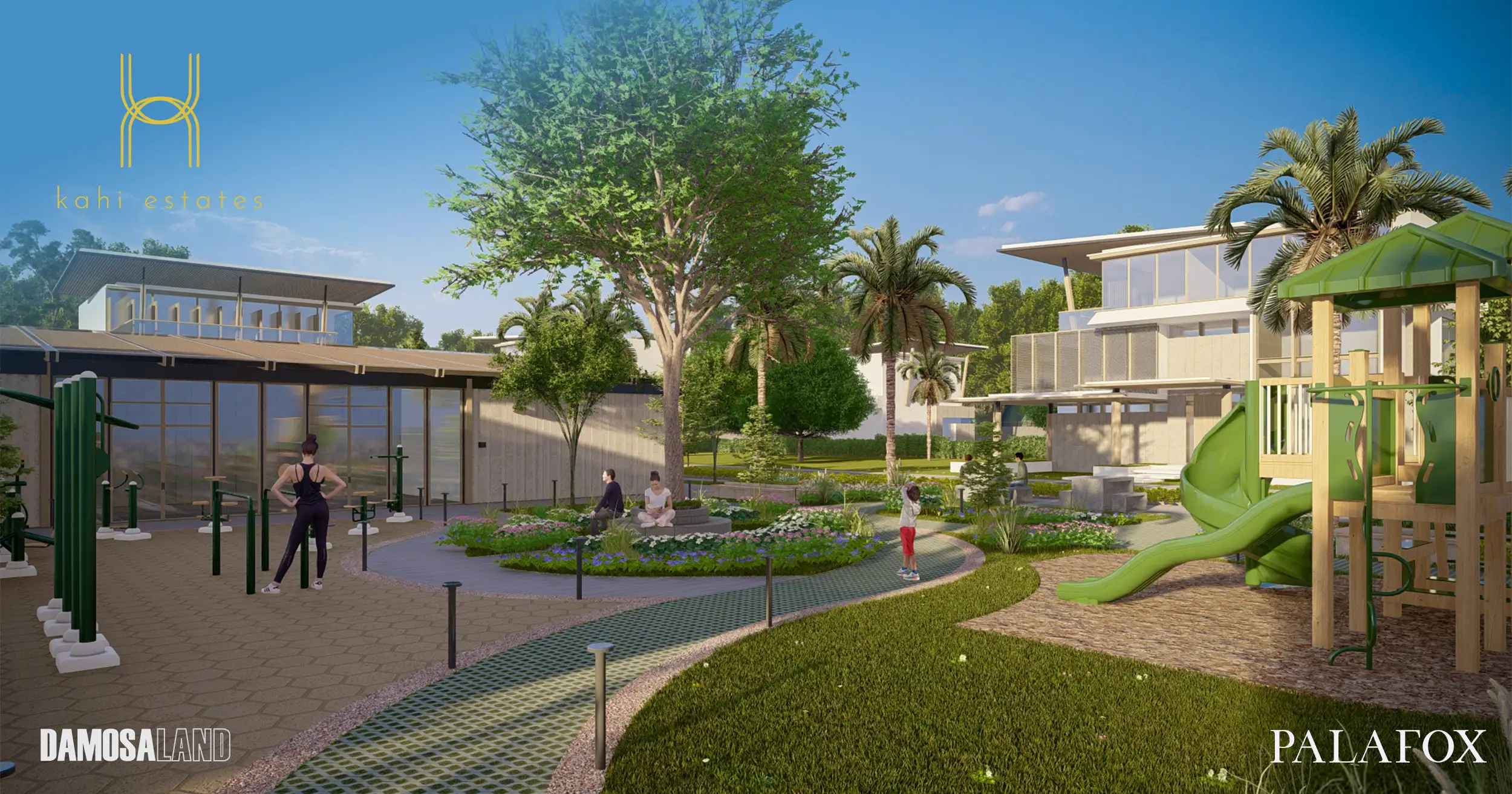
Furthermore, Kahi Estates employs several eco-conscious building strategies. The structures utilize recycled steel, minimizing environmental impact and waste. To ensure long-term stability and environmental protection, Damosa Land applied soil stabilizers during land development, strengthening road foundations while preventing erosion and enhancing water quality. Additionally, the construction of a detention lake effectively mitigates flooding by temporarily storing stormwater runoff and allowing pollutants to settle before the water is released.
The community also actively champions the “grow your own food” movement through its focus on urban gardening and local food access. Each residence has provisions for personal vegetable gardens. In addition, the entire community benefits from a community farm located within a convenient 400-meter walk, fostering food security and sustainable living with available professional support.
A Sound Investment for a Future-Ready Lifestyle
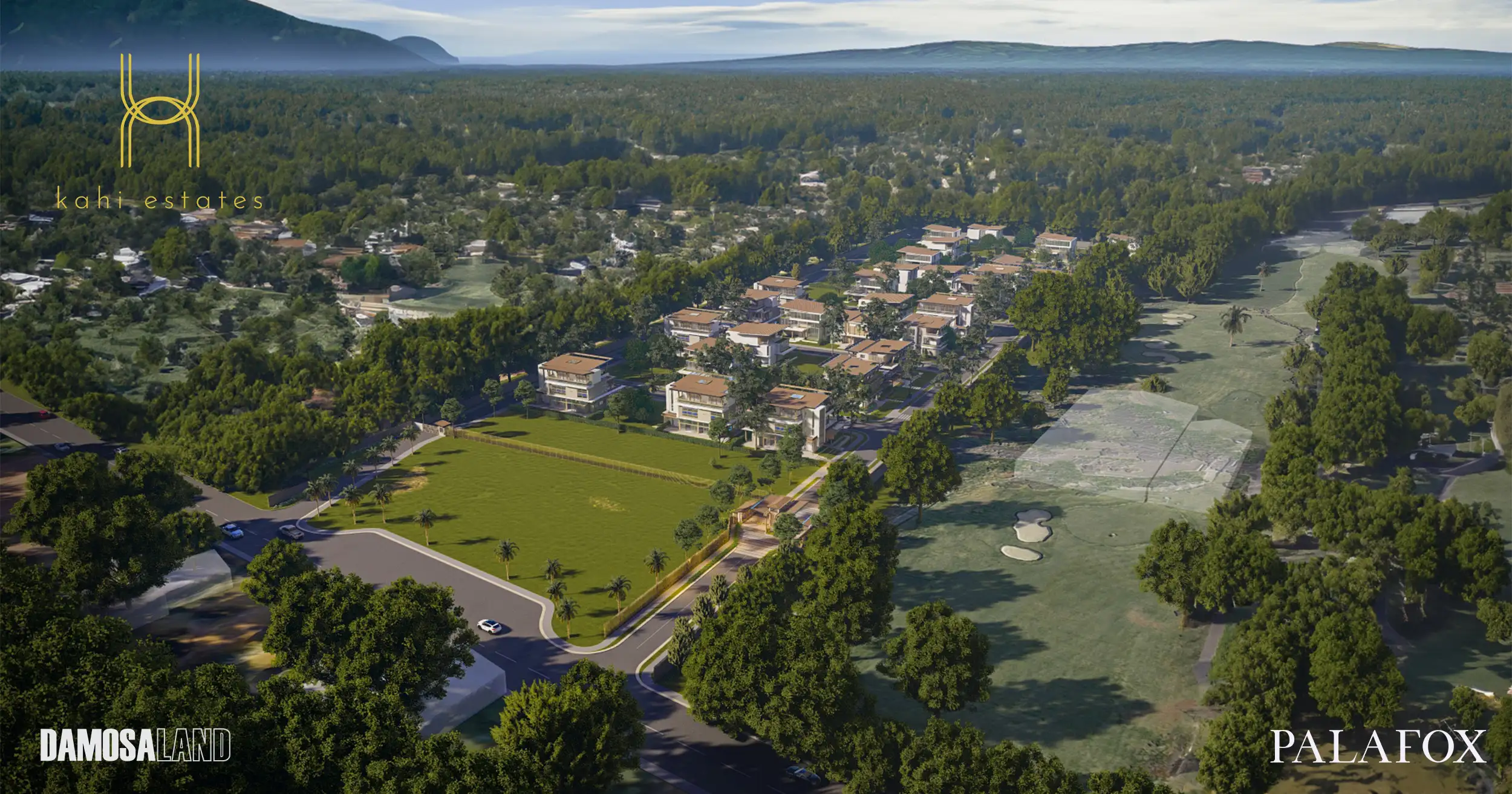
As Davao City continues its ascent as a major urban hub, Kahi Estates presents a prime investment opportunity for discerning home buyers. It caters to those who seek not just a luxurious home with a meaningful connection to their community and the environment.
The “slow living” ethos embedded in Kahi Estates offers an antidote to the fast-paced nature of modern life, providing a sanctuary where residents can cultivate wellness and engage with nature. It’s a vision of multi-generational living, where families can put down roots in a secure, nurturing, and forward-looking setting.
“Damosa Land is cultivating a legacy of sustainable development in Mindanao through our projects like Kahi Estates. By blending the region’s agricultural heritage and integrating cutting-edge design, we are crafting an unparalleled living experience that is deeply rooted in the South’s spirit and will resonate to future generations,” emphasized Lagdameo.
Learn more about Kahi Estates on www.damosaland.com or by following them on Facebook and Instagram.
Images courtesy of Damosa Land.
Frequently Asked Questions
The agri-residential concept merges Mindanao’s agricultural heritage with modern residential luxury. Designed by Architect Felino “Jun” Palafox Jr., the community integrates fruit-bearing trees—such as Durian—and personal gardens into a secure neighborhood. This approach aims to provide a “slow living” lifestyle where residents can experience food security and a meaningful connection to nature within a urbanizing Davao City.
The development is built around 5 hectares of land that already contains significant fruit-bearing trees, which are preserved to act as natural buffers and ecological anchors. Furthermore, Kahi Estates dedicates at least 10% of its development footprint to ecological restoration, specifically aimed at enhancing local native biodiversity and maintaining the area’s natural air quality through carbon sequestration.
A signature feature is the butterfly roof found on the clubhouse and guardhouse, which is designed for efficient rainwater harvesting to support garden irrigation and toilet flushing. The homes themselves prioritize natural ventilation through strategic cross-ventilation and maximize natural light with large window openings. Additionally, the development utilizes underground cabling to ensure unobstructed green views and safety.
Every residence at Kahi Estates includes provisions for an integrated kitchen garden or personal vegetable plot. To further support sustainable living, a community farm is located within a 400-meter walk of the homes, providing residents with professional support and easier access to locally grown food, fostering a culture of wellness and food security.
Damosa Land utilizes recycled steel in its structures to minimize waste. During land development, soil stabilizers were applied to strengthen road foundations and prevent erosion. The project also features a detention lake, which manages stormwater runoff to mitigate flooding and allows pollutants to settle before water is released back into the environment.