Bigkis is the act of binding. In Tagalog, the word can refer to something used to bind or encircle, as well as a bundle formed by tying several separate elements together. Figuratively, it can also mean a bond, union, or unity. The meanings move from the physical act of joining things together to the connection […]
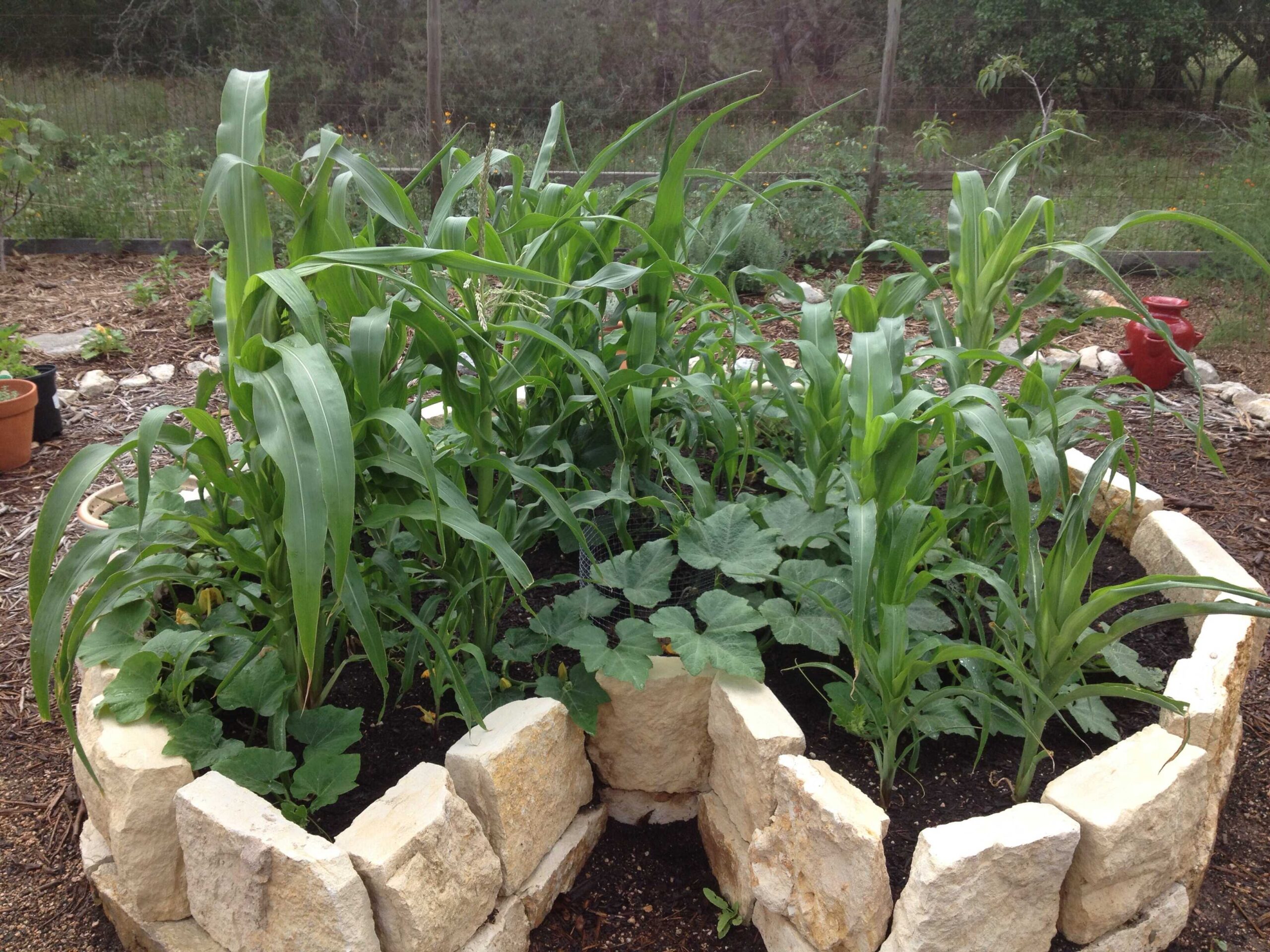
Keyhole Gardening: Easy Hacks for Sustainable Garden Practices


It’s officially the dry season! But it also means extreme drought. And simply watering your plants might not be enough for them to survive the scorching hot weather. A new permaculture approach found a sustainable solution to protect your green buddies throughout this harsh humid season. Specifically designed for countries with challenging climates like the Philippines, keyhole gardening lets you maintain a compact and healthy natural area with just a stone cage, soil bed, and biodegradable scraps.
What is Keyhole Gardening?
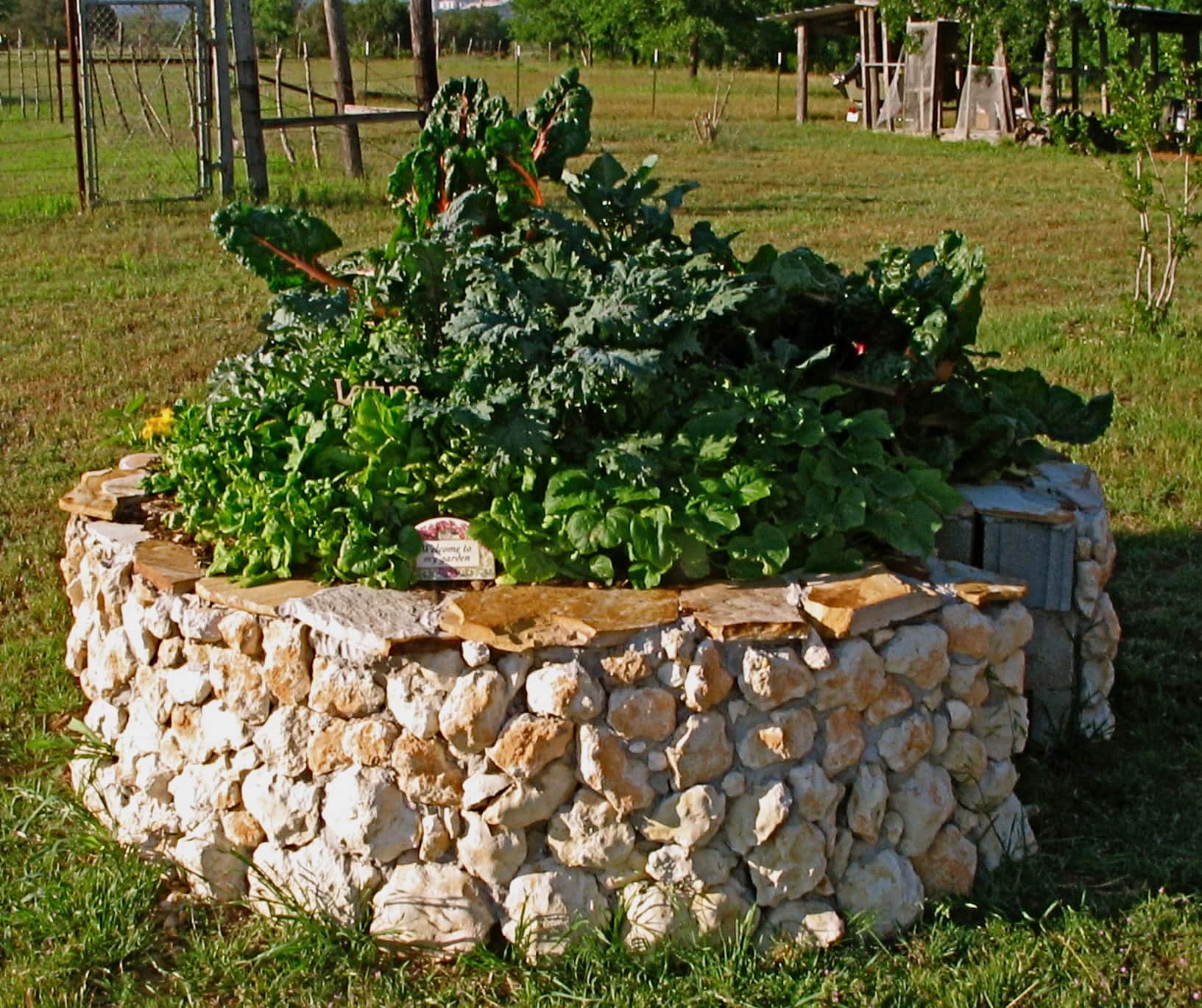
Keyhole gardening is a method for raising crops in a circular, raised soil bed. A keyhole-shaped cavity on one side allows gardeners to reach the entire planting area. Usually two meters wide, it has a composting basket in the center, where compostables like graywater, food waste, and manure go into. As you water the basket, it carries the nutrients from the scraps to the gently sloped soil bed. Stone walls about a meter high above the ground surround the garden, giving its clean and defined form.
Originating from Lesotho, South Africa, keyhole gardening was the alternative gardening method for HIV/AIDS patients. This then evolved into kitchen gardens and spread across Africa and the United States.
Today, keyhole gardens also serve as a clever planter to easily maintain your ornamental plants all at once. And with its compact design, you can even set it up on your balcony or patio, making it compatible with any home size.
Unlocking the Science Behind
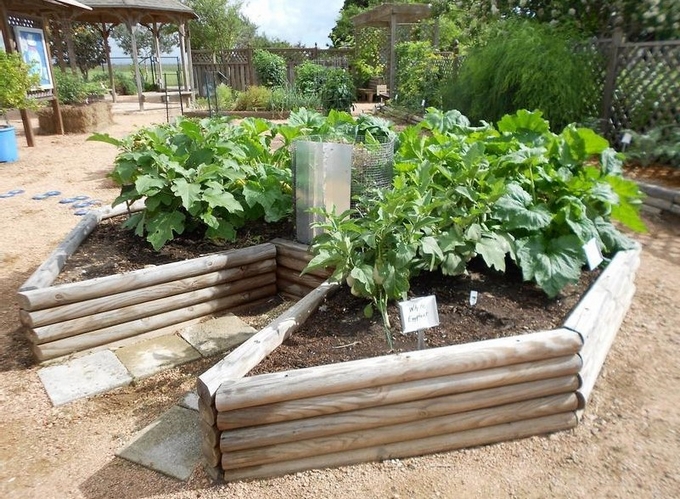
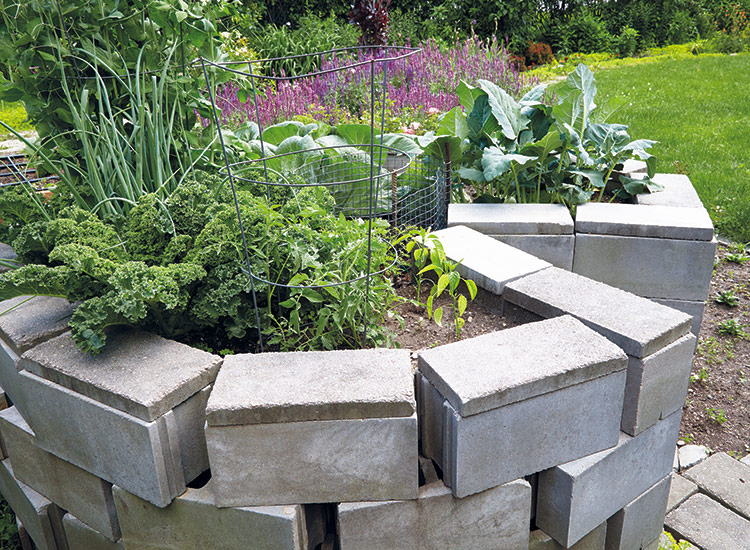
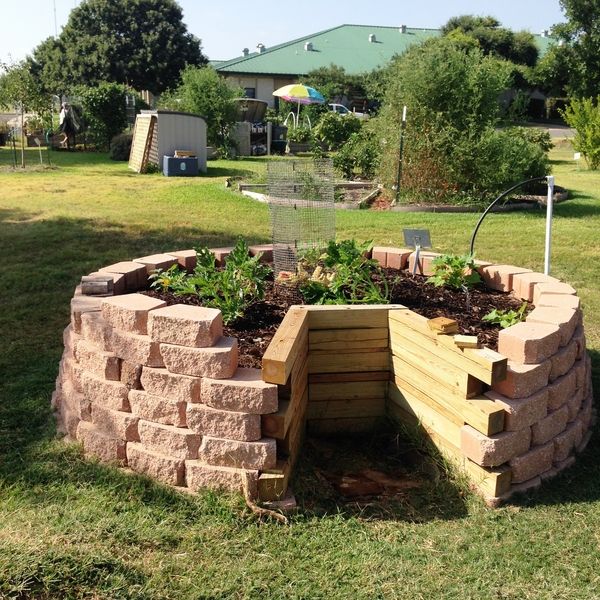
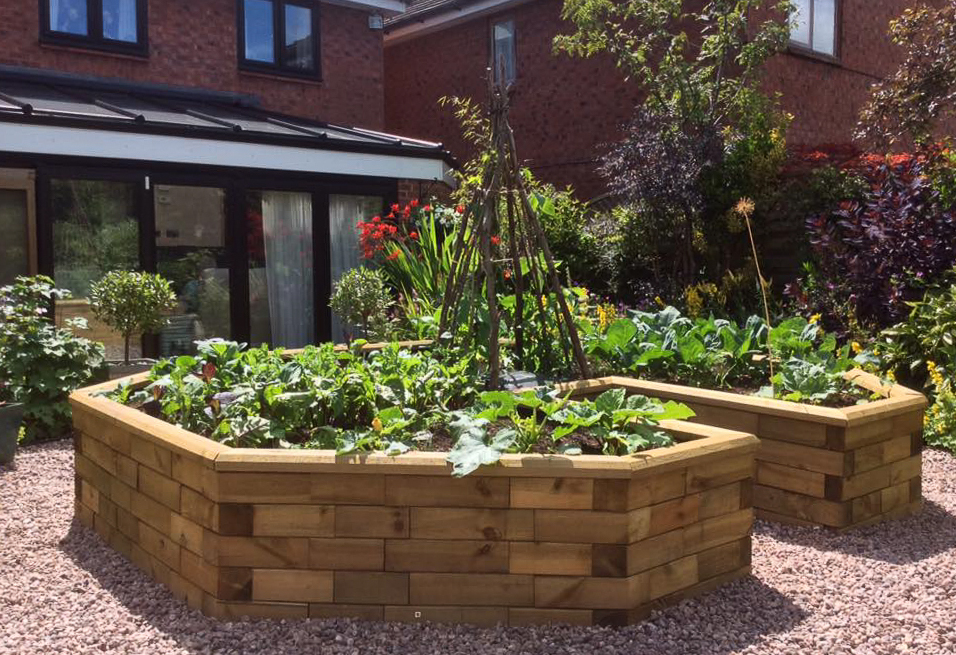
It’s not just the composting technique that makes keyhole gardening a sustainable solution for humid countries. With its unique garden structure, it is also able to withstand drought by maintaining its microclimate.
Its tightly arranged stone cage, typically made of cinder blocks or brick, traps moisture as it holds the soil bed. This creates an ideal environment for earthworms to exist and burrow through the soil, which enhances the bed’s fertility. As the center basket is constantly filled with biodegradables, the keyhole garden maintains its mini ecosystem.
Even with a little amount of water, the sustainable cycle of producing a lush area by reducing waste continues.
The Keys to Keyhole Gardening
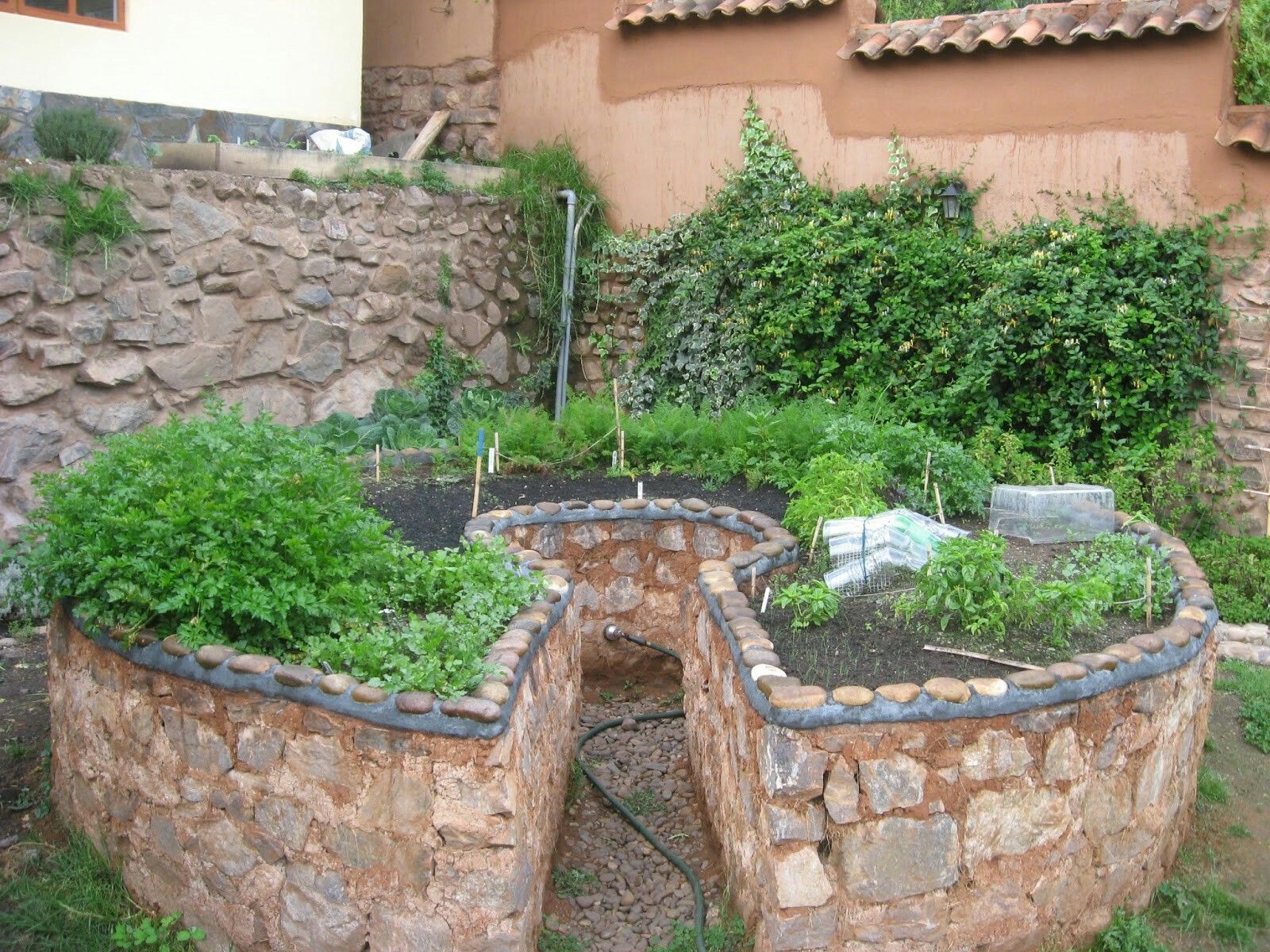
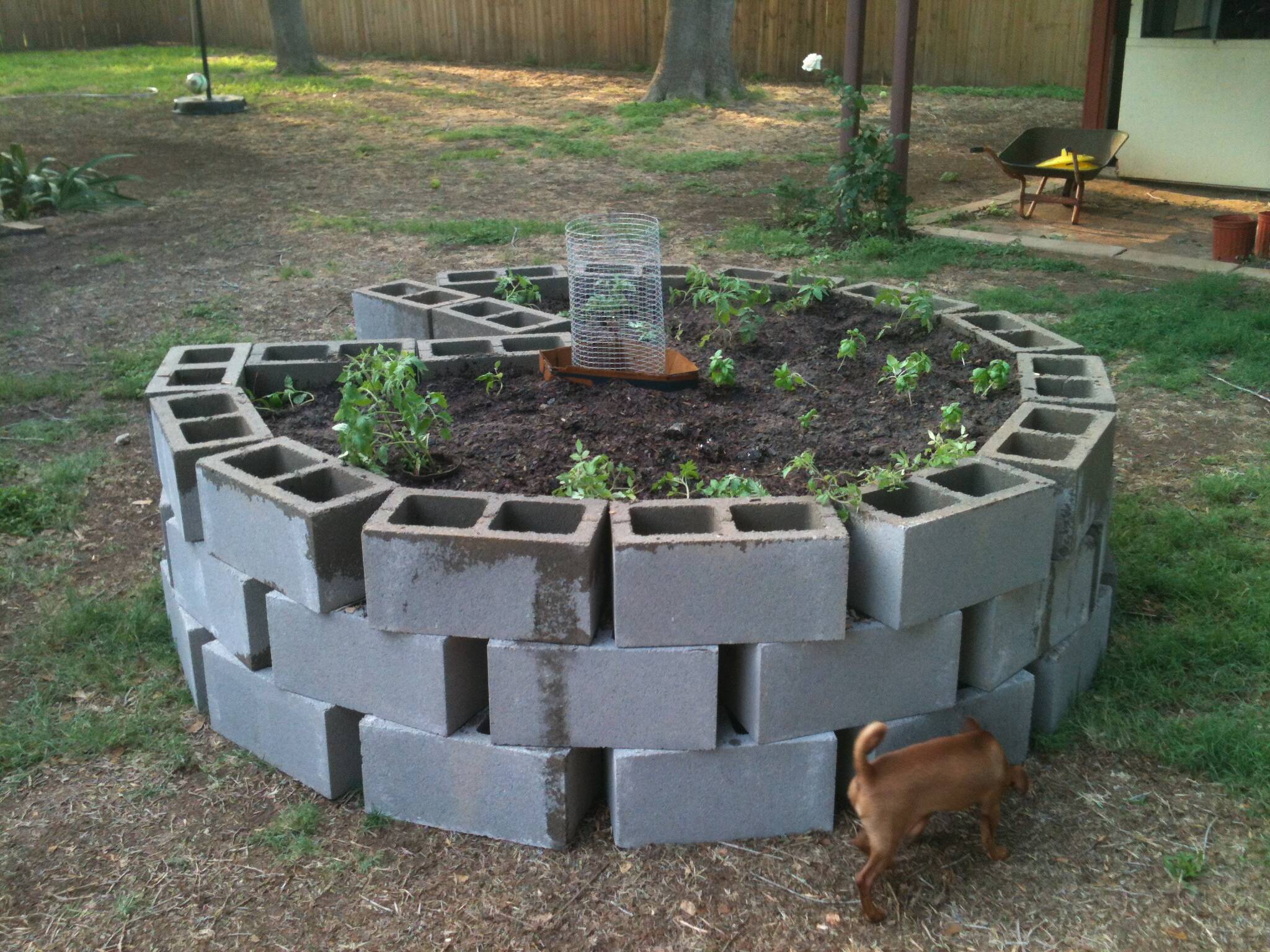
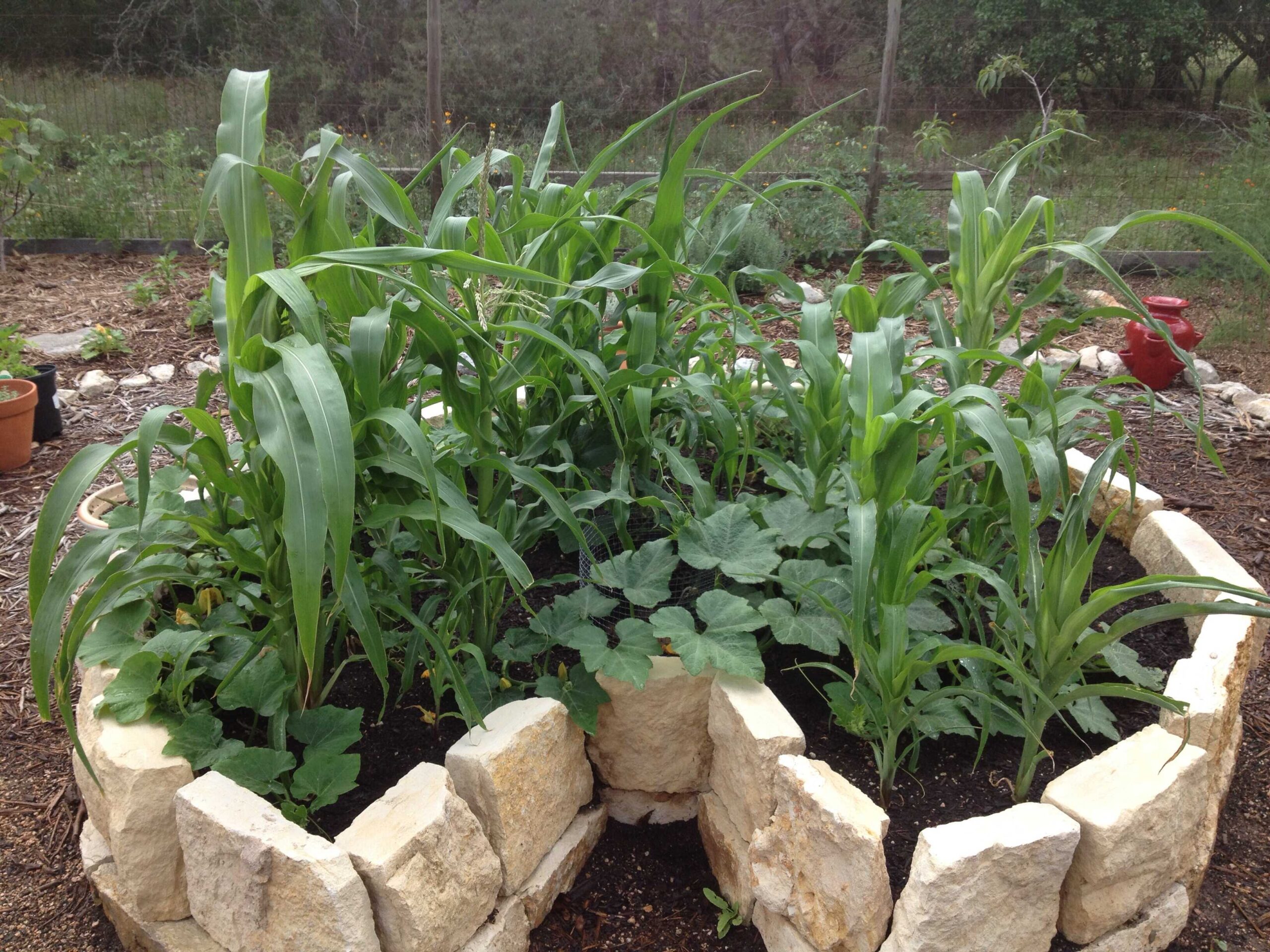
As easy as turning the right key in a lock, here are the simple steps to build your own keyhole garden.
The first step in keyhole gardening is to pick a flat area at least six feet in diameter. This will give a closer and more equal distribution of soil nutrients from the compost basket. Then, put markers for your soil bed about two or three feet high.
Acting as a compass, place a wooden stake with an attached string in the middle of your chosen area and plot the outer circular line. This will be your guide later when you finally put up the walls of your garden.
Choose where you want to place your “keyhole path”, a space that’s about 20 to 26 inches wide. Afterwards, put the compost basket in the center. Hold the basket up by installing a wooden support wrapped with chicken wire. Add stones at the base to allow a smooth flow of water and compost.
Next is building the outer walls. Pick any stone or brick you want and ensure a tight and sturdy pile of your material to hold the soil. Then, it’s time to pour fertile soil mixed with organic fertilizers like cow dung and mulch.
Now all that is left to do is plant.
We all have our own ways to relieve the stress of hot weather. And like us, plants need a comfortable place to survive the long, withering sunny days. Through keyhole gardening, not only can you practice sustainability at home, your plants can also get through the dry season with you.
Read more: Green is in: Indoor gardening for commercial and residential spaces
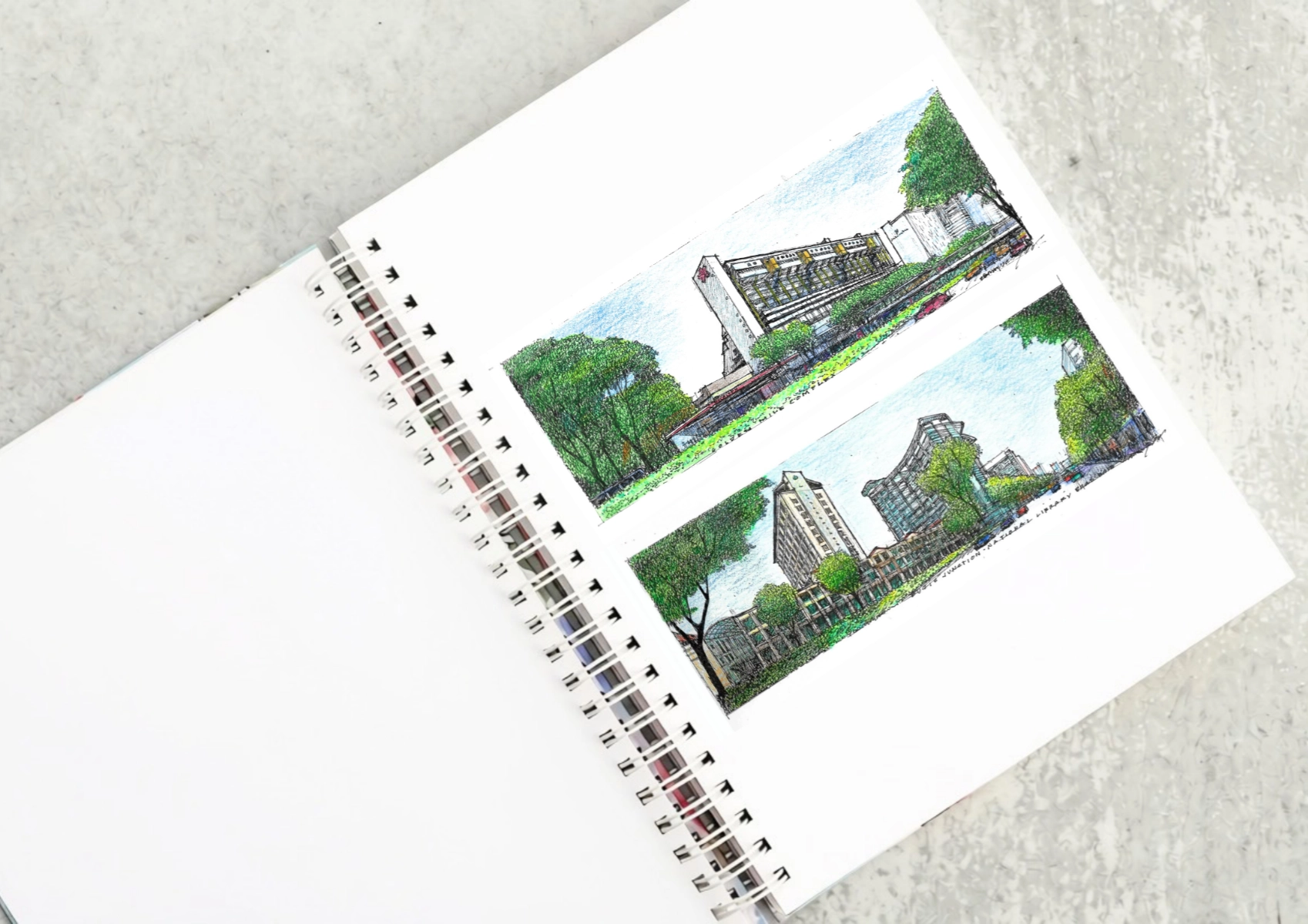
Two sketches of Singapore connect BluPrint Editor in Chief Paulo G. Alcazaren’s personal and professional history with Shared Ground: ArchitectureArchitectureThe art and science of designing and constructing buildings, structures, and spaces that are functional, safe, and aesthetically pleasing. It encompasses the planning, design, materials, and techniques used to createGo to Architecture Glossary of Care, Culture, […]

Some have become household names – Coleman, Oster, and KitchenAid – products that have found their way into Filipino kitchens, homes and family routines. In home furnishings, brands such as B&B Italia, Ethan Allen, Sub-Zero, Miele, SieMatic, Louis Poulsen, Hunter Douglas, Tempur, and Technogym, have helped shape the way Filipinos live. From everyday essentials to […]

In a way, designers are the modern-day soothsayers and prophets. They design for the future, predicting how a room, a house, a building or a whole city will be used by people. They foresee how users will interact with a space, conjure exact shades of colors to elicit specific behavior and arrange furniture to build […]

Art and furniture are often selected separately, yet their relationship can shape how a room looks and feels. The collaboration between Hooga and Galerie Joaquin explores how these elements can work together, bringing contemporary artworks into furnished residential settings at Hooga’s showroom in Uptown Mall, Bonifacio Global City. For Hooga, which curates furniture, lighting, and […]

How can better-planned cities create the conditions for more creative, livable, and resilient urban environments? “Makati Urban Recipes for a City’s Survival,” a colloquium held at the Ayala Museum on September 15, brought together architects and practitioners from the fields of urbanism and the creative economy to discuss how design, planning, and collaboration can address […]
Read the issues.

Collect the volumes.

Recommended Video
Tap to Unmute
Unmute
0:00
0:00