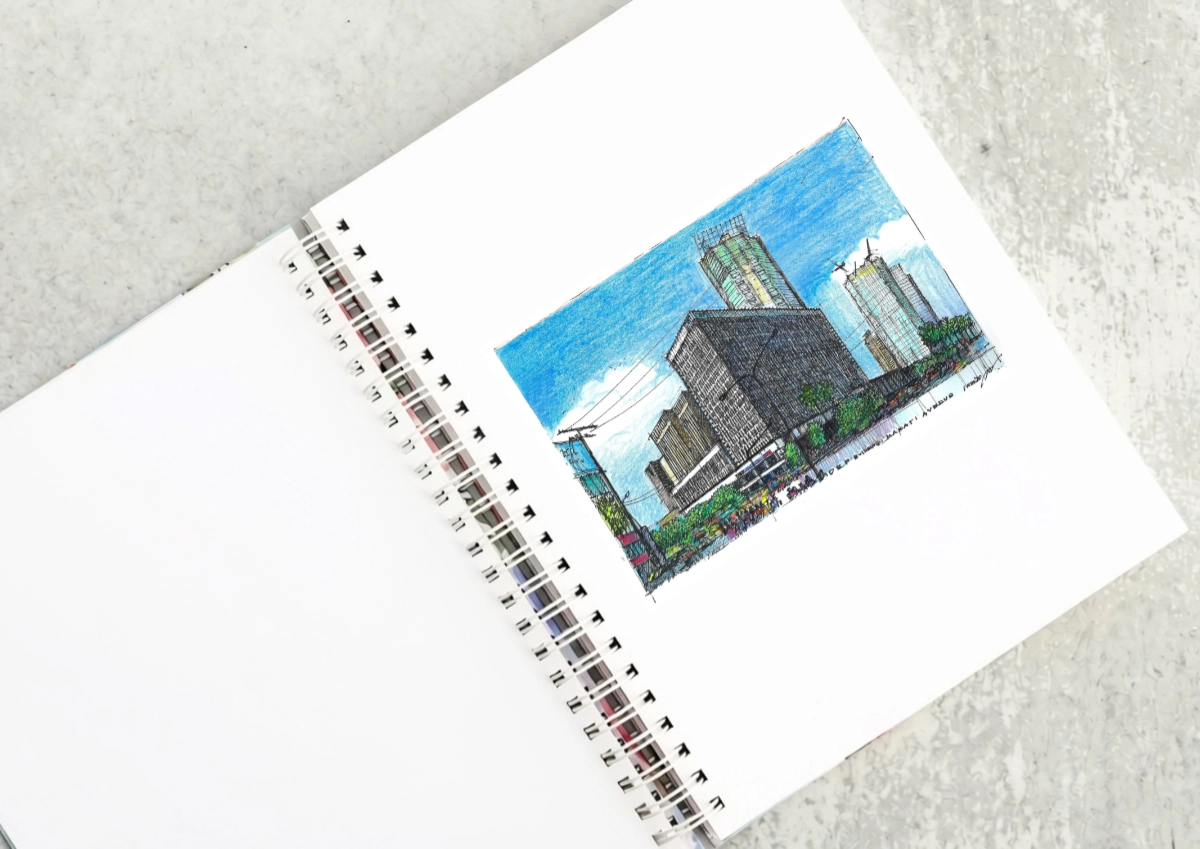
The DBP Building as a Landmark of the International Style At the corner of Sen. Gil Puyat Avenue and Makati Avenue stands a landmark of the Makati Central Business District. It is one of the last still standing that were built in the first wave of construction in district fifty years ago. The Development Bank […]
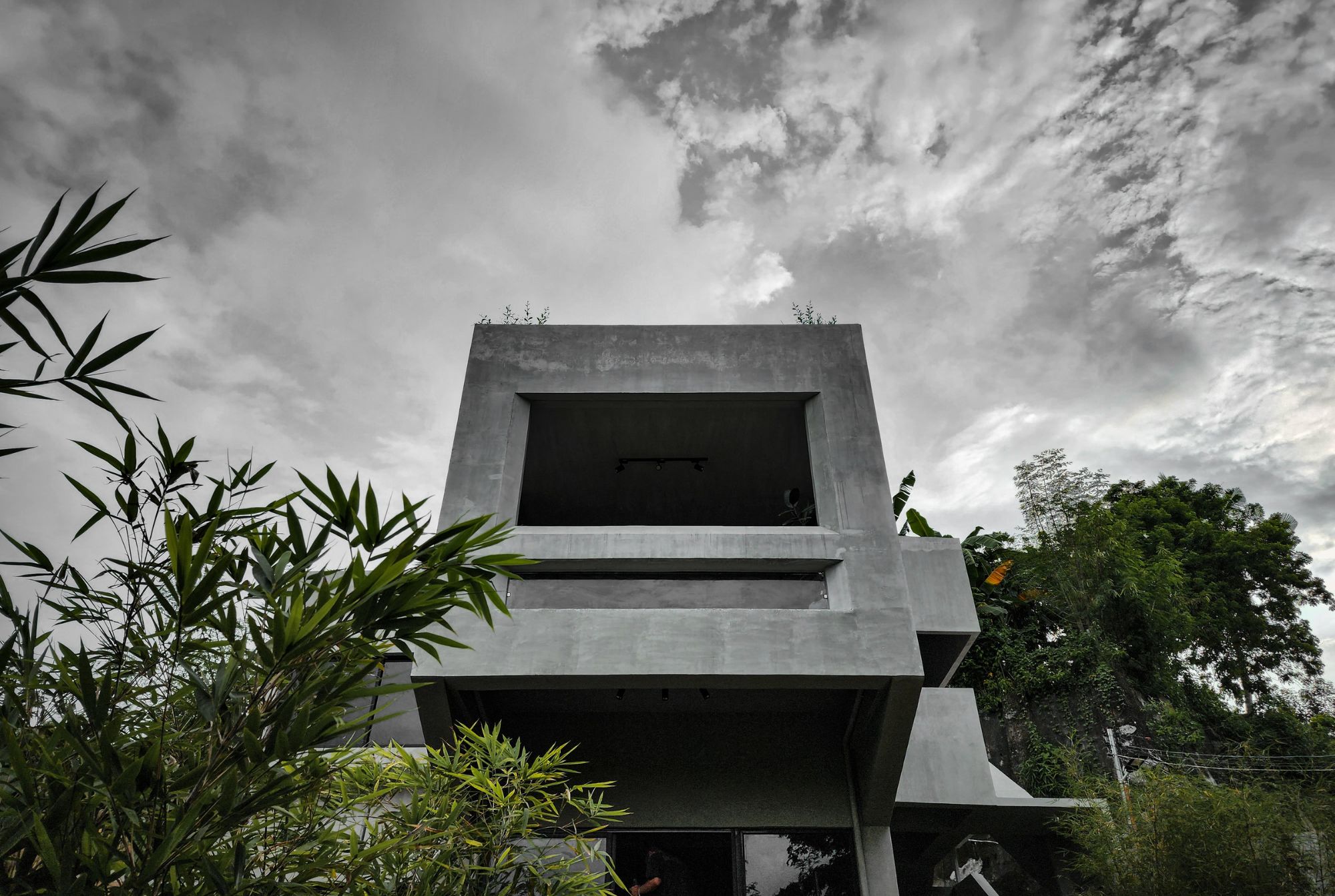
Casa Borbon’s Unique Tropical Brutalism is a Study in Concrete



Tropical brutalismBrutalismA modernist architectural style from the 1950s to 1970s defined by raw, exposed concrete, massive geometric forms, and honest expression of structure. In the Philippines, landmarks such as the CulturalGo to Brutalism Glossary reflects a newfound freedom. Raw concrete buildings become canvases for lush greenery, while open layouts and glass windows prioritize natural ventilation for a style that celebrates the vibrant region. There’s a rising fascination with the grandeur of brutalist architecture. And one firm, Cali Architects, captured the imaginations of those looking for something starkly different in their living spaces through Casa Borbon.
Crafting the Vision
The clients were captivated by one of Cali’s previous projects dubbed “Peu Brut” or “Little Raw.” The ethos behind the tiny brutalist home centers on sustainability and passive coolingPassive CoolingStrategies that lower indoor temperatures without mechanical air-conditioning, relying on building design instead. Techniques include cross-ventilation, stack effect, deep eaves, shading devices, thermal mass, courtyards, and vegetation. Essential in theGo to Passive Cooling Glossary. It aimed to create isolated living spaces for people fleeing crowded cities. The special wall system creates a living space comparable to a cooler, requiring less air conditioning. Cali further refined these designs for economic housing solutions, despite the initial high costs.
“We specialize in brutalist architectureArchitectureThe art and science of designing and constructing buildings, structures, and spaces that are functional, safe, and aesthetically pleasing. It encompasses the planning, design, materials, and techniques used to createGo to Architecture Glossary residential houses,” explained lead architect Amon Cali, “so we kind of got their attention on that.”
Intrigued by the design, the Borbons approached Cali Architects with a specific vision. They wanted a three-bedroom suite with a pool integrated into the structure. The owners had aspirations to utilize the villa both personally and commercially. Their brief included a distinct separation between floors, allowing guests to rent portions of the villa independently.
“All the credit will go to the client,” he acknowledged, affirming the collaborative nature of creating Casa Borbon—a home named after the clients themselves, encapsulating their shared vision.
Streetwear to Structure: A Journey of Style
The firm’s unique tropical brutalismBrutalismA modernist architectural style from the 1950s to 1970s defined by raw, exposed concrete, massive geometric forms, and honest expression of structure. In the Philippines, landmarks such as the CulturalGo to Brutalism Glossary originated from an unexpected source—streetwear fashion and rap music. Cali recounted how, during college, his involvement in reselling clothes and his immersion in fashion led to a revelation. Inspired by designer Rick Owens and his use of raw, concrete textures as backdrops for runway shows, the architect saw potential to transpose this aesthetic to architecture.
“It kind of highlights the models and the clothes,” he said, “so like, I was thinking, I could apply this into architectureArchitectureThe art and science of designing and constructing buildings, structures, and spaces that are functional, safe, and aesthetically pleasing. It encompasses the planning, design, materials, and techniques used to createGo to Architecture Glossary.”
His philosophy, influenced by artists like Le Corbusier and Peter Zumthor, became clear: “I want a house to be like a sculpture that you could live in.”
Innovation and Sustainability: A New Way to Build
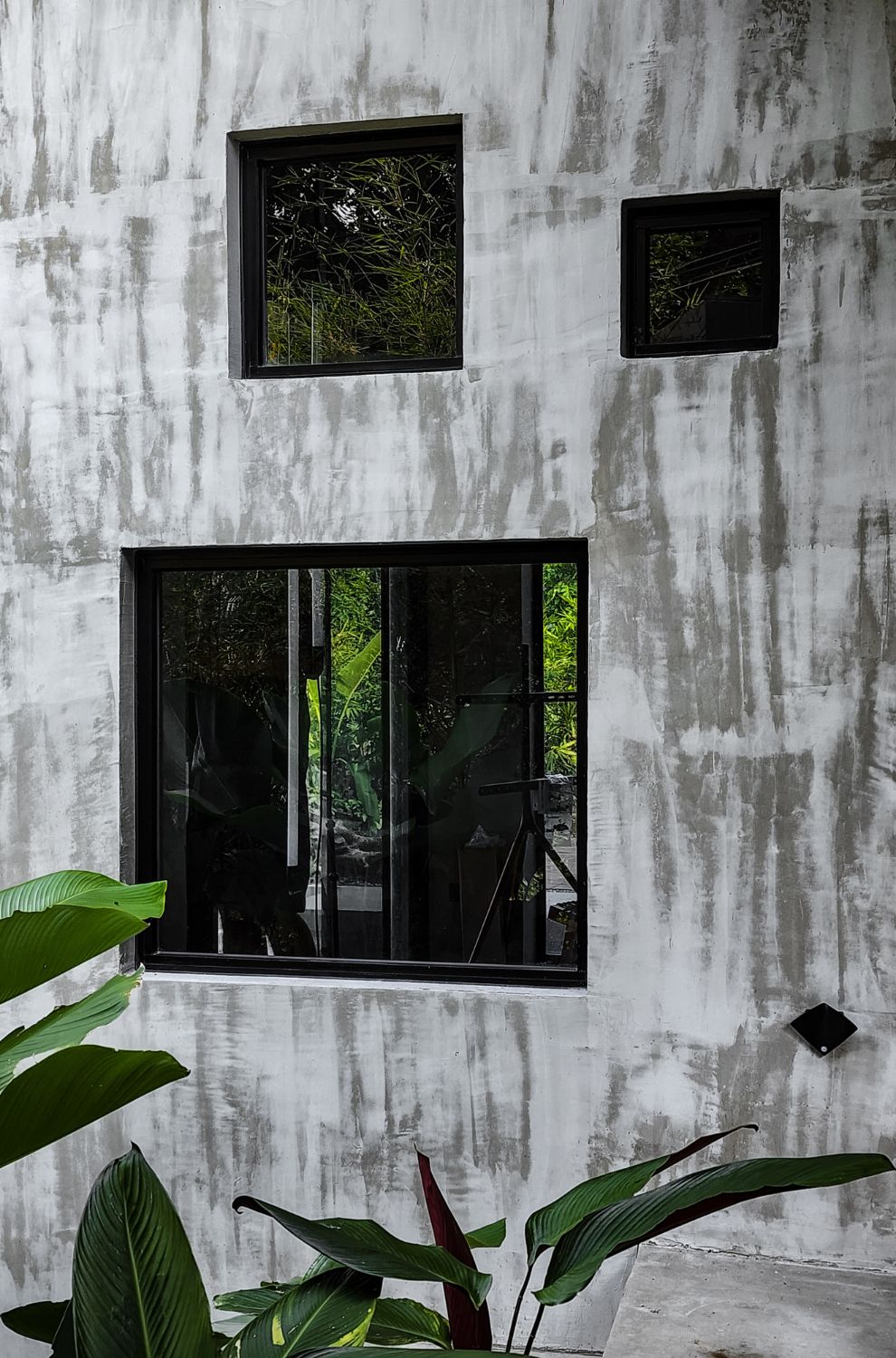
In developing Casa Borbon, Cali embraced experimenting with materials in lieu of traditional construction methods. He utilized a polystyrene wall system; two panels sandwiched between steel matting then plastered with cement. Lightweight and quick to install, it provided excellent thermal and sound insulation, with the added bonus of using less cement.
“It’s more expensive [than hollow blocks],” Cali admitted, “but it’s lighter, faster to install, you use less labor, and the time frame… can be shortened.”
This material paired well with his intent to create cantilevered spaces to minimize the structure’s footprint. He originally considered hempcrete, but due to its association with marijuana, he sought alternatives.
Light and Space: A Balance of Elements
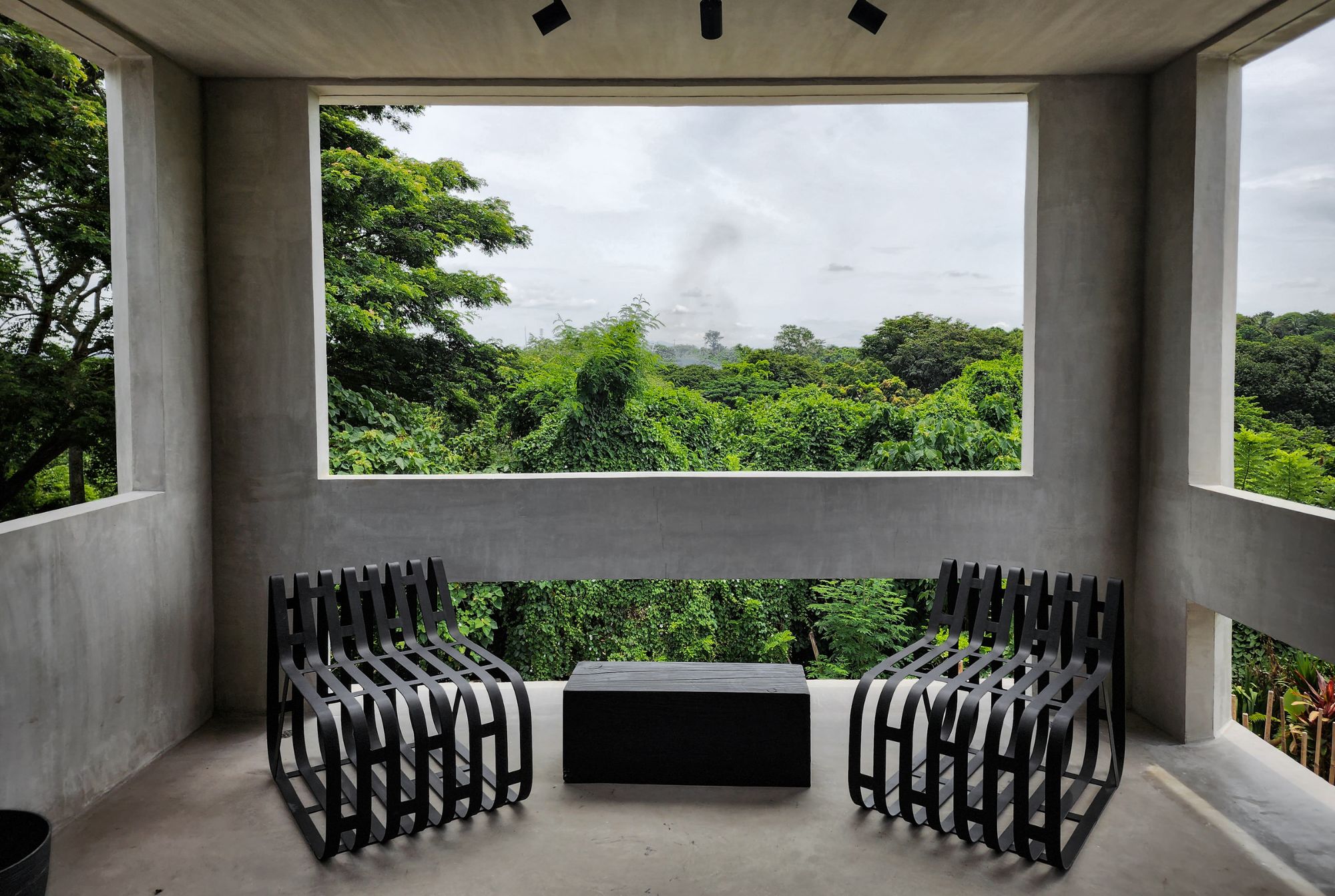
Casa Borbon spans approximately 150 square meters. The architects impressively completed construction in just eight months, even post-pandemic.
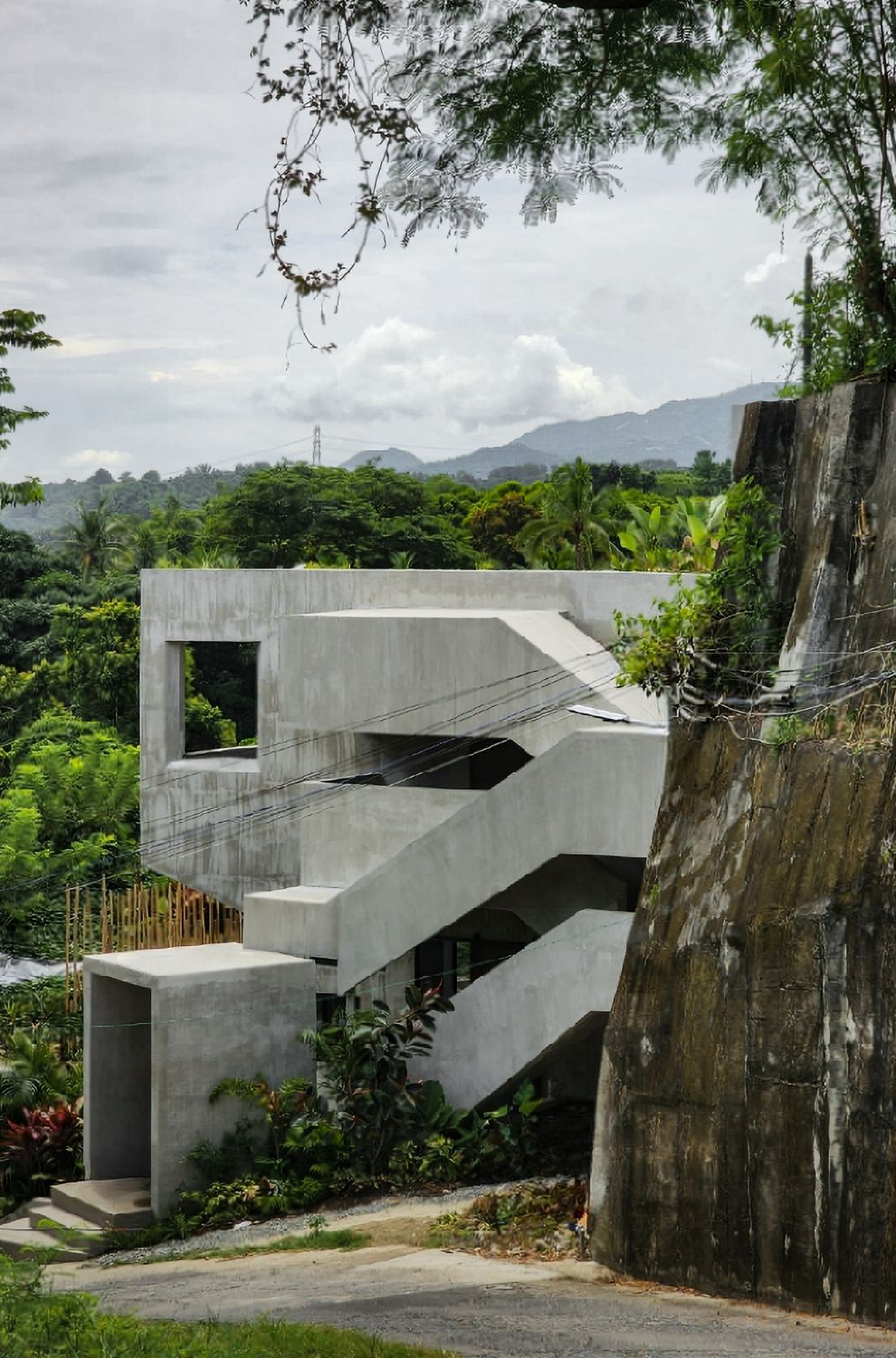
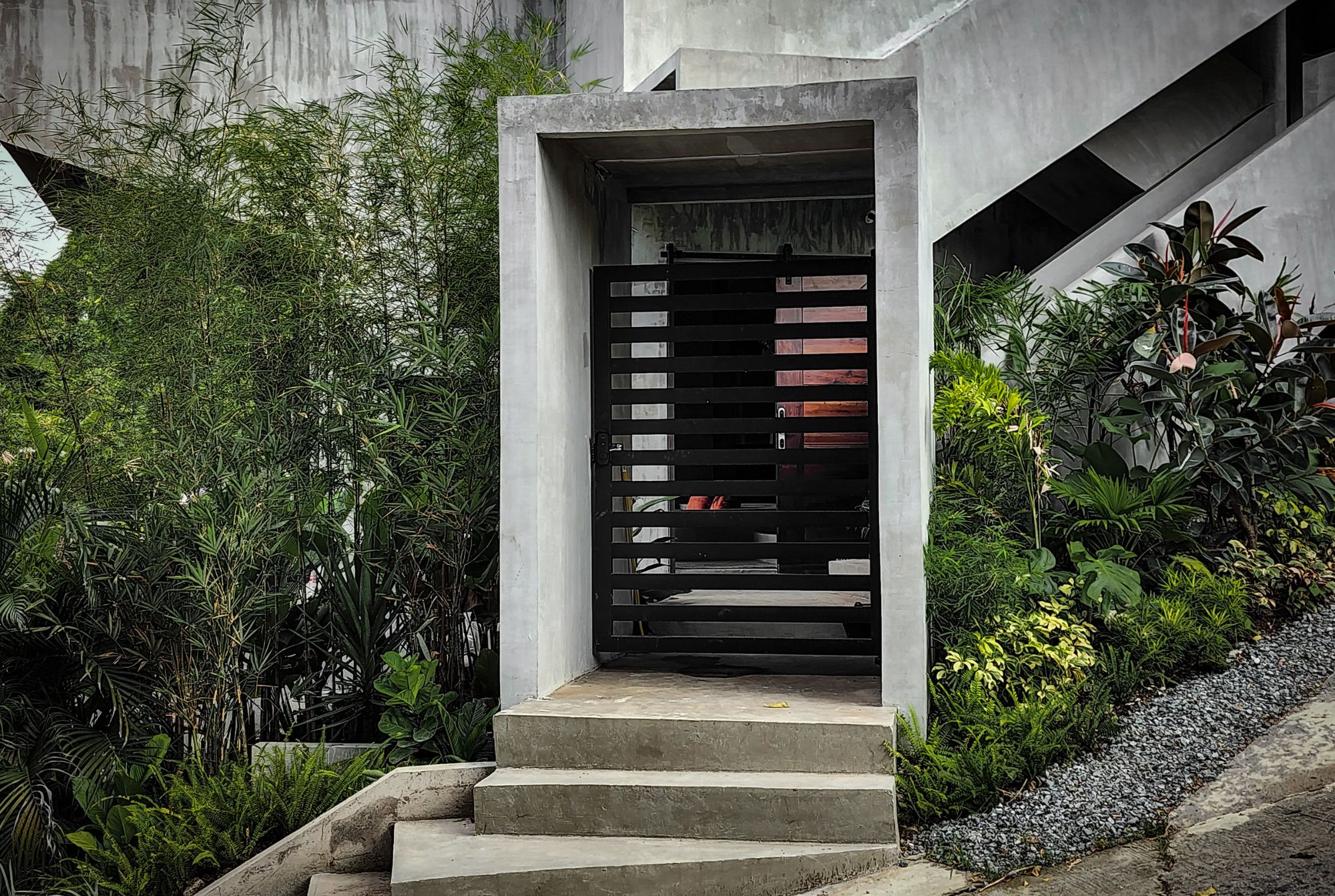
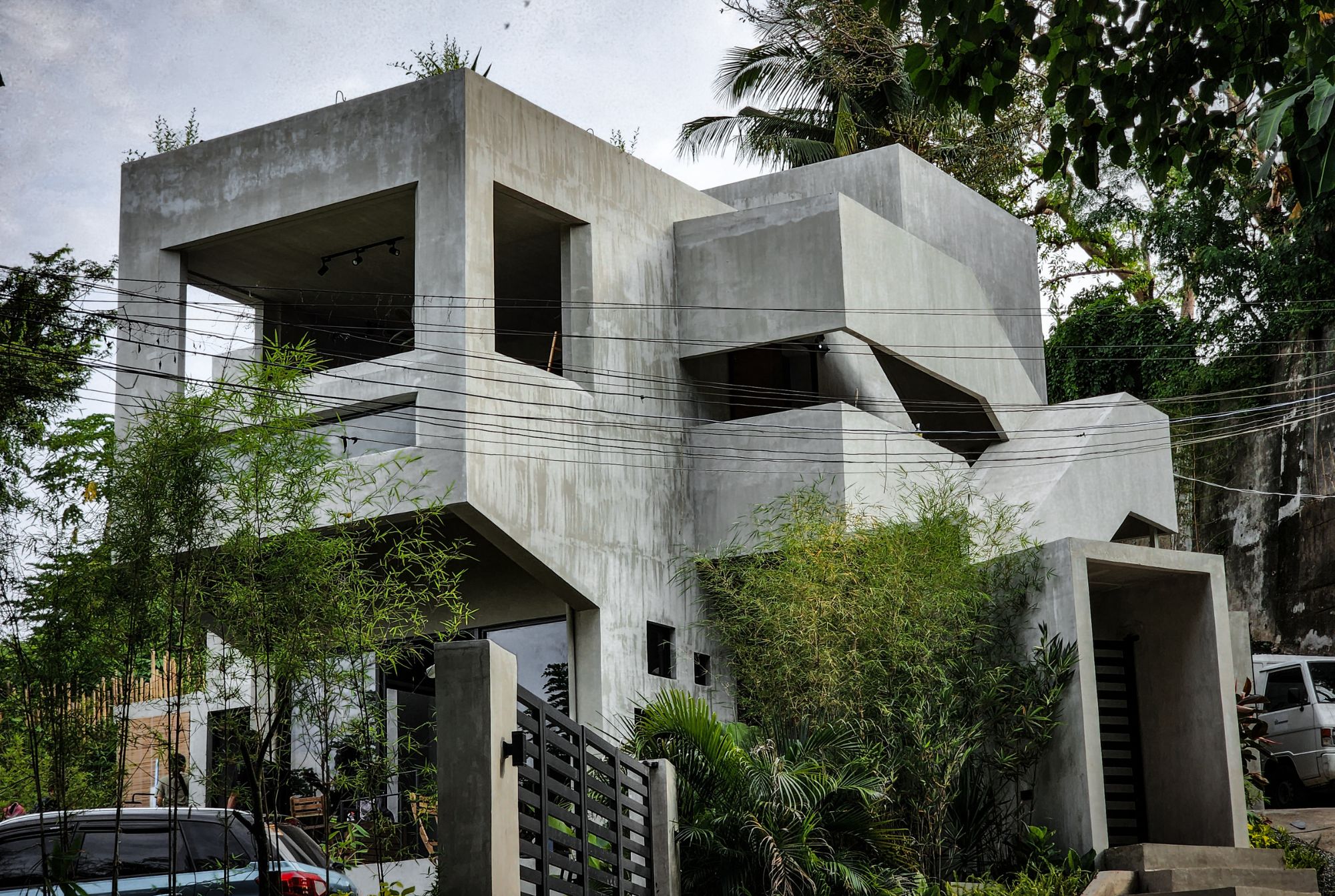
A sculptural concrete statement greets visitors from the street. Built on a sloping lot, the home’s dynamic protrusions cantilever above the ground floor, minimizing its footprint while maximizing living space. Recessed windows within concrete frames shade the interior and combat heat gain. The architect emphasizes: “I like to put the feature of big windows… you don’t get the hot interior.”
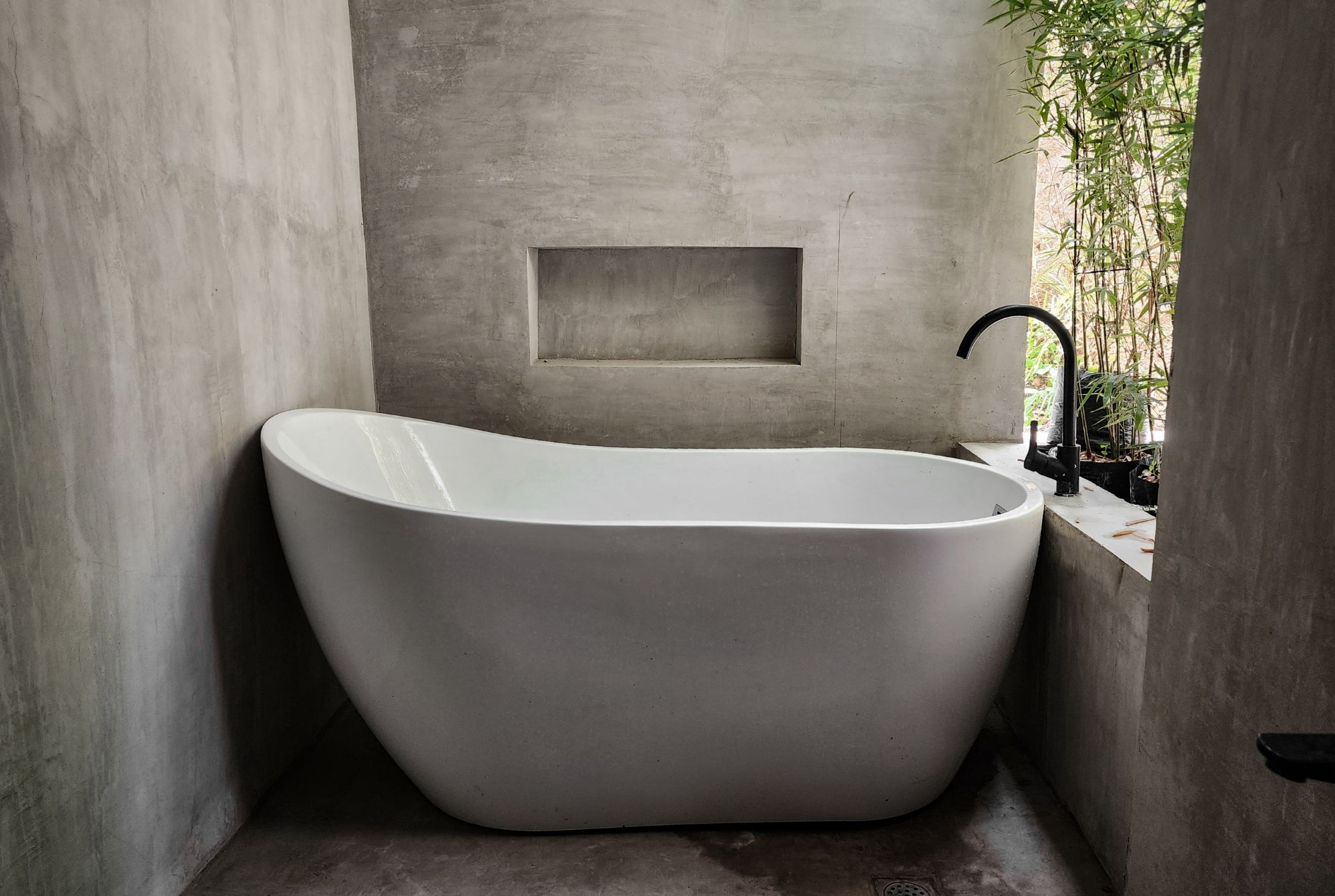
Inside, the ground floor offers a living room, a compact kitchen, and a master suite with pool access. A showstopping freestanding tub sits beside a window overflowing with tropical greenery. The sculptural outside stairwell guides guests upwards, leading to the cantilevered living area that looks out into panoramic view of tropical rainforest.
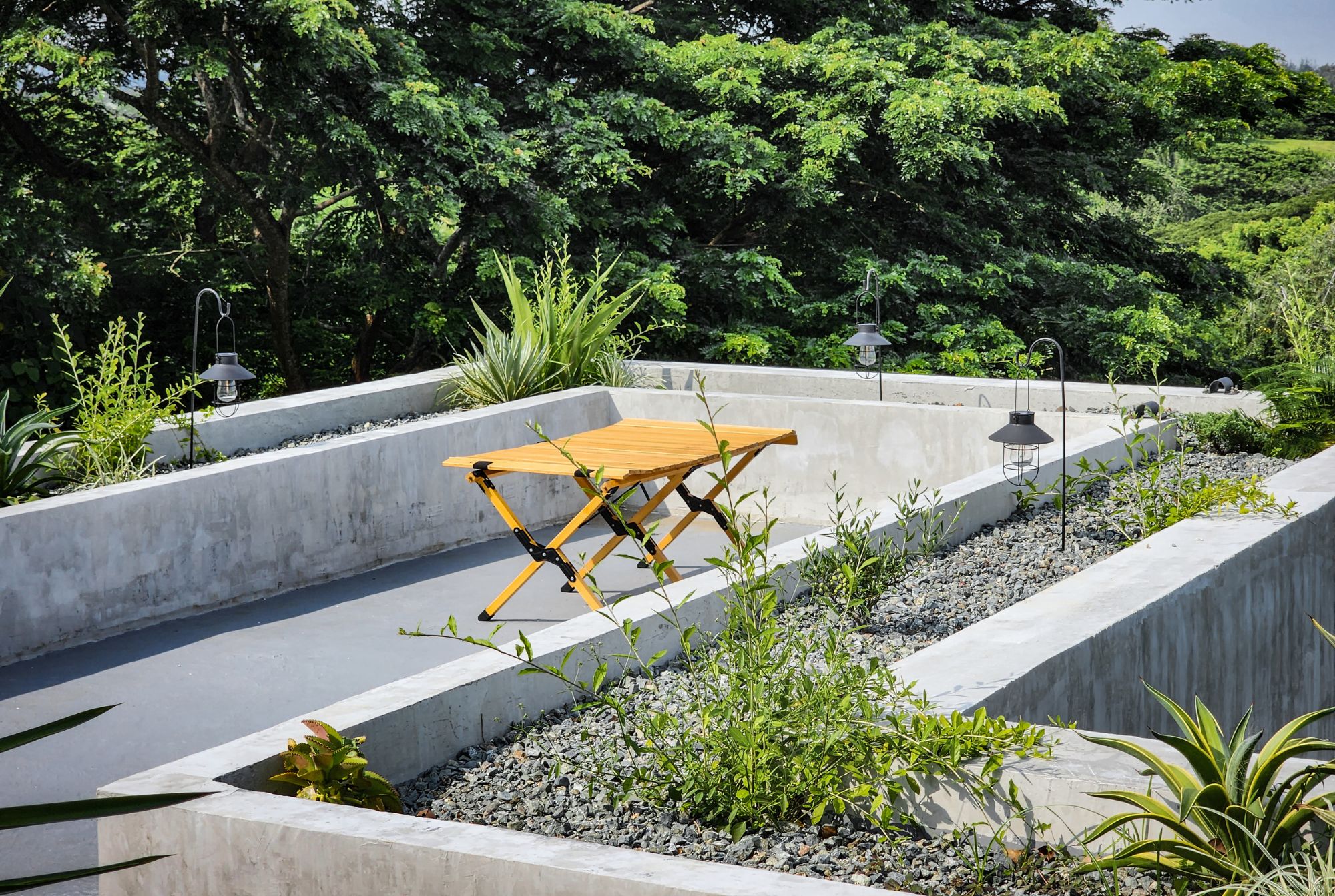
The owner’s contrasting furniture softens the stark concrete aesthetic, blending warm woods and fabrics for a layered and visually intriguing space. On the third level is the roof deck, which provides a private outdoor area for lounging and small gatherings.
Behind the scenes, the firm operates with two junior architects. They also partner with engineers and contractors, having established a streamlined team since their launch in 2020. Interestingly, their timing coincided with a pandemic-induced shift towards vacation homes and renovations, catapulting their designs into the spotlight.
“I wanted to go viral through the furniture, but it ended up going viral with the house that I made,” Cali muses.
Infusing Personal Design in Casa Borbon
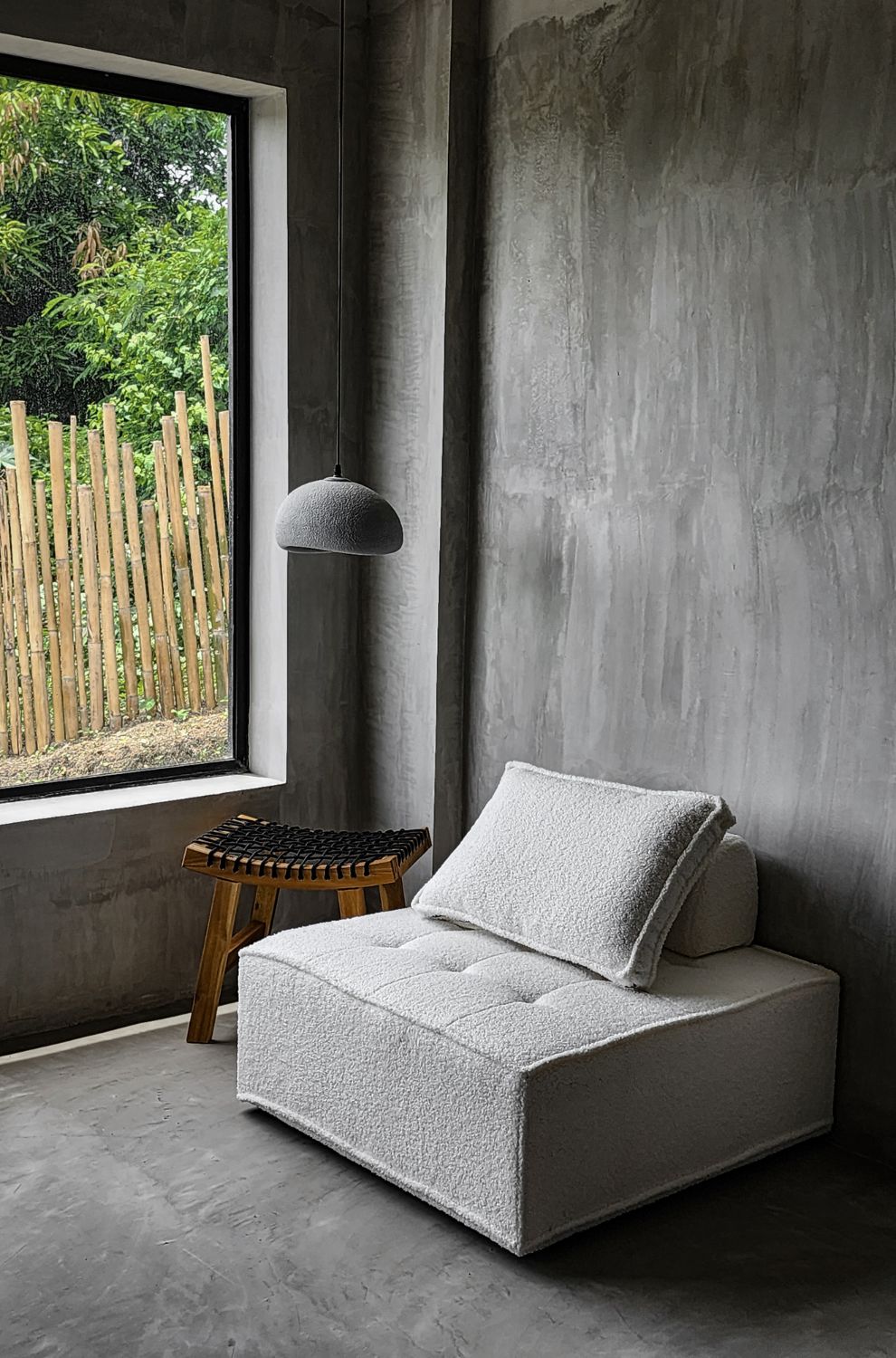
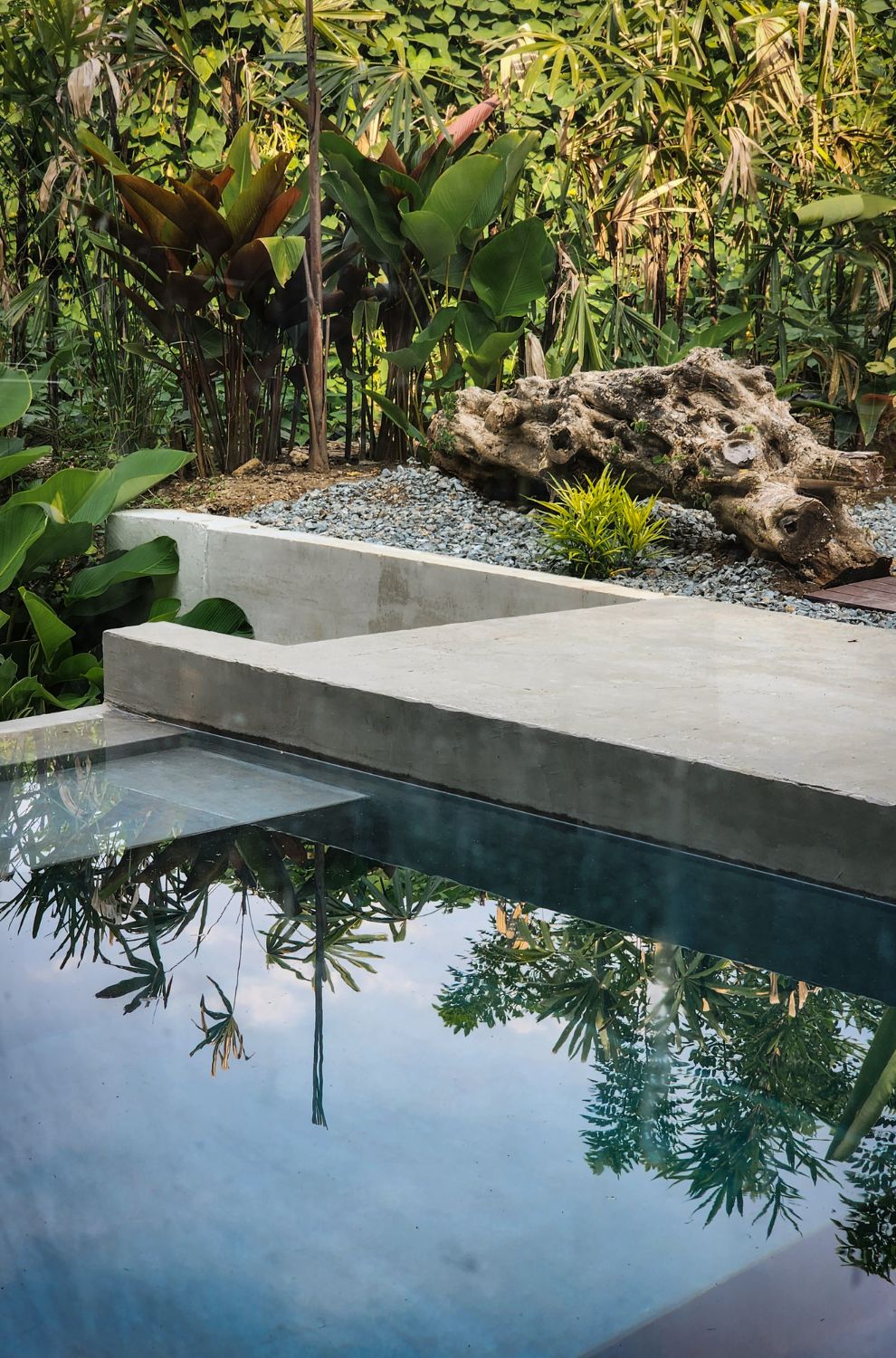
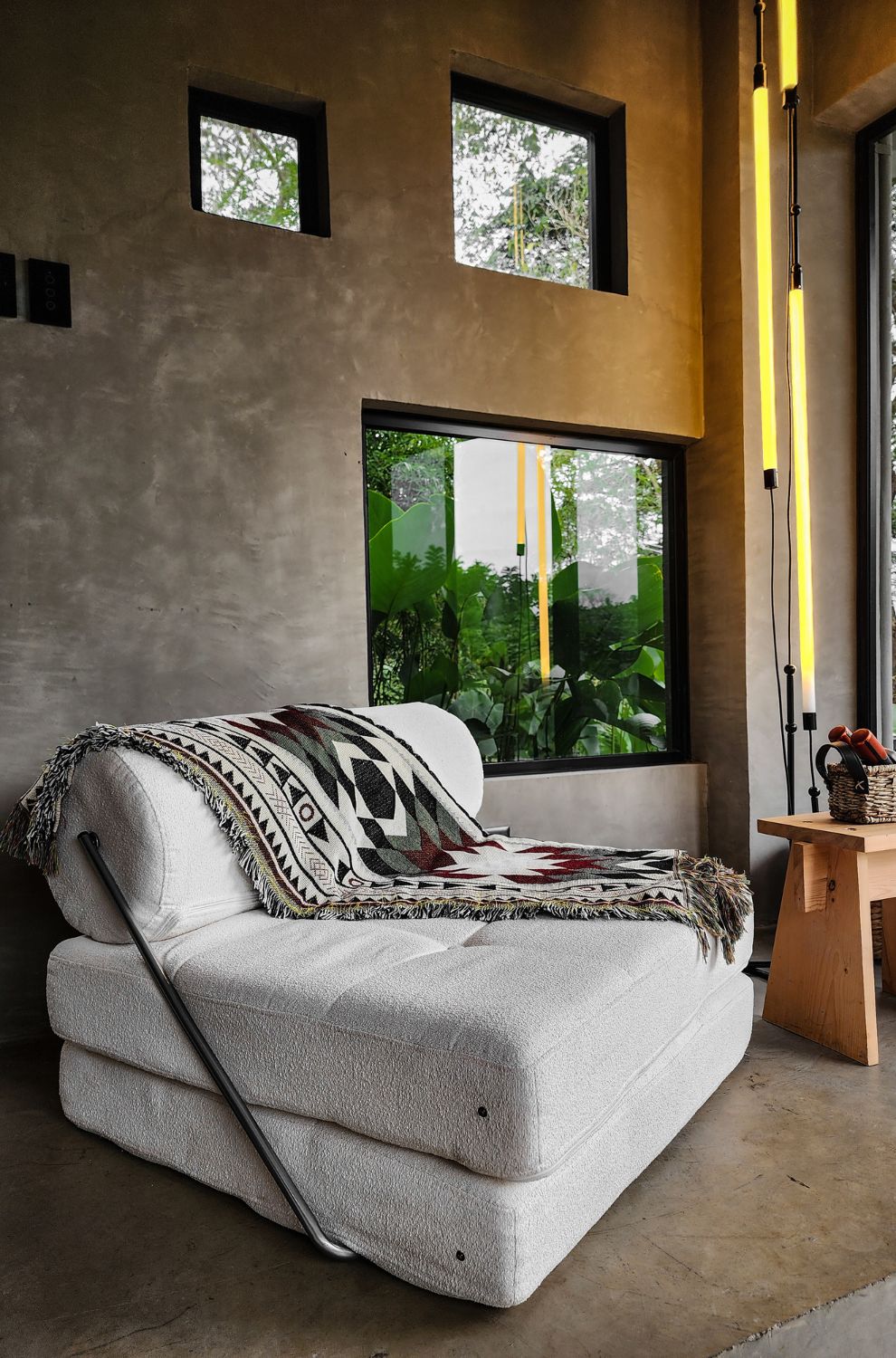
Although the furniture in Casa Borbon isn’t from the architect’s collection, it’s shaped by his design ethos. The client’s vision was paramount, resulting in a curated interior that complements the brutalist architectureArchitectureThe art and science of designing and constructing buildings, structures, and spaces that are functional, safe, and aesthetically pleasing. It encompasses the planning, design, materials, and techniques used to createGo to Architecture Glossary.
Cali Architects’ Casa Borbon stands as a sculptural monument to tropical brutalismBrutalismA modernist architectural style from the 1950s to 1970s defined by raw, exposed concrete, massive geometric forms, and honest expression of structure. In the Philippines, landmarks such as the CulturalGo to Brutalism Glossary. It’s an innovative milestone in residential architecture, embodying a philosophy where structure supports life and design echoes personality.
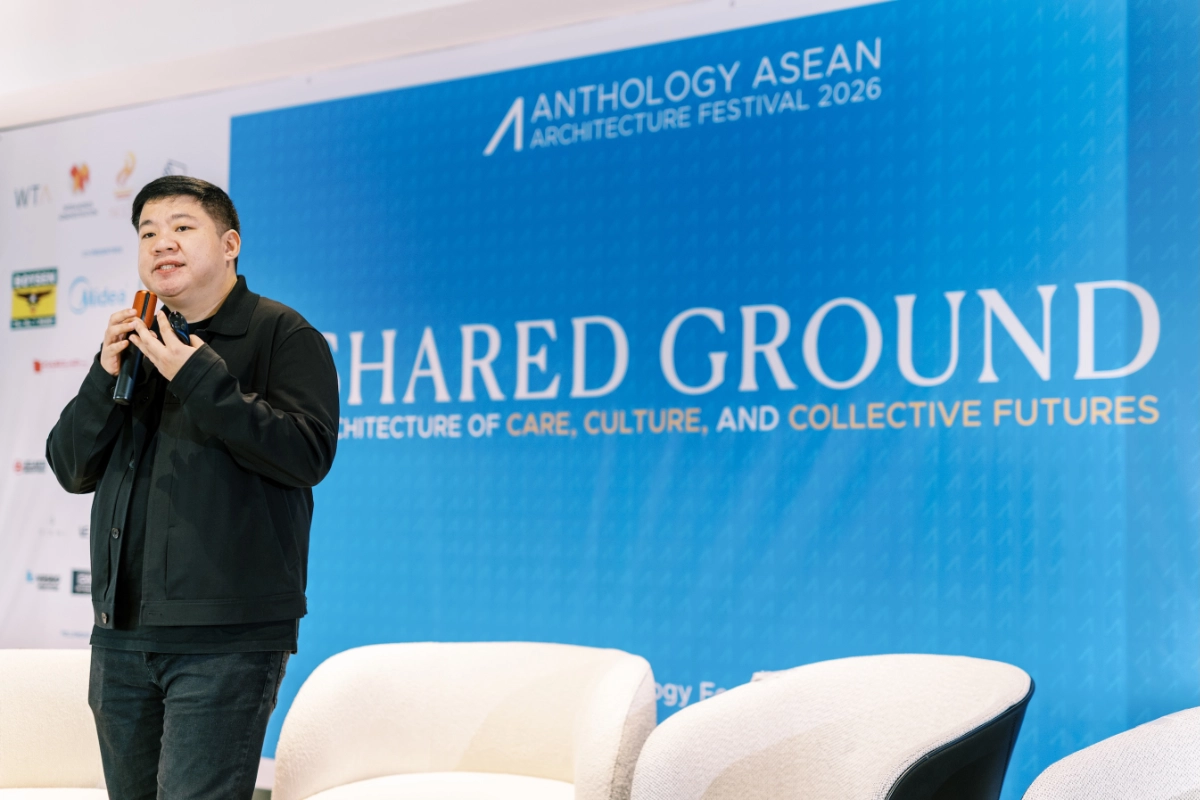
“Buildings only become architectureArchitectureThe art and science of designing and constructing buildings, structures, and spaces that are functional, safe, and aesthetically pleasing. It encompasses the planning, design, materials, and techniques used to createGo to Architecture Glossary when they are shared,” said William Ti Jr., founder of the Anthology Festival and WTA Architecture and Design Studio, […]
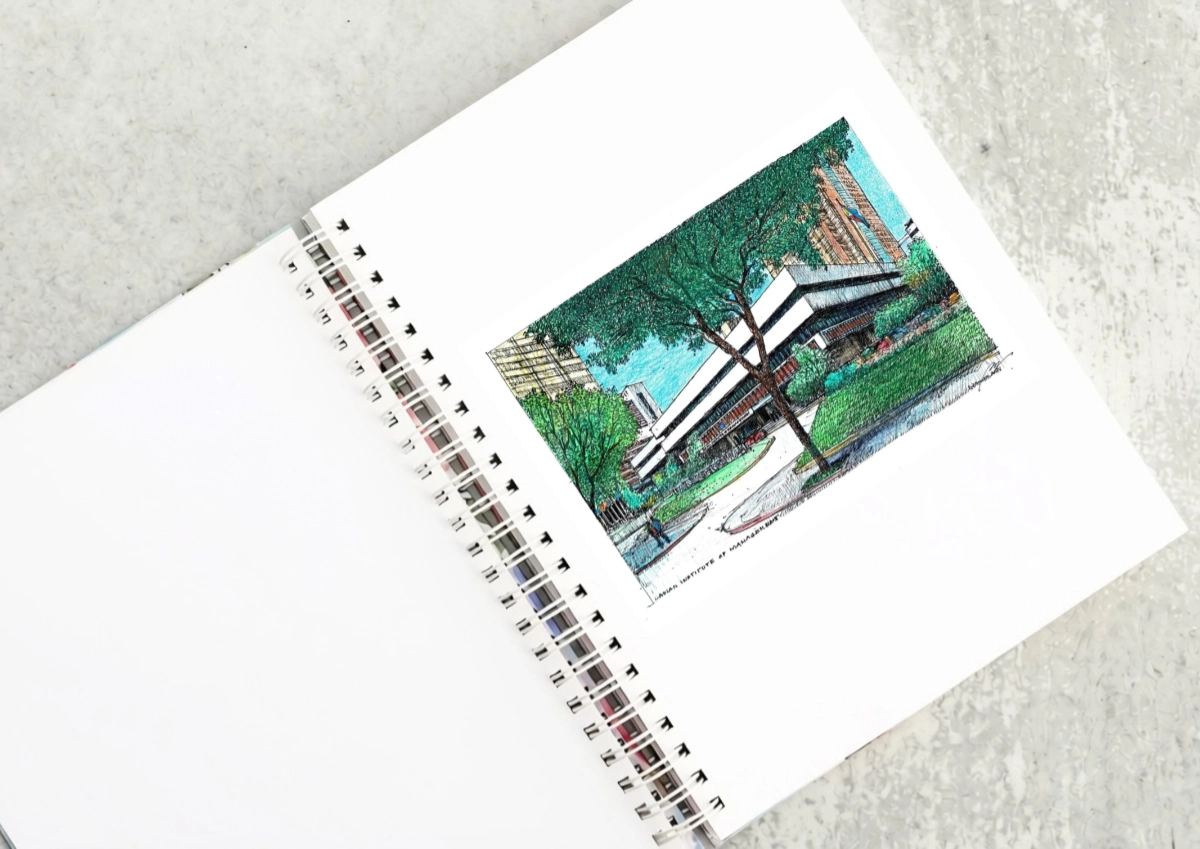
A Filipino Interpretation of Modernist Architecture Unlike the rest of Makati today, the northern end of Paseo de Roxas in Makati is anchored by a low complex rather than a tall skyscraper. This is the elegant Asian Institute of Management, designed by architect Gabriel Formoso and completed in 1971. In my opinion, the building is […]
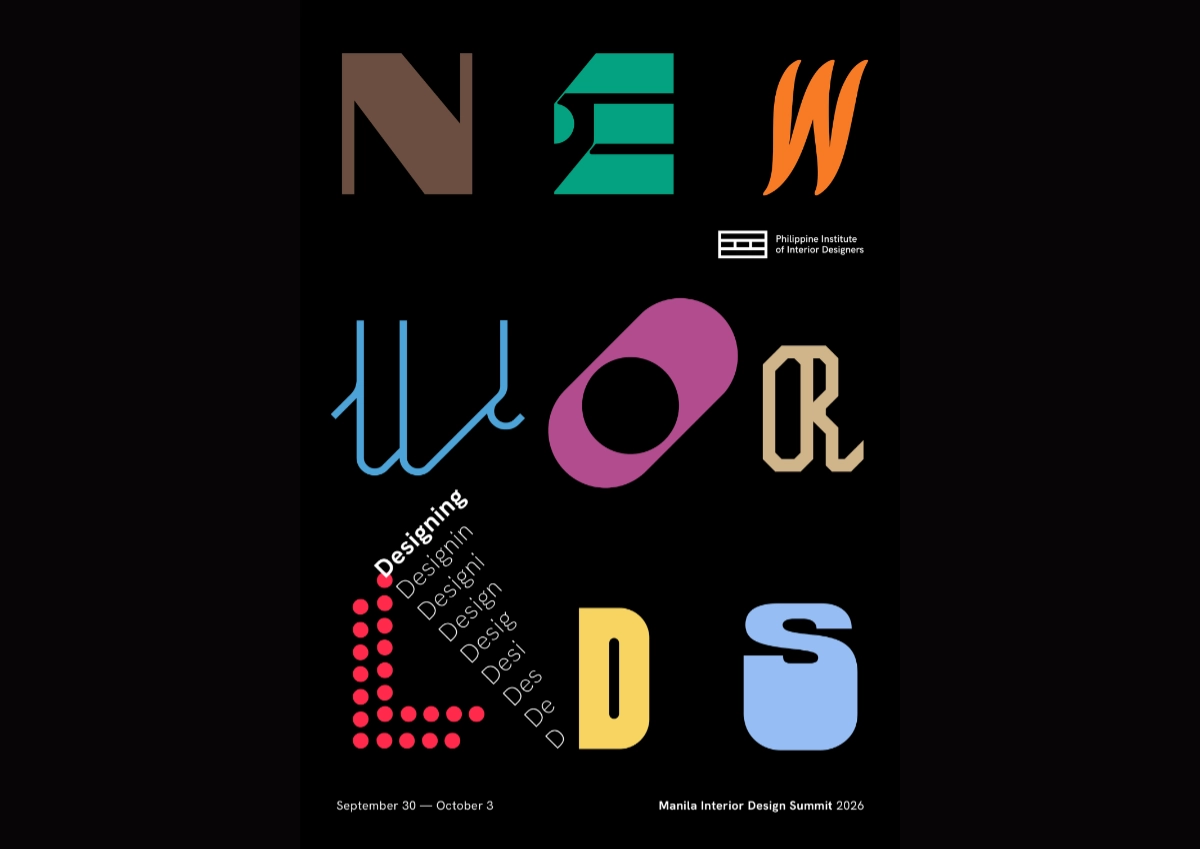
“Thailand has claimed urban creativity and livability. Singapore has institutional design leadership. Indonesia is emerging as a design hub. Vietnam is moving into design innovation. And the Philippines? Its position is not weak. It is simply unclaimed.” For IDr. Cecil Ravelas, National President of the Philippine Institute of Interior Designers (PIID), the challenge is not […]
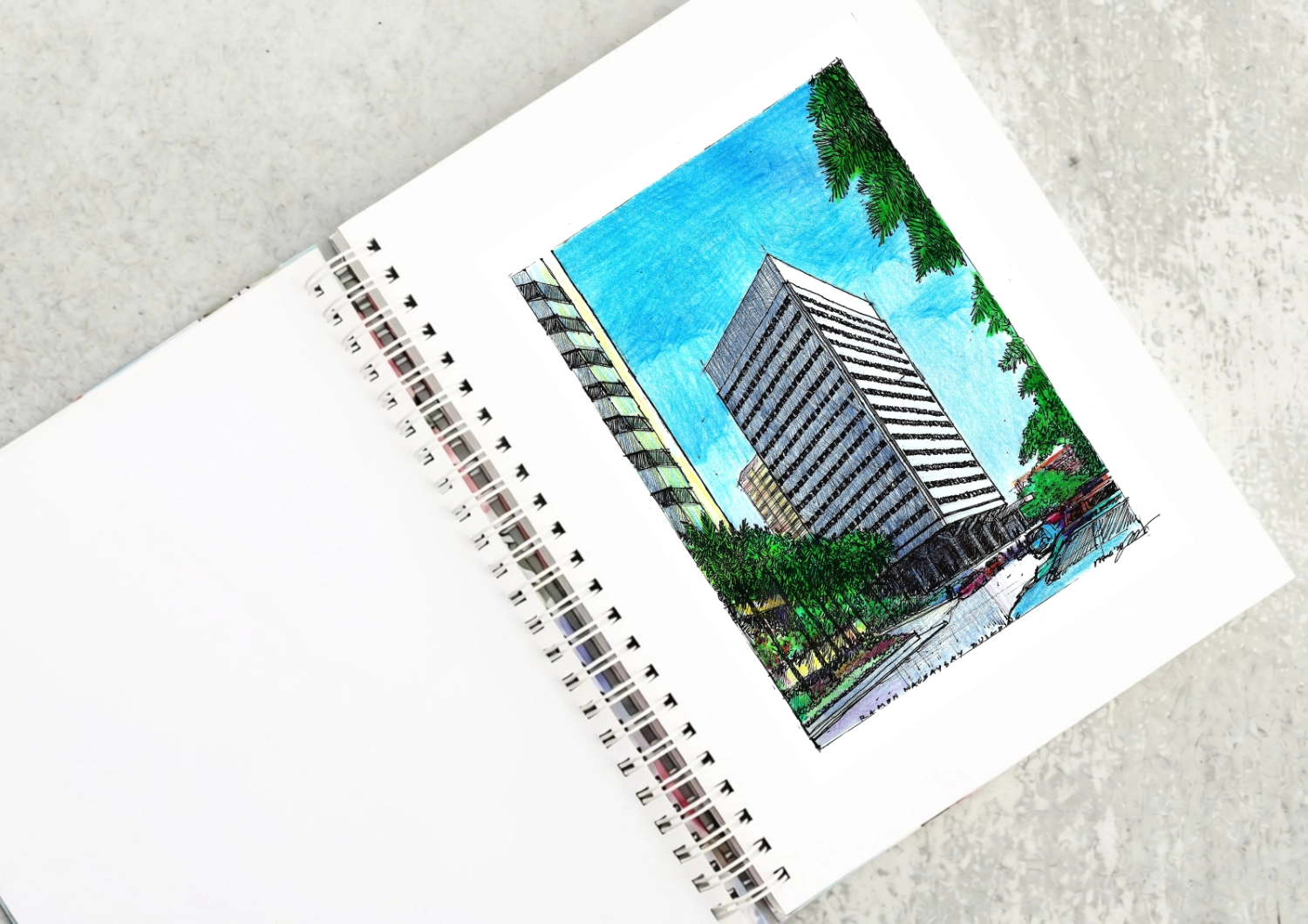
The Ramon Magsaysay Center as a Modernist Landmark Driving down Roxas boulevard from Rizal Park, what will catch your eye is the most elegant modernist structure in the country, the Ramon Magsaysay Center. Most established Filipino architects put it in their top ten lists of favorite buildings. It was designed by Alfredo J. Luz, who […]

Rinna Soriano’s favorite part of her work is sanding. At her workbench, she stays focused, following the grain, adjusting to changes in its direction. NarraNarraThe national tree of the Philippines, Pterocarpus indicus, prized for its durable, reddish-gold hardwood and handsome grain. Traditionally used for furniture, flooring, and carved panels, narra is now protected fromGo to […]
Read the issues.

Collect the volumes.

Recommended Video
Tap to Unmute
Unmute
0:00
0:00