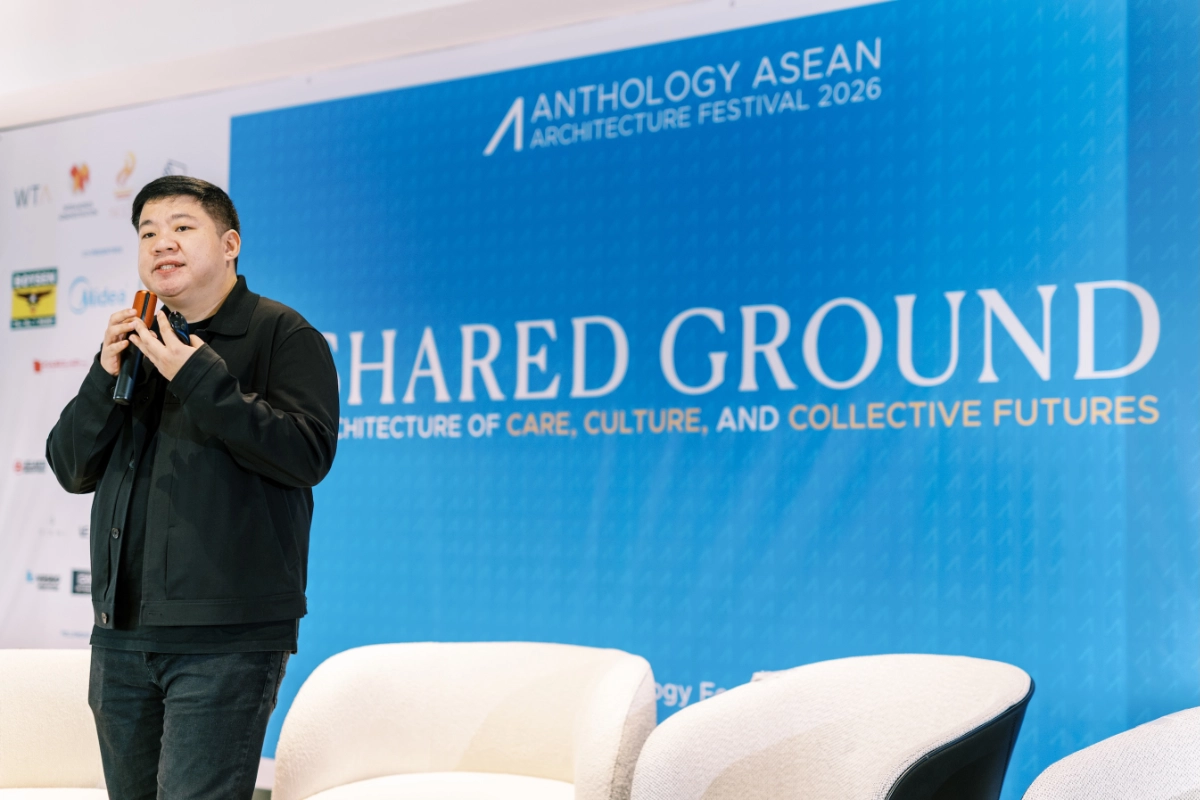
“Buildings only become architectureArchitectureThe art and science of designing and constructing buildings, structures, and spaces that are functional, safe, and aesthetically pleasing. It encompasses the planning, design, materials, and techniques used to createGo to Architecture Glossary when they are shared,” said William Ti Jr., founder of the Anthology Festival and WTA Architecture and Design Studio, […]
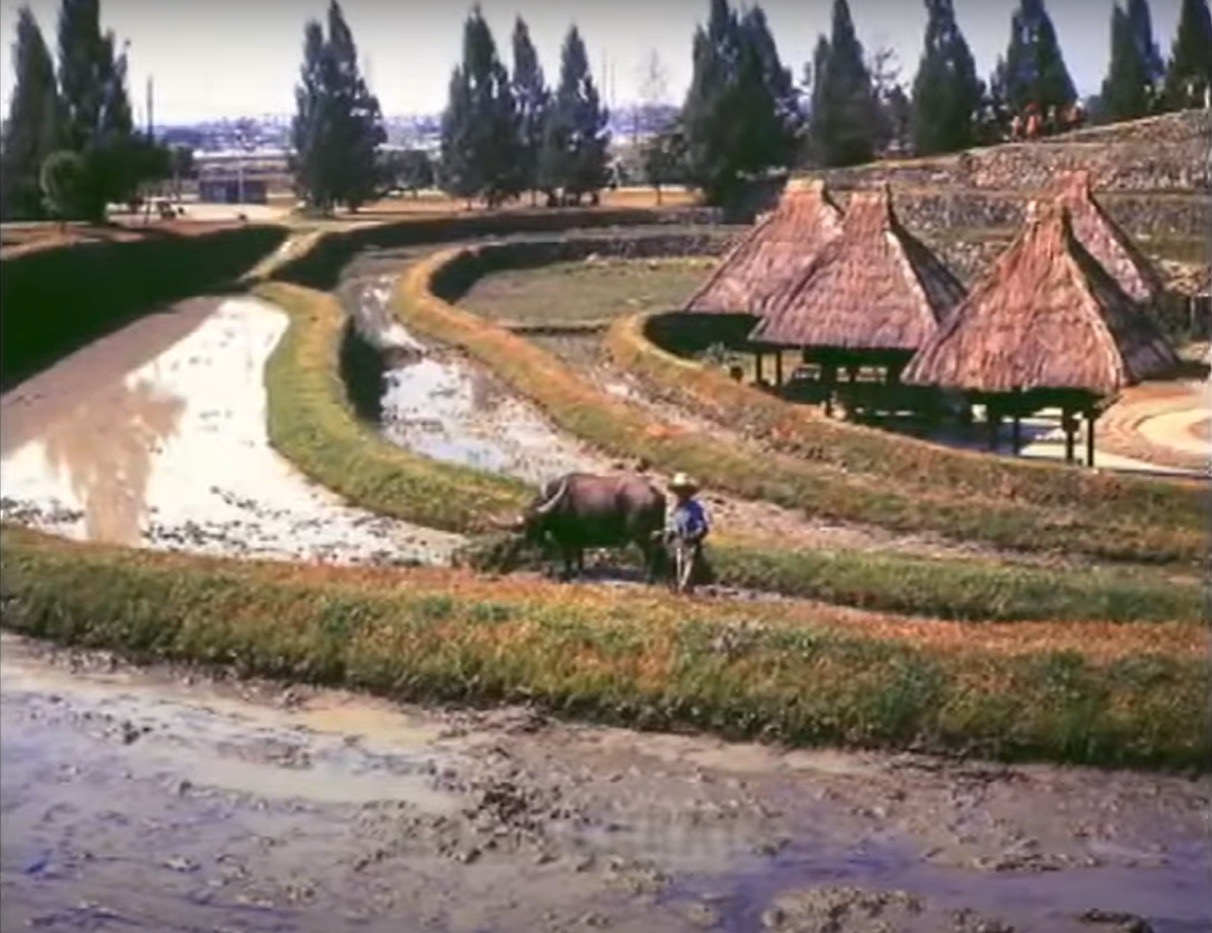
Old Nayong Pilipino: A Park of Cultural Representation



The old Nayong Pilipino was a cultural theme park, managed by the Nayong Pilipino Foundation, that was open from 1970 until its closure in 2002. Its grounds were filled with a vast array of Filipino architectural marvels and iconic landscapes of the archipelago. The park was divided based on the different regions of the country, from the northern provinces of Luzon to the southern regions of Mindanao.
Crafting a Filipino Landscape
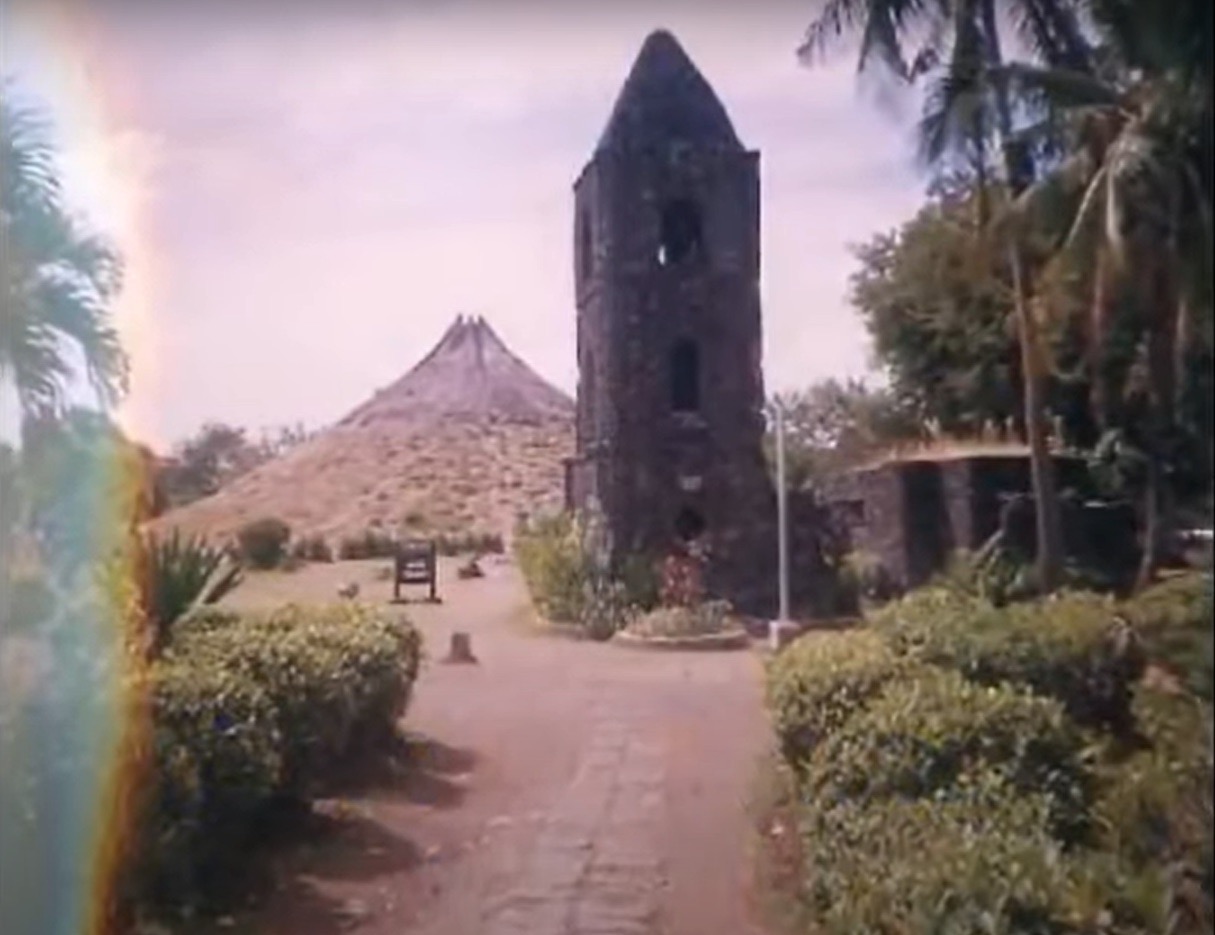
National Artist Ildefonso P. Santos Jr., also known as IP Santos, designed the charming landscape of the Nayong Filipino. The 45-hectare property was transformed into a miniaturized realm that recreated landforms and structures famous across the country. As travel was much more difficult at the time, it gave city dwellers and tourists a peek at what the Philippines had to offer.
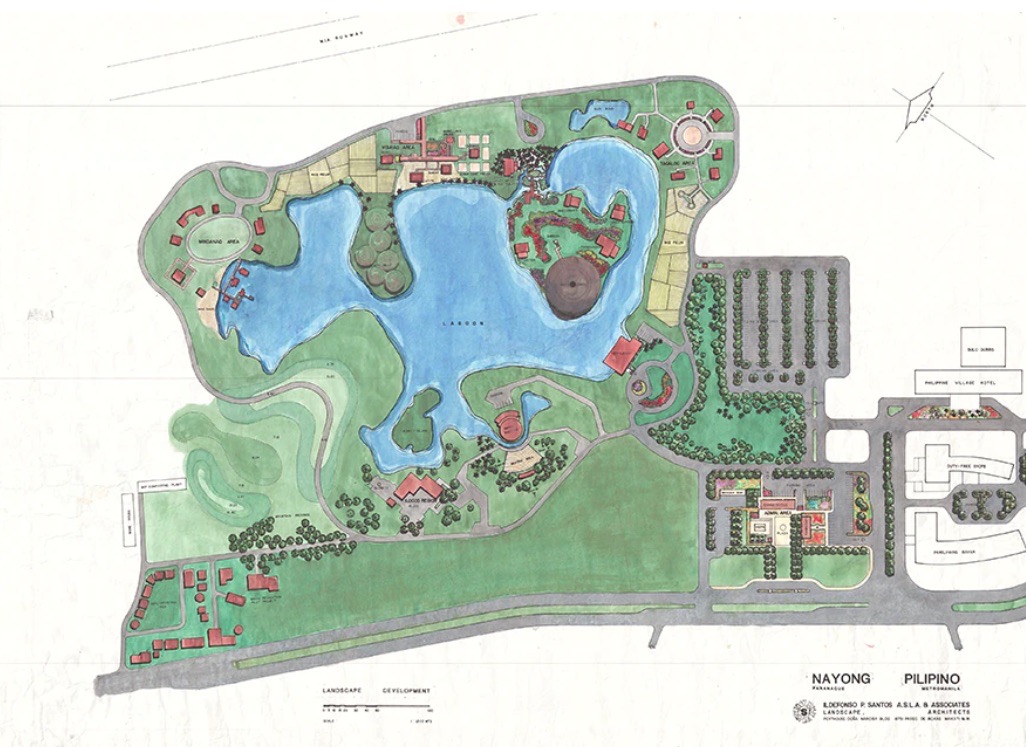
Photo Credit: Gerard Lico
The Nayong Pilipino was designed to be a living tapestry of the Philippine’s physical and cultural heritage. Works that replicated wonders such as the terraced rice fields of the Cordilleras, the lush hills of Visayas, and the rugged terrain of Mindanao surrounded the central lake. A replica of the Mayon Volcano and its iconic bell tower stood with recreations of rural scenery.
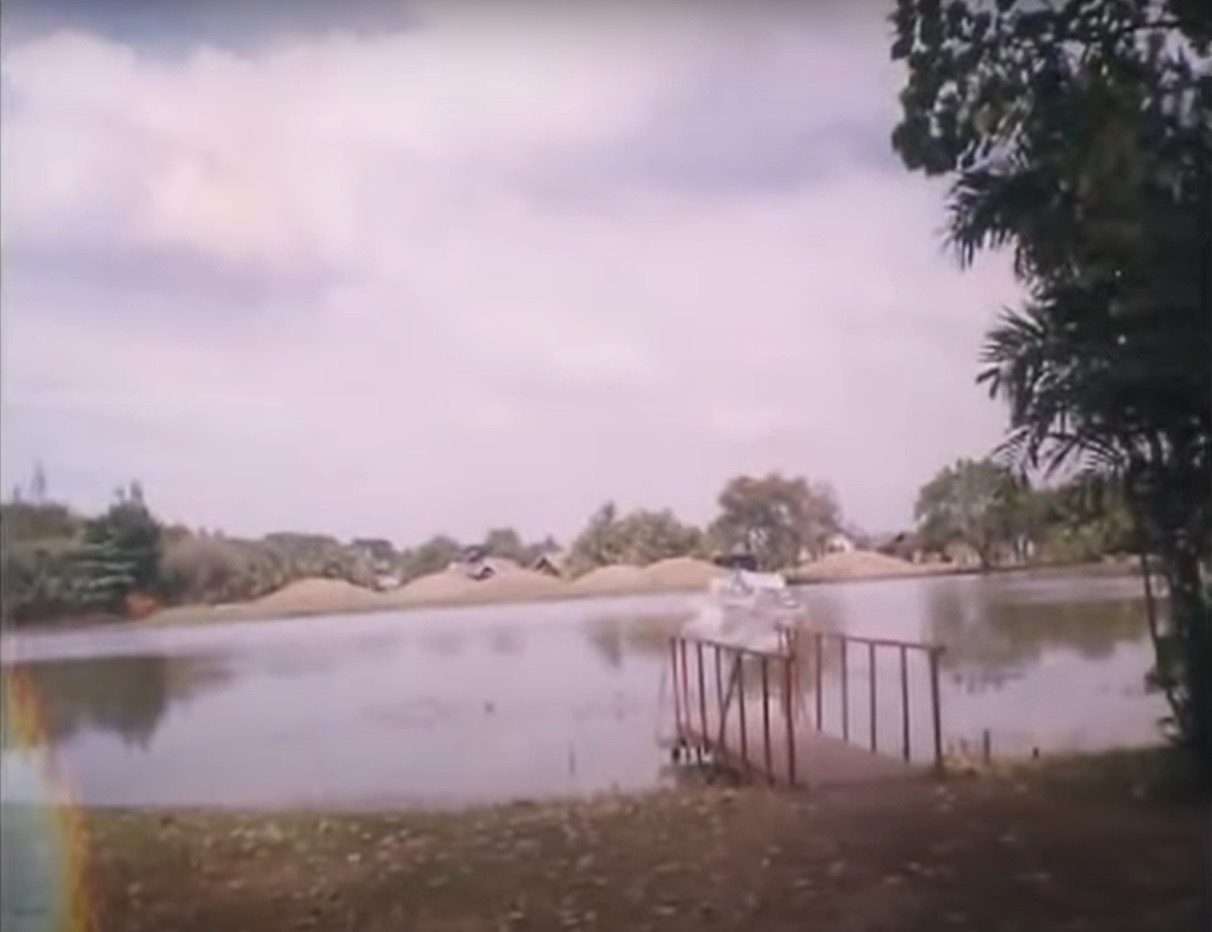
Santos artfully captured the essence of these landscapes and filled the outdoors with a diverse representation of Filipino flora. It was a celebration of our distinct natural environment and the greenery that called it home. Vernacular Filipino structures added to the immersive experience with their display of the indigenously-built environment.
A Showcase of Vernacular Architecture
A wide array of vernacular and historical architectureArchitectureThe art and science of designing and constructing buildings, structures, and spaces that are functional, safe, and aesthetically pleasing. It encompasses the planning, design, materials, and techniques used to createGo to Architecture Glossary was recreated by a team of renowned architects. National Artists Leandro Locsin and Francisco Mañosa were involved in designing these structures from across the nation. These buildings ranged from iconic forms of housing and religious structures to large pavilions for events and performances. They were presented in a miniature form meant to serve as replicas, as seen in the workmanship of their decorative elements and regional motifs.
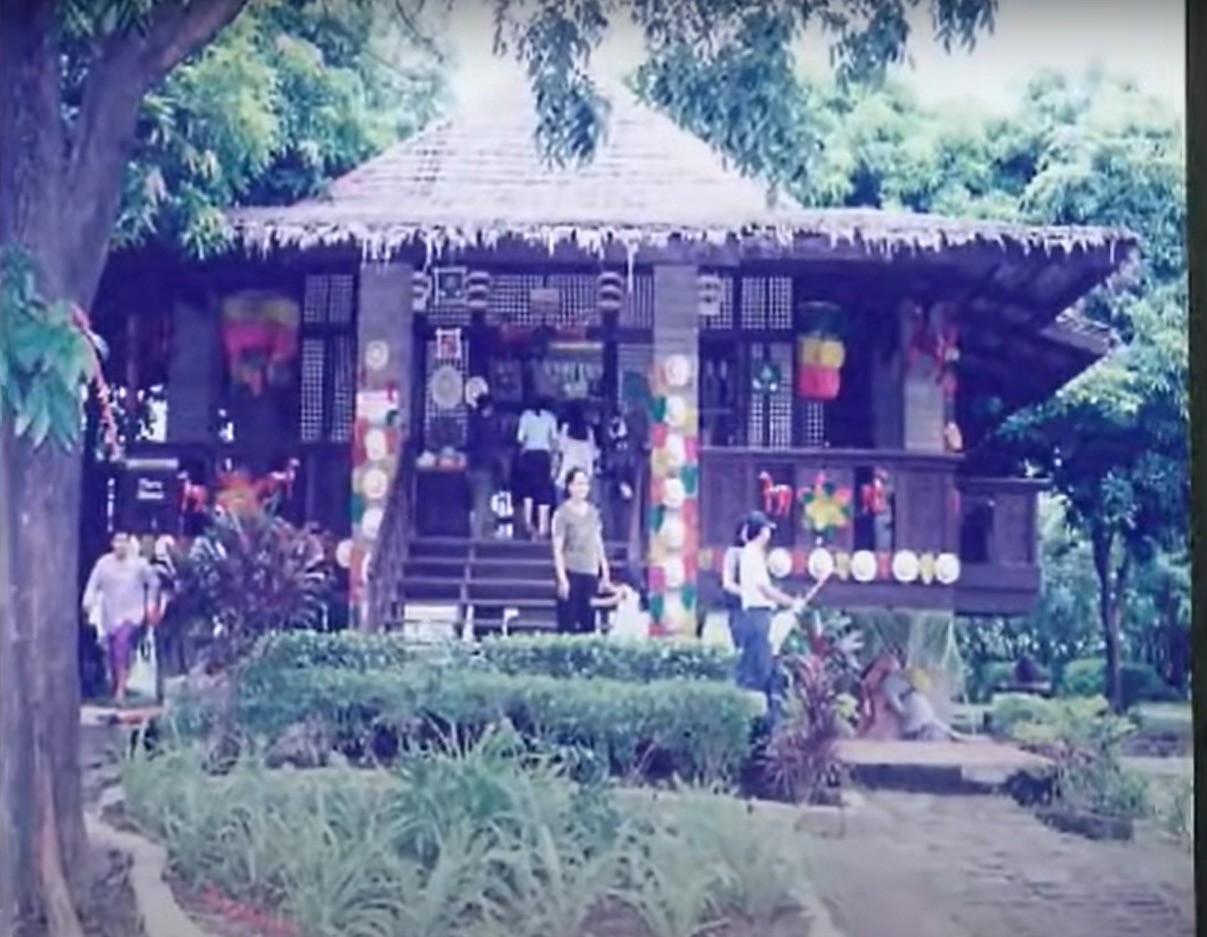
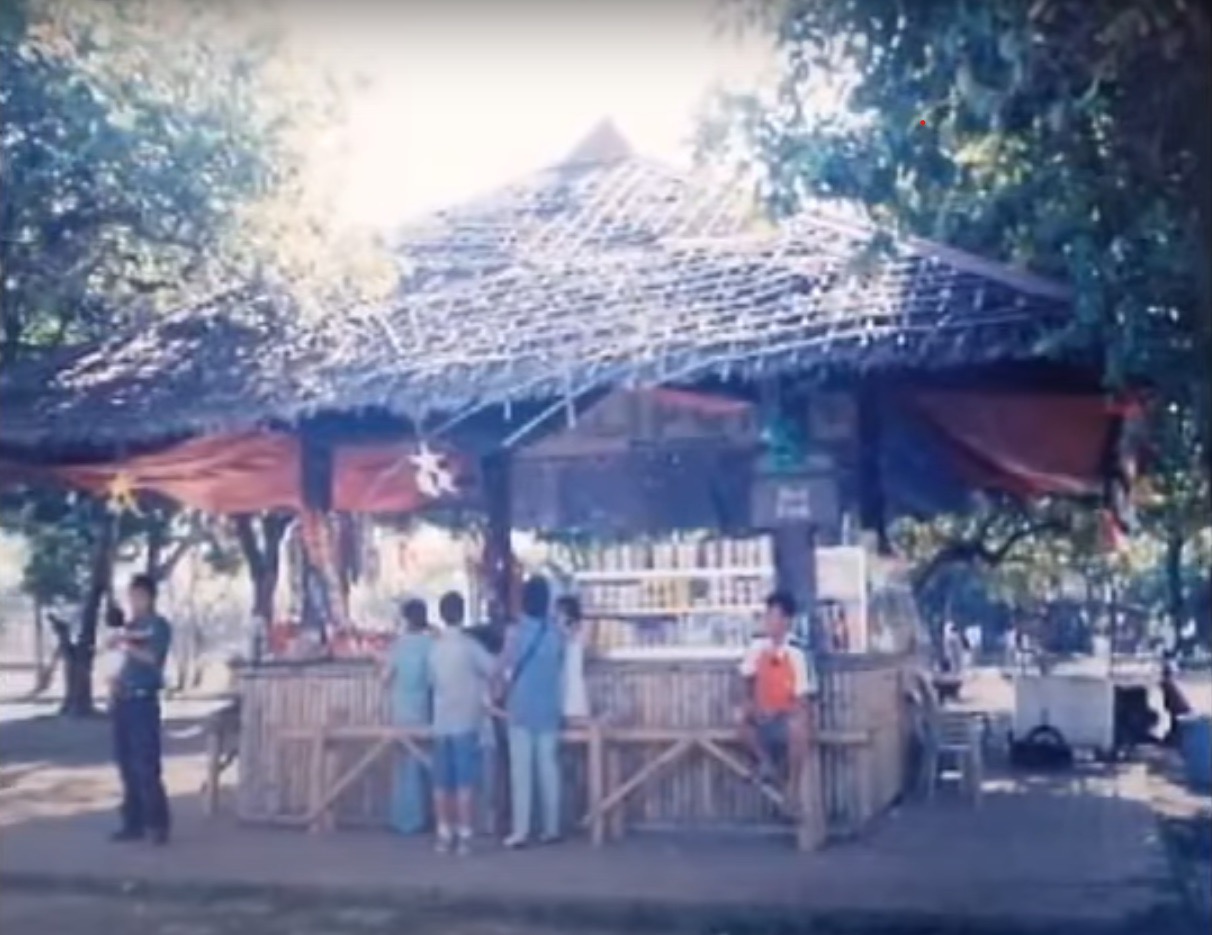
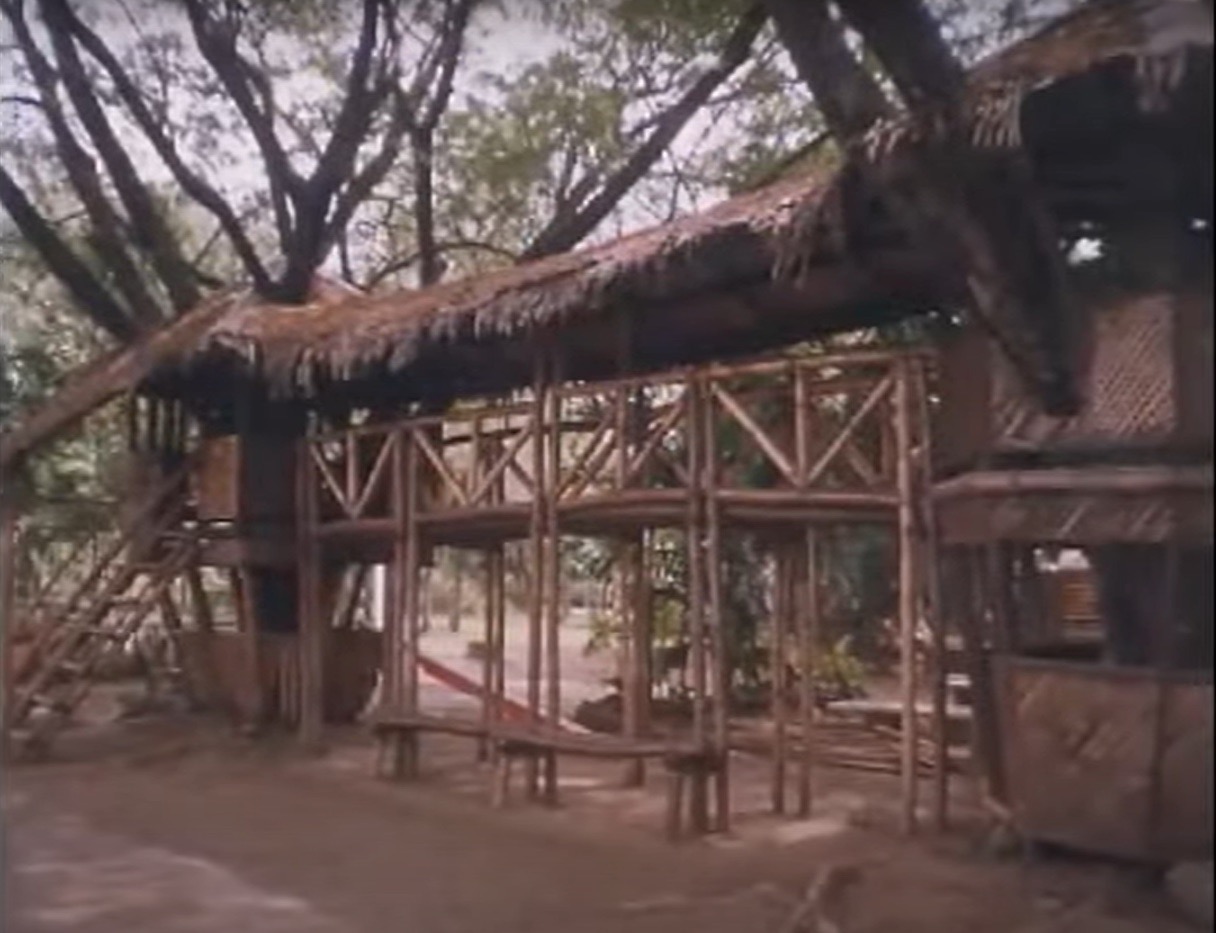
Back then, a classic Filipino jeepney was used to bring visitors around the grounds. There, one would find stilt houses with thatched roofs standing alongside colonial houses, such as the Bahay na Bato. Notable historical structures such as Magellan’s cross were accented by collections of artifacts and informational material. It’s no wonder that it was a popular destination for field trips and tourism during its heyday.
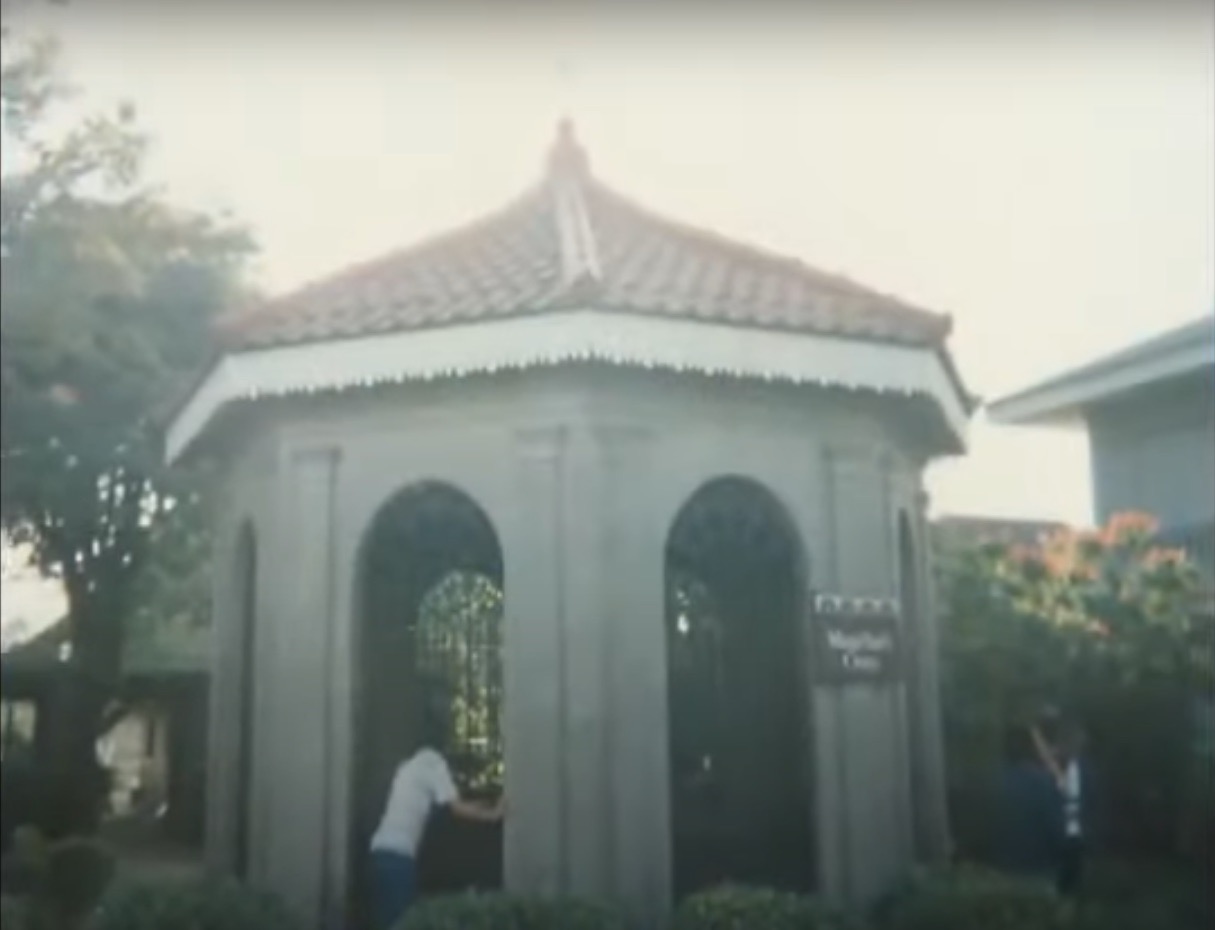
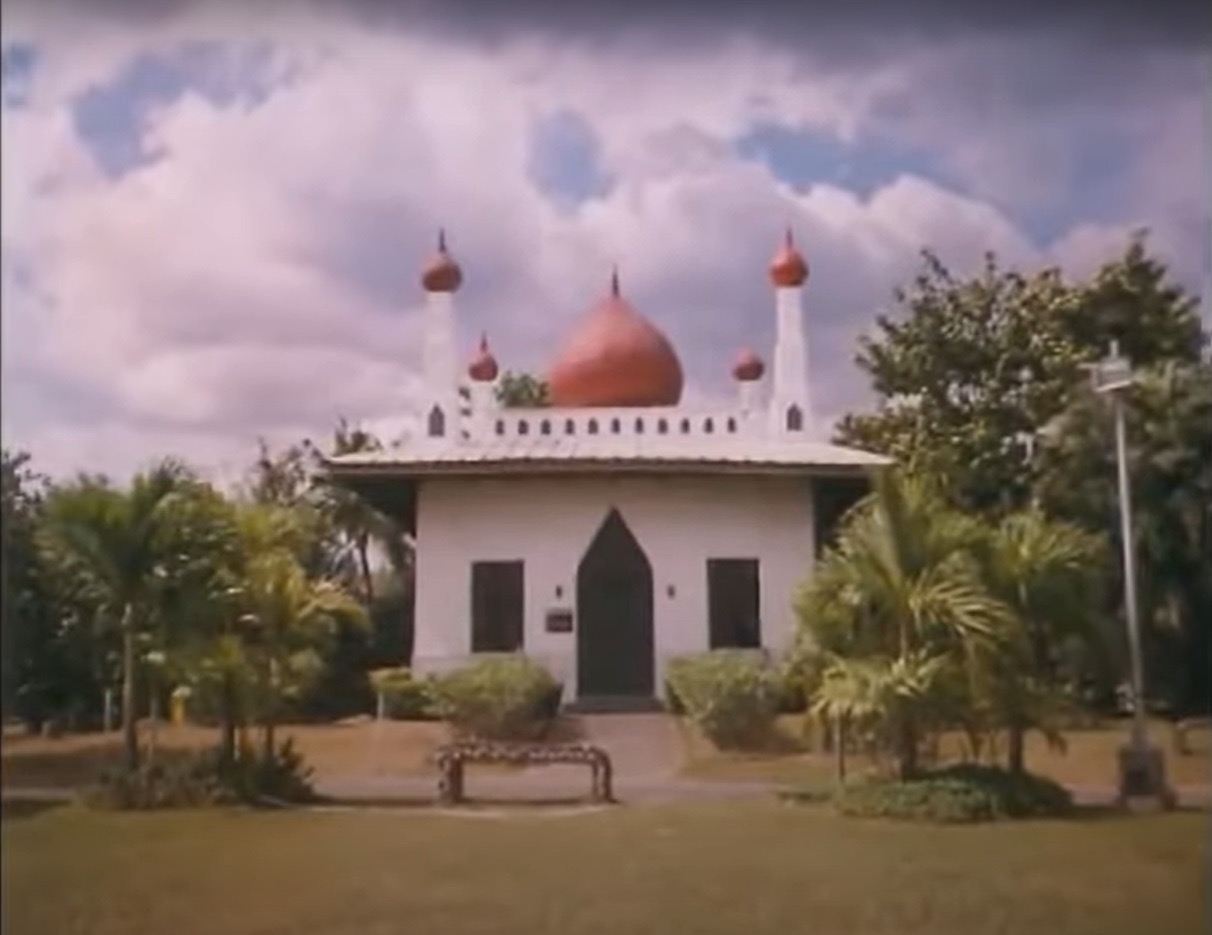
Beyond architecture and landscape architecture, Nayong Pilipino offered other displays of Filipino culture. A catalog of traditional performance, regional cuisines, and age-old crafts put forward the intangible aspects of heritage. Again, these were all easily reachable—it was just across the main airport of the country at its time.
A Conversation on Cultural Representation
Although the old Nayong Pilipino can arguably be said to put forward local culture and heritage closer to the general public, it also had its share of faults. Firstly, critics argued that the park was a distilled version of Filipino culture.
These landscapes and structures were taken out of their original contexts and were instead romanticized within a “theme” park for visitors. Countryside settings were treated as displays rather than the way of life of a good number of our countrymen.
Furthermore, the selection of what regions to showcase put into question the integrity of how the Philippines was being represented. It’s understandable that not every region could be included within the exhibits, but it can come at a cost of perpetuating a particular narrative. These nuances are important as it concerns the public’s perceptions of our national identity.
The legacy of Nayong Pilipino is quite strong up to this day. It offers its lessons in how history, heritage, and culture can be made engaging to the general public. Some of its shortcomings give insight into the ongoing conversations and dialogue surrounding cultural attractions and representation.
A Legacy of Promoting Heritage
Through its masterfully crafted environments, vernacular spaces, immersive experiences, and celebration of regional diversity, the Nayong Pilipino offered visitors a chance to fall in love with the beauty of the Philippines.
Although it may no longer stand today, the park serves as a reminder of how architecture and landscape architecture can be bastions of national identity and culture.
Read more: Mementos from The Past: The Importance of Heritage Buildings
Photos Sourced From Kilusang Bagong Lipunan Youtube Channel unless indicated otherwise.
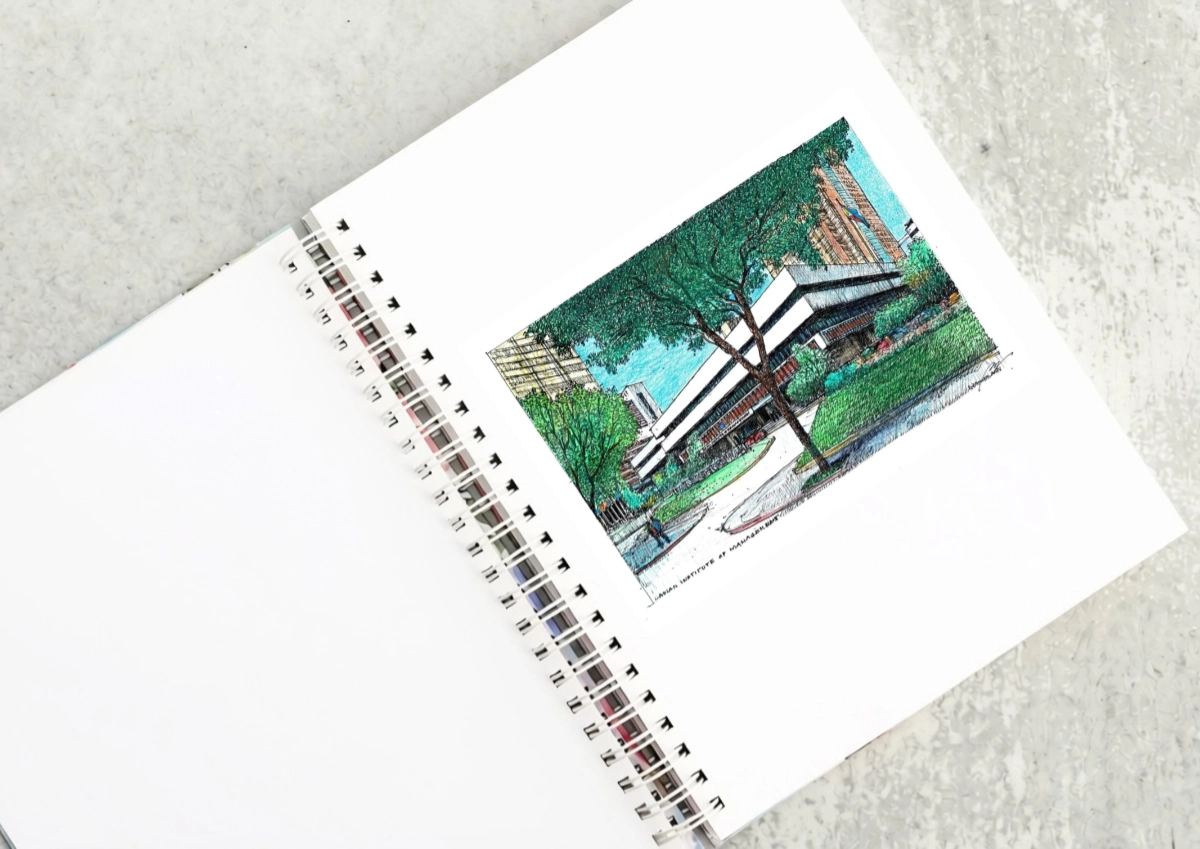
A Filipino Interpretation of Modernist Architecture Unlike the rest of Makati today, the northern end of Paseo de Roxas in Makati is anchored by a low complex rather than a tall skyscraper. This is the elegant Asian Institute of Management, designed by architect Gabriel Formoso and completed in 1971. In my opinion, the building is […]
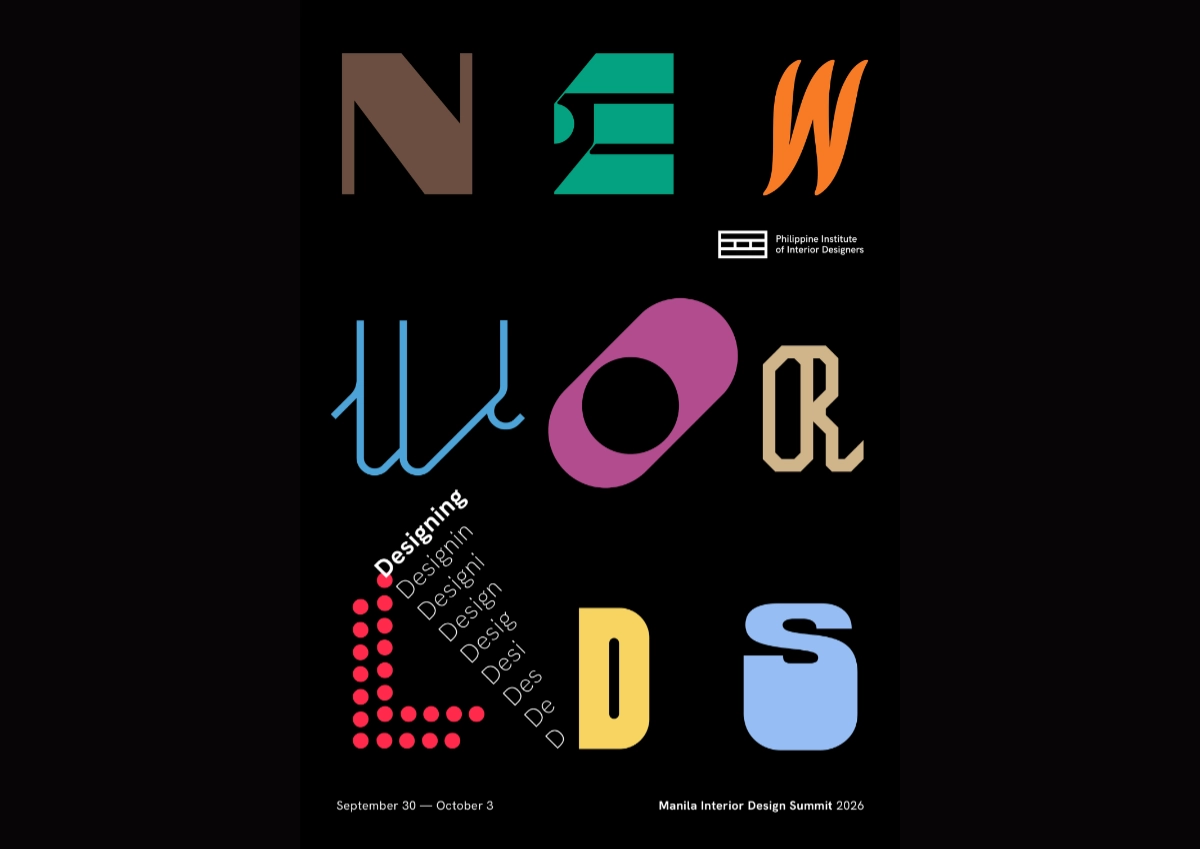
“Thailand has claimed urban creativity and livability. Singapore has institutional design leadership. Indonesia is emerging as a design hub. Vietnam is moving into design innovation. And the Philippines? Its position is not weak. It is simply unclaimed.” For IDr. Cecil Ravelas, National President of the Philippine Institute of Interior Designers (PIID), the challenge is not […]
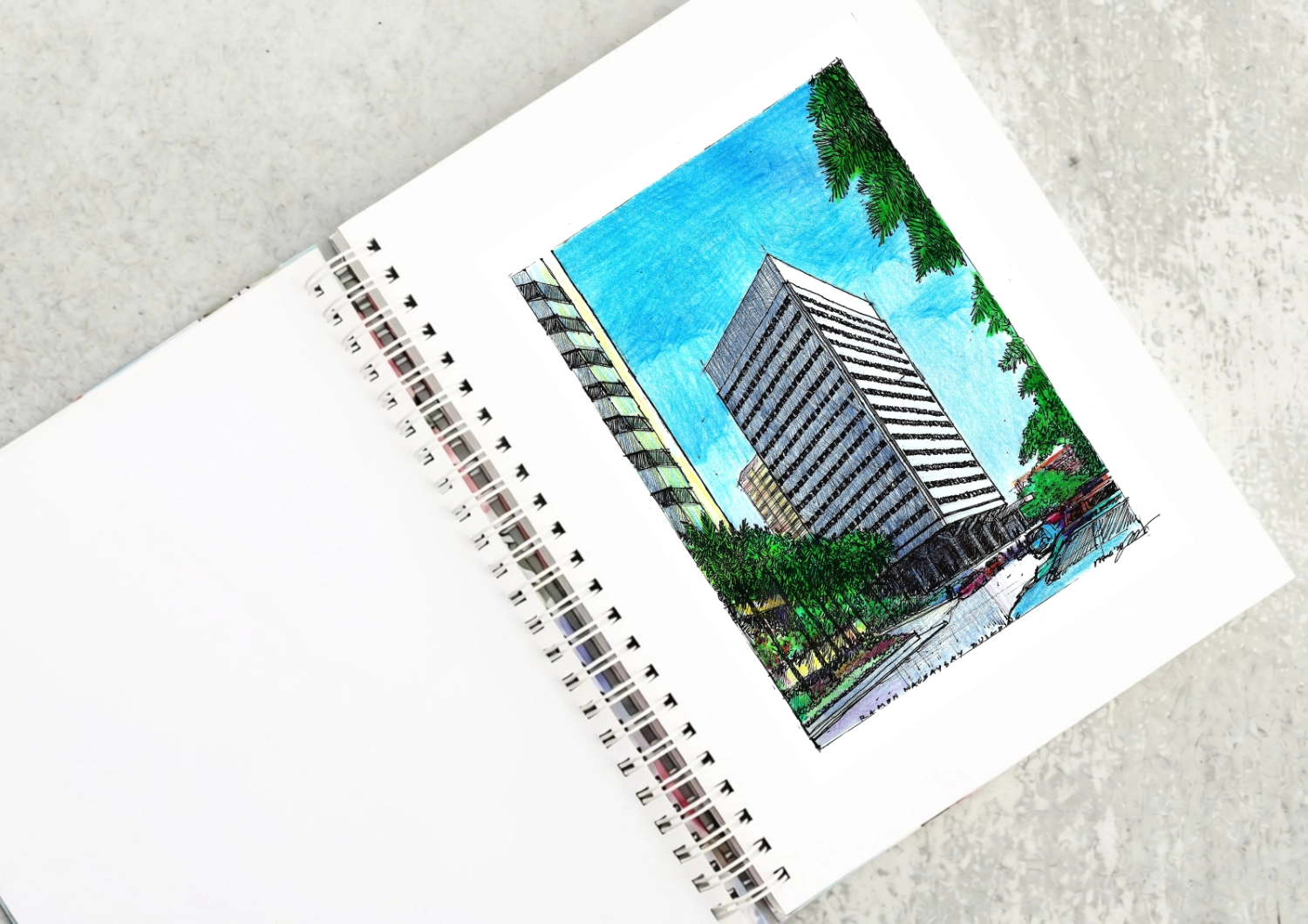
The Ramon Magsaysay Center as a Modernist Landmark Driving down Roxas boulevard from Rizal Park, what will catch your eye is the most elegant modernist structure in the country, the Ramon Magsaysay Center. Most established Filipino architects put it in their top ten lists of favorite buildings. It was designed by Alfredo J. Luz, who […]

Rinna Soriano’s favorite part of her work is sanding. At her workbench, she stays focused, following the grain, adjusting to changes in its direction. Narra, she has learned, can have interlocking grain. A piece of mango once proved particularly difficult until a worker explained that she had reached the point where a branch once grew […]
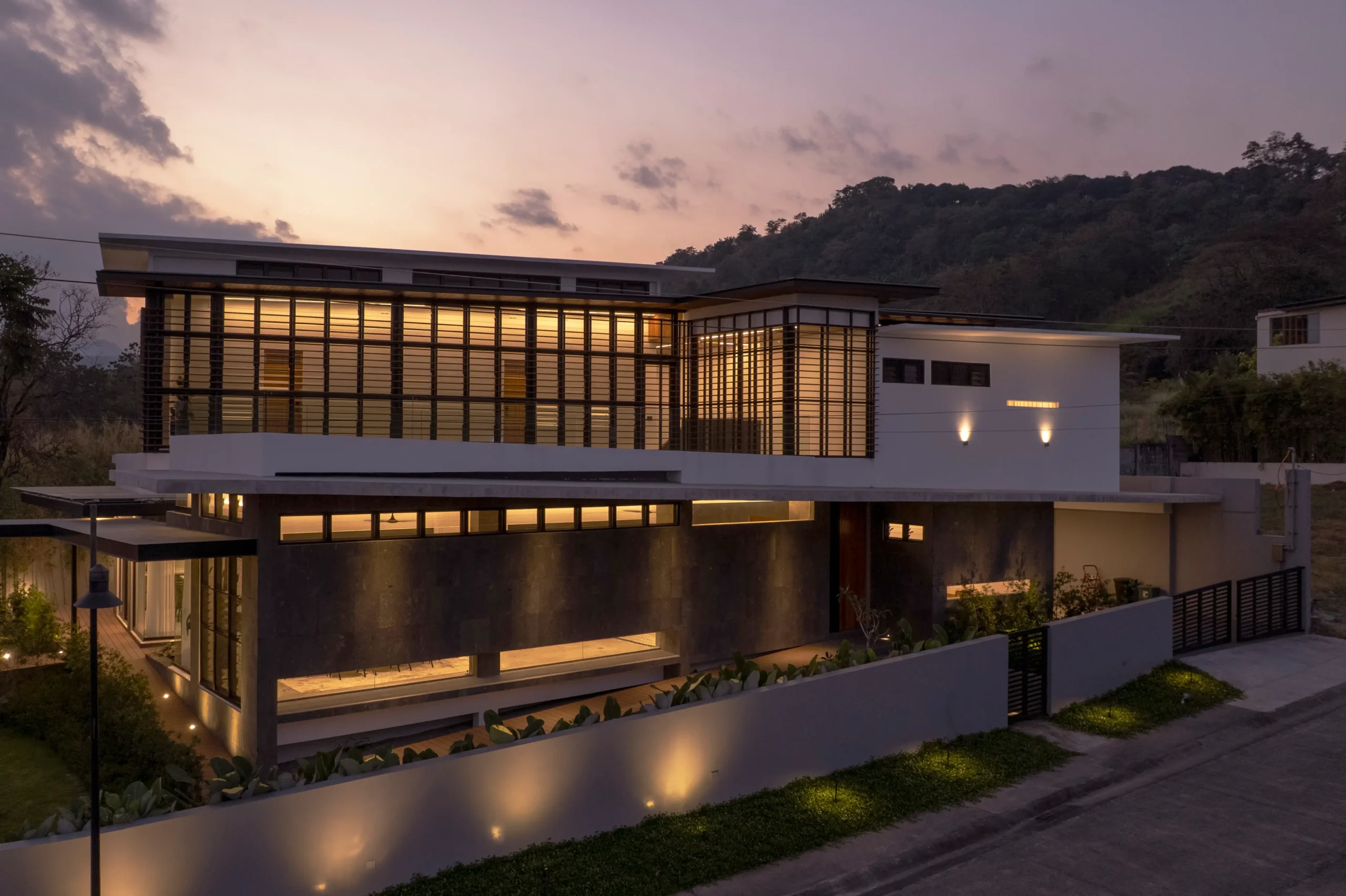
Filipino architectureArchitectureThe art and science of designing and constructing buildings, structures, and spaces that are functional, safe, and aesthetically pleasing. It encompasses the planning, design, materials, and techniques used to createGo to Architecture Glossary has long been associated with indigenous materials and vernacular design strategies, from bamboo and timber construction to jalousie windows, generous spaces, […]
Read the issues.

Collect the volumes.

Recommended Video
Tap to Unmute
Unmute
0:00
0:00