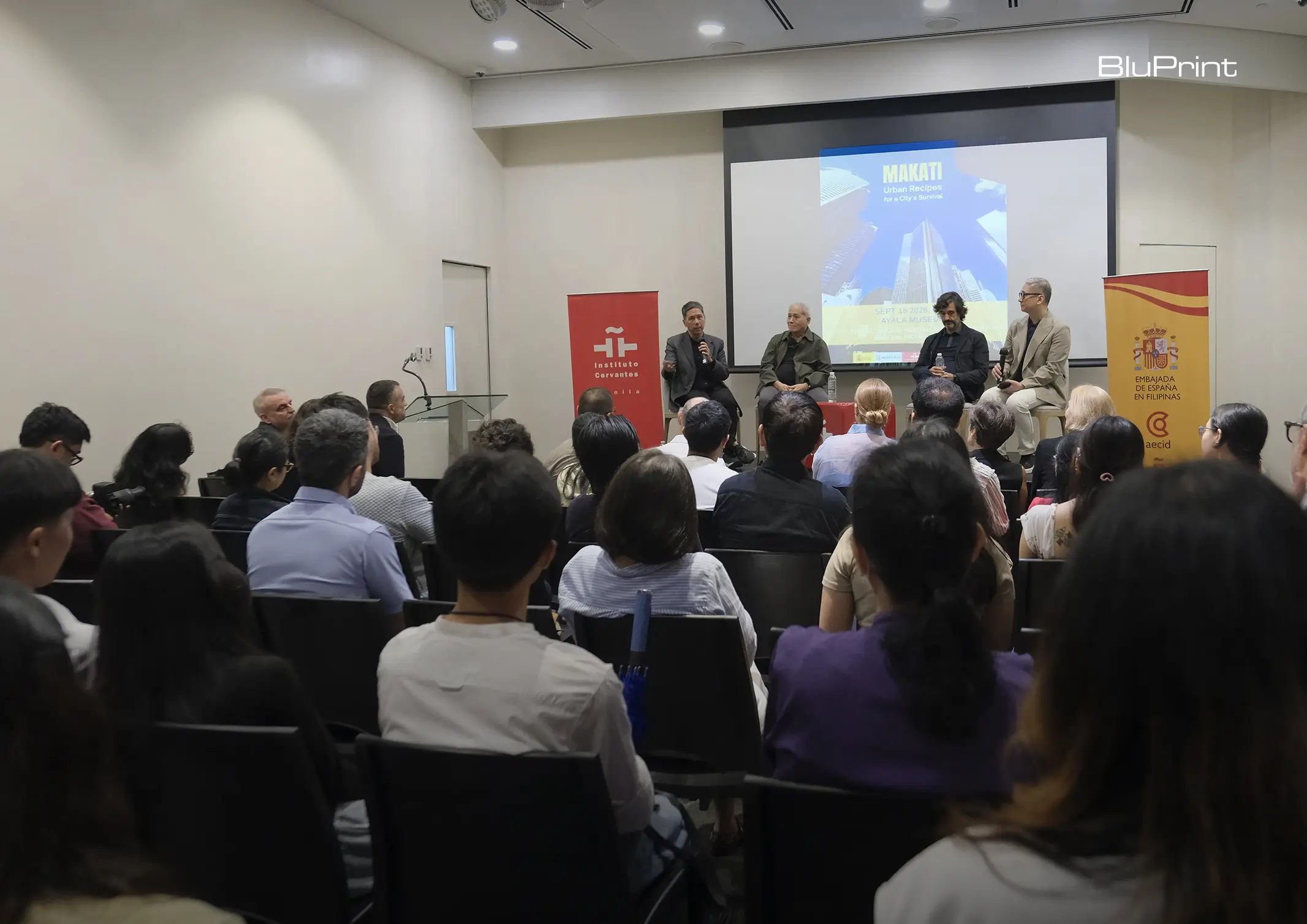
How can better-planned cities create the conditions for more creative, livable, and resilient urban environments? “Makati Urban Recipes for a City’s Survival,” a colloquium held at the Ayala Museum on September 15, brought together architects and practitioners from the fields of urbanism and the creative economy to discuss how design, planning, and collaboration can address […]
Gender and Creative Practice: Being a Female Artist in Today’s World



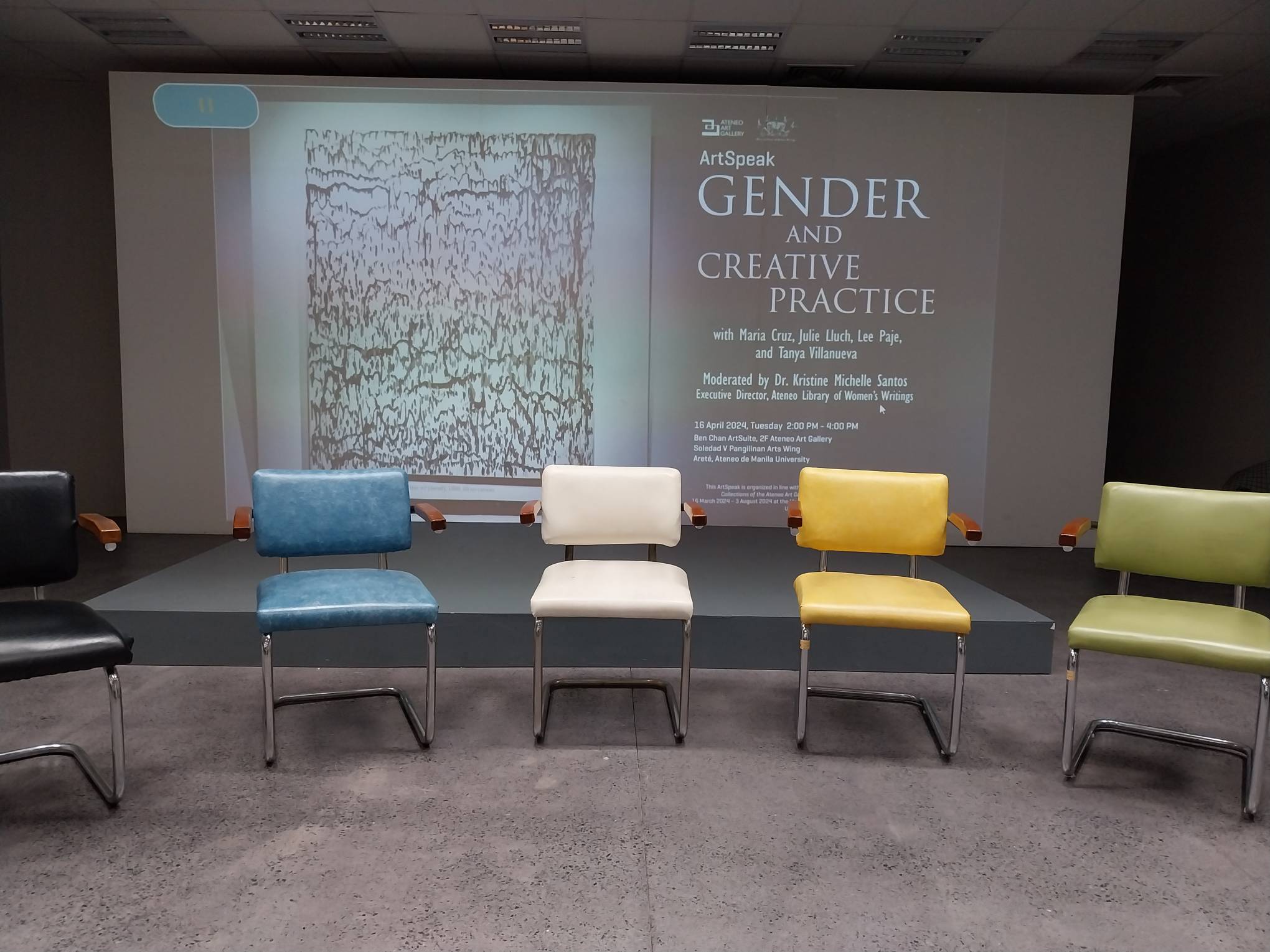
Gender and Creative Practice is a recent ArtSpeak discussion arranged by the Ateneo Art Gallery and the Ateneo Library of Women’s Writing (ALIWW). The exhibit was planned to be a way to complement the Matrix II exhibit which BluPrint covered in March.
The talk involves four artists whose work was featured in the Matrix II exhibit: Lee Paje, Julie Lluch, Maria Cruz, and Tanya Villanueva. Moderated by Dr. Kristine Michelle Santos from ALIWW, the forum centers on how gender affects an artist’s ability to create art.
The Label ‘Female Artist’
Off the bat, Lluch called out the necessity of labeling artists based on one’s gender.
“I have thought of how ludicrous it is if the same question was asked of a male artist. How would [a male artist] answer if an interviewer asks them, ‘sir, could you tell us what challenges and advantages you have encountered in your practice as men artists?’ They would just laugh and dismiss it as a prank,” she said.
Despite this, she sees why it is still being discussed even today: opportunities for women remain small. The gender-related questions continue to come alongside questions of class, religion, and race. “In the absence or deterred of women’s art is a resolve or a lack of opportunity but certainly not a lack of talent among the women’s artist,” she said.
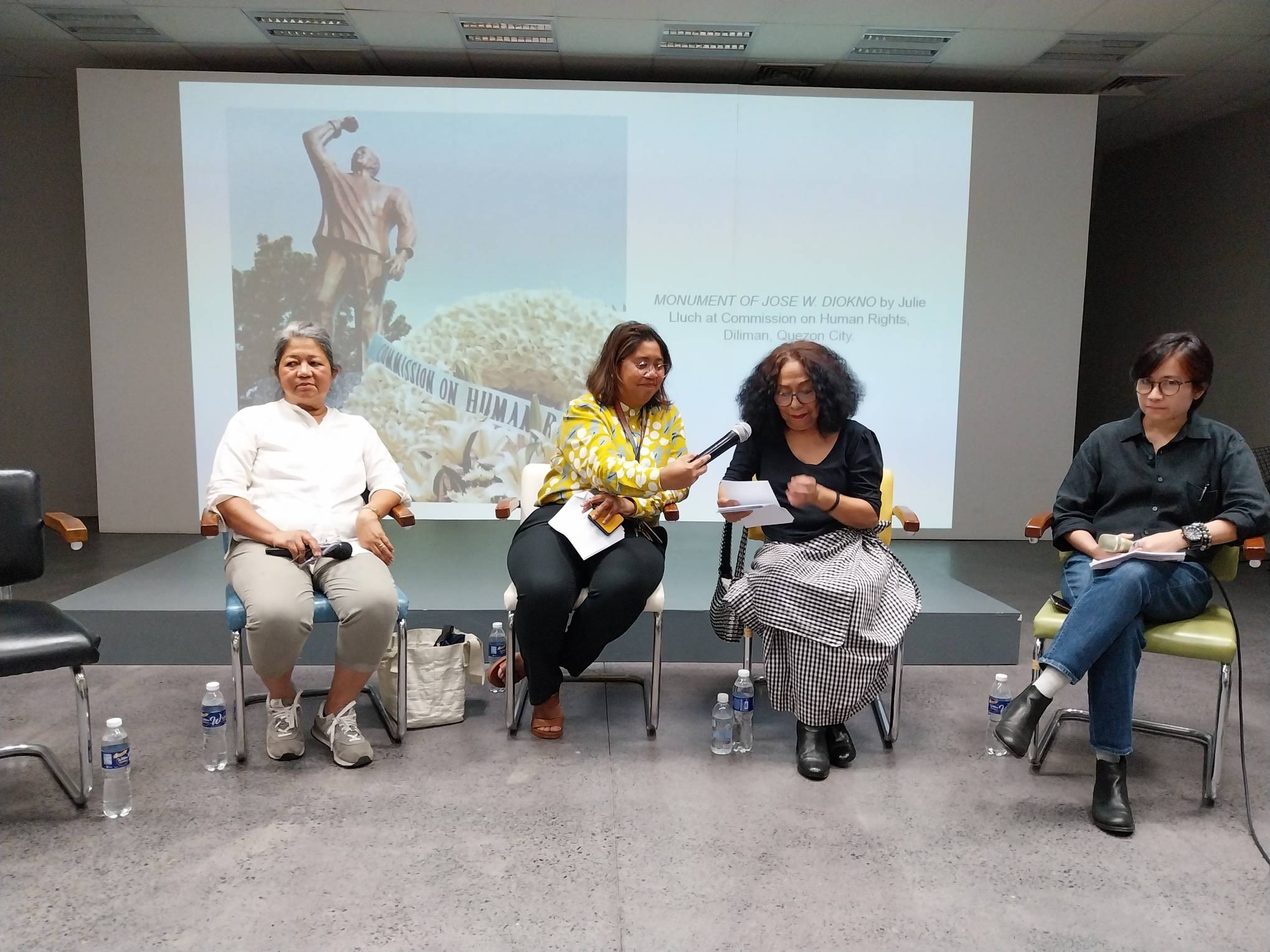
An unapologetic feminist since the 1970s, Lluch wants women to push away from their “dependence on men,” and pointed to how she created her own sculptures in a way that affirms the female gaze.
“In response to this kind of art making, the objectification of women in painting, I would do an experimental job. I set out to demonstrate how an artist would properly do and portray a female nude without objectifying it. The result was a terracotta piece I did titled ‘The Thinking Nude.’ I also titled it ‘Self-hood.’ This nude, which I did, looks at herself or examines herself in the mirror in front of her and the relationship is between her and her reflection in the mirror as they look into each other’s eyes. Parang nabuhay, ano. This nude is intelligent and it has a life and a mind of its own.”
Fighting Societal Prejudice
The discussion veered into multiple different directions from there, as the generations of women assembled discussed how they were able to overcome society’s tendency to marginalize women as a way of creating their own artworks.
Lee Paje, who identified herself as a queer woman during the discussions, said that she has had to deal with the deep entrenchment of anti-women and anti-queer sentiments in the art world. During the discussion, Paje described her defiant push towards equality in her art, especially seen in some of her work.
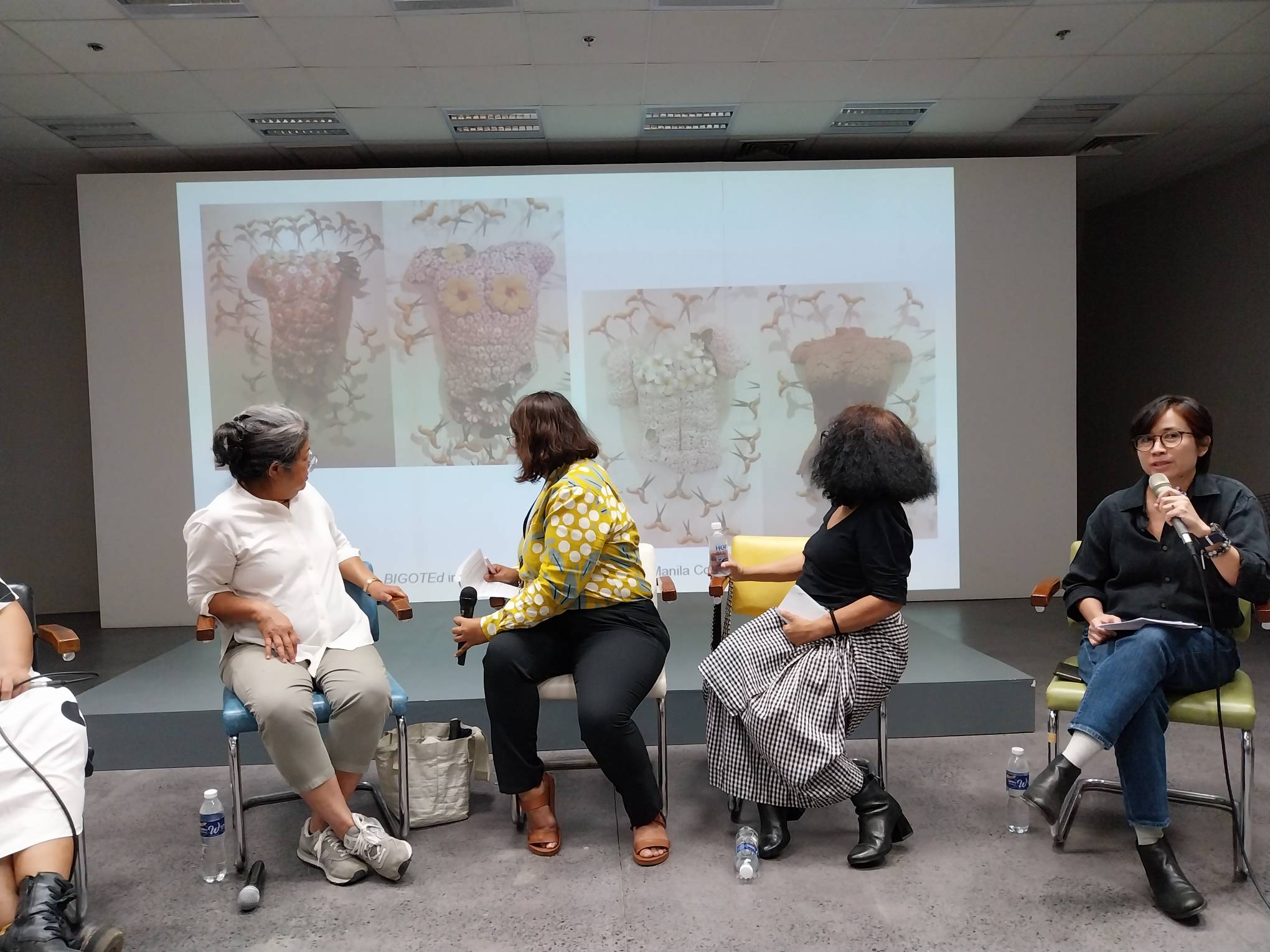
Her exhibit in 2013 Bigoted, for example, played around with the image of a bigote due to a mustached Senator’s opposition to the SOGIE Equality bill at the time. She also had a project, Pagpamulak, in UP Diliman where she showed gendered body parts outside of the context of the body as a way of making a point that they were all just body parts.
Struggling Against Societal Standards
Despite whatever privilege any of the female artists had, many still had to struggle to be recognized by their peers. Maria Cruz detailed how she had to assert herself to her professors to enter the classes that she wanted.
Tanya Villanueva, meanwhile, found herself struggling against the patriarchal and colonial standards of our society. She found herself having a hard time making her art visible to the public due to the constraints of society.
And yet, even with how society marginalizes her, Villanueva says that her womanhood also gives her the strength to identify new areas for her art to flourish. “Women have an easier time subverting” because of their ability to move in between spaces, she said.
Support Systems and Communities for Artists
An interesting pivot to the discussion is the creation of communities for women artists. While Lluch was apprehensive about it (she prefers to work alone), this stands in contrast to Villanueva’s perspective of making sure women artists have platforms to work together. Paje, meanwhile, was more interested in the need for more artists residencies and grants for funding so that they can focus more on the work instead of earning money for projects.
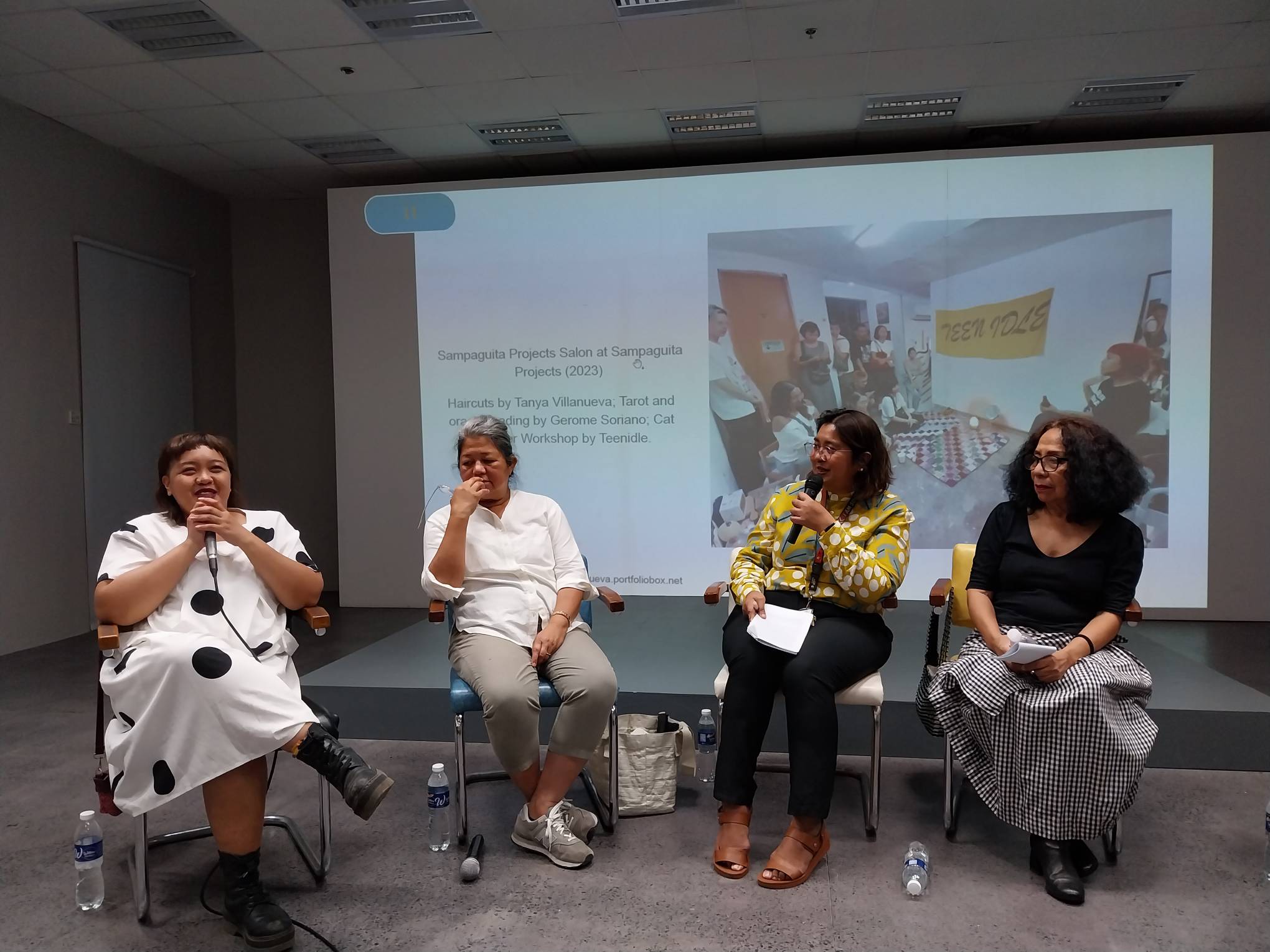
The idea of community as a necessity circulated for a while. Villanueva herself said that she built an art school salon as a more inclusive environment for people to learn art. This sprung from her inability to continue painting due to mental health reasons. Because of this, she found new ways to channel her creativity forward. She said that she studied hairdressing so that it could be a legitimate salon, and that she wants her project to explore the idea of beauty and beauty standards through this project.
Building communities is necessary for female artists. It is especially necessary as—Villanueva noted—elder artists misuse their influence to create unbalanced relationships with younger female artists. The need for community allows women to discover themselves inward, and helps them push forward to what they could do in the future.
The Androgynous Artist
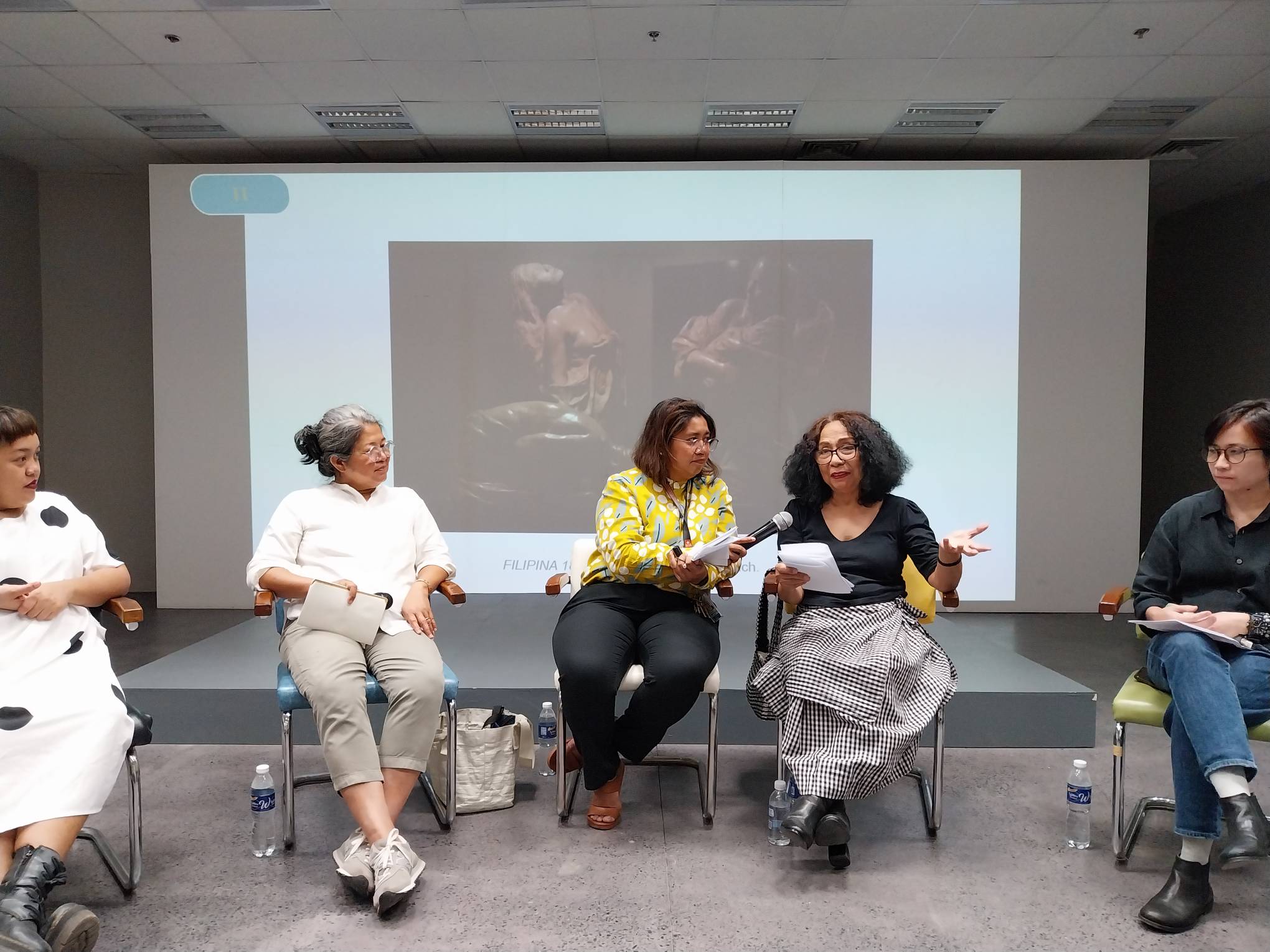
Forum talks like Gender and Creative Practice are essential because they dissect art to its most basic parts. These discussions also show how complications arise from progress and how we can move forward from them. Julie Lluch noted during the forum the Virginia Woolf quote, “Great minds are androgynous.” As society continues to talk about the gendering of art, the hope is for all female artists to one day be seen on the same ground as male artists by art critics, historians, and appreciators all the same.
Related reading: Women Run Design: Being female is not an excuse nor a limitation—Cathy Saldaña
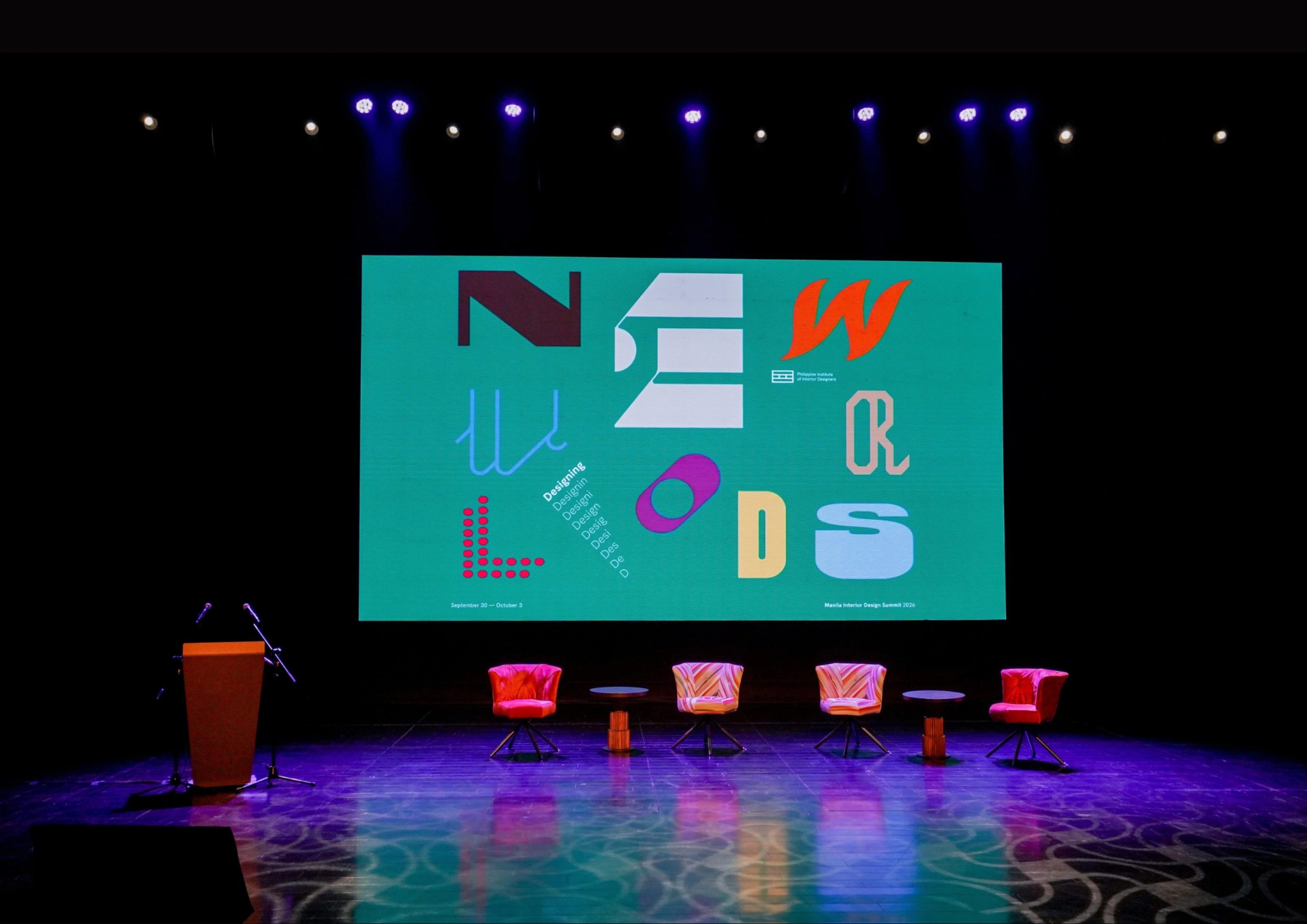
The fourth Manila Interior DesignInterior DesignThe discipline of planning and shaping interior spaces for function, comfort, safety, and beauty. It covers layout, lighting, materials, finishes, furniture, and color, and in the Philippines is a licensedGo to Interior Design Glossary Summit (MIDS) brought together more than 300 delegates for four days of conversations, exhibitions, and design […]
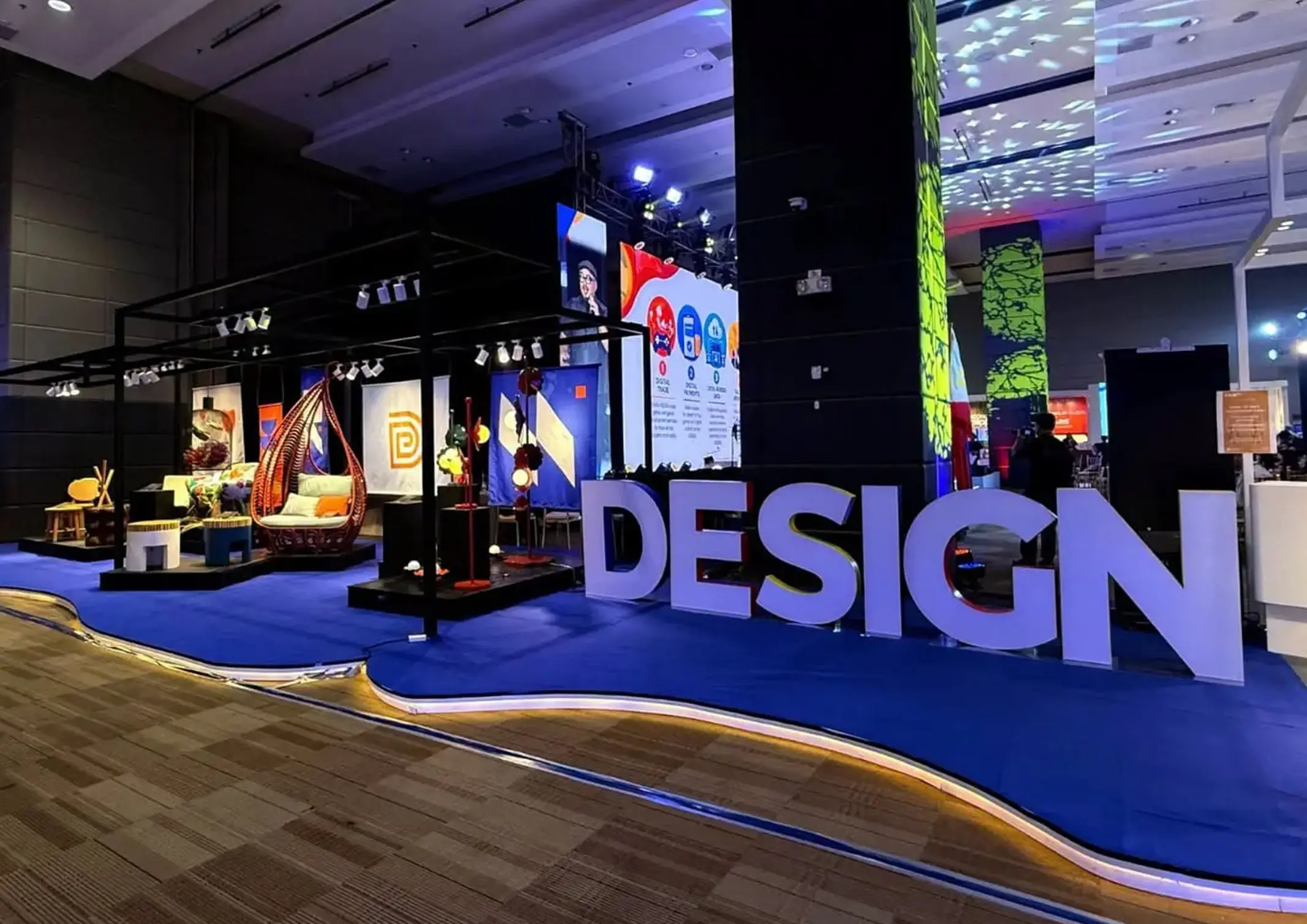
Held at the SMX Convention Center Aura in Taguig City, the first ASEAN Creative Industries Expo by Malikhaing Pinoy (ASEAN MPEx) features nine creative domains, including design, visual arts, digital interactive media, and performing arts. Organized by the Department of Trade and Industry (DTI), the event includes exhibitions, cultural performances, industry talks, and pitching sessions […]
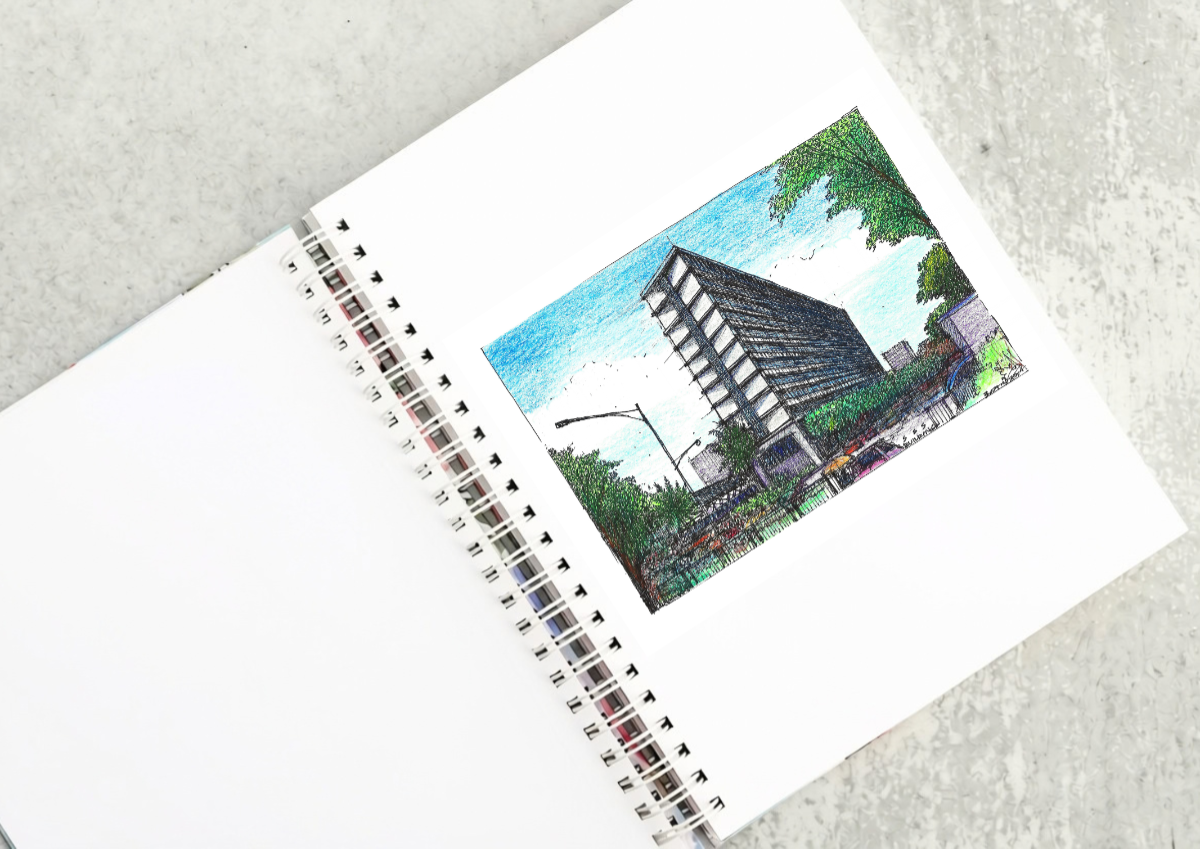
The SSS Building as an Expression of Civic Modernism My favorite modernist landmark in Quezon City is the SSS building on East Avenue. Designed by National Artist for ArchitectureArchitectureThe art and science of designing and constructing buildings, structures, and spaces that are functional, safe, and aesthetically pleasing. It encompasses the planning, design, materials, and techniques […]

Archie G. Carrasco, Chairman and CEO of AGC Power Holdings Corp. (AGC PHC), has been named to The BoF 500 Class of 2026 under the Media category, joining The Business of Fashion’s global community of individuals shaping the fashion industry. Carrasco is among 100 new members from 33 countries and 48 nationalities selected for the […]
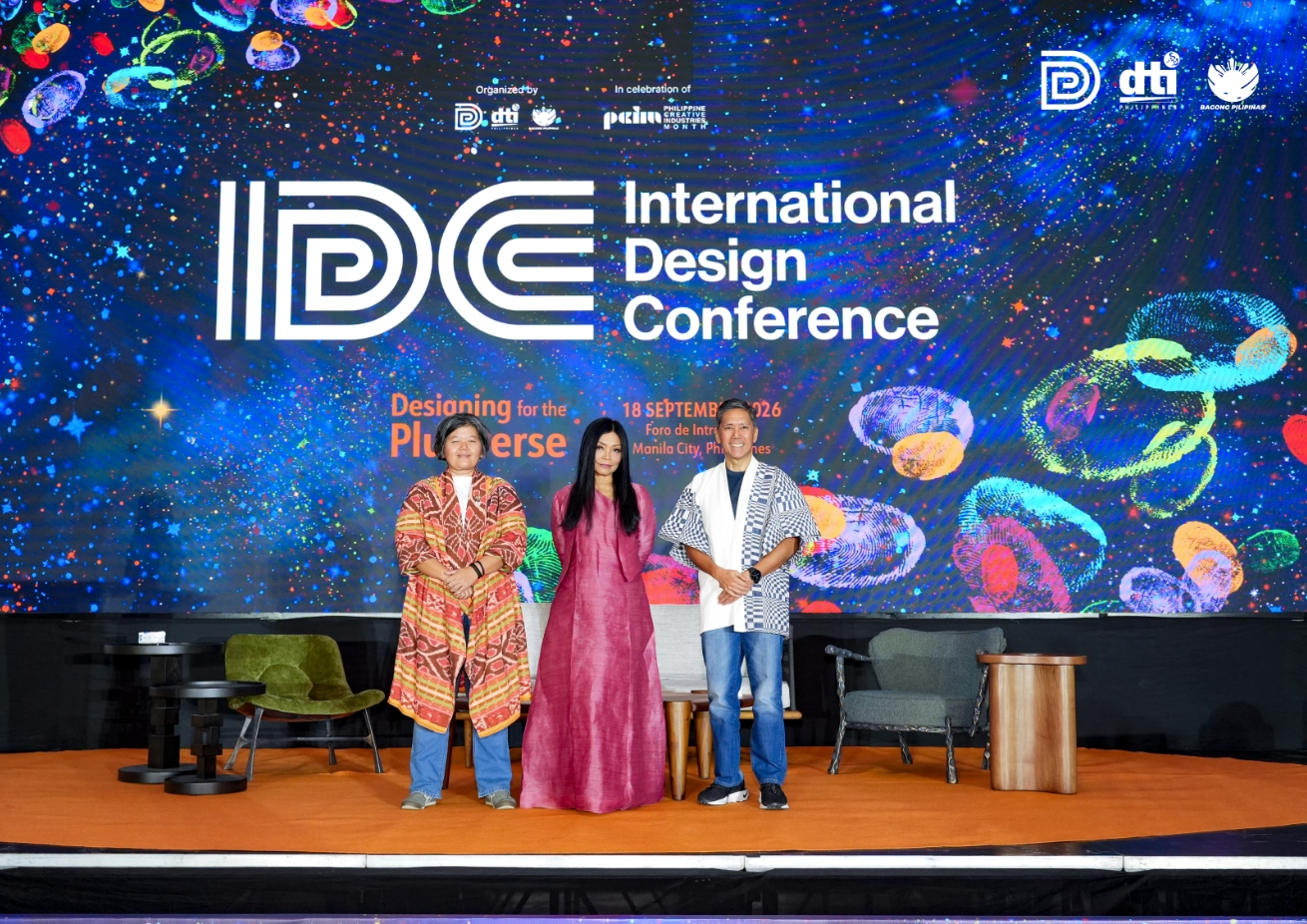
Culture in design does not always announce itself through a recognizable motif, material, or symbol. It can also be embedded in the relationships designers build, the knowledge they listen to, the materials they choose, and the decisions they make in response to communities and their environments. This distinction emerged throughout the 2026 International Design Conference […]
Read the issues.

Collect the volumes.

Recommended Video
Tap to Unmute
Unmute
0:00
0:00