Rinna Soriano’s favorite part of her work is sanding. At her workbench, she stays focused, following the grain, adjusting to changes in its direction. Narra, she has learned, can have interlocking grain. A piece of mango once proved particularly difficult until a worker explained that she had reached the point where a branch once grew […]
3 Natural Ways to Keep Bugs Out Of Your Home



The Philippines teems with sunshine year-round, but that also means bugs constantly finding their way into your home. These stubborn crawlies see your well-lit space as a prime spot for two things: escape from the relentless heat and humidity outdoors, and a potential smorgasbord of forgotten snacks and crumbs. But you don’t have to wage war with harsh chemicals to get rid of them. This guide offers gentler and natural ways to keep bugs out of your home without harming them, your family, and the environment.
Seal Up Entry Points

Bugs can be incredibly resourceful when it comes to finding their way into your home. That’s why sealing up entry points is the most crucial and natural way in keeping your home bug-free.
Damaged Screens
Minor rips or punctures about less than an inch only require patching. Prepare a screen repair kit, which typically includes pre-cut screen mesh patches, adhesive, and a rolling tool. You can find these kits at most hardware stores or online retailers.
But for larger damage, you’ll need a replacement. Hardware stores typically offer pre-cut screen mesh rolls, but you might need a custom size depending on your specific needs. Screens also come in various materials. Fiberglass is the most common and affordable option, while aluminum offers better durability. But if you have pets who might claw at the screen, choose a pet-resistant mesh like polyester.
Vent Openings
Fine mesh also works in covering vent openings. Its fine weave allows seamless airflow while blocking even the smallest insects like gnats and mosquitoes. Better if you choose washable materials like nylon or polyester to easily clean dust, debris, and accumulated insects. Install them in bathroom and kitchen exhaust vents, dryer vents, soffit vents, and even under the eaves of your roof.
Cracks and Gaps
Caulk is a flexible sealant that’s perfect for filling small cracks and gaps around various entry points in your home. Choose a caulk labeled for the specific location you’ll be using it. Interior caulk, typically made from latex or acrylic, offers good flexibility and paintability. On the other hand, exterior caulk, often made from silicone or a silicone blend, have superior weather resistance, flexibility, and durability against UV rays and extreme temperatures.
For a tighter seal, weather stripping is a long, narrow strip of material applied around the edges of doors and windows. Use foam weather stripping to compress and conform well to uneven gaps. Felt weather stripping offers good sealing properties, but may not be as durable as foam over time. For larger gaps, choose the brush weather stripping that creates a tight seal against the door or window frame.
Plumbing
Drain covers act as a physical barrier that prevents insects from entering your home through pipes and drains. Strainer covers are commonly used in kitchen sinks and shower drains. They feature small holes that allow water to drain while blocking larger debris and insects.
Solid covers, on the other hand, completely block the drain opening, preventing both water and insects from entering. They come in various materials like plastic, rubber, or metal and can be chosen to match your existing plumbing fixtures.
Roofs
Leaf guards installed on your gutters prevent leaves and debris from accumulating. This reduces the attractiveness of your roof to insects and minimizes the risk of clogged gutters that might harbor them.
Choose mesh guards to allow water to flow through while blocking leaves and debris. Solid covers cover the top of the gutter, preventing leaves and debris from entering altogether. However, they might require more frequent cleaning to prevent water overflow during heavy rain. Foam inserts are lightweight and easy to install, but they might not be as effective in heavy leaf fall areas.
Grow Insect Repellent Plants
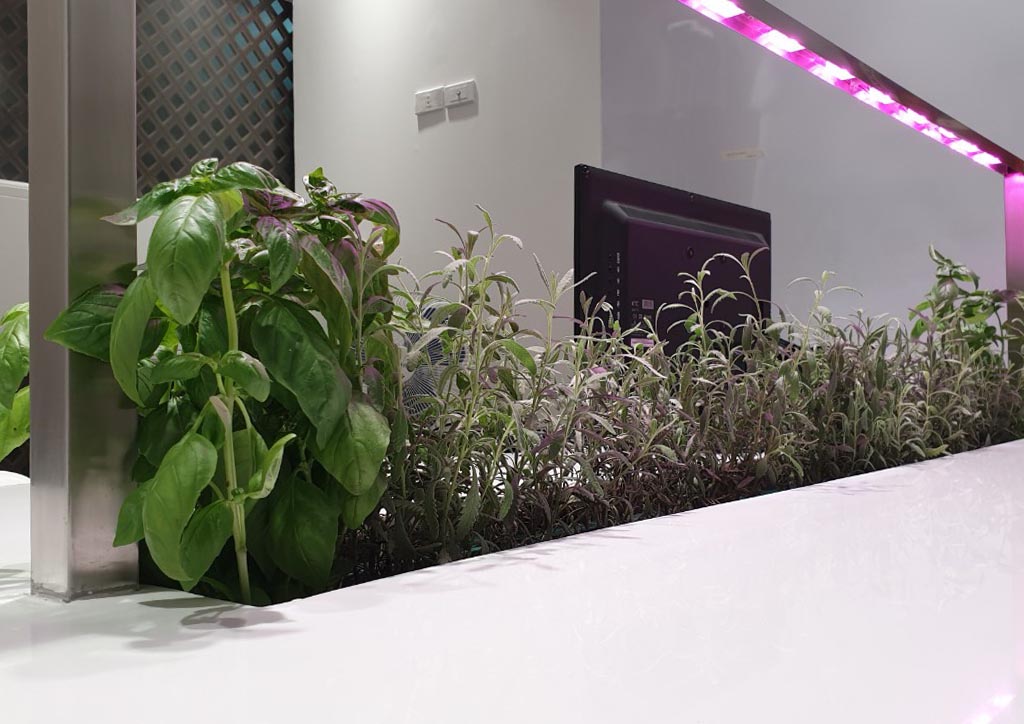
Certain plants possess natural insect repellent properties, making them a safe and eco-friendly way to keep bugs out of your home.
Basil. It is a versatile herb that not only adds delicious flavor to your meals but also acts as a natural fly and mosquito repellent. The strong scent emitted by basil leaves is particularly effective in deterring these pesky insects. Keep a potted basil plant on your kitchen counter or window sill as the close proximity to entry points like windows can provide an extra layer of defense.
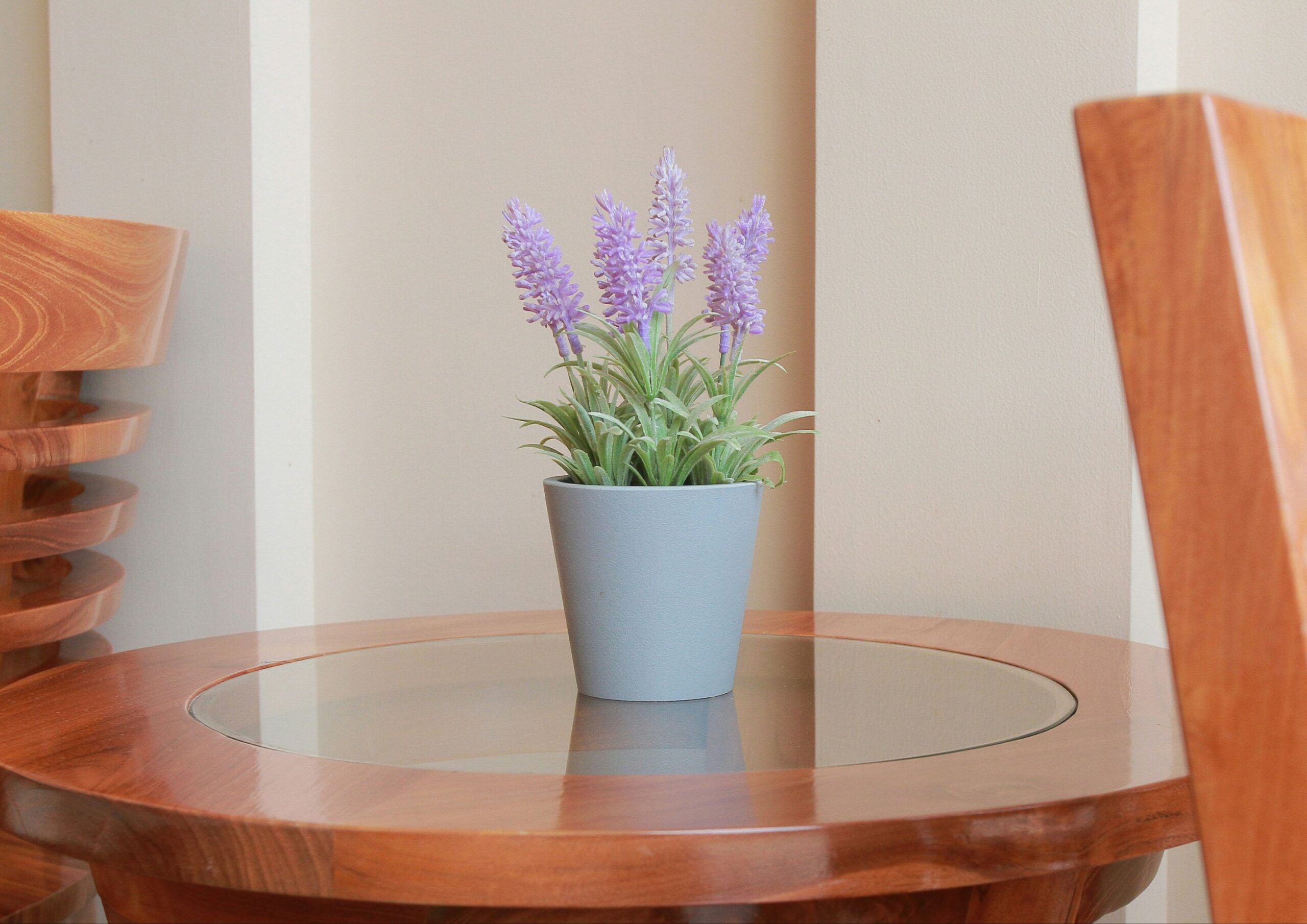
Lavender. Its calming and fragrant aroma can repel flies, moths, and even discourage spiders from nesting in your house. Plant lavender around doorways, patios, or entrances to your home. You can also grow them in pots near windows or doors.
Citronella Grass. This fast-growing grass is a well-known ingredient in many commercial insect repellents because of its strong citrusy scent. The good news is, you can get the same mosquito-repelling benefits from the citronella plant itself! Place citronella grass in pots or containers around your patio, deck, or other outdoor entertaining areas.
Peppermint. Its refreshing scent disrupts ants’ pheromone trails, making it difficult for them to find food or navigate. Grow peppermint in pots or directly in the ground near entry points to your home, along walkways, or around your foundation. As they can be invasive, divide them into sections once they outgrow their pots and replant them in new ones.
Natural Bug Repellent Solutions

If you want more concentrated scents, essential oils and vinegar are also powerful and natural way to keep bugs out of your home.
Peppermint, citronella, lemongrass, and clove contain aromatic compounds found in their oils, which many insects find unpleasant. One way to utilize them is through diffusers. Add three to five drops of diluted essential oil with water or carrier oil following the diffusers’ instructions. However, their effectiveness can be limited by room size and air circulation. They might not be suitable for large areas or heavily infested spaces.
For a more targeted approach, use cotton balls. Cotton balls absorb the essential oil and slowly release the repellent scent in a localized area. Dilute five to 10 drops of essential oil with water then soak the cotton balls in the solution. Wring out any excess liquid and place them strategically near entry points, baseboards, or other areas where you see insect activity.
But due to their size and the rate of essential oil evaporation, you’ll need to replace the cotton balls weekly for sustained effectiveness. Be sure to keep them out of reach of pets and children.
If you want cheaper and readily available natural repellent alternatives to essential oils, vinegar is the ultimate solution. Similar to peppermint, its acidic nature also blocks ants’ chemical map.
Mix equal parts white vinegar and water in a spray bottle. But test them first in a hidden spot before using them on furniture, baseboards, or other surfaces as they might cause discoloration on certain surfaces. Spray the solution directly on areas where you see ant activity.
It’s simply a fact of living in the tropical setting of the Philippines to share a space with a variety of insects. While these little creatures can sometimes be unwelcome guests, there’s no need to resort to harsh chemical repellents. With the natural approaches outlined in this guide, you can deter unwanted insects while minimizing harm and promoting a healthier environment for everyone.
Read more: Time-Saving Home Organization Hacks for a Streamlined Indoor Life


Large-format porcelain is no longer limited to conventional floor and wall applications. Advances in scale, finish, and fabrication have expanded its role across architectureArchitectureThe art and science of designing and constructing buildings, structures, and spaces that are functional, safe, and aesthetically pleasing. It encompasses the planning, design, materials, and techniques used to createGo to Architecture […]

Mindanaoan architectureArchitectureThe art and science of designing and constructing buildings, structures, and spaces that are functional, safe, and aesthetically pleasing. It encompasses the planning, design, materials, and techniques used to createGo to Architecture Glossary student Ejhay L. Durias of the University of Mindanao made history after becoming the first Filipino to receive the AYDA International […]

From Brutalism to Contemporary Modernism The Ayala Museum designed by the firm of Leandro V. Locsin Partners (LVLP) sits at the corner of Makati Avenue and Dela Rosa Street in Legaspi Village, Makati. This is actually the second museum of the same name in the area. The original, which was designed by National artist for […]

The projects recognized by Architizer’s 14th Annual A+Awards span architectureArchitectureThe art and science of designing and constructing buildings, structures, and spaces that are functional, safe, and aesthetically pleasing. It encompasses the planning, design, materials, and techniques used to createGo to Architecture Glossary, interiors, landscape, urban design, and sustainability. Organized by Architizer, one of the world’s […]

Overlooking Tayabas Bay, Agda Beach Villas occupies a one-hectare hilly property where the terrain descends toward the coast. Designed by VBo Architects + Engineers, the tropical retreat responds to the sloping terrain through villas and shared spaces oriented toward the surrounding landscape. Before construction began, Bocalid was drawn to the property’s steep terrain and secluded […]
Read the issues.

Collect the volumes.

Recommended Video
Tap to Unmute
Unmute
0:00
0:00