How can better-planned cities create the conditions for more creative, livable, and resilient urban environments? “Makati Urban Recipes for a City’s Survival,” a colloquium held at the Ayala Museum on September 15, brought together architects and practitioners from the fields of urbanism and the creative economy to discuss how design, planning, and collaboration can address […]
5 Sneaky Ways Bugs Get in Your Home



The Philippines, with its tropical climate and lush landscapes, provides a perfect breeding ground for a diverse range of insects. This translates to a constant battle against unwanted houseguests for Filipino homeowners. Rain or shine, these persistent critters can find ways to infiltrate your home. But don’t bug out! This guide unveils their sneaky entry points to keep your space bug-free.
Damaged Screens
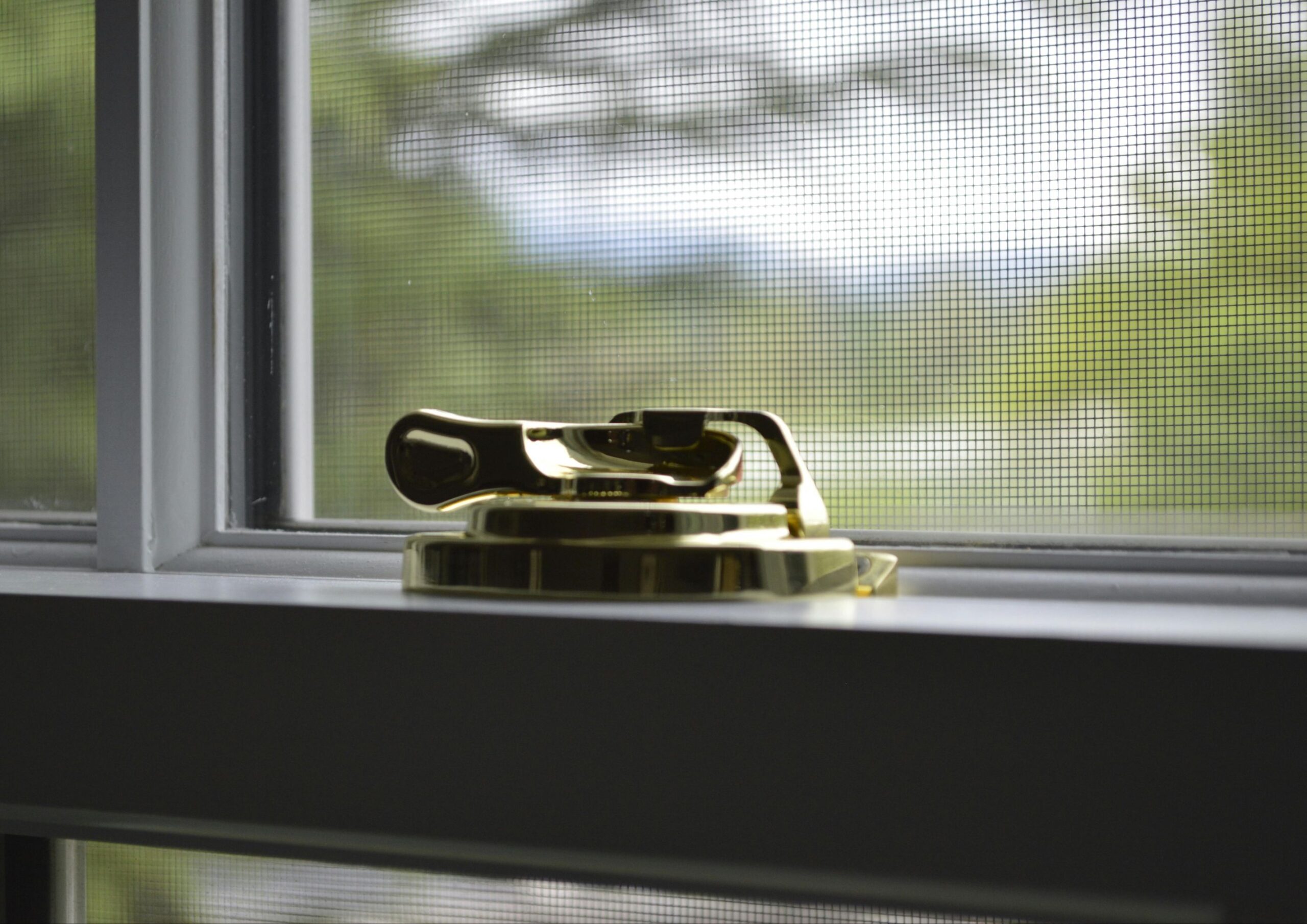
Open windows and doors are one obvious freeway for bugs to enter your home. So, installing screens provides a formidable barrier against a flying pest invasion. However, as they become compromised over time, they turn into a wide-open invitation for bugs too.
These rips, tears, or missing screen mesh create gaping holes that serve as express lanes for flying bugs. Particularly at night, the light and air passing through these holes attract nocturnal insects like moths and flies. As they try to escape the cold outdoors and warm themselves, they simply can’t resist your well-lit home.
Damaged screens also make window and door frames a quick catch basin for moisture. And these damp areas become the perfect hotbed for disease-carrying insects like mosquitoes. This consequently allows their species to populate near potential human hosts.
Make sure to clean your screens regularly and patch up any holes that have formed. Or it might just be time to replace them.
Venturesome Vent Openings

These seemingly innocuous openings for dryers, air conditioners, and attics can become bug superhighways, providing a direct pathway for insects to enter your home.
And since they’re dark and often dusty, they make an ideal breeding spot for insects that thrive in warm, humid conditions. Ants, cockroaches, mosquitoes, termites, centipedes, spiders, and silverfish are the usual species residing in these unattended ducts.
Not to mention the interconnected network of tunnels that allows bugs to travel throughout your home undetected.
Unlike cracks and gaps, vents offer a clear, unrestricted path for bugs to travel. They can easily crawl through the vent itself or sneak in through small gaps around its cover. Much more if the vents are improperly sized, which leave gaps around the edges that create a perfect storm for bug infiltration.
To mitigate this, start by ensuring that all vents are appropriately sized and fit snugly within their openings. Use weatherstripping or silicone caulk to seal any gaps around the edges of the vent covers. Additionally, consider installing fine mesh screens over the vents to block even the smallest insects from entering while still allowing for proper airflow. Regular maintenance and inspections can help identify any new gaps or damages that need to be addressed promptly, ensuring a secure barrier against unwanted critters.
Hidden Entryways
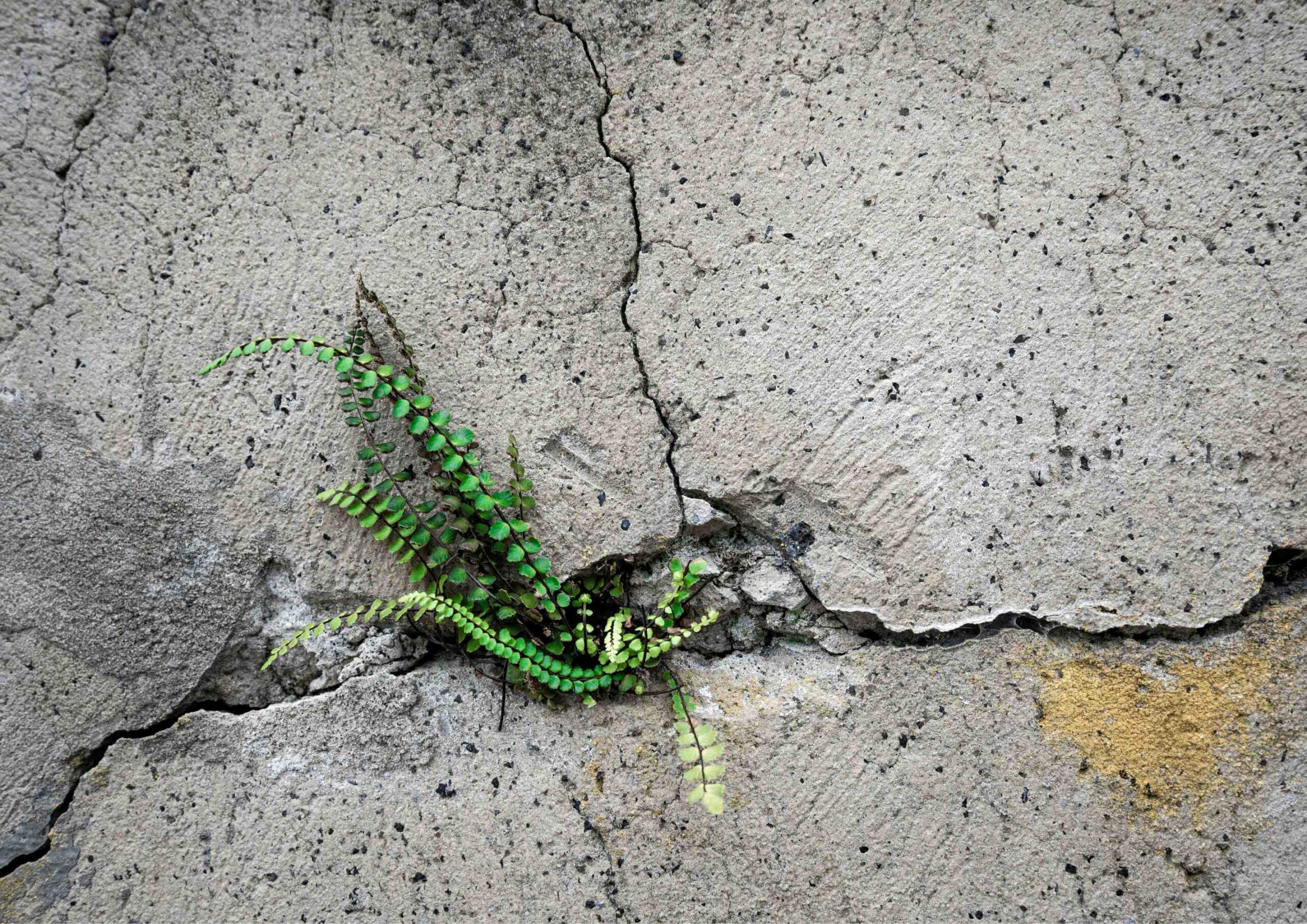
Your home might seem like a fortress, but for determined insects, even the smallest crack can be an open invitation. Cracks and gaps around windows, doors, foundations, pipes, and utility lines act like bug-sized welcome mats, offering a gateway into your living space.
These hidden entry points often go unnoticed, especially around foundations or tucked behind furniture. But their location near potential food and water sources makes them even more attractive to bugs. And don’t underestimate an insect’s determination. Species like ants and cockroaches can contort their bodies to squeeze even through the tiniest crack.
To effectively address these hidden entry points, start by conducting a thorough inspection of your home, paying close attention to areas around foundations, windows, doors, and behind furniture. Seal any visible cracks or gaps with caulk or weather stripping. Use mesh screens on vents and windows to prevent insects from entering while allowing airflow.
Additionally, ensure that any food is stored in airtight containers and promptly clean up spills and crumbs to eliminate potential food sources. Regularly checking and maintaining plumbing can help prevent leaks that may attract insects seeking water. By implementing these preventative measures, you can significantly reduce the likelihood of insects finding their way into your home.
Plumbing Pals

Dark and damp—these characteristics of the plumbing system seem like a great condition for unwanted guests to multiply.
As leaking pipes act as moisture magnets, they create an excellent humid environment to attract moisture-loving bugs. Even tiny amounts of droplets from condensed moisture can lure in a variety of insects. If that isn’t bad enough, trapped food debris or organic matter can additionally spark a feeding frenzy for these critters. And this is especially true for drain flies, gnats, cockroaches, centipedes, and millipedes.
Similar to vents, pipes, especially in older homes, can also be interconnected. This maze-like network serves as a highway for bugs running right beneath your floorboards. And they’re potentially setting up shop before you even know they’re there.
To combat this issue, regularly inspect and seal any gaps or cracks around pipes using caulk or expanding foam. You can install fine mesh screens over pipe openings to prevent pests from entering, and consider using insect-repellent tape around vulnerable areas.
Maintaining a clean and dry environment around your plumbing can deter bugs from making themselves at home. Regularly check for leaks and repair them promptly. Implementing these preventative measures can help keep your home bug-free and ensure your pipes remain clear of unwanted critters.
Tree-Shaded Roofs

The thick tree foliage near your home could be creating bridges for bugs to invade your space. And this is undeniably possible especially if the branches are hanging over your roof. Once they reach even just the eavesEavesThe lower edges of a roof that project beyond a building's exterior walls. Deep eaves are essential in tropical Philippine architecture, shielding walls and windows from intense sun and heavyGo to Eaves Glossary, this will create a direct path for insects to potentially find entry points. Leaves and dried branches accumulated on the roof additionally provide shelter for these sneaky little crawlies.
Strong winds can also dislodge insects from trees, blowing them onto your roof or against the exterior walls. And even without the help of winds, they can use the trees as a launching pad to access your roof. Aside from winds, birds or rodents residing in trees could be another method for bugs to reach your roof. These animals can carry little pests with them when they try to chew their way in.
Moreover, whatever the weather is, trees can trap moisture around your roof that creates a damp nest. This moisture buildup can also soften roof materials over time, which could open more entrances for insects.
To mitigate these issues, regularly trim trees and bushes that are close to your house to prevent direct access to your roof. Installing gutter guards can help keep leaves and debris from accumulating and retaining moisture. Additionally, inspect your roof and exterior walls for any signs of damage or potential entry points, and seal them promptly to prevent insects from getting inside. Ensuring proper attic ventilation can also help reduce moisture buildup and keep your roof dry, making it less attractive to pests.
Bugs are an inevitable and essential part of our tropical environment, and we can’t simply eliminate them at once. But by knowing their entryways, you can prevent a swarm of uninvited creeping guests from taking over your place.
Read more: Typhoon Proofing: How to Make Your Home Safe during Storms


The fourth Manila Interior DesignInterior DesignThe discipline of planning and shaping interior spaces for function, comfort, safety, and beauty. It covers layout, lighting, materials, finishes, furniture, and color, and in the Philippines is a licensedGo to Interior Design Glossary Summit (MIDS) brought together more than 300 delegates for four days of conversations, exhibitions, and design […]

Held at the SMX Convention Center Aura in Taguig City, the first ASEAN Creative Industries Expo by Malikhaing Pinoy (ASEAN MPEx) features nine creative domains, including design, visual arts, digital interactive media, and performing arts. Organized by the Department of Trade and Industry (DTI), the event includes exhibitions, cultural performances, industry talks, and pitching sessions […]
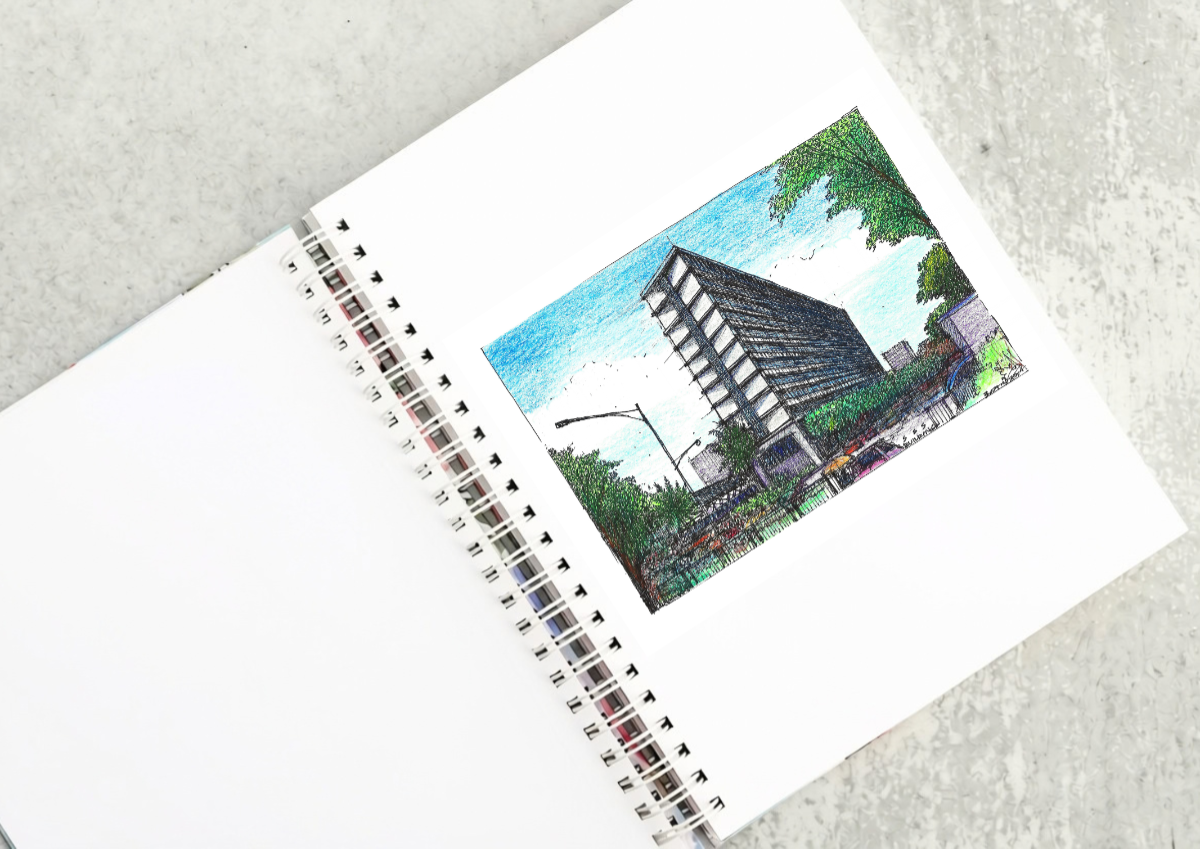
The SSS Building as an Expression of Civic Modernism My favorite modernist landmark in Quezon City is the SSS building on East Avenue. Designed by National Artist for ArchitectureArchitectureThe art and science of designing and constructing buildings, structures, and spaces that are functional, safe, and aesthetically pleasing. It encompasses the planning, design, materials, and techniques […]

Archie G. Carrasco, Chairman and CEO of AGC Power Holdings Corp. (AGC PHC), has been named to The BoF 500 Class of 2026 under the Media category, joining The Business of Fashion’s global community of individuals shaping the fashion industry. Carrasco is among 100 new members from 33 countries and 48 nationalities selected for the […]

Culture in design does not always announce itself through a recognizable motif, material, or symbol. It can also be embedded in the relationships designers build, the knowledge they listen to, the materials they choose, and the decisions they make in response to communities and their environments. This distinction emerged throughout the 2026 International Design Conference […]
Read the issues.

Collect the volumes.

Recommended Video
Tap to Unmute
Unmute
0:00
0:00