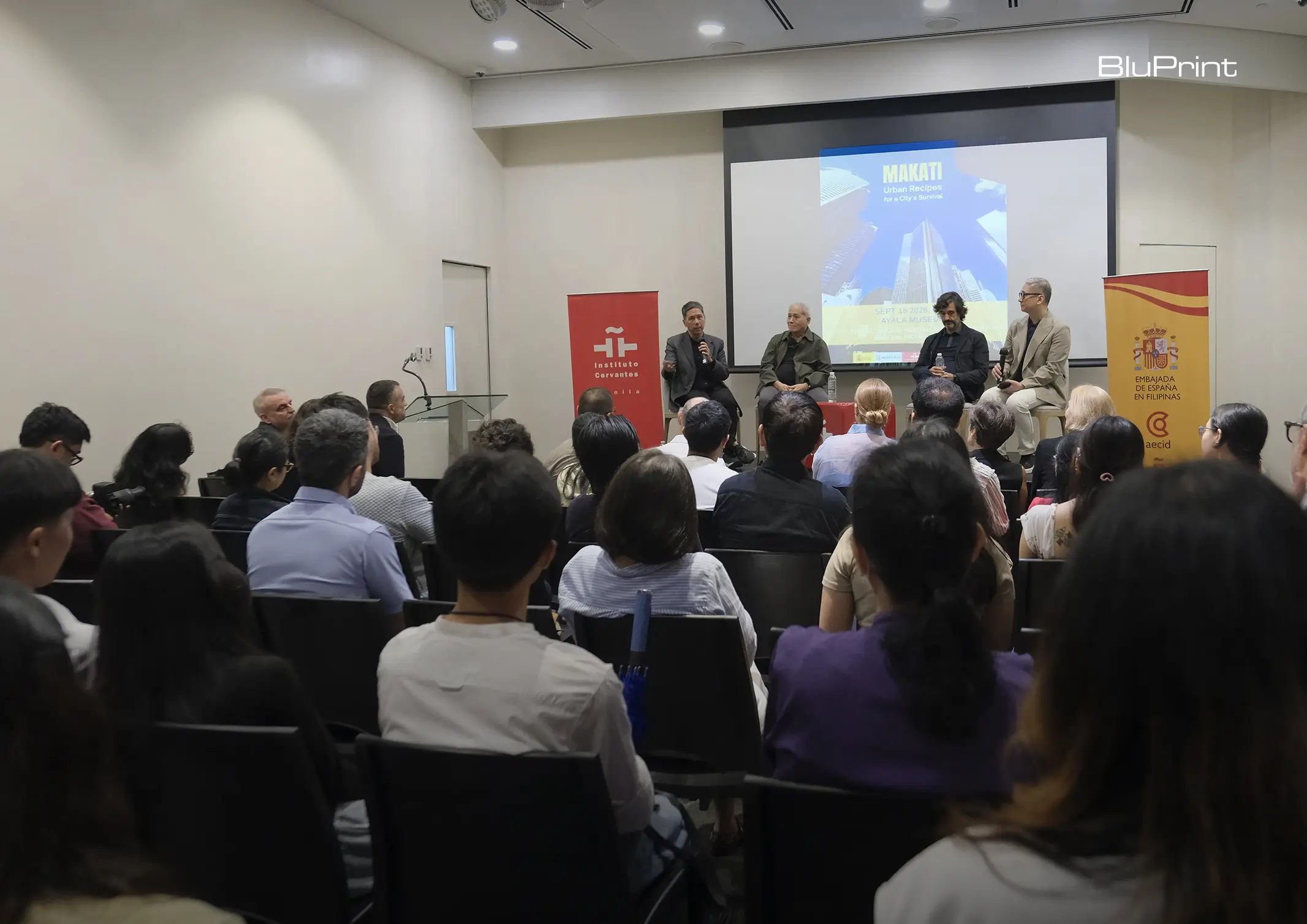
How can better-planned cities create the conditions for more creative, livable, and resilient urban environments? “Makati Urban Recipes for a City’s Survival,” a colloquium held at the Ayala Museum on September 15, brought together architects and practitioners from the fields of urbanism and the creative economy to discuss how design, planning, and collaboration can address […]
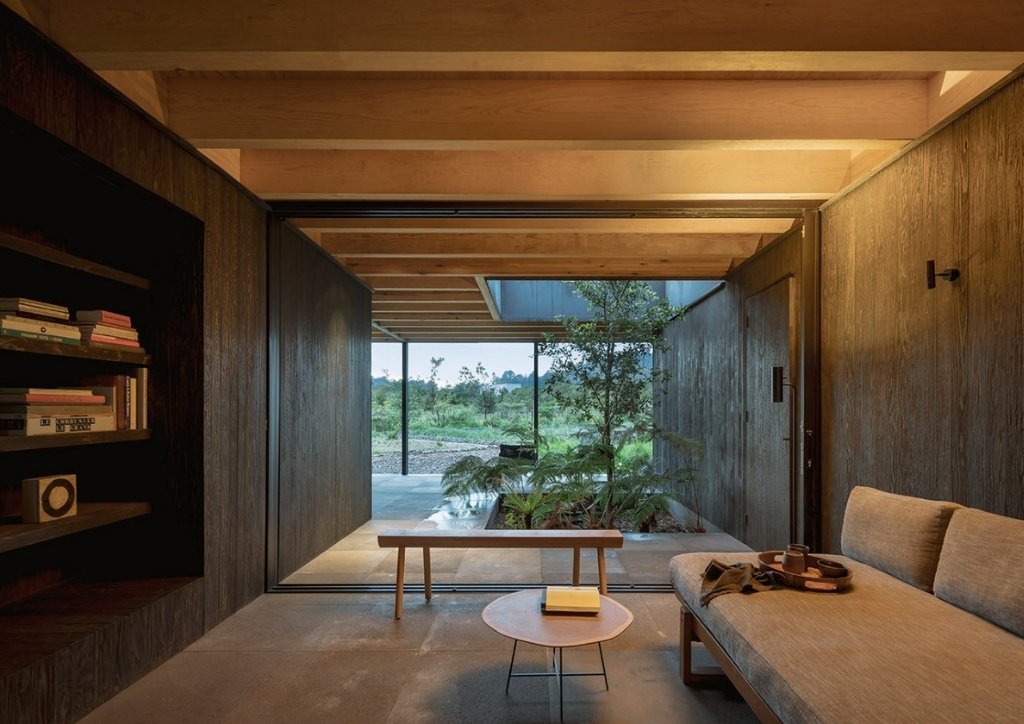
Typhoon Proofing: How to Make Your Home Safe during Storms



After the scorching heat of the dry season, Filipinos now face the threat of typhoons and floods. And as PAGASA recently declared the country’s transition to the wet season, it’s crucial to know the ways you can shelter yourself from the impact of heavy rains. Typhoon proofing is a strategy that strengthens your home through strategic modifications to better resist their damaging effects.
Understanding Typhoon Proofing
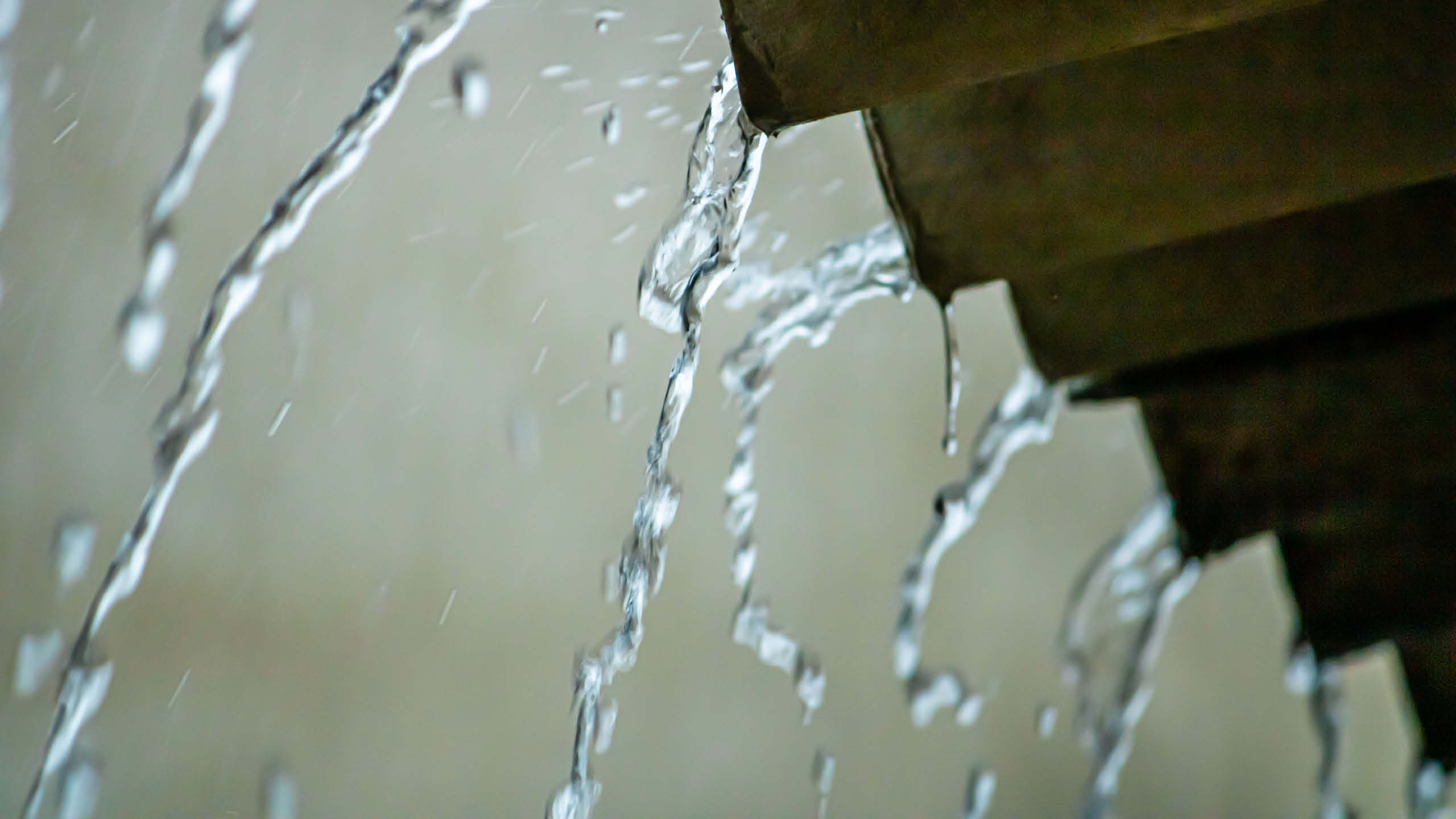
At its core, typhoon proofing is a two-pronged method of fortifying homes to minimize the potential damage and keep the occupants safe. Its goal is to create homes that can resist gusty winds, surging rains, and flying debris. This typically involves a combination of improvements to the building’s structure, exterior features, landscape, and even interior.
But since the brunt of the storm’s force is more felt outside, changes are commonly focused on exteriors. Building a strong concrete foundation and adopting a galvalume hip roof design make up the basics of conventional typhoon proofing. In terms of landscape, windbreaks and fencing prevent your yard’s weak spots, like vegetable patches and ponds, from getting knocked down. For flood and storm surge-prone areas, stilts are added to the design to elevate the homes.
While a well-fortified exterior is the first line of defense, creating a safe haven inside your home during a typhoon is equally important. And it won’t be as taxing and complicated as strengthening your home’s exterior. With a few little additions and replacements, you can create a safer space inside your home.
How to Have a Typhoon-Proof Interior
While typhoon proofing usually starts outside, an equally storm-resistant interior supports a well-fortified exterior. Along with the precautionary measures, here are some tips to prepare your interior for a typhoon.
Add Window Protection
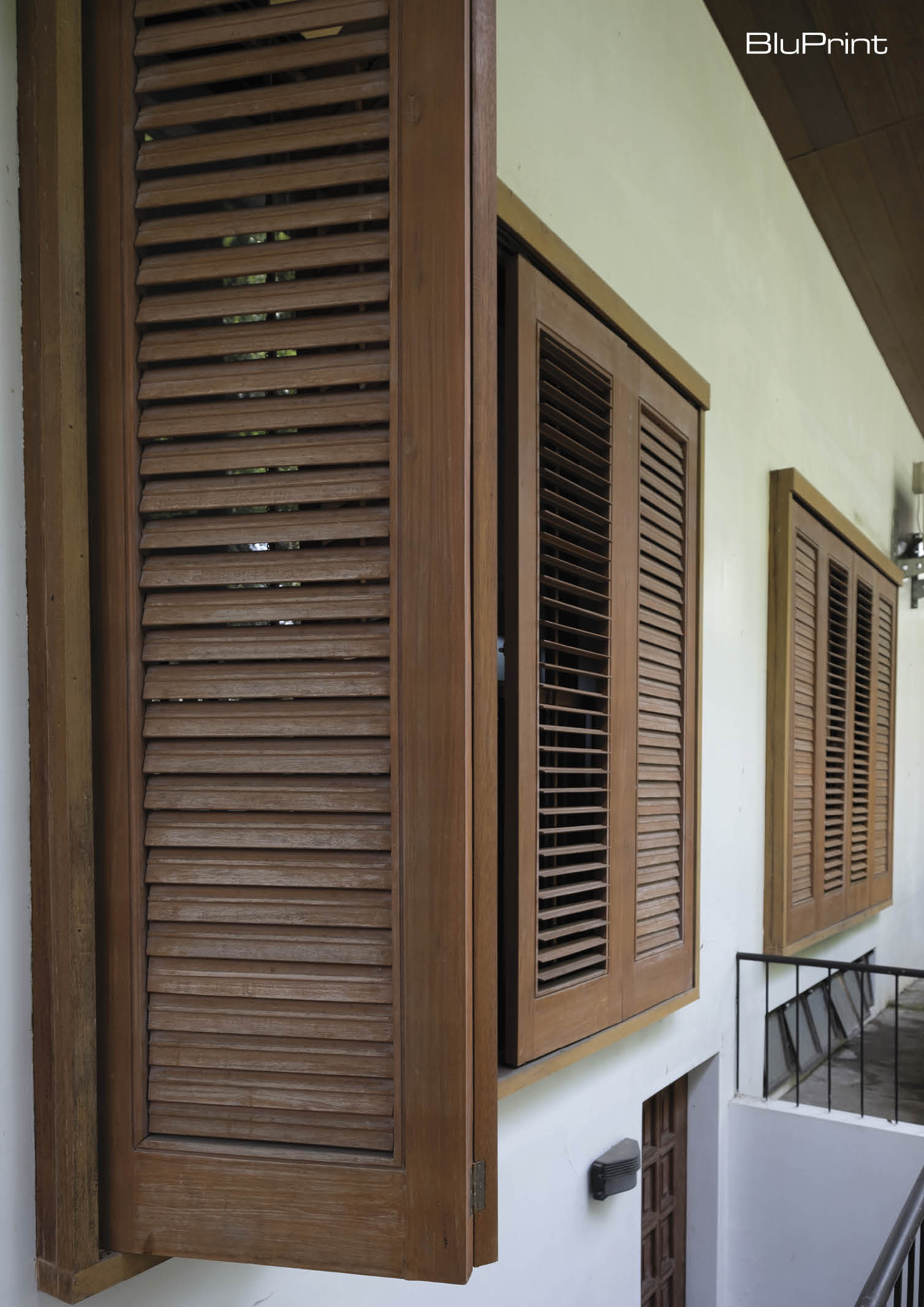
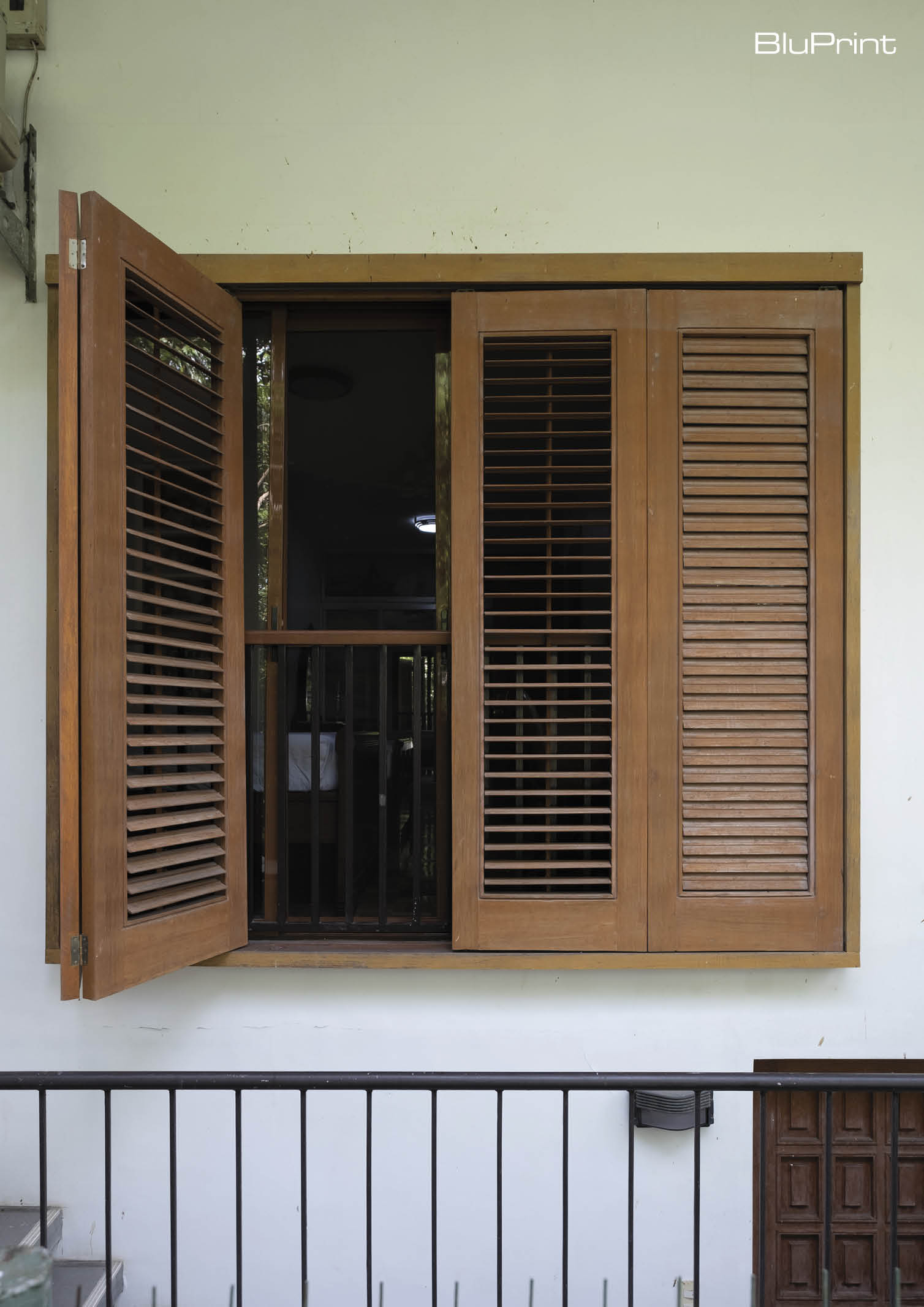
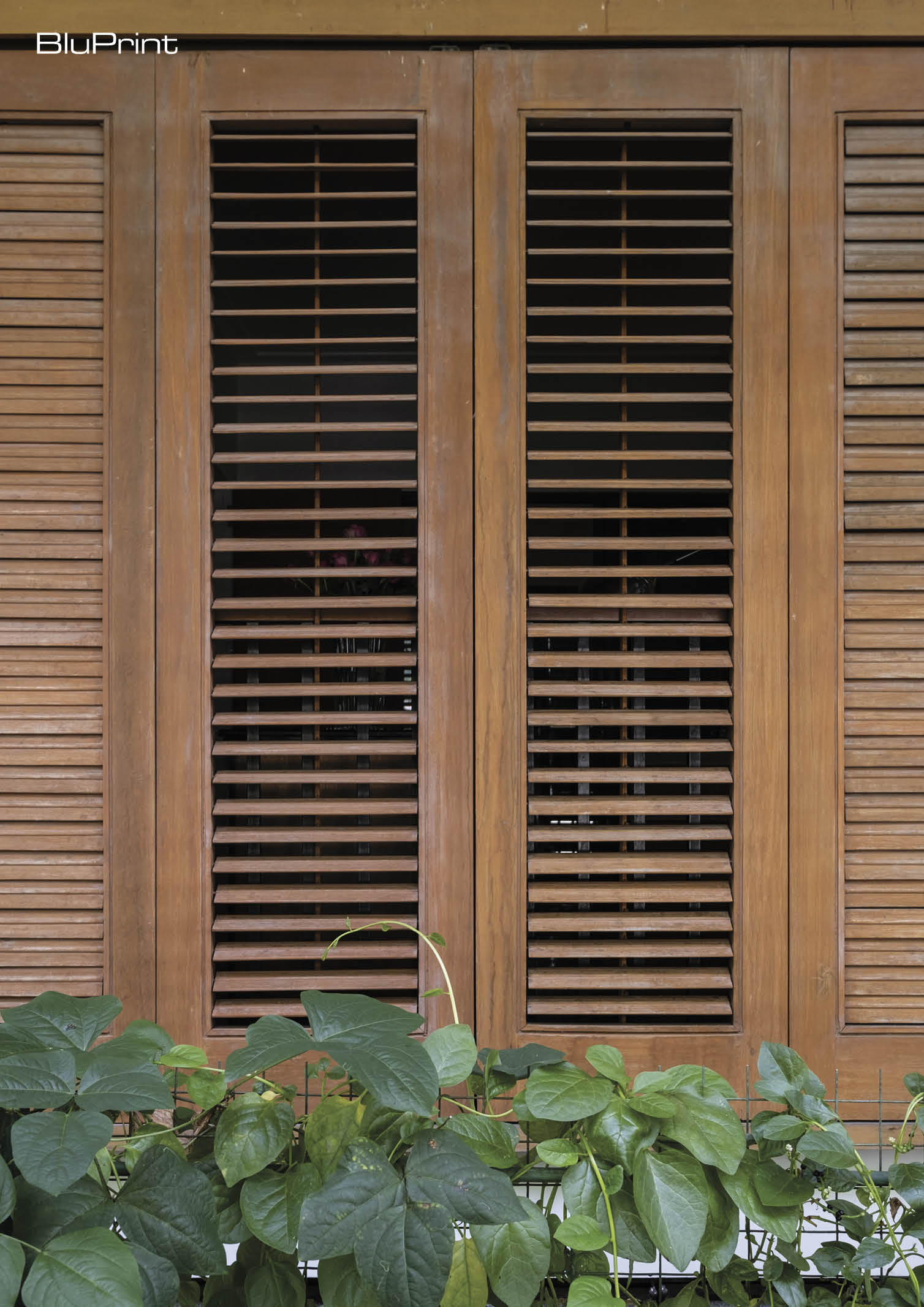
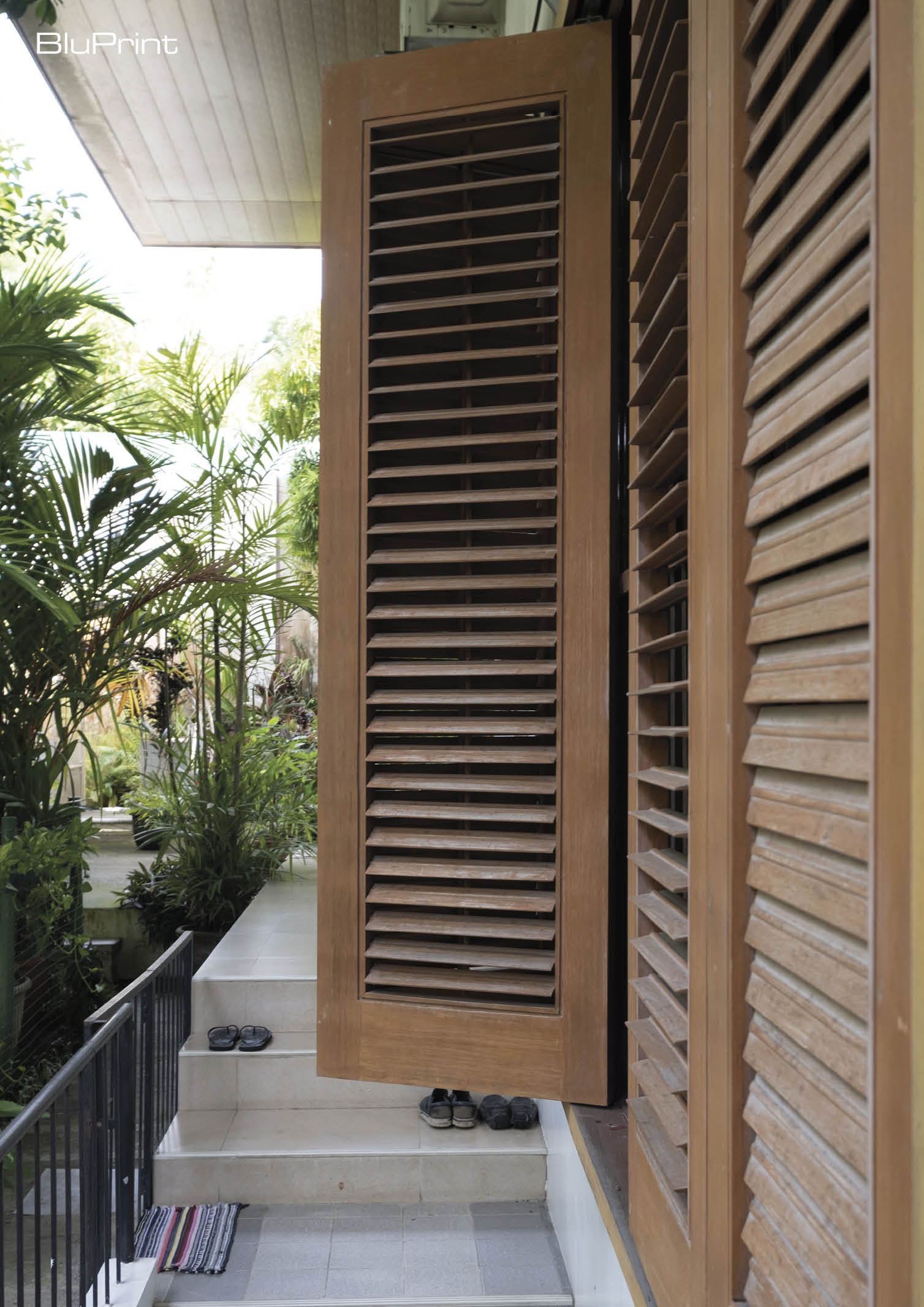
Along with installing exterior shutters over windows, which make excellent seals against winds and rains, add heavy curtains inside to provide a secondary typhoon-proof barrier. The immense force of wind can shatter windows despite external protection. Heavy curtains help contain the flying shards of glass, preventing them from injuring occupants or causing further damage to furnishings.
While they may not be the exact substitute for shutters, thick curtains can also provide additional resistance to wind gusts, further minimizing the chance of window breakage.
Additionally, replacing brittle window materials like float glass with tempered glass eliminates injury hazards. According to Architect Willy Coscolluela, tempered glass breaks into very small fragments, almost like “monggo seeds.” So, it’s not as fatal as other glass materials.
You can consider adding a protective film over the tempered glass. Although tempered glass shatters into small, blunt pieces, these glass bits aren’t safe anymore when blown by strong winds. Protective film helps hold the shattered glass in place, preventing large shards from becoming dangerous projectiles. This also minimizes the chance of wind or rain entering the room.
Bring in Loose Outdoor Objects
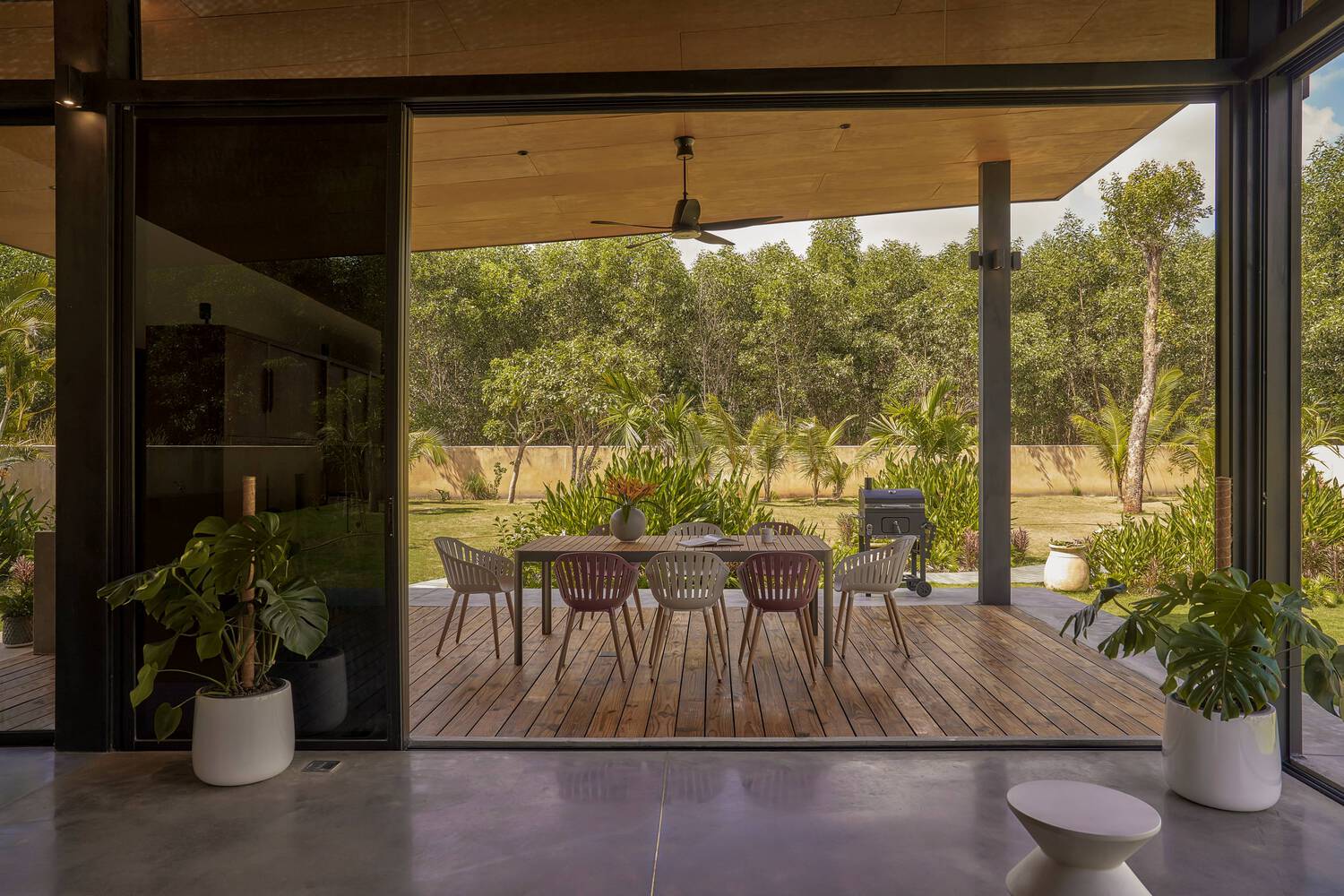
If you have outdoor spaces like patios, balconies, or gardens, typhoon proof by securing your loose outdoor items.
Lightweight chairs, tables, and umbrellas can easily become airborne projectiles in strong winds. Grills, gardening equipment, and other metallic objects pose a serious threat if they become dislodged. Even toppled potted plants are not exempted from becoming a cause of injury.
Bring in all those that you can carry in secured areas like the basement or garage. Arrange them nicely, where they won’t tip or overbalance. For larger and heavier objects, anchor them firmly to the ground using heavy-duty straps or tie-downs.
Prepare a Safe Room
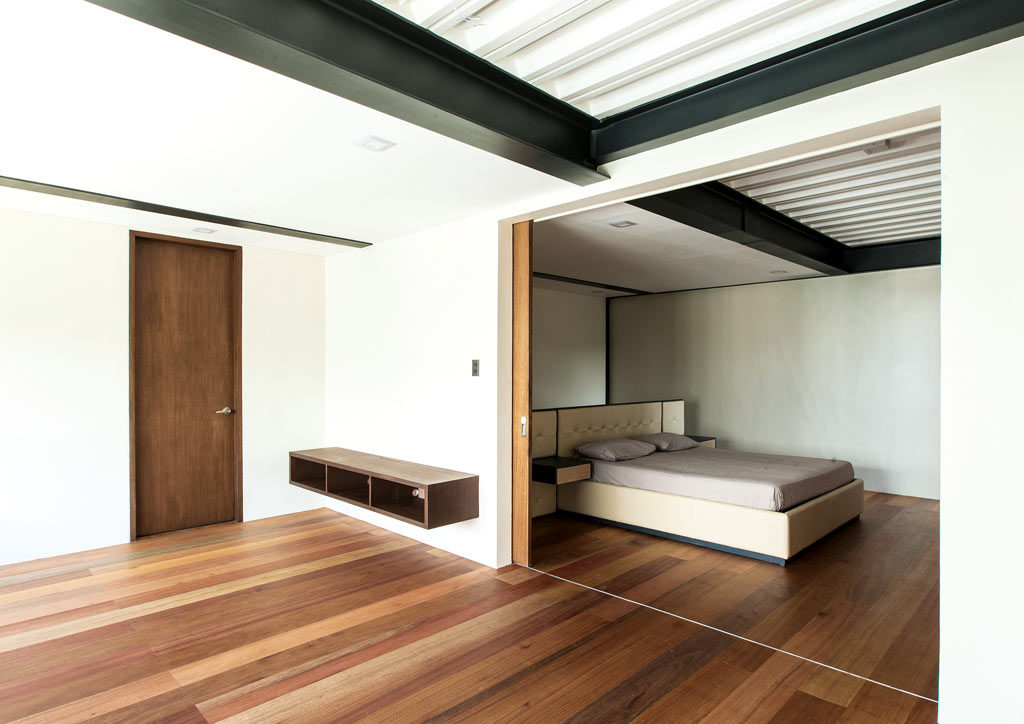
Finally, indoor typhoon proofing includes preparing a safe room. It can be the central room on the lower floor, preferably with minimal windows and sturdy walls. Lower floors are less prone to windblown debris, and fewer windows minimize the risk of flying glass shards from entering the room. Concrete or brick walls additionally offer better protection compared to lighter materials like wood paneling.
After designating your safe room, make sure to include only the essential furniture and objects to create a clear space.
Remember that typhoon proofing is only a basic supplementary strategy to shelter you from the damaging effects of tropical cyclones. While it’s better to adopt these suggested measures as a precaution, it’s also vital to remain vigilant and prepared for whatever weather updates and advisories before, during, and after the typhoon.
Read more: Best Under Stair Design Ideas for Awkward Indoor Spaces
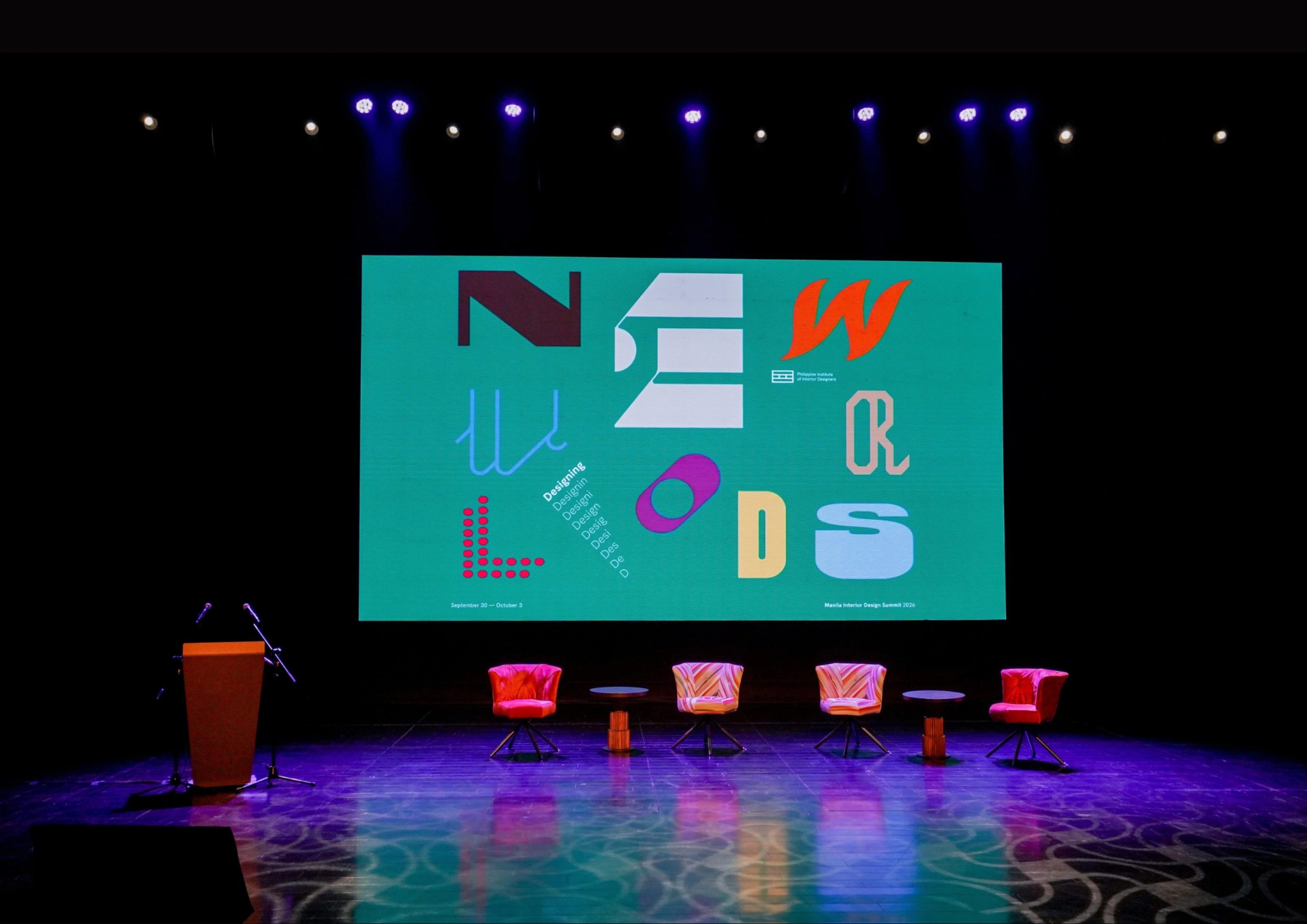
The fourth Manila Interior DesignInterior DesignThe discipline of planning and shaping interior spaces for function, comfort, safety, and beauty. It covers layout, lighting, materials, finishes, furniture, and color, and in the Philippines is a licensedGo to Interior Design Glossary Summit (MIDS) brought together more than 300 delegates for four days of conversations, exhibitions, and design […]

Held at the SMX Convention Center Aura in Taguig City, the first ASEAN Creative Industries Expo by Malikhaing Pinoy (ASEAN MPEx) features nine creative domains, including design, visual arts, digital interactive media, and performing arts. Organized by the Department of Trade and Industry (DTI), the event includes exhibitions, cultural performances, industry talks, and pitching sessions […]
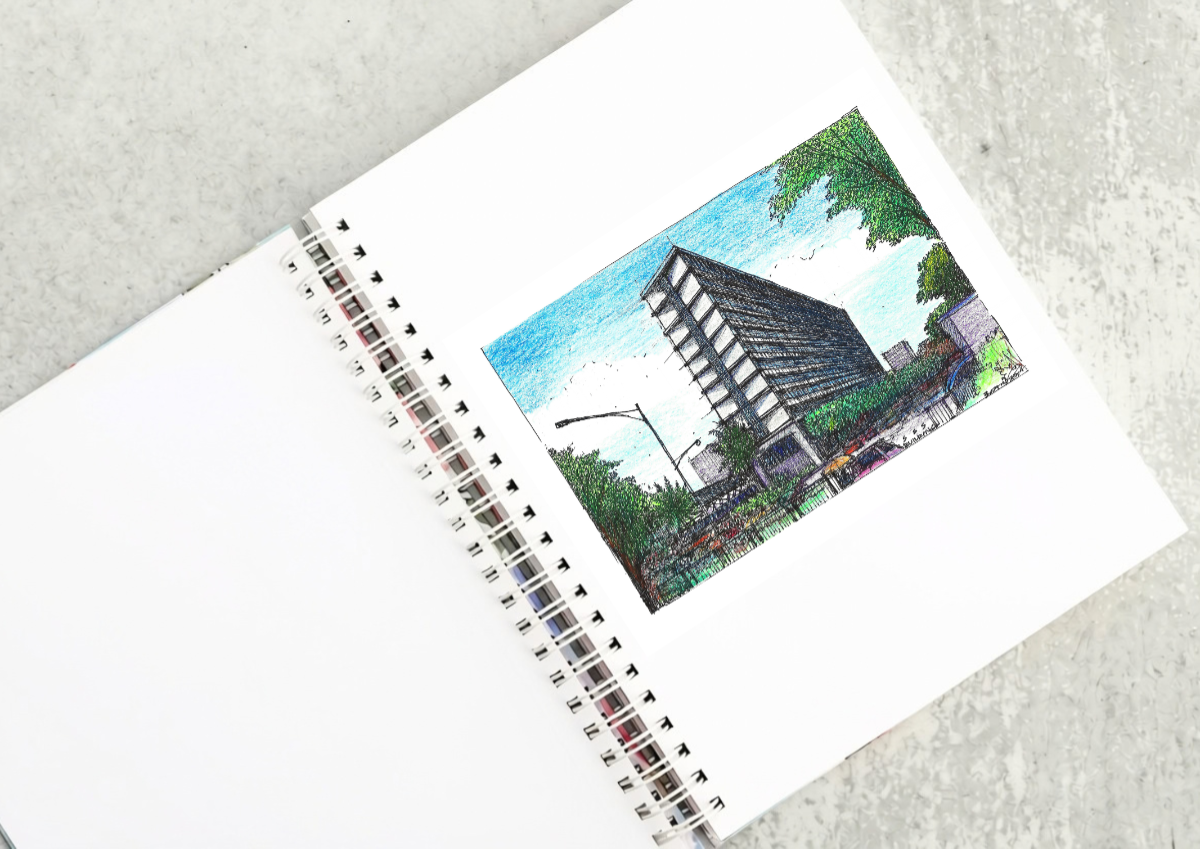
The SSS Building as an Expression of Civic Modernism My favorite modernist landmark in Quezon City is the SSS building on East Avenue. Designed by National Artist for ArchitectureArchitectureThe art and science of designing and constructing buildings, structures, and spaces that are functional, safe, and aesthetically pleasing. It encompasses the planning, design, materials, and techniques […]

Archie G. Carrasco, Chairman and CEO of AGC Power Holdings Corp. (AGC PHC), has been named to The BoF 500 Class of 2026 under the Media category, joining The Business of Fashion’s global community of individuals shaping the fashion industry. Carrasco is among 100 new members from 33 countries and 48 nationalities selected for the […]

Culture in design does not always announce itself through a recognizable motif, material, or symbol. It can also be embedded in the relationships designers build, the knowledge they listen to, the materials they choose, and the decisions they make in response to communities and their environments. This distinction emerged throughout the 2026 International Design Conference […]
Read the issues.

Collect the volumes.

Recommended Video
Tap to Unmute
Unmute
0:00
0:00