“Buildings only become architectureArchitectureThe art and science of designing and constructing buildings, structures, and spaces that are functional, safe, and aesthetically pleasing. It encompasses the planning, design, materials, and techniques used to createGo to Architecture Glossary when they are shared,” said William Ti Jr., founder of the Anthology Festival and WTA Architecture and Design Studio, […]

Best Natural Ways to Improve Air Quality in Your City Home



Air pollution is an inevitable reality for city dwellers. And most of the time, you can’t escape this invisible threat even inside your home. But you can always combat airborne pollutants even when you’re nestled in the heart of the metro with these natural ways to improve air quality.
The Power of Ventilation
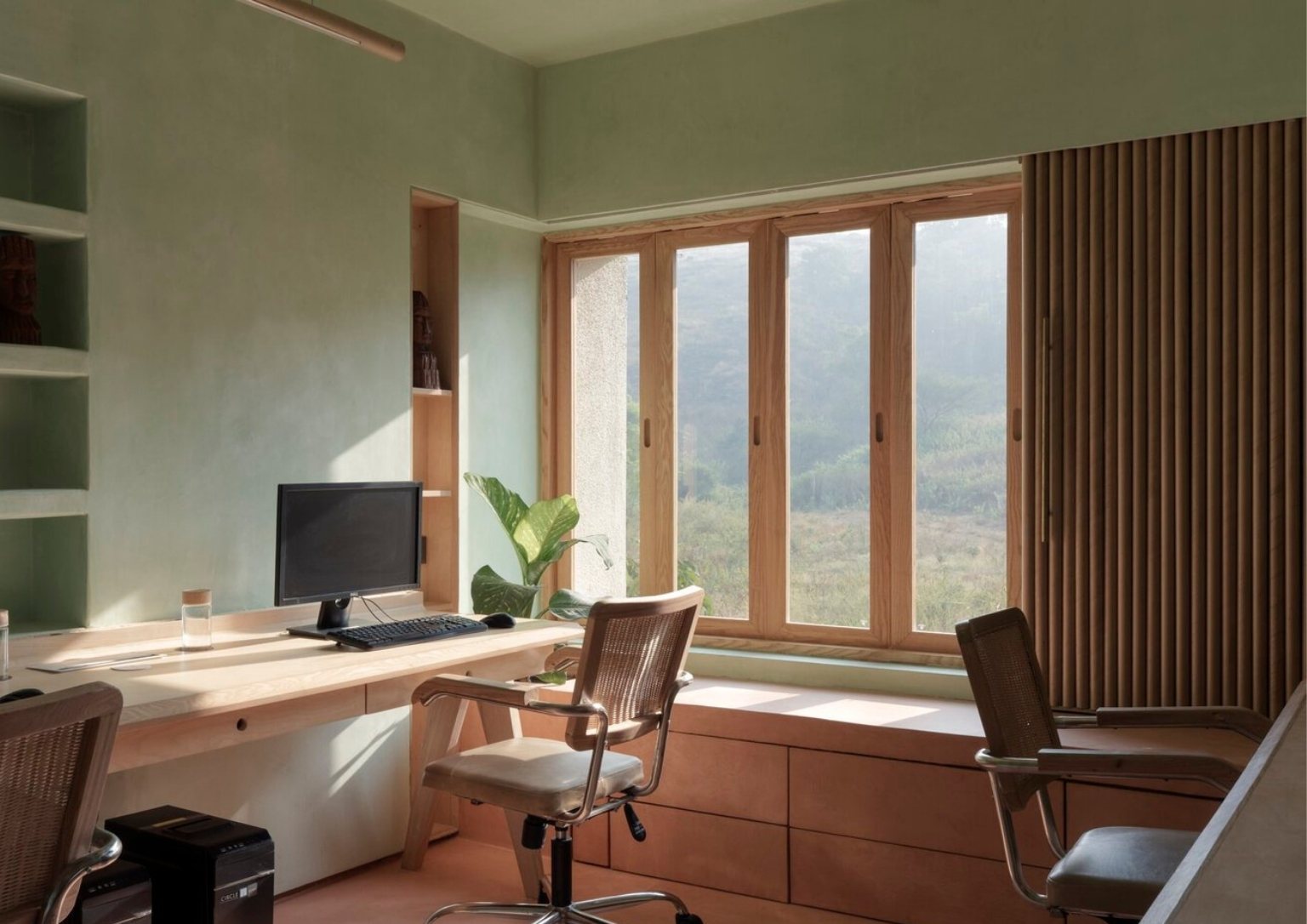
One simple way to improve indoor air quality is knowing when to open and close windows. Contrary to popular belief, air pollutants and allergens don’t always come from the outdoors. So, keeping the windows shut at all times isn’t always the best solution.
There are certain internal and external conditions that indicate the best time to open windows. Check the air quality reports first. An air quality index of zero to 100 is ideal. Anything higher than that range is a health concern since outdoor pollutants like particulate, ozone, and carbon monoxide levels are elevated. Typically, air quality is best during early mornings or late evenings since traffic and outdoor temperatures are usually low.
You should also open windows when you want to clear the air after cooking, showering, or using cleaning products. These activities release pollutants or moisture that produce stale air. Opening windows can expel these contaminants and replenish it with fresh oxygen.
At the same time, windows are best closed during high pollution days. Once the air quality index exceeds the safe range, seal your windows and doors to minimize outside air from coming in. And since vehicles produce high amounts of dust and fumes, you should also close windows during rush hour or heavy traffic periods.
Regular Cleaning with Natural Solutions
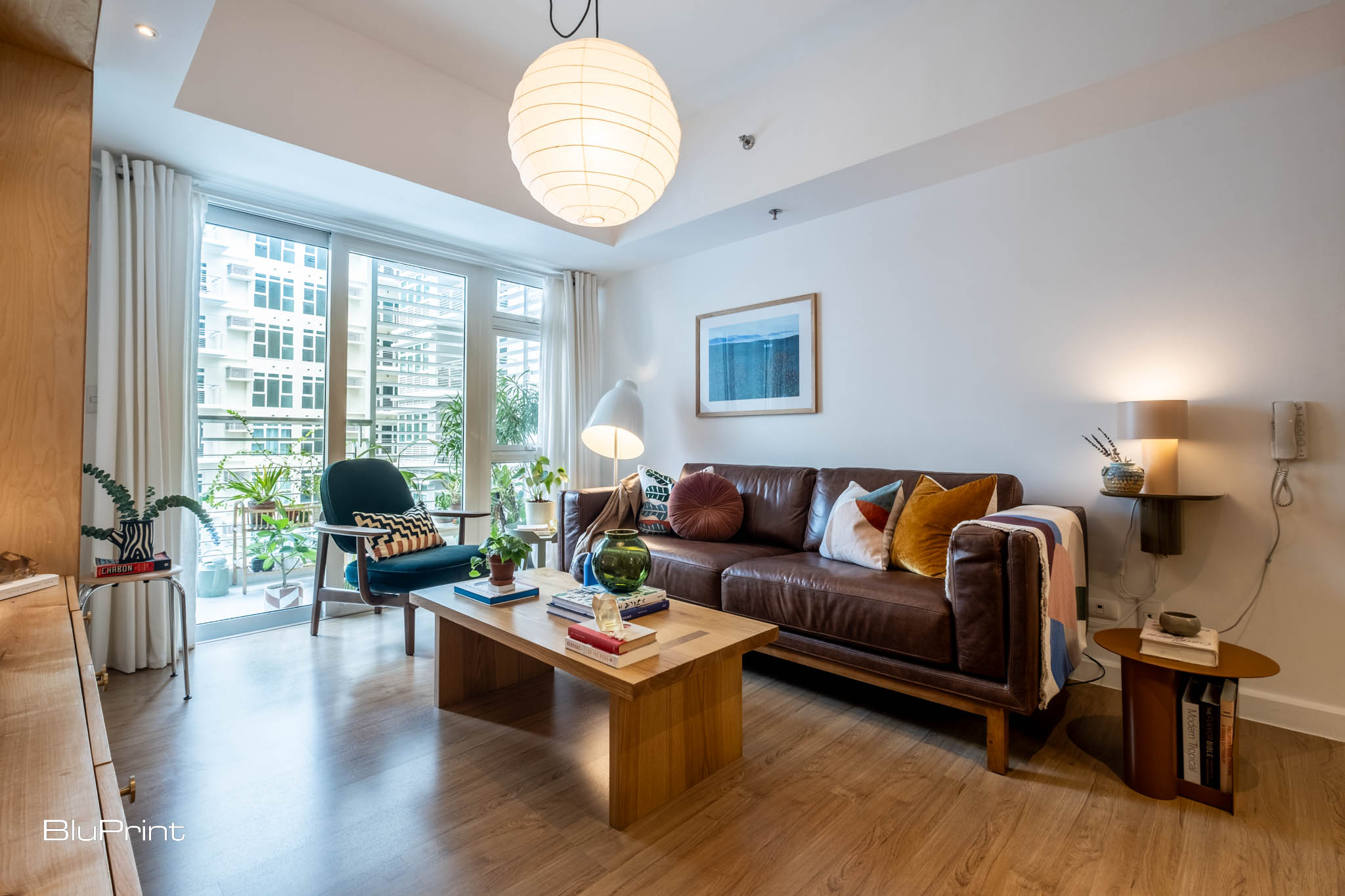
It’s an undeniable fact that city homes are more exposed to outdoor pollutants. Although closing your windows can be your first line of defense, it doesn’t completely eliminate pollutants tracked in from outside. Regular cleaning with natural solutions is another way to improve air quality, catching air contaminants before they settle indoors.
Focus on the high traffic areas and windows where outside pollutants most likely accumulate. Shake out doormats daily to remove loose dirt, debris, and allergens before they have a chance to spread inside. Wash them at least once a week using a mix baking soda and water to create a paste for safe deep clean, but make sure to check your mat’s cleaning instructions first.
Similar to doormats, clean window sills weekly. Pay attention to corners and crevices and wipe them off with a vinegar or lemon juice solution, using one part vinegar to four parts water. Window treatments need to be cleaned at least once a month. Sprinkle baking soda on blinds and let it sit for 15-30 minutes to absorb dust and odor. Then wipe them down with a damp microfiber cloth. For non-washable fabrics and delicate materials, apply spot cleaning. You can use a vinegar solution to prevent mold and mildew buildup, especially in city homes with high humidity.
You can also use the vinegar solution to clean your floors with a microfiber mop. Microfiber is more effective at trapping dust and dirt than traditional mops, which tend to just spread it around. The vinegar solution disinfects and cuts through grime while remaining safe and eco-friendly for most hard floors.
Additionally, run a damp microfiber cloth over furniture, air vents, and ceiling fans to reduce circulation of airborne allergens.
Include Indoor Plants as Natural Purifiers
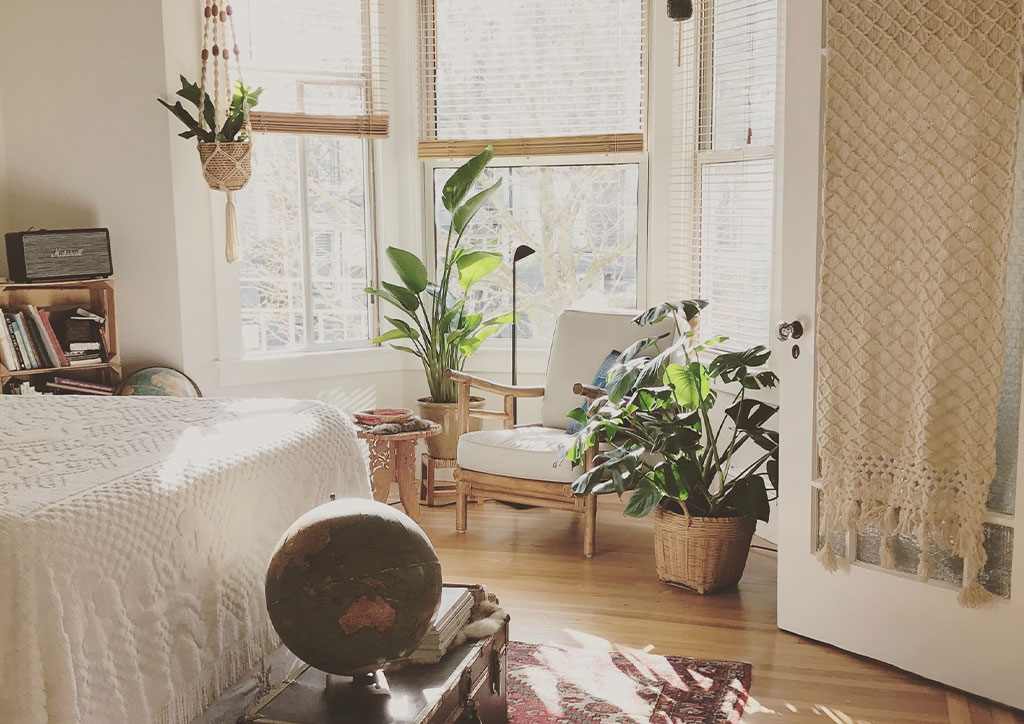
Indoor plants are great air purifiers. They can absorb volatile organic compounds (VOCs) like formaldehyde and benzene through tiny openings in their leaves.
Moreover, city homes can experience low levels of humidity, especially during the dry season. Indoor plants release moisture vapor, helping you breathe easier and soothe pulmonary congestion. Consider factors like light availability, humidity preference, and maintenance requirements when choosing plants. Some of the best plants to improve indoor air quality include English ivies, Chinese evergreens, peace lilies, and spider plants.
However, you’ll need a significant number of plants for a noticeable difference. For small rooms around 100 square feet, it’s advisable to have two to five good-sized plants. Medium rooms of about 200 square feet require at least five to 10, while larger rooms around 300 square feet and above need more than 10 large-leafed plants.
Unlike store bought air purifiers, the air purifying effect of plants is slower but continuous, requiring minimal investment and maintenance. On the other hand, air purifiers have a high upfront cost with filters constantly needing replacing.
Explore Additional Indoor Air Improvement Strategies
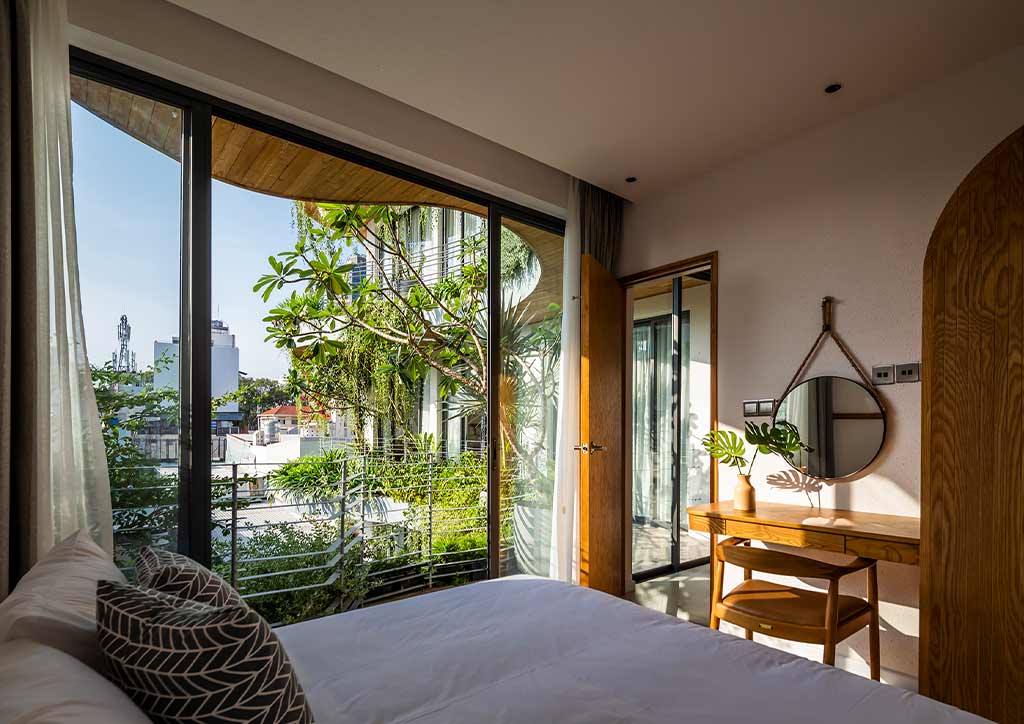
Combined with the conventional indoor air purifying techniques above, activated charcoal and coffee grounds are becoming popular as complementary tools.
Activated charcoal, used for odor absorption and air purification for centuries, is a great natural solution. With its highly porous material and large surface area, it’s able to trap air pollutants and even unpleasant odors from the air without requiring electricity or filters.
You can place it in pouches or decorative bags strategically positioned in rooms prone to odors and dust. But like any filter, it loses its effectiveness over time as it becomes saturated with trapped particles. You can either replace it regularly or regenerate it through a heating process according to the manufacturer’s manual.
On the other hand, coffee grounds contain nitrogen compounds that can bind to odor molecules to neutralize unpleasant smells. The study of City College of New York found that this eco-friendly material absorbs toxic gasses like hydrogen sulfide. These stinky gasses are mostly present in industrial facilities, which are typically located in cities.
To effectively use them, ensure that coffee grounds are completely dry. Place them in small open bowls and put them in areas prone to strong odor such as near trash cans or ashtrays. Change the coffee grounds every few days, or sooner if the odor persists or they start to smell themselves.
Air pollution may be a fact of city life, but it doesn’t have to dictate your indoor air quality. Embracing natural solutions and readily available, eco-friendly materials can create a haven of clean and breathable air. But most importantly, you’ll be able to take care of your health even if you’re living in an urban setting.
Read more: Scentscaping: Unlock the Power of Scents for Your Home’s Mood


A Filipino Interpretation of Modernist Architecture Unlike the rest of Makati today, the northern end of Paseo de Roxas in Makati is anchored by a low complex rather than a tall skyscraper. This is the elegant Asian Institute of Management, designed by architect Gabriel Formoso and completed in 1971. In my opinion, the building is […]

“Thailand has claimed urban creativity and livability. Singapore has institutional design leadership. Indonesia is emerging as a design hub. Vietnam is moving into design innovation. And the Philippines? Its position is not weak. It is simply unclaimed.” For IDr. Cecil Ravelas, National President of the Philippine Institute of Interior Designers (PIID), the challenge is not […]

The Ramon Magsaysay Center as a Modernist Landmark Driving down Roxas boulevard from Rizal Park, what will catch your eye is the most elegant modernist structure in the country, the Ramon Magsaysay Center. Most established Filipino architects put it in their top ten lists of favorite buildings. It was designed by Alfredo J. Luz, who […]

Rinna Soriano’s favorite part of her work is sanding. At her workbench, she stays focused, following the grain, adjusting to changes in its direction. Narra, she has learned, can have interlocking grain. A piece of mango once proved particularly difficult until a worker explained that she had reached the point where a branch once grew […]

Filipino architectureArchitectureThe art and science of designing and constructing buildings, structures, and spaces that are functional, safe, and aesthetically pleasing. It encompasses the planning, design, materials, and techniques used to createGo to Architecture Glossary has long been associated with indigenous materials and vernacular design strategies, from bamboo and timber construction to jalousie windows, generous spaces, […]
Read the issues.

Collect the volumes.

Recommended Video
Tap to Unmute
Unmute
0:00
0:00