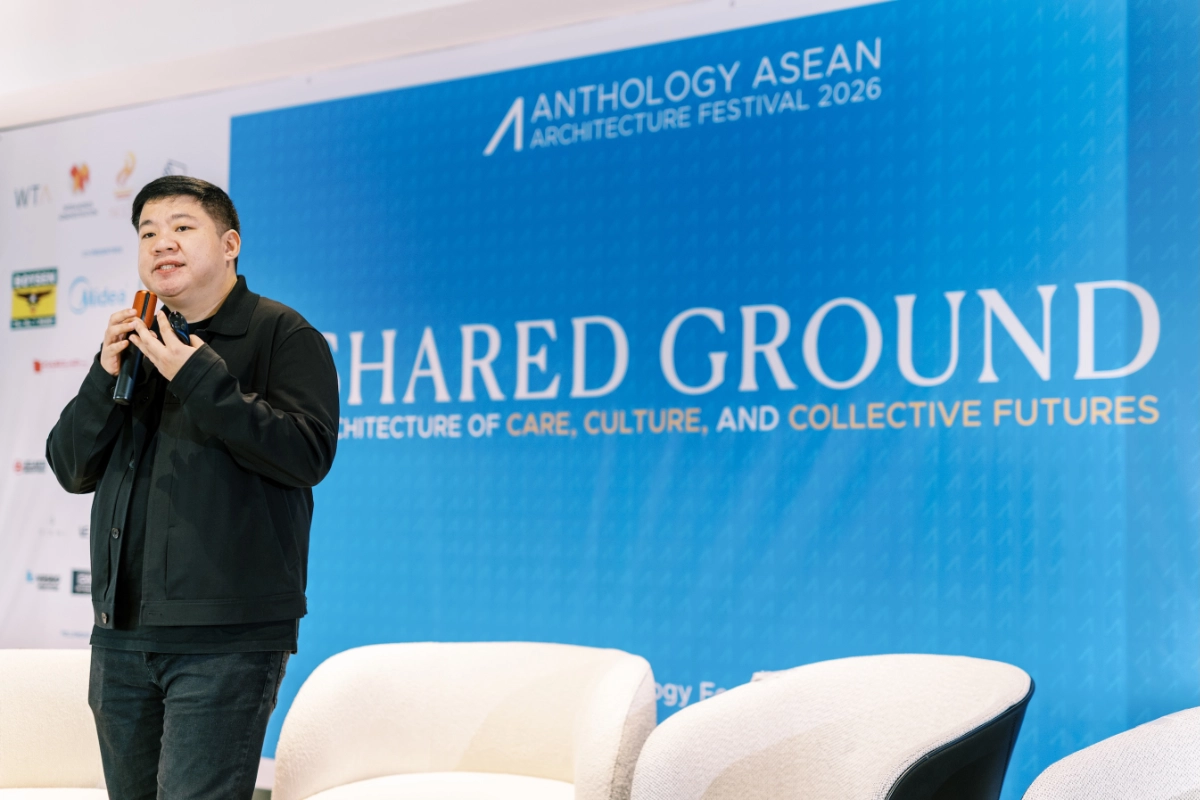
“Buildings only become architectureArchitectureThe art and science of designing and constructing buildings, structures, and spaces that are functional, safe, and aesthetically pleasing. It encompasses the planning, design, materials, and techniques used to createGo to Architecture Glossary when they are shared,” said William Ti Jr., founder of the Anthology Festival and WTA Architecture and Design Studio, […]
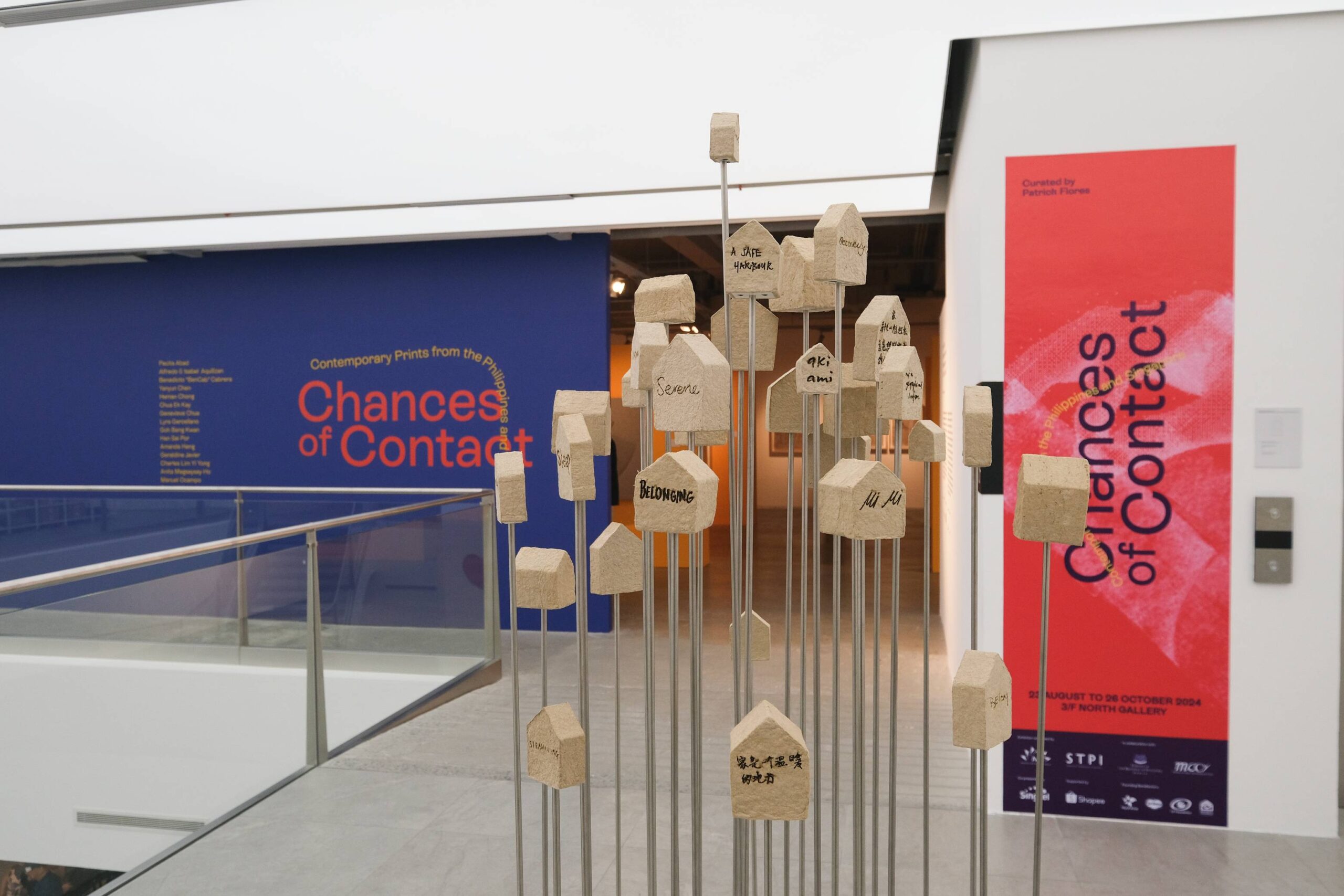
STPI and The Met Inaugurate New Exhibit, ‘Chances of Contact’



Chances of Contact presents the works of sixteen different Singaporean and Philippine artists who underwent a residency with Singapore Tyler Print Institute (STPI) – Creative Workshop and Gallery. All the artists’ works circle around different applications of paper and printmaking in ways that correspond to their styles and interests.
Art critic and professor Patrick Flores oversaw the curation of the works included in the exhibit. Evenly distributed between eight artists from each country, it explores how artists can approach and challenge the medium of paper, and the innovative ways in which STPI moved to accommodate their desires and ideas into fruition.
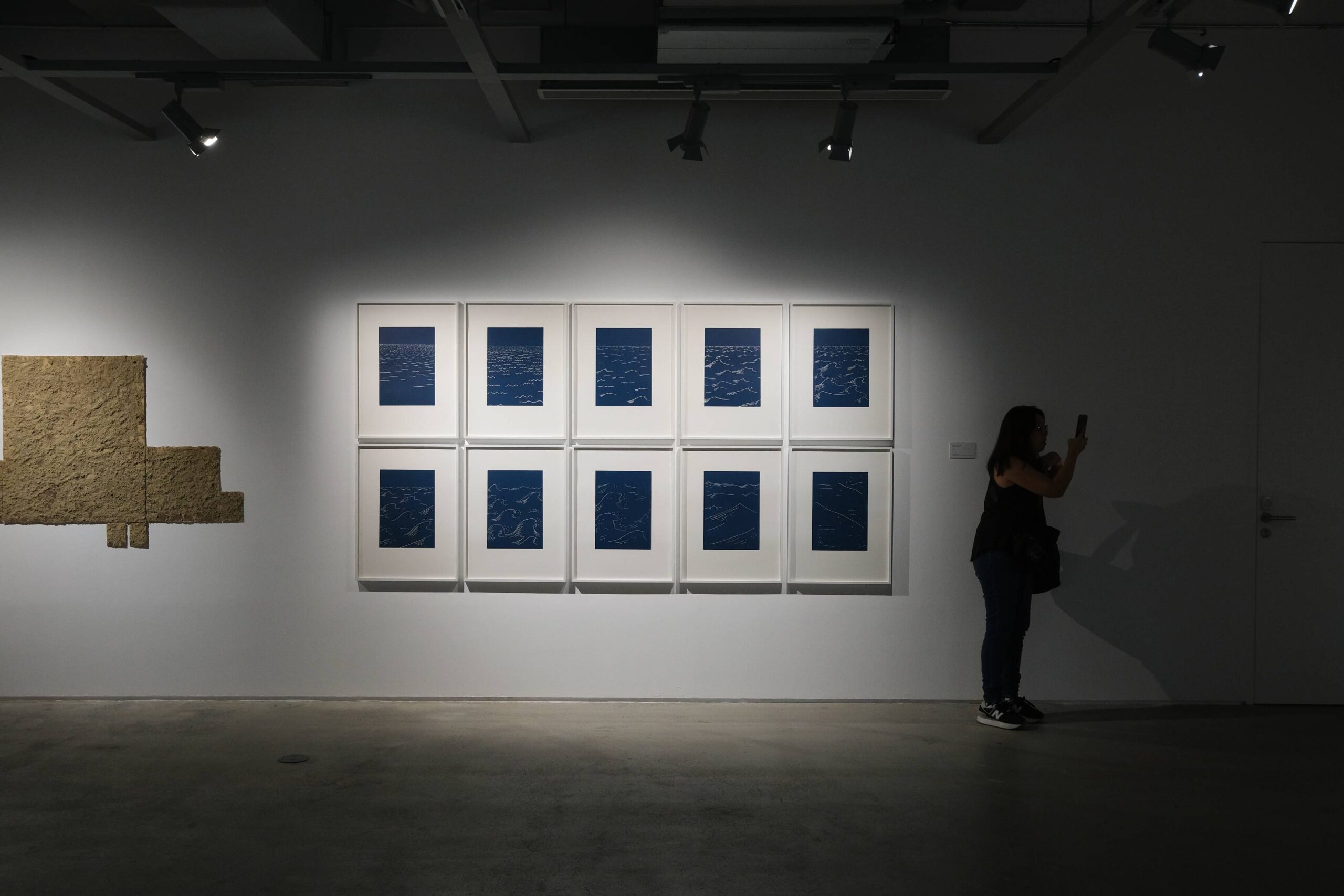
Showing at the Metropolitan Museum of Manila at BGC from August 24 to October 26, the exhibit was partially initiated by Singaporean Ambassador Constance See, who wanted to celebrate over 55 years of diplomatic relations between the two countries with art.
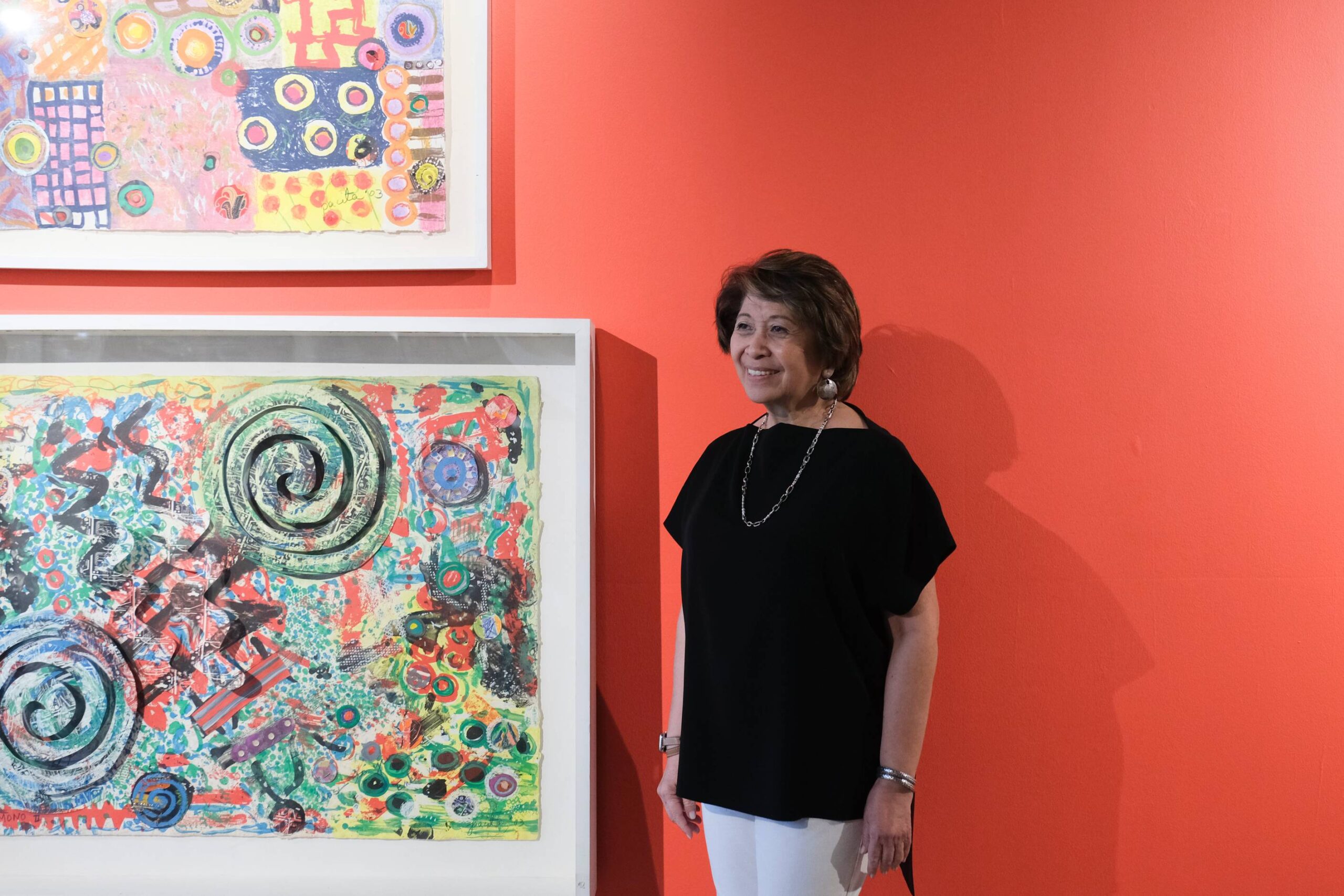
“Because STPI and the M, really have been in the direction for bringing contemporary perspectives,” Tina Colayco, president of the Metropolitan Museum, said. “Whether it’s in printmaking or any other idea of artwork.”
The Metropolitan Museum also scheduled a panel talk between four of the artists featured in the exhibition. Moderated by Flores, the questions centered around their craft in relation to print, and how STPI influenced their artistic method moving forward.
Redefining the Limits of Creativity
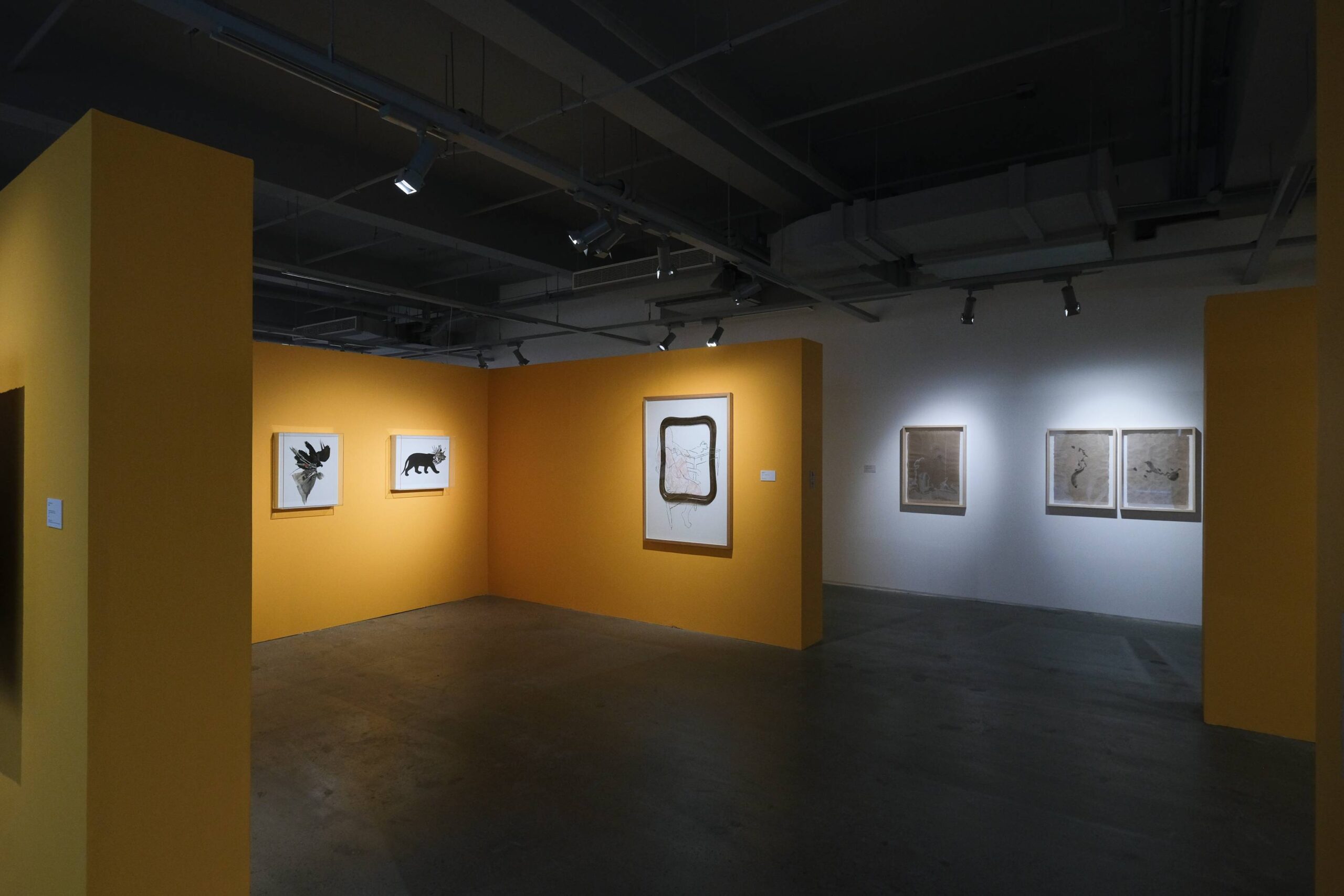
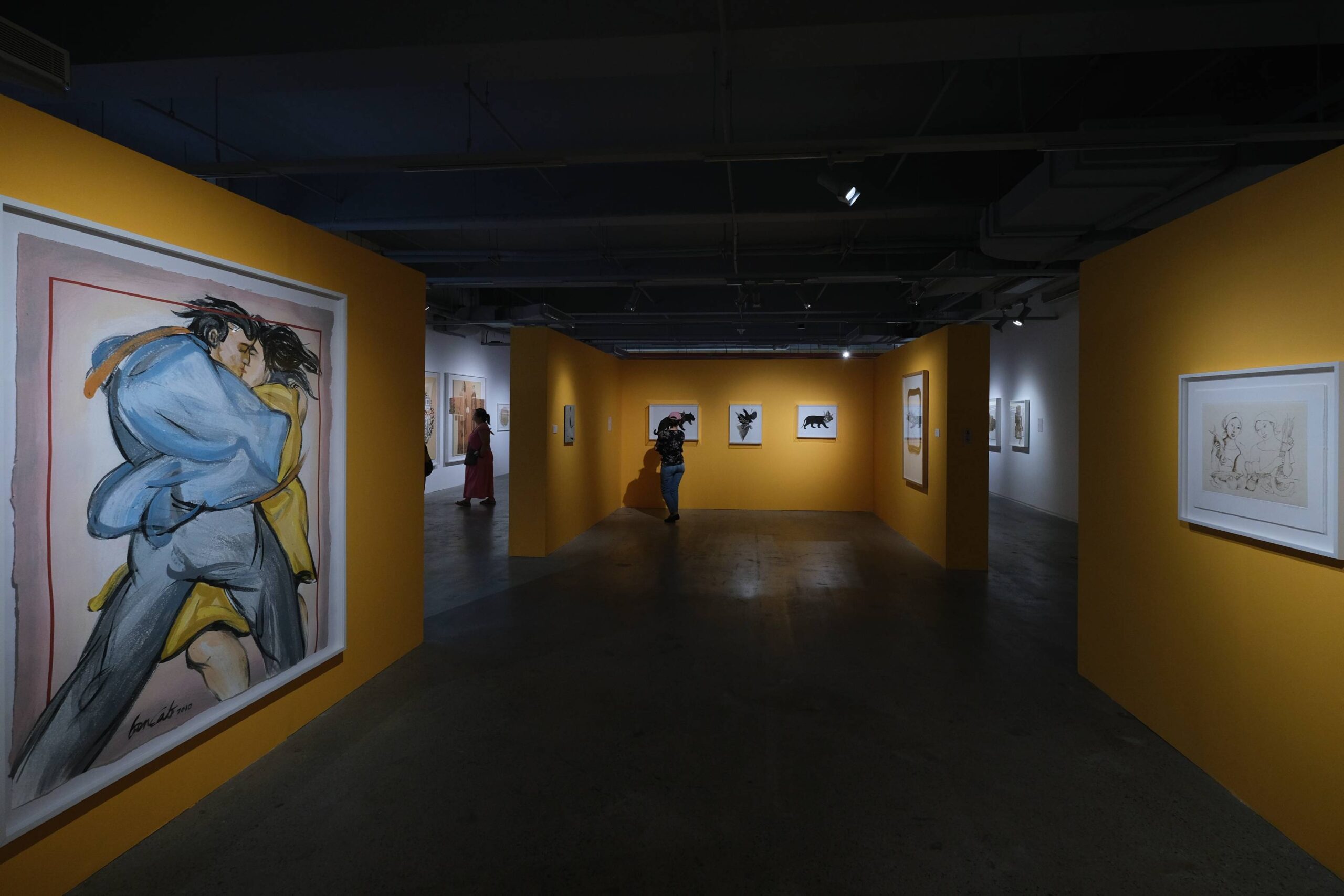
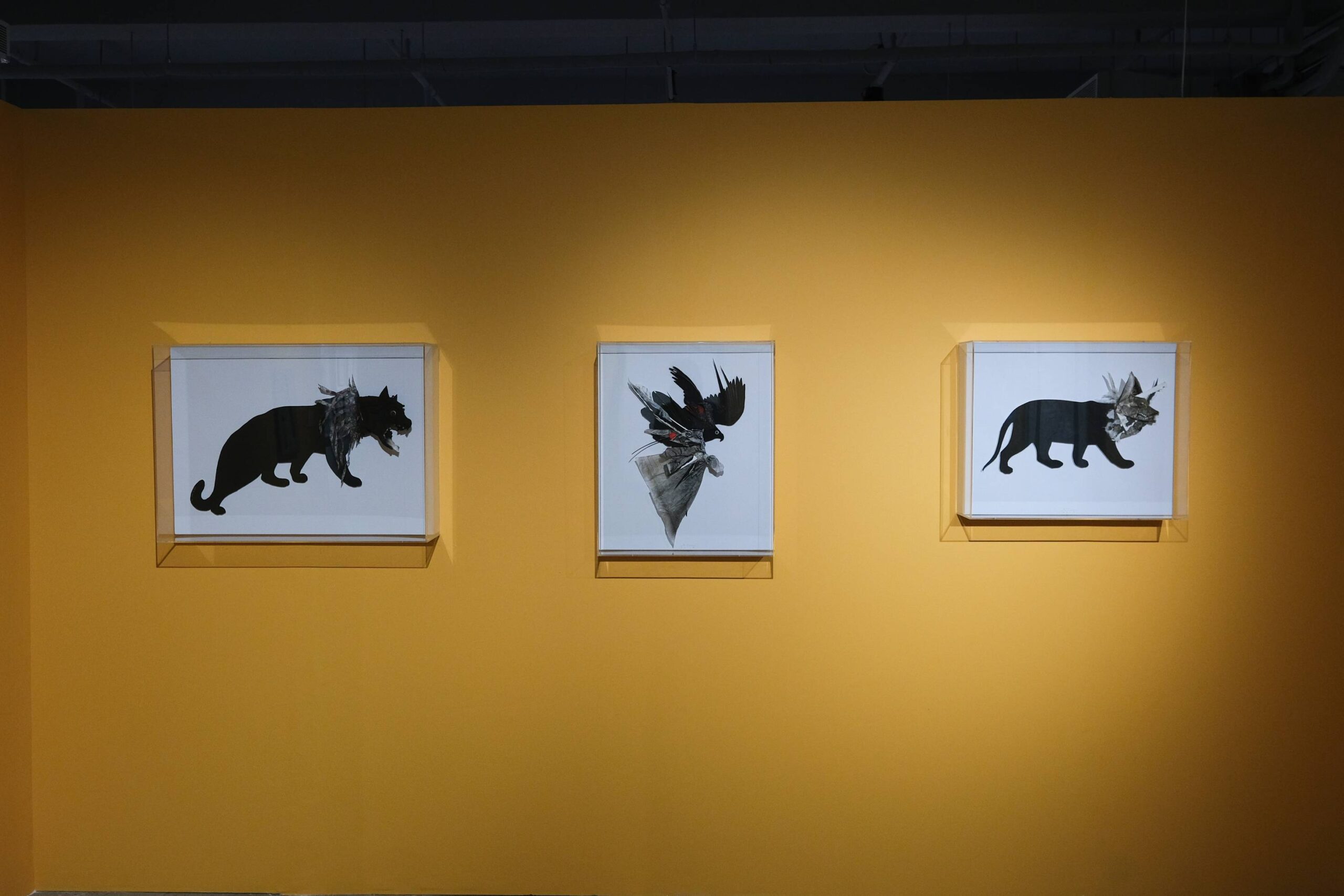
The exhibition itself can be divided into three categories. The first section focuses on how generations and time periods affect and inspire people’s stylistic choices. It includes contemporary artists like Genevieve Chua and Lyra Garcellano, as well as modernists like Benedicto “BenCab” Cabrera and Goh Beng Kwan.
Flores said that this section allows different generations of artists to come together and invite comparisons. He sees it as a way of displaying how artists engage with printmaking in different ways and fashions—how it’s always existed in the arsenal of artists to use in their craft.
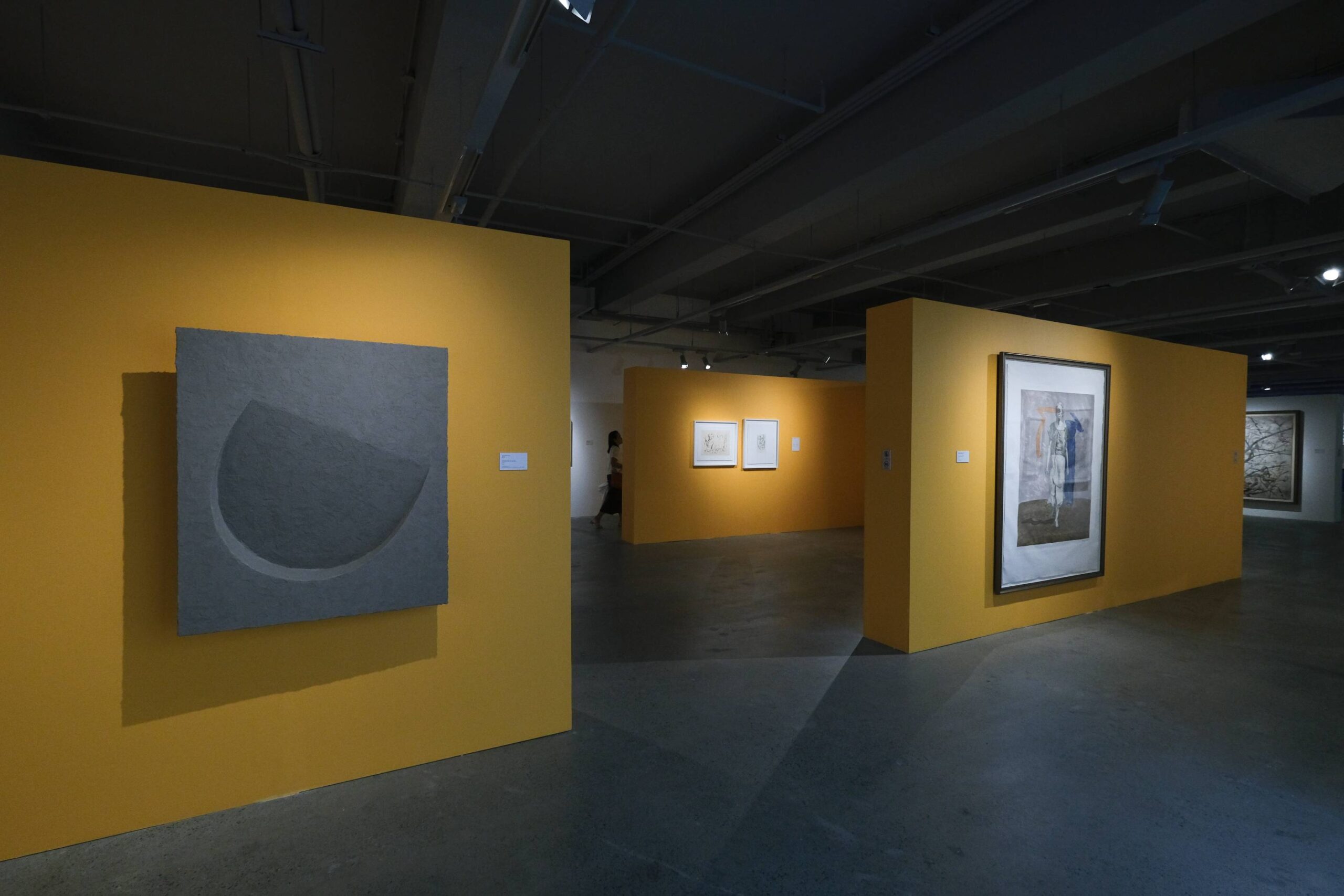
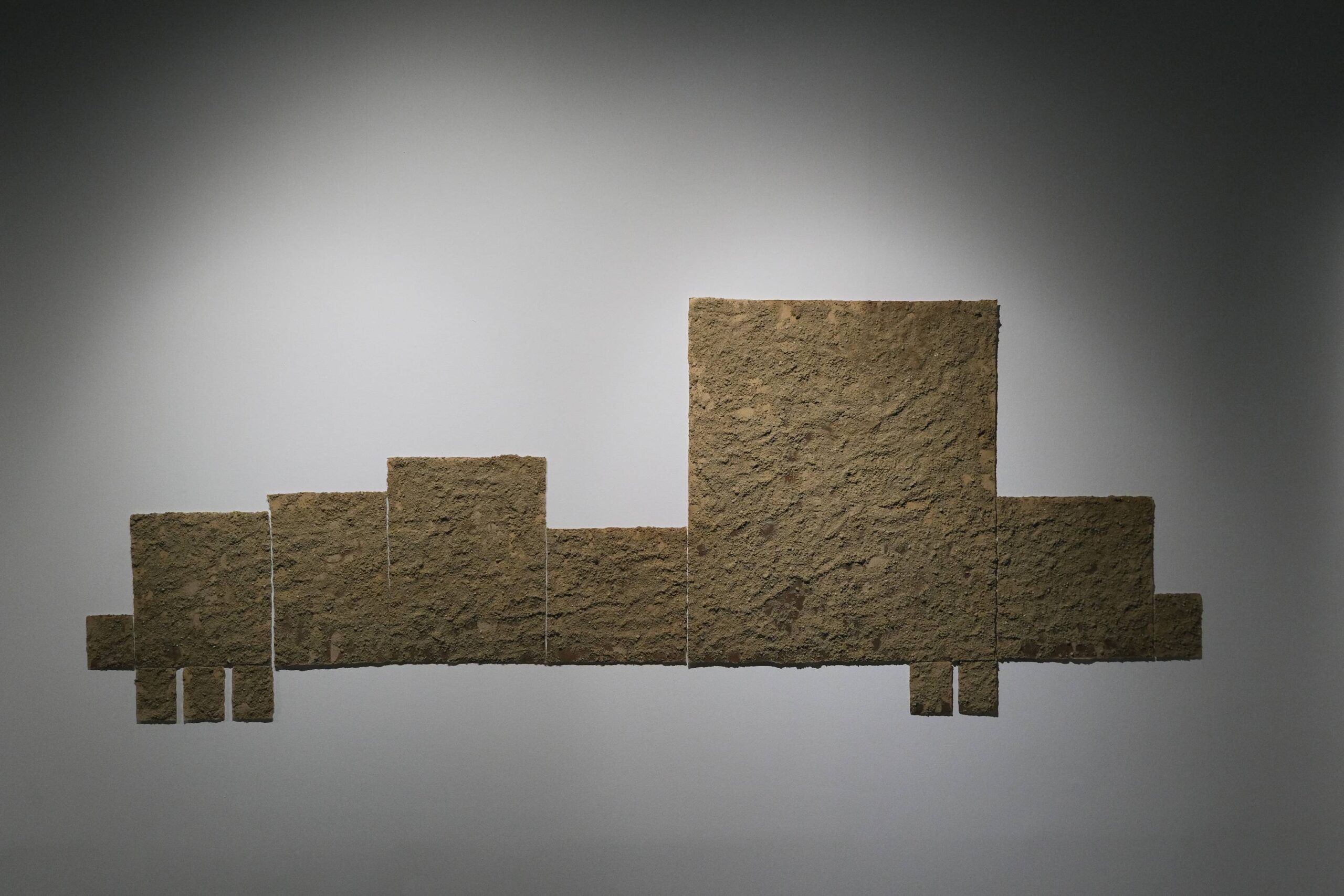
Among the more unique works featured in this section is Genevieve Chua’s “Blink” and “Apex and Depressions.” Chua, who discussed her work in the panel talk, used paper specially made to retain its malleability while mixed with cement powder. She said that STPI experimented with combinations of paper pulp and cellulose to get the right mixture.
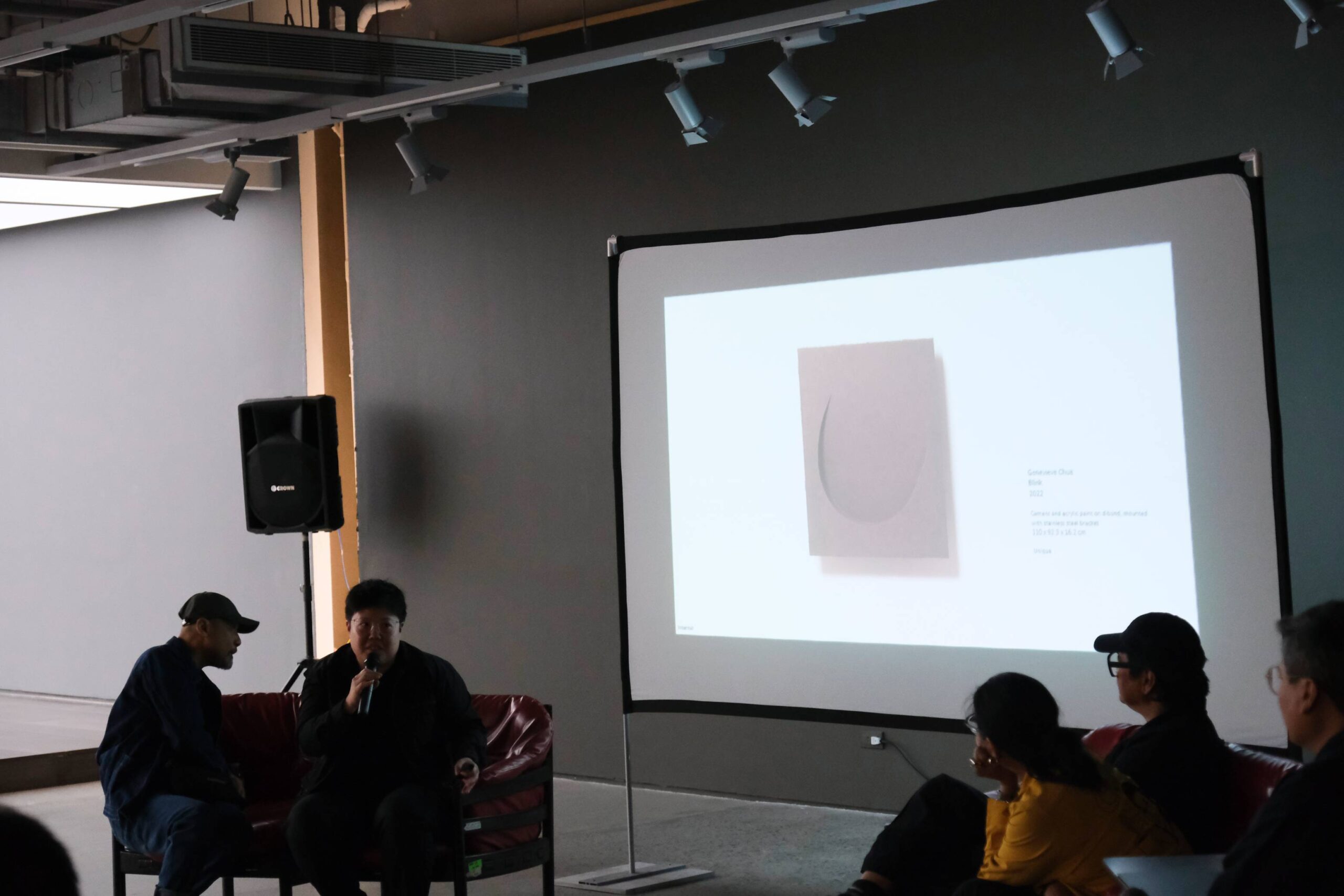
In the talk, she said that she wanted to explore the paradox between something heavy, like cement powder, teetering at the edge of destruction when mixed together with paper. She felt like she could explore this idea at STPI, which created the prototypes of the paper used in the final product.
Playing with Form
During the panel talk and the exhibition in general, a theme emerged from everyone involved: the idea of intersecting print with other mediums of art, and how STPI accommodates experimentation with the form.
The second section of the exhibit, “Across Mediums,” shows how mediums like print evolves when artists from other mediums engage with the works and find that intersection with the forms.
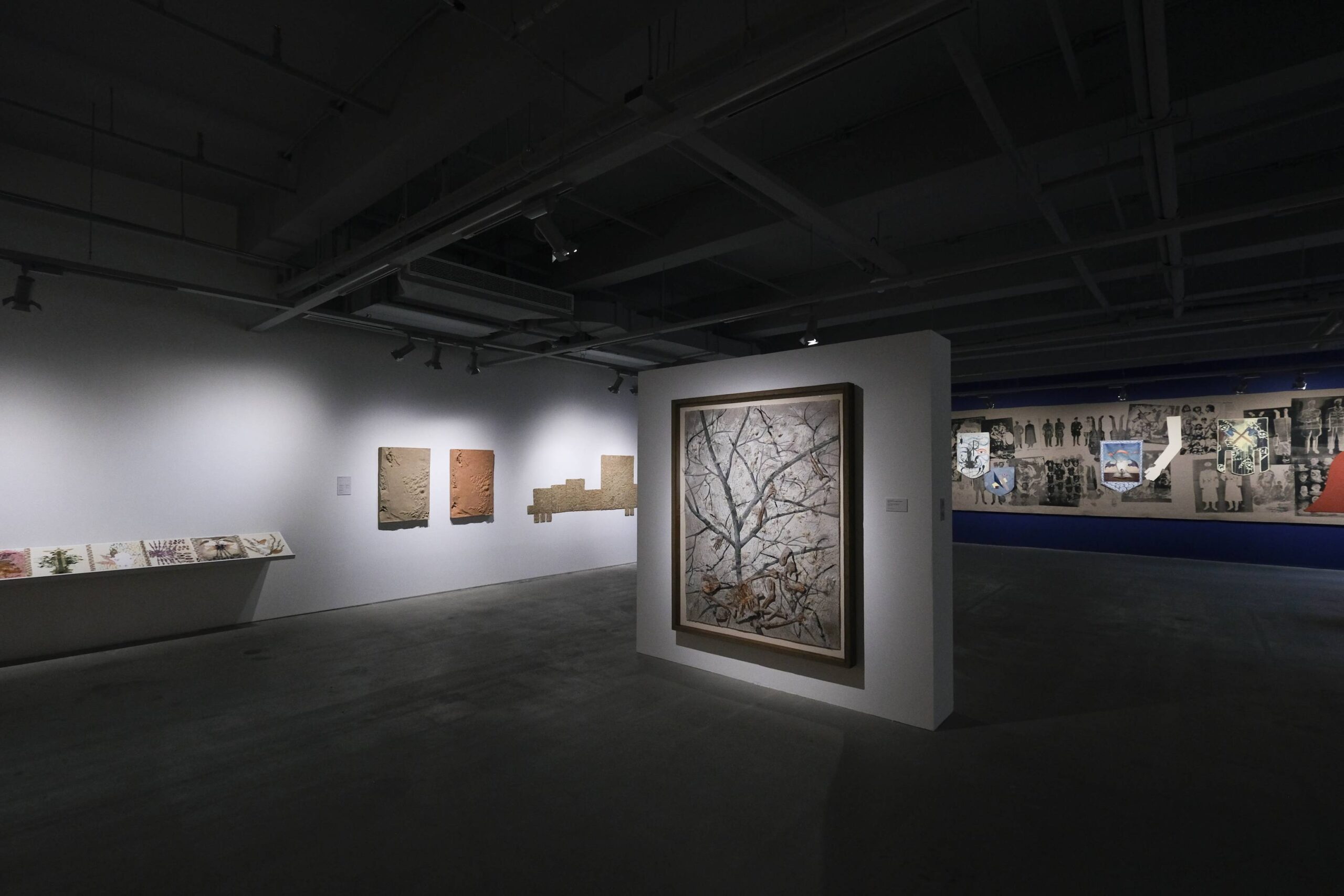
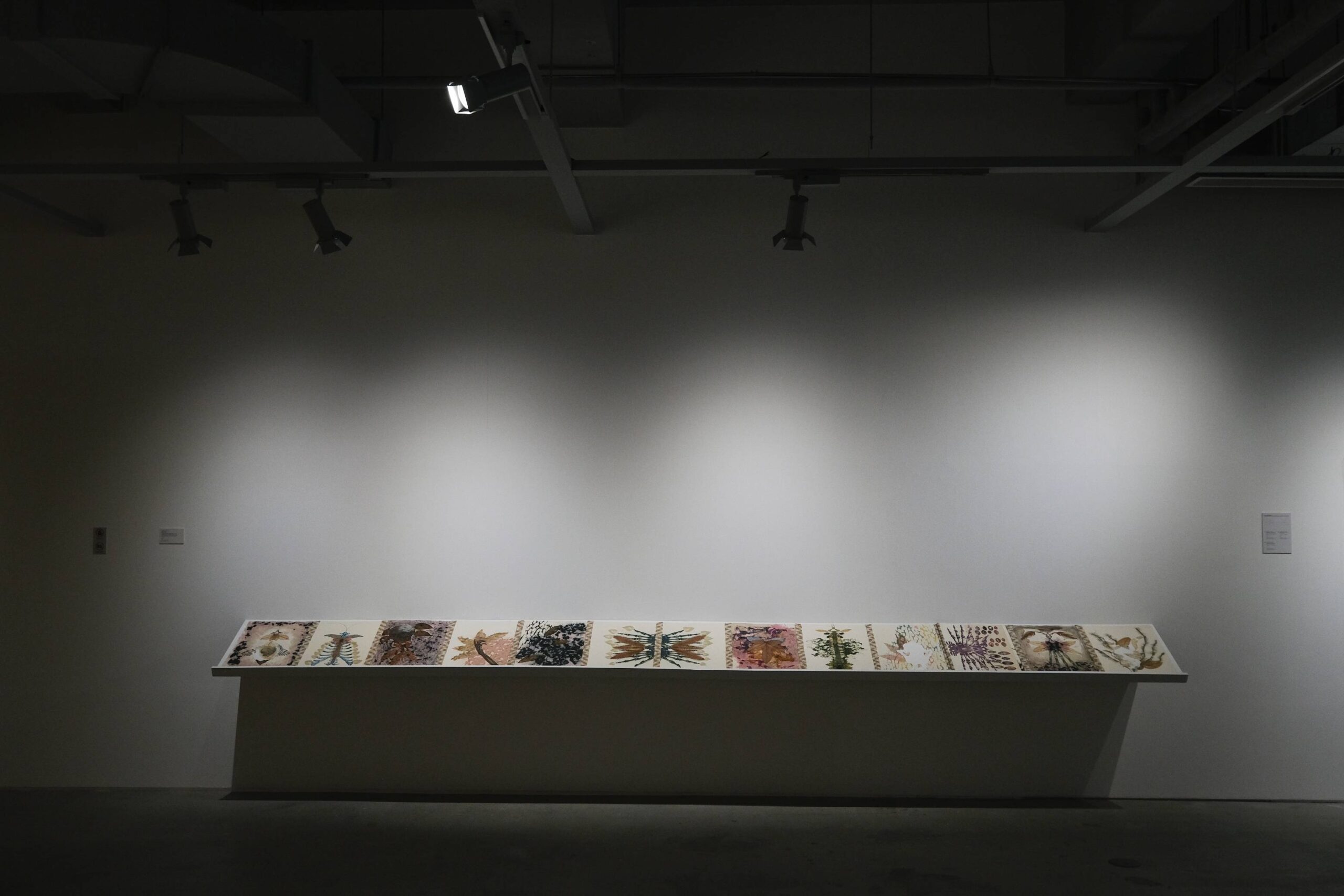
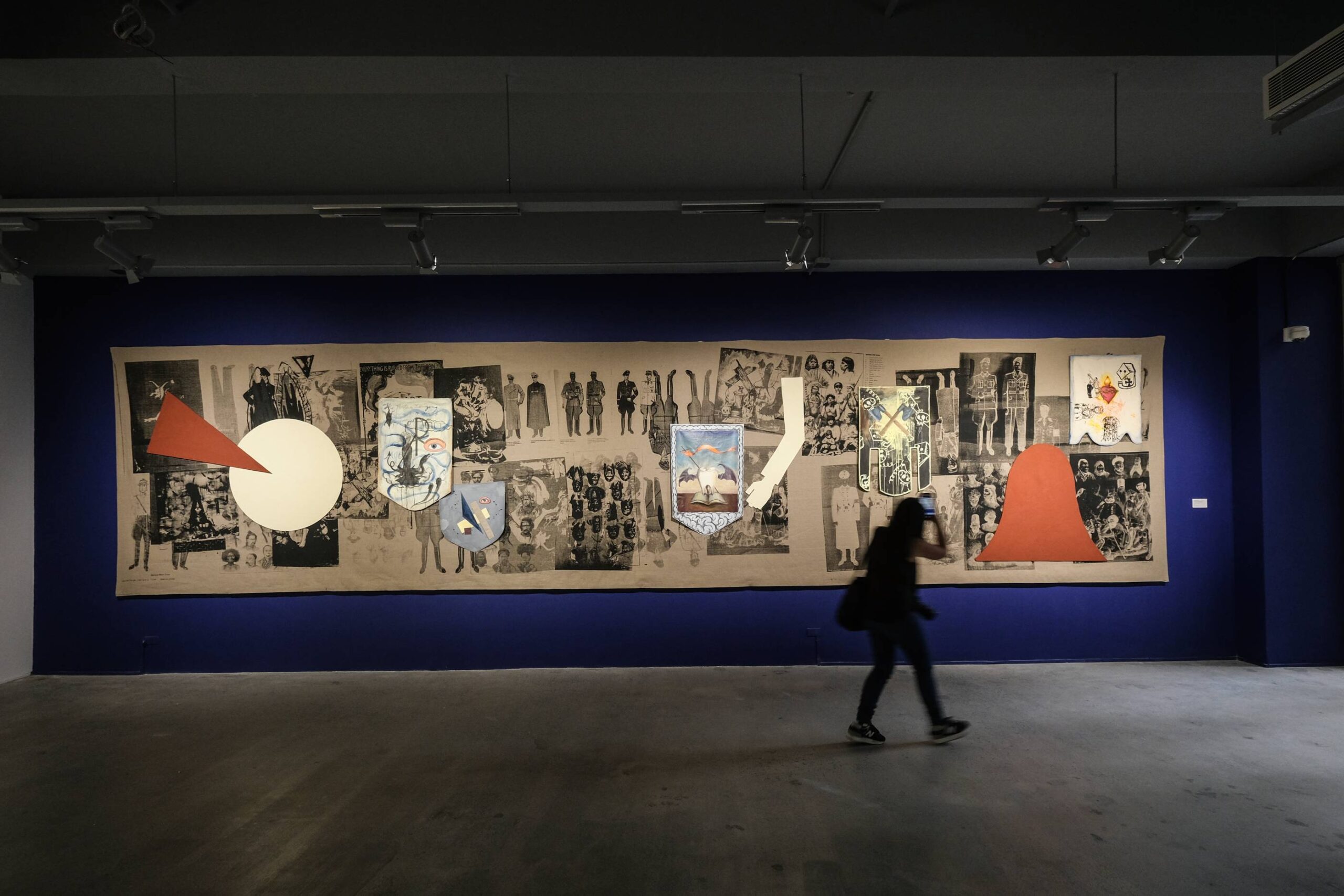
“Because many of these artists, they’re not originally in print,” he said. “So they reach out to print, but when they reach out to print, they bring into the engagement their previous practice.
“Whether you’re an installation artist or conceptual artist or even a performance artist, right? That’s where we see the intersection here between print and other mediums.”
Featuring artists like Manuel Ocampo, Charles Lim Yi Yong, Yanyun Chen, and Geraldine Javier, many of these works challenge “the plasticity of print,” pushing its adaptability to its limits and birthing something unique that features different parts of each medium within the form.
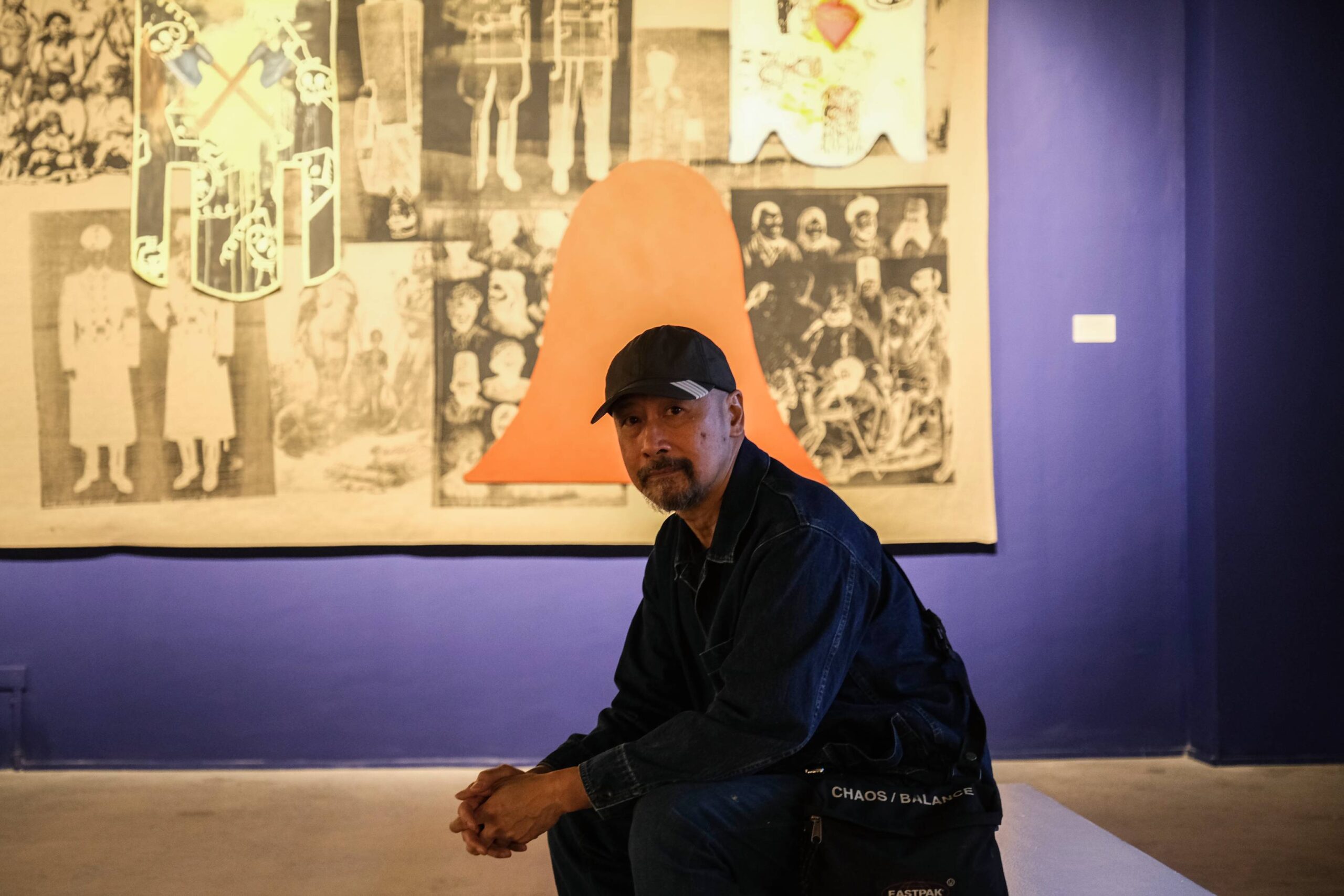
Ocampo, who was part of the panel, said that the process in STPI is “very disciplined.” Because of that, it allowed him to explore and create a variety of different works during his residency, including hand-painted collages, prints, and etchings.
New Opportunities, New Horizons
Emi Eu, the Executive Director of STPI, said that each person given a residency at their creative workshop is accorded the same collaborative openness to allow them to see a new potential for their brand of artistry.
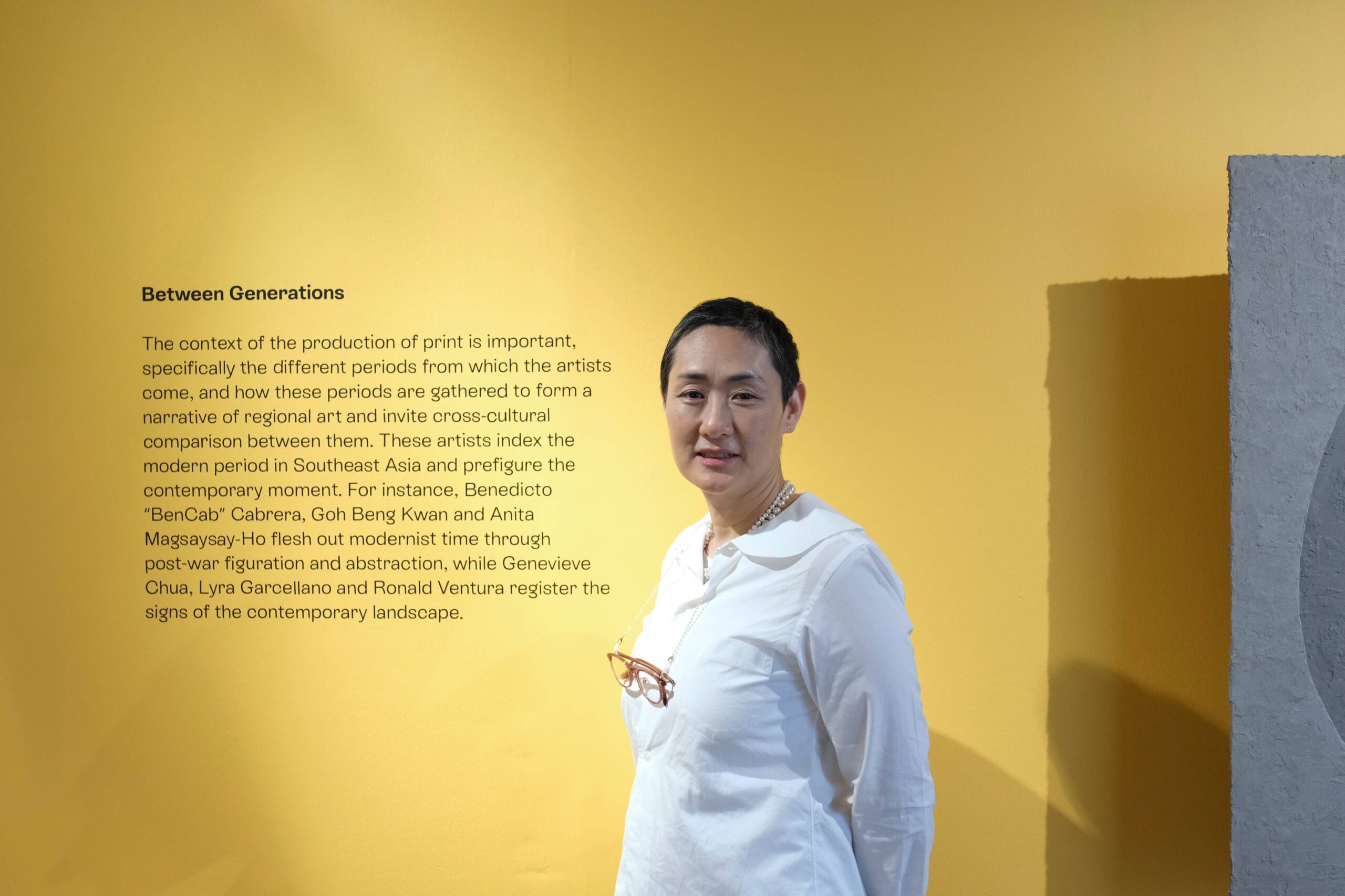
“We brought these artists together and they have to work with the same team, same resources provided to them and the same techniques,” she said. “But their output is very, very different. It’s a very different vocabulary, very different storytelling and narrative, and visuals as well.”
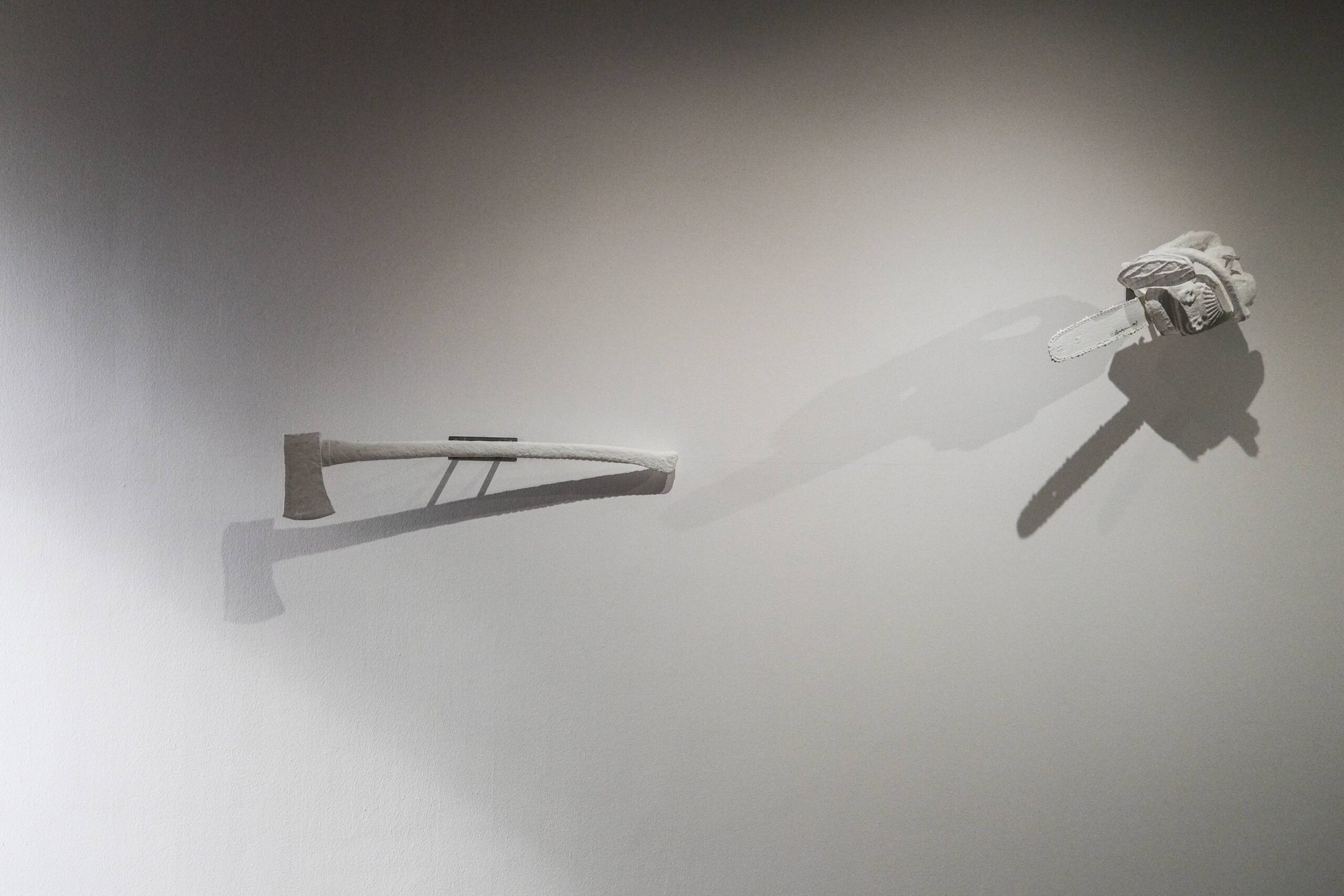
This is thoroughly showcased at the third part of the exhibit. For that portion, it displays the more experimental works that trended towards the potential future formats of print. Many of the works lean towards three-dimensional sculpture, or utilize future-facing methodologies like QR codes in the art form.
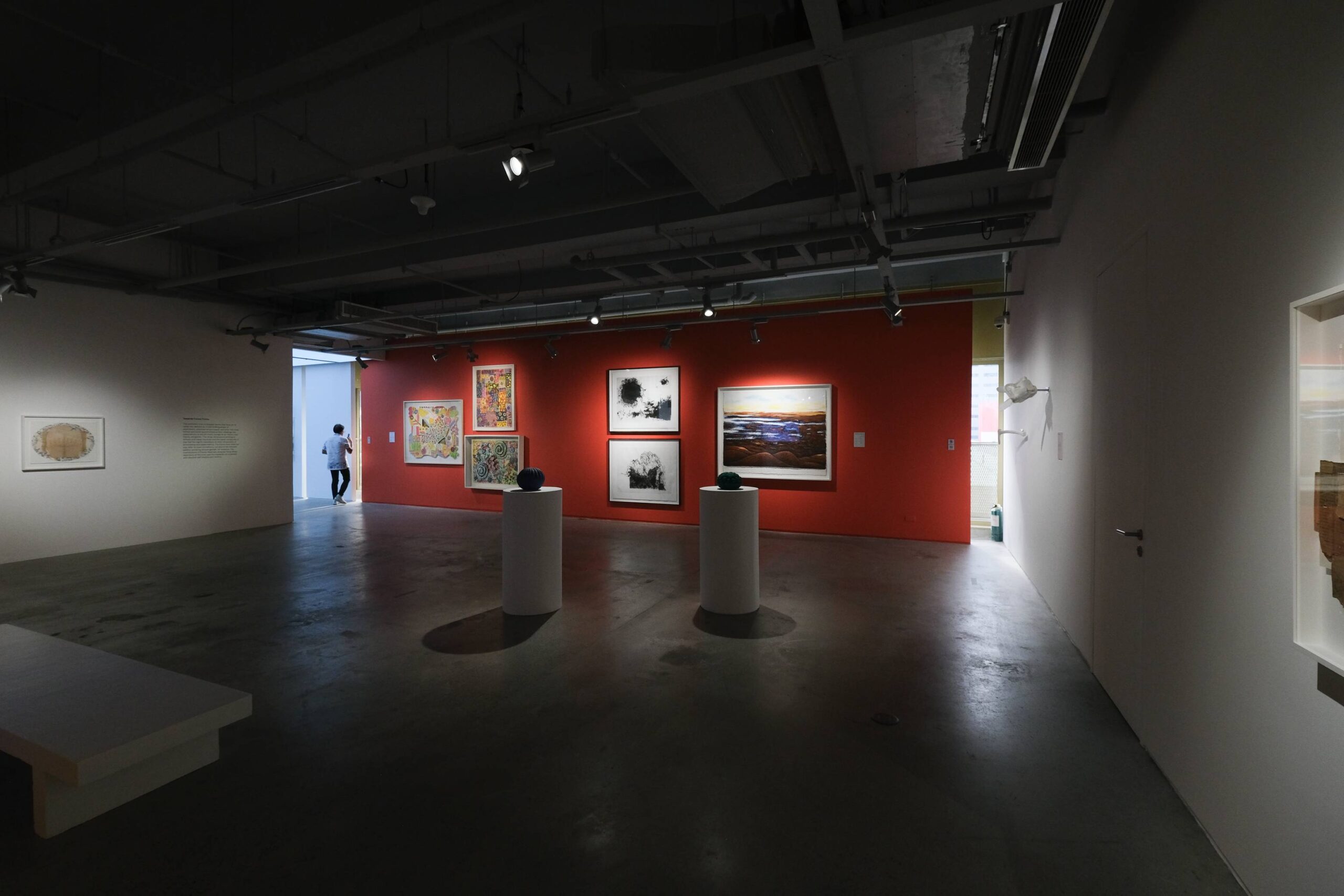
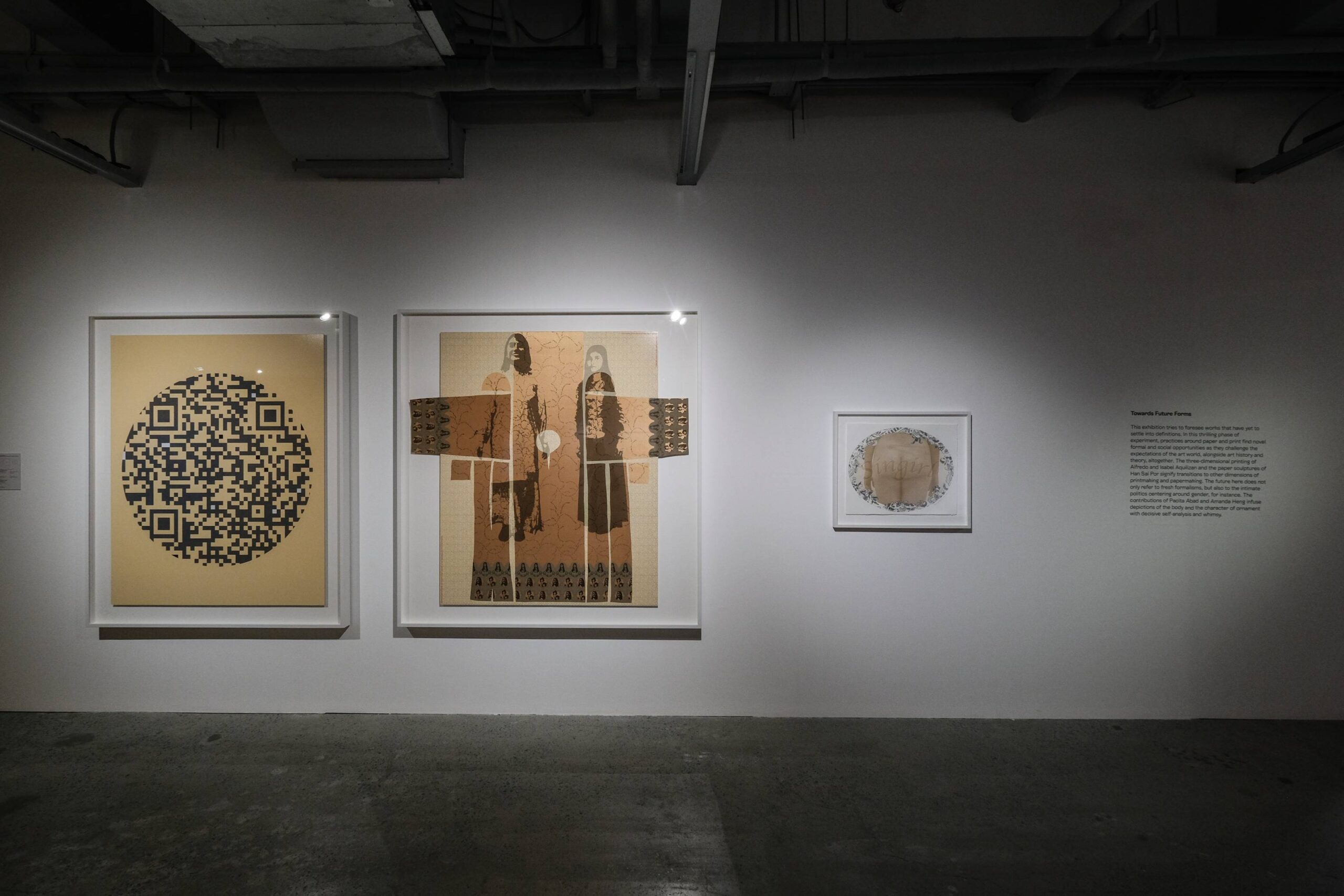
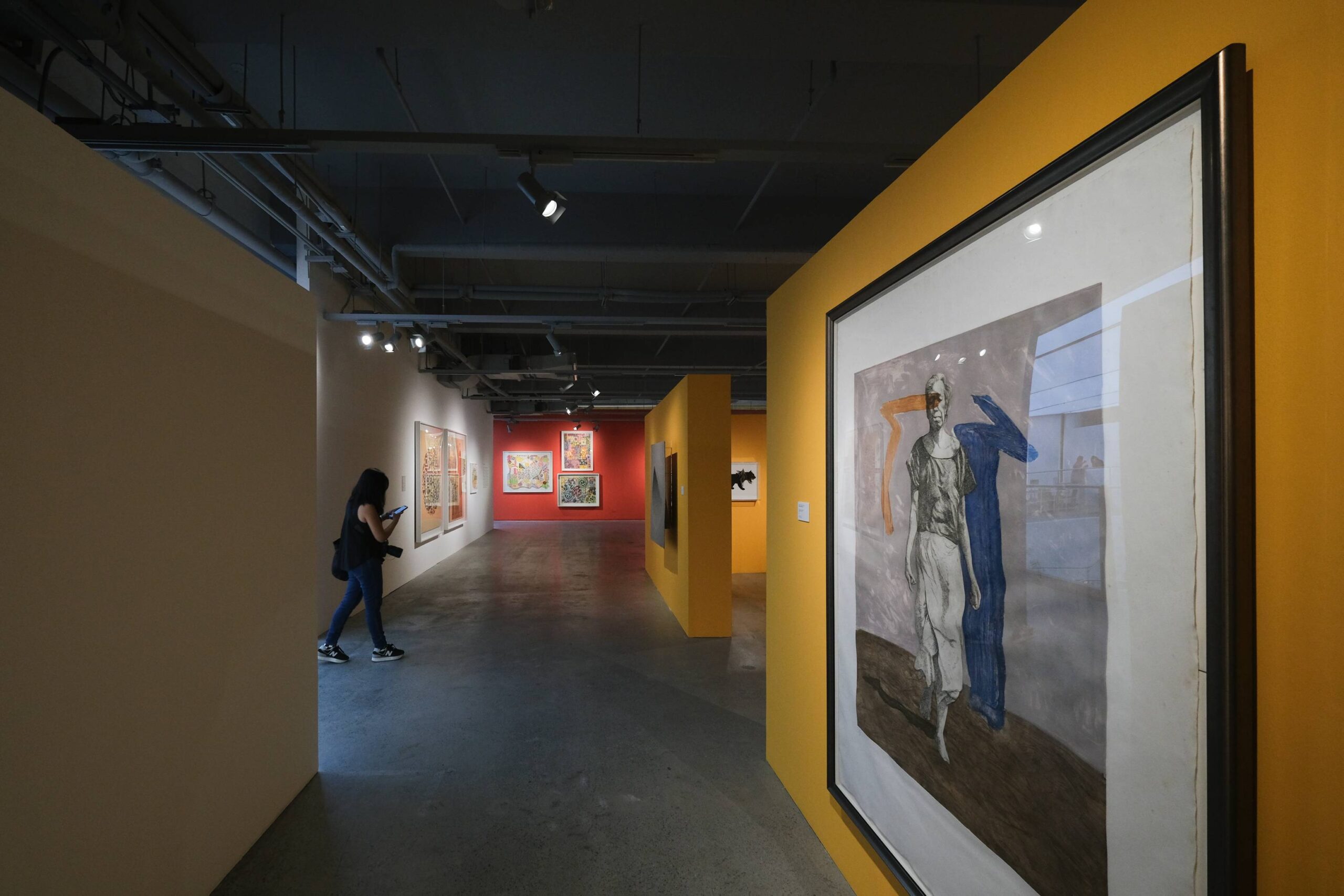
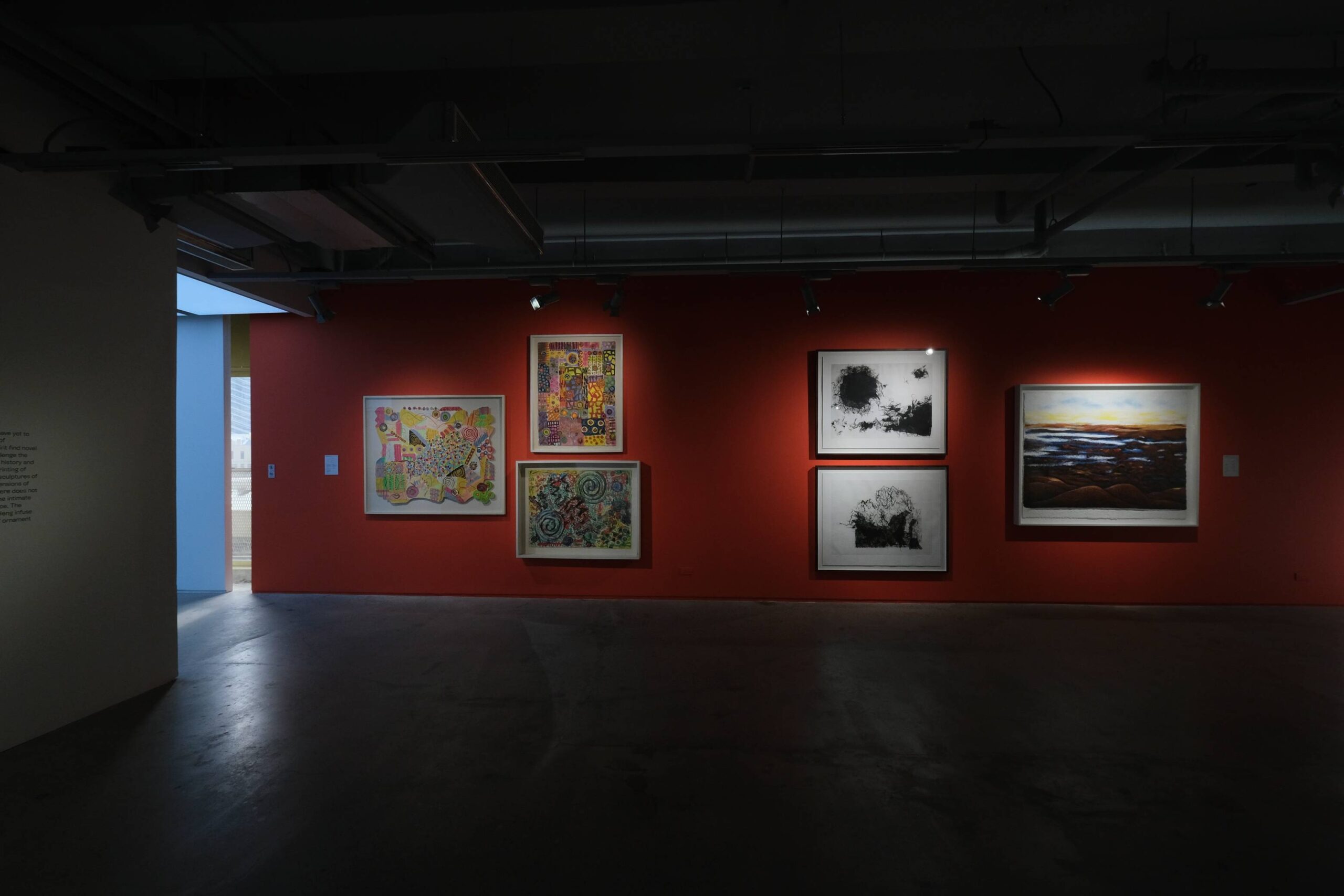
“Because of so [many] combinations of different methods… It’s some kind of print, but it also references performance,” Flores said about his choices for this portion. “That’s the main point of this section, that there is some kind of a new form, a future form. Then you [also] begin to ask, is this still print?”
Filipinos and Migration
It includes works by Pacita Abad, for whom STPI custom-made the colored paper she used in her works during her residency in 2003. Many works by Alfredo and Isabel Aquilizan were also included in this portion.
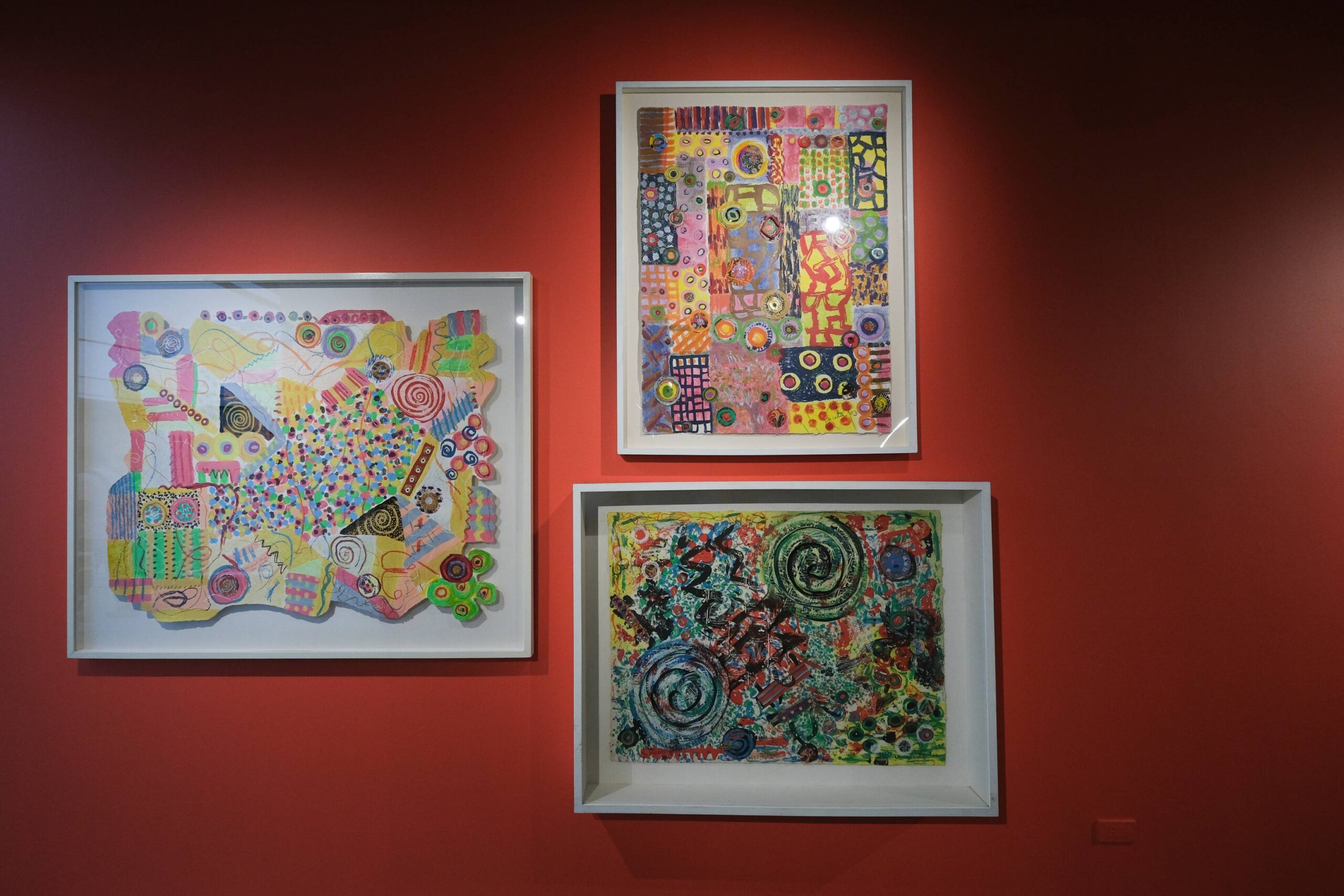
The Aquilizans, who were present during the panel talk, used interesting methods to create some of the works featured in this exhibit. For the two “Dwellings,” they used a steam roller to flatten some past cardboard works. They then cut them up and created new three-dimensional works for the residency.
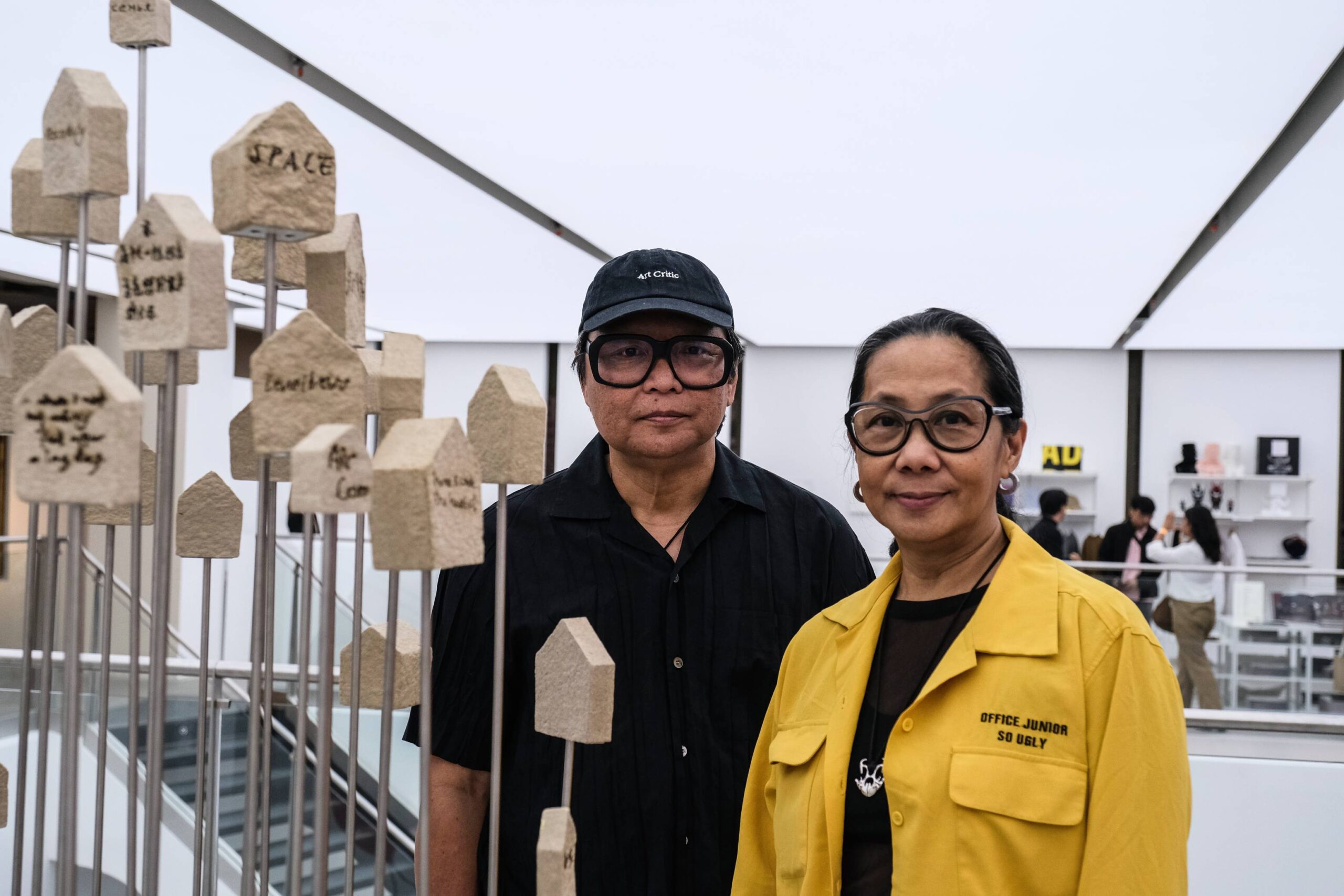
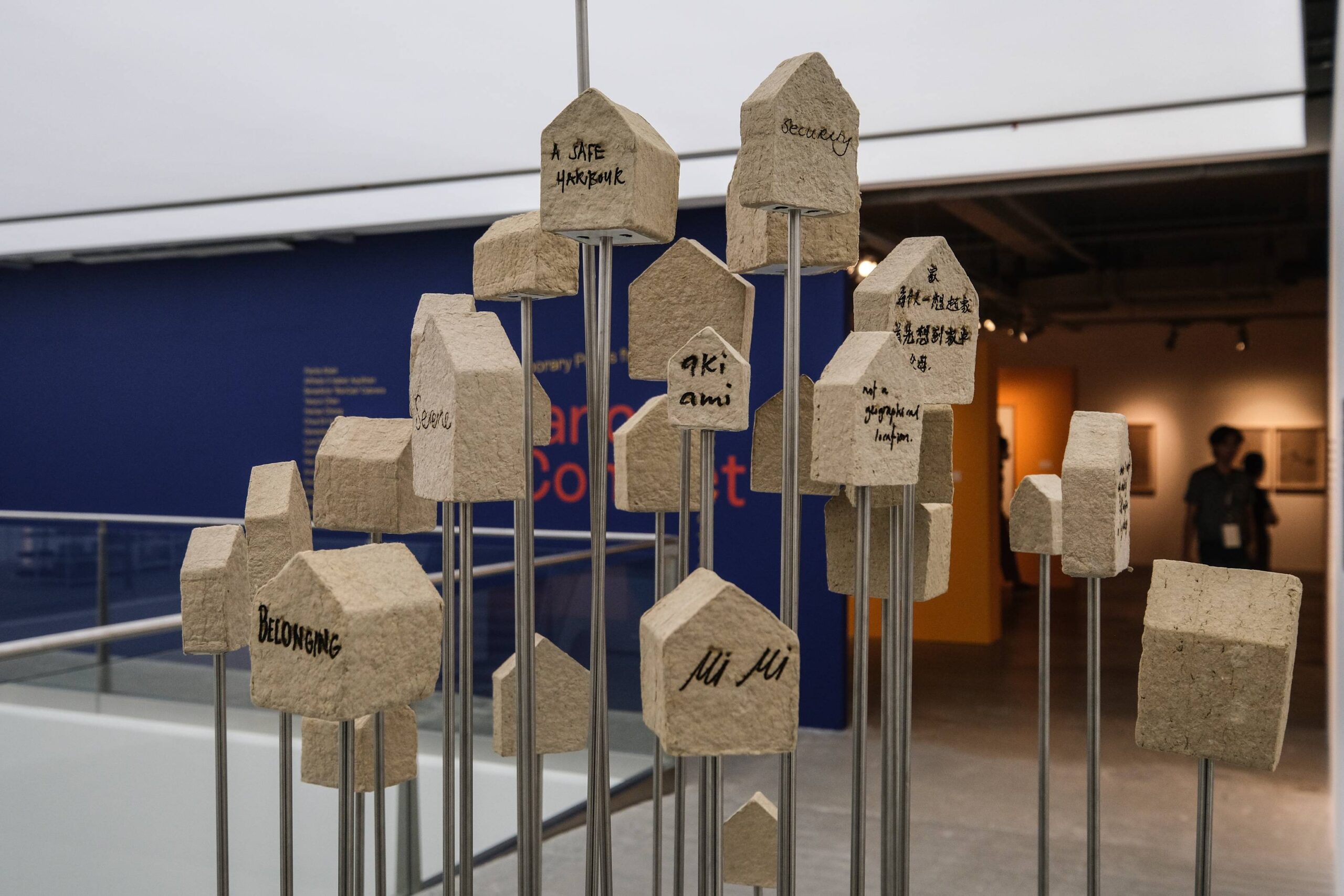
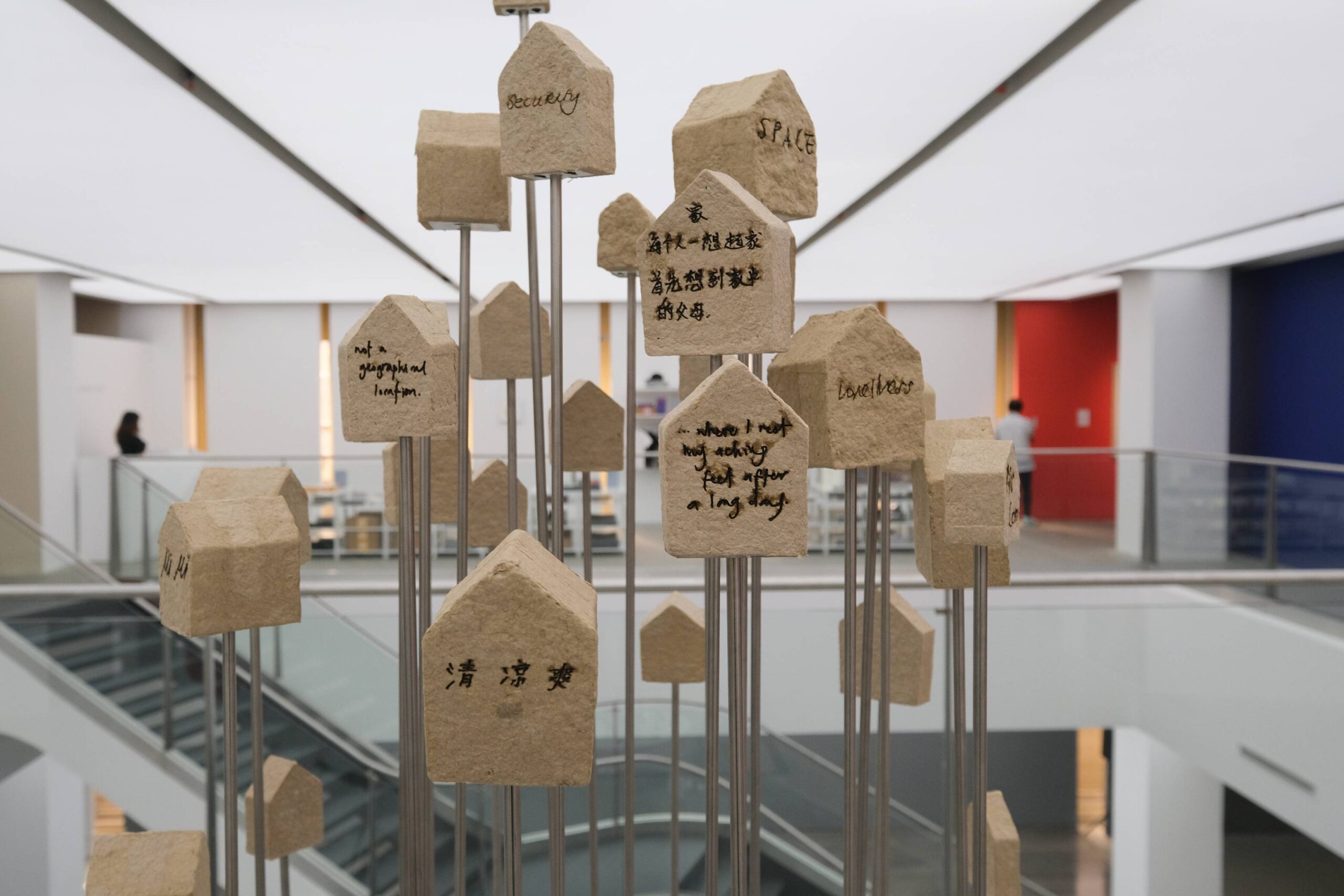
Their methodologies tie back to their core art tenet of repurposing materials towards a new context. All of these create an end product that speaks towards their unique ideas of migration and environmental storytelling which recurs in their oeuvre of work often.
Cultural Collaboration
For Flores, the exhibit finds its connective tissue in allowing artists to reconceptualize their approach within a new medium.
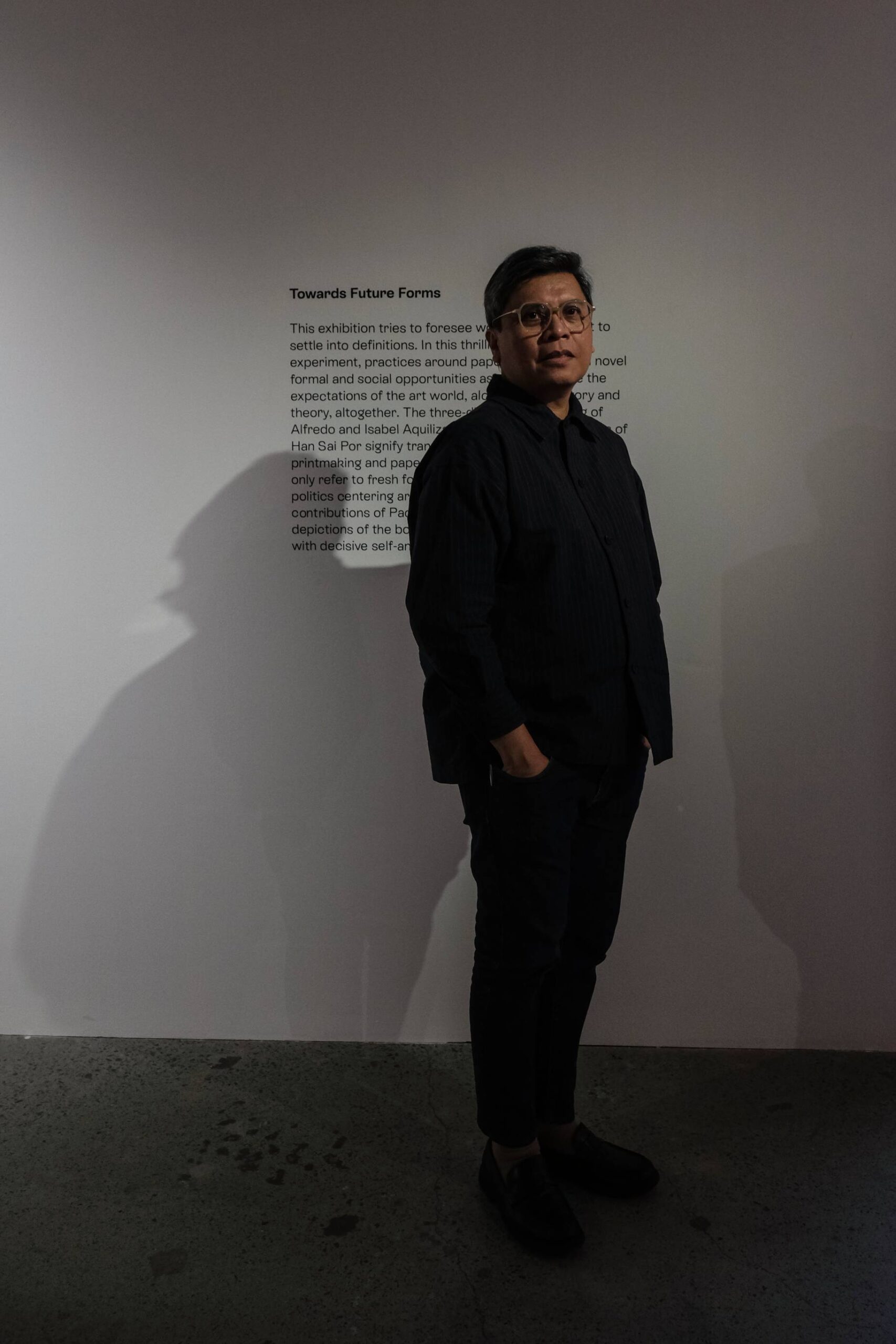
“I think that’s a more formal kind of connection, that they are all interested in print as a medium,” he said. “As an artist trying to explore possibilities, they reflect on the medium. I think that’s also, I mean, in the reconceptualization of what art is, what form is, I think that’s a common issue too.”
Meanwhile, Eu thinks that the structured environment that STPI provides during an artist’s residency expands their ability to explore ideas and feed their curiosity. “They’re always interested in new mediums, new ideas, new frontiers, and they want to always be the one to go there and conquer it and go to the next level,” she said.
“I mean, you look at the show later. Some are really minimal, some are very poetic, some are very visually strong. But at the end of the day, the common ground here is that they’re really doing something that they’ve never done before.”
Related reading: ‘Transitions and Continuity’ Provokes Questions in Creating Video Art
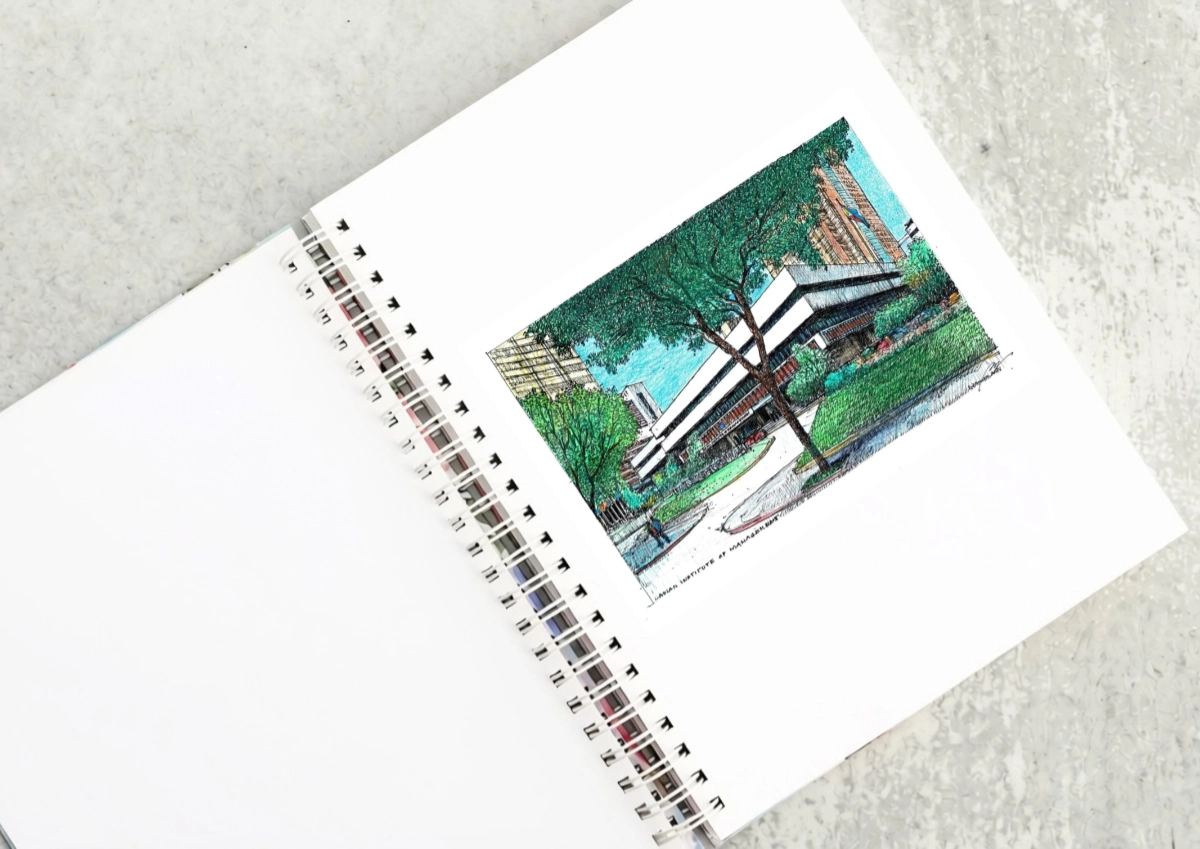
A Filipino Interpretation of Modernist Architecture Unlike the rest of Makati today, the northern end of Paseo de Roxas in Makati is anchored by a low complex rather than a tall skyscraper. This is the elegant Asian Institute of Management, designed by architect Gabriel Formoso and completed in 1971. In my opinion, the building is […]
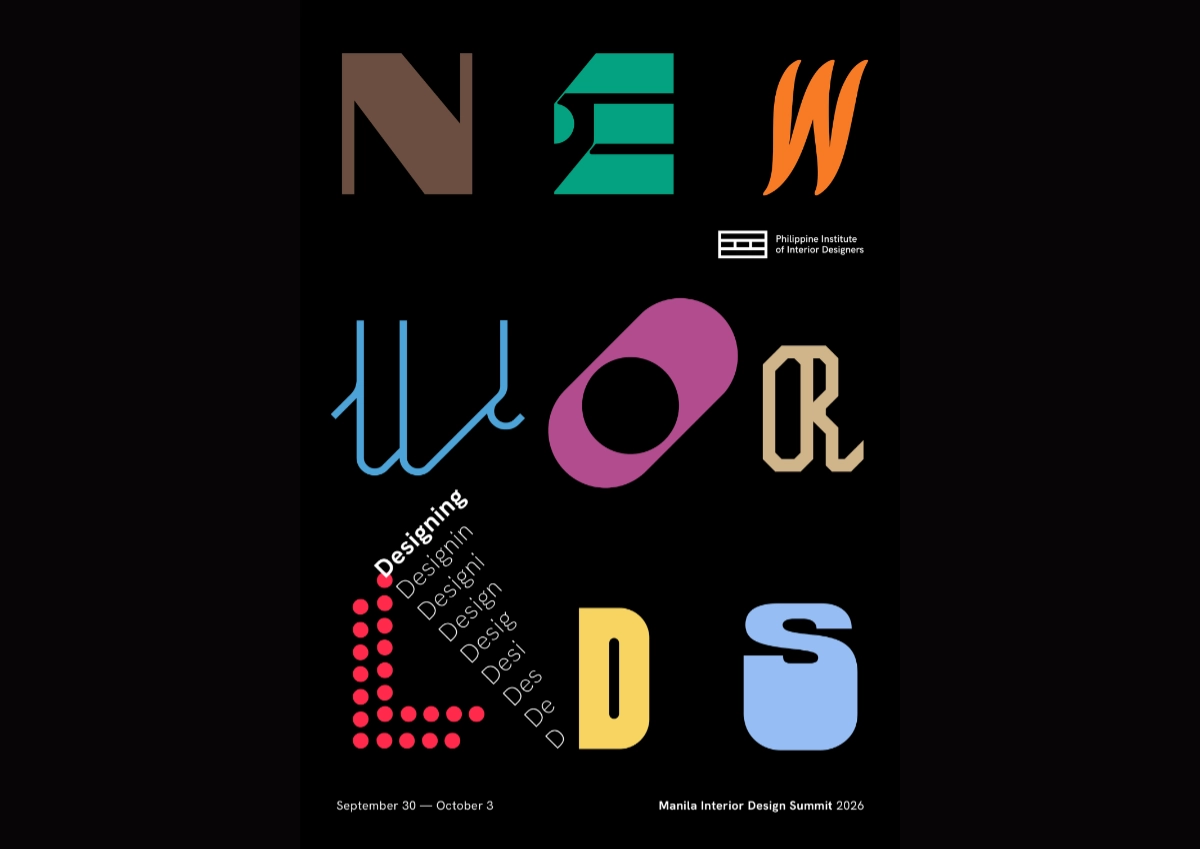
“Thailand has claimed urban creativity and livability. Singapore has institutional design leadership. Indonesia is emerging as a design hub. Vietnam is moving into design innovation. And the Philippines? Its position is not weak. It is simply unclaimed.” For IDr. Cecil Ravelas, National President of the Philippine Institute of Interior Designers (PIID), the challenge is not […]
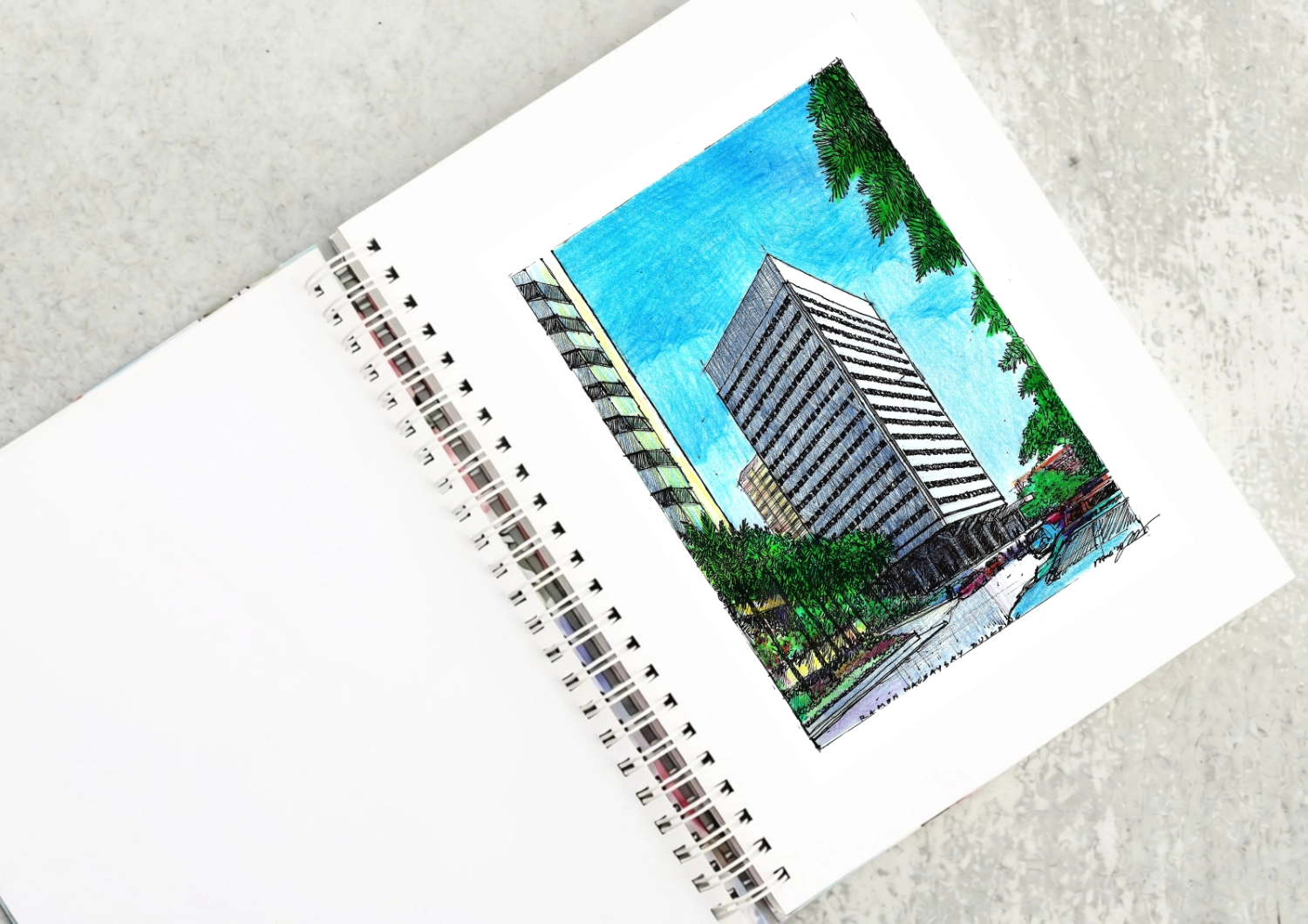
The Ramon Magsaysay Center as a Modernist Landmark Driving down Roxas boulevard from Rizal Park, what will catch your eye is the most elegant modernist structure in the country, the Ramon Magsaysay Center. Most established Filipino architects put it in their top ten lists of favorite buildings. It was designed by Alfredo J. Luz, who […]

Rinna Soriano’s favorite part of her work is sanding. At her workbench, she stays focused, following the grain, adjusting to changes in its direction. Narra, she has learned, can have interlocking grain. A piece of mango once proved particularly difficult until a worker explained that she had reached the point where a branch once grew […]
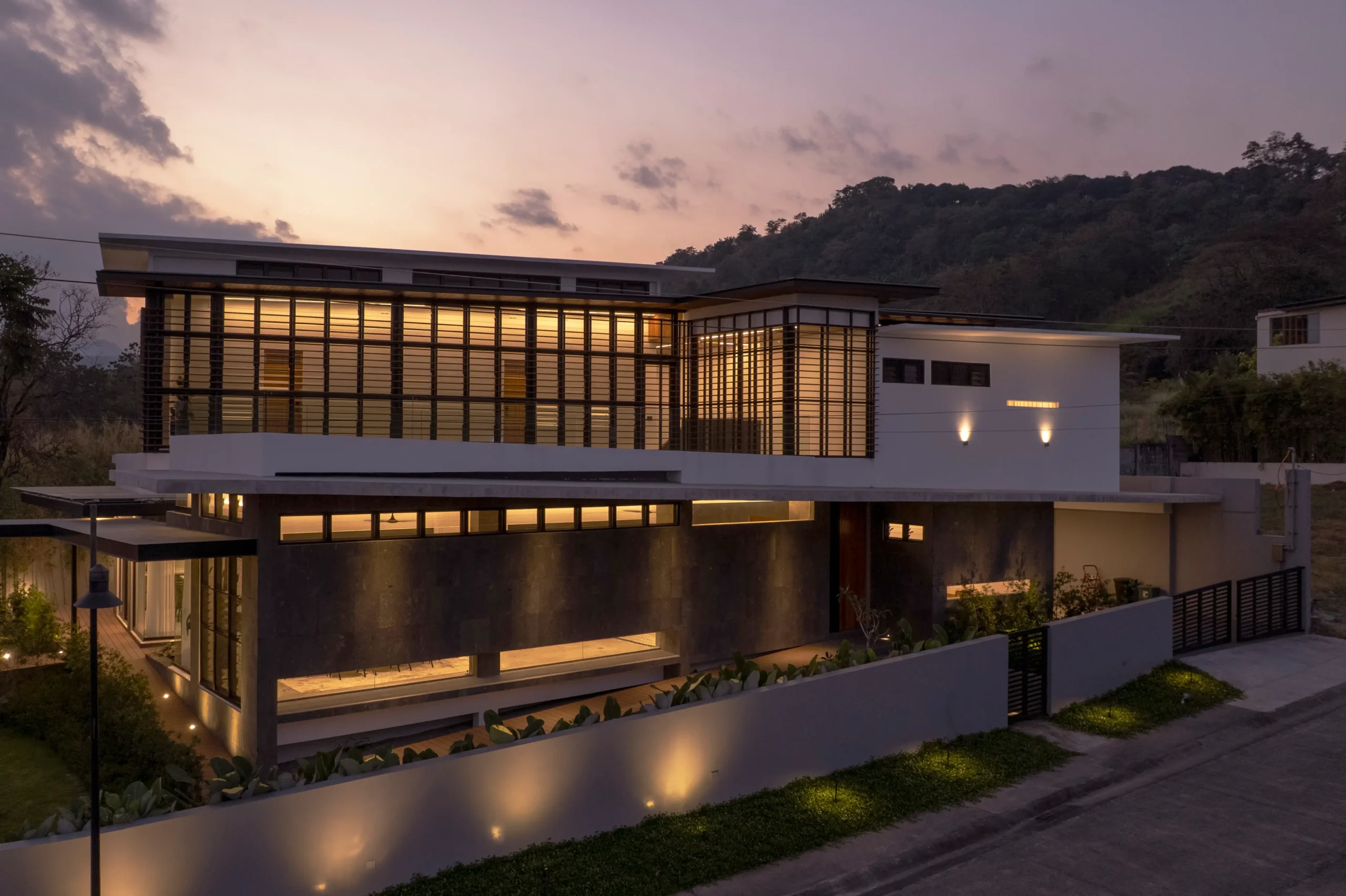
Filipino architectureArchitectureThe art and science of designing and constructing buildings, structures, and spaces that are functional, safe, and aesthetically pleasing. It encompasses the planning, design, materials, and techniques used to createGo to Architecture Glossary has long been associated with indigenous materials and vernacular design strategies, from bamboo and timber construction to jalousie windows, generous spaces, […]
Read the issues.

Collect the volumes.

Recommended Video
Tap to Unmute
Unmute
0:00
0:00