Bigkis is the act of binding. In Tagalog, the word can refer to something used to bind or encircle, as well as a bundle formed by tying several separate elements together. Figuratively, it can also mean a bond, union, or unity. The meanings move from the physical act of joining things together to the connection […]
‘Inherent Vice’: Stephanie Syjuco Digs Through Archives of Past Turmoil



The new exhibit by Stephanie Syjuco at Silverlens Manila, Inherent Vice, arouses discussions about the neutrality of media when under oppressive regimes. In a country like the Philippines where we straddle the line between democracy and authoritarianism on a daily basis, the exhibit questions the culpability of the press to perpetuate state-approved narratives with ease.
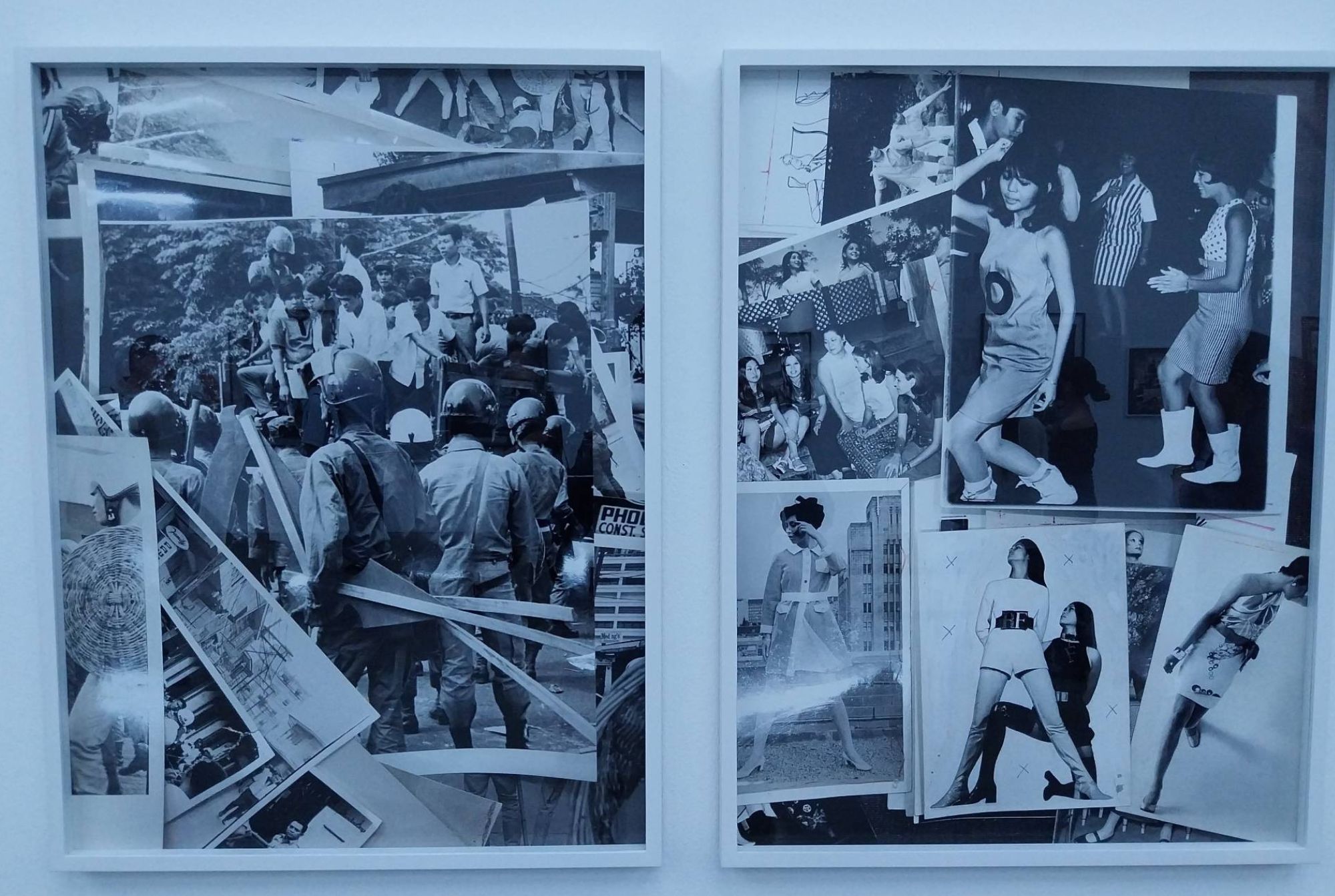
Opened on August 29, the exhibit uses archival photographs from The Manila Chronicle between 1968 and 1972. Stephanie Syjuco worked with materials provided by the Lopez Museum and Library to create a picture of our history at the time. She uses photographs taken from different sections of the newspaper, from the lifestyle to the news section.
Syjuco herself mainly worked on American photographic archives of the Philippines for the past five years. During that time, she worked to create a different narrative of Filipino life at the era away from the colonial narrative. She applied that investigative vigor for the first time with materials made by Filipinos, for Filipinos.
Finding Politics in the Banal
Inherent Vice contrasts images of beauty, power, and turmoil together to create a complicated narrative of the time period. Different photo collages contain models wearing the fashion of the time, hair carefully done to showcase their style. Alongside these photographs are those of police and military officers violently stamping down protests and riots against the first Marcos administration.
That contrast repeats in many of the works exhibited. It shows the aftermath of student protests and images of political figures like Ferdinand Marcos and Ninoy Aquino alongside pictures of models in furnished rooms, showing off their hair and clothes as if they’re without a care.
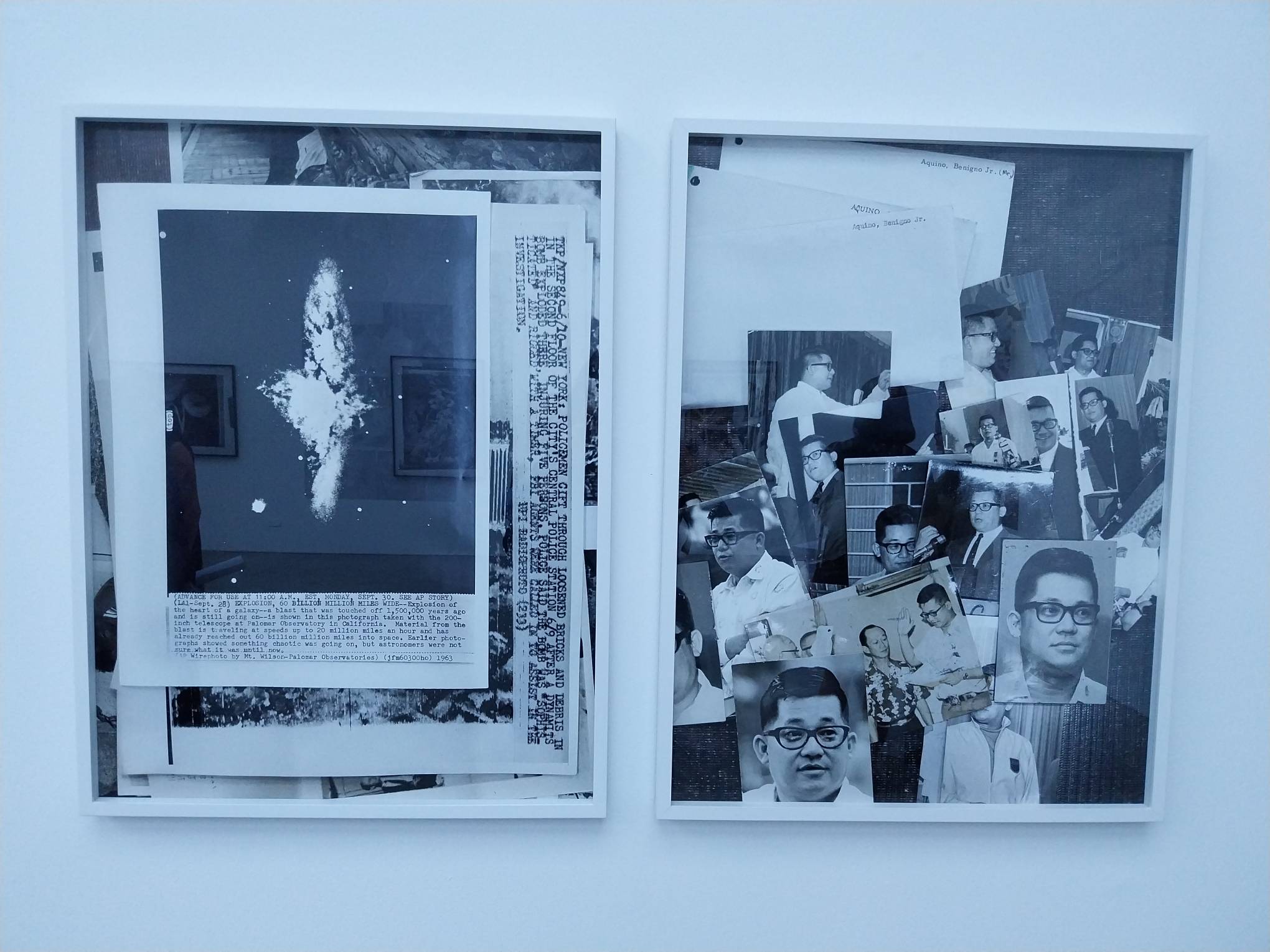
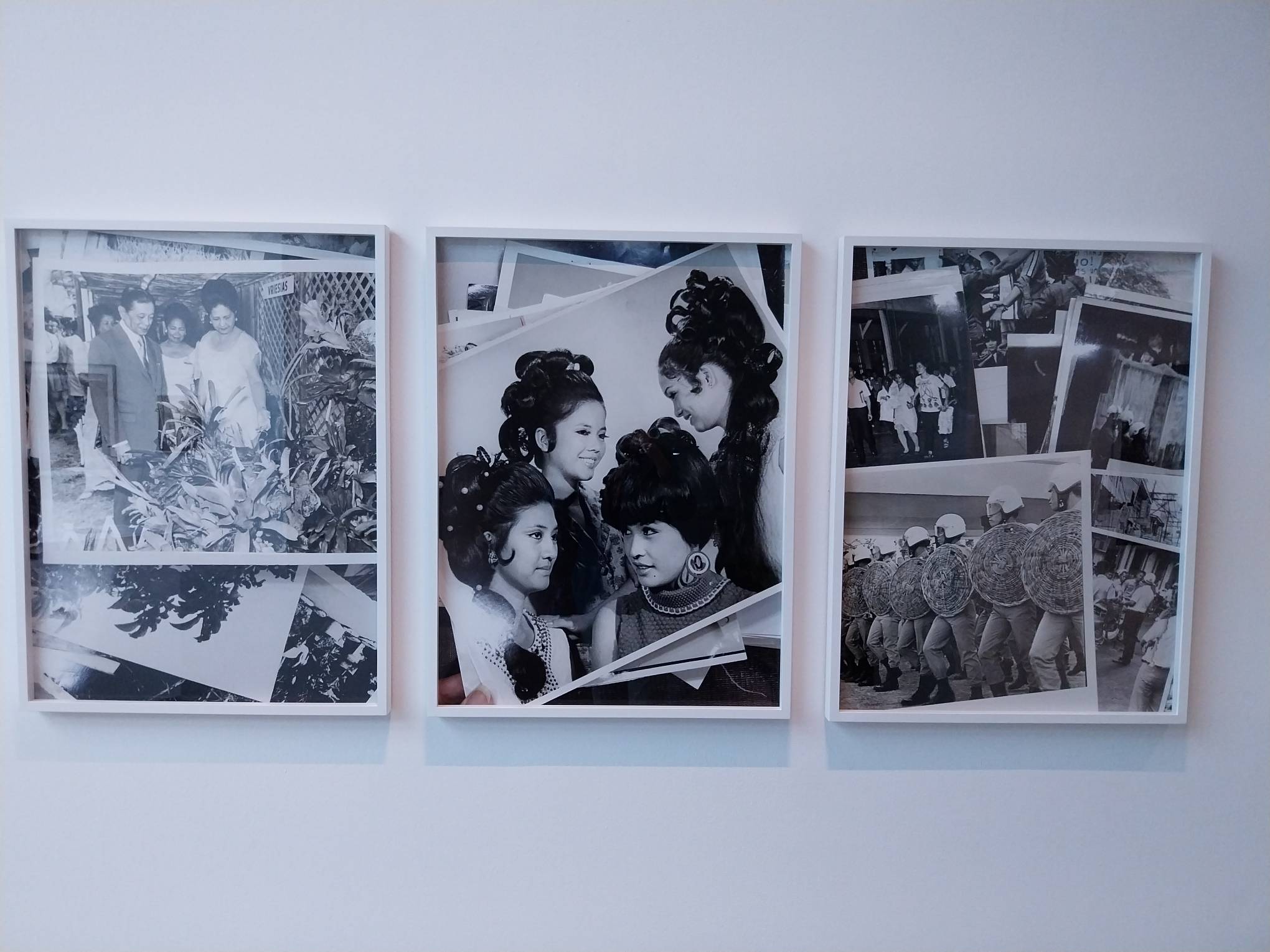
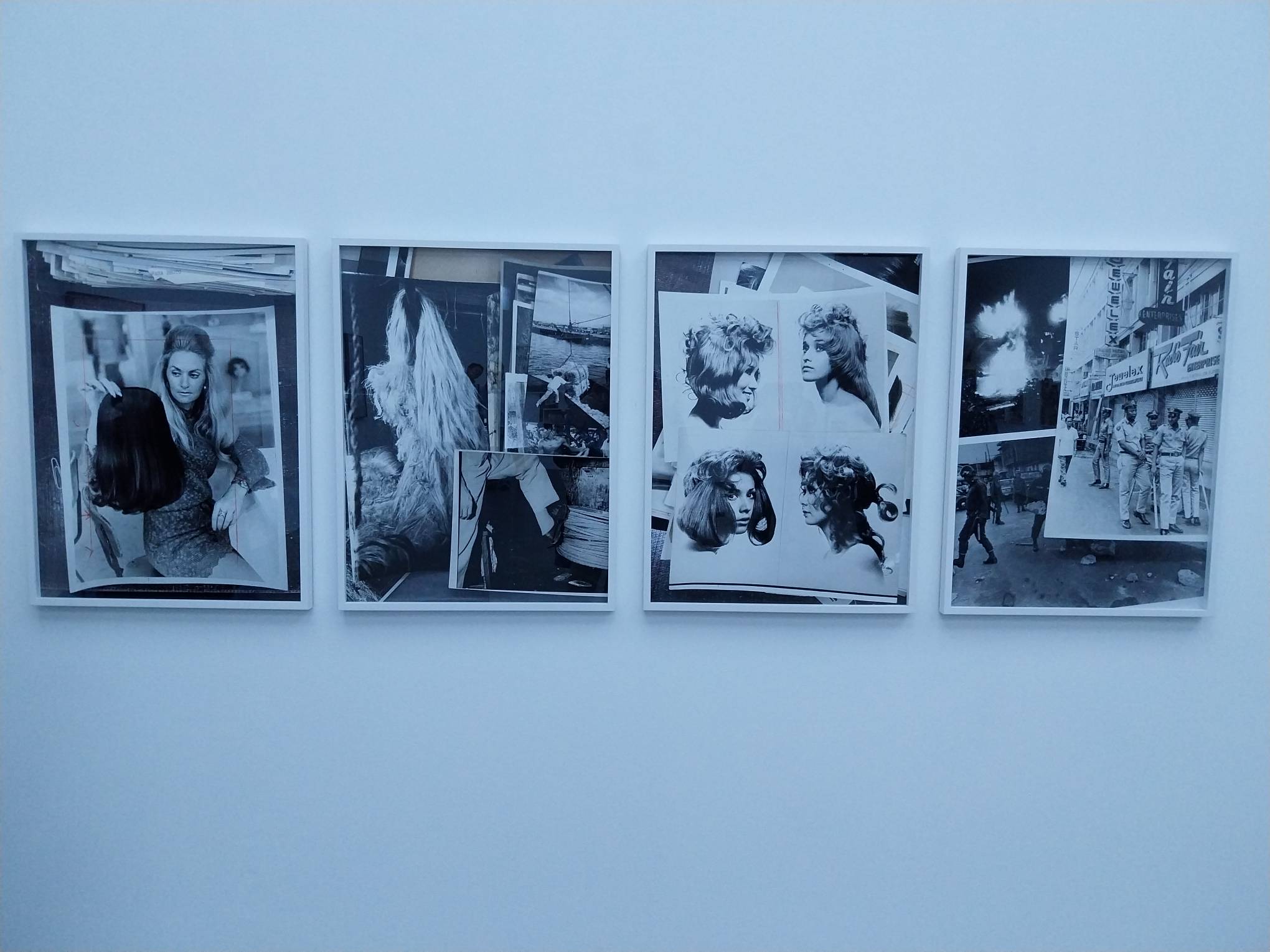
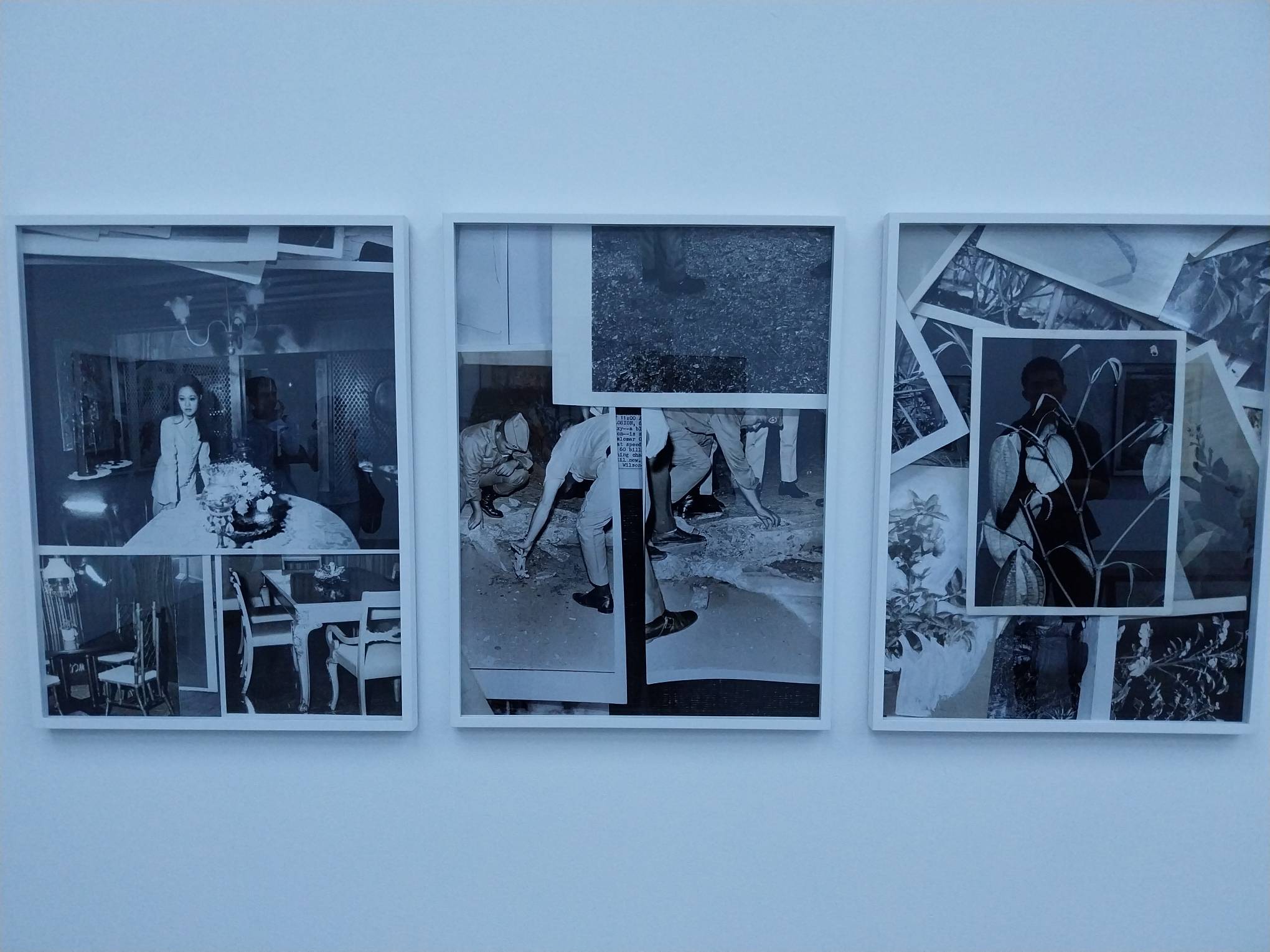
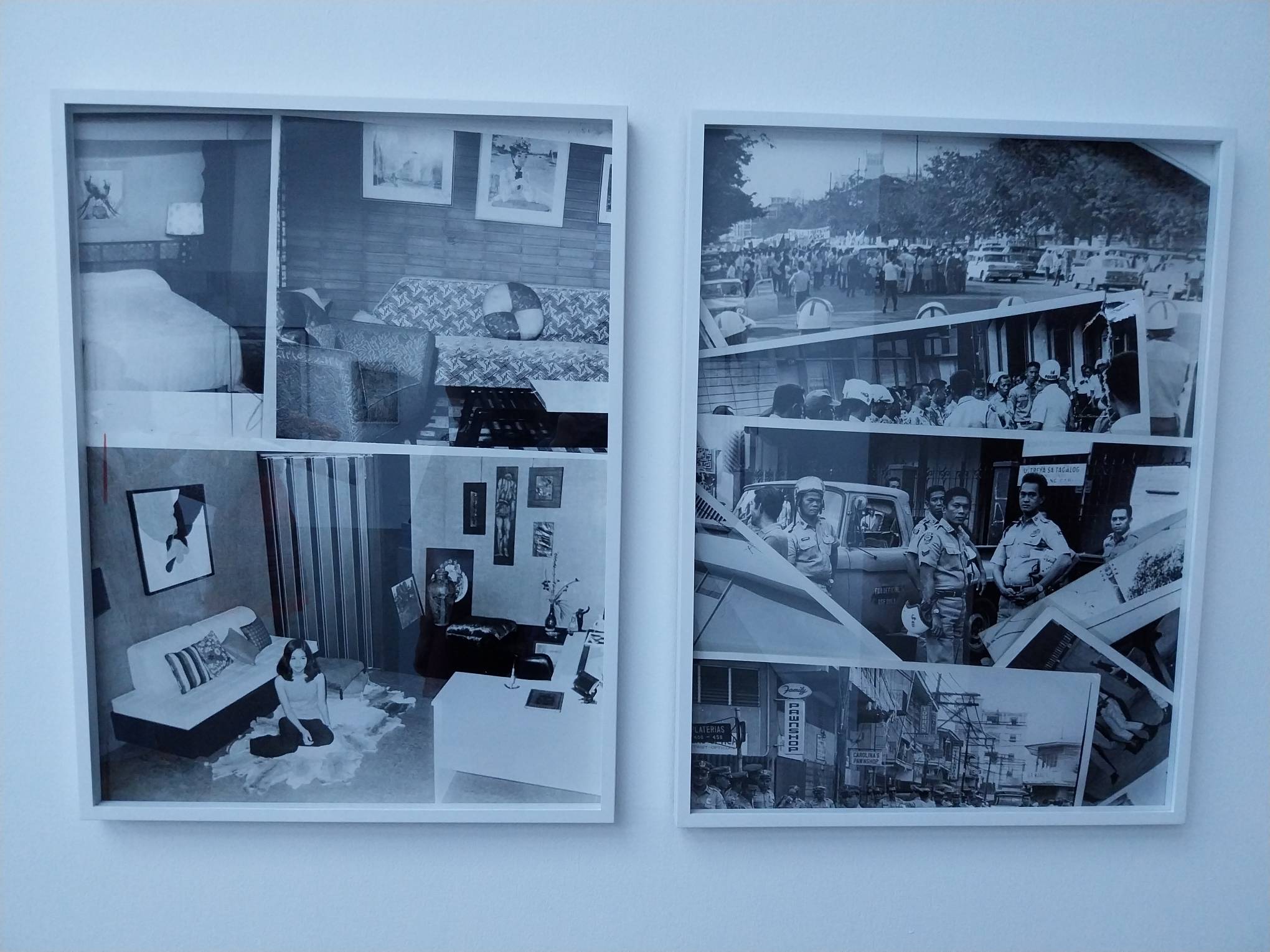
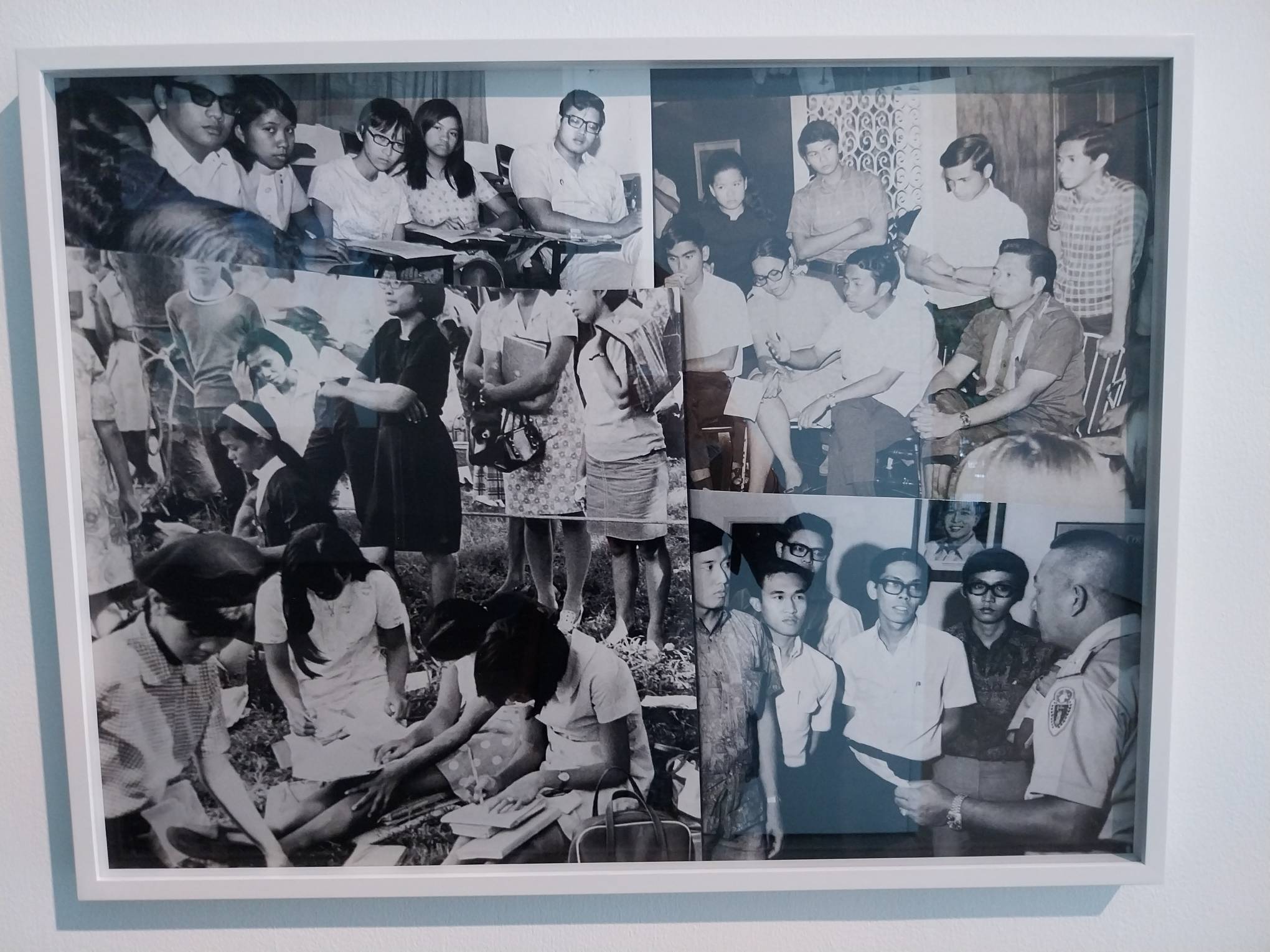
All of this portrays the similarities of the news today and the news yesterday. Protests and political maneuvers have always coexisted together with gossip, art, and lifestyle. What Stephanie Syjuco attempts to capture beyond the chaos, however, is the interconnectedness between the two. They seem to work together, the bane and the balm, to placate the masses without diverging from approved narratives of the time.
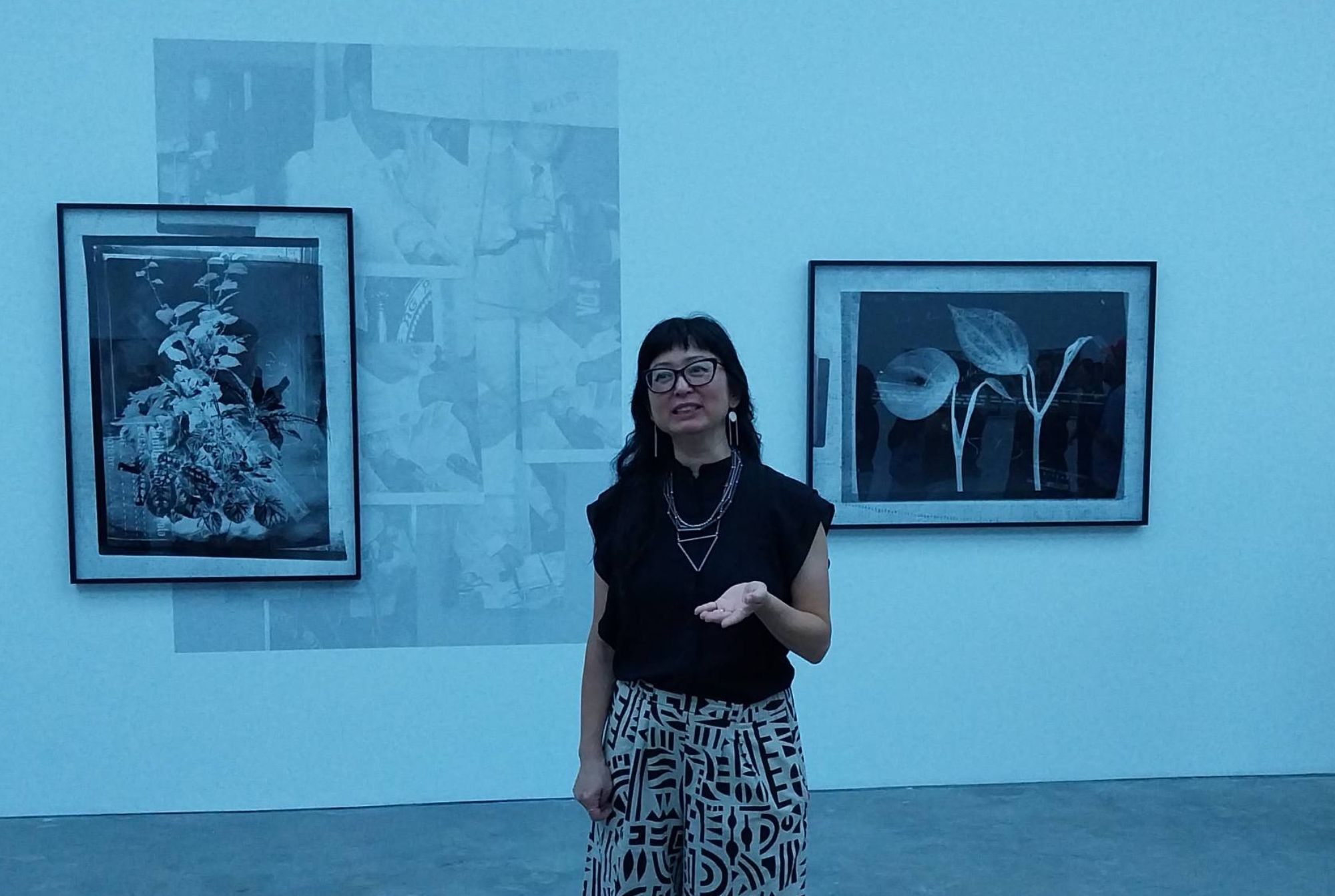
“I think this body of work is also attempting to bring forward these historical images that, in some cases, some people might not want to see. And it’s about remembering a part of Filipino history that was very much real,” Syjuco said.
Force Majeure
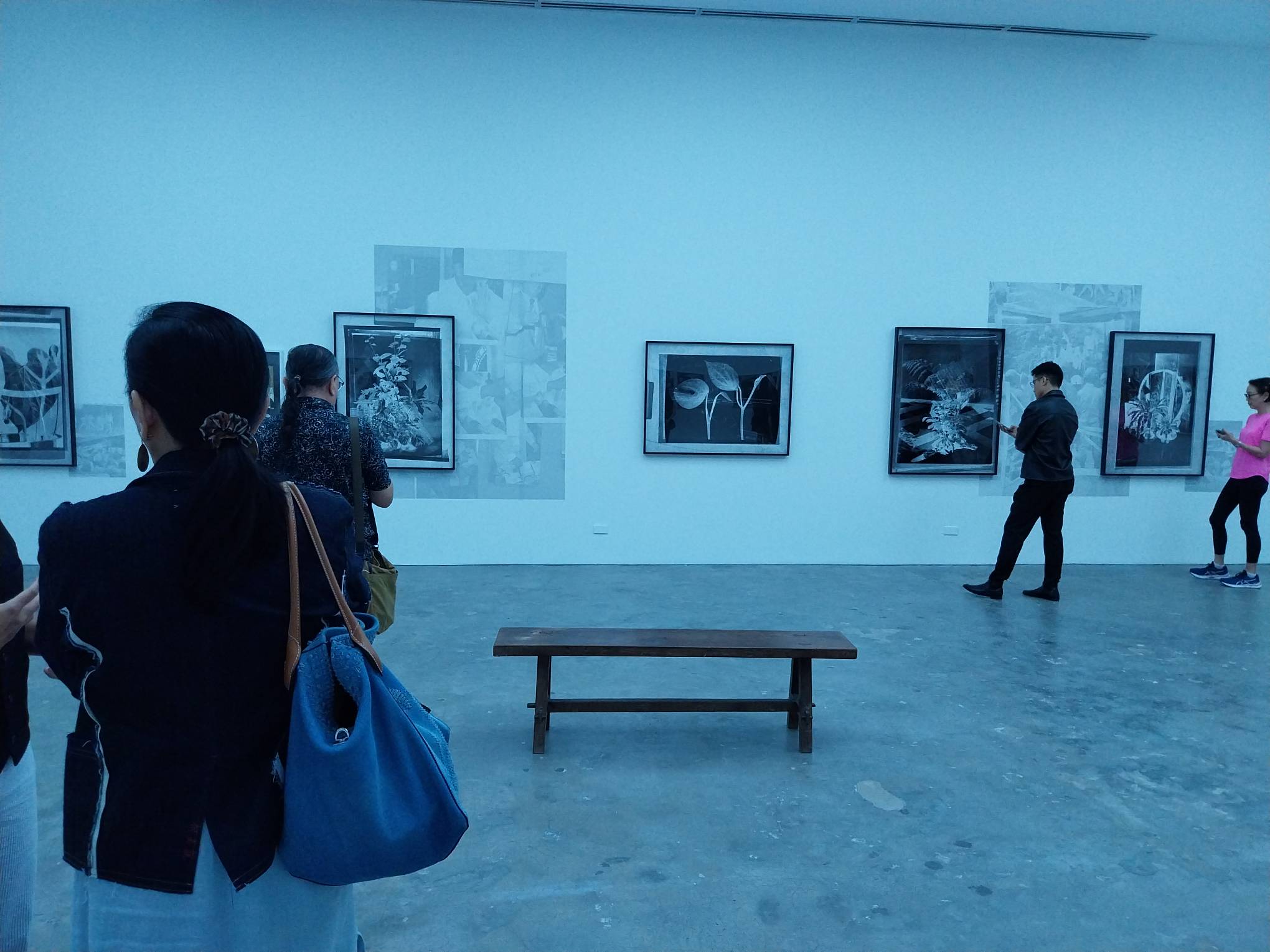
The bigger pieces in the center of the room, collectively called “Force Majeure,” expands this in the bluntest way. Photographs of plants and flowers are paired together with captions describing the protests. Next to them, the pictures of the protests and politicians are blown up and faded, as if to imply that even in the background of the beauty, the chaos remains.
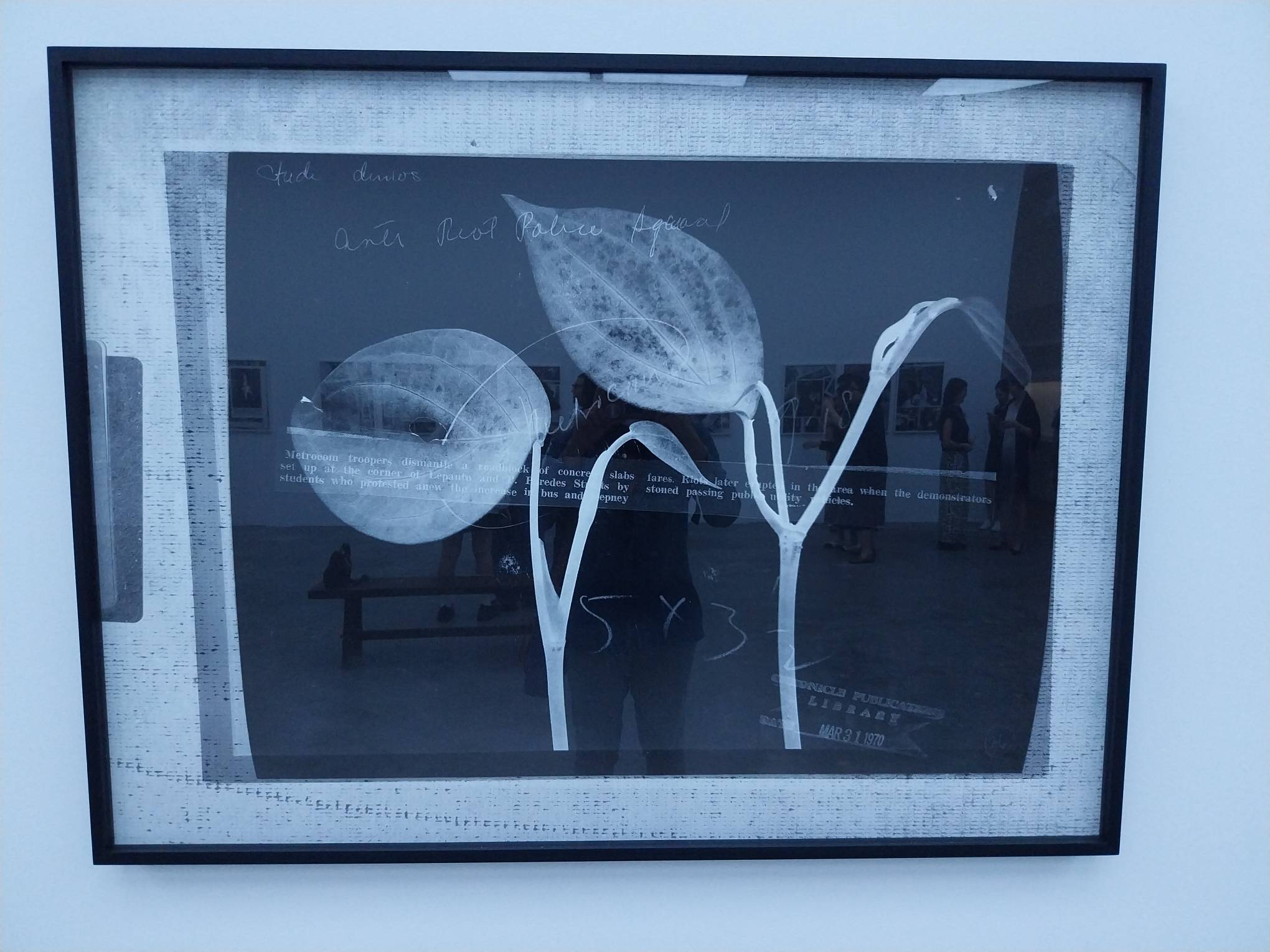
“It’s kind of a camouflage,” the artist said. “When you first see the plant photographs, you might think it’s a really still life, and then you get closer and you actually start seeing these captions of student protests. And so, if you go closer, and if you read it, it’s actually overlaid with captions from photographs taken at about the same time of protests and riots, anti-government protests.”
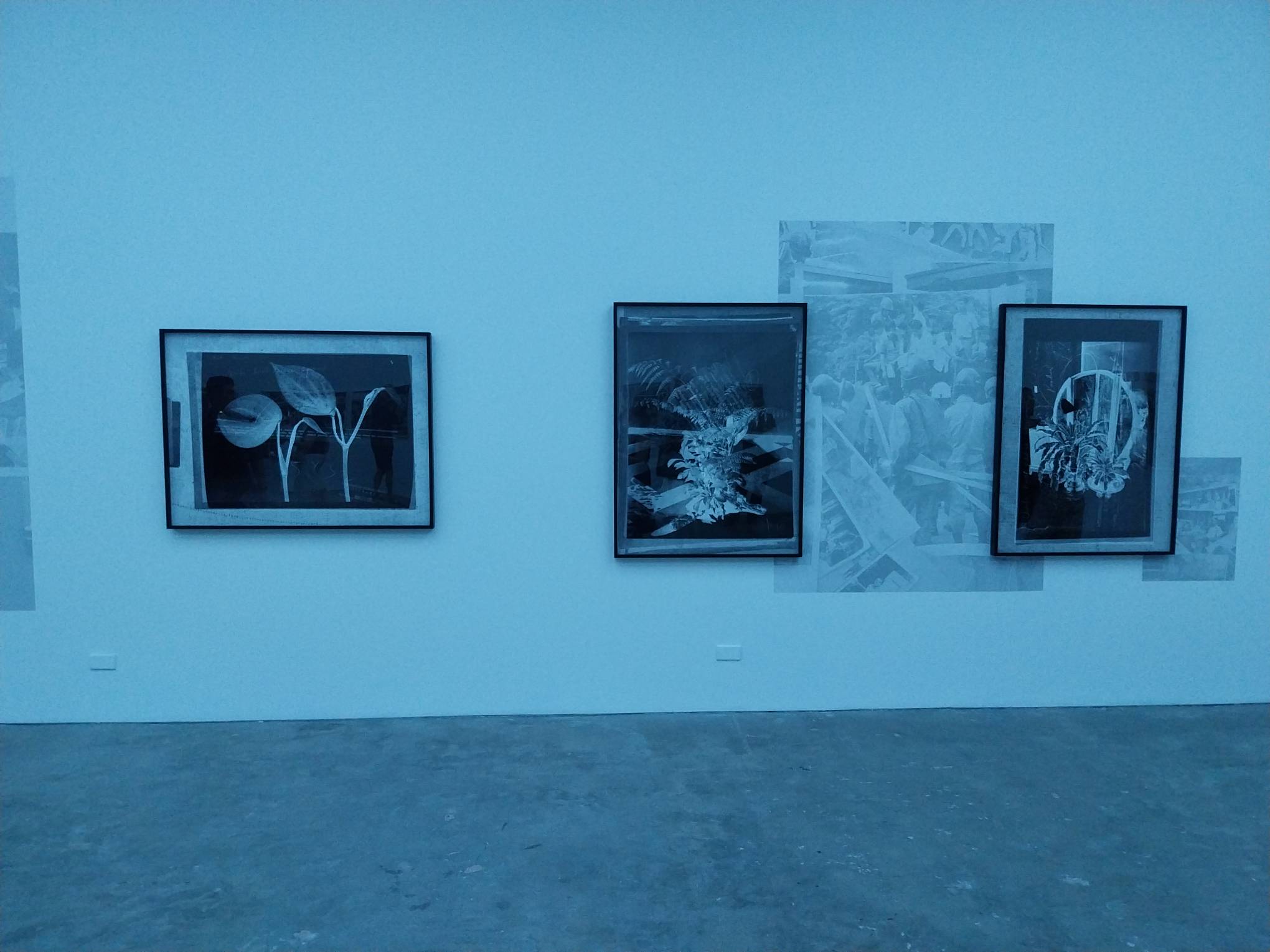
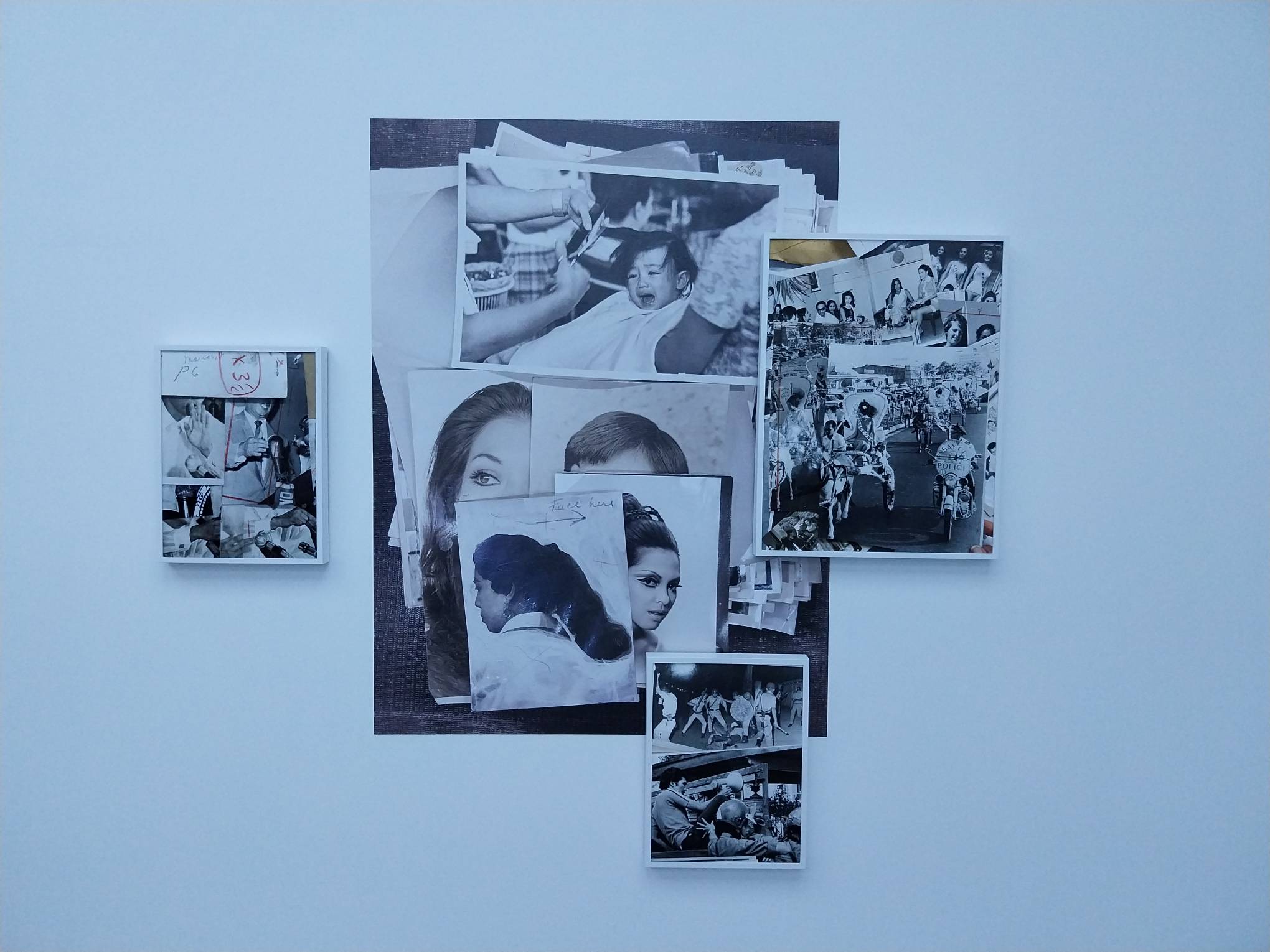
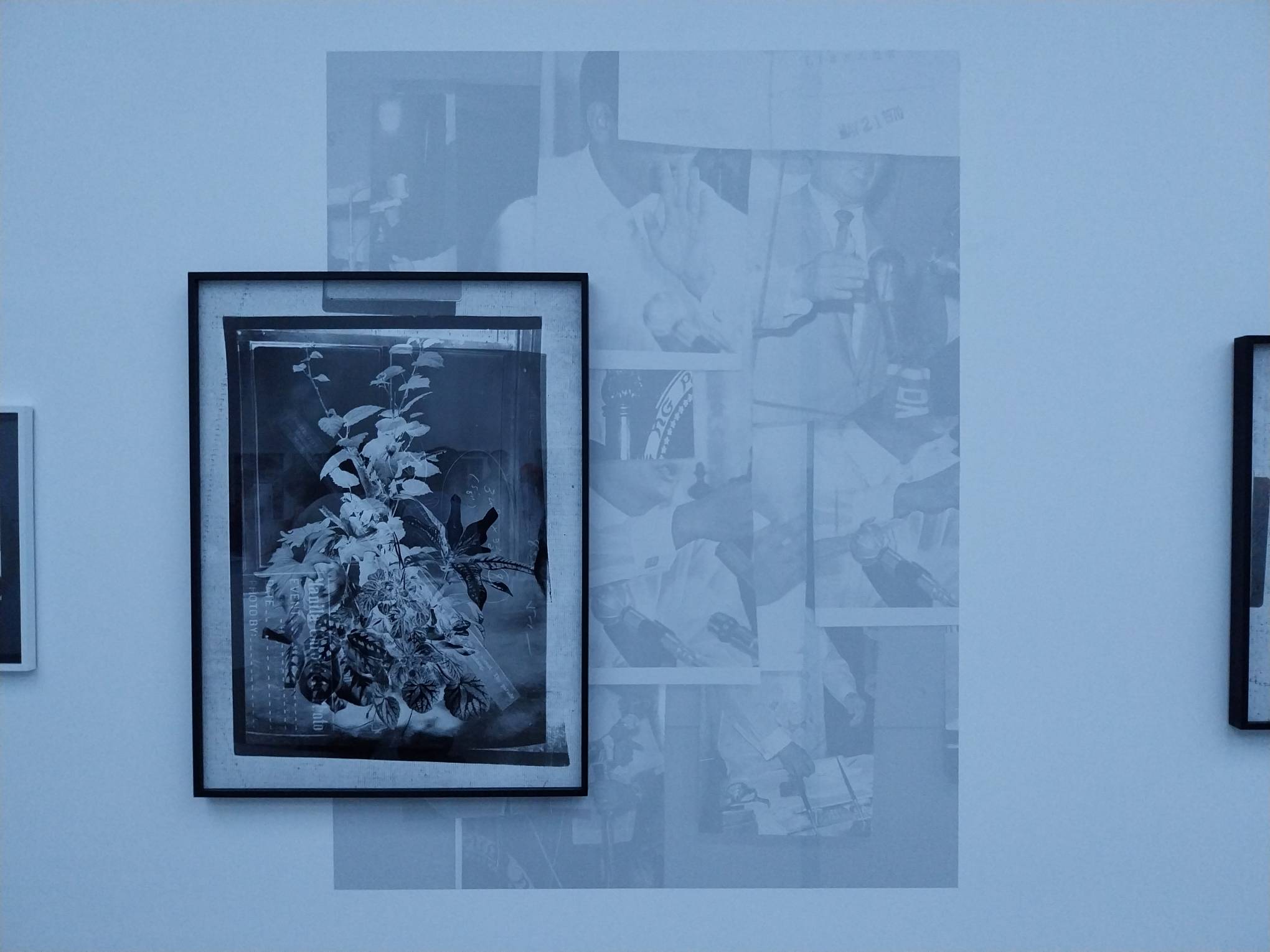
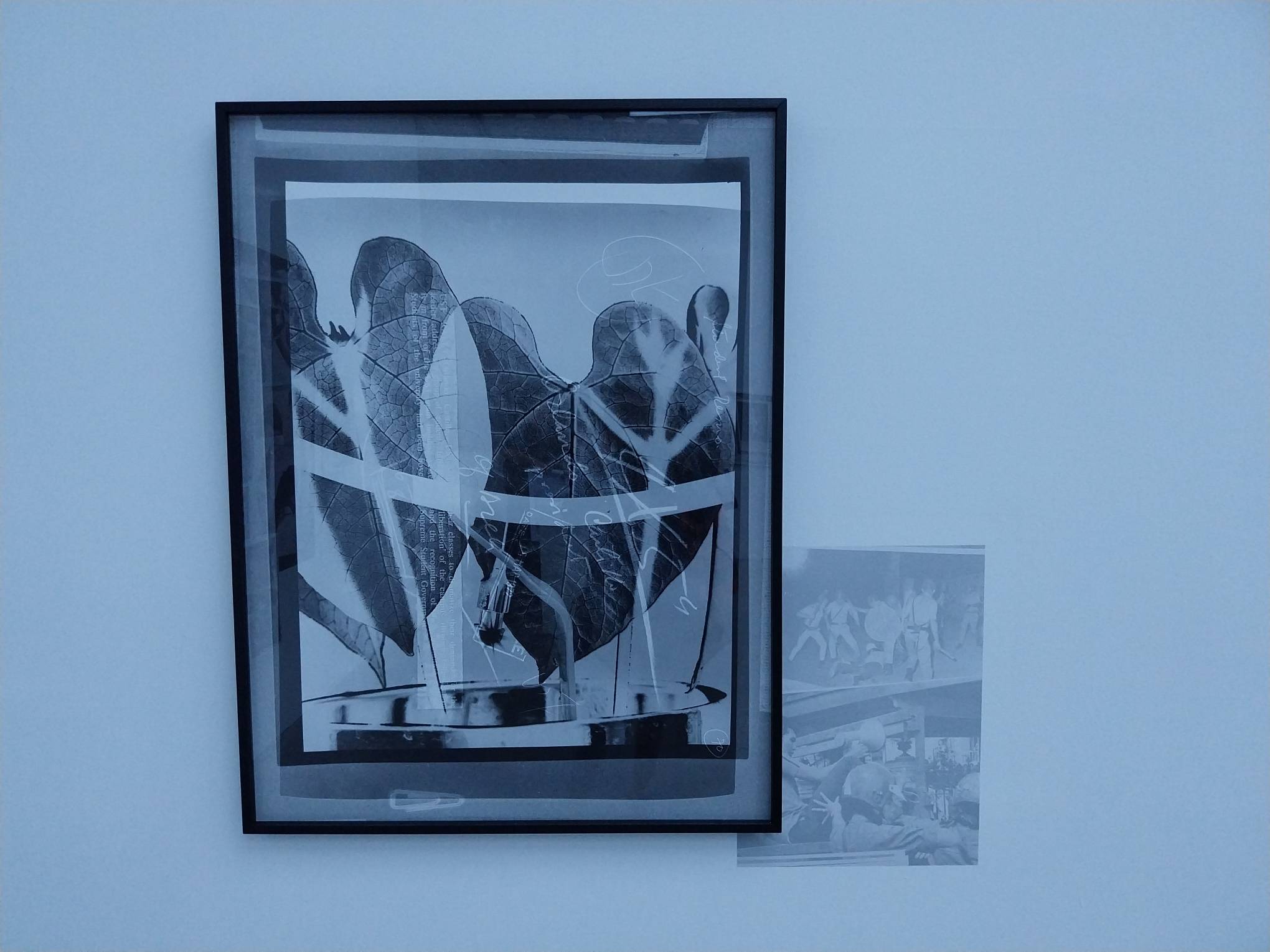
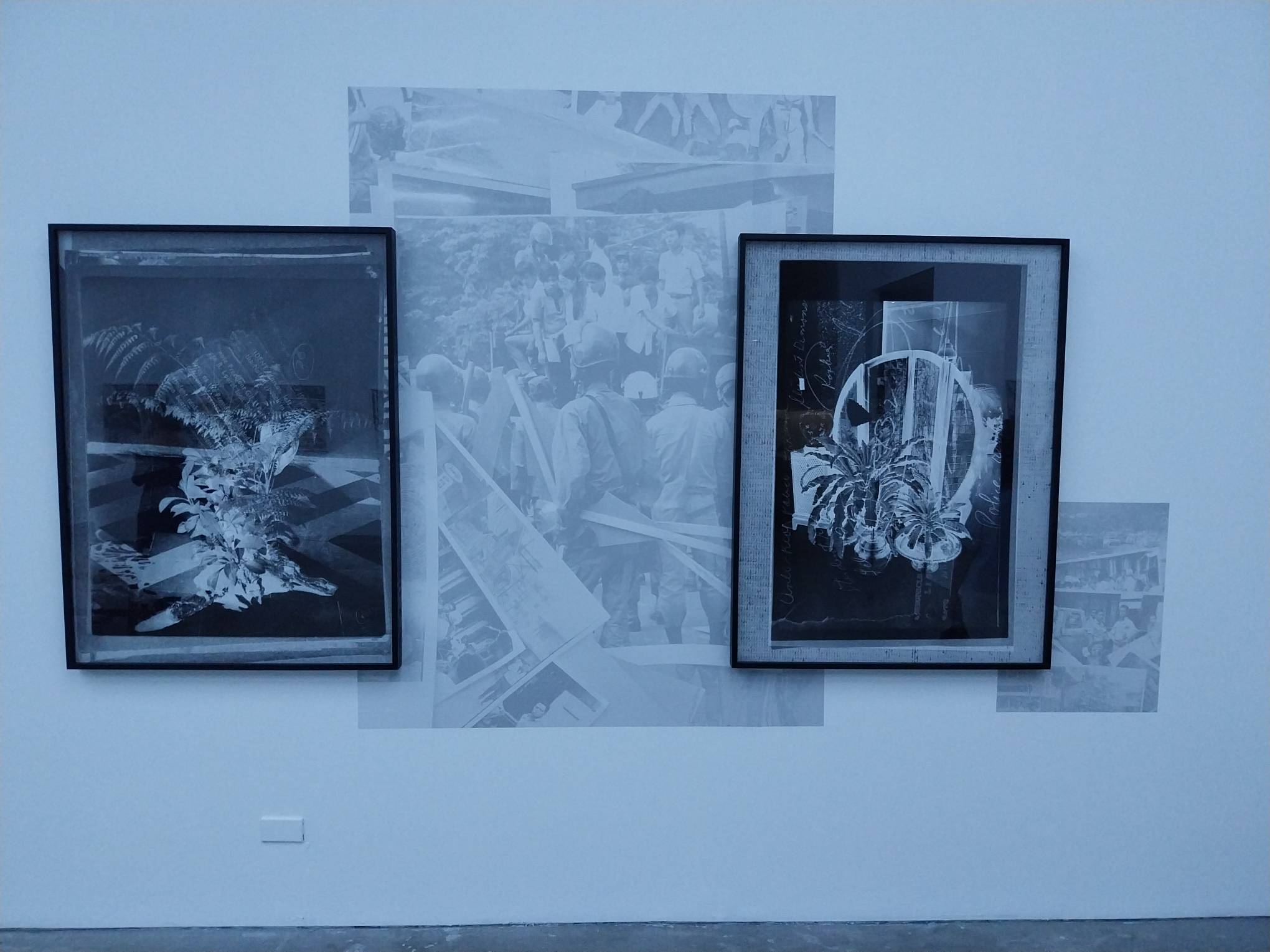
These works are striking and provocative. They put the contradictions of the time to the front, showing how easy it is for people to ignore hardships in the face of something beautiful. If art can give a voice to the oppressed, art can also suppress it.
“I was really thinking about how authoritarian governments wind up decorating or hiding or concealing, in some cases, their power structures by using ornaments,” Syjuco said. “Whether that’s through art, architectureArchitectureThe art and science of designing and constructing buildings, structures, and spaces that are functional, safe, and aesthetically pleasing. It encompasses the planning, design, materials, and techniques used to createGo to Architecture Glossary, design, decoration. And that’s definitely something that happened during the Martial Law era.”
Archiving History
Rounding up Inherent Vice is a secluded section of the exhibit that Stephanie Syjuco added to pay tribute to the archivists at the Lopez Museum. It contains an archivist table, with different tools and a box of photographs to give visitors an idea of the work that went into the exhibit.
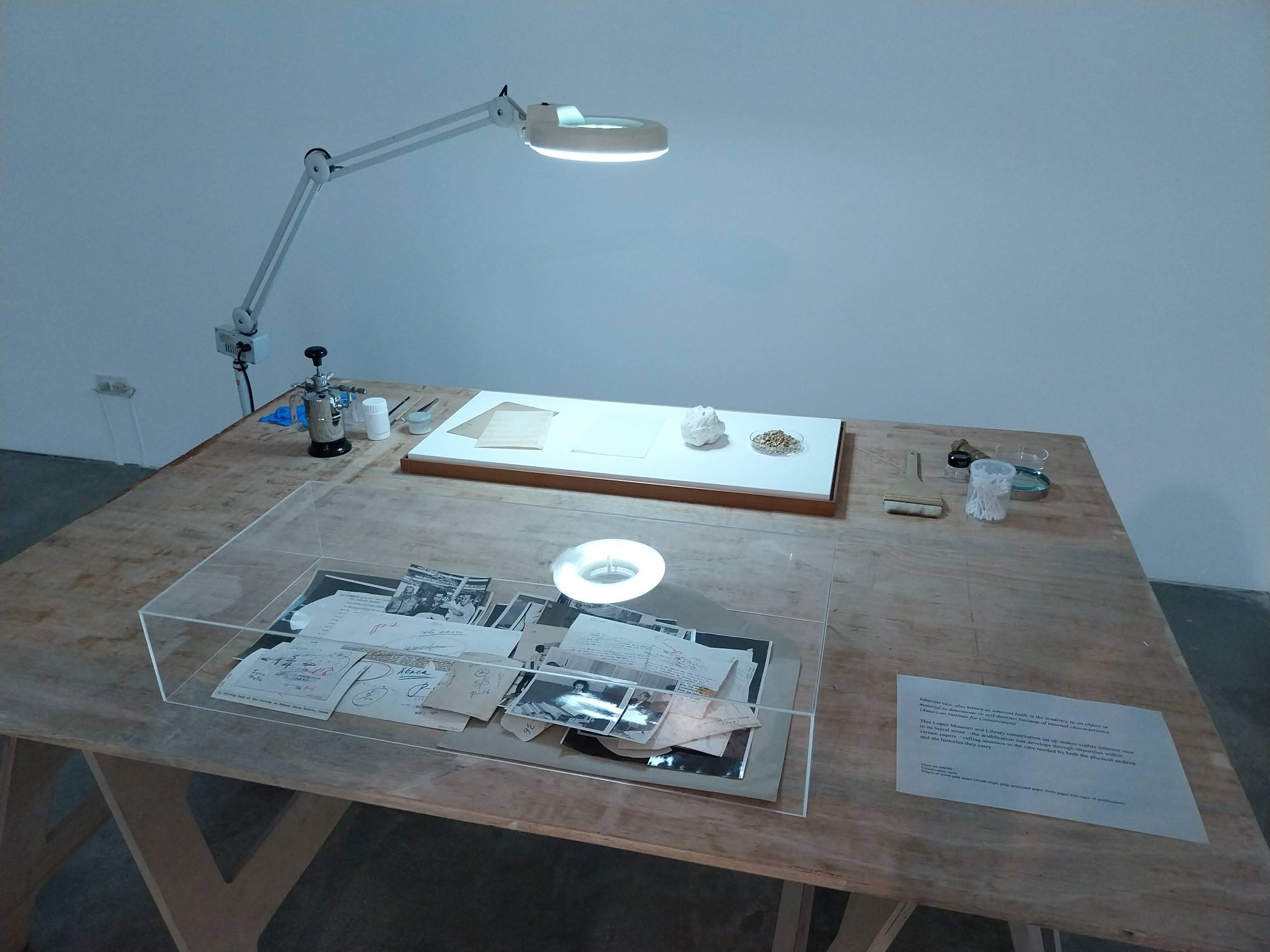
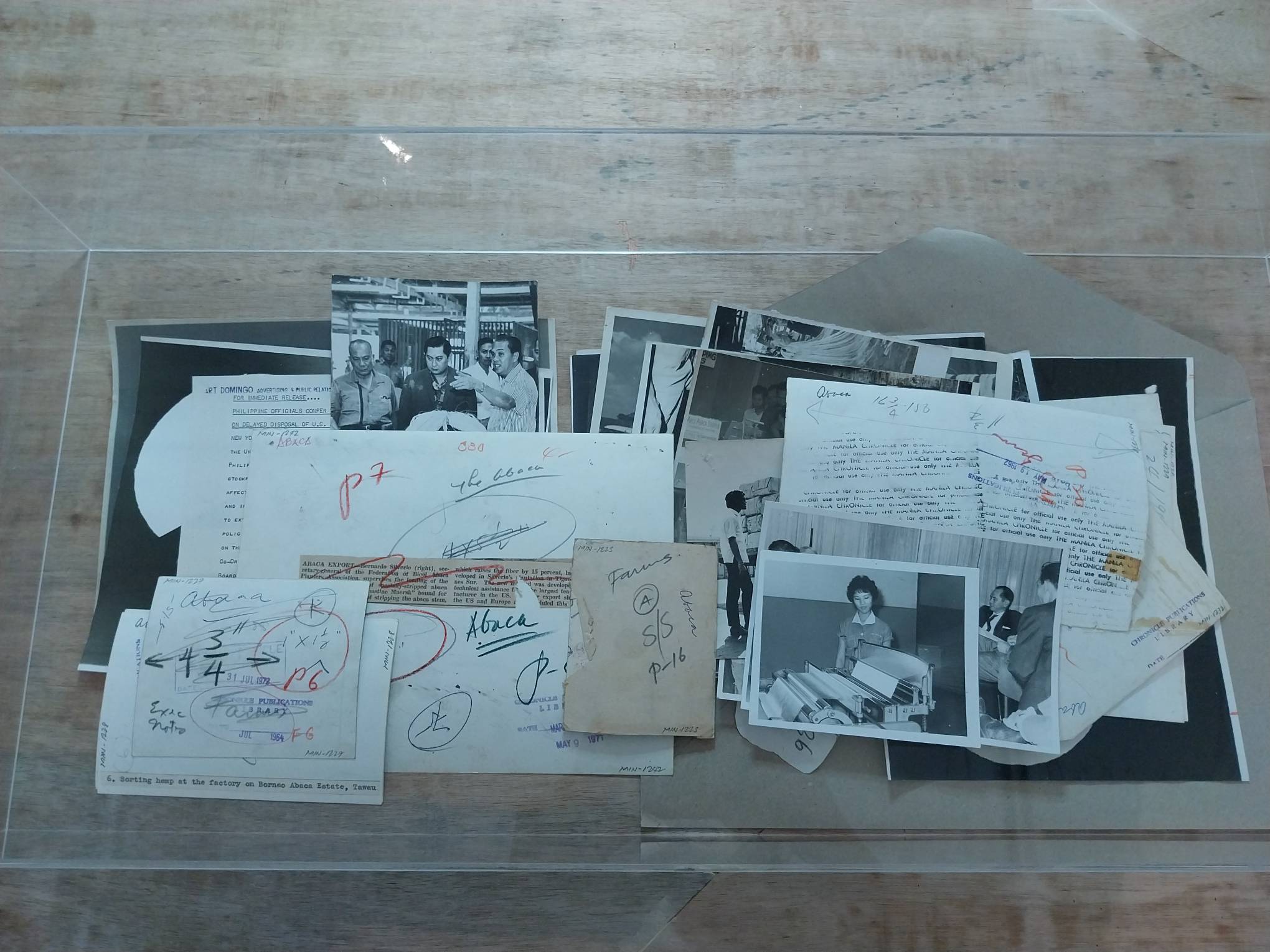
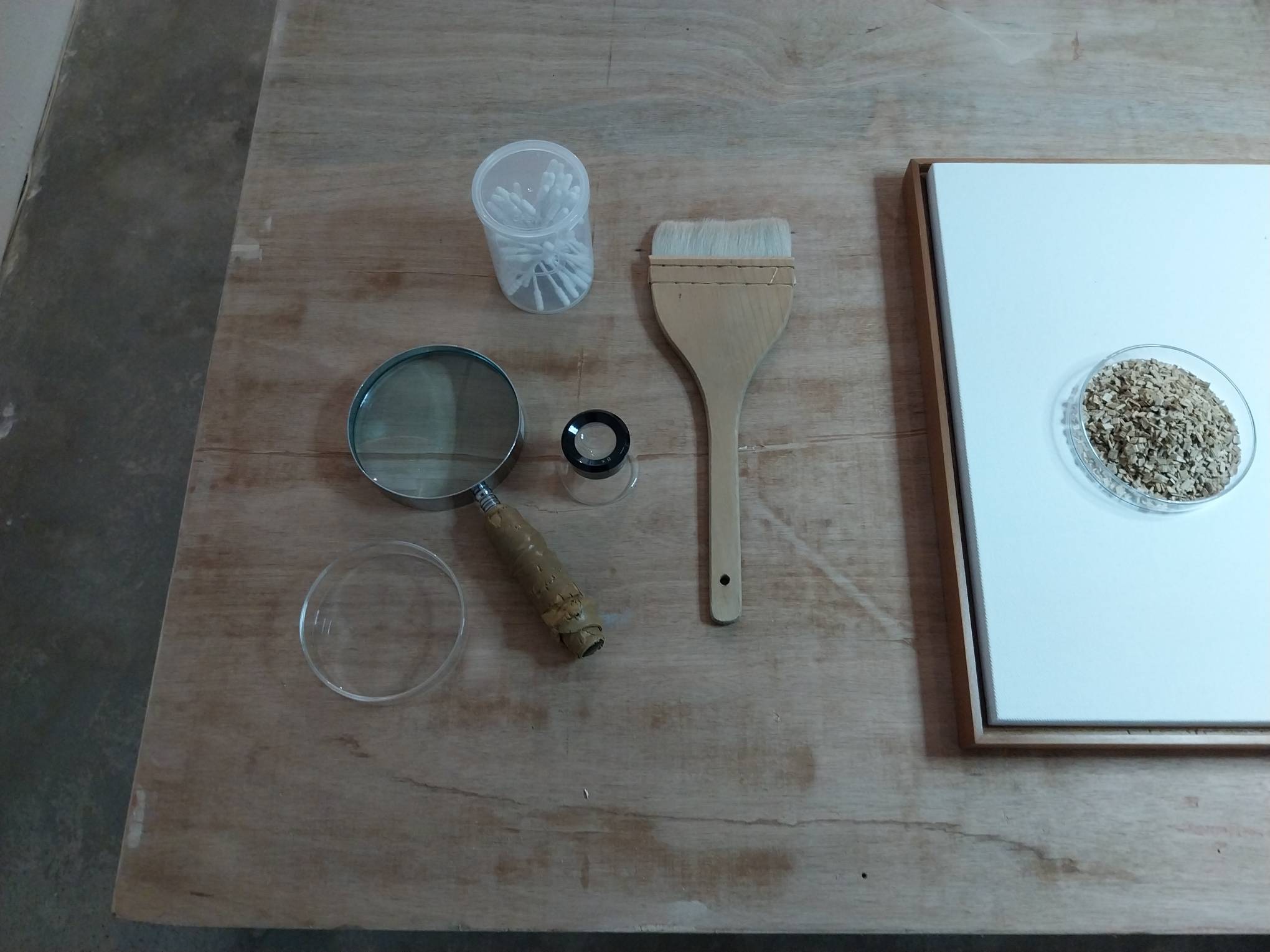
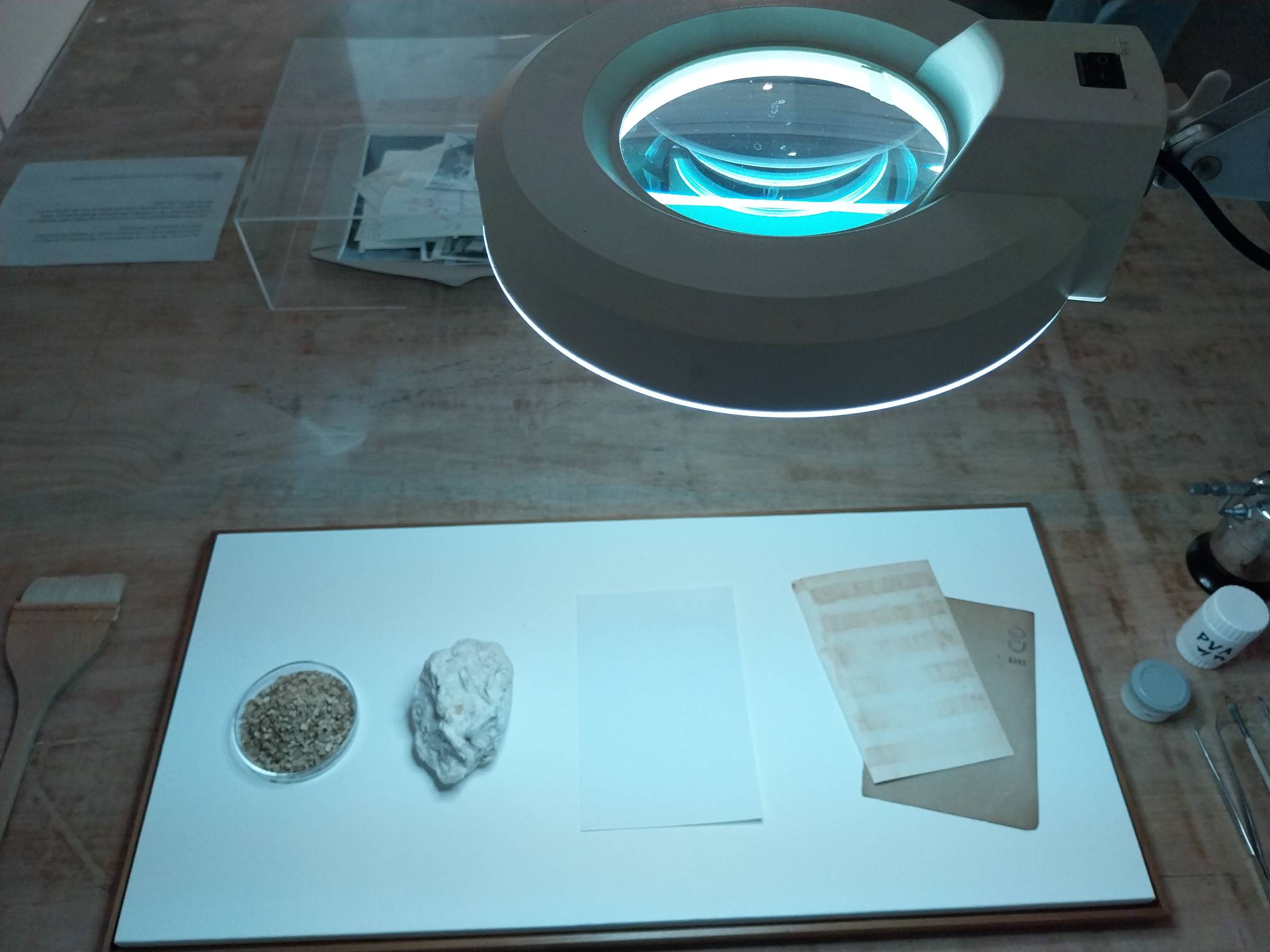
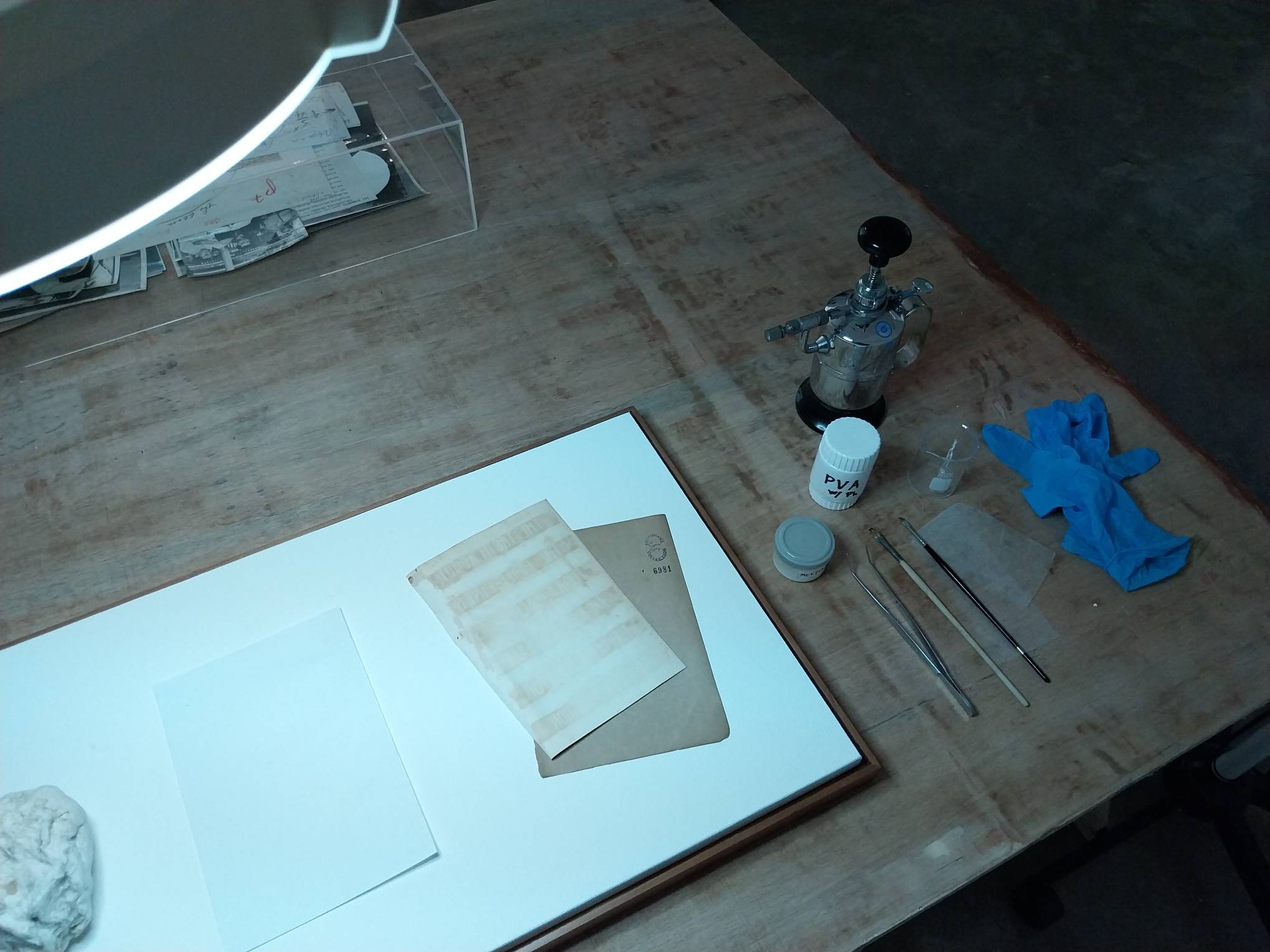
“They’re interested in conservation of history,” she explained. “They’re constantly cleaning or making sure that artworks and images aren’t deteriorating because they believe that history is something that needs to be cared for and remembered. Because they were such a pivotal part of helping me create this exhibition, I wanted to showcase the work that they’re doing to basically salvage and care for history.”
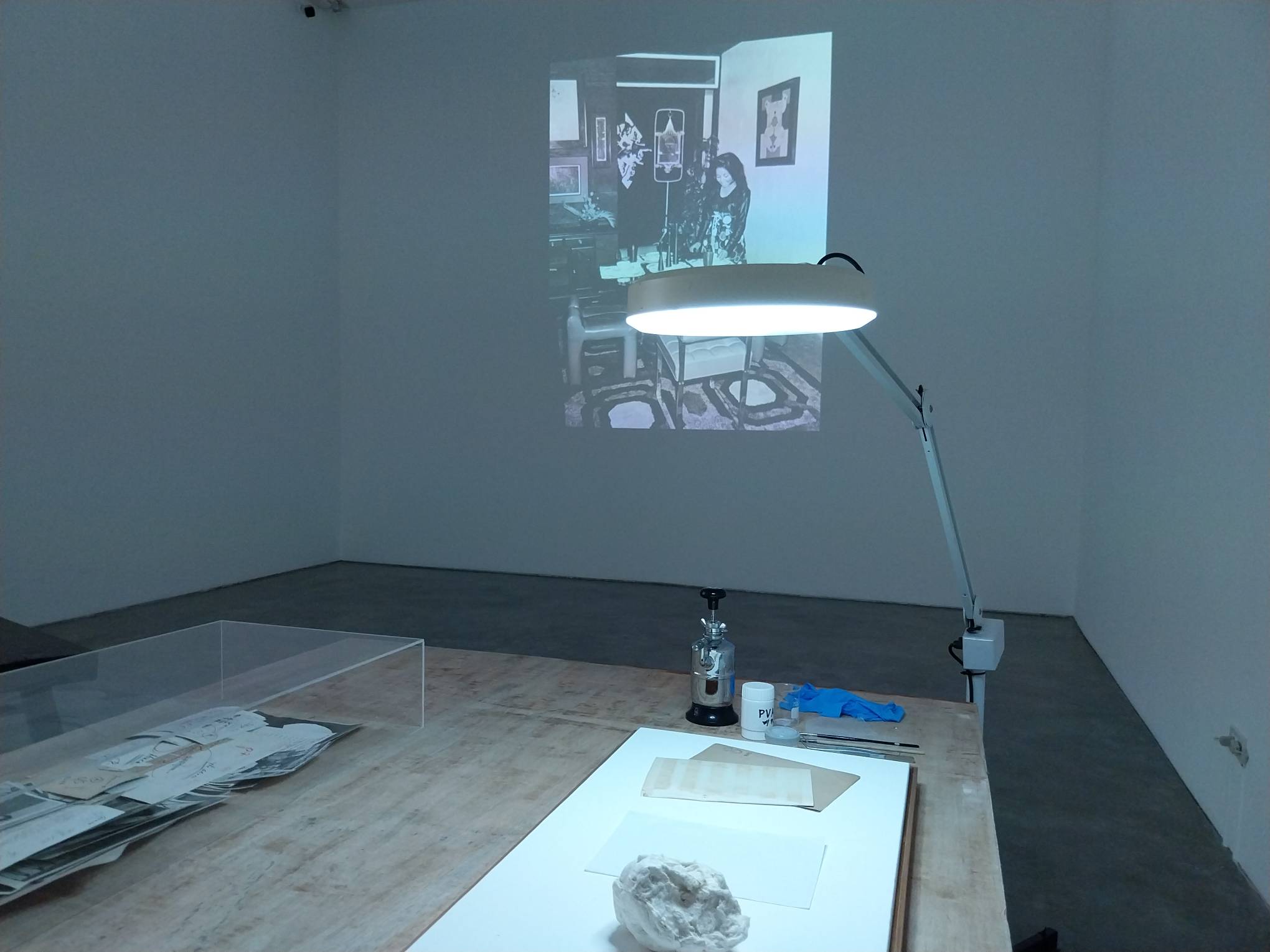
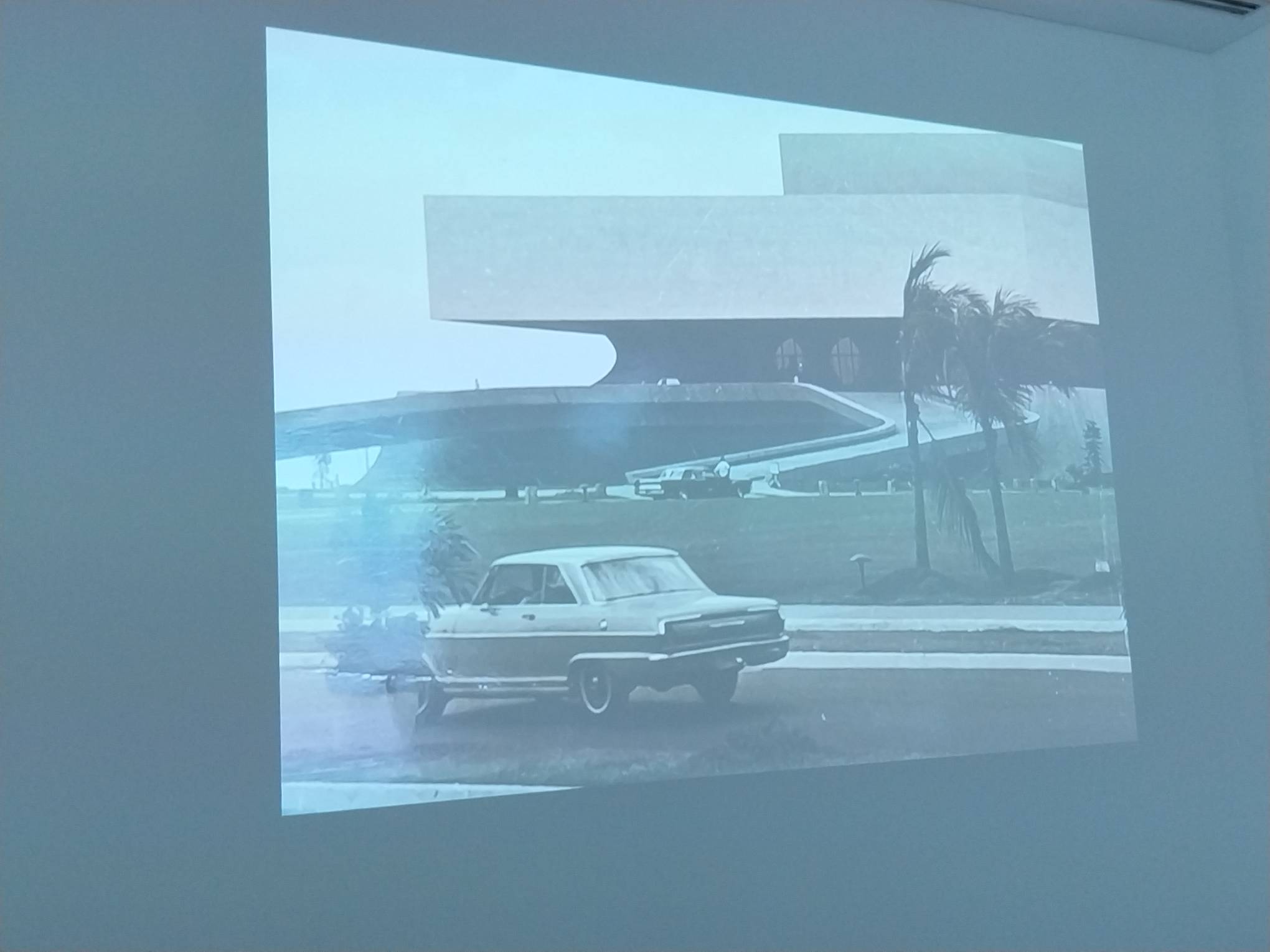
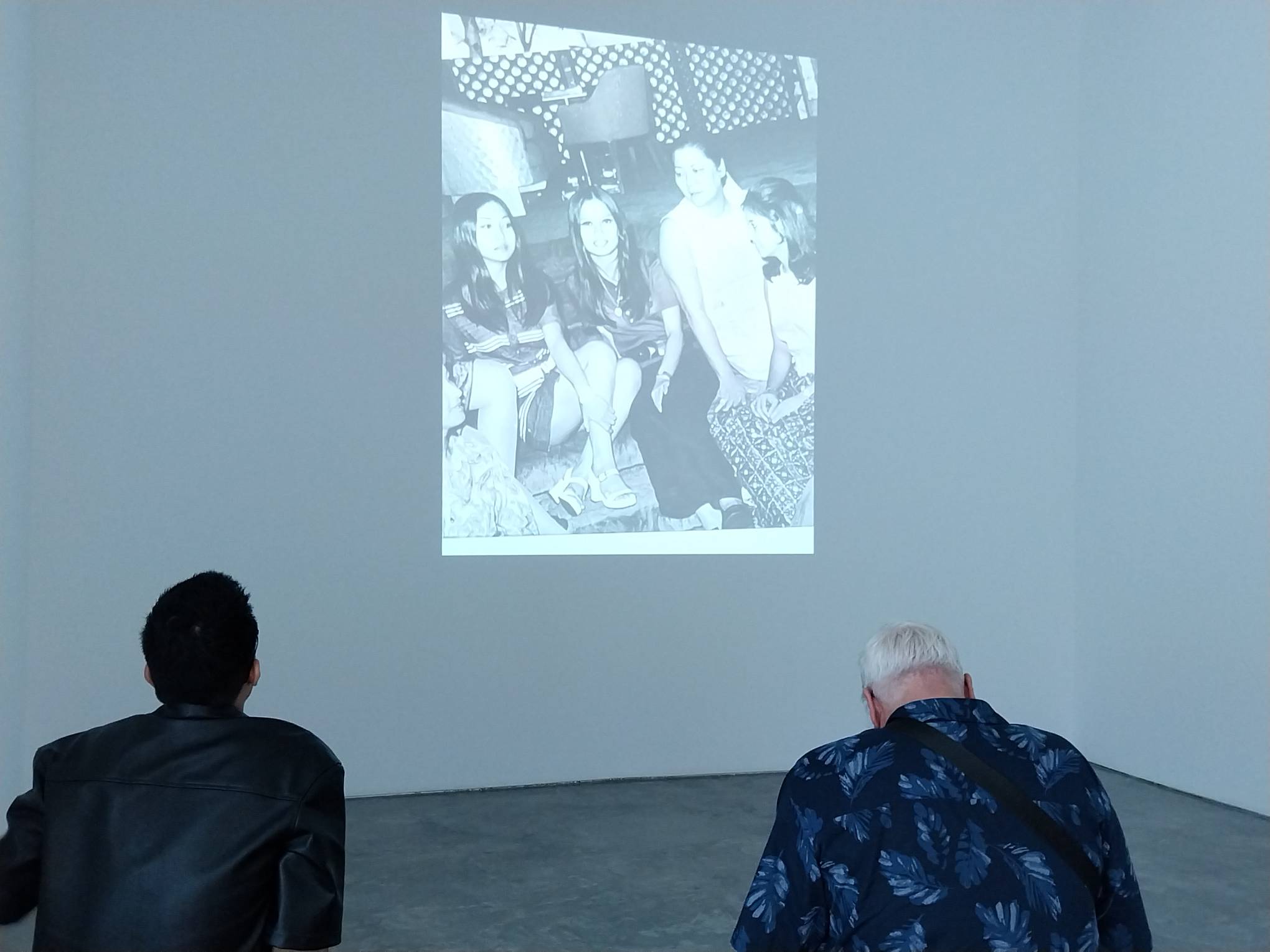
The exhibit also shows a 60-minute film entitled “Inherent Vice (Deep Cuts).” These use over 900 photographs that the archivists couldn’t physically print. It features a lot of photographs on the construction of the Cultural Center of the Philippines, including the project proposal and blueprints.
The More Things Change
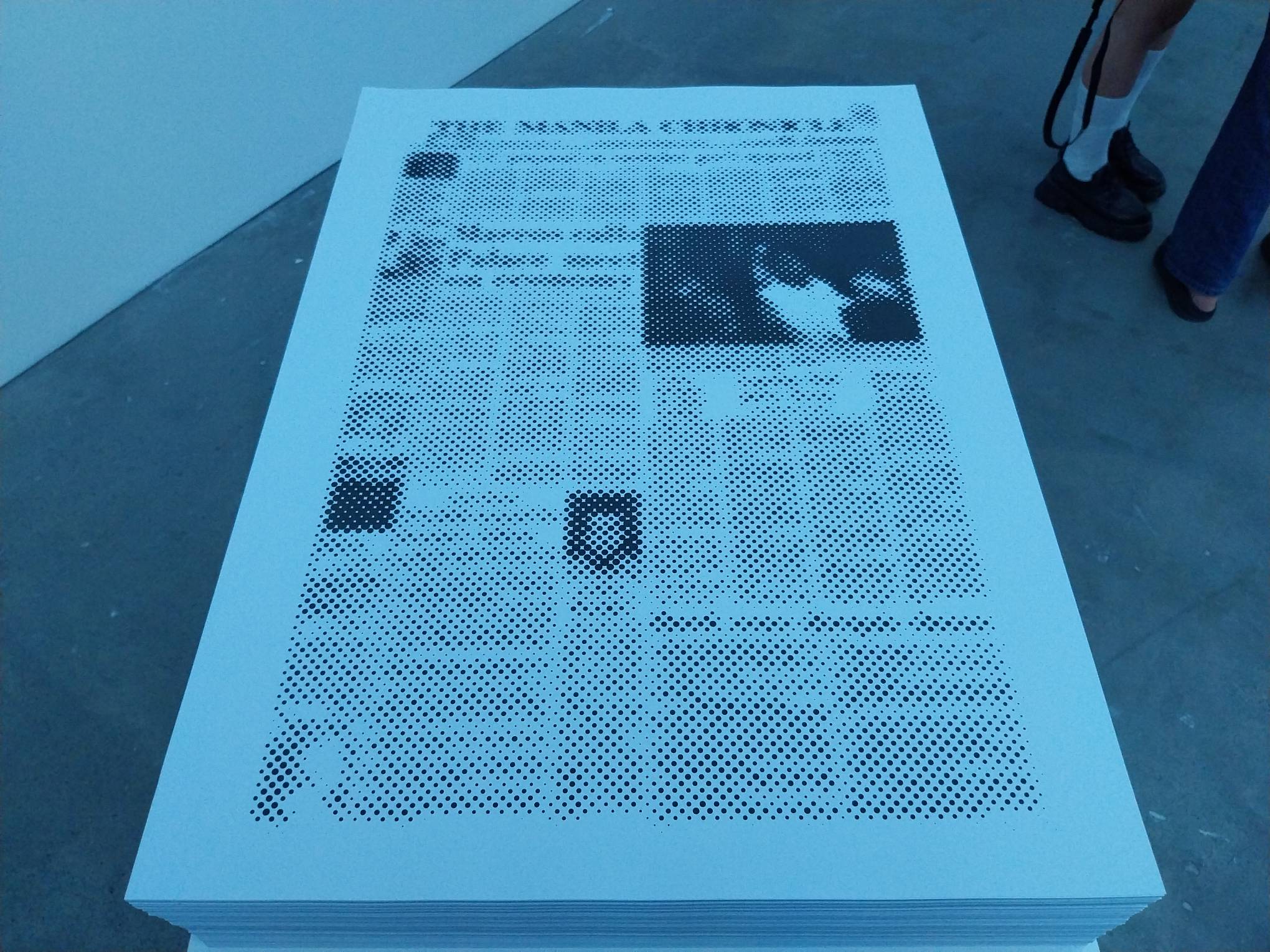
The Manila Chronicle as a newspaper ended up closing after Marcos declared Martial Law. Their last issue, which Silverlens reprinted in a halftone study to give away to gallery visitors, portrays the final grasp of the free press before the State took over the information apparatus.
Post-EDSA, the country continues to struggle with press freedom and censorship. From President Joseph Estrada’s boycott of the Philippine Daily Inquirer to President Rodrigo Duterte’s campaign against Rappler, these attitudes are deeply embedded in our political system today. The recent Cinemalaya roster showcased such struggles within our system.
Alipato at Muog, a documentary about missing activist Jonas Burgos, recently received a rating of X from the MTRCB, preventing it from being publicly exhibited. Other documentaries, like Lost Sabungeros and Asog, experienced turmoil and cancellations due to their sensitive subject matter.
Inherent Vice shows the fragility of the free press as it attempts to coexist with a repressive state. The pressure to balance reporting the chaos on the ground alongside art and fashion is brittle. In the end, the State can and will remove anything diverging the narratives.
Related reading: Artwashing: How States Sweep the Dirt Under the Canvas
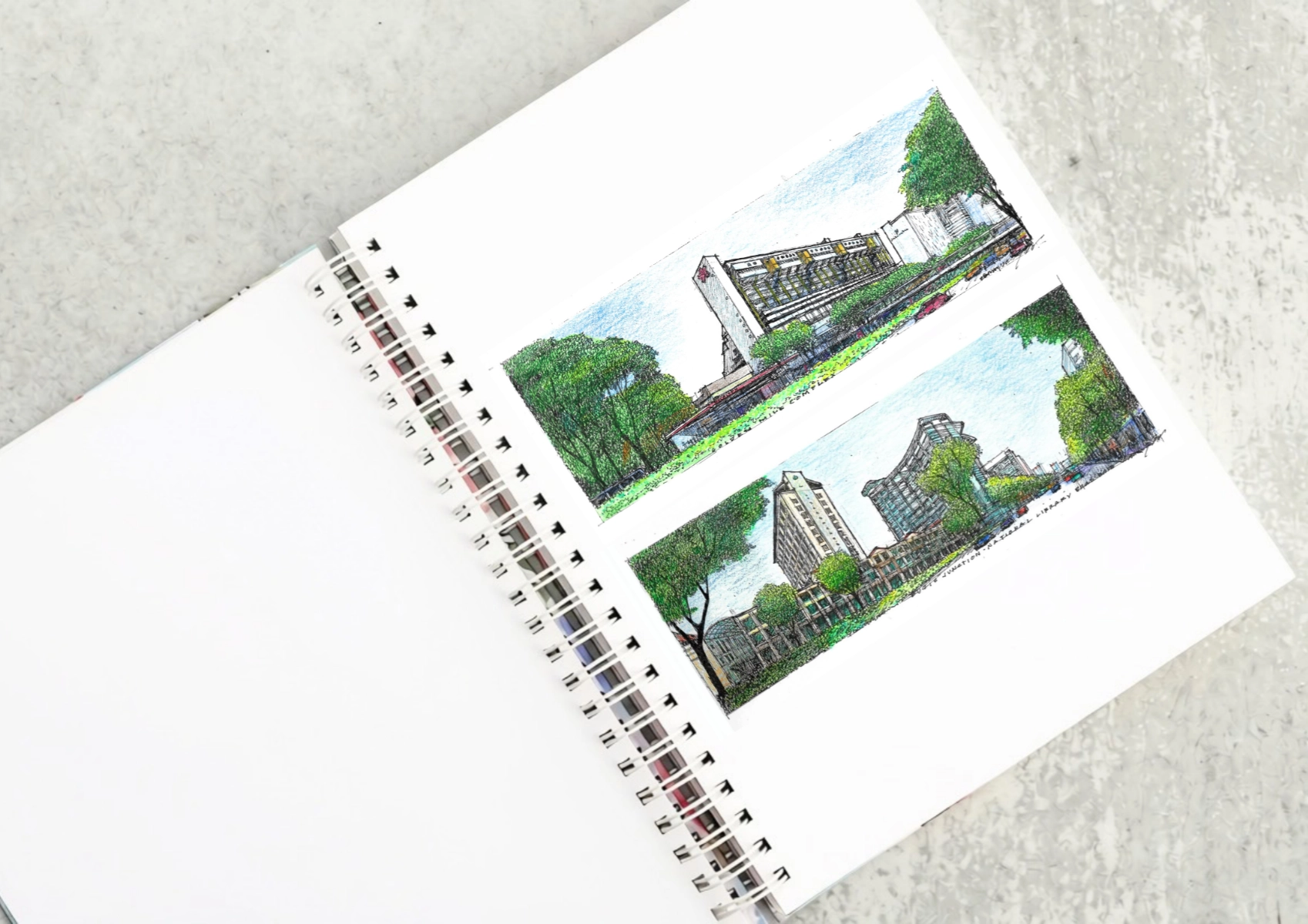
Two sketches of Singapore connect BluPrint Editor in Chief Paulo G. Alcazaren’s personal and professional history with Shared Ground: ArchitectureArchitectureThe art and science of designing and constructing buildings, structures, and spaces that are functional, safe, and aesthetically pleasing. It encompasses the planning, design, materials, and techniques used to createGo to Architecture Glossary of Care, Culture, […]
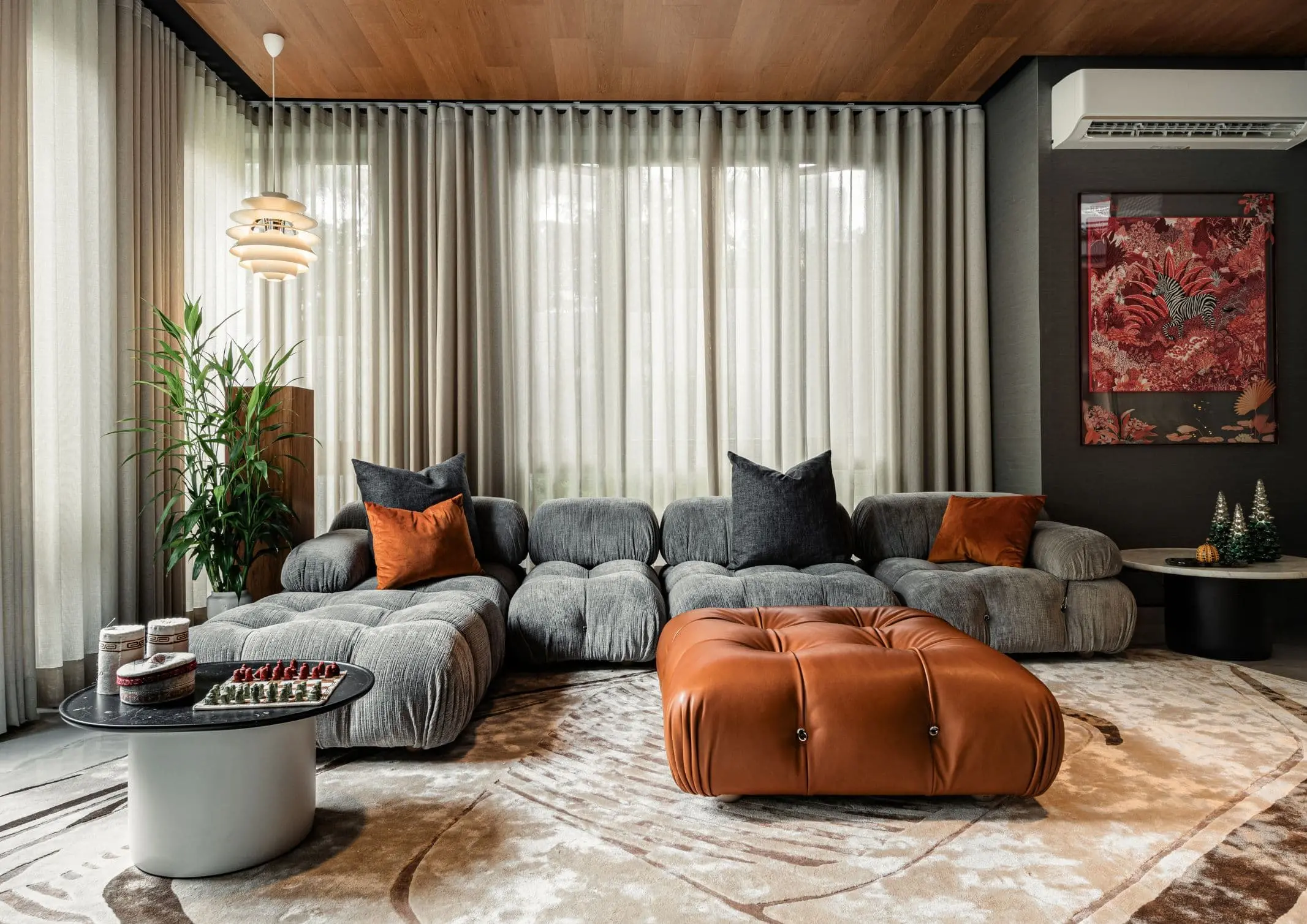
Some have become household names – Coleman, Oster, and KitchenAid – products that have found their way into Filipino kitchens, homes and family routines. In home furnishings, brands such as B&B Italia, Ethan Allen, Sub-Zero, Miele, SieMatic, Louis Poulsen, Hunter Douglas, Tempur, and Technogym, have helped shape the way Filipinos live. From everyday essentials to […]
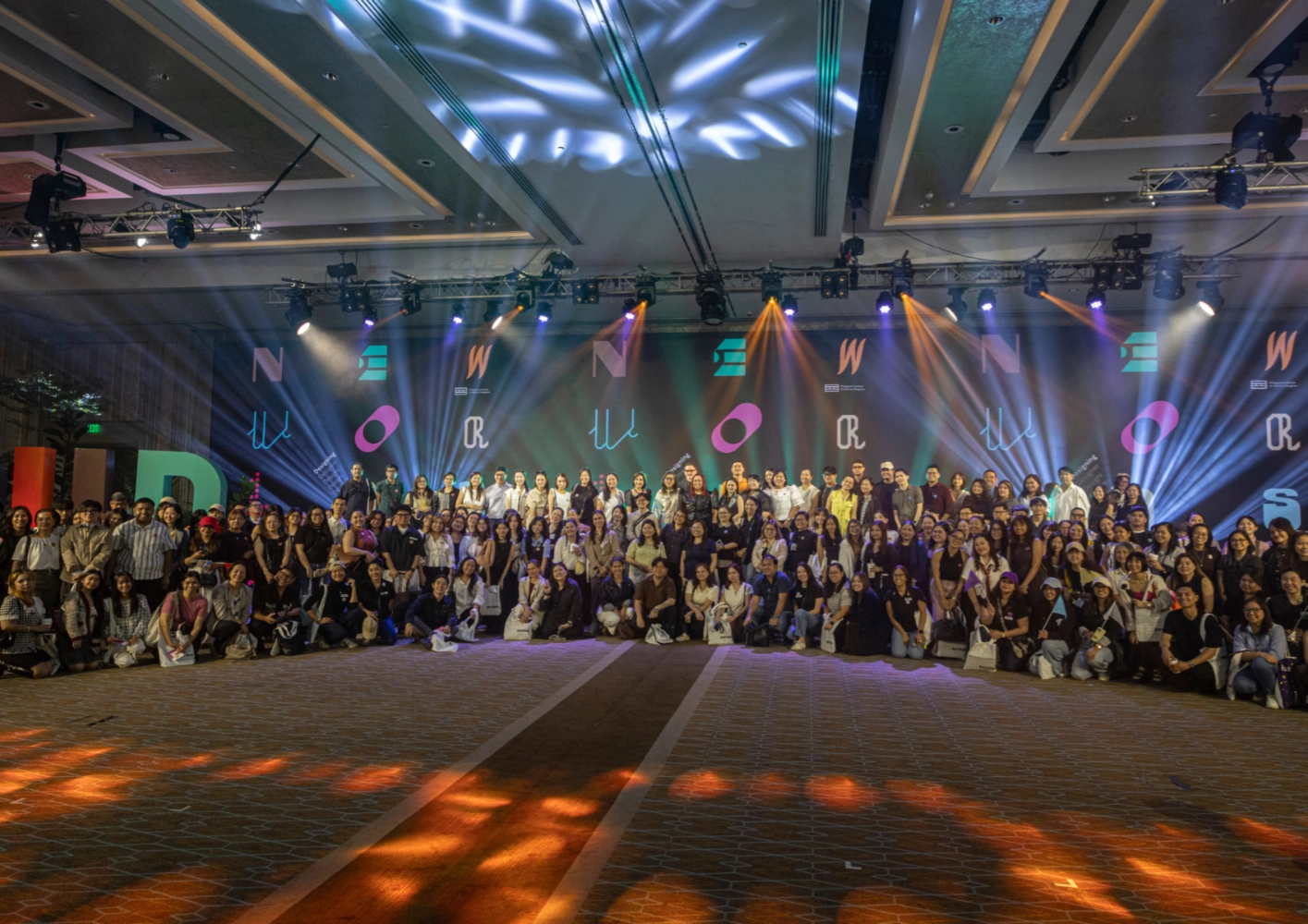
In a way, designers are the modern-day soothsayers and prophets. They design for the future, predicting how a room, a house, a building or a whole city will be used by people. They foresee how users will interact with a space, conjure exact shades of colors to elicit specific behavior and arrange furniture to build […]
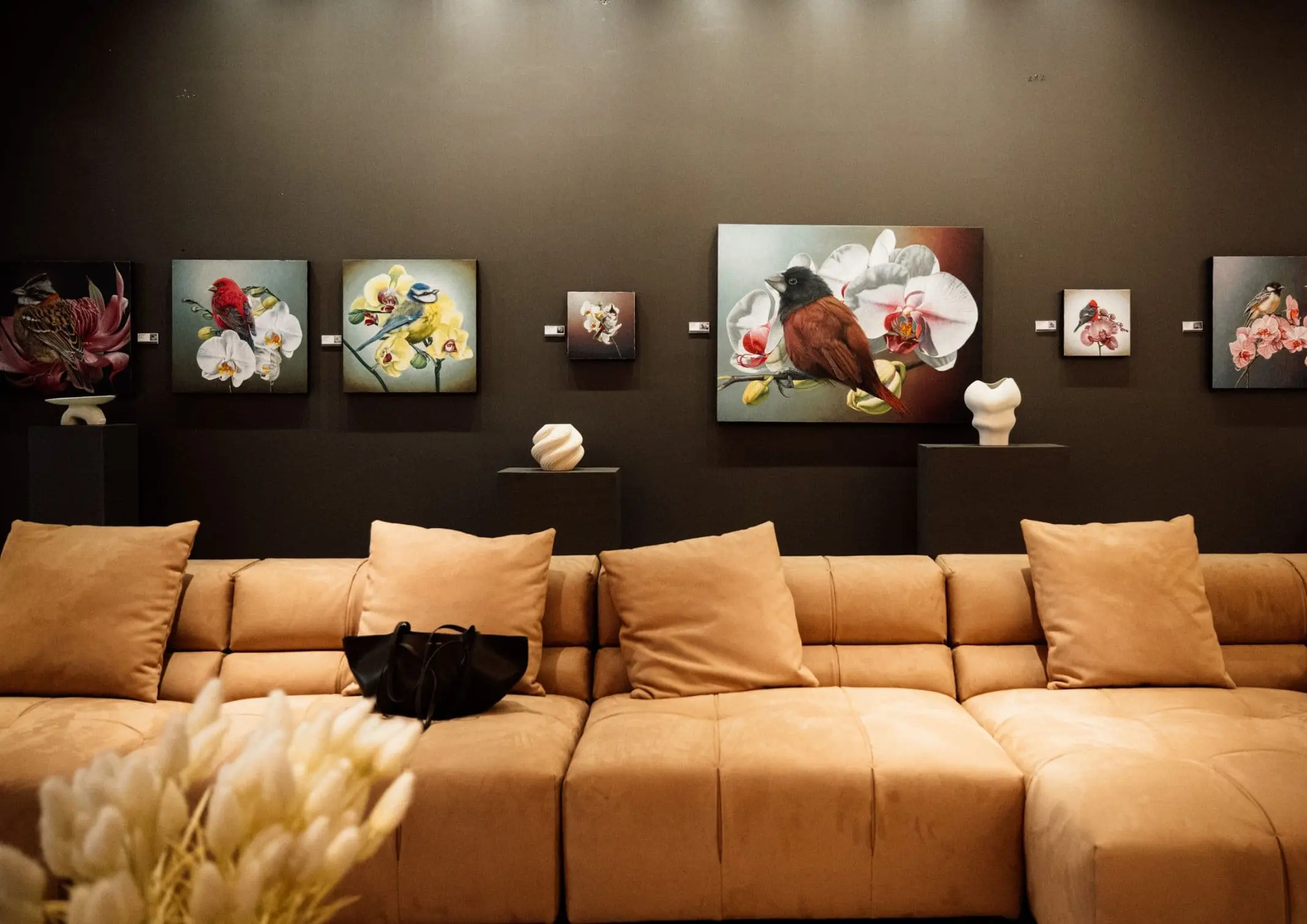
Art and furniture are often selected separately, yet their relationship can shape how a room looks and feels. The collaboration between Hooga and Galerie Joaquin explores how these elements can work together, bringing contemporary artworks into furnished residential settings at Hooga’s showroom in Uptown Mall, Bonifacio Global City. For Hooga, which curates furniture, lighting, and […]
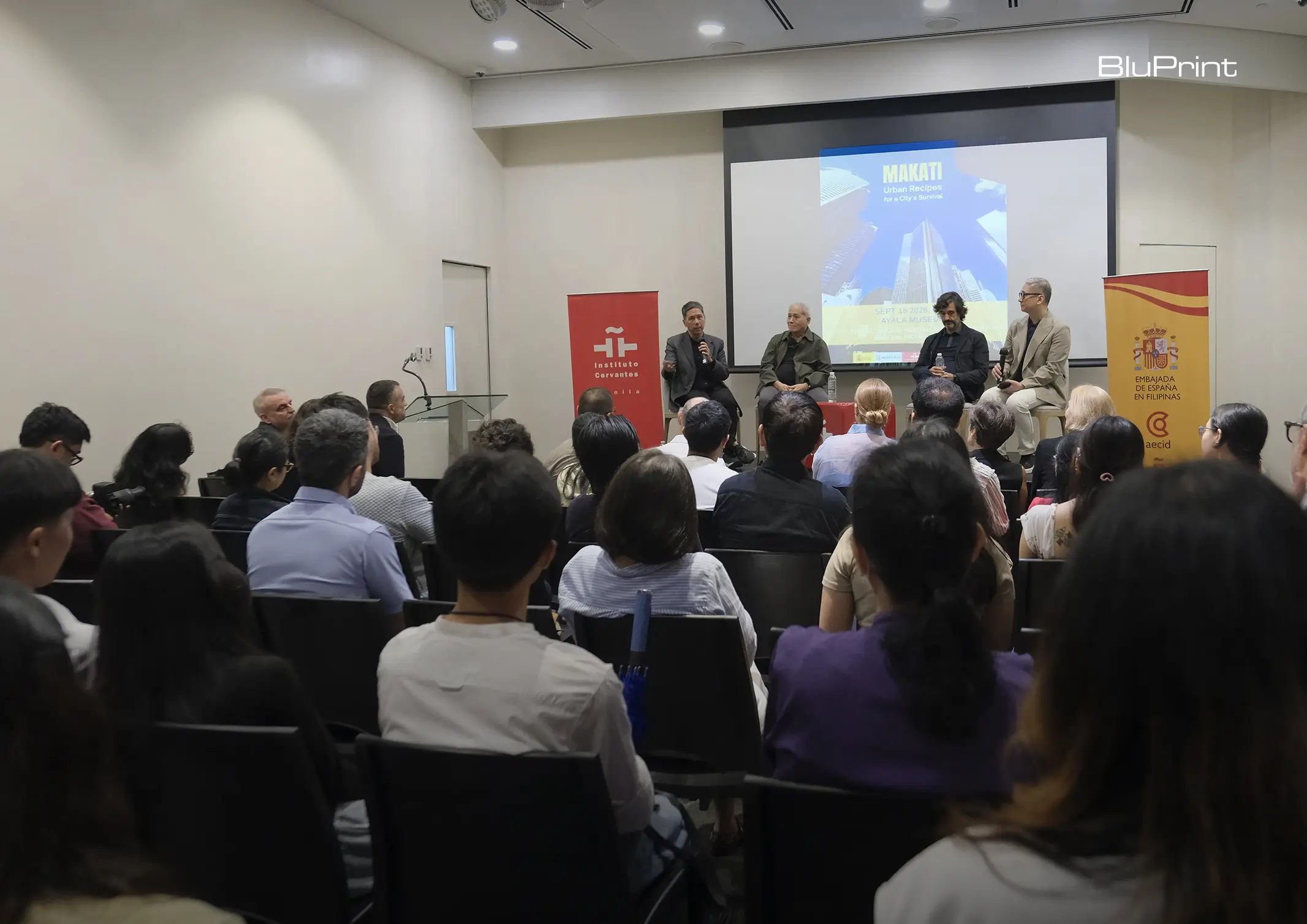
How can better-planned cities create the conditions for more creative, livable, and resilient urban environments? “Makati Urban Recipes for a City’s Survival,” a colloquium held at the Ayala Museum on September 15, brought together architects and practitioners from the fields of urbanism and the creative economy to discuss how design, planning, and collaboration can address […]
Read the issues.

Collect the volumes.

Recommended Video
Tap to Unmute
Unmute
0:00
0:00