Bigkis is the act of binding. In Tagalog, the word can refer to something used to bind or encircle, as well as a bundle formed by tying several separate elements together. Figuratively, it can also mean a bond, union, or unity. The meanings move from the physical act of joining things together to the connection […]
Navitas Learning Haus: An Open Educational Environment For All



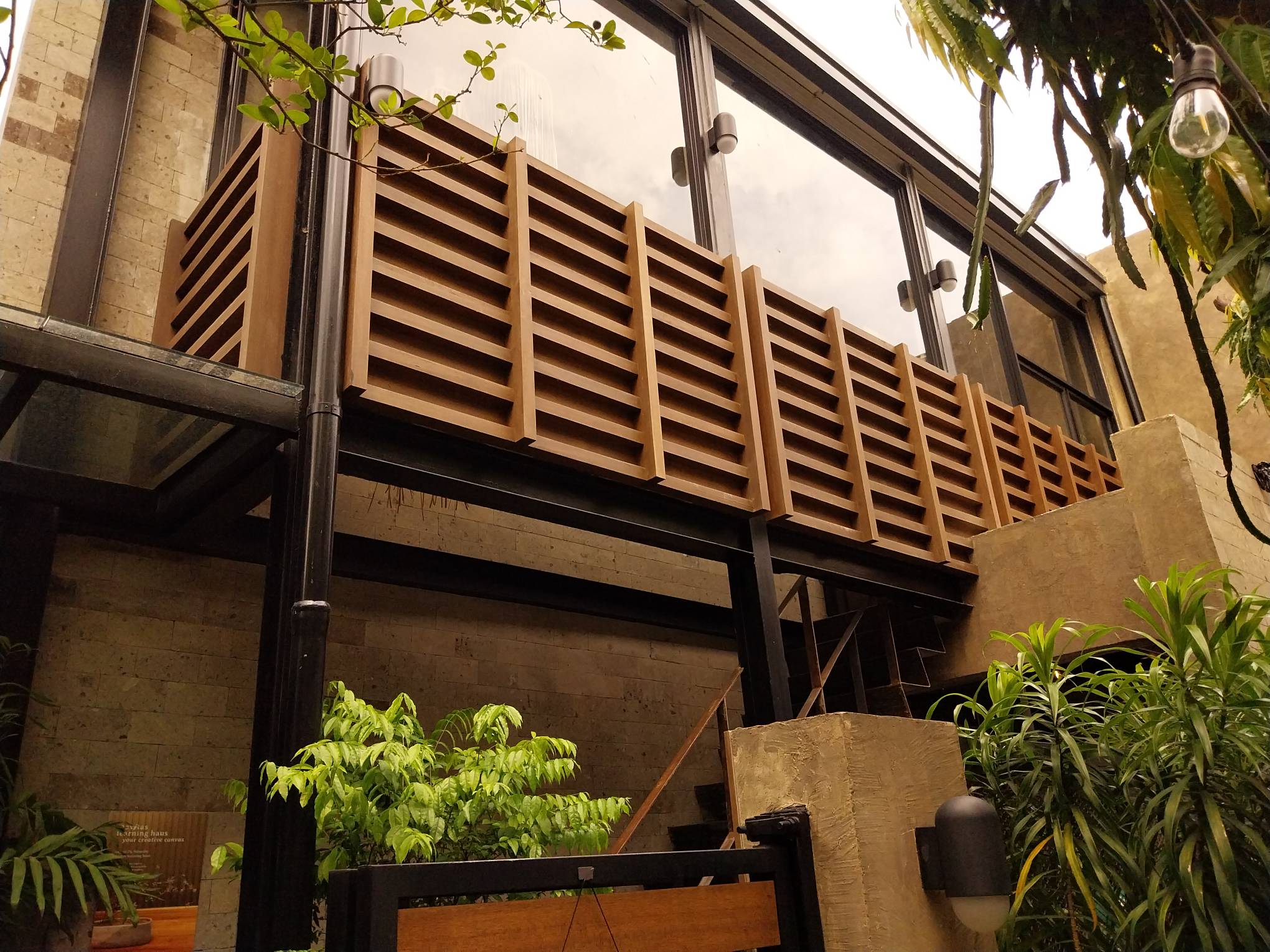
Navitas Learning Haus hosted an open house on August 24 to launch the new educational center in Poblacion, Makati. Named after the Latin word meaning “life,” the learning center encourages a collaborative environment where the act of studying can transcend the classroom.
The learning house, founded by Elo Coronel-Quiambao, is a collaboration of fellow educators Sarah de Veyra-Buyco, Sacheen Lee Sandalo, and Jack Lagat to offer counseling services and learning programs for all ages in subjects like Storytelling, Art, and Mathematics.
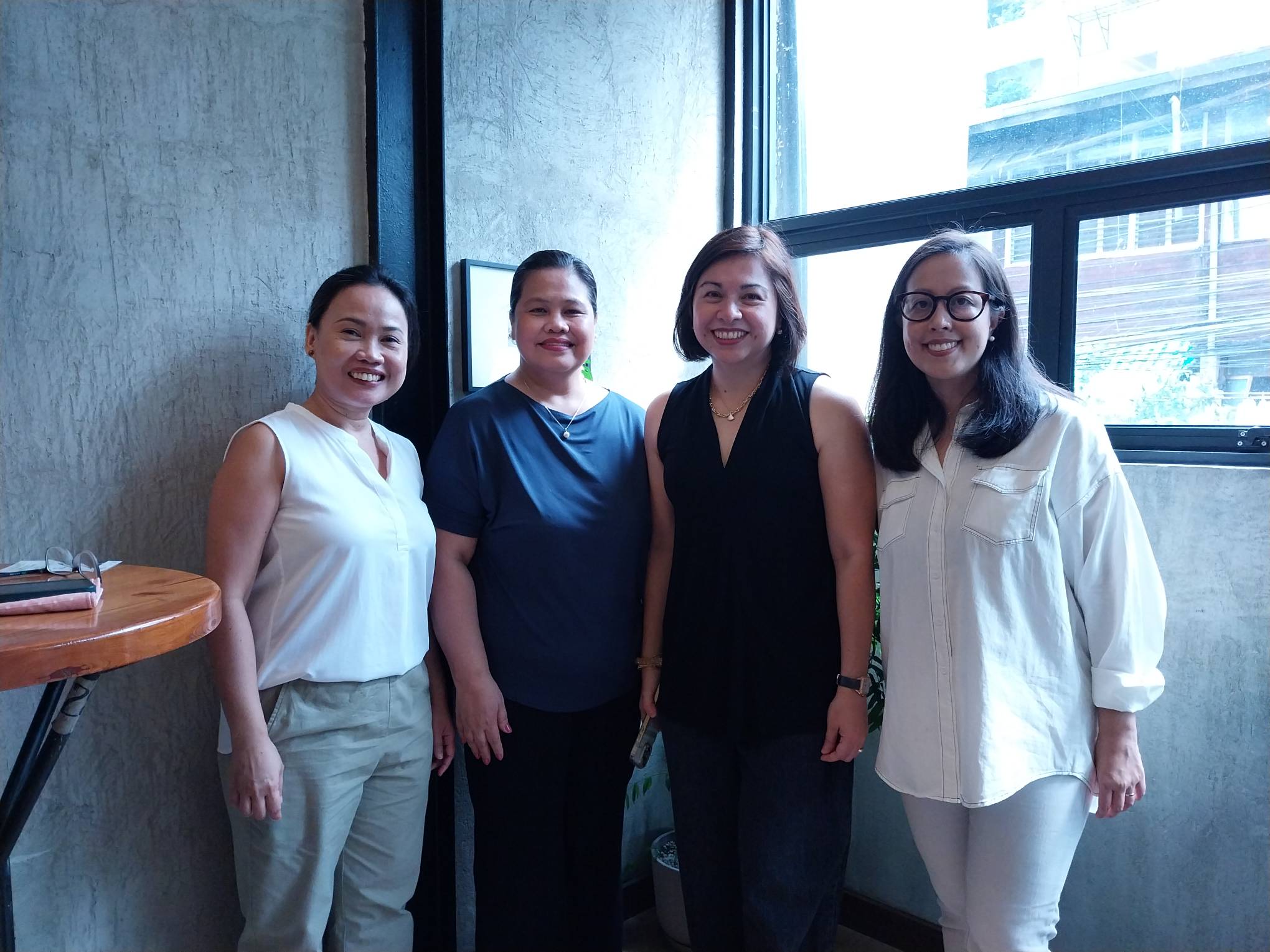
Coronel-Quiambao got the idea for Navitas during the COVID-19 pandemic, when she felt the “brevity of life” in the dangers of the different waves of the disease. She discussed her feelings with her fellow educators, who also wanted to do something different from the school system they’ve all worked in.
“Parang sabay-sabay kaming nagkaroon ng transition during the pandemic,” Coronel-Quiambao said. “We found ourselves asking, what if it’s really our time? What if we have six months to live this year—not in the future, but this year? What is it that we feel we can really do for others? When you distill everything and you’re reduced to the most essential.”
Configuring the Space
The space that they got in Poblacion belonged to a family who built it in 1974. Navitas received the house in 2022 to turn it into a learning center. Coronel-Quiambao said that their motto during the reconfiguration of the house was to preserve whatever they can of the building.
“When we got this house, we tried to preserve whatever we could, knowing that much of its value lies in its story and stories are always reflected by the materials and picked by the original builders during the time,” she said.
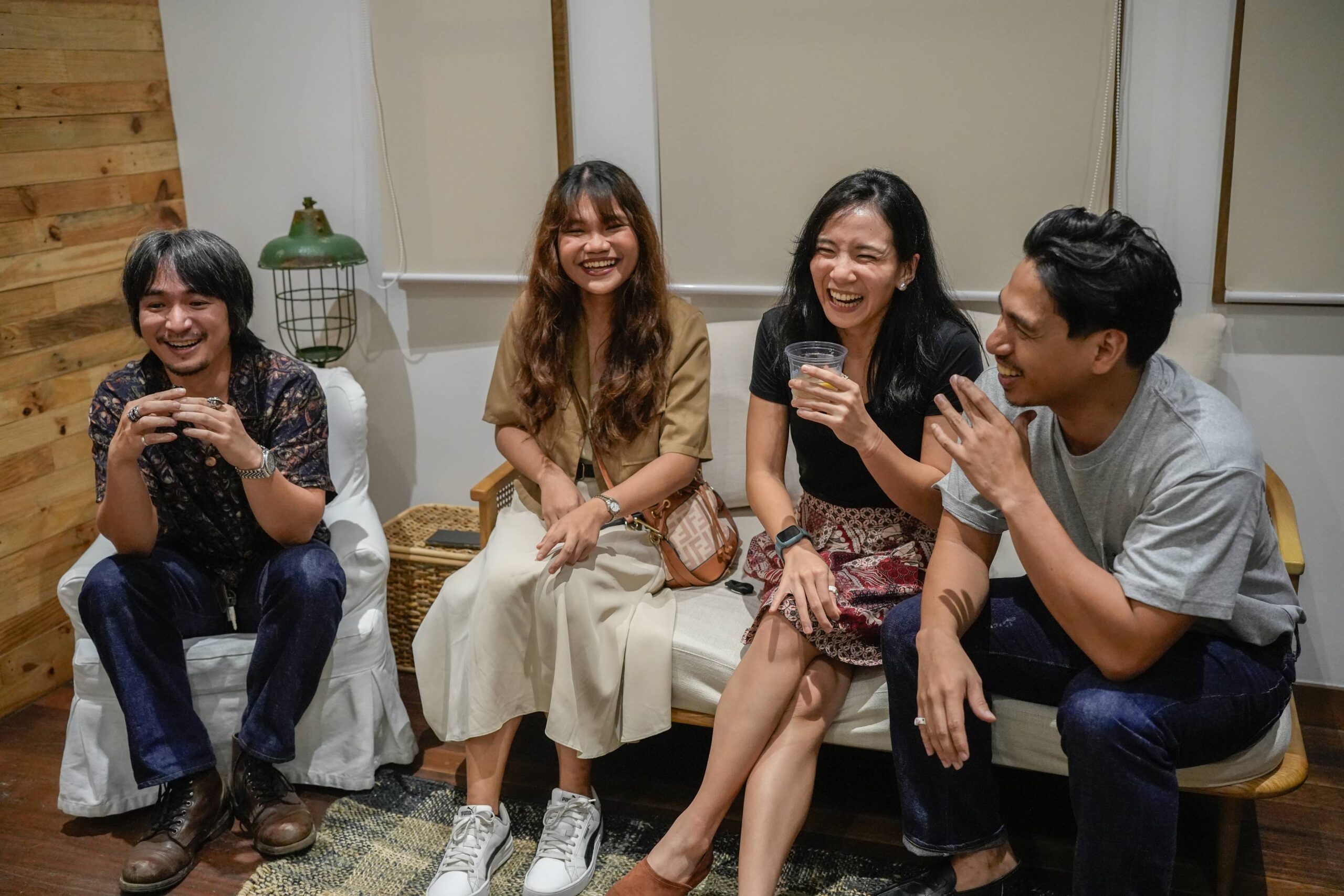
Local architectural firm Stroca, Inc reconfigured the former residential building to be a welcoming environment for children and adults alike. Architects Jeff Siscar, Karla Toledo, and Regine Terce, with Geco Gungon worked on the project.
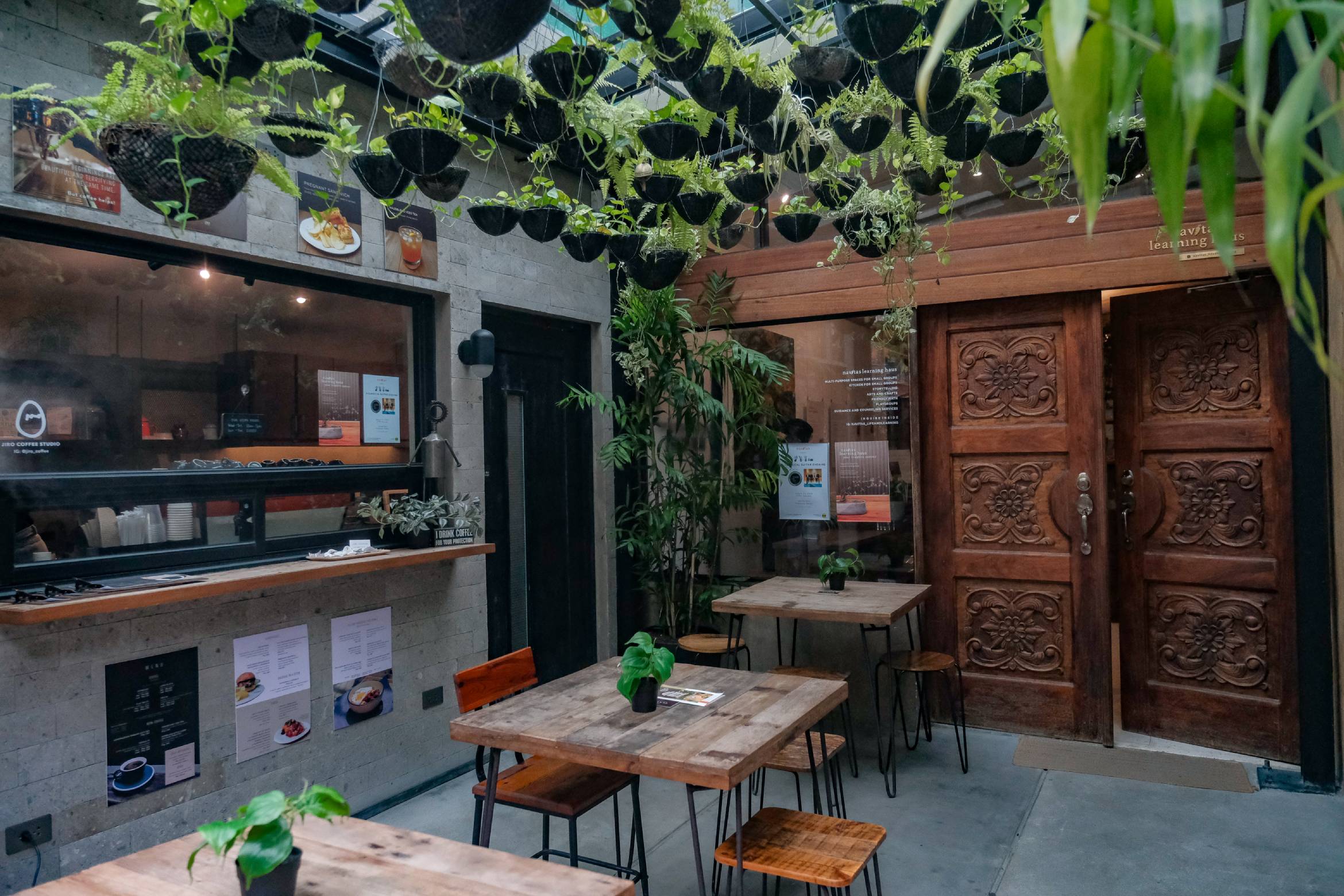
They remodeled the house to add bigger communal spaces to accommodate the classes and workshops in the facilities. From the kitchen to the dining area to the playroom, they expanded the space while still preserving the old construction of the building.
“Sometimes people have this thinking that new is always better,” she continued. “But for us actually the more aged something is the more stories it holds. We are made up of stories whether [as] human beings, families, [or even] our growing up years. Stories are so embedded in our everyday lives. That’s the reason why we decided to keep whatever we could.”
Laying Out the House
Much of the house pushes towards spaciousness to encourage a better learning environment for the children and adults. Their state-of-the-art kitchen, for example, contains a movable island counter and different appliances like a refrigerator, an oven, and a stove top. She said the design encourages experiential learning for the students.
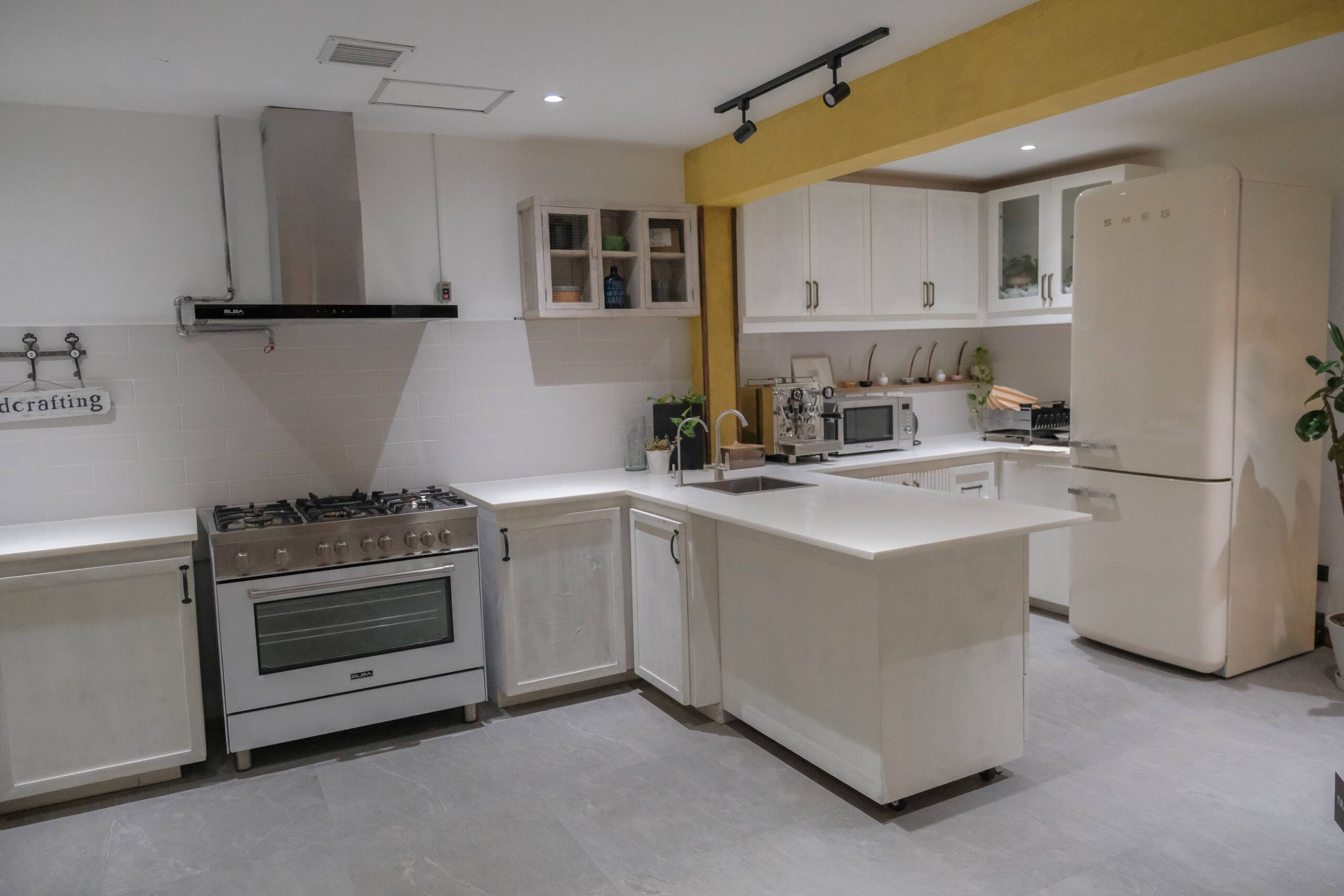
Coronel-Quiambao pushed the architects’ design to lean towards bareness and transparency over a “super polished” look favored by other learning centers. For example, Stroca, Inc. separated the playroom from the restrooms outside the Learning Haus with a wall. Instead of evening it out, however, Coronel-Quiambao insisted on allowing parts of the brick wall to remain exposed, except painted white.
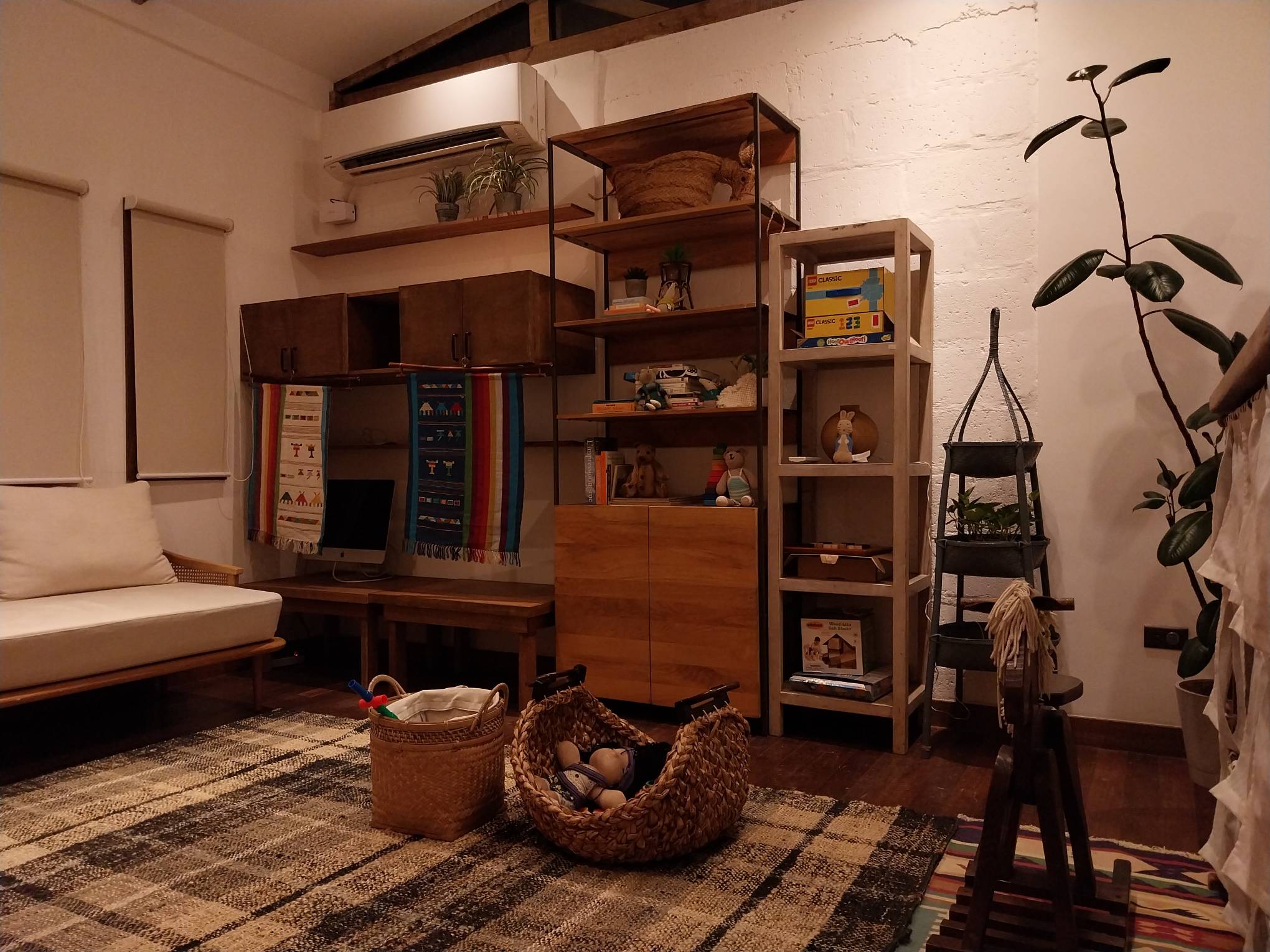
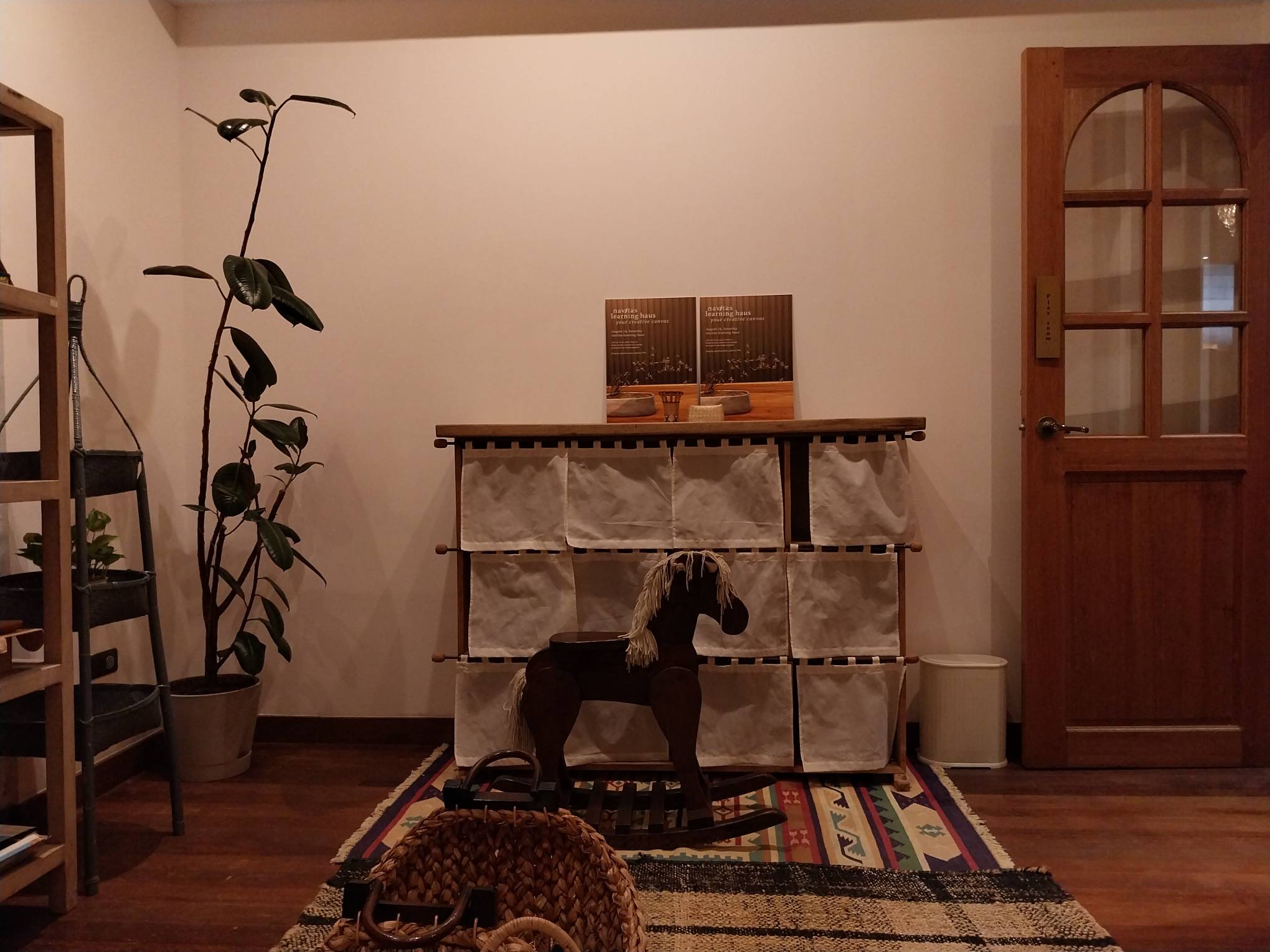
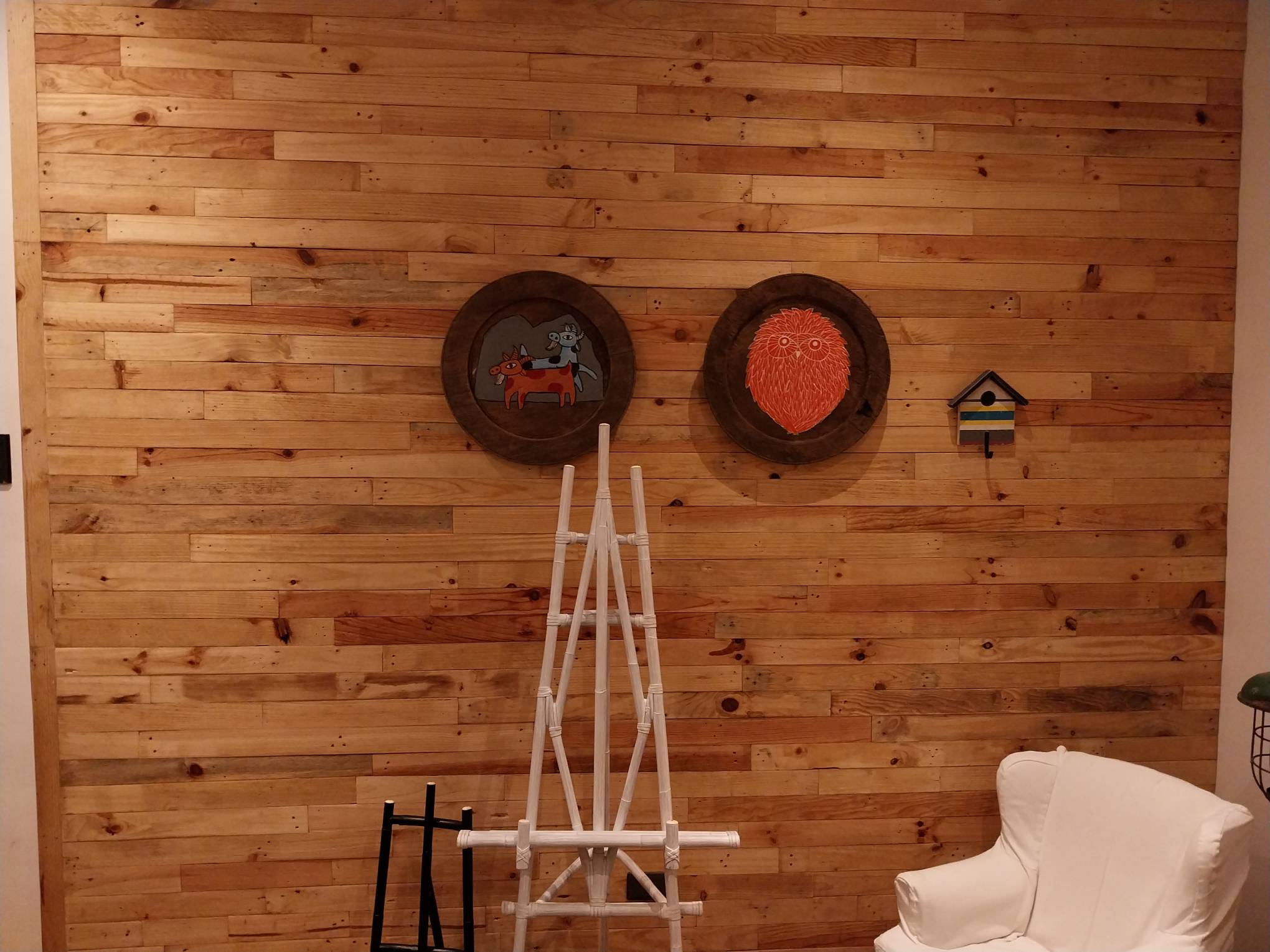
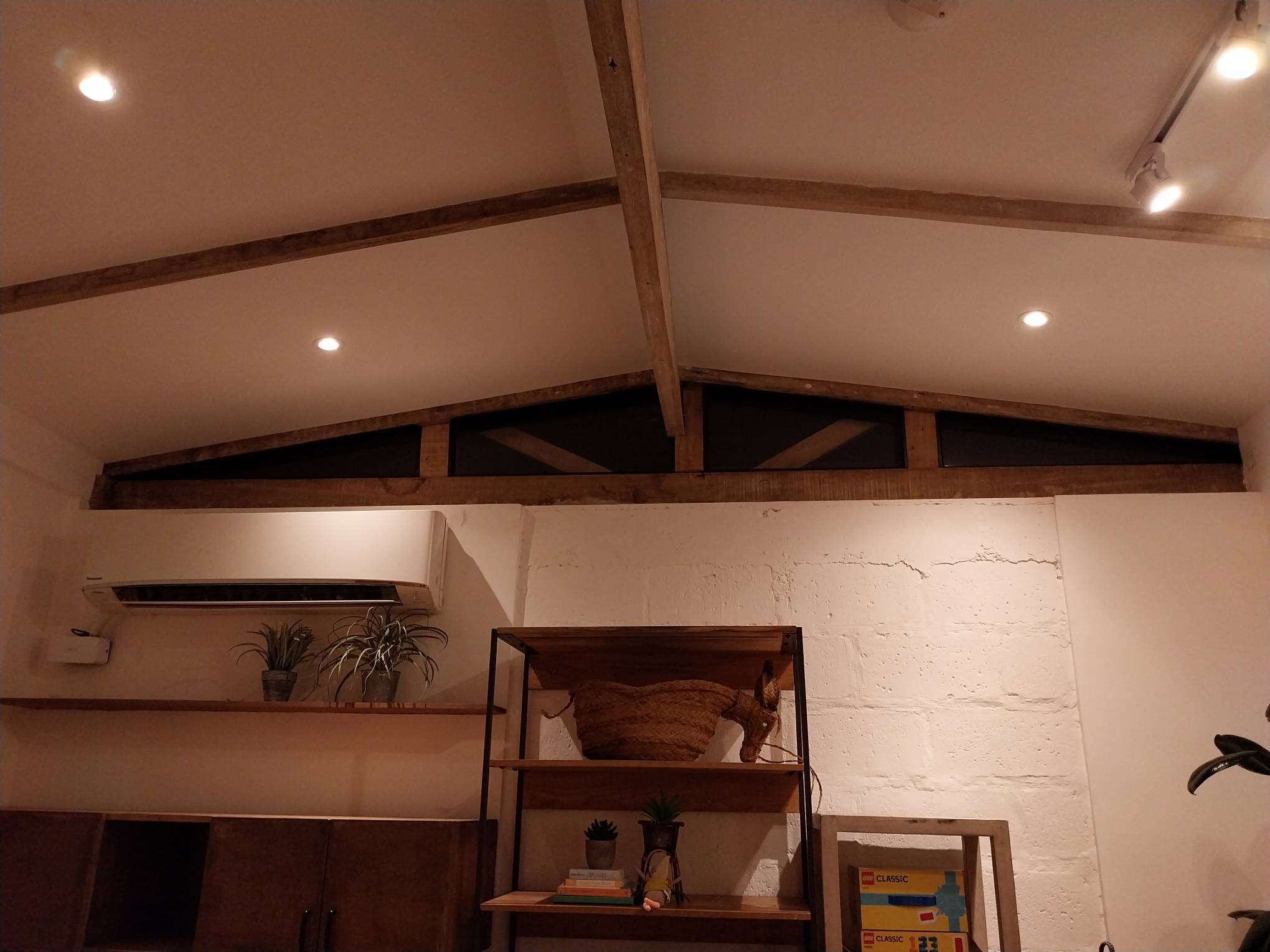
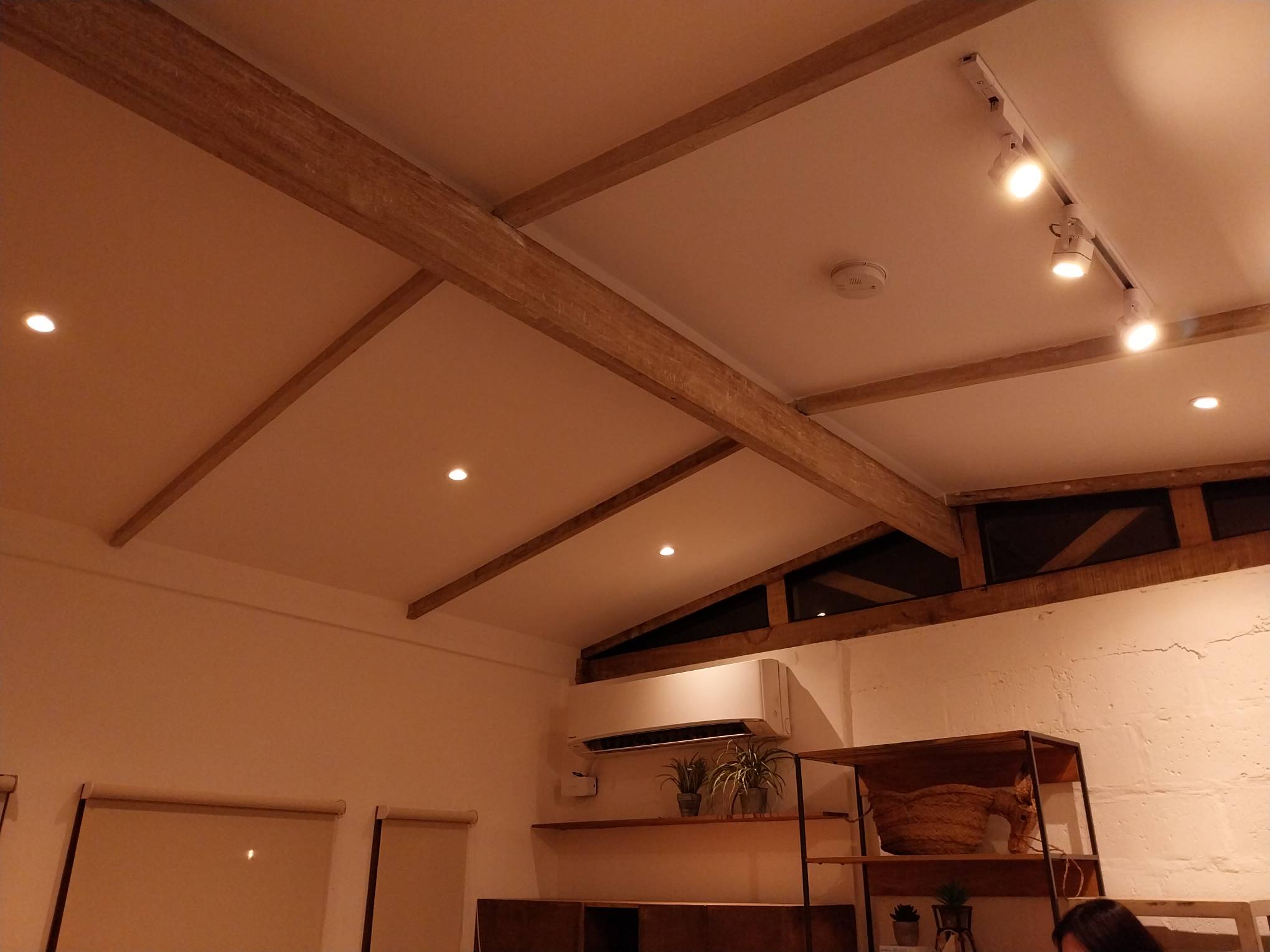
The playroom area uses the same general triangular shape of the house’s roof. Coronel-Quiambao noted that the original house didn’t use insulation sheets for the construction. The architects added beams to the structure, but largely kept it intact and transparent to showcase the shape of the house to the kids.
“I think, in a time where sometimes we look for super polished things, there’s now a reaction to that,” she said. “Sometimes, you want to go back to what’s wrong. You want to go back to how it’s really like, even before it gets filtered, or painted, or finished a certain way. It has its charm.”
Crafting Relaxing Areas
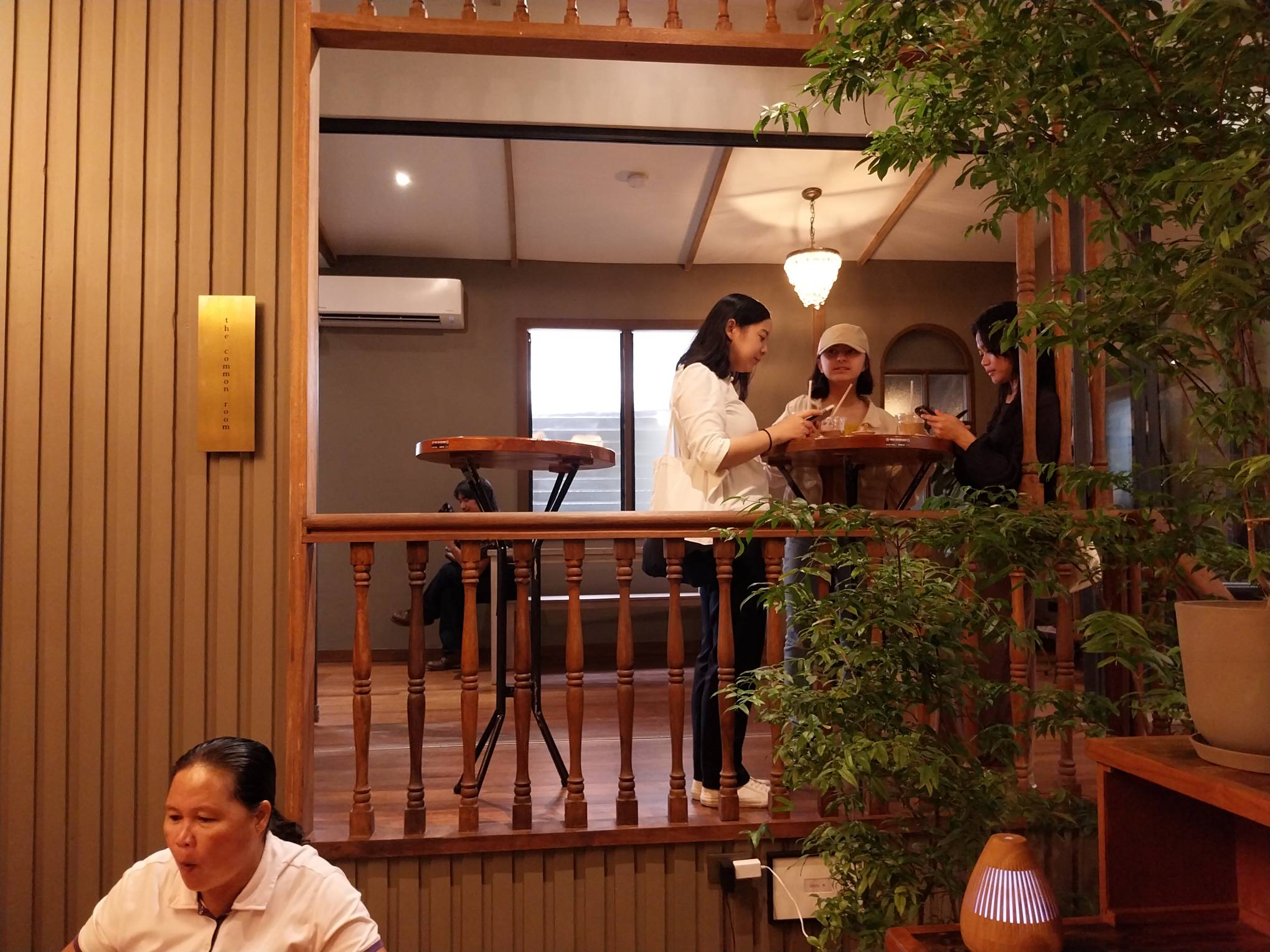
For most of Navitas Learning Haus’ main building, Stroca, Inc applied different wood-crafted furniture to the communal areas. The area used for storytelling sessions uses wood to enhance the homey-ness vibe of the area, from the staircase to the banisters to the wooden planks in the walls and ceilings.
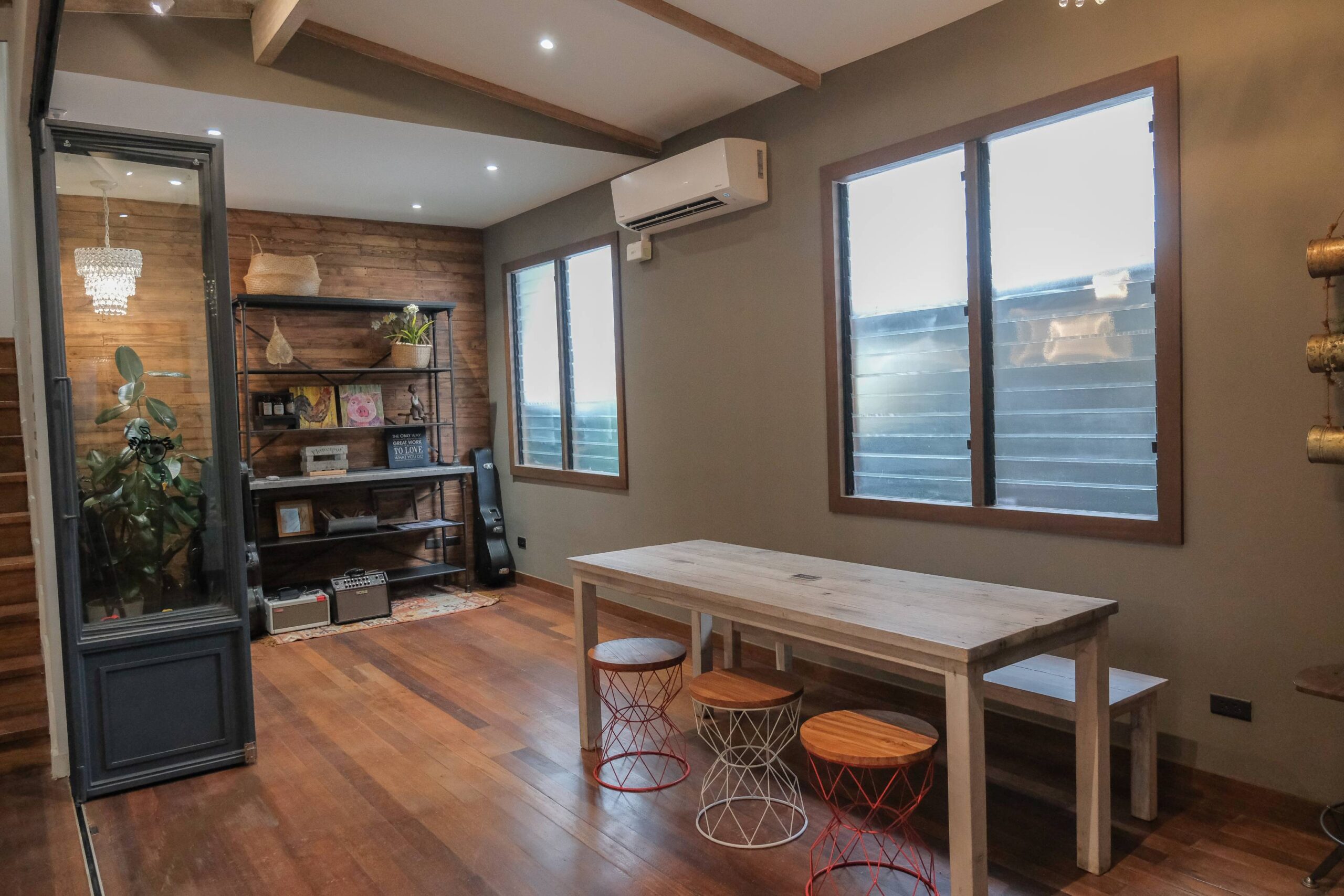
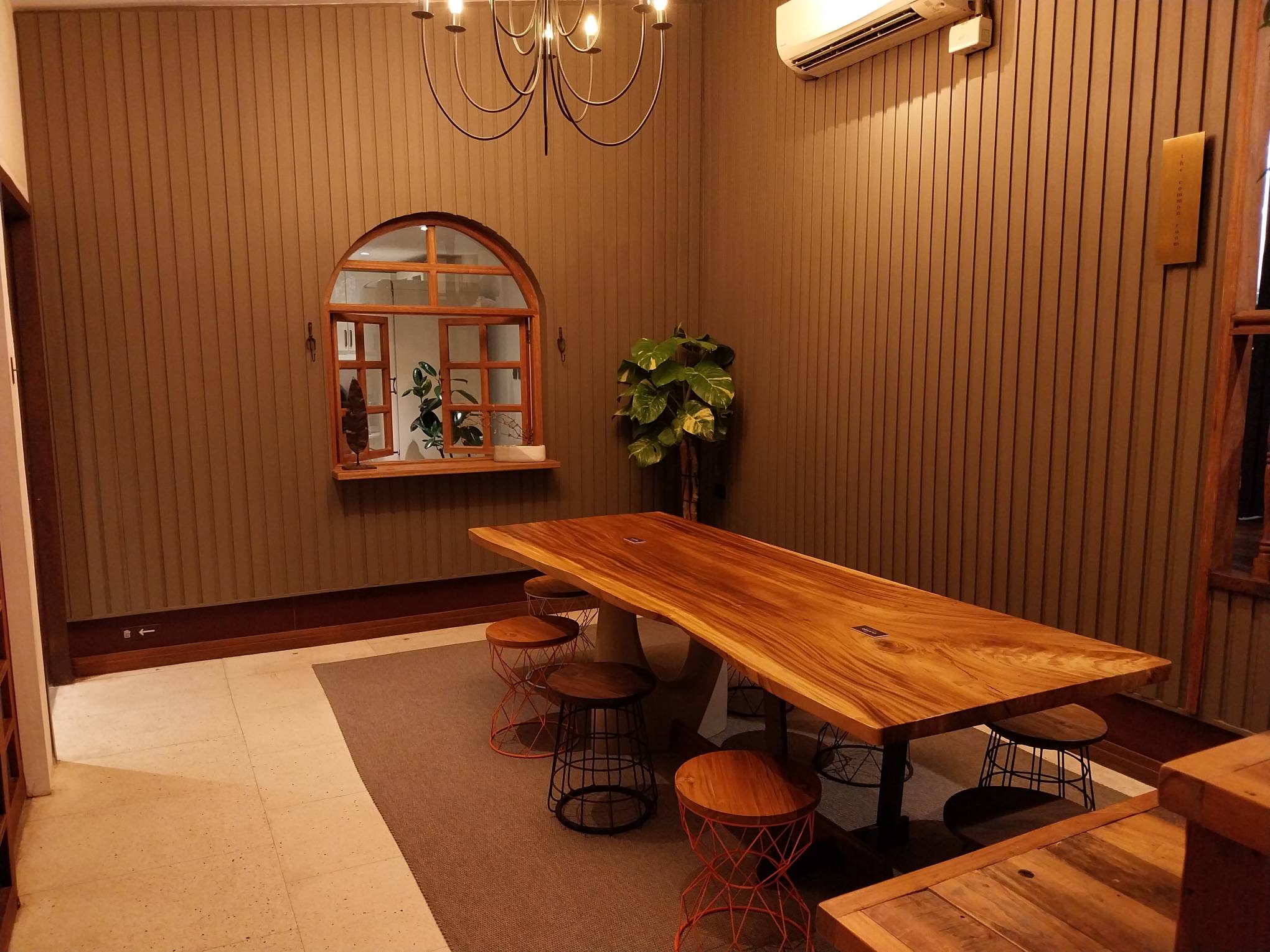
Wood use was intentional as the architects had to combine and replace the former rooms in the area to craft the space. They knocked down a bathroom in the area to expand it further, which can be seen by the differing layouts of the wooden planks on the floor.
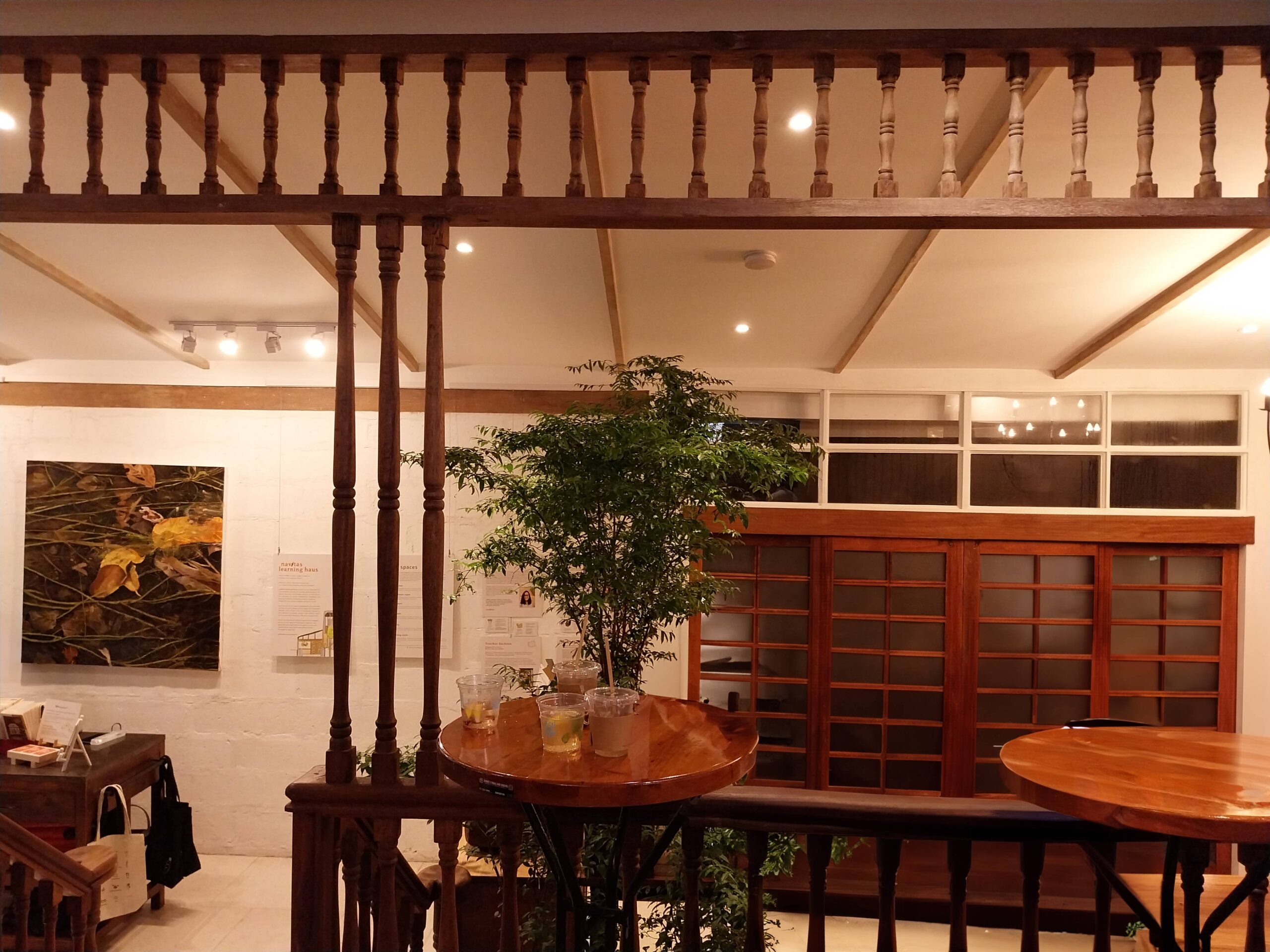
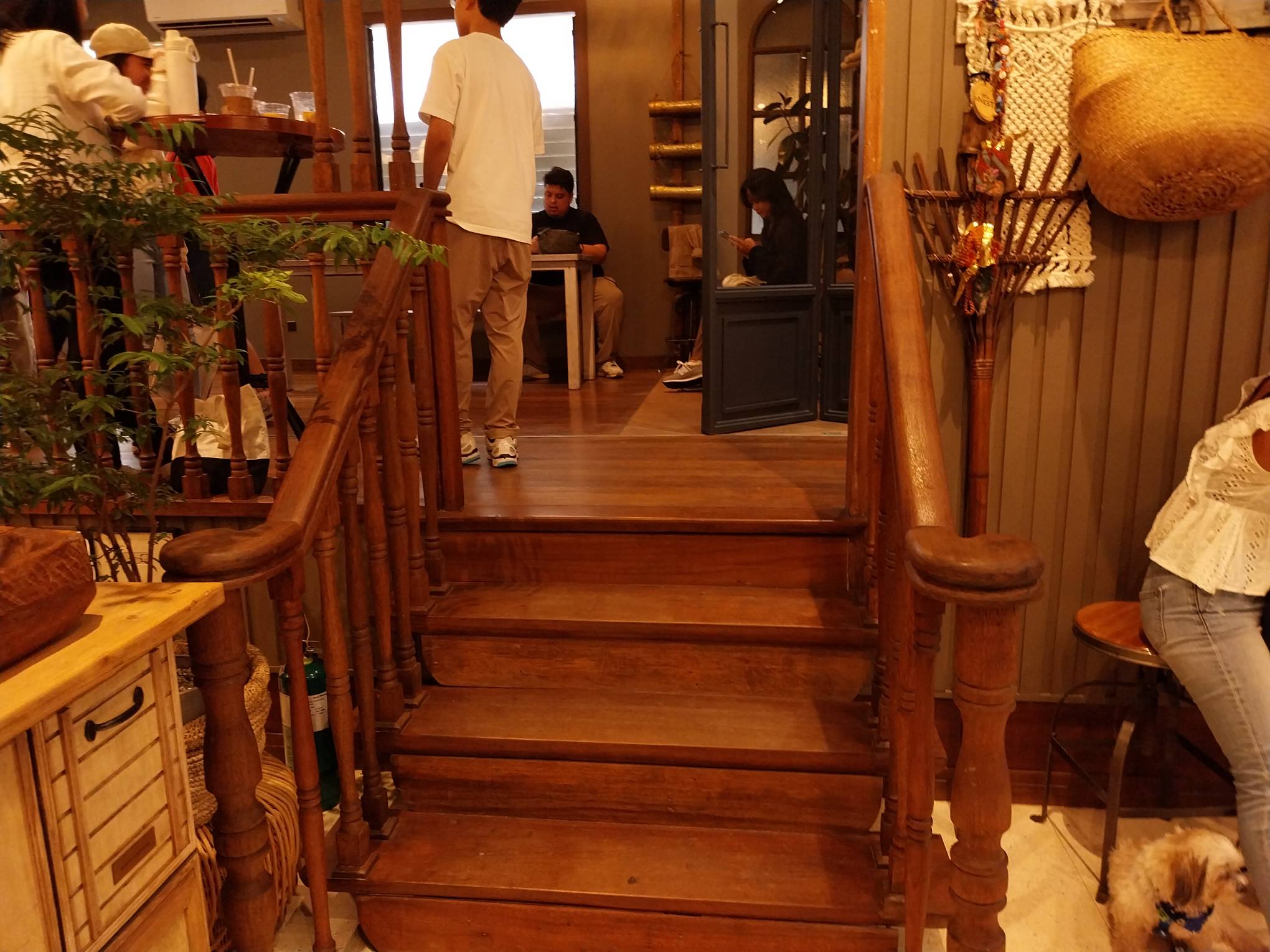
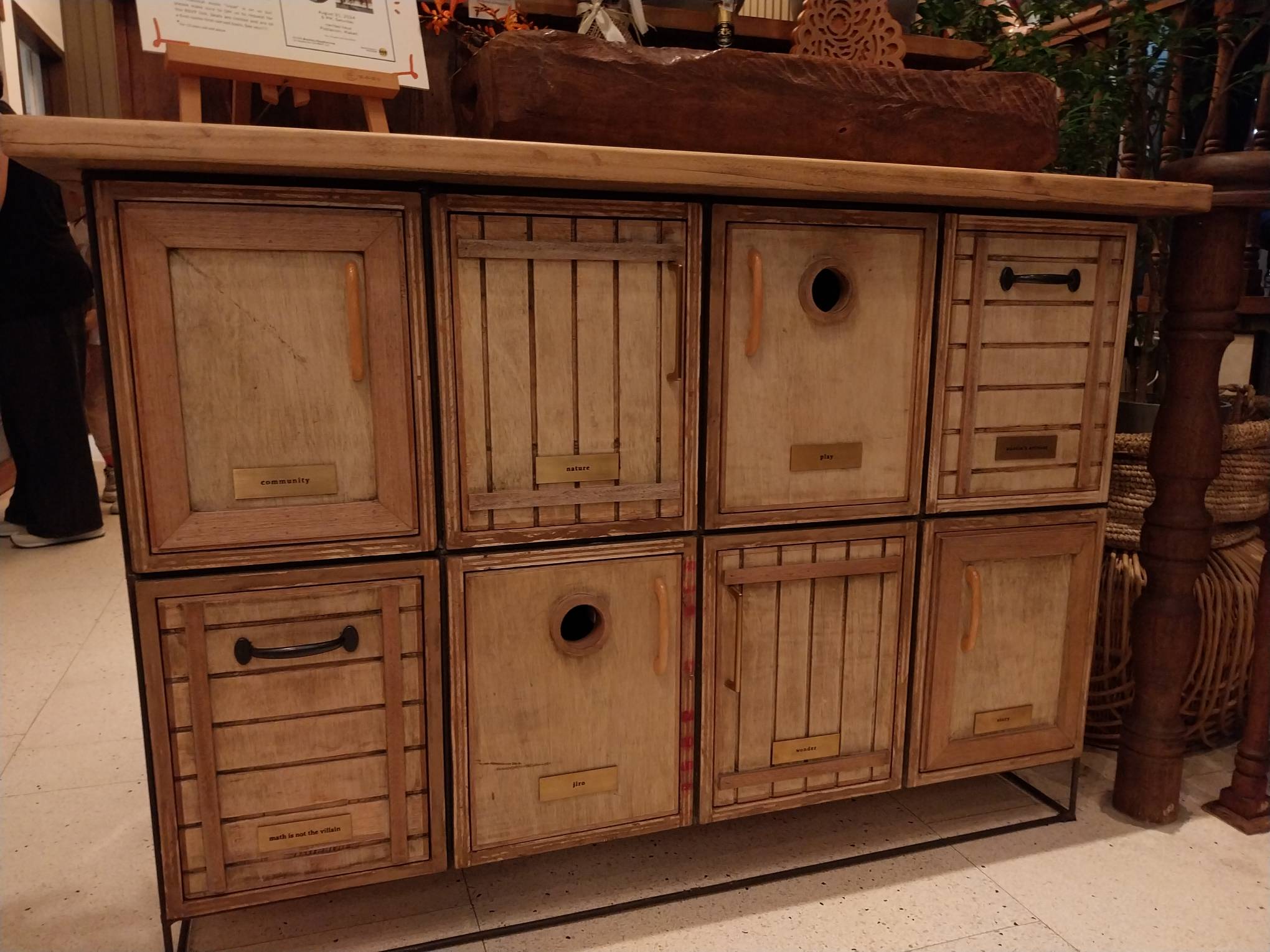
Another area, the only new room built wholly new for the project, adorns its walls with unpolished concrete. A small table with pillows decorates the room. Its design reminds one of private prayer rooms, especially with how one side uses a rectangular window covered in canvas curtains.
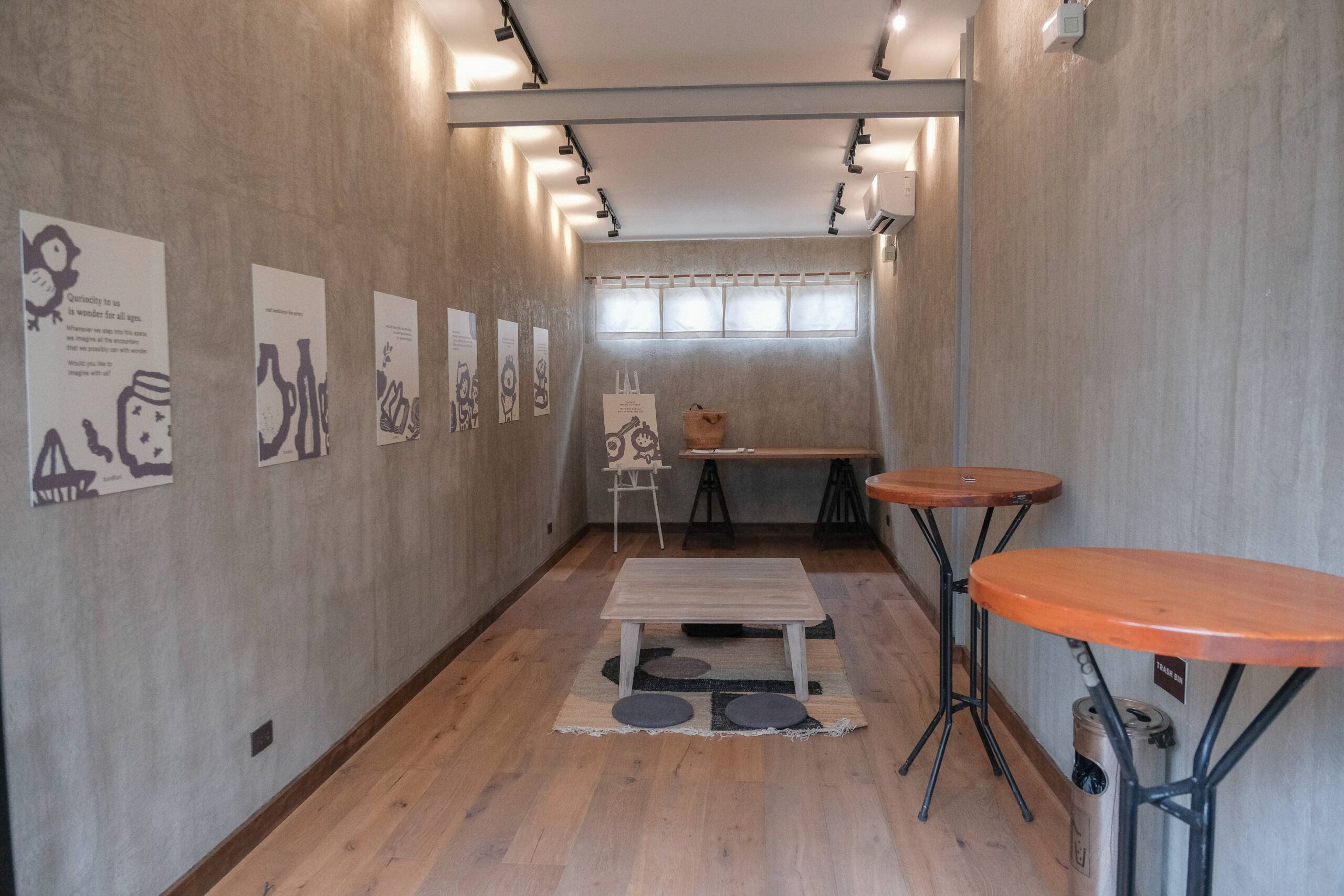
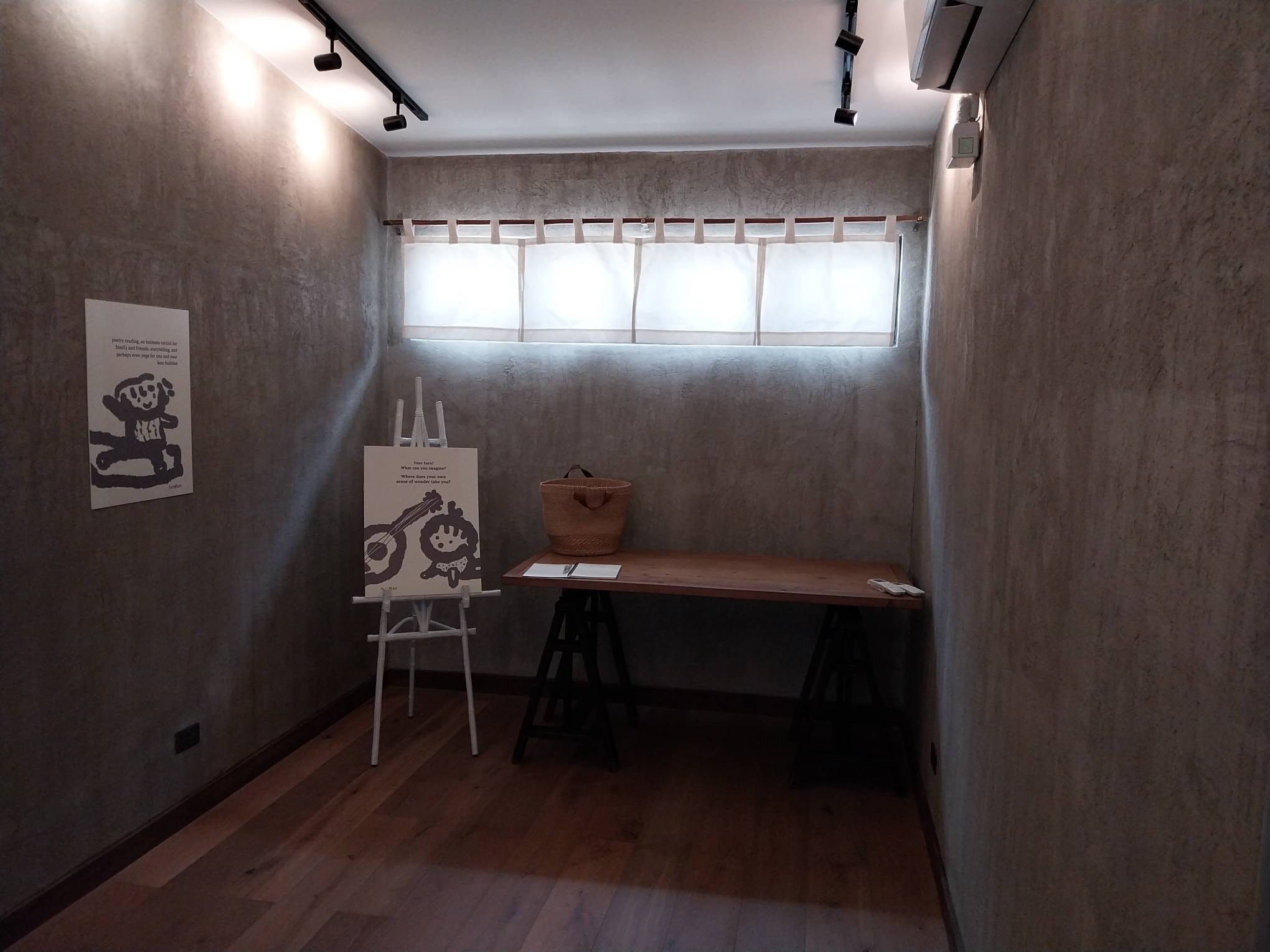
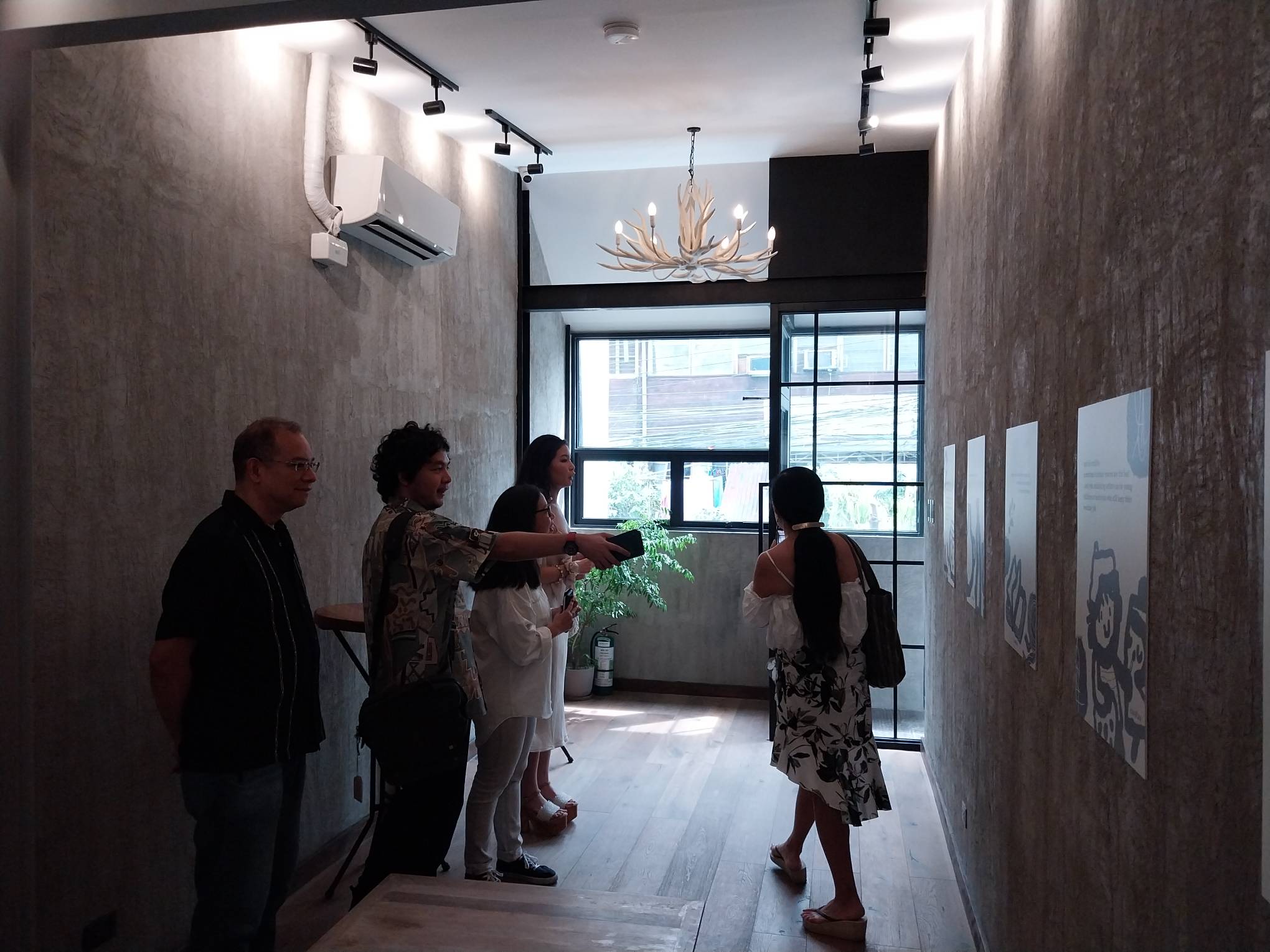
A calm and quiet environment, Coronel-Quiambao said that they made it for intimate events that require one to give close attention to people. She envisions it for intimate art exhibits, or relaxing yoga sessions, and makes the room easily adjustable for those needs.
“We wanted it to be like a blank canvas,” she said. “We wanted it to be as neutral as possible so it’s really your imagination at work.”
Keeping Imagination Intact
The architects located most of the offices of Navitas Learning Haus on the second floor, equipped with a bathroom and storage facility. It also contains the office of guidance counselor Jack Lagat, who offers their counseling services for Navitas.
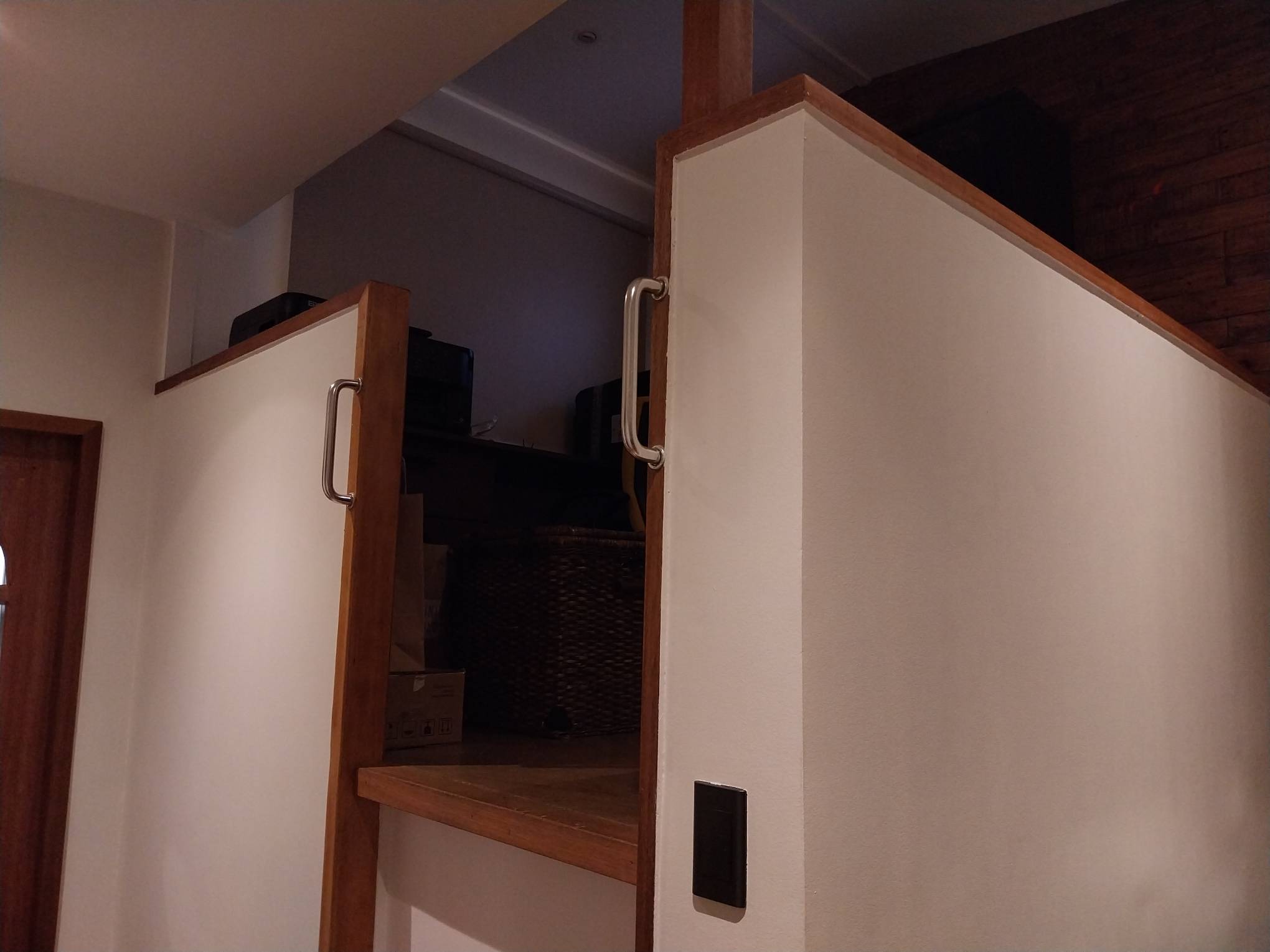
An interesting part of the original house that they did keep is a small nook on the second floor. They originally built it to be separate from the second floor, like a hide-out or a tree-house indoors.
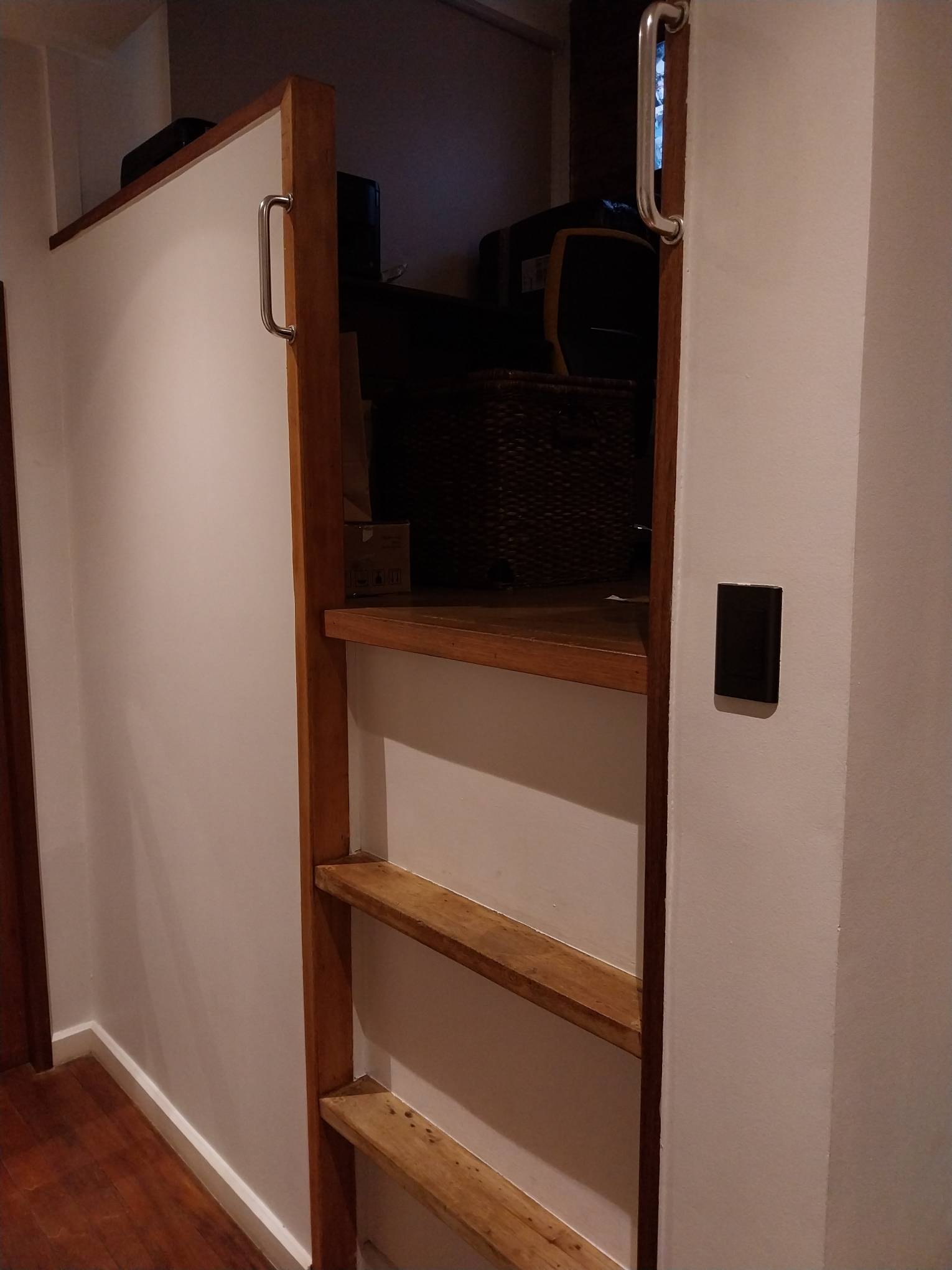
One of the children of the original owners became an architect, Coronel-Quiambao said,and they built this nook to keep their blueprints safe. They ended up keeping it due to its interesting aesthetic. While it doesn’t seem to have a specific use at the moment, some children have suggested turning it into a reading nook for the children.
Charming Nook in the City
Navitas Learning Haus will be rolling out their programs for an official start date of January 2025, though sampler offerings will be given for the last months of 2024. Coronel-Quiambao said that these spaces will also be available to rent for different events, exhibits, and workshops to those who may be interested.
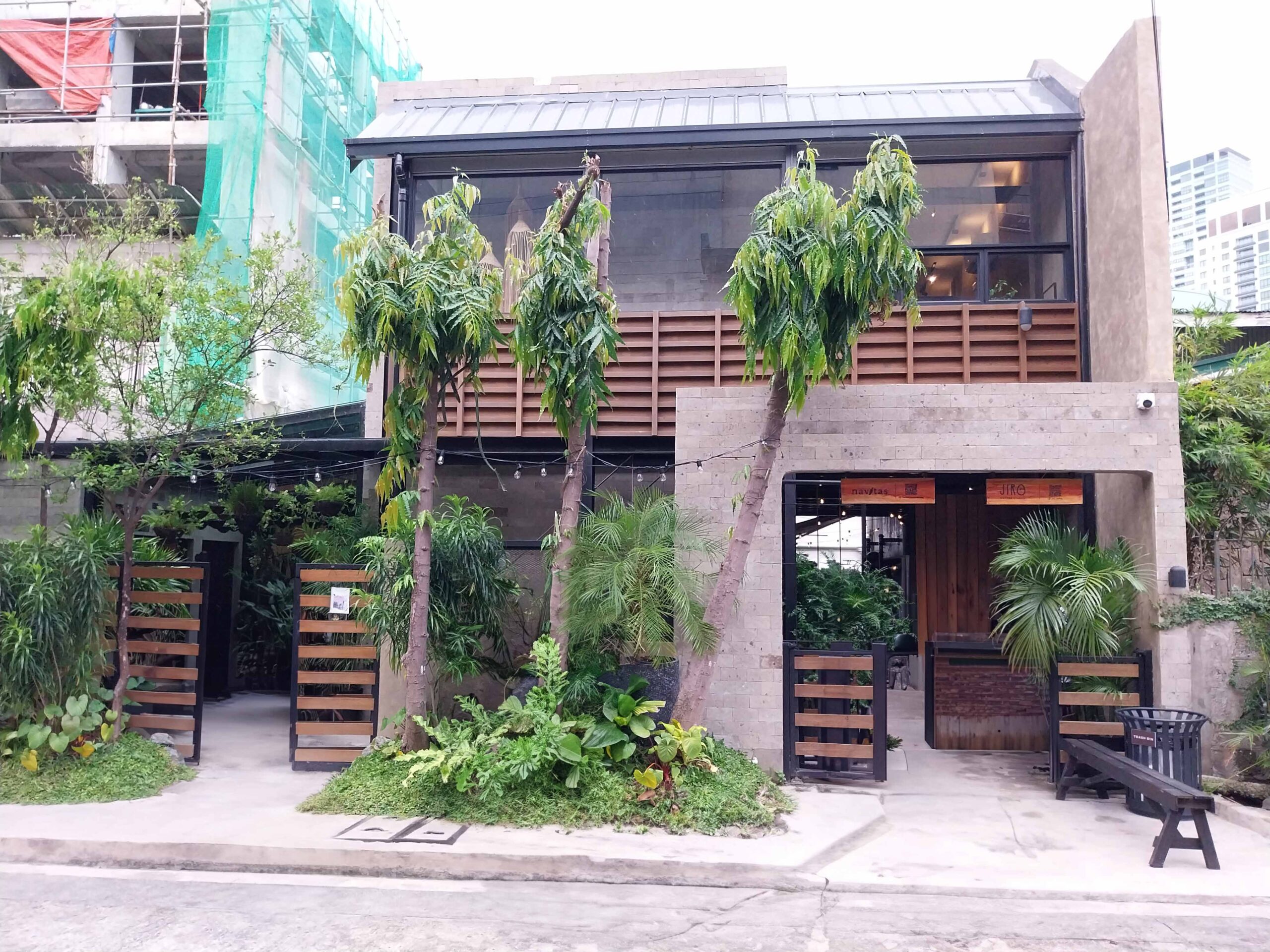
For Coronel-Quiambao, the new space represents a potential upending of our typical schooling experience. It goes beyond the classroom: she wants to cultivate a curious educational spirit for every child and adult. She wants Navitas to foster a love for learning, and to show that it’s never too late to expand the horizons of the mind.
“As I’ve said, nothing wrong with the system, we’re all products of the school structure too. I’m very thankful for all that it has given us,” she said. “But we felt that because we’ve been in the traditional school setup for a long time, it’s now time to create platforms that can complement the school setup.”
Related reading: The Art of Meaningful Connection: CoKoro Haus by Estudio Arkipelago
Two sketches of Singapore connect BluPrint Editor in Chief Paulo G. Alcazaren’s personal and professional history with Shared Ground: ArchitectureArchitectureThe art and science of designing and constructing buildings, structures, and spaces that are functional, safe, and aesthetically pleasing. It encompasses the planning, design, materials, and techniques used to createGo to Architecture Glossary of Care, Culture, […]
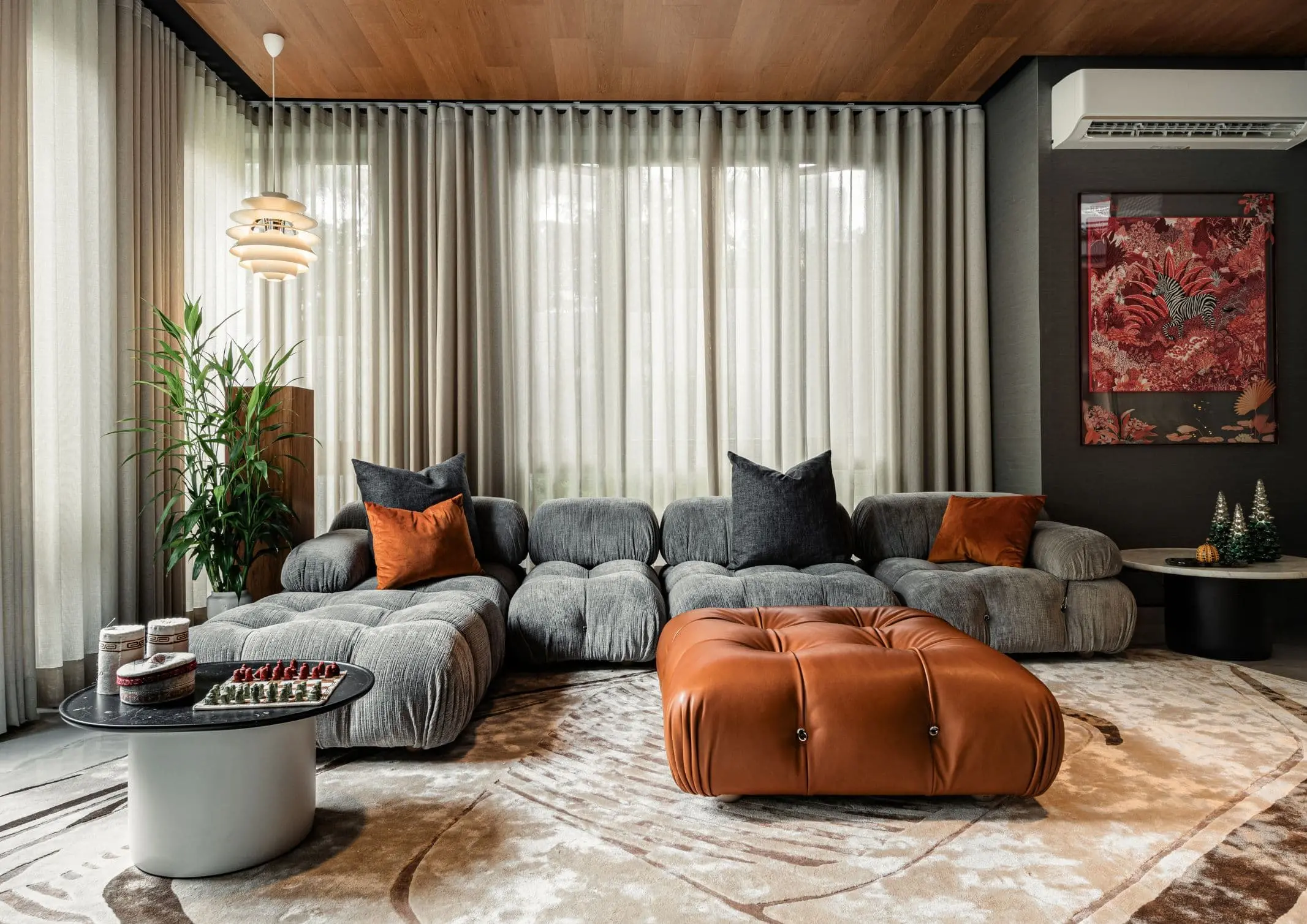
Some have become household names – Coleman, Oster, and KitchenAid – products that have found their way into Filipino kitchens, homes and family routines. In home furnishings, brands such as B&B Italia, Ethan Allen, Sub-Zero, Miele, SieMatic, Louis Poulsen, Hunter Douglas, Tempur, and Technogym, have helped shape the way Filipinos live. From everyday essentials to […]
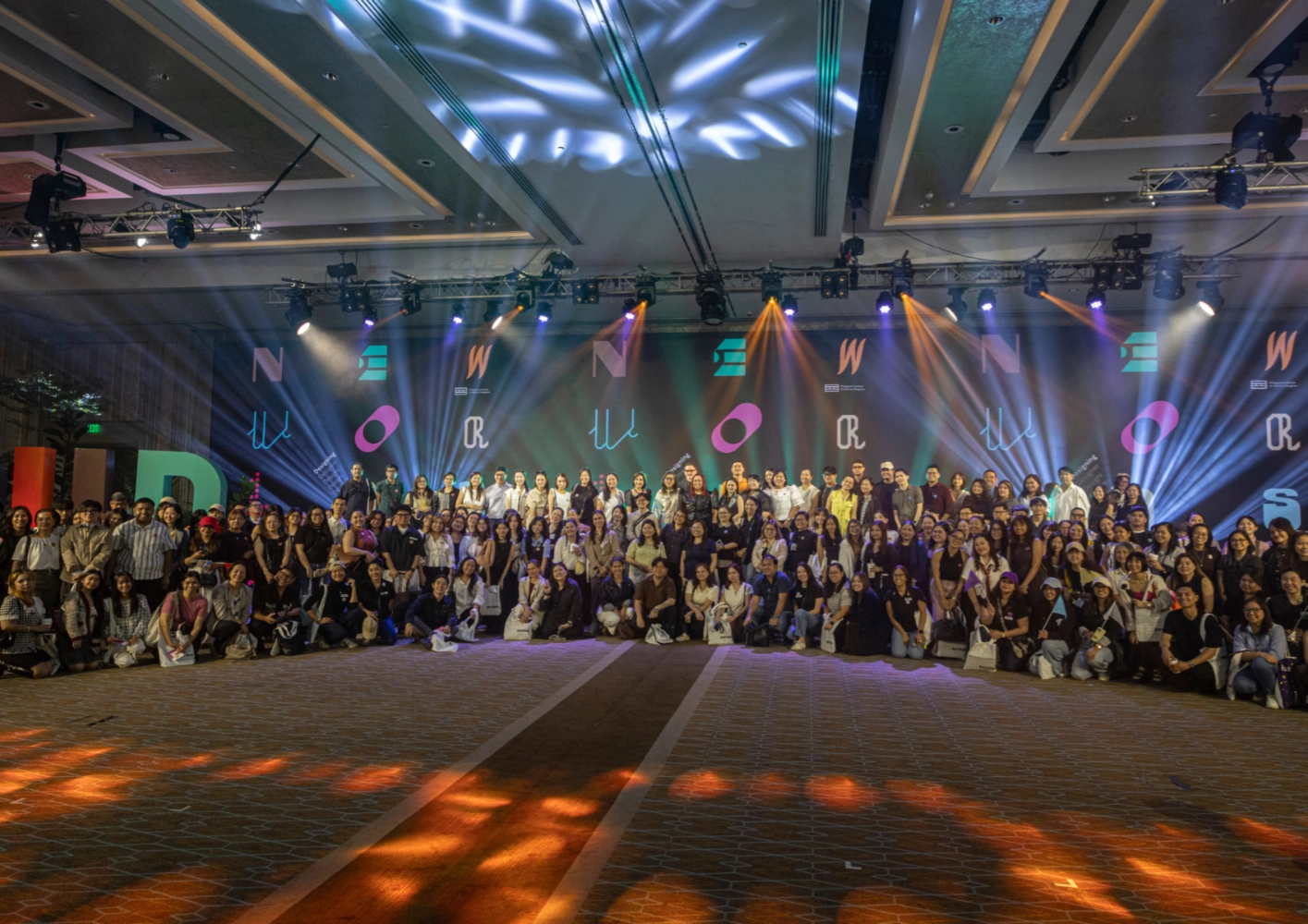
In a way, designers are the modern-day soothsayers and prophets. They design for the future, predicting how a room, a house, a building or a whole city will be used by people. They foresee how users will interact with a space, conjure exact shades of colors to elicit specific behavior and arrange furniture to build […]
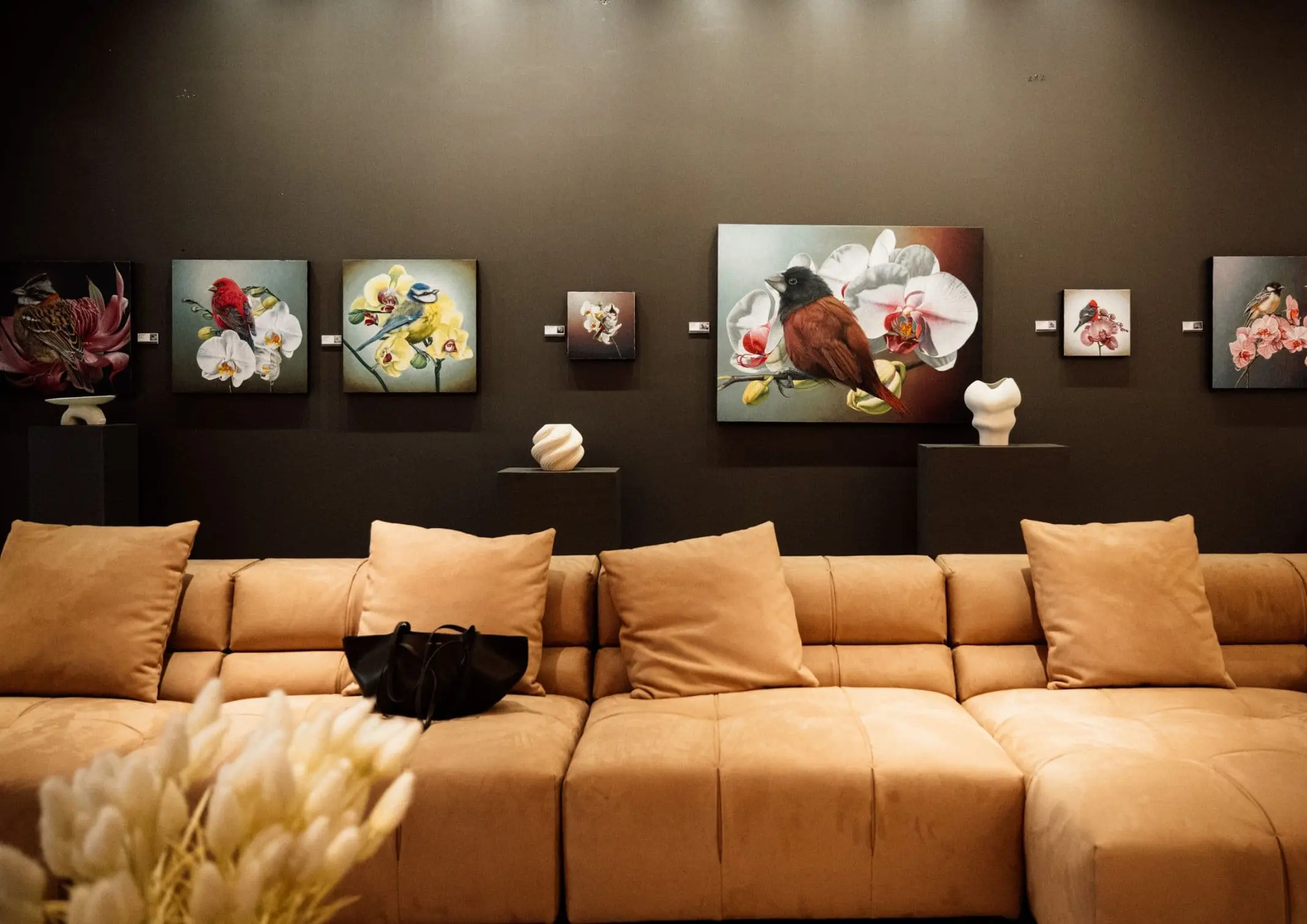
Art and furniture are often selected separately, yet their relationship can shape how a room looks and feels. The collaboration between Hooga and Galerie Joaquin explores how these elements can work together, bringing contemporary artworks into furnished residential settings at Hooga’s showroom in Uptown Mall, Bonifacio Global City. For Hooga, which curates furniture, lighting, and […]
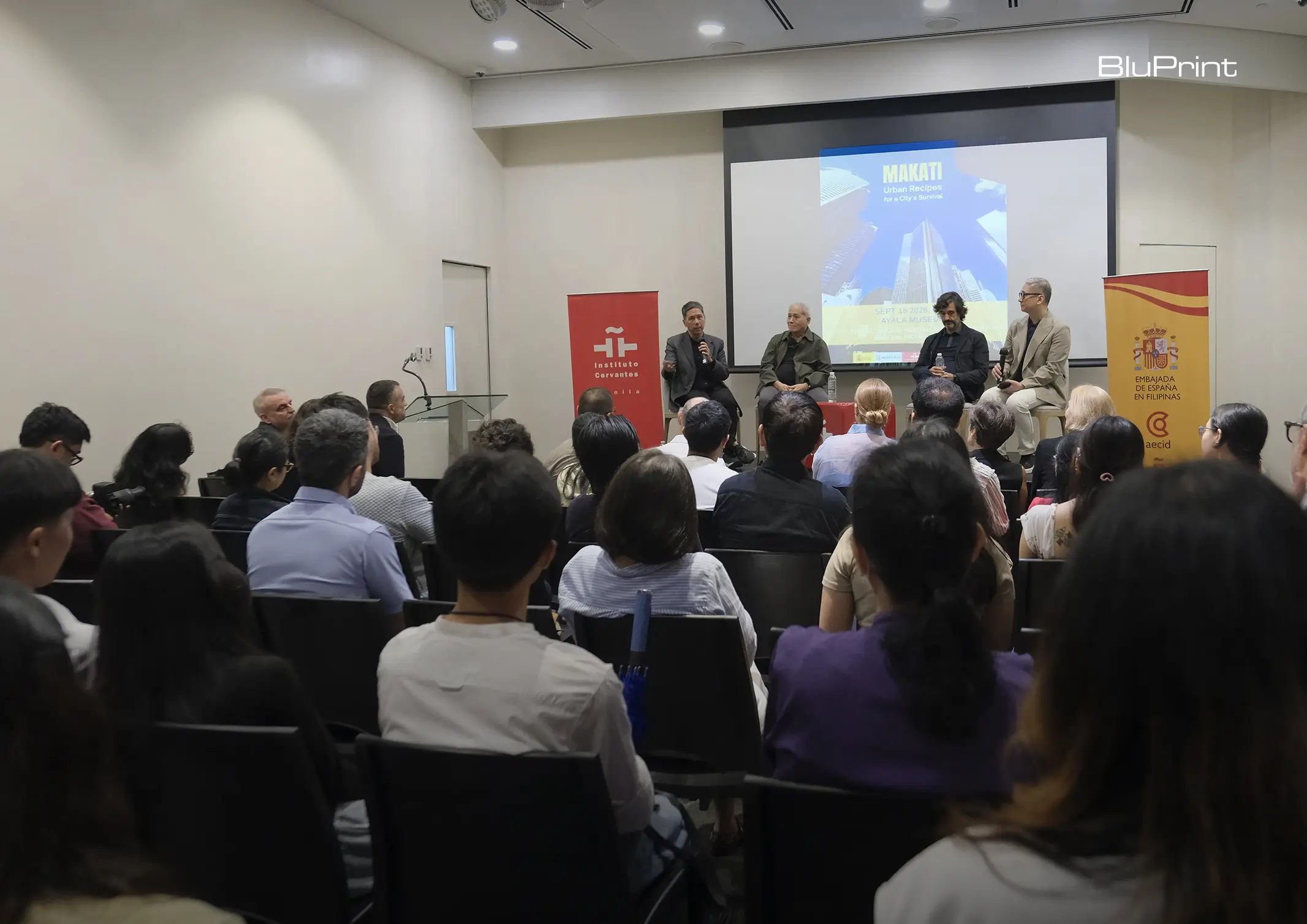
How can better-planned cities create the conditions for more creative, livable, and resilient urban environments? “Makati Urban Recipes for a City’s Survival,” a colloquium held at the Ayala Museum on September 15, brought together architects and practitioners from the fields of urbanism and the creative economy to discuss how design, planning, and collaboration can address […]
Read the issues.

Collect the volumes.

Recommended Video
Tap to Unmute
Unmute
0:00
0:00