A Filipino Interpretation of Modernist Architecture Unlike the rest of Makati today, the northern end of Paseo de Roxas in Makati is anchored by a low complex rather than a tall skyscraper. This is the elegant Asian Institute of Management, designed by architect Gabriel Formoso and completed in 1971. In my opinion, the building is […]
‘bioSignals’ Fosters a Message About Our Interdependent World



bioSignals is the new exhibition at NO Community-run Space. It’s a multinational collaborative effort between the Philippines, the UK, and New Zealand to comment on climate change. Each country took the theme of “resilience in the face of environmental challenges” and ran with it, coming up with perspectives that show off the cultural differences between the three.
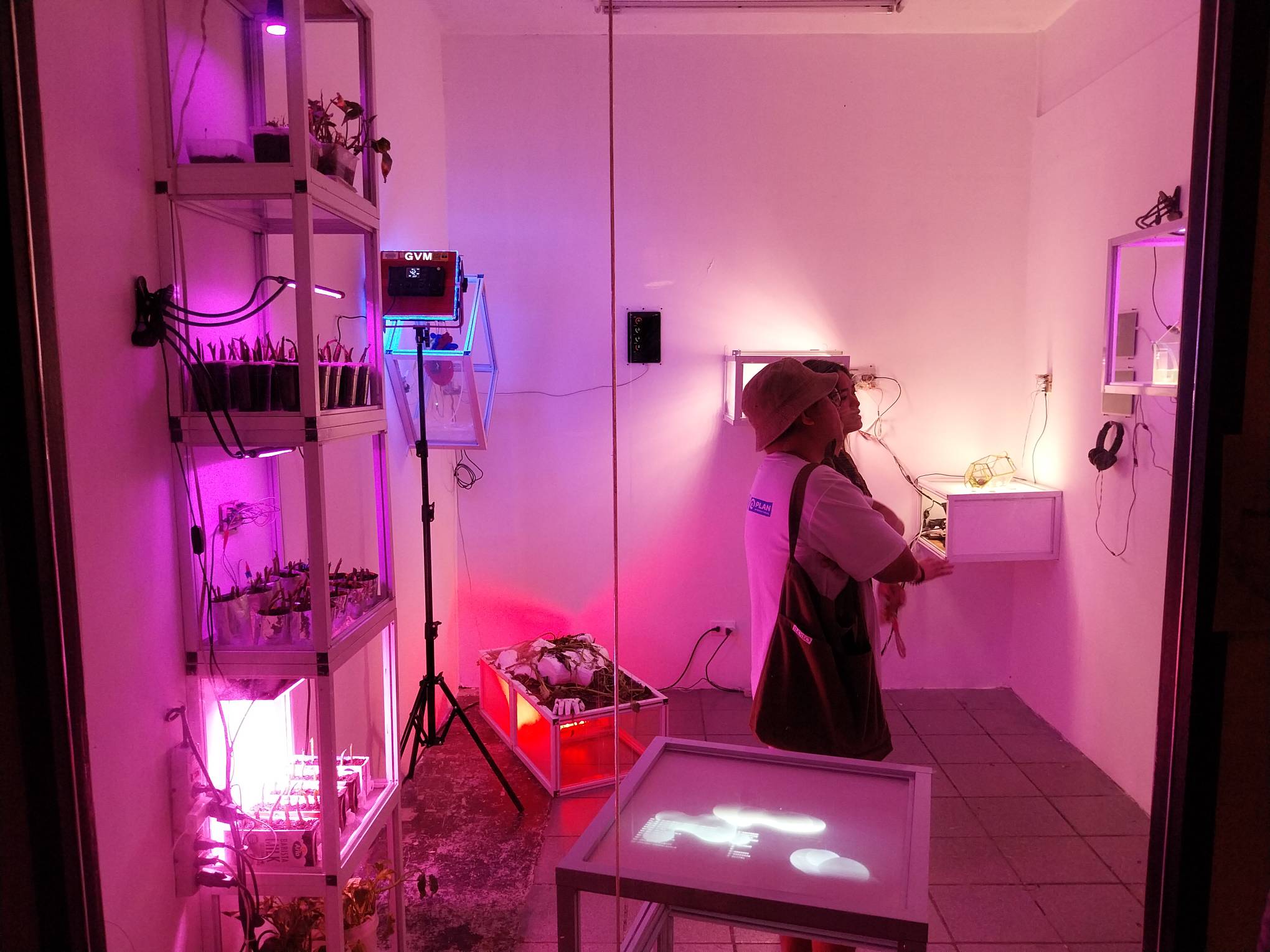
For the Philippines’ portion, the focus is on the idea of survival and the effects of climate change on a country considered part of the Global South. The team of seven, led by Dr. Diego Maranan, combined these elements to create a “living laboratory” that triggers the discussion of environmental survival in a time of change.
“In the Philippines, where climate change impacts are often felt most severely and where resources for mitigation may be limited, resilience becomes the reality,” the exhibit write-up said. “Our decision to explore resilience was driven by the urgent need to understand and enhance the adaptive capacities of both human and ecological systems in vulnerable tropical regions.”
Nature Without Boundaries
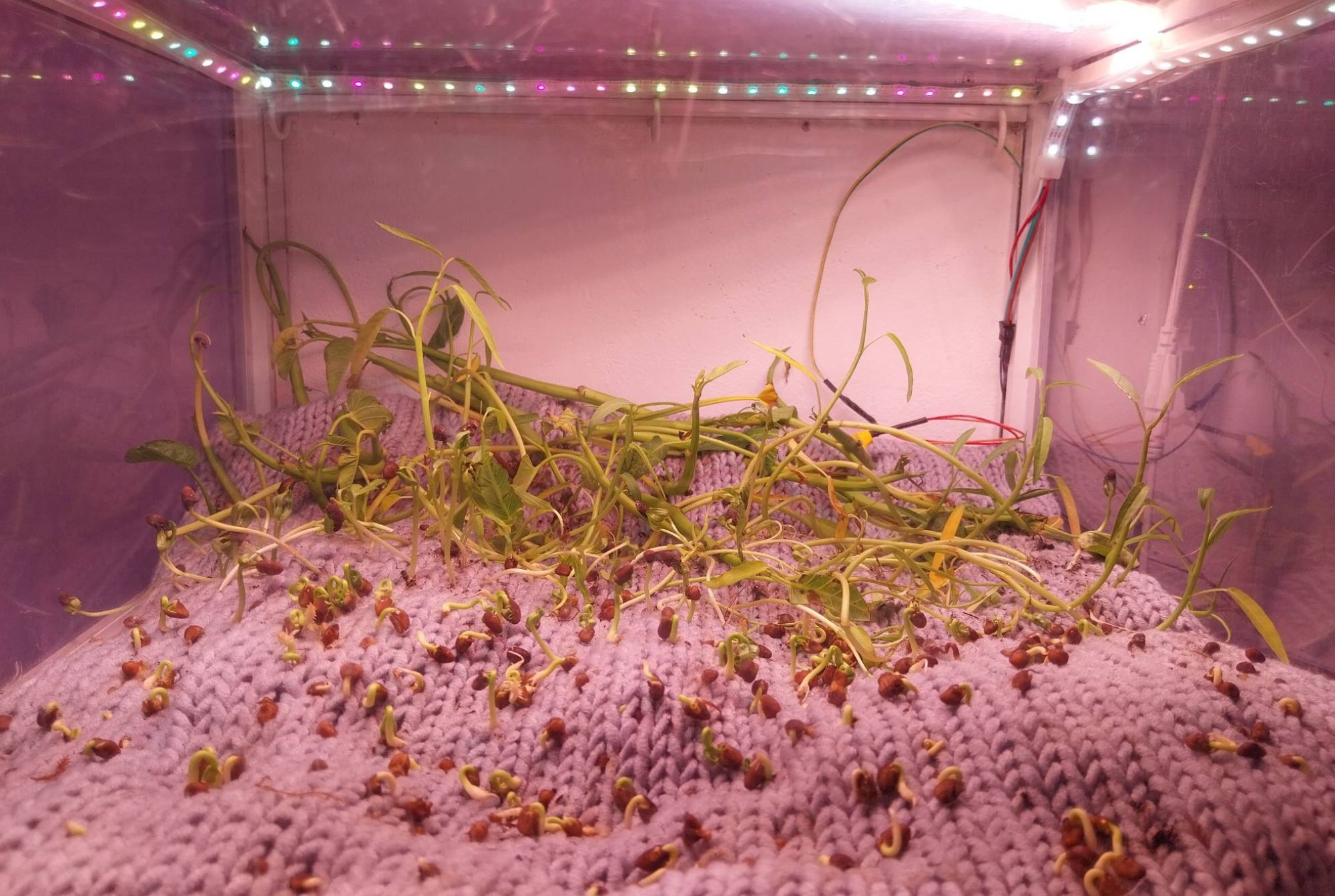
For the works featured in bioSignals, the team used kangkong as a common thread throughout the different artwork. The team believes that it represents the Philippines best due to its ease of cultivation and its place as a food staple in many local dishes. They see it as a “testament to resilience and adaptability in Filipino culture, thriving in the margins.”
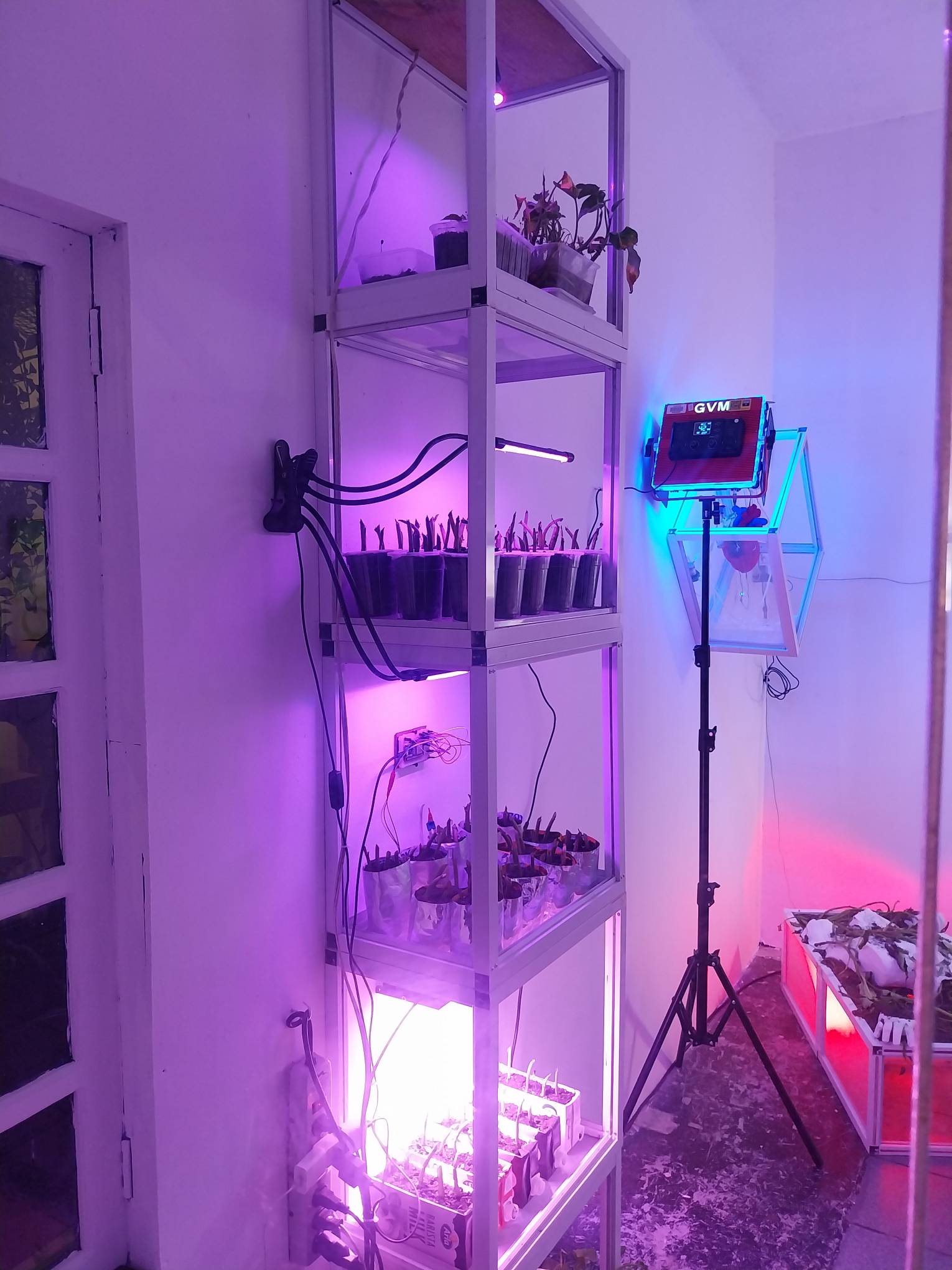
“Our exhibition tells the story of kangkong through collected plant signals, environmental adaptations, and cultural connotations,” the write-up said. “This exhibition harnesses the silent language of plants, transforming biological processes into a dialogue that transcends geographical boundaries.”
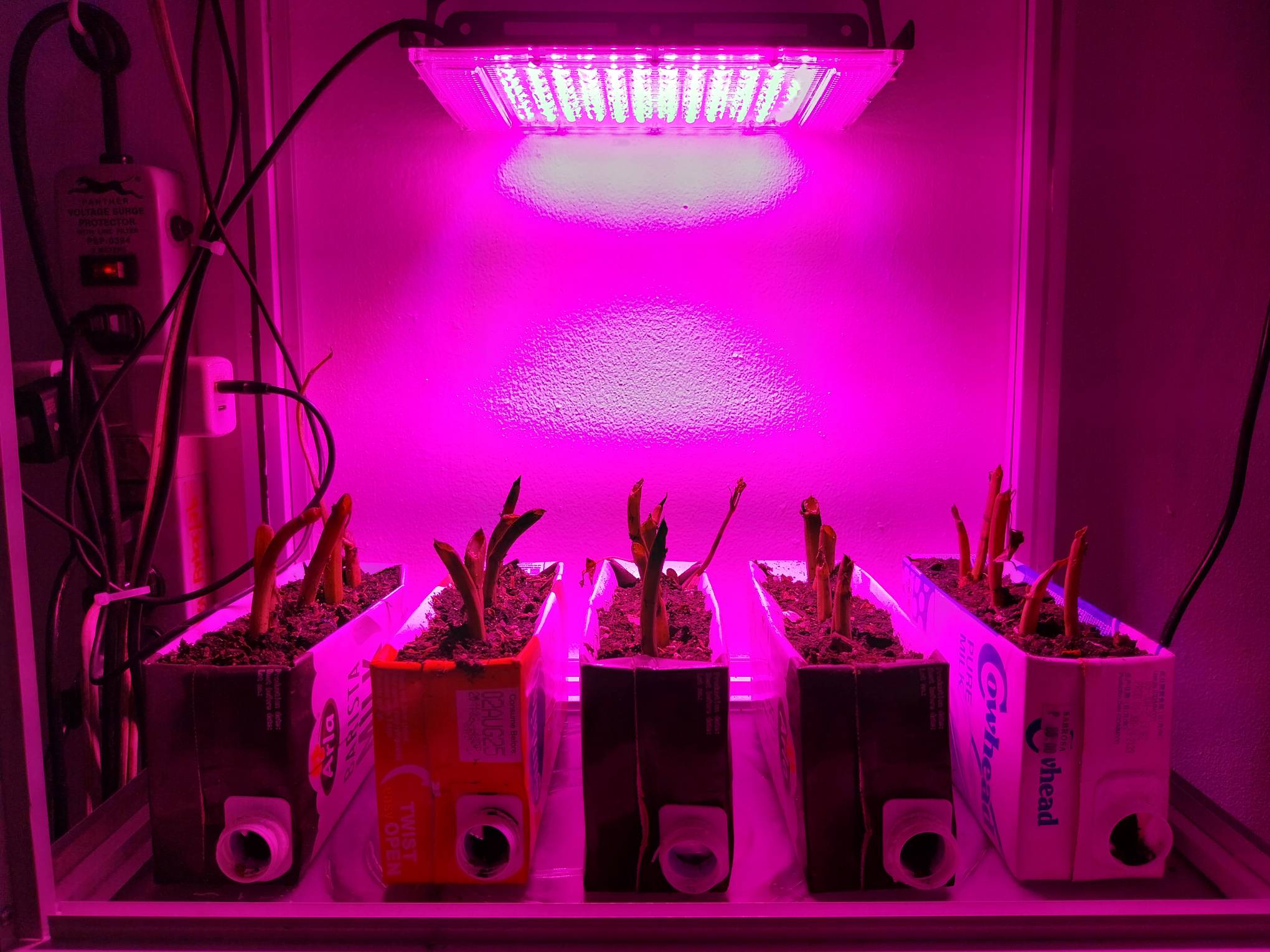
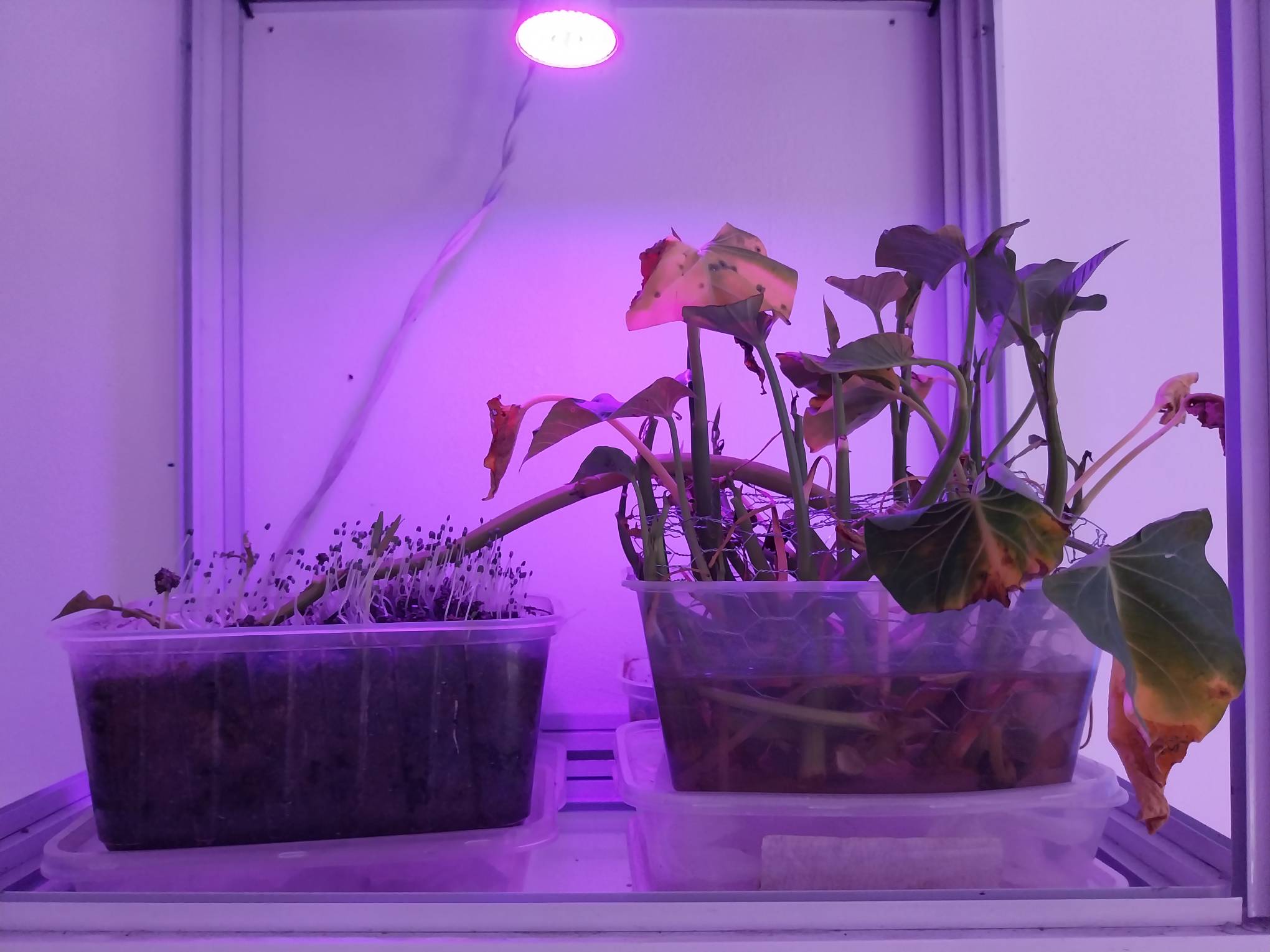
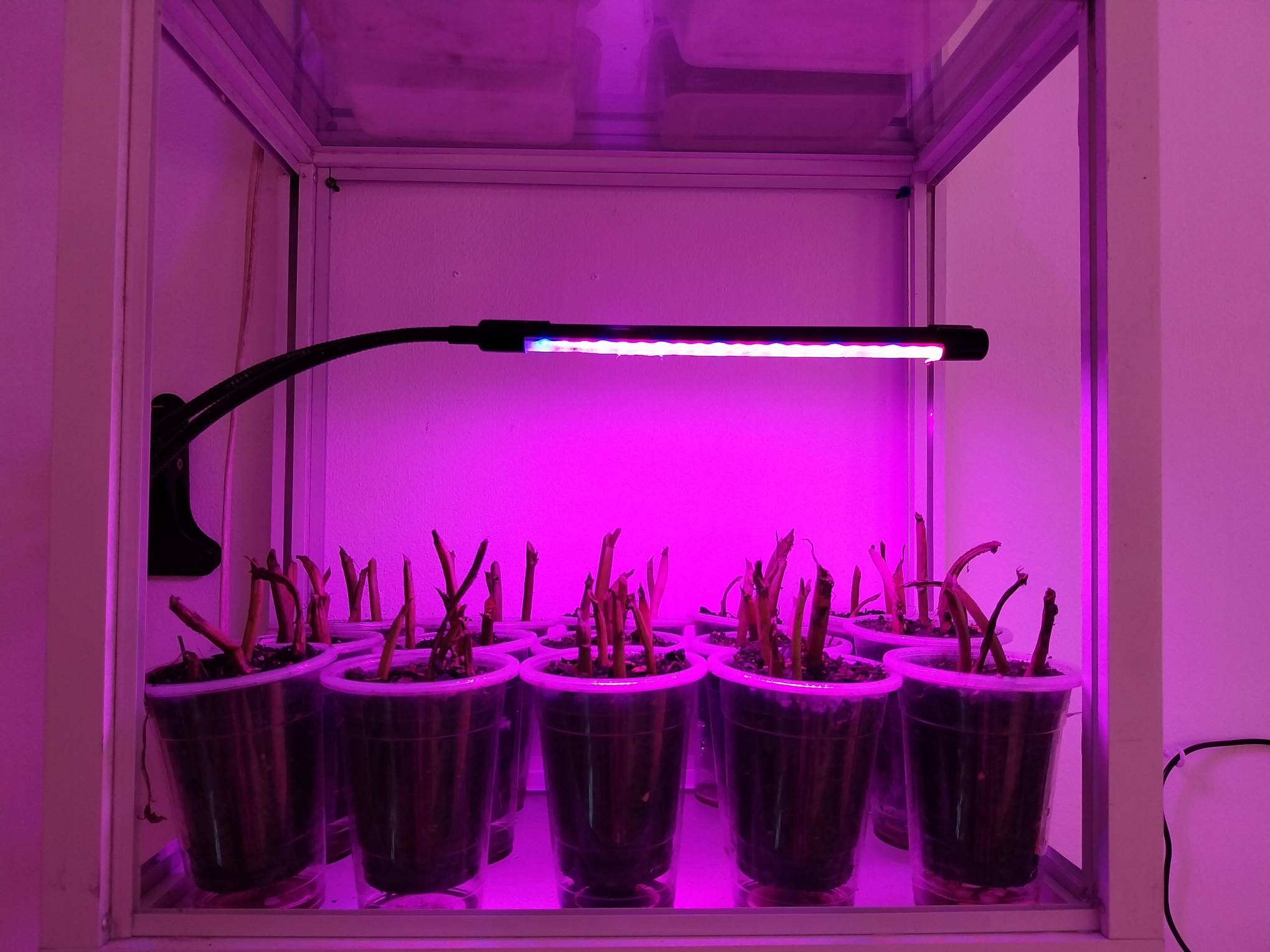
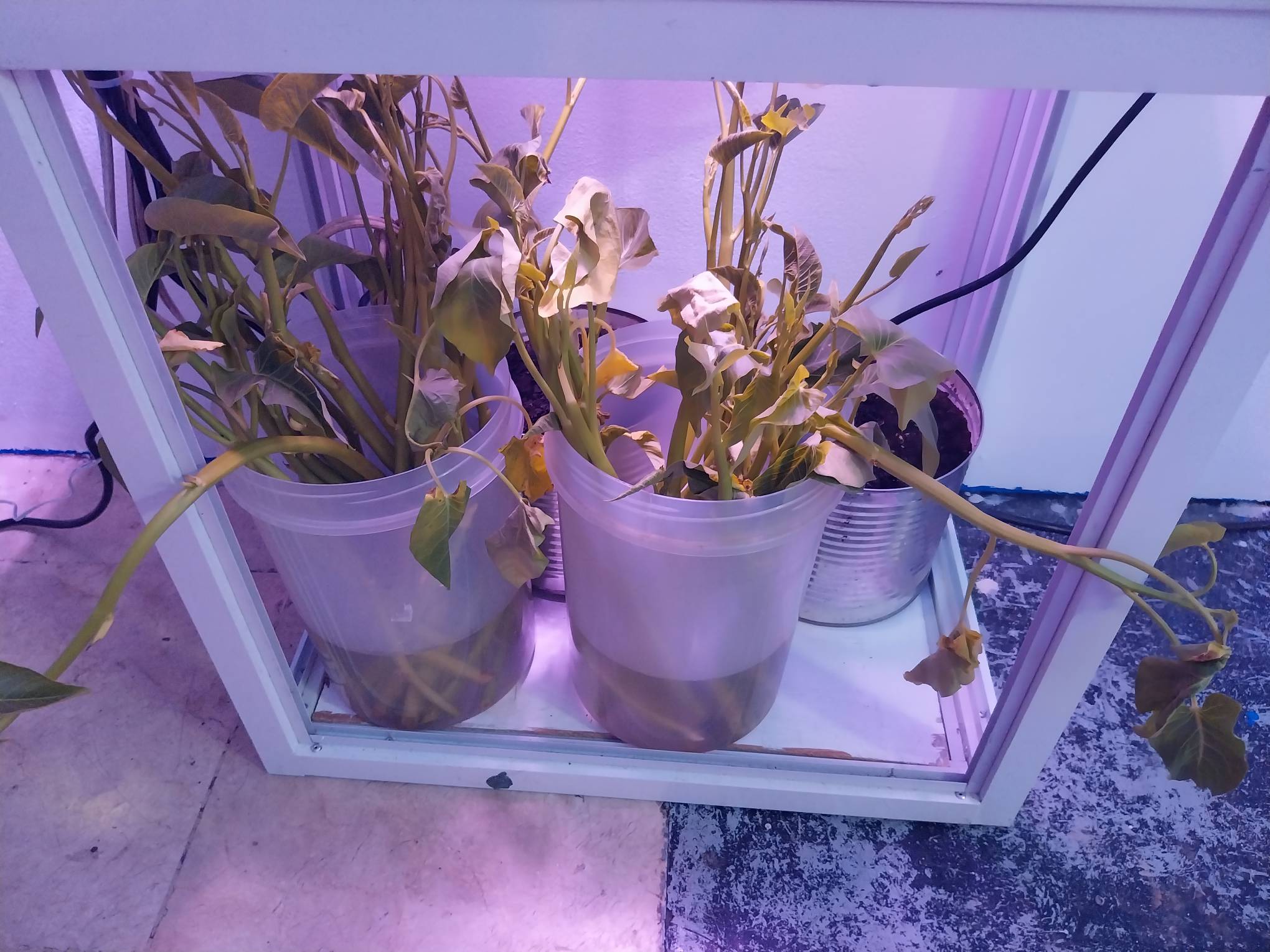
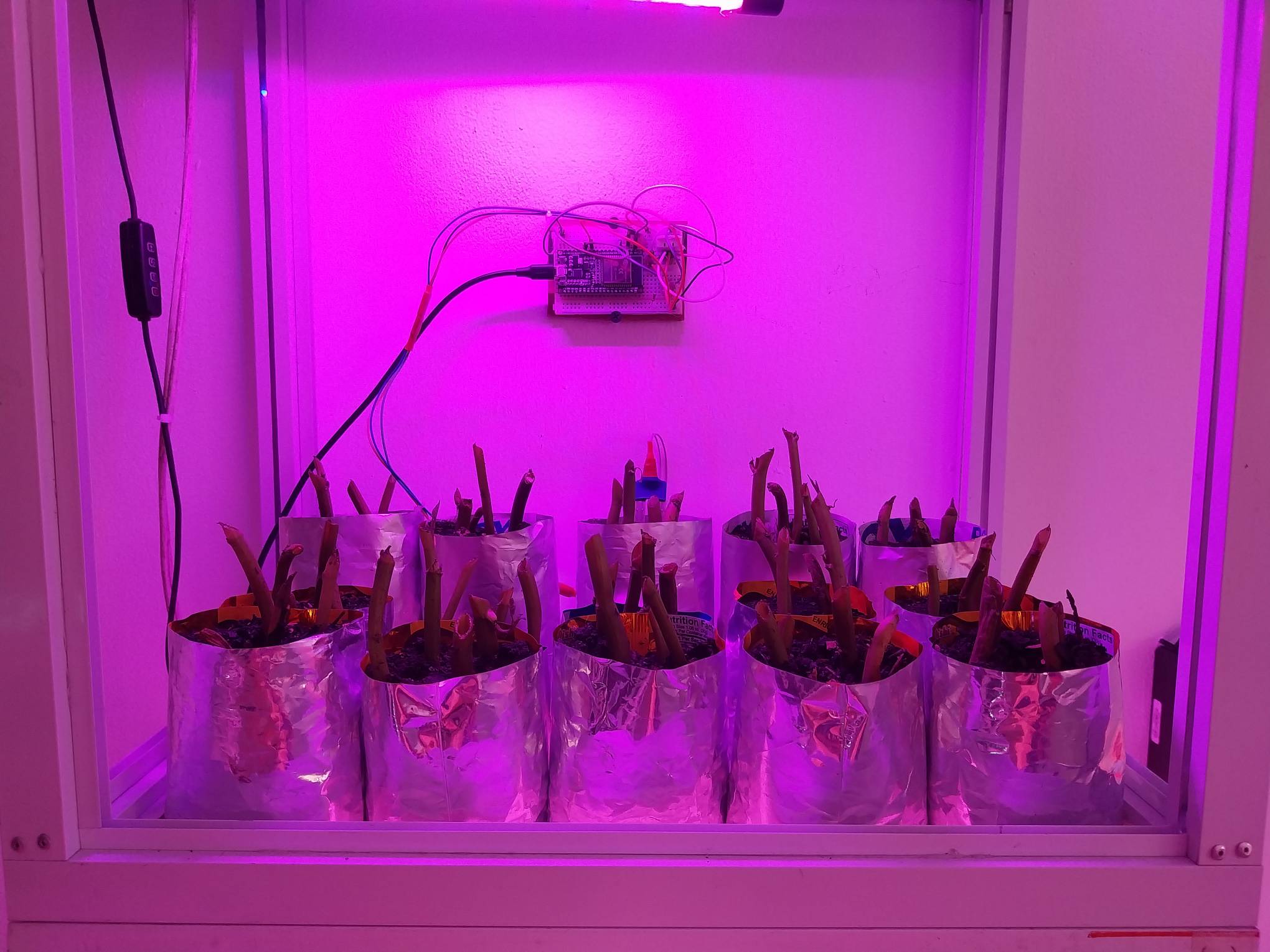
Portions of the exhibit showcase the growth of kangkong in different mediums. One sees it grow in plastic cups and milk cartons, from old Tupperware containers to yarn-works. It shows the dynamism of the human spirit, and the persistence of Filipino culture even in our changing climate.
Intertwined Life and Nature
The exhibit art pieces in bioSignals straddle the line of art and science well. Its presentation looks akin to a cyberpunk-ish greenhouse, mixing luminescent combinations of colors together. Much of the works are uncovered, allowing viewers to really examine them unencumbered.
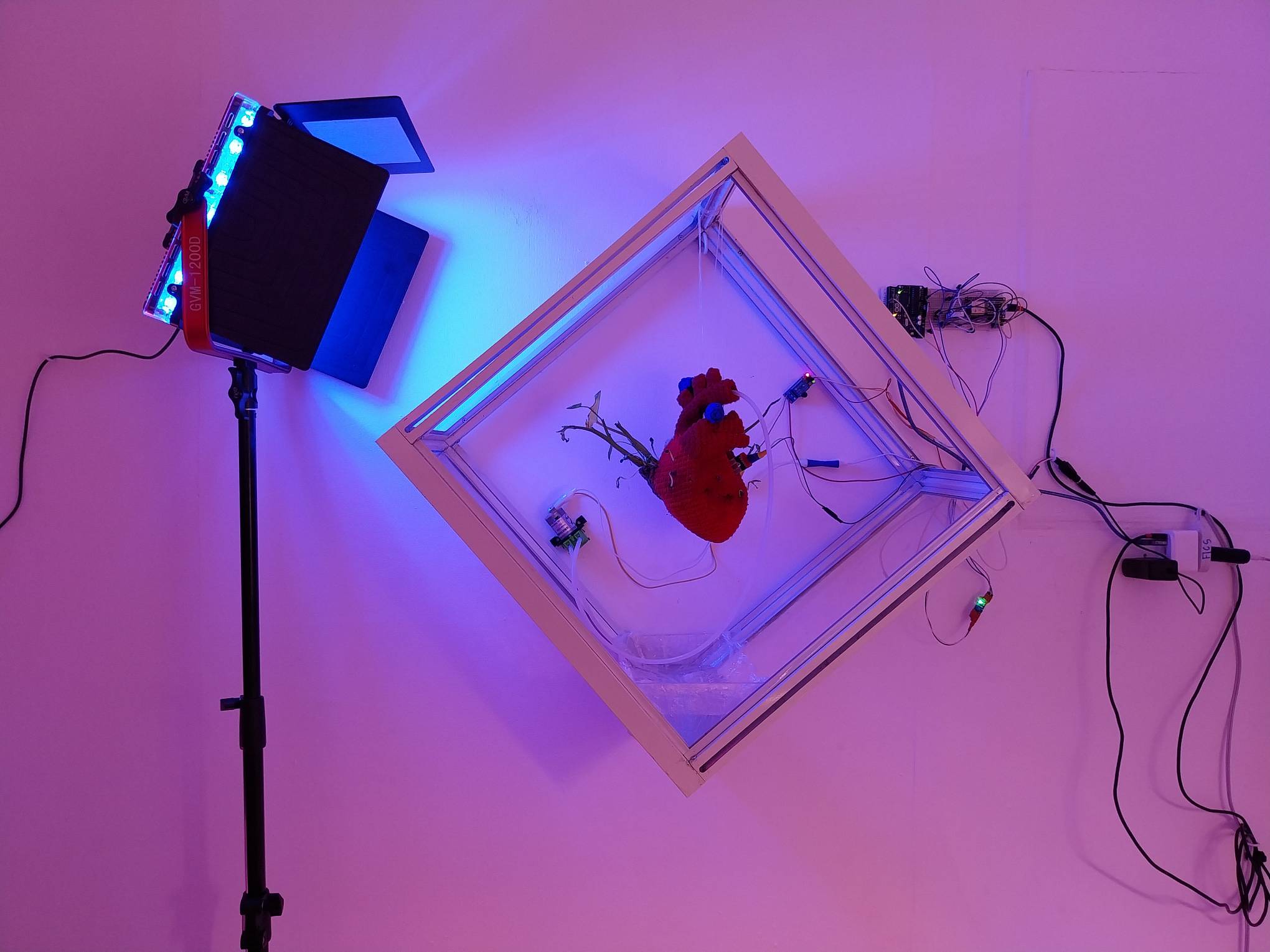
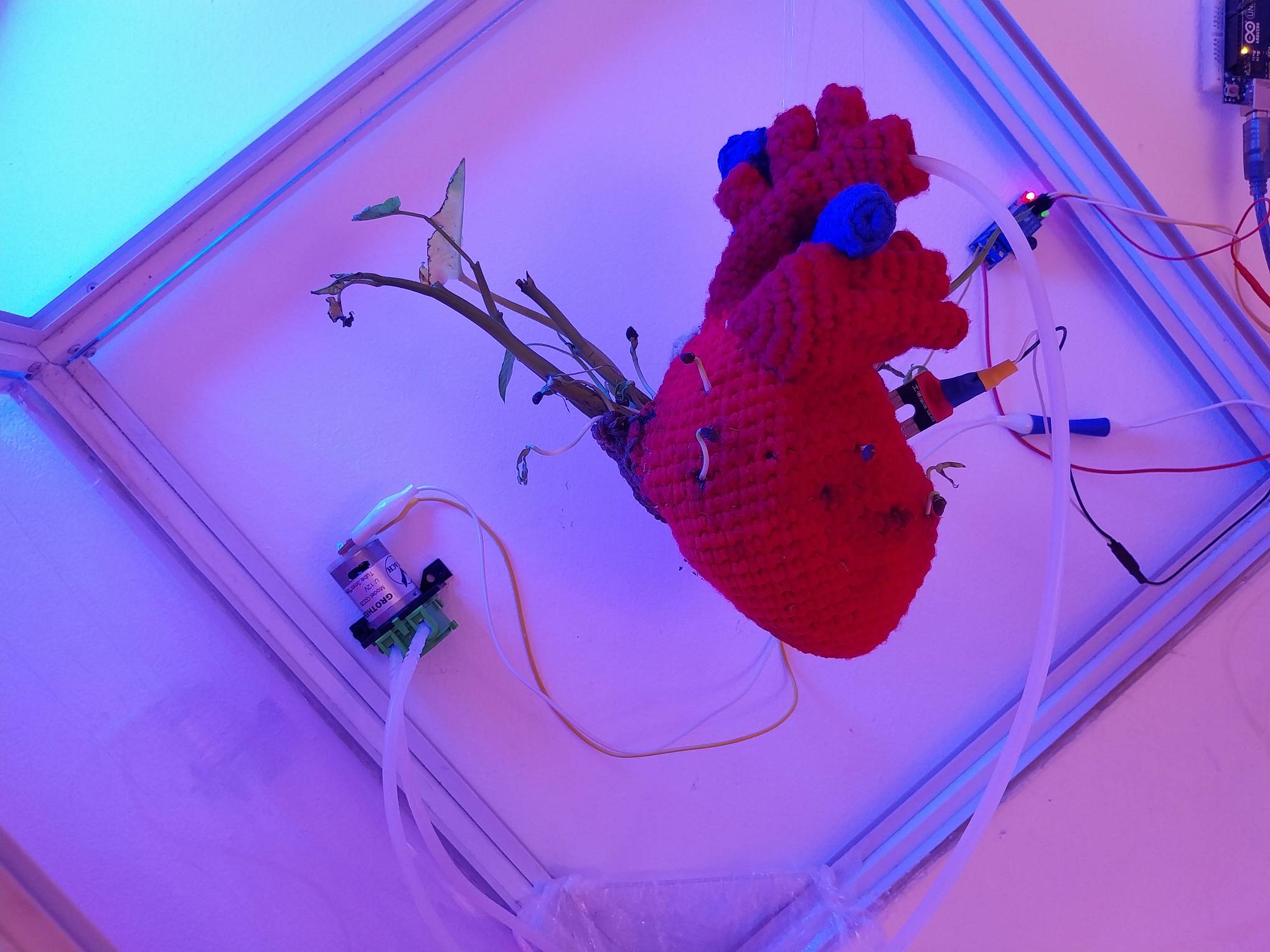
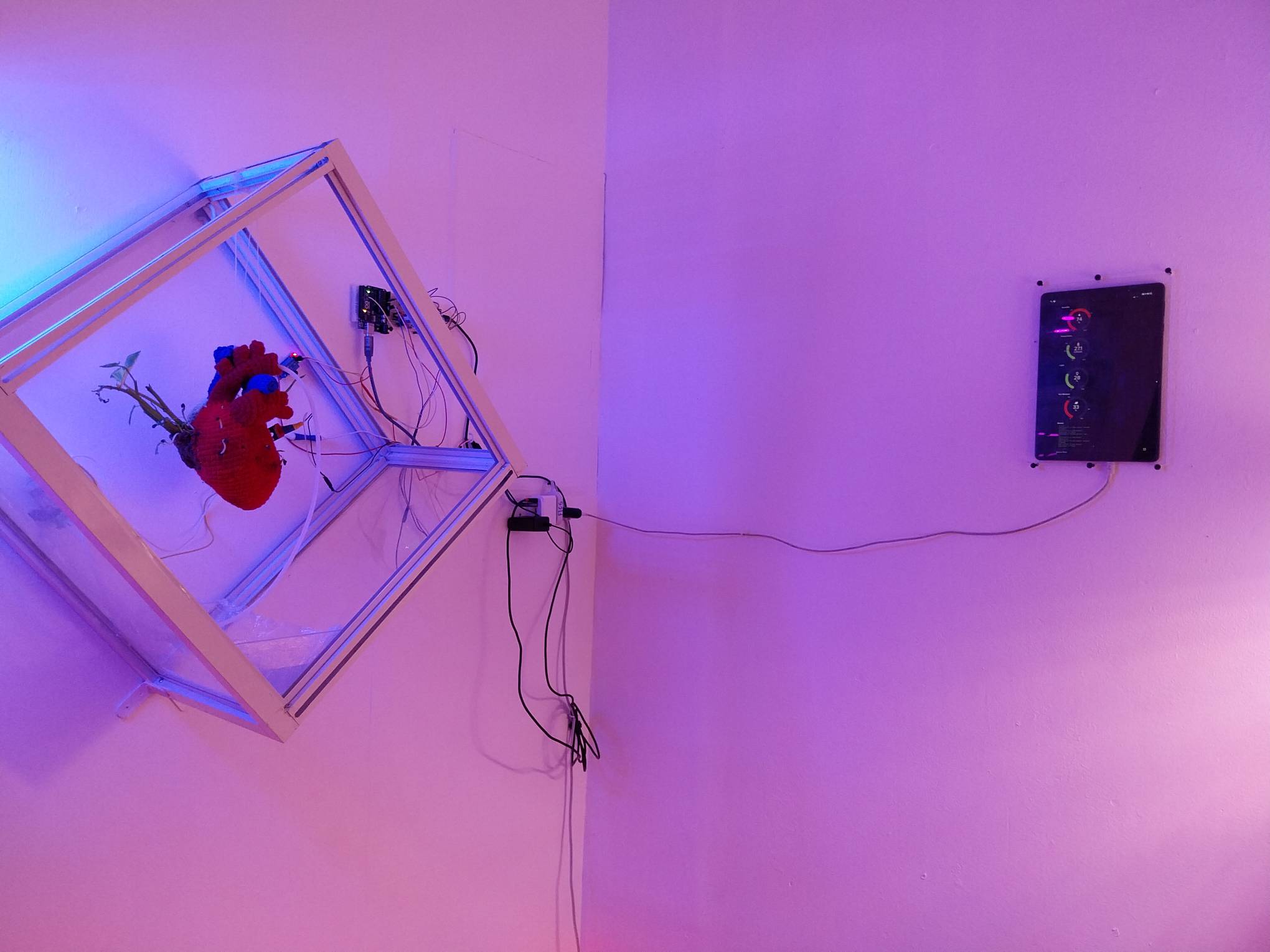
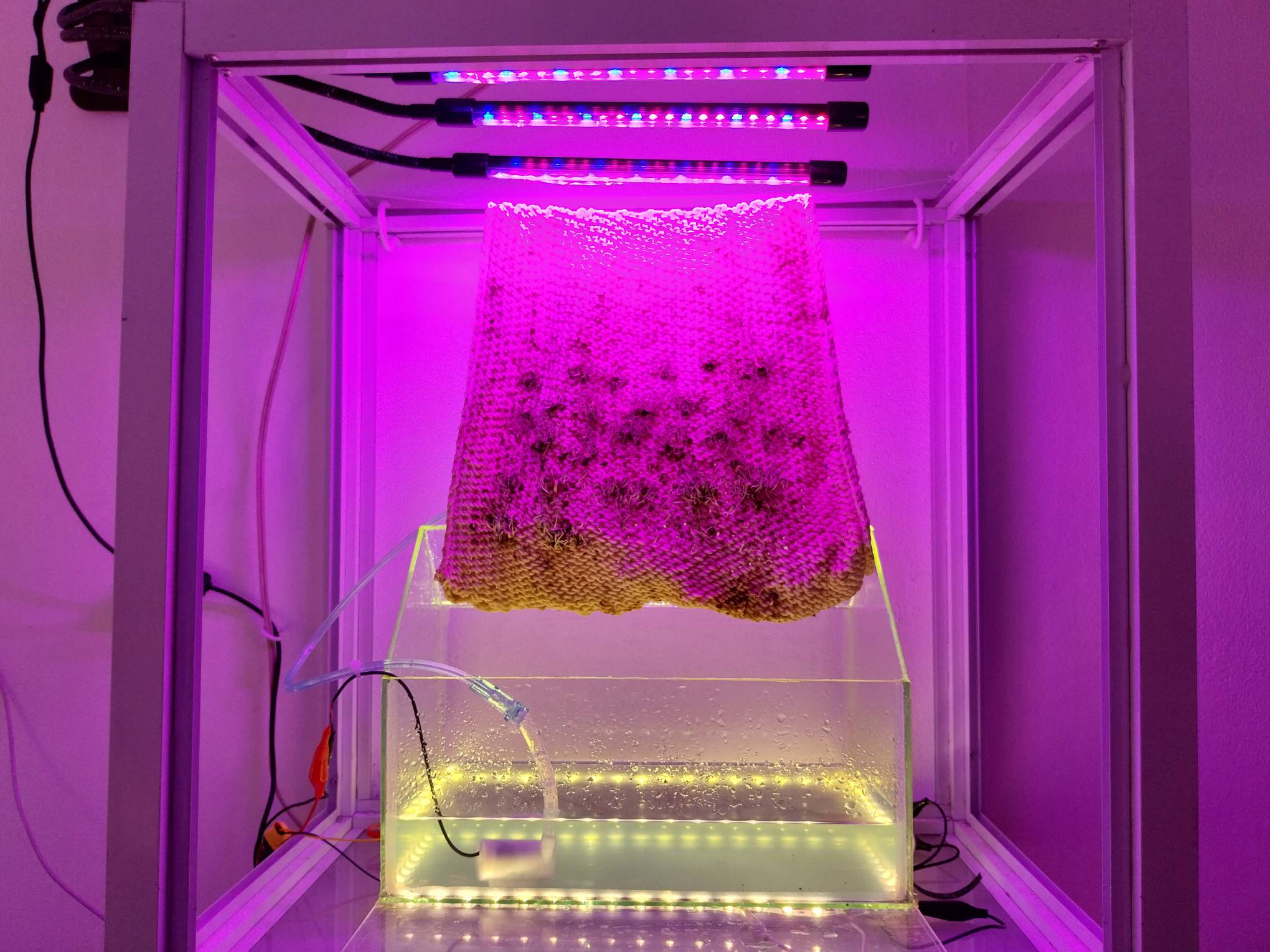
The mixing of art and science leads to some vividly strange work straight out of a sci-fi movie. “Life Between the Gaps,” for example, utilizes an embroidered heart filled with small sprouts of greenery coming out in between. A giant ultraviolet light points at the heart that’s connected to a tablet monitoring its vital signs.
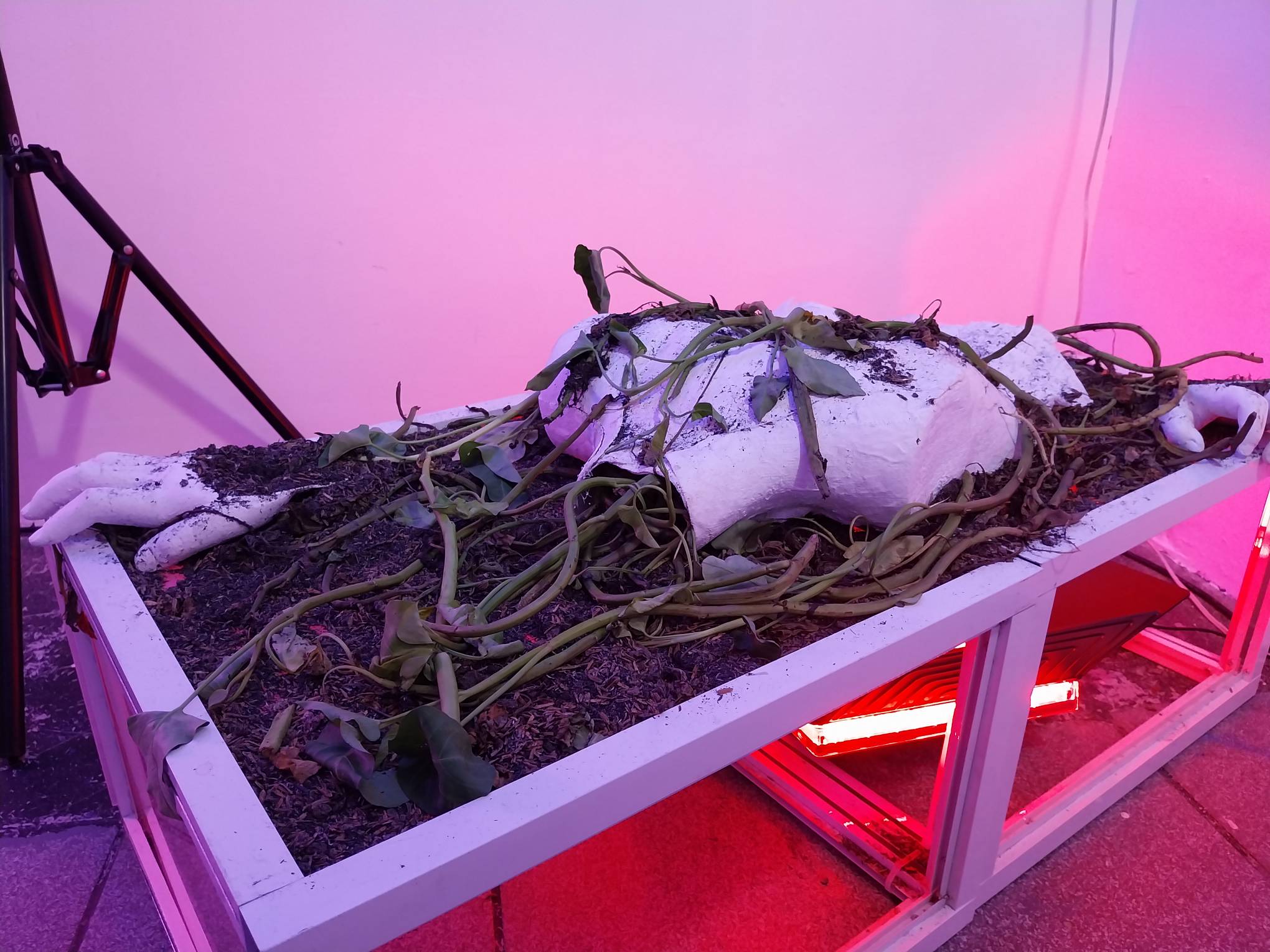
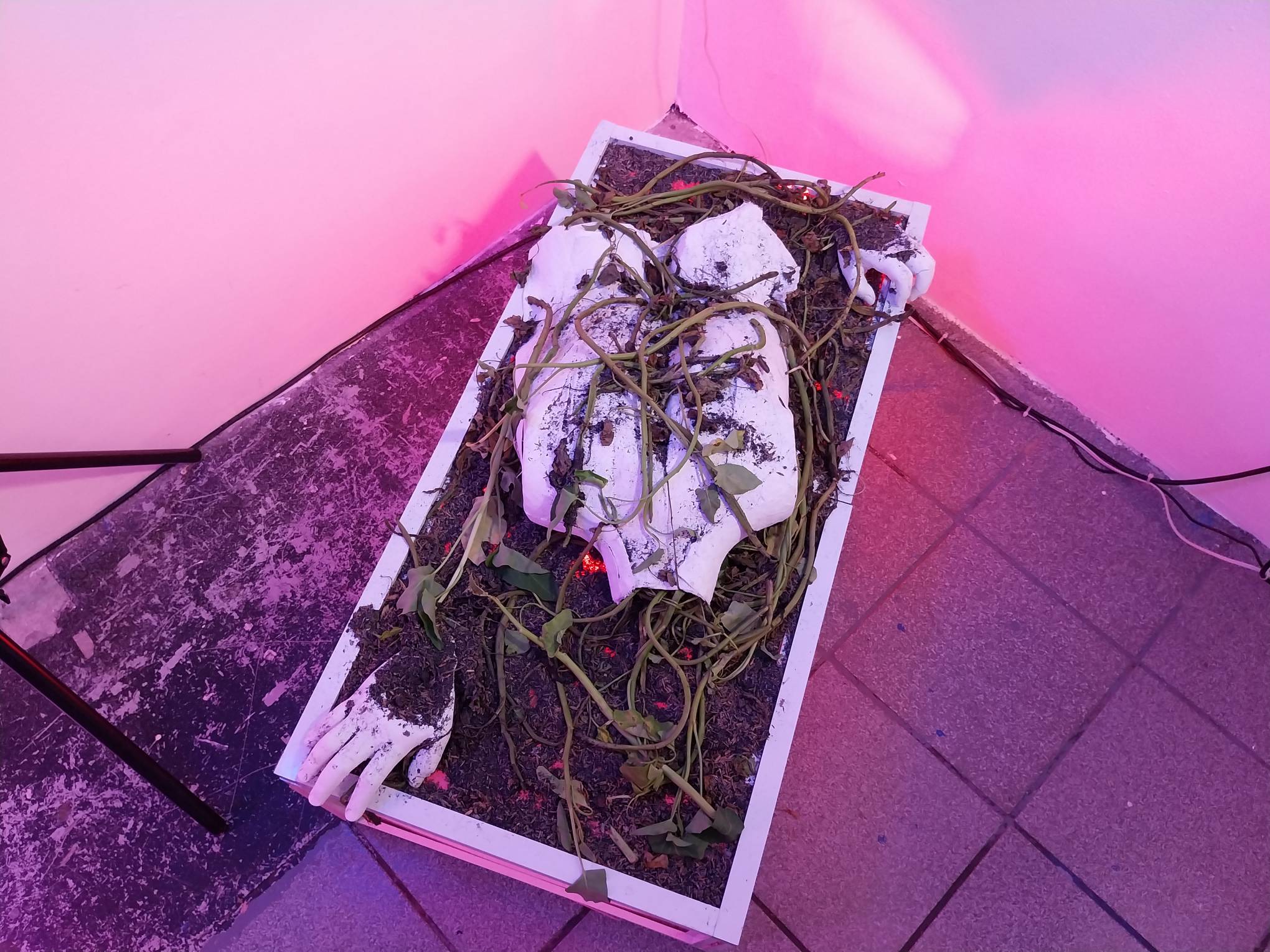
Below it, “Cycle of Decay” gives us a plaster of a human body surrounded by dirt and strands of kangkong. Red light glows below the dirt, and it brings to mind the natural horror of death and how it contributes to the life cycles of every being on Earth.
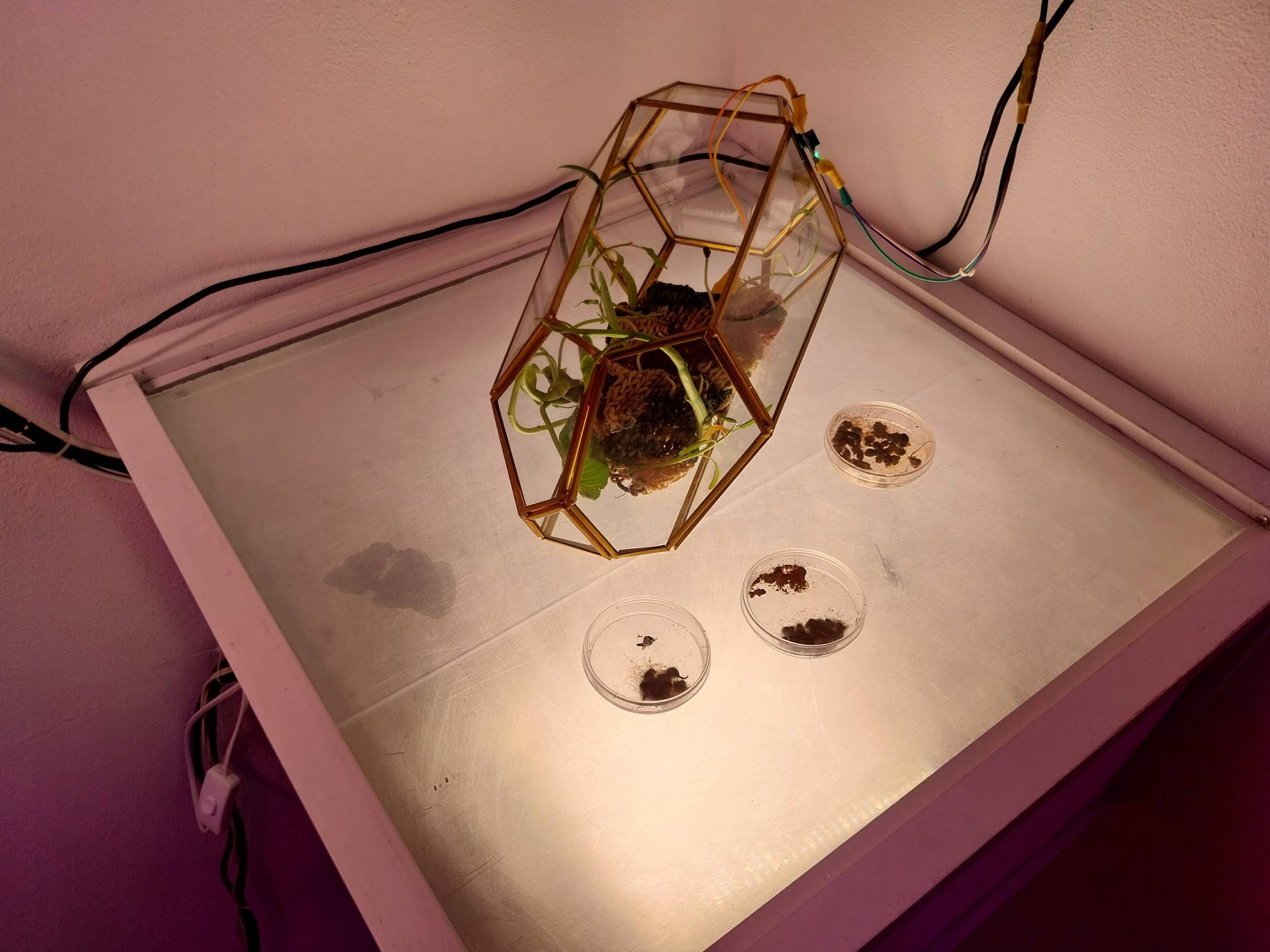
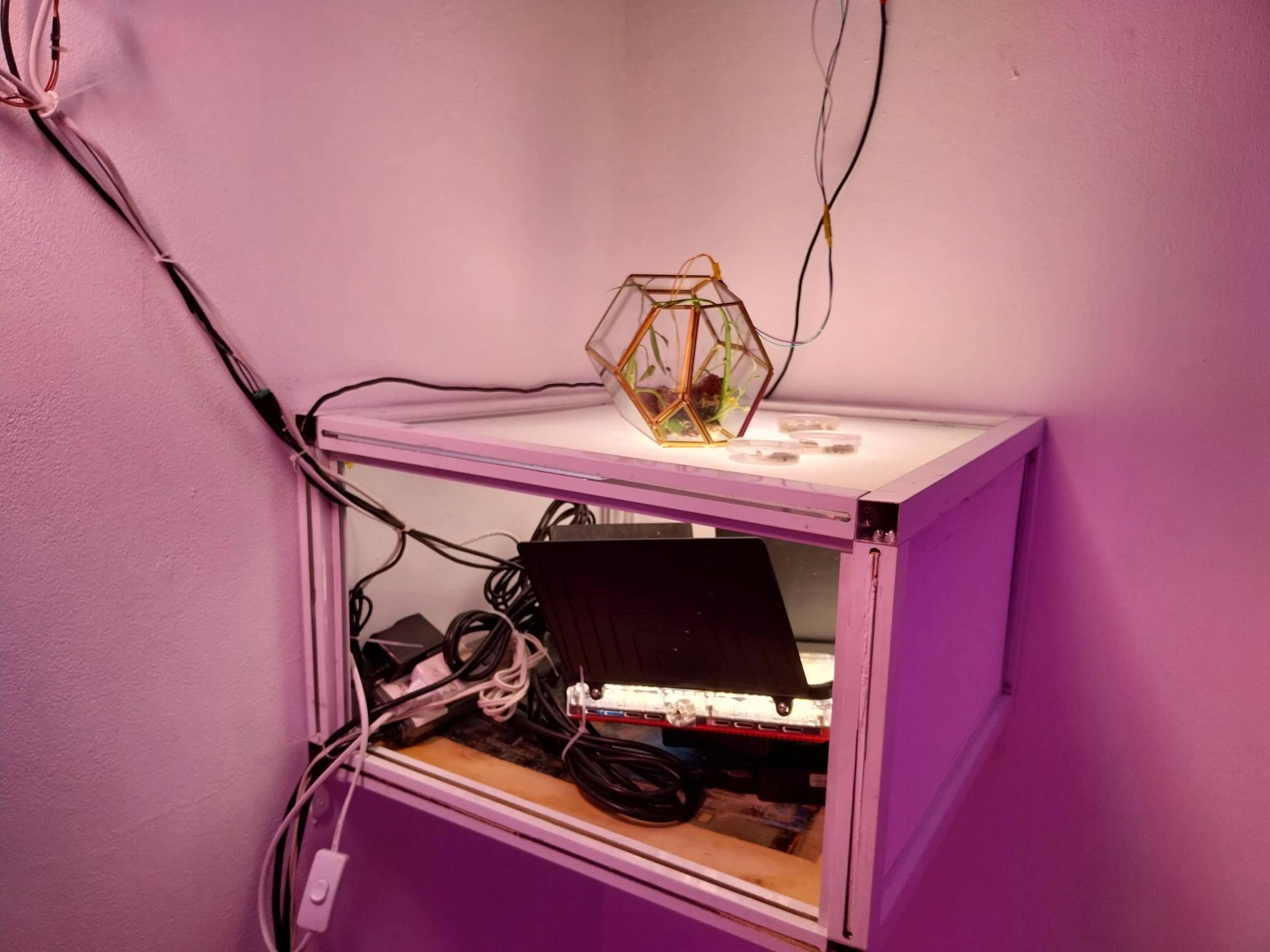
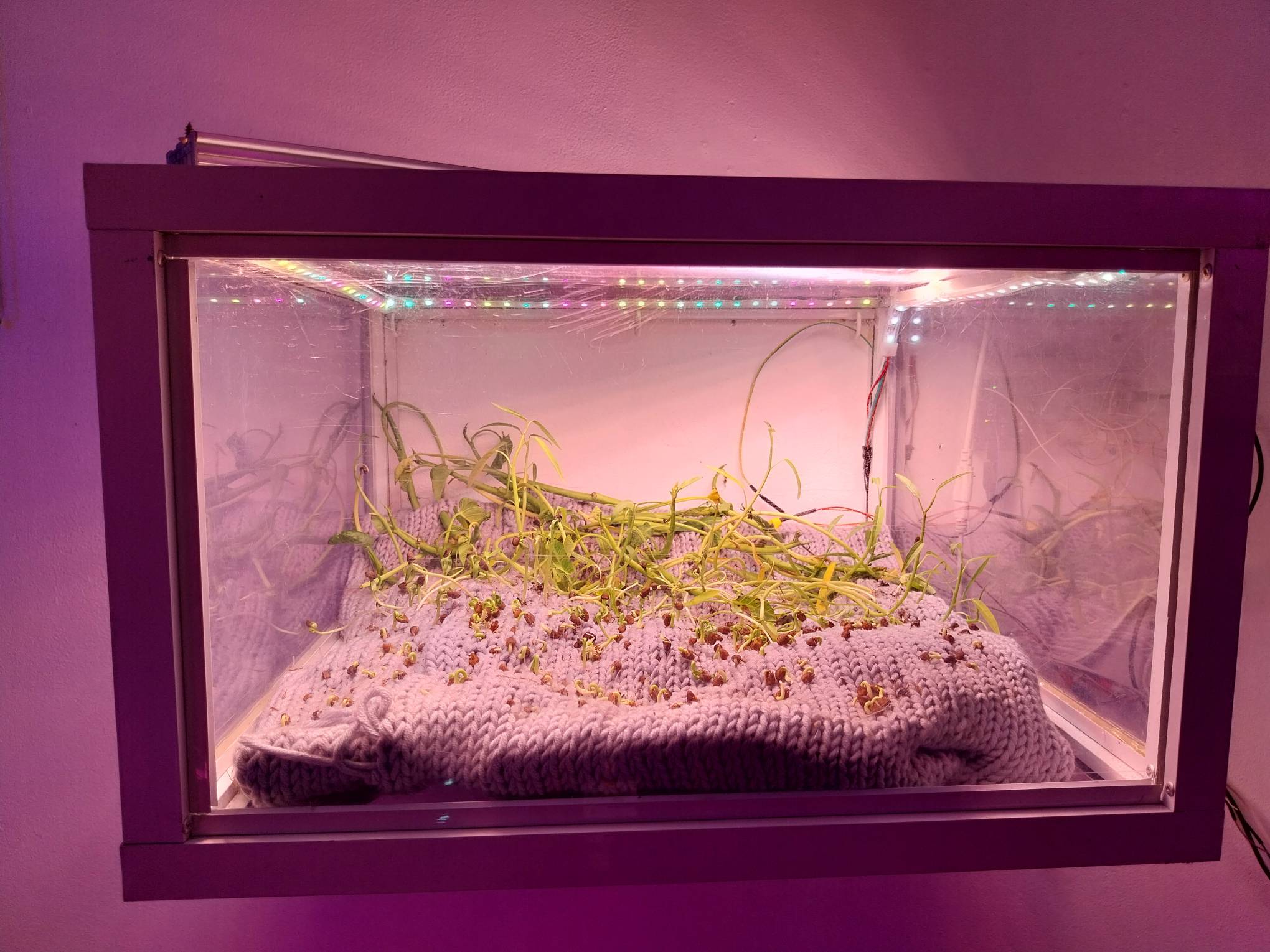
Another artwork, “Untitled 2,” showcases yarn-work with growing buds of kangkong coming out of it. It is enclosed by a small terrarium and surrounded by small petri dishes. Compared to most of the other mixed media works here with purple and blue colors, it gives off a sunlit glow emanating from under the table.
The Science of Exploration
Adding to the sci-fi feel of the project is how filled with gadgets the exhibit is. Thick cable wires, routers, tablets, and lights decorate the scene just as much as the plantworks. It generates this feeling of exploration and examination, representing a lived reality conclusively found through repeated testing and trial-and-error.
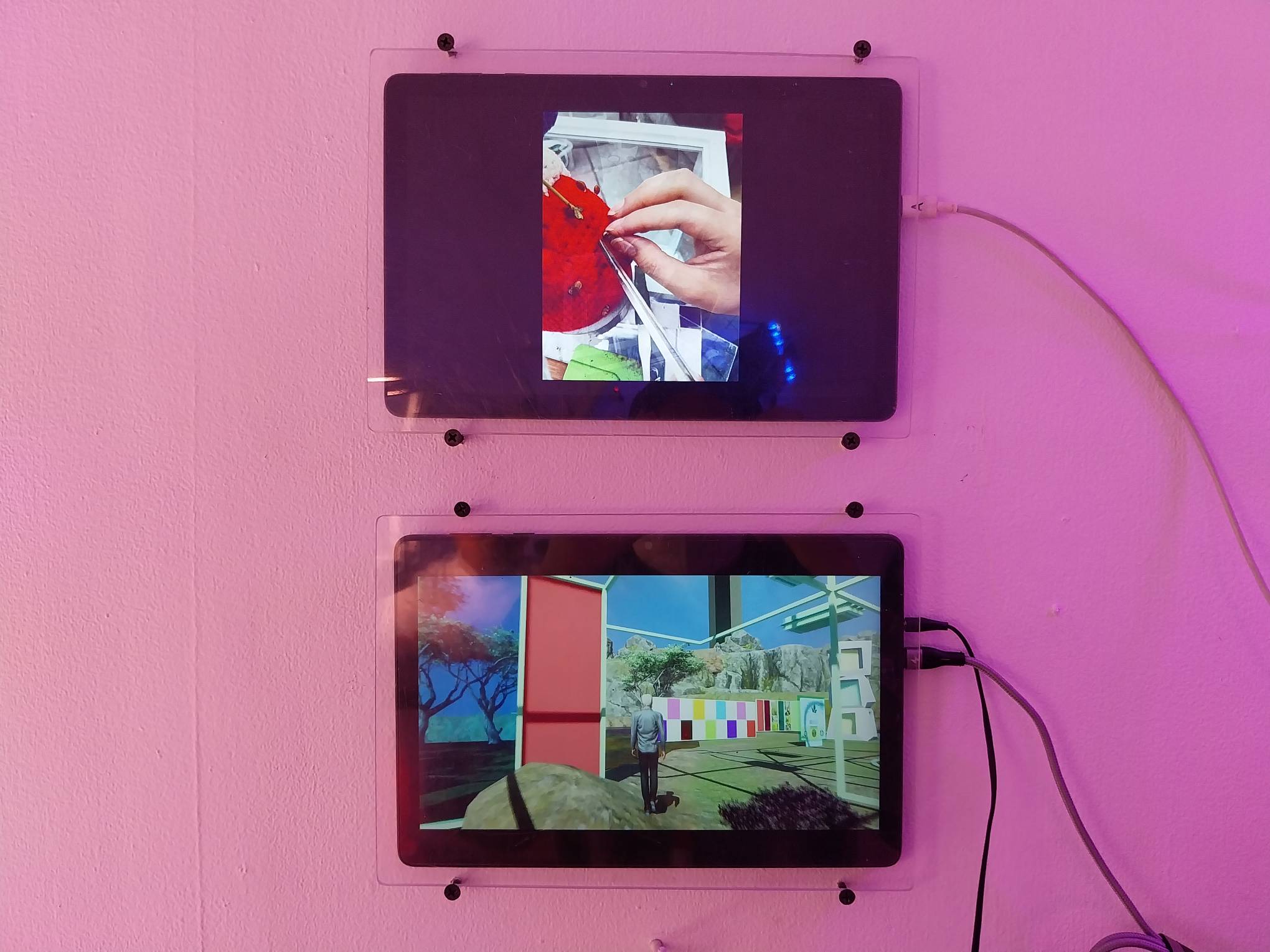
That’s something science and art has in common: the repeated testing and exploration of ideas before coming to a conclusion. It seeks to represent the unknown, whether metaphorical or physical or beyond.
bioSignals merges science and art in unique ways to craft a visual metaphor and narrative about climate change. It reminds us that in this changing condition, we as humans need to change and adapt to the new circumstances, moving beyond awareness and into action. And that the pathway forward is to integrate ourselves into nature better, not to destroy nature.
Photos by Elle Yap.
Related reading: Mastering Resilient Architecture in the Face of Climate Change
“Thailand has claimed urban creativity and livability. Singapore has institutional design leadership. Indonesia is emerging as a design hub. Vietnam is moving into design innovation. And the Philippines? Its position is not weak. It is simply unclaimed.” For IDr. Cecil Ravelas, National President of the Philippine Institute of Interior Designers (PIID), the challenge is not […]
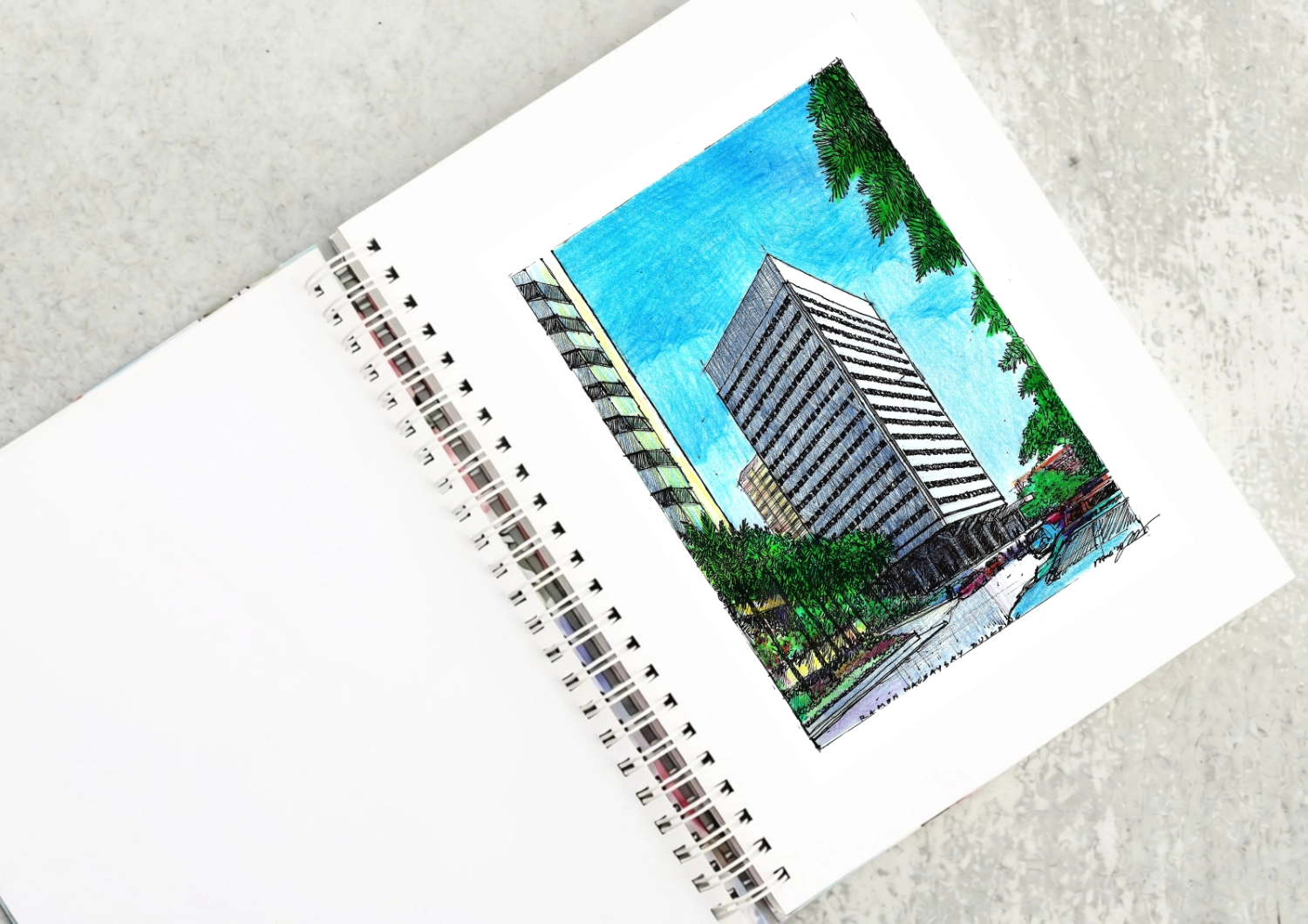
The Ramon Magsaysay Center as a Modernist Landmark Driving down Roxas boulevard from Rizal Park, what will catch your eye is the most elegant modernist structure in the country, the Ramon Magsaysay Center. Most established Filipino architects put it in their top ten lists of favorite buildings. It was designed by Alfredo J. Luz, who […]

Rinna Soriano’s favorite part of her work is sanding. At her workbench, she stays focused, following the grain, adjusting to changes in its direction. Narra, she has learned, can have interlocking grain. A piece of mango once proved particularly difficult until a worker explained that she had reached the point where a branch once grew […]
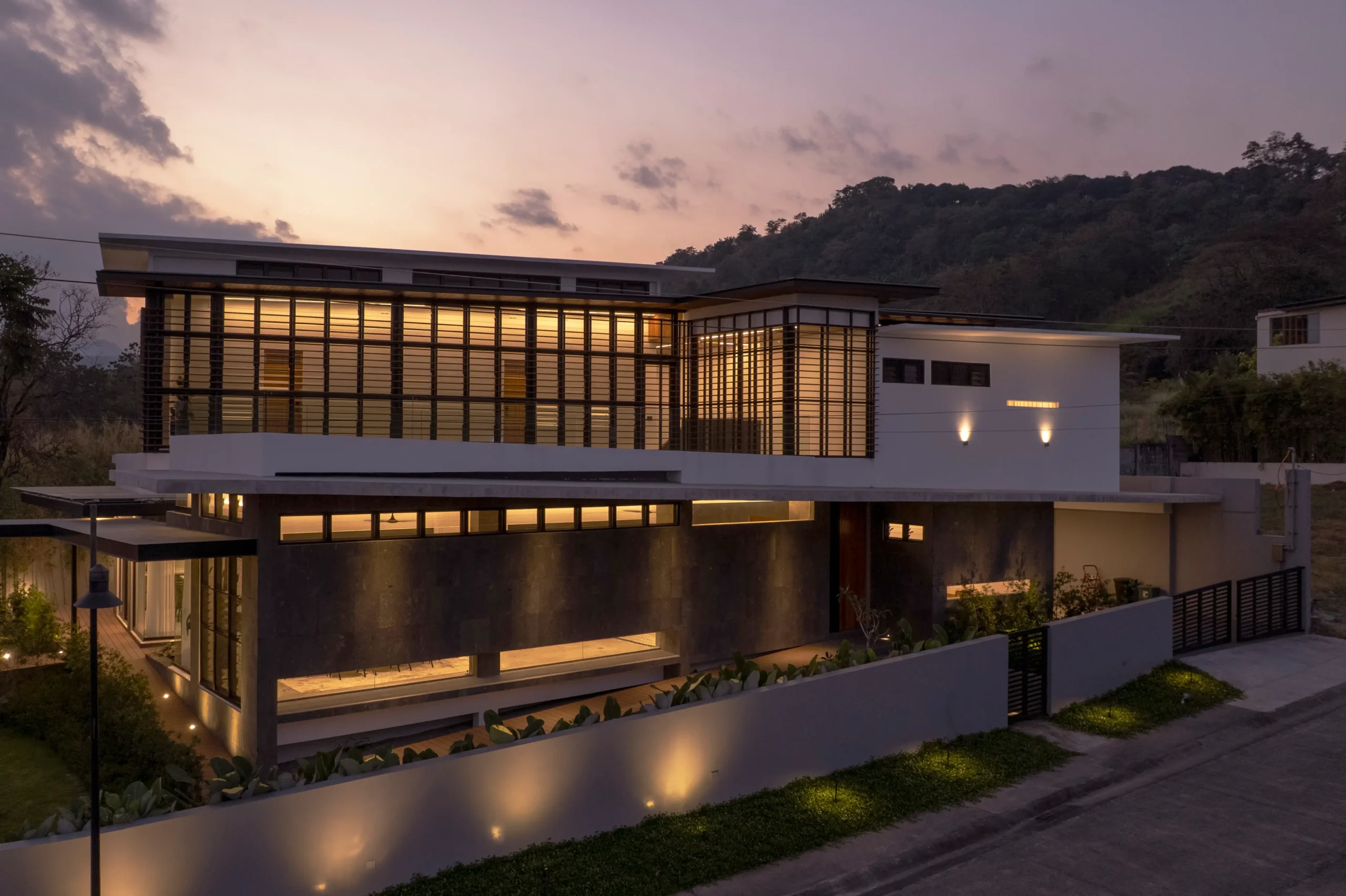
Filipino architectureArchitectureThe art and science of designing and constructing buildings, structures, and spaces that are functional, safe, and aesthetically pleasing. It encompasses the planning, design, materials, and techniques used to createGo to Architecture Glossary has long been associated with indigenous materials and vernacular design strategies, from bamboo and timber construction to jalousie windows, generous spaces, […]
Read the issues.

Collect the volumes.

Recommended Video
Tap to Unmute
Unmute
0:00
0:00