Bigkis is the act of binding. In Tagalog, the word can refer to something used to bind or encircle, as well as a bundle formed by tying several separate elements together. Figuratively, it can also mean a bond, union, or unity. The meanings move from the physical act of joining things together to the connection […]
Tackling the Filipino Diaspora in Today’s Art Scene



The Filipino Diaspora and the overseas Filipino workers (OFW) experience continues to be fertile ground for art exploration. In general, migration and diaspora are pertinent topics in pop culture; literally two recent Pixar movies, Turning Red and Elemental, explicitly harness that cultural divide.
And yet the discussion of the Philippines’ unique experiences with this phenomenon remains interesting. More than any other country in Asia, migration is an ongoing government policy rather than one rooted in political and economical instability.
The Philippine economy is fine; 5.6% growth of our GDP are good steady numbers, especially considering how a lot of countries faltered in their economic recovery post-COVID. And yet, there is also a question of how much of that money is due to internal economic growth and how much of it comes from overseas Filipino workers.
Over 2.3 million Filipino workers are currently deployed overseas, with many more having migrated out of the country and towards greener pastures in the West. Remittances increased to $37.2 billion dollars last year, representing 8.5% of our GDP.
It’s a literal billion-dollar income generator for the government that endangers workers and fractures families in ways that harm the cultural spirit of the country in ways we’re still seeking to understand.
There’s a reason why the two biggest Filipino movies of 2024, Hello, Love, Again and And The Breadwinner Is… centered around the stories of OFWs, and it’s because it’s an active injury that Filipinos are still trying to navigate.
Why Do Diaspora Artists in Lakbay Seek to Reconnect With Filipino Culture?
Beyond popular entertainment, it seems like something of interest to our local artists, too. One of the more interesting exhibitions happening this February is Lakbay: Voyages into the Absolute. It’s partially a tribute exhibit to Nena Saguil and a showcase of never-before-seen work. What’s interesting about it is how it assembled different Filipino artists based around the world to contribute to the exhibit.
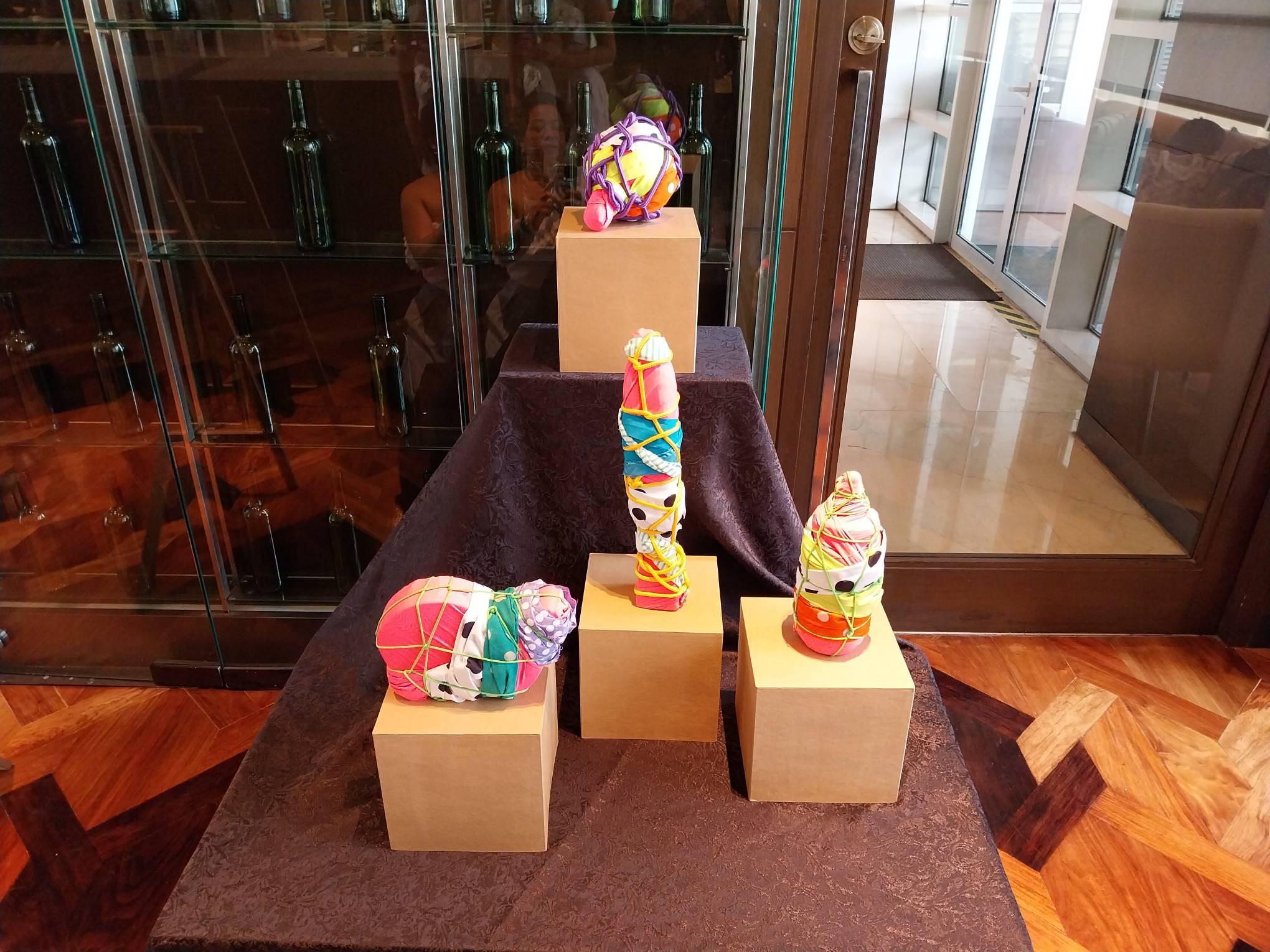
The exhibit’s curator Marika Constantino and Art House founder Carlo Pineda talked about how excited all of the contributors were, at the opportunity to reconnect with the local art scene and to create new associations in the country as a whole. Pineda, especially, discussed the need to create a community with these artists to link them firmly into the local scene.
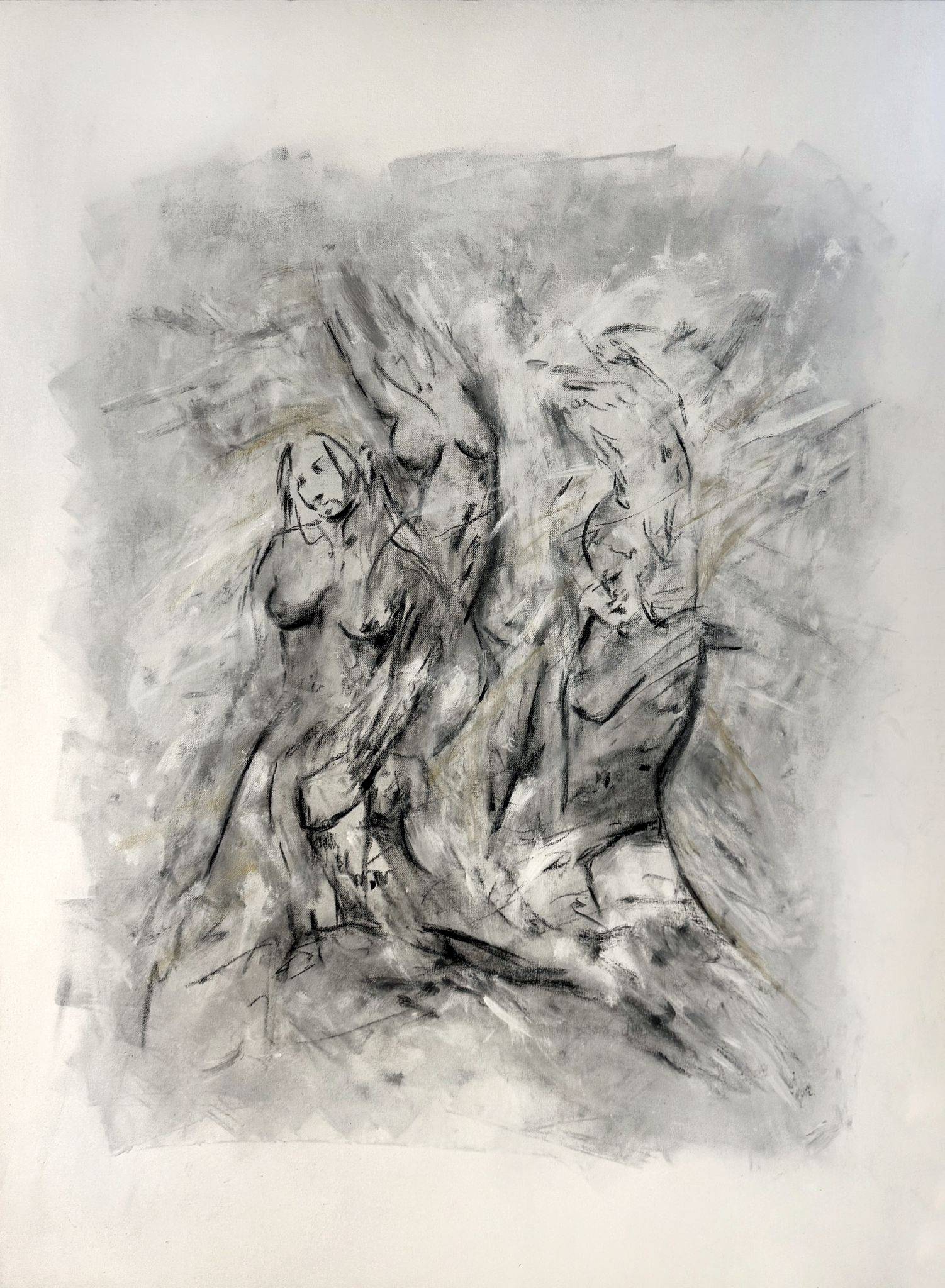
What struck the hardest about the exhibit was the desire of these artists to reconnect with their cultural heritage. Even in the land of opportunity, these artists need that connection to their roots as a way of understanding themselves in the grand tapestry of life.
“The mere fact that a number of Filipinos need to go abroad for greener pastures, that in itself is an important topic,” Constantino said. “And unless we’re able to make these Filipinos stay at home and give them the opportunities that everyone has a right to have, then that will be a forever topic.”
Migration Narratives: Mother/land and Project Belonging
Some recent exhibitions in Manila dealt with such topics of migration and the Filipino diaspora; none of them have reflected on it positively.
Mother/land by Nicolei Gupit, for example, saw mostly drawbacks in the way that our society valorizes leaving to America for better opportunities. The exhibit’s artworks show her lack of connection with her heritage and family; crumpled papers, images, and documents being her only solid connection to the past.
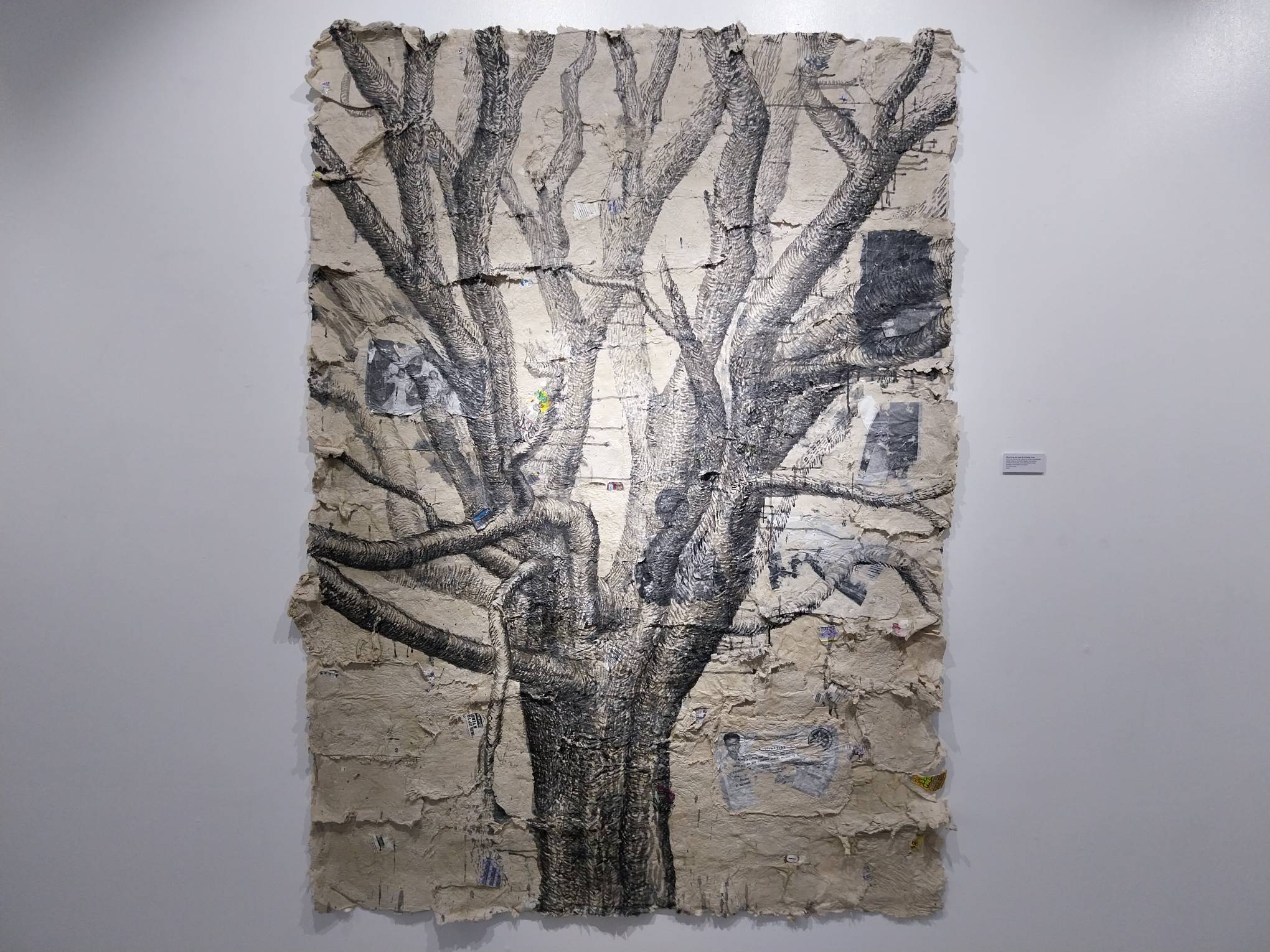
That lack of connection in pursuit of the “American dream” largely left a stranger in both lands, so to speak, with no solid roots in either the United States or the Philippines because of this fragmented nature of her life.
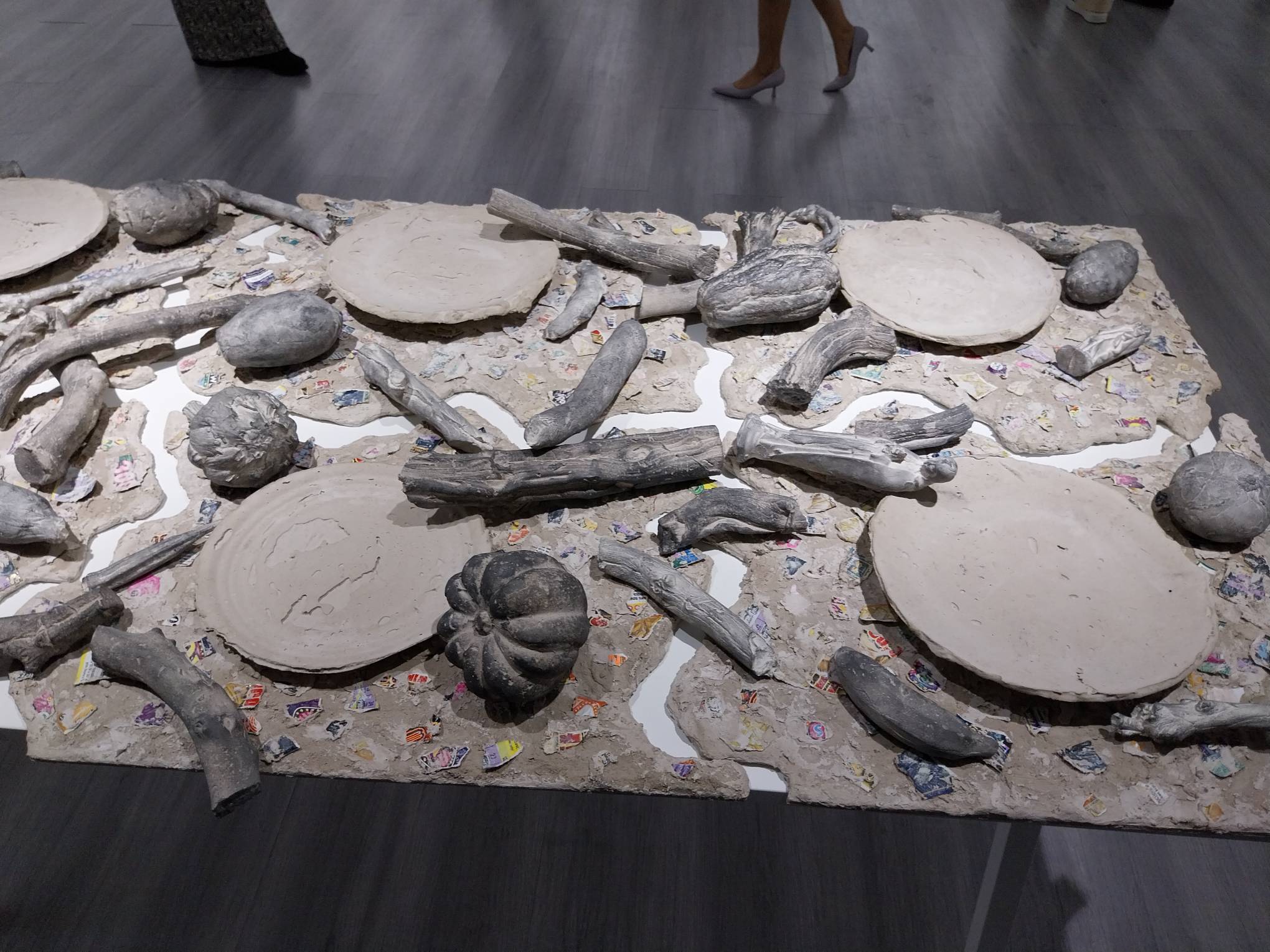
“The loss is something that people don’t talk about,” she had said. “The loss is like, for example, in my family, we don’t eat together. We don’t have reunions in person. We’re not able to spend time together in a meaningful way. And so, that’s something that I think Filipinos in the Philippines often overlook.”
Project Belonging: From There to Here also tackles the lack of roots that many Filipinos who migrated to other countries contend with. Isabel and Alfredo Aquilizan’s works very literally boxes up the furniture and personal effects of a person as a metaphor for the feeling of displacement that OFWs feel.
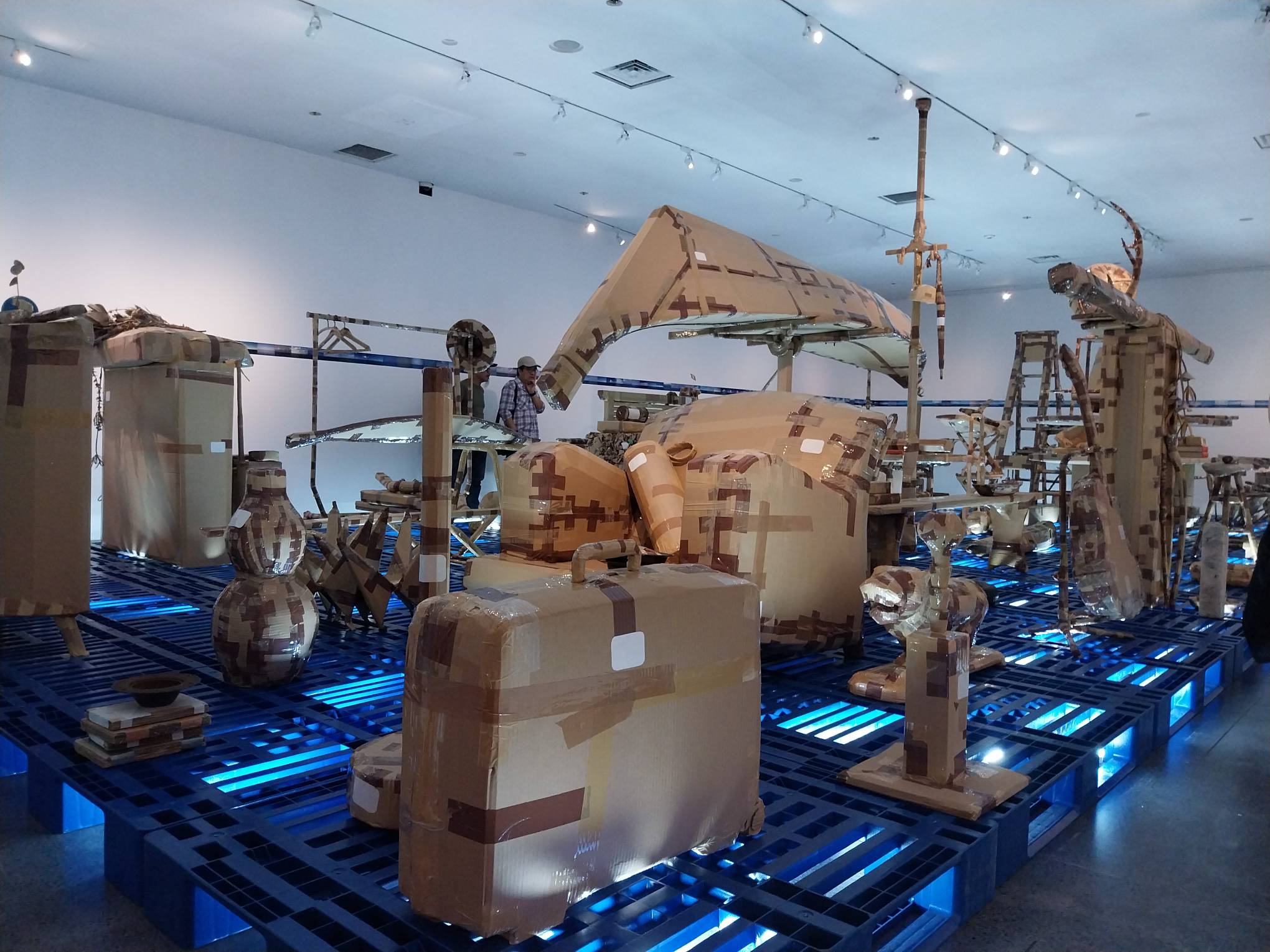
It all circles around such complicated ideas of selfhood and citizenship, about what matters more to us: the culture in which we grew up in and the people we share experiences with, or the possibility of a better life in a country that alienates and others you in the grand scheme of things.
How Do US Anti-Immigration Policies Affect Filipino Migrants?
Talking about the Filipino diaspora and OFW experience now feels necessary especially as the larger headwinds of our society veer against migration as a whole. “Finding better opportunities by living in Western countries” rings hollow due to the continued attacks of racial minorities in both Europe and the United States.
The US is most egregious with their rhetoric, of course, as they explicitly push a white supremacist narrative that aims to arrest and deport migrants regardless of their legal citizenship status in the country. At first glance, it’s likely to only affect so-called tago-ng-tago Filipinos who don’t have green cards or visas.
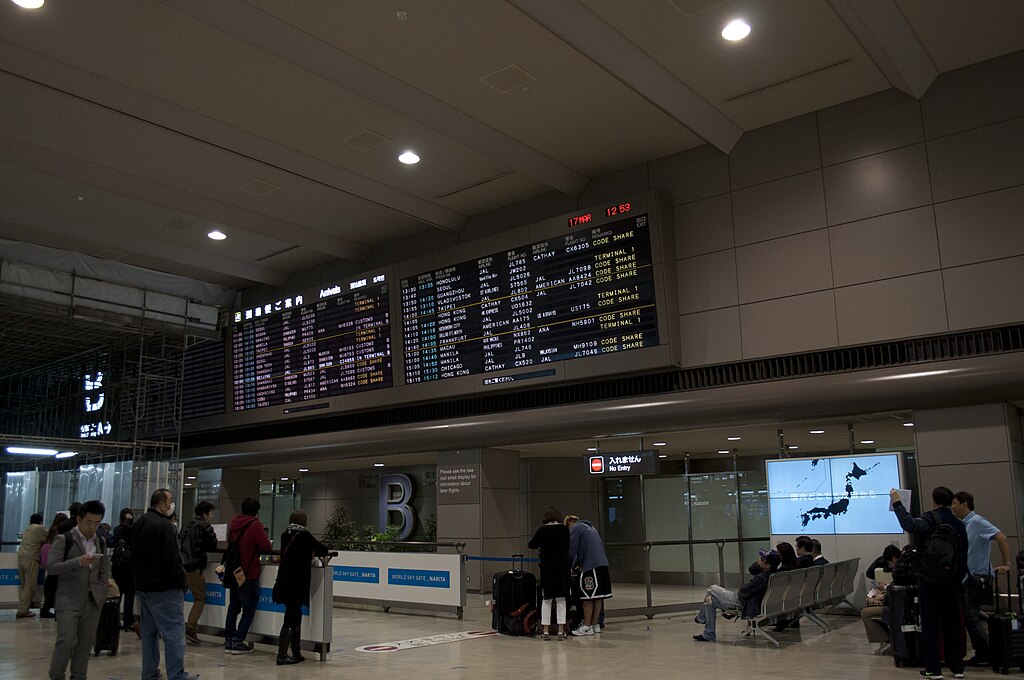
However, the fundamental crisis at hand comes from their explicit attacks on even naturalized citizens, with their immigration police indiscriminately arresting anyone they deem illegal. Currently, in fact, they are even aiming to remove birthright citizenship, putting at risk many Filipinos who were born and raised in the United States to be deported to a country they barely know.
It’s become an impending time bomb for our government, as the Philippine economy relies heavily on remittances. President Ferdinand Marcos, Jr. even announced an attempt to try to influence the Trump administration on its policies. That attempt will likely fail in the current American bloodlust against migrants, legal or illegal.
Why the Mary Jane Veloso Case Reflects Ongoing OFW Mistreatment Abroad
Added to that is the continual abuse of OFWs abroad. There’s all the murders in the host countries—as recently as January of this year. There’s also the cases of human trafficking, currently exemplified by the Mary Jane Veloso case which only found a questionable resolution this year.
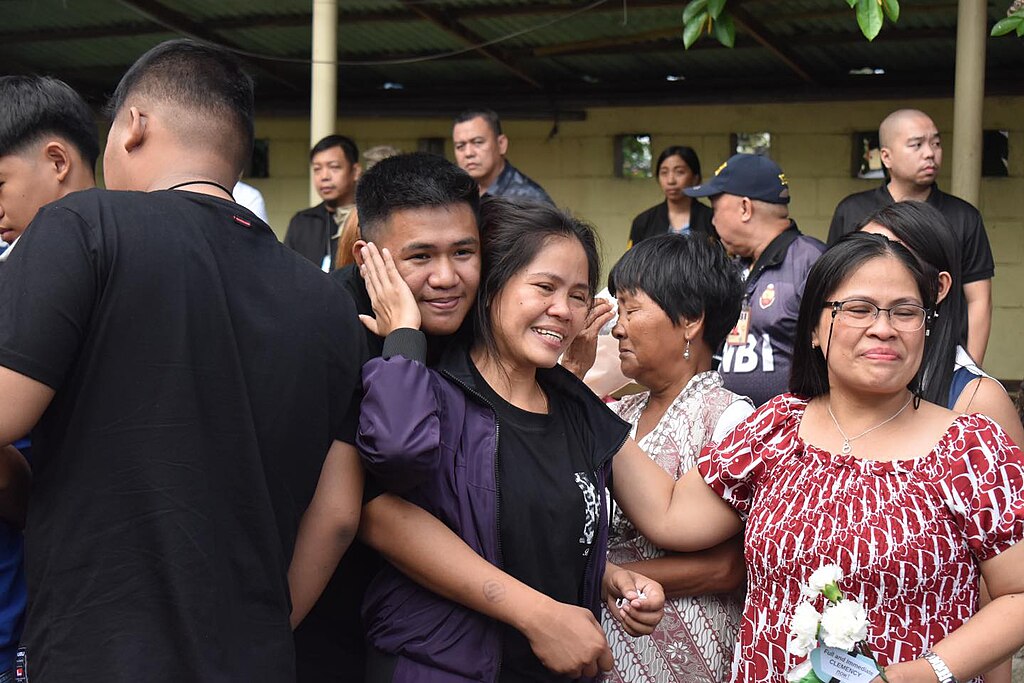
Thousands of cases of abuse and maltreatment of OFWs are filed on a yearly basis, for decades now. And yet the government policy remains lacking, giving many Filipinos little reprieve or safety in their work places, and continuing to endanger them today in host countries that have shown little regard for the safety of migrant workers.
Suddenly, even greener pastures of tolerance don’t look tolerable at all.
Government Policy and Diaspora Art: What’s Next
At the end of the day, the unjust treatment of Philippine migrants is an ongoing problem with no future solution in sight. Our government is more focused on infrastructure rather than industrialization, and its anti-worker stances, from the minimum wage to its anti-union lean, ensures that Filipinos will look for better opportunities abroad for as long as they can.
Thus, especially with the increasingly racist immigration sentiment in the West, the Philippine art scene will likely see more and more artworks catered to the feelings of the Filipino diaspora, artists seeking community in a world that feels targeted against them.
Related reading: Postcolonial Art in 2024 and Expressing Discontent Today
Frequently Asked Questions
The Filipino diaspora serves as fertile ground for artistic exploration, focusing on the cultural divide and the unique experience of overseas Filipino workers (OFWs). Modern exhibitions use art as a bridge to discuss complex topics like migration, income inequality, and the “active injury” of fractured families. This creative movement helps Filipinos navigate the emotional toll of a government policy that prioritizes labor export over internal industrialization.
Recent exhibitions like Lakbay and Mother/land highlight themes of displacement, the loss of cultural heritage, and the fragmented nature of the “American Dream.” Artists often use metaphors like boxed furniture or crumpled documents to represent a lack of solid roots and the alienation felt in foreign lands. These works critique the societal valorization of migration by exposing the hidden emotional costs, such as the breakdown of traditional family structures and communal rituals.
For Filipino artists living in the West, reconnecting with their cultural heritage is a vital way of understanding their identity within the global tapestry of life. Curators note that these artists possess a deep desire to link back to the local scene to overcome the “stranger in both lands” phenomenon. Establishing these creative communities helps mitigate the isolation caused by migration and provides a sense of belonging amidst rising anti-immigrant sentiments worldwide.
Increasingly hostile immigration rhetoric and racial attacks in Western countries have made the diaspora experience an urgent “time bomb” for artistic reflection. As birthright citizenship and legal status come under threat, artists are responding to the anxiety of potential deportation and systemic xenophobia. The Philippine art scene is seeing a rise in works that cater to these feelings of vulnerability, seeking community in a world that feels increasingly targeted against migrants.
The Philippine government treats migration as a core economic policy, with remittances from over 2.3 million workers accounting for roughly 8.5% of the national GDP. However, critics and artists point out that this reliance on export labor often leaves workers vulnerable to abuse and human trafficking with little state protection. Because the current administration focuses more on infrastructure than local industrialization or worker rights, the diaspora remains a “forever topic” in art due to the lack of opportunities at home.
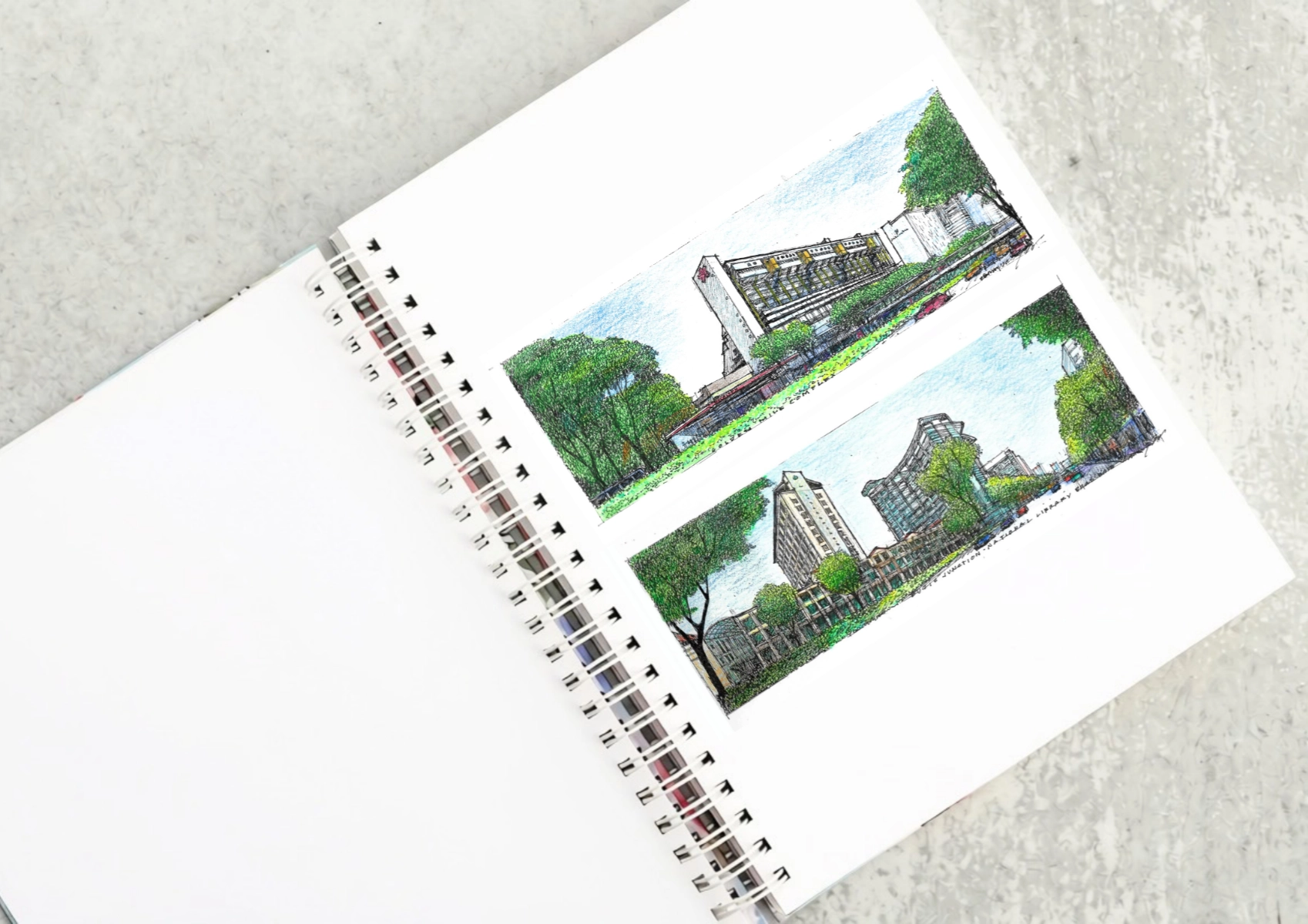
Two sketches of Singapore connect BluPrint Editor in Chief Paulo G. Alcazaren’s personal and professional history with Shared Ground: ArchitectureArchitectureThe art and science of designing and constructing buildings, structures, and spaces that are functional, safe, and aesthetically pleasing. It encompasses the planning, design, materials, and techniques used to createGo to Architecture Glossary of Care, Culture, […]
In a way, designers are the modern-day soothsayers and prophets. They design for the future, predicting how a room, a house, a building or a whole city will be used by people. They foresee how users will interact with a space, conjure exact shades of colors to elicit specific behavior and arrange furniture to build […]
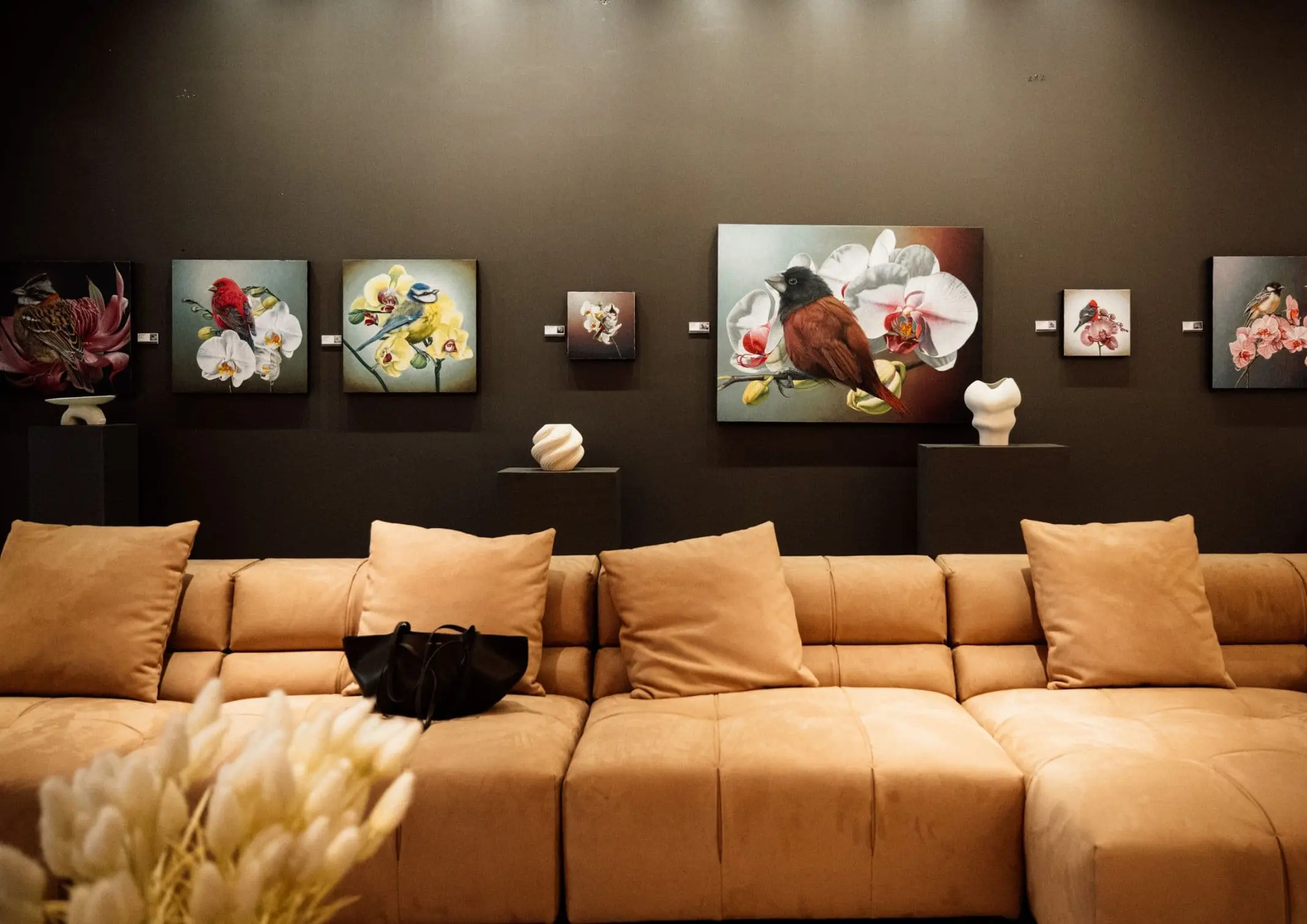
Art and furniture are often selected separately, yet their relationship can shape how a room looks and feels. The collaboration between Hooga and Galerie Joaquin explores how these elements can work together, bringing contemporary artworks into furnished residential settings at Hooga’s showroom in Uptown Mall, Bonifacio Global City. For Hooga, which curates furniture, lighting, and […]
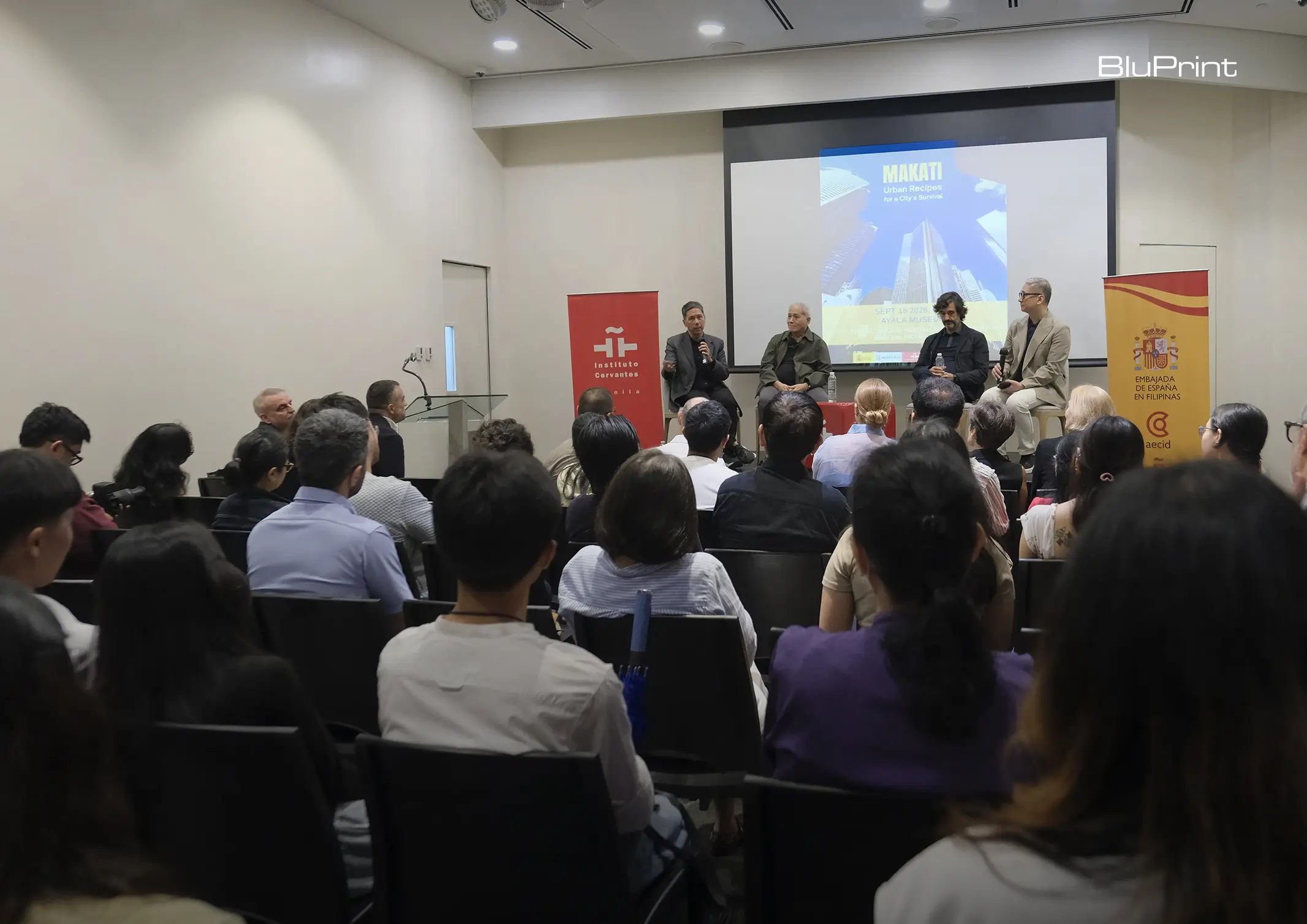
How can better-planned cities create the conditions for more creative, livable, and resilient urban environments? “Makati Urban Recipes for a City’s Survival,” a colloquium held at the Ayala Museum on September 15, brought together architects and practitioners from the fields of urbanism and the creative economy to discuss how design, planning, and collaboration can address […]
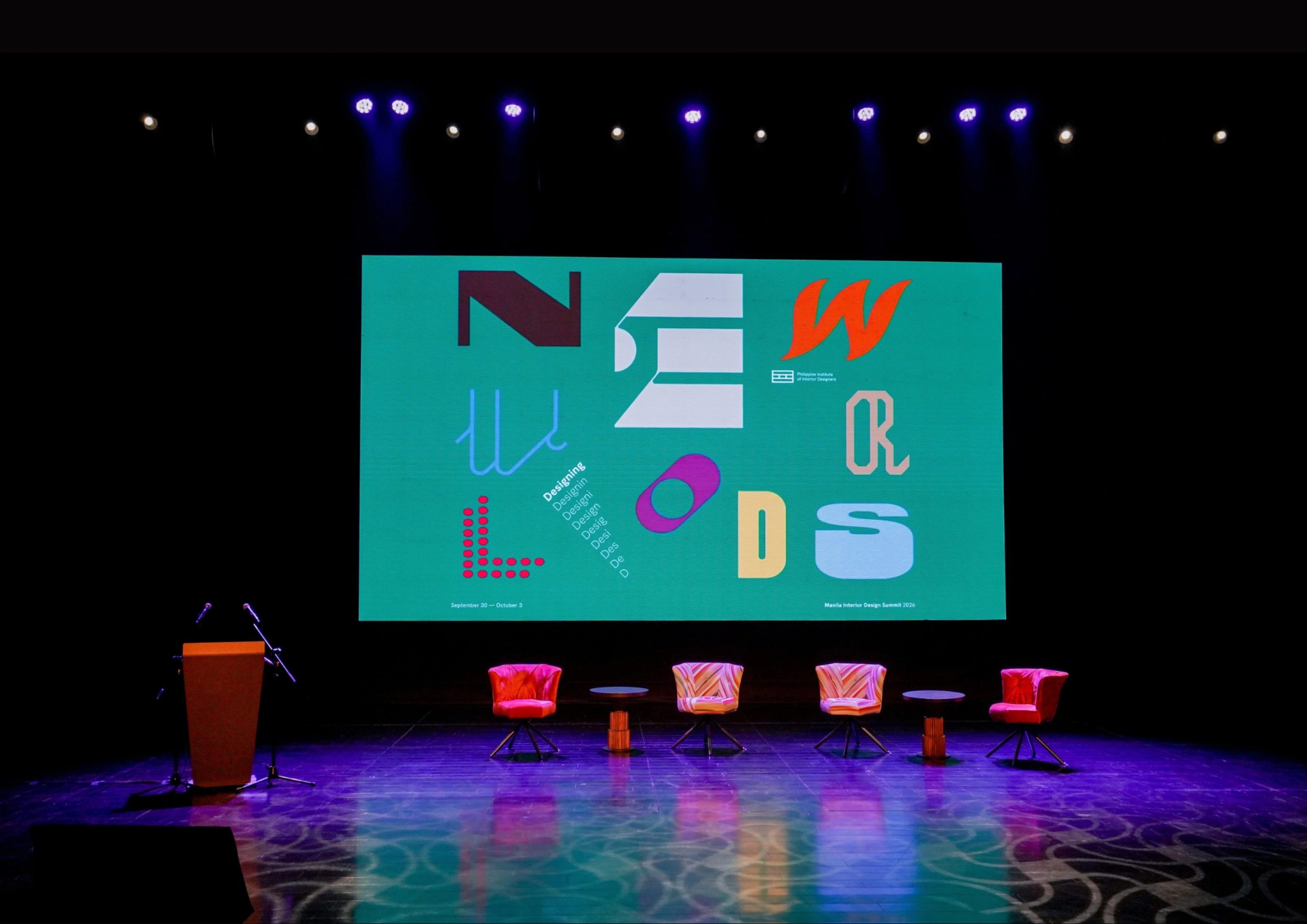
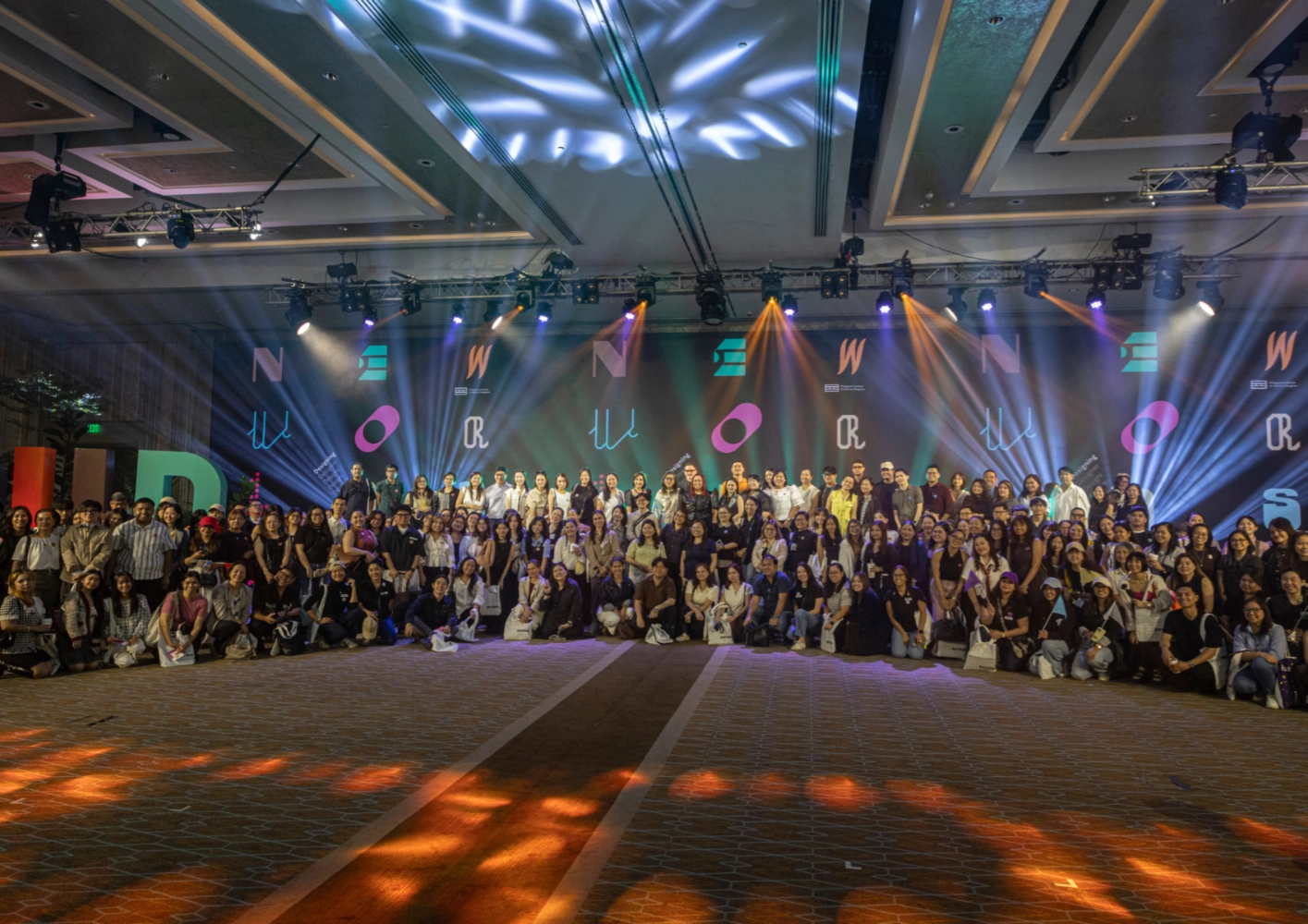
The fourth Manila Interior DesignInterior DesignThe discipline of planning and shaping interior spaces for function, comfort, safety, and beauty. It covers layout, lighting, materials, finishes, furniture, and color, and in the Philippines is a licensedGo to Interior Design Glossary Summit (MIDS) brought together more than 300 delegates for four days of conversations, exhibitions, and design […]
Read the issues.

Collect the volumes.

Recommended Video
Tap to Unmute
Unmute
0:00
0:00