Bigkis is the act of binding. In Tagalog, the word can refer to something used to bind or encircle, as well as a bundle formed by tying several separate elements together. Figuratively, it can also mean a bond, union, or unity. The meanings move from the physical act of joining things together to the connection […]
Justin Nicolas Rethinks Creativity as Development to Strengthen Communities



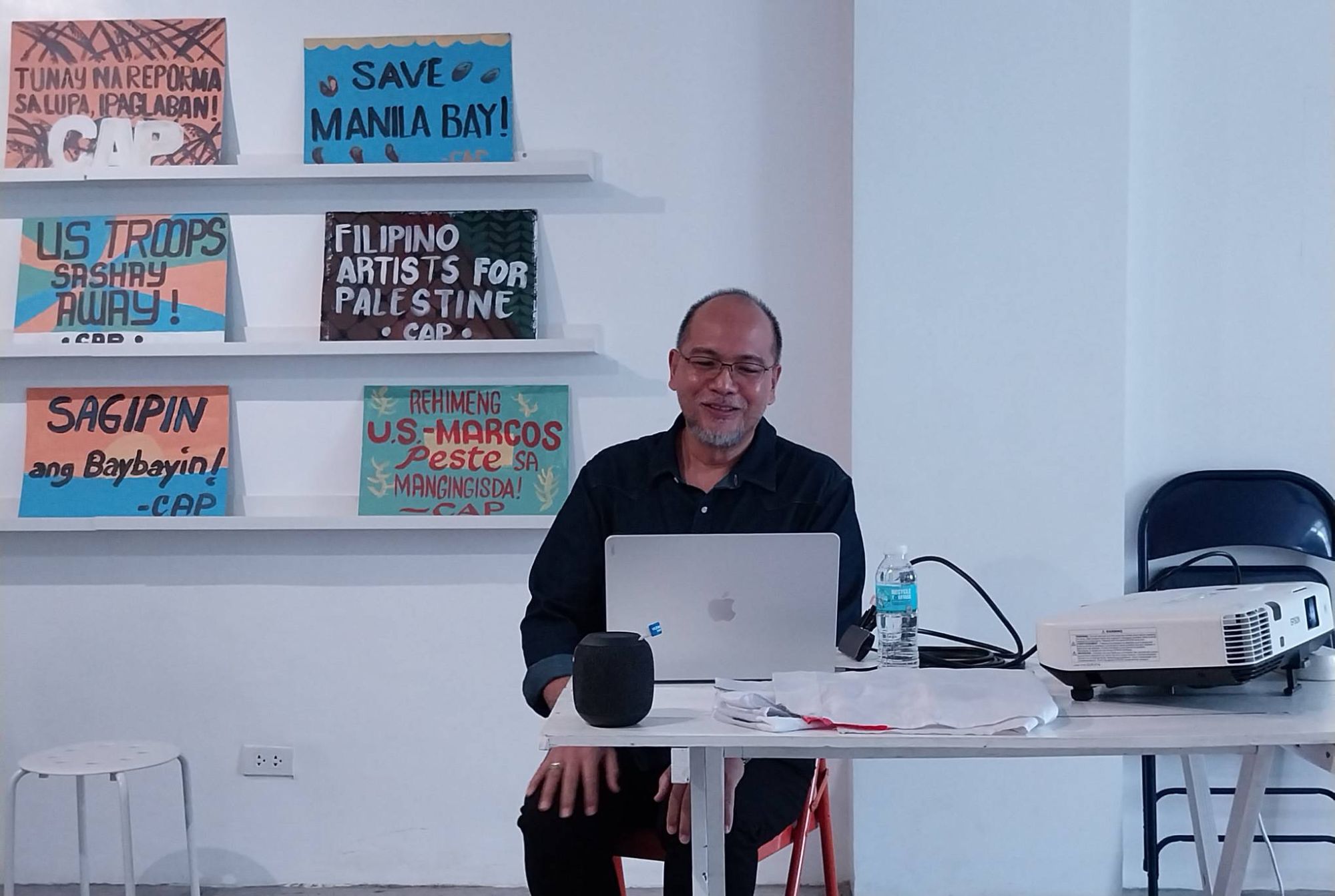
In celebration of National Arts Month in February, the Concerned Artists of the Philippines hosted multiple talks discussing different angles of our perception of art in the country entitled If Art is a Hammer 2025. During their final day of talks, they invited Justin Nicolas, a UP associate professor, to discuss the links between social work and creativity in our communities.
Creativity in Social Work
“Social work” and “creativity” seem like two disparate concepts when pitted in our society. And yet, Justin Nicolas redefines creativity in his research as something essential—integral even in the supposedly more data-driven work.
Nicolas discussed the five different studies he’s spearheaded over two decades to explore the idea of creativity in social work, which he gathered through interviews and analysis of different social workers from around the world.
The most interesting portions of his studies he shared was how different social workers saw creativity. They saw it as an intricate part of problem-solving, something that is used in policy advocacy or client work or keeping teams together.
Nicolas found that the same qualities that exist in the creation of art—community building, trial-and-error, using self-expression to push forward different goals—can be found in non-artistic fields. It’s utilized the same way, but for different contexts. Within his studies, social workers utilize their creativity to enact social protection and transformation for their clients.
Typologies of Creativity
In Justin Nicolas’ studies, he set up different typologies, so to speak, of how creativity exists in our mind: individual, organizational, and societal.
The individual level is, of course, the most subjective—it centers around personal expression and development. For the organizational level, it utilizes more objective metrics, seeking out competence and efficiency in getting work done towards something sustainable. Finally, for the societal level, people tend to look for larger, broader social transformation: a creative economy and engagement.
And the thing about his studies is that it can be applied in different realms of work. Obviously, art seems individualistic, but there’s a certain need for organizational knowhow in order to create the structures necessary to sell and show art to others. People also need a broader scope of engagement to encourage a culture that values beauty and art.
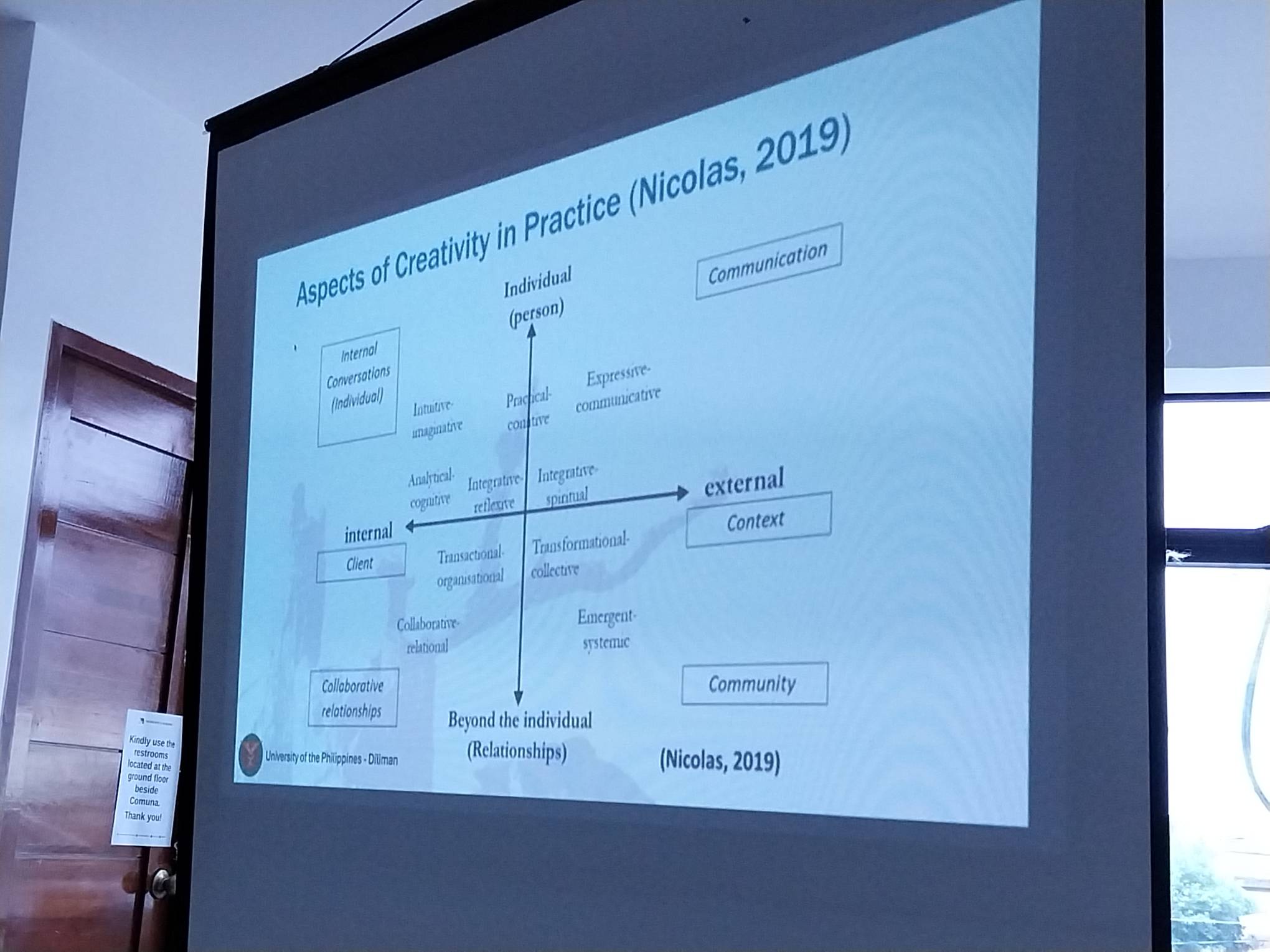
Meanwhile, the individualistic level aims for pioneering ideas that promote better, efficient work on a personal level. The organizational level works in communication to coworkers and bosses for teamwork and finding satisfying conclusions for everyone. And that contributes to the broader societal attitudes that center around social work: of its importance, its relevance, its essentiality in our world today.
Alienation and Creativity
The core of Justin Nicolas’ studies came after he originally read a paper that blamed the high turnover rate of social workers to their alienation from work. The low salaries and high caseload tended to push them towards burnout, and he used his studies to explore why.
And of course, if one talks about alienation from work, one always returns to the philosophies of Karl Marx. The German philosopher postulated that capitalist societies created a separation between the labor of a worker and the outcome of their work, which leads to alienation from the self.
From there, Nicolas said that Marx saw creativity as the “anti-thesis of alienation.” It creates a meaningful link between the work we do and its outcome in our personal lives and our society. Nicolas drew some interesting parallels to different philosophers’ conceptualizations of how integral creativity is to normal work.
“Creativity is a core element of human nature that is suppressed by the alienating conditions of capitalist labor,” Nicolas explained.
During the talk, he pointed listeners towards the work of German social theorist Hans Joas, who postulated that creativity is an integral part of how we express creativity as we interact with the world. We craft new ideas and assert ourselves in it through its practice.
“Human action is not simply the execution of a pre-given plan, but rather a process in which new goals, new meanings, and new patterns emerge in an ongoing creative manner,” a quote from Joas said.
Engaging in Society Through Creativity in Work
Later in the talk, the associate professor discussed the different applications of the ideas in the field of social work. Reading through it, one sees the possibilities of how development can be pushed forward by engaging in an imaginative, community-centric approach in solving problems.
Vlad Petre Glăveanu called it “we creativity.” Other philosophers like Teresa Amalie and Keith Sawyer stated that it creates a culture of collaboration that sets up a foundation for collective knowledge and historical accumulation.
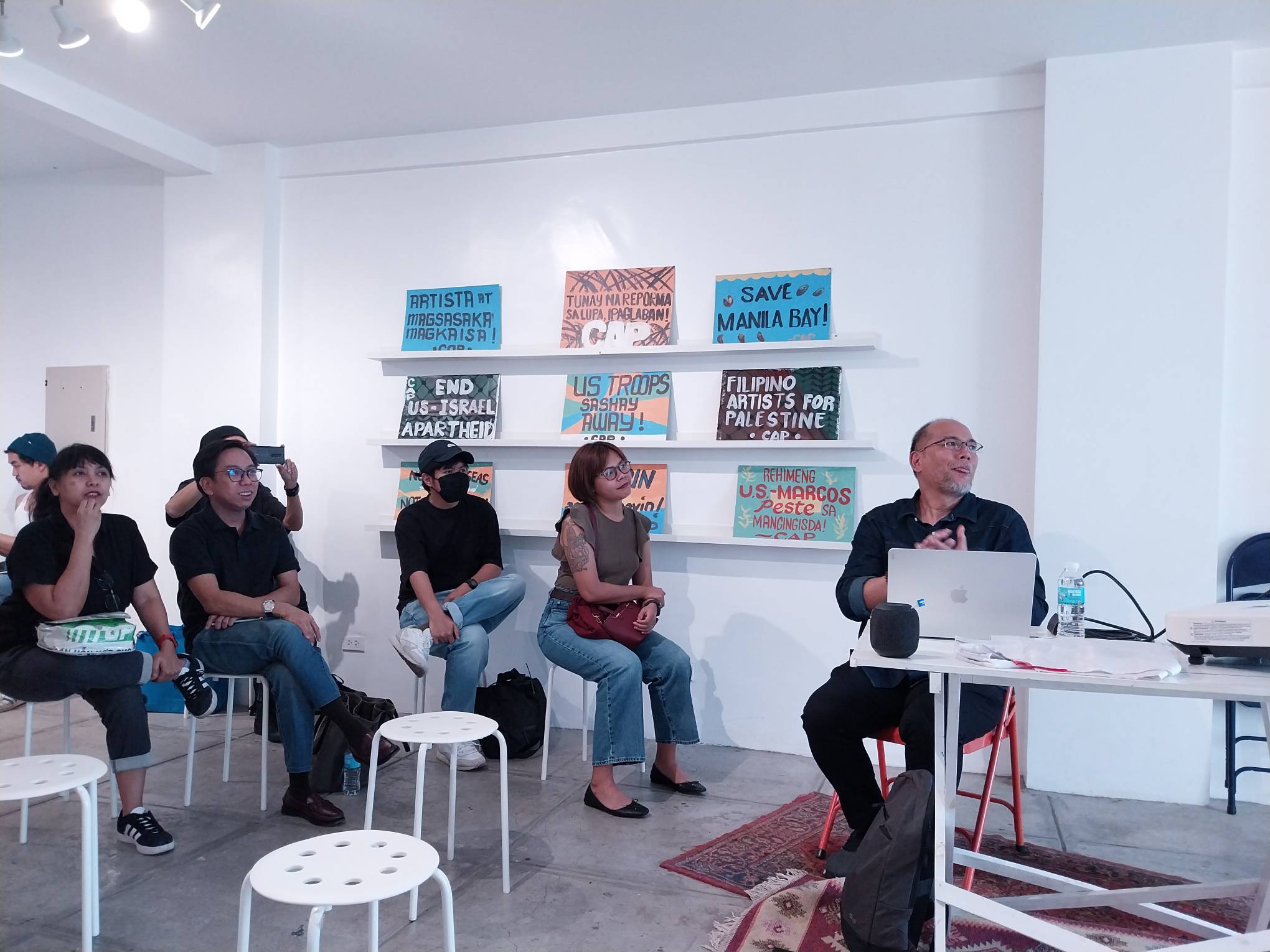
This can apply to social work, to art, and to any field of development, really. Creativity stops being this idea of “singular vision” popularized by ideas like the auteur theory, and becomes a tool for partnership with others to make something better in whatever field they’re in.
For Nicolas, creativity is not just found in artworks like music, painting, or film; instead, it exists as an outpouring of ingenuity and ideas that come from the working environments of people today. Creativity is action, where the personal and the professional meet together.
Photos by Elle Yap unless otherwise stated.
Related reading: ‘Warm Bodies’: Creating Empathetic Art in an Unkind World
Frequently Asked Questions
Justin Nicolas is an Associate Professor and the current Dean of the College of Social Work and Community Development (CSWCD) at the University of the Philippines Diliman. For over a decade, his research has focused on the intersection of social work and creativity. He challenges the traditional view of creativity as purely artistic, instead redefining it as a vital tool for problem-solving, policy advocacy, and community development.
In his studies, Nicolas frames creativity as an “outpouring of ingenuity” essential for social transformation. He argues that the same qualities found in art—such as trial-and-error, self-expression, and community building—are used by social workers to navigate complex social protections. He views creativity not as a “singular vision” or “auteur” concept, but as a collaborative tool (or “we-creativity”) used to re-invent methods and adapt to specific environmental challenges.
Nicolas categorizes creativity into three distinct levels:
Individual Level: Focuses on personal expression, subjective development, and pioneering ideas that improve personal efficiency.
Organizational Level: Centers on objective metrics like competence and efficiency, utilizing creative communication to foster teamwork and sustainable institutional goals.
Societal Level: Aims for broader social transformation, encouraging a “creative economy” and engagement that shifts public attitudes toward the essentiality of social work.
Drawing on the philosophies of Karl Marx, Nicolas explores how high caseloads and low salaries lead to worker burnout and “alienation”—a separation between the worker’s labor and the outcome. He proposes that creativity is the antithesis of alienation. By engaging in creative practice, workers find a meaningful link between their efforts and the impact on society, thereby asserting their human nature and resisting the oppressive conditions of high-stress labor.
Nicolas suggests that development is best pushed forward through an imaginative, community-centric approach. By moving away from rigid, pre-coded plans, social workers can use creativity to forge new goals and meanings in real-time. This “creative-critical” practice allows for collaboration that sets a foundation for collective knowledge, making creativity a functional engine for structural change rather than just an aesthetic pursuit.
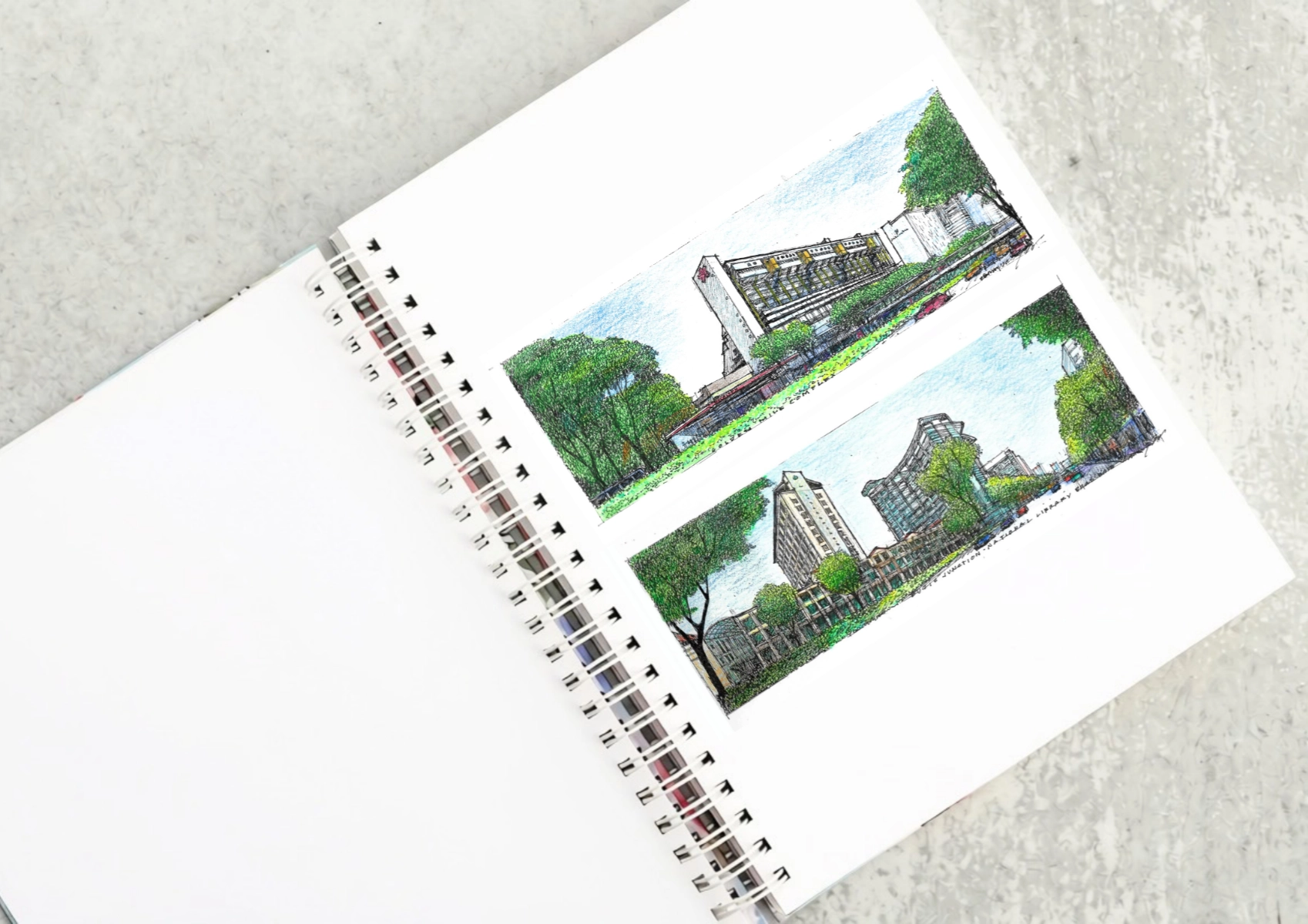
Two sketches of Singapore connect BluPrint Editor in Chief Paulo G. Alcazaren’s personal and professional history with Shared Ground: ArchitectureArchitectureThe art and science of designing and constructing buildings, structures, and spaces that are functional, safe, and aesthetically pleasing. It encompasses the planning, design, materials, and techniques used to createGo to Architecture Glossary of Care, Culture, […]

Some have become household names – Coleman, Oster, and KitchenAid – products that have found their way into Filipino kitchens, homes and family routines. In home furnishings, brands such as B&B Italia, Ethan Allen, Sub-Zero, Miele, SieMatic, Louis Poulsen, Hunter Douglas, Tempur, and Technogym, have helped shape the way Filipinos live. From everyday essentials to […]
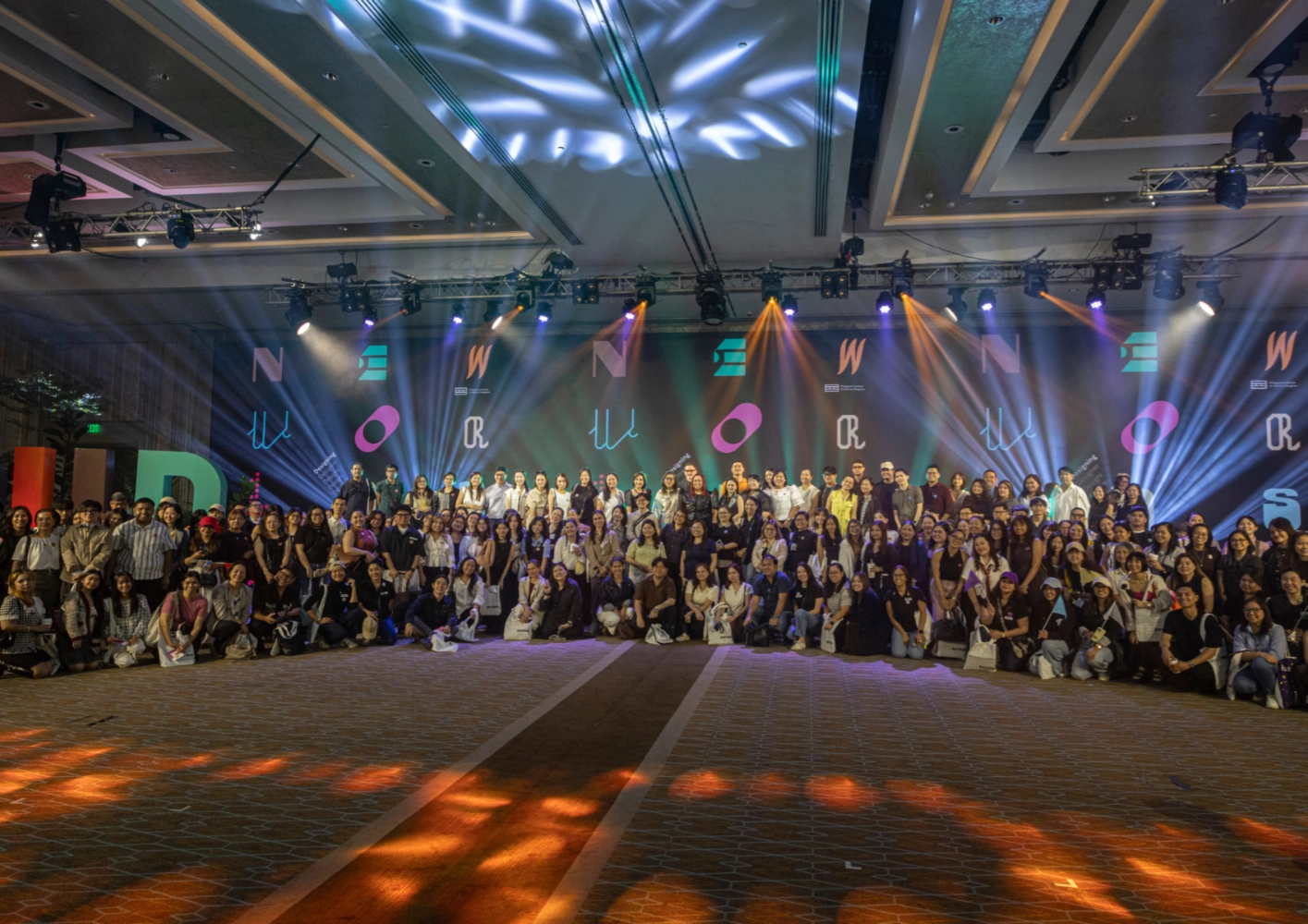
In a way, designers are the modern-day soothsayers and prophets. They design for the future, predicting how a room, a house, a building or a whole city will be used by people. They foresee how users will interact with a space, conjure exact shades of colors to elicit specific behavior and arrange furniture to build […]
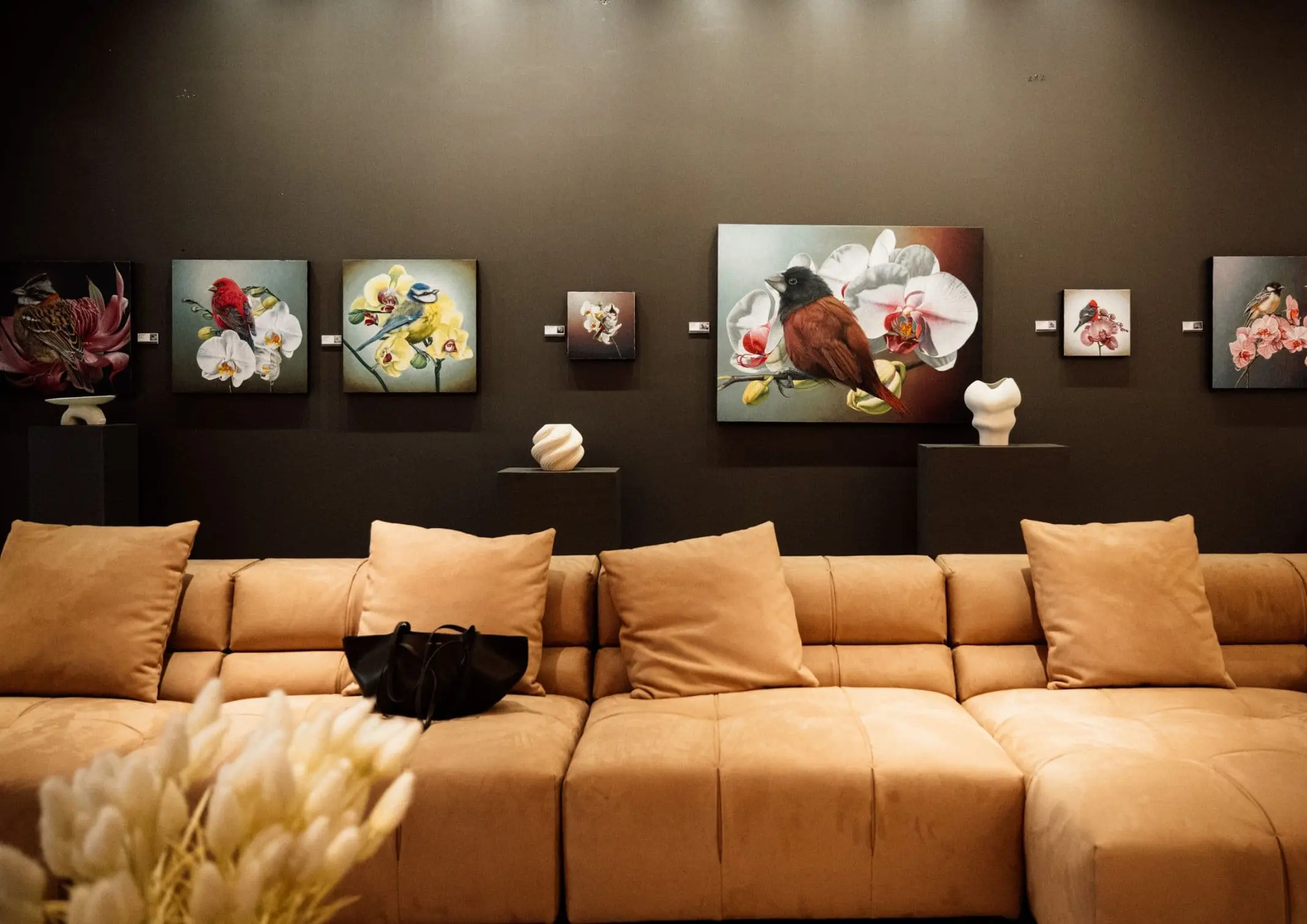
Art and furniture are often selected separately, yet their relationship can shape how a room looks and feels. The collaboration between Hooga and Galerie Joaquin explores how these elements can work together, bringing contemporary artworks into furnished residential settings at Hooga’s showroom in Uptown Mall, Bonifacio Global City. For Hooga, which curates furniture, lighting, and […]
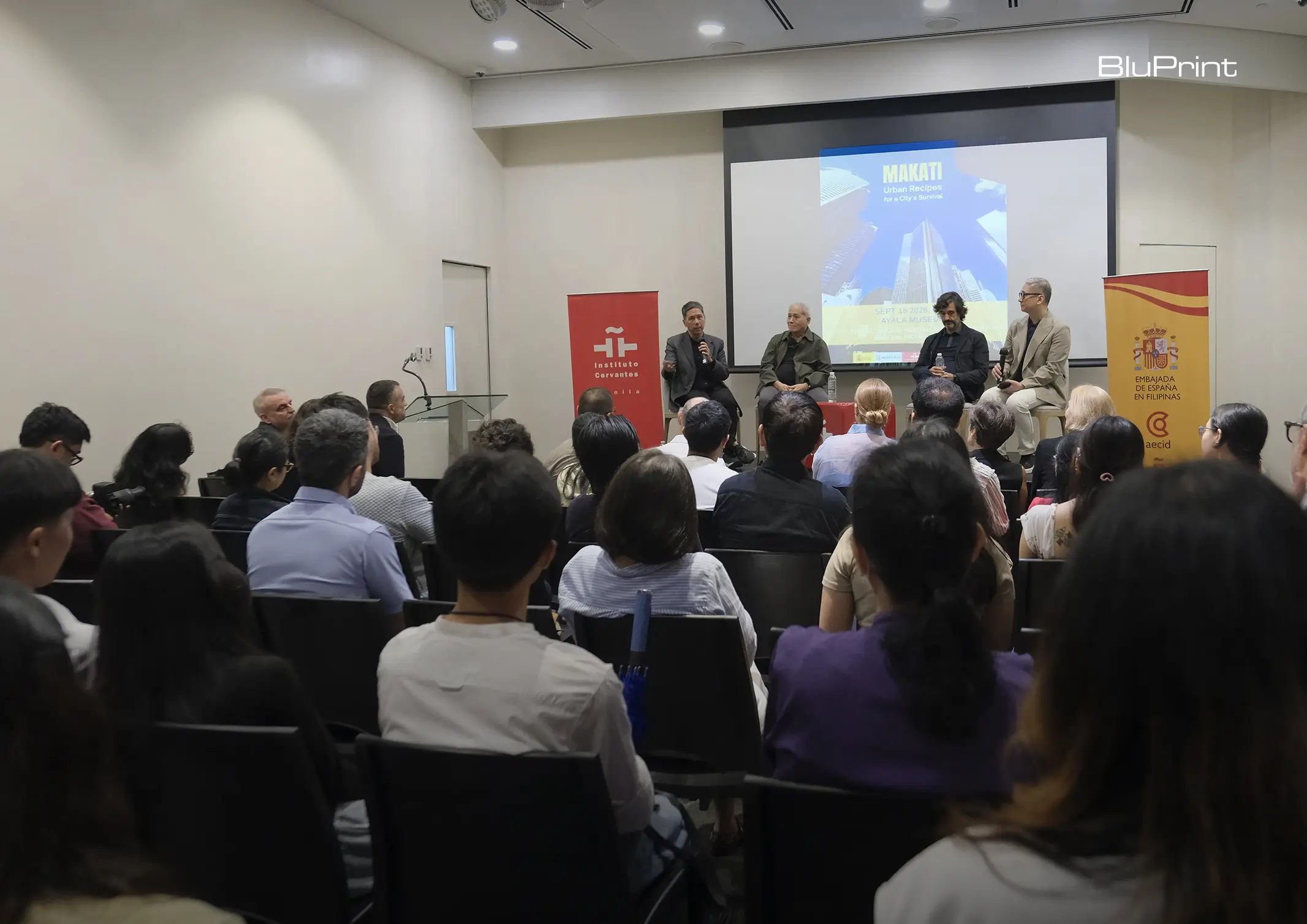
How can better-planned cities create the conditions for more creative, livable, and resilient urban environments? “Makati Urban Recipes for a City’s Survival,” a colloquium held at the Ayala Museum on September 15, brought together architects and practitioners from the fields of urbanism and the creative economy to discuss how design, planning, and collaboration can address […]
Read the issues.

Collect the volumes.

Recommended Video
Tap to Unmute
Unmute
0:00
0:00