Mindanaoan architectureArchitectureThe art and science of designing and constructing buildings, structures, and spaces that are functional, safe, and aesthetically pleasing. It encompasses the planning, design, materials, and techniques used to createGo to Architecture Glossary student Ejhay L. Durias of the University of Mindanao made history after becoming the first Filipino to receive the AYDA International […]
Incanta: An Enchanting Cave Dining Experience Within the City



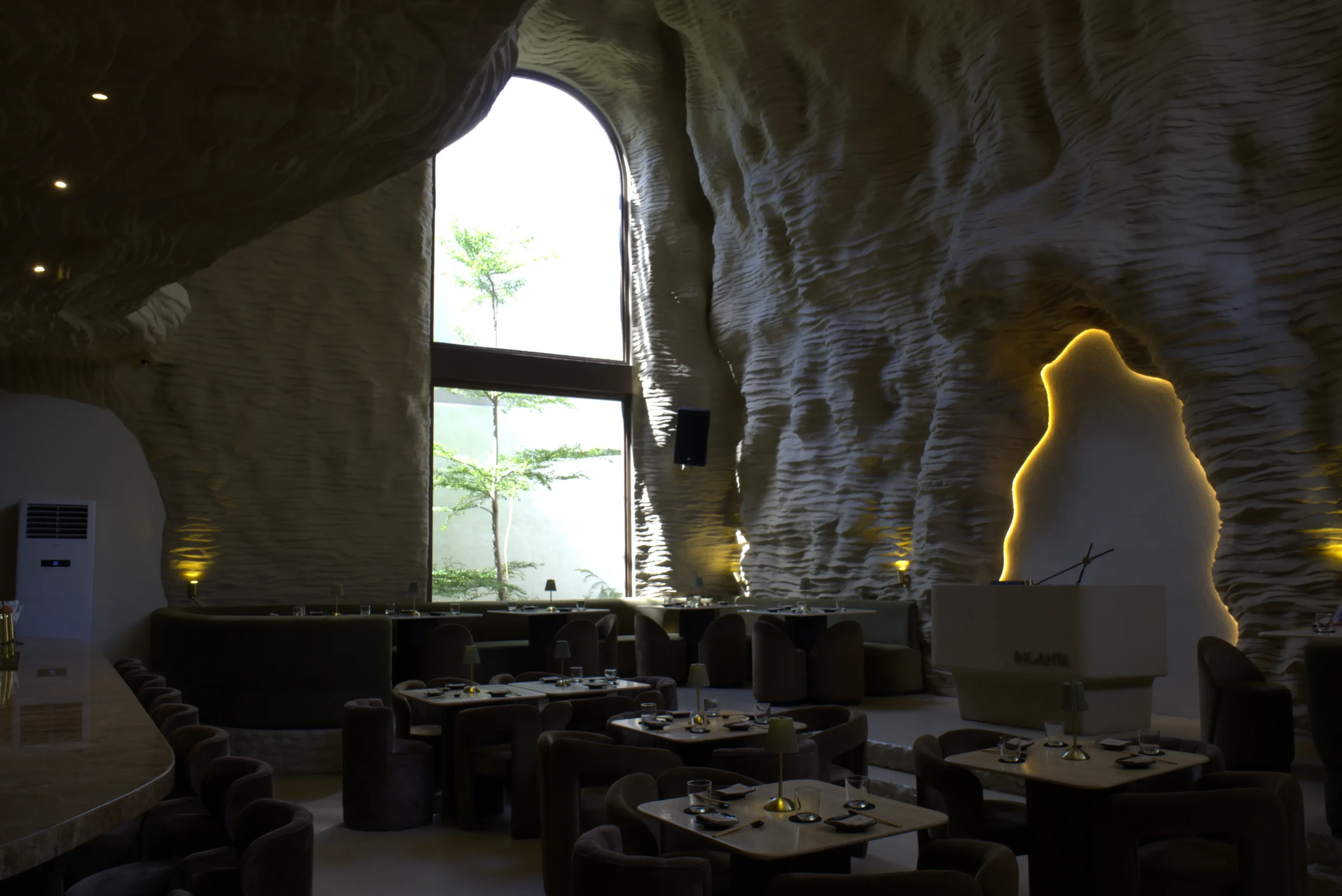
Deep within the lively avenue of Tomas Morato, Quezon City is a unique enclave that defies its urban surroundings. Incanta, a bar and restaurant characterized by its enticing hand-sculpted cave-like interior, offers a new dimension of dining, vibrant nightlife, and meaningful connections. It is a transformative place that brings guests closer to the ambiance of natural landscapes even within the city’s embrace.
Carved Out of Treasured Travels
Founders Sarah Genove-Yu and Ma. Cristine Caringal Melad shared that the memorable encounters from their travels have been their biggest inspiration in designing Incanta. Their particular experience at The Cave—a fine dining restaurant nestled within a natural cave in Bali, Indonesia–deeply influenced their vision for creating a similarly distinctive atmosphere.
“I’m personally drawn to experiential spaces and unique dining experiences built in nature. And visiting different places and environments inspires my creativity,” Genove-Yu reveals. “So, when we came back home to the Philippines, that’s when we thought of creating our own version of a natural cave in the middle of the city.”
Melad concurred that the cave concept aligns with the Philippines’ rich geological landscape, where numerous natural caves exist. This further established the viability and relevance of the restaurant and bar’s design inspiration for the local market.
As the owners already possessed a clear vision for the space, designing Incanta became a smooth process. They also collaborated with architects Jeng Diaz and Angelo Blay to skillfully translate the cave-inspired concept to detailed blueprints.
However, accurately reflecting the intended cave design in the final 3D render posed a challenge. This required the team to engage local artists to directly sculpt the ridges and formations by hand. With great dedication to detail coupled with obtaining the necessary permits and documentation, it took a year to complete the 500-square-meter Incanta, which finally opened its doors in December 2024.
Organic Rhythms and Vibe
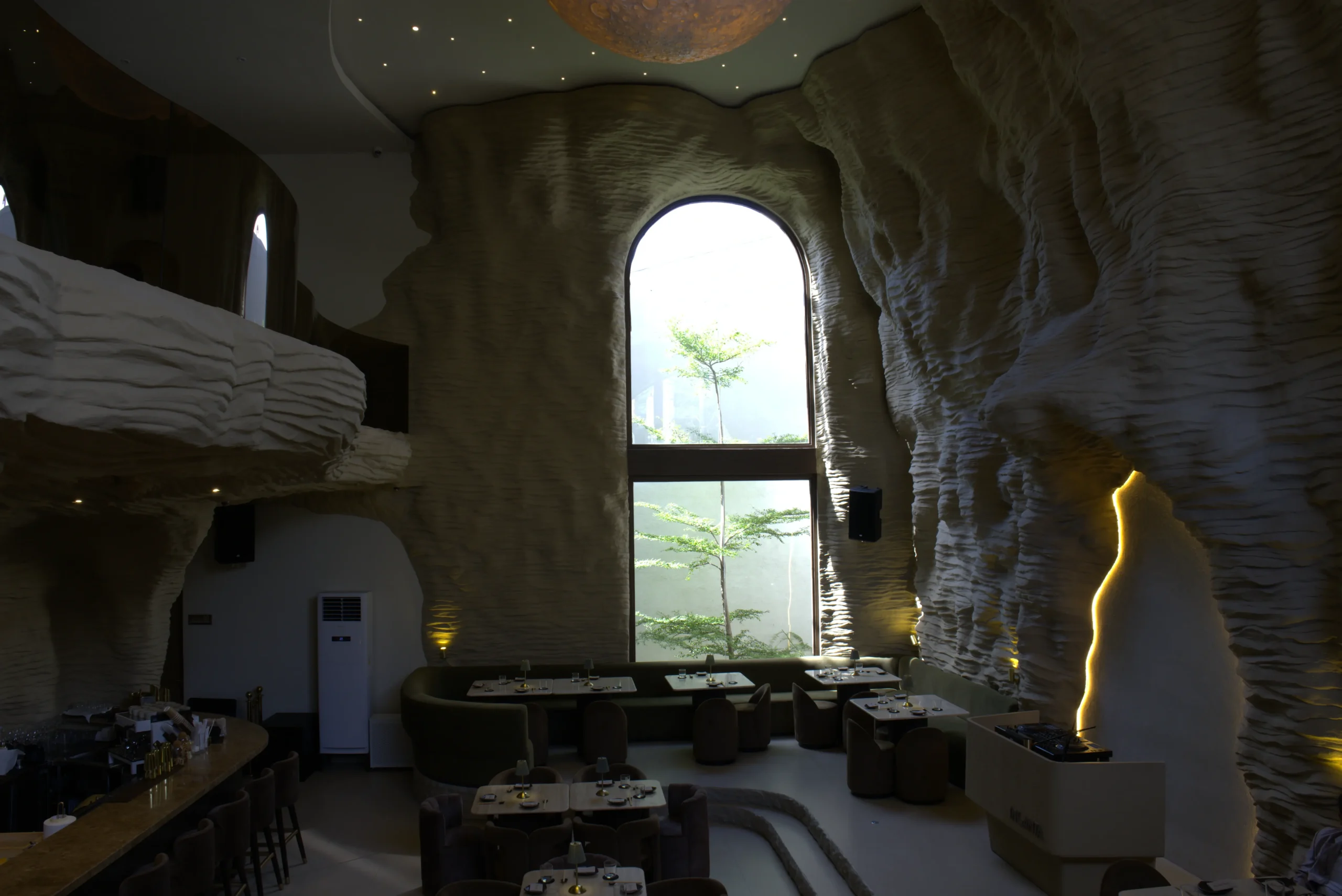
Aiming to create a space that seamlessly blends architectureArchitectureThe art and science of designing and constructing buildings, structures, and spaces that are functional, safe, and aesthetically pleasing. It encompasses the planning, design, materials, and techniques used to createGo to Architecture Glossary with nature, Genove-Yu and Melad leaned towards a simple and minimalistic design. To make the intricate cave concept more prominent, they chose natural materials, curved and rounded shapes, and a muted earthy color palette.
The box-like structure of Incanta’s exterior, while a departure from a cave’s naturally irregular contours, subtly echoes the design inspiration through the facade’s soft undulating forms. This pragmatic approach prioritized maximizing the interior space and offered more freedom in crafting the detailed, cave-like ambiance within, with large windows to give people a peek of what’s inside.
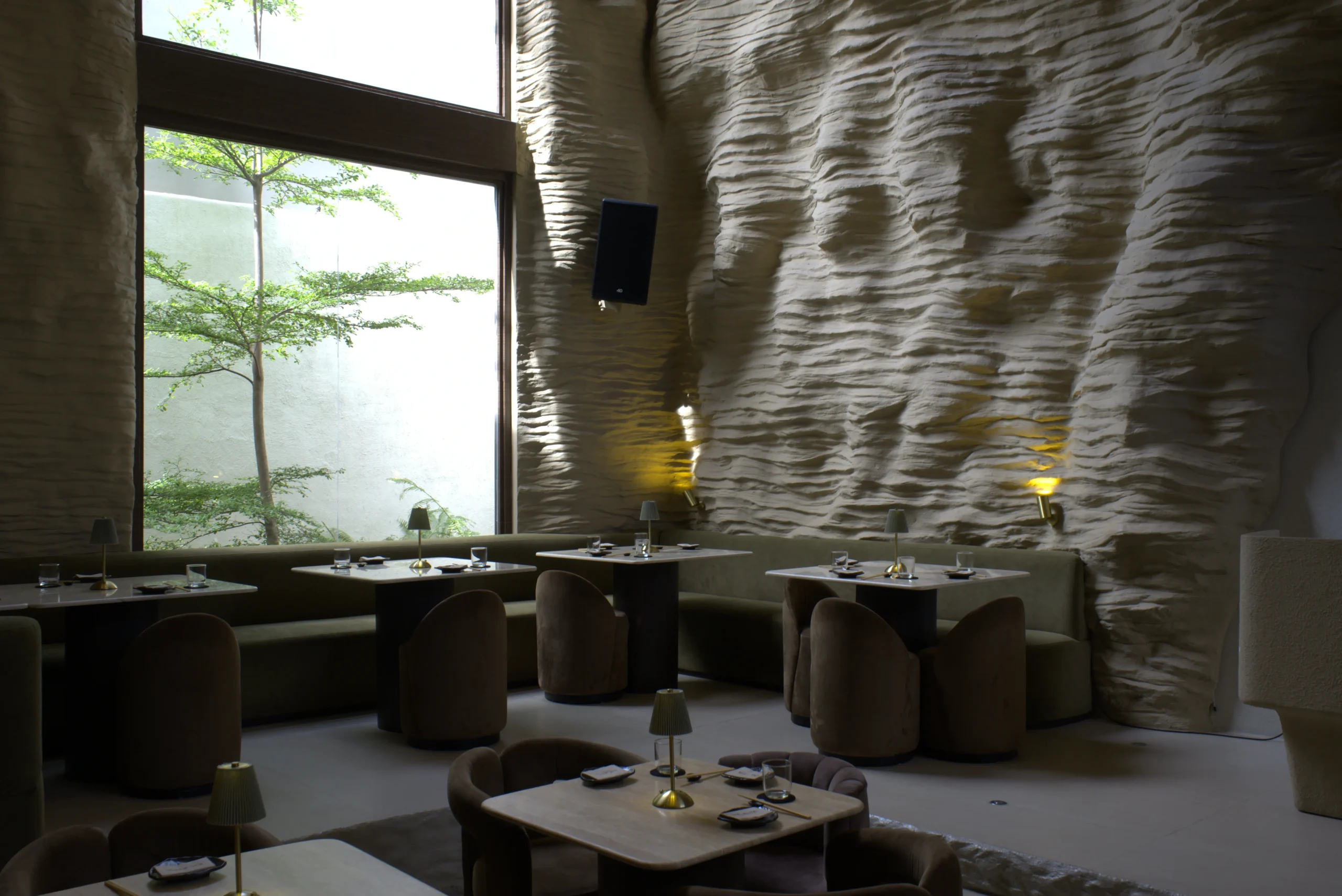
Upon entrance, the vestibule area impresses with a massive face sculpture. Passing through the curtain doors, the main dining area welcomes guests with its defining faux ridges that sweep across the walls. These ridges are meticulously molded using portland cement and colored in Pantone’s 2025 Color of the Year, mocha mousse.
As Genove-Yu explained, this specific color choice, rather than a direct imitation of natural cave hues, was intentional, aiming for a minimalistic and contemporary ambiance far removed from that of an amusement park.
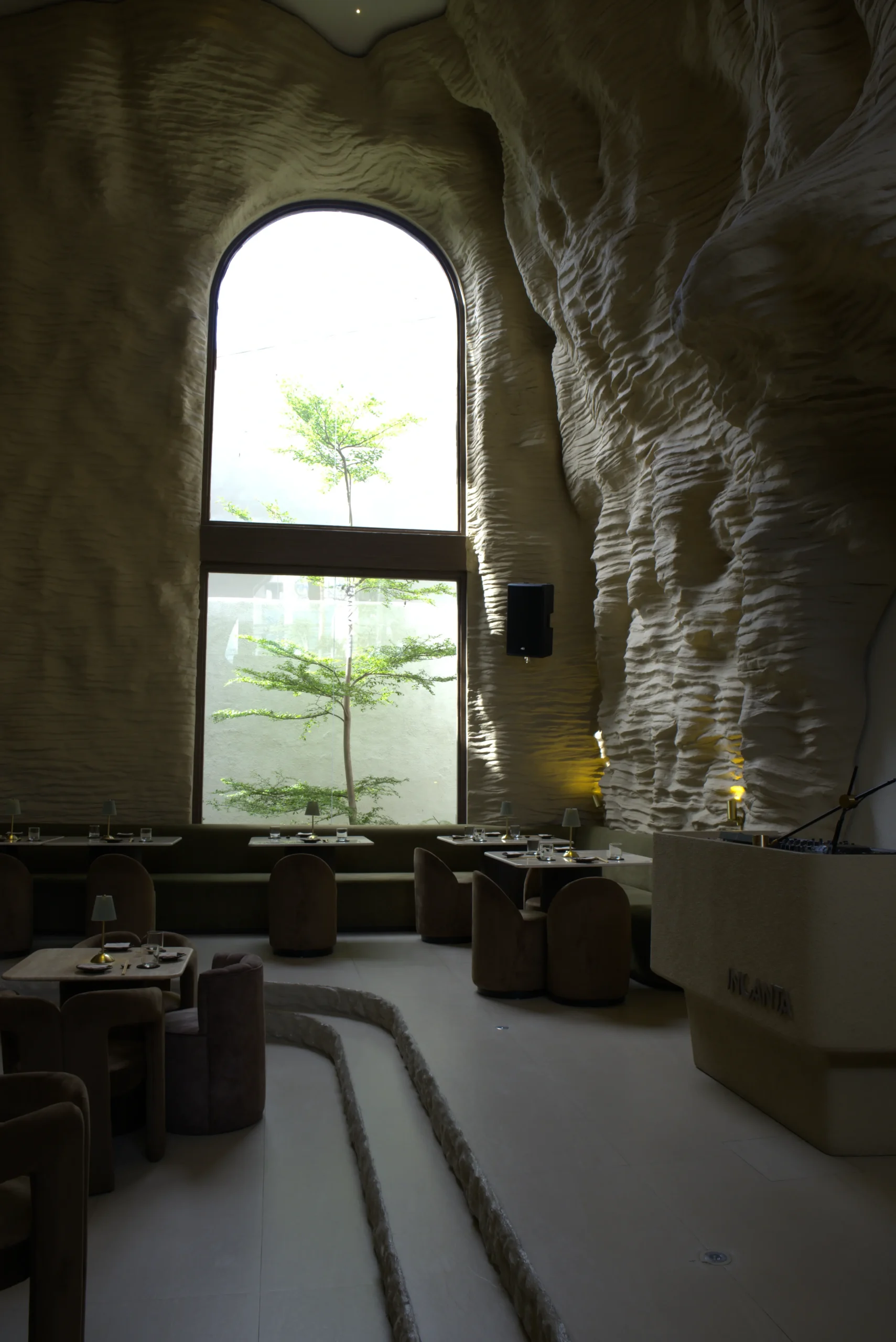
Adding to the main dining area’s appeal is a large arched window positioned across the entrance. This architectural element frames a picturesque view of a Talisay tree and bathes the space in abundant natural sunlight.
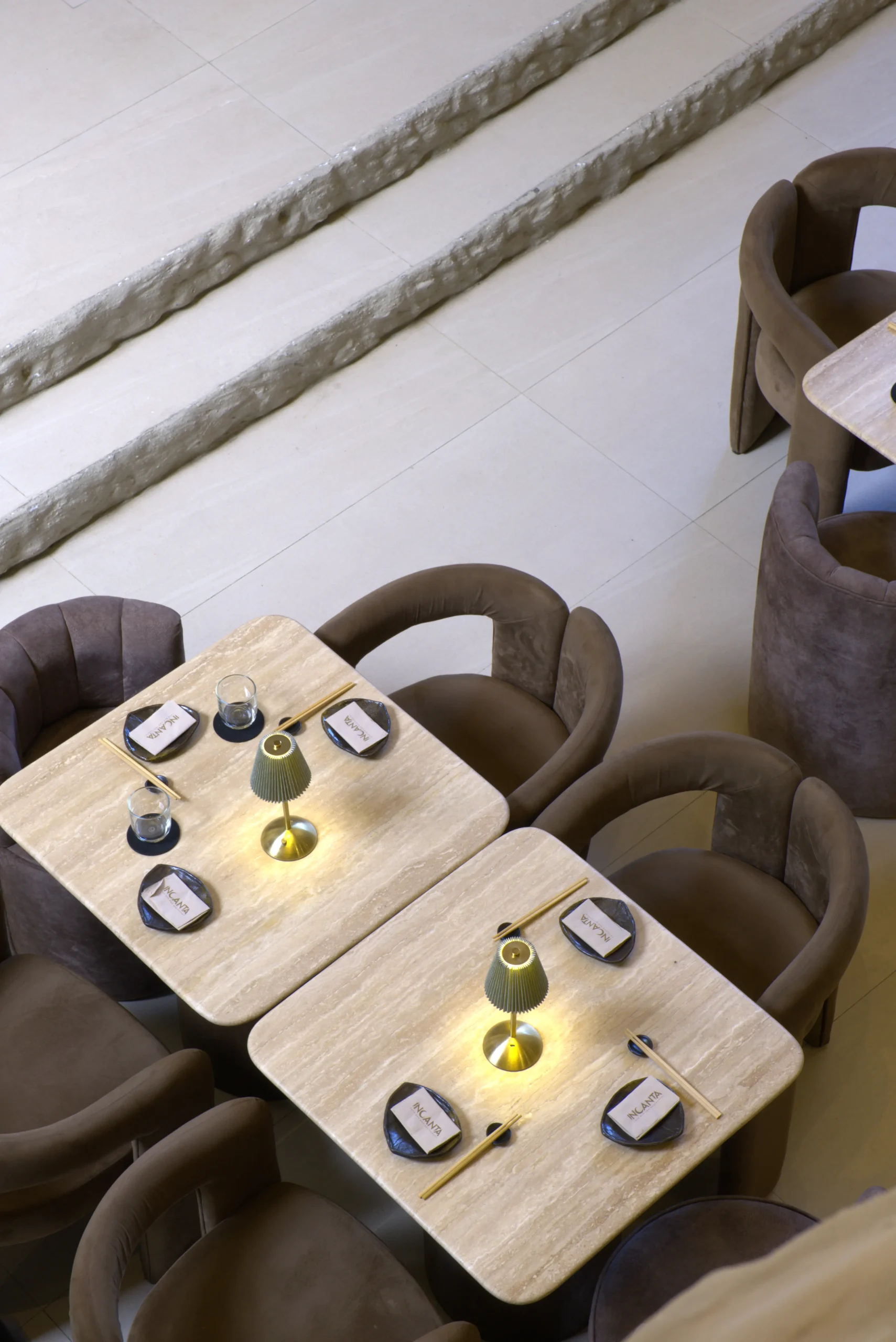
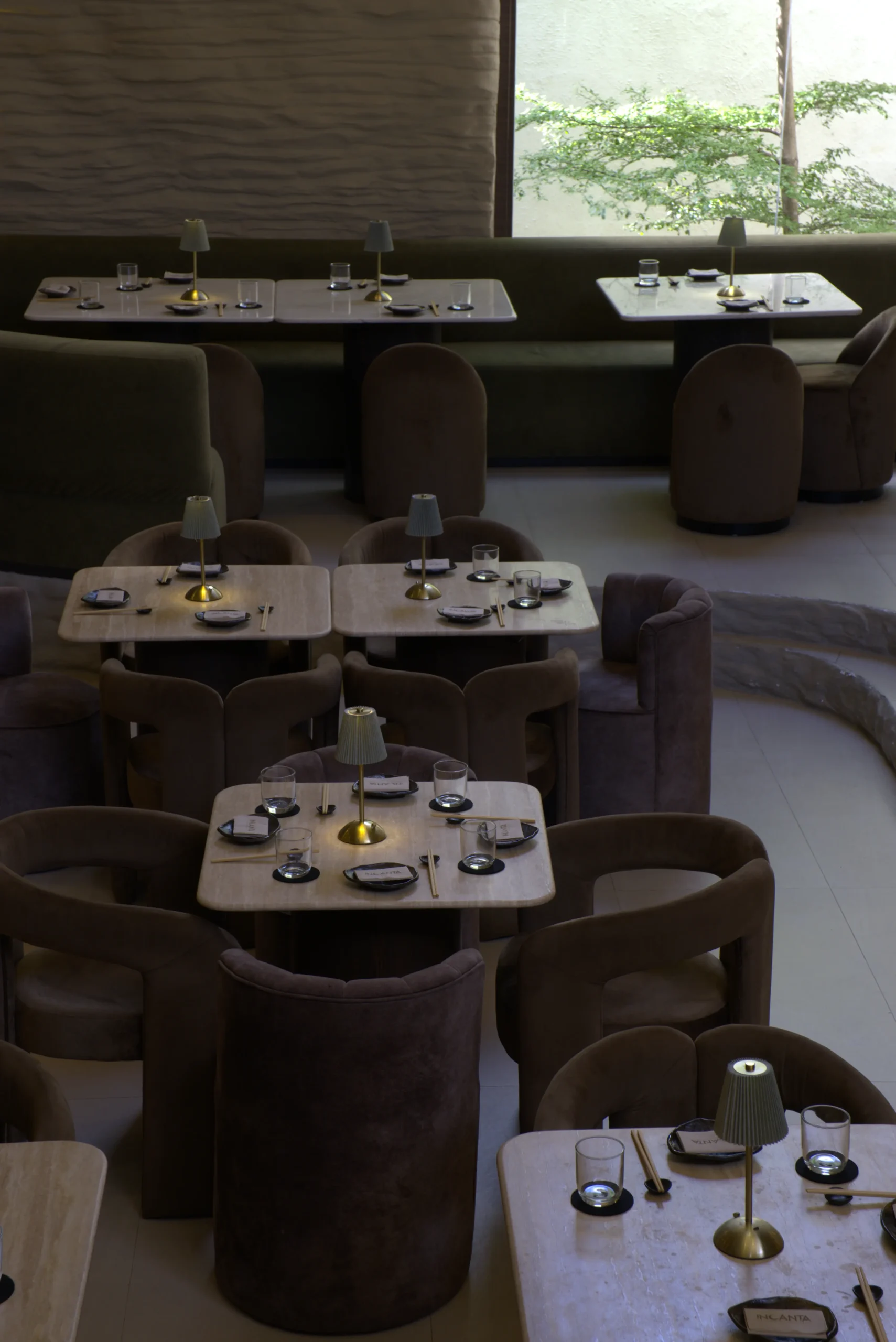
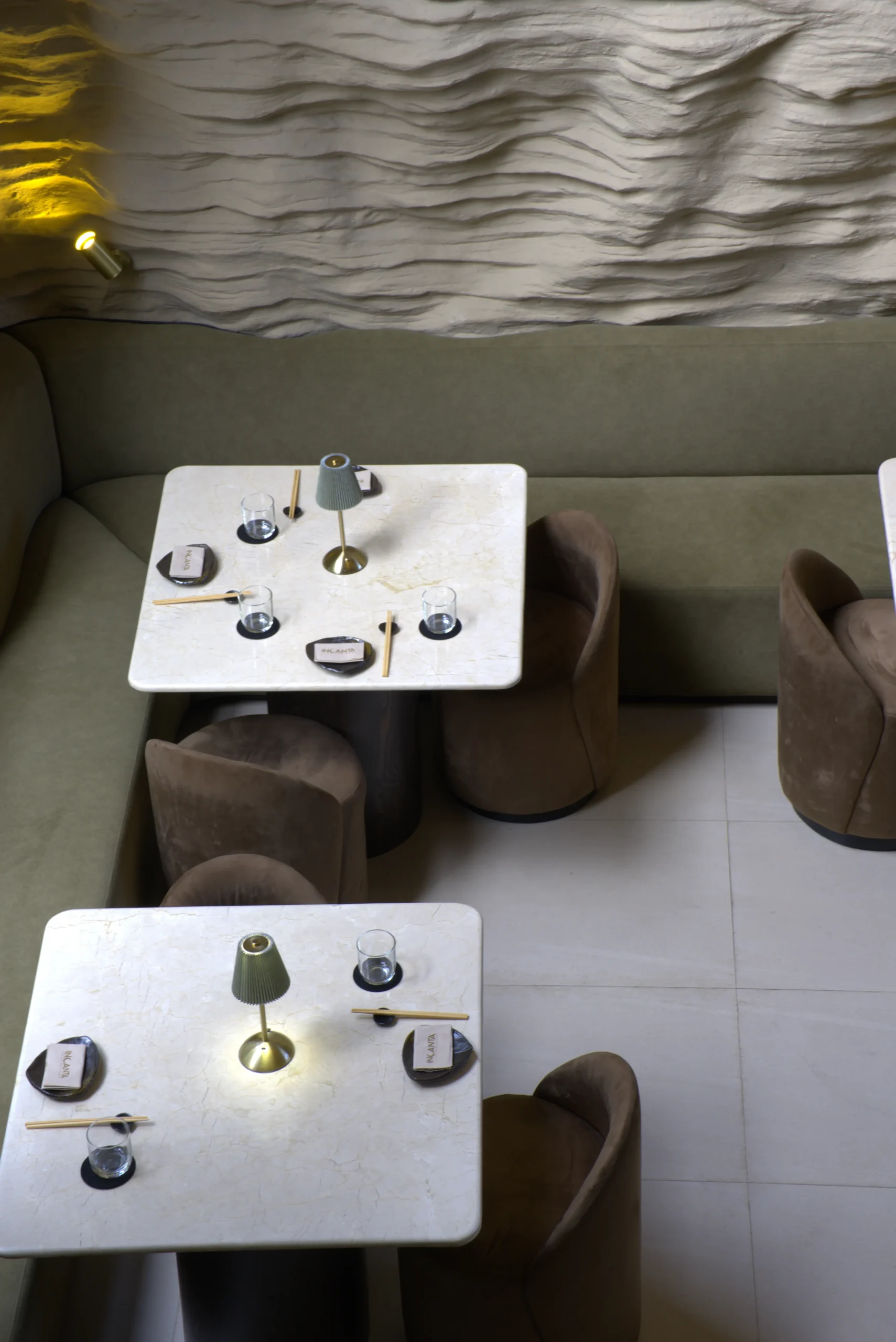
The furniture’s rounded forms seamlessly trace the contours of the handsculpted ridges. Natural stones, such as marble and travertine, also grace the tabletops, countertops, and cocktail tables, further enhancing the organic yet sophisticated feel.
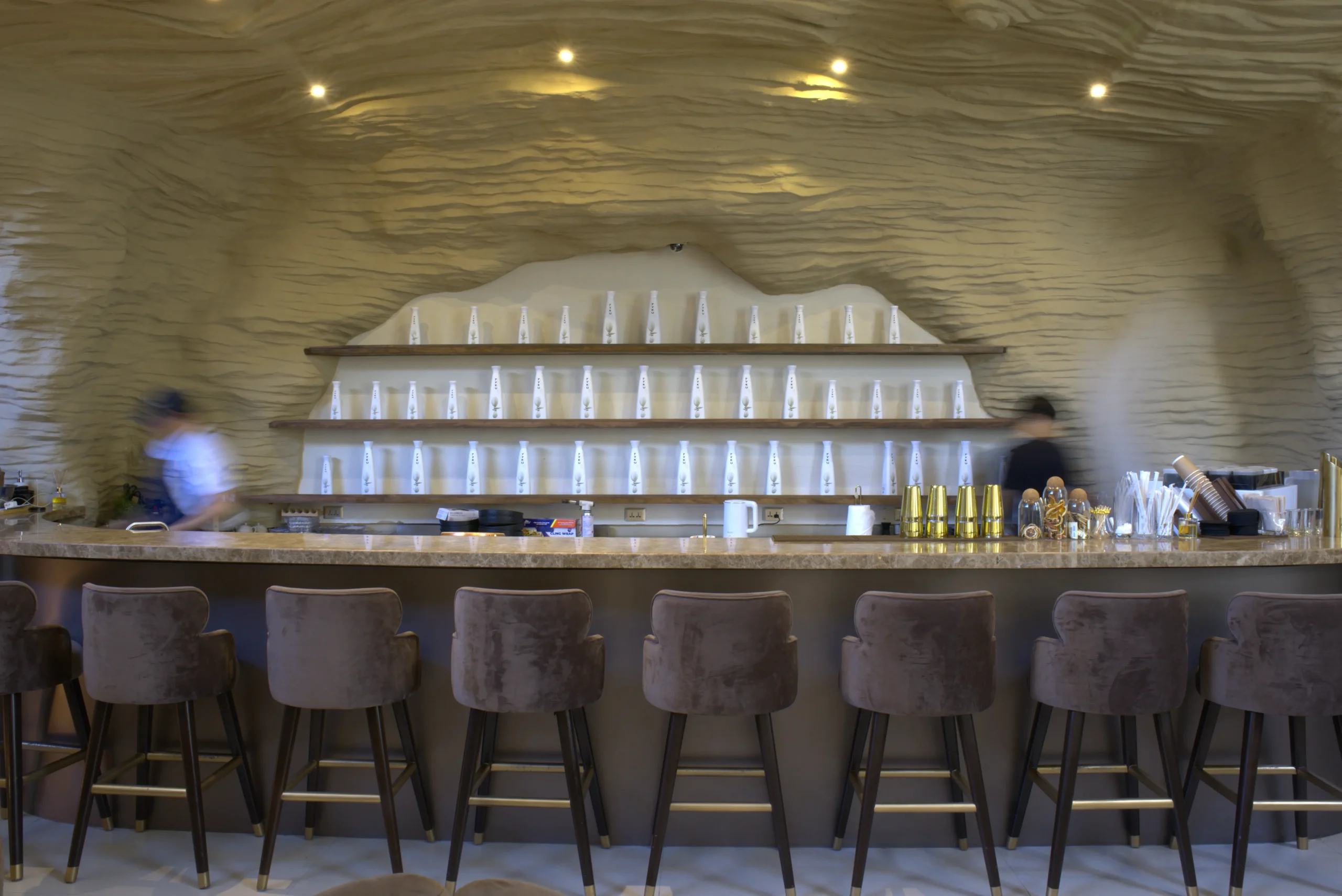
A dedicated stage, highlighting the DJ station, anchors one side of the space. Across from this vibrant area is the grand bar nestled within an alcove, where the signature hand-sculpted ridges extend across both the ceiling and walls.
A Dynamic Space for Local Artistry
As you ascend midway up the staircase, a designated platform comes into view on the left, ready to host local aerial dancers. Genove-Yu believes that incorporating such a feature allows Incanta to provide a stage for the vibrant talent of local Filipino performers.
She states, “One of our goals [for] Incanta is to also collaborate with amazing local artists here in the Philippines. Because we believe that we have a lot of magagaling na artists and talents. But there’s just not enough platform for them to showcase their talent. So, we want Incanta to be one of those platforms.”
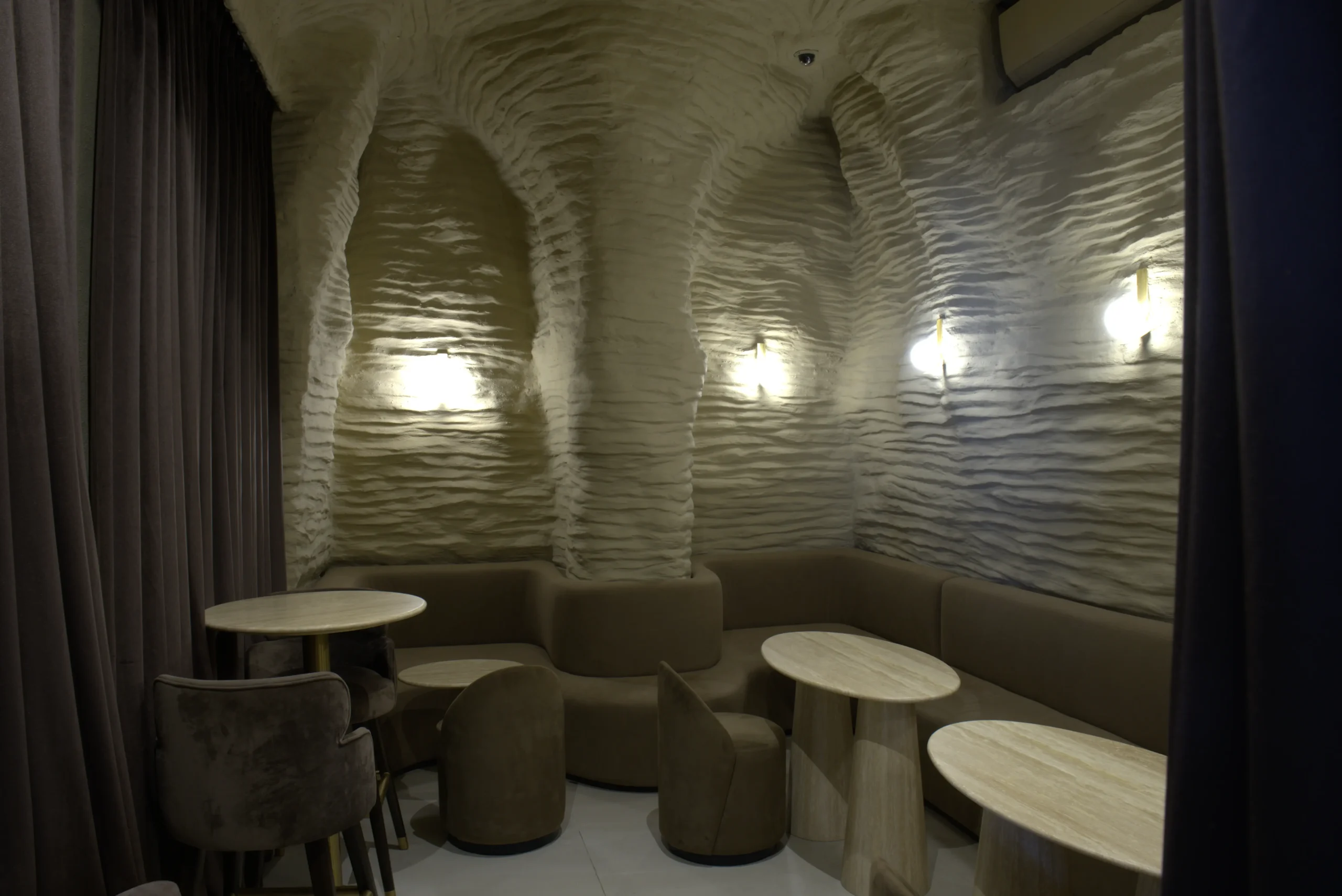
Upon reaching the loft area, a spacious lounge stretches across the entire second level to offer ample seating. Adjacent to this expansive lounge are two VIP rooms, which can be merged into a single, larger suite. Combined with the seating capacity of the main dining area, Incanta can comfortably seat approximately 150 people.
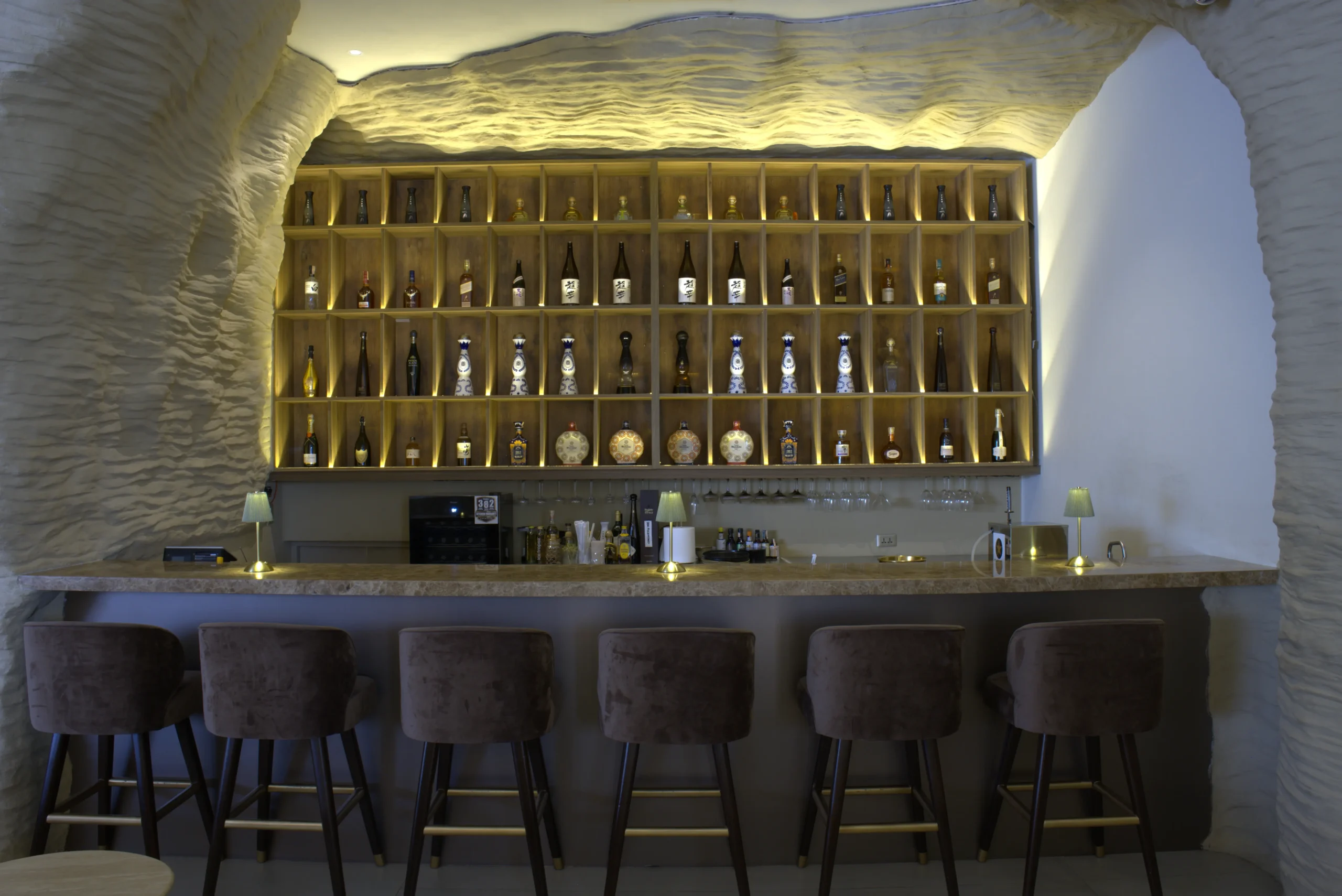
Completing the loft’s offerings is another bar, conveniently situated next to the VIP rooms. The bar area is illuminated with warm, ambient lighting, accentuating the drinks displayed and the textured wall behind it.
The Three Layers of Incanta
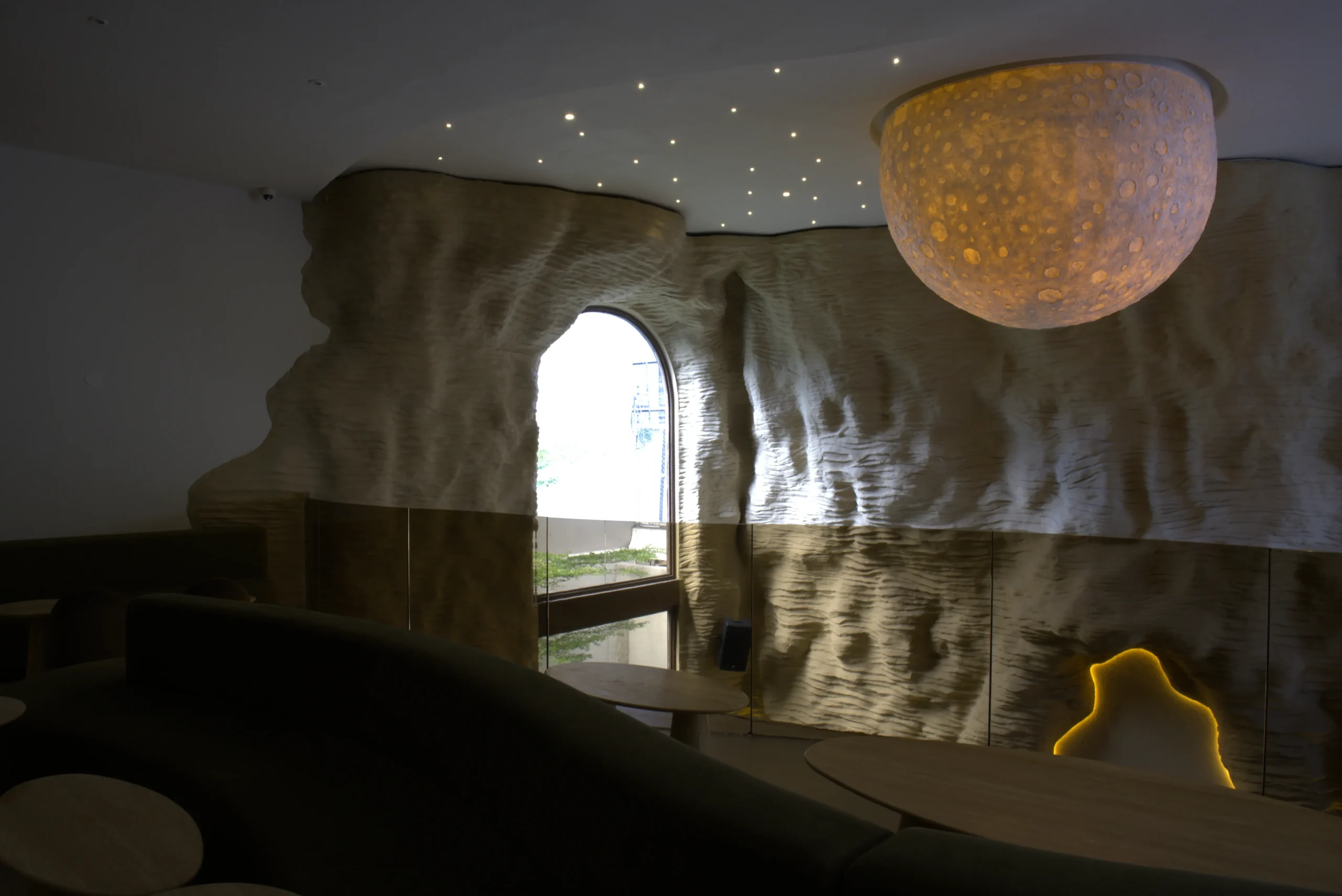
At the heart of Incanta is a striking moon chandelier suspended from the high ceiling. This centerpiece features three distinct moods designed to enhance the guests’ experience—solar, dusk, and lunar.
During the solar mood at daytime, the hand-sculpted lighting fixture emits a soft, diffused light to allow natural sunlight to stream through the windows. This aligns with Incanta’s function as a restaurant during the morning and lunch hours.
As dusk approaches, the restaurant turns into a cafe, where the moon chandelier displays an orange sunset glow, complemented by scattered starlight and other decorative lights. Later in the evening, the atmosphere shifts into its lunar mode, bathing the space in the dimmer, bloody red hue as it switches to a bar.

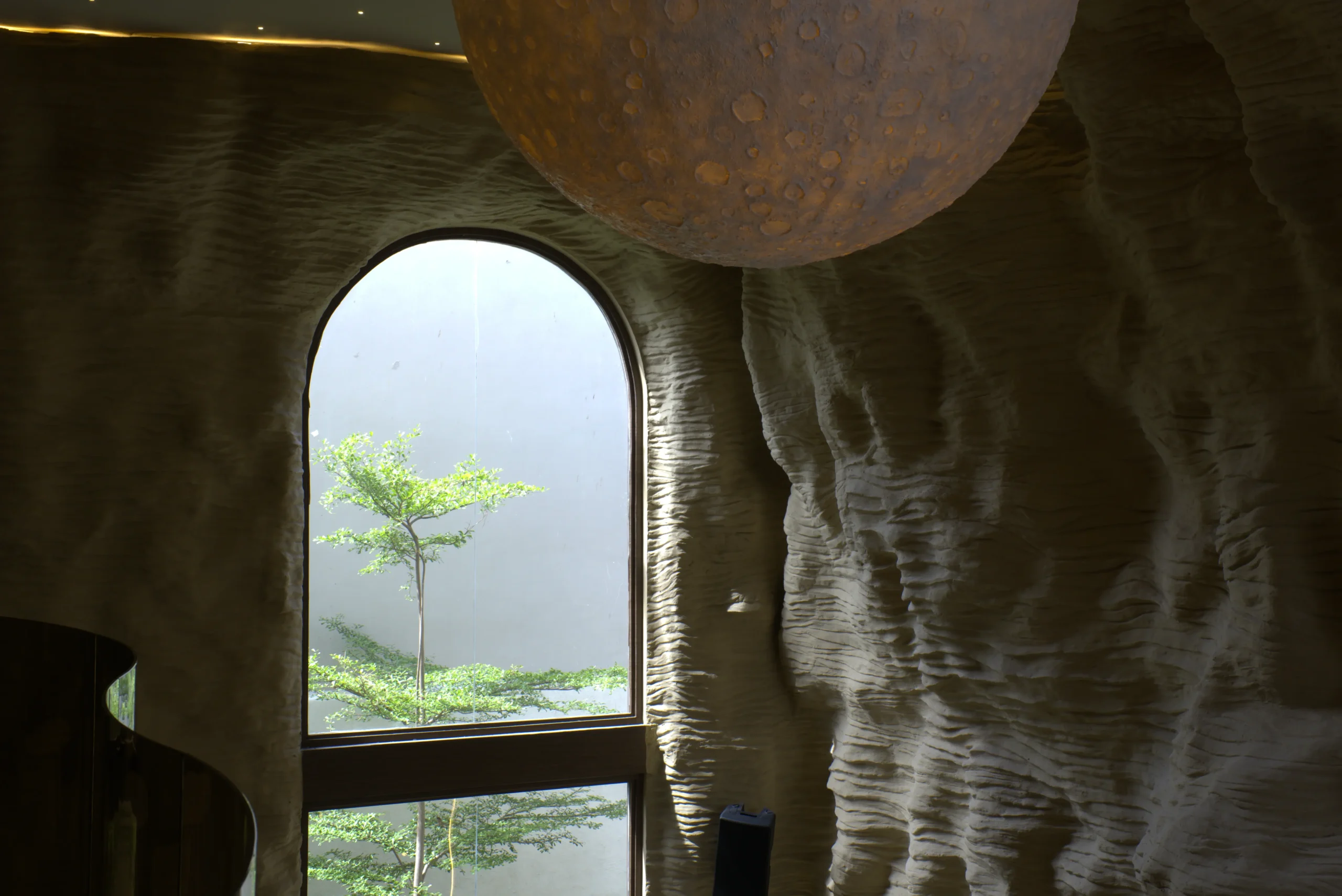
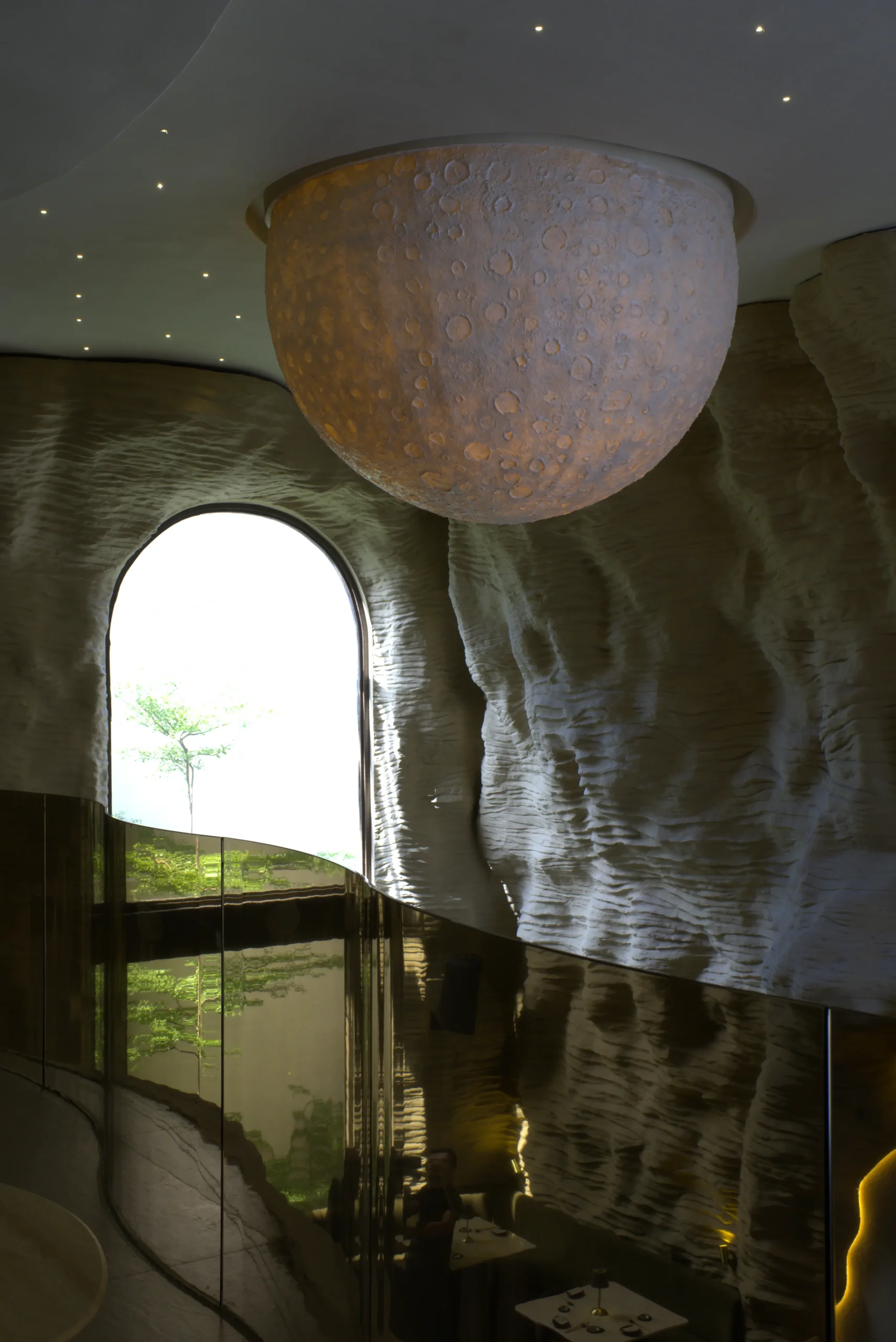
According to Melad, the moon chandelier signifies more than just a prominent feature within Incanta. It embodies the very spirit of the cave bar and restaurant’s name itself.
“It embodies mystery, magic, introspection and insight, and it also [serves] like a timeless art,” Melad describes. “If you go inside the space, it’s a concept that speaks to ourselves, that there’s a concept bigger than us or greater than us that puts down all our ego.”
Setting a New Standard in Philippine Hospitality
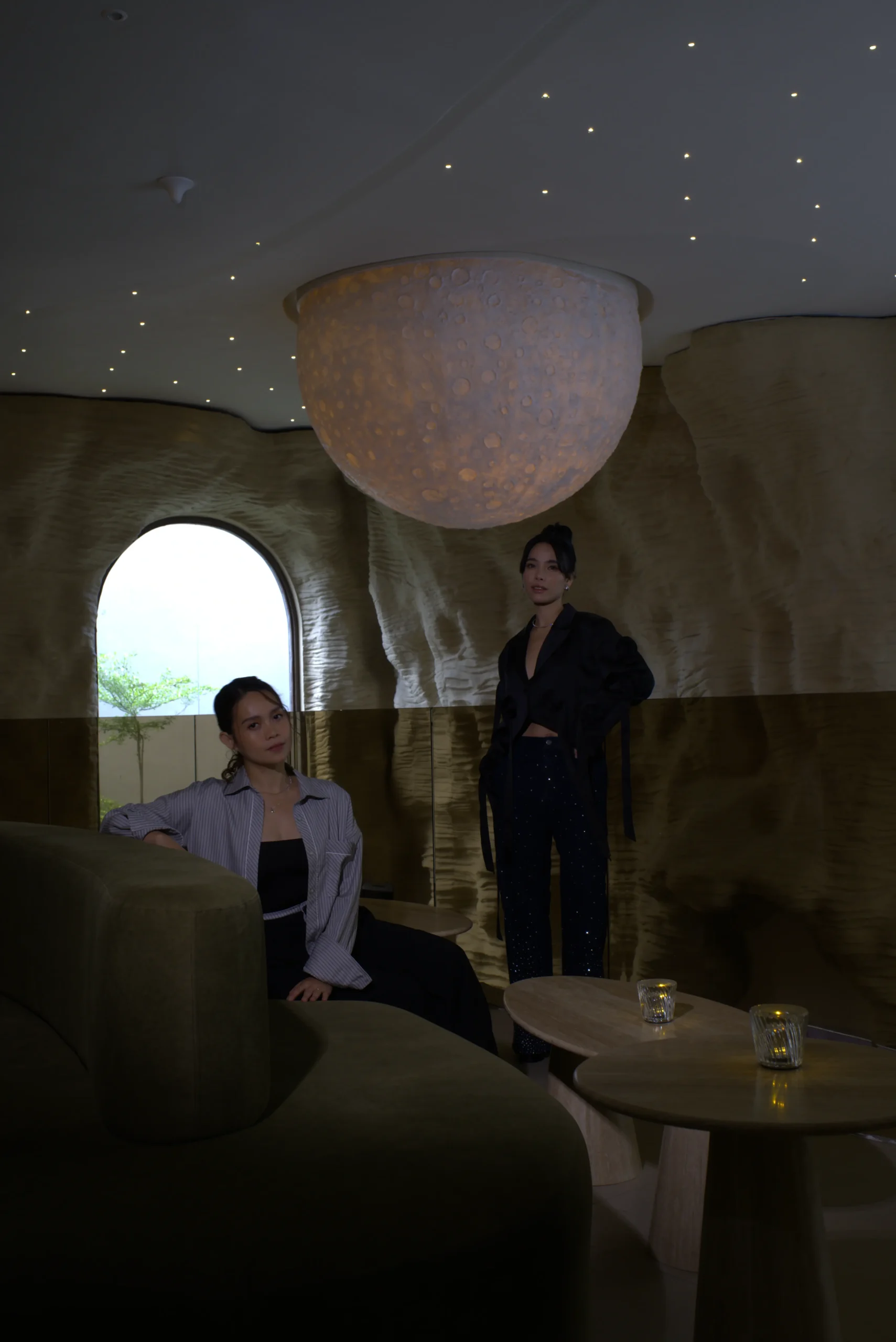
Genove-Yu and Melad regard Incanta as “a bold move” in the Philippine hospitality industry. They hope that it will be a new benchmark and a trendsetter that inspires and elevates the local scene.
“It sort of transports the guests to something out of this world because you cannot see this often around Quezon City,” Melad says. “For some people, the idea is kind of new. But it’s been going on in other countries for quite some time now. And I think I’m very proud to say that our group is the first one to brave it enough to introduce it in the Philippine market.”
While Incanta has already established its identity as a unique dining destination in the Philippines, its vision extends far beyond its current success. The founders anticipate a continuous process of growth and evolution for the space. This will likely involve the introduction of new design elements and implementation of seasonal themes to keep the experience fresh.
Looking further into the future, there is a strong aspiration to expand Incanta’s presence globally. The hope is to bring their signature blend of distinctive architectureArchitectureThe art and science of designing and constructing buildings, structures, and spaces that are functional, safe, and aesthetically pleasing. It encompasses the planning, design, materials, and techniques used to createGo to Architecture Glossary, culinary artistry, and curated entertainment to a wider international audience, all while remaining deeply connected to their Filipino roots.
Photographed by Ed Simon
Read more: Cave Office Flows to the Rhythm of Human Movement
Frequently Asked Questions
Founders Sarah Genove-Yu and Ma. Cristine Caringal Melad were inspired by their travels, specifically a visit to “The Cave”—a fine dining restaurant located in a natural cave in Bali, Indonesia. They wanted to recreate that immersive, nature-centric experience within an urban setting like Tomas Morato. The concept also pays homage to the Philippines’ own rich geological landscape, which is home to numerous natural limestone caves.
Because 3D renders struggled to capture the organic complexity of a natural cavern, the founders engaged local artists to hand-sculpt the ridges and formations directly onto the interior surfaces. The walls are meticulously molded using portland cement and finished in “Mocha Mousse,” Pantone’s 2025 Color of the Year. This hand-sculpted approach ensures a unique, tactile environment that feels more like a sophisticated sanctuary than a themed amusement park.
The striking moon chandelier is the heart of Incanta’s atmosphere, transitioning through three distinct moods: Solar, Dusk, and Lunar. During the day (Solar), it provides soft light for restaurant diners; at sunset (Dusk), it emits an orange glow for a cafe vibe; and at night (Lunar), it shifts to a dim, “bloody red” hue as the space becomes a bar. This centerpiece symbolizes mystery and magic, reflecting the “enchanting” nature of the establishment’s name.
Beyond its architecture, Incanta serves as a platform for local artistry by featuring a dedicated stage for DJs and a specialized midway platform for aerial dancers. The founders purposefully integrated these performance spaces to provide Filipino artists with a high-end venue to showcase their skills. This commitment to local talent extends to the interior craftsmanship, which relied heavily on the expertise of Filipino sculptors and builders.
Incanta spans 500 square meters across two levels and can comfortably accommodate approximately 150 people. The ground floor features the main dining area and a grand bar, while the loft area offers a spacious lounge and two VIP rooms that can be merged into a single suite. These facilities allow the venue to transition seamlessly from an intimate lunch spot to a high-energy nightlife destination with ample room for private events.
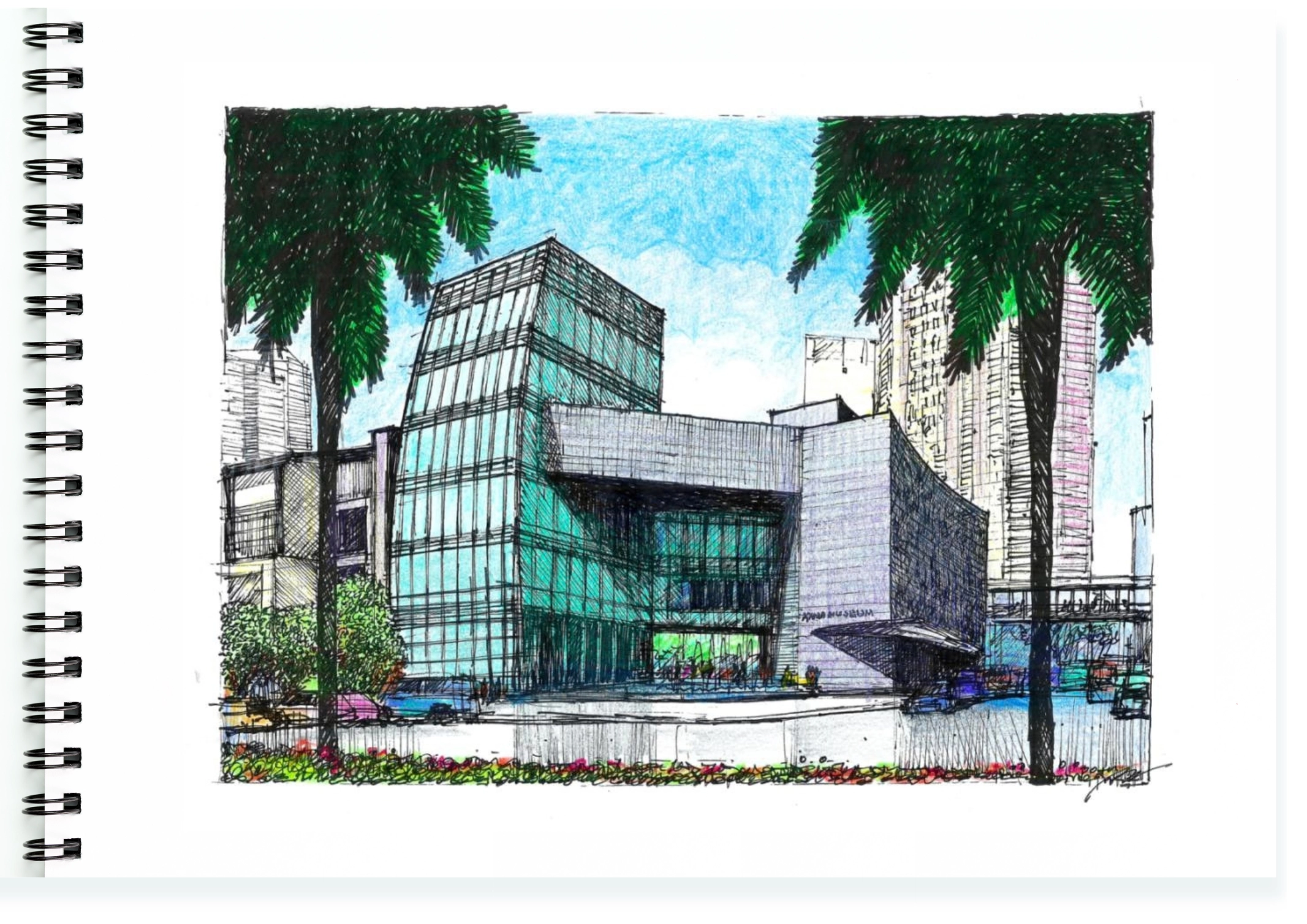
The Ayala Museum designed by the firm of Leandro V. Locsin Partners (LVLP) sits at the corner of Makati Avenue and Dela Rosa Street in Legaspi Village, Makati. This is actually the second museum of the same name in the area. The original, which was designed by National artist for ArchitectureArchitectureThe art and science of […]
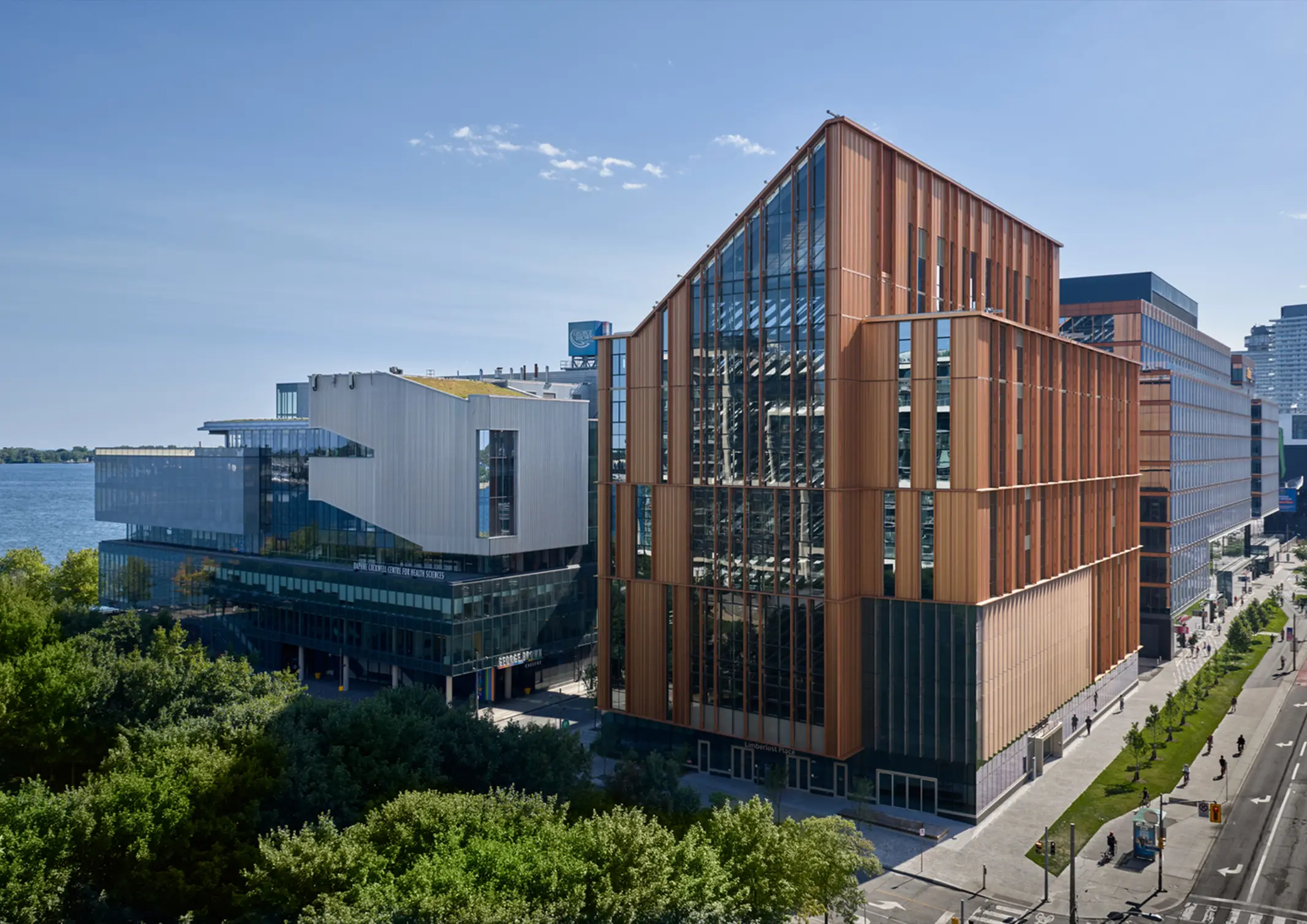
The projects recognized by Architizer’s 14th Annual A+Awards span architectureArchitectureThe art and science of designing and constructing buildings, structures, and spaces that are functional, safe, and aesthetically pleasing. It encompasses the planning, design, materials, and techniques used to createGo to Architecture Glossary, interiors, landscape, urban design, and sustainability. Organized by Architizer, one of the world’s […]
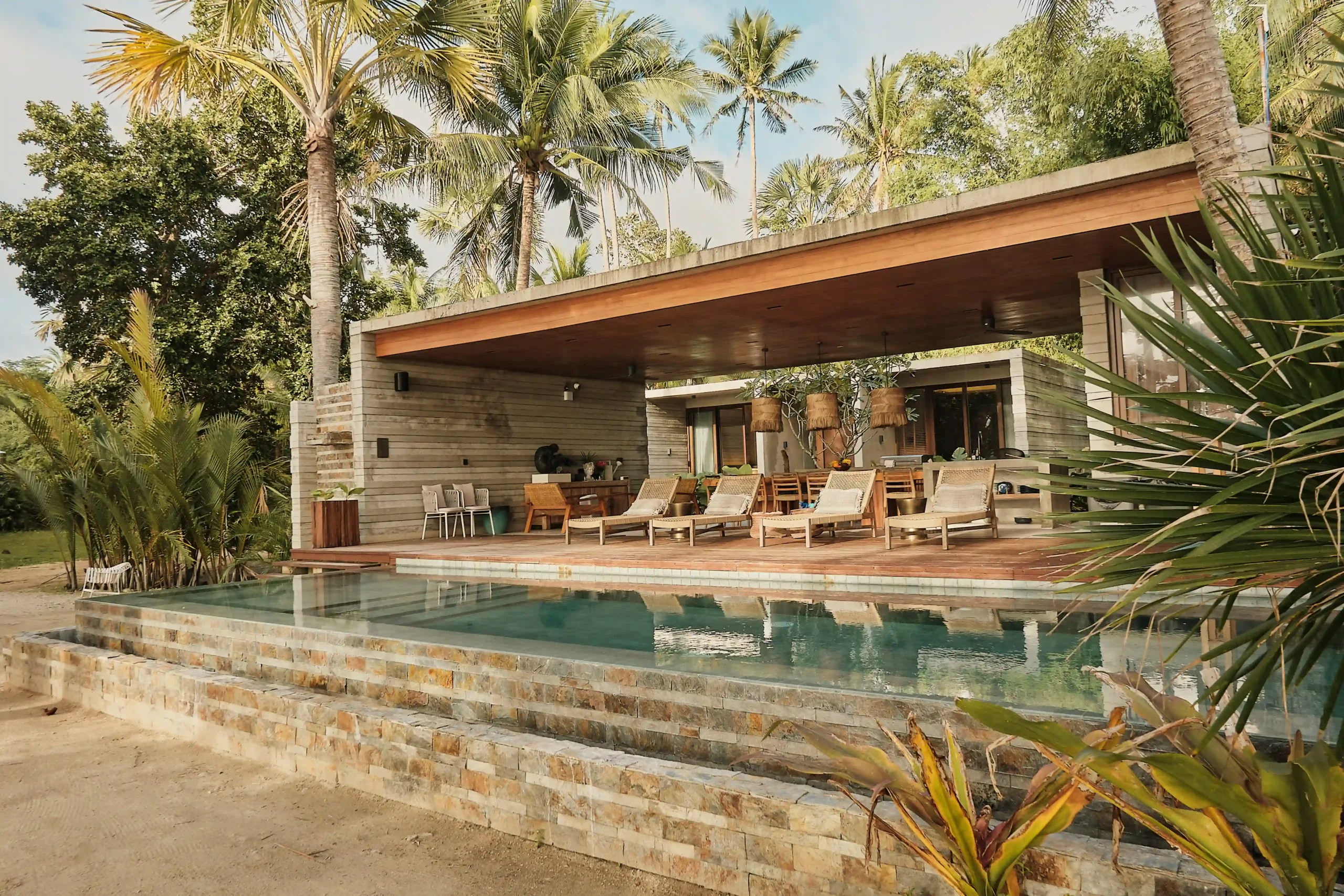
Overlooking Tayabas Bay, Agda Beach Villas occupies a one-hectare hilly property where the terrain descends toward the coast. Designed by VBo Architects + Engineers, the tropical retreat responds to the sloping terrain through villas and shared spaces oriented toward the surrounding landscape. Before construction began, Bocalid was drawn to the property’s steep terrain and secluded […]
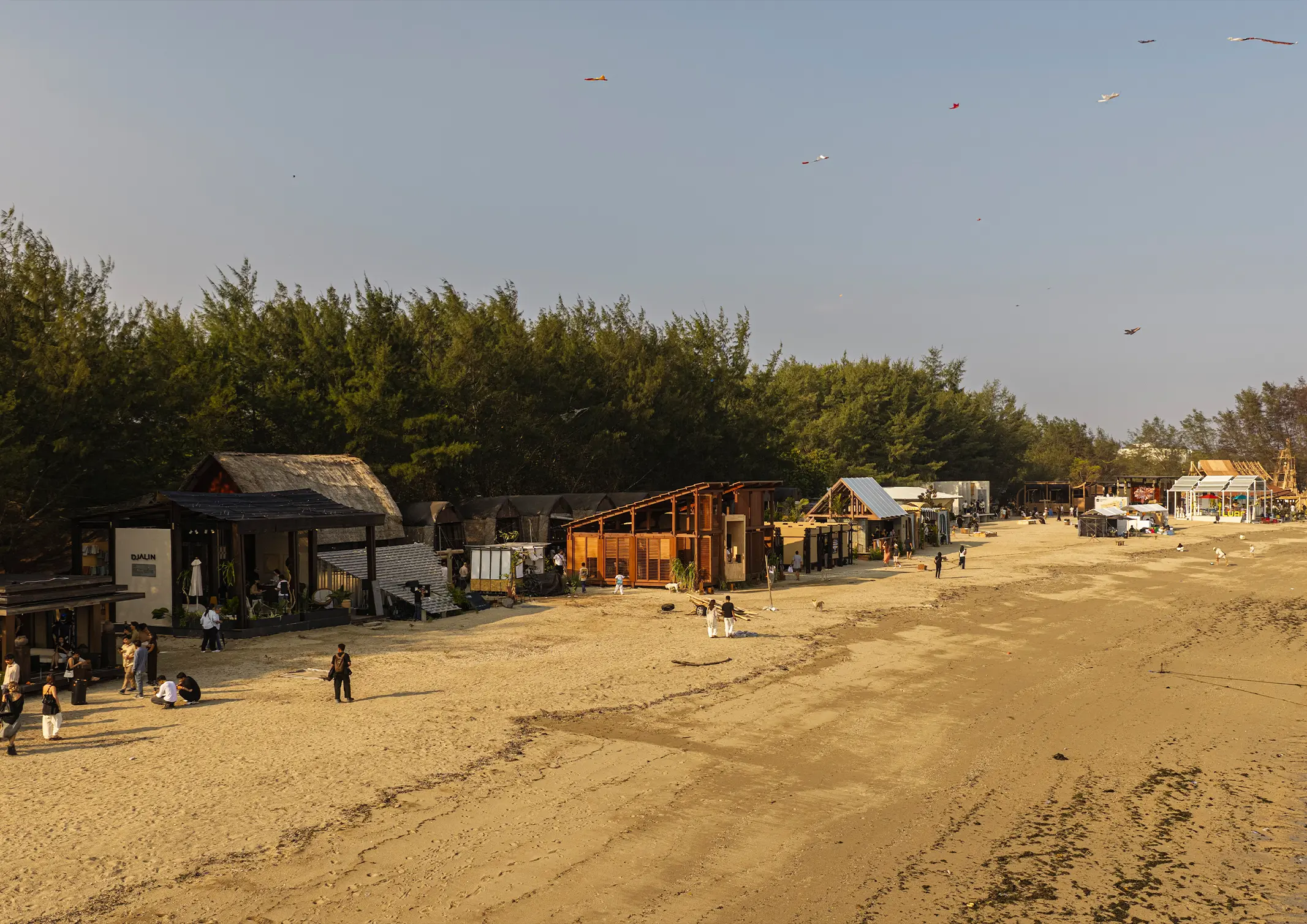
After being set amongst the ruins of an abandoned theme park in the past years, Jia CURATED found a home on the shores of Pengembak Beach, Bali for this year’s installment. It’s a unique location with multiple natural features like Sanur’s coastline, pine and mangrove forests, and a stream—making nature an important participant for how […]
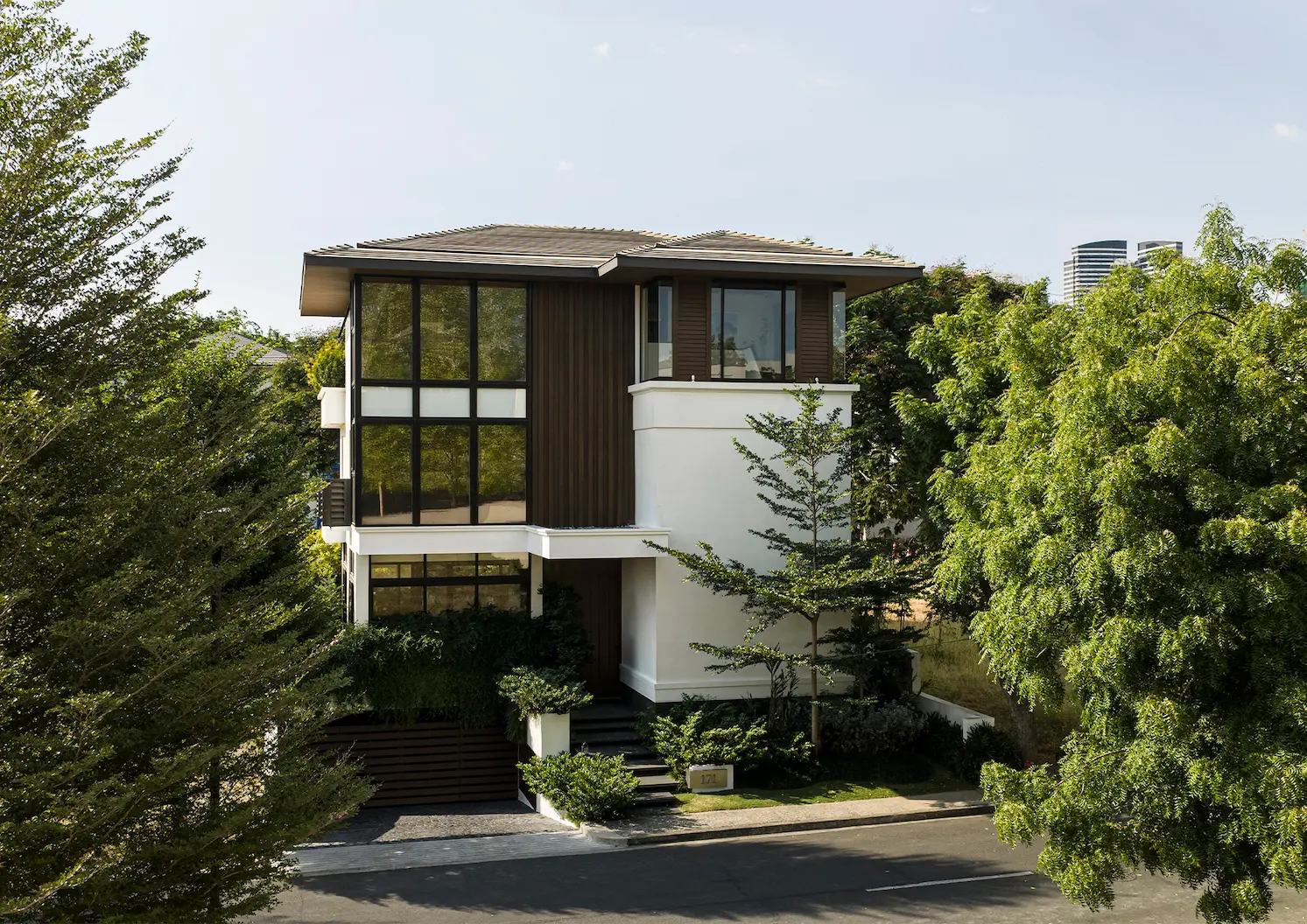
Just moments away from the bustling area of Bonifacio Global City is 171, a multi-level villa set on a 302-square-meter lot. M.CAL Architecture Design Studio, headed by Ar. Monique C. Albert-Lopez, built the residence as a minimalist modern sanctuary surrounded by landscaped gardens. This creative direction was drawn from the homeowners’ brief to create a […]
Read the issues.

Collect the volumes.

Recommended Video
Tap to Unmute
Unmute
0:00
0:00