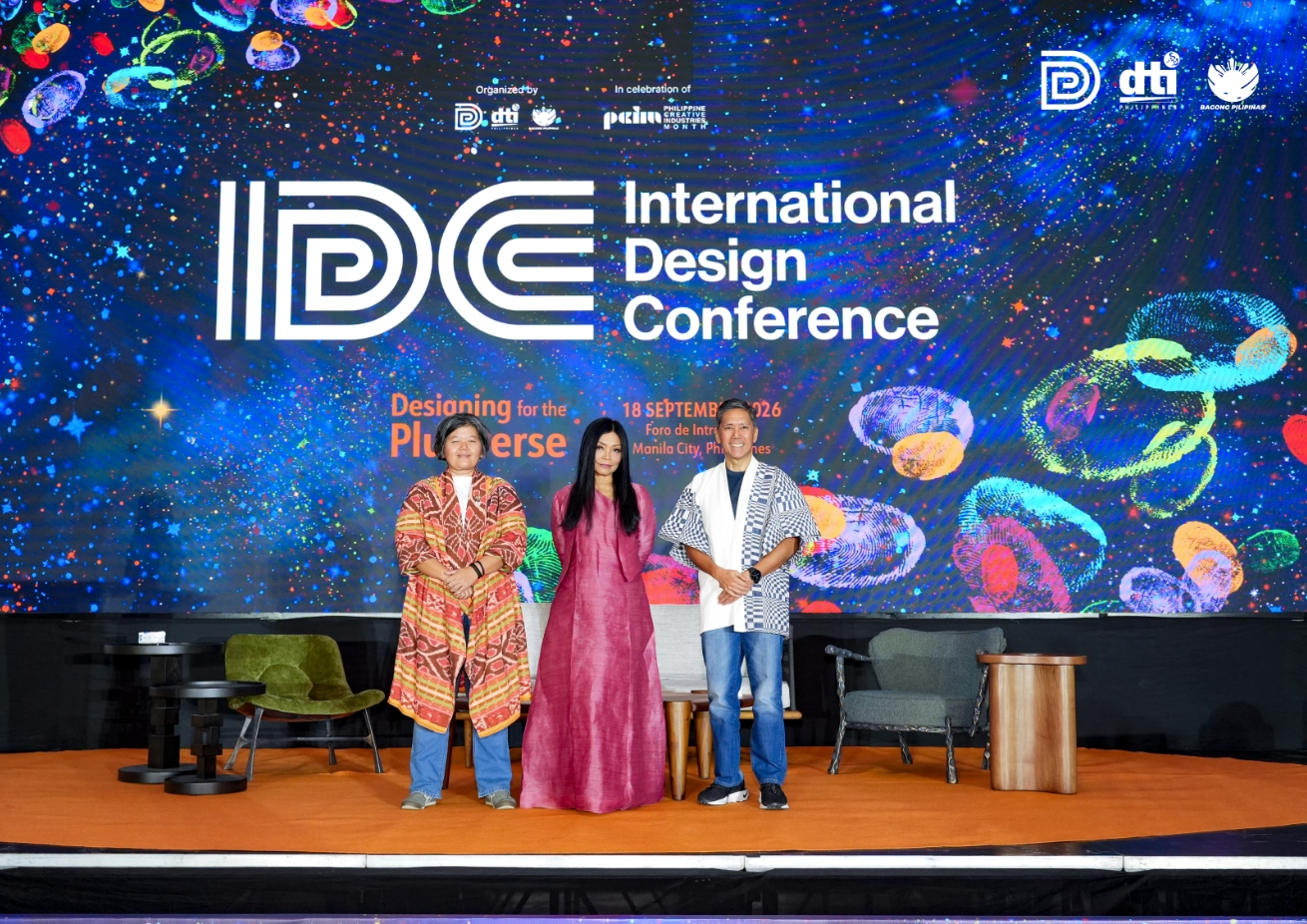
Culture in design does not always announce itself through a recognizable motif, material, or symbol. It can also be embedded in the relationships designers build, the knowledge they listen to, the materials they choose, and the decisions they make in response to communities and their environments. This distinction emerged throughout the 2026 International Design Conference […]
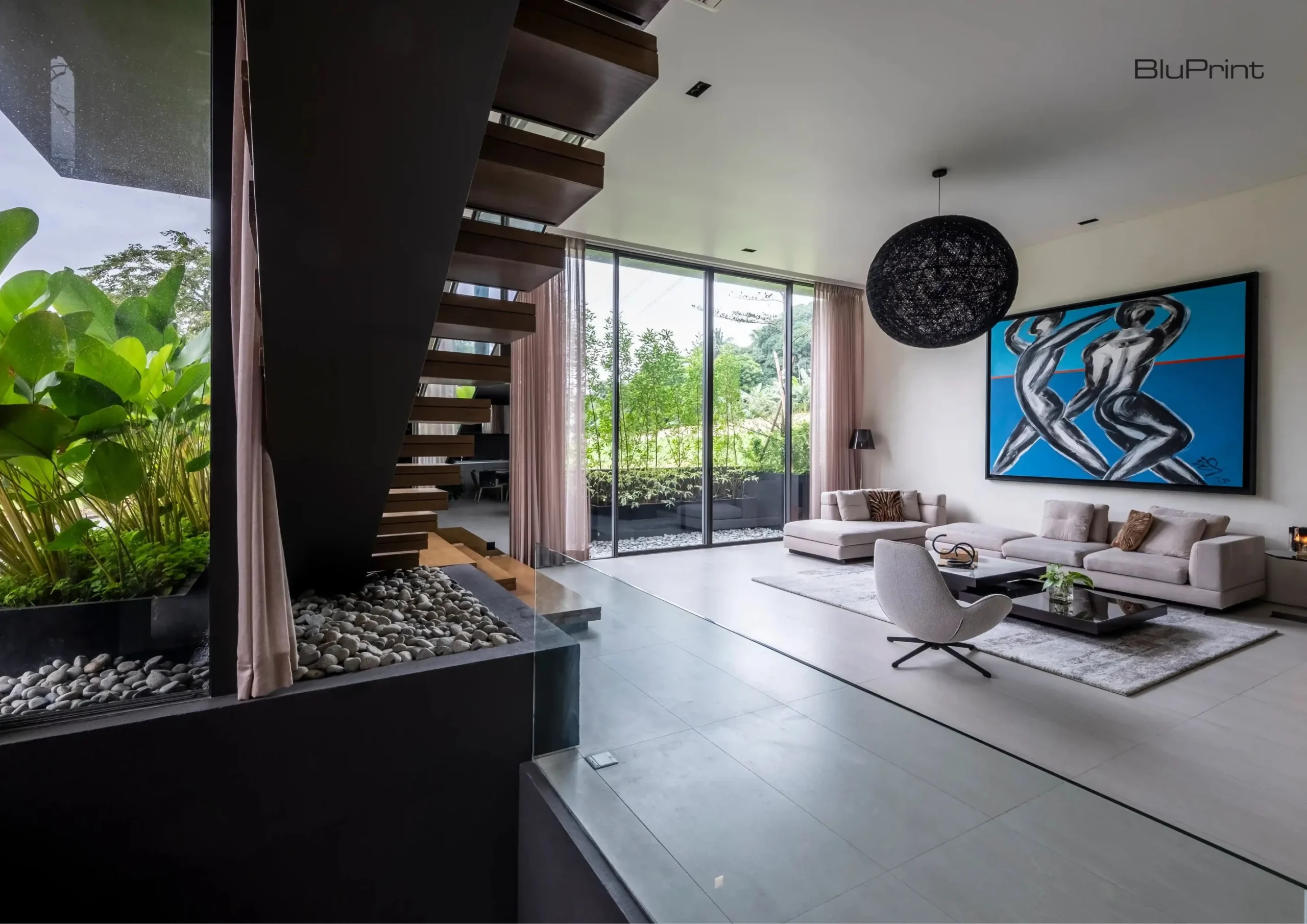
Luxury by Design: Royal Pineda + and the Precision of Purpose



When a young couple in their late 30s decided to return home and settle after living abroad, they envisioned building a modern home that would offer the conveniences they had enjoyed overseas, while also embracing the beauty and warmth of tropical living. They wanted a home with a generous entertaining space that would allow them to invite family and friends over. The home also needed to have open spaces that would allow their children to run freely and a place where the whole family could comfortably enjoy a movie night. All these–including three bedrooms, a dedicated service area, and even a gym– should all fit in a 189-square-meter plot of land.
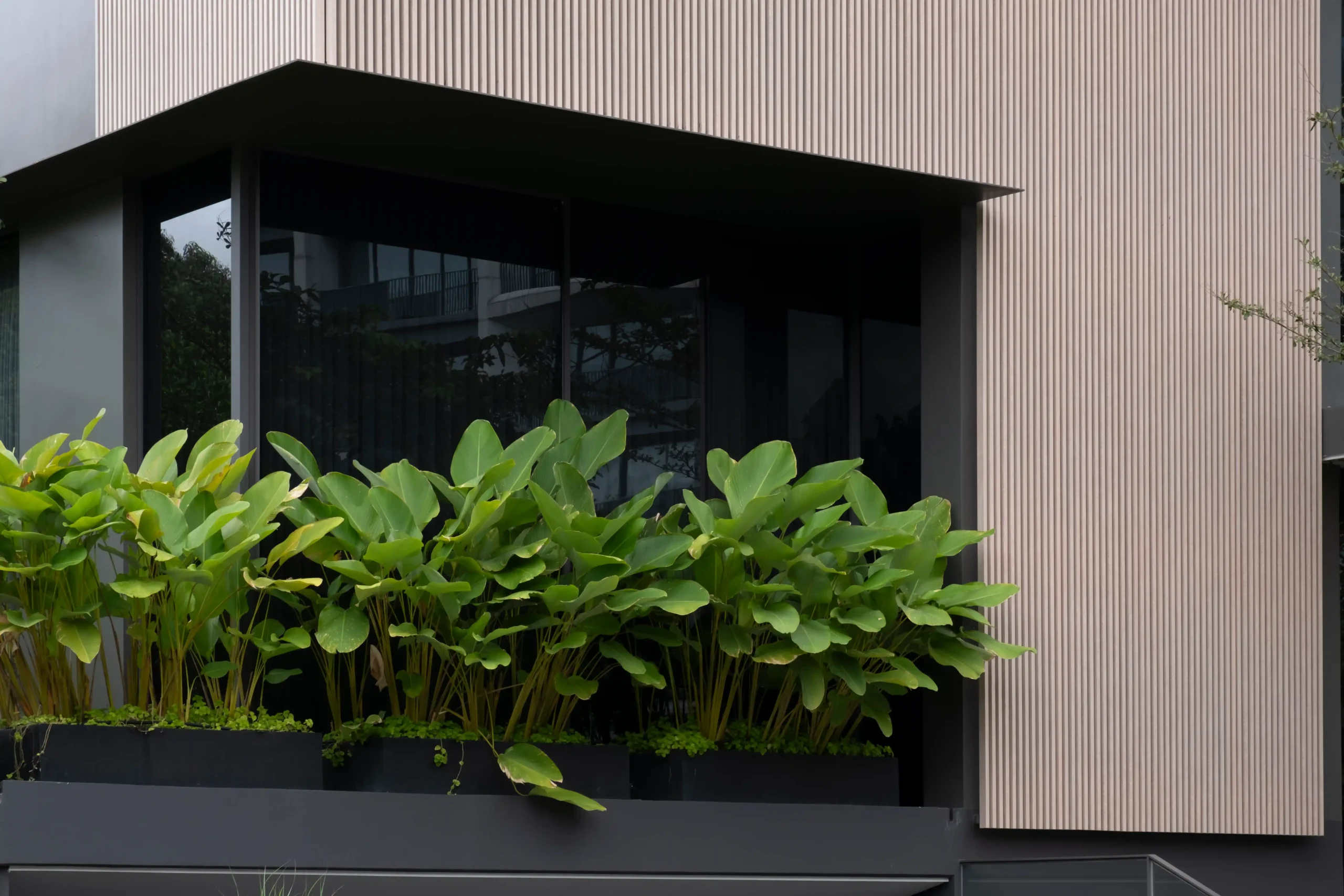
The couple reached out to renowned architect Royal Pineda, Principal Architect of Royal Pineda + ArchitectureArchitectureThe art and science of designing and constructing buildings, structures, and spaces that are functional, safe, and aesthetically pleasing. It encompasses the planning, design, materials, and techniques used to createGo to Architecture Glossary•Design, to bring their vision to reality. Being able to accommodate everything from the brief is already an impressive feat, but the architect went a step further by introducing luxury into the design. The result is a modern, luxurious home that’s defined not by scale, but by precision and clarity.
Drawing inspiration from the bahay kuboBahay KuboThe traditional Filipino house built from bamboo, wood, and nipa palm. Raised on stilts for ventilation and flood protection, with a steep thatched roof to shed heavy rain, it isGo to Bahay Kubo Glossary, the facade features wooden slats that shield the indoors from the harsh tropical sun. The slats also ensure privacy, limiting views from the outside while still allowing the homeowners to enjoy views of the outdoors. Inside, the textured walls–which almost feels like leather–are anchored on light gray stone tile flooring, continuing the organic vibe of the outside.
Purposeful Design
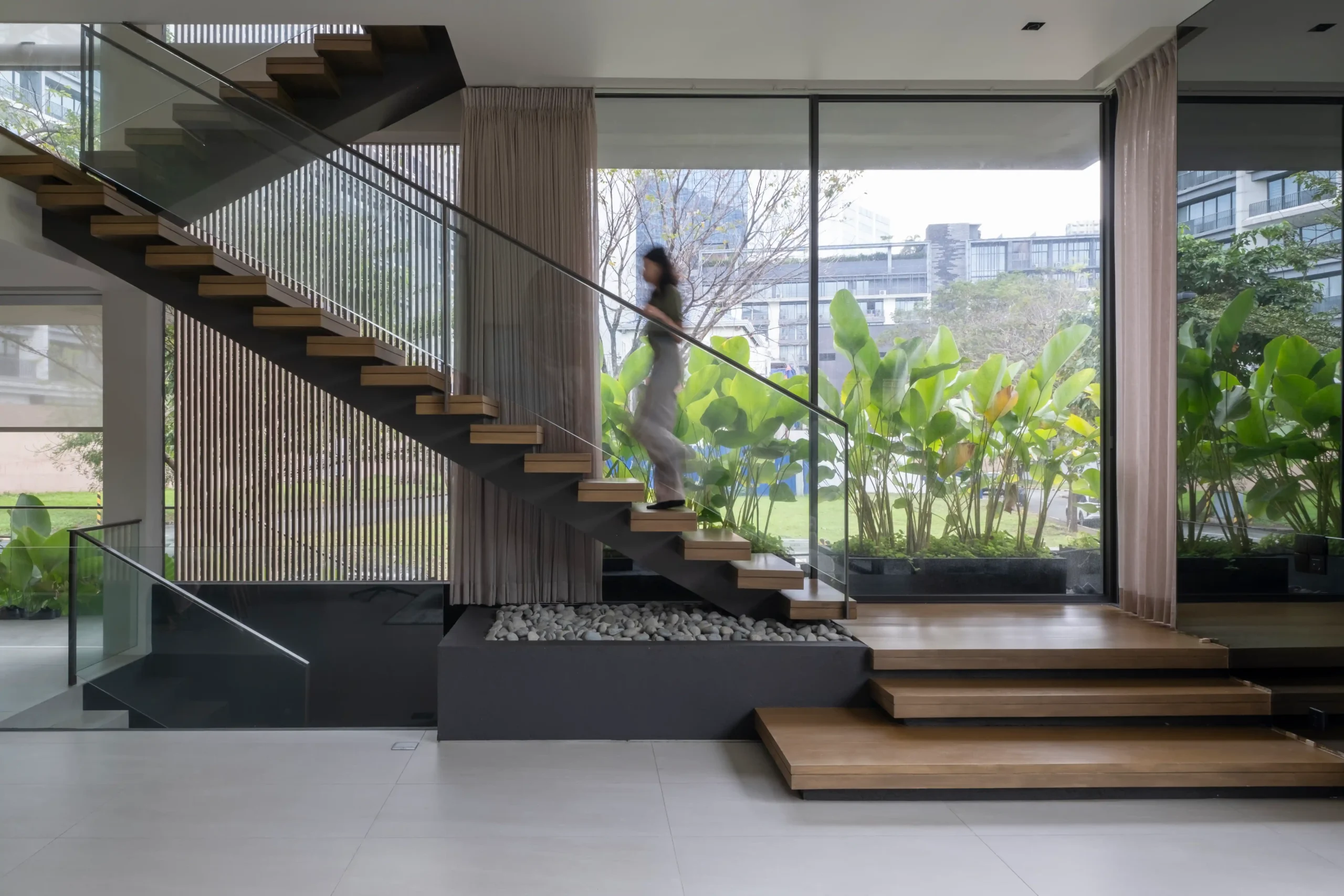
Although the house appears to be a three-story structure from the facade, it actually has six levels within. Despite the area’s height limit, the architect was able to create a multi-level space that includes a lower ground level for the service area and gym; the ground floor for the common areas; a half-flight up for the first bedroom; another half-flight up leading to the master bedroom; a further half-flight up leading to another bedroom; and the attic at the topmost floor, which is also the family area. “It’s important to start from the bones. Space planning in architectureArchitectureThe art and science of designing and constructing buildings, structures, and spaces that are functional, safe, and aesthetically pleasing. It encompasses the planning, design, materials, and techniques used to createGo to Architecture Glossary is critical. [For this house] you have to optimize. Every inch matters,” Pineda emphasizes.
Seamless and Sophisticated
While luxury is almost always centered on having more, this house makes a strong case for luxury by design. “Do I need a thousand square meters to live in luxury? No. I can live in luxury by being sure of what I need. I can be sophisticated. My luxury is precision. Any extra load is an inconvenience,” the architect says.
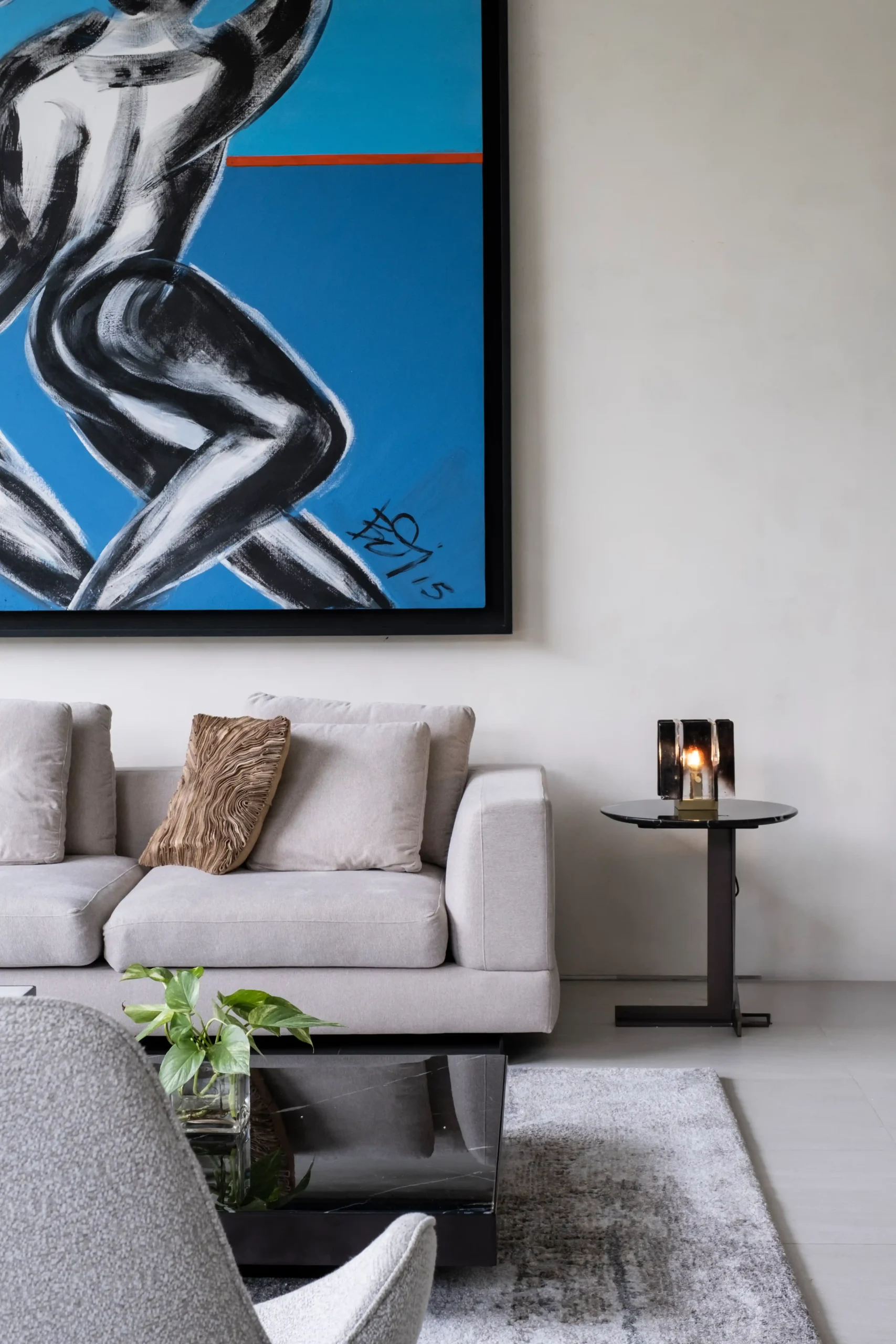
Focusing on what’s essential begins with questioning one’s values and sensibilities. Pineda highlights the importance of listening and humility in order to be able to translate these sensibilities into actual spaces. “So one of the things that we call a modern Filipino sensibility is that visual connectivity. Filipinos are very intimate. We’re very warm, even with our children, ayaw nating nawawala sa paningin,” he shares.
The story of this house—how it was built and how it empowered everyone on the team in their pursuit of excellence—is one that fuels his optimism for the country’s future. “It’s not just another project, as I’ve said, it is a pixel of my dreams. Alam mong may binubuo ka. Alam mong may pinupuntahan,” Pineda shares.
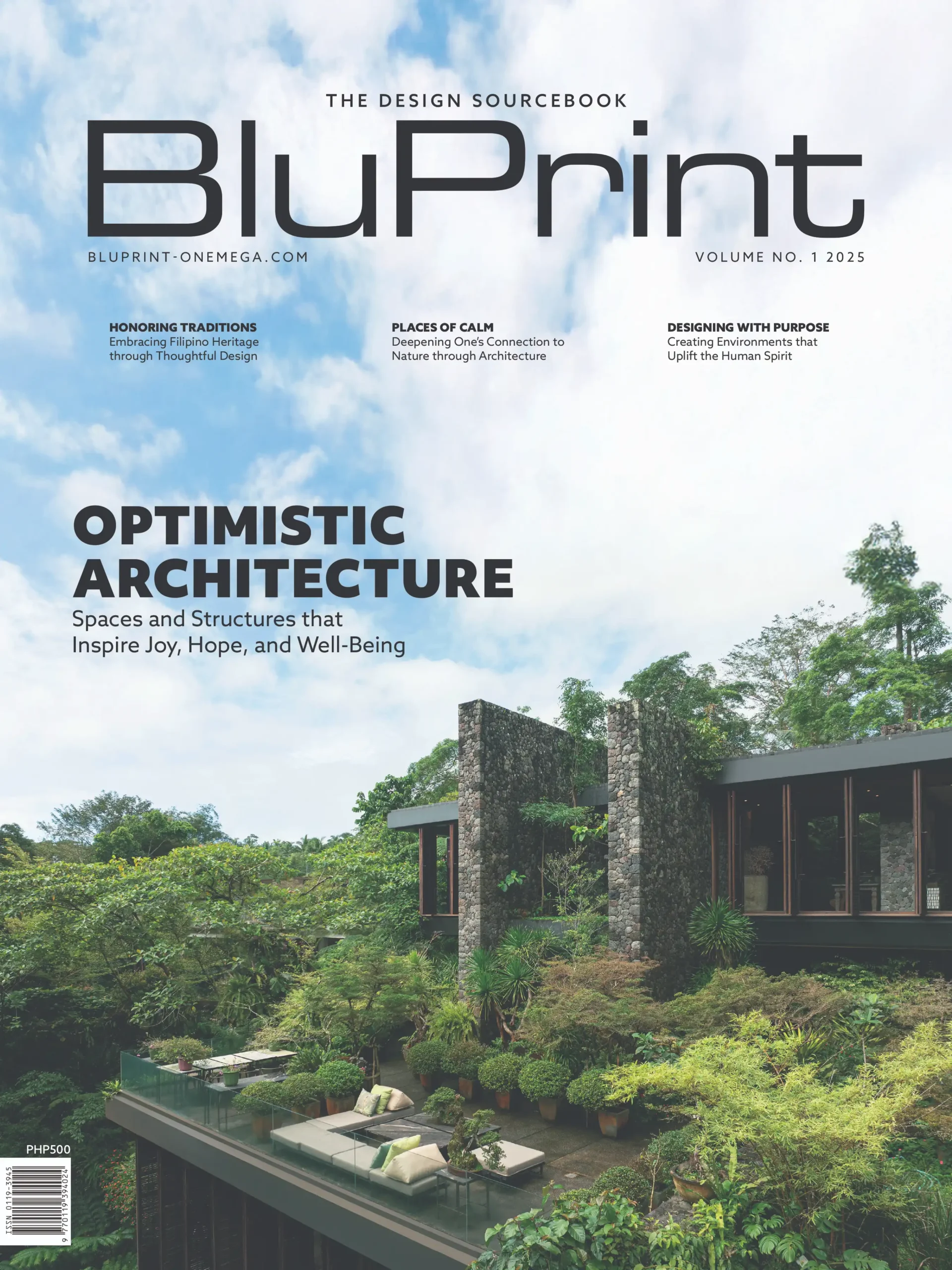
Read the full story by grabbing your copy of BluPrint Volume 1 2025, available at the sarisari.shopping, Shopee, and Lazada.
E-magazines are available for download here or through Readly, Press Reader, and Magzter.
Photographed by Ed Simon.
Read more: Lee Residence: Elevated Perspectives by Ed Calma
Frequently Asked Questions
This residence is a reimagining of the modern Filipino home, emphasizing “luxury by design” through precision and purpose rather than sheer scale. Despite being situated on a compact 189-square-meter plot, the home accommodates a full program including three bedrooms, a gym, and a dedicated service area. The architect utilized a split-level approach to maximize every inch of the property, creating a sophisticated environment defined by clarity and the optimization of space.
Drawing inspiration from the traditional bahay kubo, the facade features wooden slats that serve a dual purpose: shielding the interior from the harsh tropical sun while ensuring privacy. These slats allow the homeowners to view the outdoors without being seen from the street, maintaining an intimate atmosphere. The organic vibe is continued indoors with textured walls that mimic the feel of leather, anchored by light gray stone tile flooring.
To navigate strict height limits while fulfilling a complex brief, Pineda designed a six-level interior within what appears to be a three-story facade. This split-level configuration includes a lower ground floor for a gym and service area, a ground floor for common spaces, and three subsequent half-levels for individual bedrooms. The topmost floor features an attic that serves as a dedicated family area, proving that “every inch matters” in high-density urban planning.
For Royal Pineda, luxury is defined by precision and the elimination of unnecessary “load” or excess space that serves no purpose. He argues that sophistication comes from being certain of one’s needs rather than living in a thousand-square-meter mansion. By focusing on essential values—such as visual connectivity and warmth—the design provides a luxurious experience through the deliberate and masterful execution of a refined architectural vision.
The design prioritizes the “modern Filipino sensibility” of intimacy and warmth by ensuring that family members remain within each other’s sightlines. Pineda emphasizes that Filipinos naturally prefer to stay connected, which is reflected in the open layouts and the strategic arrangement of the six levels. This approach creates a home that feels both expansive and secure, allowing parents to keep an eye on their children while enjoying a seamless flow between entertaining and private spaces.
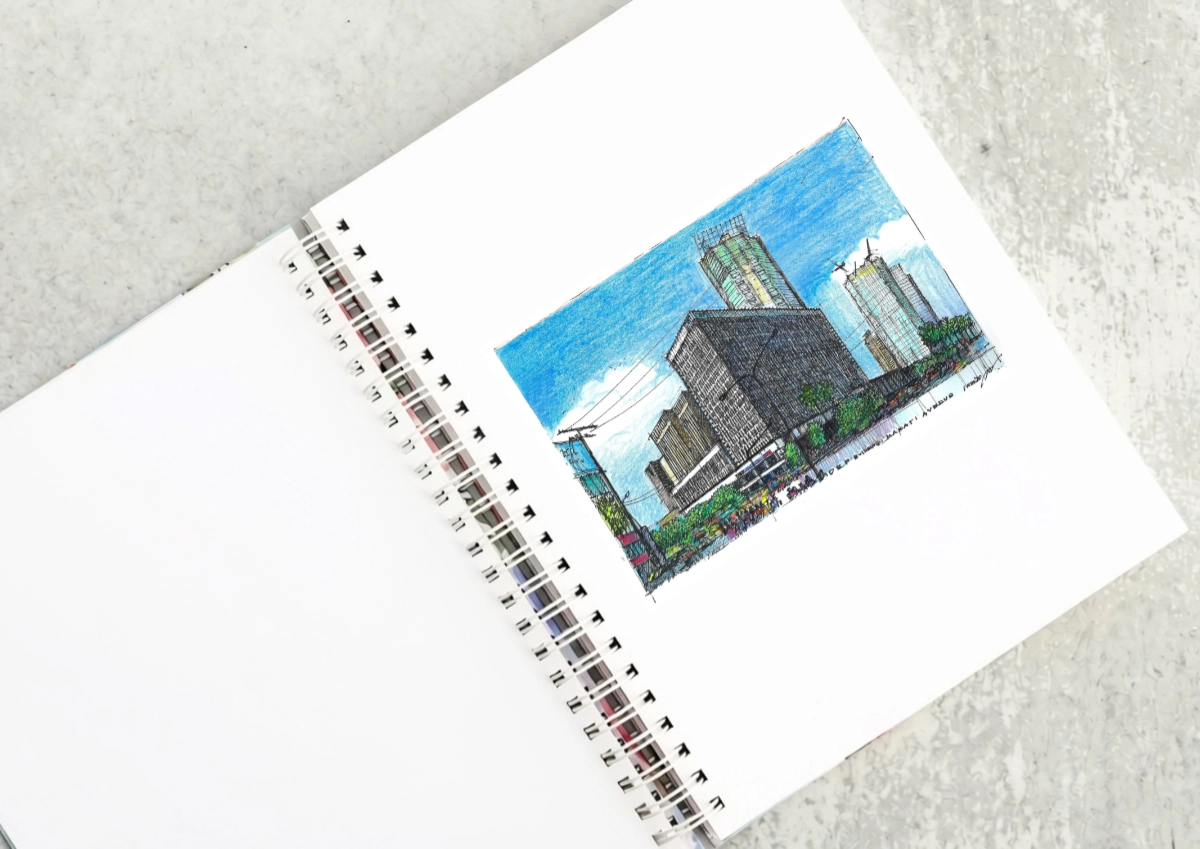
The DBP Building as a Landmark of the International Style At the corner of Sen. Gil Puyat Avenue and Makati Avenue stands a landmark of the Makati Central Business District. It is one of the last still standing that were built in the first wave of construction in district fifty years ago. The Development Bank […]
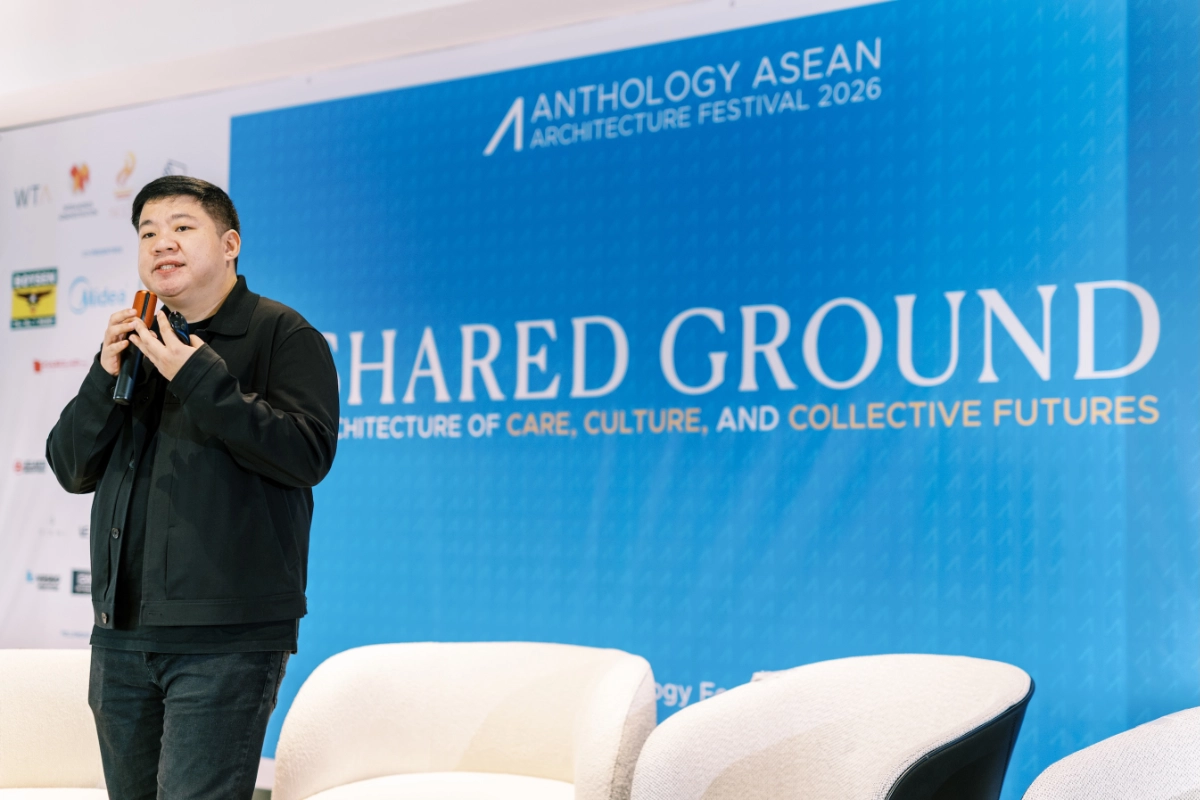
“Buildings only become architectureArchitectureThe art and science of designing and constructing buildings, structures, and spaces that are functional, safe, and aesthetically pleasing. It encompasses the planning, design, materials, and techniques used to createGo to Architecture Glossary when they are shared,” said William Ti Jr., founder of the Anthology Festival and WTA Architecture and Design Studio, […]
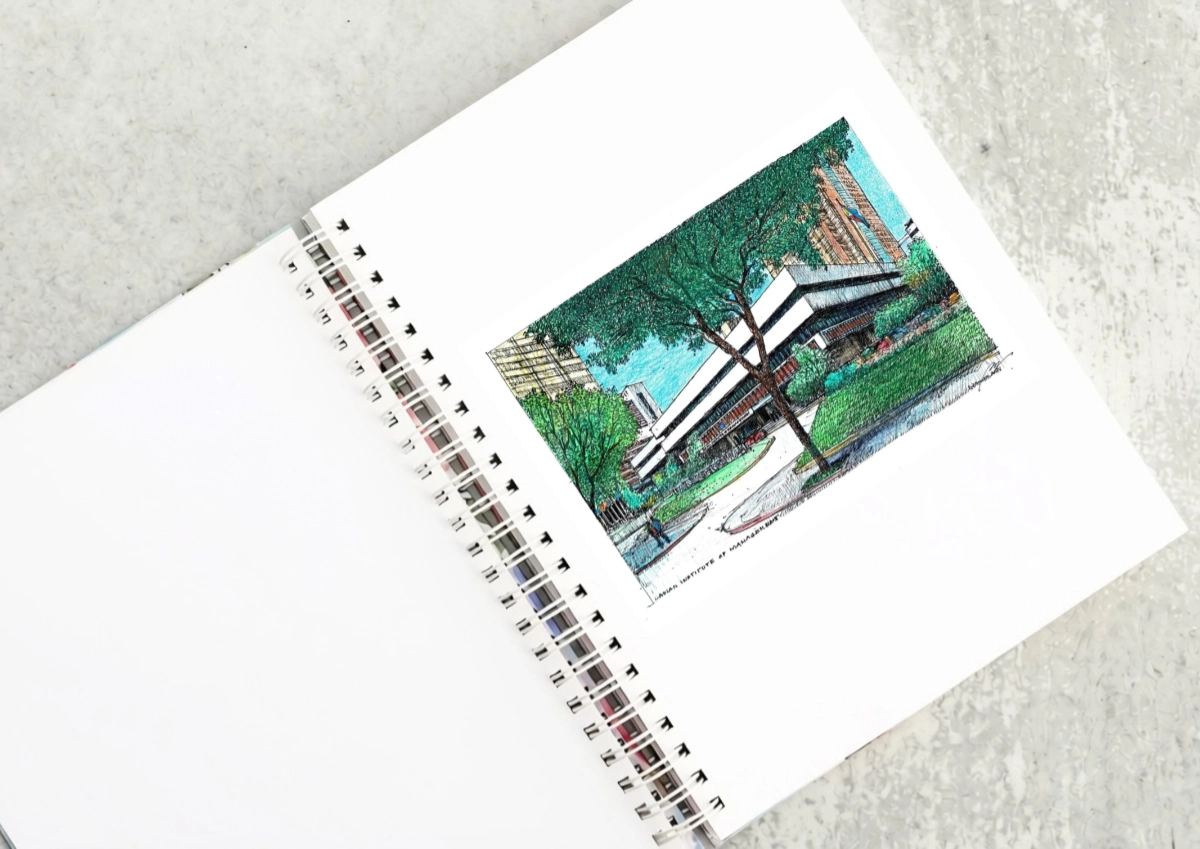
A Filipino Interpretation of Modernist Architecture Unlike the rest of Makati today, the northern end of Paseo de Roxas in Makati is anchored by a low complex rather than a tall skyscraper. This is the elegant Asian Institute of Management, designed by architect Gabriel Formoso and completed in 1971. In my opinion, the building is […]
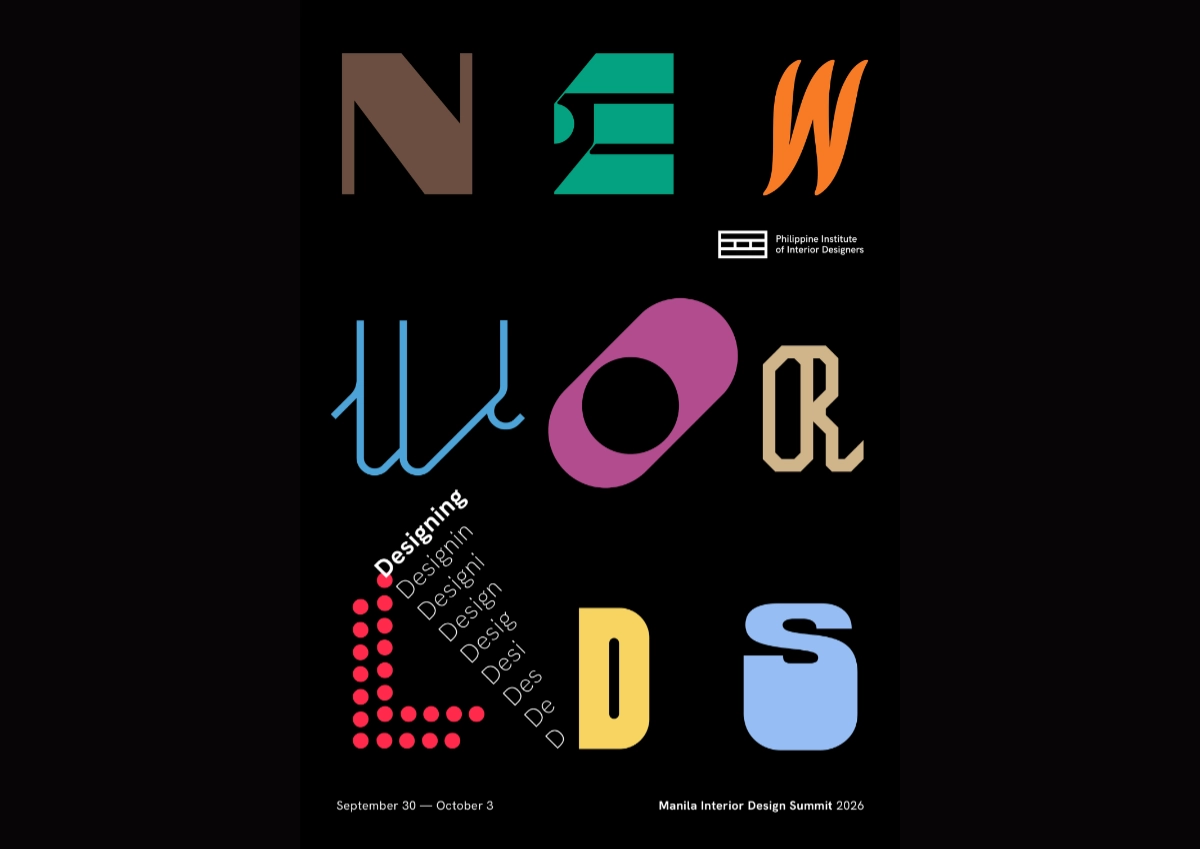
“Thailand has claimed urban creativity and livability. Singapore has institutional design leadership. Indonesia is emerging as a design hub. Vietnam is moving into design innovation. And the Philippines? Its position is not weak. It is simply unclaimed.” For IDr. Cecil Ravelas, National President of the Philippine Institute of Interior Designers (PIID), the challenge is not […]
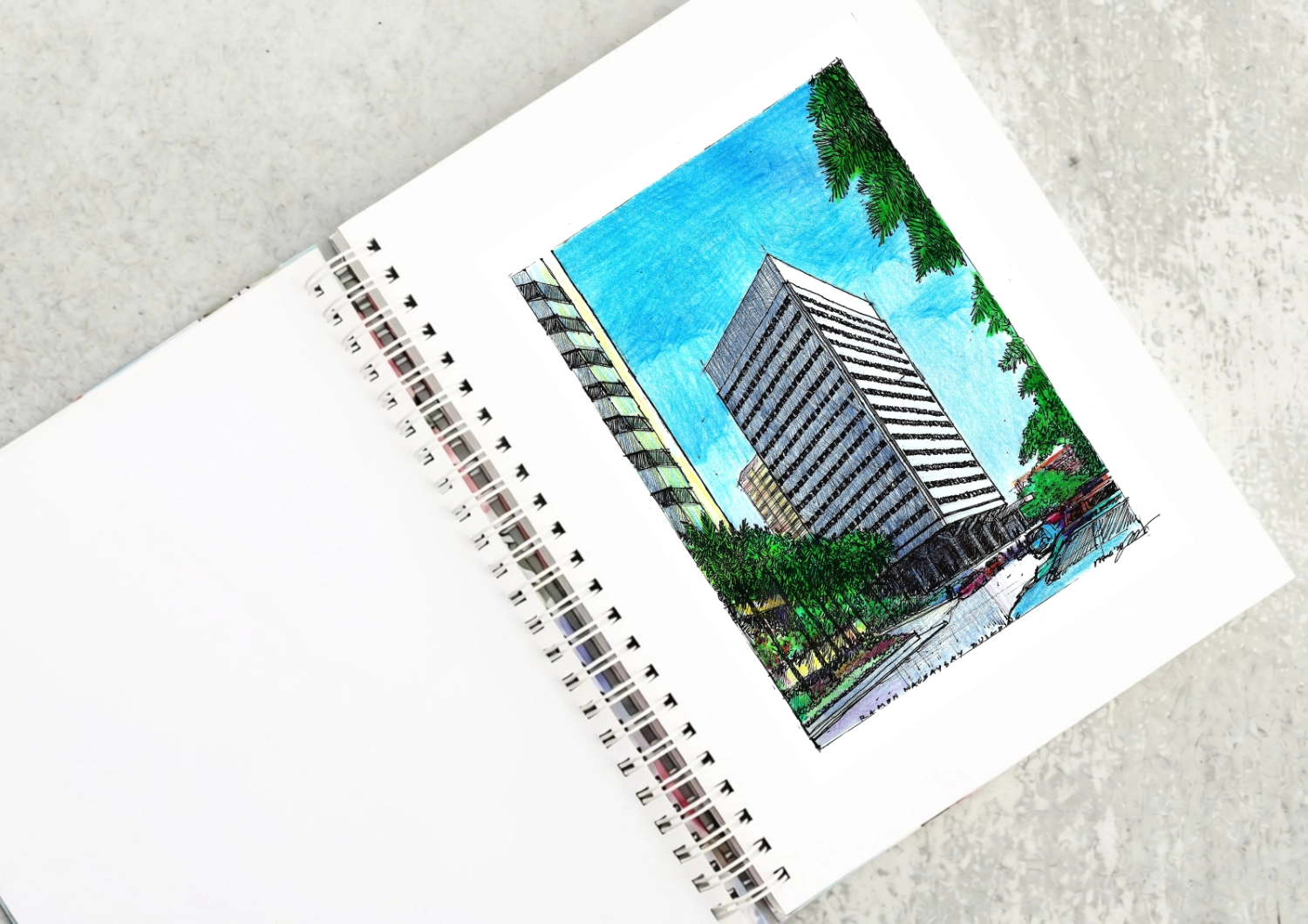
The Ramon Magsaysay Center as a Modernist Landmark Driving down Roxas boulevard from Rizal Park, what will catch your eye is the most elegant modernist structure in the country, the Ramon Magsaysay Center. Most established Filipino architects put it in their top ten lists of favorite buildings. It was designed by Alfredo J. Luz, who […]
Read the issues.

Collect the volumes.

Recommended Video
Tap to Unmute
Unmute
0:00
0:00