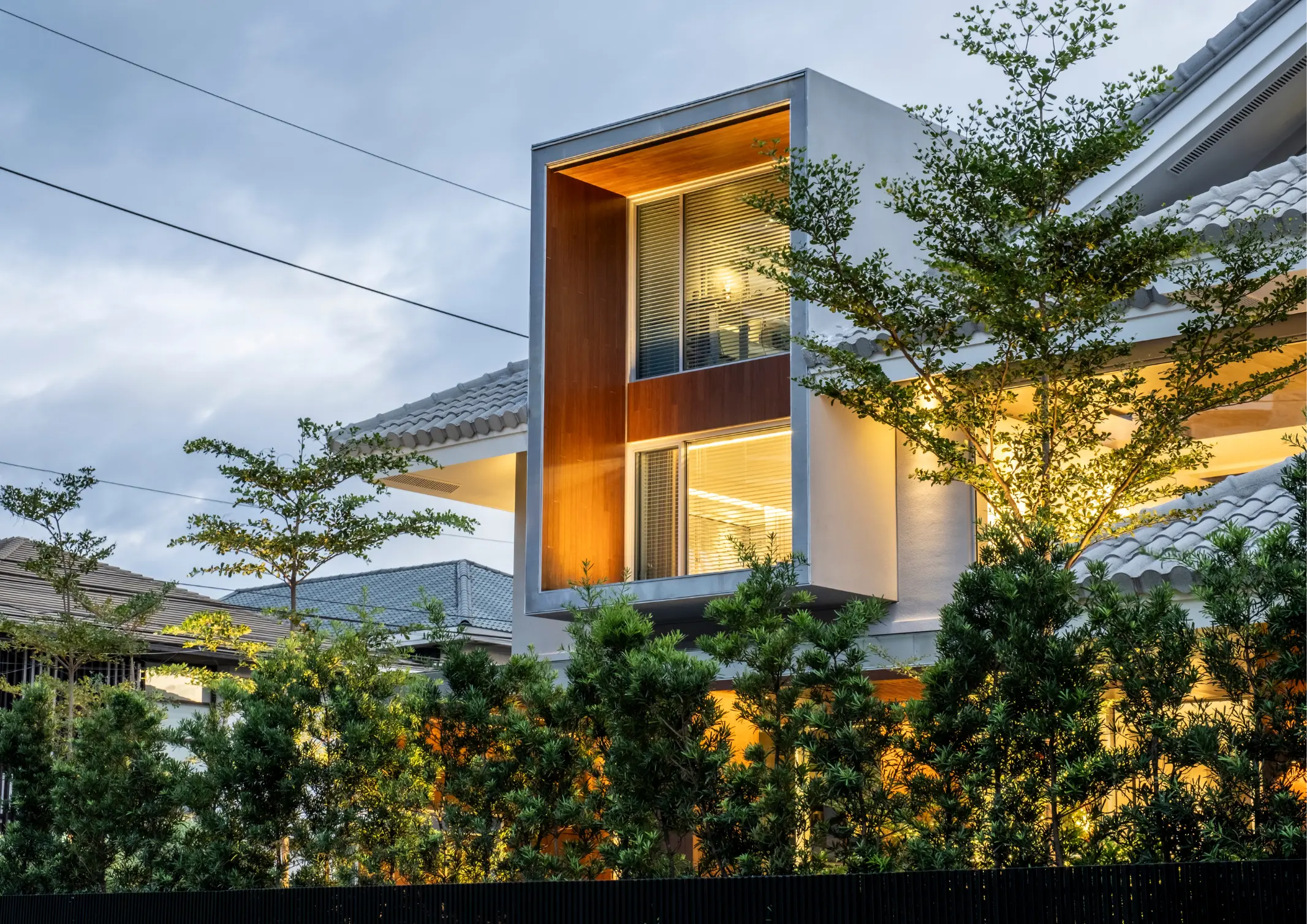
Just moments away from the bustling area of Bonifacio Global City is 171, a multi-level villa set on a 302-square-meter lot. M.CAL Architecture Design Studio, headed by Ar. Monique C. Albert-Lopez, built the residence as a minimalist modern sanctuary surrounded by landscaped gardens. This creative direction was drawn from the homeowners’ brief to create a […]
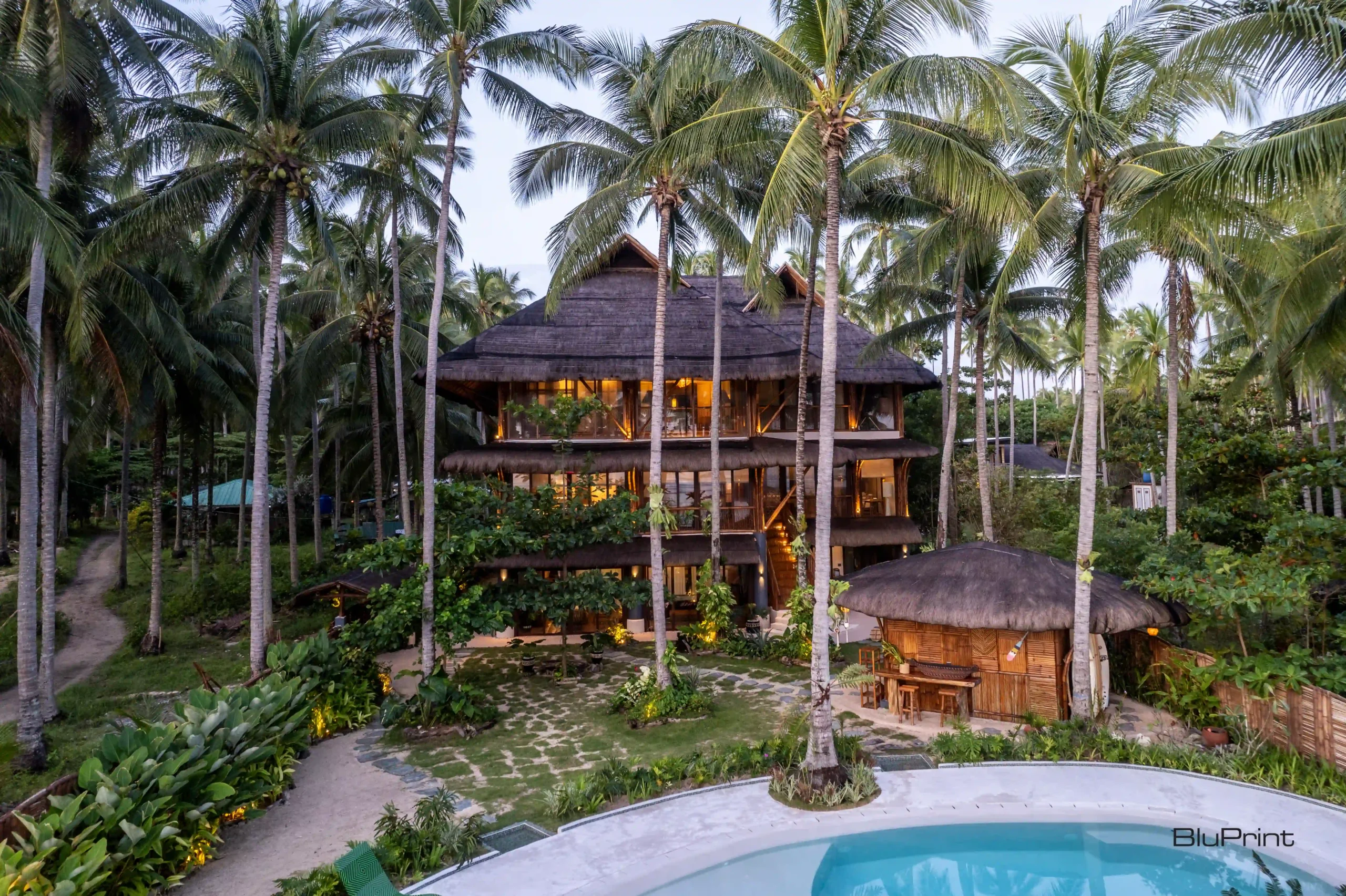
Aman Sinaya: Embracing Materiality, Nature, and Slow Living



The Philippines is blessed with plenty of opportunities to craft tropical sanctuaries, and it’s up to our creative minds to make the most out of what the natural landscape offers. Such was the call that Carol Karthe, multi-hyphenate interior designer and founder of design consultancy firm Ladrilyo, heeded in crafting the look and feel of Aman Sinaya. Situated along the scenic Mayo Bay coastline of Mati in Davao Oriental, owners Celina and Alec van Dierendonck envisioned their residence as a seaside hideaway that is both raw and refined.
“The beach house was inspired by a desire to reconnect—with nature, with craft, and with a slower rhythm of living,” Karthe says of the vision that guided her interior design for Aman Sinaya. Taking cues on the surrounding landscape, she centered the theme around tropical restraint, “where air, light, and organic texture lead.”
Bamboo as Hero Material
A concrete structure was originally planned for the home, but the owners became enamored with bamboo after attending a Bamboo Bootcamp workshop in Davao. As such, it was inevitable for the material to emerge as the structural and aesthetic hero, which Karthe embellished with lime-washed finishes, natural textiles, and a palette drawn from sea, sand, and stone. The house eventually rose as a noteworthy testament to materiality, with over 5,000 bamboo poles and standing at 11 meters high, making it one of the tallest bamboo homes in the country.
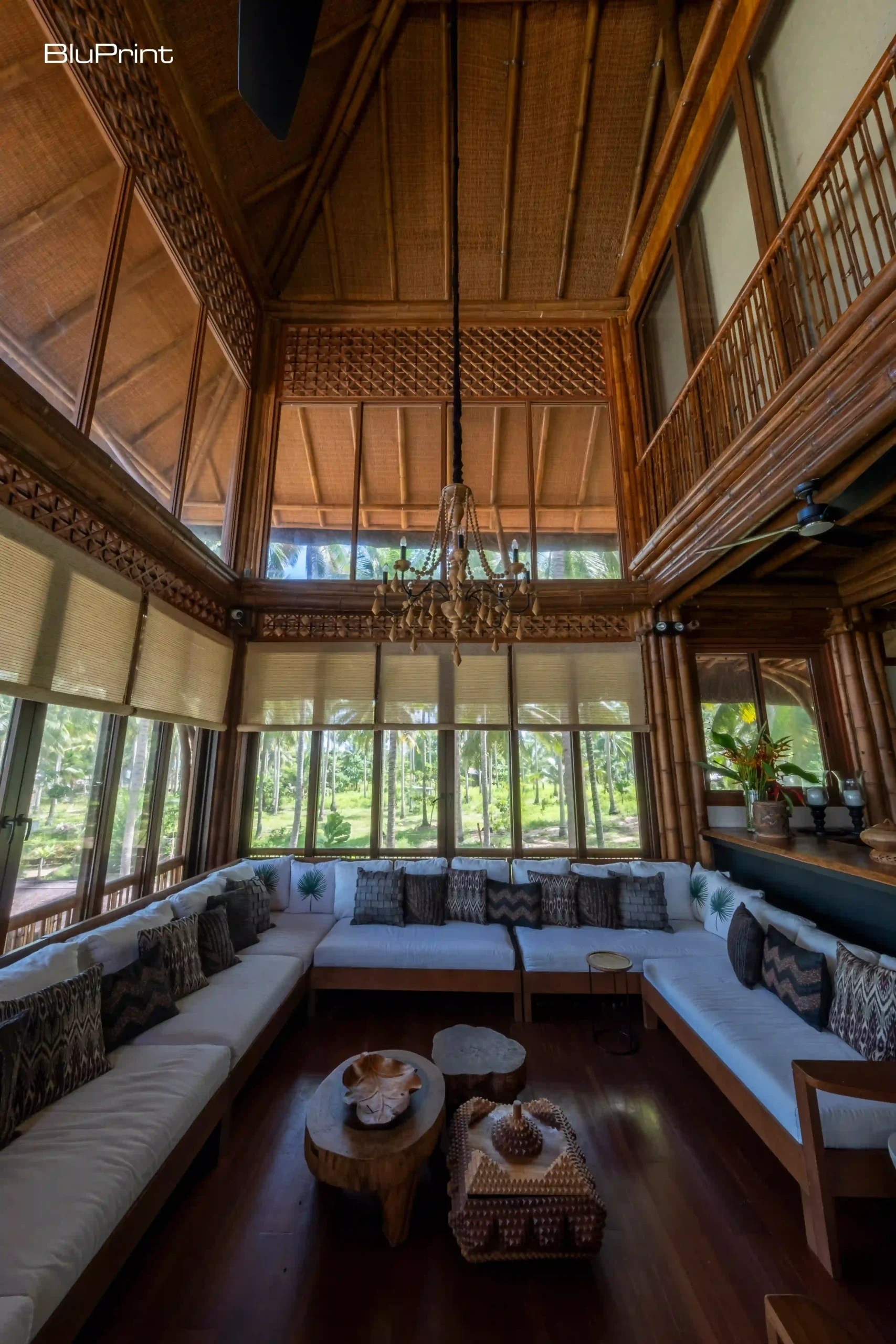
Karthe also remarks on what it’s like to work with bamboo as a primary material and navigate its technical and climatic challenges. “It breathes, it moves, and it demands respect,” she puts succinctly. Along with bamboo architect Jed de Guzman, they had to collaborate closely with skilled local craftsmen to ensure longevity and consistency, while still letting the natural character of the material shine through. “It was a learning process rooted in trust and adaptation—but the outcome was worth every detail.”
An Elemental Experience
From the outside, Aman Sinaya stands as an ode to bamboo’s inherent structural and aesthetic suitability to its tropical provenance. Inside, Karthe designed the visitor journey to feel elemental, aligned with her deep belief in homes as sensory sanctuaries.
“Upon entry, you’re met with breeze, filtered light, and the scent of earth and salt—nothing is forced, everything flows,” she describes vividly. “Communal spaces invite barefoot gatherings, while private areas are layered with calm: woven lamps, linen curtains, and the sound of the wind in bamboo rafters.”
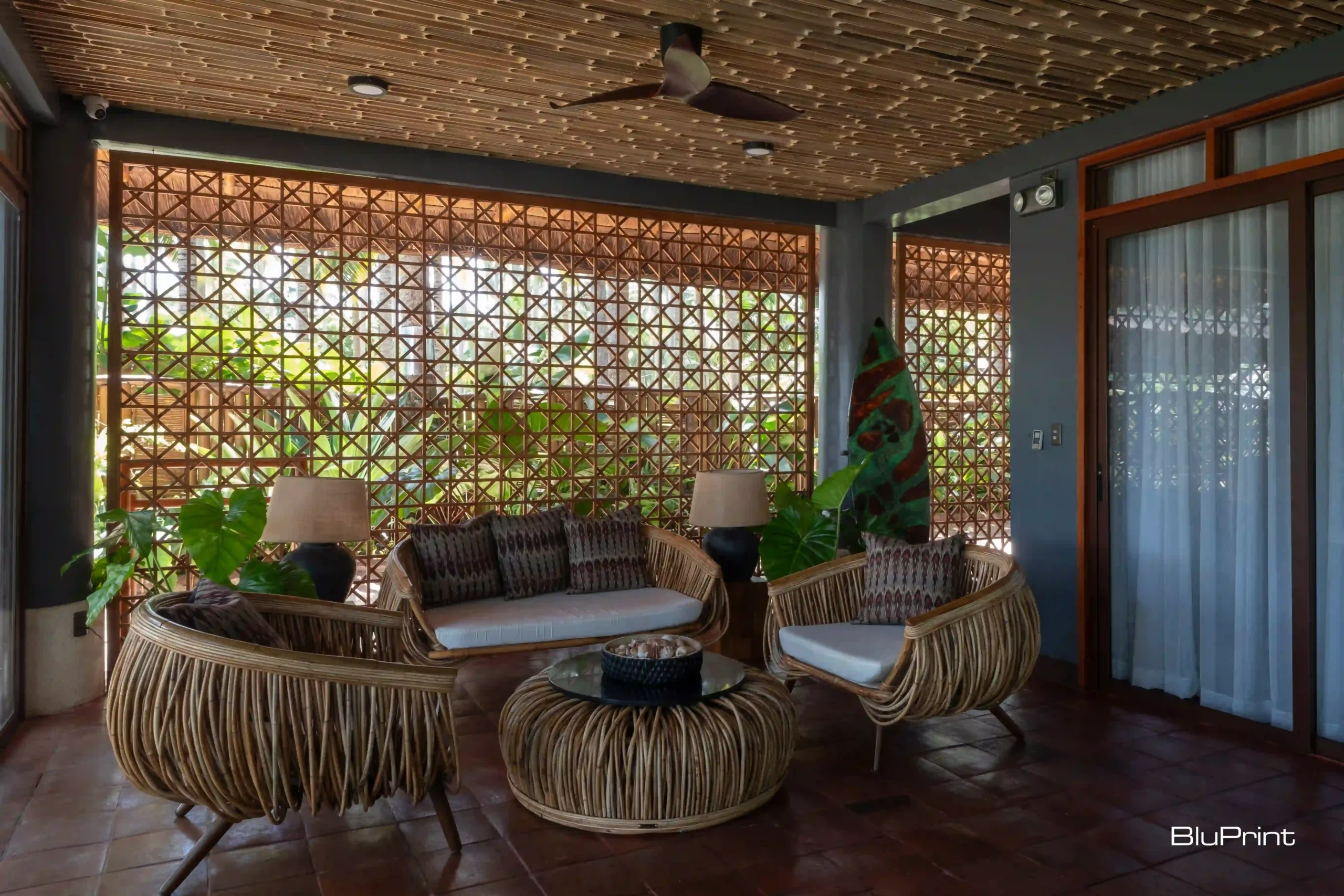
To complete the mood and experiences within the home, Karthe turned to honest imperfection as the guiding principle for the interiors. This approach complemented the natural qualities of bamboo, reinforced the tropical vibe, and imbued the spaces with an organic touch. “We chose handcrafted pieces with a tactile presence—driftwood stools, stoneware ceramics, woven hammocks—all of which reflected the spirit of the place,” she details. “Curves softened the architectureArchitectureThe art and science of designing and constructing buildings, structures, and spaces that are functional, safe, and aesthetically pleasing. It encompasses the planning, design, materials, and techniques used to createGo to Architecture Glossary, while natural finishes ensured cohesion. No piece is purely decorative; everything contributes to the emotional landscape of the home. It’s about anchoring people to the now.”
A Human-Centric Mix of Emerging Trends
Biophilic design, which intentionally seeks to connect the inhabitants and visitors of a space to nature, continues to be an emerging trend across the globe. By integrating its concepts and the features of the natural landscape itself, designers can better create spaces that improve well-being, reduce stress, and enhance quality of life.
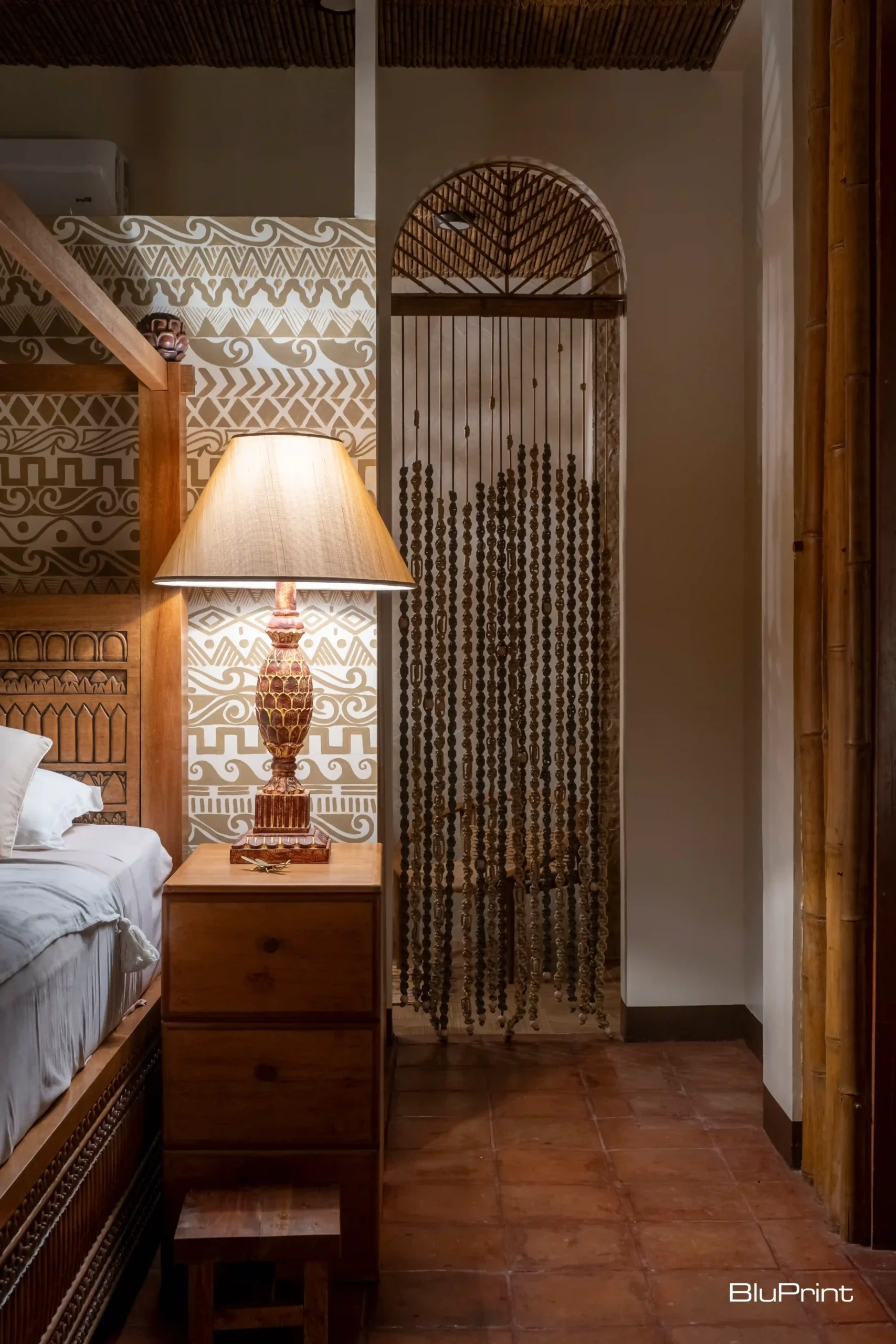
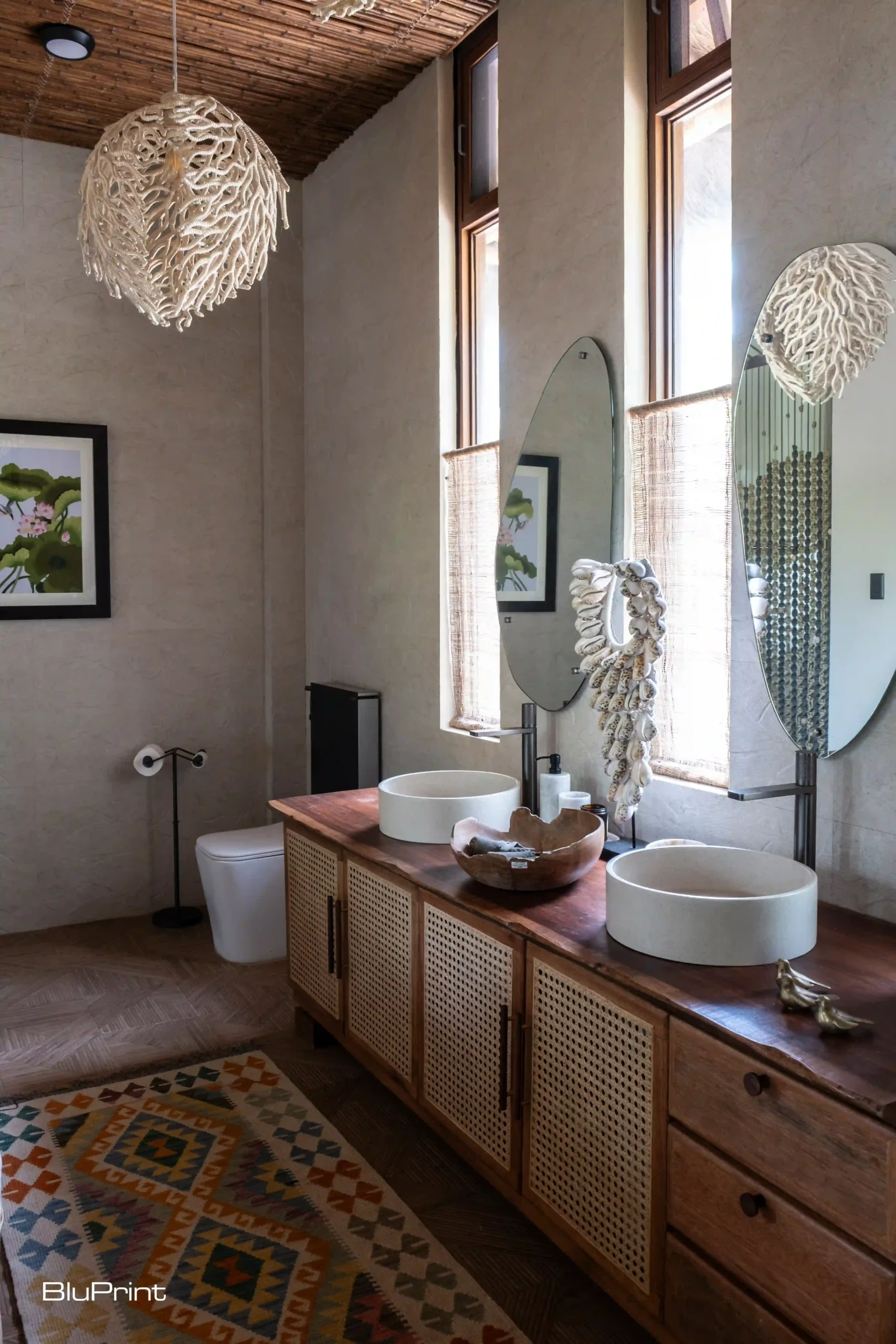
This human-centric approach is one of the design trends echoed in the project, enriched by textural minimalism and a return to handmade luxury. Karthe and her collaborators carried out these trends by incorporating matte, breathable finishes, sculptural rattan and abaca forms, and a color story rooted in neutrals, ochres, and seafoam.
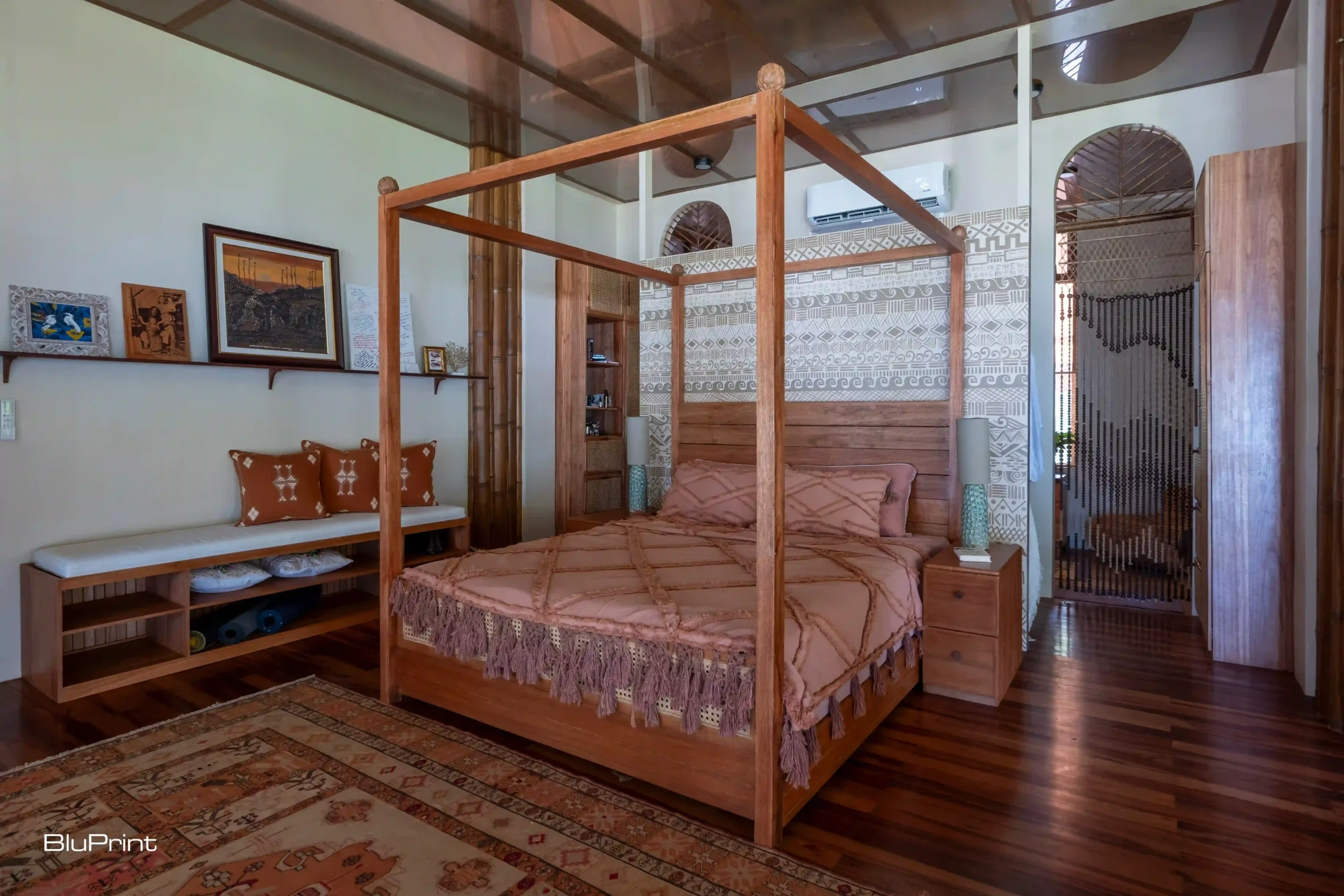
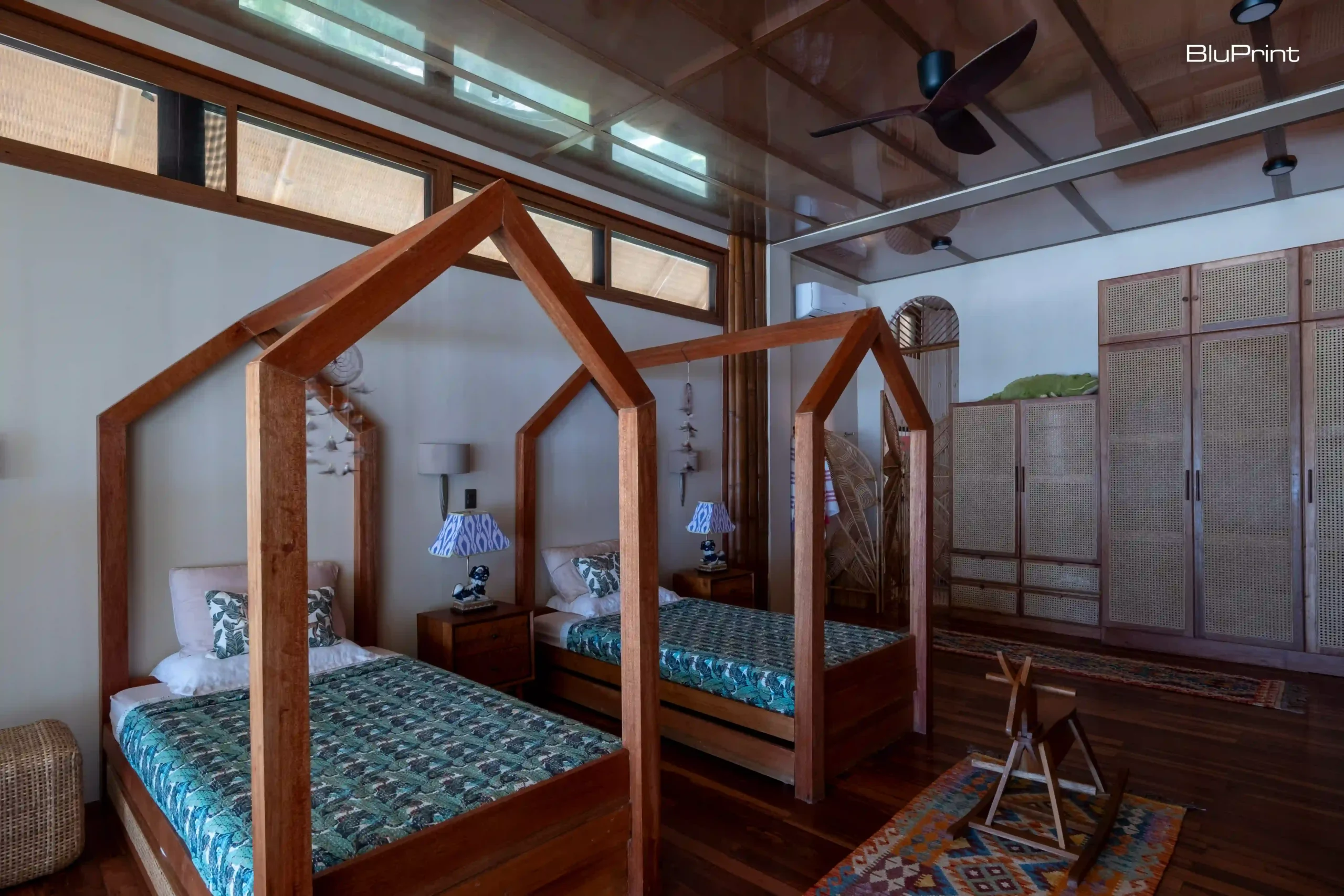
“These trends work beautifully in the Philippine context when they are not just copied, but localized—adapted to our climate, our light, and our craft. It’s not about chasing what’s new; it’s about rooting the new in what’s native,” she adds. Biophilic design concepts, for example, naturally lend themselves into tropical settings such as ours, given the need to address elements such as ventilation, passive cooling, shade, and sustainability.
Designing Spaces for Slower, More Conscious Living
Karthe’s work at Aman Sinaya is just one of the manifestations of the brand of interior design she strives to uphold: curated simplicity with cultural soul. The key to this, she said, is putting local materials, context, and craftsmanship at the heart of what she does.
“I design from a place of listening—both to the client and to the land. I believe Filipino design has so much to offer the world, and I see my role as one of translation: turning tradition into modernity, without losing meaning. By championing Filipino materials and artisanship within a refined, contemporary frame, we’re helping shape a uniquely local design language with global relevance.”
Likewise, she aims for her personal creative philosophies not only to reflect in her designs, but also in how clients use—and thrive—in the spaces she crafts for them. She profoundly sums up this vision in three words: presence, poetry, and purpose.
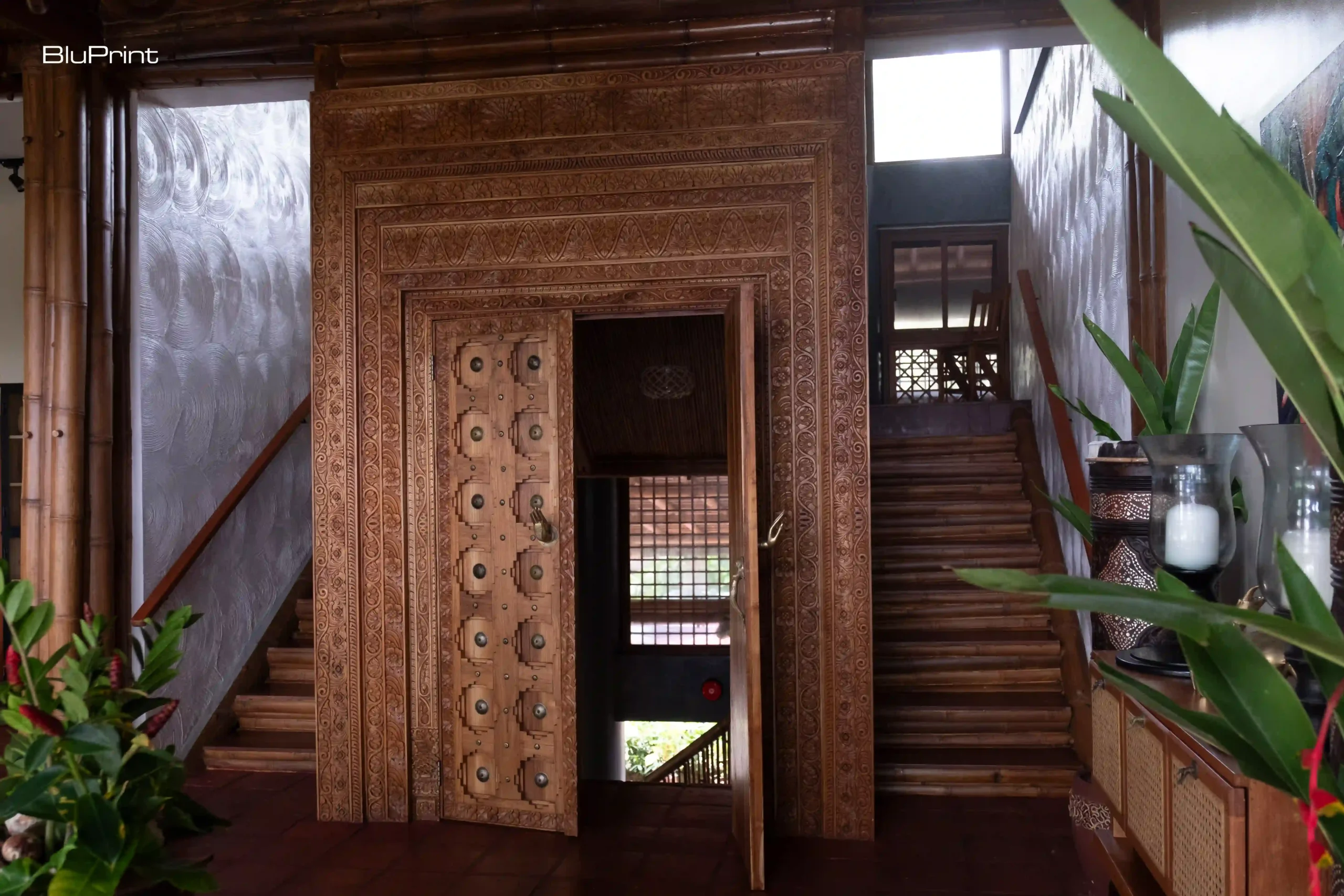
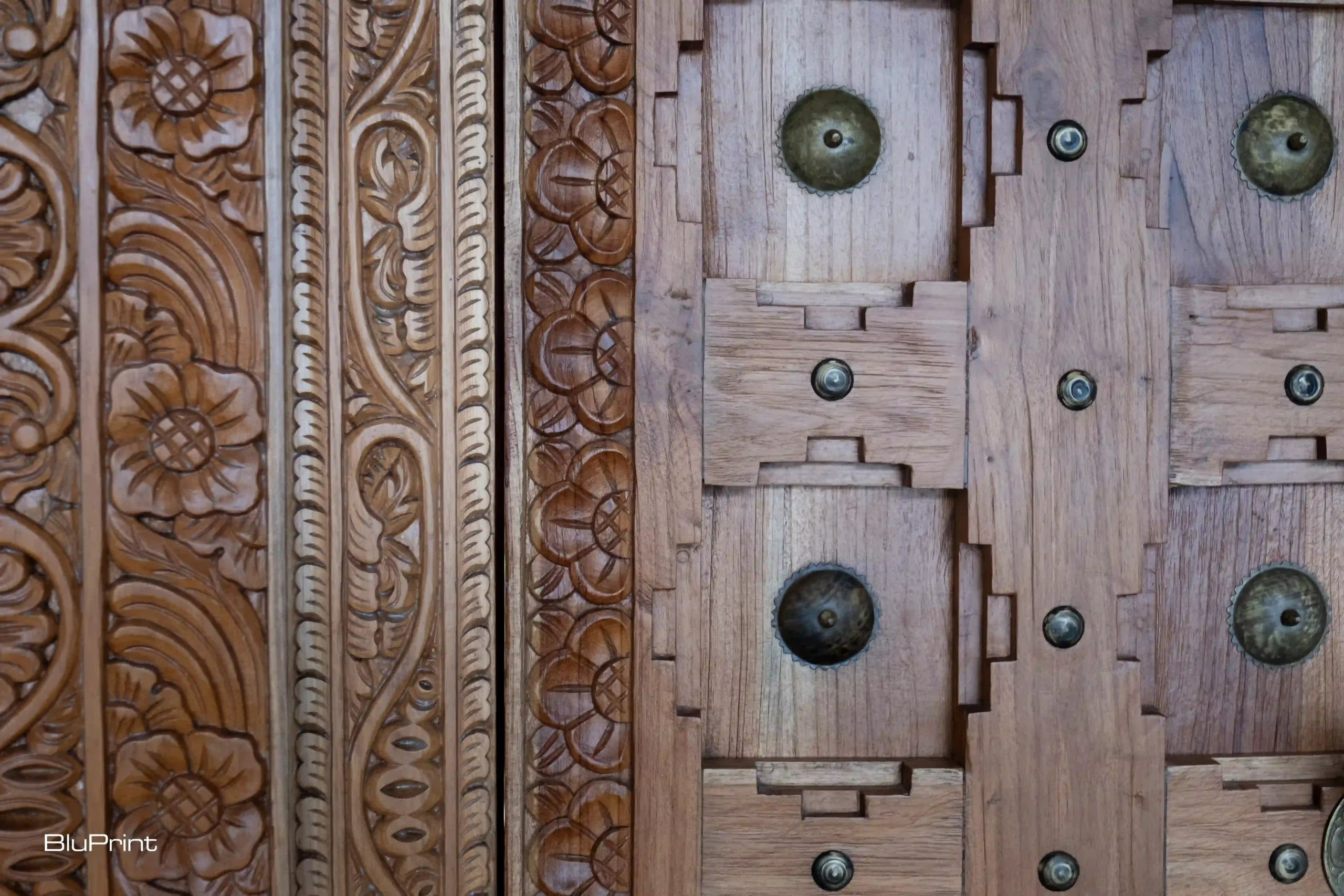
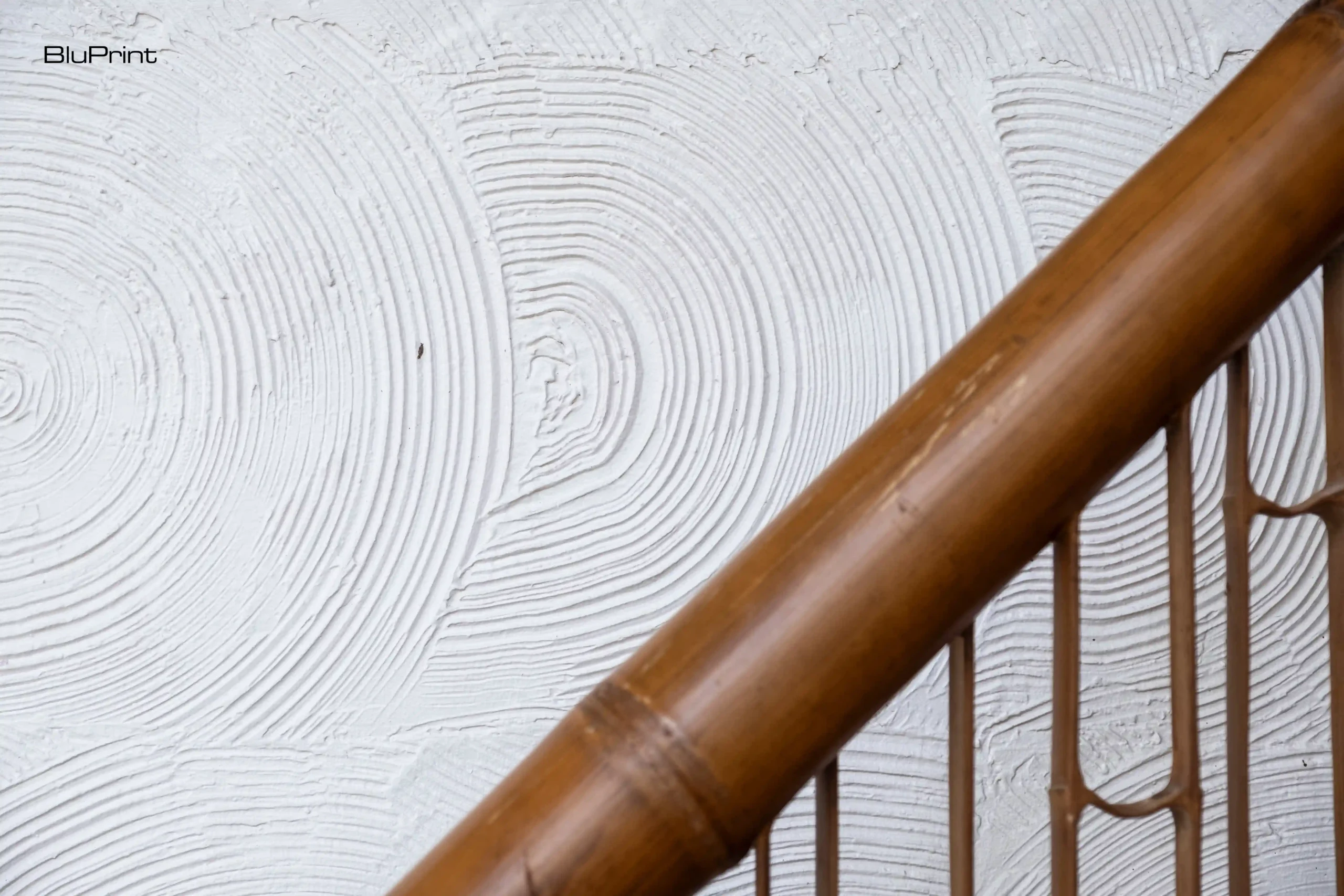
Intricate details, such as the imported carved Balinese doors at the main entrance and the textured walls, showcase the unique artisanship found throughout the house.
“I want the spaces I design to slow people down and invite them to live more consciously. I value imperfection, stillness, and craftsmanship—the things that make a space feel truly lived in, not just styled. At the end of the day, design isn’t about decoration; it’s about how a space holds you. If I’ve created a space where someone can exhale, then I’ve done my job.”
Photographed by Ed Simon.
Read more: Christian Salandanan: Leveraging Bamboo’s Sustainability and Resilience
Frequently Asked Questions
Originally planned as a concrete structure, the home evolved into one of the tallest bamboo houses in the Philippines, standing 11 meters high and utilizing over 5,000 poles. Interior designer Carol Karthe utilized the material for both structural integrity and aesthetic detail, showcasing expansive views of bamboo roofing, columns, and balustrades to celebrate its natural movement and breathability.
The design encourages presence and mindfulness by using “honest imperfection” and tactile, handcrafted pieces like driftwood stools, stoneware ceramics, and woven hammocks. By focusing on sensory elements—such as the scent of salt and earth, filtered light, and the sound of wind in the rafters—the space is designed to slow people down and invite them to live more consciously.
Rather than just following a global trend, Karthe localized biophilic concepts by rooting them in native craft and tropical necessities like passive cooling and natural ventilation. This approach is reflected in the use of sculptural rattan, abaca forms, and handmade interior pieces like seashell beaded curtains and T’nalak pillows that connect the inhabitants directly to the Davao landscape.
Because bamboo “demands respect” and moves with the climate, Karthe collaborated closely with bamboo architect Jed de Guzman and skilled local craftsmen. This partnership was rooted in trust and adaptation, ensuring that the technical challenges of longevity and consistency were met while still allowing the unique, raw character of the bamboo to remain the focal point.
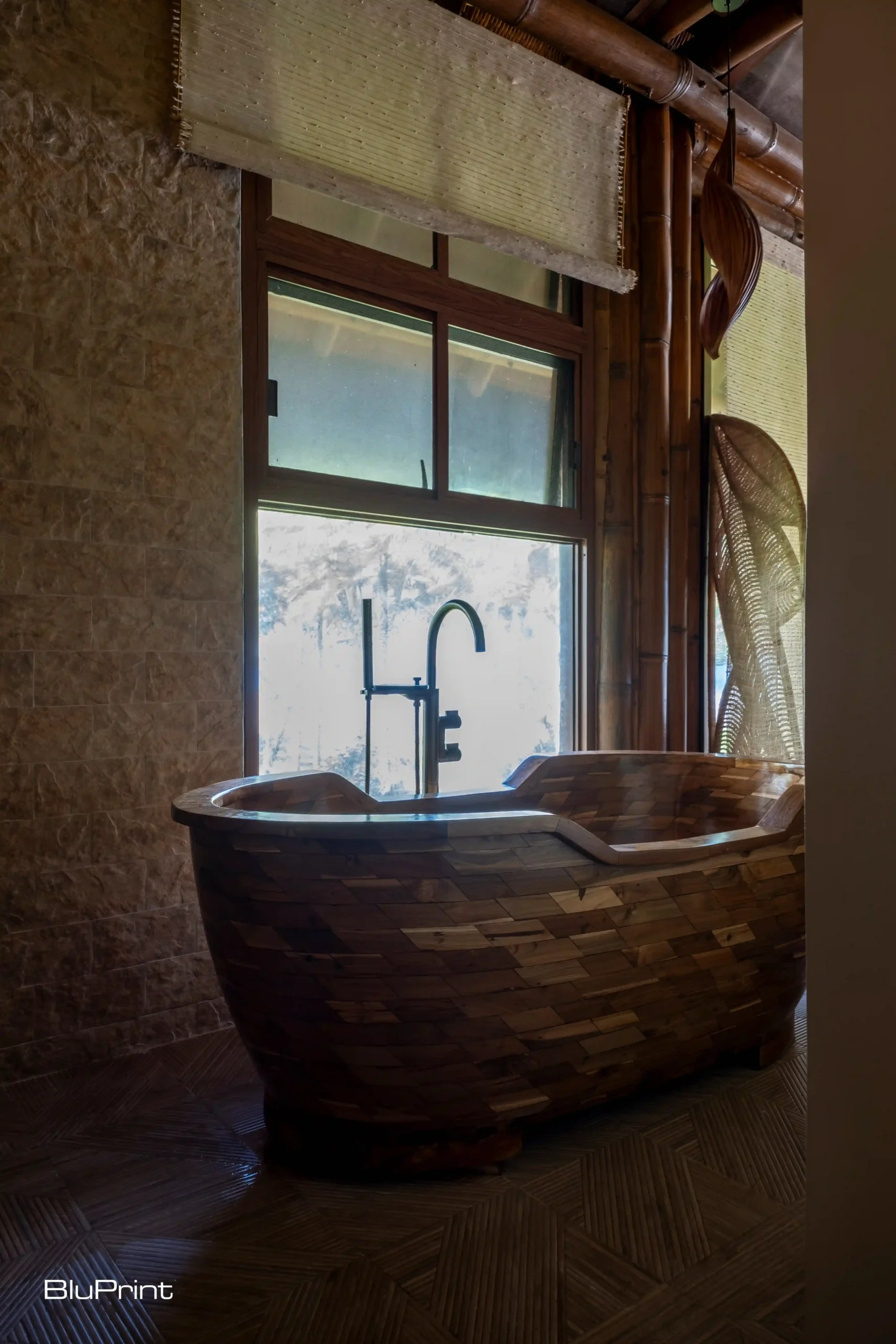
The master bedroom features a four-poster bed that adds a touch of traditional luxury, which can be dressed with different fabrics for privacy or style. This refined element is paired with island-inspired details like coral hanging lamps and a Balinese wooden tub, demonstrating how traditional Filipino materials can be translated into a modern, sophisticated design language.
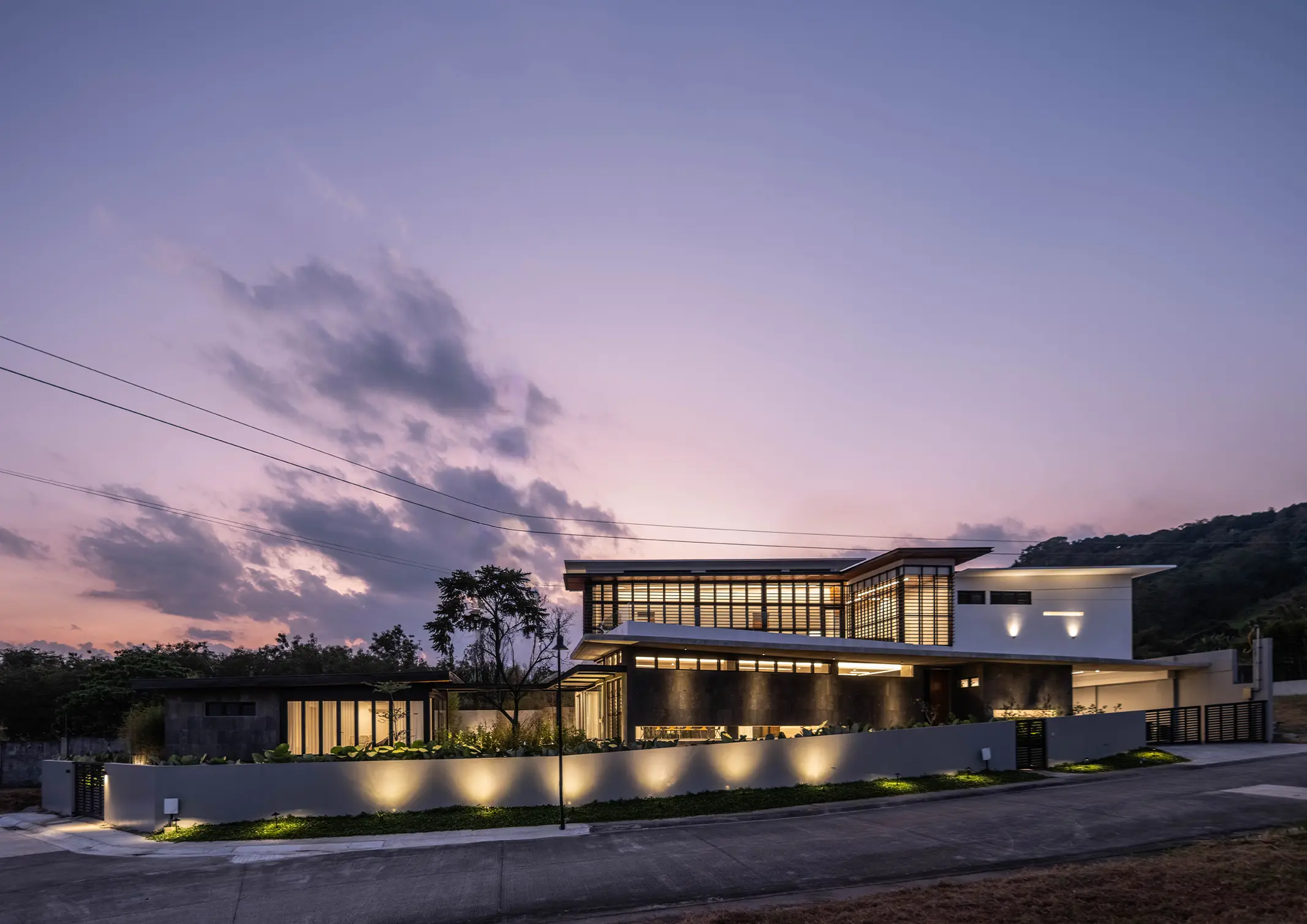
Located in Paroc, Pampanga is MQ Residence—a tropical-modern private residential home designed by Marikina-based architectureArchitectureThe art and science of designing and constructing buildings, structures, and spaces that are functional, safe, and aesthetically pleasing. It encompasses the planning, design, materials, and techniques used to createGo to Architecture Glossary firm Arkisens, spearheaded by principal architect and co-founder […]
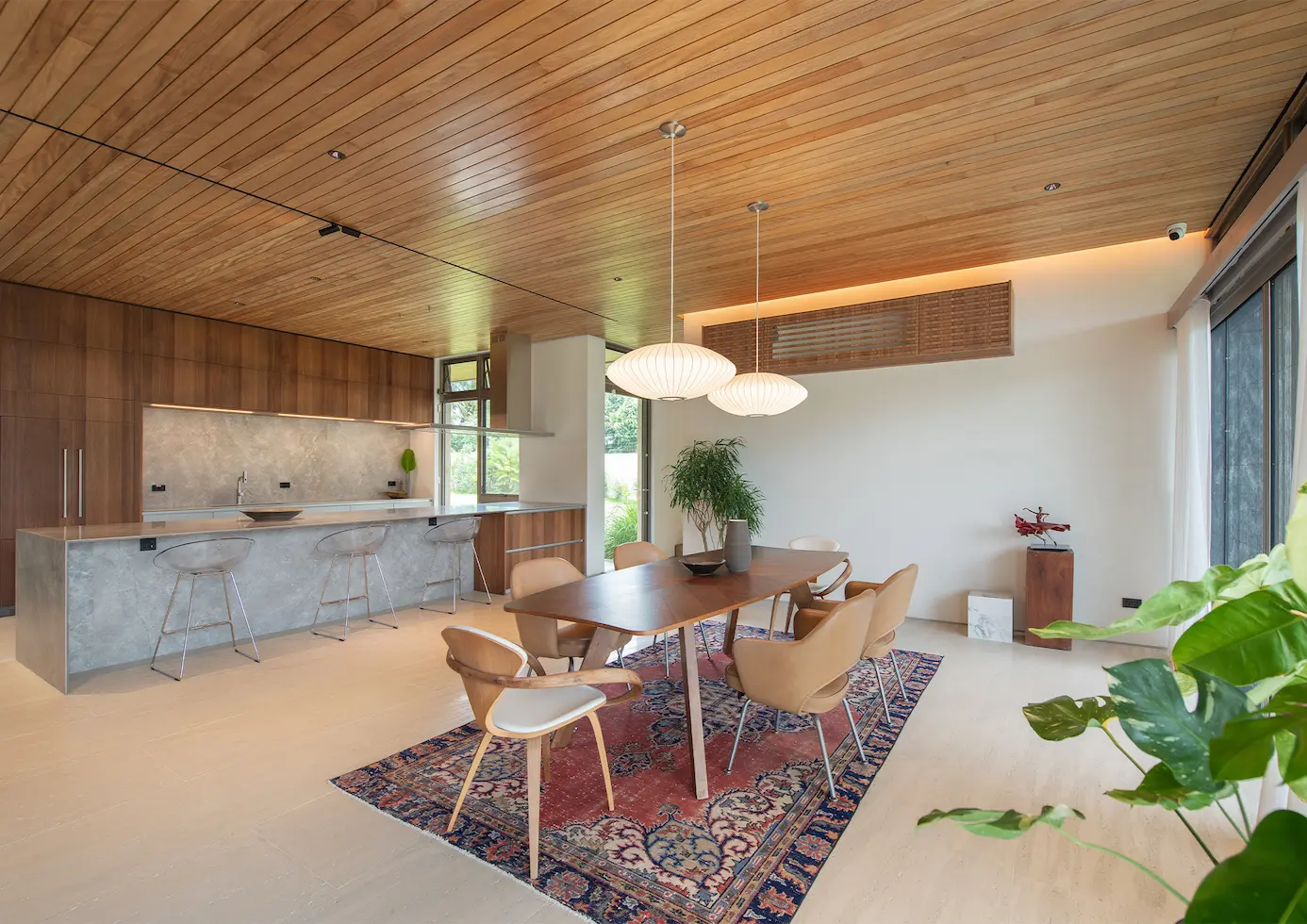
Standing on a former 1,200-square-meter pineapple plantation is CAW House, a Mid-Century Modern-inspired loft located just on the border of Silang and Tagaytay, Cavite. Designed by Rizal-based architectureArchitectureThe art and science of designing and constructing buildings, structures, and spaces that are functional, safe, and aesthetically pleasing. It encompasses the planning, design, materials, and techniques used […]
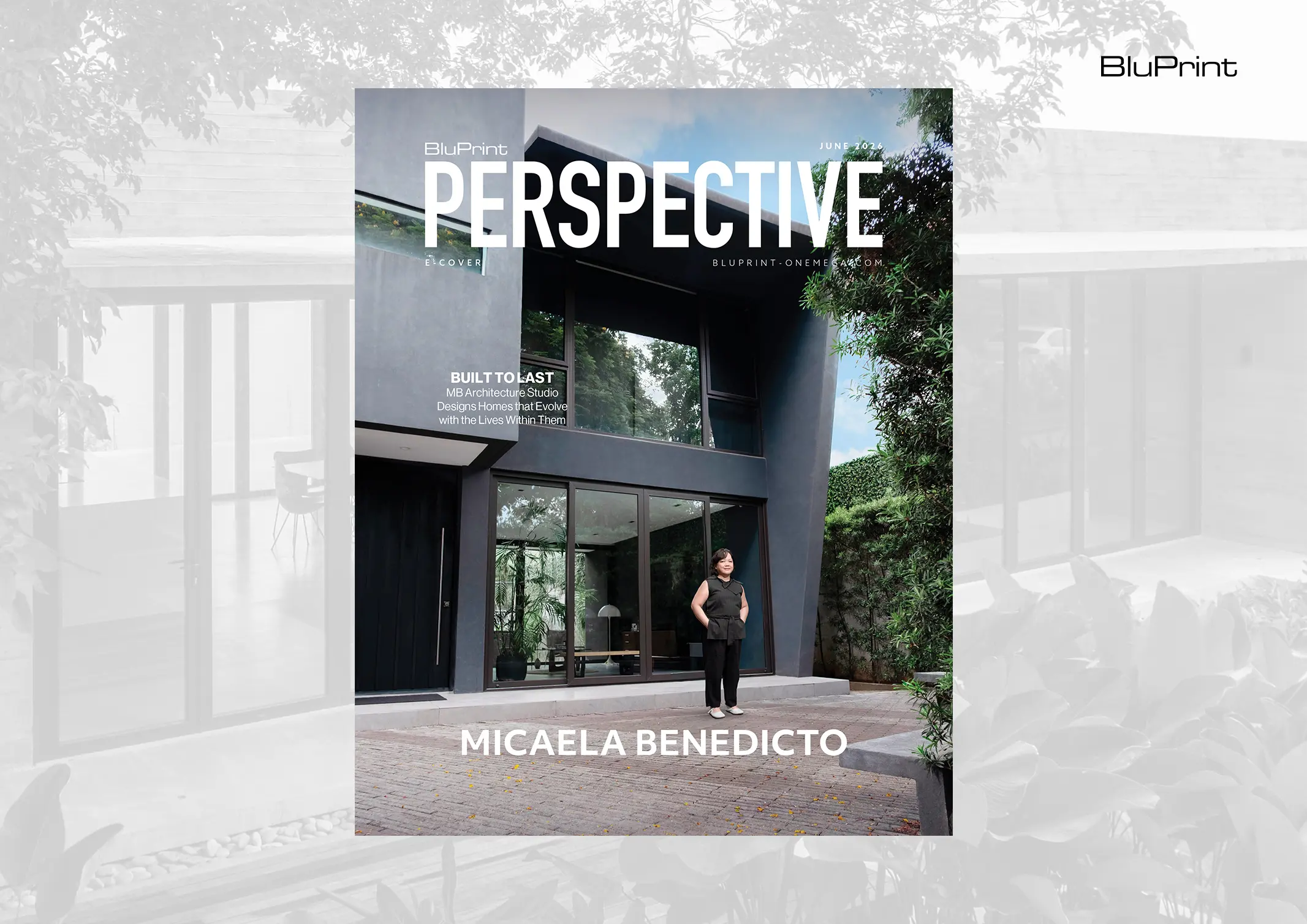
Since setting up her design firm, MB Architecture Studio, in 2007, Ar. Micaela Benedicto has built a diverse portfolio of architectural projects. Her works, whether residential or commercial, showcase a distinct spatial quality, “I like to create things that can go from something static to something that is alive and reactive,” Benedicto states. “In creating […]
Luscara and Soliento: Barchan + Architecture on Designing a Clubhouse that Responds to its Landscape
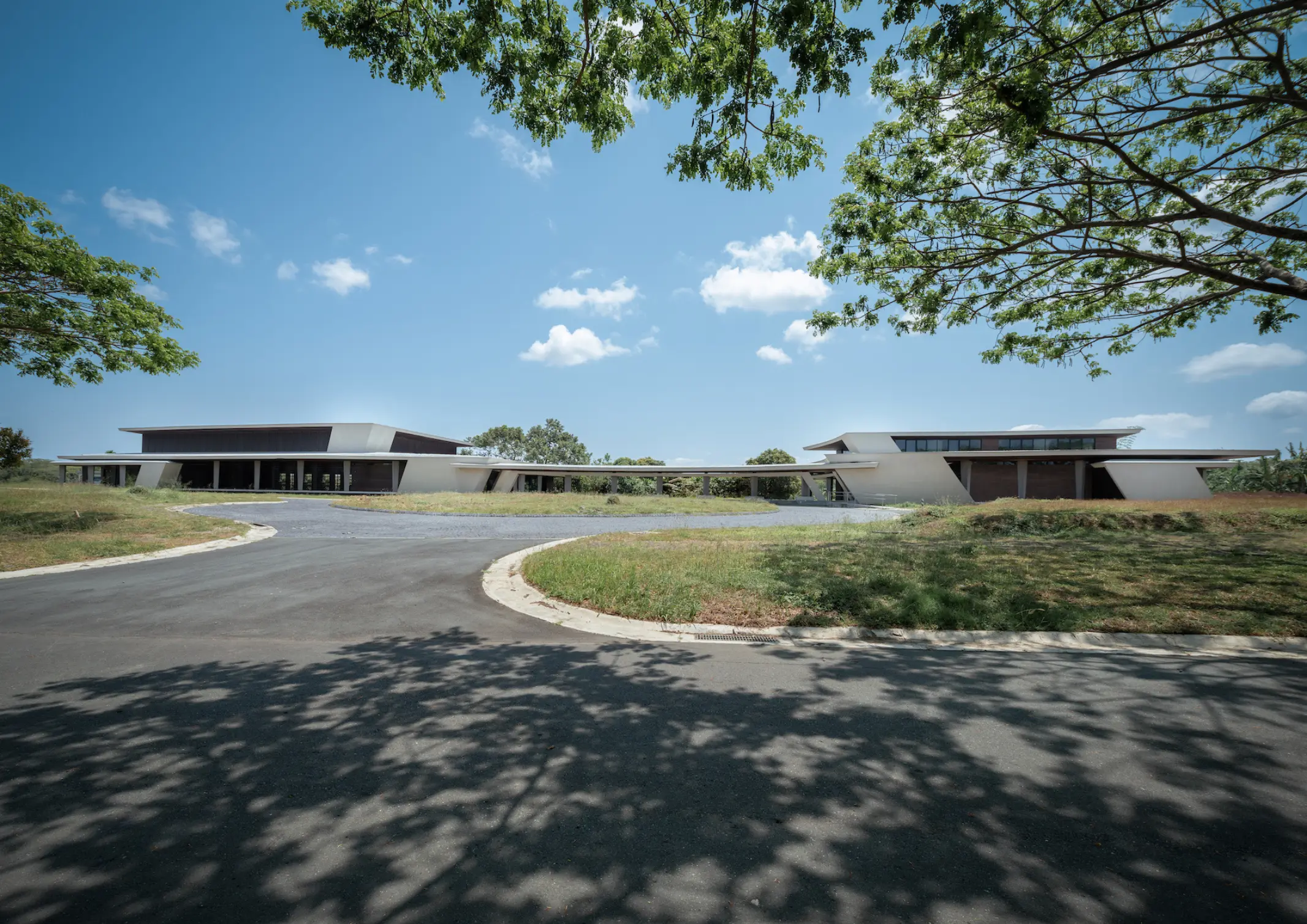
Situated in Laguna, south of Metro Manila, is a multi-thousand-hectare development created by Ayala Land Premier within the growth corridor of the CALABARZON Region. Barchan + Architecture was tasked with crafting a clubhouse for the subdivisions of Luscara and Soliento. Principal Architect of Barchan + ArchitectureArchitectureThe art and science of designing and constructing buildings, structures, […]
Over the past decades, adaptive reuse has been utilized as a sustainable alternative for the built environment. It involves repurposing existing buildings for a new use, allowing the past to remain while serving a modern purpose. Here, structures facing potential demolition or no longer serviceable are seen as sources of raw materials for new projects. […]
Read the issues.

Collect the volumes.

Recommended Video
Tap to Unmute
Unmute
0:00
0:00