Bigkis is the act of binding. In Tagalog, the word can refer to something used to bind or encircle, as well as a bundle formed by tying several separate elements together. Figuratively, it can also mean a bond, union, or unity. The meanings move from the physical act of joining things together to the connection […]
Villa Tropicana: A Vacation State of Mind



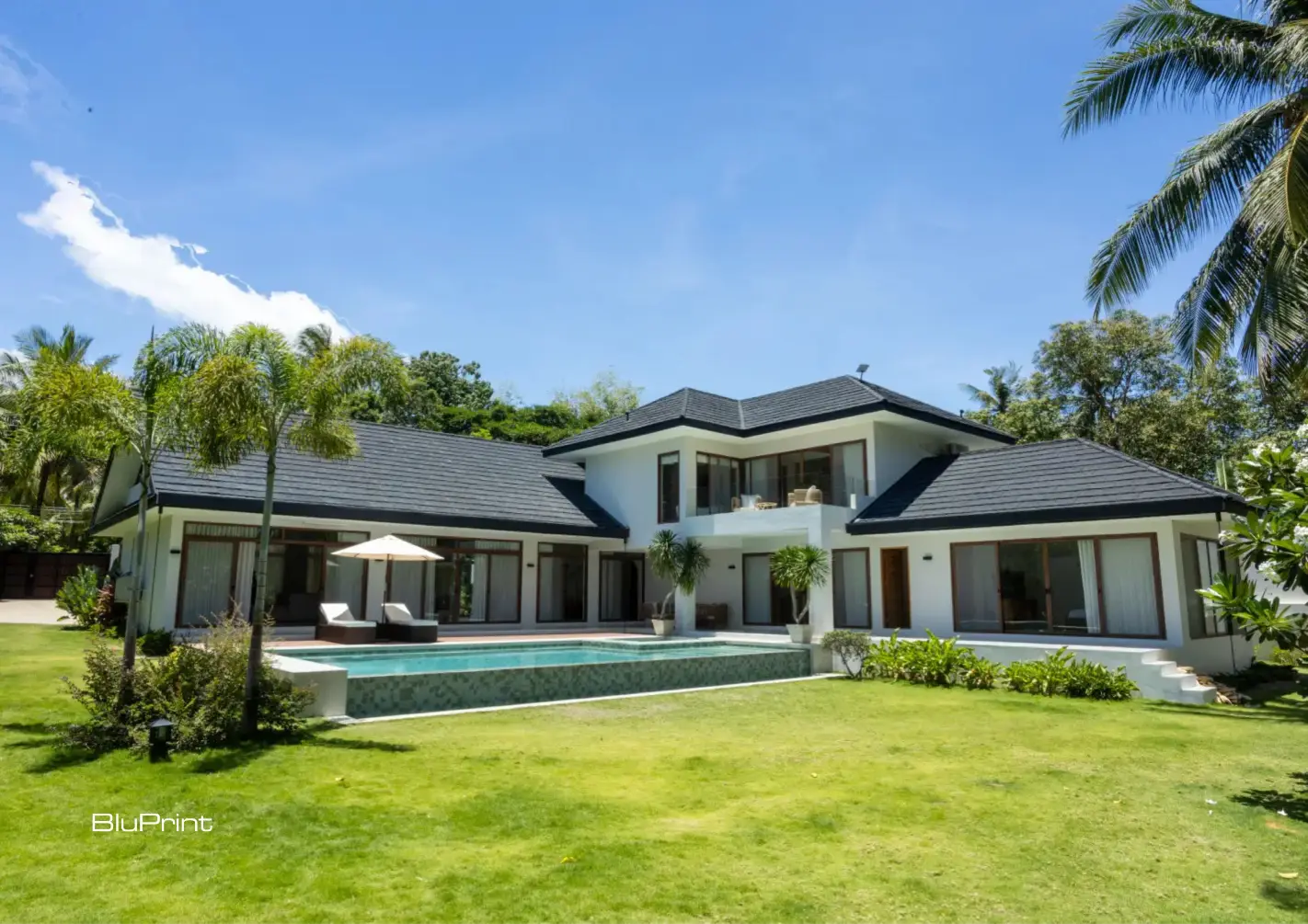
In the coastal town of Dauin, known for its laid-back beach culture, one private residence stands out—not by competing with its surroundings, but by becoming a resort unto itself. Designed to make everyday life feel like a retreat, Villa Tropicana transforms the typical concept of a vacation home into a personal oasis.
Gaston Lorenzo Pastrano, Founder and Head Architect of Gaston Architecture Studio, shares that the homeowners—a well-traveled couple—wanted a home that evokes the feel of a luxurious getaway. With this in mind, the design team set out to “make it feel like every part of the house is like one mini resort.”
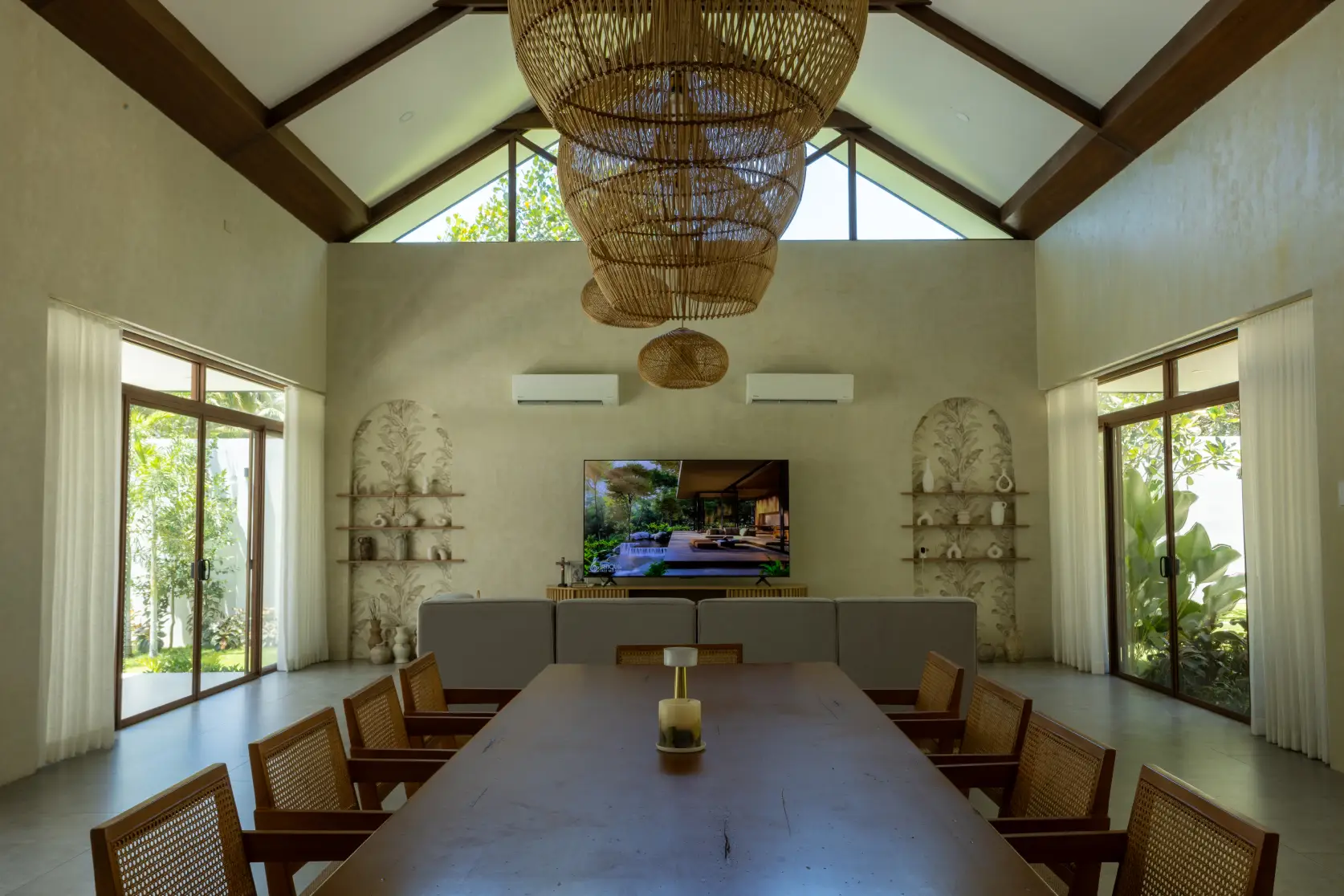
They began by making the ground floor feel like a lobby, with its high ceiling and open layout. From the porch, glass sliding doors open to the living area, dining space, and kitchen. On the opposite side, another set of doors leads to the garden, where the swimming pool is located.
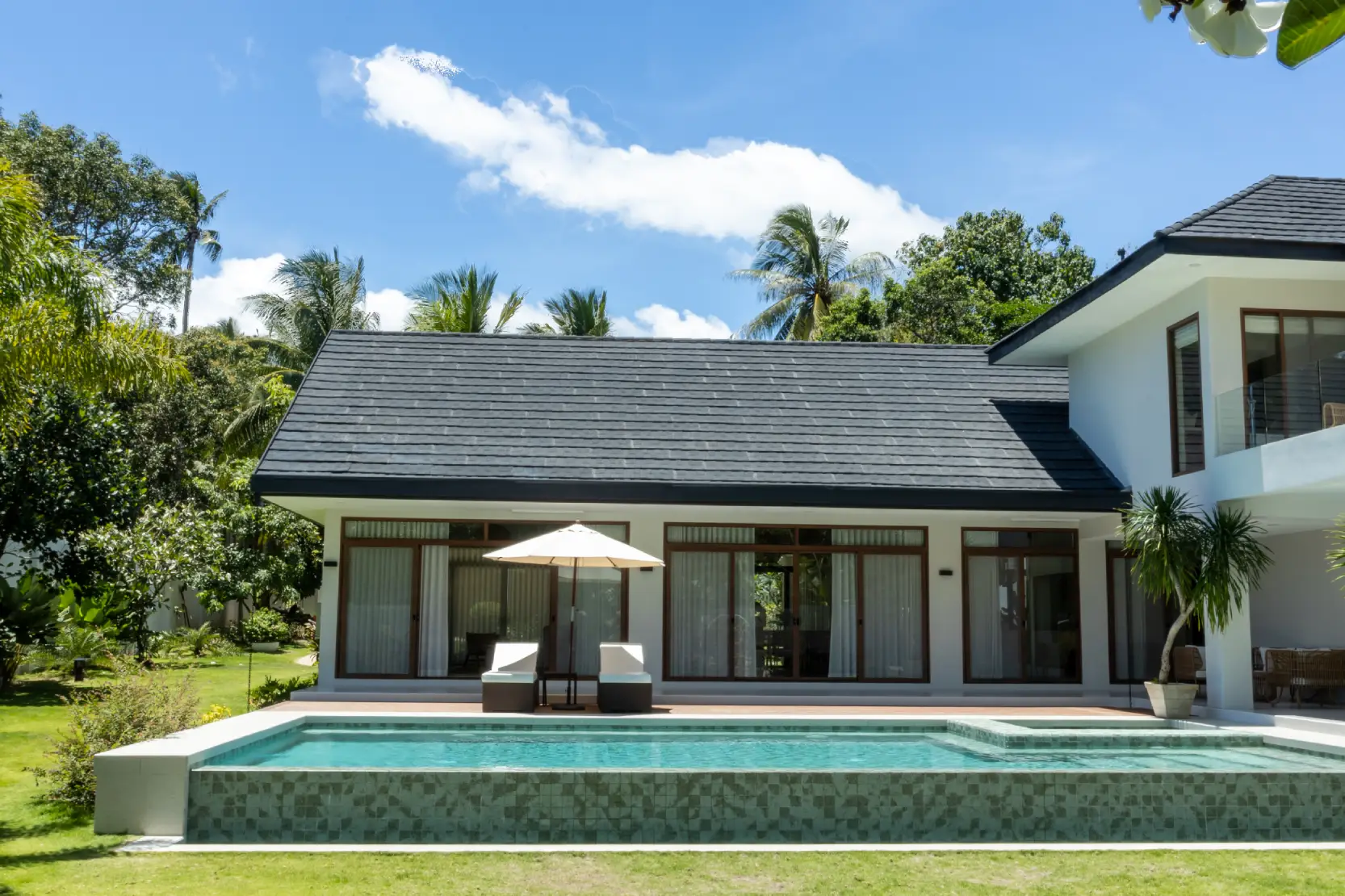
“One of our biggest considerations was that since the property has a nice, big garden area, we wanted the pool—like in many resorts—to be the central attraction of the main house,” Pastrano explains. On the left side of the main house are three bedrooms, designed like private villas, all facing the pool to reinforce the feeling of waking up in a destination-style home.
Villa Tropicana: Built for Ease, Designed to Last
VIlla Tropicana is located a short drive away from the beach, sparing it from the rigorous upkeep required of seaside properties. “We don’t have to worry too much about the salt air. We don’t have to worry about exposure to strong winds coming from the sea, so with this one, less maintenance is involved,” the architect remarks.
The design team used micro-cement for both the exterior and interior walls to create a textured, matte finish. “It’s not like the typical painted wall finish where it’s a bit glossy or a bit flat. This one has a nice grain to it,” Pastrano describes. For the flooring, 60 x 120-centimeter gray tiles were used to minimize grout visibility and easily disguise dirt and pet paw marks, as the homeowners have five dogs.
Low-maintenance outdoor features include Sukabumi tiles in the swimming pool, which conceal grout lines and create a natural look, and wood-plastic composite flooring for the pool deck. “Since this [area] has no shade, we had to choose [a material] that can withstand constant exposure to the sun,” the architect explains.
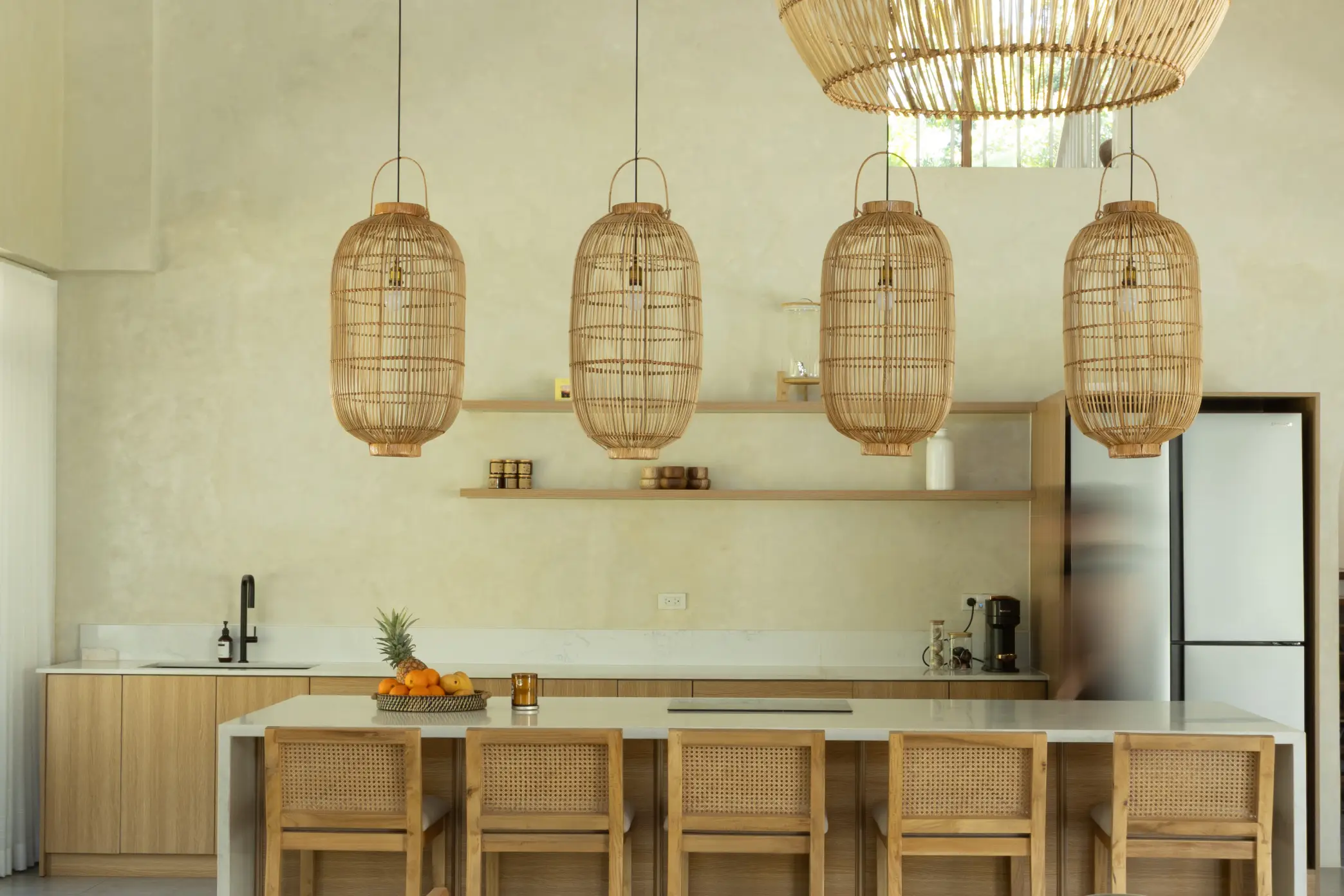
Beyond ease of maintenance, functionality was also a key priority. Granite countertops were used in the kitchen for their durability and visual appeal, complementing both the walls and floors. Standard modular cabinets were also installed to provide ample storage and keep the kitchen clutter-free.
Volume, Proportion, and Visual Anchors
While the six-meter-high ceiling lends a dramatic sense of space, it can also make areas feel empty. To counter this, the architect chose to expose the wooden roof beams and add rattanRattanA flexible, climbing palm native to tropical Asia, whose strong, lightweight canes are woven and bent into furniture, baskets, and lighting. The Philippines, especially Cebu, is renowned for rattan craftsmanship,Go to Rattan Glossary hanging light fixtures to fill the vertical space. These design choices also add warmth to the open common area.
Even without partitions, the living, dining, and kitchen zones are well-defined. “We divided [the ground floor common area] into three segments, each having its own window division,” the architect explains.
Different styles and orientations of lighting fixtures were also used in each zone to distinguish one from the other. “The light fixtures basically give you a focal point of where to place your furniture. So even if you change the furniture [later on], you already have a basis—where to position the sofa, where to position the dining table. And that defines the space,” Pastrano adds.
Meanwhile, the upper floor takes advantage of the high ceiling, overlooking the ground floor through an arched wall. From here, one can appreciate the expanse of the open-plan concept below. This arrangement provides privacy to the master bedroom, keeping it hidden from the main gathering area.
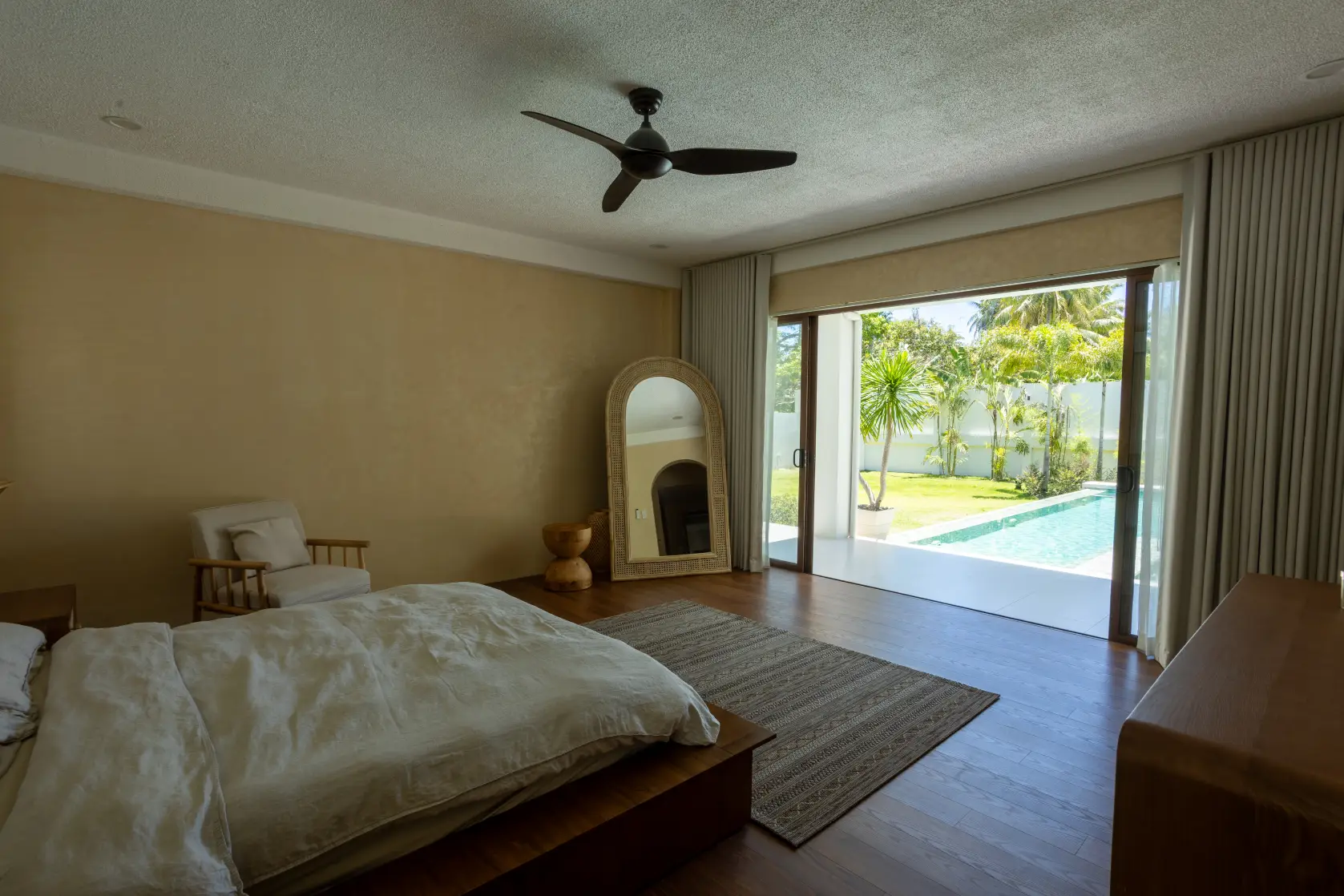
Inside this room is the master bathroom—one of the upstairs highlights. Glass windows let in abundant natural light and offer generous views of the pool and garden. A bathtub is positioned next to the windows, allowing one to soak in a relaxing bath while enjoying the outdoor scenery.
Passive Cooling and Spatial Comfort
Natural ventilation was central to the design of Villa Tropicana. “The property is actually long but relatively narrow, so we had to locate the main areas a little bit central. That way, you still get [air] circulation from the front and from the back,” Pastrano explains. He adds that each bedroom has windows on at least two sides, allowing for reliable cross breezes. The roof is stone-coated, helping to muffle heavy rain and deflect heat—both critical in the tropics.
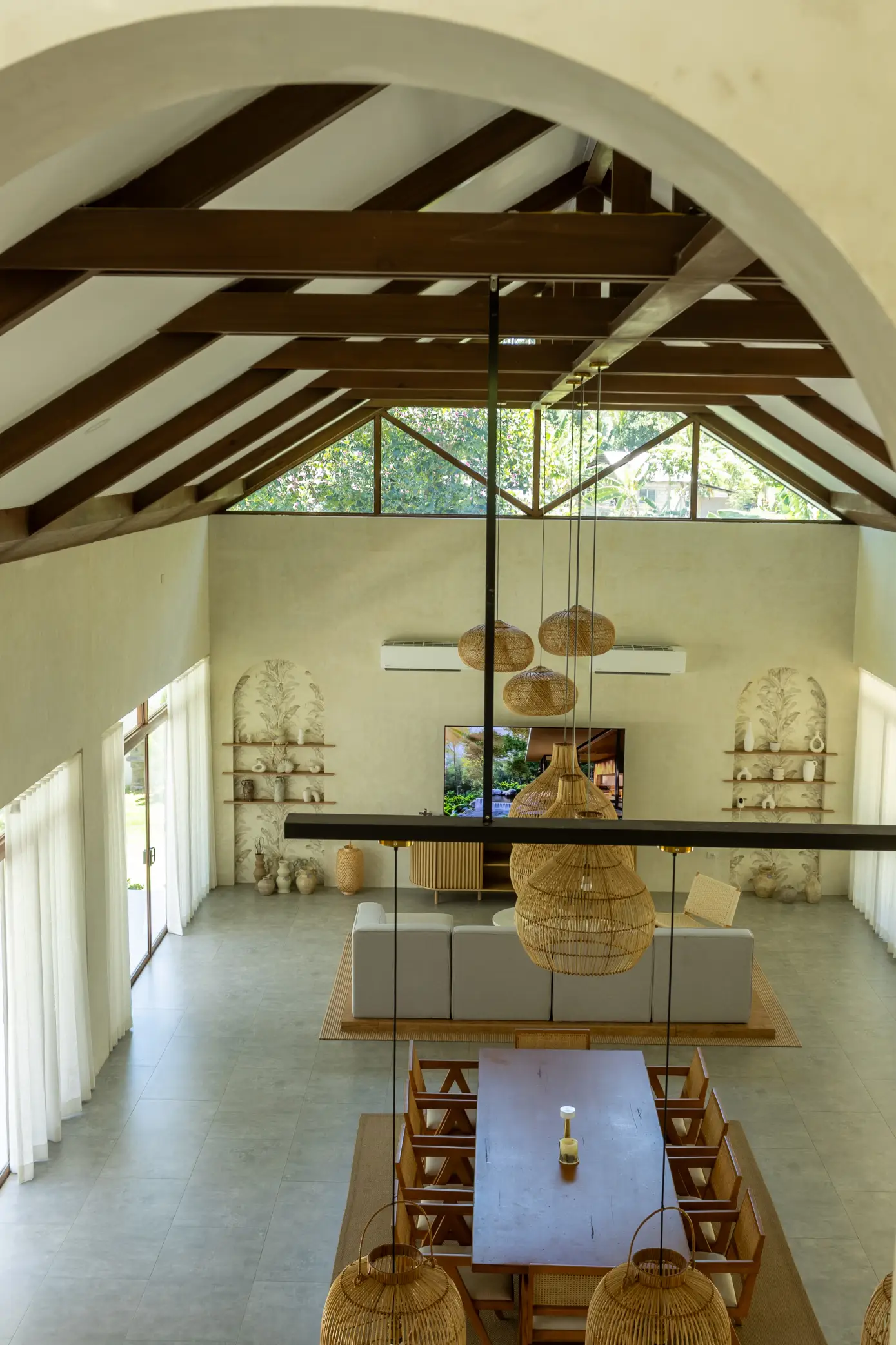
Even with high ceilings and exposed beams, the house avoids feeling cavernous or overly grand. Instead, it feels intimate, thanks to furnishings scaled in proportion to the spatial context and a calming, resort-inspired palette of grays, taupes, and warm wood.
A Framework for Everyday Escape
Aside from their love of traveling, the homeowners also enjoy entertaining at home—hence the comfy lounging spaces and the row of guest rooms facing the pool. Every detail of Villa Tropicana was designed with longevity, lifestyle, and ease in mind. From the choice of materials to the floor planFloor PlanA scaled drawing showing a building's layout as seen from above, as if sliced horizontally at roughly waist height. It maps rooms, walls, doors, windows, circulation, and fixed furniture, helpingGo to Floor Plan Glossary, it reflects the owners’ desire for a life filled with joy and daily indulgences.
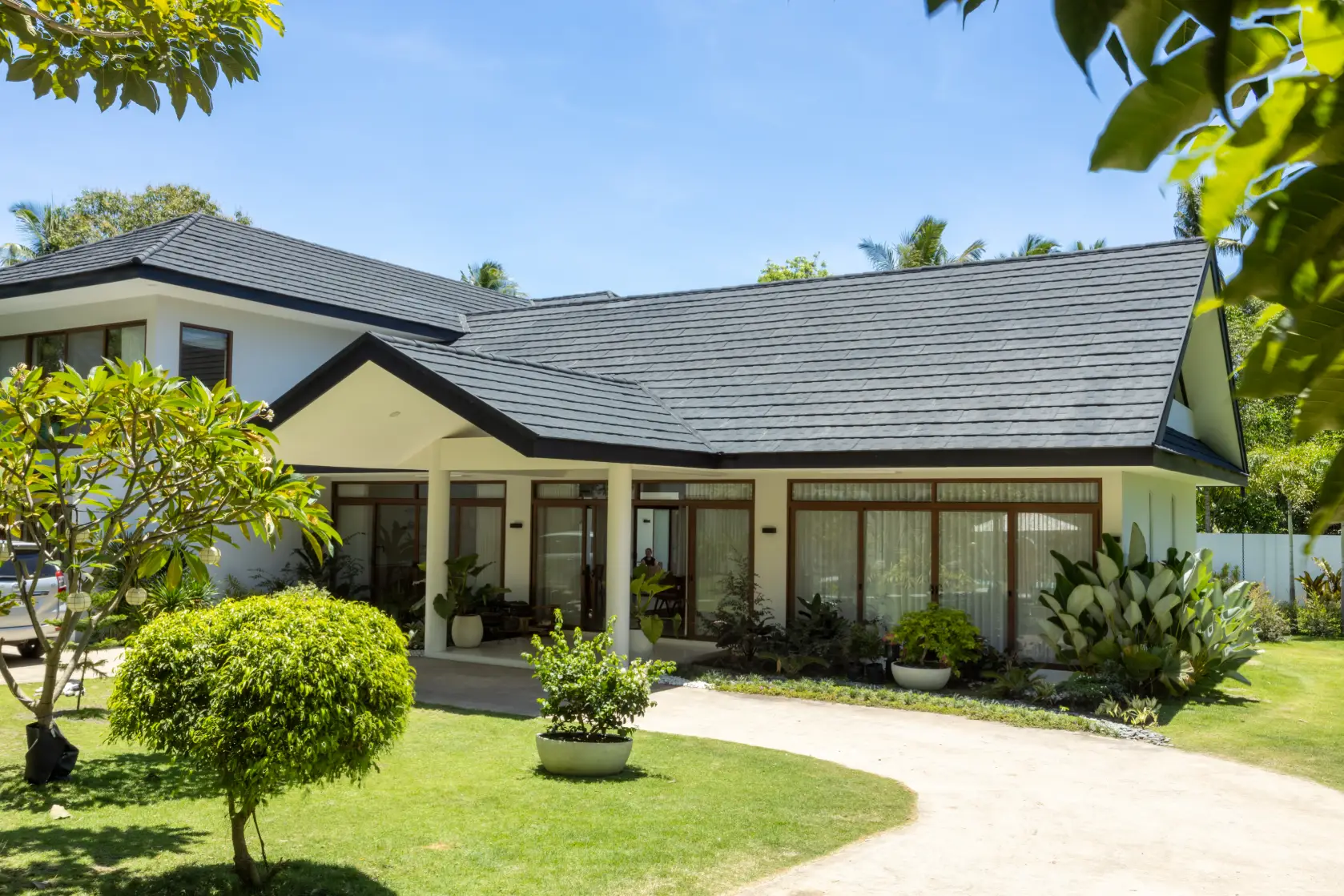
Although it took about a year and a half to complete—facing logistical challenges like transporting materials from Manila and building without reliable access to water or power—the finished home is a personal retreat meant to age beautifully alongside its owners.
Today, even with their active travel schedule, the homeowners consider Villa Tropicana their base. And while the landscaping will continue to mature and the homeowners will keep pursuing improvements, the structure itself feels complete—an everyday escape, custom-built for comfort, climate, and connection.
Photos by Excel Panlaque.
Related reading: Oroña Residence: A Modern Tropical House in Sta. Rosa, Laguna
Frequently Asked Questions
To emulate a resort, Gaston Architecture Studio utilized a “lobby-concept” ground floor with six-meter-high ceilings and an open-plan layout. By centering the floor plan around a swimming pool and designing bedrooms as private “villas” or casitas facing the water, the home reinforces a sense of escape. Integrating high-volume spaces with visual anchors like exposed beams and oversized rattan fixtures further elevates the hospitality aesthetic.
Micro-cement is an excellent choice for walls, offering a textured, matte finish that hides imperfections better than glossy paint. For flooring, large-format gray tiles (60 x 120cm) minimize grout lines and disguise pet marks. In pool areas, Sukabumi tiles provide a natural look while concealing grime, and wood-plastic composite (WPC) decking offers the warmth of timber without the warping or rot caused by constant sun exposure.
Large vertical volumes can feel empty without proper visual anchors. At Villa Tropicana, the architect exposed wooden roof beams and installed large-scale rattan pendant lights to “fill” the upper void. Additionally, using different lighting styles and window divisions to segment the living, dining, and kitchen zones helps define functional areas without the need for physical partitions, maintaining both intimacy and grandeur.
Effective cross-ventilation is achieved by placing main living areas centrally and ensuring bedrooms have windows on at least two sides. This allows breezes to flow through the front and back of the property. Additionally, using stone-coated roofing helps deflect solar heat and muffles the sound of heavy tropical rain, while high ceilings allow hot air to rise away from the living zones, improving overall thermal comfort.
Homes located slightly inland, like Villa Tropicana, face less salt air corrosion and intense wind loads than beachfront properties. This allows for a wider range of exterior finishes with lower maintenance requirements. However, durability remains a priority; using granite countertops and UV-resistant outdoor materials ensures the home ages well against the tropical sun and humidity, even without the aggressive salt-spray factor of the immediate coastline.
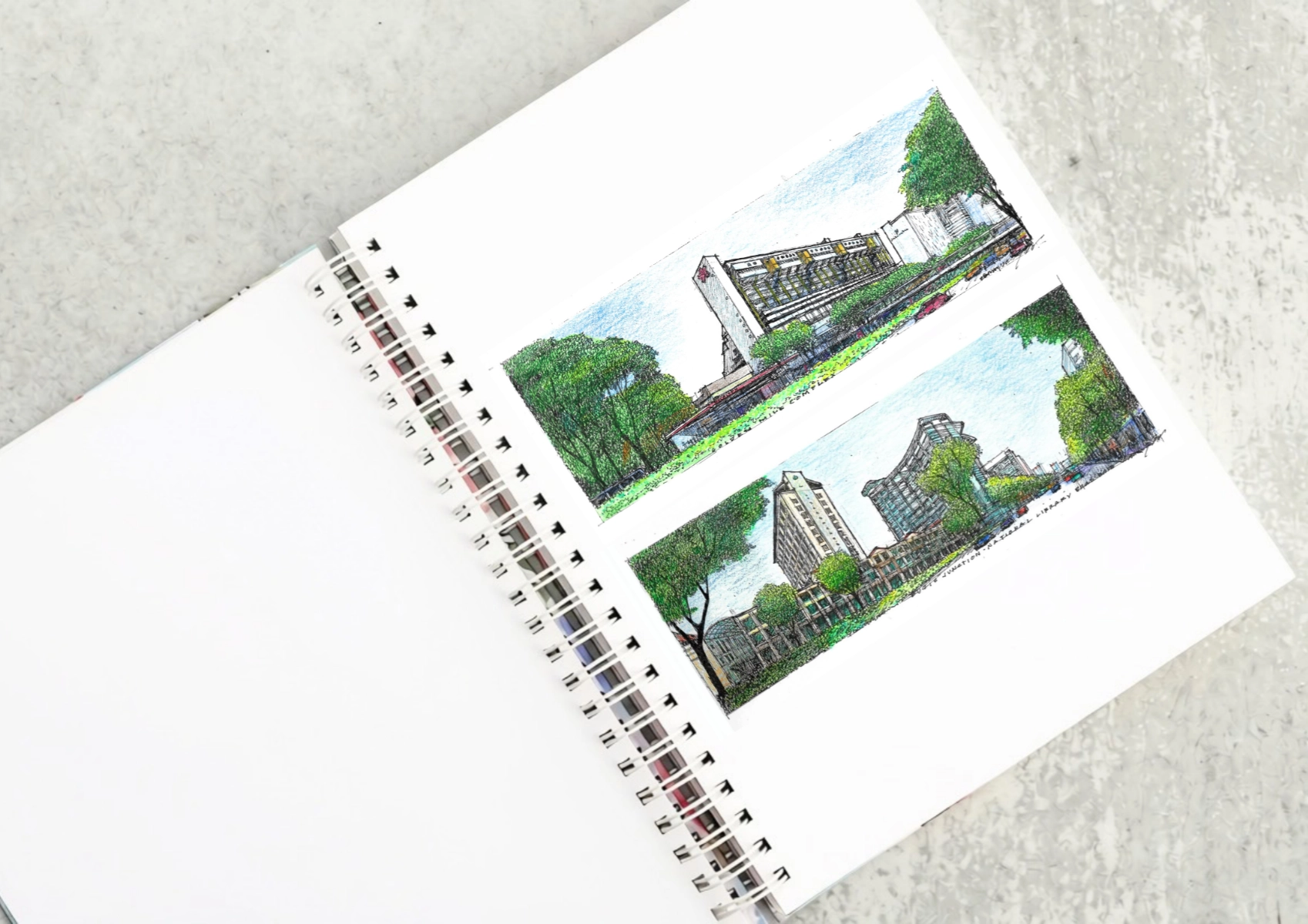
Two sketches of Singapore connect BluPrint Editor in Chief Paulo G. Alcazaren’s personal and professional history with Shared Ground: ArchitectureArchitectureThe art and science of designing and constructing buildings, structures, and spaces that are functional, safe, and aesthetically pleasing. It encompasses the planning, design, materials, and techniques used to createGo to Architecture Glossary of Care, Culture, […]

In a way, designers are the modern-day soothsayers and prophets. They design for the future, predicting how a room, a house, a building or a whole city will be used by people. They foresee how users will interact with a space, conjure exact shades of colors to elicit specific behavior and arrange furniture to build […]
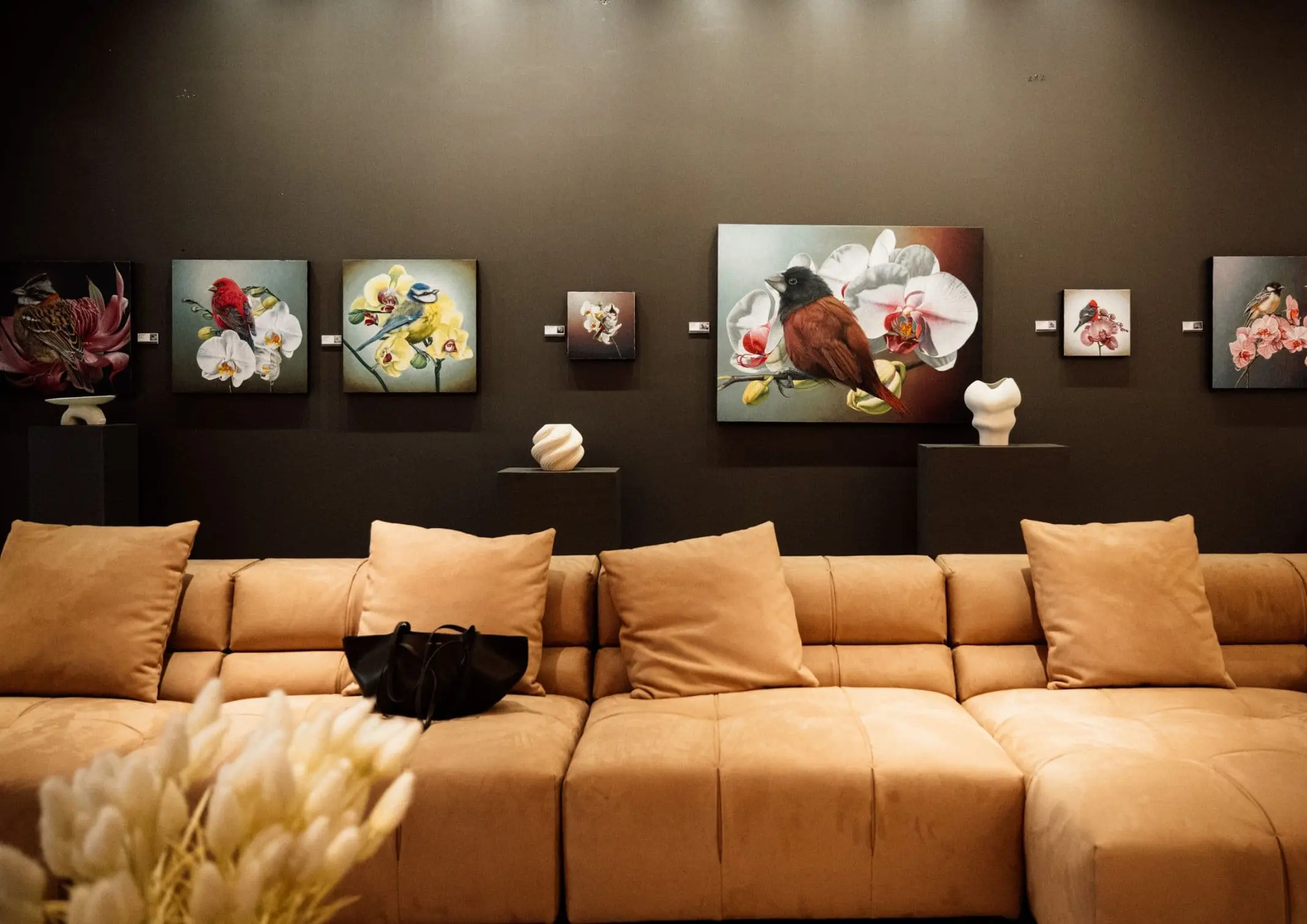
Art and furniture are often selected separately, yet their relationship can shape how a room looks and feels. The collaboration between Hooga and Galerie Joaquin explores how these elements can work together, bringing contemporary artworks into furnished residential settings at Hooga’s showroom in Uptown Mall, Bonifacio Global City. For Hooga, which curates furniture, lighting, and […]

How can better-planned cities create the conditions for more creative, livable, and resilient urban environments? “Makati Urban Recipes for a City’s Survival,” a colloquium held at the Ayala Museum on September 15, brought together architects and practitioners from the fields of urbanism and the creative economy to discuss how design, planning, and collaboration can address […]
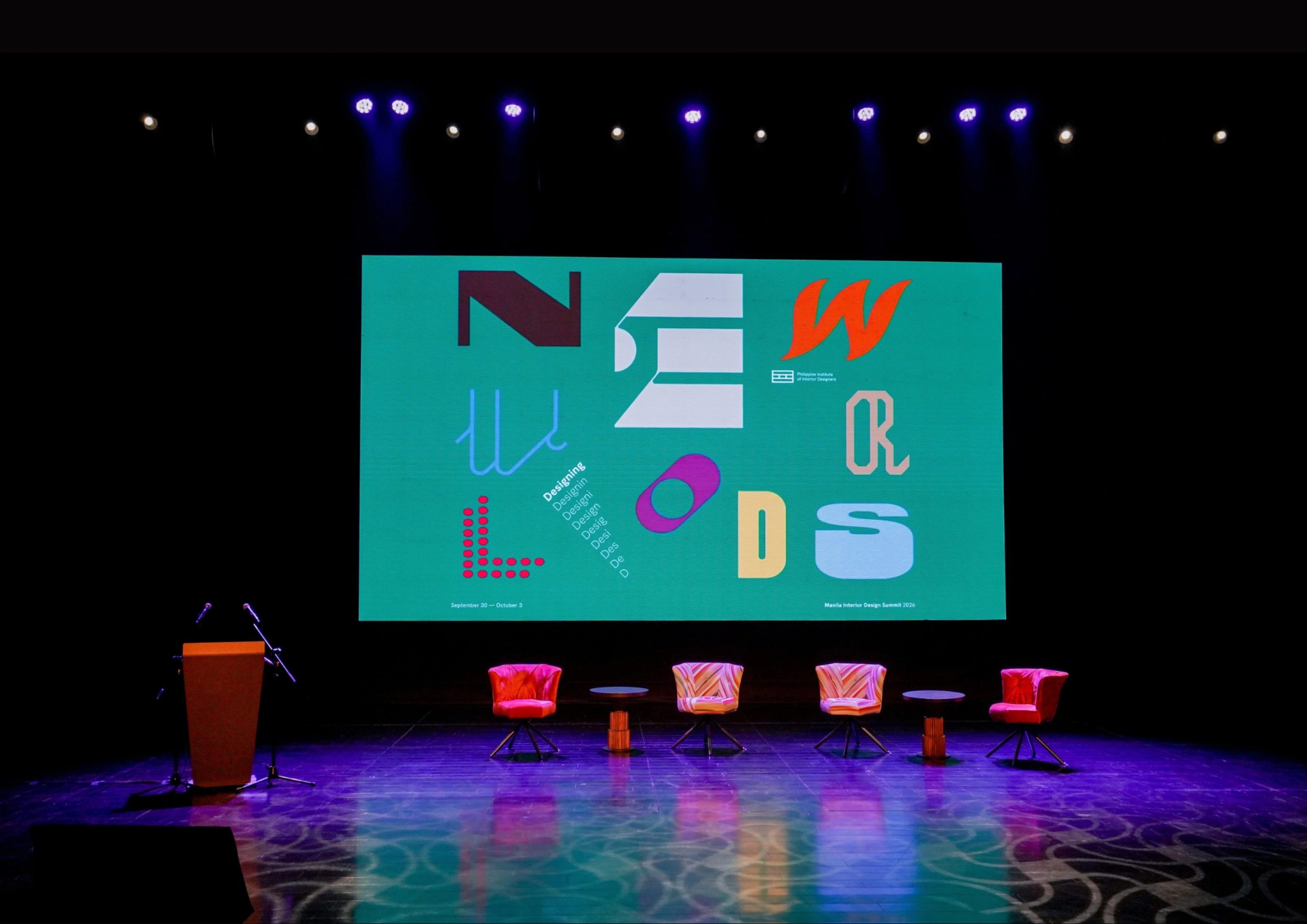
The fourth Manila Interior DesignInterior DesignThe discipline of planning and shaping interior spaces for function, comfort, safety, and beauty. It covers layout, lighting, materials, finishes, furniture, and color, and in the Philippines is a licensedGo to Interior Design Glossary Summit (MIDS) brought together more than 300 delegates for four days of conversations, exhibitions, and design […]
Read the issues.

Collect the volumes.

Recommended Video
Tap to Unmute
Unmute
0:00
0:00