Just moments away from the bustling area of Bonifacio Global City is 171, a multi-level villa set on a 302-square-meter lot. M.CAL Architecture Design Studio, headed by Ar. Monique C. Albert-Lopez, built the residence as a minimalist modern sanctuary surrounded by landscaped gardens. This creative direction was drawn from the homeowners’ brief to create a […]
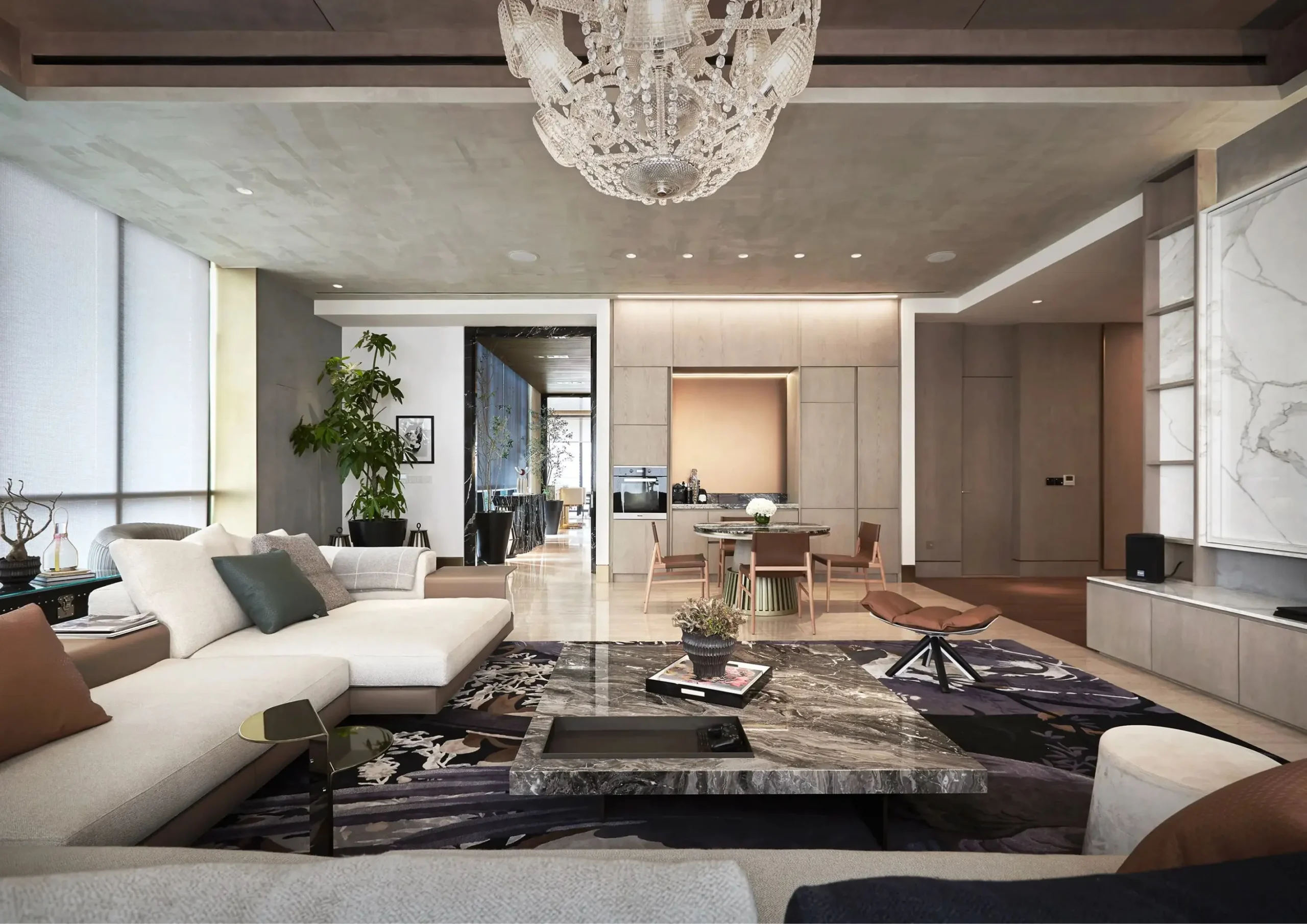
7 Stunning Must See Luxury Apartments in Southeast Asia



The apartment unit, often constrained by space and convention, has evolved from a functional living box into a canvas for highly personalized architectureArchitectureThe art and science of designing and constructing buildings, structures, and spaces that are functional, safe, and aesthetically pleasing. It encompasses the planning, design, materials, and techniques used to createGo to Architecture Glossary and interior design. The year’s most compelling luxury apartment designs demonstrate a shift away from transient trends, instead prioritizing intentional curation, deep comfort, and a seamless visual flow. From the art-infused gallery in Makati to the hotel-inspired urban retreat, these seven residences stand as authoritative blueprints for sophisticated, modern, and soulful urban living in Southeast Asia and beyond.
Ritual, Memory, and Rhythm within a Makati Condominium
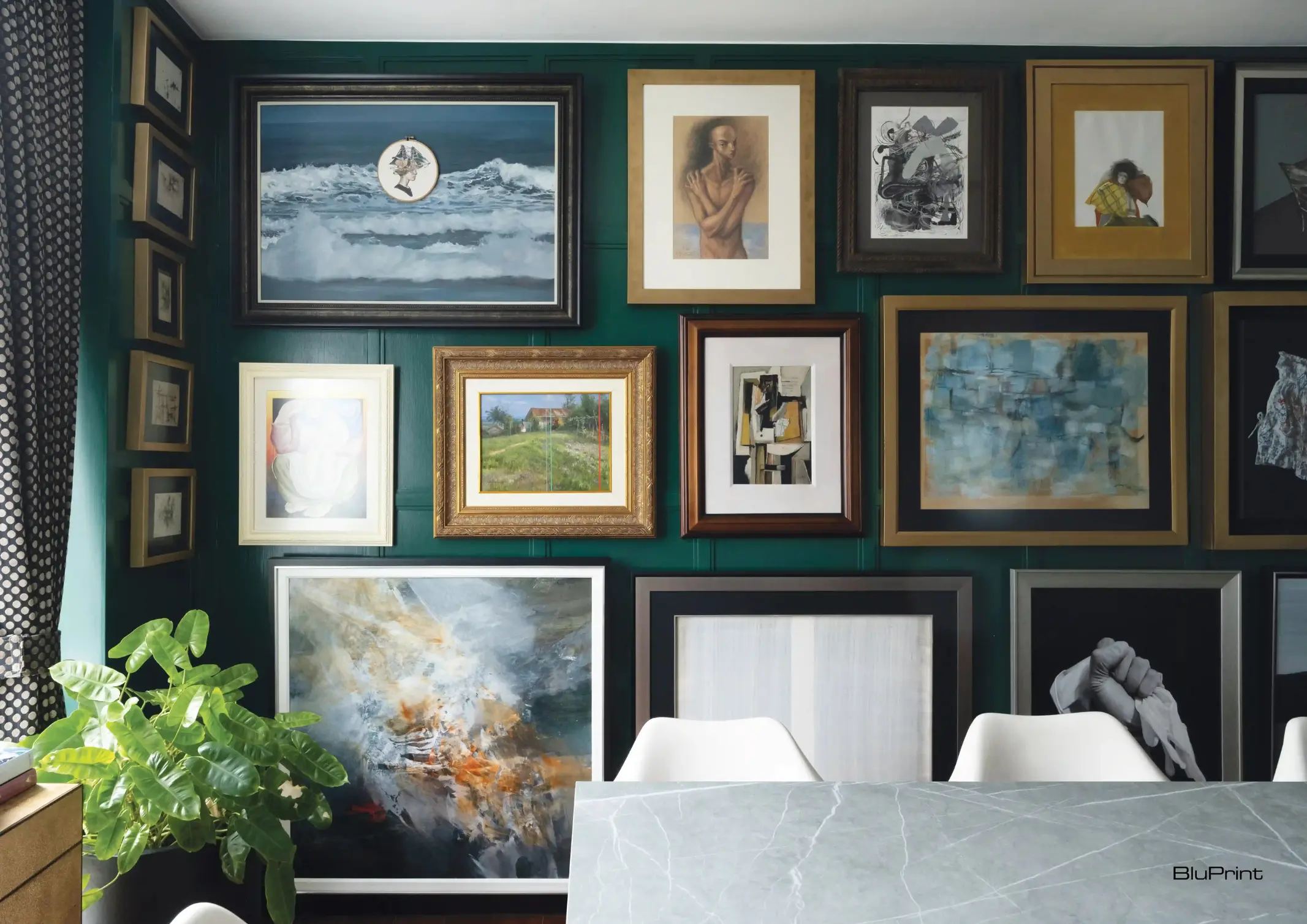
This Makati condominium transcends simple residential interior designInterior DesignThe discipline of planning and shaping interior spaces for function, comfort, safety, and beauty. It covers layout, lighting, materials, finishes, furniture, and color, and in the Philippines is a licensedGo to Interior Design Glossary, functioning instead as a finely tuned gallery for an avid art collector. The space is expertly edited, employing a muted, elegant palette that establishes a visual silence, allowing a diverse collection—from works by masters like Ang Kiukok and BenCab to contemporary pieces—to become the dominant architectural feature. Every surface and corner is intentionally composed to support the dialogue between object and space, transforming daily life into a quiet ritual of appreciation.
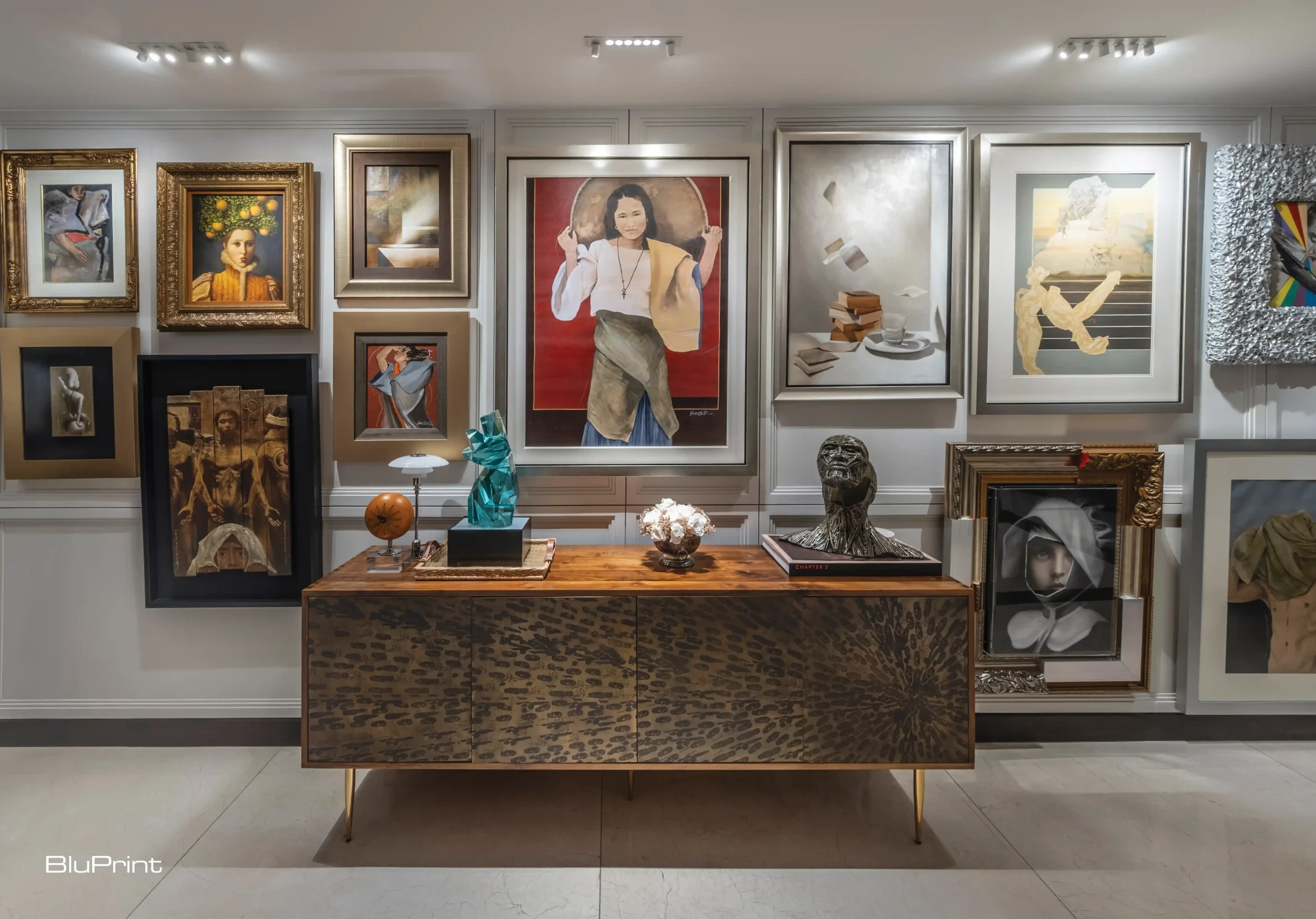
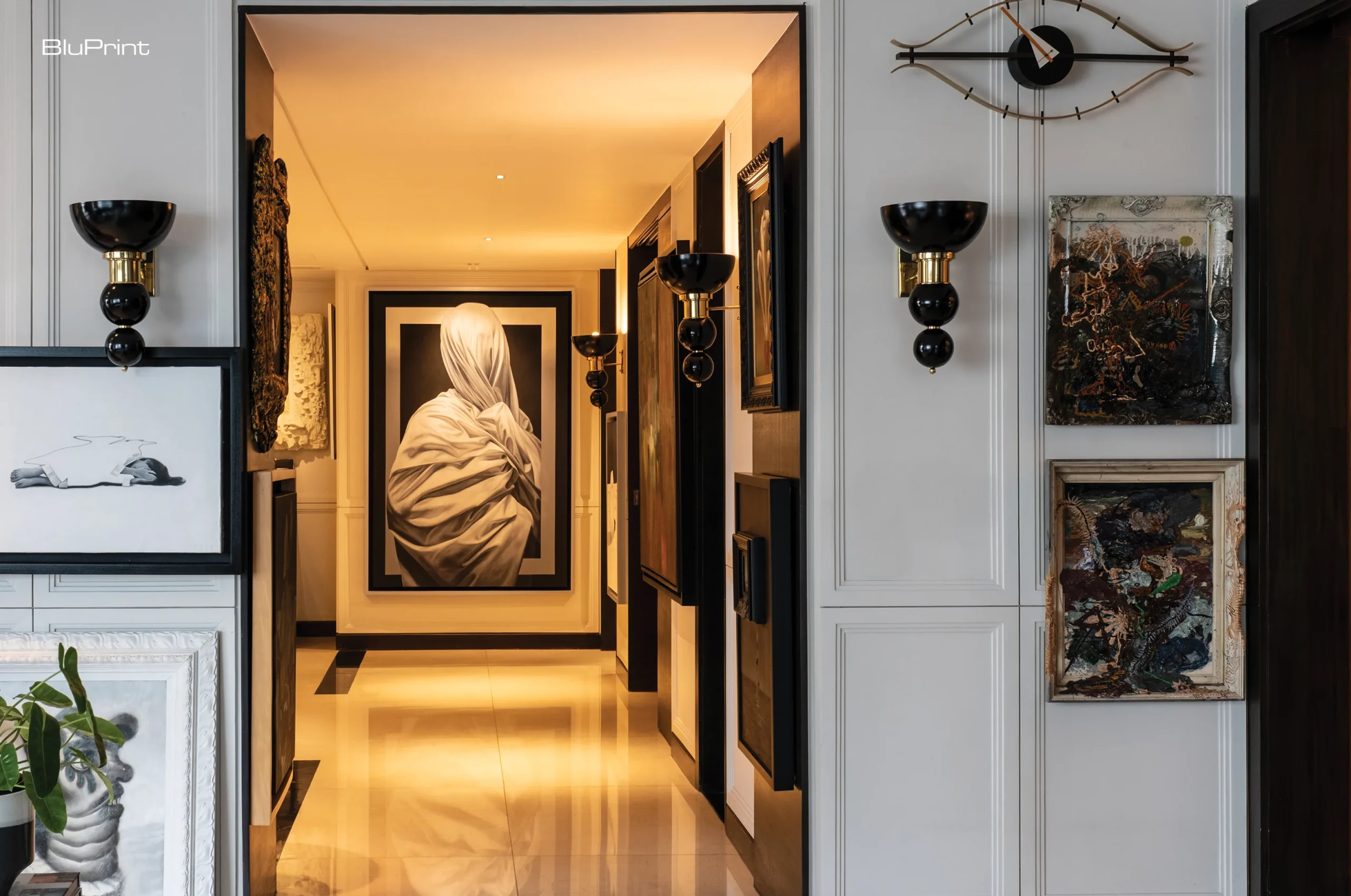
The design is a masterclass in subtlety, ensuring that the living environment itself is authoritative without being ostentatious. It showcases how a strategic use of negative space, elegant lighting, and purposeful layout can honor the emotional weight and intrinsic value of collected objects. The profound connection between the owner and his curated pieces redefines luxury as a life lived in rhythm with one’s own passions and memories.
Photographed by Ed Simon.
Curating Timeless Homes
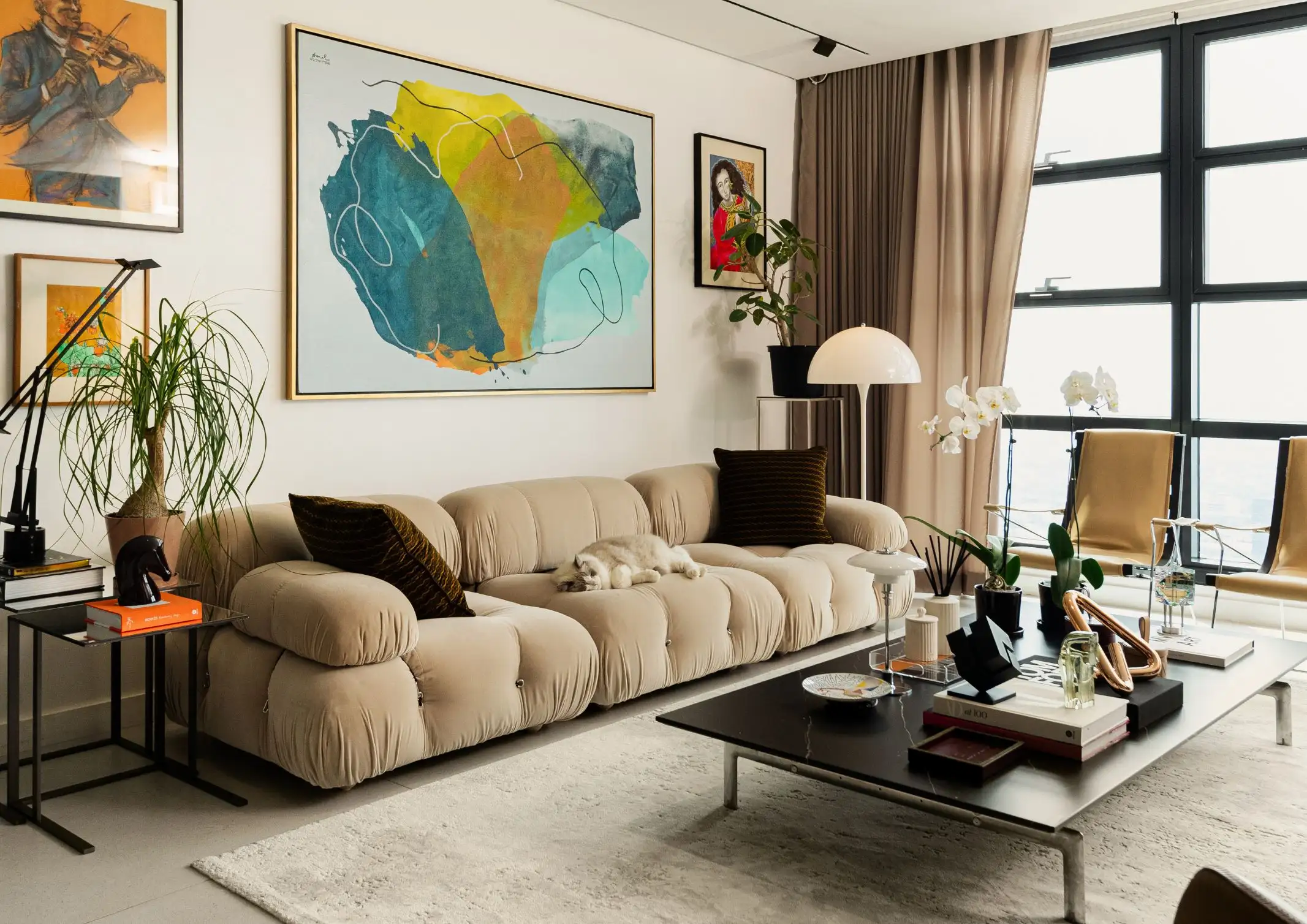
Interior Designer Wilan Dayrit’s recent projects are defined by a philosophy of enduring sophistication, proving that quality of life is the true measure of a luxury home. His approach pivots on functionality and comfort, transforming residences into sanctuaries that feel relaxed and timeless, rather than constrained by fleeting trends. He insists that design should be so well-considered that appreciation only deepens with everyday use.
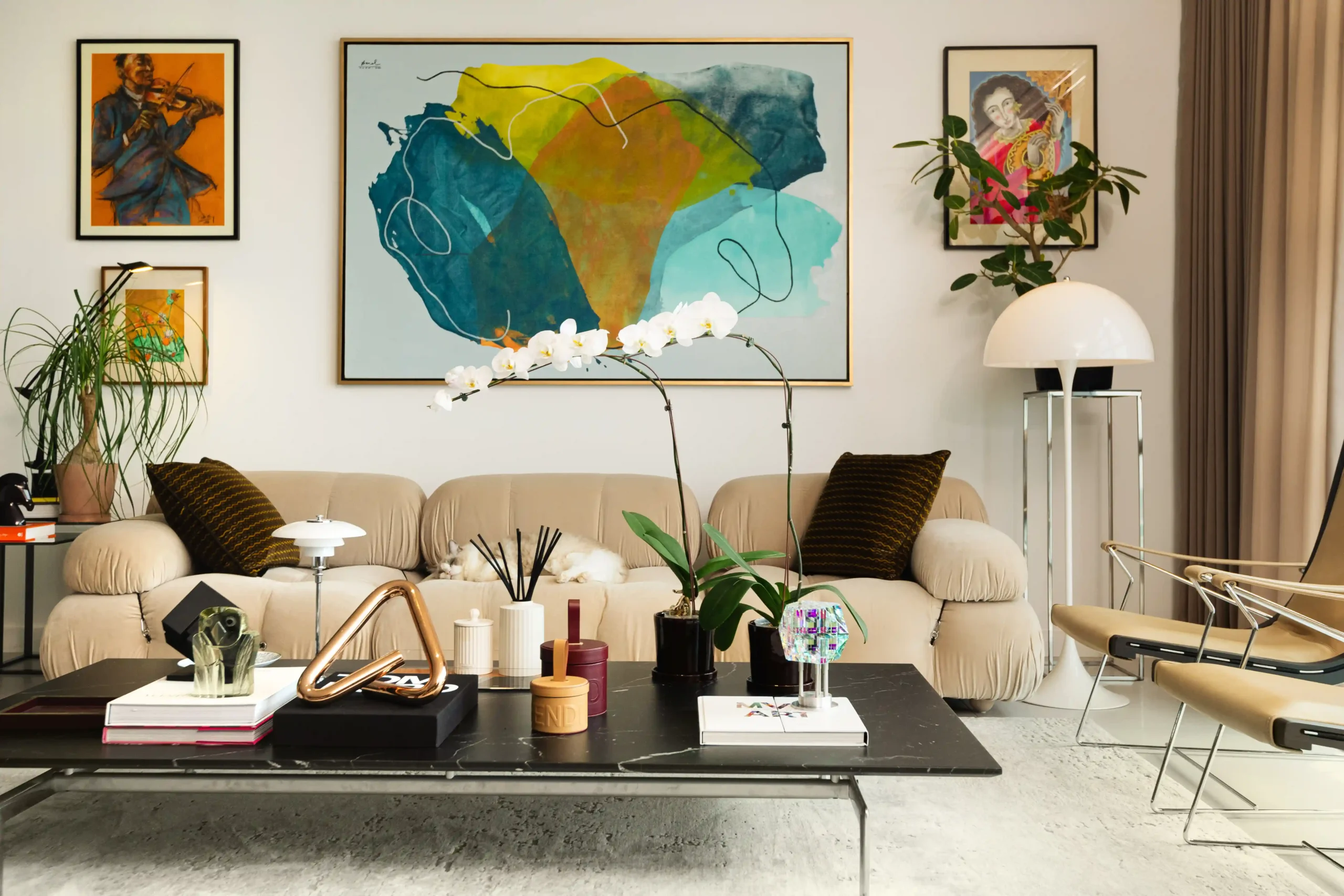
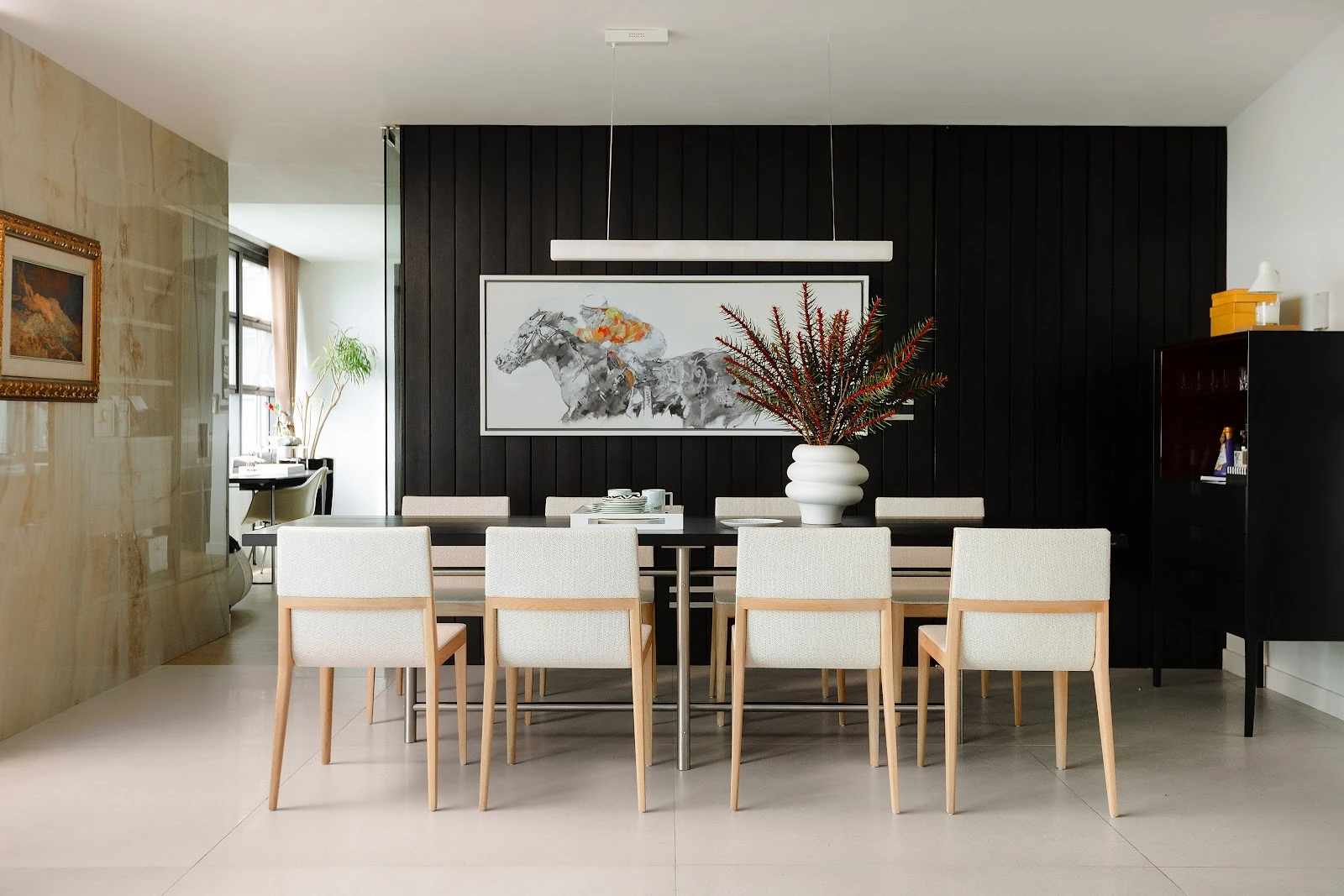
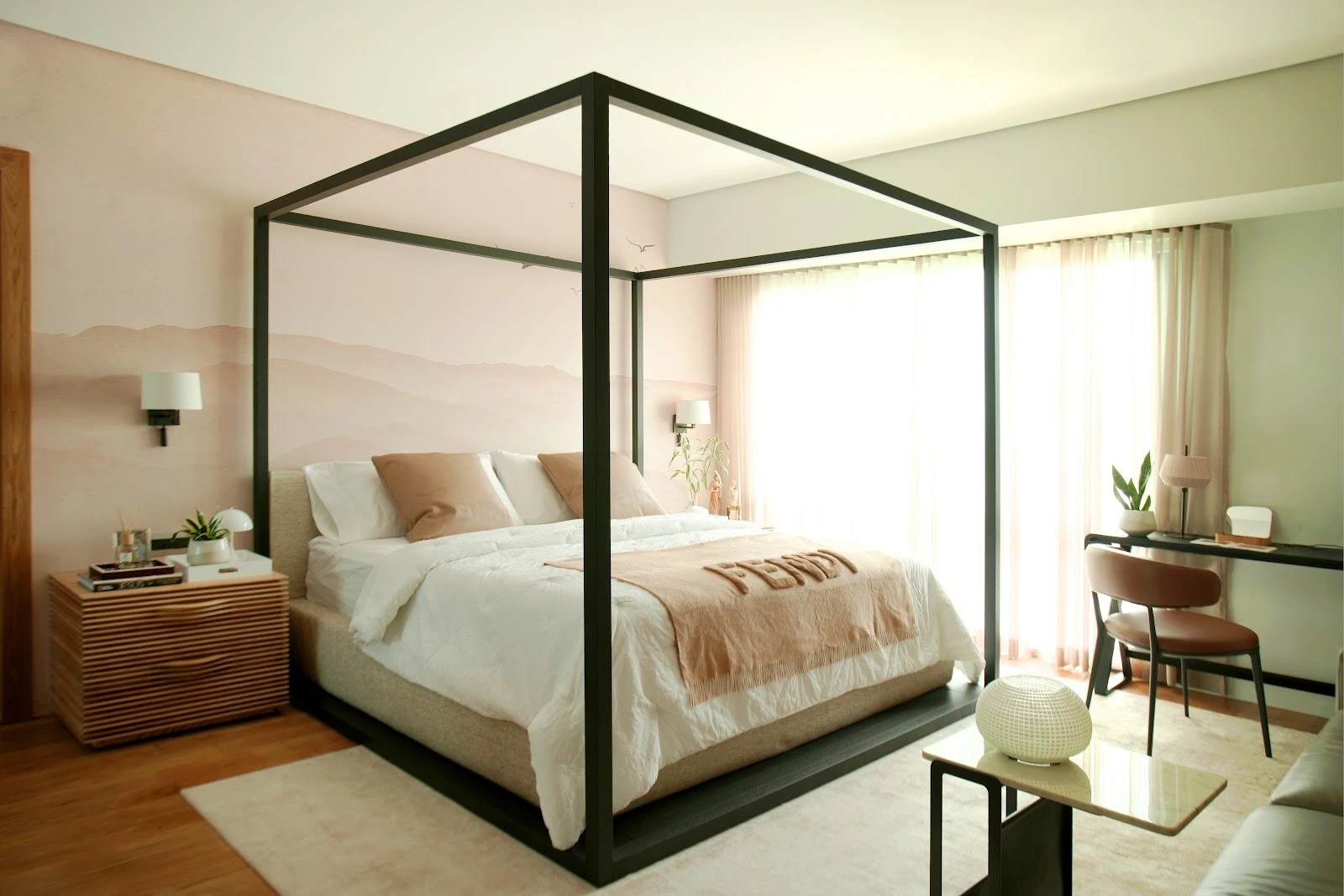
This body of work is unified by Dayrit’s meticulous curation, featuring iconic pieces from European houses like B&B Italia and Maxalto. He blends these high-craft elements to achieve a dual aesthetic across two distinct projects: one exuding a formal, urban refinement, and the other embracing a romantic, cosmopolitan air. The designer champions the view that luxury furniture is a critical long-term investment, shaping the atmosphere and reflecting the unique individuality of the women who inhabit his thoughtfully created havens.
Images courtesy of Focus Global.
A Timeless Transformation of a Hong Kong Apartment
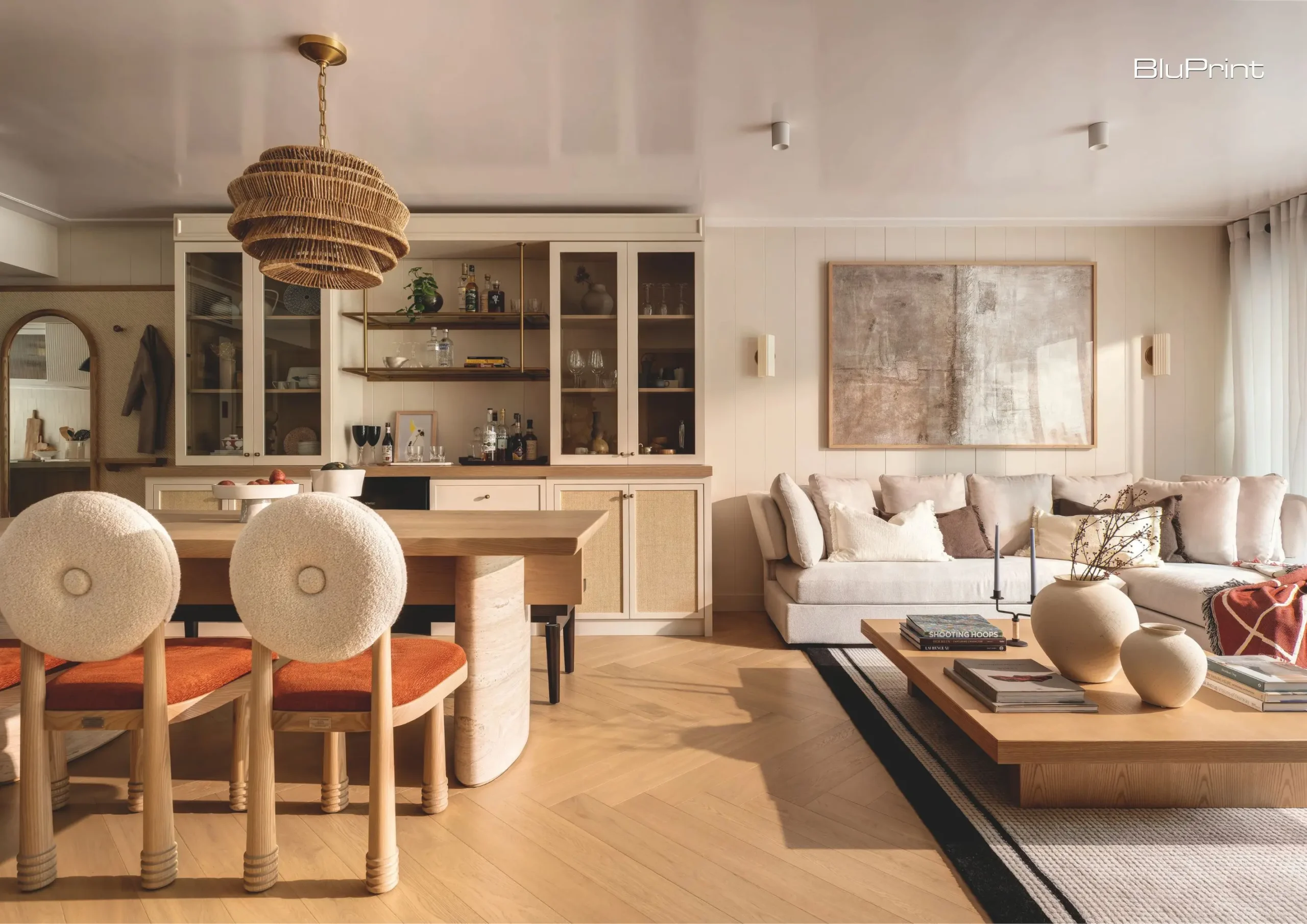
JJ Acuña and his Bespoke Studio tackled the spatial constraints of a Hong Kong penthouse to create a design that marries functionality with artful narrative. The luxury apartment, officially the Valverde Residence, was completely re-planned to dedicate specific zones: a sophisticated “Social Quarter” for entertaining and a more intimate “Private Quarter” for the couple. This architectural intervention, marked by a long, arching boundary, allowed for the creation of an expansive “Grand Room.”
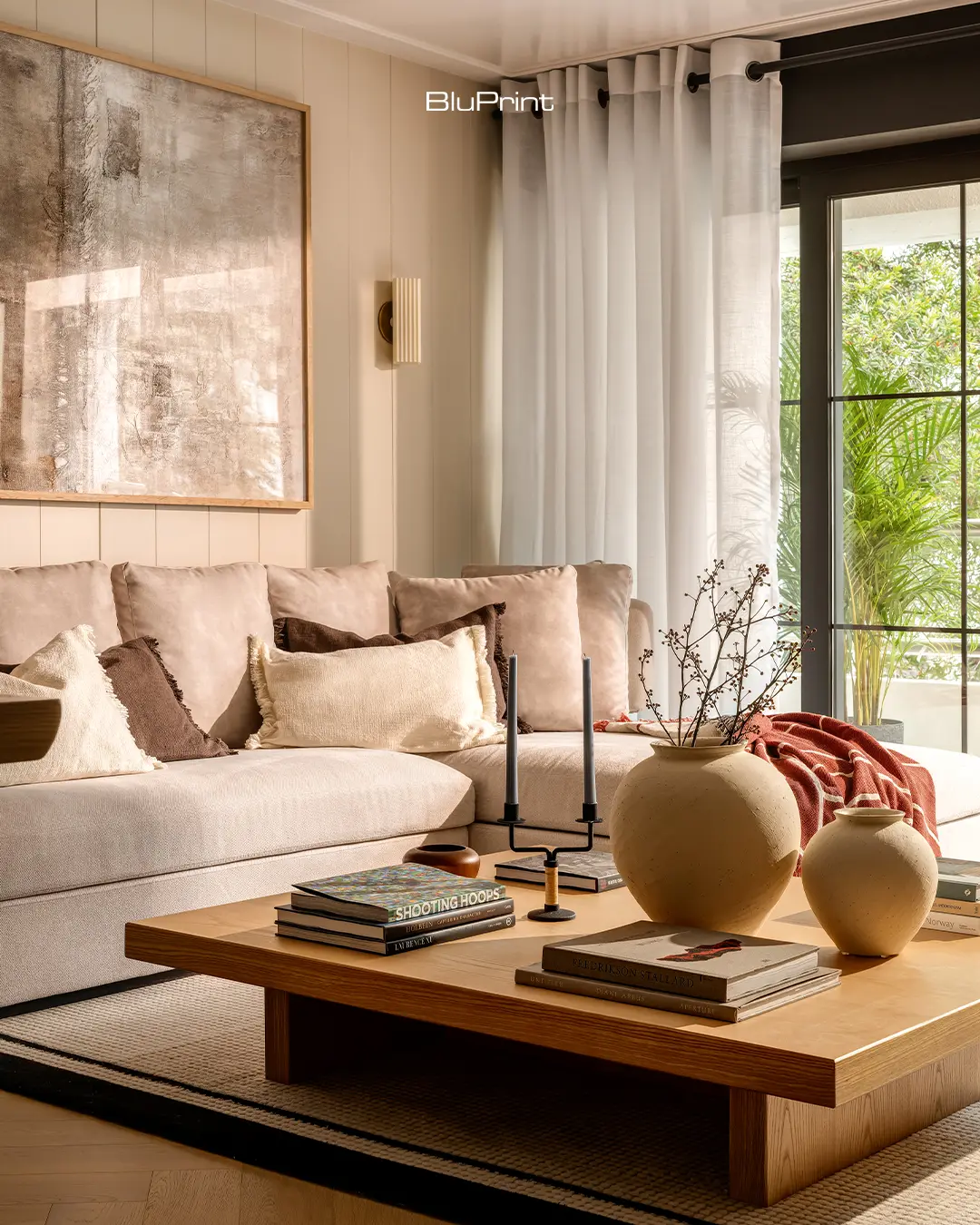
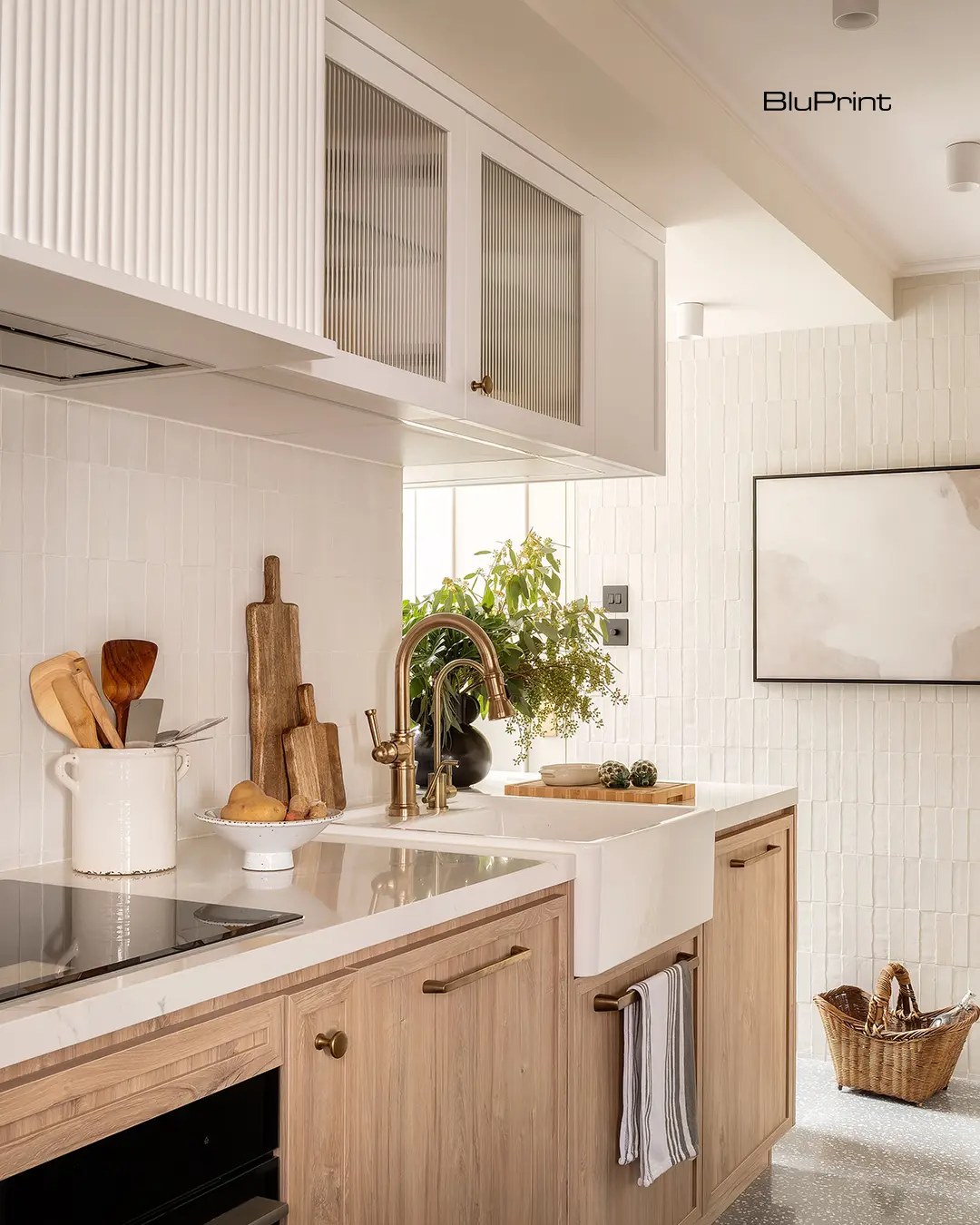
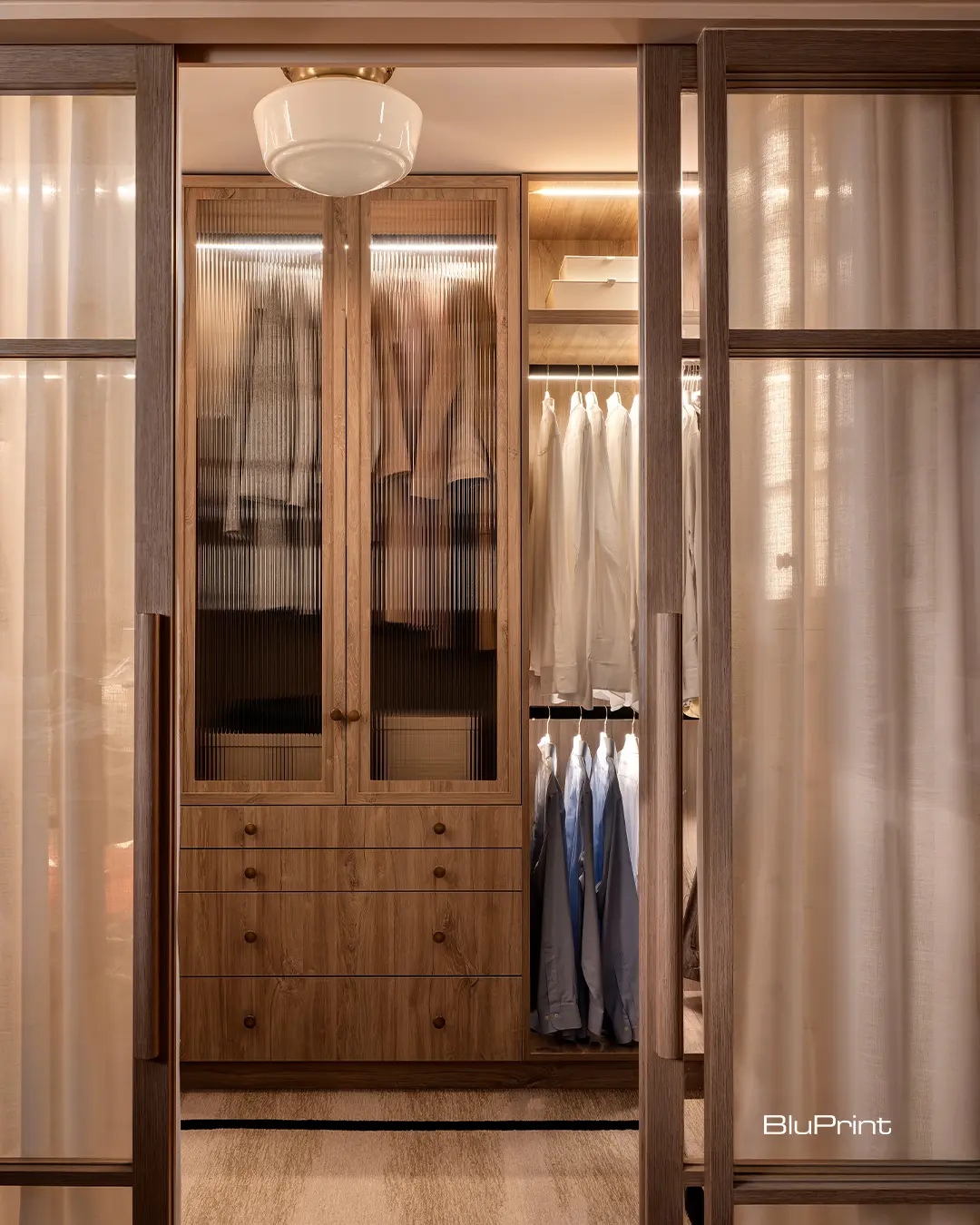
The interior aesthetic is elegantly textural, utilizing a tonal palette of blush, nude, and beige set against materials like brass, concrete, and walnut. This sophisticated approach is elevated by artisanal collaboration, notably the Kintsugi-style gold leaf applied to an existing concrete column by French surface finishes artist Elsa Jeandedieu. The project is a definitive statement that design should be humanistic, detailed, and deeply personalized, serving as a peaceful haven amid the urban density of the city.
Photographed by XU Liang Leon, Frontality.
Sleek Splendour
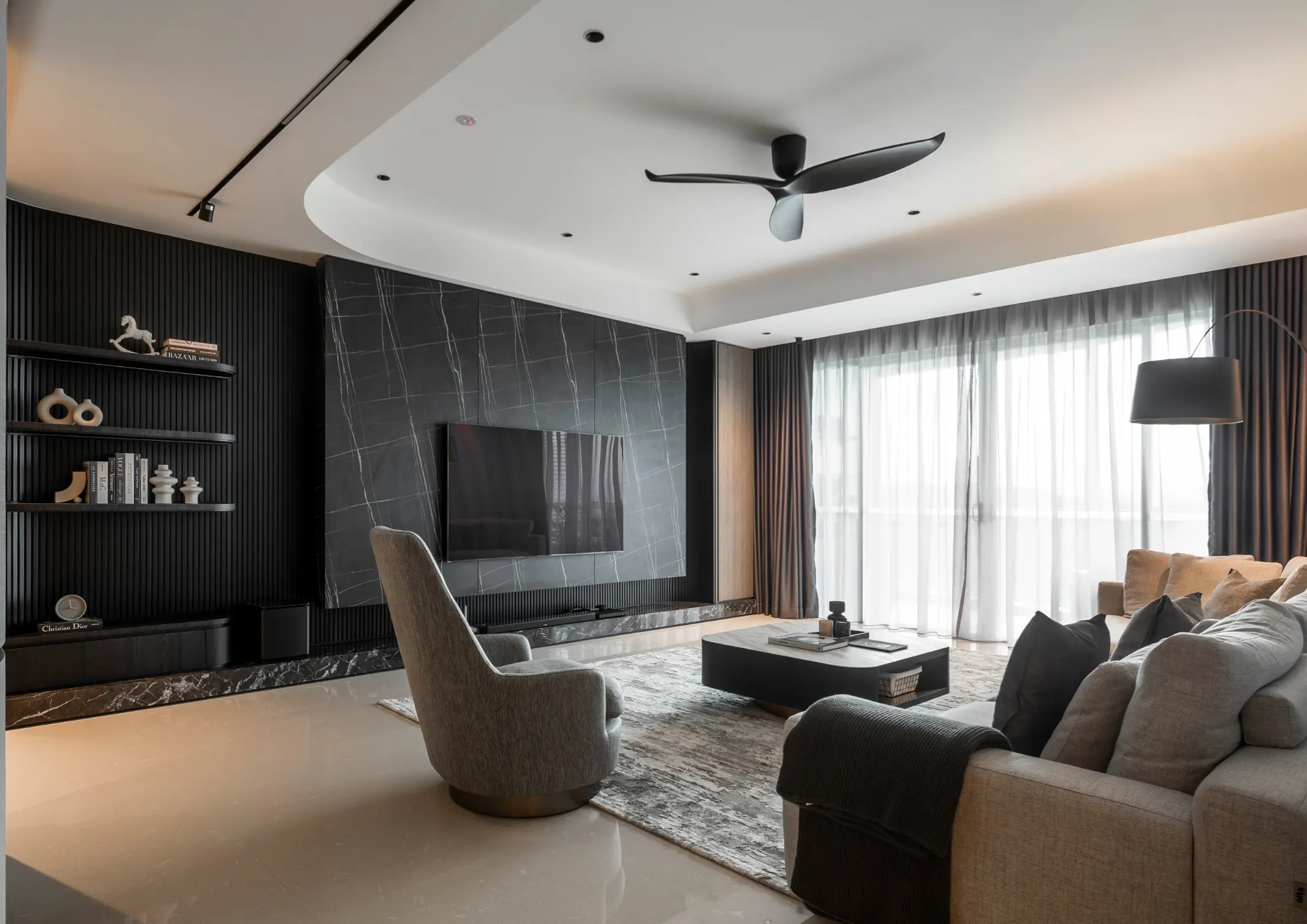
The Sleek Splendour, a two-bedroom luxury apartment in Kuala Lumpur, is a definitive answer to the needs of the modern, busy professional. The design team from Box Design Studio—Krystal Saw, Lucas Fong, and Justin Low—were tasked with creating a space that was not just beautiful, but perfectly organized and neat. Their solution involved a streamlined, monochromatic design language that optimizes every square foot, ensuring elegance never compromises efficiency.
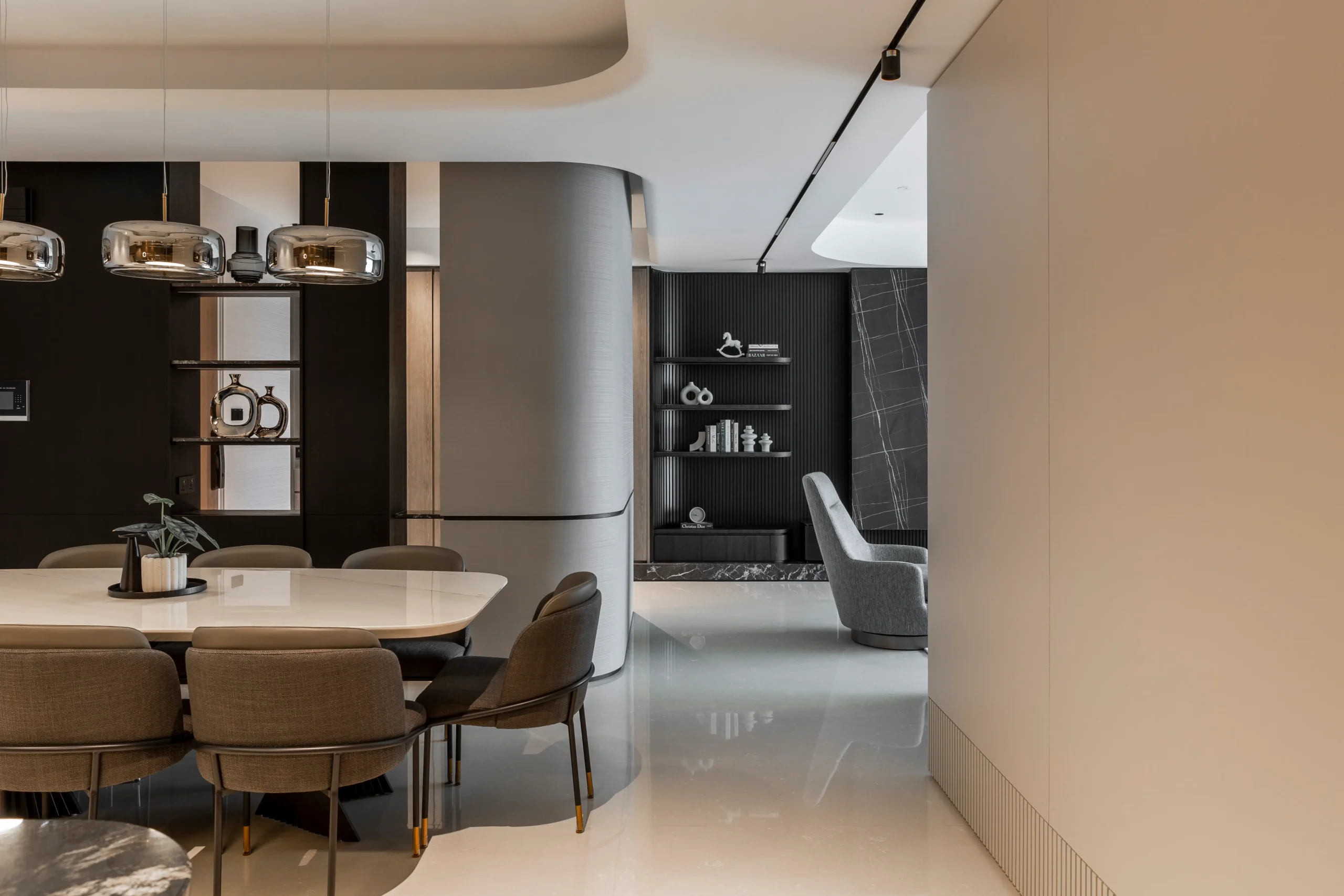
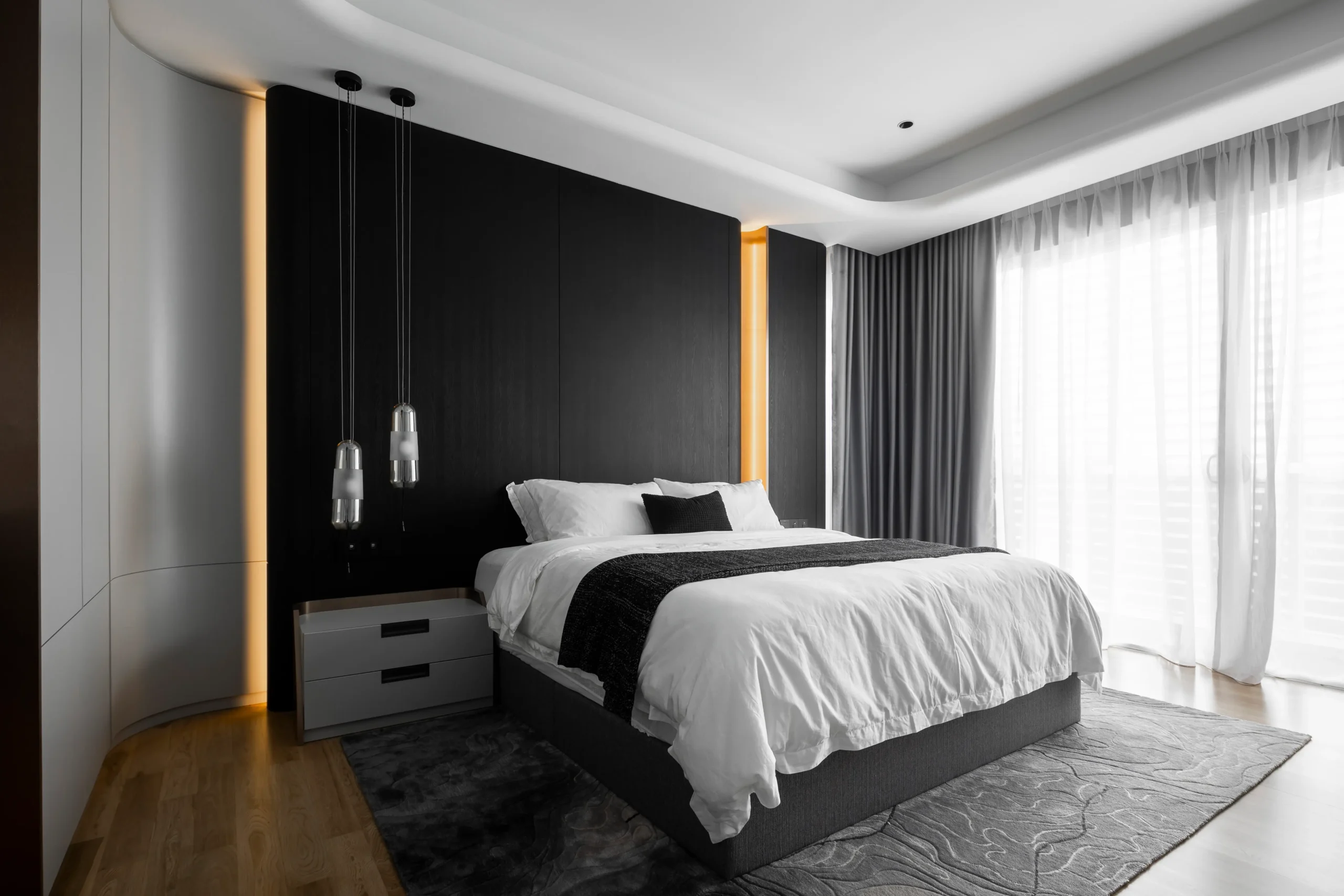
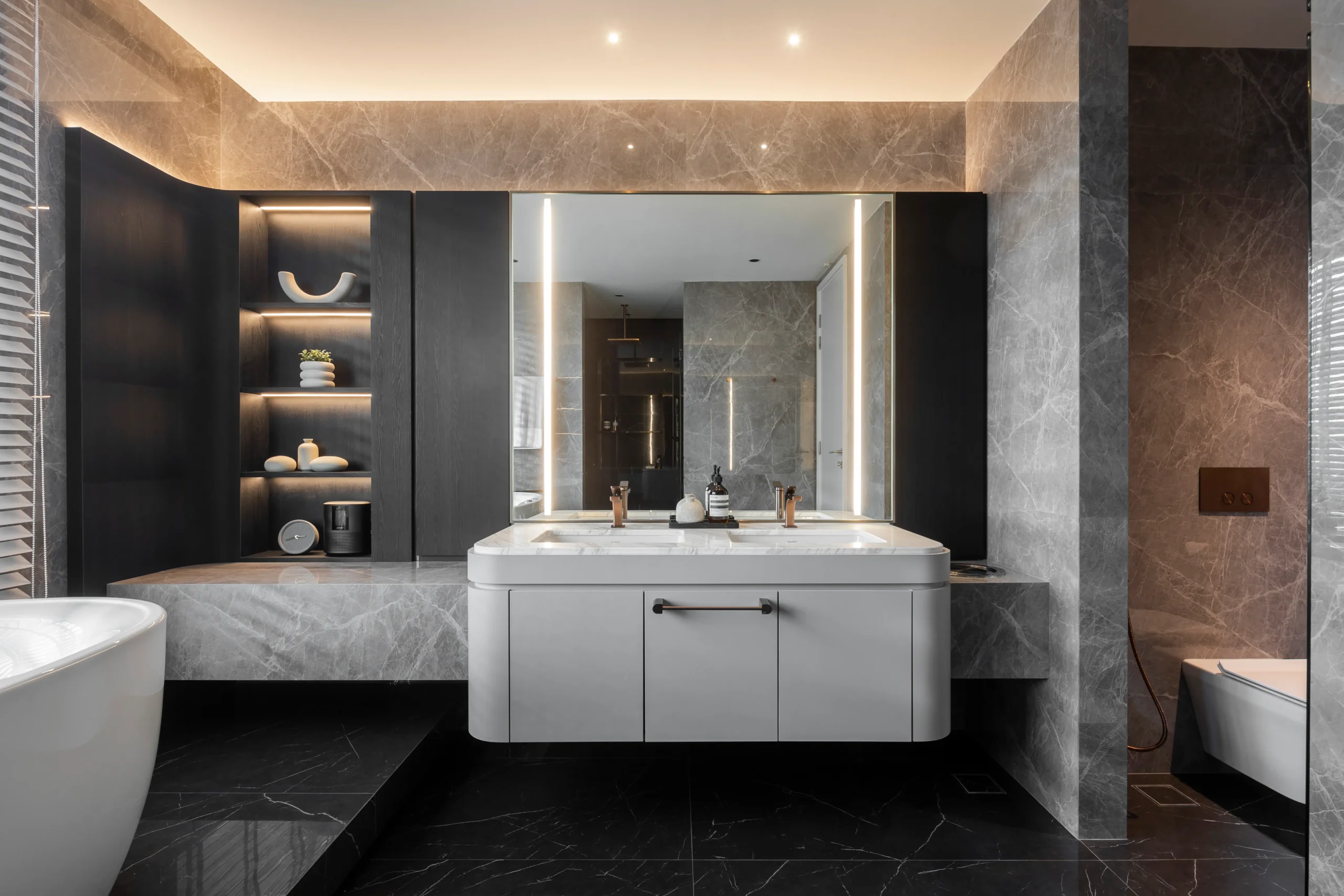
The result is a lesson in minimalist luxury, where clean lines and a curated material selection replace clutter and noise. The design successfully transforms the small-footprint unit into an expansive-feeling abode, offering a calm and sophisticated retreat from the urban environment. It highlights the importance of intentional storage solutions and a simplified palette in achieving an enduring, high-end environment tailored for a demanding contemporary lifestyle.
Images courtesy of Box Design Studio.
Intentional Maximalism
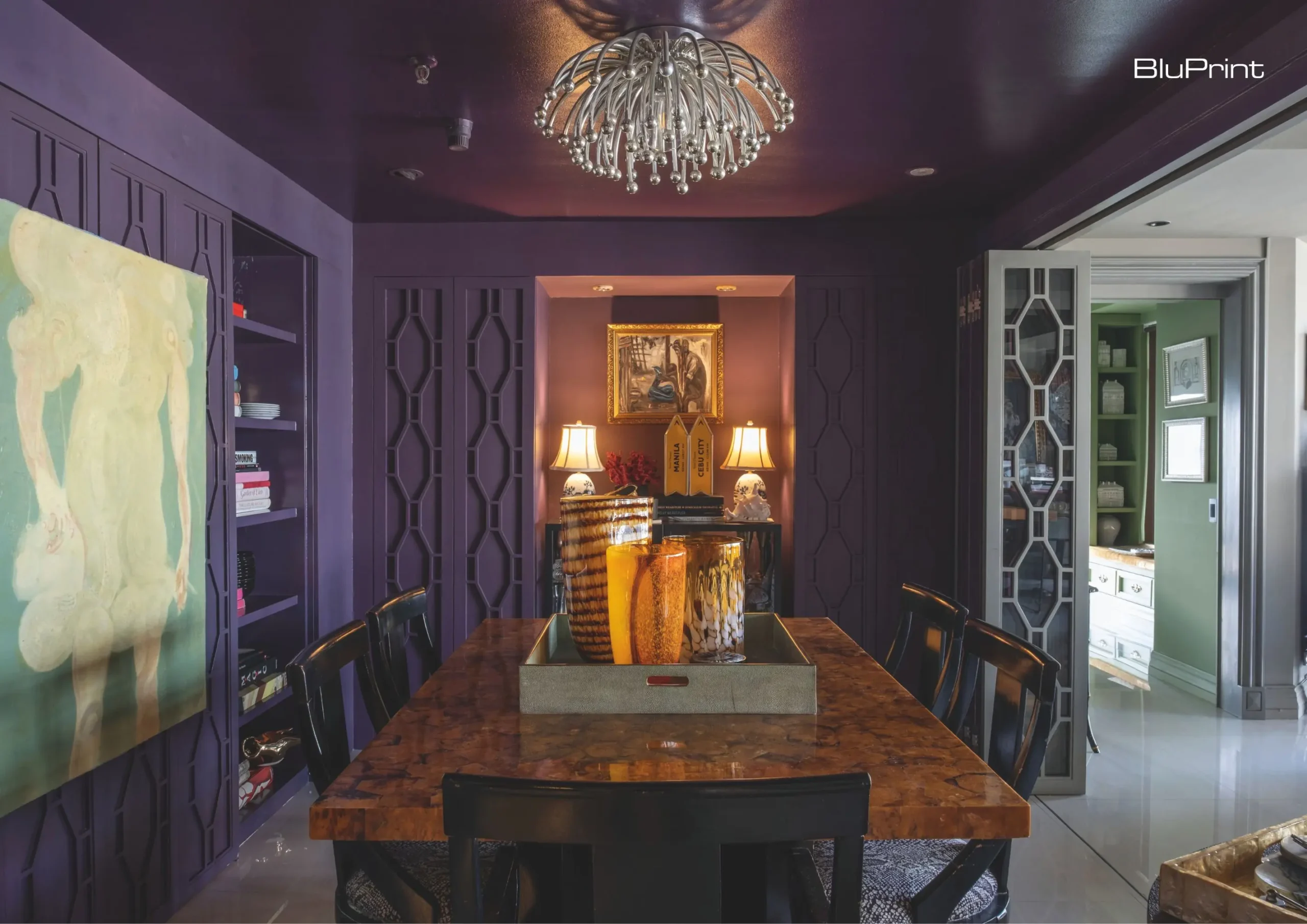
Creative Director Vince Uy’s Makati residence is a living counter-argument to austerity, embodying a philosophy he calls Intentional Maximalism. The space is deliberately overstuffed, but only with objects that hold personal meaning and narrative weight—cultural mementos, cherished art, and custom pieces. For Uy, the home is a work in perpetual progress, a living narrative that shifts in harmony with his own personal and professional evolution.
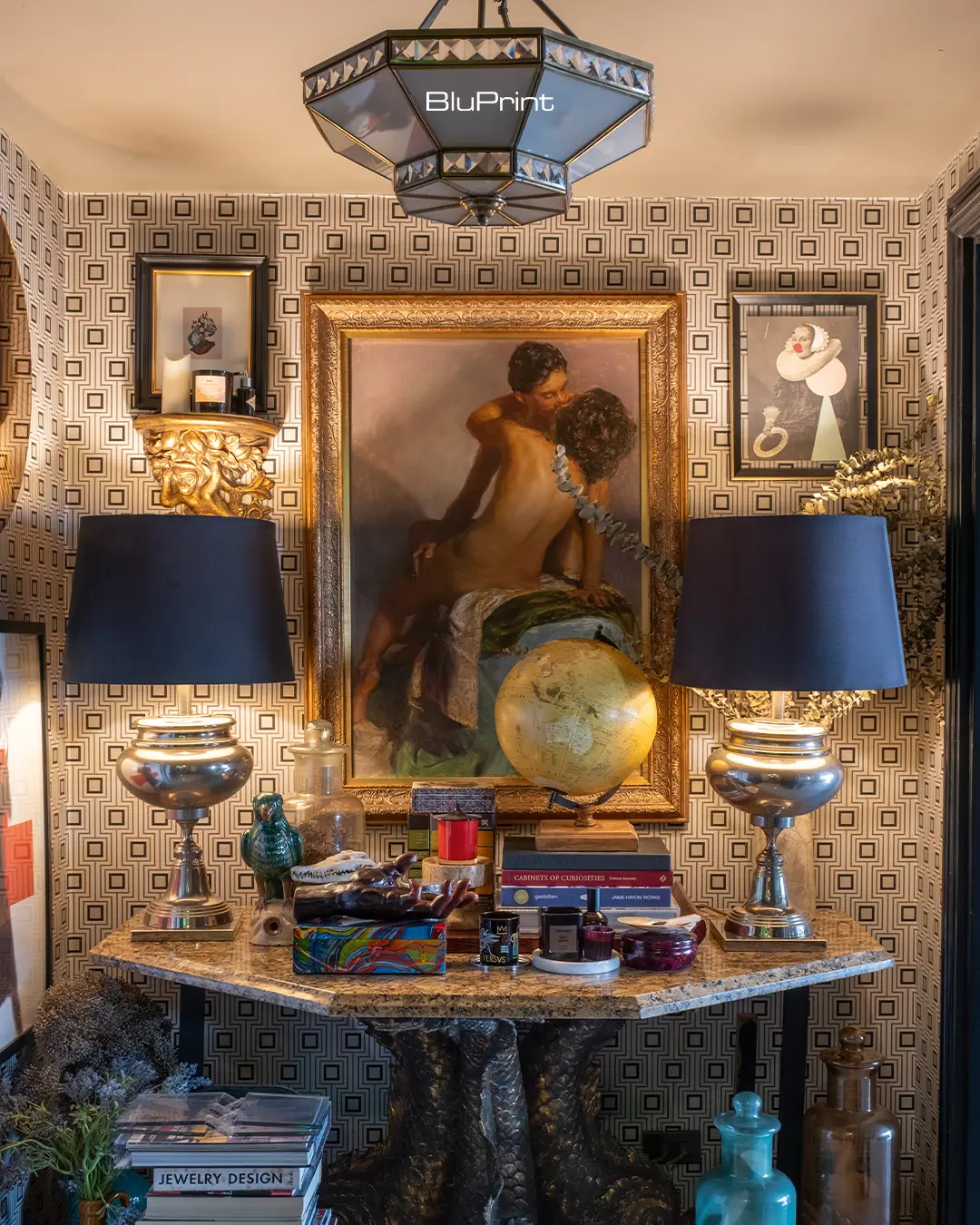
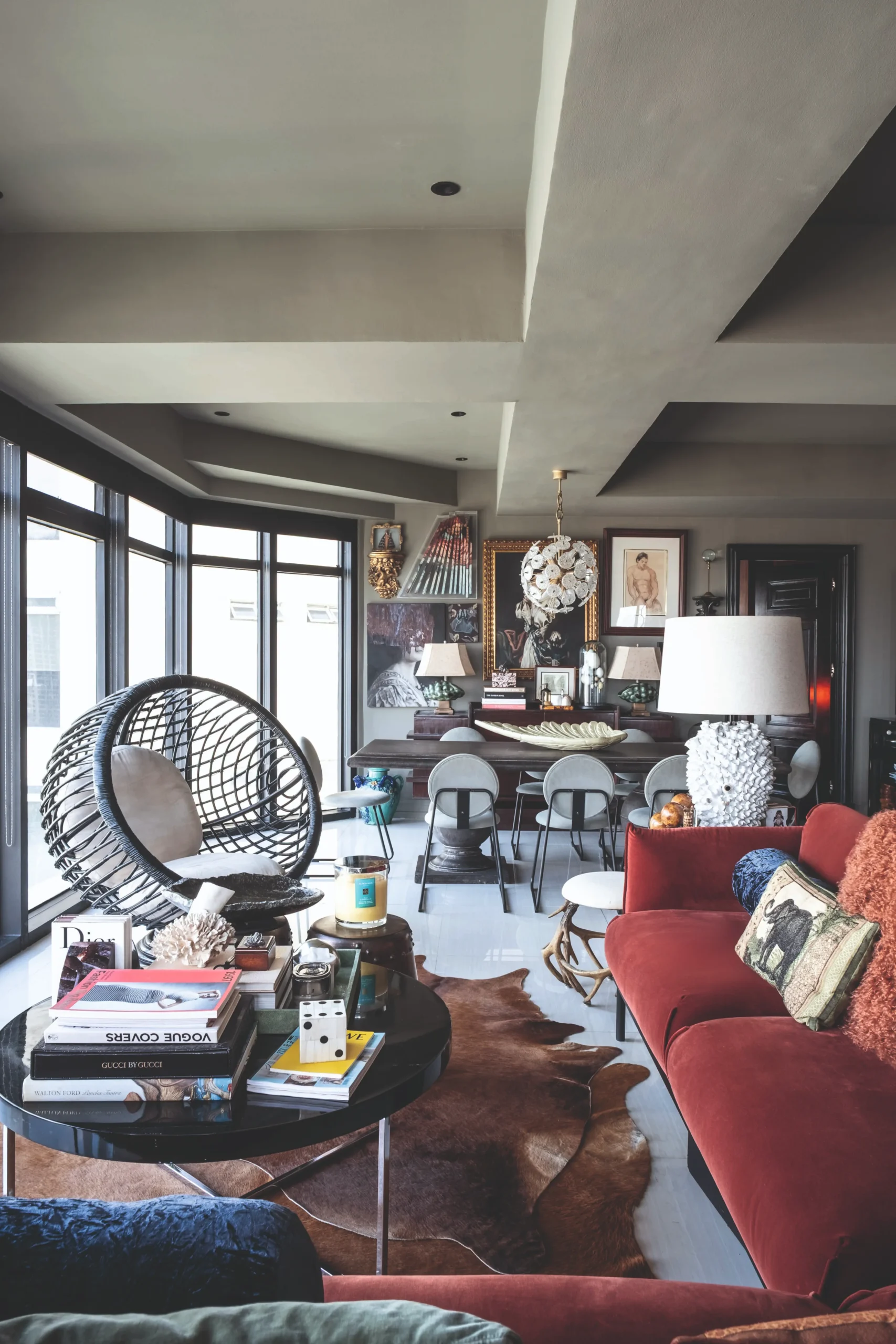
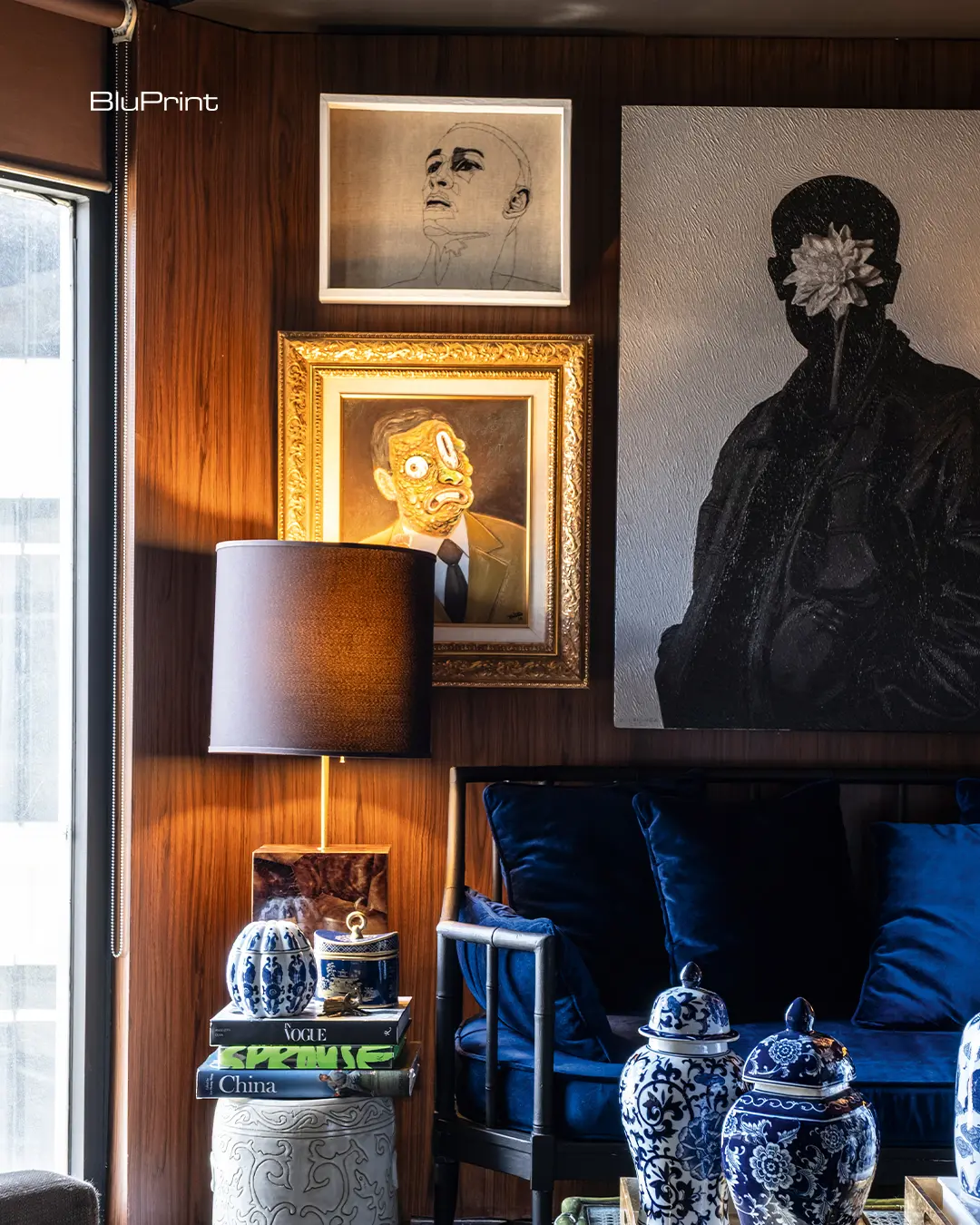
The luxury apartment, set within a building known for its larger unit cuts, provides a generous stage for this dynamic design. Designer Kix Suarez worked with Uy to ensure that beneath the curated abundance lies a foundation of thoughtful structure, including flexible layouts and adherence to feng shui principles to promote harmonious energy flow. This project is highly insightful, demonstrating how design can be an active, ongoing expression of self, rather than a single, static finished product.
Photographed by Ed Simon.
Layering Patterns and Textures
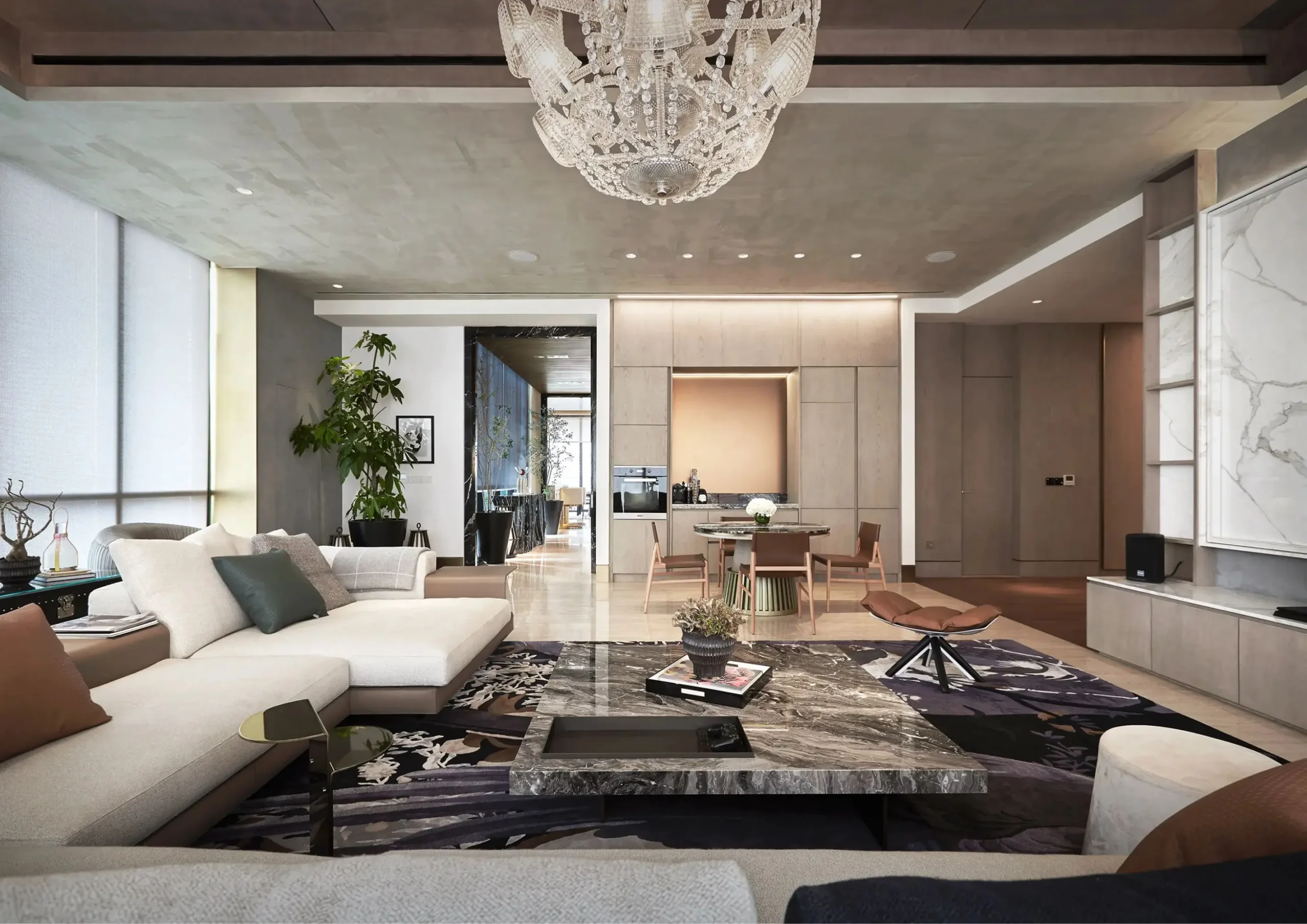
This Jakarta luxury apartment by Kezia Karin Studio eschews opulent display in favor of an understated, mature form of elegance. The award-winning design achieved a timeless quality by meticulously balancing diverse textures, patterns, and proportions. Karin and her team focused on a thoughtful orchestration of natural materials, seamlessly blending them with a curated selection of furnishings to achieve a complex yet comforting aesthetic.
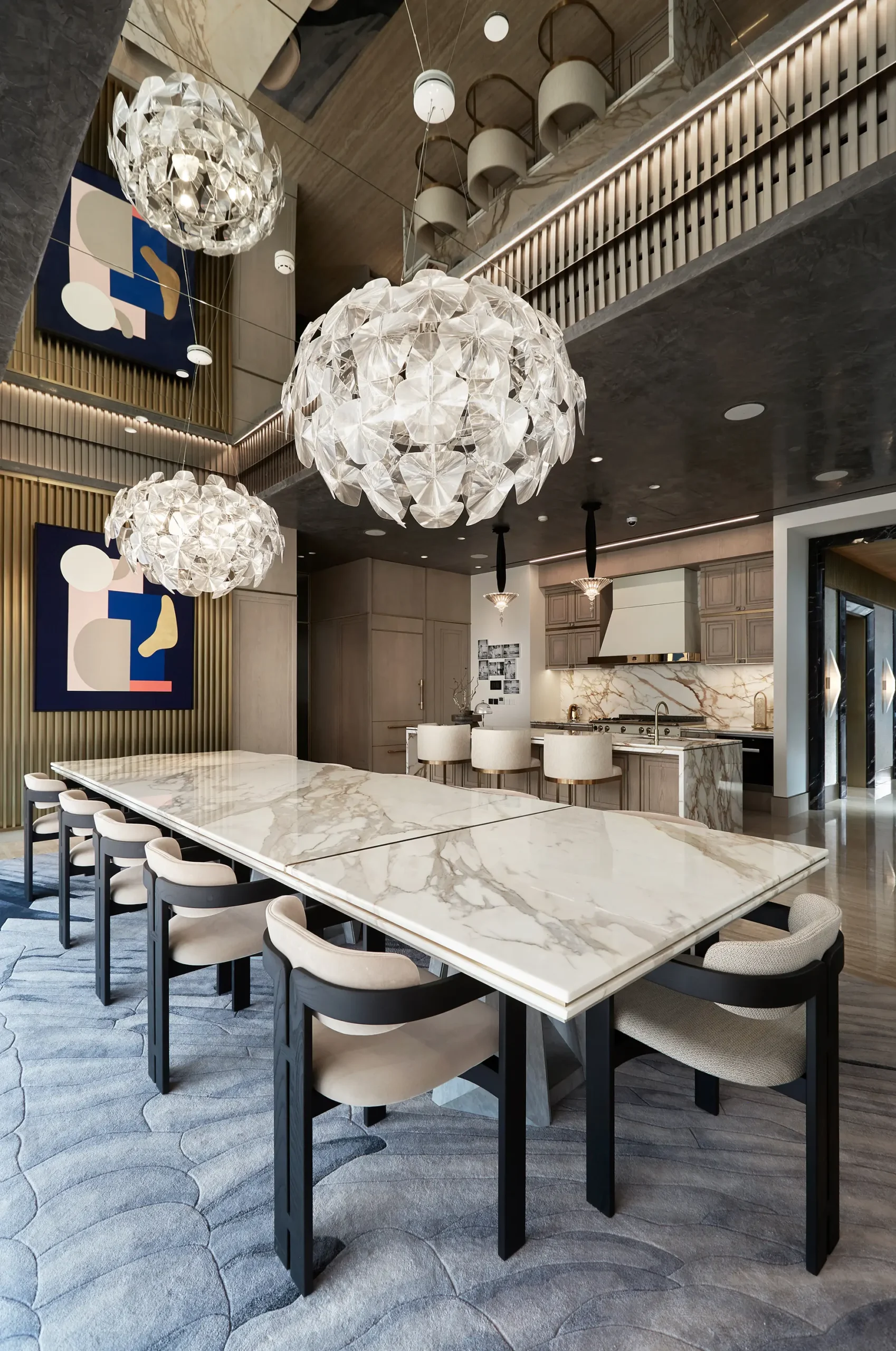
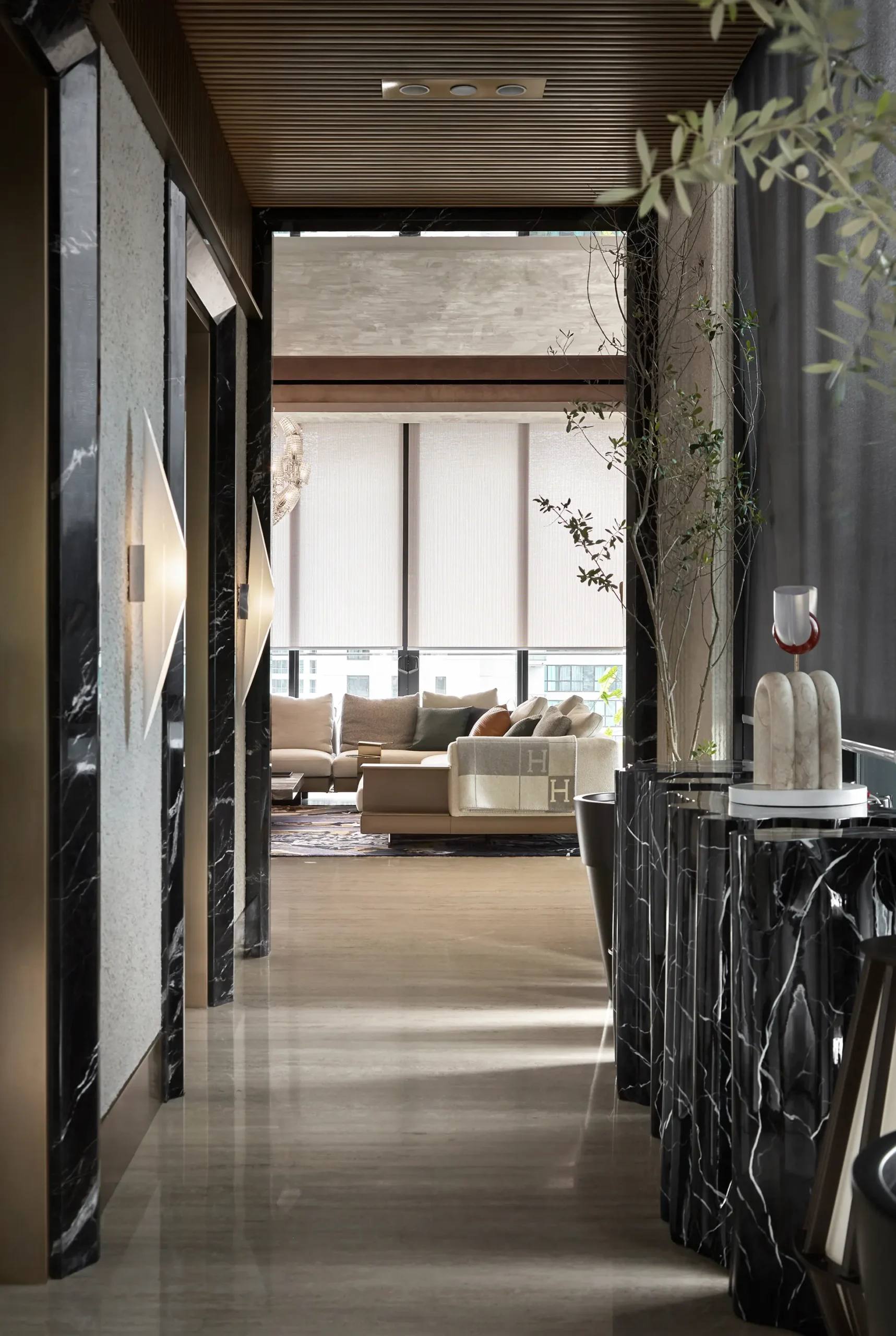
The space is strategically divided into public and private zones, utilizing dramatic contrasts—such as black marble tables set against beige wood and light sectional sofas on dark rugs—to create depth and visual intrigue. Notable features include a bold powder room where geometric patterns converge to create what the studio describes as “a smirking smile in the moonlight,” highlighting their commitment to designs that are both truthful and captivating.
Images courtesy of Kezia Karin Studio.
A Hotel-Inspired Haven
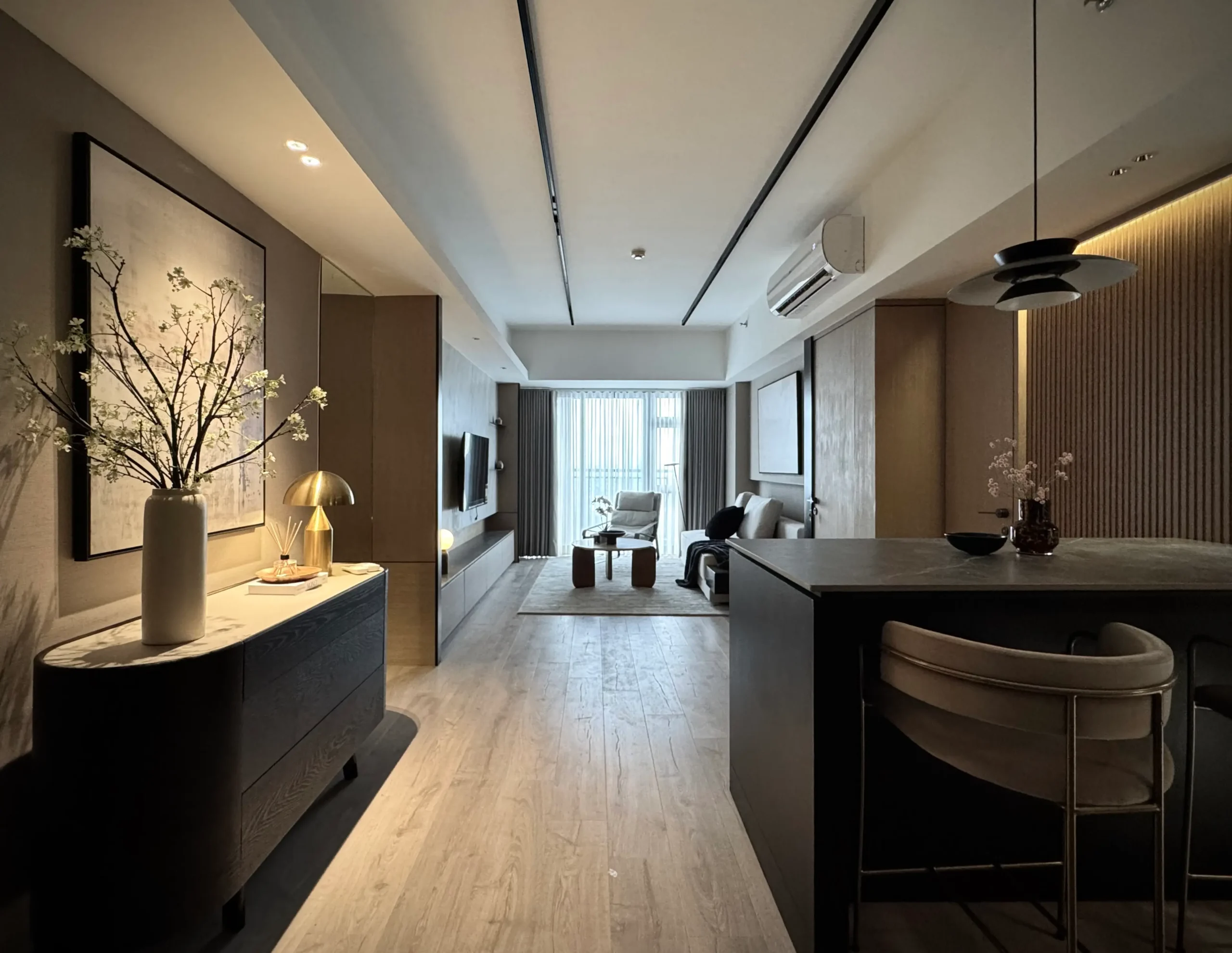
Designed by the Two Over Two Group, the F Residence in Quezon City was conceived as a permanent hotel suite for a couple who travel frequently. The core insight driving the design is the concept of continuity, ensuring the unit feels like a deliberate and elegant extension of the high-end building it occupies. The goal was to create a restful in-between space—a reliable base that offers the comfort of home with the aesthetic refinement of a boutique hotel.
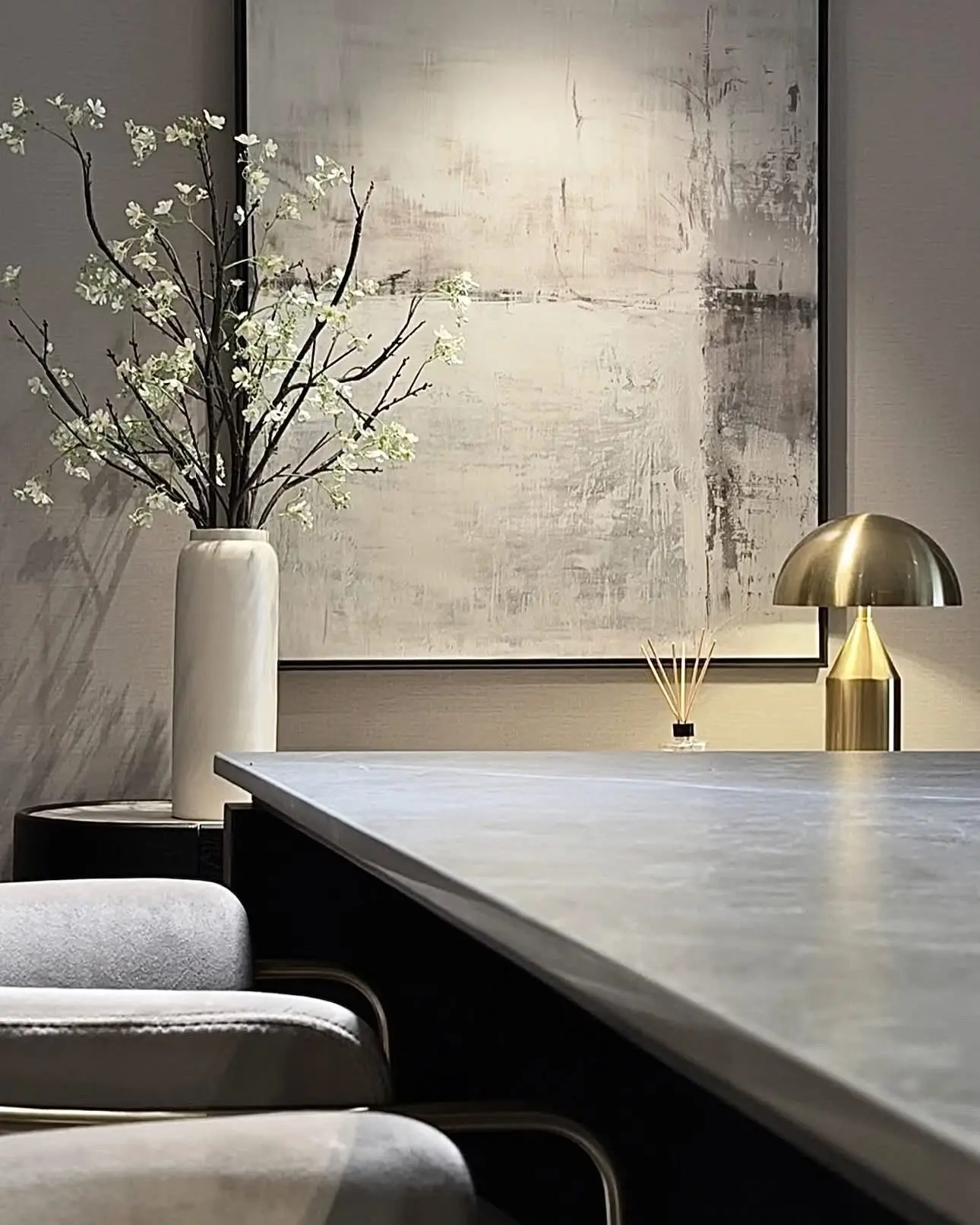
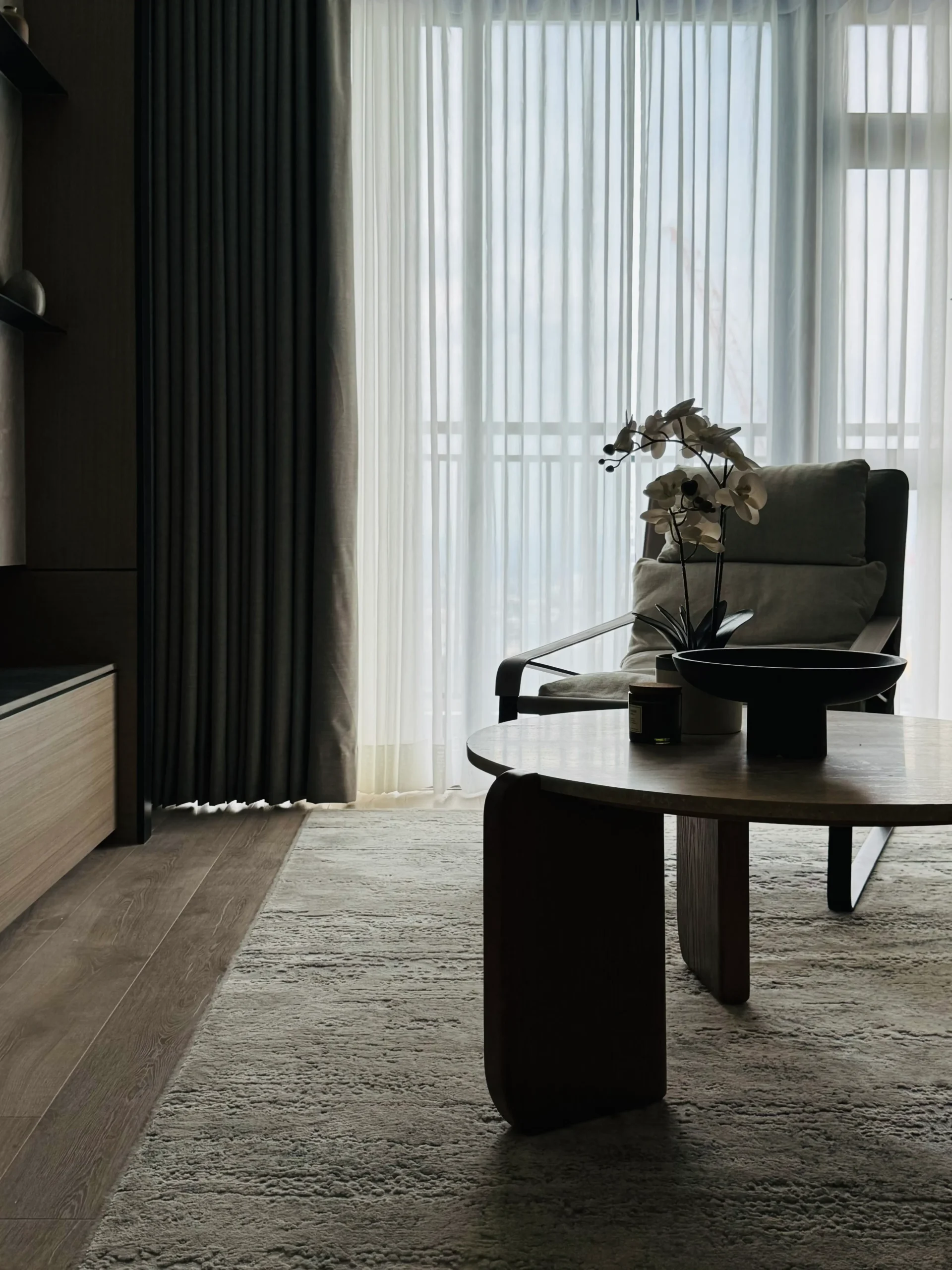
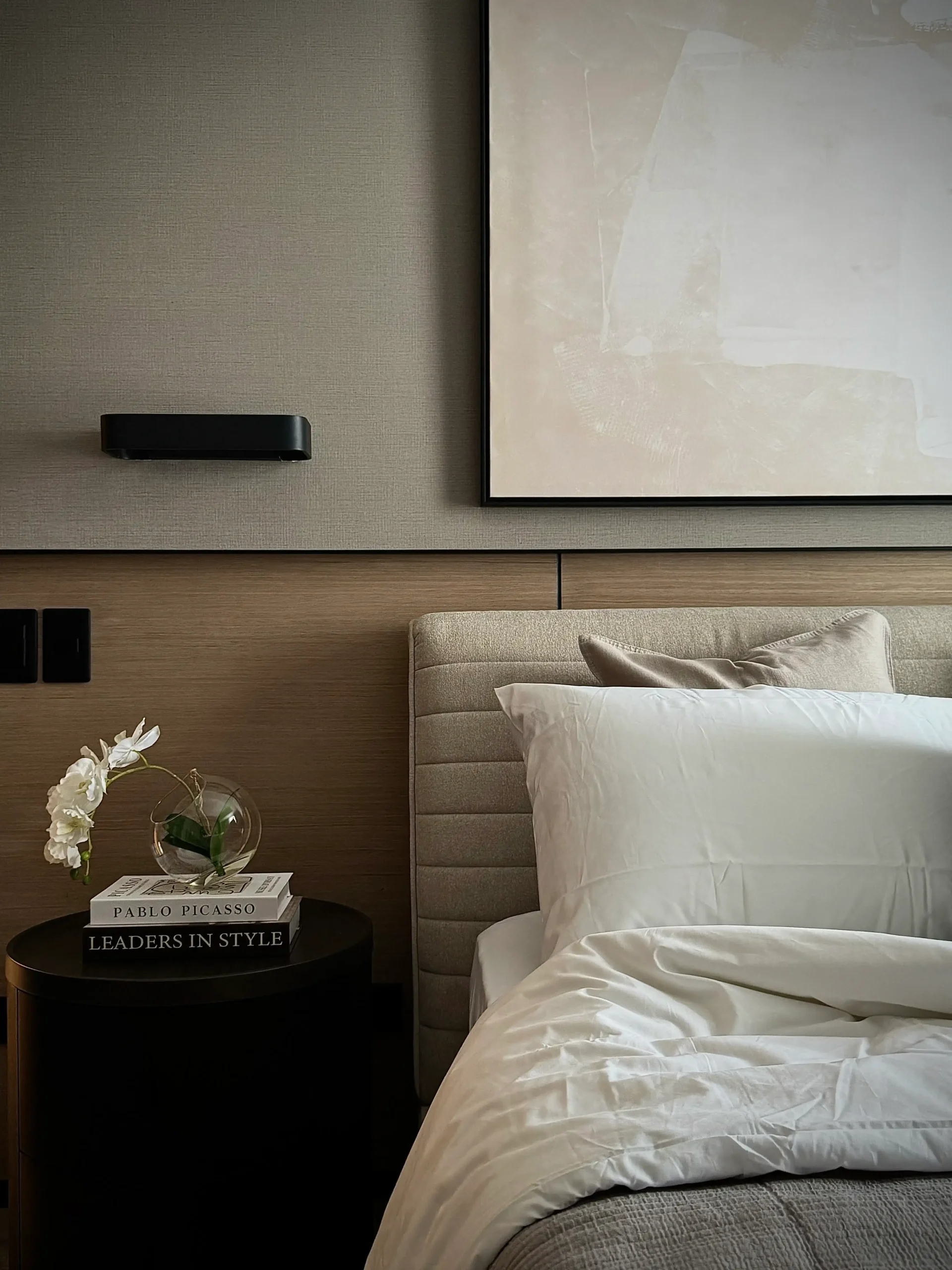
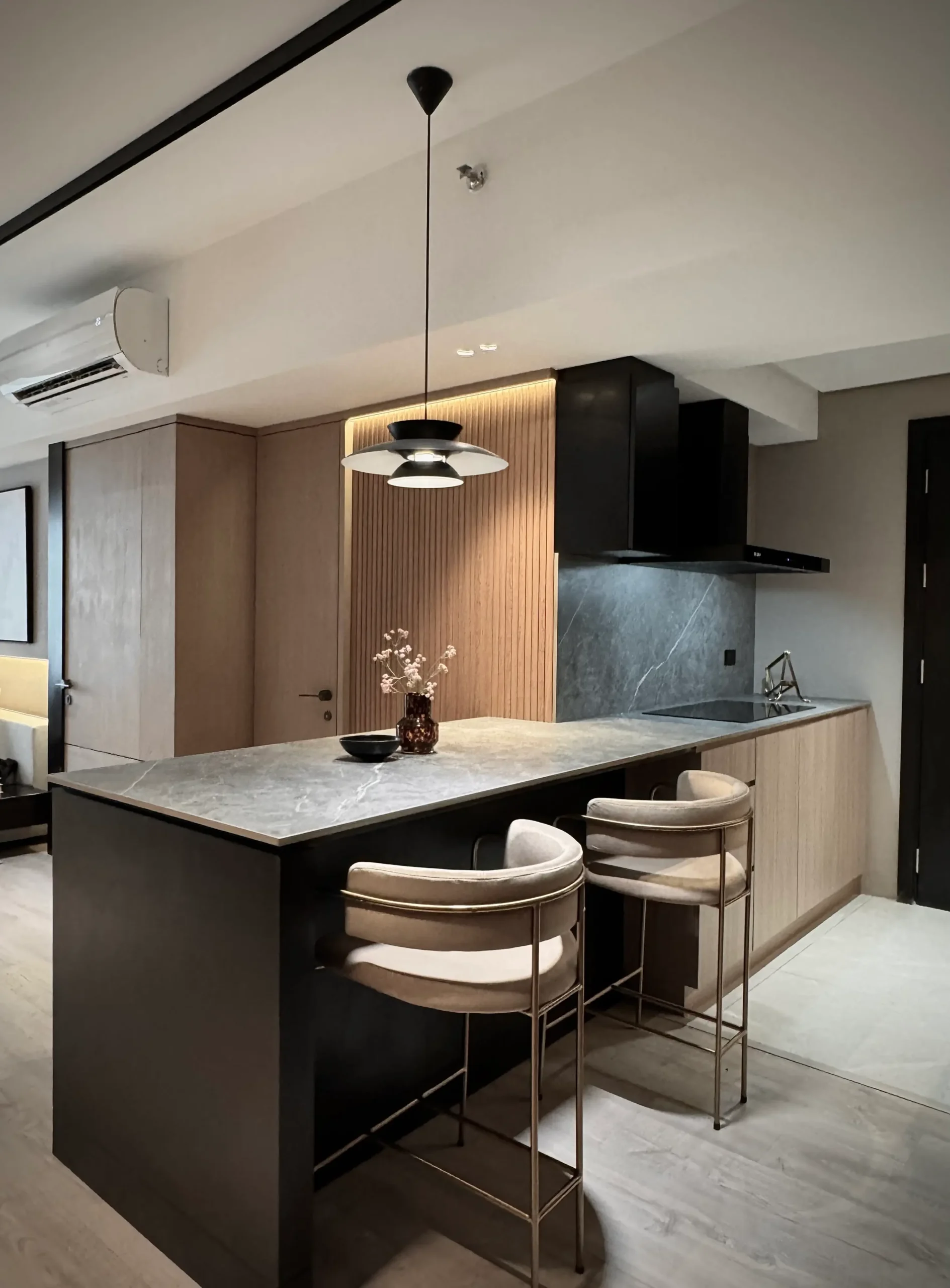
The design team achieved this coherence through a unified vision, deploying a less vibrant, desaturated color palette of browns, grays, and blacks throughout the unit. This clever move maximizes natural light reflection and contributes to a fluid, tranquil atmosphere. Furthermore, structural elements like the bedroom and bathroom doors were clad in wood veneer that matches the surrounding walls, effectively blurring boundaries and elevating the unit’s streamlined, integrated, and harmonious look.
Images courtesy of Two Over Two Group
Read more: 9 Modern Filipino Homes That Stole the Spotlight in 2024
Frequently Asked Questions
Coined by Creative Director Vince Uy, Intentional Maximalism is a philosophy that rejects minimalism without falling into clutter. It involves “overstuffing” a space only with objects that possess narrative weight, such as cultural mementos and cherished art. Technically, this requires a foundation of thoughtful structure—utilizing flexible layouts and principles like Feng Shui—to ensure that the curated abundance feels harmonious and organized rather than chaotic.
The core technical strategy is continuity. In projects like the F Residence in Quezon City, designers use a desaturated color palette (browns, grays, blacks) to maximize light reflection and create a fluid atmosphere. A key tactic is boundary blurring: cladding bedroom and bathroom doors in the same wood veneer as the surrounding walls. This makes the doors “disappear” into the architecture, resulting in the streamlined, integrated look typical of high-end boutique hotel suites.
To overcome spatial constraints in urban penthouses, designers use architectural interventions to separate lifestyle functions. In the Valverde Residence, a long, arching boundary was used to bifurcate the unit into a “Social Quarter” for entertaining and a “Private Quarter” for the residents. This creates an expansive “Grand Room” feel within a limited footprint by defining clear psychological and physical transitions between public and private life.
Visual silence is achieved through a muted, monochromatic, or tonal palette that establishes an “authoritative background.” By using strategic negative space and purposeful lighting, the apartment functions as a finely tuned gallery. This allows the artwork to become the dominant architectural feature, transforming the living environment into a space for quiet ritual and appreciation of the collected objects.
Inspired by the Japanese art of repairing broken pottery with gold, Kintsugi-style surface finishes (like those applied by artist Elsa Jeandedieu) transform functional eyesores—such as concrete columns—into artisanal focal points. This approach turns a structural necessity into a narrative element, adding texture and “humanistic” detail to a modern space while embracing the beauty of imperfection and craftsmanship.
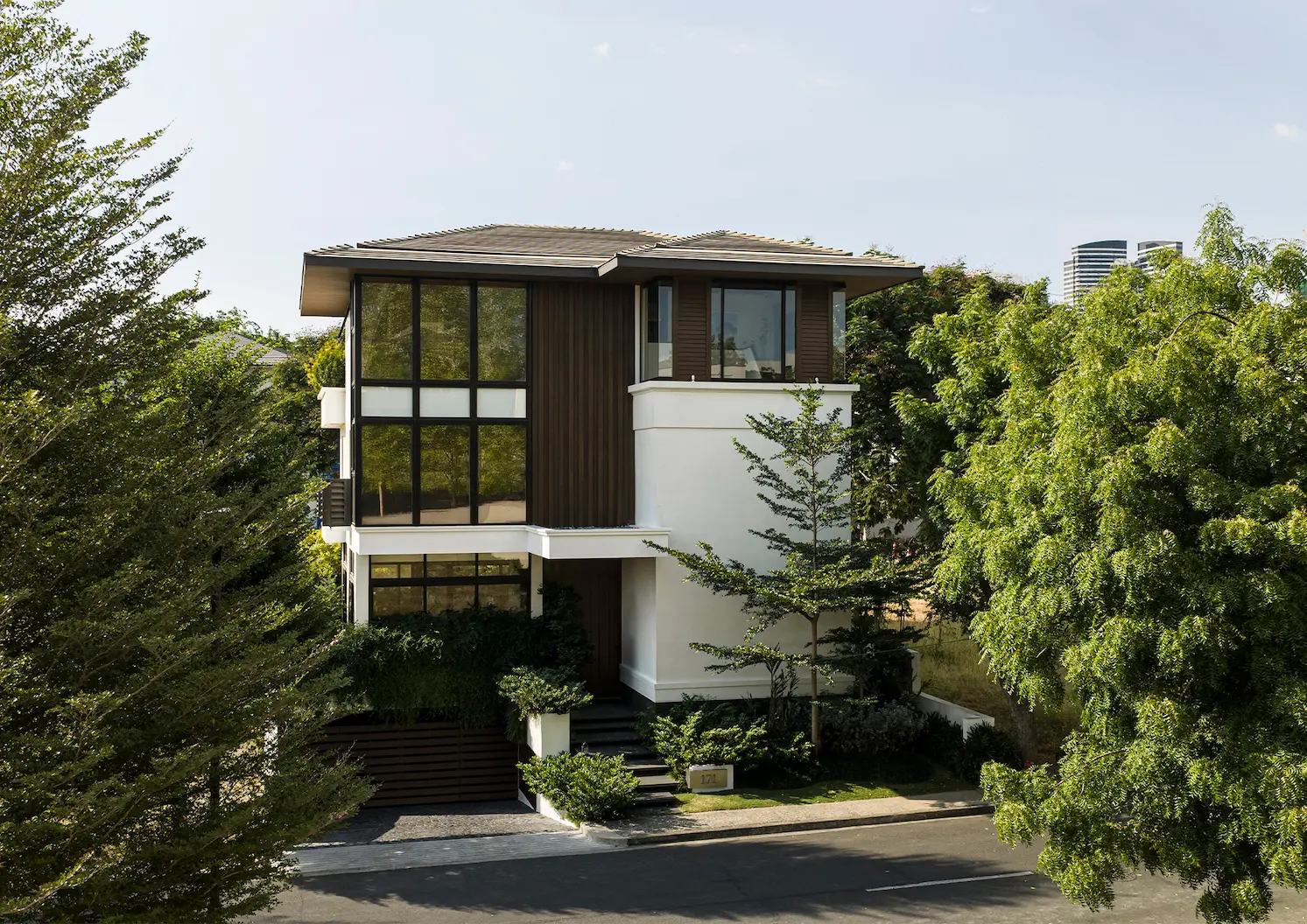
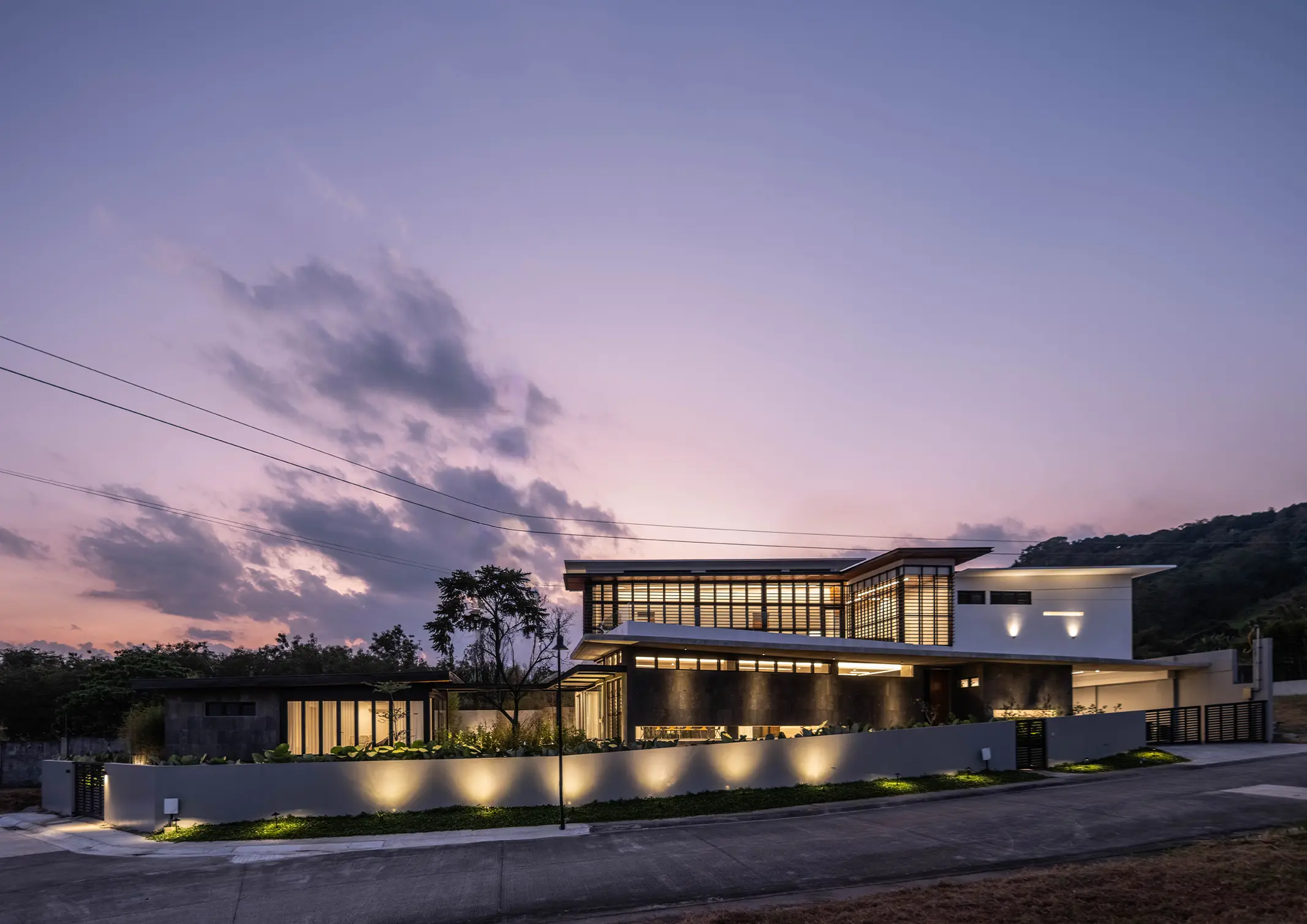
Located in Paroc, Pampanga is MQ Residence—a tropical-modern private residential home designed by Marikina-based architectureArchitectureThe art and science of designing and constructing buildings, structures, and spaces that are functional, safe, and aesthetically pleasing. It encompasses the planning, design, materials, and techniques used to createGo to Architecture Glossary firm Arkisens, spearheaded by principal architect and co-founder […]
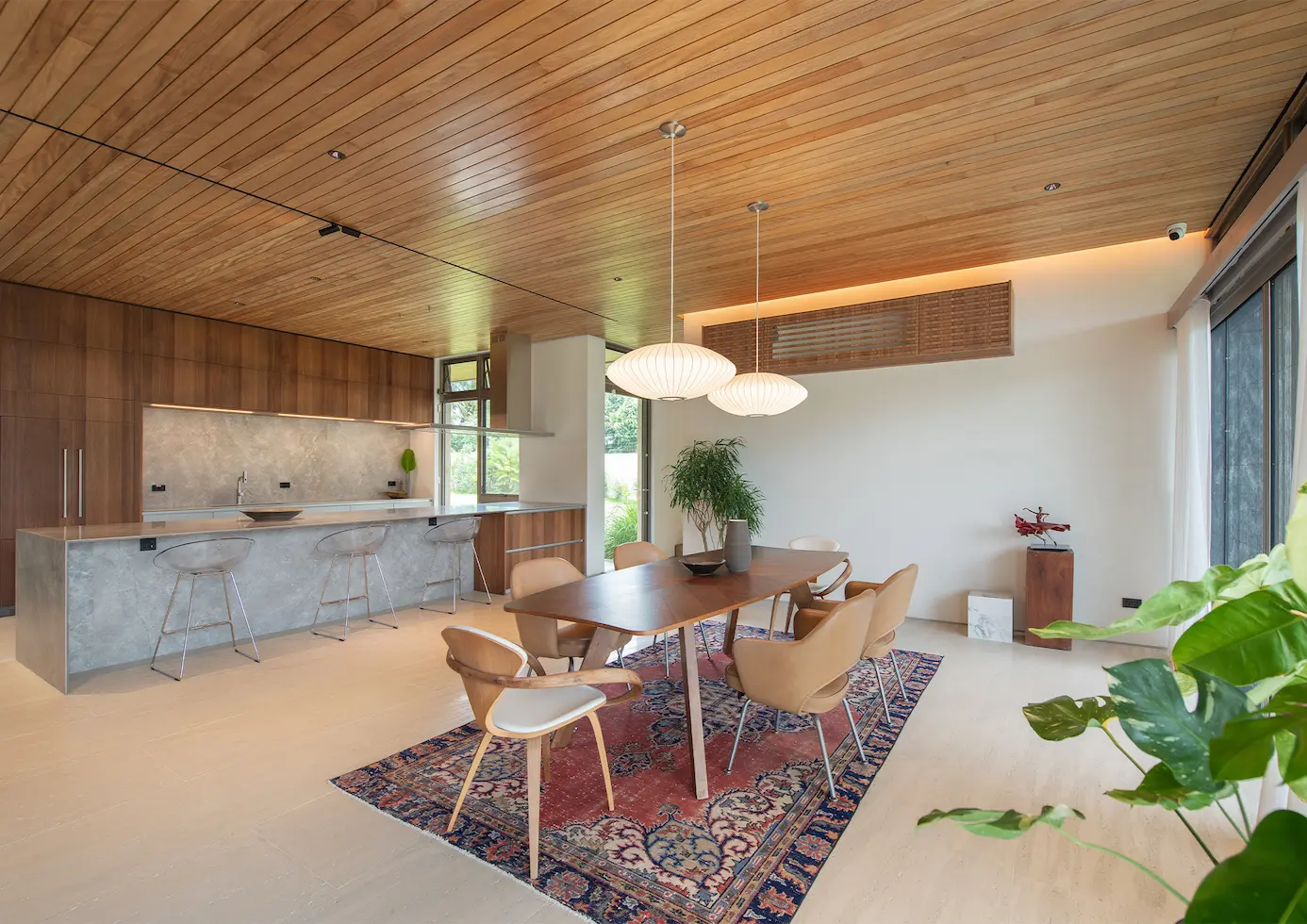
Standing on a former 1,200-square-meter pineapple plantation is CAW House, a Mid-Century ModernMid-Century ModernA design movement from roughly the 1940s to the 1960s, known for clean lines, organic curves, open plans, and a close relationship between indoors and outdoors. Filipino architects such asGo to Mid-Century Modern Glossary-inspired loft located just on the border of Silang […]
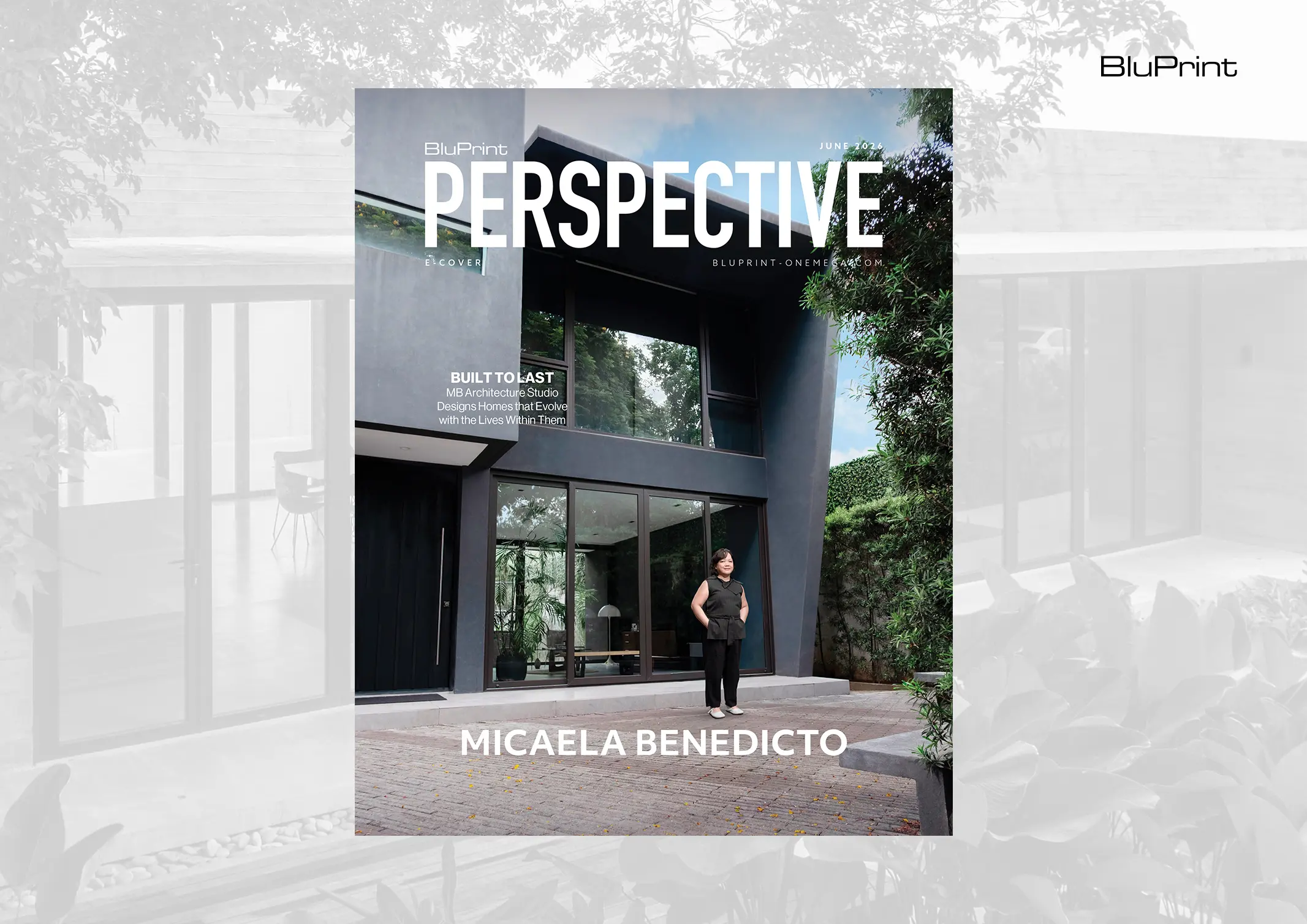
Since setting up her design firm, MB Architecture Studio, in 2007, Ar. Micaela Benedicto has built a diverse portfolio of architectural projects. Her works, whether residential or commercial, showcase a distinct spatial quality, “I like to create things that can go from something static to something that is alive and reactive,” Benedicto states. “In creating […]
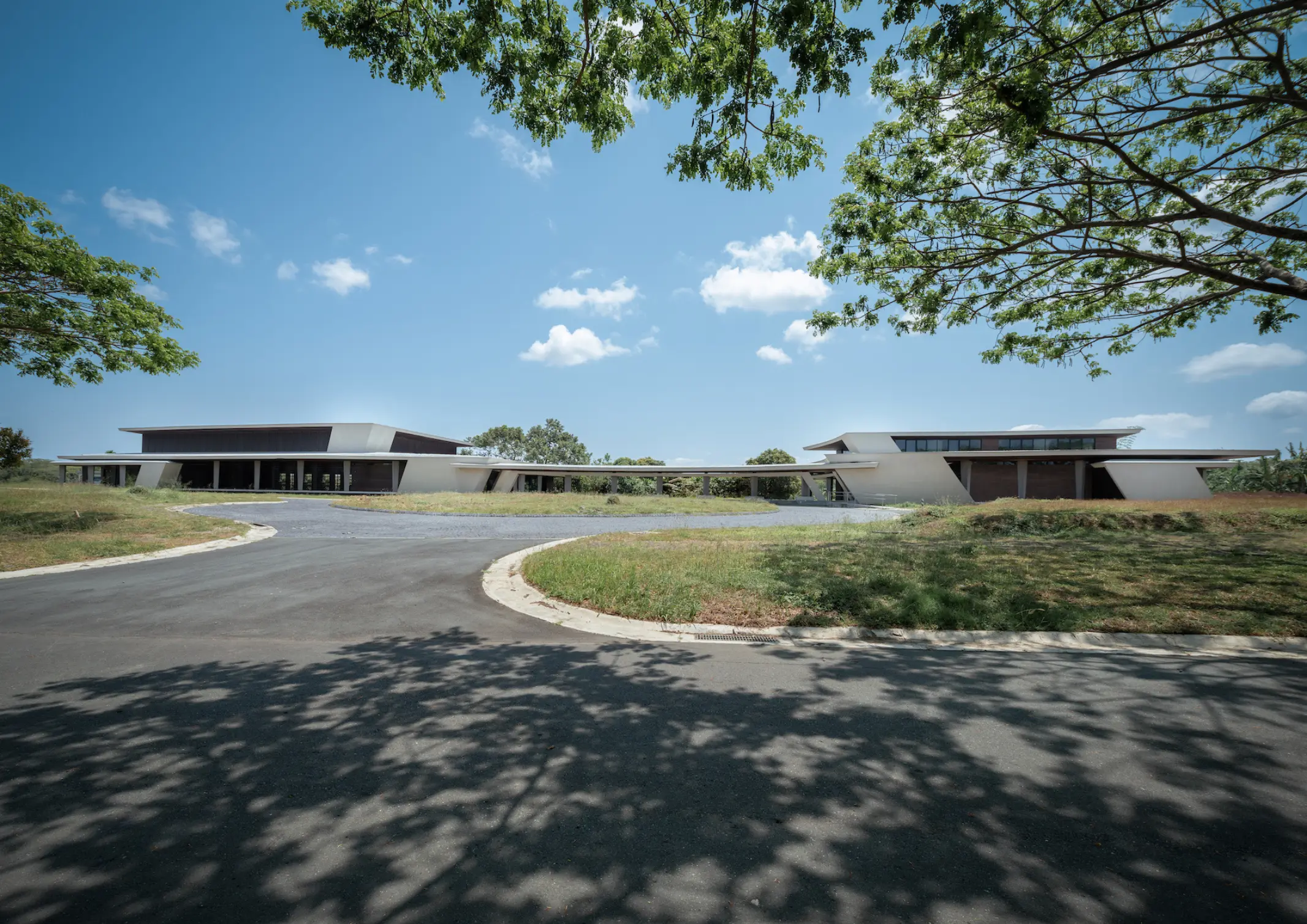
Luscara and Soliento: Barchan + Architecture on Designing a Clubhouse that Responds to its Landscape
Situated in Laguna, south of Metro Manila, is a multi-thousand-hectare development created by Ayala Land Premier within the growth corridor of the CALABARZON Region. Barchan + Architecture was tasked with crafting a clubhouse for the subdivisions of Luscara and Soliento. Principal Architect of Barchan + ArchitectureArchitectureThe art and science of designing and constructing buildings, structures, […]
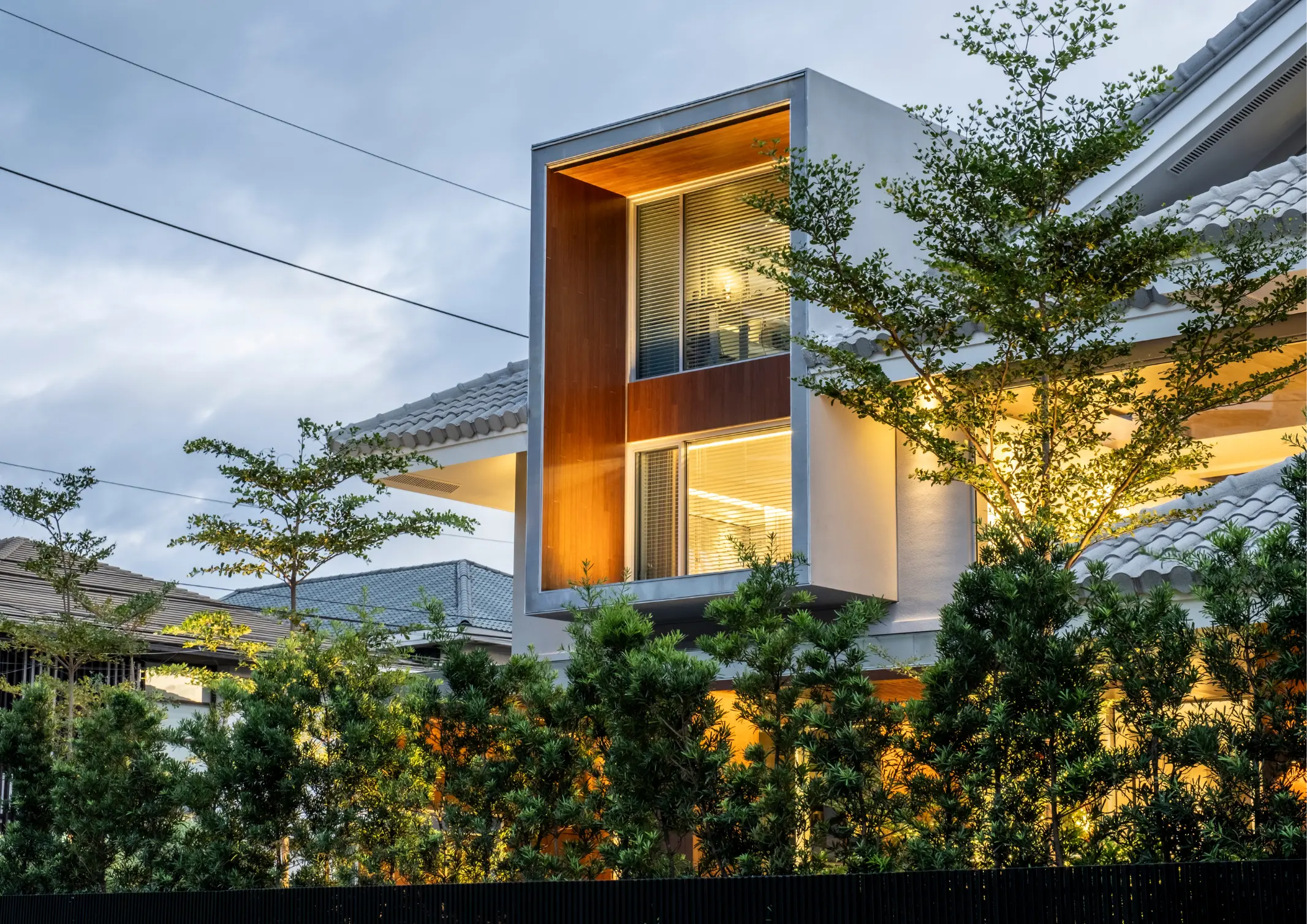
Over the past decades, adaptive reuseAdaptive ReuseThe practice of converting an old or disused building for a new purpose while keeping its structure and character. In the Philippines, it has turned heritage houses, warehouses, and factoriesGo to Adaptive Reuse Glossary has been utilized as a sustainable alternative for the built environment. It involves repurposing existing […]
Read the issues.

Collect the volumes.

Recommended Video
Tap to Unmute
Unmute
0:00
0:00