Bigkis is the act of binding. In Tagalog, the word can refer to something used to bind or encircle, as well as a bundle formed by tying several separate elements together. Figuratively, it can also mean a bond, union, or unity. The meanings move from the physical act of joining things together to the connection […]
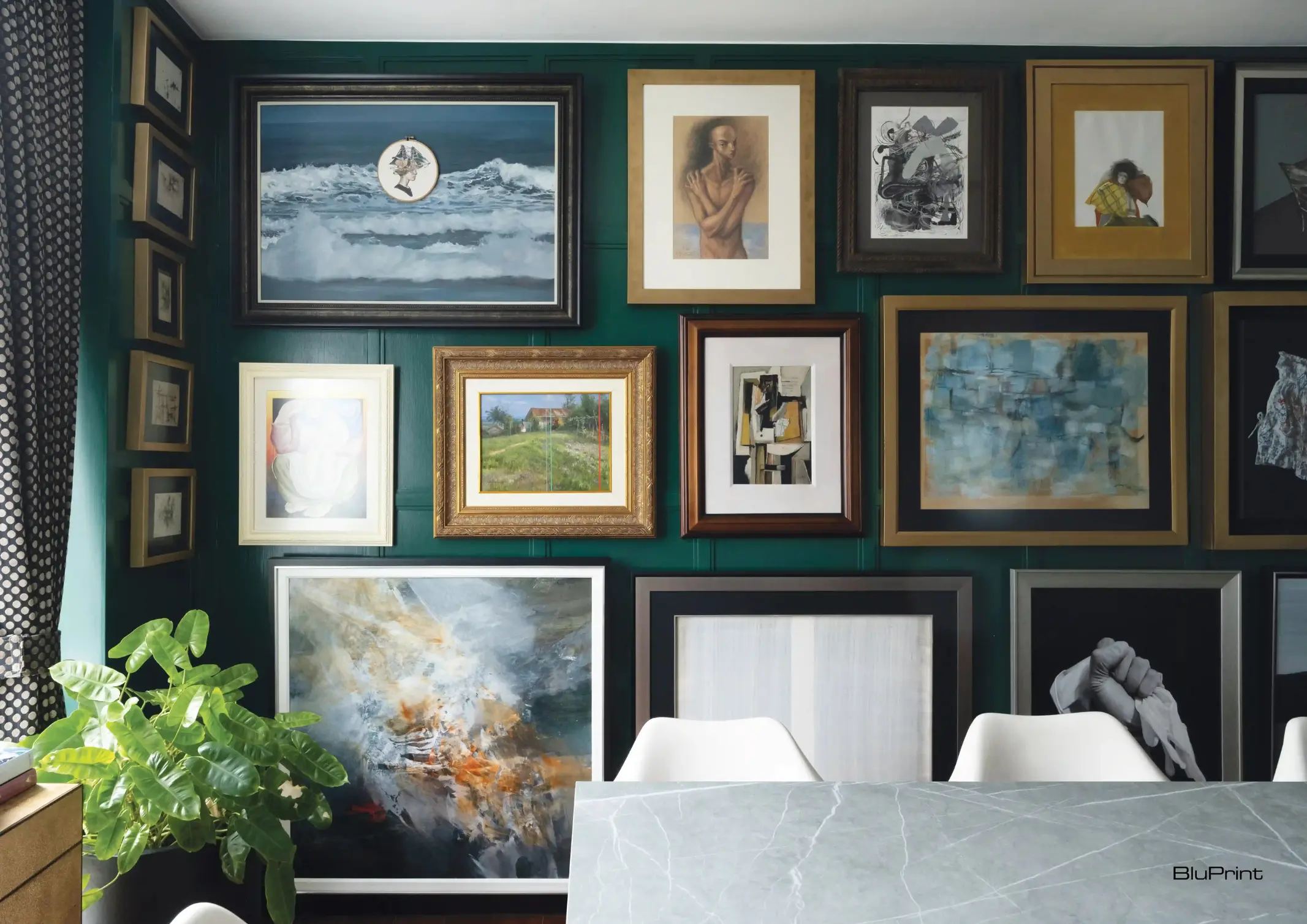
Ritual, Memory, and Rhythm within a Makati Condominium



The moment you step inside his home, it becomes clear that art here is not mere decoration. Paintings rise floor to ceiling, sculptures command the corners, and every wall carries a story. The rooms unfold like a living gallery where masters stand alongside emerging voices, and where each piece is not only displayed but lived with.
Known in luxury circles for running a consignment business specializing in watches and designer bags, he carries with him the sharp eye and discernment of his trade. Yet at home, he is not a merchant of objects but a collector of meaning, his spaces shaped less by commerce and more by instinct, memory, and desire.
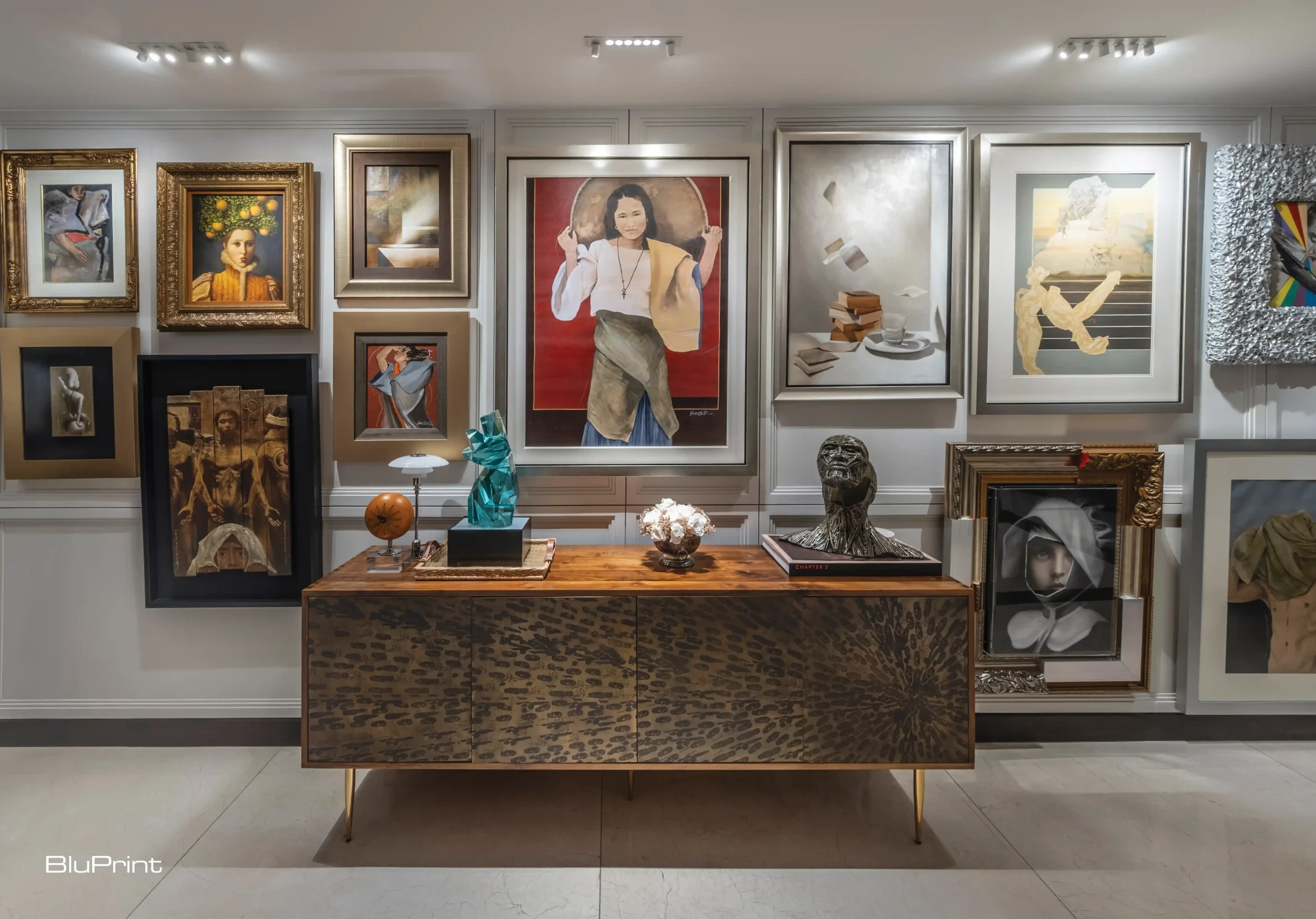
Art Collection
His journey into collecting began in his late twenties, almost by chance. It was not a canvas that first drew him in but a book, a coffee table volume devoted to Ang Kiukok. Captivated by its pages, he found himself returning to them again and again. A year later, when a friend decided to part with an oil on wood painting by Kiukok, he seized the moment. That work, still in his collection today, marked the quiet but decisive beginning of his life as a collector.
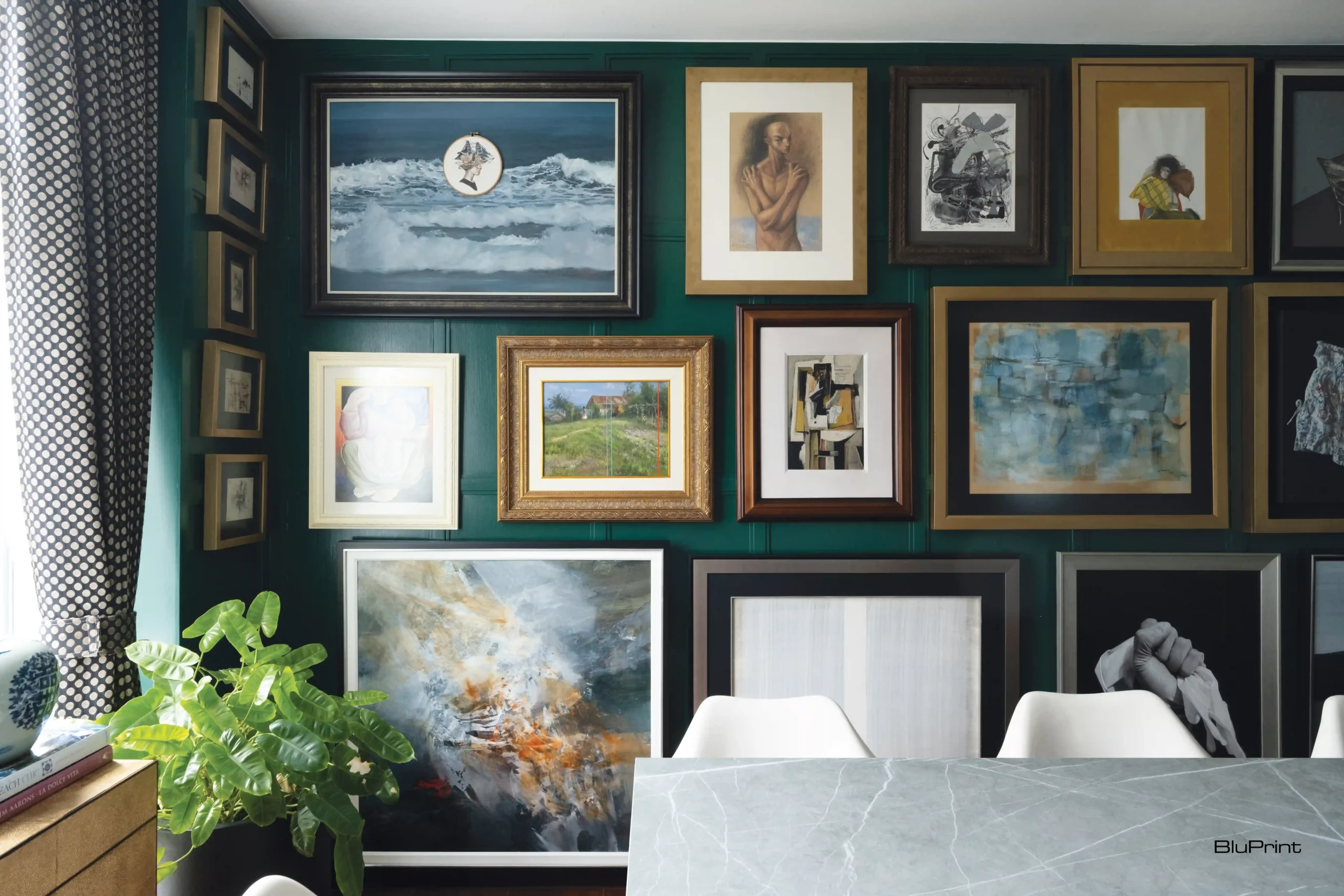
For him, collecting has never been about following trends or chasing prestige. A work must speak to him, stir a feeling, or evoke a memory. When a piece commands a high price, he weighs its investment potential, but instinct always comes first. With established masters, he moves carefully. With emerging artists, he allows himself freedom, delighting in the discovery of voices not yet fully known.
This instinctive balance has given his collection both breadth and intimacy. Masters like BenCab, Ang Kiukok, and Fernando Zobel are present, their works anchoring his walls with gravitas. Alongside them are bold contemporary names such as Nicole Coson, Jigger Cruz and Marc Aran Reyes, their canvases pushing against convention with restless energy.
Living with Art
To live with art, for him, is to fold it into the smallest moments of the day. At night, before retiring, he often walks through the rooms of his home, pausing to take in the works around him. Some pieces recall milestones or personal triumphs. Others carry the weight of sentiment, gifts from his parents that root him to memory. The house feels alive because of them, each canvas and sculpture holding a presence that extends beyond the surface.
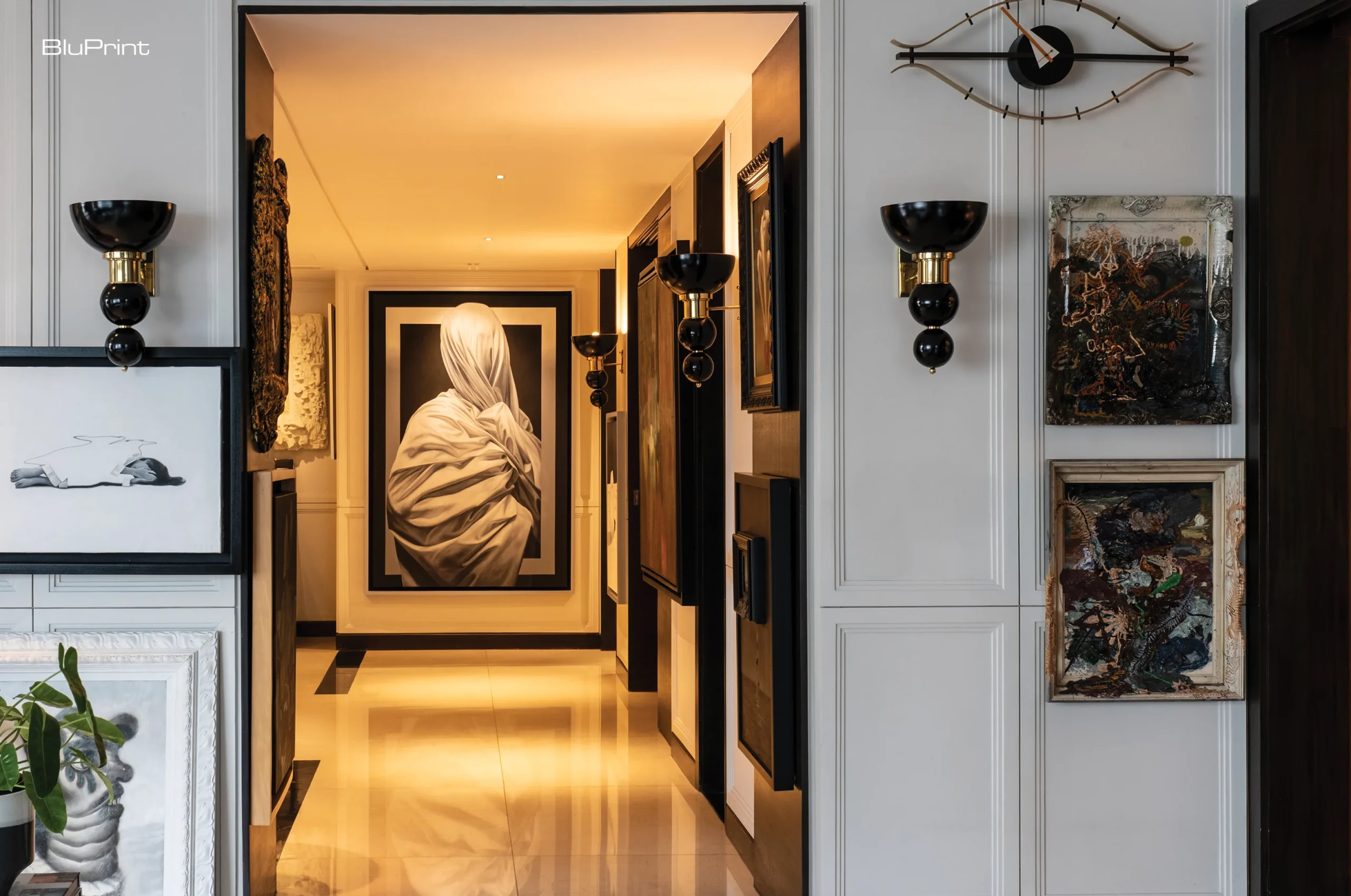
After years of pursuit, he now finds himself in a place of quiet satisfaction. The urgency of acquisition has faded, replaced by the contentment of presence. He has gathered many of the works he once dreamed of, and while he remains open to discovery, his focus has shifted to the pleasures of living with what he already has. Unless, he jokes, more wall space suddenly becomes available.
To him, art is not about ownership but about life. It is ritual, memory, and rhythm. It is a quiet joy at the end of the day, a reminder of milestones, and a dialogue with both past and future. In his Makati home, art does not hang in stillness but lives, shaping not only the space it inhabits but also the man who surrounds himself with it.
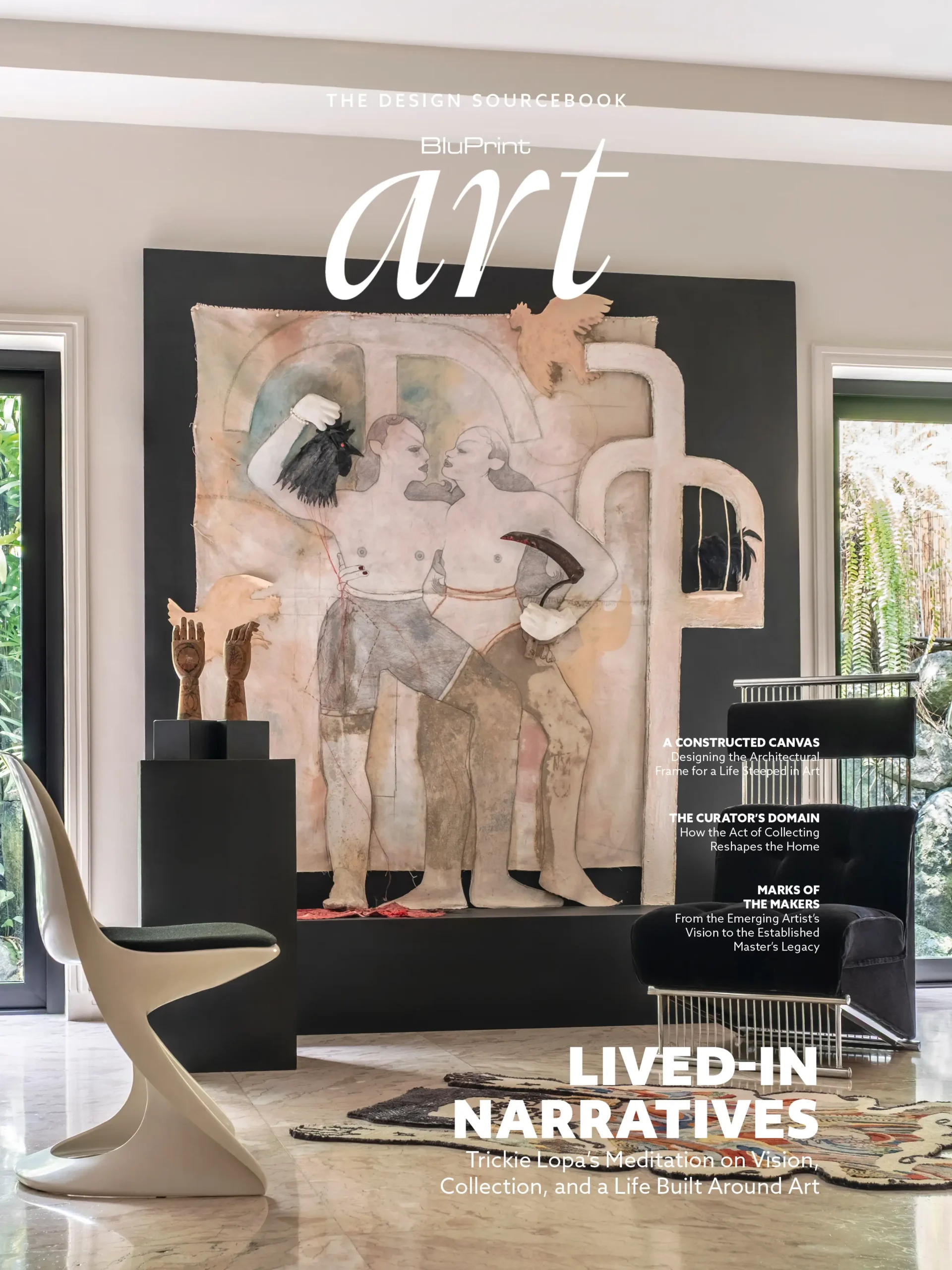
This article has been abridged for digital publication. Read the full story behind Ritual, Memory, and Rythym by ordering your copy of BluPrint Art at Sari Sari Shopping, Shopee, and Lazada. E-magazines are also available for download here or through Readly, Press Reader, and Magzter.
Dive into the captivating world of architectureArchitectureThe art and science of designing and constructing buildings, structures, and spaces that are functional, safe, and aesthetically pleasing. It encompasses the planning, design, materials, and techniques used to createGo to Architecture Glossary, interiors, and arts & culture by getting exclusive digital access to BluPrint’s past and upcoming issues. Click here to find out more.
Photographed by Ed Simon
Frequently Asked Questions
An instinct-driven collection prioritizes personal resonance and emotional memory over market prestige. Rather than following trends, the collector focuses on an internal connection to the work, allowing established National Artists like BenCab to coexist with contemporary voices like Jigger Cruz. This creates a “living gallery” anchored in personal history rather than commercial value.
Ritual and rhythm refer to the active integration of art into daily life. Instead of static displays, art is folded into “smallest moments,” such as a nightly walk-through. The placement of works—from floor-to-ceiling paintings to corner sculptures—shapes the inhabitant’s movement and allows for a continuous dialogue with personal milestones and family heritage.
Optimizing a high-rise involves maximizing vertical surfaces and managing spatial hierarchy. By utilizing floor-to-ceiling displays, a collector can accommodate a high volume of work without overwhelming the home’s functionality. This requires a sharp eye for discernment, where the “presence” of the art eventually takes precedence over the urgency of acquiring more.
Emerging artists provide a restless energy and “material counterpoint” to the gravitas of established masters. While works by figures like Ang Kiukok or Zobel provide a historical foundation, newer artists like Marc Aran Reyes introduce bold, unconventional techniques. This tension ensures the collection remains dynamic, relevant, and evolving.
This transition happens when a merchant’s eye for quality is applied to sentimental and philosophical value. Although the owner may understand the market, the home remains a sanctuary where art represents life triumphs and memories. The pieces cease to be stagnant investments and become active participants in the home’s soul, rooting the collector to their identity.
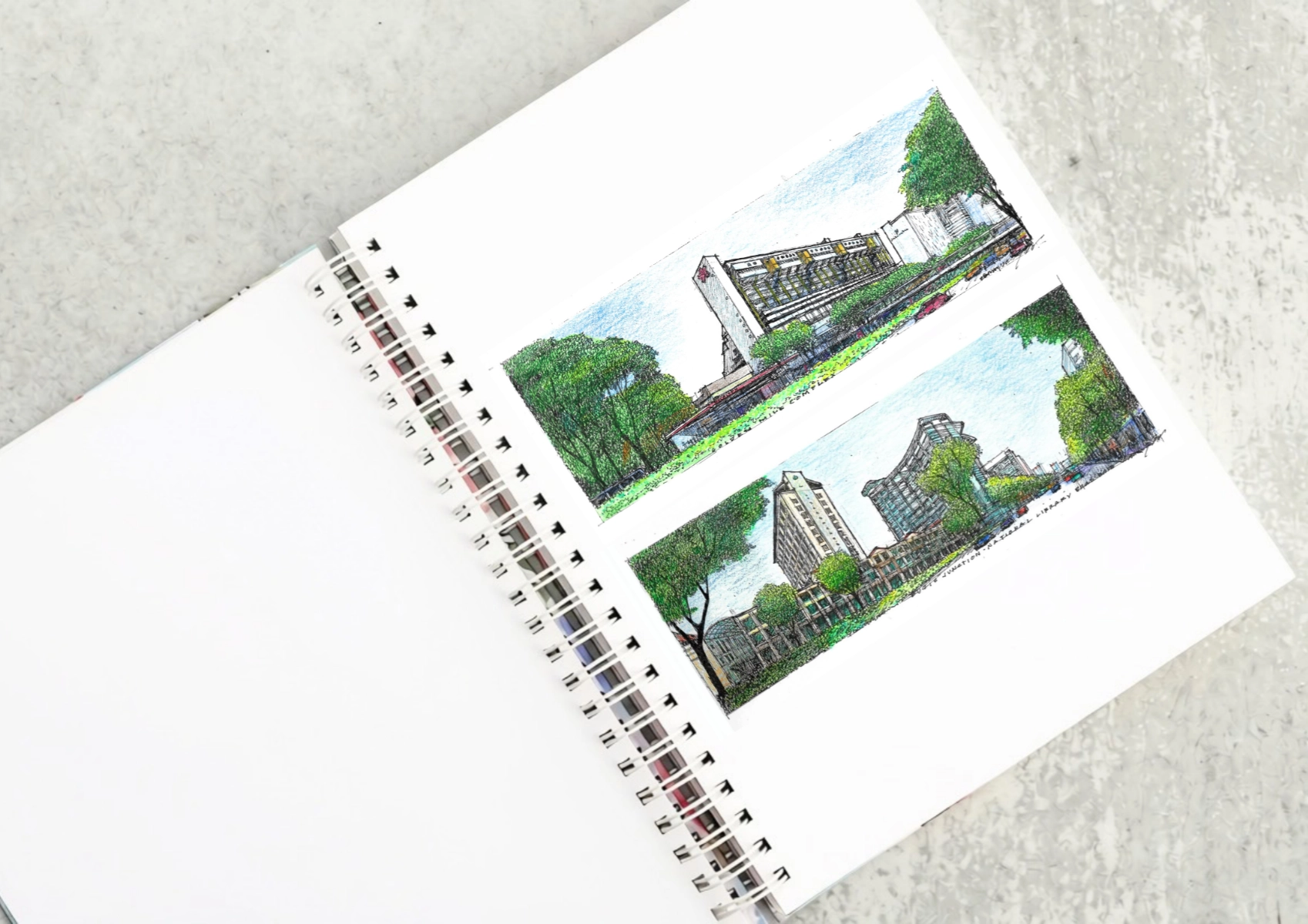
Two sketches of Singapore connect BluPrint Editor in Chief Paulo G. Alcazaren’s personal and professional history with Shared Ground: ArchitectureArchitectureThe art and science of designing and constructing buildings, structures, and spaces that are functional, safe, and aesthetically pleasing. It encompasses the planning, design, materials, and techniques used to createGo to Architecture Glossary of Care, Culture, […]
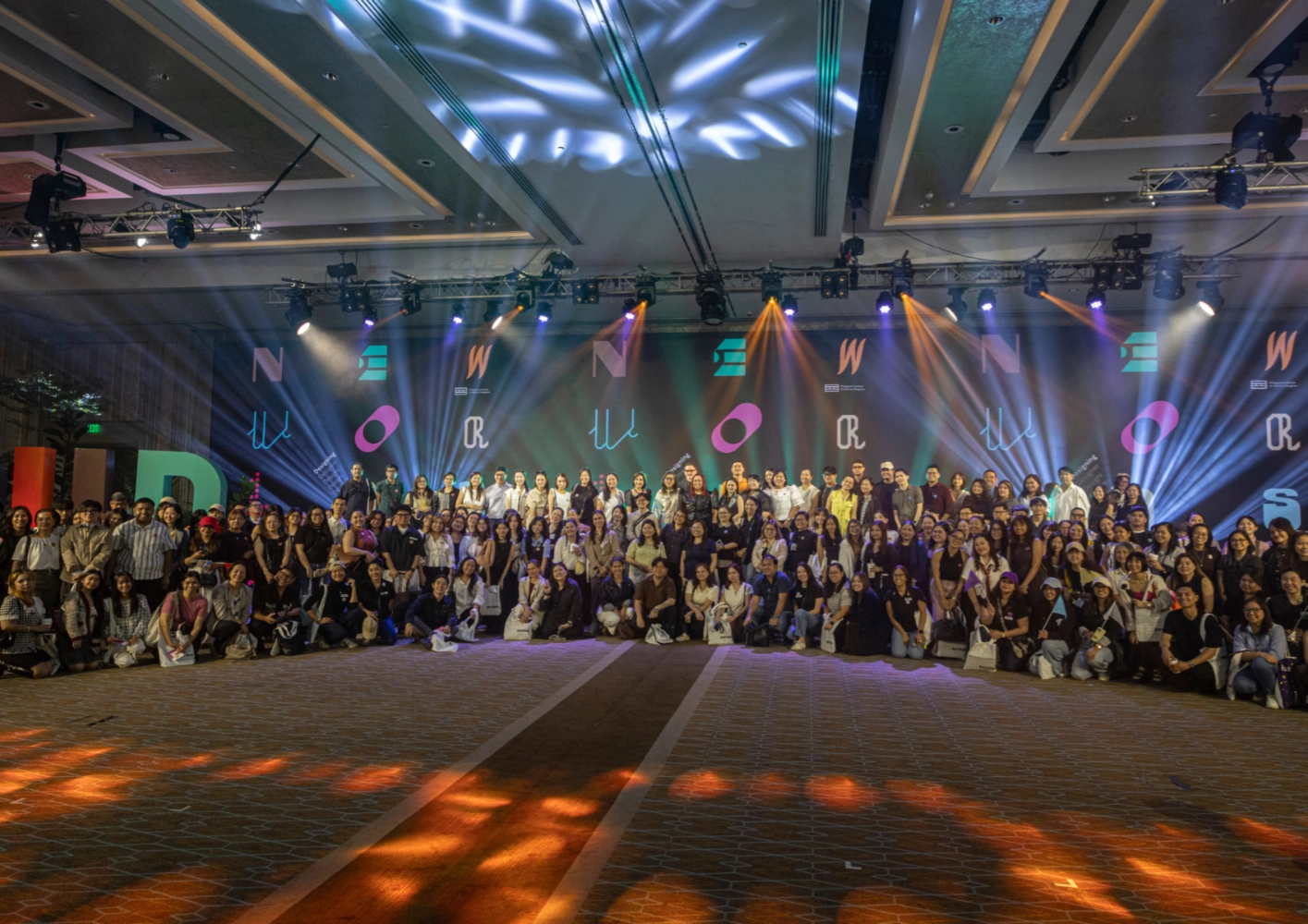
In a way, designers are the modern-day soothsayers and prophets. They design for the future, predicting how a room, a house, a building or a whole city will be used by people. They foresee how users will interact with a space, conjure exact shades of colors to elicit specific behavior and arrange furniture to build […]
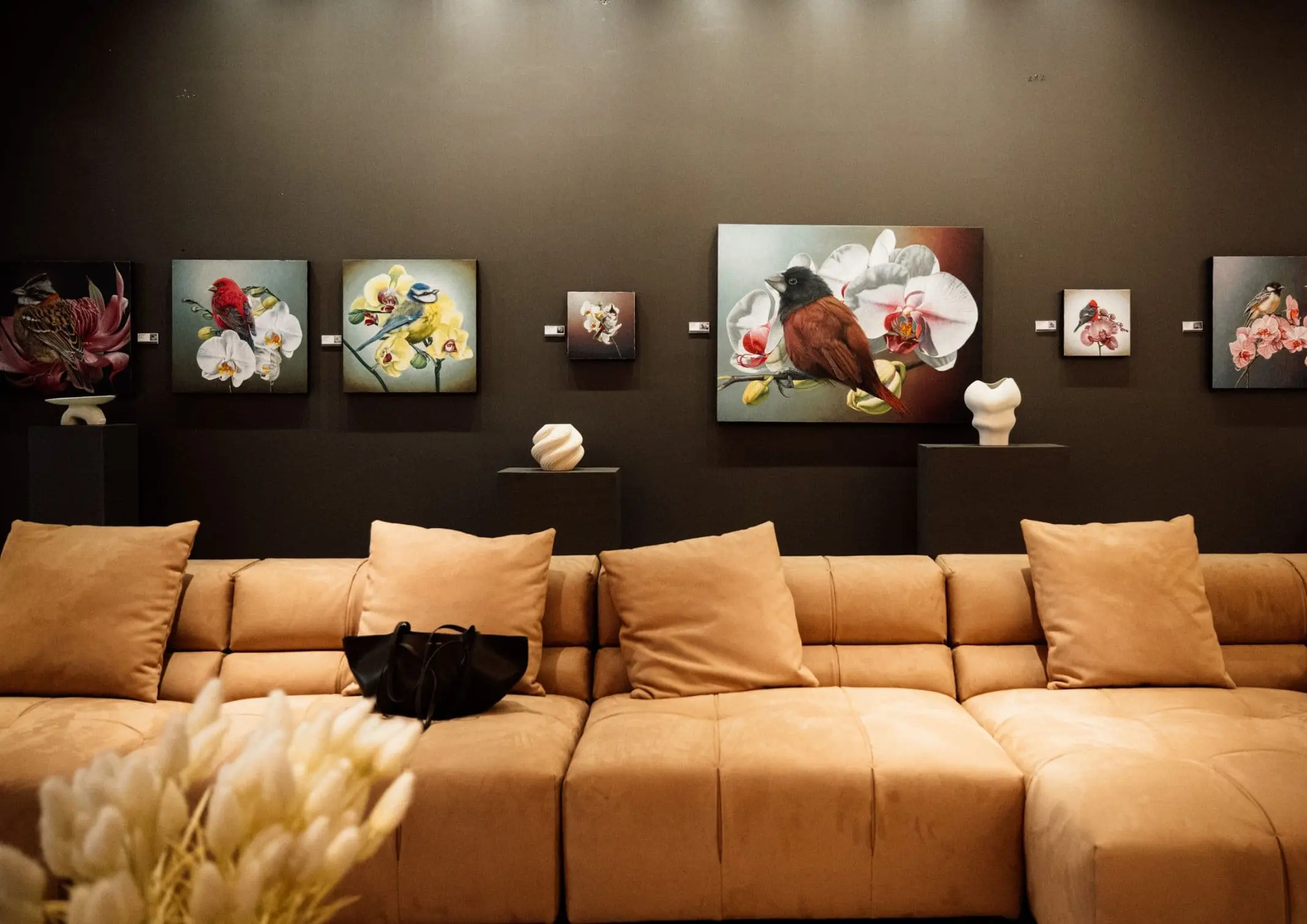
Art and furniture are often selected separately, yet their relationship can shape how a room looks and feels. The collaboration between Hooga and Galerie Joaquin explores how these elements can work together, bringing contemporary artworks into furnished residential settings at Hooga’s showroom in Uptown Mall, Bonifacio Global City. For Hooga, which curates furniture, lighting, and […]
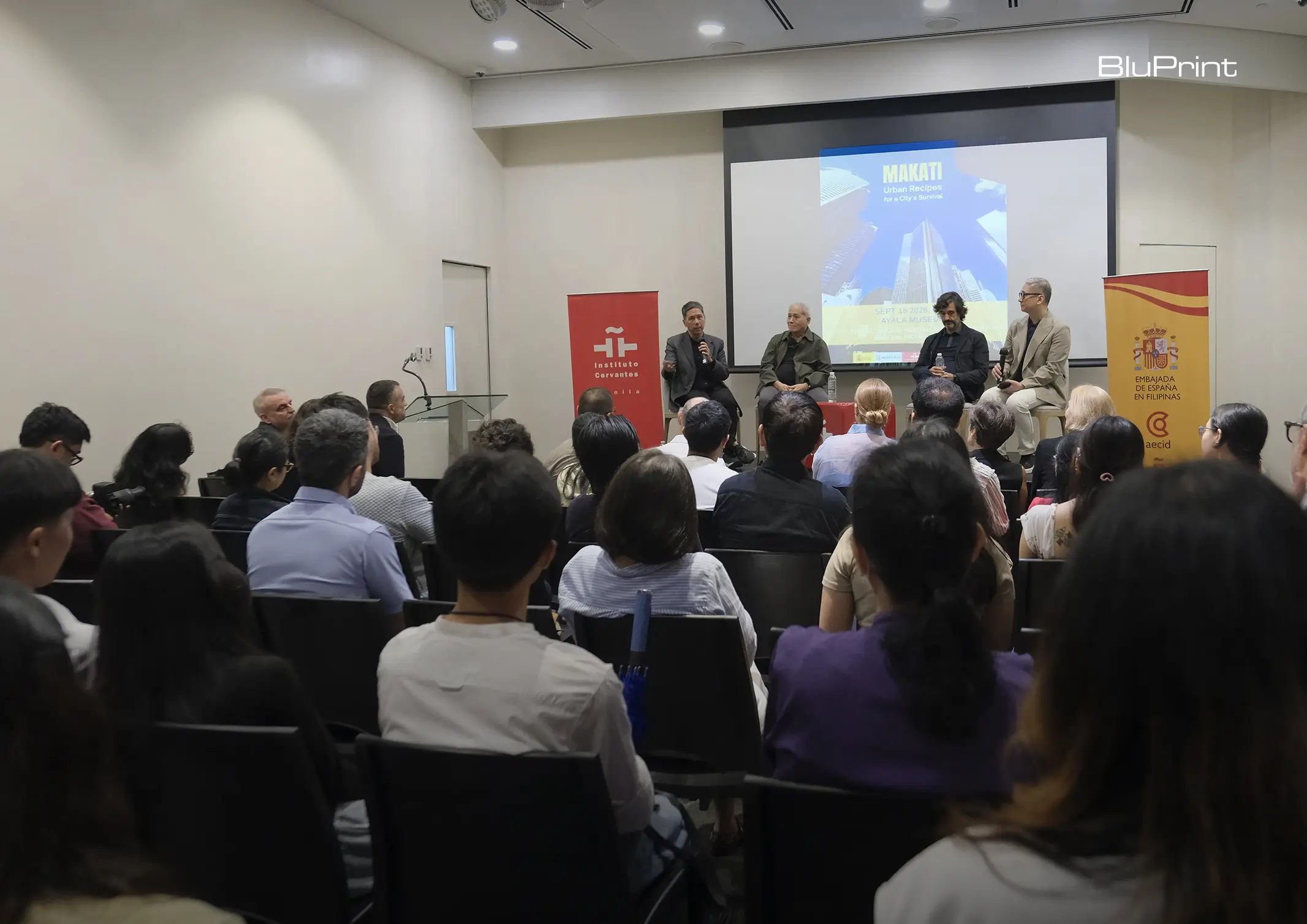
How can better-planned cities create the conditions for more creative, livable, and resilient urban environments? “Makati Urban Recipes for a City’s Survival,” a colloquium held at the Ayala Museum on September 15, brought together architects and practitioners from the fields of urbanism and the creative economy to discuss how design, planning, and collaboration can address […]
Read the issues.

Collect the volumes.

Recommended Video
Tap to Unmute
Unmute
0:00
0:00