Just moments away from the bustling area of Bonifacio Global City is 171, a multi-level villa set on a 302-square-meter lot. M.CAL Architecture Design Studio, headed by Ar. Monique C. Albert-Lopez, built the residence as a minimalist modern sanctuary surrounded by landscaped gardens. This creative direction was drawn from the homeowners’ brief to create a […]
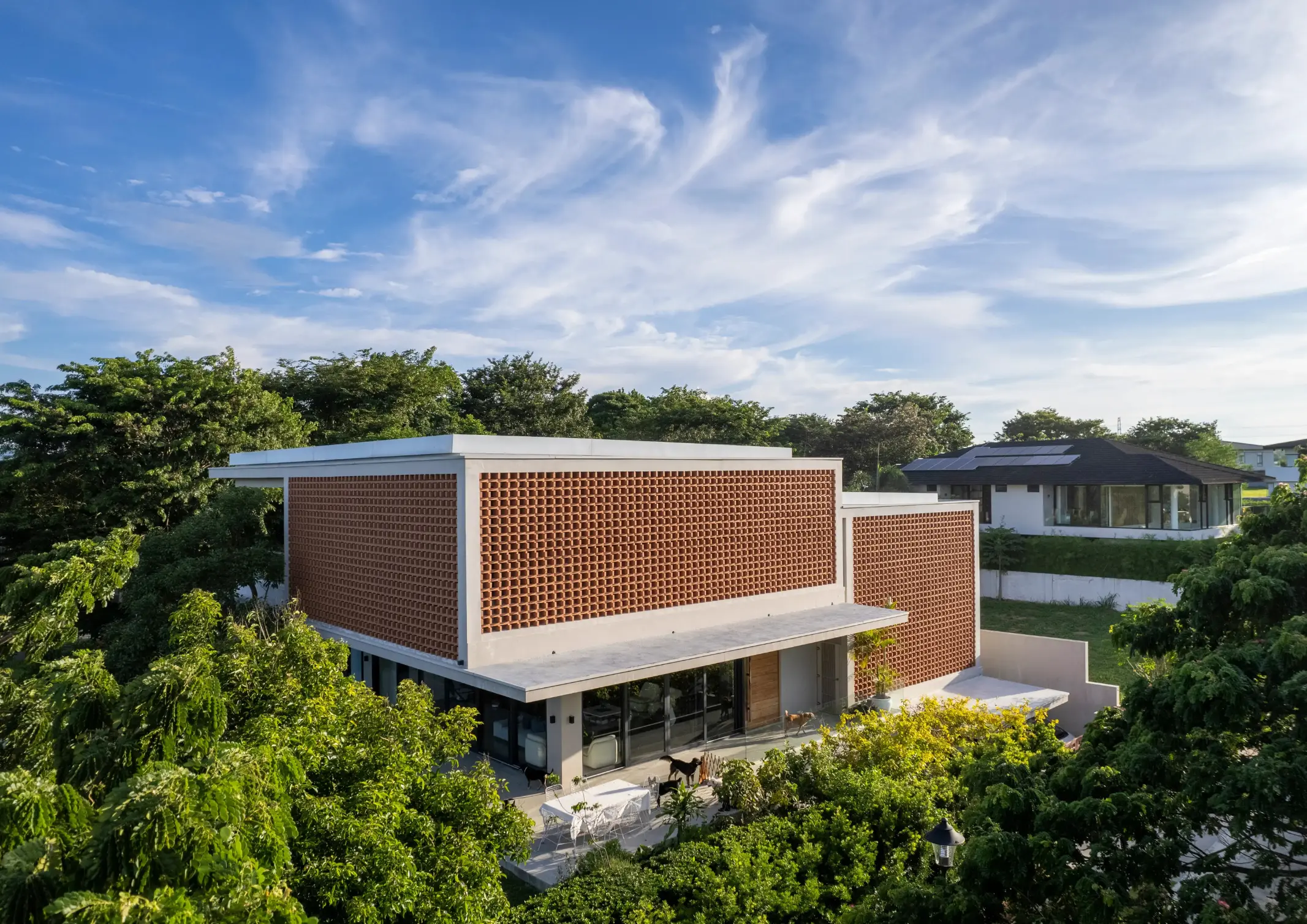
Pflieder Residence: A Clay Cocoon by Lor Calma and Partners



In the Philippines, heat and humidity are the norm. Typically, we would combat these mechanically, shutting all windows and curtains to switch on the air-conditioner, essentially placing our comfort at the mercy of the refrigerant. The clients for the Pflieder Residence, an active family that loved the outdoors, resisted this initial impulse.
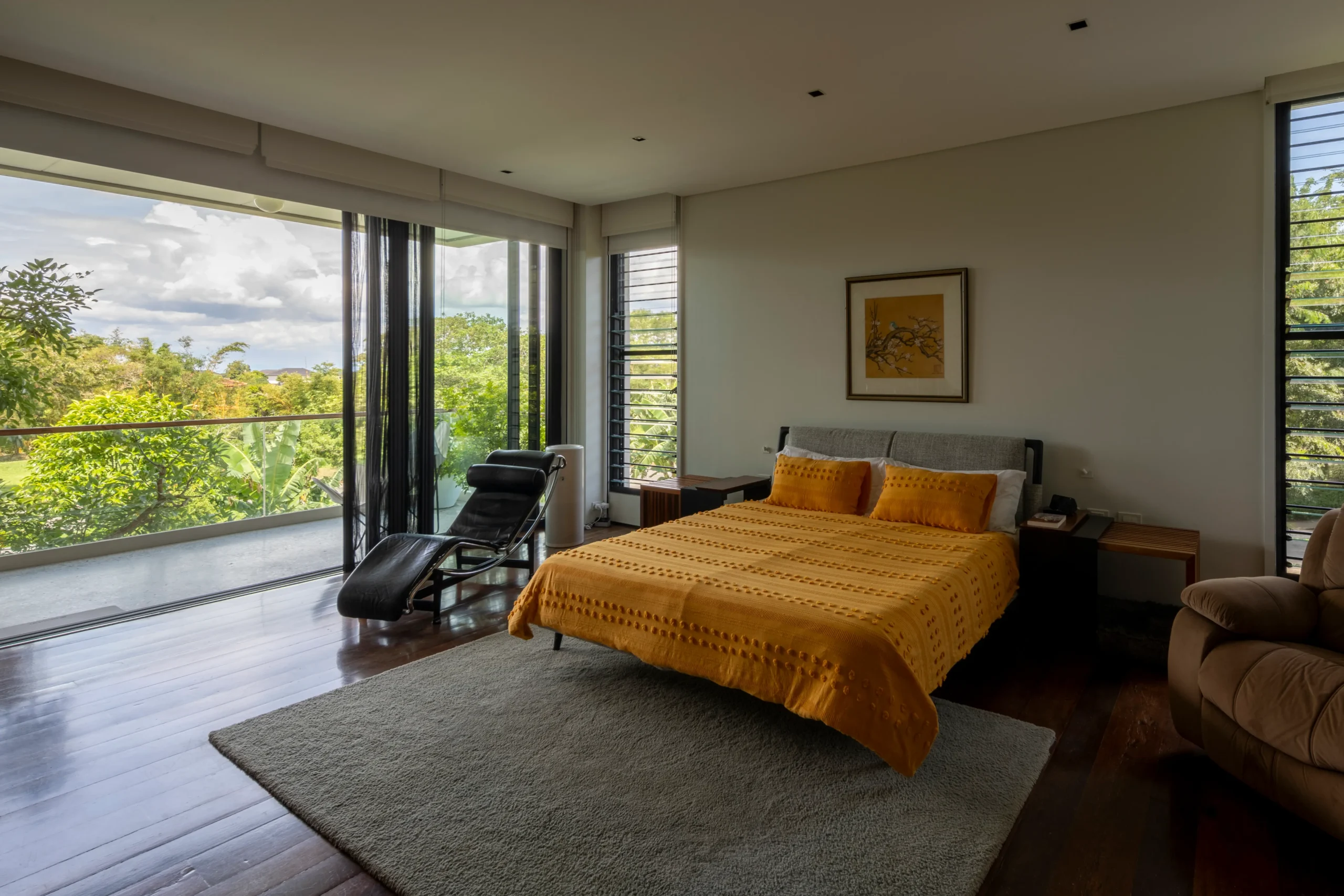
Lor Calma and Partners synthesized brick and ventilation to provide the family a home that connected with the surrounding greenery while maintaining privacy. Another key request was to provide space for their dogs to rest and run around. A large garden is relegated to the eastern side of the lot as an extension of the living spaces, but this also implies exposure to direct sunlight. Unlike the studio’s usual approach of minimizing large openings to control heat exposure, this project utilized a different strategy.
A Layered Approach
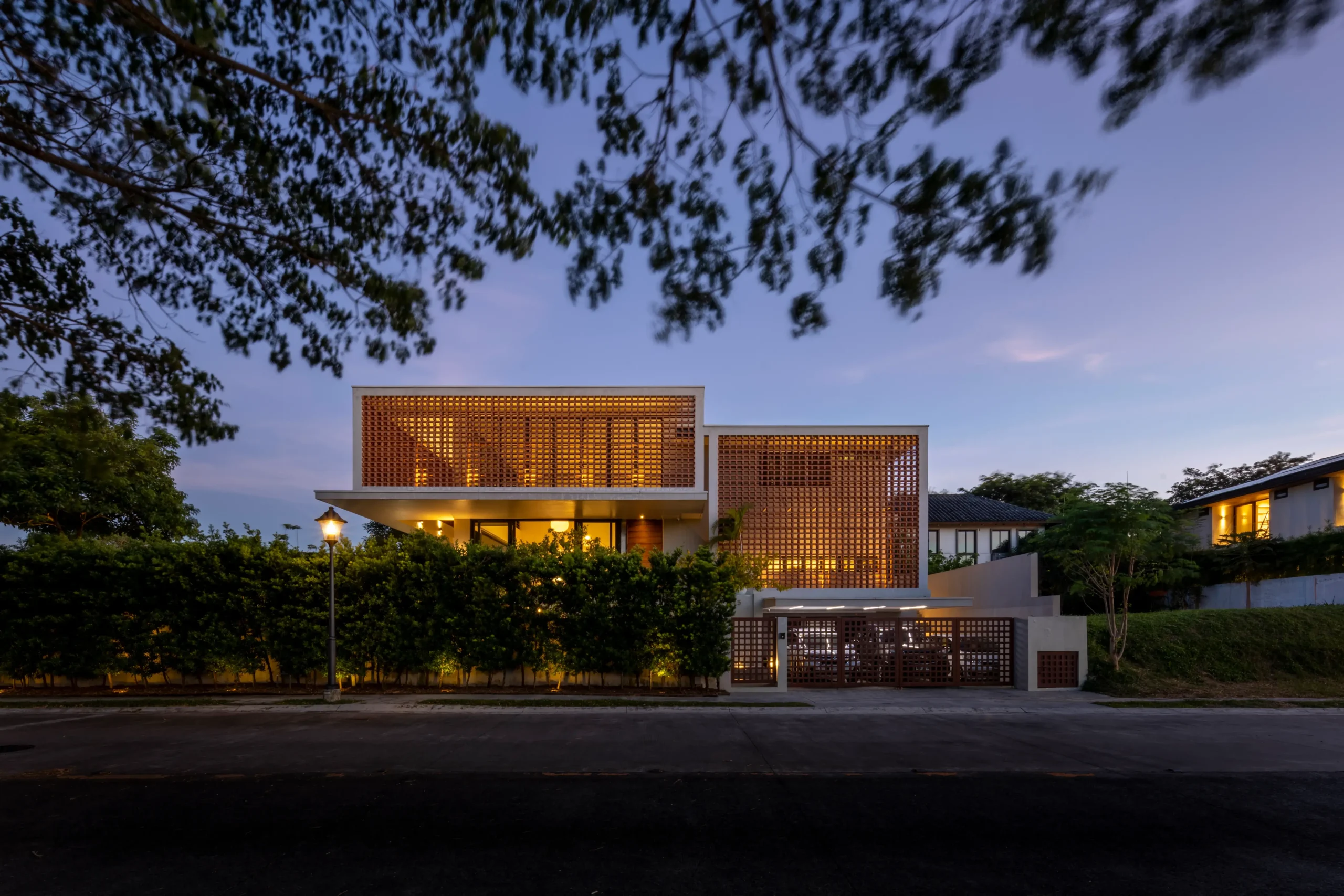
Rather than imposing drastic cut and fill, the architect opted to build the ground floor level directly on the lot’s natural terrain. Programs on the lower ground floor at street level were limited to the garage, driver’s room, and storage. Stairs from the front gate lead up to the garden and main door. This approach not only preserved the integrity of the landscape but also allowed the architectureArchitectureThe art and science of designing and constructing buildings, structures, and spaces that are functional, safe, and aesthetically pleasing. It encompasses the planning, design, materials, and techniques used to createGo to Architecture Glossary to harmonize with its surroundings.
The project has already drawn international acclaim by winning an architectural design prize from the Outstanding Property Award London (OPAL) 2024. At night, when lights radiate from the indoor spaces, the permeability of the clay cocoon becomes apparent. Lor Calma and Partners demonstrates that masonry need not be heavy and can adhere to the design principles that work best for our local climate while fulfilling a client’s brief.
This article has been abridged for digital publication. Read the full story behind the Pflieder Residence by ordering your copy of BluPrint’s “Design Conversations” at Sari Sari Shopping, Shopee, and Lazada. E-magazines are also available for download here or through Readly, Press Reader, and Magzter.
Dive into the captivating world of architectureArchitectureThe art and science of designing and constructing buildings, structures, and spaces that are functional, safe, and aesthetically pleasing. It encompasses the planning, design, materials, and techniques used to createGo to Architecture Glossary, interiors, and arts & culture by getting exclusive digital access to BluPrint’s past and upcoming issues. Click here to find out more.
Photographed by Ed Simon.
Read more: AP House: An 80s Revival
Frequently Asked Questions
The Pflieder Residence uses a “clay cocoon” or sheer armor made of brick to create a semi-permeable boundary. This masonry screen allows residents to look out at the surrounding greenery while obscuring the view from the street. By synthesizing brick patterns with voids, the architecture provides a sense of enclosure and security without completely shutting out the natural environment or sacrificing the home’s connection to the outdoors.
A clay cocoon is a layered facade strategy that uses perforated brickwork to act as a protective skin for the house. Unlike solid walls, this breathable armor facilitates natural ventilation and allows air to flow through the building, reducing the reliance on mechanical air conditioning. It essentially filters the intense heat and direct sunlight, creating a cooler internal microclimate while maintaining a lightweight, aesthetic appearance that glows from within at night.
Rather than using drastic “cut and fill” methods to level the land, the architect built the ground floor directly on the lot’s natural terrain to preserve the landscape’s integrity. This layered approach places utility areas like the garage and storage at street level, while elevating the main living spaces and garden. This elevation naturally improves privacy and creates a more harmonious relationship between the built structure and the sloping earth.
Designing for active families with dogs involves relegating large garden spaces to specific sides of the lot, such as the eastern side, to provide ample room for exercise. In the Pflieder Residence, these outdoor areas serve as extensions of the indoor living spaces, protected by the clay brick skin. This ensures that while pets have space to run and rest, the indoor areas remain cool and ventilated through the permeable facade, preventing the house from becoming a heat trap.
Masonry is traditionally seen as heavy and solid, but Lor Calma and Partners challenged this by creating a sheer, permeable brick armor. By treating brick as a textured veil rather than a weight-bearing wall, the designers achieved a “sheer” quality that appears delicate when backlit. This technique demonstrates that masonry can adhere to modern design principles of transparency and lightness while still providing the durability and thermal mass required for local climate conditions.
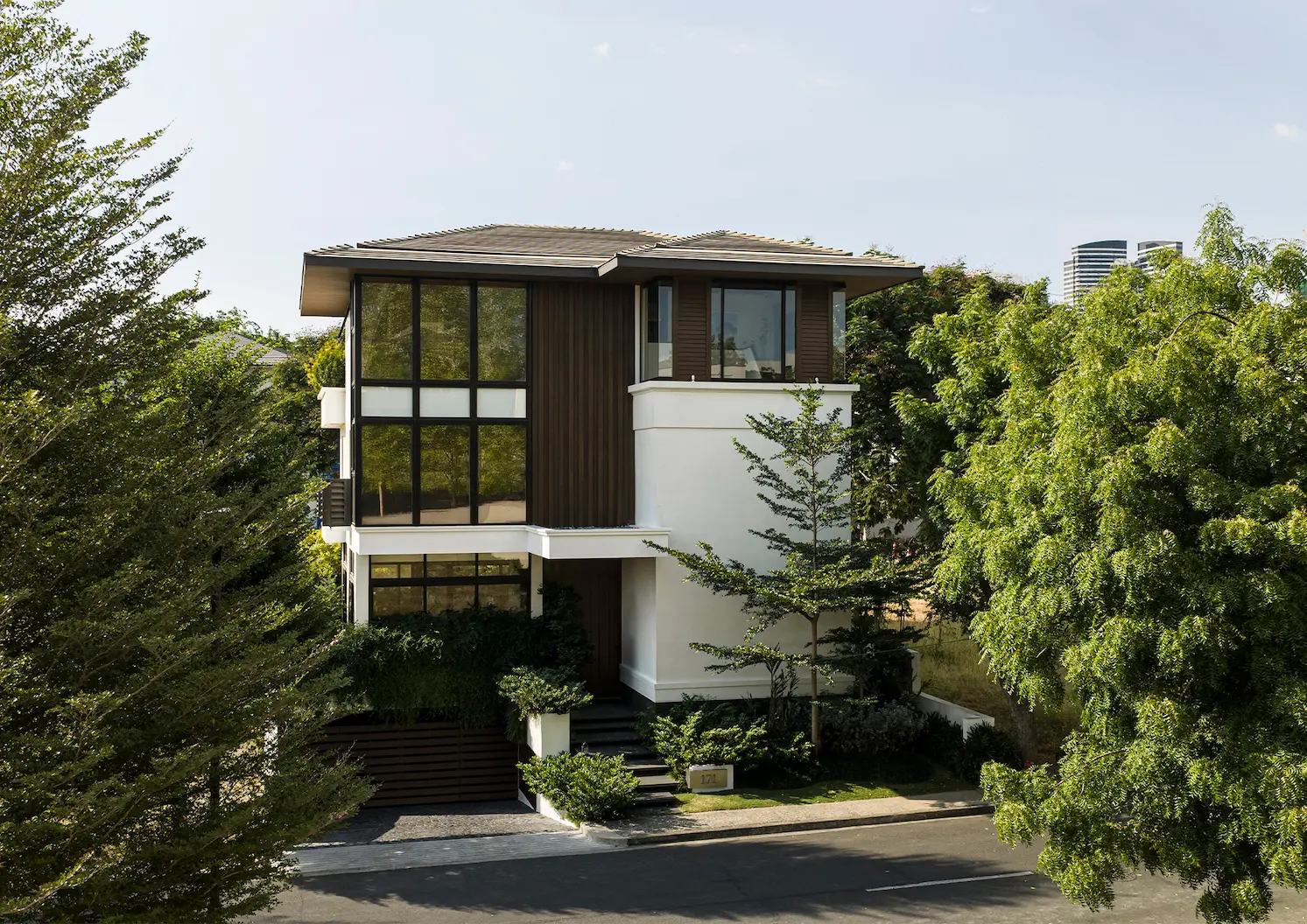
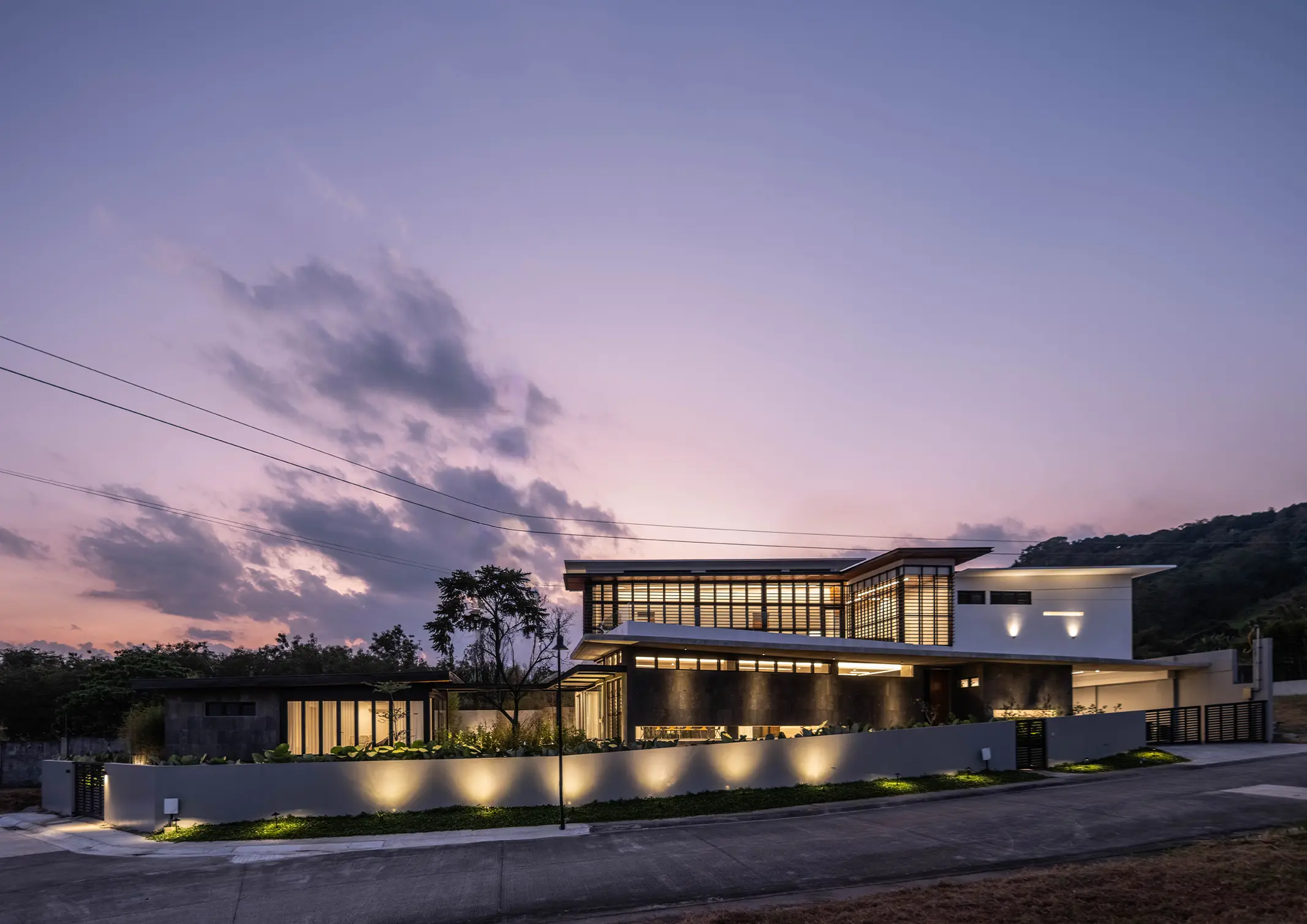
Located in Paroc, Pampanga is MQ Residence—a tropical-modern private residential home designed by Marikina-based architectureArchitectureThe art and science of designing and constructing buildings, structures, and spaces that are functional, safe, and aesthetically pleasing. It encompasses the planning, design, materials, and techniques used to createGo to Architecture Glossary firm Arkisens, spearheaded by principal architect and co-founder […]
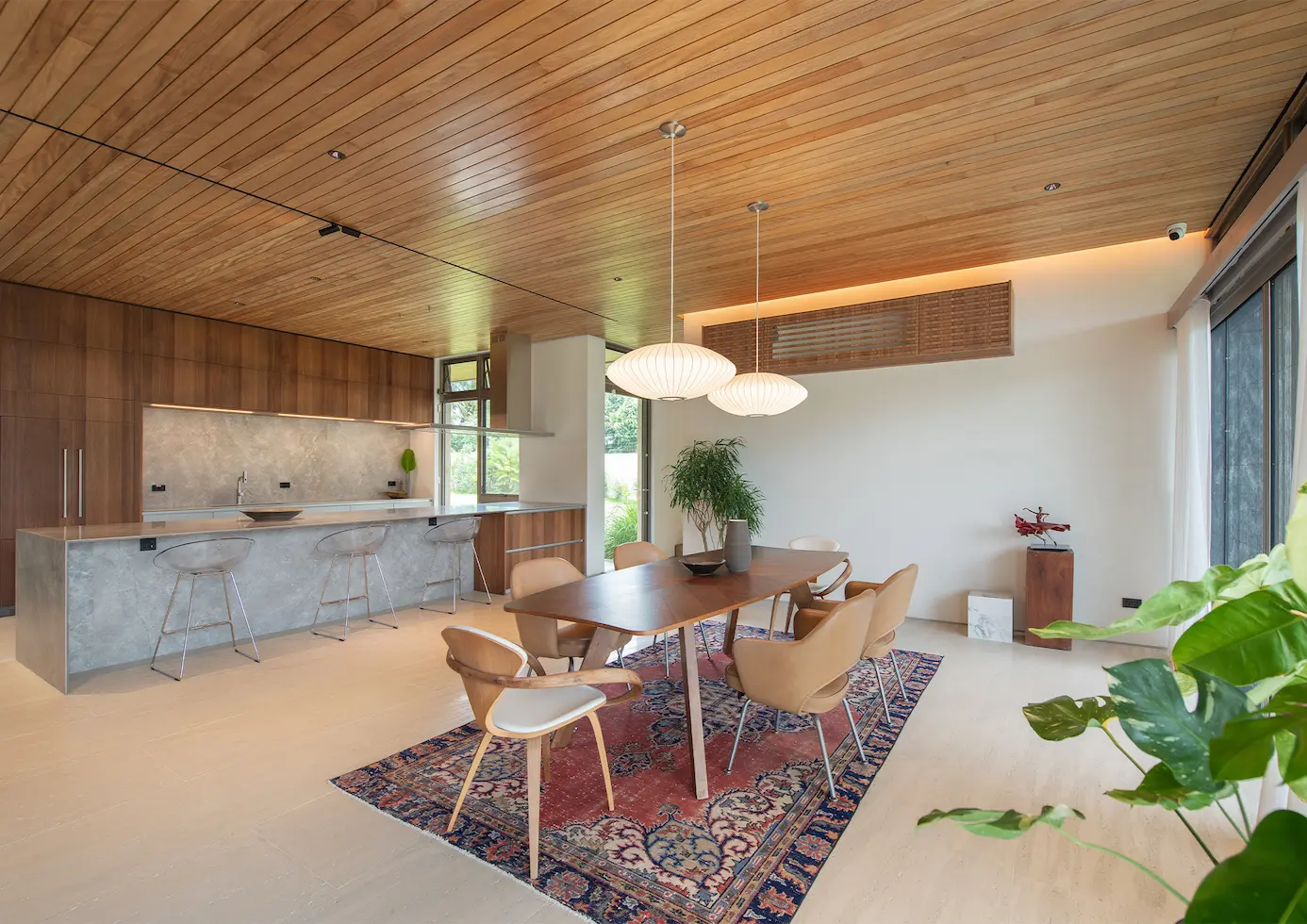
Standing on a former 1,200-square-meter pineapple plantation is CAW House, a Mid-Century ModernMid-Century ModernA design movement from roughly the 1940s to the 1960s, known for clean lines, organic curves, open plans, and a close relationship between indoors and outdoors. Filipino architects such asGo to Mid-Century Modern Glossary-inspired loft located just on the border of Silang […]
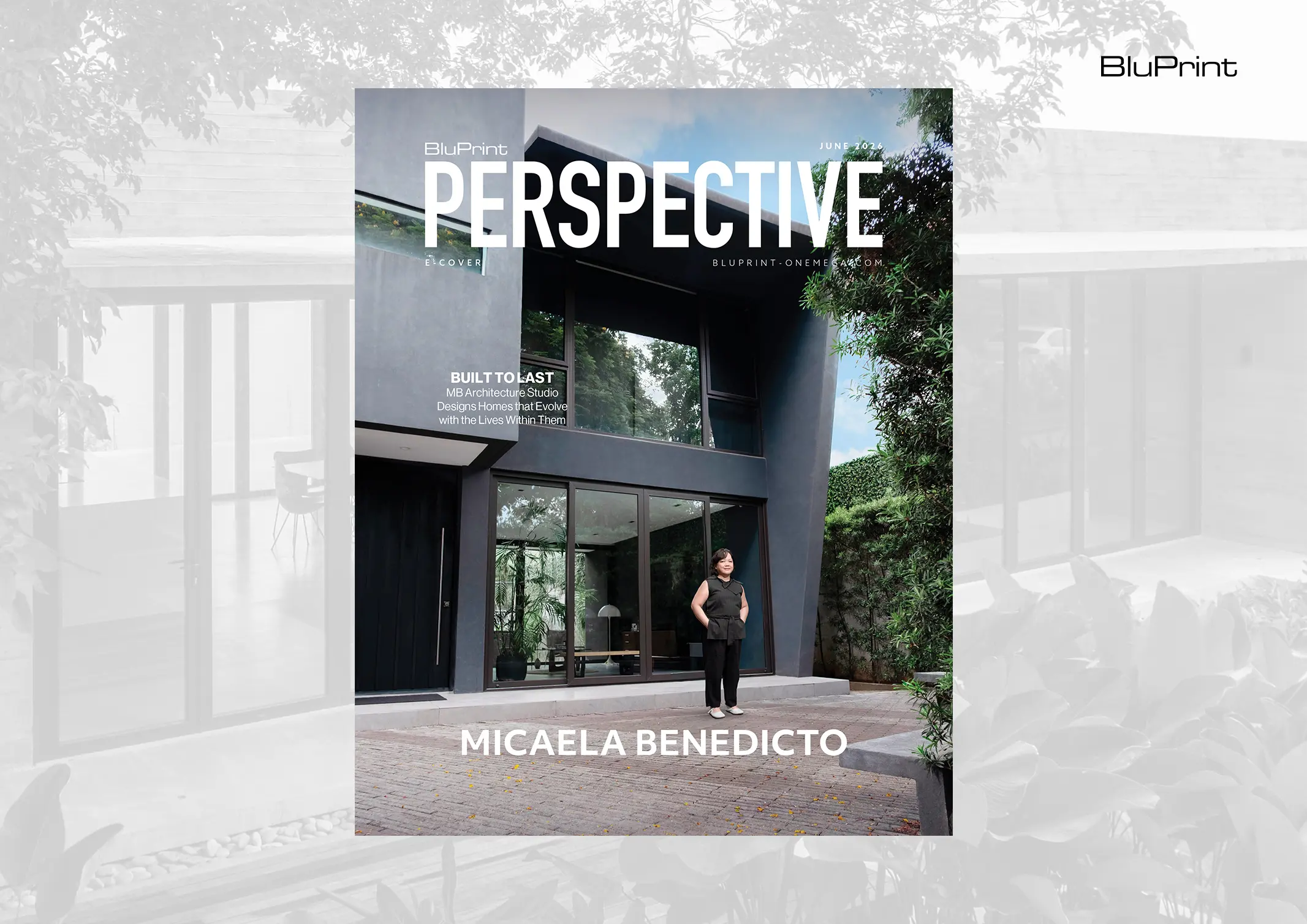
Since setting up her design firm, MB Architecture Studio, in 2007, Ar. Micaela Benedicto has built a diverse portfolio of architectural projects. Her works, whether residential or commercial, showcase a distinct spatial quality, “I like to create things that can go from something static to something that is alive and reactive,” Benedicto states. “In creating […]
Luscara and Soliento: Barchan + Architecture on Designing a Clubhouse that Responds to its Landscape
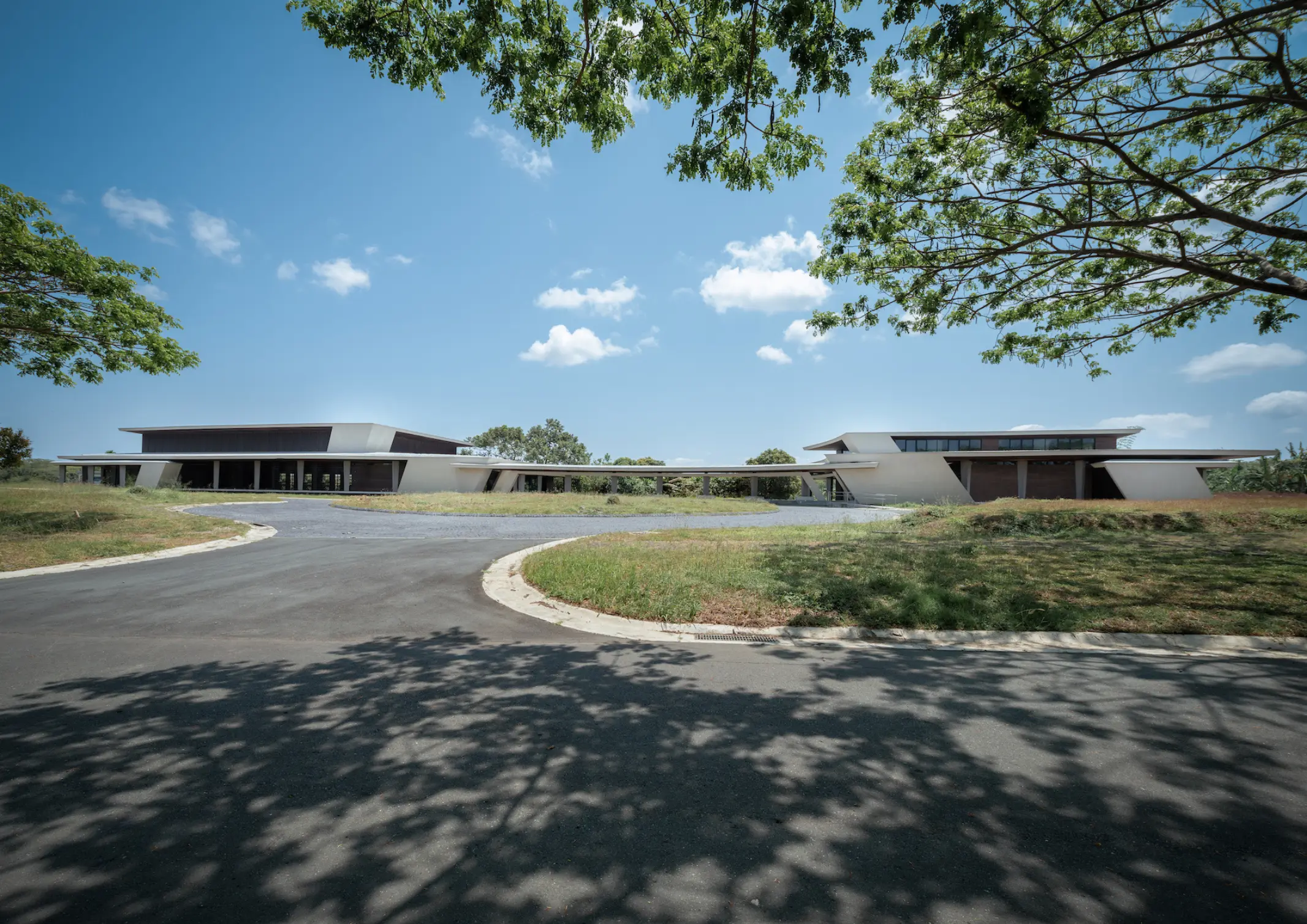
Situated in Laguna, south of Metro Manila, is a multi-thousand-hectare development created by Ayala Land Premier within the growth corridor of the CALABARZON Region. Barchan + Architecture was tasked with crafting a clubhouse for the subdivisions of Luscara and Soliento. Principal Architect of Barchan + ArchitectureArchitectureThe art and science of designing and constructing buildings, structures, […]
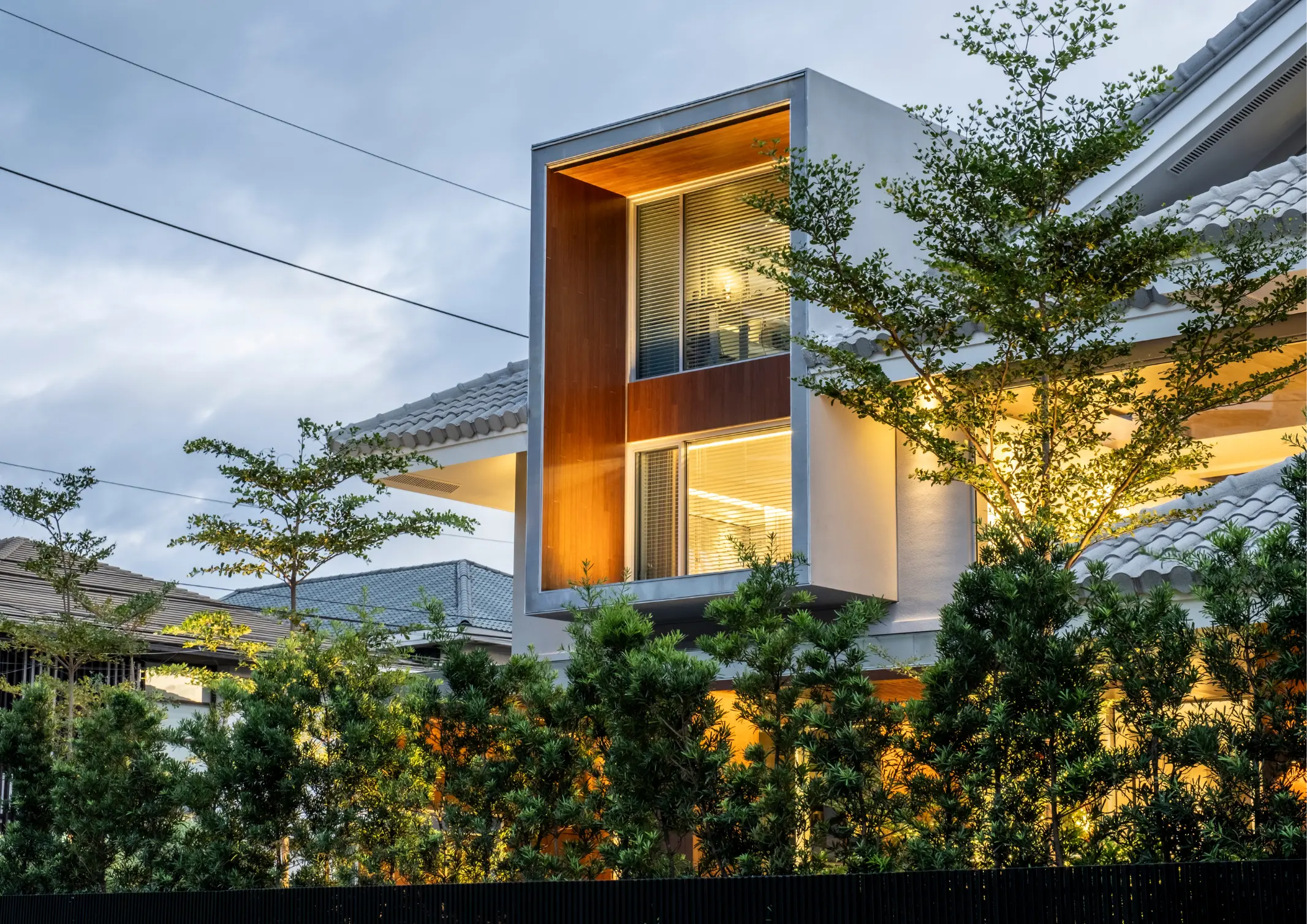
Over the past decades, adaptive reuseAdaptive ReuseThe practice of converting an old or disused building for a new purpose while keeping its structure and character. In the Philippines, it has turned heritage houses, warehouses, and factoriesGo to Adaptive Reuse Glossary has been utilized as a sustainable alternative for the built environment. It involves repurposing existing […]
Read the issues.

Collect the volumes.

Recommended Video
Tap to Unmute
Unmute
0:00
0:00