Bigkis is the act of binding. In Tagalog, the word can refer to something used to bind or encircle, as well as a bundle formed by tying several separate elements together. Figuratively, it can also mean a bond, union, or unity. The meanings move from the physical act of joining things together to the connection […]
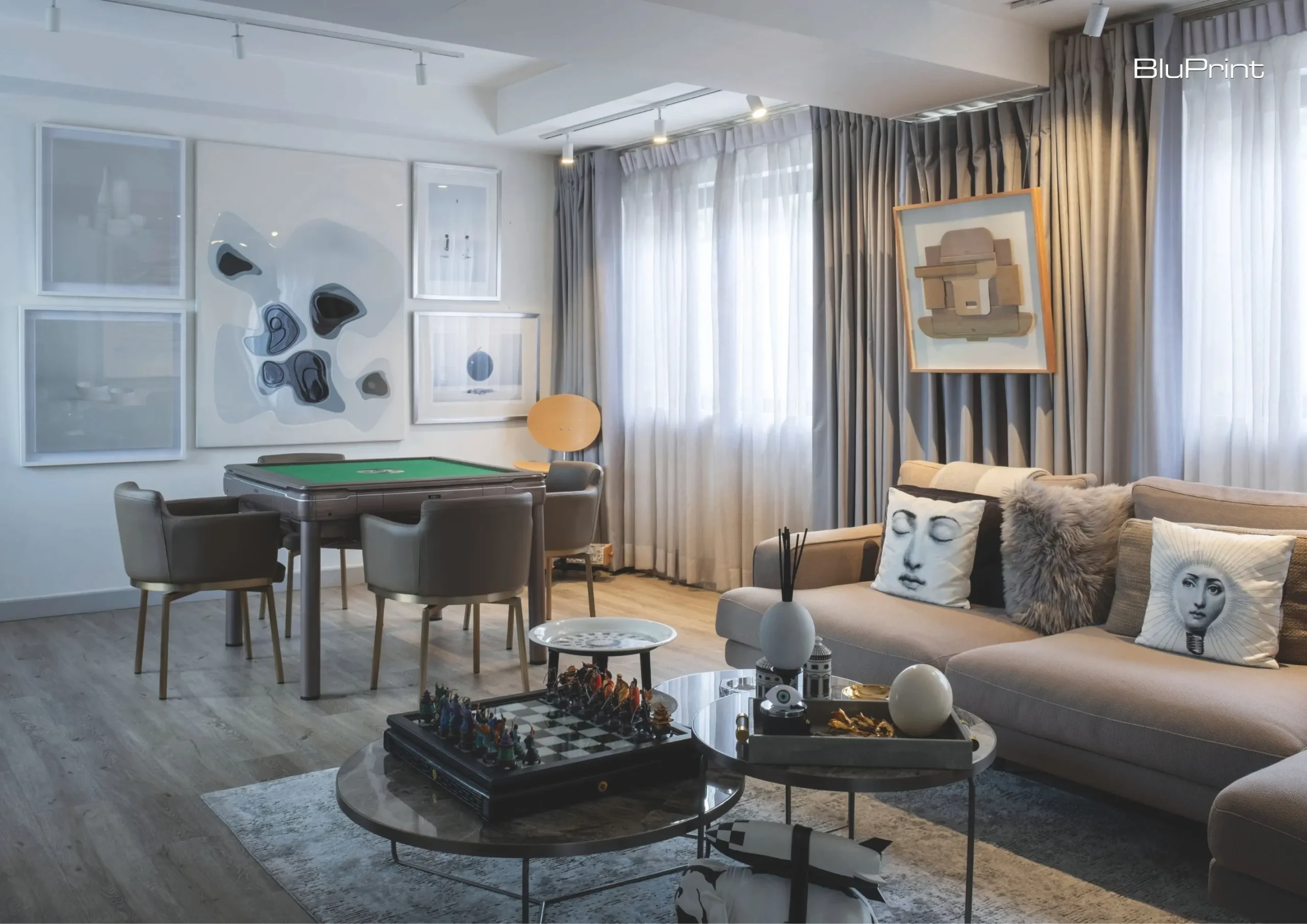
Art Collection That Speaks to the Soul



For this homeowner, art has always been an extension of himself. He has always known a thing or two about design. Before cake-making, he was an art director and graphic designer in both the Philippines and Canada, and there’s always been an eye for innovation and style deep in his bones.
In the first place, one of the reasons why he started making cakes was because it was something he could be passionate about, exploring the limits of the form and innovating the way he created cakes and pastries. That eye for design has made his company one of the most sought-after in the country, creating forms uniquely suited for that medium that showcased its beauty.
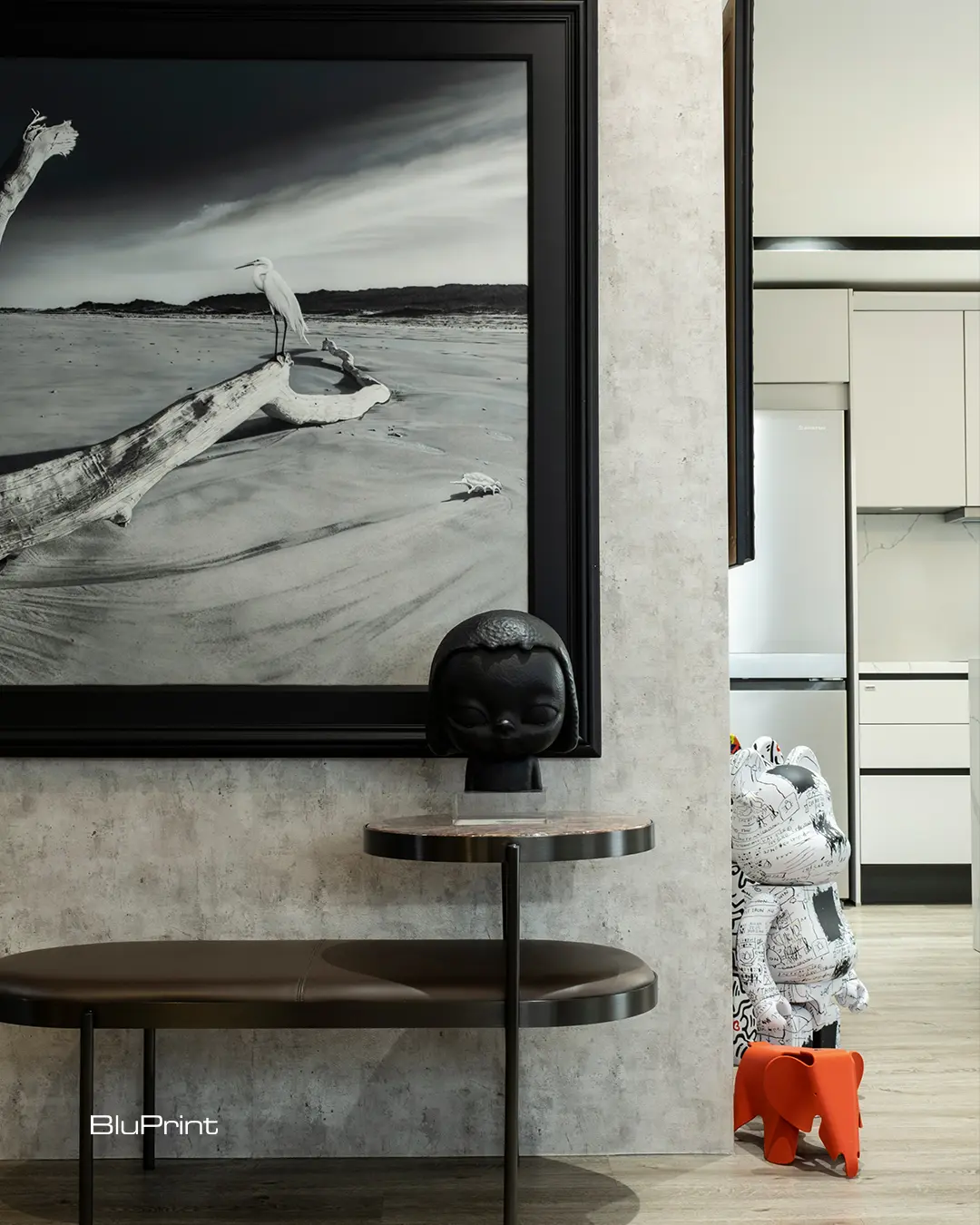
“It’s all about art—appreciation for art and the fundamentals,” he says. “The beauty of something, the matchmaking […] to create something beautiful. It’s the same thing with life; just different materials or different people […] things like that. “Because we do love art; every little small thing, we appreciate like, ‘Oh, how does this taste? Does it make you feel good when you eat something?’” It’s that passion for art that drove him through his life. And because of that fervor for creation, he found another outlet for his lifelong passion for the arts: art collection.
Curating With Passion
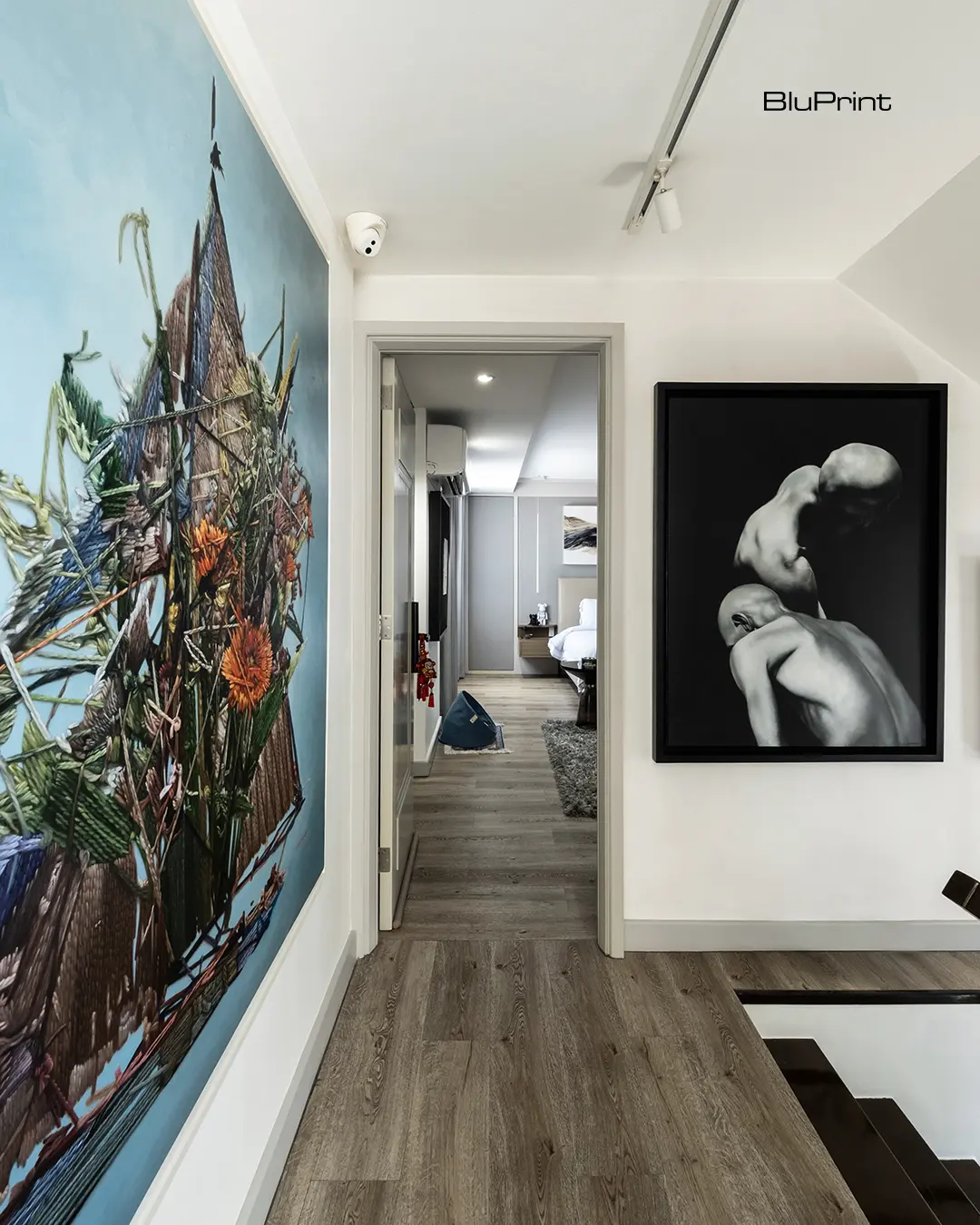
Though his collection and knowledge of the art scene is remarkably extensive now, he shares that it was not always like that at the beginning. For collectors just starting out at the scene, he recommends building a framework of what they like, and not just going with the trends and what’s popular. Visit exhibits, talk to artists and galleries, and even surround yourself more with fellow art lovers you can gain knowledge and experience from.
The homeowner emphasizes that collecting should go beyond name recognition and the monetary value of art. It’s all about finding the paintings and pieces that you enjoy, regardless of what the rest of the world thinks.
“Buy what you like; don’t buy it because everybody’s buying it,” he says. “Because at the end of the day, when you hang it, you have to look at it and you have to enjoy it […] At the end of the day, as long as you love it, it shouldn’t matter whether they go up in value or not.”
Read the full story by grabbing your copy of BluPrint Homes, available at the sarisari.shopping, Shopee, and Lazada. E-magazines are available for download here or through Readly, Press Reader, and Magzter.
Photographed by Ed Simon
Read more: A Pocket of Instinctive Design by Kix Suarez
Frequently Asked Questions
Before transitioning into the culinary world, the homeowner served as an art director and graphic designer in both the Philippines and Canada, which instilled in him a deep-seated eye for innovation and style. He views cake-making as a natural extension of his design background, exploring the limits of the form and applying the fundamentals of beauty and “matchmaking” to his pastries. This artistic perspective has transformed his company into one of the most sought-after in the country, as he treats edible materials with the same reverence and passion that a traditional artist would treat a canvas.
The homeowner believes that art is an all-encompassing passion that dictates how one perceives every small detail in life, from the visual appeal of a painting to the sensory experience of a meal. He posits that the fundamentals of art—appreciation, beauty, and emotional resonance—are universal across different mediums. For him, questioning how a cake tastes or how it makes a person feel is functionally the same as evaluating a piece of art, as both experiences are designed to evoke a specific emotional response and a sense of wellbeing.
He recommends that beginning collectors focus on building a personal framework of what they genuinely like rather than simply following current market trends or popular names. He encourages newcomers to immerse themselves in the culture by visiting exhibits, engaging in dialogue with artists and galleries, and surrounding themselves with fellow art lovers to gain varied perspectives. By doing so, a collector can develop a refined eye that allows them to make informed choices based on personal resonance and intuition.
The core of his collecting philosophy is that art should be an extension of the self, meaning that the primary value of a piece is the joy it brings to the person who has to look at it every day. He argues that if a collector buys solely for investment or because a name is recognizable, they lose the authentic connection that makes art meaningful. In his view, as long as a piece is loved by the owner, its fluctuations in market value are irrelevant compared to the long-term satisfaction of living with a work that speaks to the soul.
The homeowner approaches his domestic space as a curated environment where distinct and disparate works must be organized into a harmonious whole. Drawing from his background in graphic design and art direction, he utilizes his knowledge of composition and style to ensure that every piece, regardless of its medium or origin, contributes to a larger narrative. This process of arranging his collection mirrors his professional work in “matchmaking” different elements to create a singular, beautiful outcome that reflects his personality and history.
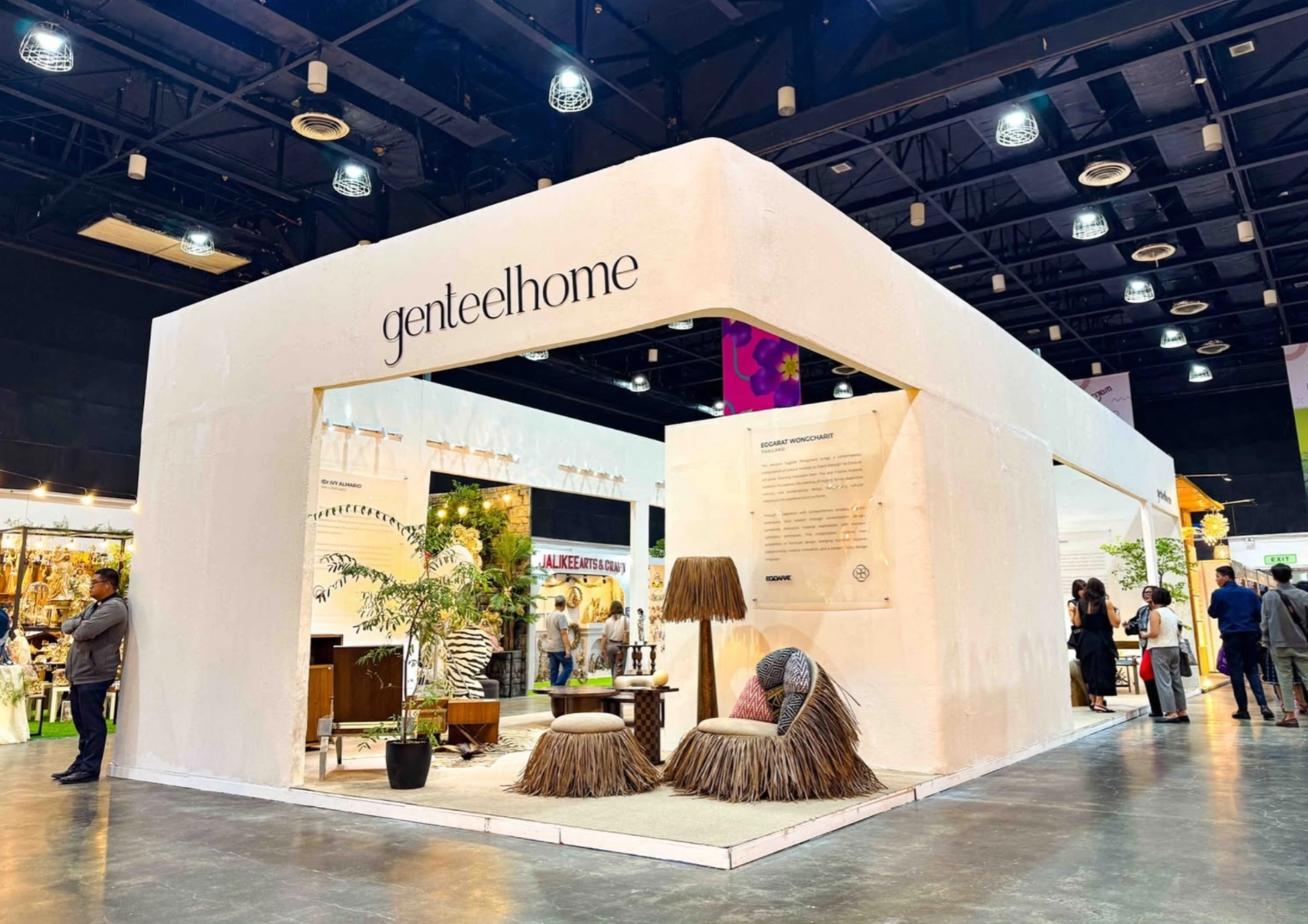
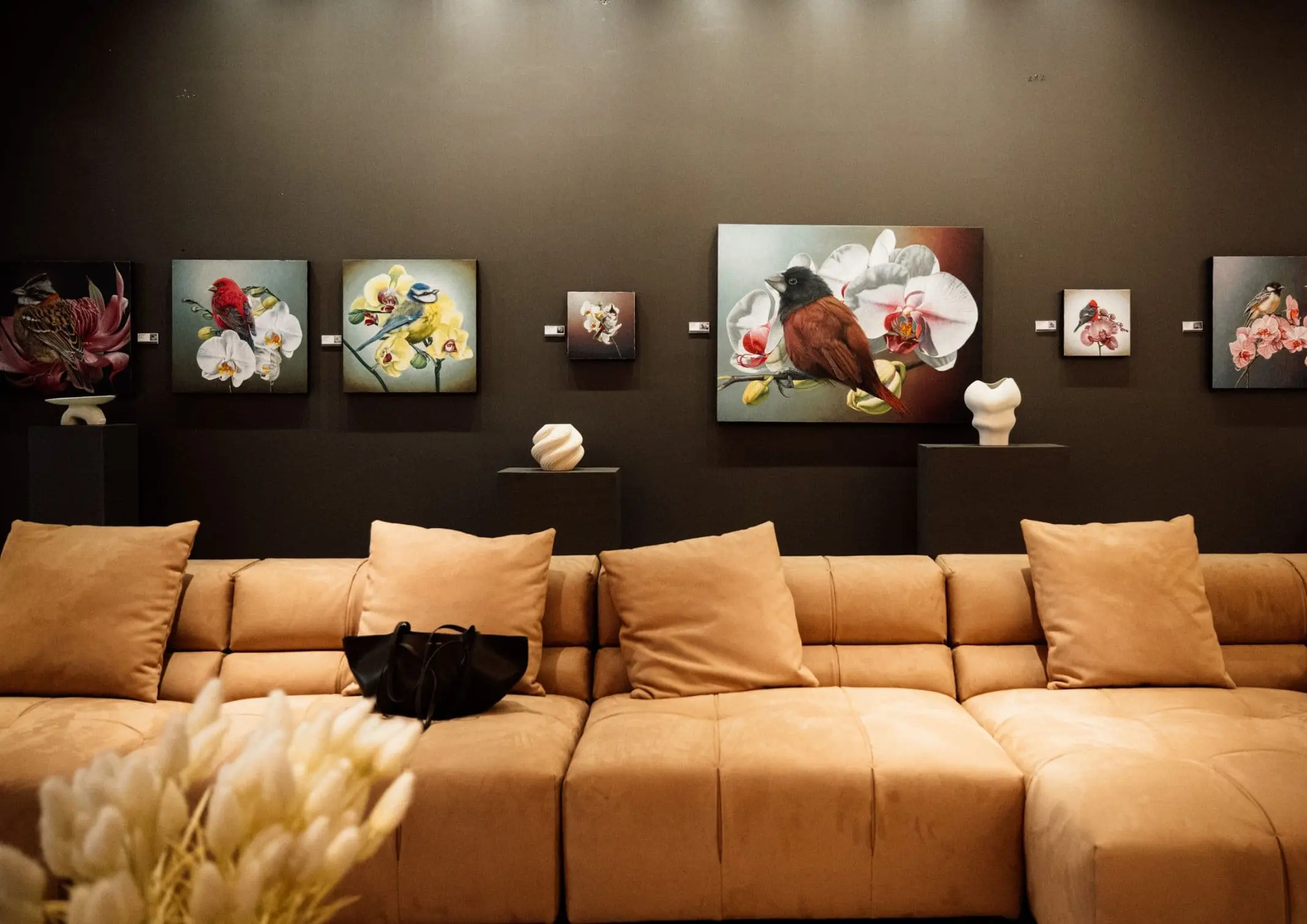
Art and furniture are often selected separately, yet their relationship can shape how a room looks and feels. The collaboration between Hooga and Galerie Joaquin explores how these elements can work together, bringing contemporary artworks into furnished residential settings at Hooga’s showroom in Uptown Mall, Bonifacio Global City. For Hooga, which curates furniture, lighting, and […]
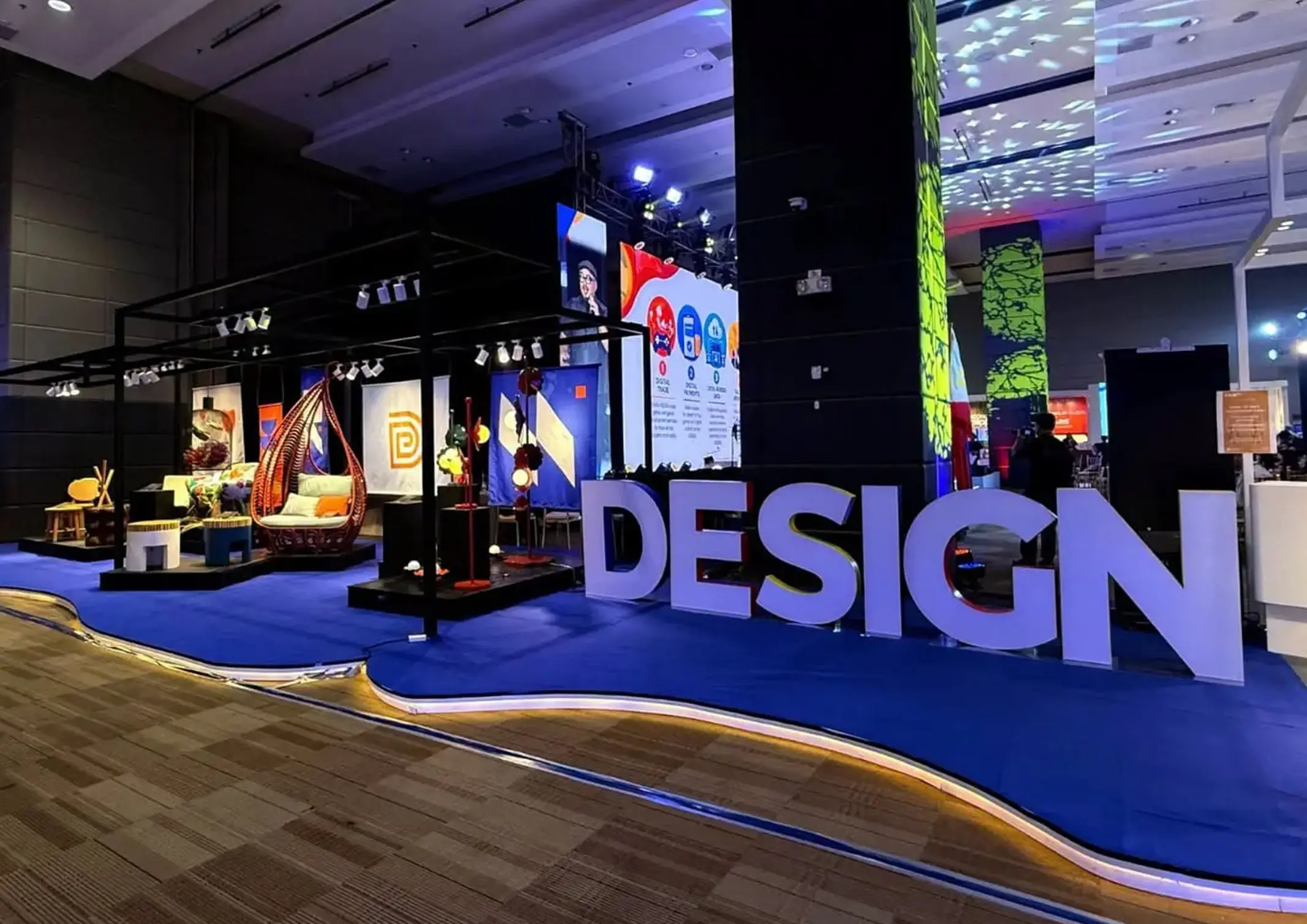
Held at the SMX Convention Center Aura in Taguig City, the first ASEAN Creative Industries Expo by Malikhaing Pinoy (ASEAN MPEx) features nine creative domains, including design, visual arts, digital interactive media, and performing arts. Organized by the Department of Trade and Industry (DTI), the event includes exhibitions, cultural performances, industry talks, and pitching sessions […]
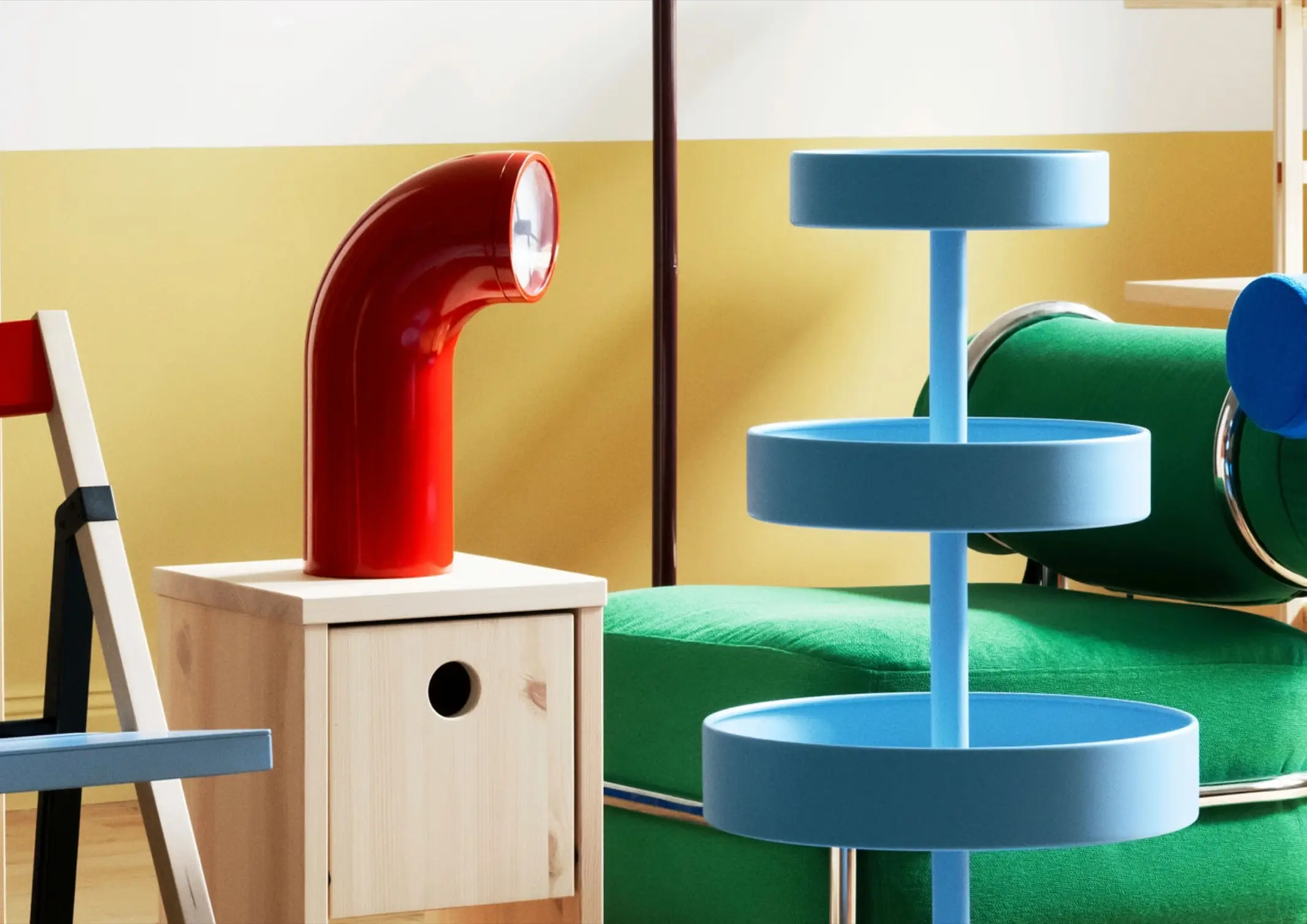
A chair does not always prescribe how to sit in it. A lamp can be more than a source of light. A clock can be more than a way to tell the time.These small departures from convention are at the center of IKEA PS 2026. The latest iteration of IKEA’s experimental PS series comprises more […]

Large-format porcelain is no longer limited to conventional floor and wall applications. Advances in scale, finish, and fabrication have expanded its role across architectureArchitectureThe art and science of designing and constructing buildings, structures, and spaces that are functional, safe, and aesthetically pleasing. It encompasses the planning, design, materials, and techniques used to createGo to Architecture […]
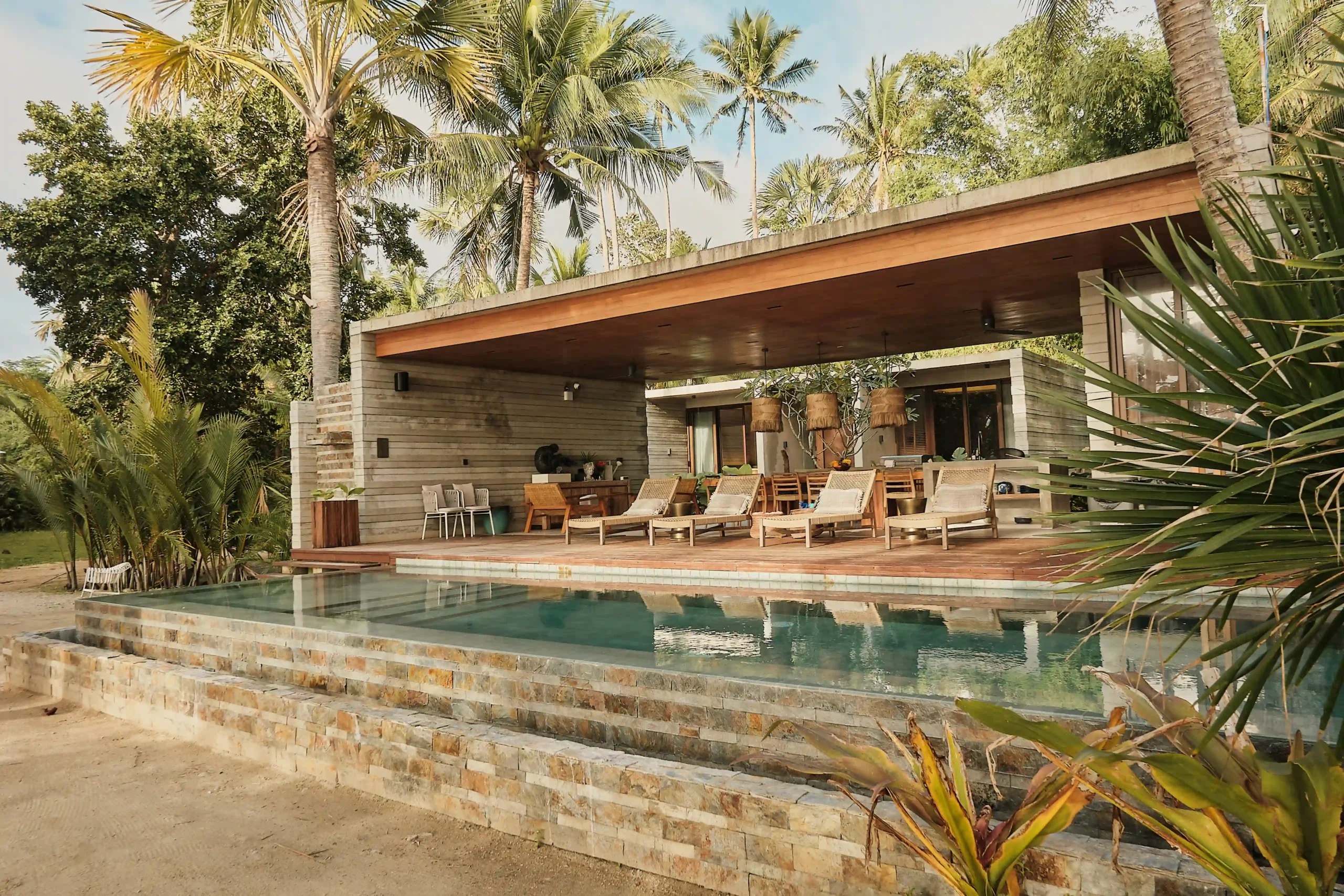
Overlooking Tayabas Bay, Agda Beach Villas occupies a one-hectare hilly property where the terrain descends toward the coast. Designed by VBo Architects + Engineers, the tropical retreat responds to the sloping terrain through villas and shared spaces oriented toward the surrounding landscape. Before construction began, Bocalid was drawn to the property’s steep terrain and secluded […]
Read the issues.

Collect the volumes.

Recommended Video
Tap to Unmute
Unmute
0:00
0:00