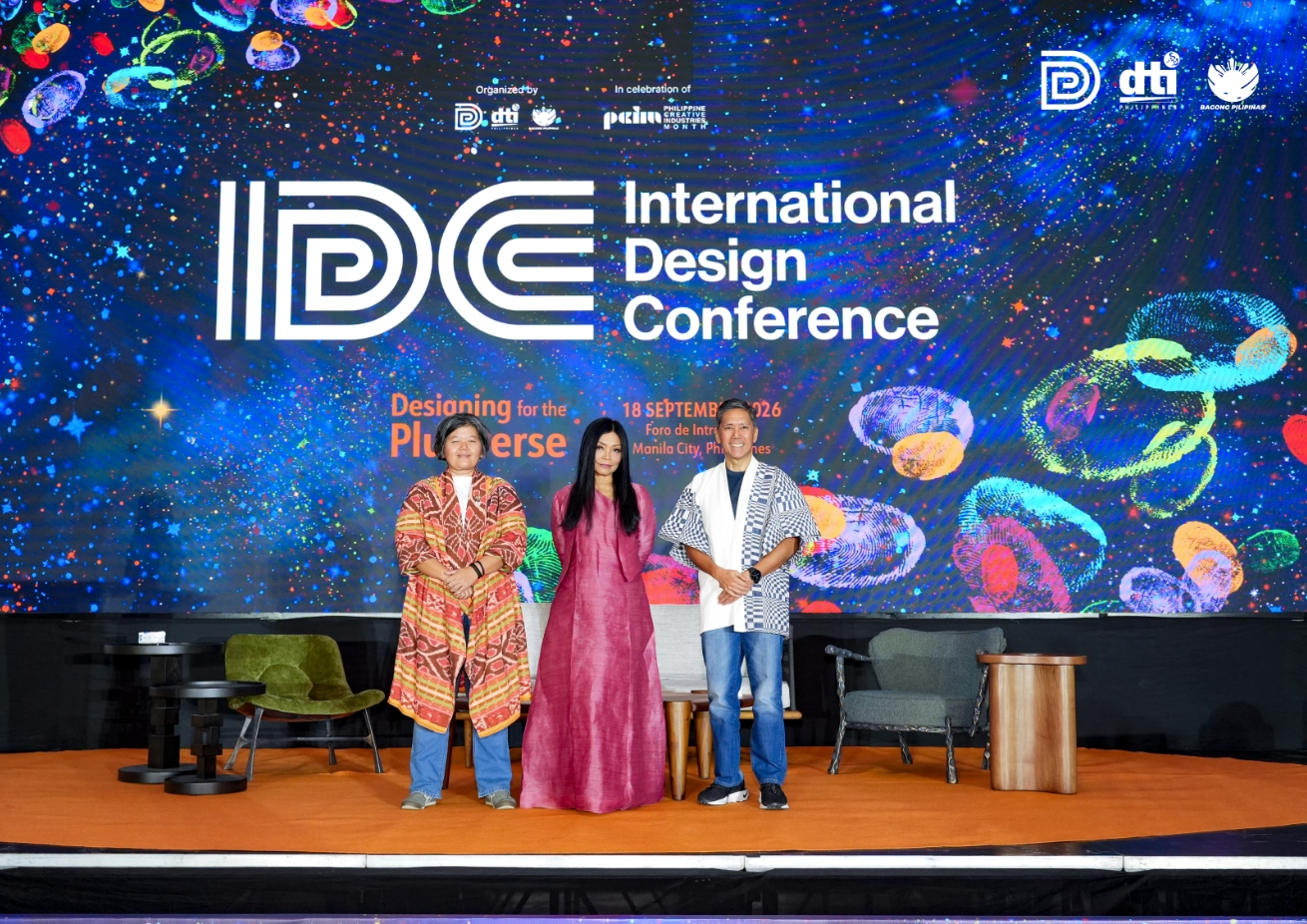
Culture in design does not always announce itself through a recognizable motif, material, or symbol. It can also be embedded in the relationships designers build, the knowledge they listen to, the materials they choose, and the decisions they make in response to communities and their environments. This distinction emerged throughout the 2026 International Design Conference […]
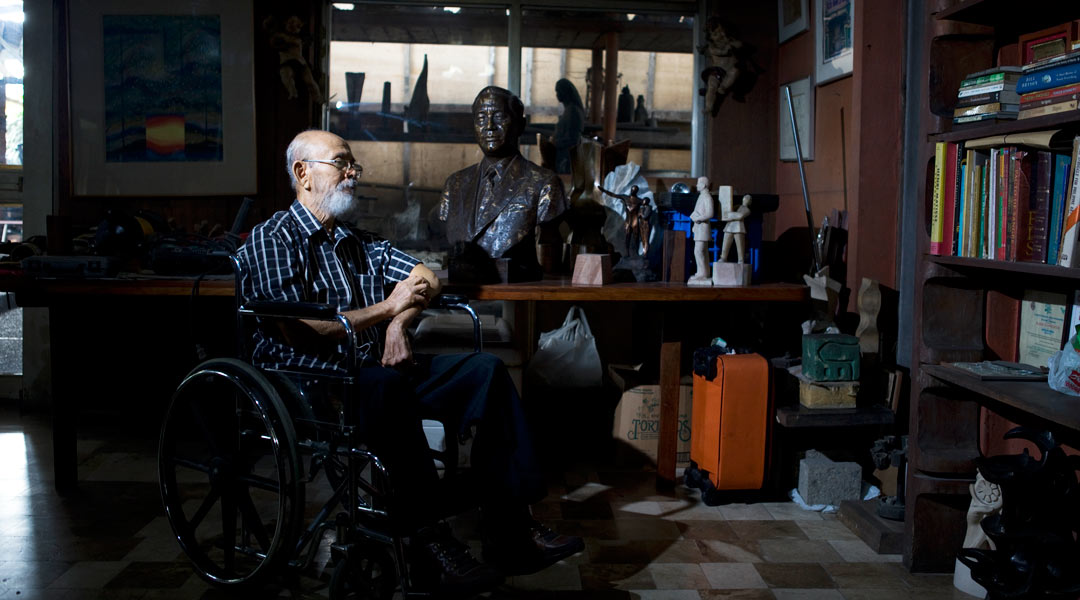
Napoleon Abueva: 5 Notable Works from the Father of Modern Philippine Sculpture



Sculpting is one of the oldest art forms of humankind. From indigenous art such as the anito and bulul, and the Santos of Christian communities, sculpture is embedded in Philippine culture. After the Second World War, modern sculpture rose into the local zeitgeist, introducing new materials and forms in the process. Considered the Father of Modern Philippine Sculpture, Napoleon “Billy” Veloso Abueva is an influential figure in the art form.
Born in 1930, Napoleon Abueva was raised in Tagbilaran, Bohol. Having been raised on his family’s farm, he enjoyed playing with mud. Meanwhile, he first encountered clay during his gardening classes. He would use these materials to construct animal forms. “As a child, I made animal forms, especially of the carabao, out of garden clay,” recounts Abueva in a 2003 interview with Jose Wendell Capili.
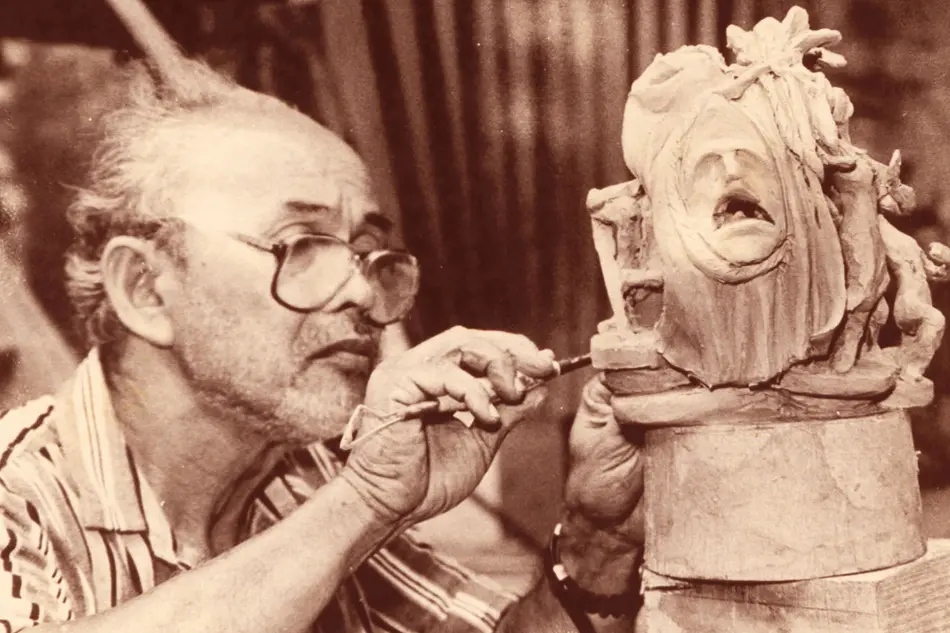
Abueva’s experience with manual work also influenced his affinity for sculpture. During his teenage years, he worked in concrete fabrication, gaining knowledge of the construction of homes, roads, and bridges through hands-on experience with concrete. He also worked on lapidas and other sculptural pieces for cemeteries using white cement. “I think to be a sculptor, you have to be really radical, engage in actual work—manual work,” Abueva remarked.
As a member of the modernist movement in the country, Abueva redefined the local sculpture scene. In 1976, his career was cemented in history when he was named National Artist for Sculpture. At just 46 years old, he was—and remains—the youngest artist ever conferred with the nation’s highest honor.
College of Fine Arts
Napoleon Abueva attended the University of the Philippines College of Fine Arts as a Pura Villanueva-Kalaw scholar. It was his brother, Teodoro “Teddy” Abueva, who served as his father figure after the death of their parents and encouraged him to pursue the arts. In university, he was mentored by National Artist Guillermo Tolentino, also known as the Father of Philippine Arts, from 1950 until 1953.
Tolentino held conservative views on art, coming from the old, classical school. Abueva, on the other hand, deviated from the traditional. To Tolentino, Abueva has this to say: “I moved on, and although we disagreed on many points, he was nevertheless encouraging. He was a very good teacher, and he was very happy with what I managed to achieve.”
Notable Works
The Kiss of Judas (1955)
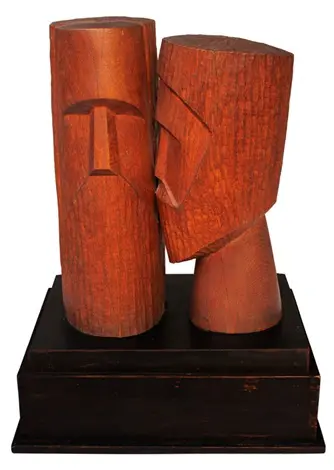
Created by Abueva as a student at the Cranbrook Institute of Art in Michigan, USA, the Kiss of Judas (1955) is a sculpture carved out of oak wood. It portrays the moment Judas Iscariot betrays Jesus Christ, with the kiss serving as a tender interpretation of treason. The piece earned him First Prize and Purchase Prize in the sculpture division of the 4th Religious Art Exhibition and Competition in Detroit, Michigan, at the age of 26. Abueva recalled, “Tolentino really abhorred distortion and when ‘The Kiss of Judas’ won a prize, he jokingly referred to it as ‘the monster.’”
Rice Planting (1952)
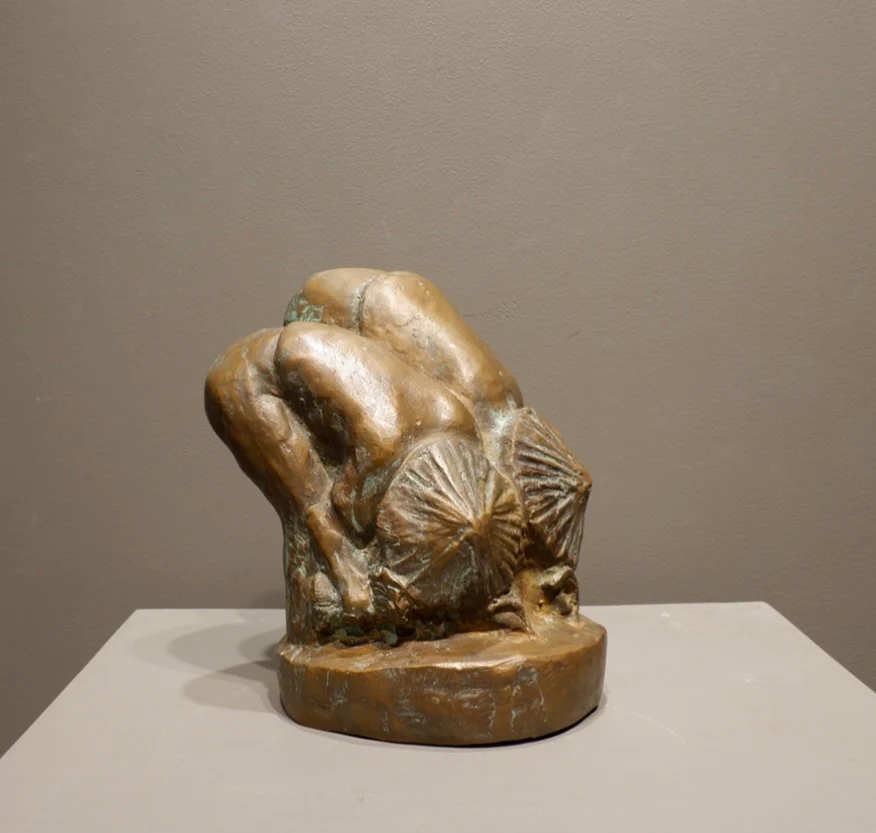
Inspired by the song Magtanim at di Biro, the wooden sculpture depicts two women planting rice while wearing salakots. This piece won Abueva first place in the Art Association of the Philippines (AAP) contest in 1952, while he was a student at the University of the Philippines Diliman.
Kaganapan or Fulfillment (1952)
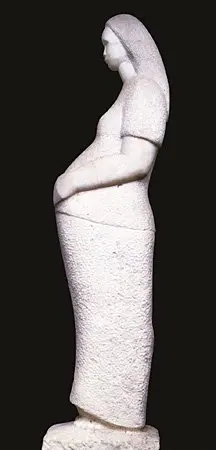
Kaganapan is one of Abueva’s most memorable pieces. Through this marble sculpture, he explored a neo-realist approach. The piece is an intimate portrayal of an expectant mother, which Abueva describes as “the promise of a new life.”
It showcases a deep understanding of the human form: the woman is gently holding her bump, her back curved forward, and her face tilted downwards with a pensive expression.
The Transfiguration (1979)
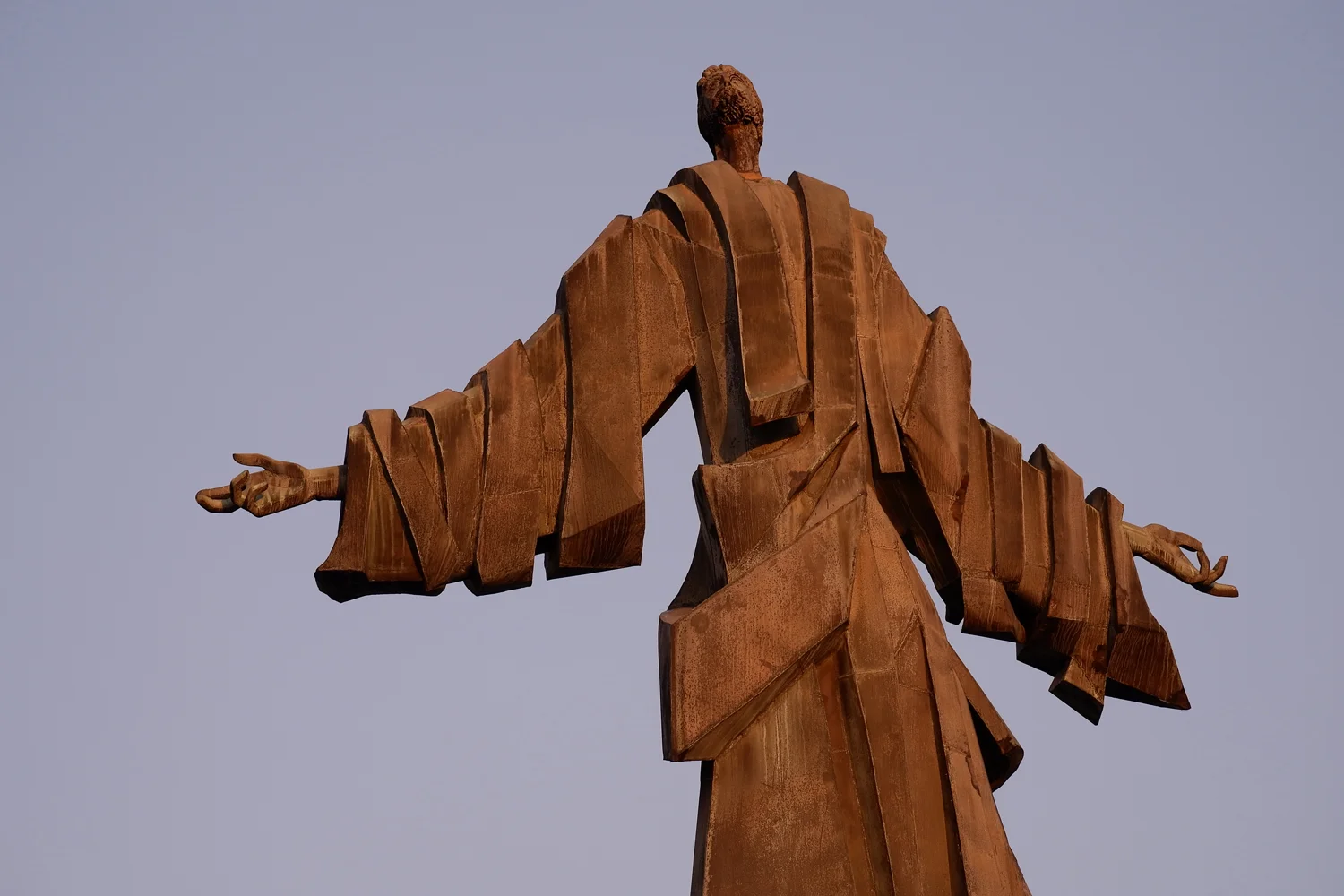
Made out of brass, copper, and stainless steel, the Transfiguration is a statue of a risen Jesus Christ. Standing at 33 feet tall, it was commissioned for the Eternal Gardens in Baesa, Caloocan City, in 1979. The figure of Christ is looking up to the heavens, His arms outstretched, and His clothes draping on his body. The Eternal Gardens states that this piece “represents our faith in God and eternal life, expressing humanity’s highest inspiration in the search for enlightenment.” Today, this piece is one of Abueva’s most well-known works, serving as a popular landmark.
Siyam na Diwata ng Sining or Nine Muses (1994)
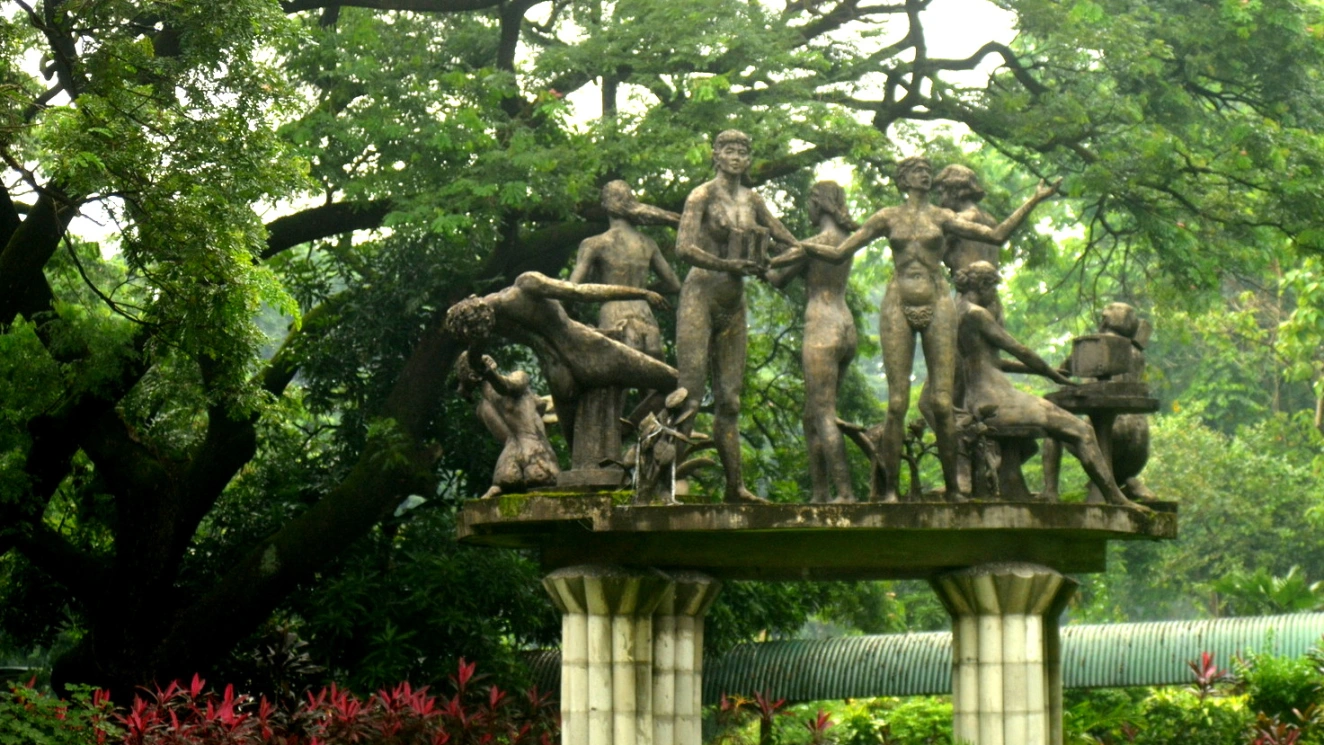
Situated in the Hardin ng mga Diwata, along the University of the Philippines Faculty Center, Abueva’s Siyam na Diwata ng Sining is a sculptural depiction of the 9 muses, namely: architectureArchitectureThe art and science of designing and constructing buildings, structures, and spaces that are functional, safe, and aesthetically pleasing. It encompasses the planning, design, materials, and techniques used to createGo to Architecture Glossary, dance, film, literature, music, painting, photography, sculpture, and theater. Carved out of reinforced concrete, the sculpture utilizes female figures to depict these artistic disciplines.
“He liked the women who had powerful bodies as well… I think it really shows in his art as well. If you look at the Nine Muses, these are all women with muscle. Women who are powerful,” states his daughter, Amihan Abueva.
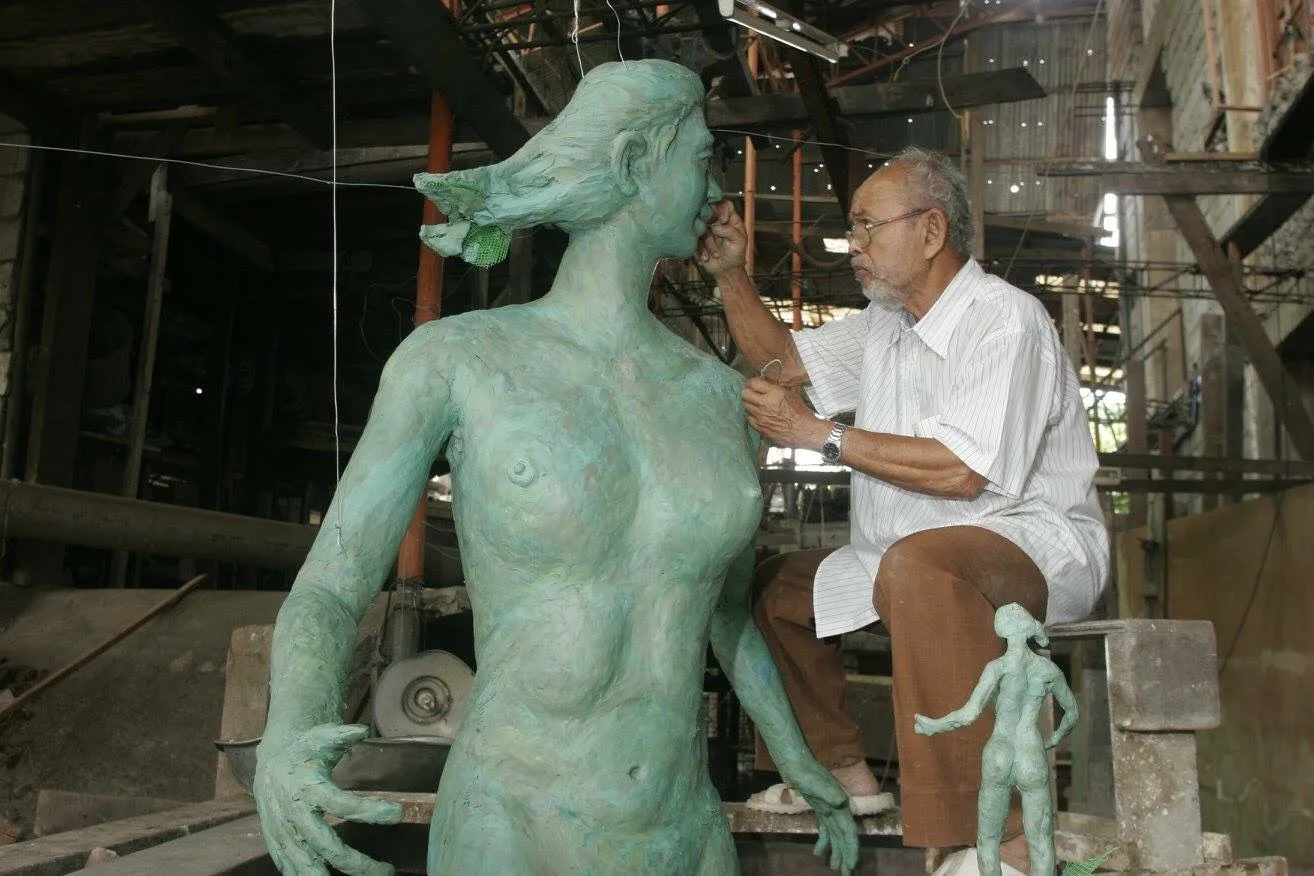
Each muse possesses a unique form, while holding onto each other to form a ring. The muses presented are nude, presenting the uninhibited nature of artistic expression. His daughter states, “He did a lot of work in different kinds of materials and in different styles. But for me, there’s a certain fluidity. Whatever the subject is of his work, whether it’s very abstract or figurative.”
In the aforementioned 2003 interview, when asked about how he wished to be remembered, Abueva cites the inscription on one of his designs: “Whatever desire is expressed in form, one conceives in realm of design. The mind in the hand can falter or surpass: if you answer which one and how much was done by love.”
Read More: Napoleon Abueva’s Gothic “chapel” workshop
Frequently Asked Questions
Napoleon Abueva earned this title by being the primary figure to introduce modernism to Philippine sculpture after the Second World War. Breaking away from the classical traditions of his mentor, Guillermo Tolentino, Abueva experimented with a wide range of materials including reinforced concrete, stainless steel, brass, and native hardwoods. His work shifted the national zeitgeist from conservative, literal representations to neo-realist and abstract forms, making him the youngest National Artist for Sculpture at age 46.
While Guillermo Tolentino was a master of the classical school who “abhorred distortion,” Abueva used this conservative foundation as a springboard for deviation. Abueva respected Tolentino’s technical mastery but felt a sculptor must be radical and engage in manual work—a conviction born from his teenage experience in concrete fabrication and bridge-building. This tension is best exemplified in his work The Kiss of Judas, which Tolentino jokingly called a “monster” due to its modern, non-classical proportions.
Kaganapan (Fulfillment) is a seminal neo-realist work that provides an intimate portrayal of an expectant mother. The sculpture is significant for its anatomical sensitivity, showing the woman holding her bump with a curved back and pensive expression. Abueva described it as “the promise of a new life,” and it remains a primary example of his ability to imbue cold marble with fluid, human warmth and rhythmic form.
The Nine Muses is a public sculpture depicting the nine artistic disciplines: architecture, dance, film, literature, music, painting, photography, sculpture, and theater. Situated at the University of the Philippines, the work is notable for depicting women with powerful, muscular bodies to represent the strength and uninhibited nature of artistic expression. The figures are arranged in a ring, holding onto one another to symbolize the interconnectedness of all creative fields.
Standing at 33 feet tall, The Transfiguration utilizes brass, copper, and stainless steel to depict a risen Jesus Christ. This work reflects Abueva’s background in construction and fabrication, using industrial metals to create a popular landmark that symbolizes enlightenment and eternal life. The use of outstretched arms and draped metal “clothes” demonstrates how Abueva successfully applied modern engineering materials to traditional spiritual themes.
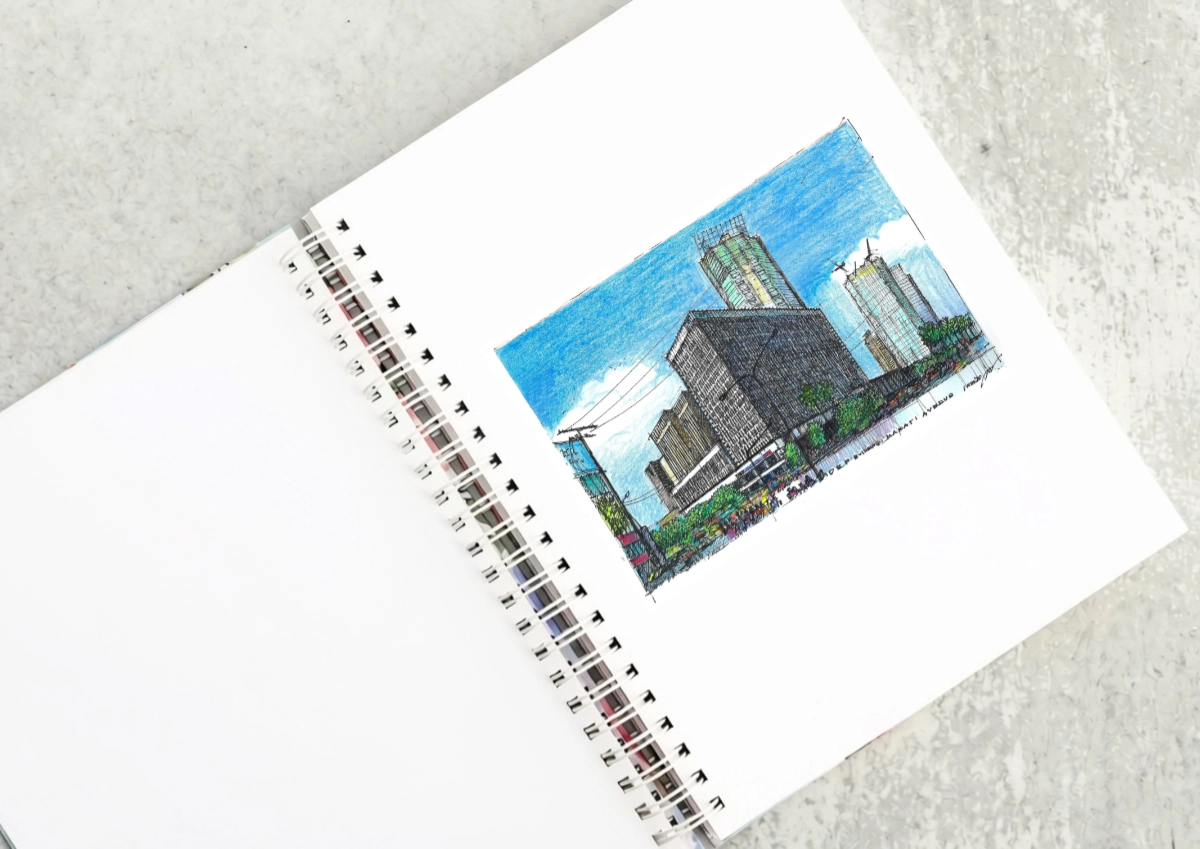
The DBP Building as a Landmark of the International Style At the corner of Sen. Gil Puyat Avenue and Makati Avenue stands a landmark of the Makati Central Business District. It is one of the last still standing that were built in the first wave of construction in district fifty years ago. The Development Bank […]
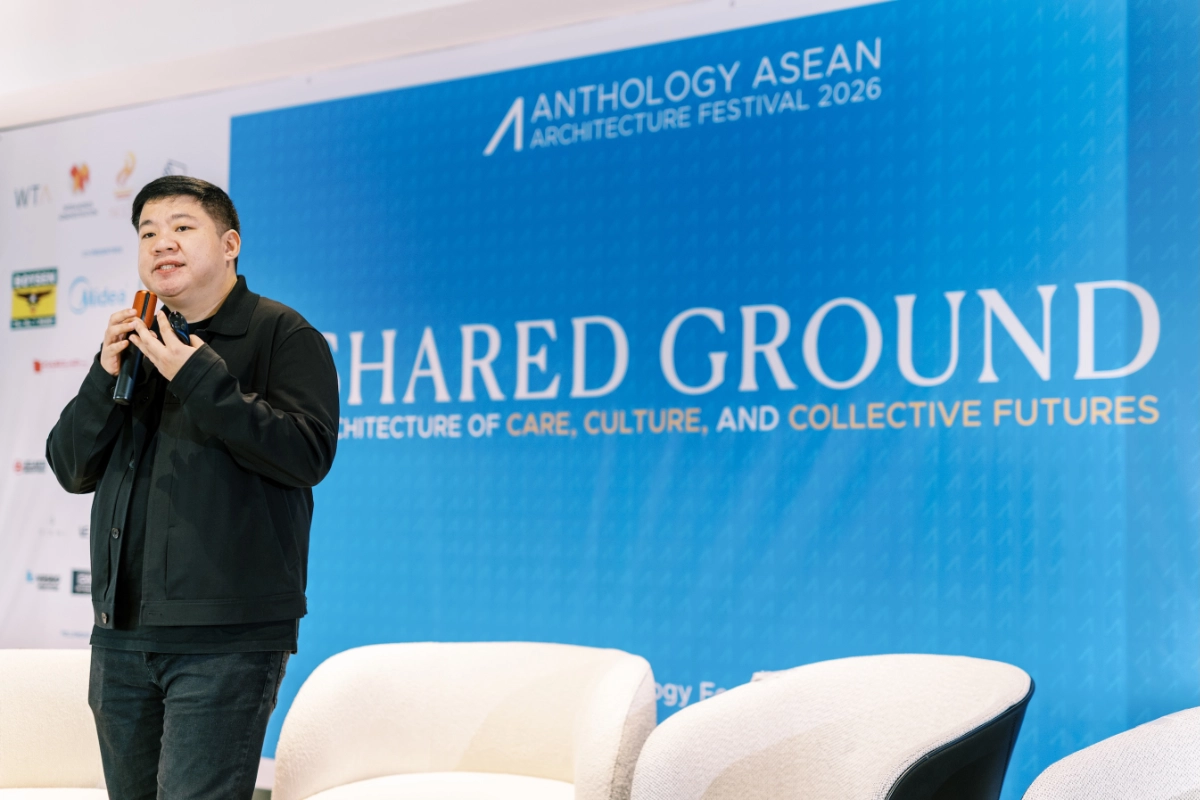
“Buildings only become architectureArchitectureThe art and science of designing and constructing buildings, structures, and spaces that are functional, safe, and aesthetically pleasing. It encompasses the planning, design, materials, and techniques used to createGo to Architecture Glossary when they are shared,” said William Ti Jr., founder of the Anthology Festival and WTA Architecture and Design Studio, […]
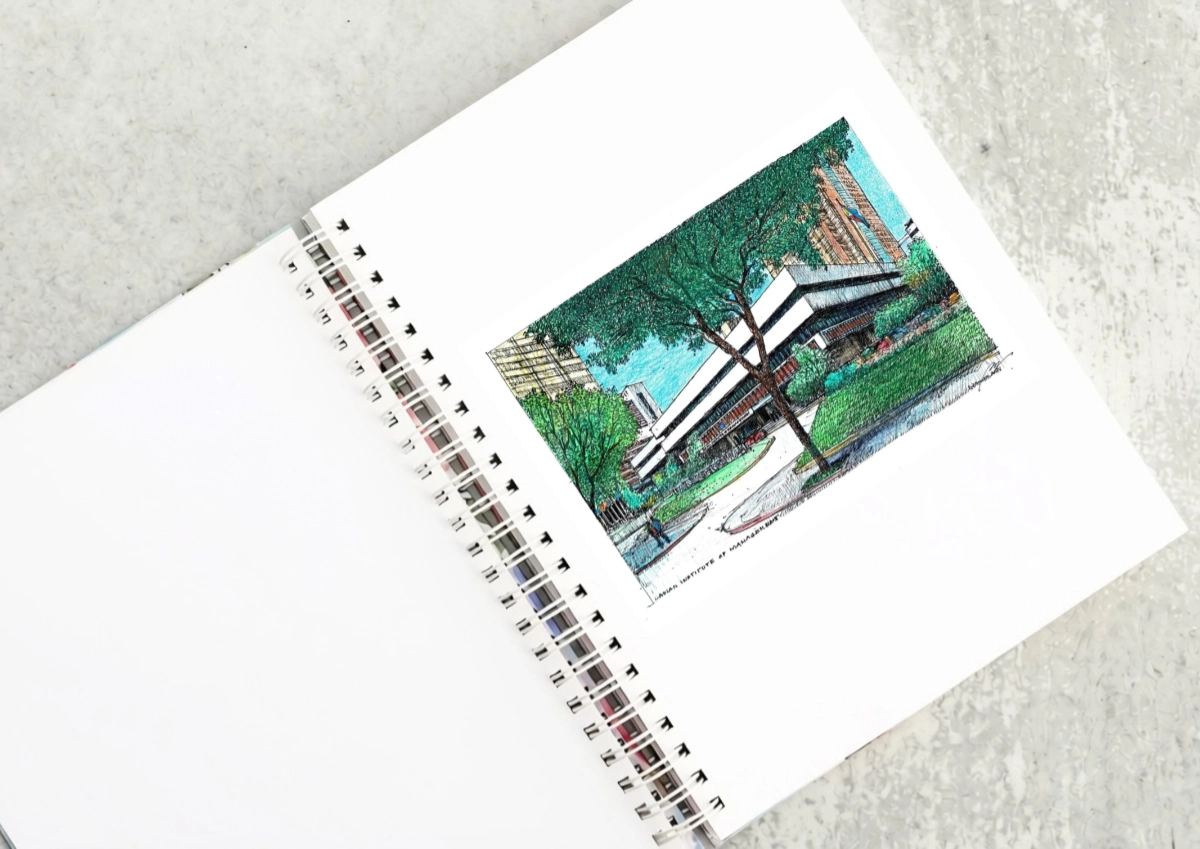
A Filipino Interpretation of Modernist Architecture Unlike the rest of Makati today, the northern end of Paseo de Roxas in Makati is anchored by a low complex rather than a tall skyscraper. This is the elegant Asian Institute of Management, designed by architect Gabriel Formoso and completed in 1971. In my opinion, the building is […]
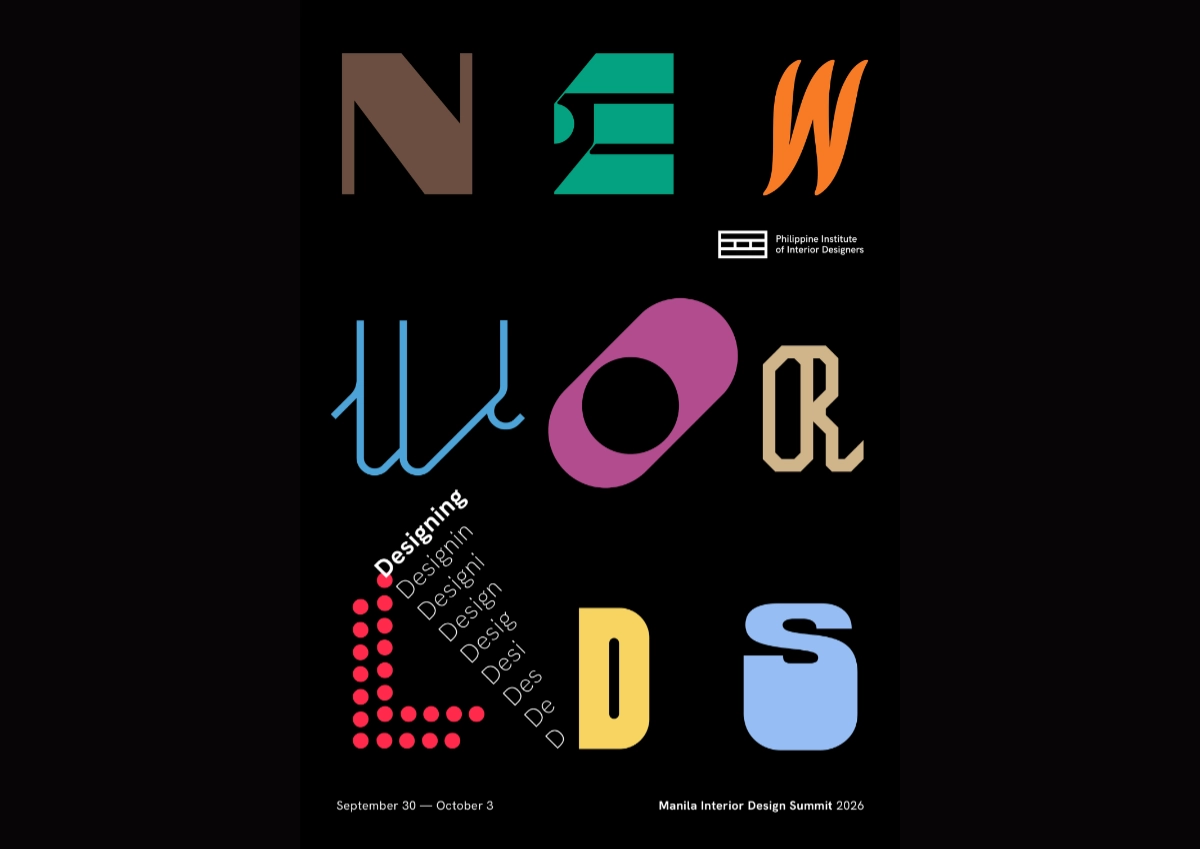
“Thailand has claimed urban creativity and livability. Singapore has institutional design leadership. Indonesia is emerging as a design hub. Vietnam is moving into design innovation. And the Philippines? Its position is not weak. It is simply unclaimed.” For IDr. Cecil Ravelas, National President of the Philippine Institute of Interior Designers (PIID), the challenge is not […]
Read the issues.

Collect the volumes.

Recommended Video
Tap to Unmute
Unmute
0:00
0:00