


Bigkis is the act of binding. In Tagalog, the word can refer to something used to bind or encircle, as well as a bundle formed by tying several separate elements together. Figuratively, it can also mean a bond, union, or unity. The meanings move from the physical act of joining things together to the connection […]
Contemporary design refers to the constantly evolving design trends of today. With the power to design our built environments, architects have been experimenting with various architectural approaches. Whether that is through unconventional forms or the integration of smart technologies, BluPrint lists down Filipino architects who are defining contemporary architectureArchitectureThe art and science of designing and constructing buildings, structures, and spaces that are functional, safe, and aesthetically pleasing. It encompasses the planning, design, materials, and techniques used to createGo to Architecture Glossary.
Deo Alam
Architect Deo Alrashid Alam of Deo Alrashid Alam Design Architecture (DADA) promotes the integration of heritage into contemporary design. Raised in Zamboanga City, his environment influenced his design philosophy, wherein space and identity are heavily intertwined. Among his diverse portfolio of institutional, commercial, and residential projects, his affinity for cultural storytelling and architectural innovation shines through.
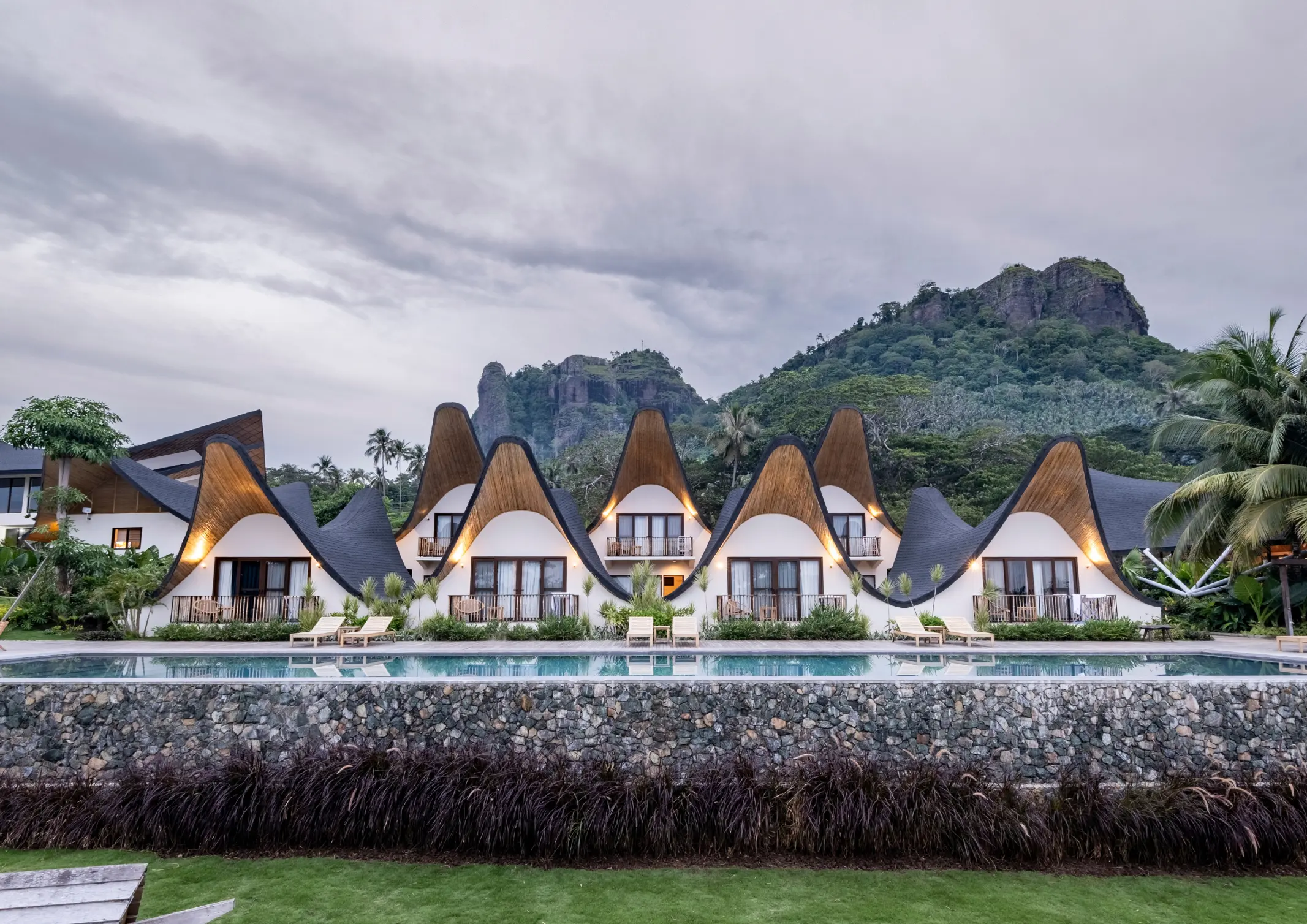
This is evident in Bihing Tahik, a resort situated within the coastal municipality of Bongao. Drawing inspiration from the beauty of Tawi-Tawi, its design language reflects a connection between space, nature, and culture.
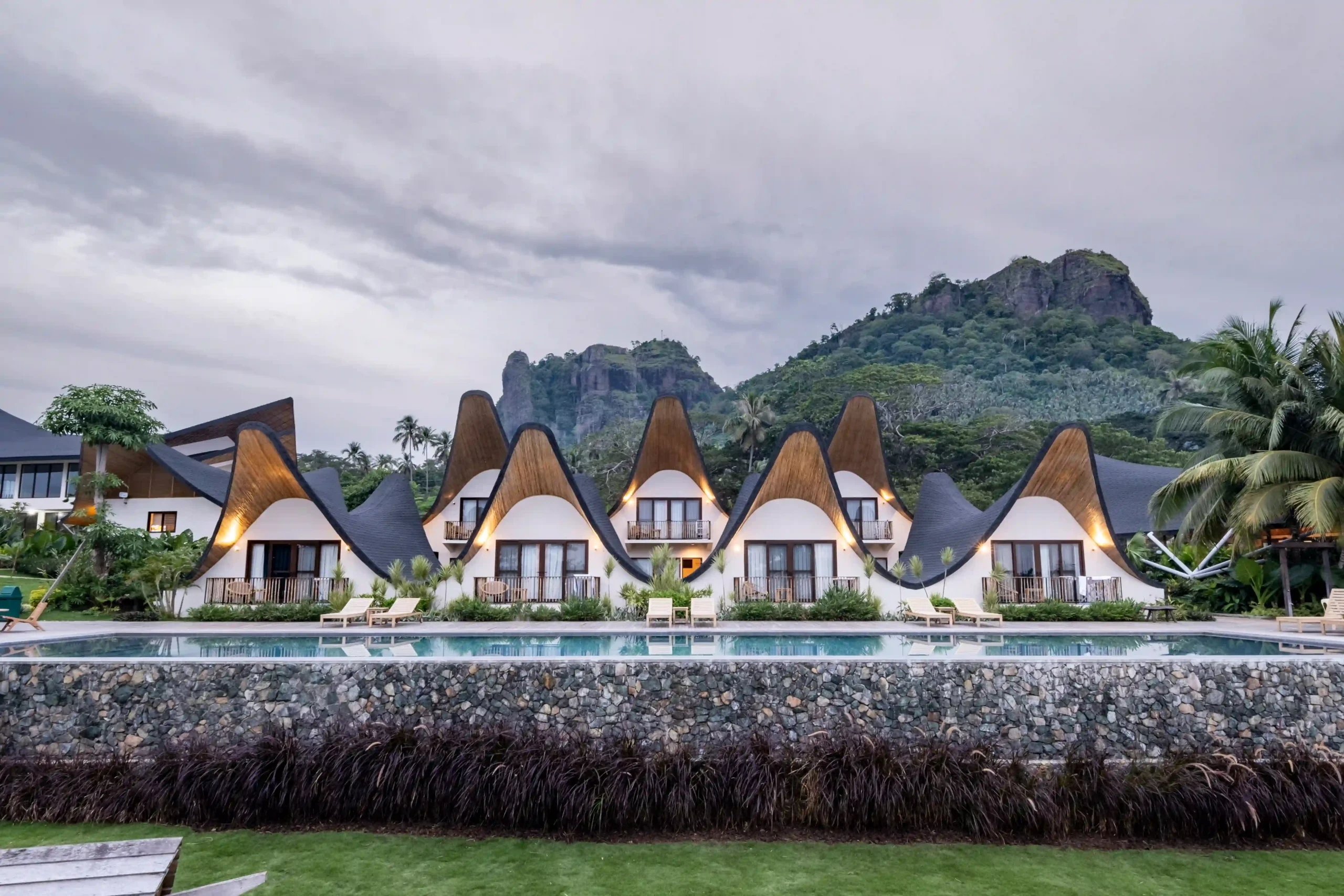
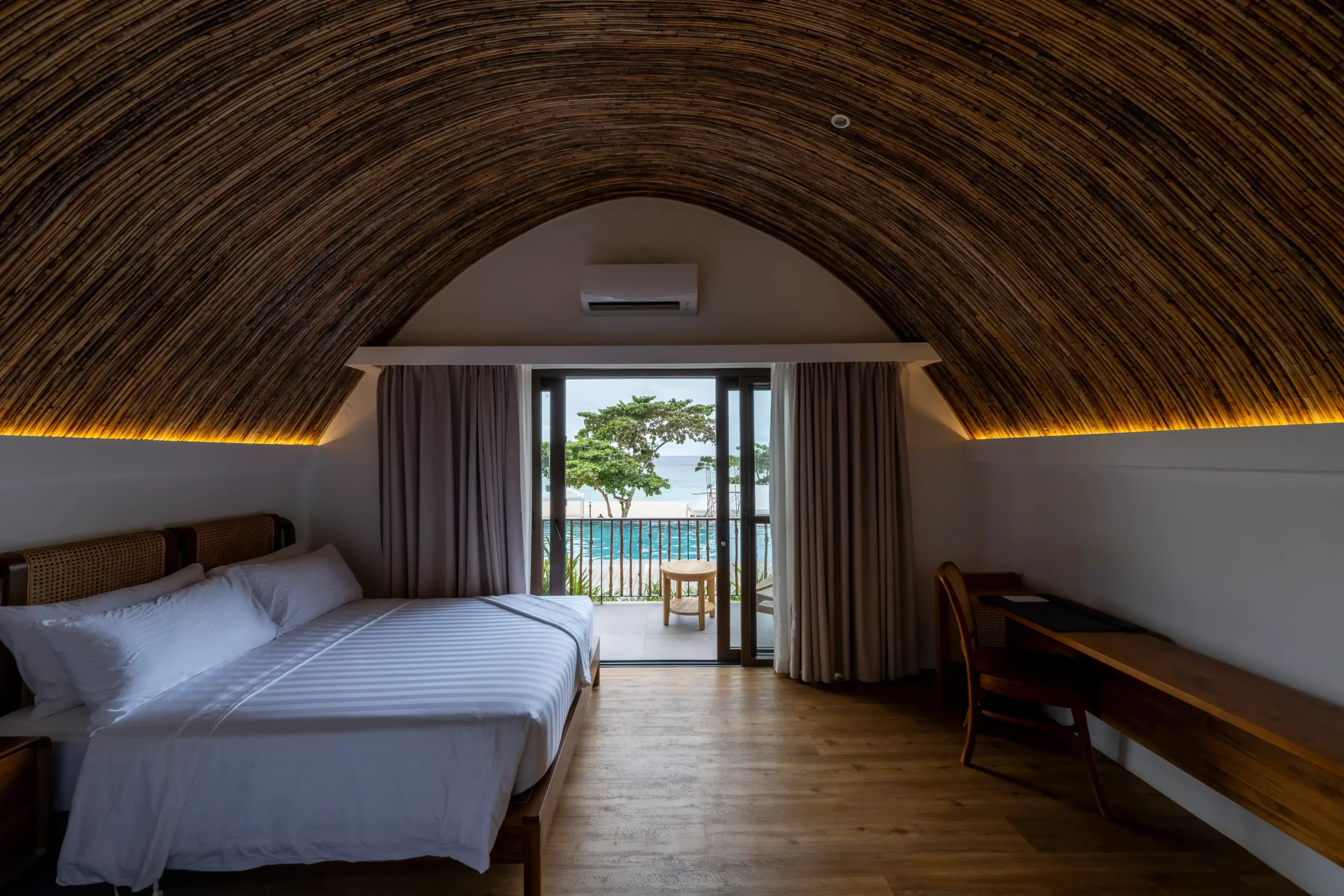
DADA celebrated the island’s beauty through its design, with the resort being defined by its undulating roof structure shaped like giant clams. Beyond the aesthetics, the firm also highlighted local talent and skills. Alam sourced furniture, fixtures, and objects from a nearby island, while also locally sourcing the rattanRattanA flexible, climbing palm native to tropical Asia, whose strong, lightweight canes are woven and bent into furniture, baskets, and lighting. The Philippines, especially Cebu, is renowned for rattan craftsmanship,Go to Rattan Glossary used for the interiors.
Alam is pushing for a distinct Filipino identity in contemporary design, from creative boundaries to an embrace of cultural heritage. In this endeavor, he is championing architectureArchitectureThe art and science of designing and constructing buildings, structures, and spaces that are functional, safe, and aesthetically pleasing. It encompasses the planning, design, materials, and techniques used to createGo to Architecture Glossary that is both authentic and culturally resonant.
Related Reading: Deo Alam: Weaving Tradition into Tomorrow’s Architectural Tapestry
Cathy Saldaña
Architect Cathy Saldaña is the President, CEO, and Founder of PDP Architects and Project Design Plus Architecture Management Corporation. Saldaña is a prominent figure in Philippine architecture, with her projects ranging from residential and high-rise to master planning.
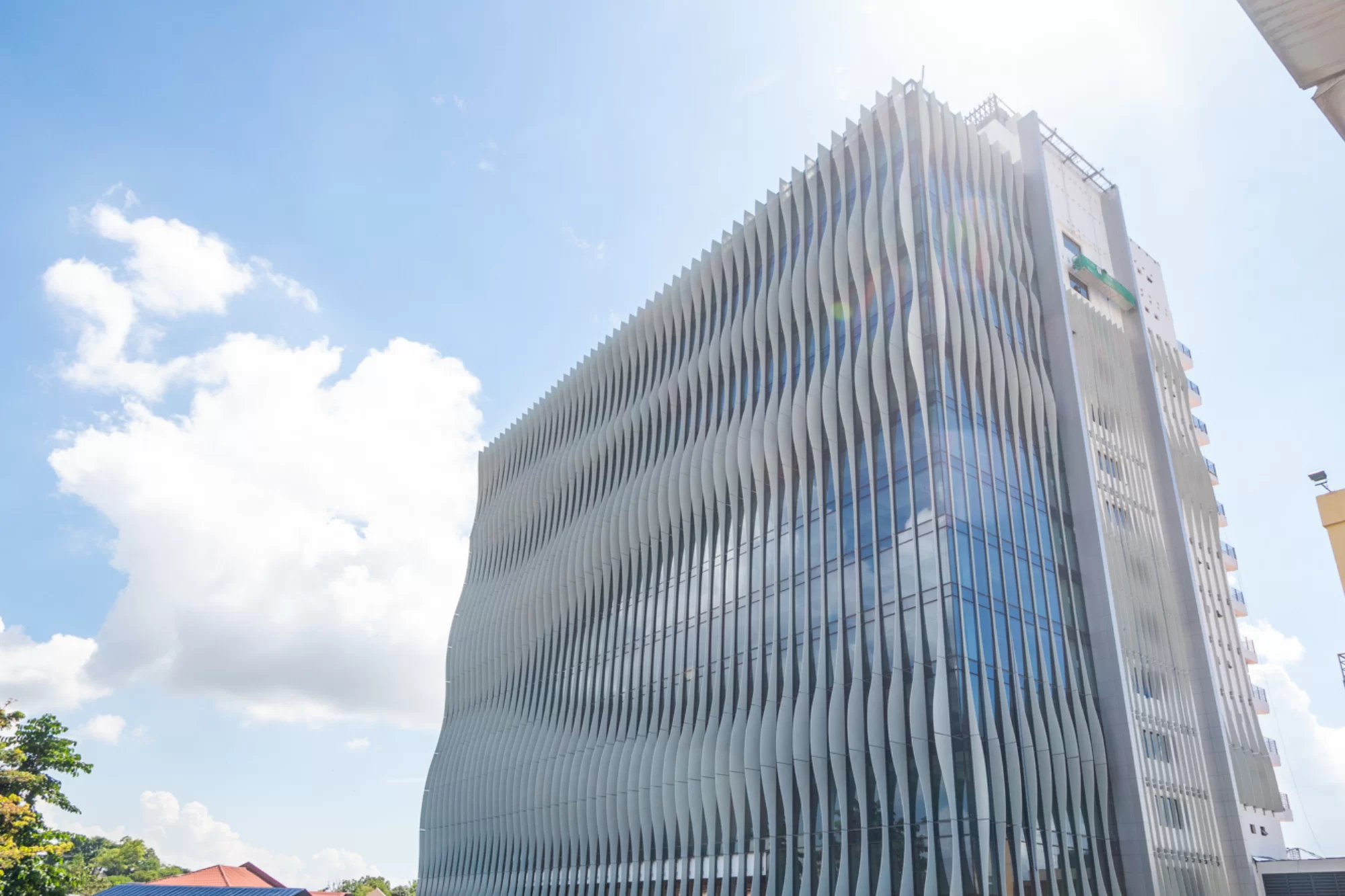
Saldaña’s firm consists of three main aspects: People, Design, and Place. As an advocate for sustainable architectureArchitectureThe art and science of designing and constructing buildings, structures, and spaces that are functional, safe, and aesthetically pleasing. It encompasses the planning, design, materials, and techniques used to createGo to Architecture Glossary, each of her projects centers on user experience and environmental impact. Her Damosa Diamond Tower, a 16-story Grade A tower, is the first high-end office building in Mindanao. It is also a green building, with features such as a rainwater catchment, low-emission glass, and responsibly-procured materials.
Not only is she an advocate for sustainable architectureArchitectureThe art and science of designing and constructing buildings, structures, and spaces that are functional, safe, and aesthetically pleasing. It encompasses the planning, design, materials, and techniques used to createGo to Architecture Glossary, but she also believes in opening more doors for the next generation of women architects. Committed to inclusivity in both her design and work environment, she is driven by cultural sensitivity and clean design.
She has helped break barriers for women in the field. Now, she is reimagining how sustainability and inclusivity look in Filipino architectureArchitectureThe art and science of designing and constructing buildings, structures, and spaces that are functional, safe, and aesthetically pleasing. It encompasses the planning, design, materials, and techniques used to createGo to Architecture Glossary.
Related Reading: Shifting Perspectives: Cathy Saldaña on Leading The Practice Toward Equitable Architecture
William Ti
As the Principal Architect of WTA Architecture and Design Studio, William Ti believes in building a better human environment. Since earning his license in 2003, Ti has been recognized internationally and locally for his firm’s work in architecture. The firm is known for its work in social architecture, as seen in the Ferdinand E. Marcos (FEM) Stadium.

Also known as the “Stadium of the North,” it is a renovation project that involves the rebuilding of the Mariano Marcos Stadium. It is a public space created for the local community of Laoag City, as it stands within close proximity to the people’s daily routes. Ti believes that architectureArchitectureThe art and science of designing and constructing buildings, structures, and spaces that are functional, safe, and aesthetically pleasing. It encompasses the planning, design, materials, and techniques used to createGo to Architecture Glossary should reach at the community level, with architects being the primary caretakers of the built environment.

Ti expressed in a former BluPrint interview: “Every project we take on, we try to reimagine this typology, we try to reimagine how it can fit this social architectureArchitectureThe art and science of designing and constructing buildings, structures, and spaces that are functional, safe, and aesthetically pleasing. It encompasses the planning, design, materials, and techniques used to createGo to Architecture Glossary agenda or idea, and try to say ‘this is the future.’ That’s what we want our architecture to become, and that’s how to make our cities better.”
Related Reading: Crafting Future Cities: William Ti Reimagines Philippine Architecture to Build Better Human Environment
Frequently Asked Questions
The Ferdinand E. Marcos (FEM) Stadium, known as the “Stadium of the North,” is a social architecture project by WTA Architecture and Design Studio in Laoag City. It functions as an open, barrier-free public park and sports venue designed to be accessible to the community without the need for tickets, aiming to increase urban open space and foster community bonding.
Architect Deo Alam integrates heritage by using traditional motifs and local materials, such as the undulating roof of the Bihing Tahik resort which mimics the form of giant clams native to Tawi-Tawi. His design philosophy, “weaving tradition into tomorrow’s tapestry,” involves sourcing fixtures and rattan from local islands to create an authentic Filipino identity in modern structures.
The Damosa Diamond Tower in Davao City, designed by PDP Architects, is a 16-story green building featuring a rainwater catchment system, solar panels, and LED lighting. It utilizes low-emissivity (Low-E) glass and custom exterior fins that reflect light while deflecting heat, earning it the EDGE Final Certification as the first high-end green office building in Mindanao.
Contemporary design in the Philippines refers to the evolving architectural trends that prioritize climate-responsiveness, cultural storytelling, and the integration of smart technologies. It moves away from “clinical minimalism” toward “Tropical Brutalism” and “heritage tech,” blending raw materials like concrete and wood with modern innovations to improve human and environmental well-being.
Women architects like Cathy Saldaña are breaking barriers by leading major firms (PDP Architects) and advocating for inclusive, equitable design practices that focus on the “People, Design, and Place” framework. By promoting sustainable master planning and providing opportunities for the next generation of women, they are shifting the industry toward more sensitive and environmentally responsible architecture.
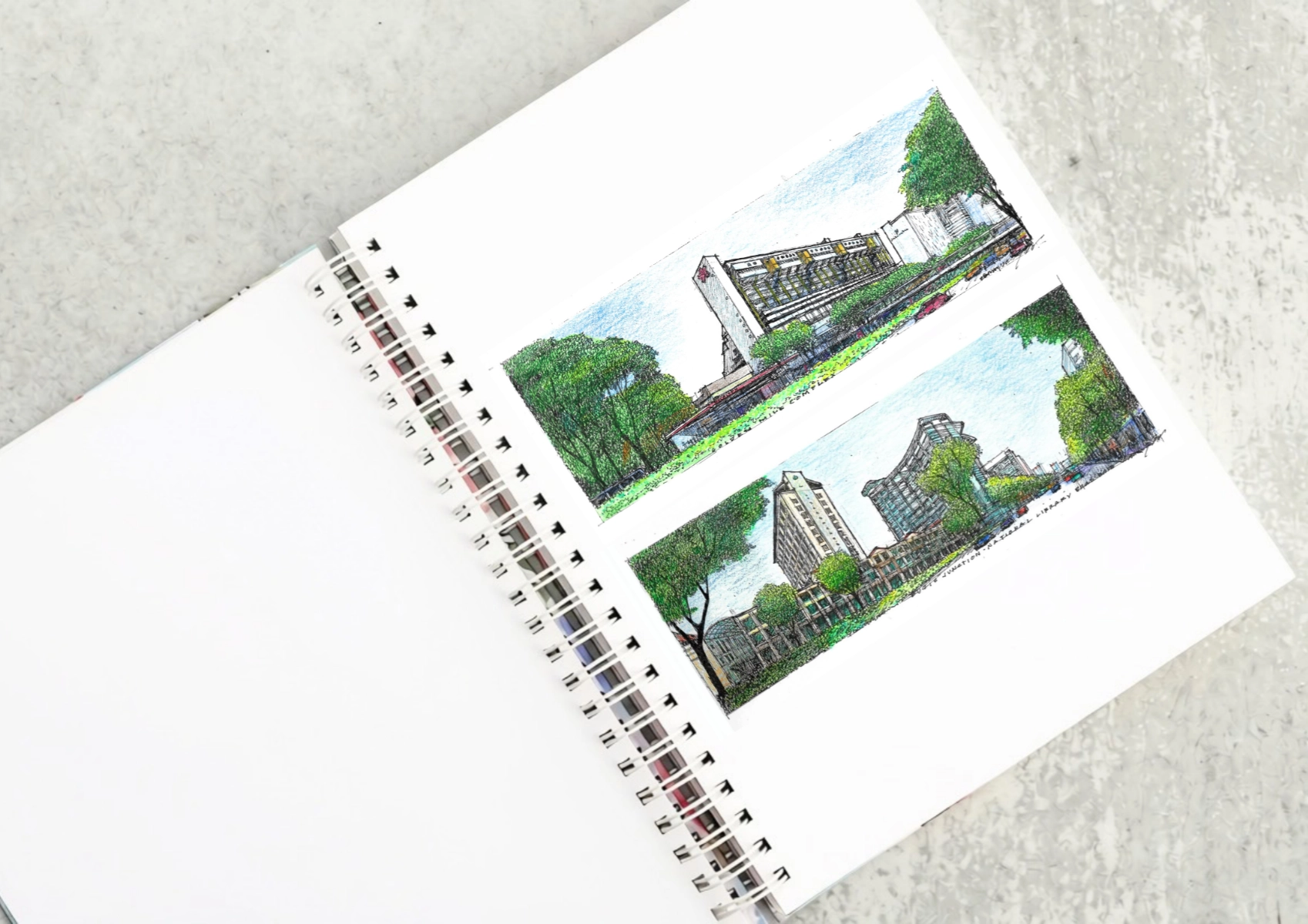
Two sketches of Singapore connect BluPrint Editor in Chief Paulo G. Alcazaren’s personal and professional history with Shared Ground: ArchitectureArchitectureThe art and science of designing and constructing buildings, structures, and spaces that are functional, safe, and aesthetically pleasing. It encompasses the planning, design, materials, and techniques used to createGo to Architecture Glossary of Care, Culture, […]
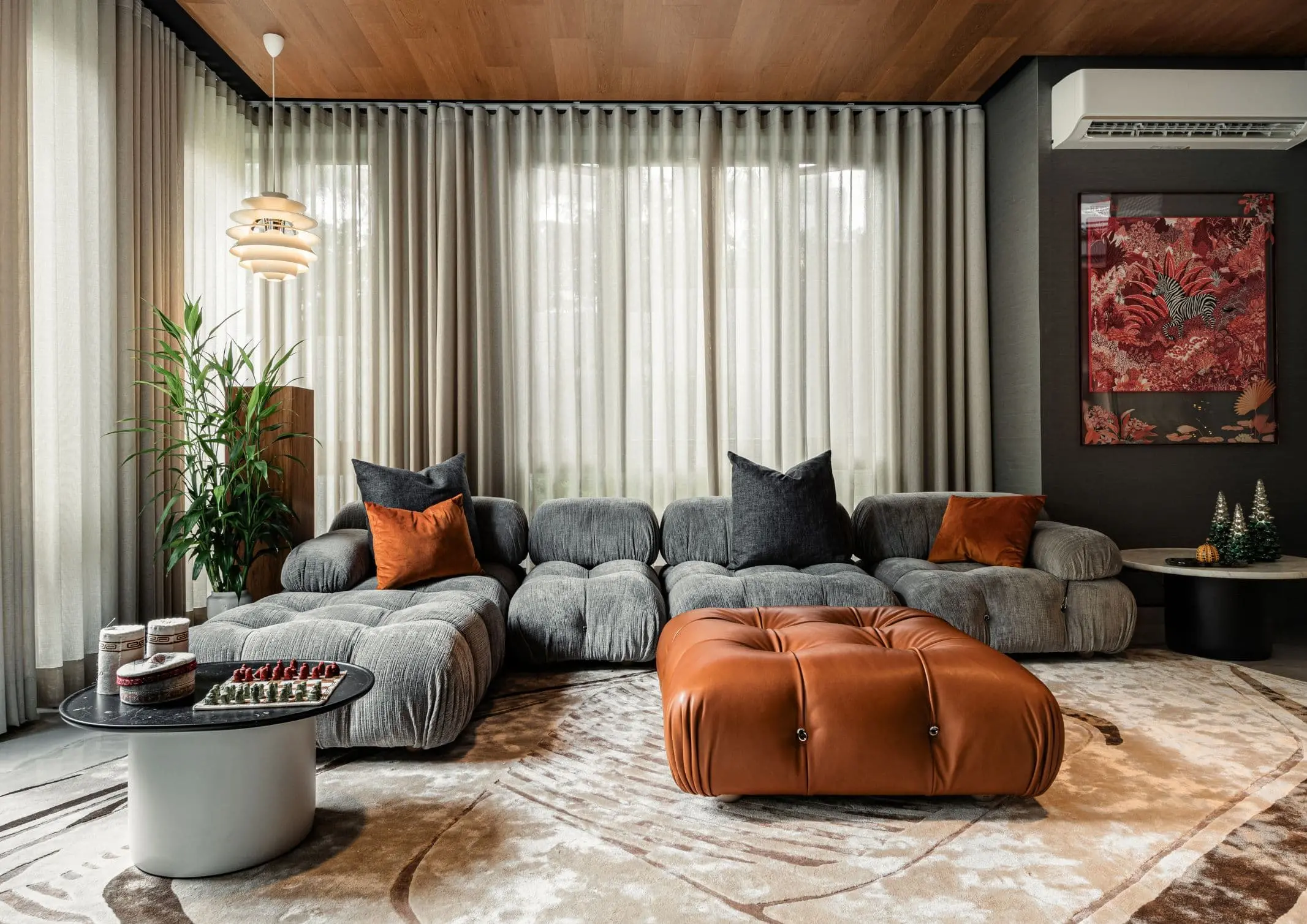
Some have become household names – Coleman, Oster, and KitchenAid – products that have found their way into Filipino kitchens, homes and family routines. In home furnishings, brands such as B&B Italia, Ethan Allen, Sub-Zero, Miele, SieMatic, Louis Poulsen, Hunter Douglas, Tempur, and Technogym, have helped shape the way Filipinos live. From everyday essentials to […]
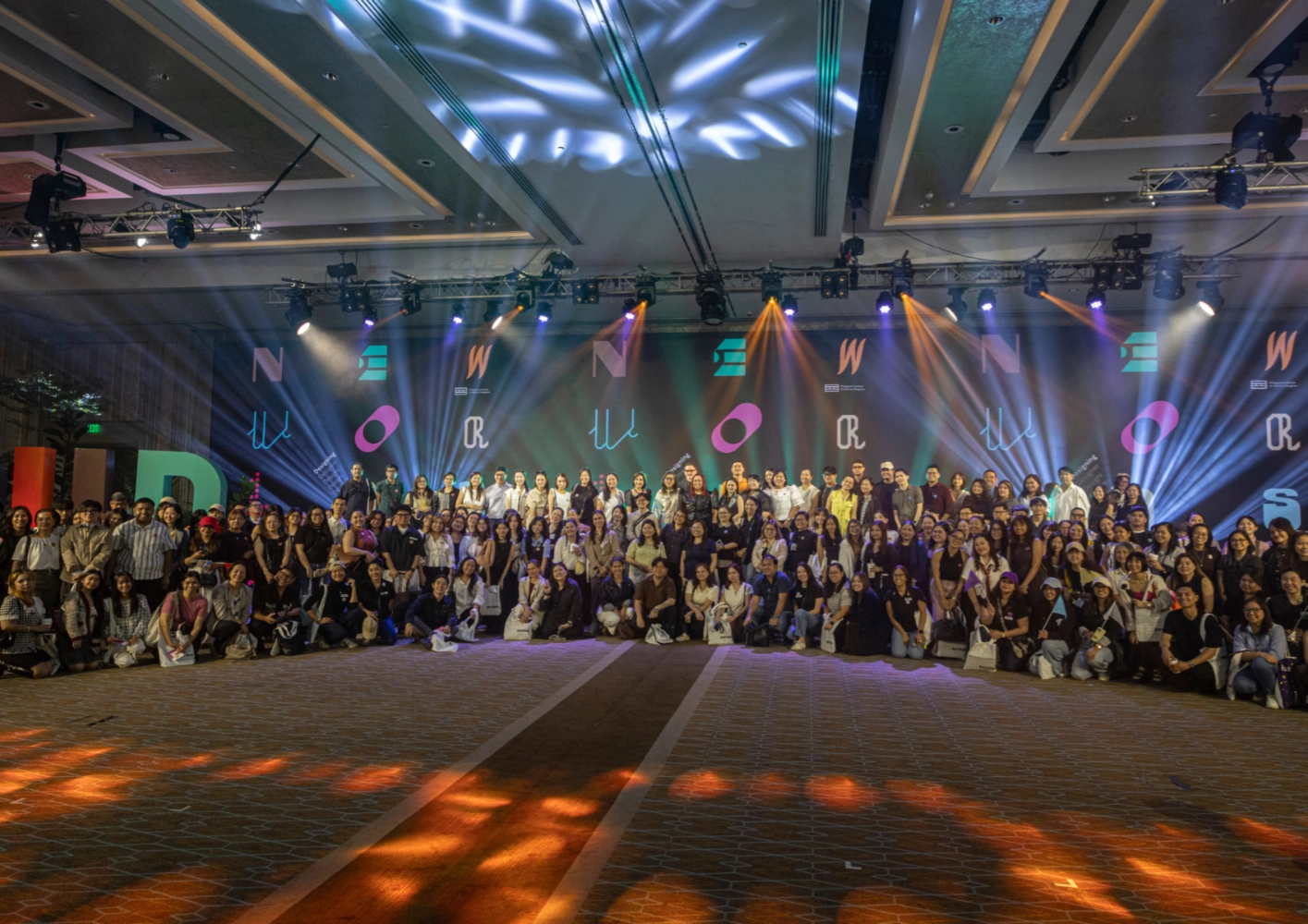
In a way, designers are the modern-day soothsayers and prophets. They design for the future, predicting how a room, a house, a building or a whole city will be used by people. They foresee how users will interact with a space, conjure exact shades of colors to elicit specific behavior and arrange furniture to build […]
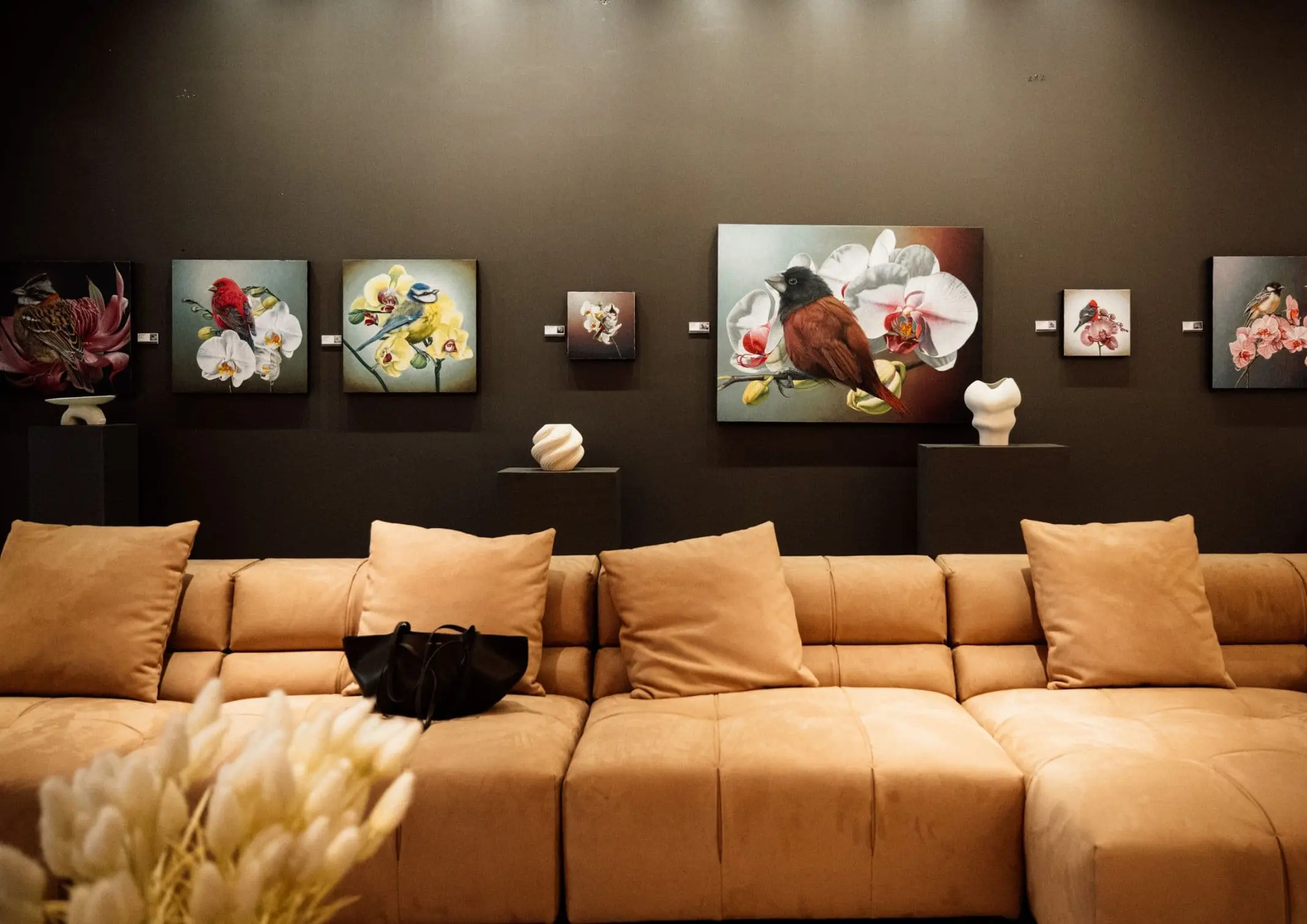
Art and furniture are often selected separately, yet their relationship can shape how a room looks and feels. The collaboration between Hooga and Galerie Joaquin explores how these elements can work together, bringing contemporary artworks into furnished residential settings at Hooga’s showroom in Uptown Mall, Bonifacio Global City. For Hooga, which curates furniture, lighting, and […]
Read the issues.

Collect the volumes.

Recommended Video
Tap to Unmute
Unmute
0:00
0:00