Bigkis is the act of binding. In Tagalog, the word can refer to something used to bind or encircle, as well as a bundle formed by tying several separate elements together. Figuratively, it can also mean a bond, union, or unity. The meanings move from the physical act of joining things together to the connection […]
Why Lighting Design Is Becoming Central to Interior Design



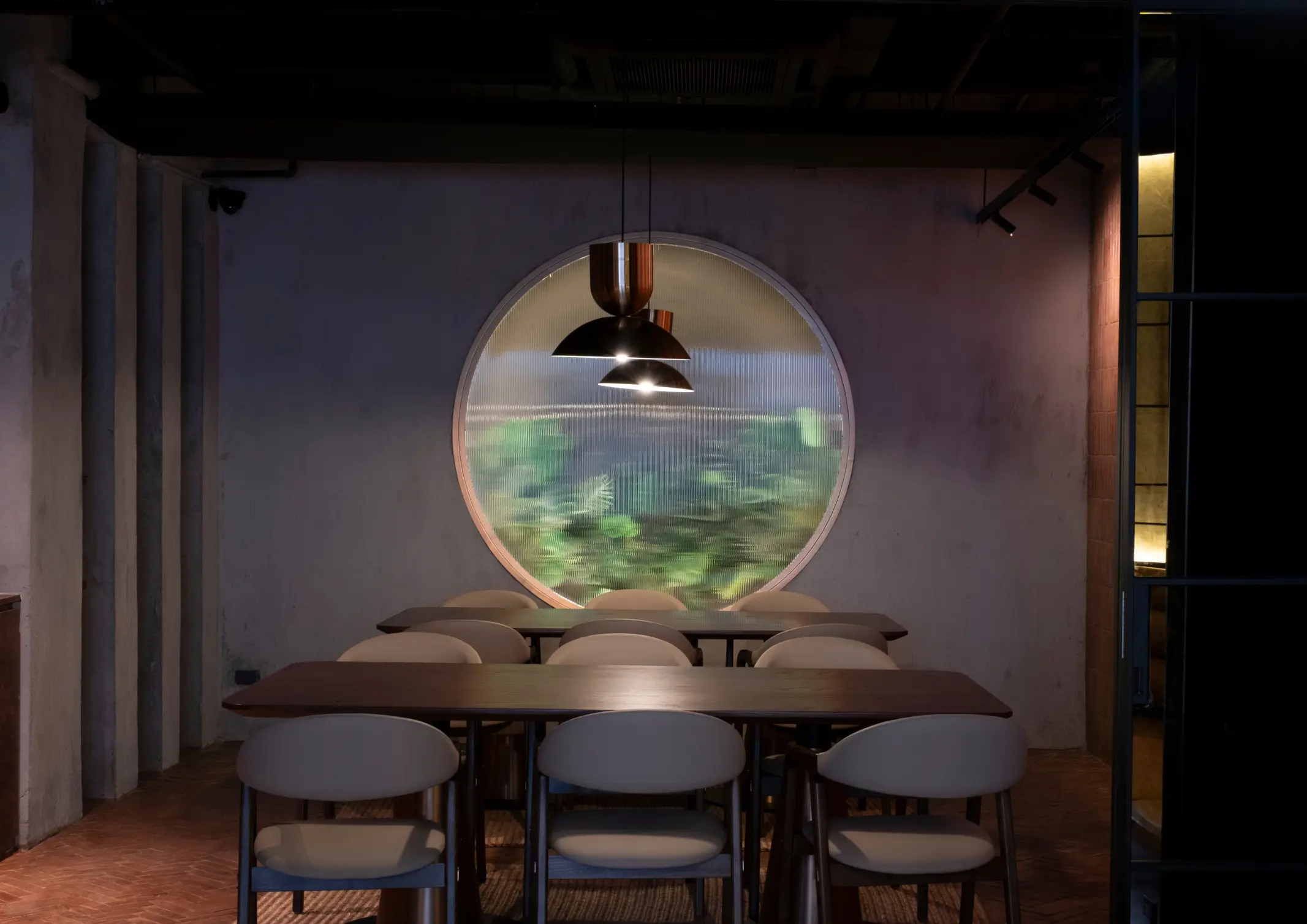
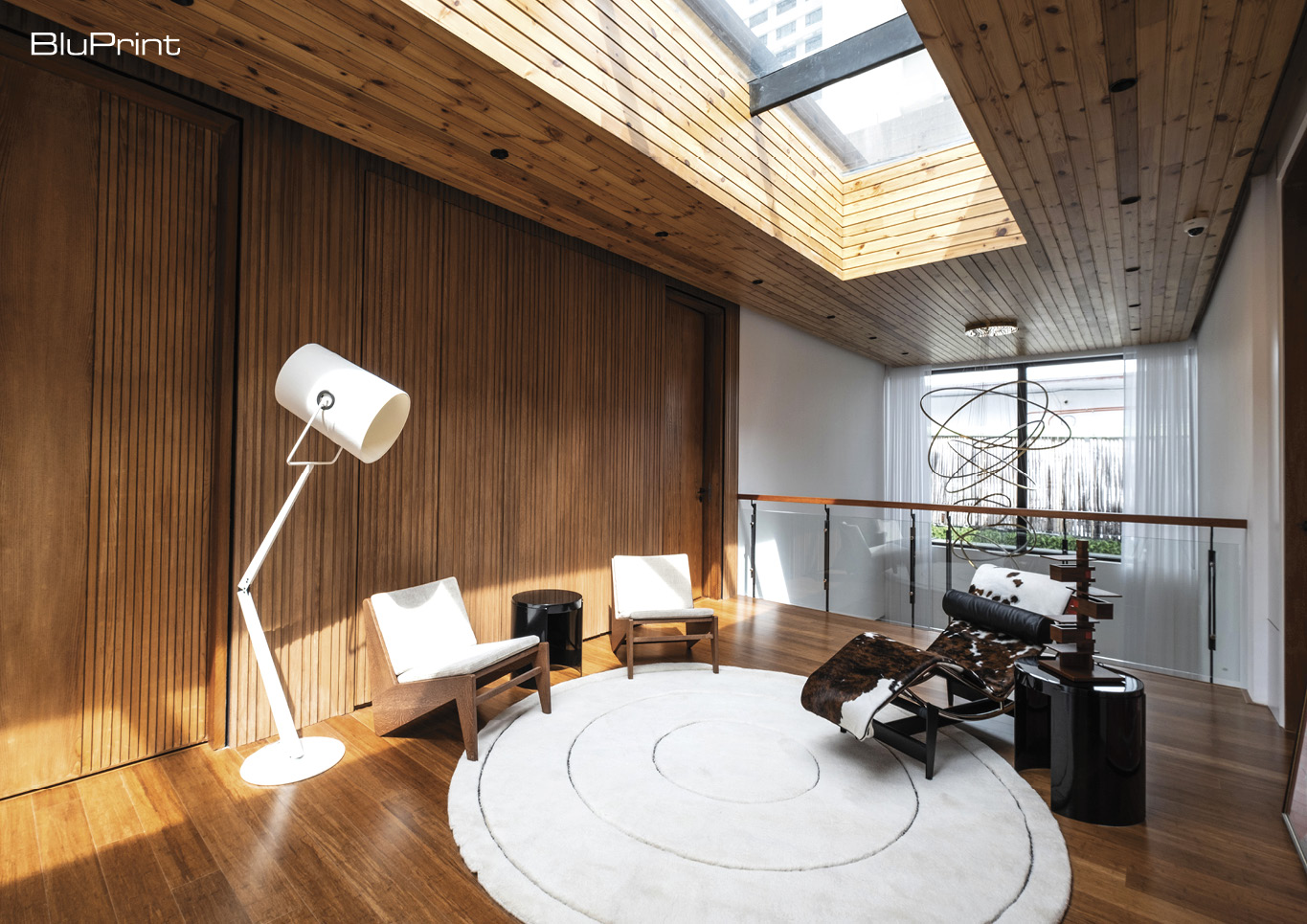
From residential spaces to civic structures, lighting dictates the mood of a space. It controls the visual dynamics of an interior, serving as a guiding tool that highlights key design elements, including materials and textures.
Related Reading: Lampscaping: How to Light up Your Home like a Pro
Regulating the Mood: Natural and Artificial Light in Interior Spaces
Lighting design involves the intentional selection and positioning of light sources—such as lamps and fixtures—to evoke a specific atmosphere. In interior designInterior DesignThe discipline of planning and shaping interior spaces for function, comfort, safety, and beauty. It covers layout, lighting, materials, finishes, furniture, and color, and in the Philippines is a licensedGo to Interior Design Glossary, lighting contributes to both aesthetics and functionality. Approaches vary, from layered lighting to natural and accent lighting.
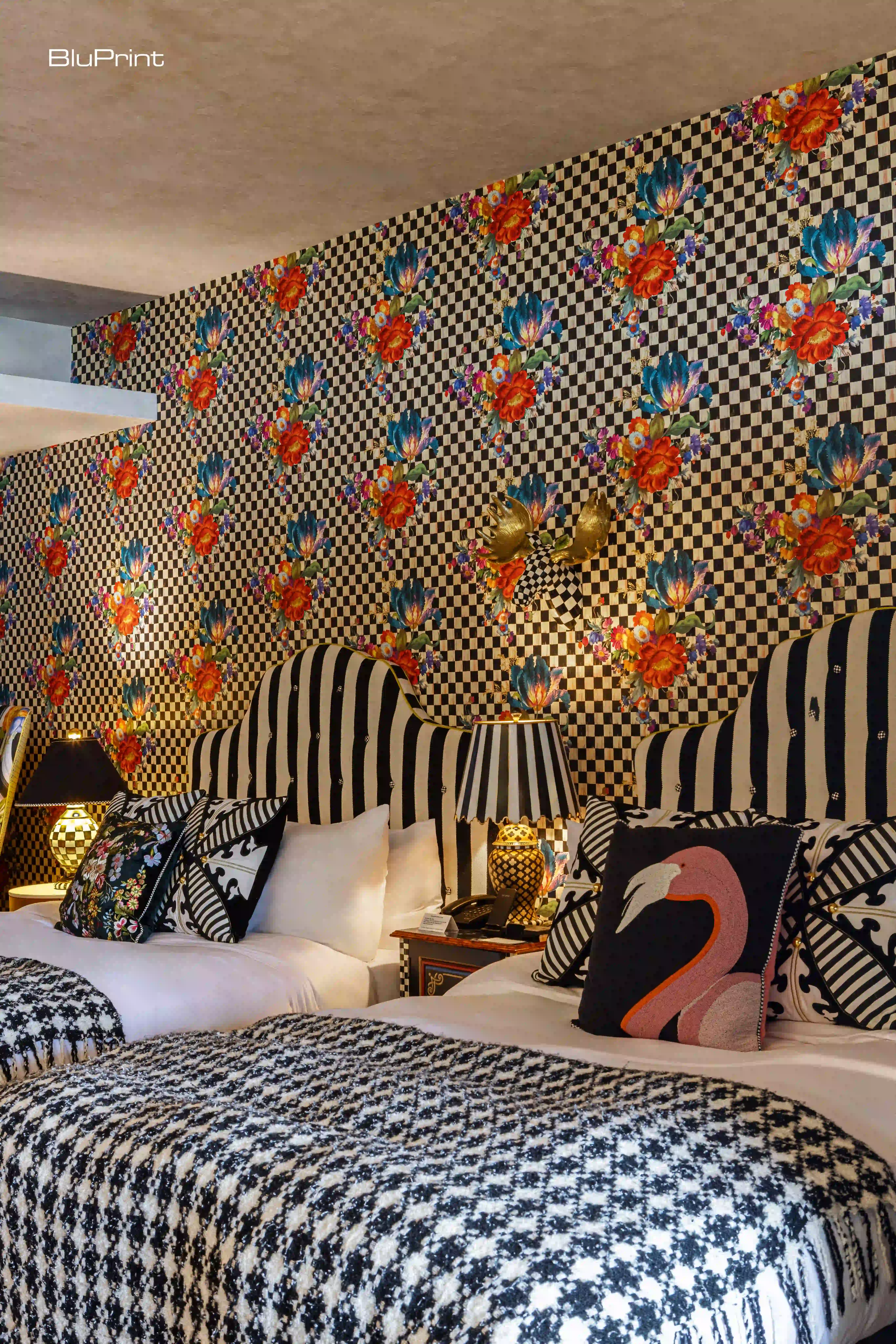
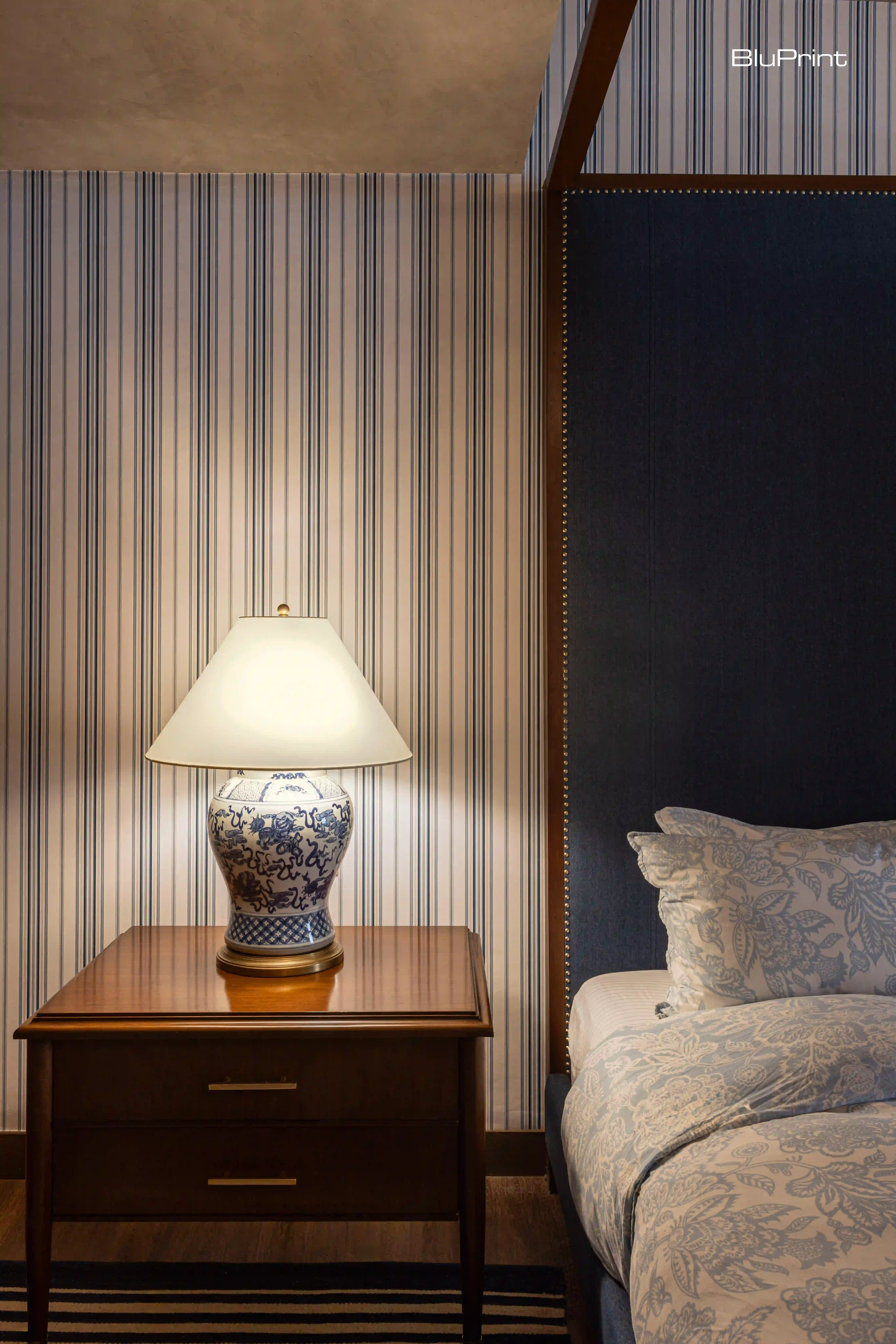
Located in Bacolod, Cafe Bobs uses lighting to reflect the vibrant spirit of its environment. Headed by Christine Sicangco of Lighting Design Inc., its lighting design aligns with the interior’s overall design language.
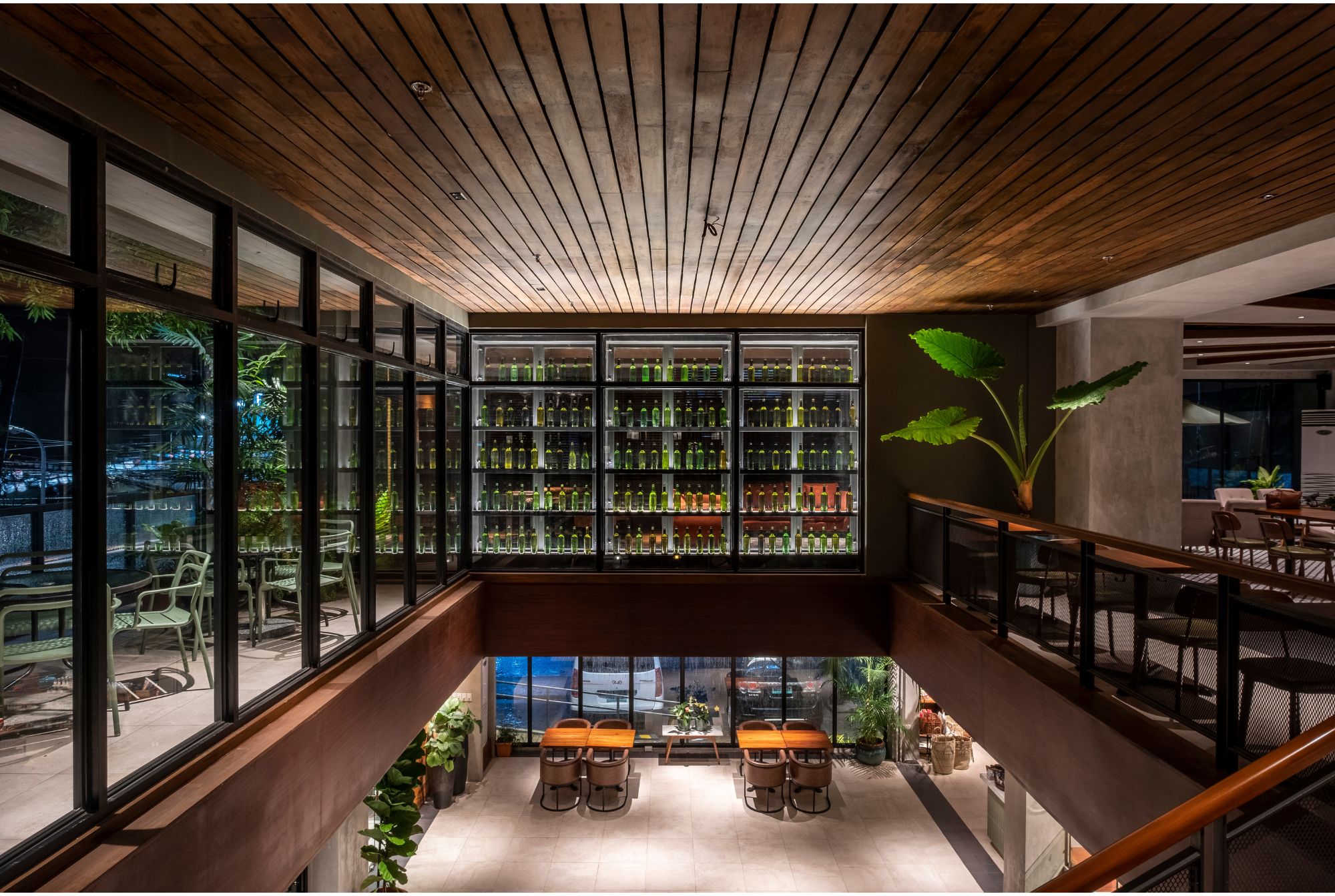
The custom laser-cut panels featuring the cafe’s logo serve as a key architectural element, dividing the space into distinct sections. Light filters through these screen dividers, casting textured shadows that add depth and pattern.
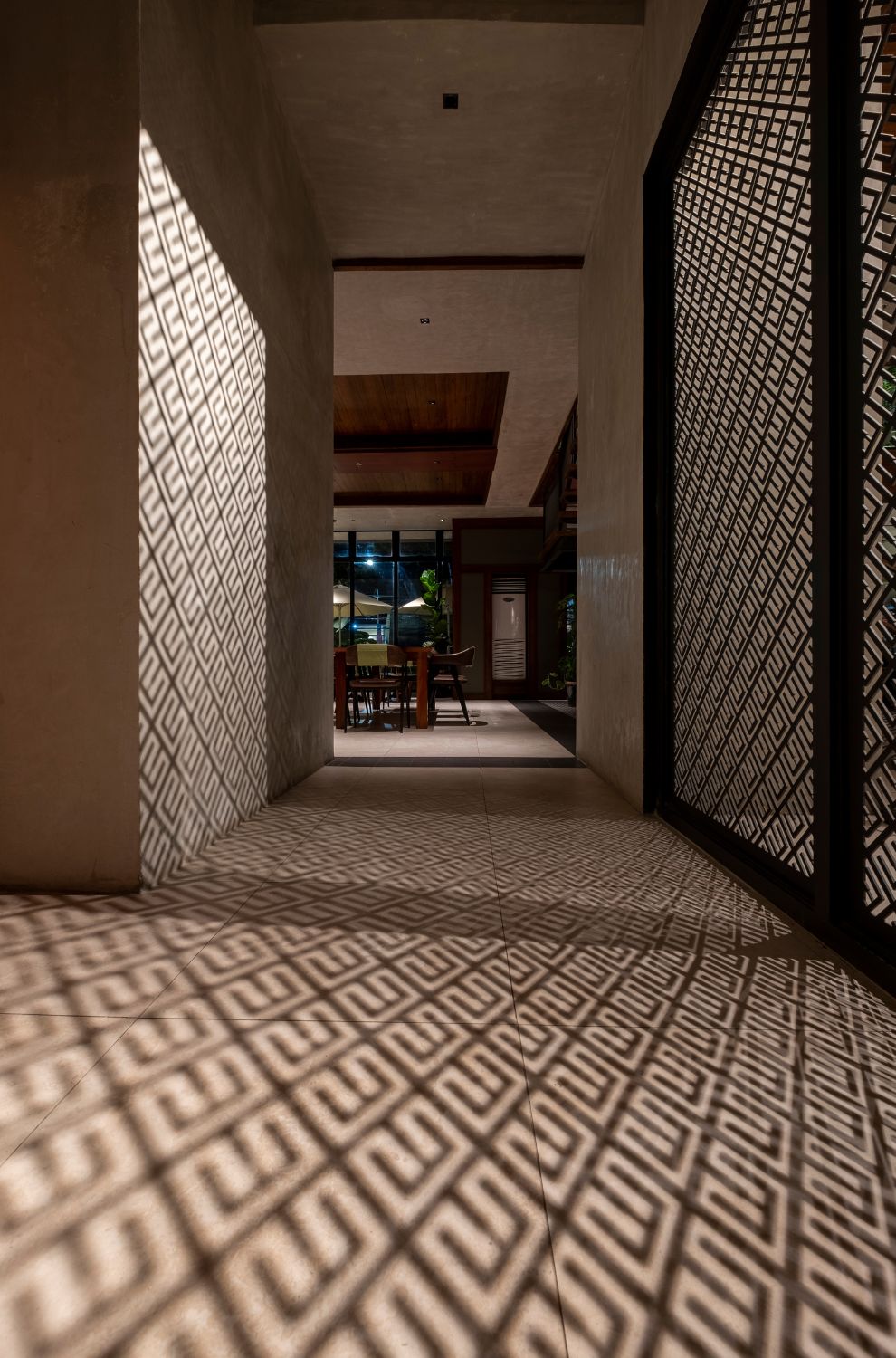
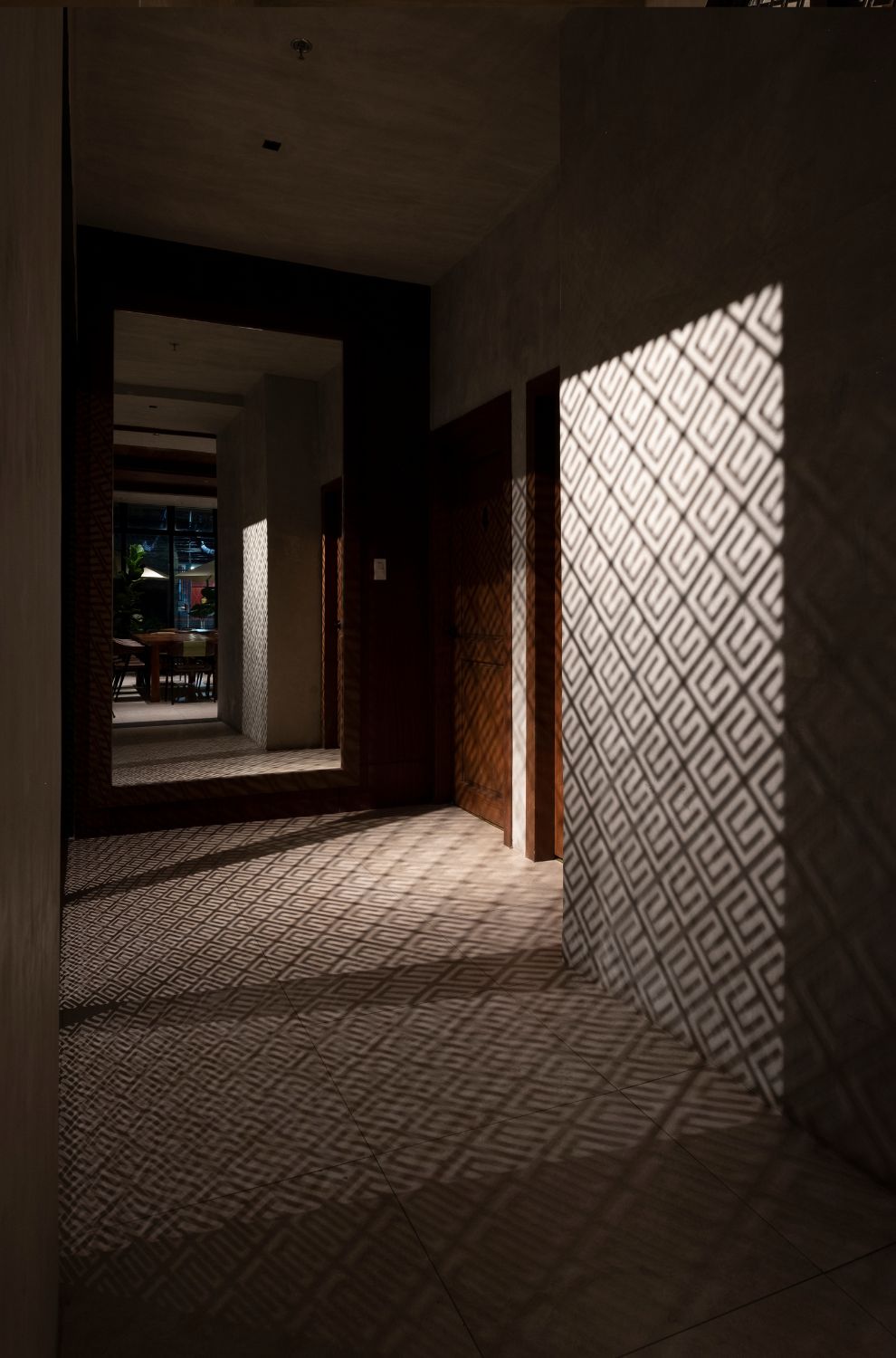
In the evening, the cafe takes on a different character through lighting. Track lighting highlights the deli, bakery, and coffee counter, emphasizing both display and task areas. For functionality, vertical illumination of walls and menu boards enhances ordering efficiency.
Lighting at a Large Scale: The Mactan Cebu International Airport
In Lapu-Lapu City, the Mactan Cebu International Airport draws from the ambiance of luxury resorts. Awarded at the World Architecture Festival in Amsterdam in the “Completed Buildings–Transport” category, its architecture is defined by its curved wooden structure.
Light Plan Inc. was responsible for the airport’s lighting design. Principal and Founder, IDr. Jinkie De Jesus stated in a BluPrint interview, “It’s an art, it’s a science, it’s storytelling at the same time. It’s just an incredible and tangible medium that really makes an impact.”
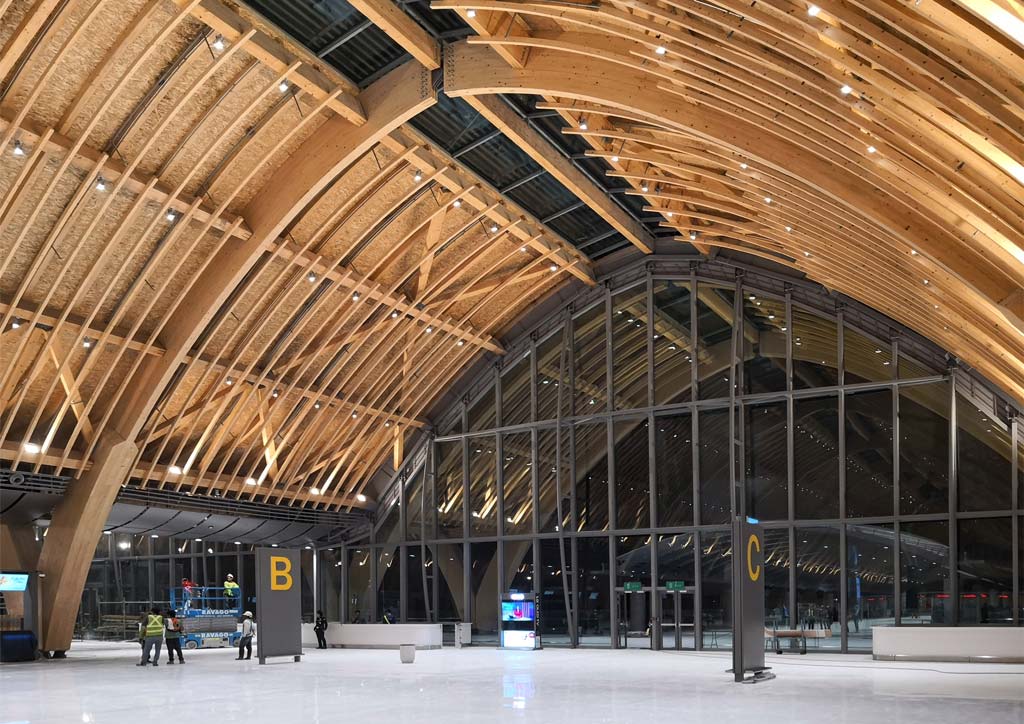
The departure level, with its expansive wooden ceiling, features high arches illuminated by narrow-beam uplights. For general lighting, small downlights were used. In the morning, natural daylight filters into the interior through skylights along the roof. At night, carefully calibrated artificial lighting creates a warm yet grand atmosphere suited to its millions of yearly passengers
Related Reading: Airport fit for a queen (city): The Mactan Cebu International Airport Terminal 2
Article Header Photographed by Ed Simon.
Frequently Asked Questions
Lighting design is the intentional selection and positioning of light sources to regulate mood, highlight textures, and control visual dynamics. It serves as both a functional and aesthetic tool that guides the occupant’s eye to key architectural elements while ensuring the space is practical for its intended use.
Layered lighting enhances commercial spaces by combining ambient, task, and accent light to create depth and efficiency. In Cafe Bobs, track lighting emphasizes display areas like the bakery, while vertical illumination on menu boards improves ordering efficiency and custom screen dividers cast textured shadows that add visual character.
The Mactan Cebu International Airport utilizes narrow-beam uplights to illuminate its iconic curved wooden arches and small downlights for general visibility. This design, created by Light Plan Inc., uses 8,000 LED lightpoints to transition the space from a sunlit terminal during the day to a warm, resort-like atmosphere at night.
Natural and artificial light work in tandem through the strategic use of skylights and calibrated fixtures to maintain a consistent atmosphere. In high-traffic structures, skylights harvest daylight to reduce energy costs during the morning, while artificial systems are calibrated to take over at night to maintain a sense of grandeur and warmth.
Lighting is considered an art and a science because it requires technical precision in electrical engineering alongside a creative understanding of storytelling and mood. As noted by experts at Light Plan Inc., the “science” involves calculating lightpoints and beams, while the “art” lies in using light as a tangible medium to evoke emotional responses.
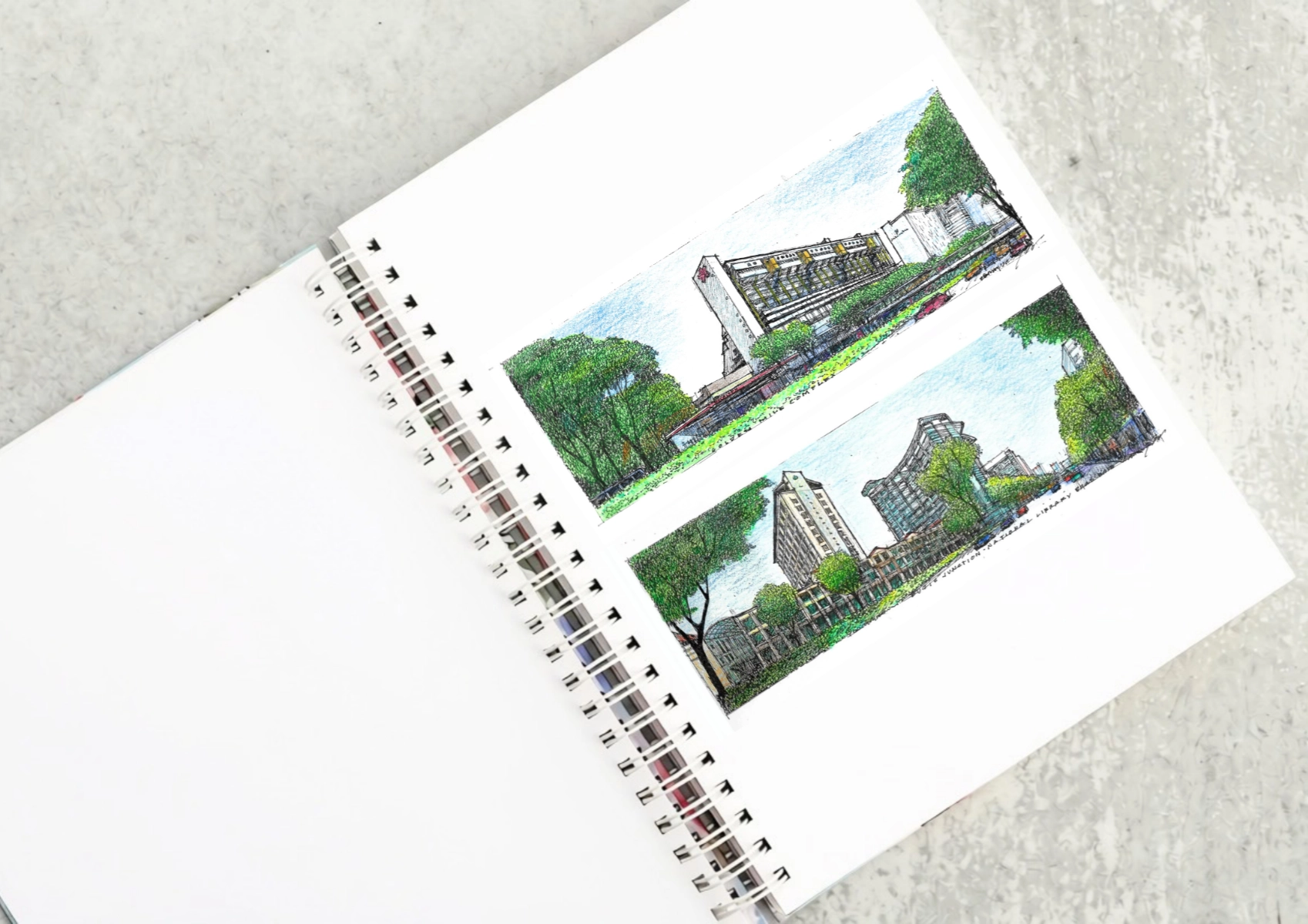
Two sketches of Singapore connect BluPrint Editor in Chief Paulo G. Alcazaren’s personal and professional history with Shared Ground: ArchitectureArchitectureThe art and science of designing and constructing buildings, structures, and spaces that are functional, safe, and aesthetically pleasing. It encompasses the planning, design, materials, and techniques used to createGo to Architecture Glossary of Care, Culture, […]
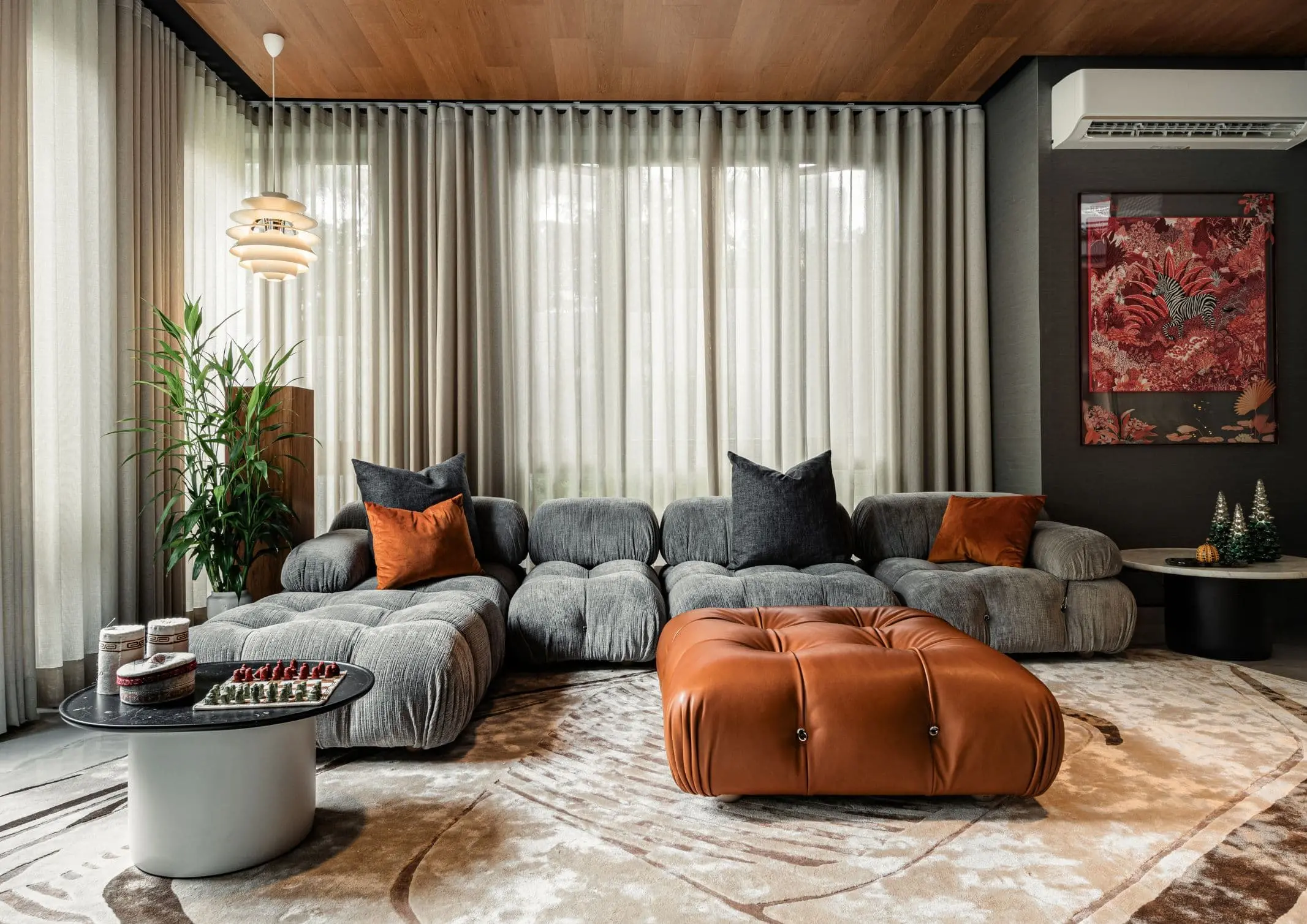
Some have become household names – Coleman, Oster, and KitchenAid – products that have found their way into Filipino kitchens, homes and family routines. In home furnishings, brands such as B&B Italia, Ethan Allen, Sub-Zero, Miele, SieMatic, Louis Poulsen, Hunter Douglas, Tempur, and Technogym, have helped shape the way Filipinos live. From everyday essentials to […]
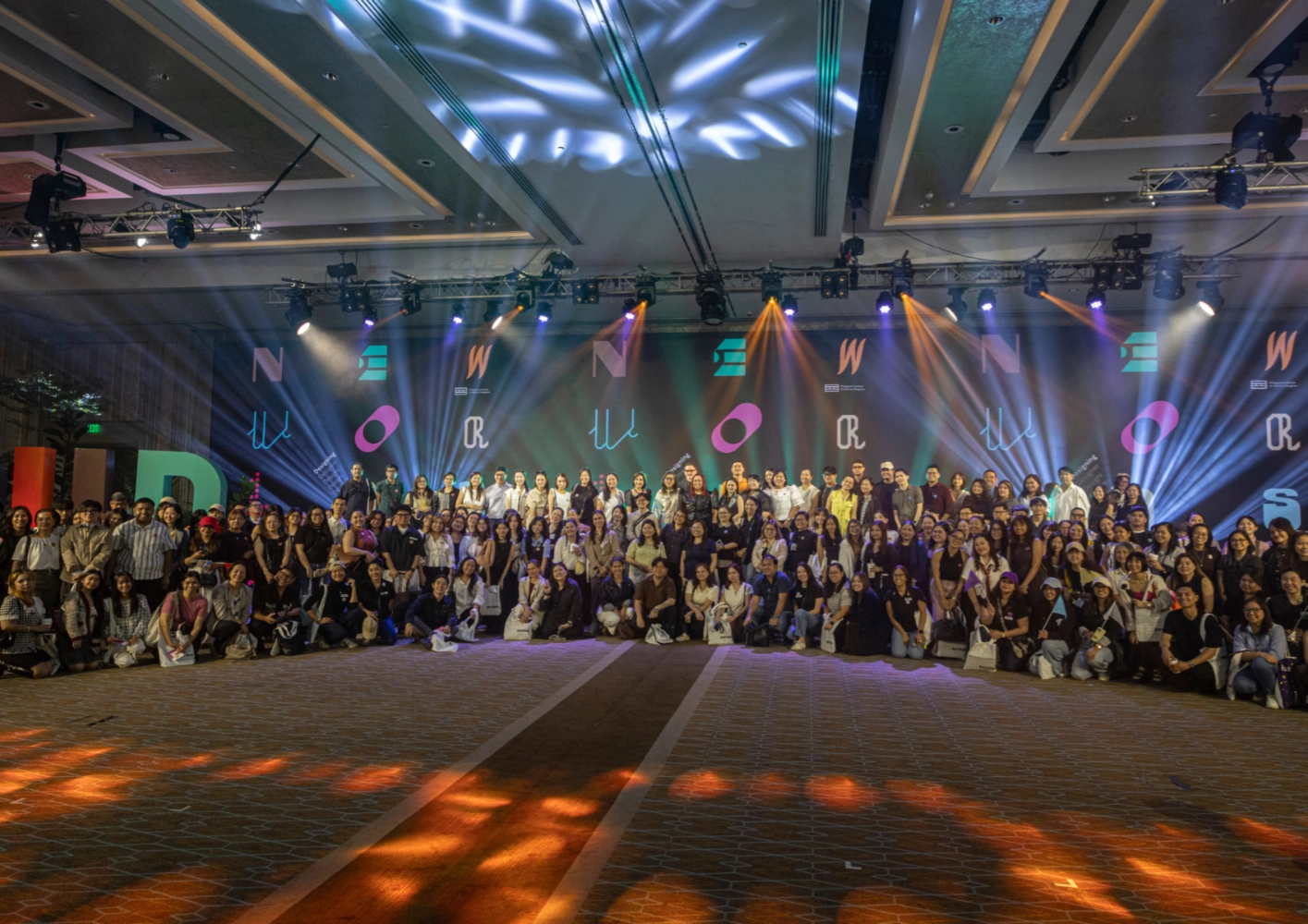
In a way, designers are the modern-day soothsayers and prophets. They design for the future, predicting how a room, a house, a building or a whole city will be used by people. They foresee how users will interact with a space, conjure exact shades of colors to elicit specific behavior and arrange furniture to build […]
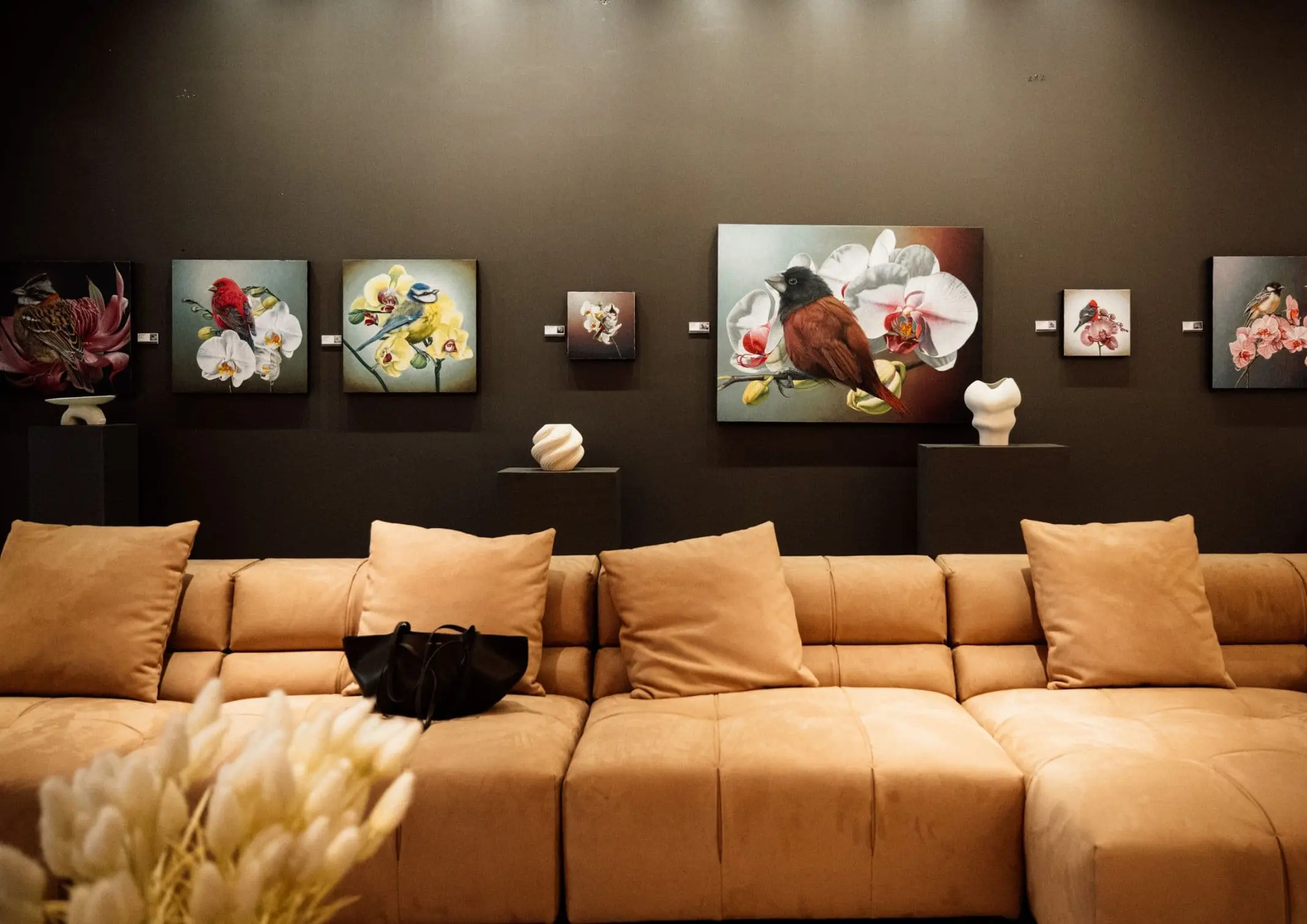
Art and furniture are often selected separately, yet their relationship can shape how a room looks and feels. The collaboration between Hooga and Galerie Joaquin explores how these elements can work together, bringing contemporary artworks into furnished residential settings at Hooga’s showroom in Uptown Mall, Bonifacio Global City. For Hooga, which curates furniture, lighting, and […]
Read the issues.

Collect the volumes.

Recommended Video
Tap to Unmute
Unmute
0:00
0:00