Bigkis is the act of binding. In Tagalog, the word can refer to something used to bind or encircle, as well as a bundle formed by tying several separate elements together. Figuratively, it can also mean a bond, union, or unity. The meanings move from the physical act of joining things together to the connection […]
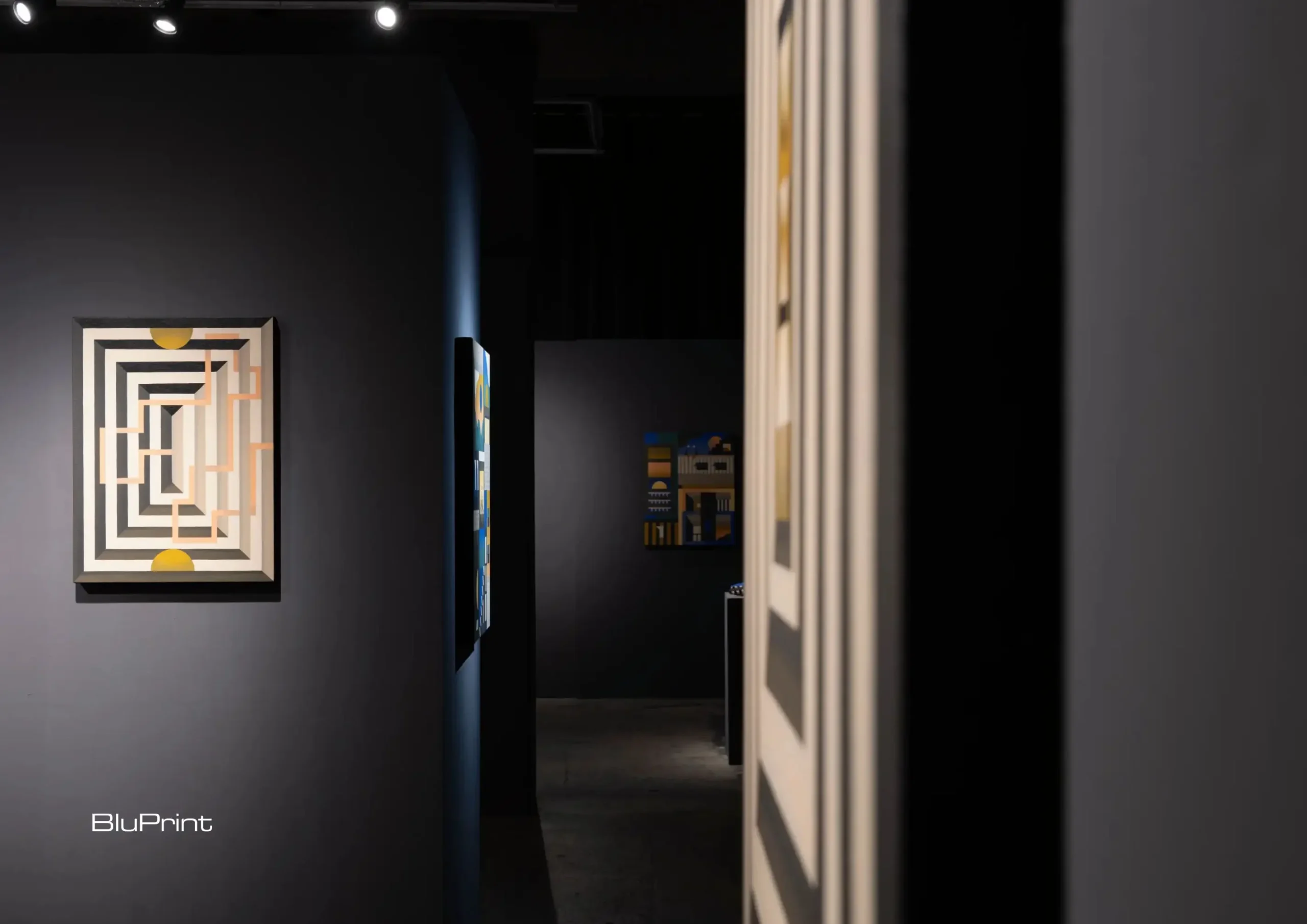
Artist-Run Spaces and Maintaining Artistic Independence in Modern Society



In our world today, censorship abounds for art as government and societal forces attempt to prevent freedom of expression in our world. For artist-run spaces like Kalawakan Spacetime, Gravity Art Space, and MONO8, it highlights the necessity of independent galleries willing to show the risky, forward-pushing work of artists today.
Especially considering recent crackdowns on political speech or works about taboo topics that push boundaries with interesting perspectives and approaches, places for free expression are needed now more than ever. It highlights the need of artist-run spaces that allow true open self-expression for artists—one boundless in its efforts and ideas.
With that, we continue our discussion with the three artist-run galleries to discuss not just artistic freedom, but also the cost of maintaining that independence in this country.
Looking for Artistic Freedom?
An interesting thing about these three galleries is that all of them built these spaces to give people the artistic freedom they wouldn’t necessarily find from other galleries in this country. All of them, run by artists themselves, are more concerned with letting the voices of the artists be heard rather than turning a profit.
Thus, their programming gives the artists they represent, emerging or established, room to grow without worrying about trends, or what’s popular or profitable in the current local scene. Instead, their focus is on fostering a community of like-minded people whose artworks speak to their cause and their feelings.
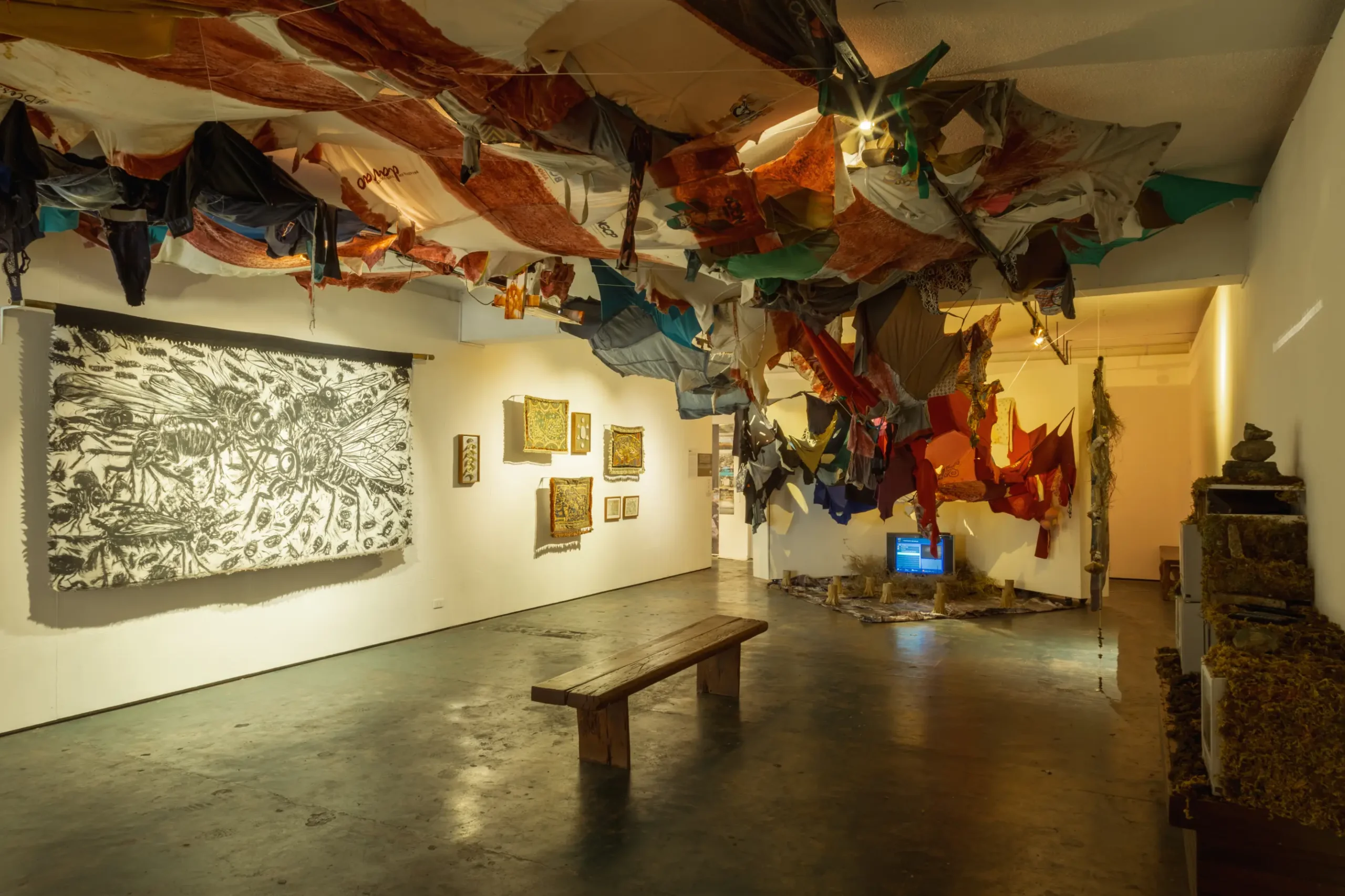
“Important din talaga yung artist-run spaces because [it’s a space for] co-empathy, co-support, mutual support for fellow artists,” Jan Sunday, gallery director for Kalawakan Spacetime, said. “Then, [the space is a place] na hindi exploitative or in any way profiteering [on the artist]. Artistic integrity ang priority and mutual support.”
“I always tell my artists, ‘if you want to be a millionaire, I’m not the gallery for you. But if you want to do this and sustain this for a long, long, long time, we can grow together, then I will work as hard as you want me to,’” Gwen Bautista, founder and director of MONO8, shared.
What Kind of Artist Are You?
She elaborated that MONO8’s roster of artists come down to two types of people: artists who already have a good idea of their style and voice and want help to develop that, and artists who are just starting out and who need help in figuring out their place in the world. Bautista said that MONO8 welcomes artists with all sorts of visions, so long as it doesn’t involve cruelty to living things.
“Here, our exhibitions are always about articulating our practices as a whole. It’s not about displaying objects, it’s not about displaying outputs,” she explained. “For MONO8, we have provided a platform where artists are free to do whatever they want without really the pressure of the commercial side of things.”
Most of the gallery offerings for these three galleries are planned for a year in advance, if not more, to give artists the necessary time that they need to map out their ideas at their own pace. Gravity Art Space, for example, plans their exhibits around the peaks and valleys of the art calendar to allow an artist time to focus on other pursuits that give them joy.
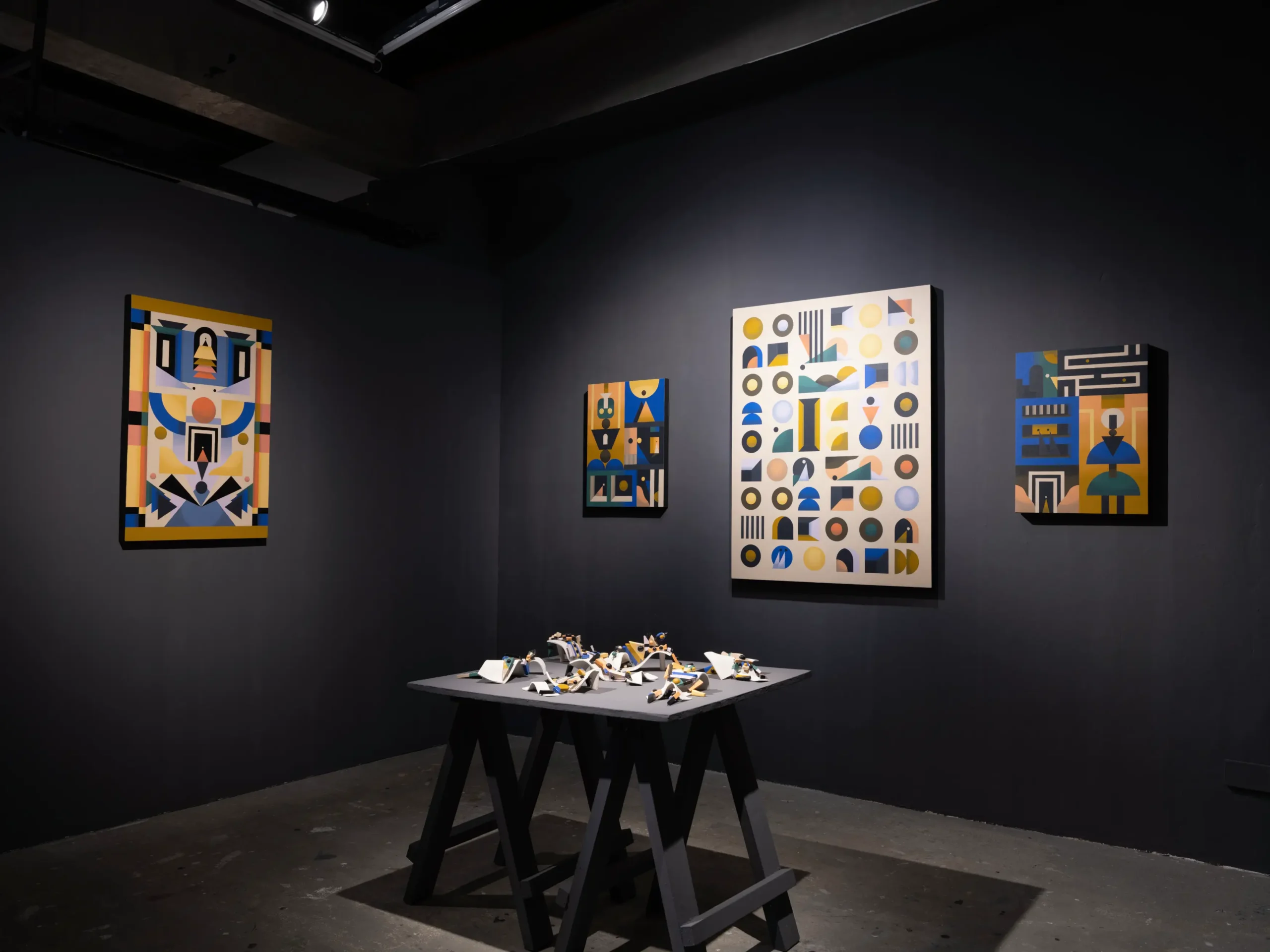
“May mga iba-ibang seasons na kailangan natin isipin,” Indy Paredes, co-founder of Gravity Art Space, said. “Bukod doon, sa activity ng artist, baka pagod sila o baka masyado silang maraming ginagawa, kailangan nila ng buwelo. Or baka during this time, pwede silang mag-laro kasi yung market talagang naka-rest din. So this is our time also to do other projects na walang pressure ng market.”
(“We think in terms of the different seasons of the art market. Beyond that, we consider the activity of artist: maybe they’re tired or they have too much to do so they need a break. Or maybe, during this time, they can play because the market is also at rest, too. It’s at that time that we can do other projects without pressure from the market.”)
Saying What Needs To Be Said
That kind of artistic freedom does not come easy at all, but it’s one that each of these galleries are intent on seeing through in their own ways. And so, all the galleries become home to quite eclectic artwork that wouldn’t typically be seen at a regular gallery.
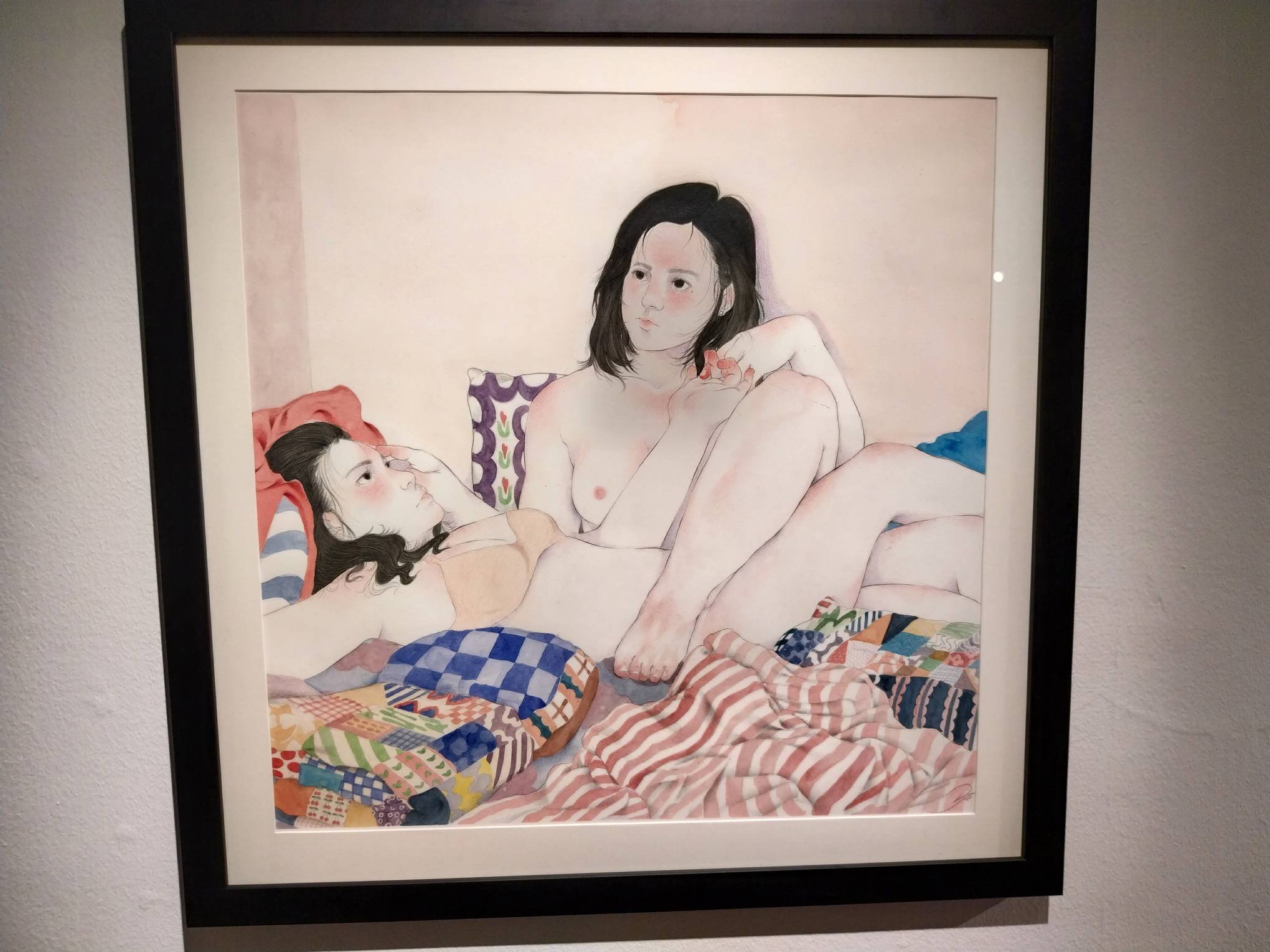
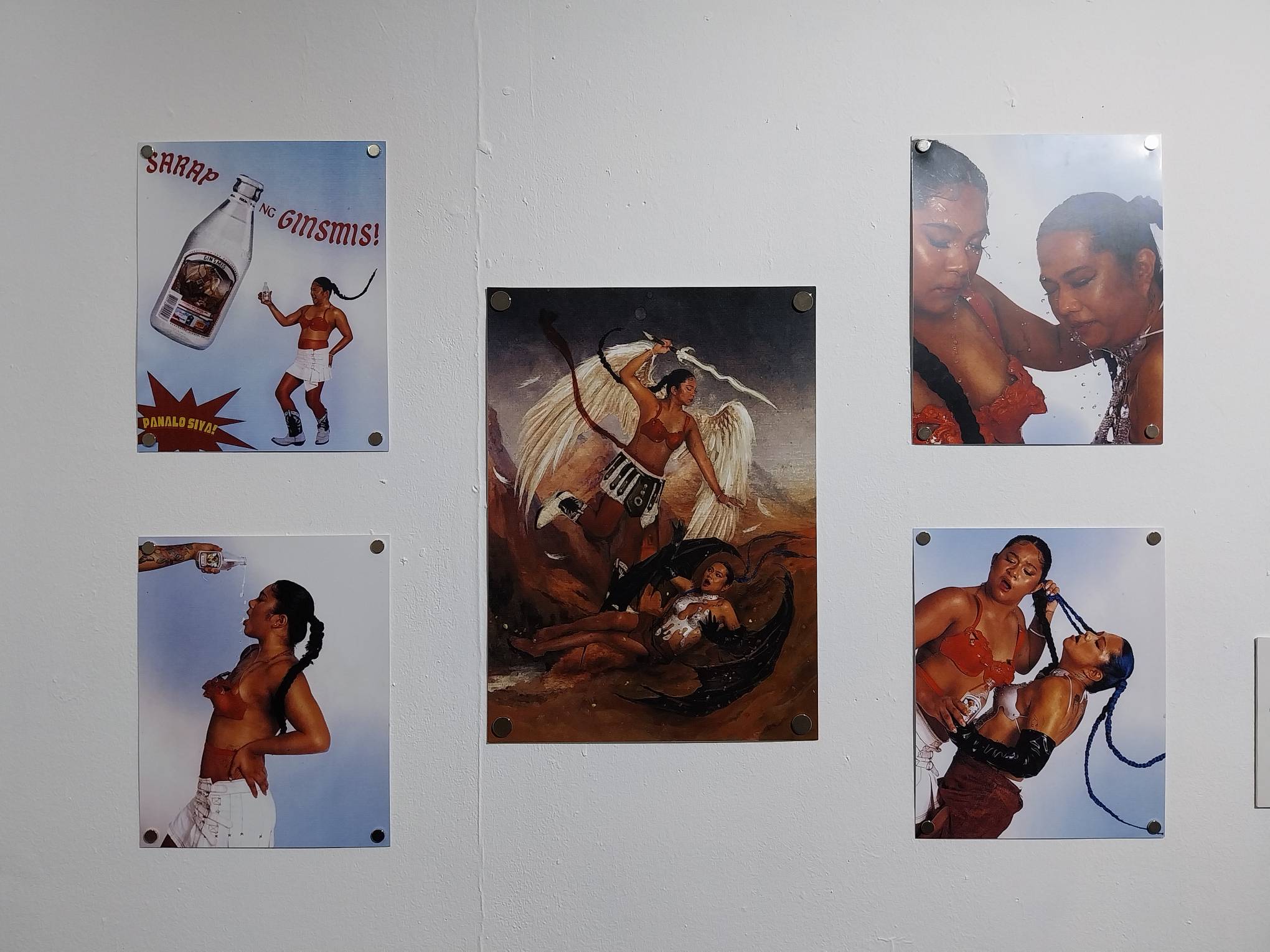
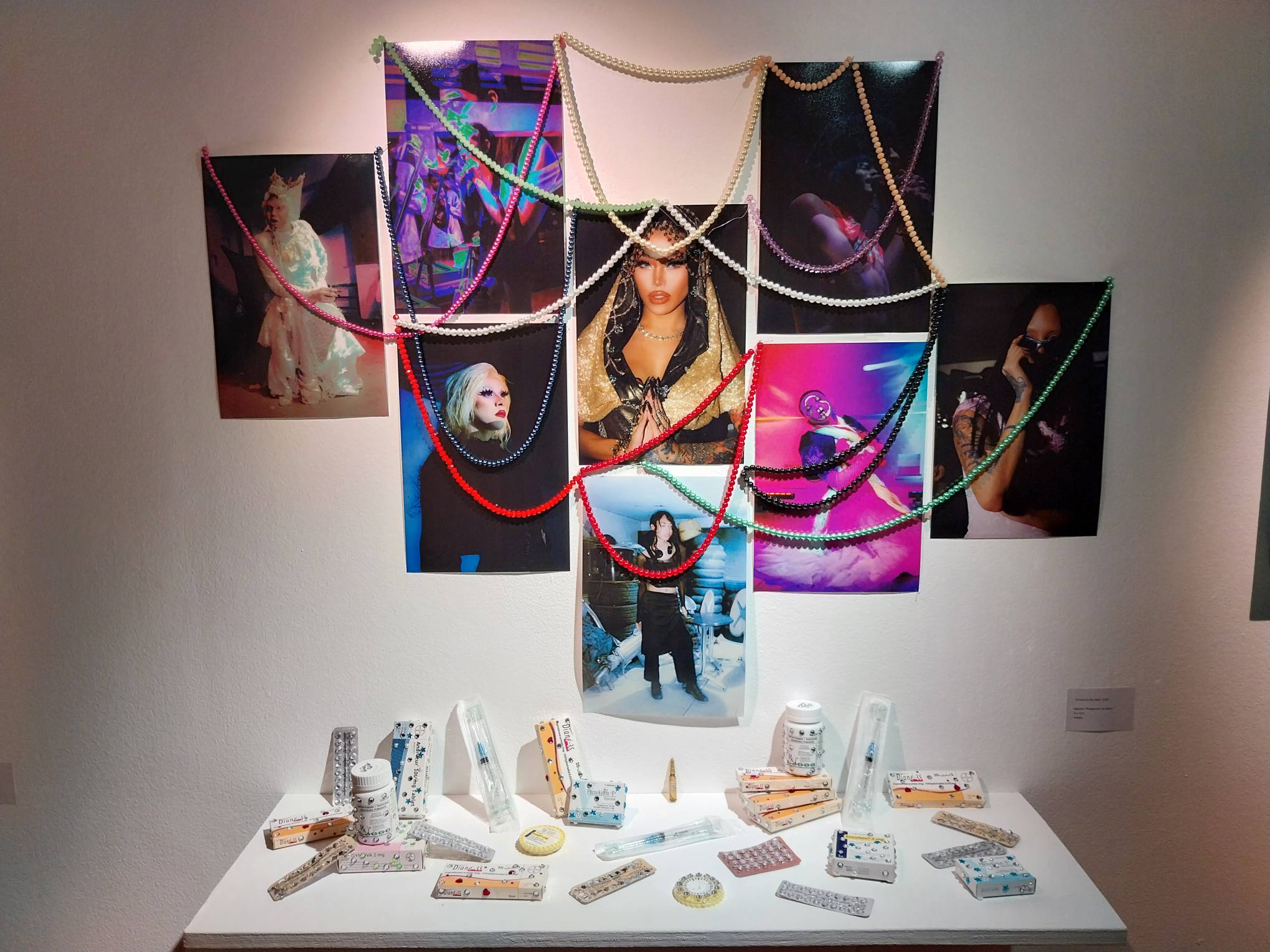
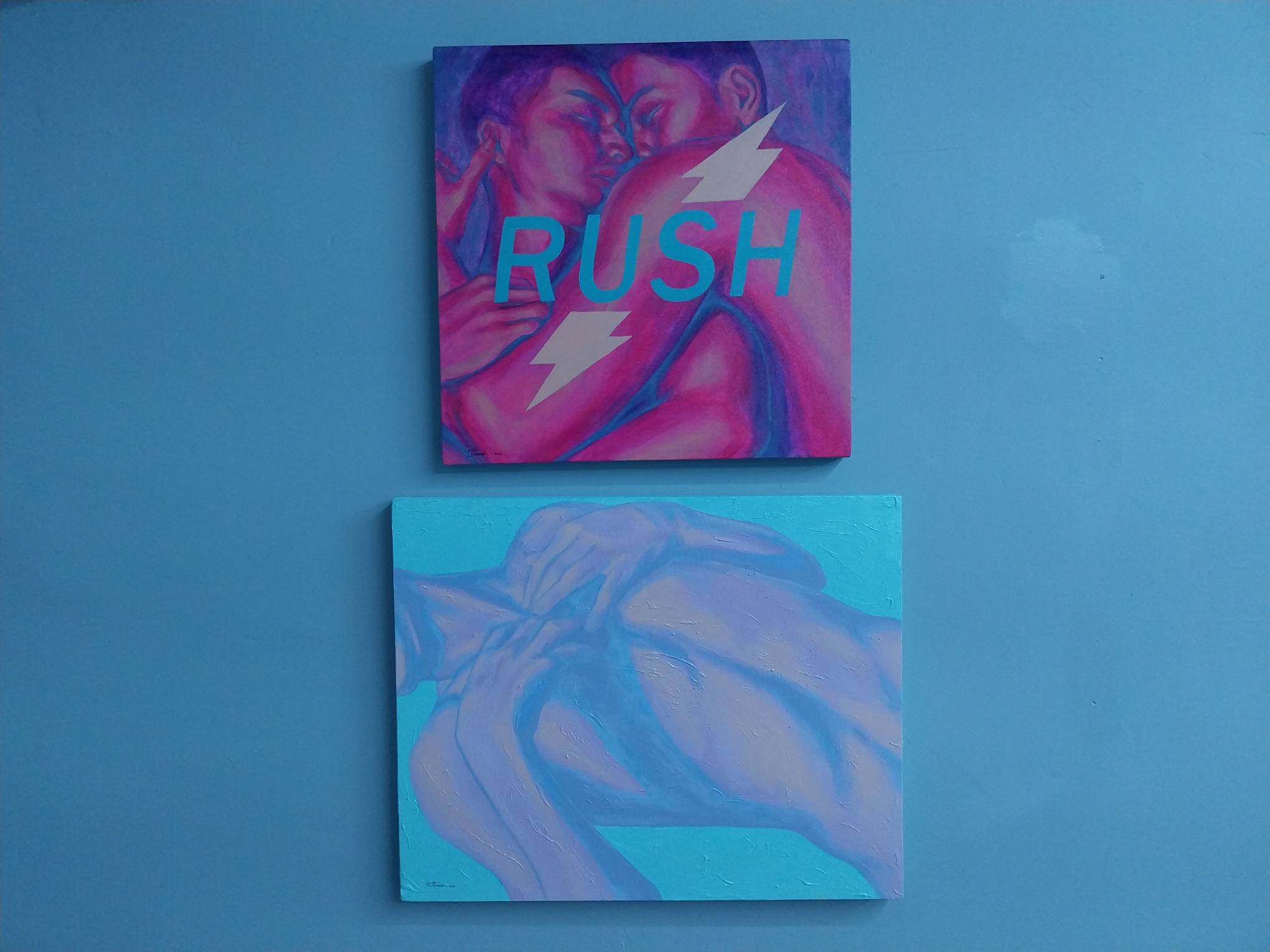
All three galleries regularly showcase queer artists talking about queer subjects, for example, which is a rarity for mainstream galleries to do. They also have regular programming that’s unafraid to discuss political topics: MONO8, for example, showed an exhibit last year criticizing the environmental toll of different industries, while Gravity Art Space dedicated a whole exhibit last July calling for a ceasefire in Gaza.
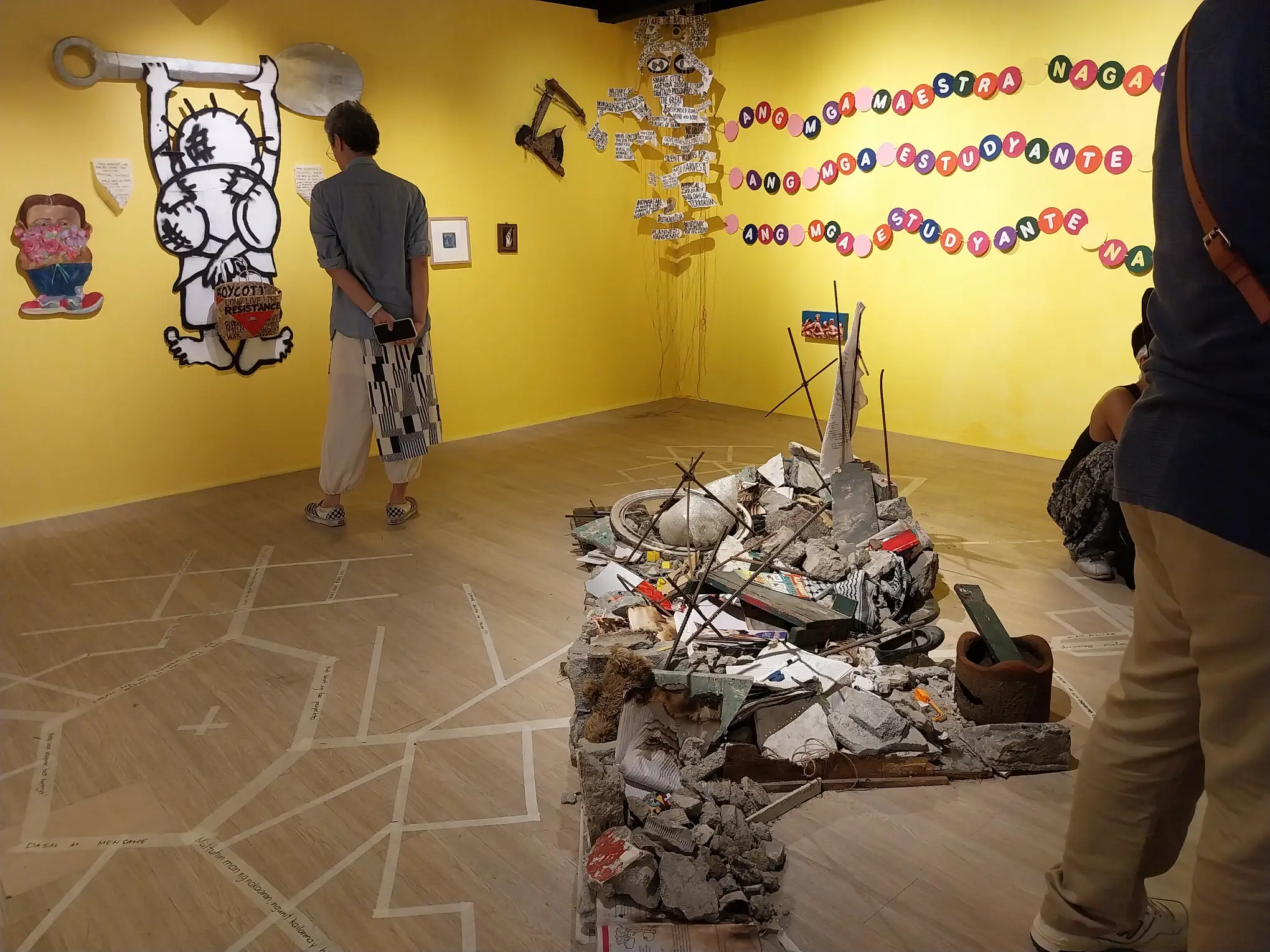
It’s the kind of fearless programming that embodies an artistic spirit that goes beyond profits and popularity. Rather, it goes to the heart of what matters most to every artist, shining a light on places where the mainstream public would typically dread to go to.
A Mirror to Society
It does go to show how different these artist-run spaces can be compared to other galleries. Instead of moving with what’s popular or patok, they move alongside the visions of the artist. What they feature is as much of the artist’s vision as it can be, the obsessions and hyperfixations that they can’t help but focus on in their life.
“We like to represent artists who are already continuing to make works even without having a scheduled show,” Gabriel Naguiat, founder and co-director of Kalawakan Spacetime, said. “They just, you know, can’t help making works, and that their works are very unique to themselves. They have a signature vision.”
“Lalo with contemporary art, makikita mo kung ano ang pinagdadaanan ng country, ng artist, ang mga nagyayari,” Melai Matias, co-founder of Gravity Art Space said. “Ongoing, lahat ng mga issues, dito siya napapakita, hindi lang yung very decorative artwork na laging—kunwari laging flowers, di ba? Hindi naman tayo against sa flowers, pero maganda ang artwork na may sinasabi siya talaga.”
(“Especially with contemporary art, we see what the country and the artist is going through. Ongoing issues are shown here, it’s not just decorative art, it’s not always flowers. Not that we’re against paintings of flowers, but it’s great when an artwork is actually saying something.”)
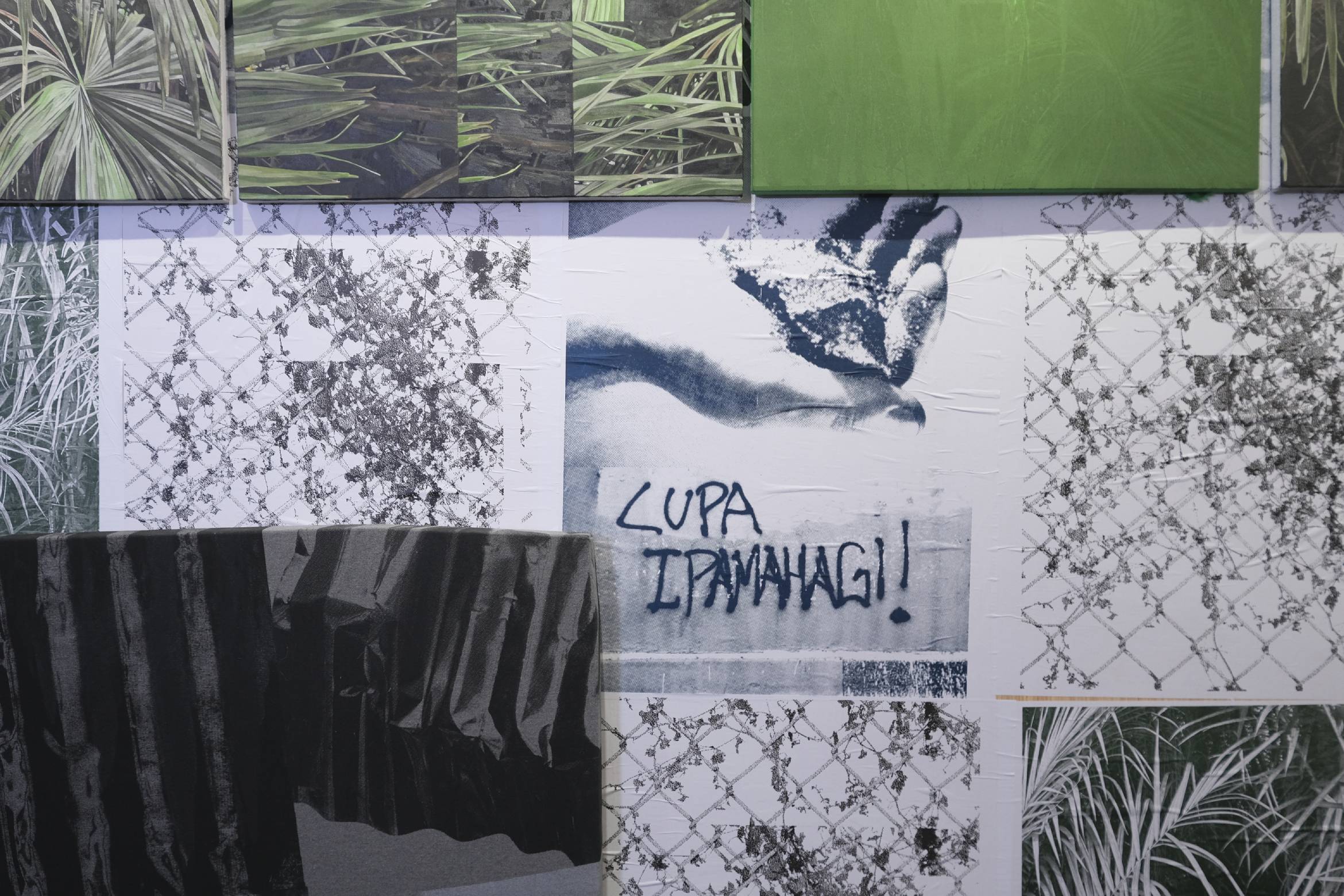
For artist-run spaces, what’s important is ensuring fidelity to the ambitions of the artist. Especially in a society that’s constrained from true freedom of expression and always chasing what’s popular, safeguarding their ability to discuss what’s weird, different, and even unpopular allows the kind of discourse and artistic richness not easily found today.
Photos by Ed Simon.
Related reading: Gravity Art Space’s Artist Talks Demystify the Creative Process
Frequently Asked Questions
The primary distinction lies in the priority of intent. While commercial galleries must balance artistic merit with profitability and market trends, artist-run spaces prioritize artistic integrity and mutual support. These spaces function as non-exploitative platforms where the focus is on “articulating practices” rather than “displaying outputs.” Because they are managed by artists, the programming often challenges the status quo, allowing for “risky” or experimental work that commercial entities might deem unmarketable or politically sensitive.
Artist-run spaces protect independence by decoupling an artist’s survival from immediate sales. Directors at spaces like MONO8 and Gravity Art Space often explicitly tell artists that their goal is long-term sustainability rather than quick wealth. This is achieved through:
Extended Planning: Scheduling exhibits a year or more in advance to allow artists to work at their own pace.
Off-Season Experimentation: Utilizing “market lulls” as a time for artists to “play” or execute non-commercial projects without the pressure of the art calendar peaks.
Community Support: Fostering “co-empathy,” where the gallery acts as a partner in growth rather than a merchant of objects.
Artist-run spaces serve as vital “safe havens” for freedom of expression in societies where censorship or crackdowns on political speech occur. Because they are independent, they are uniquely positioned to host exhibits on taboo topics, queer subjects, or sensitive political issues—such as the environmental toll of industry or calls for international ceasefires. By providing a platform for “fearless programming,” these spaces ensure that art remains a mirror to society’s ongoing struggles rather than just a source of decorative aesthetics.
Fidelity to ambition means representing artists who possess a “signature vision” and a compulsive need to create, regardless of whether a show is scheduled. Kalawakan Spacetime, for instance, seeks artists whose work is uniquely their own and uninfluenced by what is currently patok (popular). The goal is to safeguard the “obsessions and hyperfixations” of the artist, allowing for a level of discourse and artistic richness that is rarely found in the mainstream public sphere.
In artist-run spaces, art is viewed as a medium for social and personal dialogue. While traditional galleries may favor “decorative” subjects like flowers for their mass appeal, spaces like Gravity Art Space push for works that actually “say something.” This approach views contemporary art as a real-time record of what the country and the individual artist are going through, ensuring that the work functions as an intellectual and emotional stimulant rather than mere interior decoration.
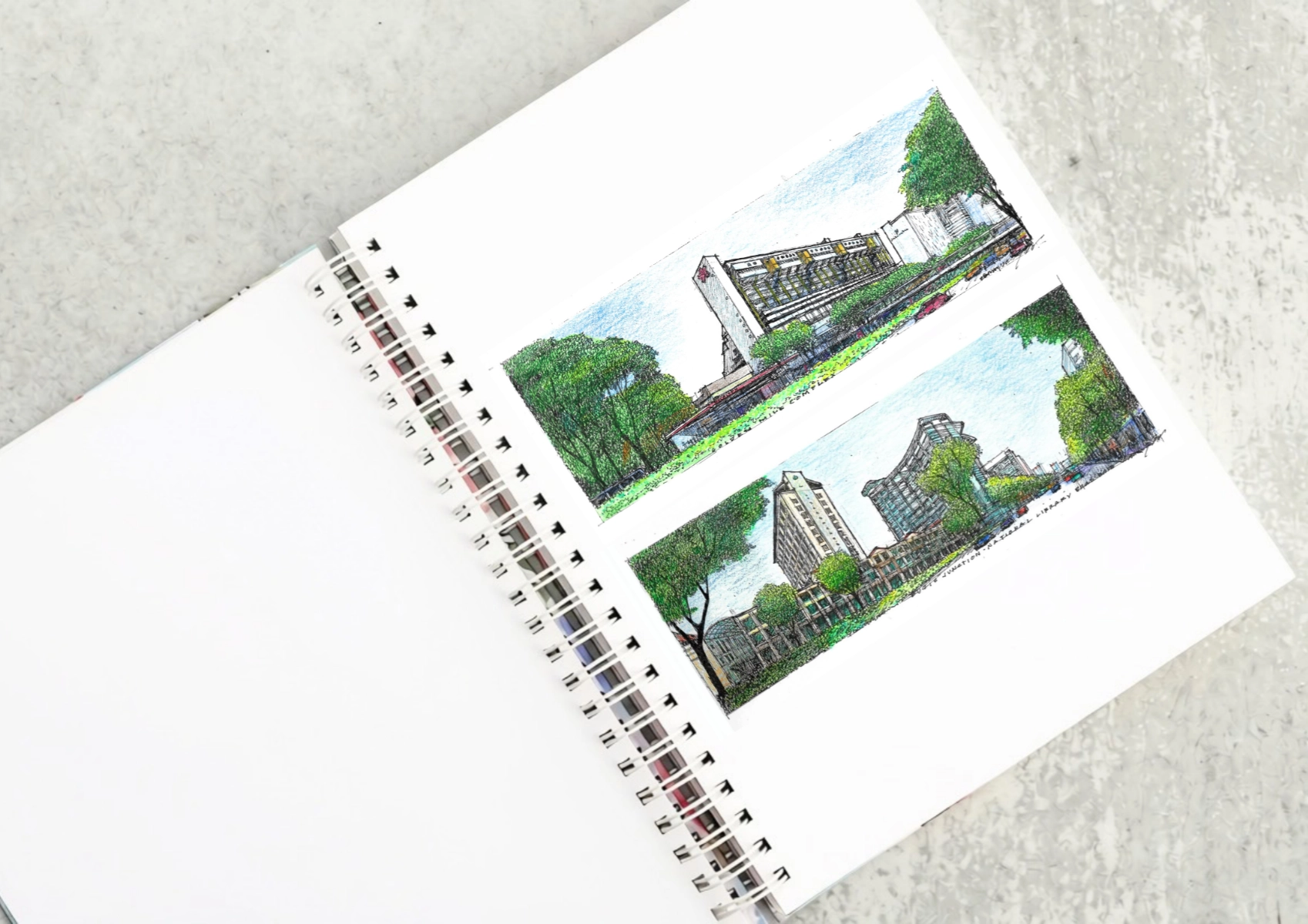
Two sketches of Singapore connect BluPrint Editor in Chief Paulo G. Alcazaren’s personal and professional history with Shared Ground: ArchitectureArchitectureThe art and science of designing and constructing buildings, structures, and spaces that are functional, safe, and aesthetically pleasing. It encompasses the planning, design, materials, and techniques used to createGo to Architecture Glossary of Care, Culture, […]
In a way, designers are the modern-day soothsayers and prophets. They design for the future, predicting how a room, a house, a building or a whole city will be used by people. They foresee how users will interact with a space, conjure exact shades of colors to elicit specific behavior and arrange furniture to build […]
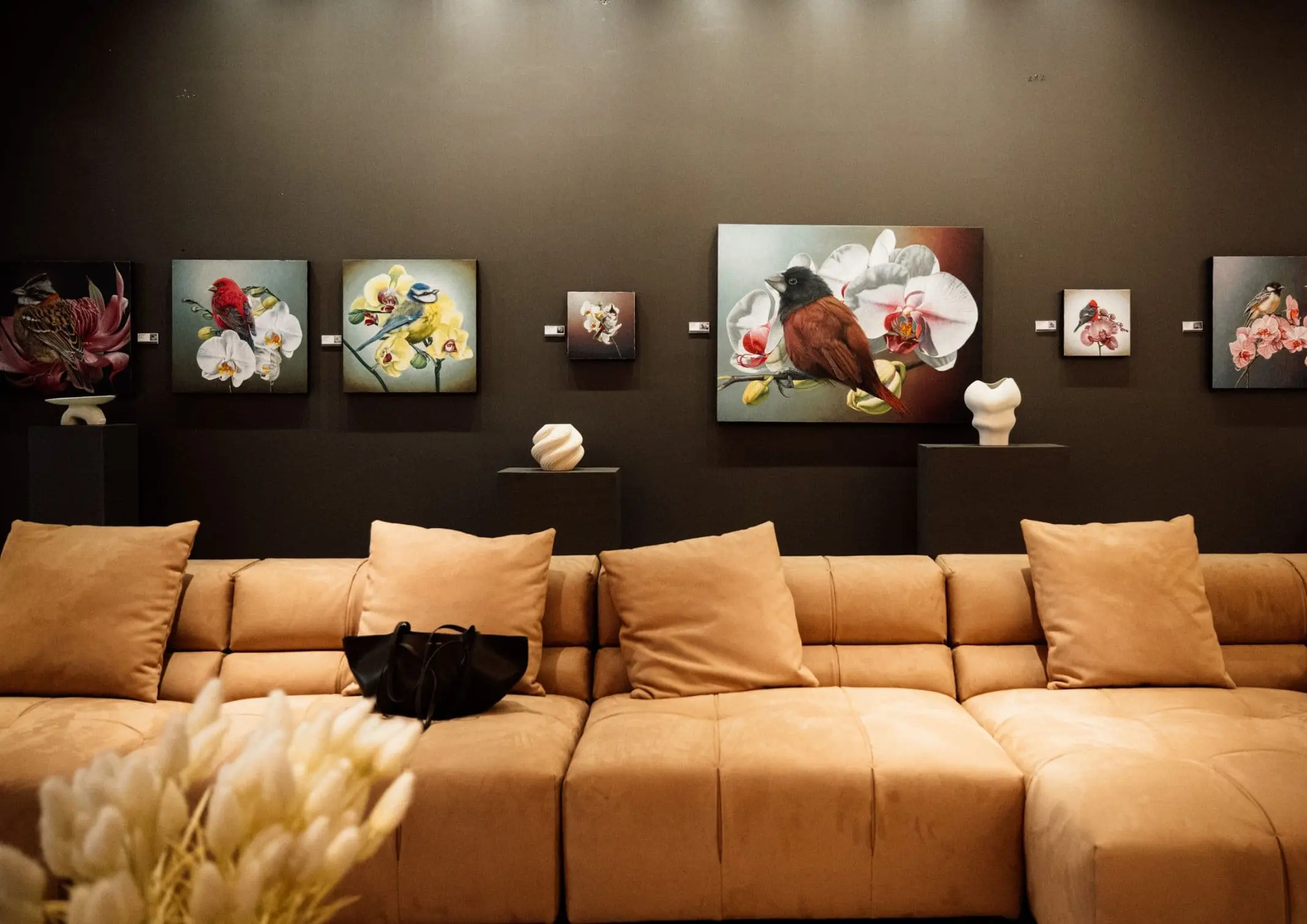
Art and furniture are often selected separately, yet their relationship can shape how a room looks and feels. The collaboration between Hooga and Galerie Joaquin explores how these elements can work together, bringing contemporary artworks into furnished residential settings at Hooga’s showroom in Uptown Mall, Bonifacio Global City. For Hooga, which curates furniture, lighting, and […]
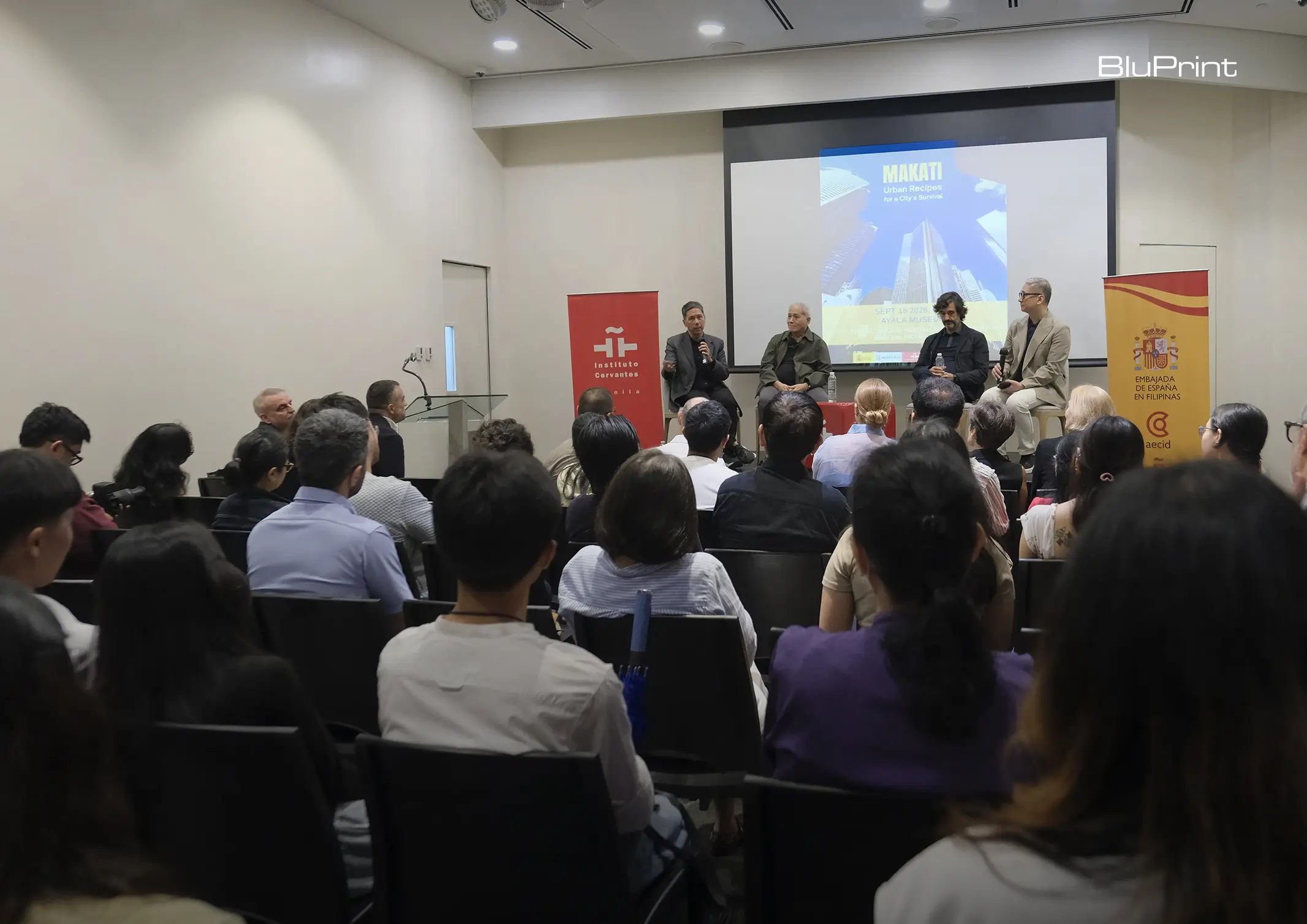
How can better-planned cities create the conditions for more creative, livable, and resilient urban environments? “Makati Urban Recipes for a City’s Survival,” a colloquium held at the Ayala Museum on September 15, brought together architects and practitioners from the fields of urbanism and the creative economy to discuss how design, planning, and collaboration can address […]
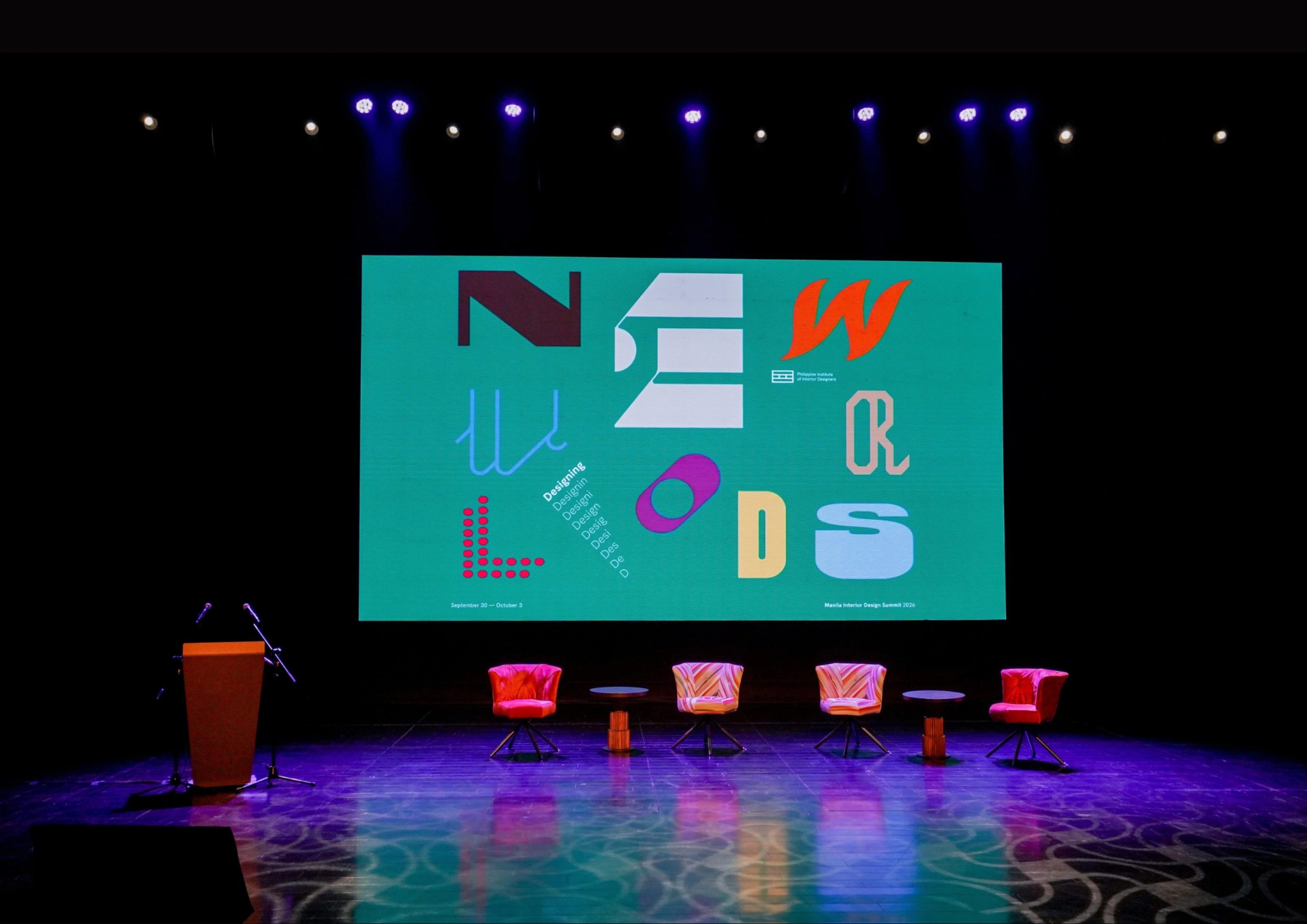
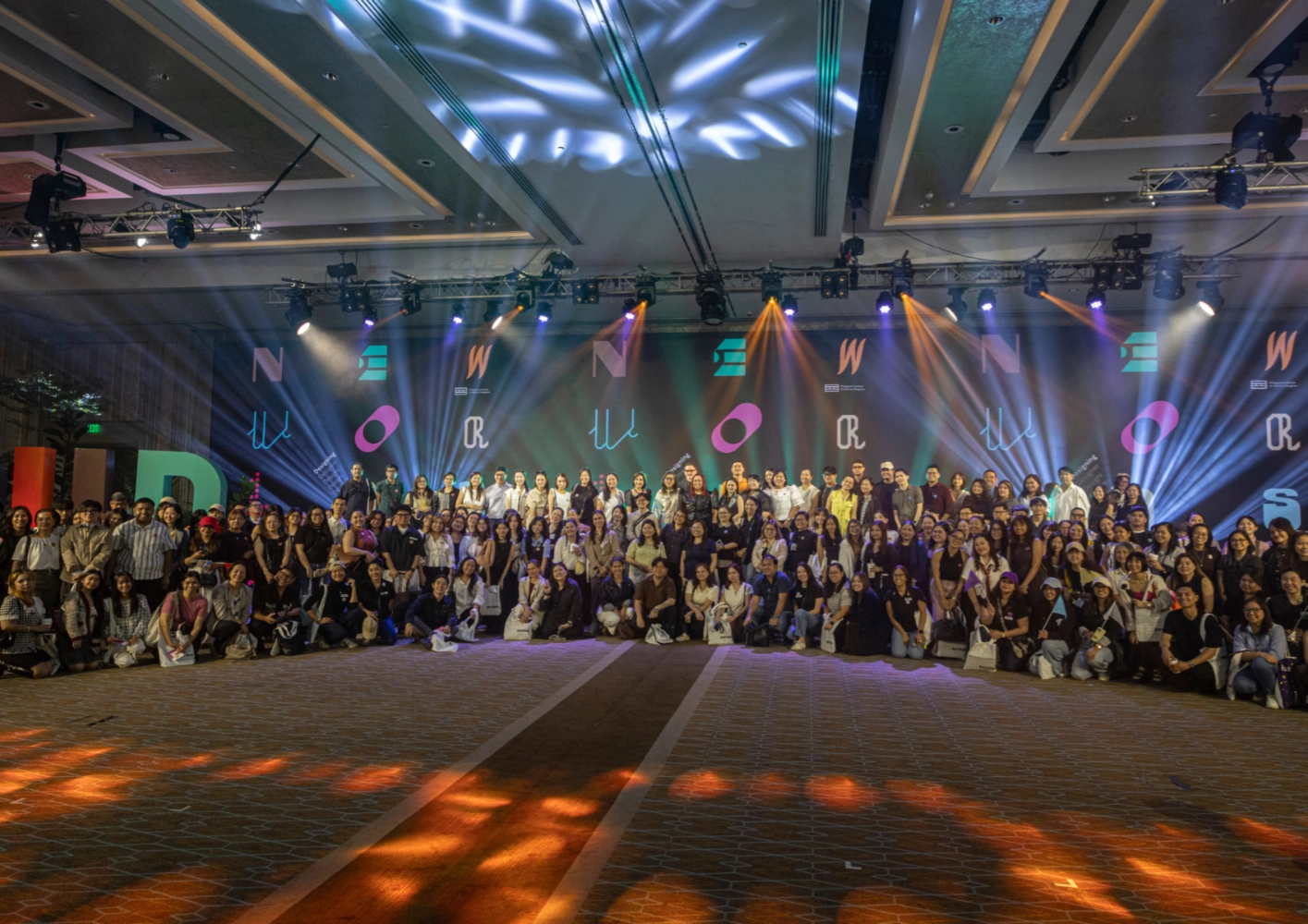
The fourth Manila Interior DesignInterior DesignThe discipline of planning and shaping interior spaces for function, comfort, safety, and beauty. It covers layout, lighting, materials, finishes, furniture, and color, and in the Philippines is a licensedGo to Interior Design Glossary Summit (MIDS) brought together more than 300 delegates for four days of conversations, exhibitions, and design […]
Read the issues.

Collect the volumes.

Recommended Video
Tap to Unmute
Unmute
0:00
0:00