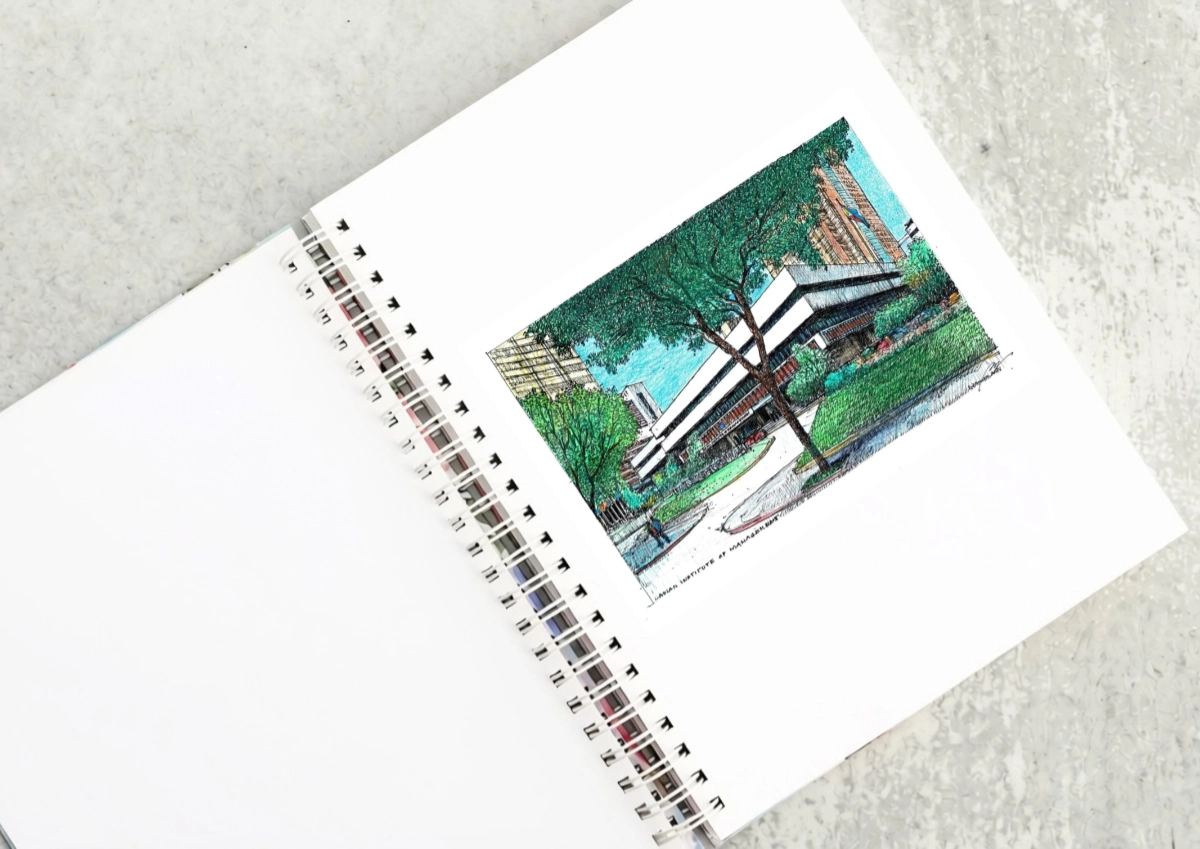
A Filipino Interpretation of Modernist Architecture Unlike the rest of Makati today, the northern end of Paseo de Roxas in Makati is anchored by a low complex rather than a tall skyscraper. This is the elegant Asian Institute of Management, designed by architect Gabriel Formoso and completed in 1971. In my opinion, the building is […]
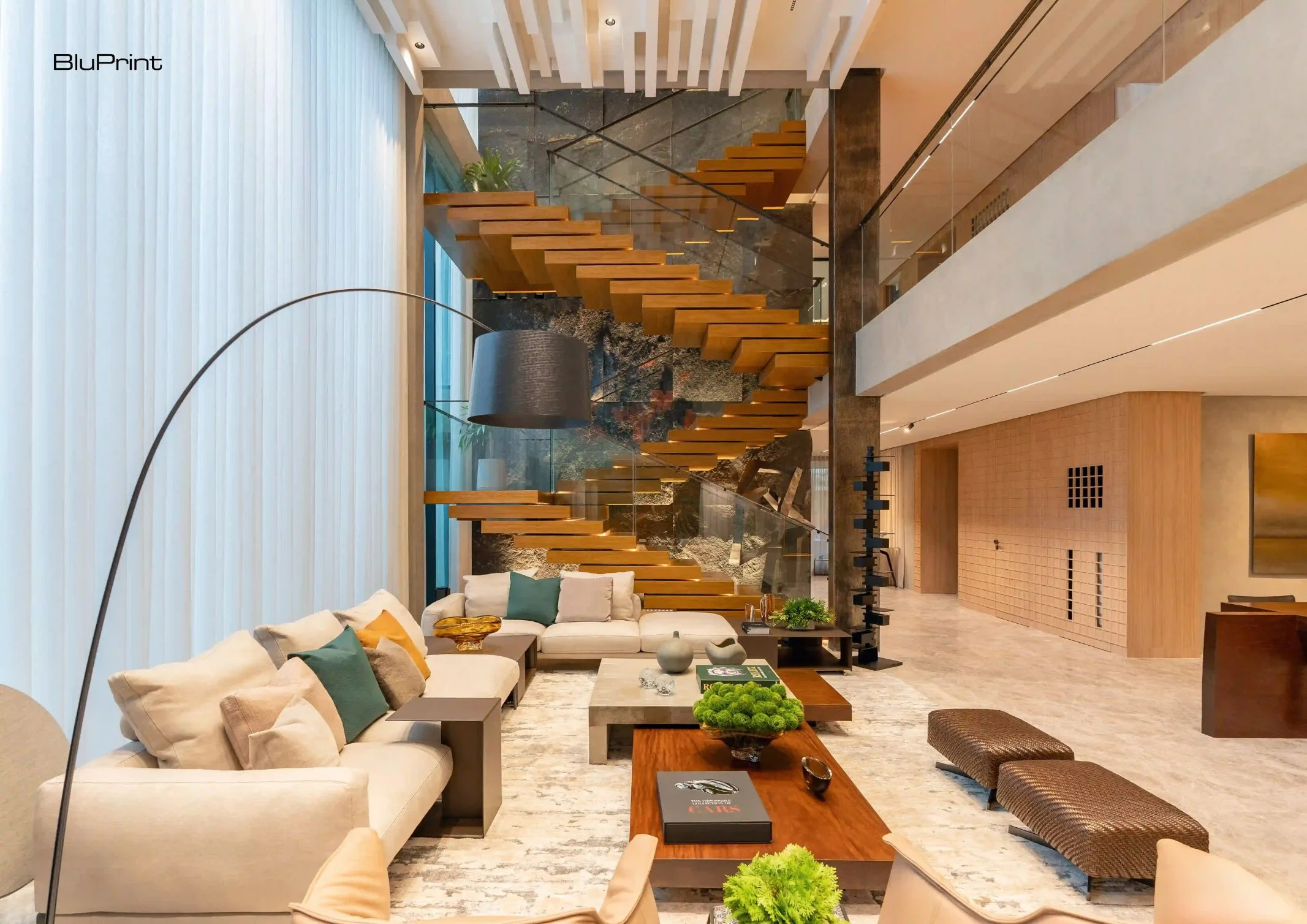
Every Room a Chapter: Grace Reyes Designs an Art-Filled Residence



Few challenges are as complex as the multigenerational home. How can we foster togetherness without sacrificing privacy? This remarkable residence, born from a son’s vision for his mother, called for a delicate balance—demanding expansive, open areas for gatherings alongside intimate corners for personal retreat. Solving this duality led the design team to a “contemporary classic” approach, a philosophy Interior Designer Grace Reyes Serapio defines as “a marriage of the modern and the timeless.”
Realizing this vision required a deep synergy between Reyes Serapio’s firm, Grace S. Reyes Designs Inc., with Interior Architect Nathan Langreo, Interior Designer Deniese Micutuan, the home’s architect Mc Kevin Dumlao, and of course, the client himself. This collaboration would ultimately transform a series of structural constraints into a seamless architectural story.
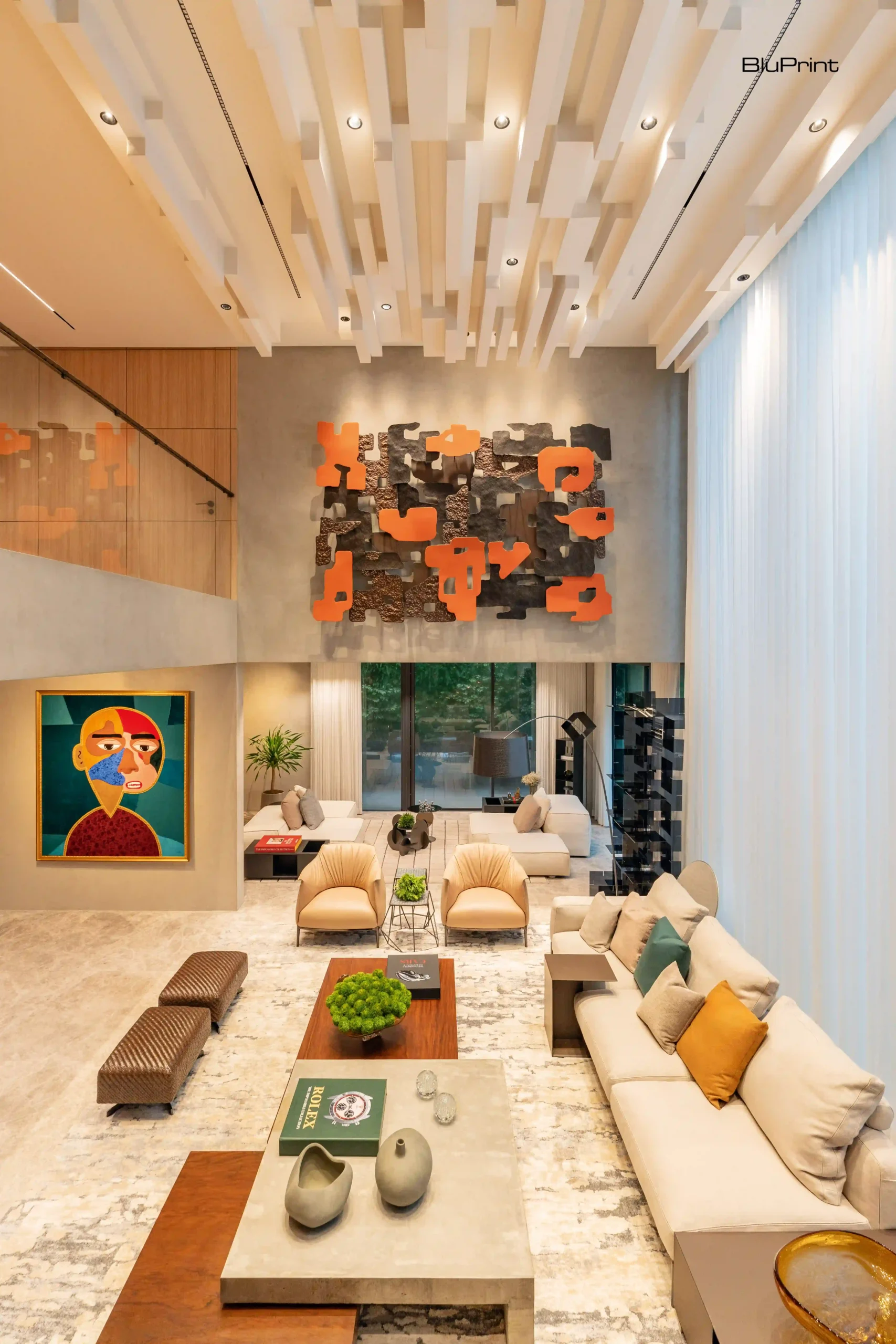
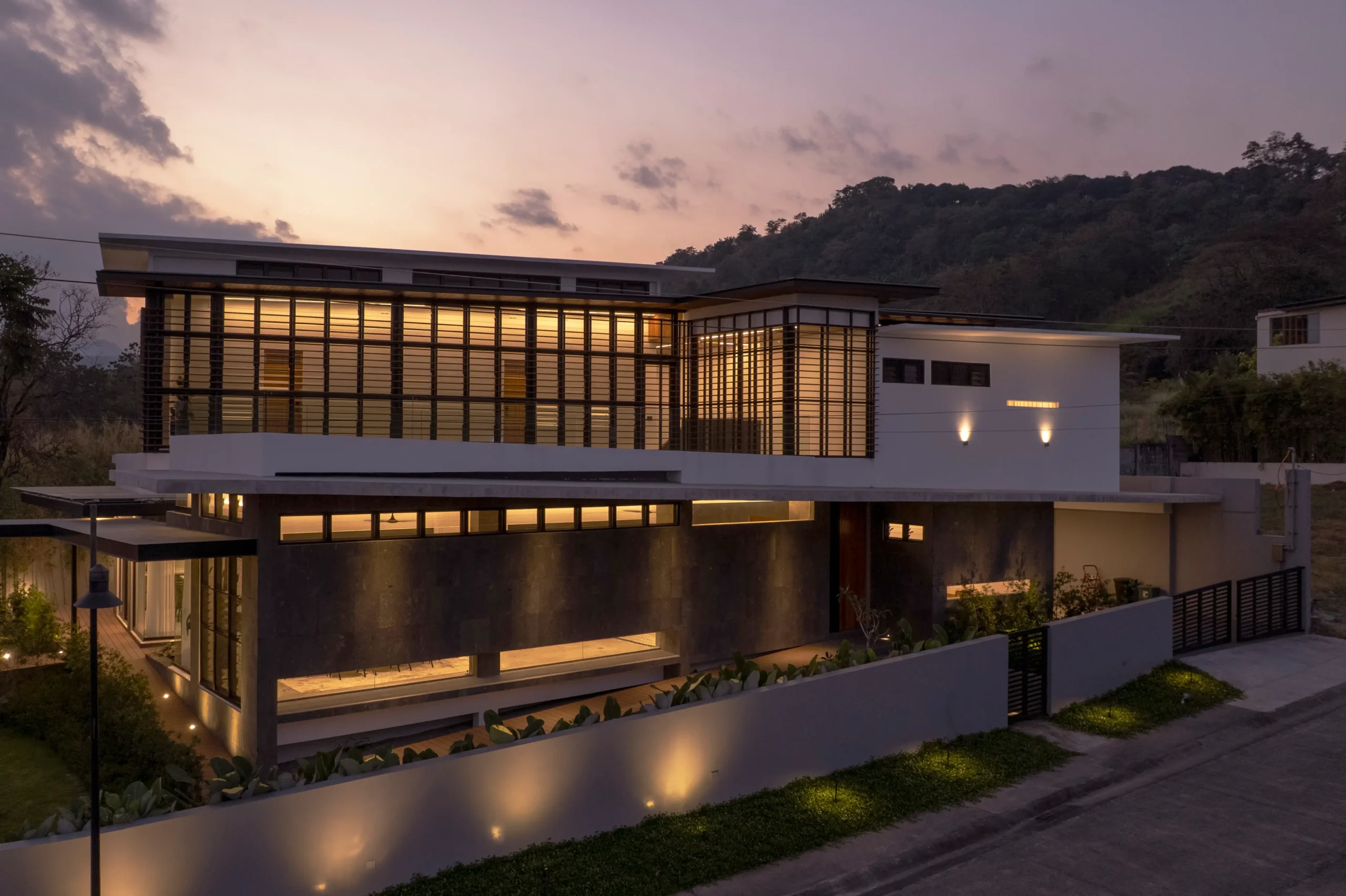
Set on a 720-square-meter lot, and completed over the course of seven years, the ambitious 883-square-meter home plan was immediately met with the realities of its context. “We had to be mindful of the village guidelines, think carefully about which spaces to prioritize, and still make sure the layout felt open and uncluttered,” the homeowner shares. The design program was extensive, calling for private rooms for his mother and two brothers, a guest room, a fully-equipped gym, and an imaginative use of the house’s top level as an observatory deck with views of the city skyline.
Art in a Family Home
The narrative of the home begins at the approach. Architect Mc Kevin Dumlao’s work orchestrates a deliberate journey of arrival, where a gentle water feature introduces a calming auditory element. The monumental scale of a solid magkono wood entry door signals a transition from the public world to the private. “It is an experience akin to slowly turning the pages of a storybook,” says Reyes Serapio.
Passing through this threshold, you’re enveloped in a sense of composed tranquility. The foyer unfolds not all at once, but with intentional sightlines and immediate functionality. From this central point, the ground floor branches out to serve the family’s diverse needs. To the right is the home gym; to the left, an elevator provides seamless accessibility to all floors, a key consideration in this multigenerational home.
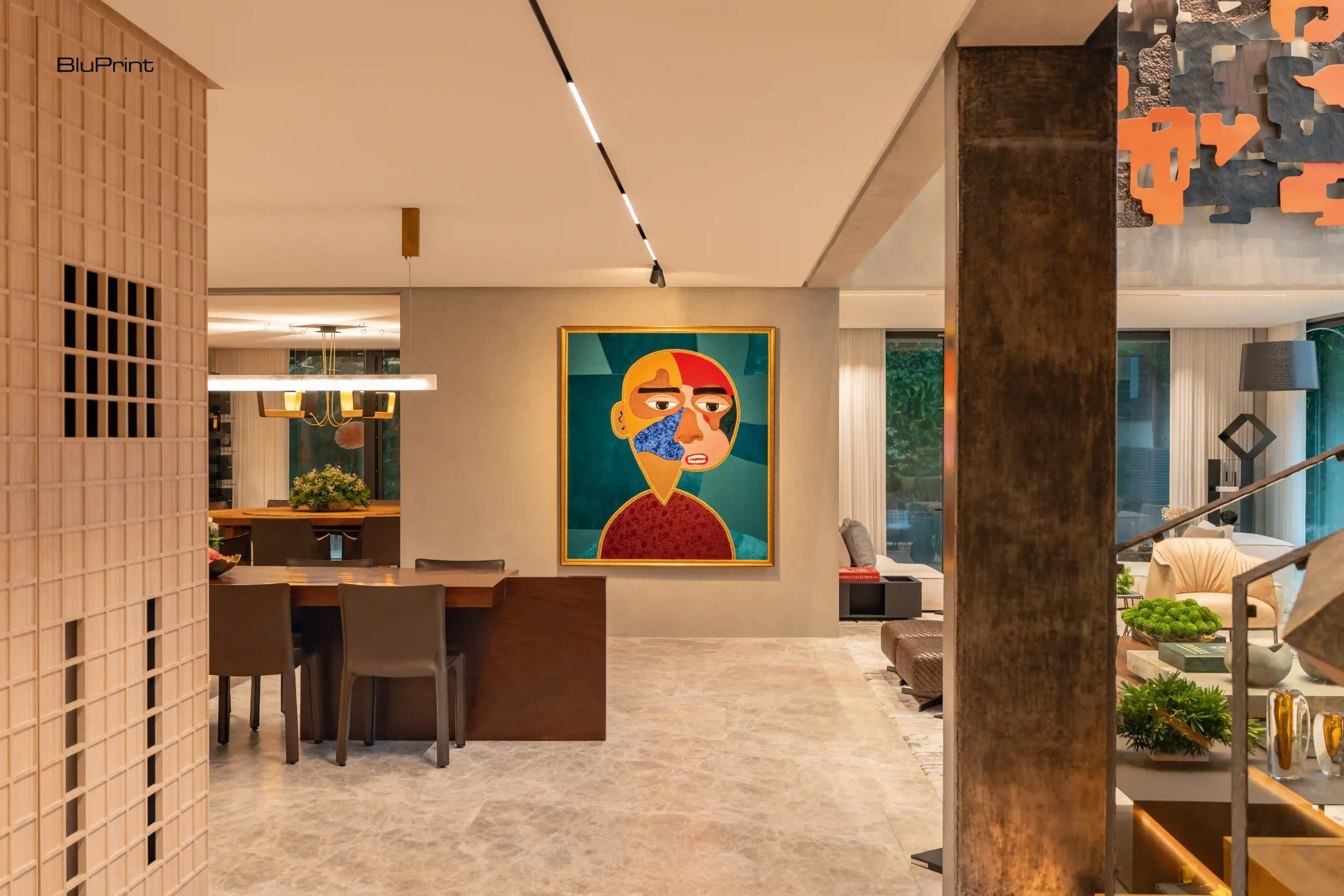
This journey flows naturally toward what the homeowner fondly calls “the heart of the home”: the living room. “It’s where everyone naturally gathers, whether for family time or when friends come over,” he says. This is the home’s nexus; a bright and welcoming hub that perfectly embodies the family’s desire for togetherness. Here, the eye is drawn to the King of Ethiopia by American artist Mr. Star City, which serves as a powerful focal point.
The ground floor’s narrative culminates in the dining room, a space curated with intention, where even daily rituals are elevated by art. “It’s another favorite, thanks to the installation featured there,” the homeowner confirms. “It sets the mood of the space and makes it feel truly memorable.”
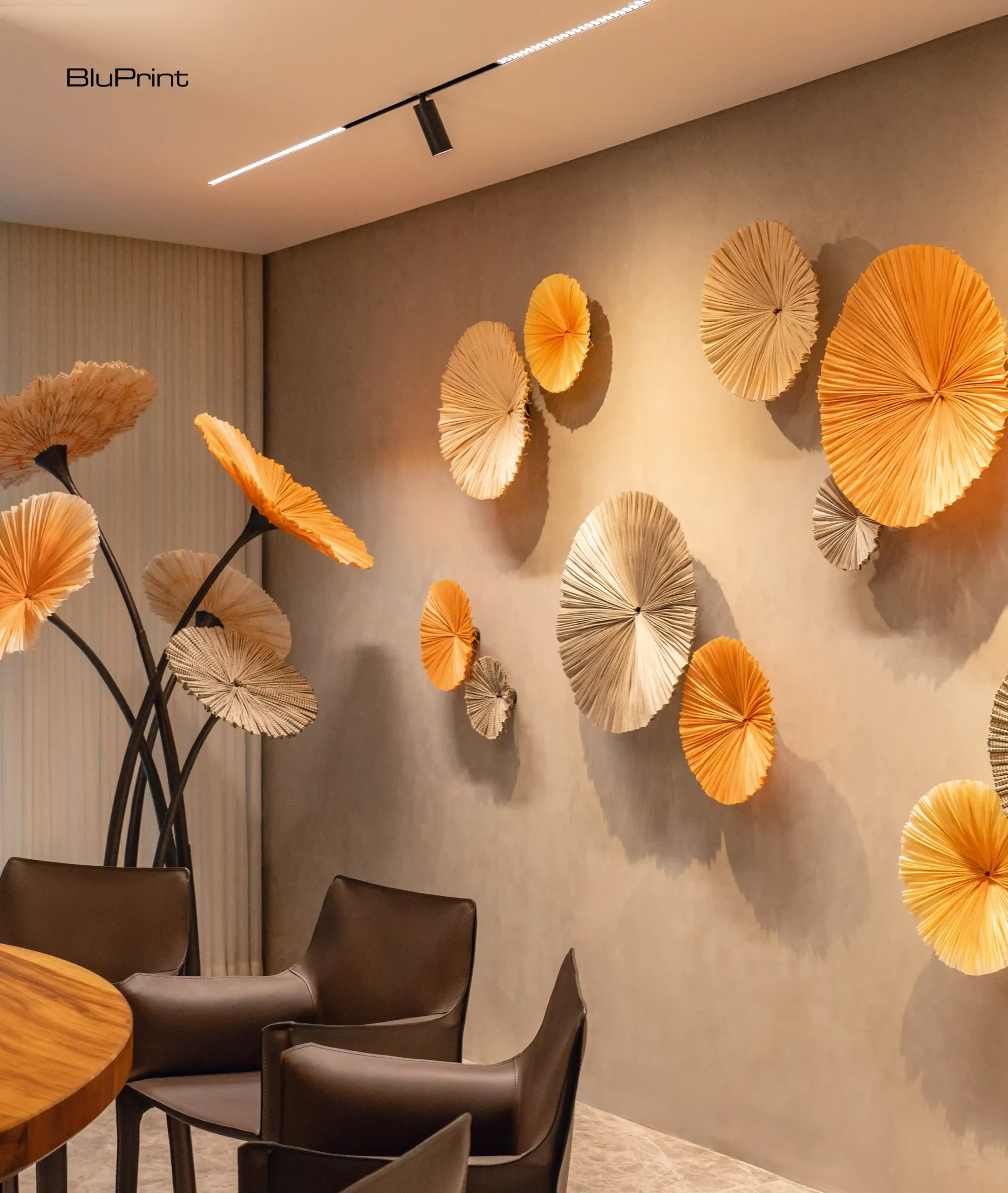
A solid narra wood table and Mario Bellini’s iconic CAB 413 chairs for Cassina provide a timeless, grounding foundation. The greyscale walls serve as a quiet, refined canvas for the room’s spectacular centerpiece: a multi-part sculptural installation by artist Olivia d’Aboville.
Singular Spaces
In the end, this home serves as a quiet manifesto. It makes the case that a residence can be both a world-class gallery and a deeply personal sanctuary, that Filipino craftsmanship can define modern luxury, and that the most successful designs are born from a shared, unified vision. “Each room deepens the narrative,” Reyes Serapio concludes, and in this project, the final story is one of balance, beauty, and belonging—a design narrative, masterfully told.
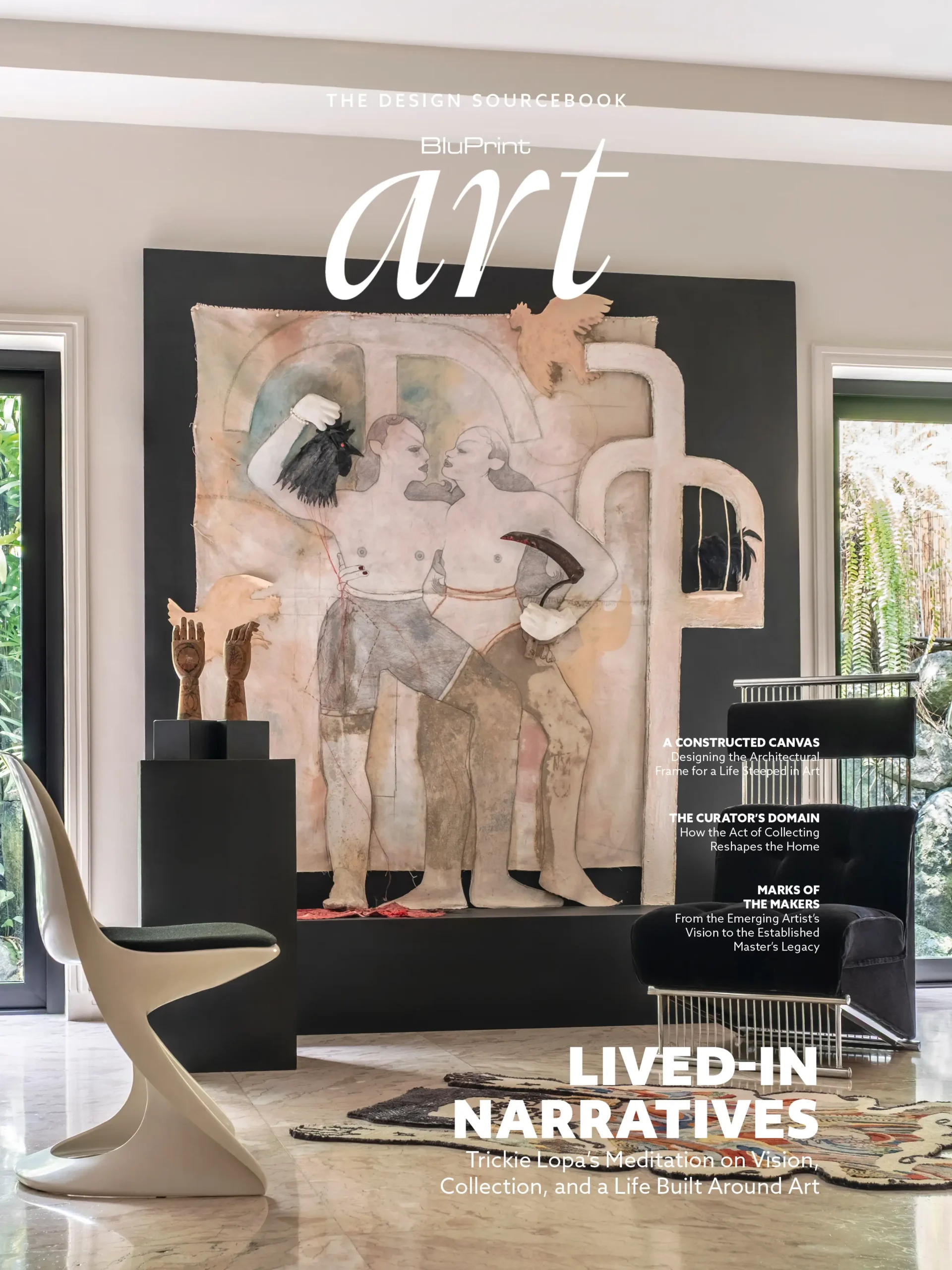
This article has been abridged for digital publication. Read the full story behind Every Room a Chapter by ordering your copy of BluPrint Art at Sari Sari Shopping, Shopee, and Lazada. E-magazines are also available for download here or through Readly, Press Reader, and Magzter.
Dive into the captivating world of architectureArchitectureThe art and science of designing and constructing buildings, structures, and spaces that are functional, safe, and aesthetically pleasing. It encompasses the planning, design, materials, and techniques used to createGo to Architecture Glossary, interiors, and arts & culture by getting exclusive digital access to BluPrint’s past and upcoming issues. Click here to find out more.
Photographed by Keiran Punay
Read More:
Frequently Asked Questions
This design philosophy marries modern functionality with timeless materials. By pairing modern architectural lines with “grounding” traditional materials like solid narra and magkono wood, the home feels current for the younger generation while remaining familiar and stable for the matriarch.
The balance of togetherness and privacy was achieved through a branching layout and vertical zoning. The ground floor acts as the social heart for gatherings, while private sanctuaries are distributed across the lot for retreat. An integrated elevator ensures seamless accessibility for all family members as they age.
These elements signal a shift from the public to the private realm. A water feature provides a calming auditory mask for neighborhood noise, while the tactile, monumental scale of a solid magkono wood door offers a physical sense of security, making the entrance feel like a deliberate journey.
Art acts as a structural focal point rather than mere decoration. Bold pieces—such as the King of Ethiopia or Olivia d’Aboville’s sculptures—are set against greyscale walls, allowing the artwork to dictate the mood and serve as a visual anchor for the family.
It serves as a “quiet manifesto” that local heritage can define modern luxury. By pairing Filipino materials with international design icons, the home demonstrates that a world-class, gallery-style residence can still feel like a personal sanctuary when rooted in the owner’s cultural traditions.
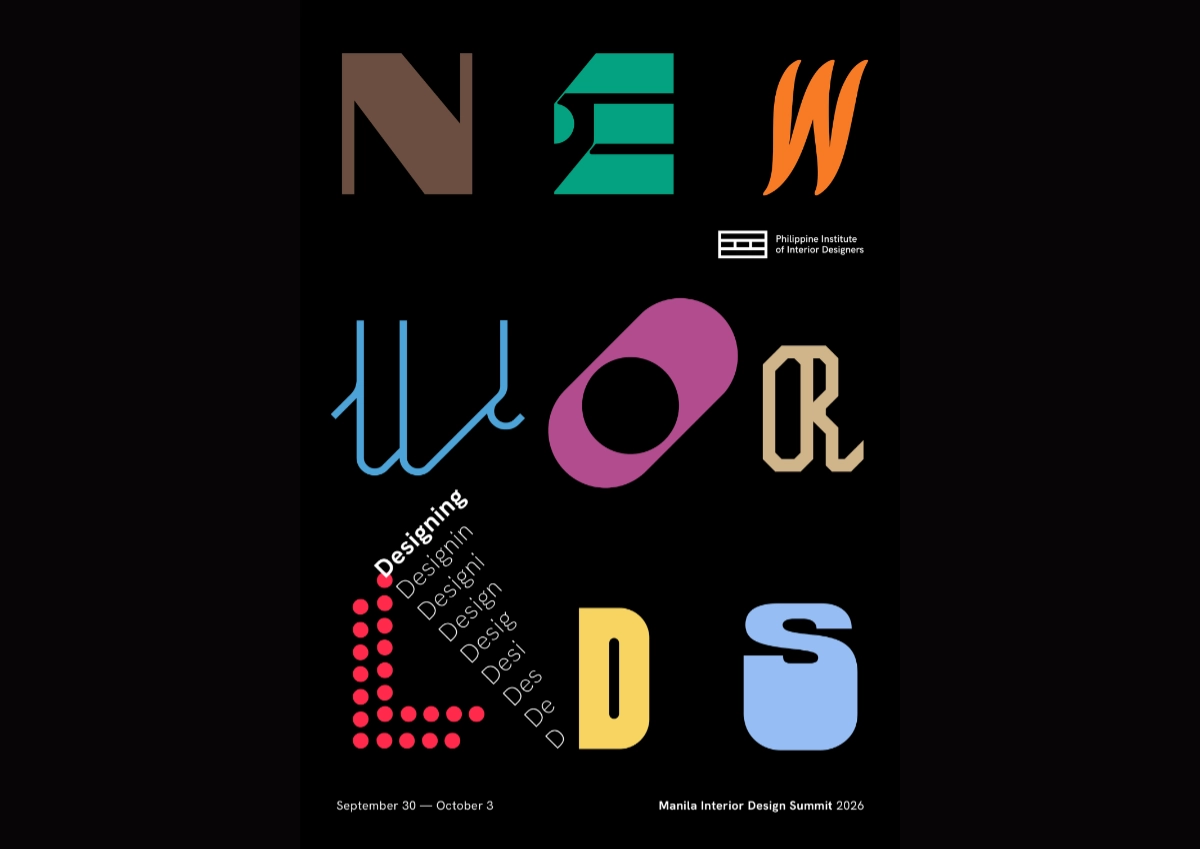
“Thailand has claimed urban creativity and livability. Singapore has institutional design leadership. Indonesia is emerging as a design hub. Vietnam is moving into design innovation. And the Philippines? Its position is not weak. It is simply unclaimed.” For IDr. Cecil Ravelas, National President of the Philippine Institute of Interior Designers (PIID), the challenge is not […]
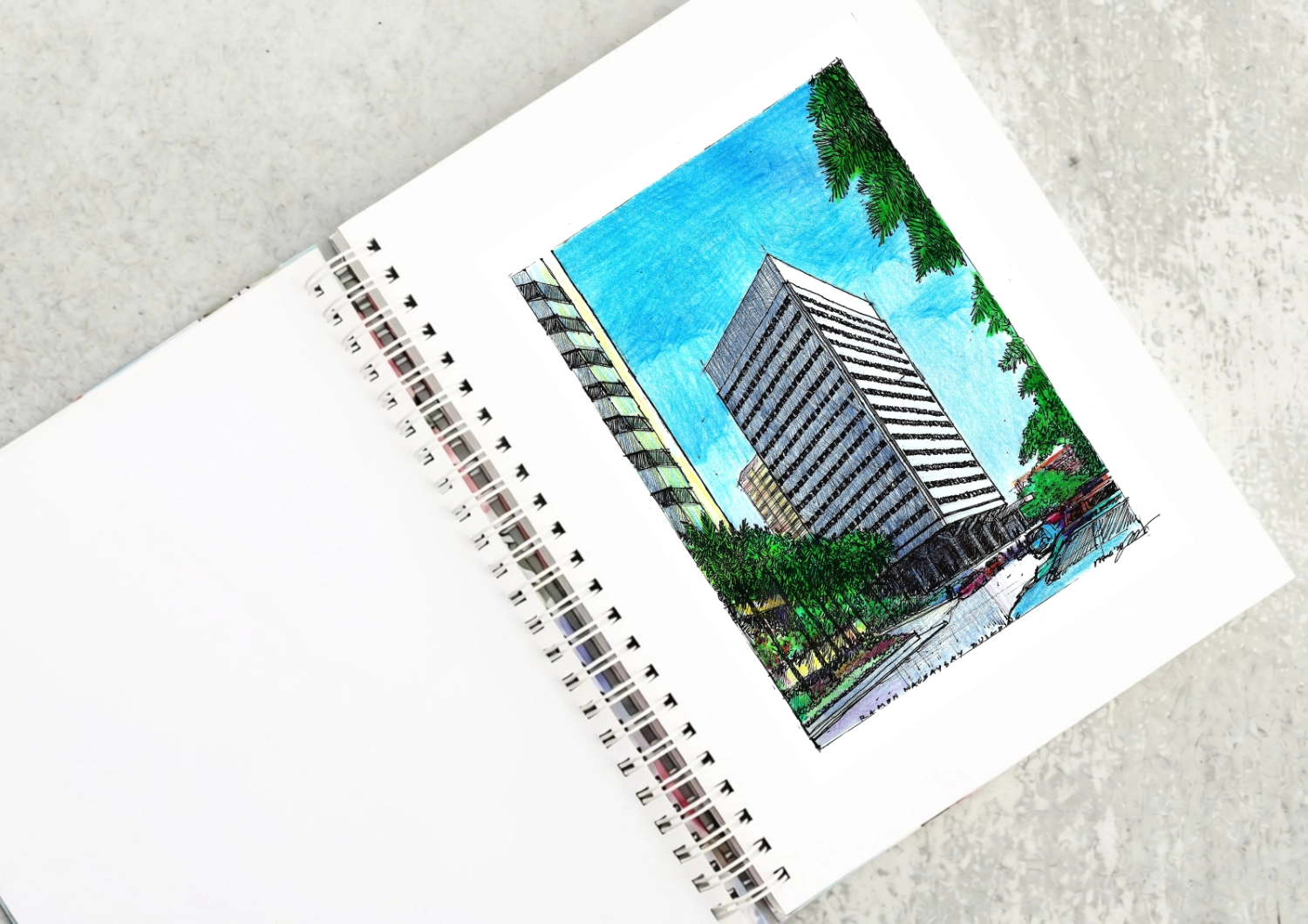
The Ramon Magsaysay Center as a Modernist Landmark Driving down Roxas boulevard from Rizal Park, what will catch your eye is the most elegant modernist structure in the country, the Ramon Magsaysay Center. Most established Filipino architects put it in their top ten lists of favorite buildings. It was designed by Alfredo J. Luz, who […]

Rinna Soriano’s favorite part of her work is sanding. At her workbench, she stays focused, following the grain, adjusting to changes in its direction. Narra, she has learned, can have interlocking grain. A piece of mango once proved particularly difficult until a worker explained that she had reached the point where a branch once grew […]
Filipino architectureArchitectureThe art and science of designing and constructing buildings, structures, and spaces that are functional, safe, and aesthetically pleasing. It encompasses the planning, design, materials, and techniques used to createGo to Architecture Glossary has long been associated with indigenous materials and vernacular design strategies, from bamboo and timber construction to jalousie windows, generous spaces, […]
Read the issues.

Collect the volumes.

Recommended Video
Tap to Unmute
Unmute
0:00
0:00