From the moment a diner steps through the door, each detail shapes how a meal is experienced. Restaurant design has evolved, with architects and culinary professionals collaborating to create built spaces that are as intentional as the menu itself. The spatial atmosphere acts as an additional ingredient that can define the culinary experience. Taupe and […]
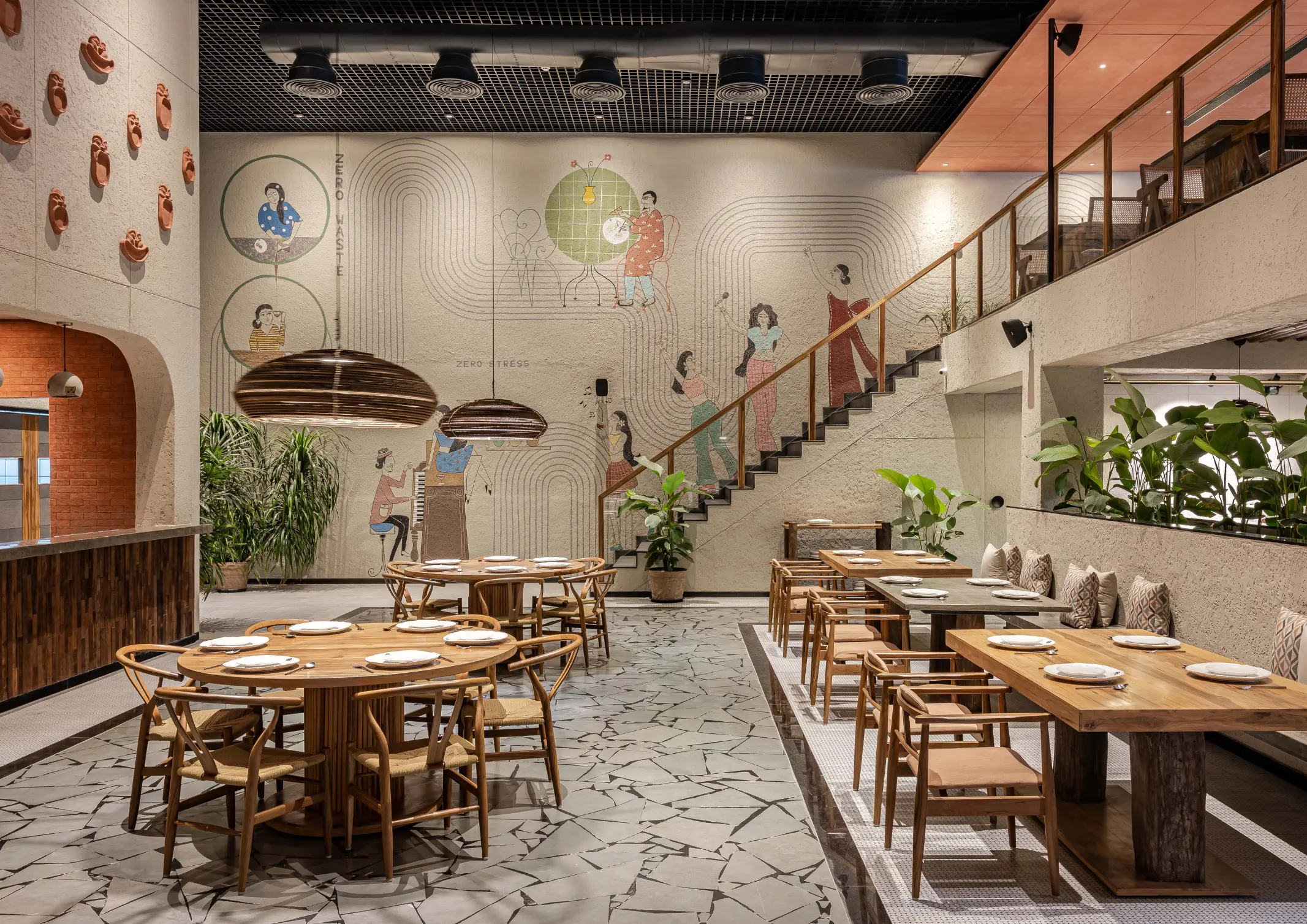
Zero The Restaurant: The Future of Waste-Free Dining



Faced with the crisis of rapid human consumption, Studio A+S conceived Zero The Restaurant as a deliberate counter-narrative, built around a comprehensive zero-waste philosophy. This ethos, rooted in sustainability, eliminates food waste and utilizes reusable materials. It actively minimizes the establishment’s ecological footprint, demonstrating how architectureArchitectureThe art and science of designing and constructing buildings, structures, and spaces that are functional, safe, and aesthetically pleasing. It encompasses the planning, design, materials, and techniques used to createGo to Architecture Glossary can coexist with the environment.
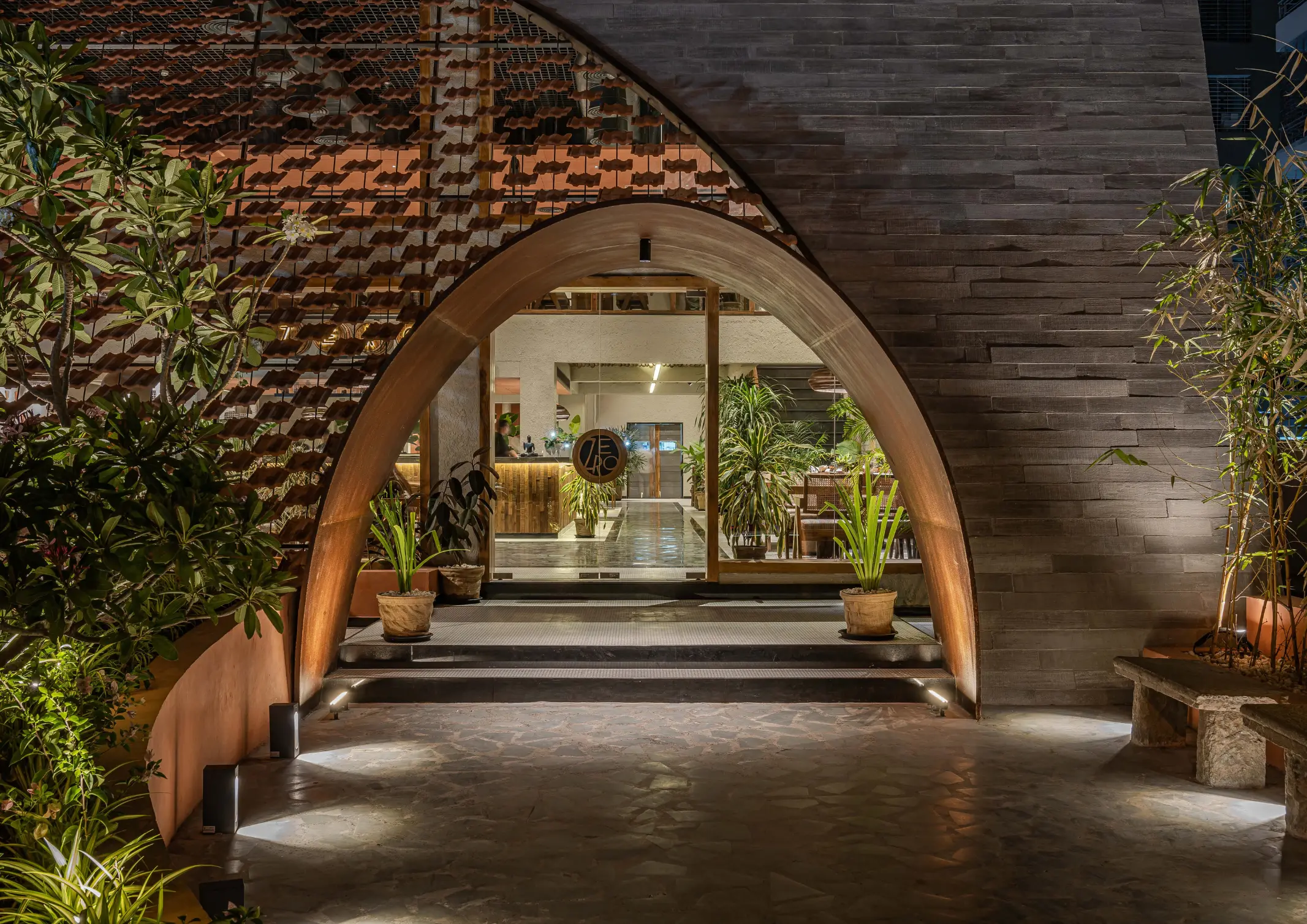
Old Materials, New Designs
The project opted to lessen its utilization of new materials, which involves a higher carbon footprint due to their transportation cost, paperwork, and waste generation. Ninety percent of the materials used consist of repurposed waste—most of which was obtained from the client’s ancestral home.
Zero’s recycling strategy delivered savings on environmental and economic costs by maximizing the potential of every material. A+S sought alternatives only in rare instances where recycled materials proved unusable.
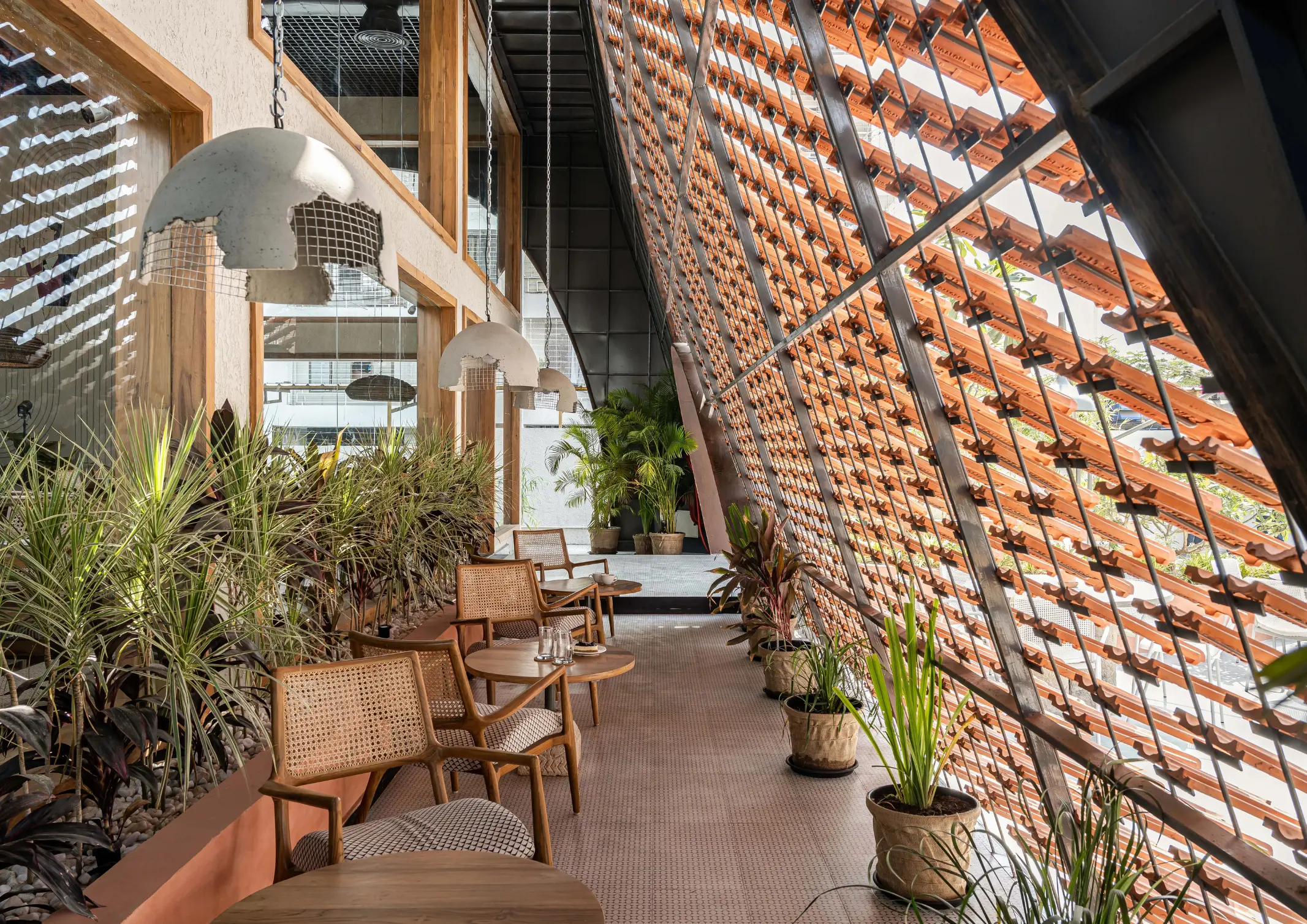
The material innovation resulted in the seamless integration of sustainability into the design. Six truckloads of wood, sourced from the client’s ancestral home, created two distinct, uniformly designed dining sets—rounded tables with curved chairs, and rectangular tables with rectangular rattan chairs—despite the material’s inherent variability.
Above the tables, hanging lights made with cardboard packaging waste provide an intimate atmosphere and also add visual depth. Furthermore, the flooring uses Kota stone (fine-grained, durable limestone from Rajasthan, India) and epoxy to create the geometric and spontaneous pattern.
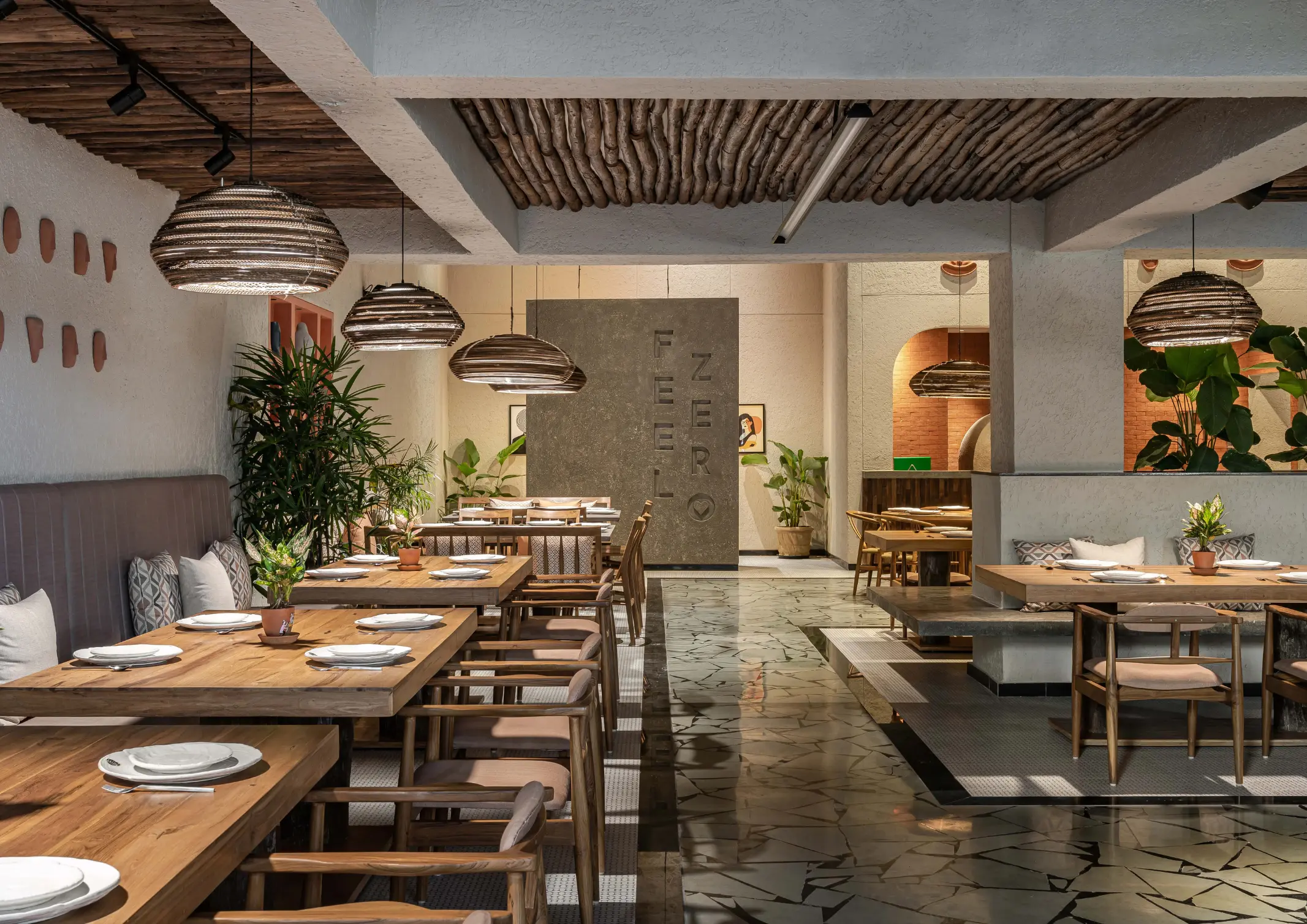
Exterior seating utilizes durable, repurposed stone and reinforced concrete to withstand changing weather. The surrounding green landscapes and views help soften the imposing quality of these hard materials.
One Small Step Towards Sustainability
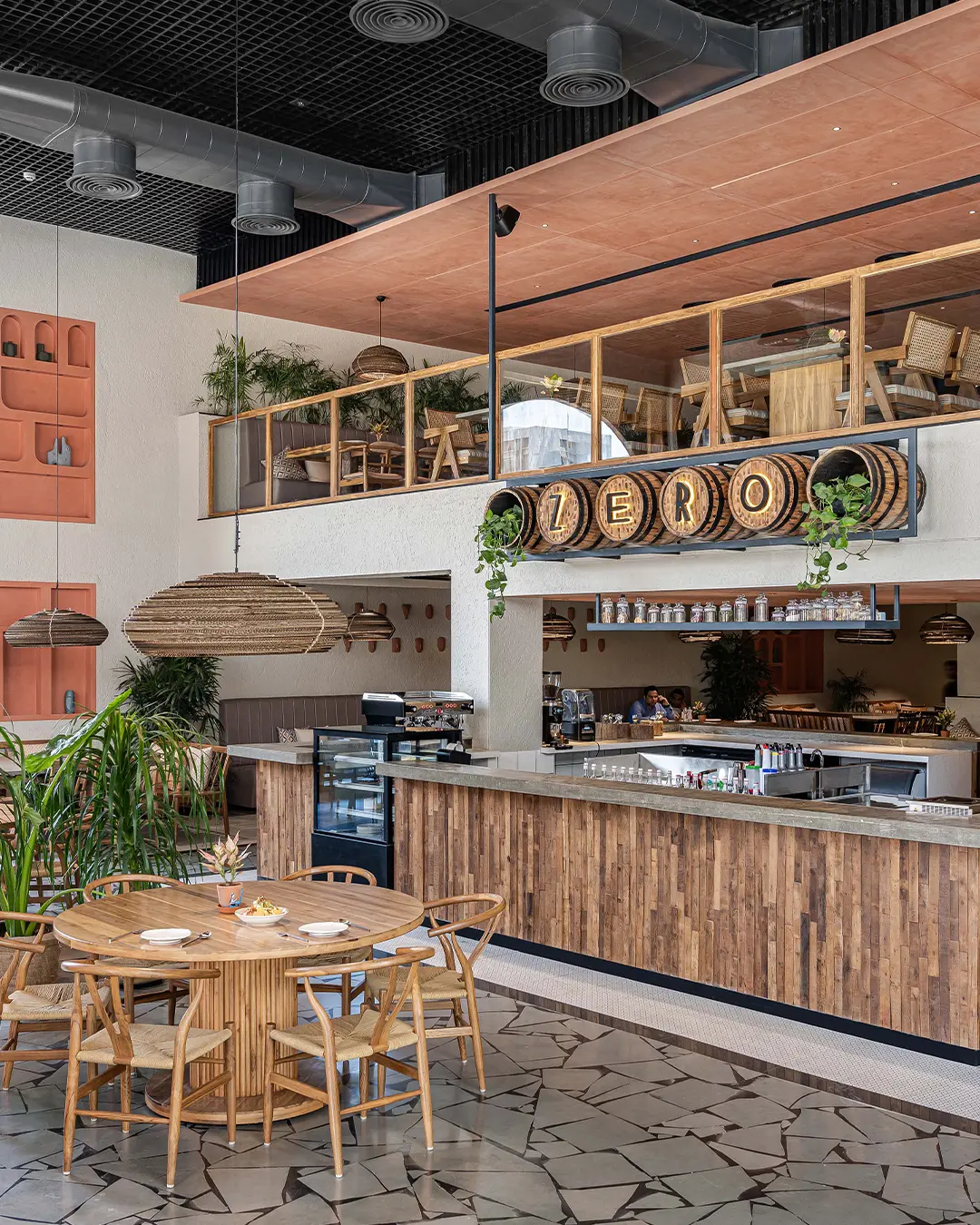
Due to these design initiatives, the project highlighted how even minor changes count when it comes to sustainability. With repurposed waste as the primary material source, the restaurant acts as an example of how the old can be tied into new spaces. By doing so, the sustainable dining experience extends from the food itself into the structure. Every small step contributes to a significant and lasting positive effect on the environment.
Photographs provided by Zero The Restaurant
Read More: Kiwami MOA: A New Kind of Food Hall
Frequently Asked Questions
The design team prioritized a circular material economy by sourcing 90% of the construction materials from the client’s ancestral home. This strategy significantly lowers the embodied carbon of the project by eliminating the transportation costs, industrial manufacturing, and packaging waste associated with new materials. By treating the old structure as a “material bank,” the project achieved environmental and economic savings while ensuring that materials with historical value remained in use.
Working with six truckloads of reclaimed wood presented the challenge of inherent variability in grain, age, and dimensions. Studio A+S addressed this through high-precision carpentry, creating two distinct, uniform dining sets: rounded tables with curved chairs and rectangular sets with rattan accents. This demonstrates that upcycled materials can achieve the aesthetic consistency of high-end, factory-produced furniture through skilled craftsmanship and intentional design.
The restaurant utilizes cardboard packaging waste to create bespoke hanging light fixtures, providing visual depth and intimate task lighting while diverting paper waste from landfills. For the flooring, the team combined Kota stone (a durable limestone) with epoxy to create a geometric, spontaneous pattern. This hybrid floor is not only durable and easy to maintain but also showcases how raw stone fragments can be repurposed into high-traffic architectural surfaces.
The exterior seating areas utilize repurposed stone and reinforced concrete specifically for their high thermal mass and weather resistance. To prevent these materials from feeling cold or imposing, the design integrates a lush green landscape. This biophilic approach “softens” the hard architecture, providing natural shading and a visual connection to the environment that aligns with the restaurant’s ecological ethos.
Total sustainability is achieved when the culinary philosophy (zero food waste) is mirrored by the architectural structure (zero construction waste). By integrating repurposed waste into the physical environment, the restaurant provides a holistic experience. It proves that sustainability is not just a feature of operations but a foundational element of the structure itself, ensuring that the dining experience is ethically consistent from the plate to the walls.
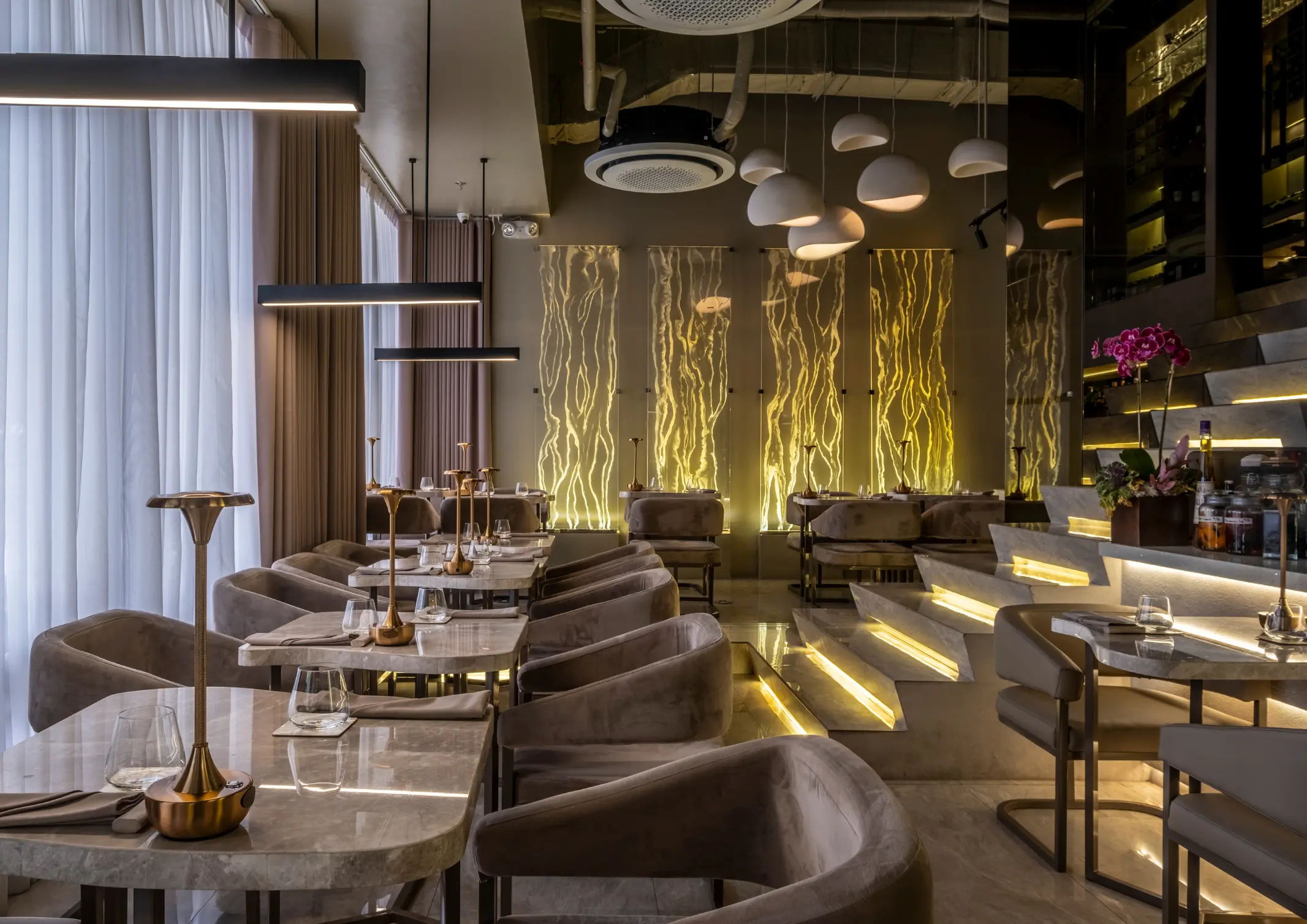
At Helm, dining unfolds as choreography. An open kitchen anchors the room, allowing guests to witness the precision behind its Michelin-starred fine dining menu. Designed by Kevin Nieves of Headroom, the 24-seat restaurant reflects that same discipline in its interior design. Tucked within Ayala Triangle Gardens in Makati, Helm brings together culinary recognition and architectural […]
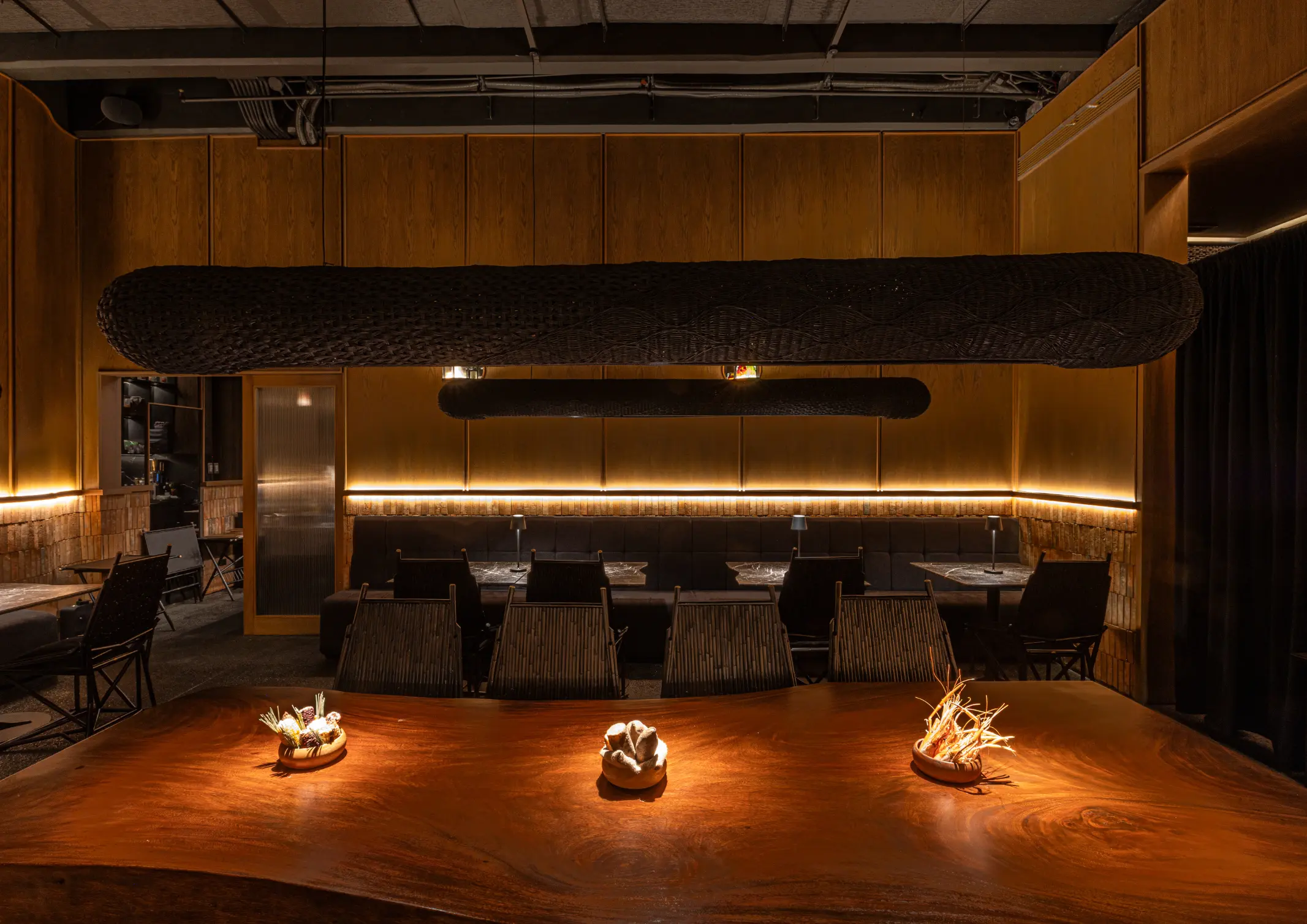
“I would like Flow to hopefully turn into a place where artists can come together, collaborate and create an overall experience,” says chef Kevin Uy. This desire of his is manifested in different ways throughout FLOW— a sleek, new restaurant he opened with his childhood friend, chef Gabriel Ong. Uy is full of ideas, fairly […]
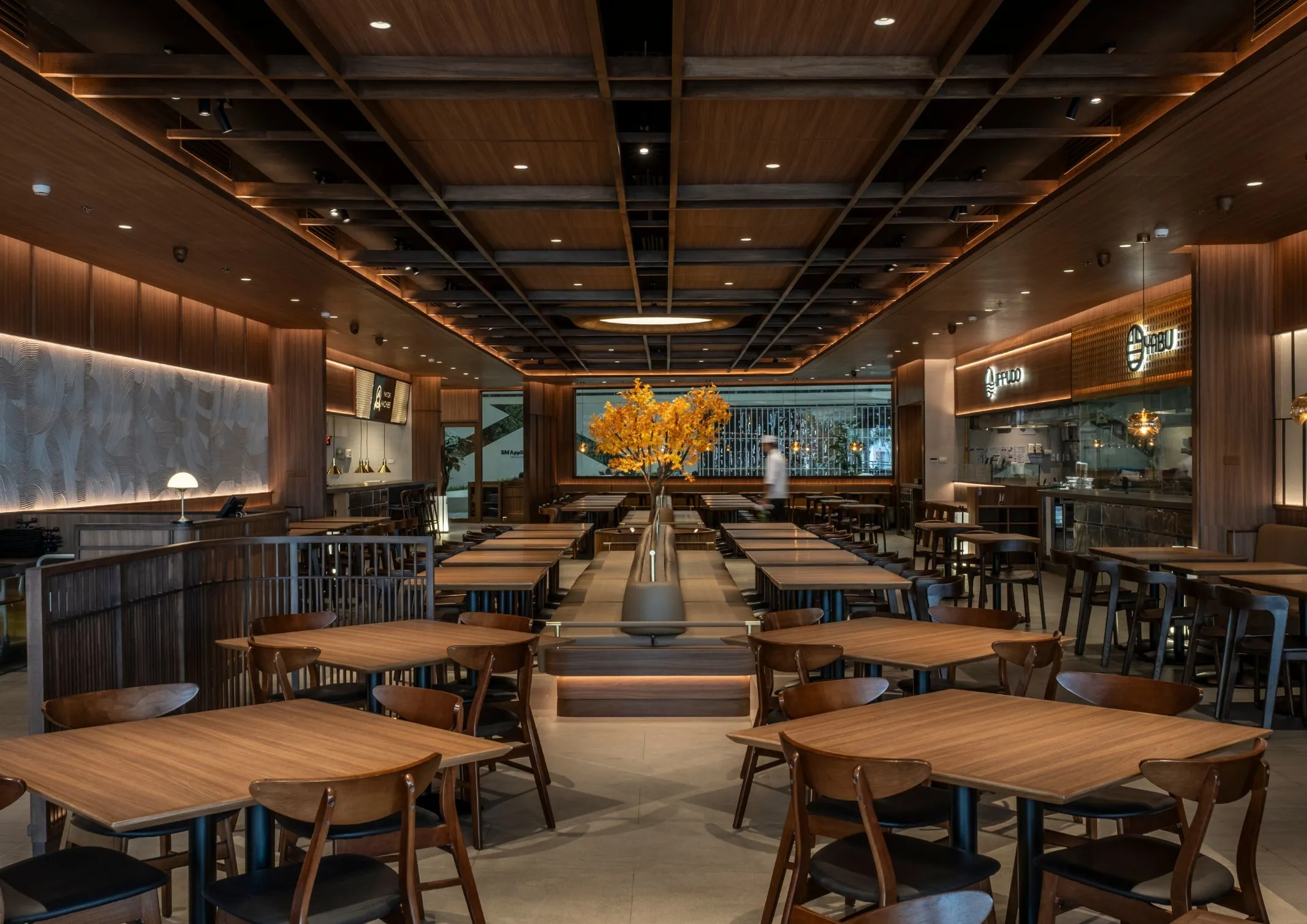
The term ‘food hall’ often evokes a symphony of chaos: the clatter of trays, a cacophony of voices, and a hurried sense of movement. It’s a trope designers and diners have come to expect—a space of utility over atmosphere. But what if a food hall could be an escape from the noise, rather than a […]
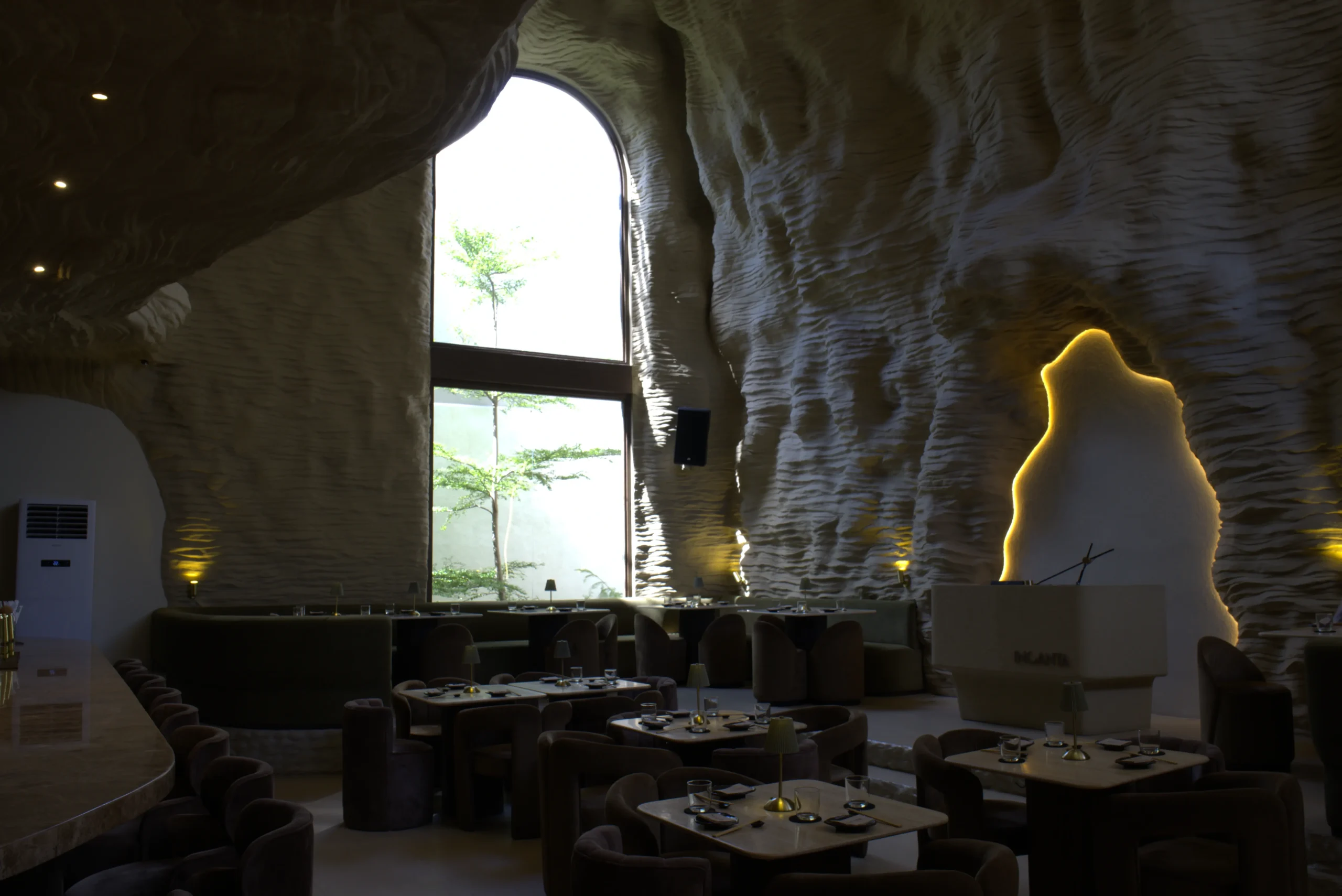
Deep within the lively avenue of Tomas Morato, Quezon City is a unique enclave that defies its urban surroundings. Incanta, a bar and restaurant characterized by its enticing hand-sculpted cave-like interior, offers a new dimension of dining, vibrant nightlife, and meaningful connections. It is a transformative place that brings guests closer to the ambiance of […]
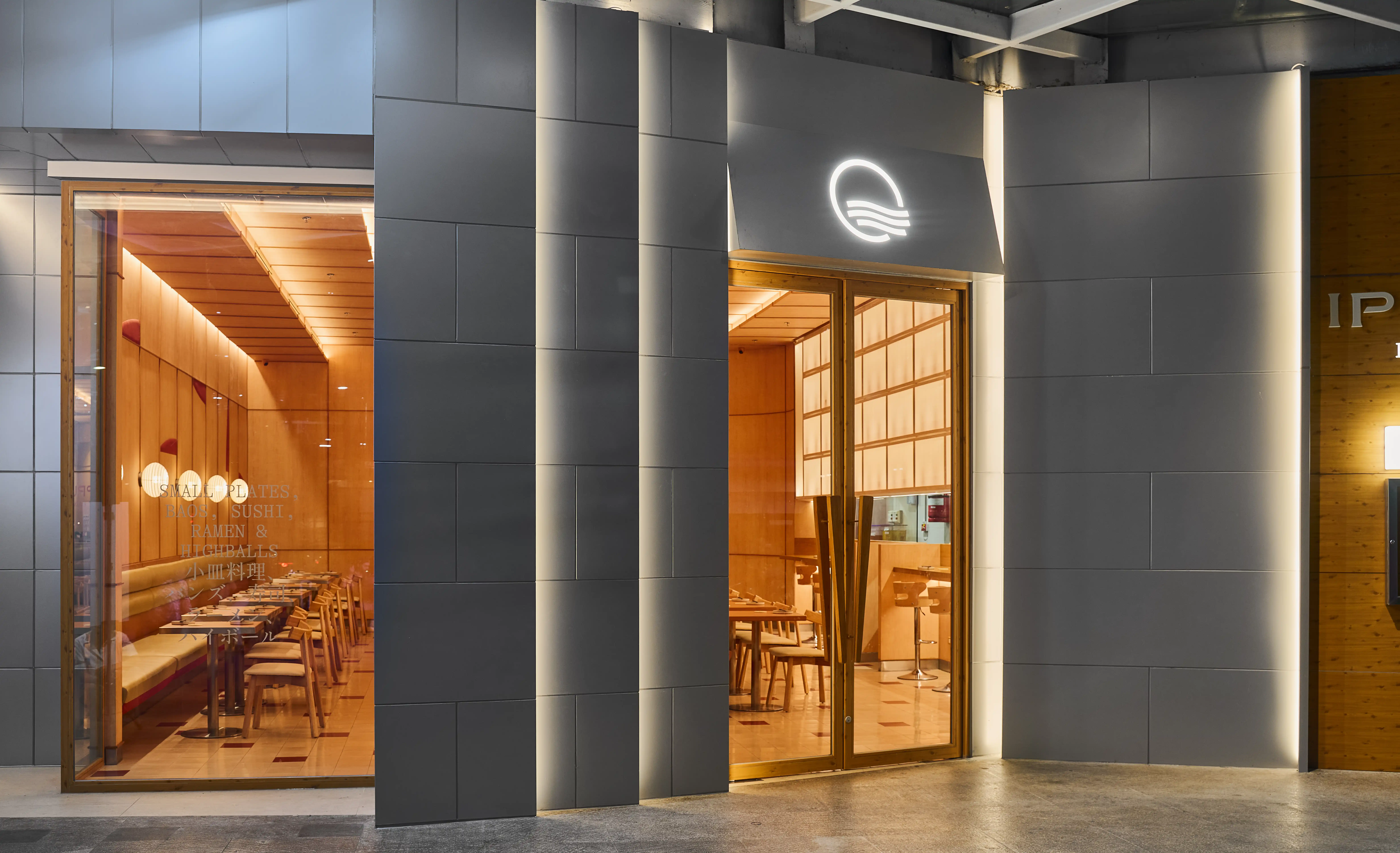
Ippudo has long been synonymous with ramen-making mastery, but with the debut of its first-ever Ramen Bar concept, the brand ventures into a bold new direction. Here, heritage and innovation converge in a strikingly modern space. Hong Kong-based architectureArchitectureThe art and science of designing and constructing buildings, structures, and spaces that are functional, safe, and […]
Read the issues.

Collect the volumes.

Recommended Video
Tap to Unmute
Unmute
0:00
0:00