Bigkis is the act of binding. In Tagalog, the word can refer to something used to bind or encircle, as well as a bundle formed by tying several separate elements together. Figuratively, it can also mean a bond, union, or unity. The meanings move from the physical act of joining things together to the connection […]
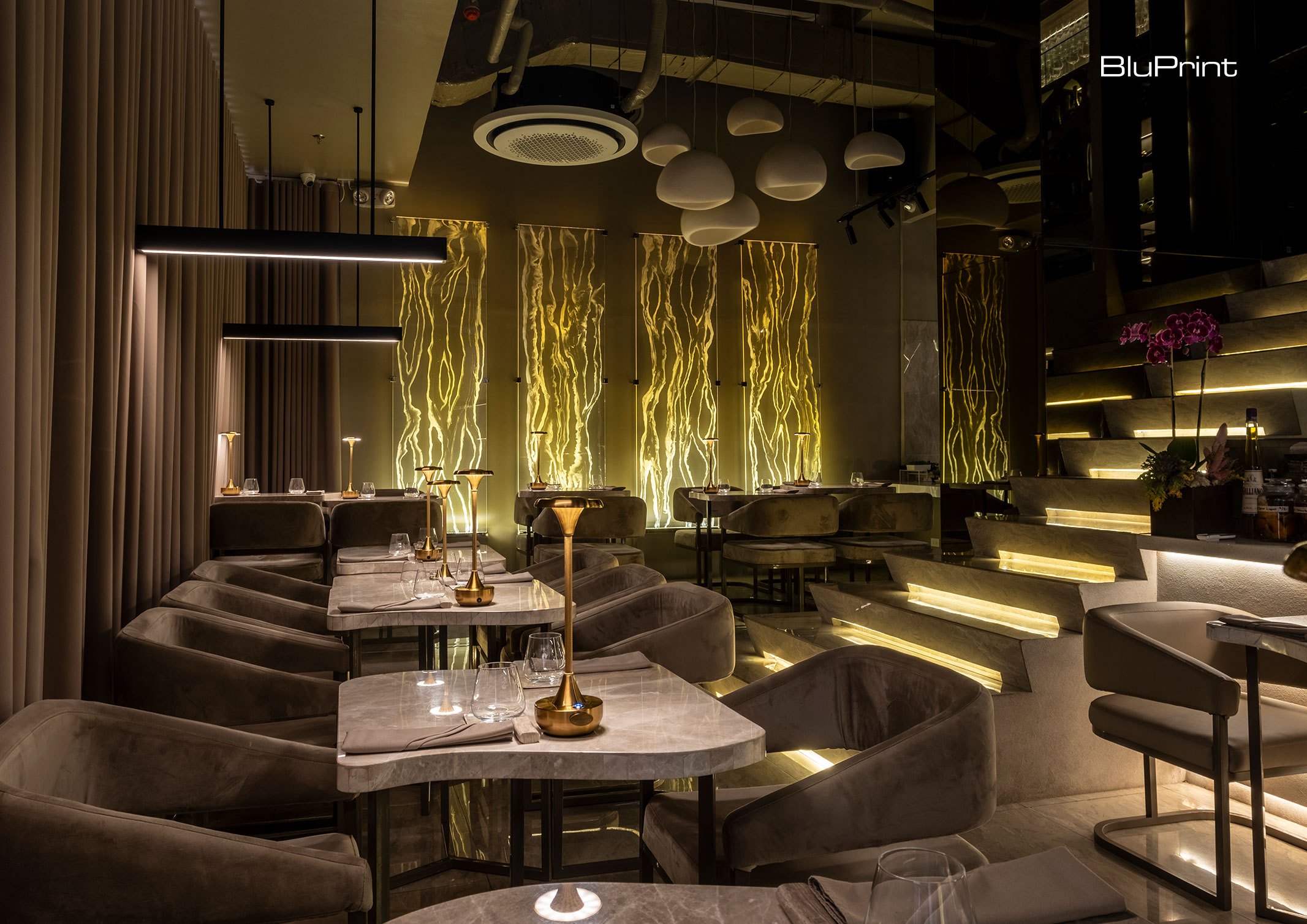
Taupe: A Canvas for Food, Art, and Experience



Taupe, a grayish-brown hue, goes with almost anything. It is this characteristic that prompted Francis Tolentino, Executive Chef of Taupe in Bonifacio Global City, to name his restaurant after this neutral. It is also his favorite color, and for him, donning the restaurant interiors in monochromatic tones allows the food to shine.
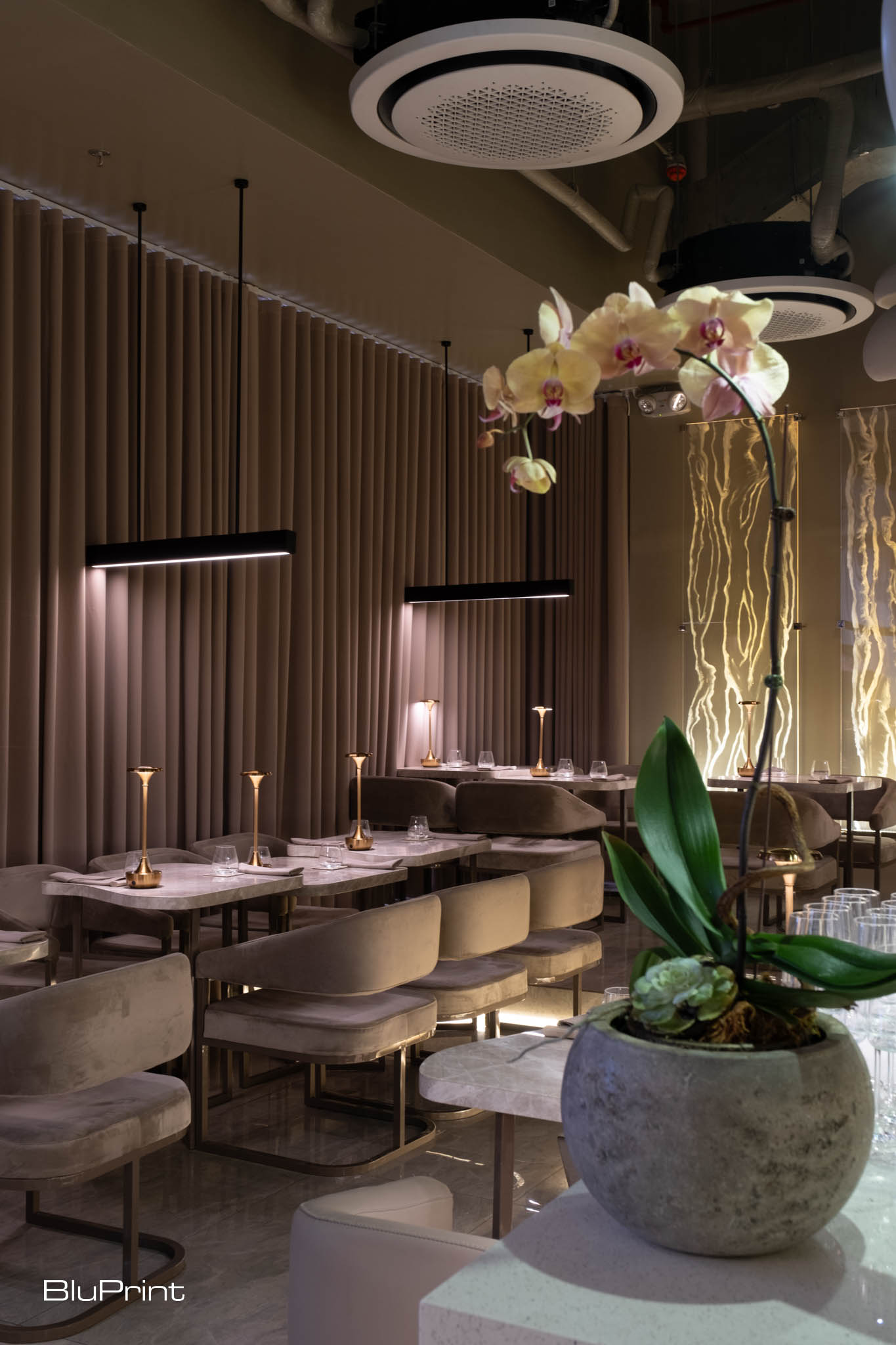
Tolentino worked with architect Thea Domingo in bringing his design vision for the restaurant to life. “In one of my first design meetings with Chef Francis, I distinctly remember him describing the space he envisioned for Taupe as a canvas to create his art on. We also discussed the possibility to collaborate with artists—particularly installation art—in the future,” Domingo recalls.
Design Rooted in Memories
To ensure that the space reflects the premium quality of Taupe’s cuisine, the architect delved into the life of Tolentino. The design of the restaurant must also complement the food. “I learned in our rather informal meetings that his first influence in the kitchen was at home with his grandmother,” she shares.
Domingo adds, “Roots, neutrality and timelessness—I worked around these concepts which prompted me to use basic materials that in themselves are sculptural and evoke visual appeal such as stone and glass.” Bespoke marble tables and velvet chairs balance hard and soft elements in the restaurant while maintaining elegance. The tabletops feature puzzle-like shapes, which, the architect says, “promotes flexibility, while the alternating heights signify that we all truly experience art and food individually—whether it is in a communal or a more intimate setting.”
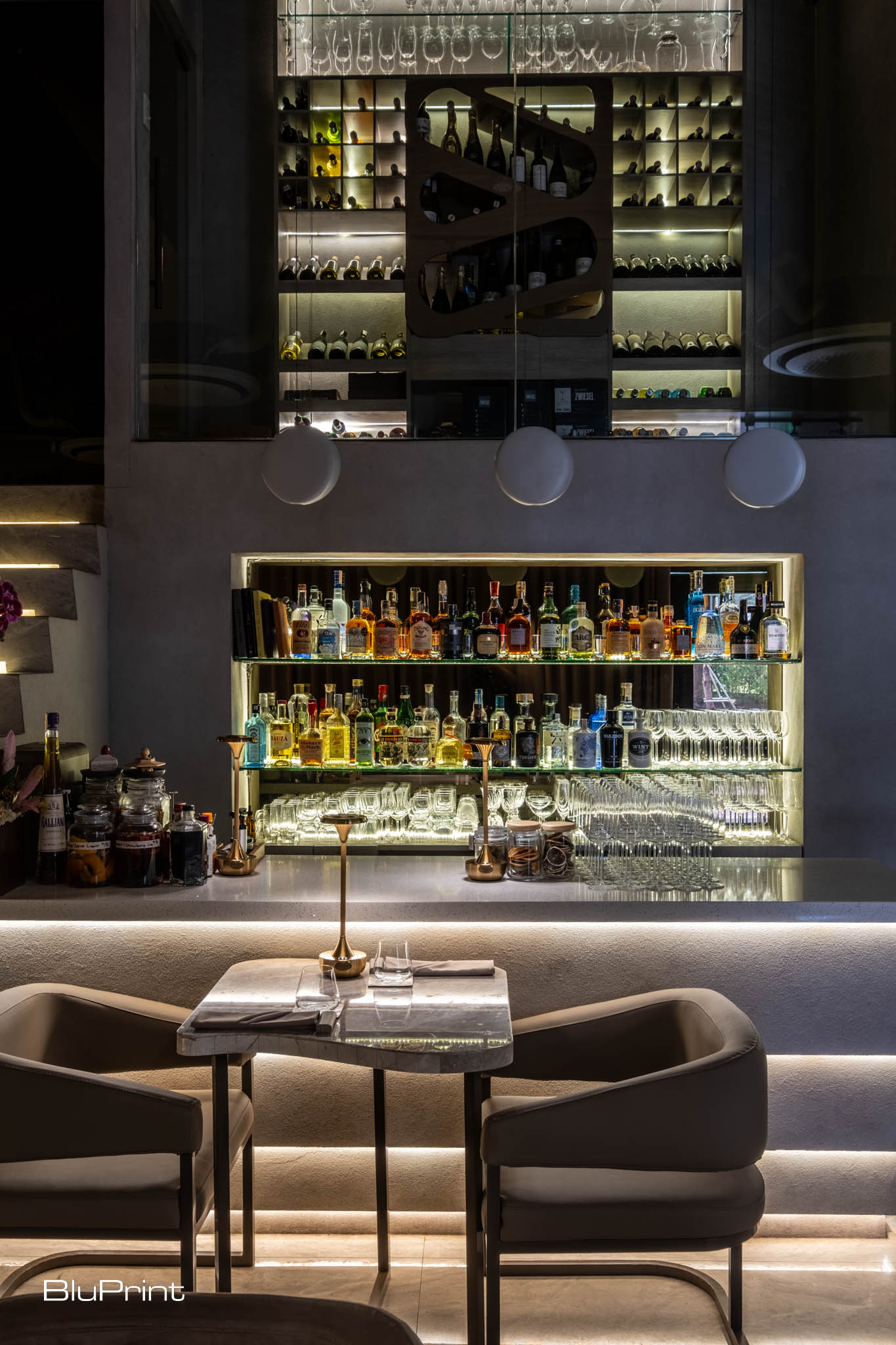
The bar features a quartzQuartzAn engineered stone made from crushed natural quartz bound with resins and pigments. Hard, non-porous, and stain-resistant, it is a popular choice for kitchen countertops, bathroom vanities, and wall cladding,Go to Quartz Glossary countertop and a base with a grayscale finish, distinguishing the area from the rest of the space while still forming part of a cohesive whole. “ I just really want to play with textures and shades of the color [taupe],” Tolentino shares.
A Symphony of Textures and Tones
Upon entering the restaurant, one cannot help but notice the bar area, the stairs, and the wine room on the mezzanine floor. “The stairs ensemble, composed of a combination of different stone finishes, glass and mirrors, serves as the focal point conveying grandeur in simplicity,” the architect describes.
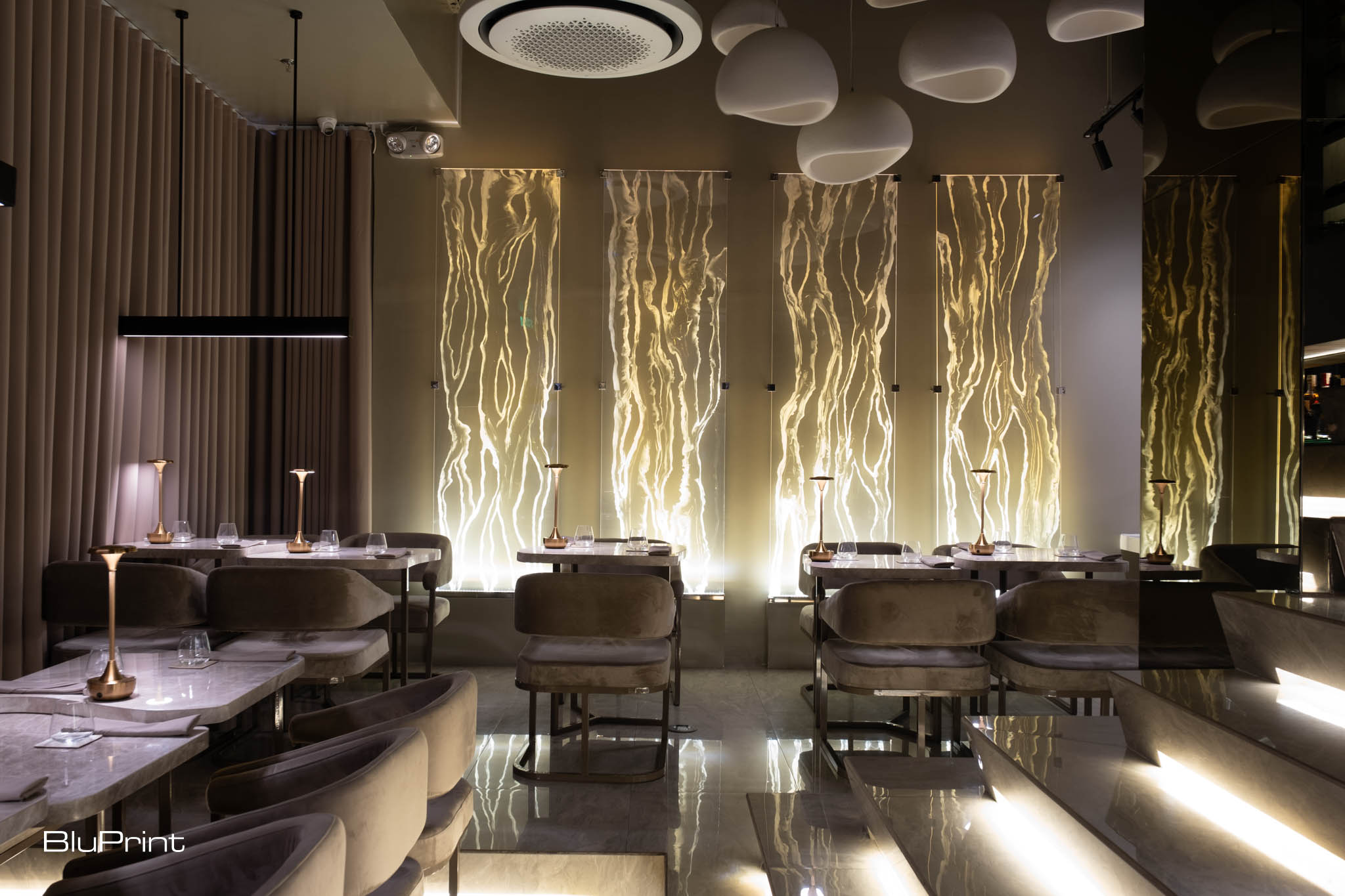
Despite the predominance of neutrals, the interiors are far from bland. The tone-on-tone color scheme exudes elegance and sophistication. Decorative resin panels add texture to the monochromatic walls. “This feature that simulates flowing water is highlighted by soft lights providing an elegant effect without the tendency to overwhelm, which helps create a soft and serene ambience,” Domingo explains. These panels are also among Tolentino’s favorite design elements in the restaurant.
The executive chef also loves how the restaurant’s bathroom was designed, which he describes as modern and cozy. The bathroom door forms part of a fluted wall panel, creating a clean and seamless look with the rest of the interiors.
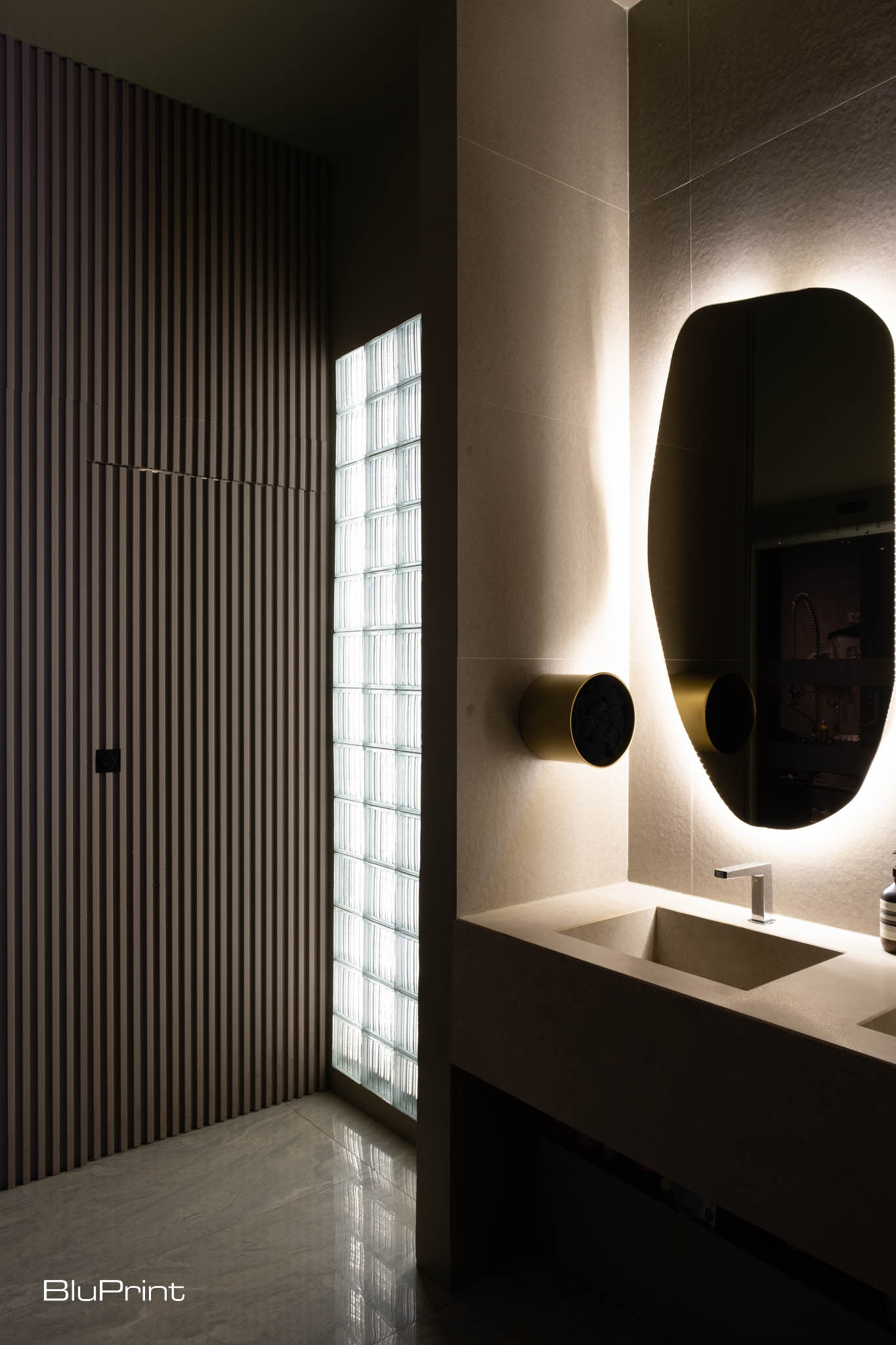
Glass blocks, which were popularly used in the ‘80s and ‘90s, also add a nostalgic touch to the restaurant. “This is a nod to the time when Chef Francis started his curiosity about the art of food preparation,” the architect explains.
A Restaurant that Works and Wows
Aside from creating an elegant atmosphere, Domingo ensured functionality, especially in the kitchen to guarantee efficiency and the right flow. She also implemented the ideal dining area to kitchen space ratio of 60 to 40, despite the space constraints. “Constant communication with the client and discussing which items need adjustments or rather which should be prioritized was crucial,” the architect answered when asked how she overcame the design challenges.
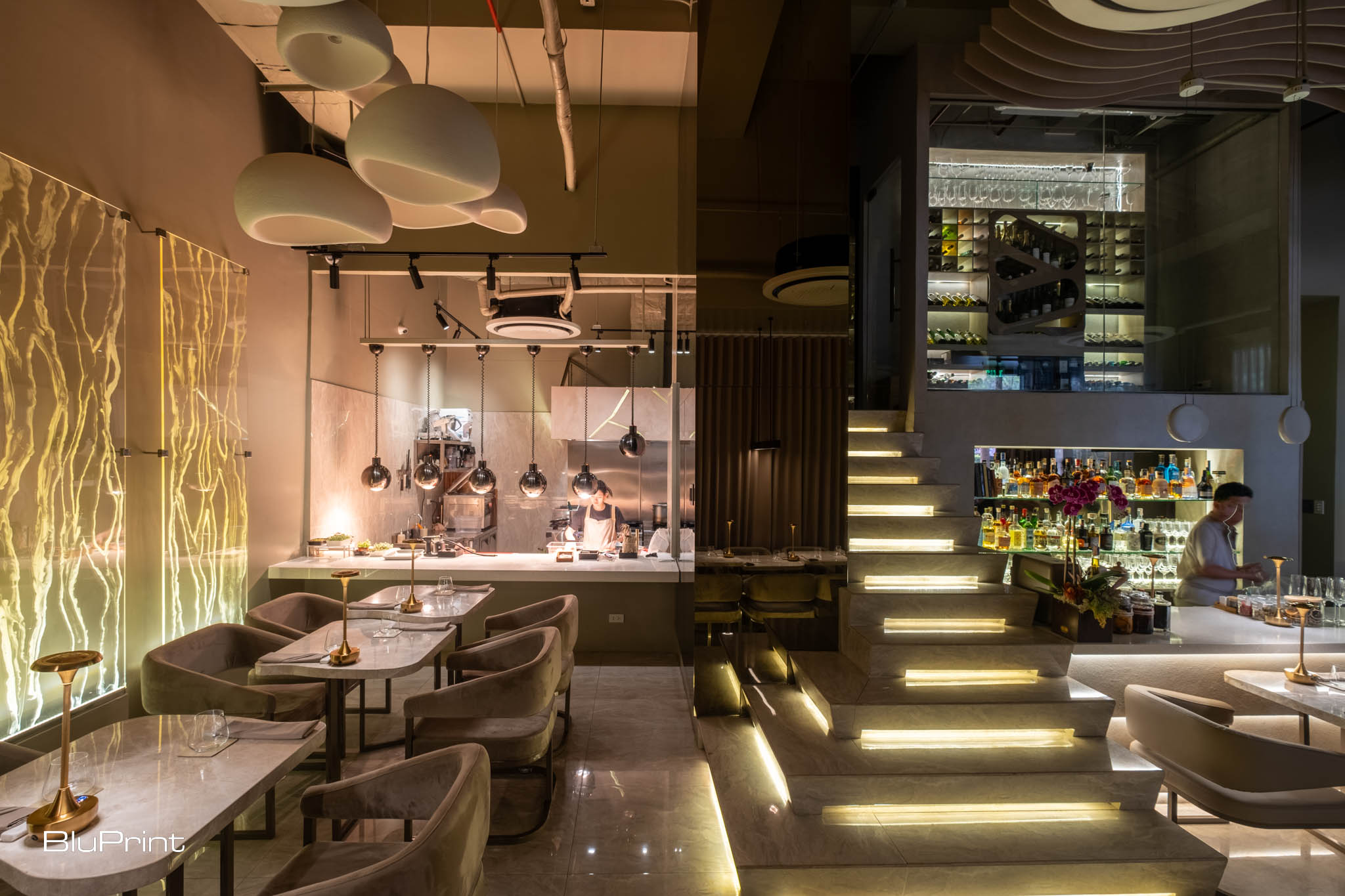
The original design intent for the taupe walls was to adorn them with a glass feature that simulates flowing water. However, finding a glass artist who could deliver within the project’s time frame became a challenge, too. “After further analysis though, we decided that resin was the best alternative material with its lighter and more flexible features,” Domingo explained.
She also emphasized the importance of efficient space planning and zoningZoningThe regulation of land use by local governments, dividing areas into zones such as residential, commercial, industrial, and institutional. Zoning ordinances control building height, density, setbacks, and permitted activities. InGo to Zoning Glossary. “Opting for a show kitchen with a wide opening and glass partition does not only promote transparency but also provides a more spacious feel. Using full-height bronze mirrors to subtly draw attention to certain design elements also help visually expand the spaces. [Having an] open ceiling and making use of the vertical spaces to accommodate several design features including the wine room helped achieve that open, grand look and vibe.”
A Culinary and Visual Journey
Taupe exudes a classy and sophisticated ambiance while also being a space where guests can have fun experiences. The stairs, for example, is a popular spot for guests to take photos in. The chef’s table allows guests to see the chefs in action. The bar area, positioned close to the dining tables and is one of the first things guests see upon entering, offers a spectacle as Taupe’s mixologist whips up cocktails and other drinks.
“I want [the guests] to feel happy and excited all the time,” Tolentino shares.
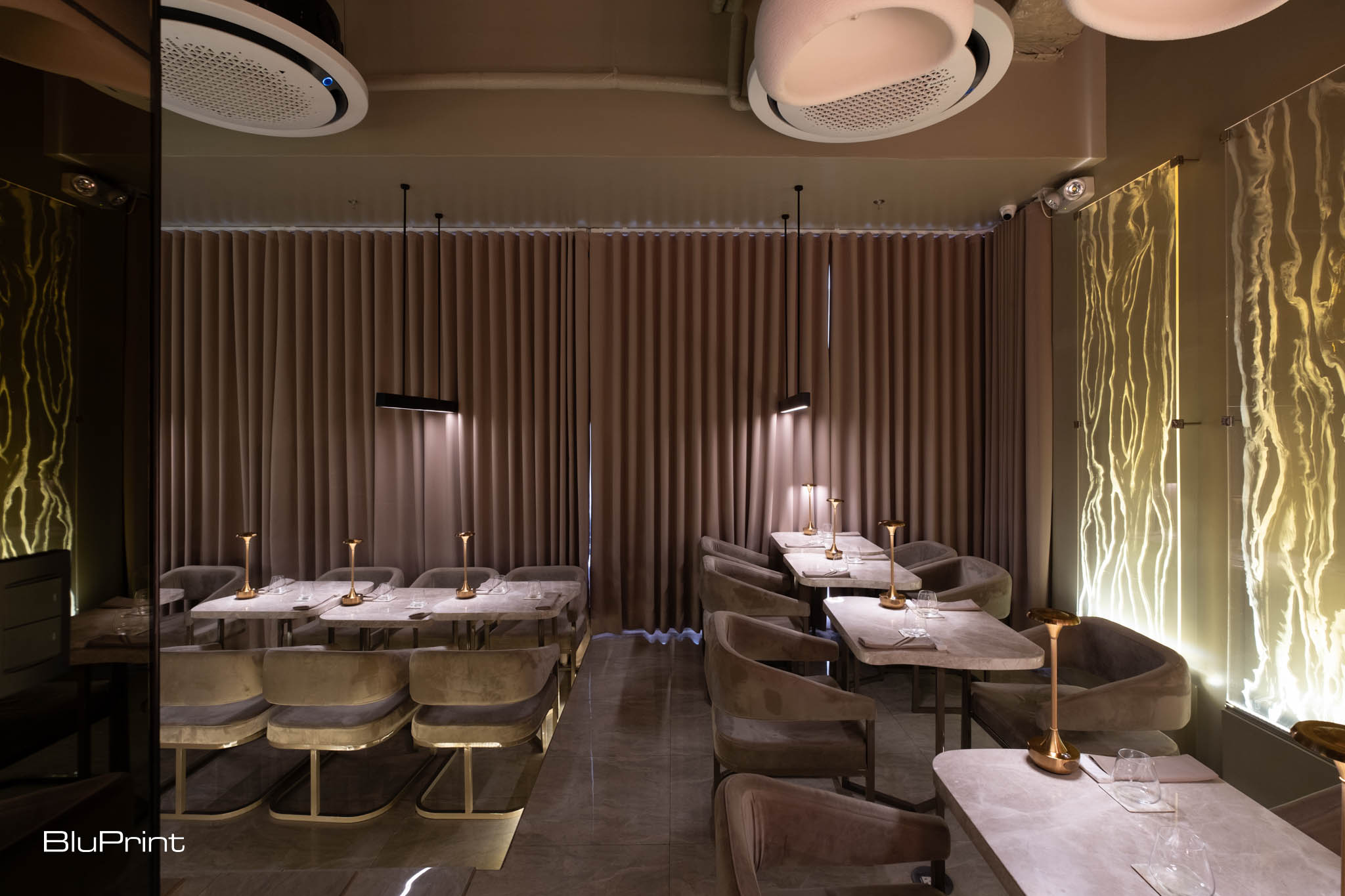
Still, at the heart of these elements is making the executive chef’s masterpiece shine. “My goal was to create a space that is an artwork itself without being ostentatious as to take away the spotlight from the main attraction: the food,” Domingo expounds.
The medley of textures and various height levels reflected in the table design, bar, and stairs gives the space depth and adds elegance. Meanwhile, the combination of stone and glass, paired with well-thought out lighting, creates a “a perfect backdrop to complement and experience the flavorful and sophisticated dishes.”
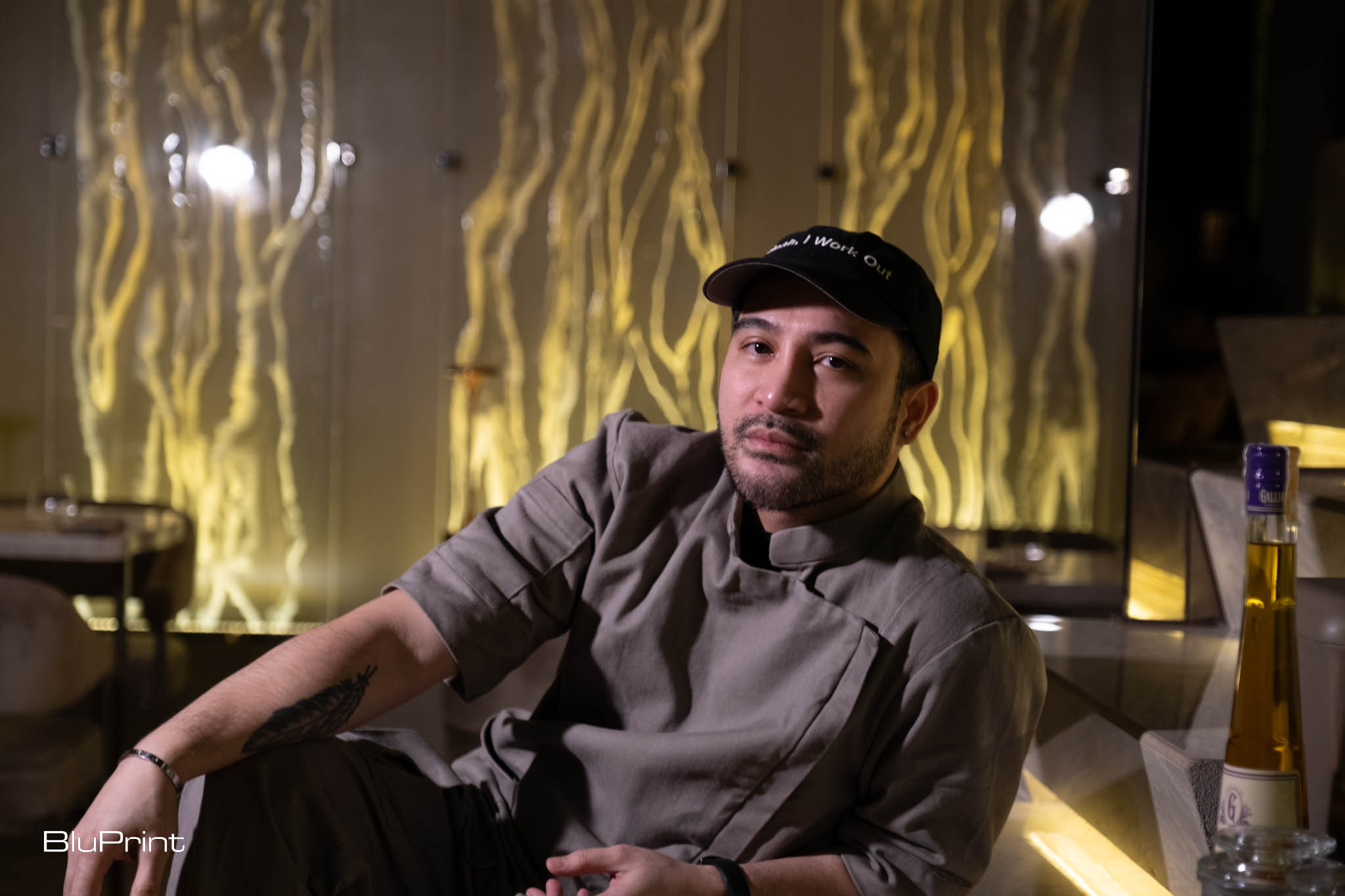
With meticulous design as the canvas, everything in Taupe becomes a work of art. “I envision people feeling like they are part of the artwork as they walk in,” the architect adds. “And as they become more comfortable and absorbed with the timeless elegance of the space, I imagine them shifting their focus to each other to truly connect, sharing stories while indulging and experiencing the food. An experience within an experience.”
Read more: Architecture of Dining: The Best Restaurant Interior Design of 2024
Frequently Asked Questions
The design concept, envisioned by Chef Francis Tolentino and Architect Thea Domingo, treats the restaurant as a “canvas” where the food remains the primary masterpiece. By utilizing a monochromatic taupe color scheme, the interiors provide a neutral, elegant backdrop that allows the vibrant colors and textures of the cuisine to shine. This approach focuses on “grandeur in simplicity,” using premium materials like stone, glass, and velvet to create a sophisticated yet cozy atmosphere.
Architect Thea Domingo integrated nostalgic elements like glass blocks to honor the 1980s and ’90s, the period when Chef Francis first discovered his passion for cooking in his grandmother’s kitchen. The use of “roots” as a design pillar translates into sculptural stone finishes and bespoke marble tables that ground the space in permanence. These personal touches ensure the restaurant is not just a commercial space but a physical narrative of the chef’s culinary journey.
To overcome space constraints, the design utilizes an open ceiling and vertical zoning, including a wine room located on the mezzanine floor to maximize the height of the unit. Full-height bronze mirrors and a show kitchen with a wide glass partition are strategically placed to create a sense of transparency and visual expansion. These elements work together to provide an airy, grand vibe that prevents the intimate dining room from feeling cramped during peak hours.
In a tone-on-tone environment, depth is created through a “symphony of textures” such as decorative resin panels that simulate flowing water and fluted wall panels that hide service doors. Hard elements like quartz countertops and marble tabletops are balanced by soft velvet seating to provide tactile variety and comfort. This careful layering of materials prevents the neutral color palette from appearing flat, adding a sophisticated dimension to the overall sensory experience.
While the original design intended for a glass feature to simulate flowing water, the team shifted to resin to meet project timelines and structural requirements. Resin provided a lighter, more flexible alternative that allowed for more intricate sculpting of the water-like textures on the walls. This choice demonstrates a commitment to maintaining the artistic vision through innovative material substitutes that offer better durability and ease of installation without compromising aesthetic quality.
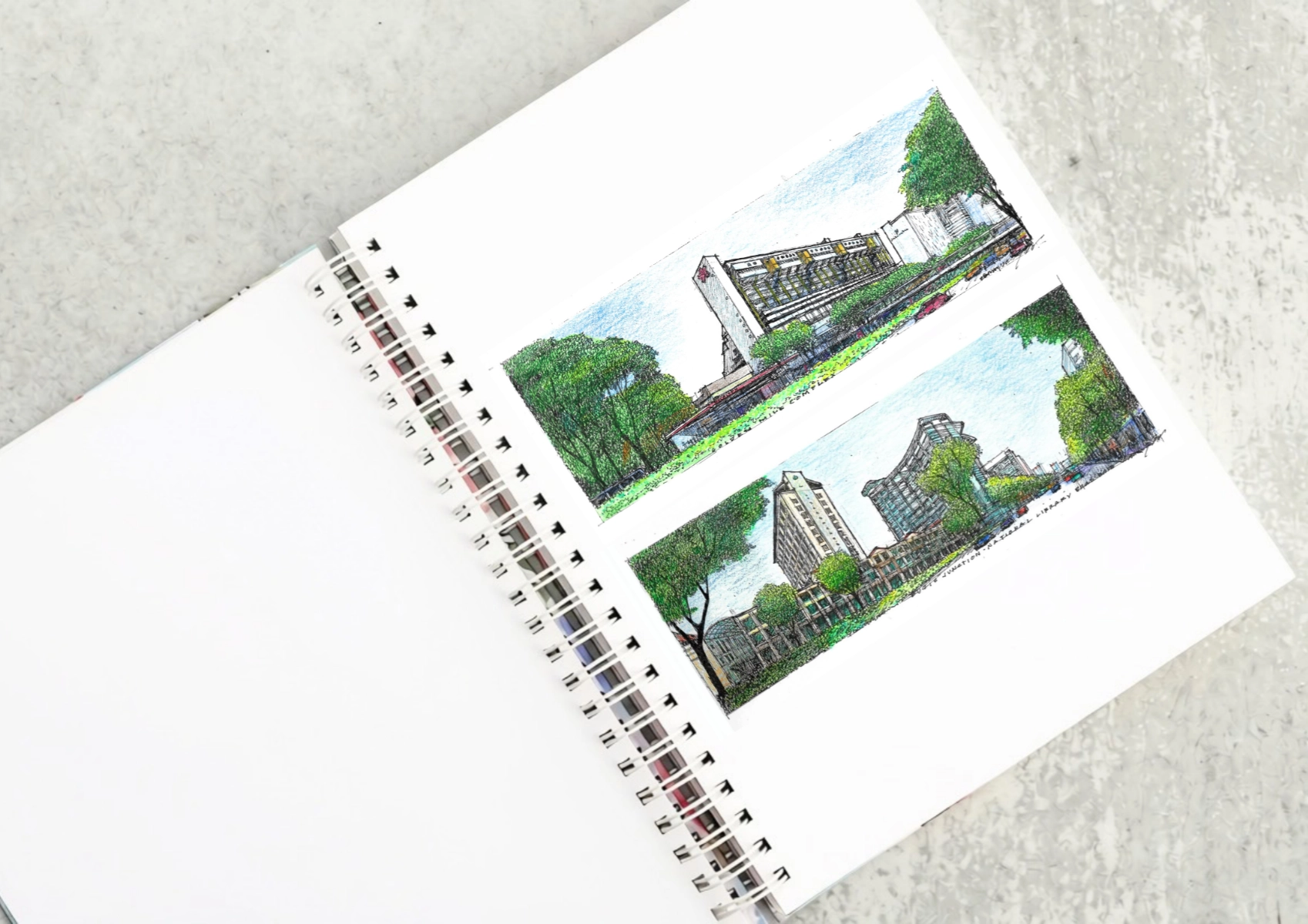
Two sketches of Singapore connect BluPrint Editor in Chief Paulo G. Alcazaren’s personal and professional history with Shared Ground: ArchitectureArchitectureThe art and science of designing and constructing buildings, structures, and spaces that are functional, safe, and aesthetically pleasing. It encompasses the planning, design, materials, and techniques used to createGo to Architecture Glossary of Care, Culture, […]
In a way, designers are the modern-day soothsayers and prophets. They design for the future, predicting how a room, a house, a building or a whole city will be used by people. They foresee how users will interact with a space, conjure exact shades of colors to elicit specific behavior and arrange furniture to build […]
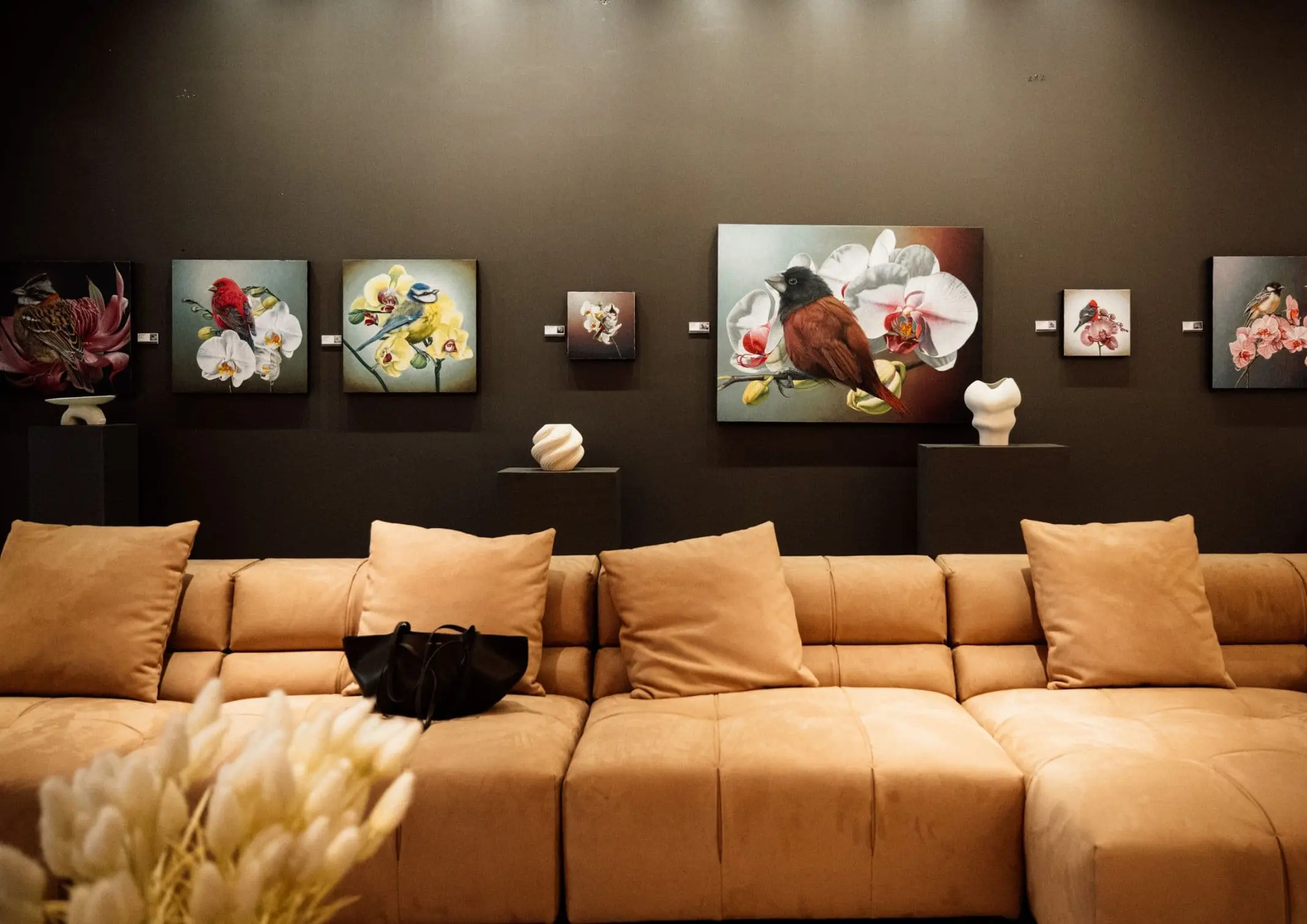
Art and furniture are often selected separately, yet their relationship can shape how a room looks and feels. The collaboration between Hooga and Galerie Joaquin explores how these elements can work together, bringing contemporary artworks into furnished residential settings at Hooga’s showroom in Uptown Mall, Bonifacio Global City. For Hooga, which curates furniture, lighting, and […]
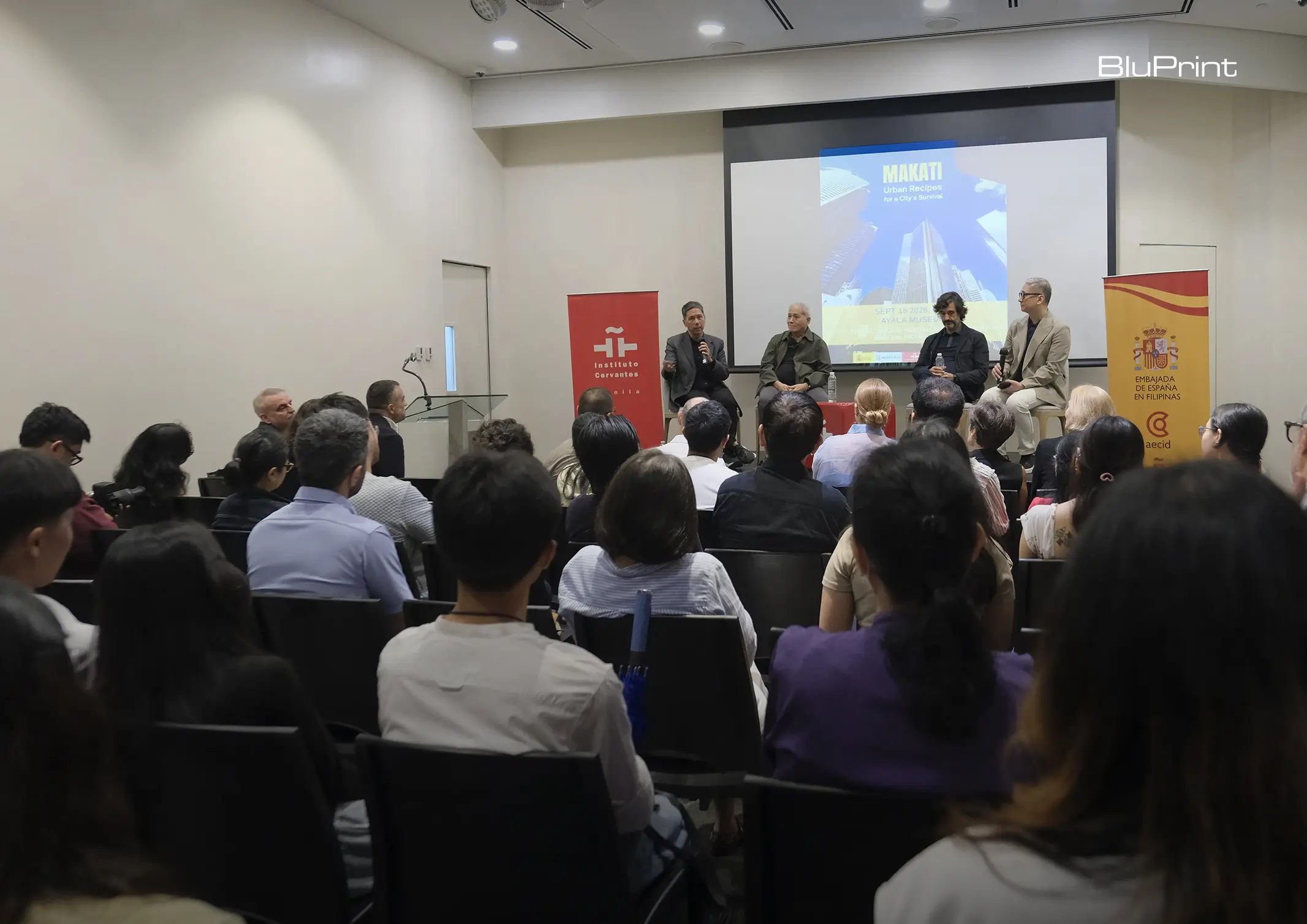
How can better-planned cities create the conditions for more creative, livable, and resilient urban environments? “Makati Urban Recipes for a City’s Survival,” a colloquium held at the Ayala Museum on September 15, brought together architects and practitioners from the fields of urbanism and the creative economy to discuss how design, planning, and collaboration can address […]
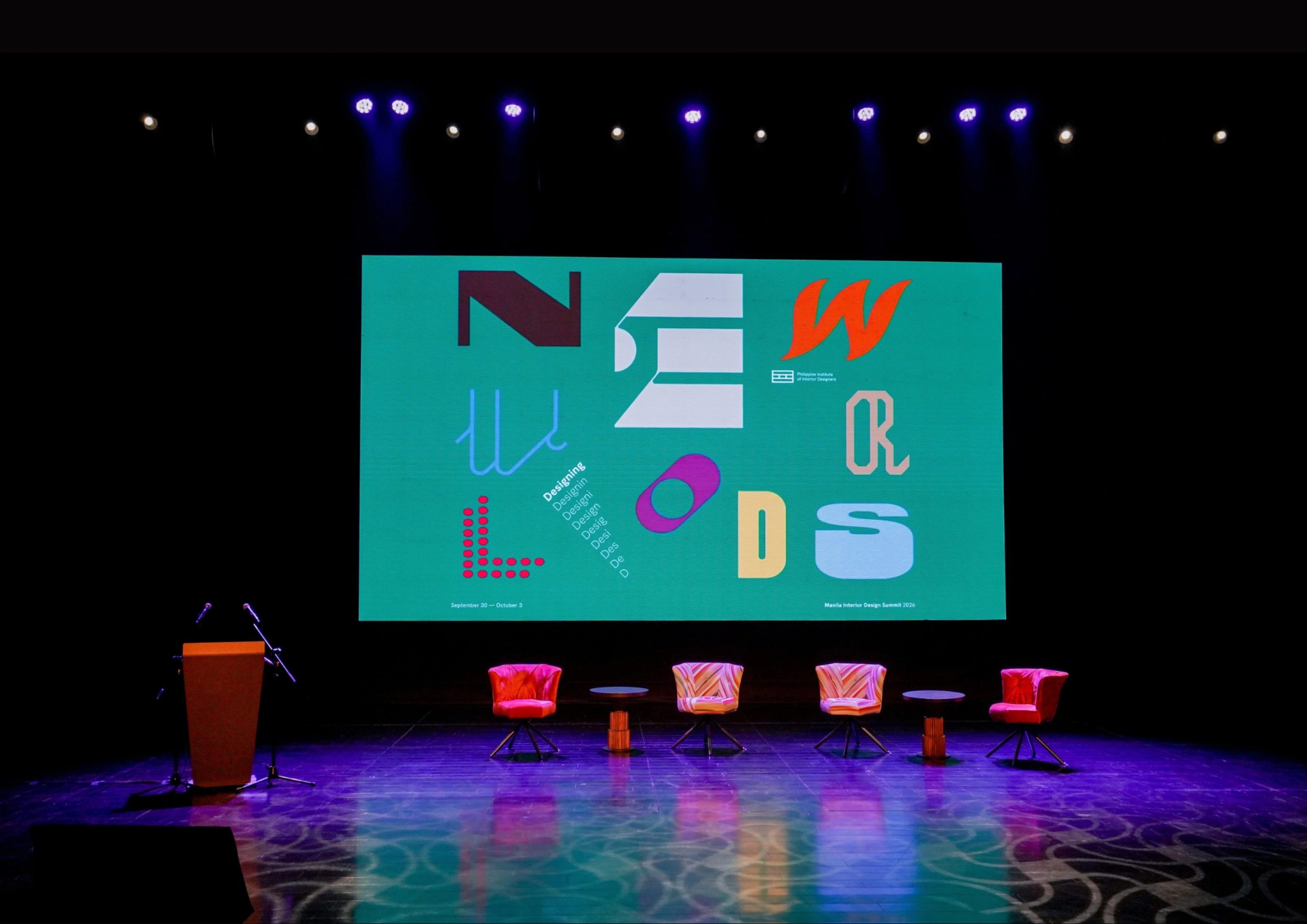
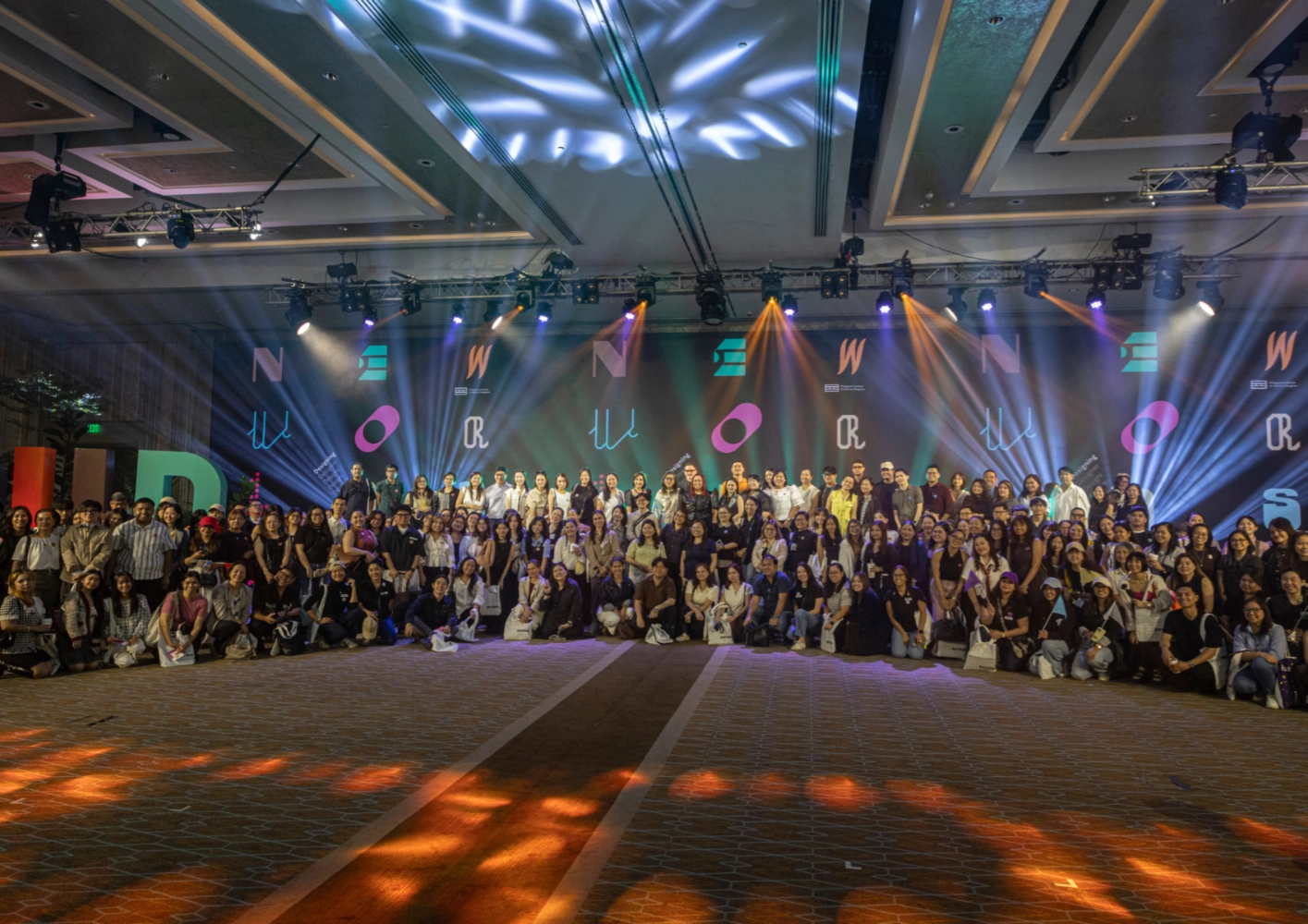
The fourth Manila Interior DesignInterior DesignThe discipline of planning and shaping interior spaces for function, comfort, safety, and beauty. It covers layout, lighting, materials, finishes, furniture, and color, and in the Philippines is a licensedGo to Interior Design Glossary Summit (MIDS) brought together more than 300 delegates for four days of conversations, exhibitions, and design […]
Read the issues.

Collect the volumes.

Recommended Video
Tap to Unmute
Unmute
0:00
0:00