Bigkis is the act of binding. In Tagalog, the word can refer to something used to bind or encircle, as well as a bundle formed by tying several separate elements together. Figuratively, it can also mean a bond, union, or unity. The meanings move from the physical act of joining things together to the connection […]
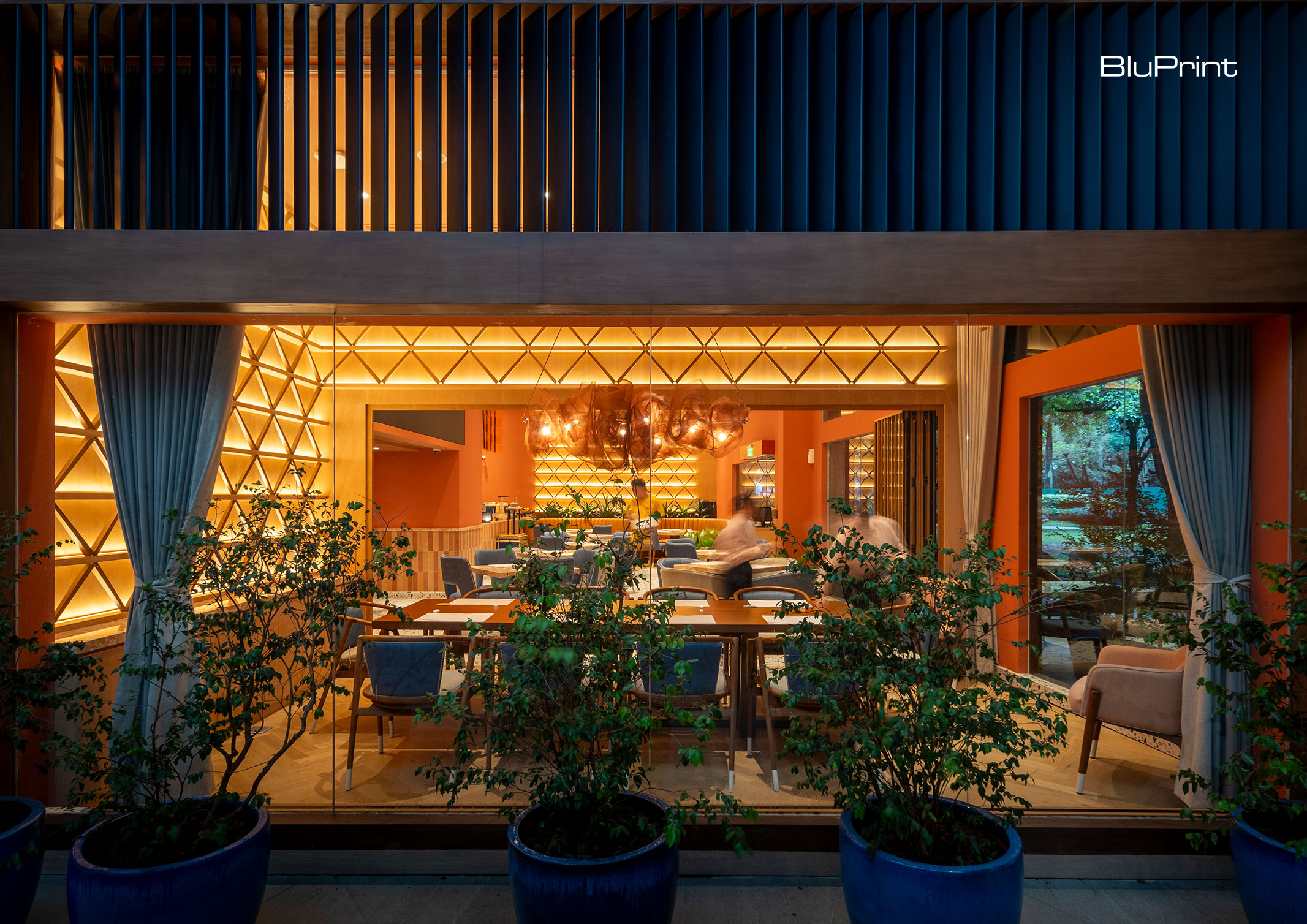
Kazu Cafe: A Treat for Your Senses



The next time you’re in Ayala Triangle, swing by Kazu Cafe—whether for a cup of coffee or for a hearty, Japanese meal. Originally part of the Japanese restaurant Kazunori, this addition to the Nippon Hasha, Inc.’s group of restaurants was born from customer demand. “It’s what people gravitate towards,” shares Ryan Cruz, President and CEO of Nippon Hasha, Inc. “It became some of [the customers’] favorites consistently. We made our own design [so we] could have a proper place for it, which is what we have now.”
Kazu Cafe is influenced by the Tokyo cafe culture, which is a mishmash of items that originate from different countries. “And what is nice about it is [the Japanese] like to get inspiration from other cultures. They do their own twist and call it their own. And when you look at what the essence is, it’s really not taking yourself so seriously,” Cruz shares.
To reflect this concept in Kazu Cafe’s design, Cruz tapped architect Liza Morales, Creative Director of Ecotecture Design Studio. She also designed Ramen Yushoken, another Japanese restaurant under Nippon Hasha, Inc.
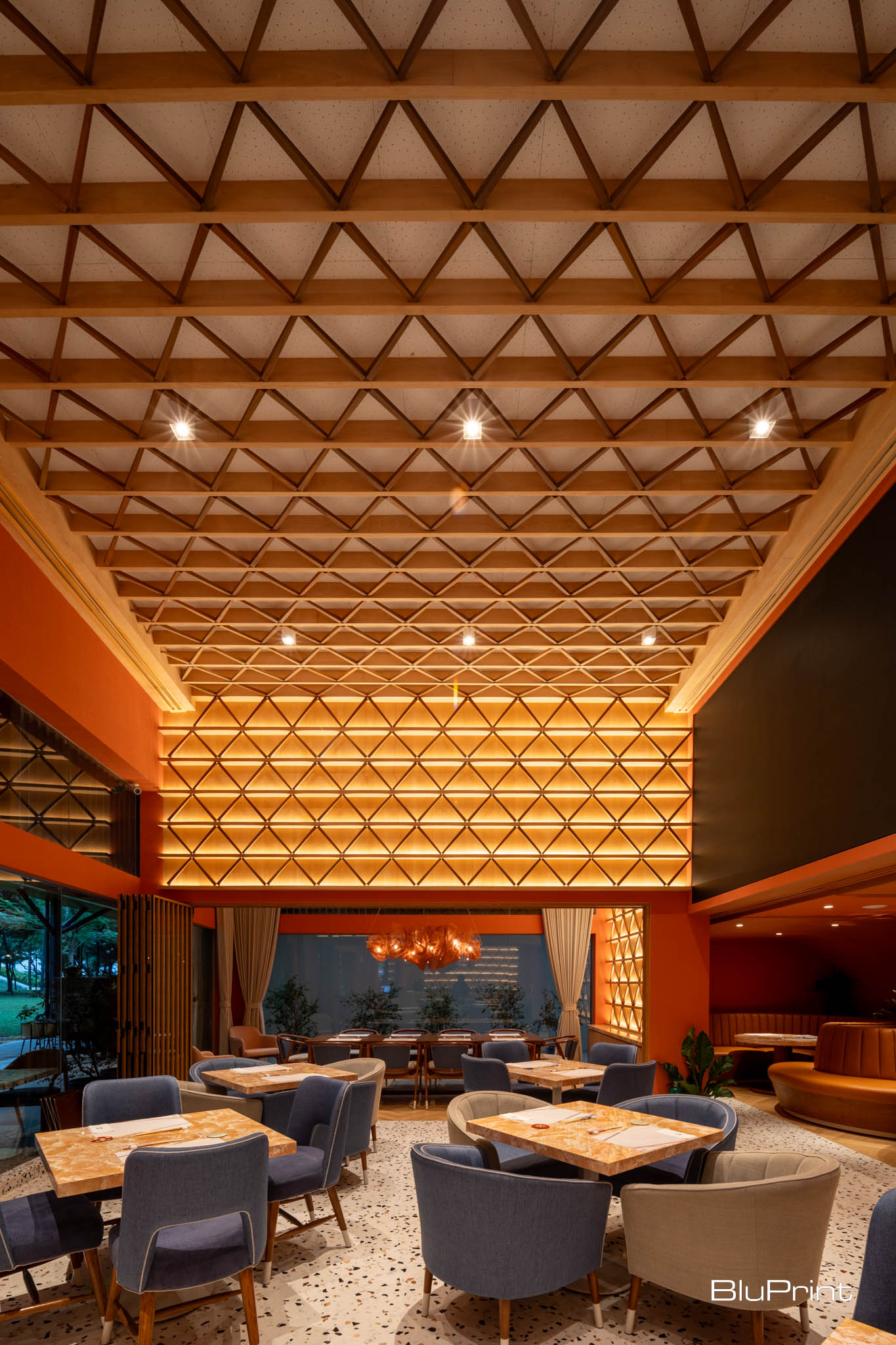
“The design brief was to create a space that blends Japanese traditional elements with a modern aesthetic, reflecting the cultural roots while appealing to a contemporary clientele,” Morales explains. “The owner emphasized a welcoming, playful vibe, with a sophisticated touch to align with Kazu Cafe’s refined cuisine.”
Thoughtful and Interactive Design Elements
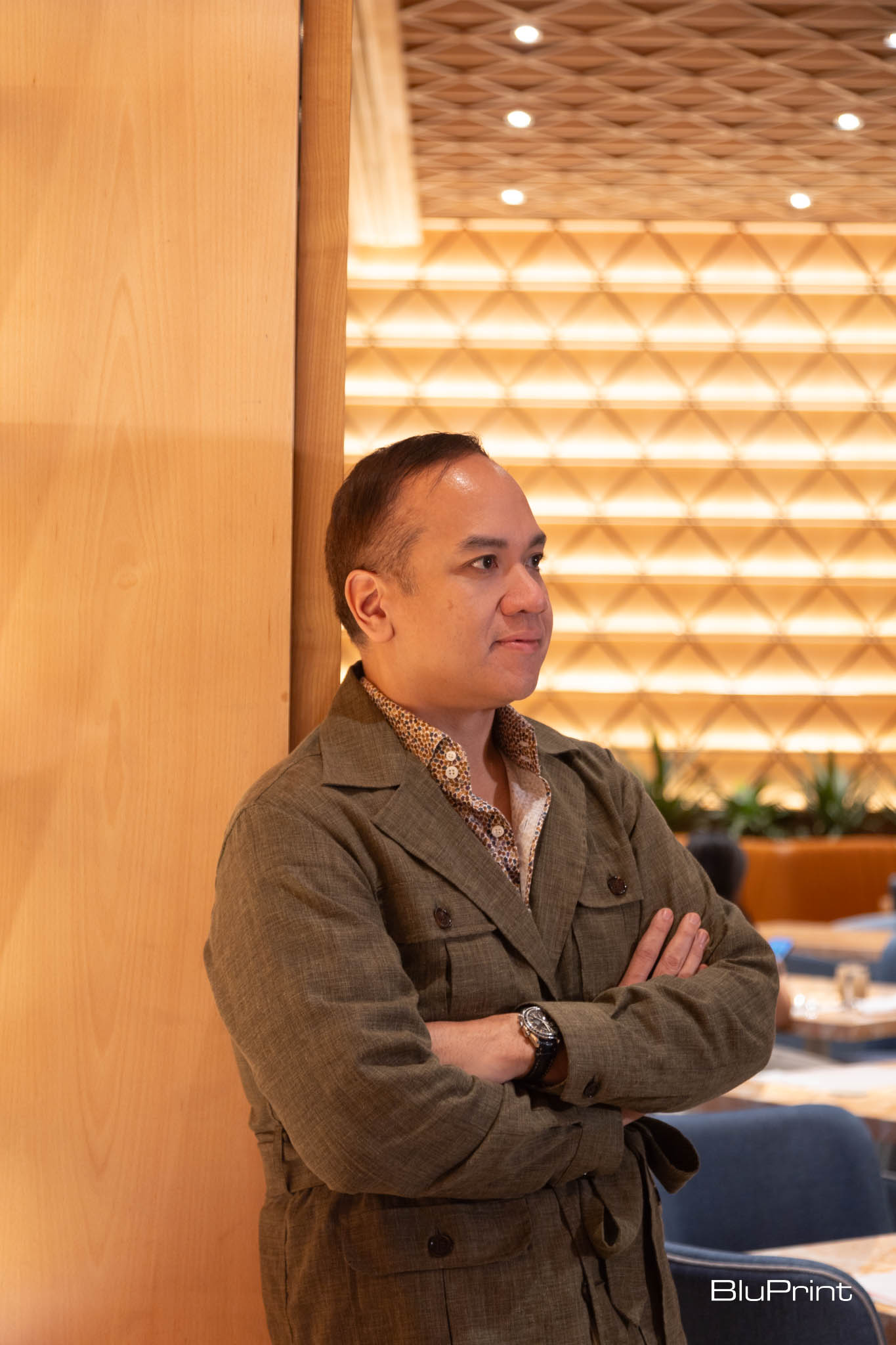
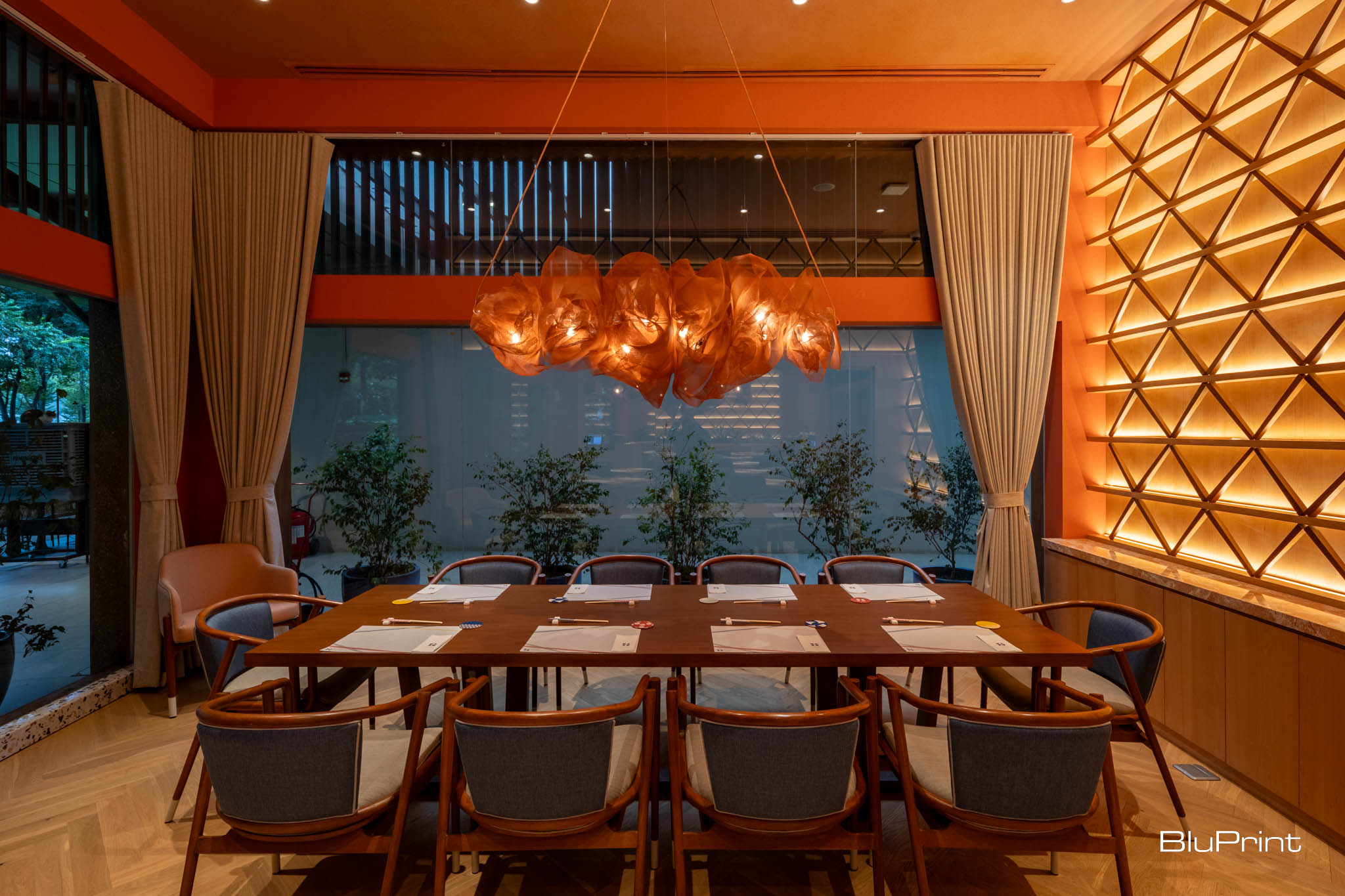
Morales’ team addressed the brief by exploring Japanese design staples and modernizing them with unique interpretations. “The wooden chopsticks as wall decor and denim upholstery allowed us to honor Japanese craftsmanship in an unexpected way,” she shares.
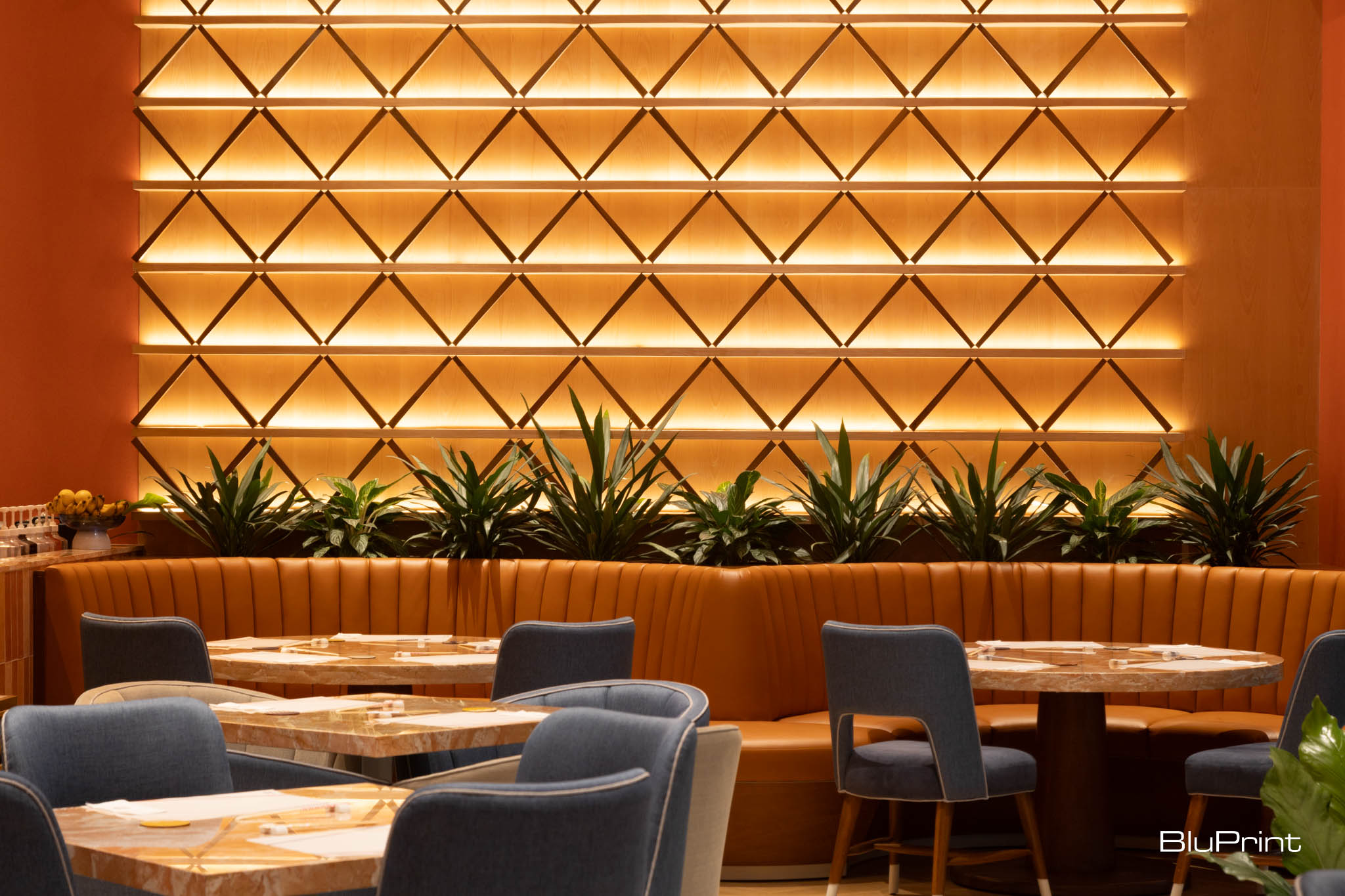
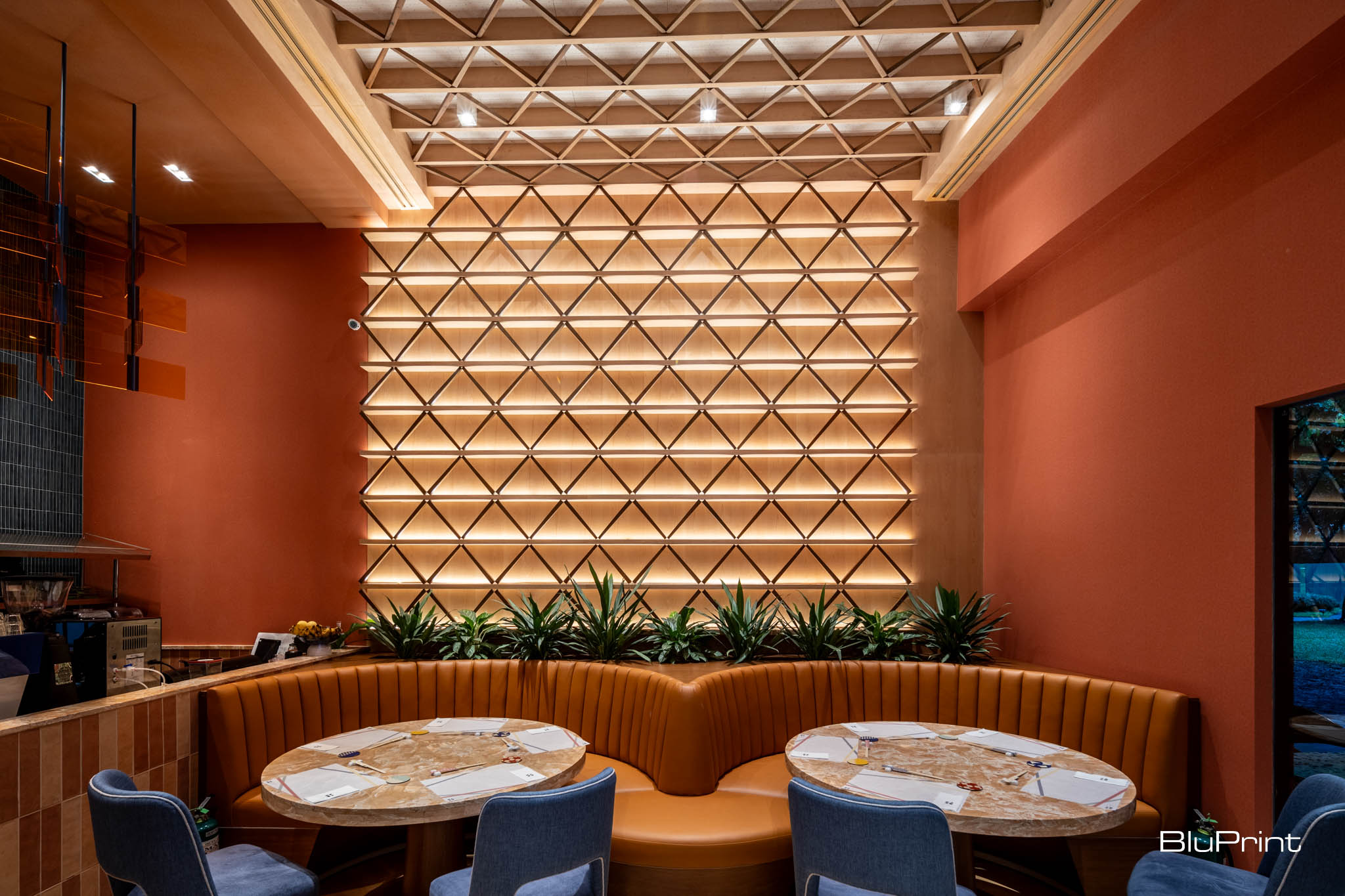
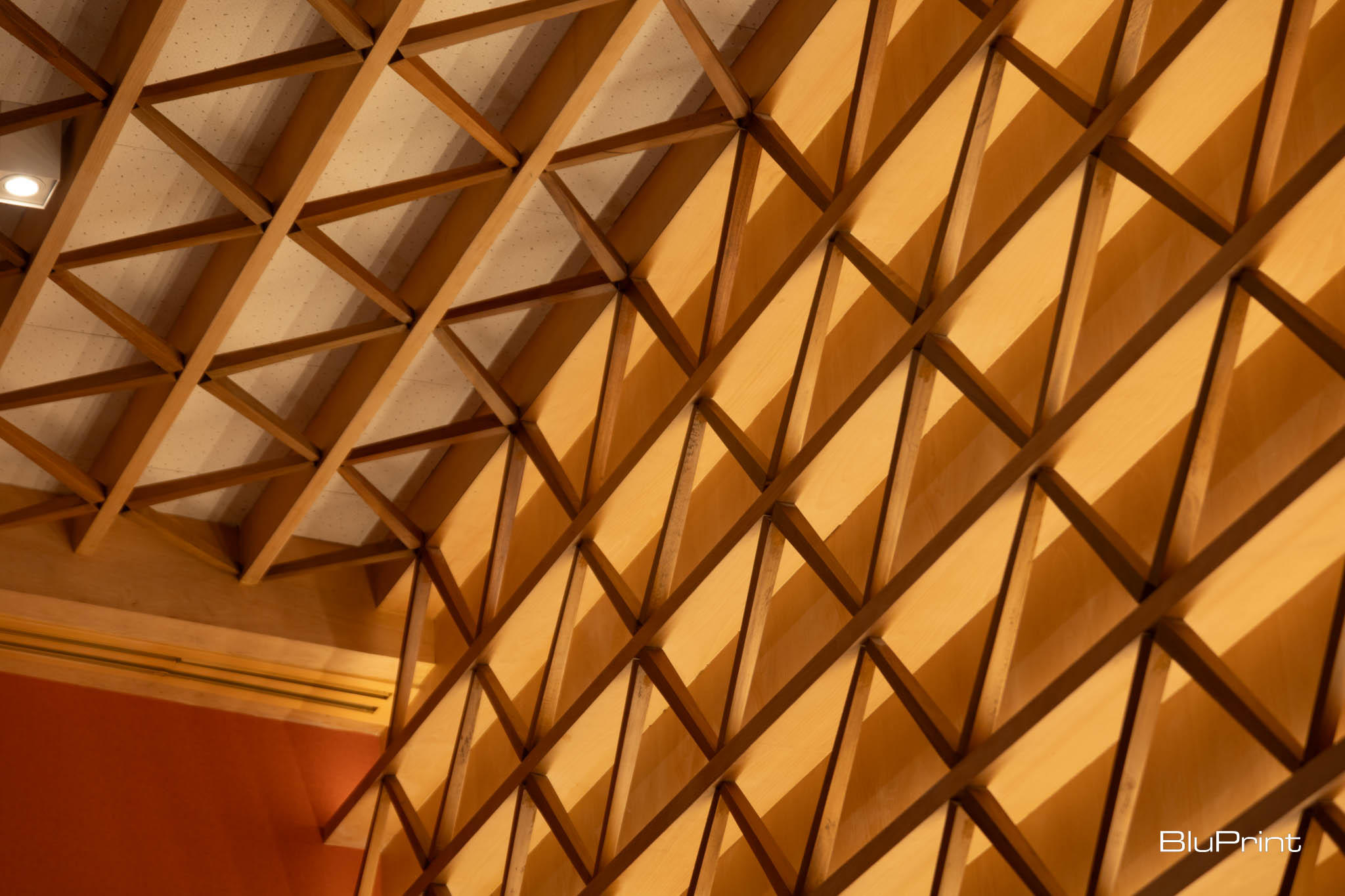
A wall treatment inspired by chopsticks is one of the design highlights at Kazu Cafe.
TerrazzoTerrazzoA composite flooring and surface material made from chips of marble, granite, glass, or other aggregates set in cement or resin, then ground and polished smooth. Durable and cool underfoot,Go to Terrazzo Glossary flooring exudes material durability, while marble accents add a touch of luxury. These thoughtful choices create a cohesive space, bridging rustic and polished styles. “Wes Anderson’s whimsical aesthetic [also] helped shape a distinctive atmosphere, adding a lively, memorable character to the space,” the architect adds.
This playful vibe sets Kazu Cafe apart from other restaurants under Nippon Hasha, Inc. The sculptural lighting serves as functional art. In addition, the LED art wall offers an interactive visual experience, thanks to its changing displays. “I imagine diners gathering around the sculptural lights or admiring the LED art wall as they wait, feeling invited to linger,” Morales muses.
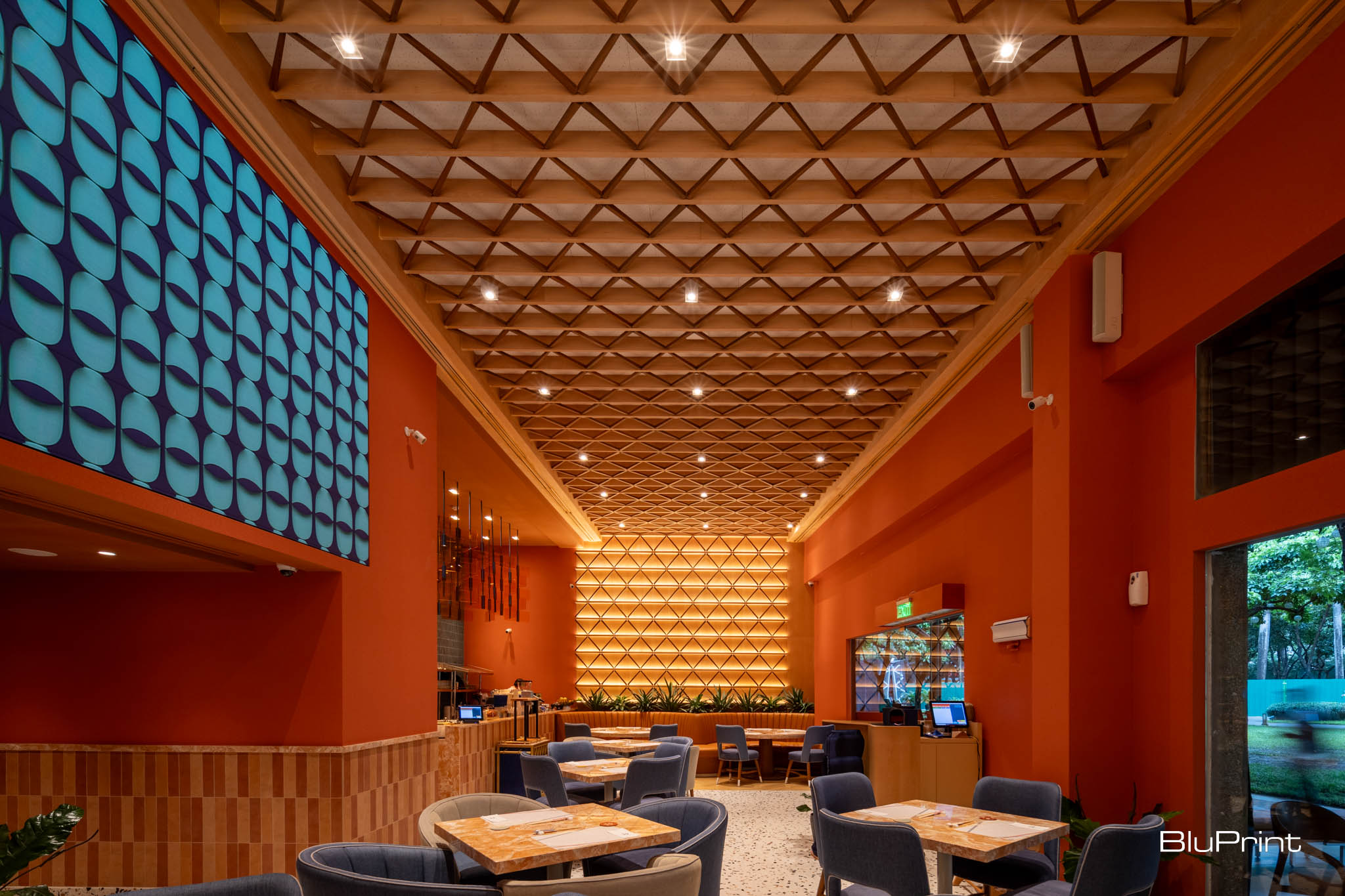
Even the curated plants play a role in enhancing the design. “Strategically placed greenery brings warmth and comfort, softening the modern lines and balancing the interior.”
Providing Exceptional Hospitality
Kazu Cafe, with its almost 200-square-meter floor area, can accommodate up to 70 guests. It has tables outside for those who prefer al fresco dining. A private dining room can seat 10 to 12 guests for those seeking an intimate dining experience.
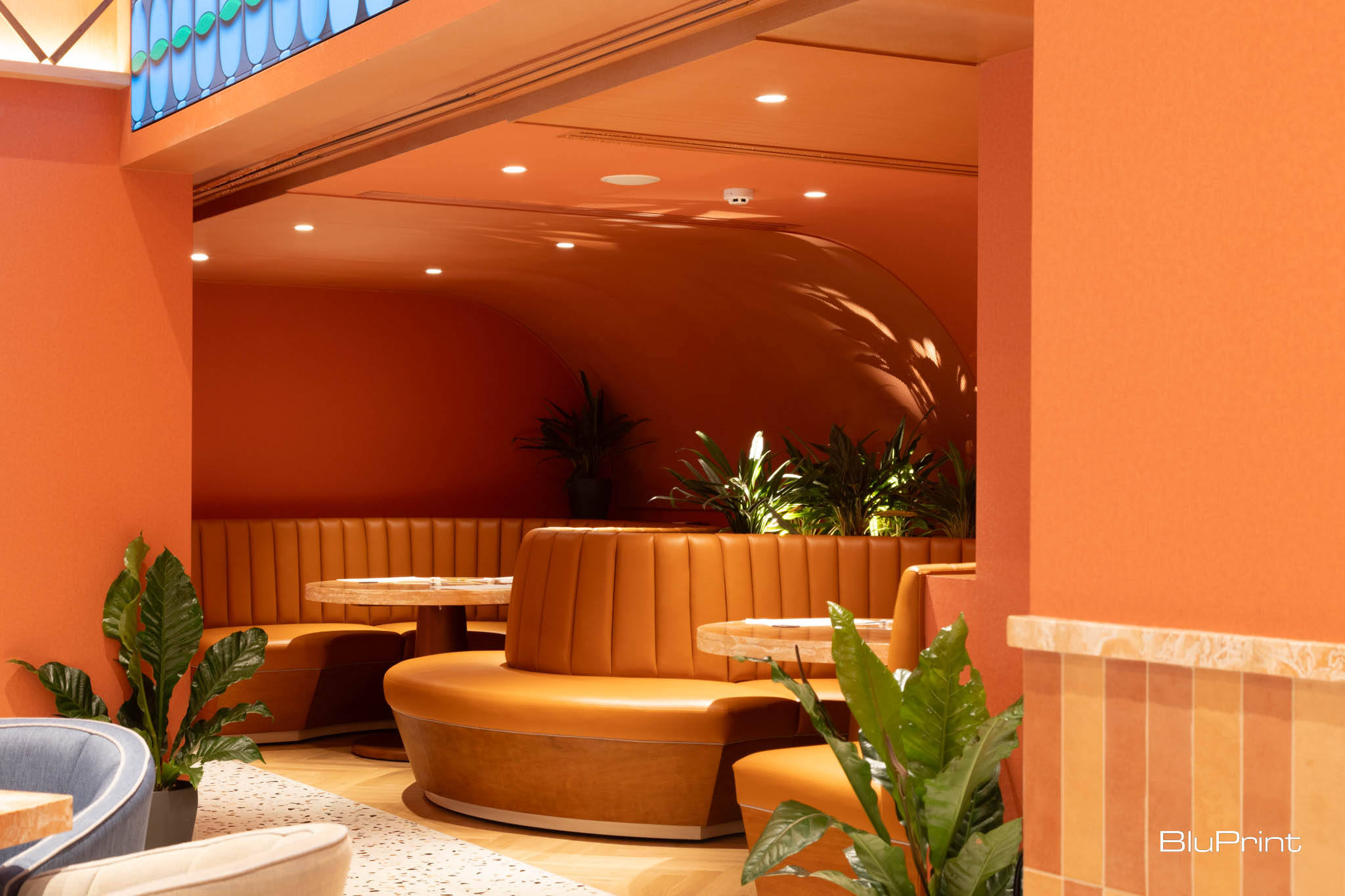
Booths with semi-circular couches in one area of the restaurant cocoon guests who would like a bit of privacy without isolating themselves from the rest of the space. Cruz says it’s an area of the restaurant “where people can’t really see you. But you can practically see the whole restaurant.”
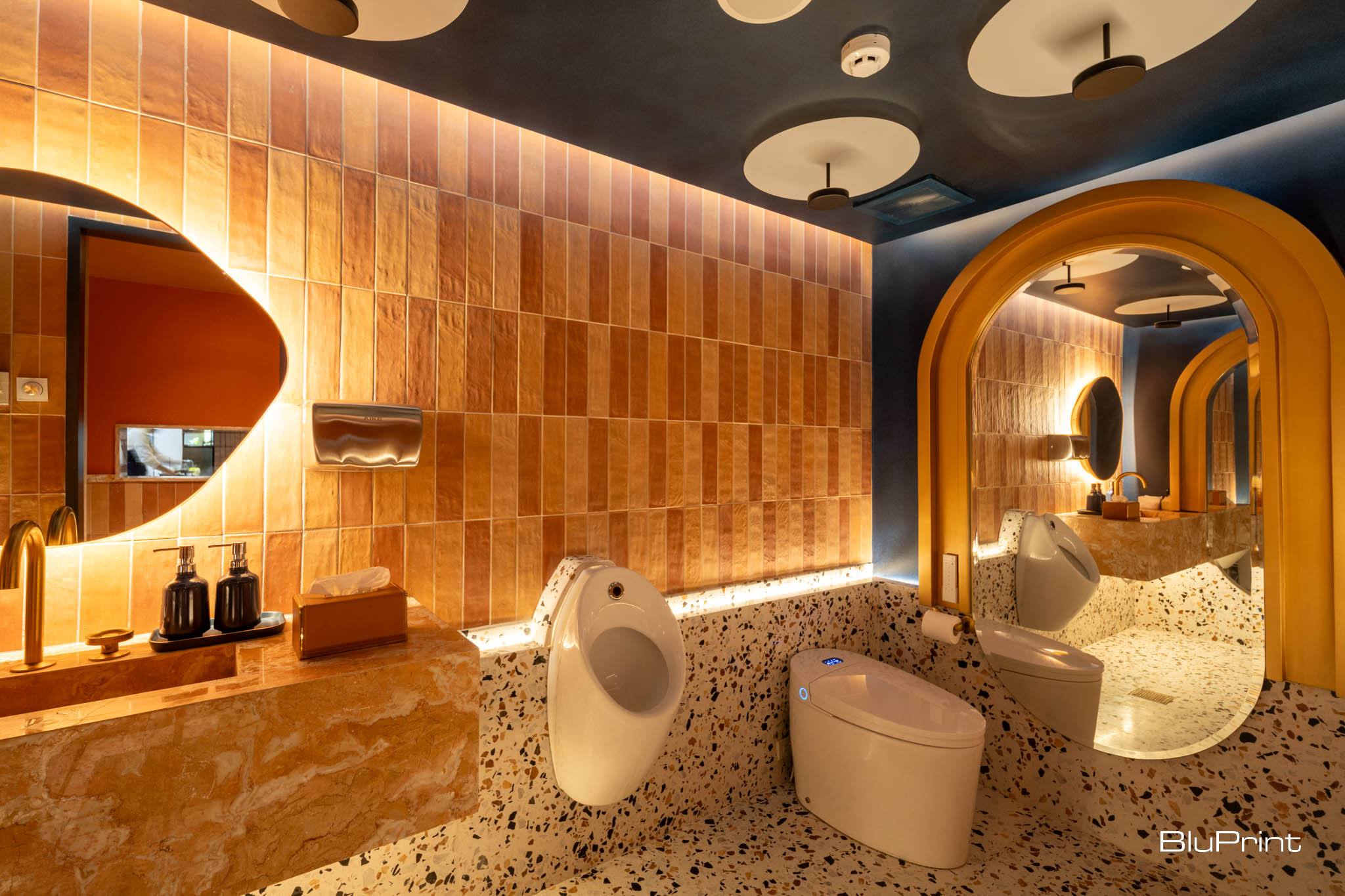
Even the bathroom reflects the whimsical vibe that the restaurant has, with its terrazzoTerrazzoA composite flooring and surface material made from chips of marble, granite, glass, or other aggregates set in cement or resin, then ground and polished smooth. Durable and cool underfoot,Go to Terrazzo Glossary flooring, mirrors in playful shapes, and warm lighting. “It’s a component of a restaurant that I think is most often neglected, because it is considered just a second-hand space…[but] it’s actually quite important,” Cruz says. And with people taking bathroom selfies, a well-designed bathroom like this can add to their experience.
Aside from blending traditional Japanese elements with modern aesthetics, the design concept of Kazu Cafe also aims to make the guests happy. “It sounds so overused, right? But that’s what it actually is. And it goes back to what the essence of hospitality is,” shares Cruz.
For him, hospitality is not only about bringing the best service to the customers but also taking care of and nurturing the team, and making sure that the kind of experience the establishment wants to give customers is aligned with them. “When you talk about consistency of service, and making people happy, and achieving their expectations, consistency is a combination of systems, which are the manuals, and the culture of the people. And that’s very important. You cannot expect people to be hospitable if you’re not hospitable to the people that are in service as well.”
Of course, the design plays a role in enhancing the customer experience. “It sets the tone for the experience that you want your customers to have. And good design per se does not give good service and hospitality, but it enables the experience for that to actually happen,” he explains.
Inspired Cuisine and Artful Presentation
Kazu Cafe’s menu features a variety of reimagined favorites from around the world, crafted by a chef “who is used to cooking at the highest level.” The same meticulous planning, thoughtful material selection, and intentional design that shaped the restaurant are reflected in the creativity behind the preparation and presentation of each dish.
Some notable offerings in the menu include the 10 Kinds Temari, an assortment of sushi-style breakfast bites served in a wooden box; the CLT Croissant with chashu, lettuce, and tomato as filling; and Cha Soba Salad, composed of sous vide chicken breast, prosciutto, and fresh mixed vegetables.
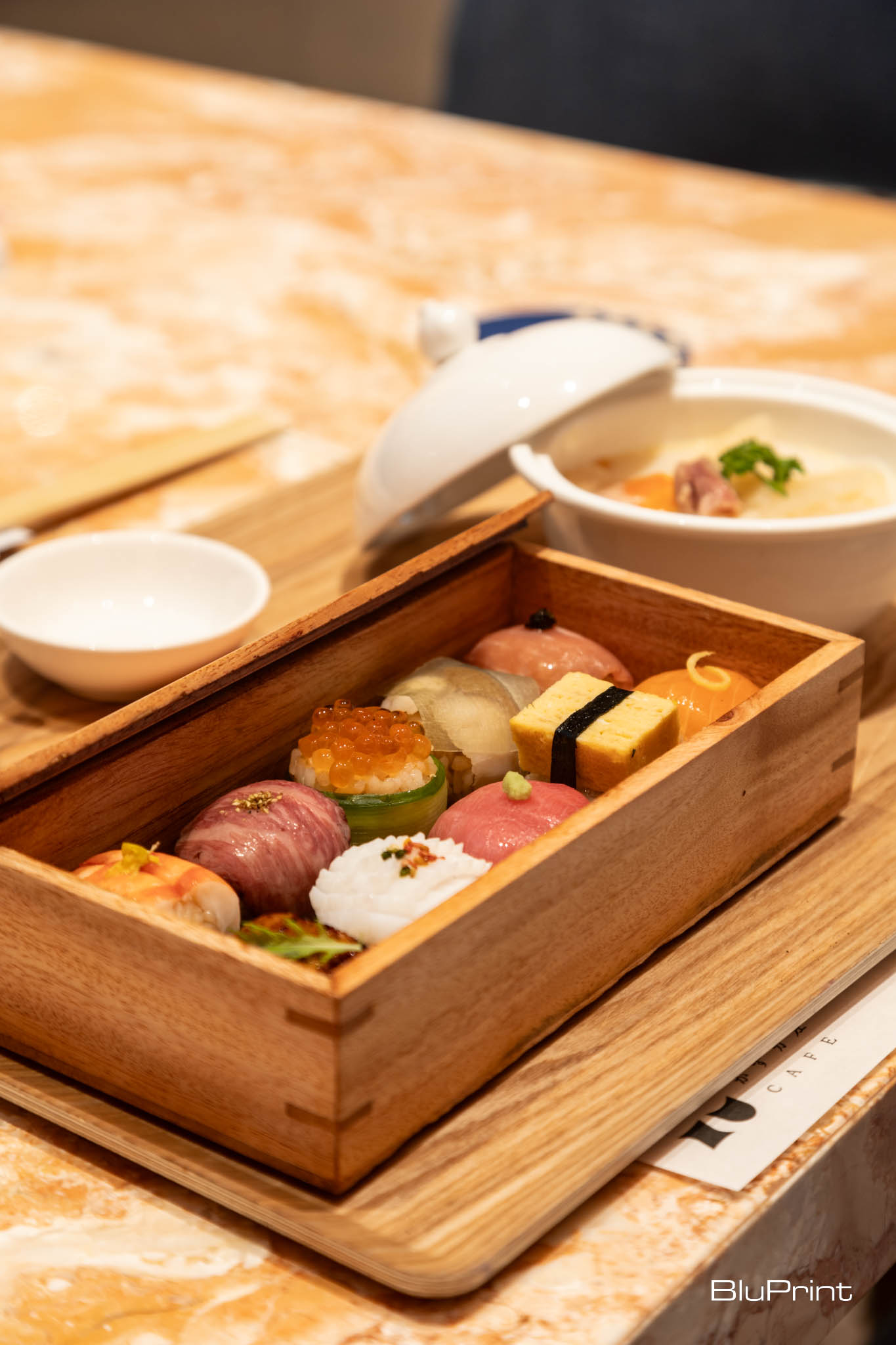
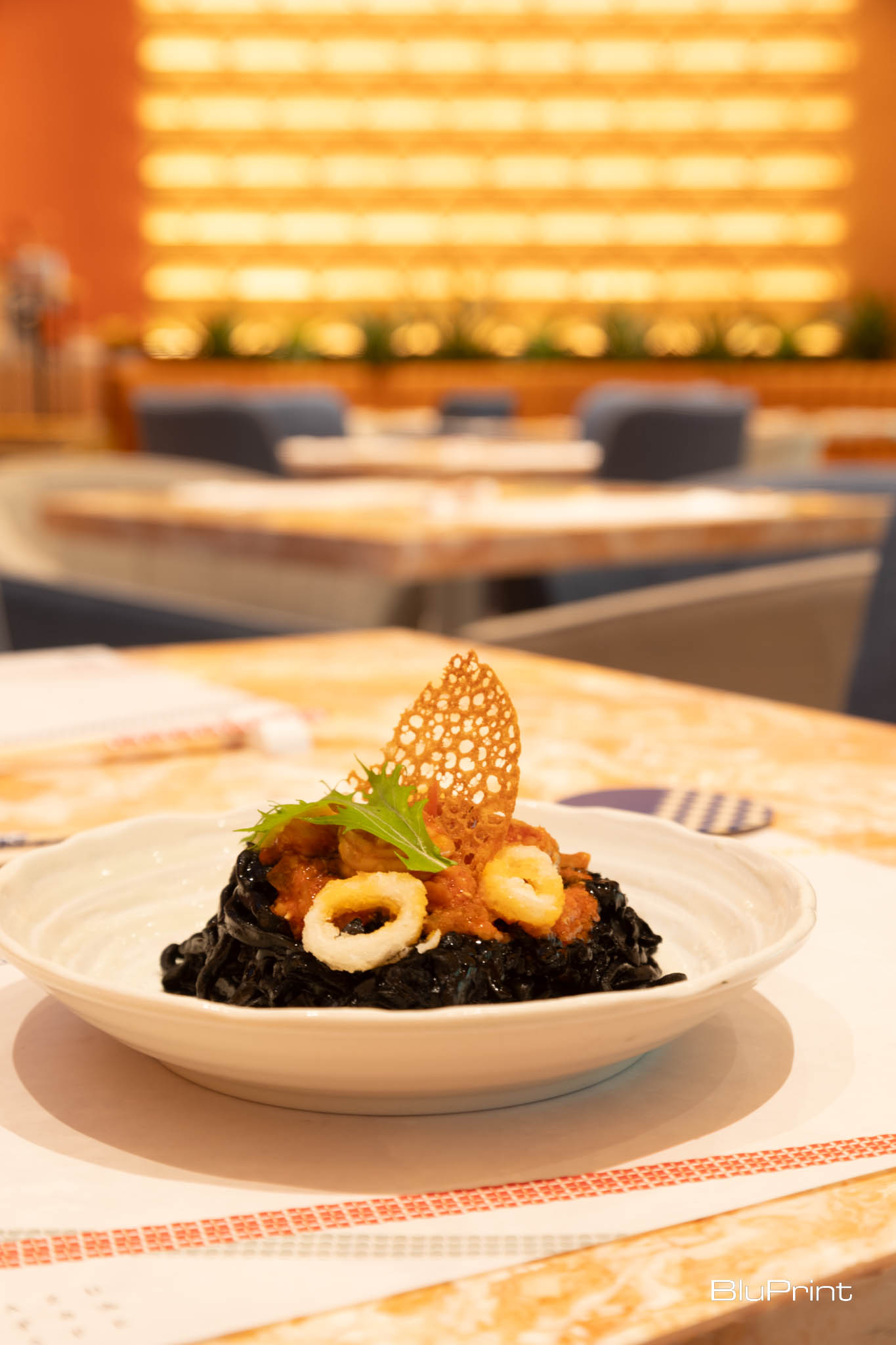
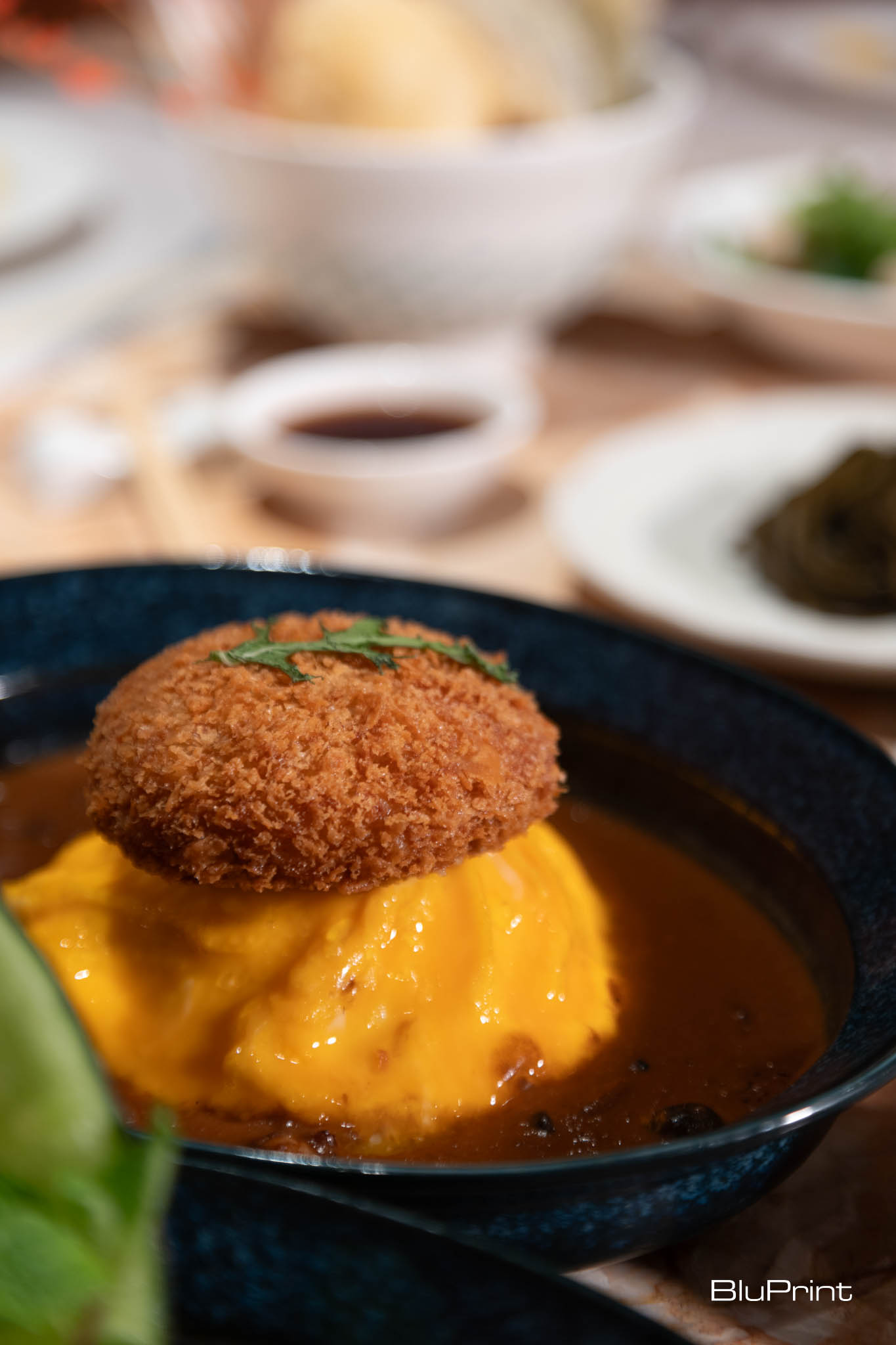
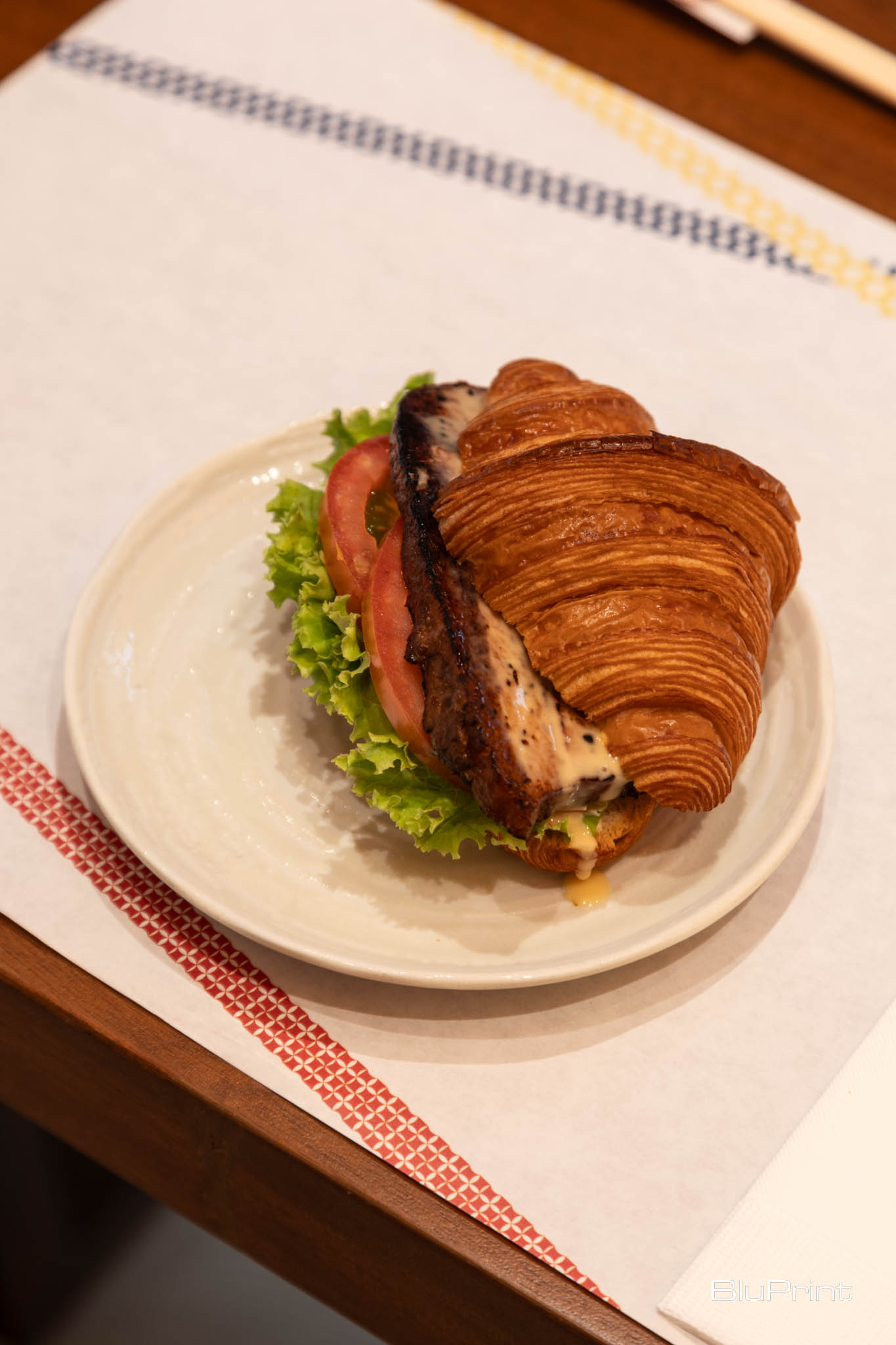
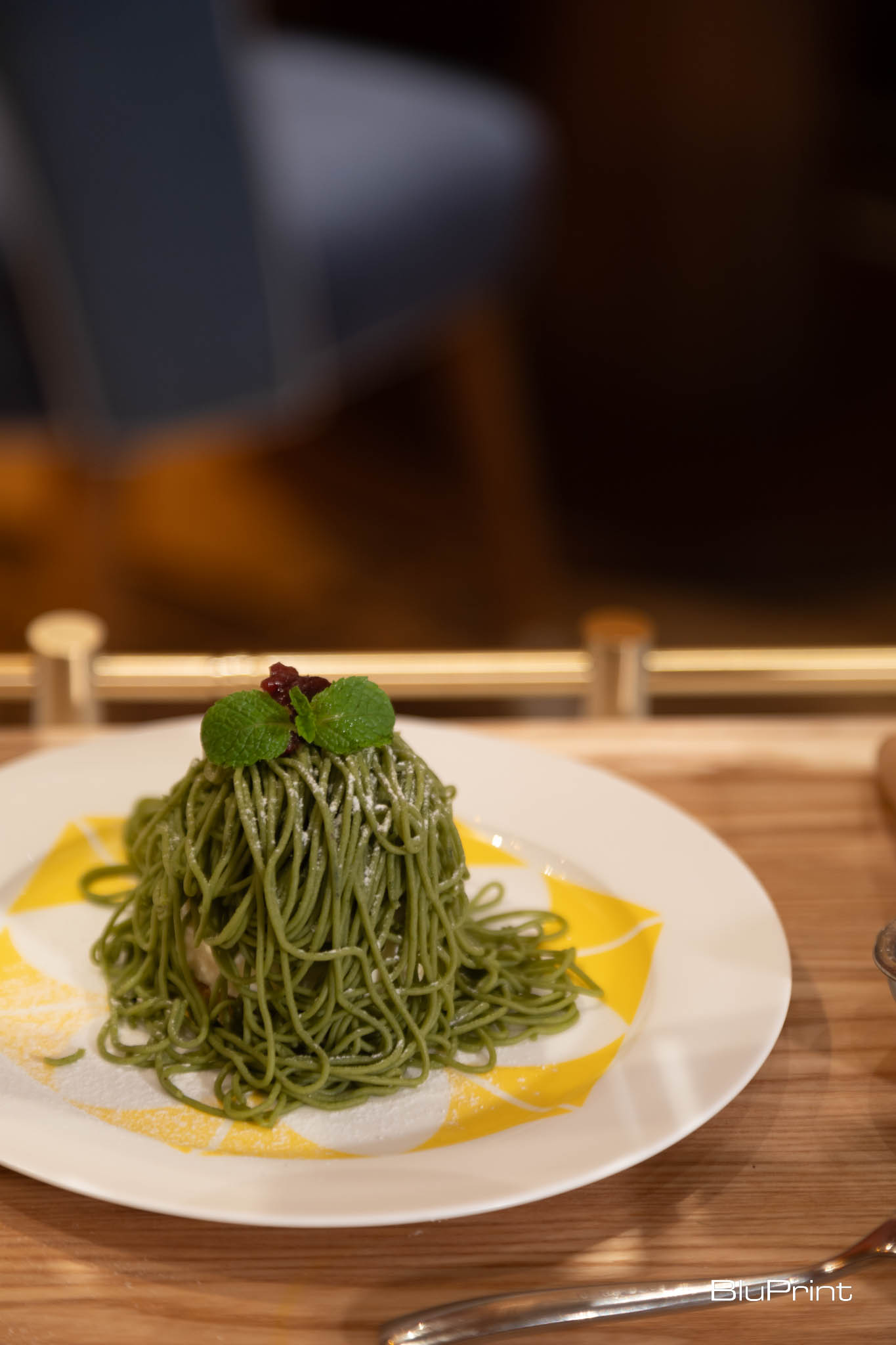
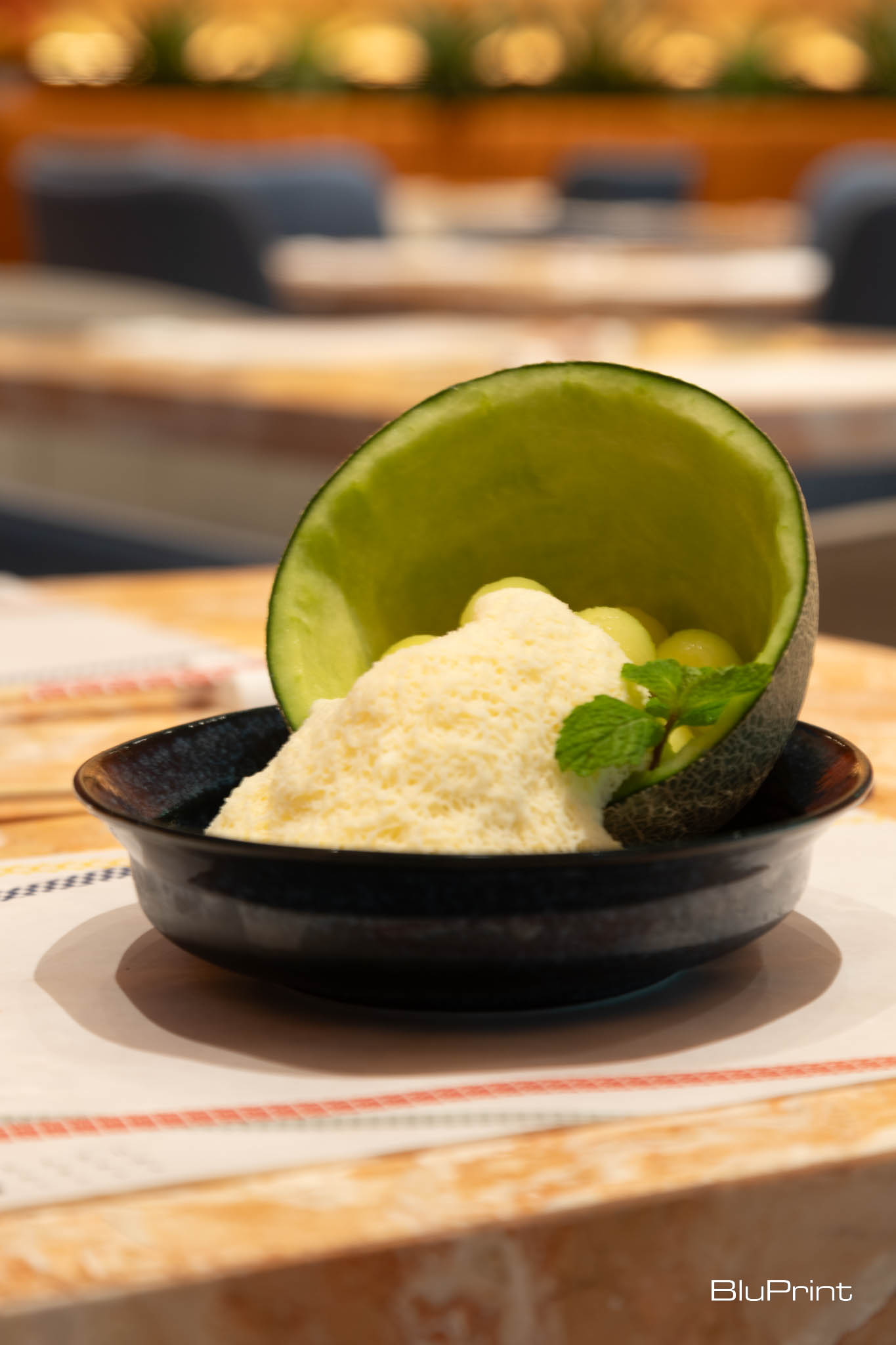
The creative plating of Kazu Cafe’s dishes—such as the 10 Kinds Temari, Ikasumi Pasta, Hayashi Tamago Menchi Kare, CLT Croissant, Matcha Mont Blanc, and Musk Melon Kakigori—is sure to catch your eye.
For those looking for a hearty, filling meal, try the Bonito & Salmon Breakfast Platter, which consists of grilled salmon, rice, salad, soup, and shaved bonito flakes. Don’t miss the Ikasumi Pasta—linguine with shrimp and ikasumi sauce—and the Hayashi Tamago Menchi Kar, a breakfast curry dish consisting of menchi patty, hayashi sauce, and omelette.
Then, cap your meal with desserts such as the Musk Melon Kakigori, a plate of Japanese melon with Johakuto and momo juice, and Matcha Mont Blanc, made of matcha chestnut puree, Okinawa salt ice cream, and vanilla sponge cake.
A Fresh Take on Dining
Indeed, Kazu Cafe is made for everyone’s enjoyment. “The cafe’s layout and materials encourage a relaxed, unhurried pace, while the Wes Anderson-inspired details and curated greenery provide a backdrop that’s both comforting and visually stimulating, making each visit unique and enjoyable,” Morales remarks.
Kazu Cafe engages all the senses—from its whimsical interiors and intentional design details to its expertly crafted menu. It offers a visual feast as well as gastronomic treat, bringing joy from the moment you enter up to your last bite.
Photography by Ed Simon.
Read more: Architecture of Dining: The Best Restaurant Interior Design of 2024
Frequently Asked Questions
Kazu Cafe features a “Tokyo cafe culture” aesthetic, which blends traditional Japanese elements with contemporary, global influences. Architect Liza Morales incorporated a whimsical, Wes Anderson-inspired vibe using playful materials like wooden chopsticks as wall decor and denim upholstery. This sophisticated yet approachable design is anchored by luxury accents like marble and terrazzo, creating a space that feels both rustic and polished.
The cafe integrates functional art and technology to engage guests, most notably through an LED art wall with constantly changing displays and sculptural lighting fixtures. These elements serve as focal points that invite diners to linger and interact with their surroundings while waiting for their meals. Even the bathroom is treated as an integral part of the experience, featuring playful mirror shapes and warm lighting designed to be “selfie-ready” and memorable.
The menu reflects the Japanese philosophy of taking inspiration from other cultures and adding a local twist, resulting in reinterpreted global favorites. Signature dishes include the CLT Croissant filled with chashu, Ikasumi Pasta with shrimp, and the 10 Kinds Temari, which presents sushi-style breakfast bites in a wooden box. The culinary presentation mirrors the restaurant’s intentional design, focusing on artful plating and high-level execution for a “gastronomic treat.”
Kazu Cafe spans nearly 200 square meters and can accommodate up to 70 guests across various settings, including al fresco tables and semi-circular booths. These “cocoon” booths provide a sense of privacy where guests can see the whole restaurant without being fully exposed. For more formal or intimate gatherings, a private dining room is available that comfortably seats 10 to 12 people, making it ideal for meetings or celebrations.
Nippon Hasha, Inc. President Ryan Cruz believes that true hospitality starts with nurturing the staff, as a team that feels cared for is better equipped to make guests happy. The cafe’s design is viewed as an “enabler” for exceptional service, setting a relaxed and unhurried tone that aligns with the culture of the people working there. This combination of systematic consistency and a welcoming environment ensures that every visitor’s emotional and sensory expectations are met.
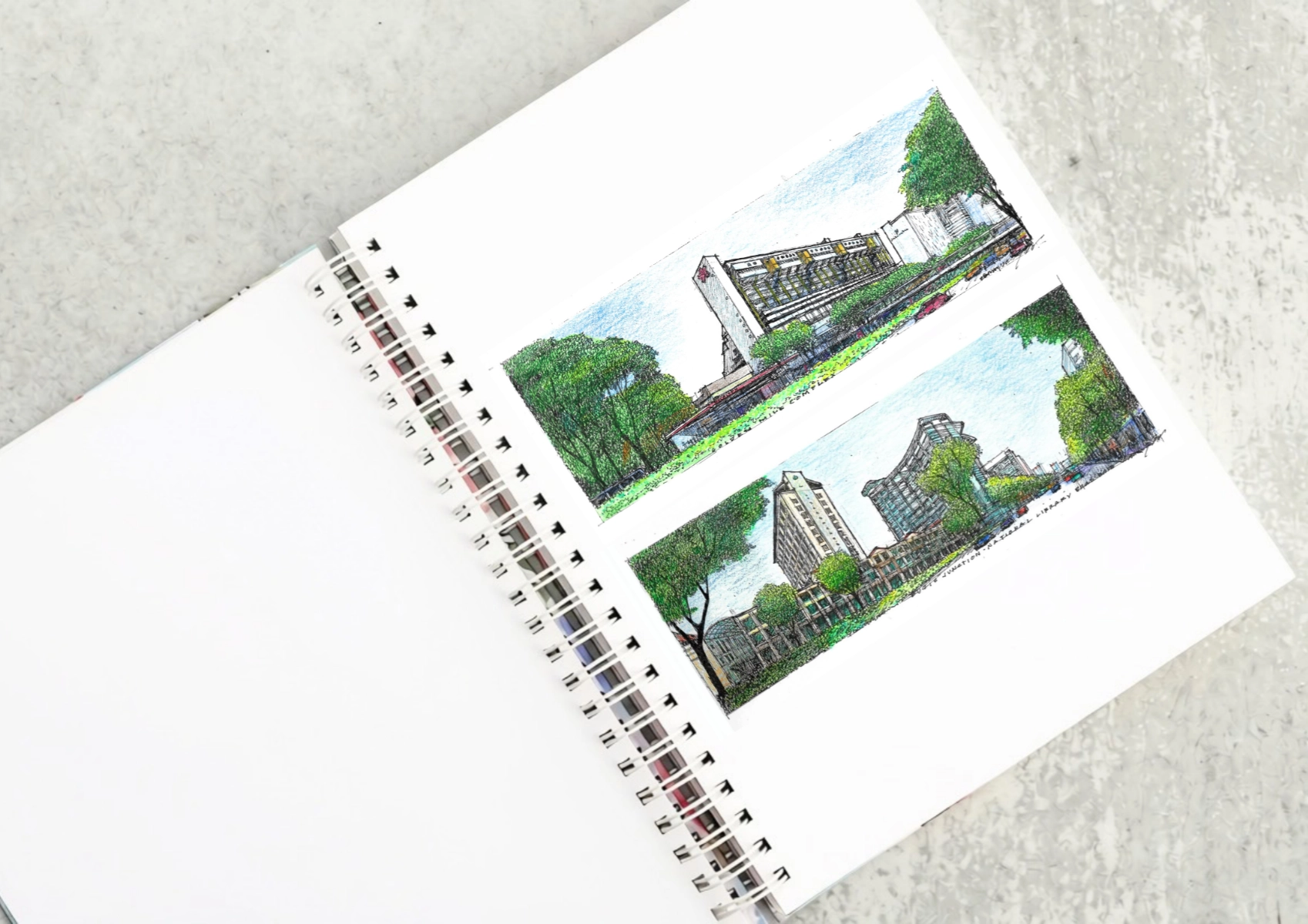
Two sketches of Singapore connect BluPrint Editor in Chief Paulo G. Alcazaren’s personal and professional history with Shared Ground: ArchitectureArchitectureThe art and science of designing and constructing buildings, structures, and spaces that are functional, safe, and aesthetically pleasing. It encompasses the planning, design, materials, and techniques used to createGo to Architecture Glossary of Care, Culture, […]

In a way, designers are the modern-day soothsayers and prophets. They design for the future, predicting how a room, a house, a building or a whole city will be used by people. They foresee how users will interact with a space, conjure exact shades of colors to elicit specific behavior and arrange furniture to build […]
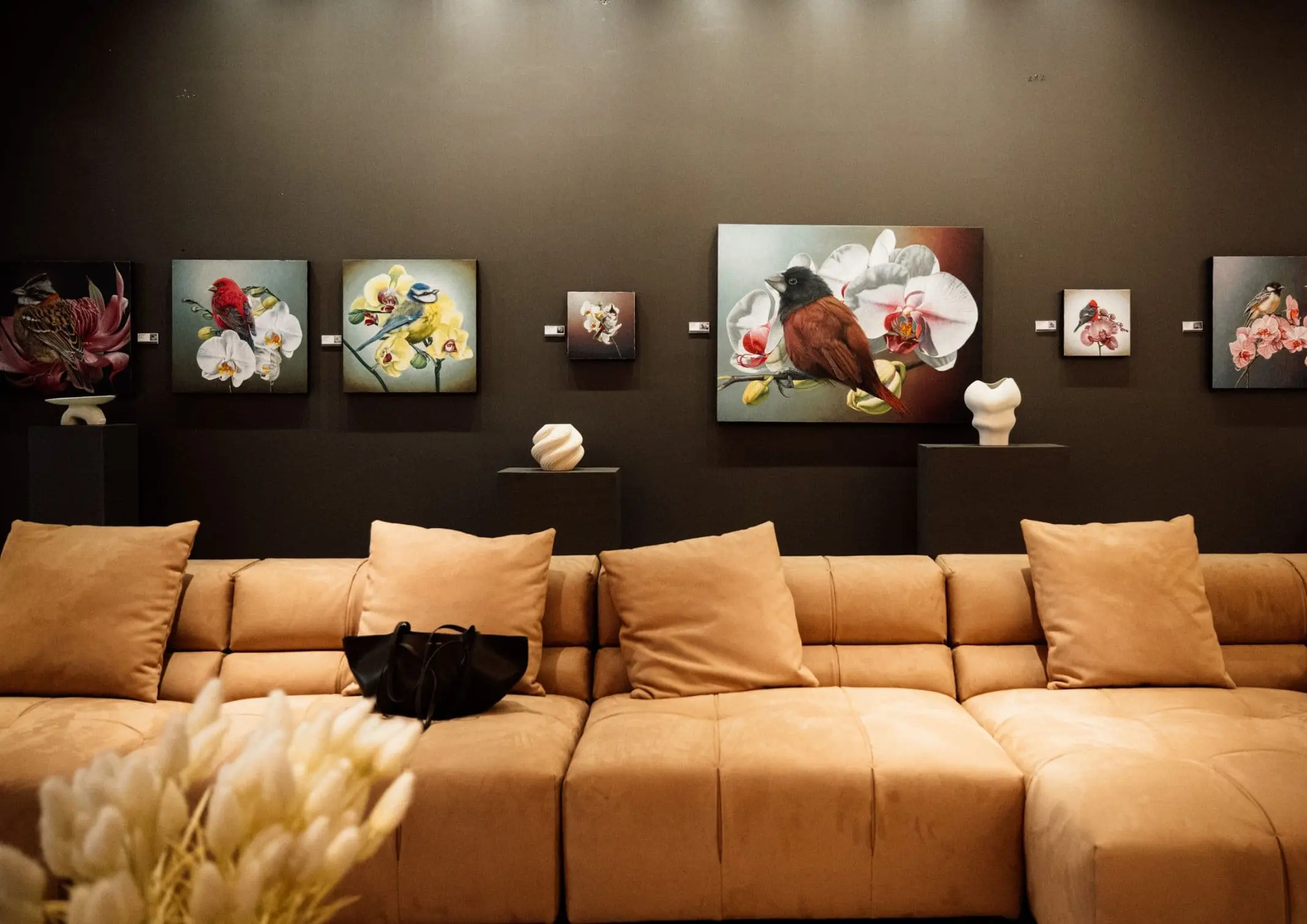
Art and furniture are often selected separately, yet their relationship can shape how a room looks and feels. The collaboration between Hooga and Galerie Joaquin explores how these elements can work together, bringing contemporary artworks into furnished residential settings at Hooga’s showroom in Uptown Mall, Bonifacio Global City. For Hooga, which curates furniture, lighting, and […]
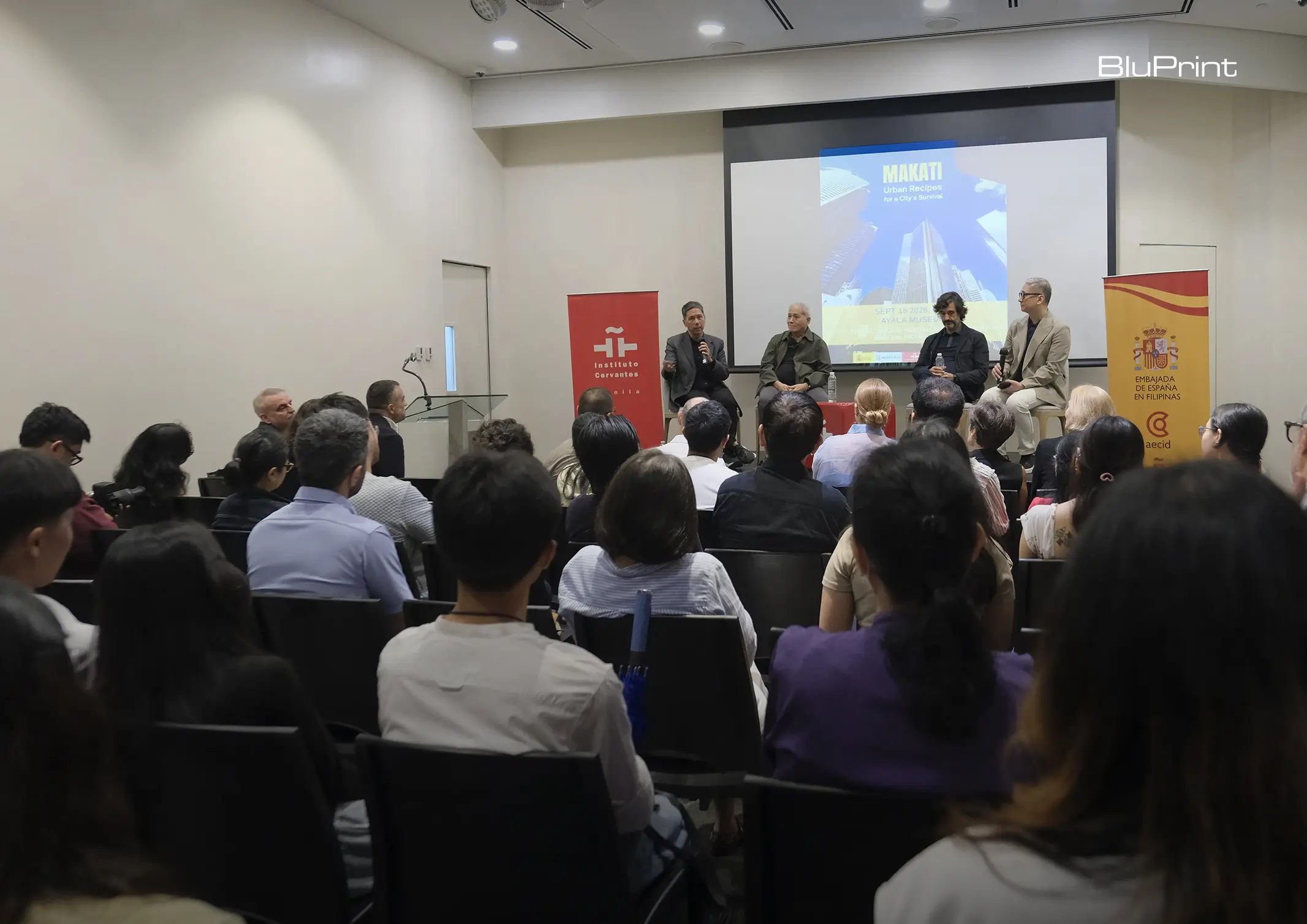
How can better-planned cities create the conditions for more creative, livable, and resilient urban environments? “Makati Urban Recipes for a City’s Survival,” a colloquium held at the Ayala Museum on September 15, brought together architects and practitioners from the fields of urbanism and the creative economy to discuss how design, planning, and collaboration can address […]
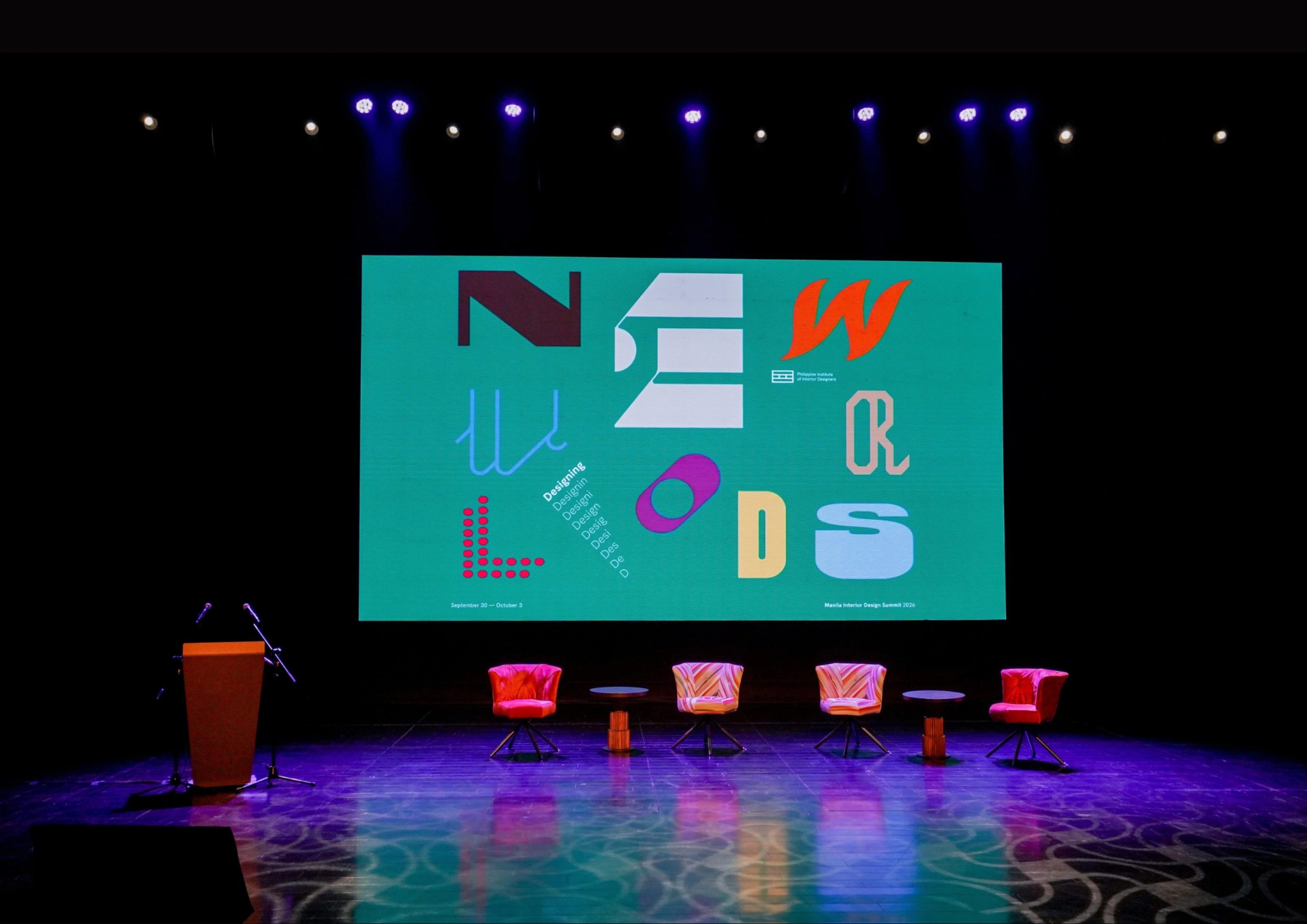
The fourth Manila Interior DesignInterior DesignThe discipline of planning and shaping interior spaces for function, comfort, safety, and beauty. It covers layout, lighting, materials, finishes, furniture, and color, and in the Philippines is a licensedGo to Interior Design Glossary Summit (MIDS) brought together more than 300 delegates for four days of conversations, exhibitions, and design […]
Read the issues.

Collect the volumes.

Recommended Video
Tap to Unmute
Unmute
0:00
0:00