Culture in design does not always announce itself through a recognizable motif, material, or symbol. It can also be embedded in the relationships designers build, the knowledge they listen to, the materials they choose, and the decisions they make in response to communities and their environments. This distinction emerged throughout the 2026 International Design Conference […]
Adaptive Reuse Projects Shaping the Future of Philippine Architecture



In the Philippines, adaptive reuseAdaptive ReuseThe practice of converting an old or disused building for a new purpose while keeping its structure and character. In the Philippines, it has turned heritage houses, warehouses, and factoriesGo to Adaptive Reuse Glossary gained traction during the 1970s with the rise of conservation and environmental preservation movements. It offered an architectural solution that reuses existing spaces to fit modern needs.
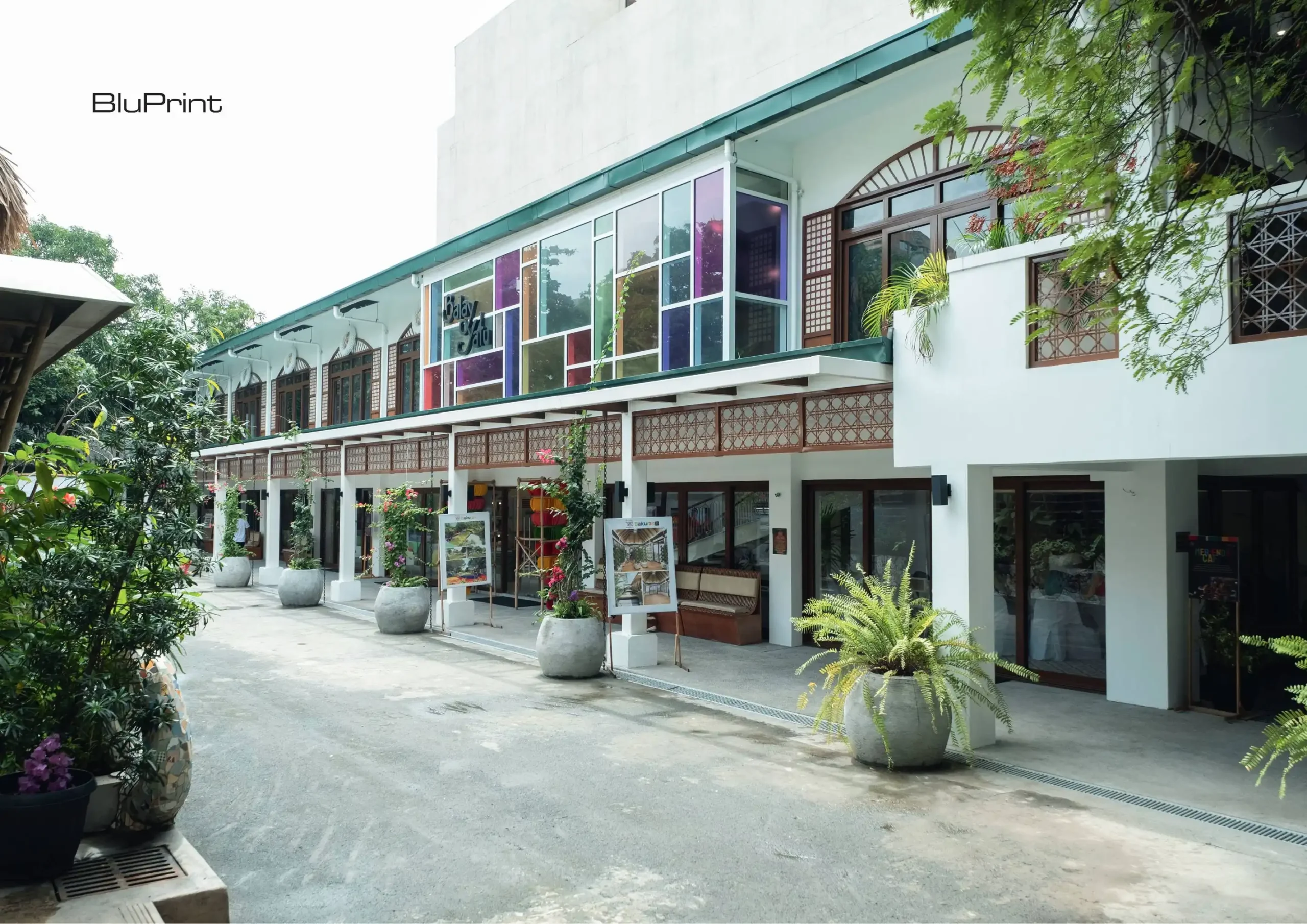
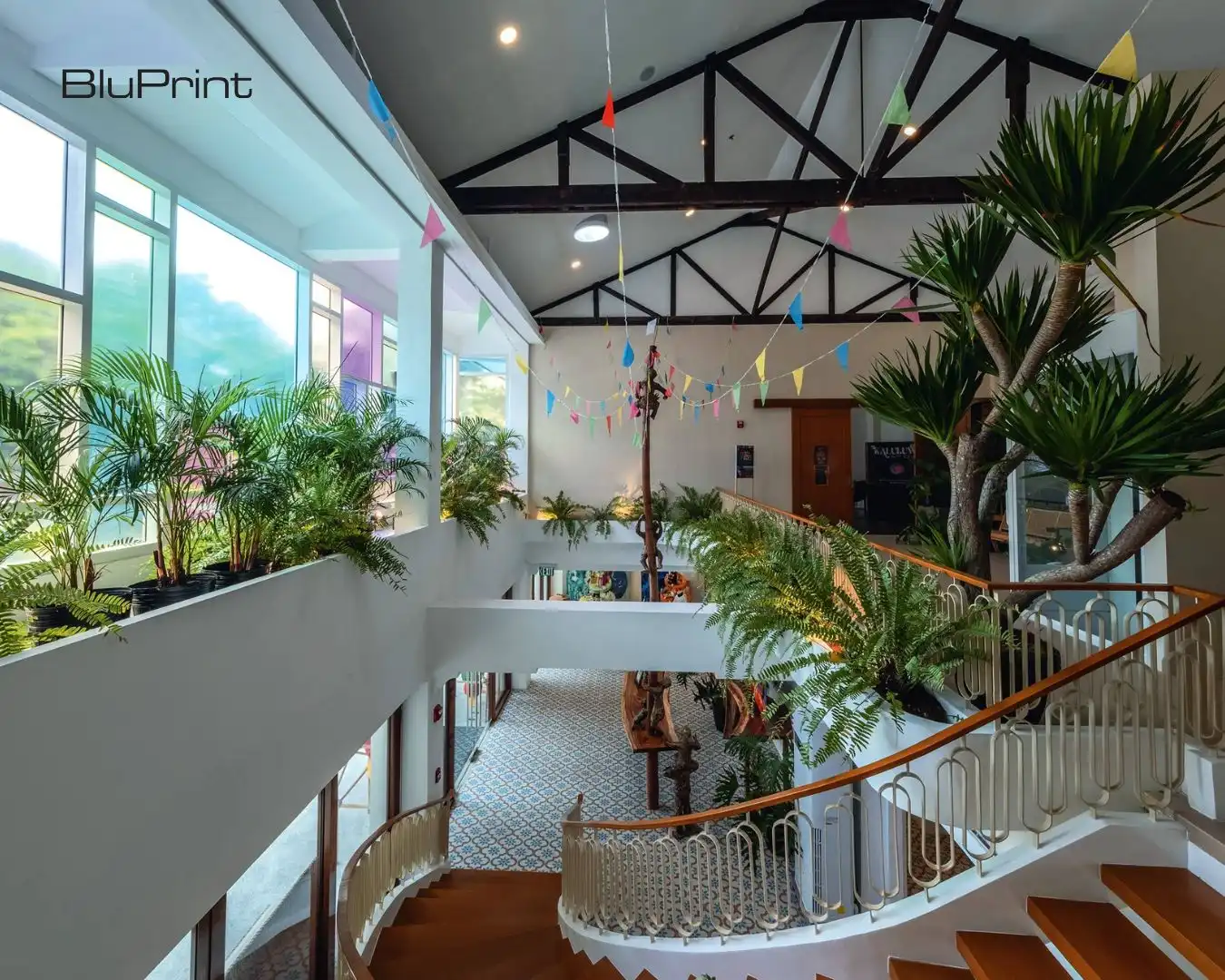
Across the country, several projects demonstrate how this approach is being applied—transforming heritage structures into active spaces for culture, hospitality, and community life.
Related Reading: In Conversation with the Past: A Look Into Adaptive Reuse
Bahay Nakpil-Bautista: Home to Heritage Museum
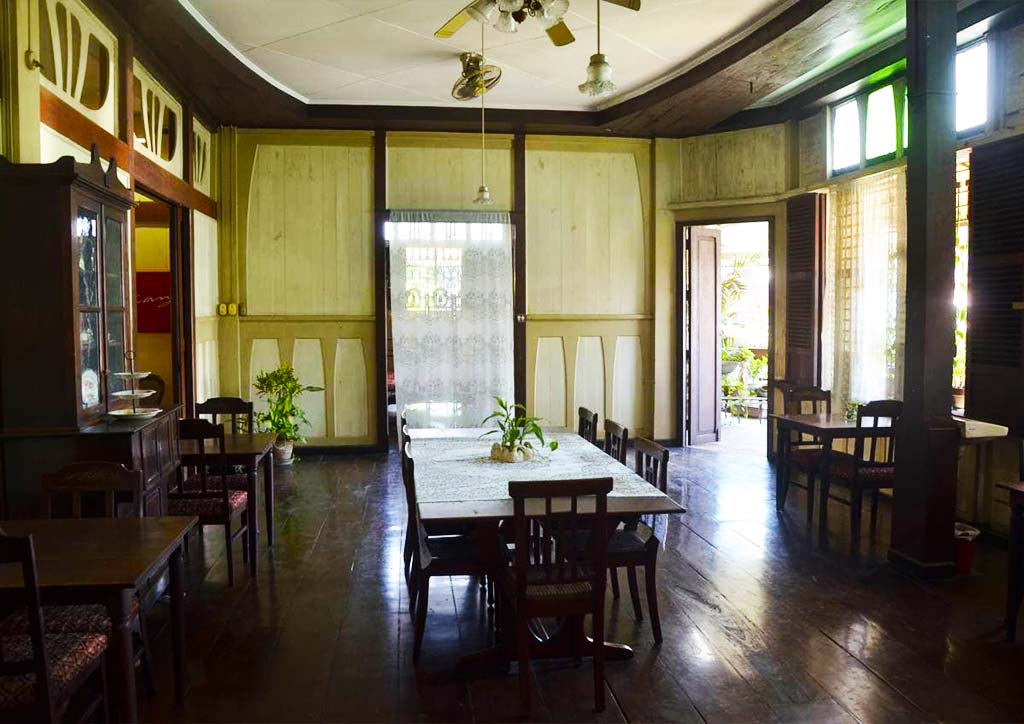
Located in Quiapo, Manila, the ancestral home of the Nakpil-Bautista family was built in 1914. It was the residence of Dr. Ariston Linpingco Bautista, a noted physician, patriot, philanthropist, and patron of the arts. He was also the husband of Petrona Nakpil, one of the first women artists in Quiapo. While they didn’t have any children of their own, they sponsored their nephew, Juan Nakpil, who later became a National Artist for ArchitectureArchitectureThe art and science of designing and constructing buildings, structures, and spaces that are functional, safe, and aesthetically pleasing. It encompasses the planning, design, materials, and techniques used to createGo to Architecture Glossary.
Related Reading: #TheNewPH towards heritage preservation: Bahay Nakpil in the 21st Century Setting
Headed by Maria Paz Nakpil Santos Viola and Dr. Fernando Zialcita, the home is now a museum and heritage center. It also serves as an arts and culture space for the local community, hosting cultural performances, lectures, and discussions on various topics. Beyond art and cultural events, it also accommodates displaced children of Marawi.
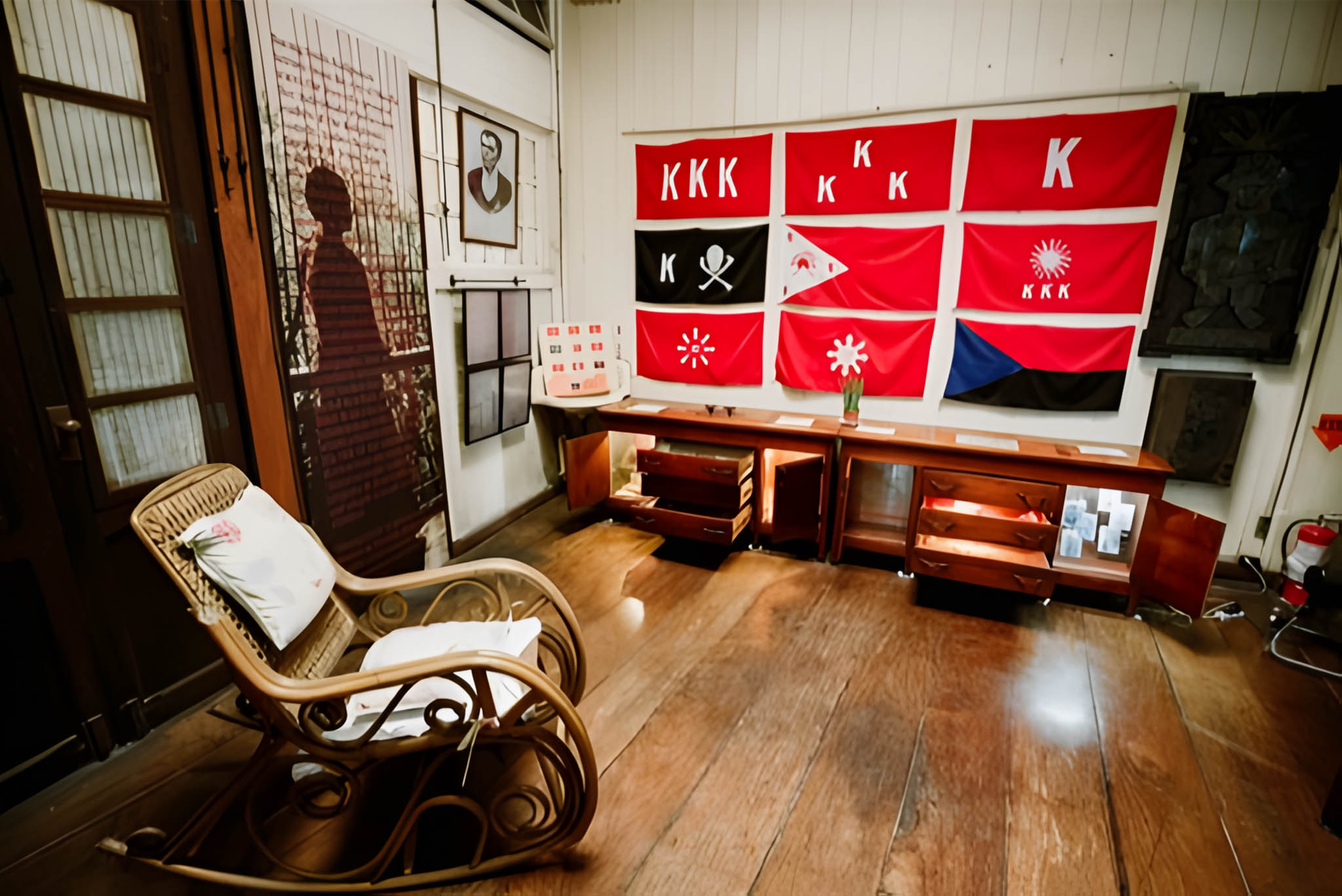
The architectural style of the residence is reminiscent of the bahay na bato. Inspired by the Viennese furniture set given to the family, the home also features design motifs associated with the Viennese Secession.
Through adaptive reuse, the structure was able to preserve Filipino craftsmanship and artistry. It stands as a significant structure that reflects the historical background of the city, while continuing to function as an active cultural space.
The Henry: Residential Estate to Boutique Hotel
The seaside town of Pasay was once known for its summerhouses and stately mansions. Its boulevard sat near the sea, surrounded by tropical gardens. Starting from the 1970s, these homes and gardens transitioned into concrete structures and asphalt. However, this two-hectare compound survived this urban transformation.
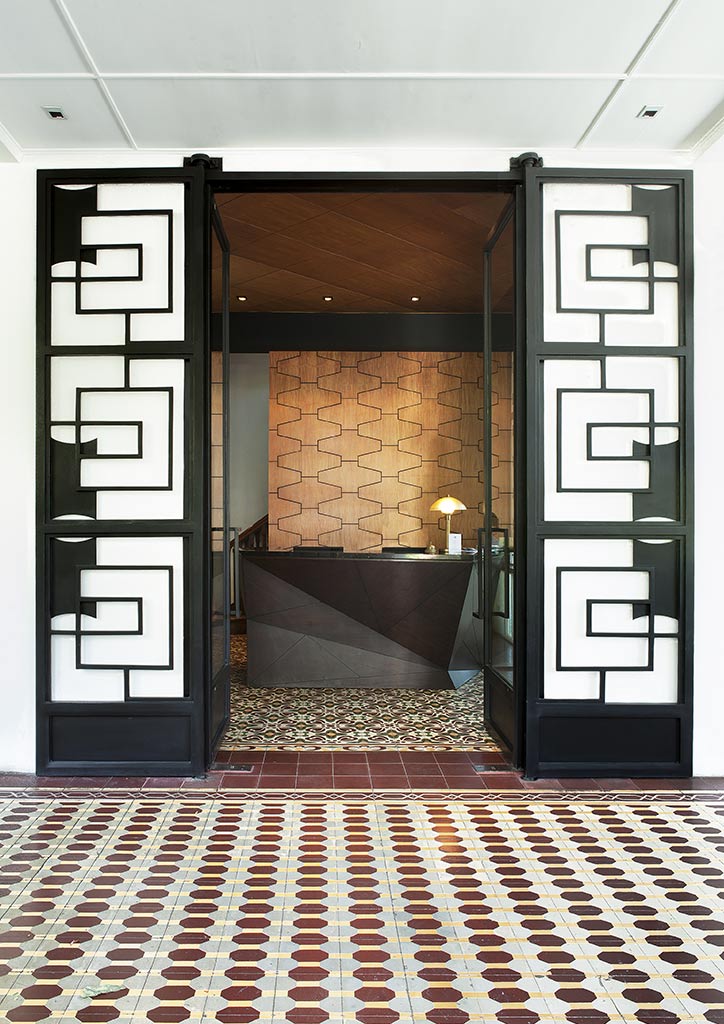
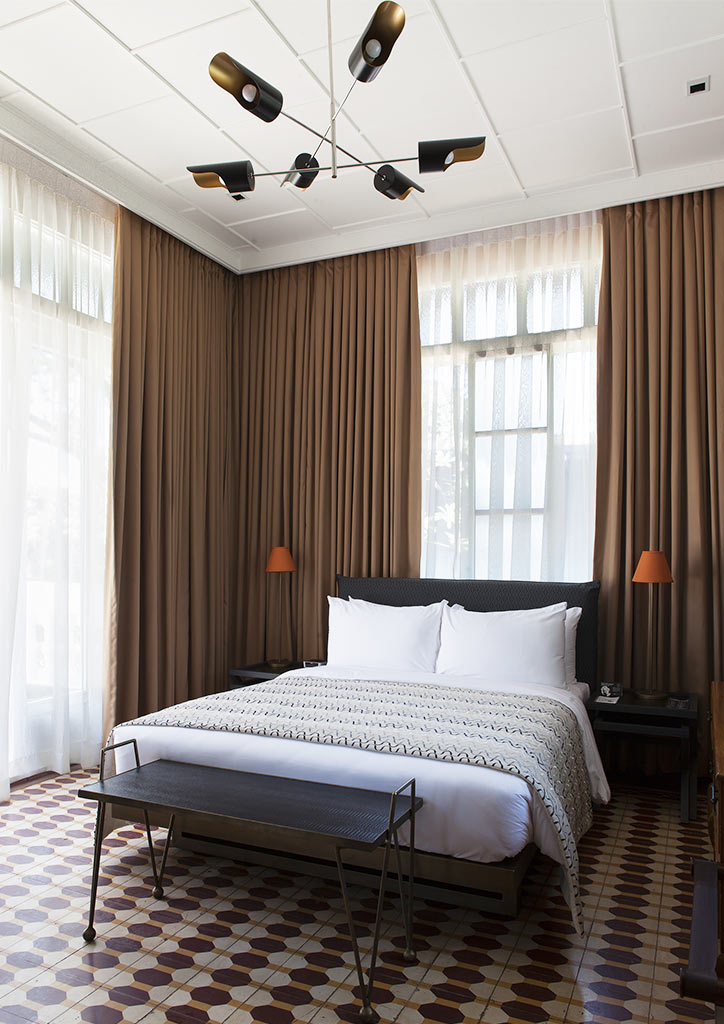
Related Reading: The Henry: Vintage ambiance meets contemporary standards
Built in the 1940s, The Henry is situated along Harrison Street. Owned by a Chinese family, the family patriarch decided to fill the lot with 20 more or less identical houses. These houses were made of wood and stone, built in the austere “Liberation style.” Coined by Ateneo professor Fernando N. Zialcita, the style was popular during the post-war reconstruction period.
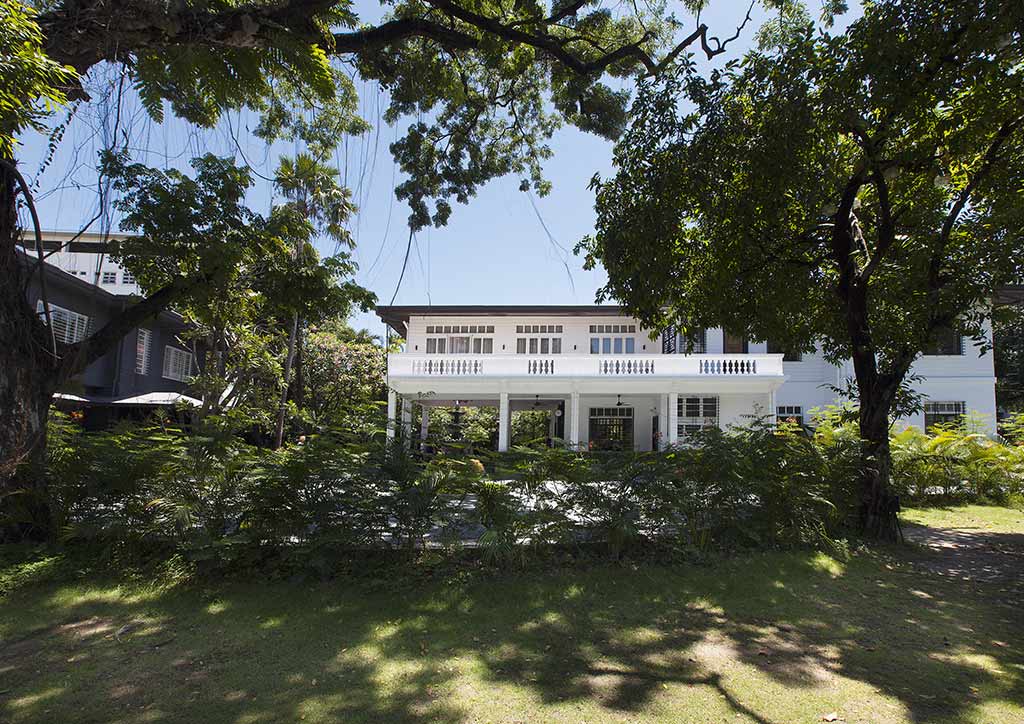
This decades-old residential compound remained a rare sight of greenery within the city. Atlas Real Estate applied the concept of adaptive reuseAdaptive ReuseThe practice of converting an old or disused building for a new purpose while keeping its structure and character. In the Philippines, it has turned heritage houses, warehouses, and factoriesGo to Adaptive Reuse Glossary to preserve the heritage buildings and the surrounding environment. Opened in 2017, the hotel contains 34 rooms across five renovated and refurbished houses. Its main house accommodates the reception, the owner’s suite, and a restaurant and bar. The compound also houses the Avellana Art Gallery.
Revitalization, Preservation, and Sustainability
Adaptive reuseAdaptive ReuseThe practice of converting an old or disused building for a new purpose while keeping its structure and character. In the Philippines, it has turned heritage houses, warehouses, and factoriesGo to Adaptive Reuse Glossary offers more than just a physical transformation. It shows how a community can be revitalized and preserved through a sustainable architectural approach. It allows existing structures to evolve with time and human experience. This approach blends history with modern architecture. It also creates opportunities to reflect culture through the built environment.
Read More: Adaptive Reuse of Buildings: Blending the Old with the New
Article Header Photographed by Ed Simon.
Frequently Asked Questions
Adaptive reuse is an architectural approach that gives new purpose to old, underused, or abandoned structures while preserving their historical and cultural significance. This sustainable method allows heritage buildings to evolve with modern needs, reducing the environmental impact of new construction and revitalizing local communities.
Bahay Nakpil-Bautista serves as an example of adaptive reuse by transforming a 1914 ancestral home into a museum, heritage center, and community arts space. Beyond preservation, the structure now functions as an active venue for cultural lectures and a safe space for displaced children, blending Filipino history with social utility.
The “Liberation style” refers to the austere architectural design popular during the Philippines’ post-war reconstruction period in the 1940s. Characterized by the use of wood and stone, this style is preserved at The Henry in Pasay, where a residential compound of 20 identical houses was refurbished into a boutique hotel.
The environmental benefits of adaptive reuse include the reduction of construction waste and the conservation of energy by reusing existing building materials and envelopes. By revitalizing structures like the Balay Yatu or The Henry, architects preserve rare urban greenery and minimize the carbon footprint associated with demolition and new builds.
Adaptive reuse preserves Filipino craftsmanship by maintaining original design motifs, such as Viennese Secession influences or bahay na bato elements, within functional modern spaces. This approach ensures that traditional artistry remains visible and appreciated by new generations, bridging the gap between historical heritage and contemporary architecture.
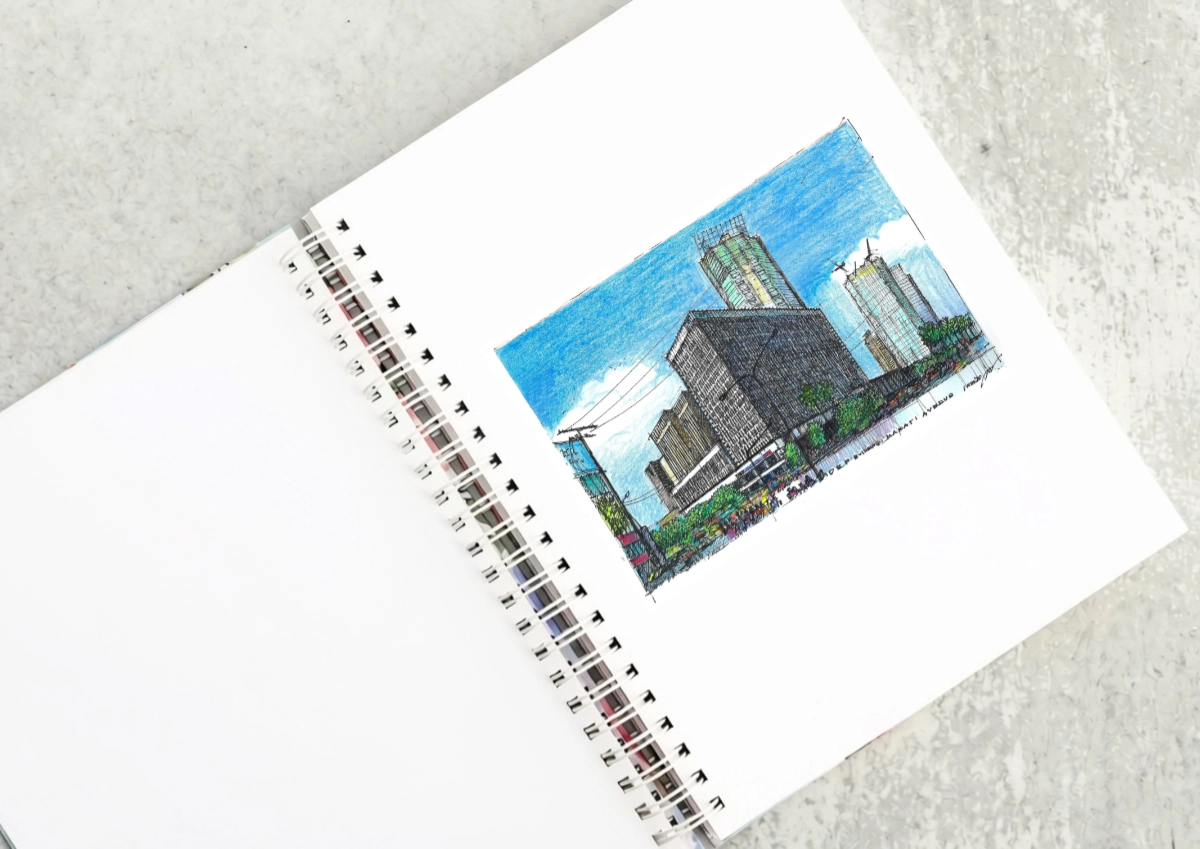
The DBP Building as a Landmark of the International Style At the corner of Sen. Gil Puyat Avenue and Makati Avenue stands a landmark of the Makati Central Business District. It is one of the last still standing that were built in the first wave of construction in district fifty years ago. The Development Bank […]
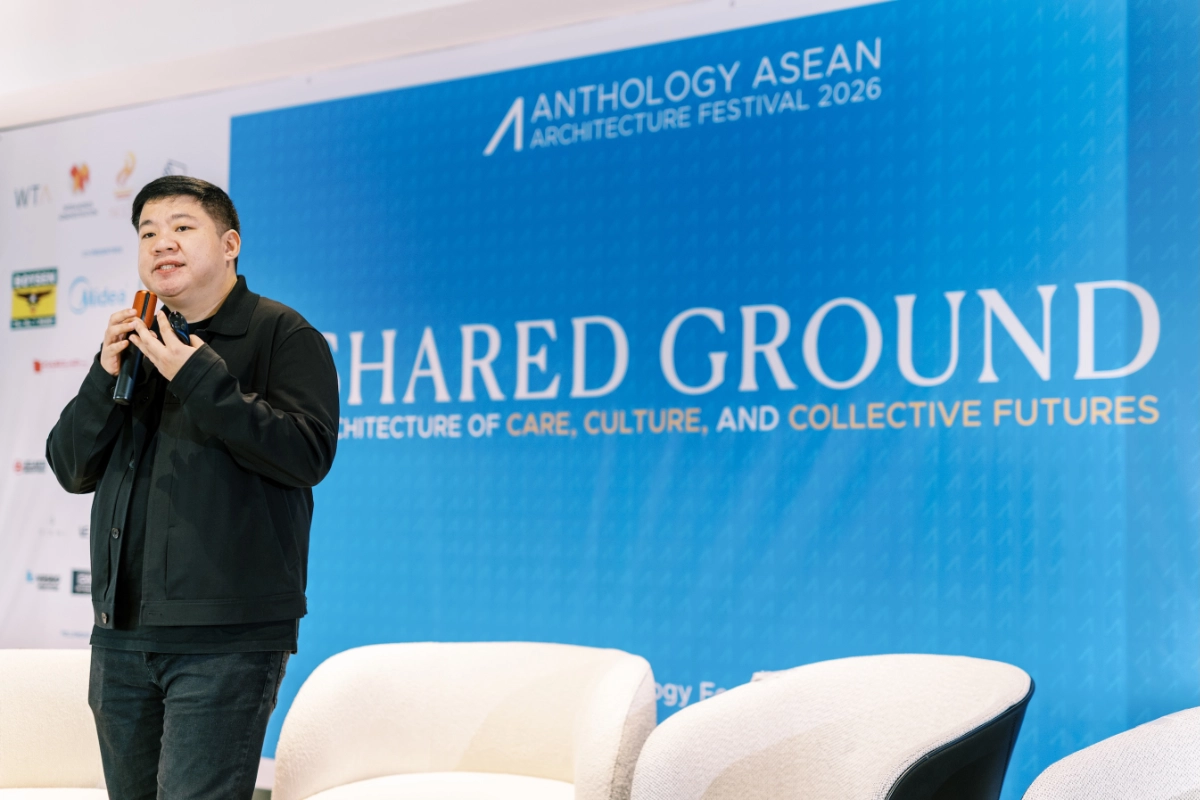
“Buildings only become architectureArchitectureThe art and science of designing and constructing buildings, structures, and spaces that are functional, safe, and aesthetically pleasing. It encompasses the planning, design, materials, and techniques used to createGo to Architecture Glossary when they are shared,” said William Ti Jr., founder of the Anthology Festival and WTA Architecture and Design Studio, […]
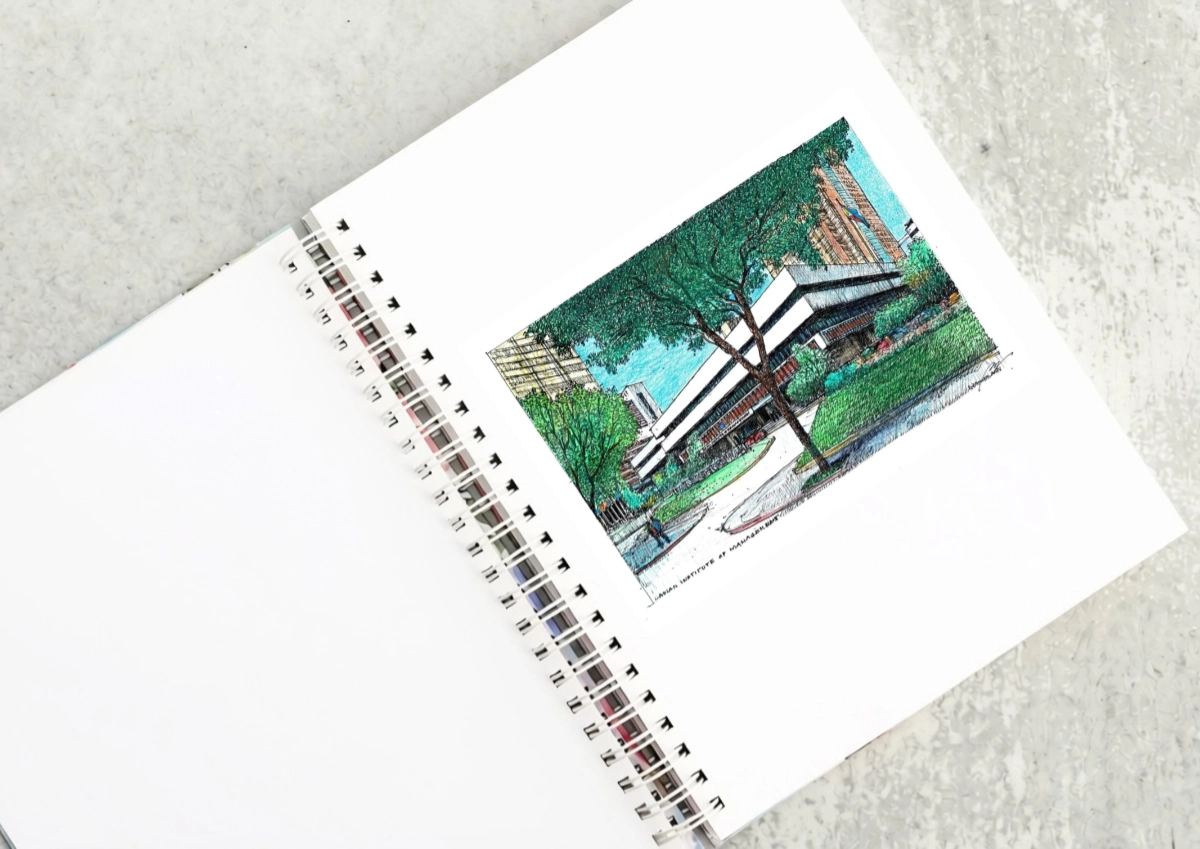
A Filipino Interpretation of Modernist Architecture Unlike the rest of Makati today, the northern end of Paseo de Roxas in Makati is anchored by a low complex rather than a tall skyscraper. This is the elegant Asian Institute of Management, designed by architect Gabriel Formoso and completed in 1971. In my opinion, the building is […]
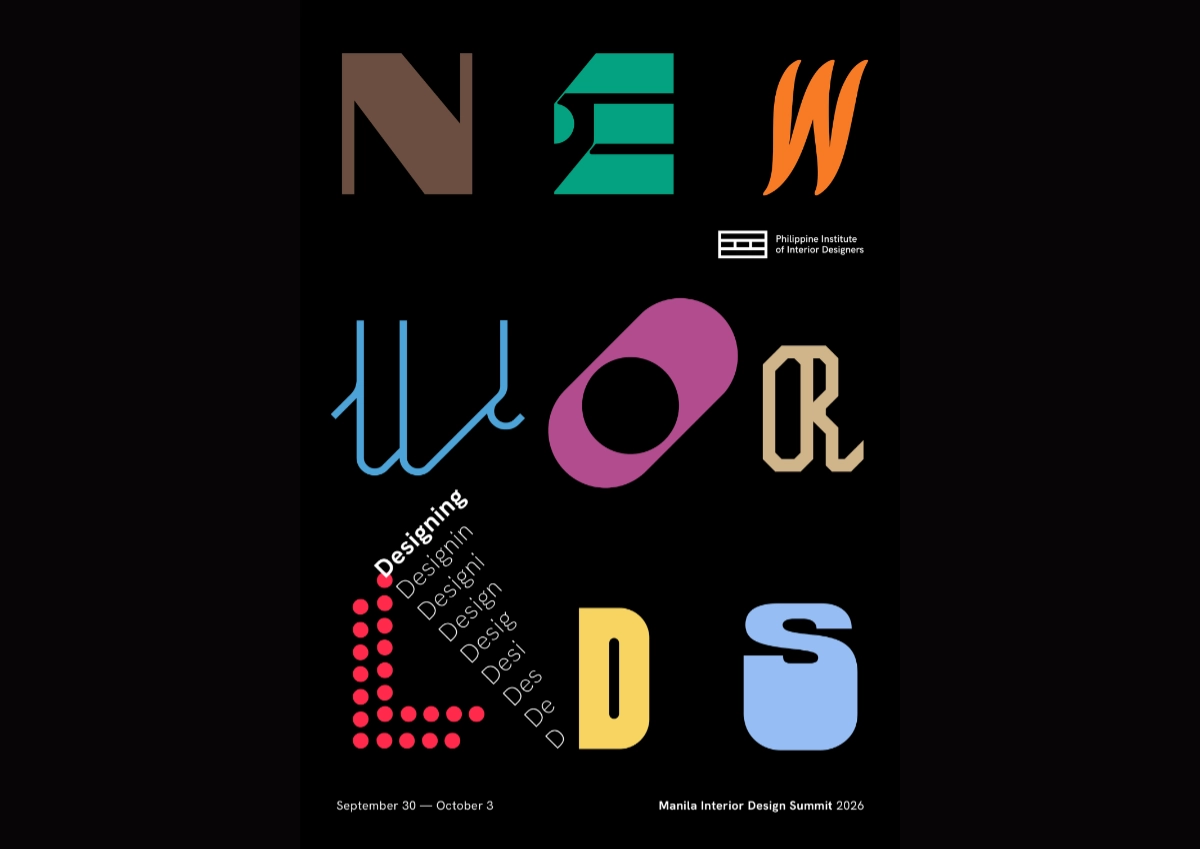
“Thailand has claimed urban creativity and livability. Singapore has institutional design leadership. Indonesia is emerging as a design hub. Vietnam is moving into design innovation. And the Philippines? Its position is not weak. It is simply unclaimed.” For IDr. Cecil Ravelas, National President of the Philippine Institute of Interior Designers (PIID), the challenge is not […]
Read the issues.

Collect the volumes.

Recommended Video
Tap to Unmute
Unmute
0:00
0:00