Bigkis is the act of binding. In Tagalog, the word can refer to something used to bind or encircle, as well as a bundle formed by tying several separate elements together. Figuratively, it can also mean a bond, union, or unity. The meanings move from the physical act of joining things together to the connection […]
Restaurant Interiors in Manila That Show the Power of Design



From the moment a diner steps through the door, each detail shapes how a meal is experienced. Restaurant design has evolved, with architects and culinary professionals collaborating to create built spaces that are as intentional as the menu itself. The spatial atmosphere acts as an additional ingredient that can define the culinary experience.
Taupe and Bolero: Spatial Layout and Design
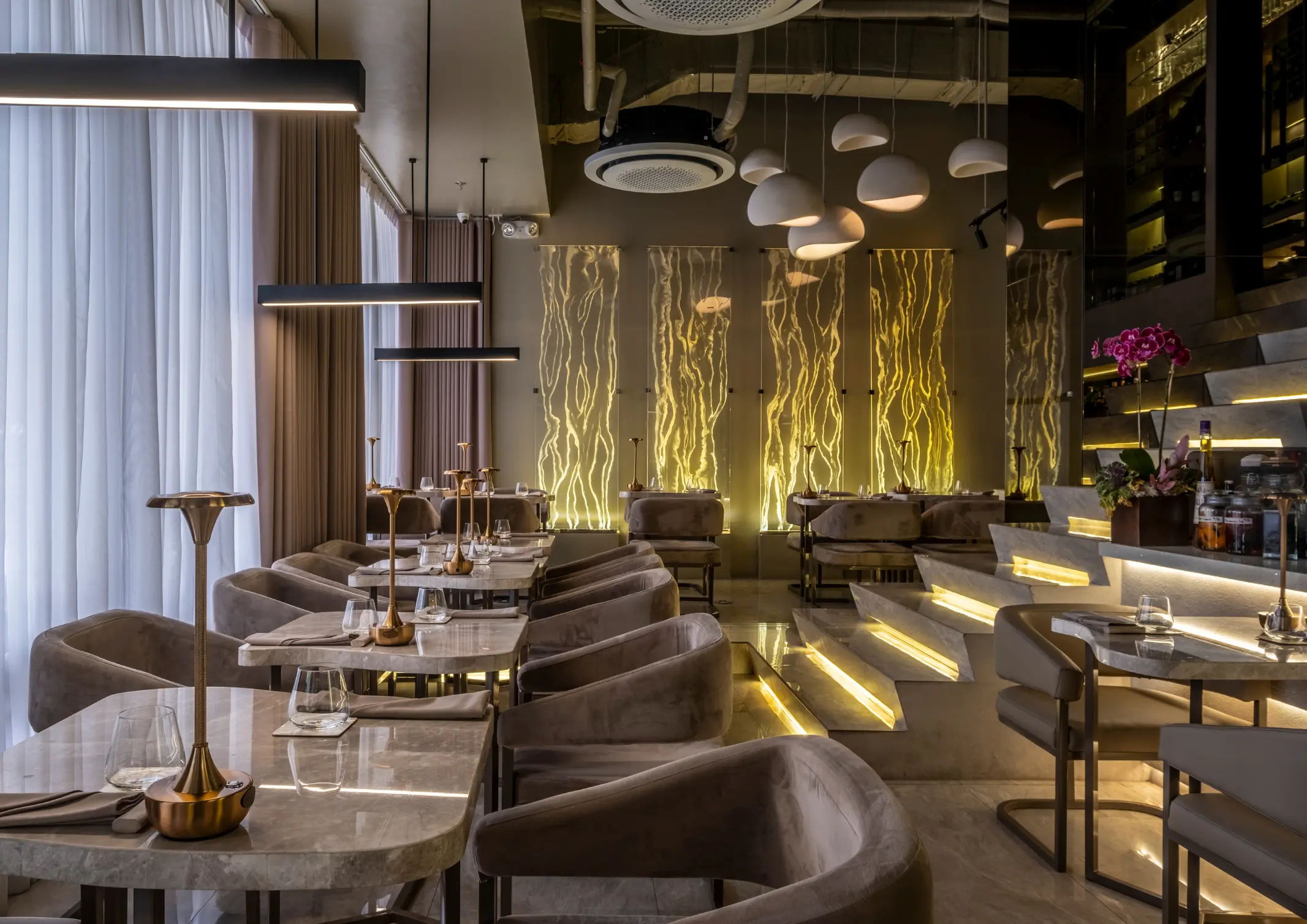
Crafting a dynamic spatial layout and design engages the senses beyond taste. This pushes the boundaries of the traditional dining experience. Located in Bonifacio Global City, Taupe is a restaurant that believes in creating both an elegant and functional atmosphere. Architect Thea Domingo prioritized efficient space planning and zoningZoningThe regulation of land use by local governments, dividing areas into zones such as residential, commercial, industrial, and institutional. Zoning ordinances control building height, density, setbacks, and permitted activities. InGo to Zoning Glossary, with the layout consisting of a dining area to kitchen aspect ratio of 60 to 40.
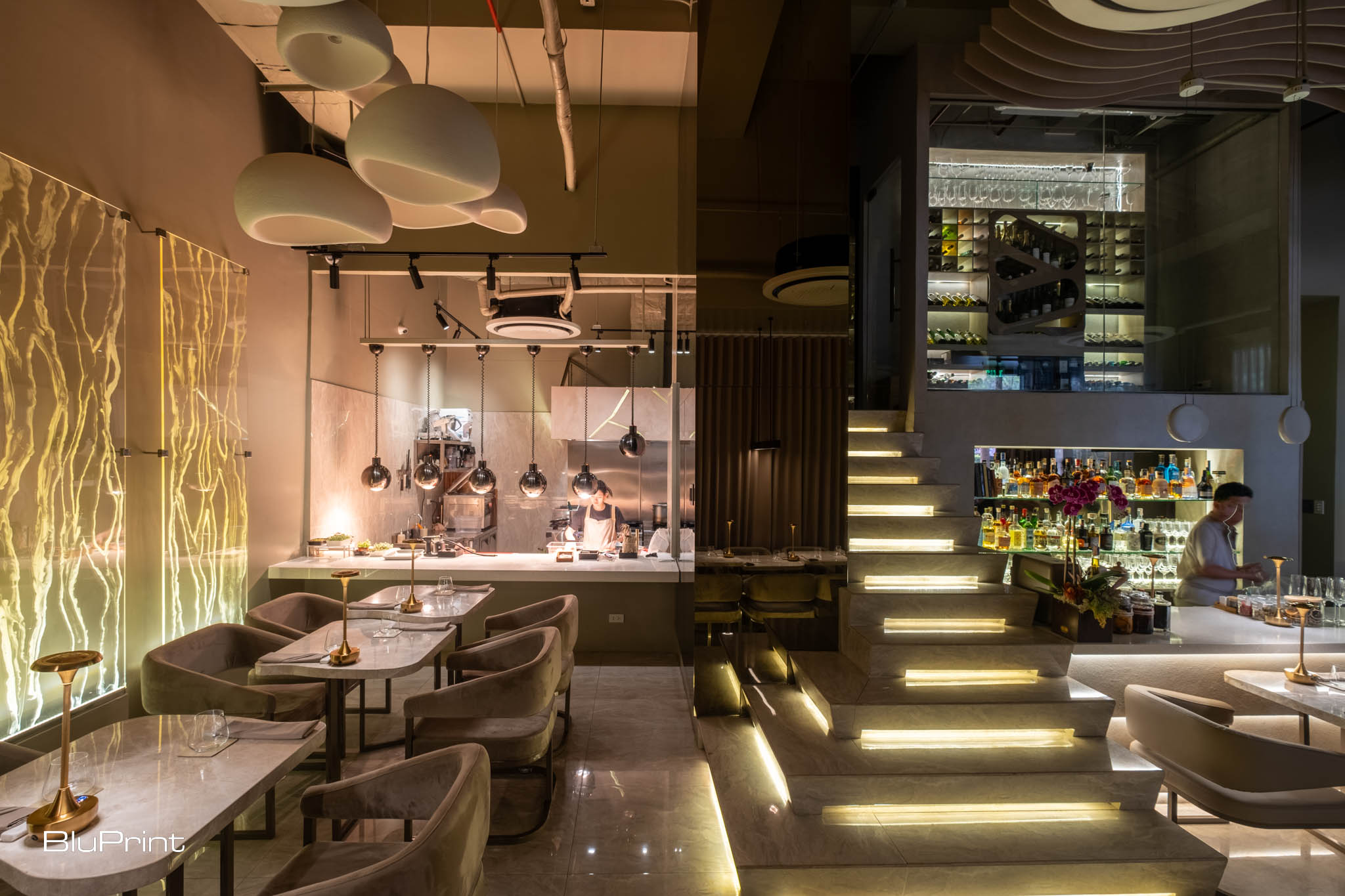
The restaurant’s interior designInterior DesignThe discipline of planning and shaping interior spaces for function, comfort, safety, and beauty. It covers layout, lighting, materials, finishes, furniture, and color, and in the Philippines is a licensedGo to Interior Design Glossary is defined by its monochromatic tones and premium materials. Features such as full-height bronze mirrors were used to visually expand the space. Meanwhile, a show kitchen with a wide opening and glass partition promotes transparency while opening up the space. Open ceilings maximized the vertical spaces to accommodate several design features like the wine room. Taupe found a balance between timelessness and functionality that transformed meals into an immersive experience.
Related Reading: Taupe: A Canvas for Food, Art, and Experience
Factors such as materiality also play a role in the dining experience. For Bolero, a restaurant located in Bonifacio Global City, the intersection between fine dining and casual dining is vital. To achieve the interplay of an elegant and laid-back ambiance, architect and co-owner Endika Ampudia prioritized cohesion.
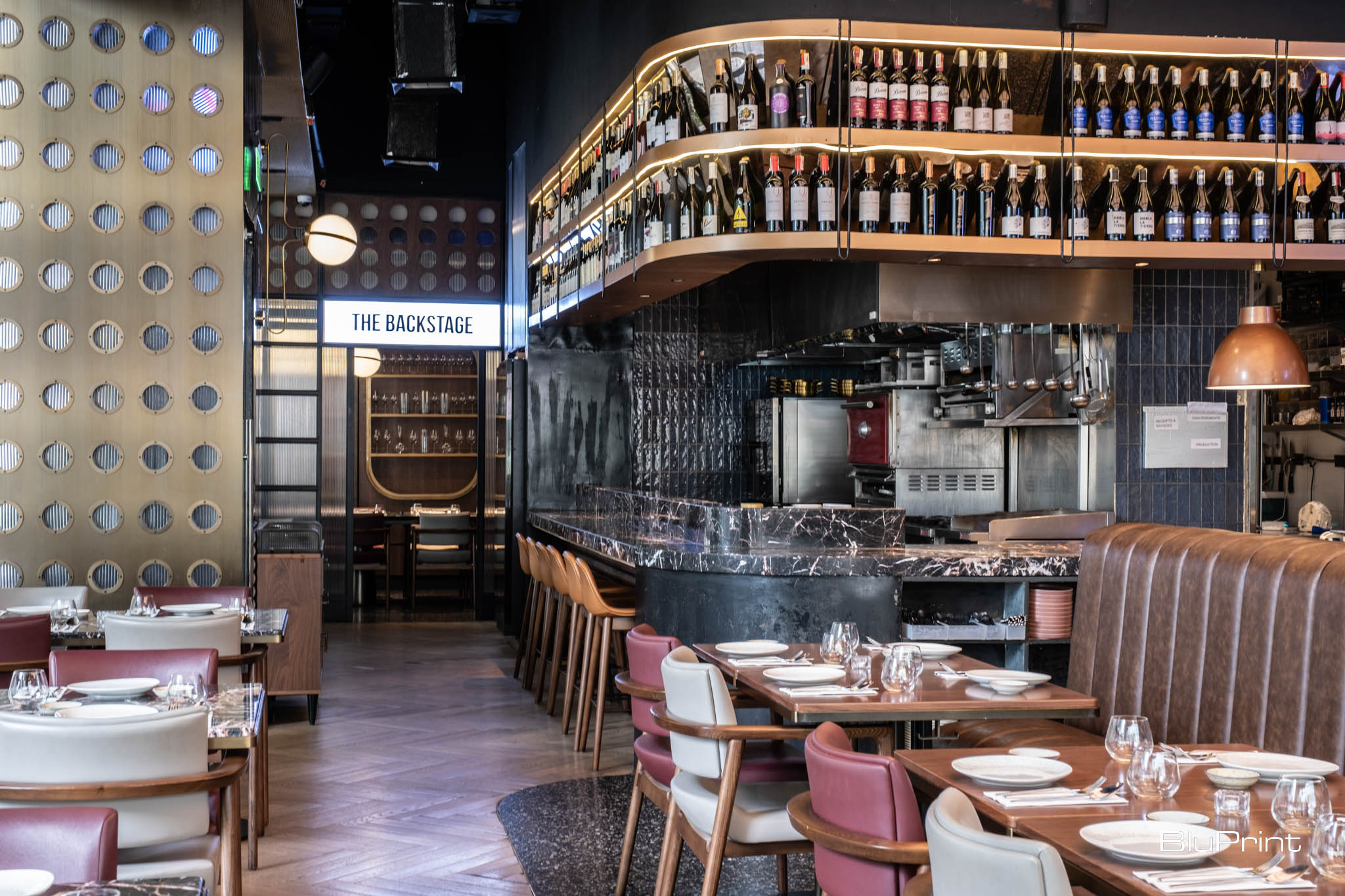
A color palette of blacks and browns defines the space, along with materials such as natural terrazzoTerrazzoA composite flooring and surface material made from chips of marble, granite, glass, or other aggregates set in cement or resin, then ground and polished smooth. Durable and cool underfoot,Go to Terrazzo Glossary, leather, marble, and wood. The restaurant offers modern European fare in a casual environment, inviting guests to relax and be themselves.
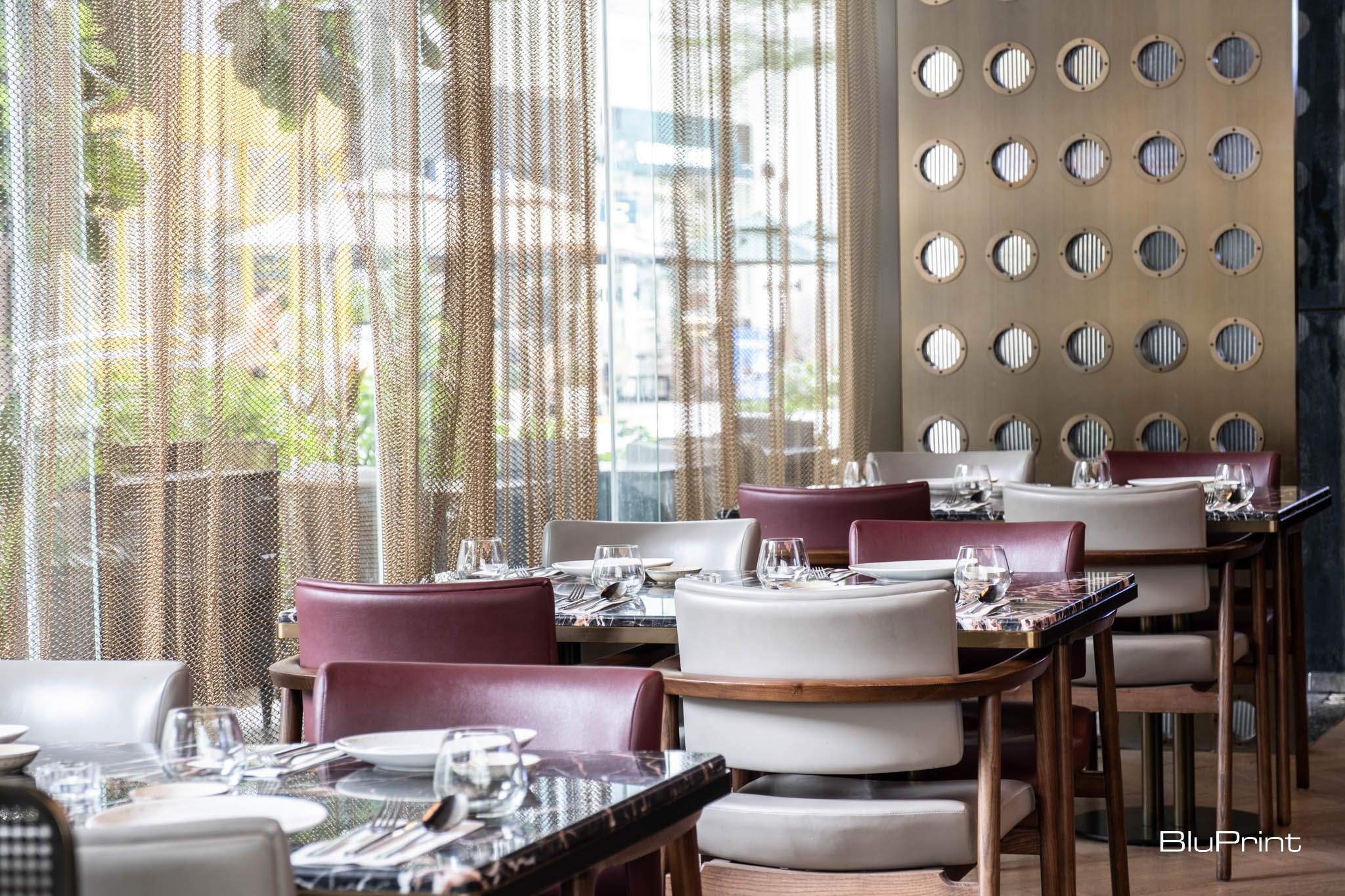
Through design, Bolero curated a space that fosters sophistication without pretension—offering customers a premium dining experience without the intimidating atmosphere of traditional fine dining. Above all, it wants diners to enjoy high-quality food in a welcoming space.
Related Reading: Bolero: Where Flavor Meets Fun
Canto Bogchi, Yushoken, and Kazu Cafe: Flexible Seating Arrangements
Integral to the dining experience is a restaurant’s seating arrangement. Situated in Baguio City, Canto Bogchi believes in offering a multi-faceted dining experience by offering flexible seating arrangements. In the main dining area that features an open kitchen concept, diners are witness to the food preparation. Designed with large windows, this area brings in natural light, allowing for a relaxing dining atmosphere.
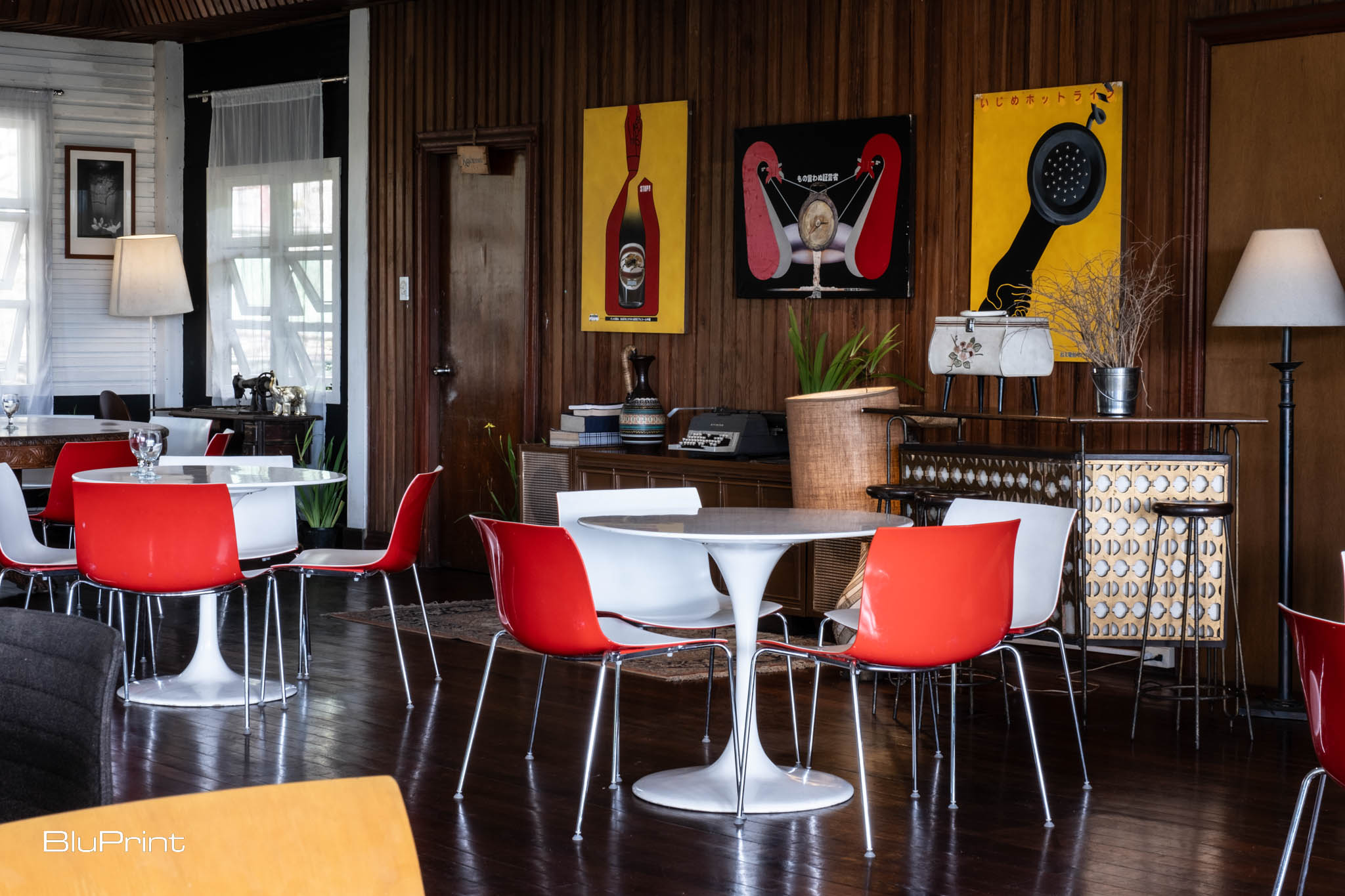
An outdoor garden dining area, home to Canto’s pizza place and Kalye treats, is available for larger groups of diners. Surrounded by greenery, diners can enjoy the open air. The restaurant also offers its Canto Bogchi Joint, a unique feature that offers a more casual dining experience through their brunch and lounge menu.
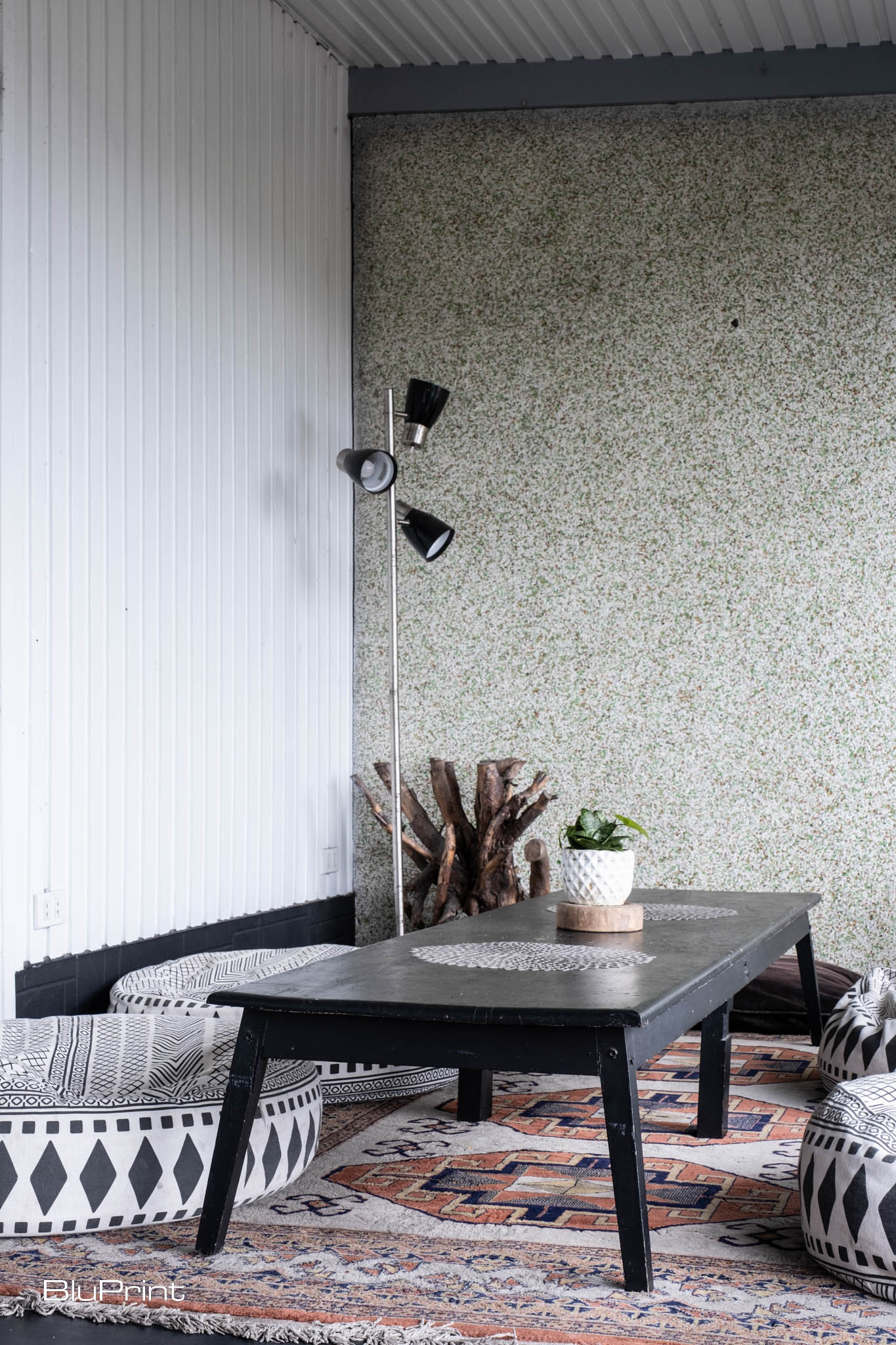
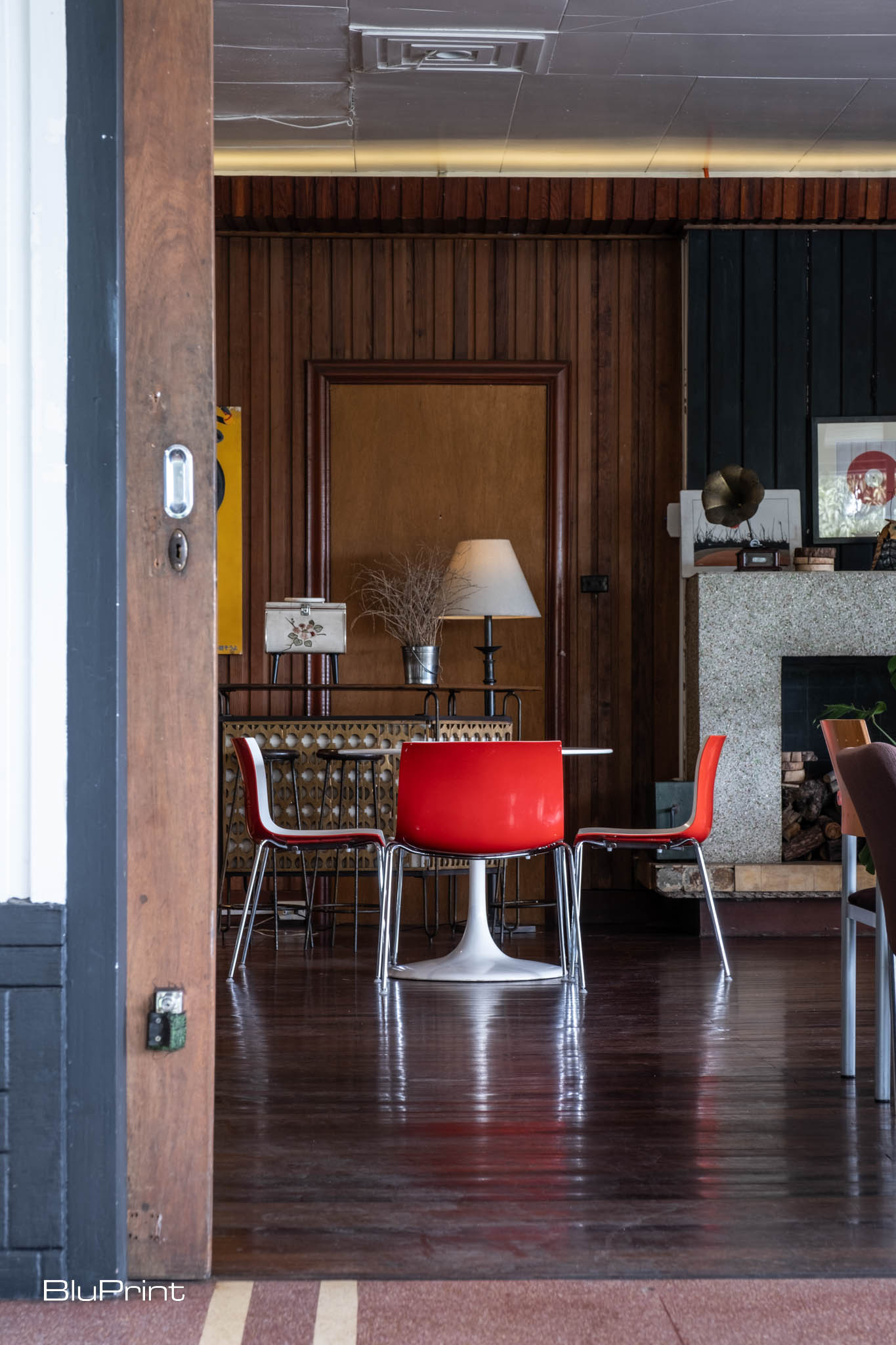
Related Reading: Canto Bogchi Joint Breathes Life into Baguio’s Vibrant Cultural Scene
In Yukoshen’s Quezon City branch, most of the restaurant’s Panay floor area can be configured for a wide variety of guests, especially for larger groups. Such seating arrangements help staff be more hospitable to customers. This flexibility, which creates a space that is more airy and spacious for customers, enables hospitality from staff members.
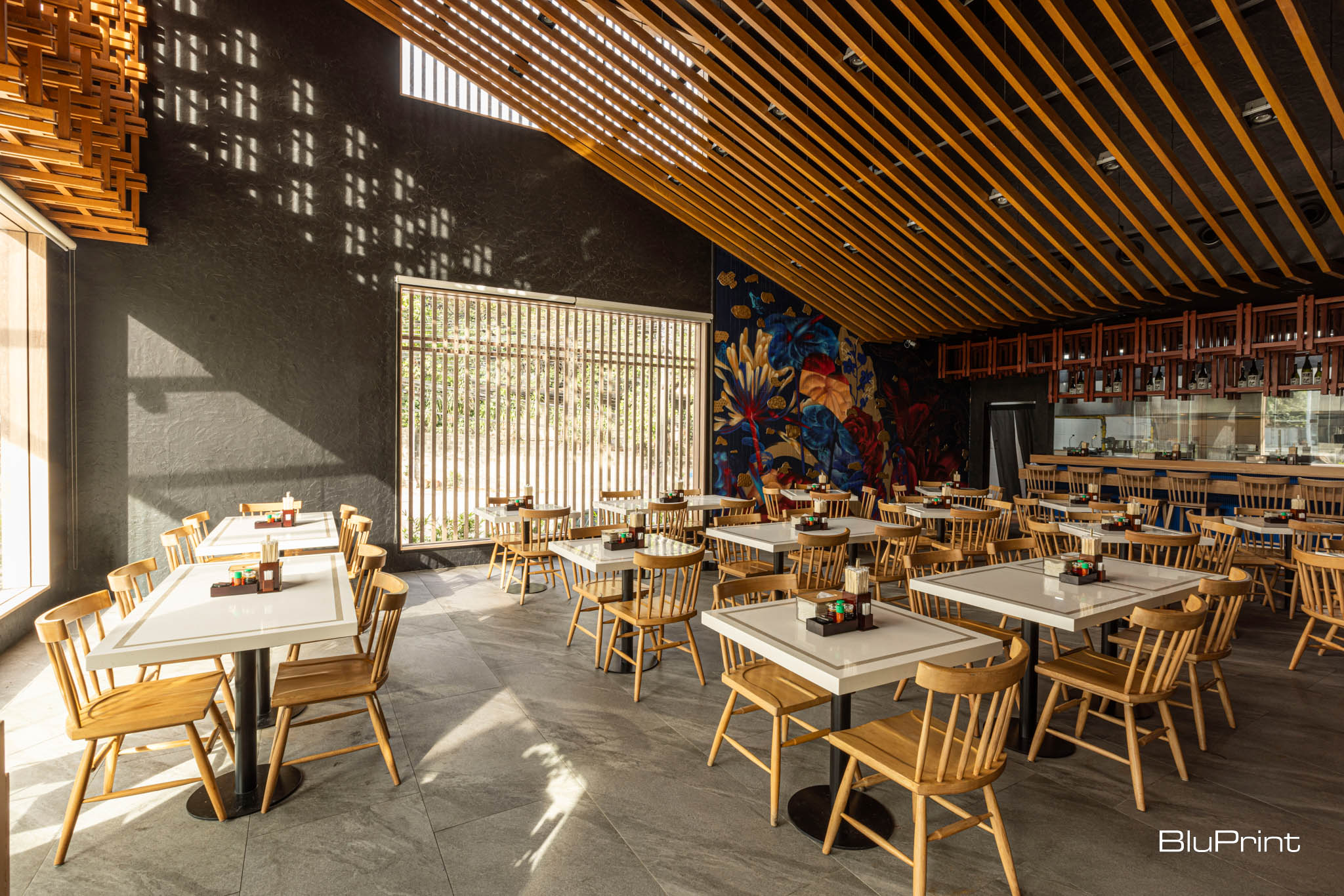
Related Reading: Yushoken: Crafting Atmosphere Through Architectural Narrative
Situated in Ayala Triangle, Kazu Cafe is an almost 200-square-meter Japanese cafe that can accommodate up to 70 guests. The cafe offers a variety of seating arrangements, including al fresco dining and a private dining room for large groups. In the main dining area, booths with semi-circular couches cocoon guests. This provides them with more privacy while maintaining a connection to the rest of the space.
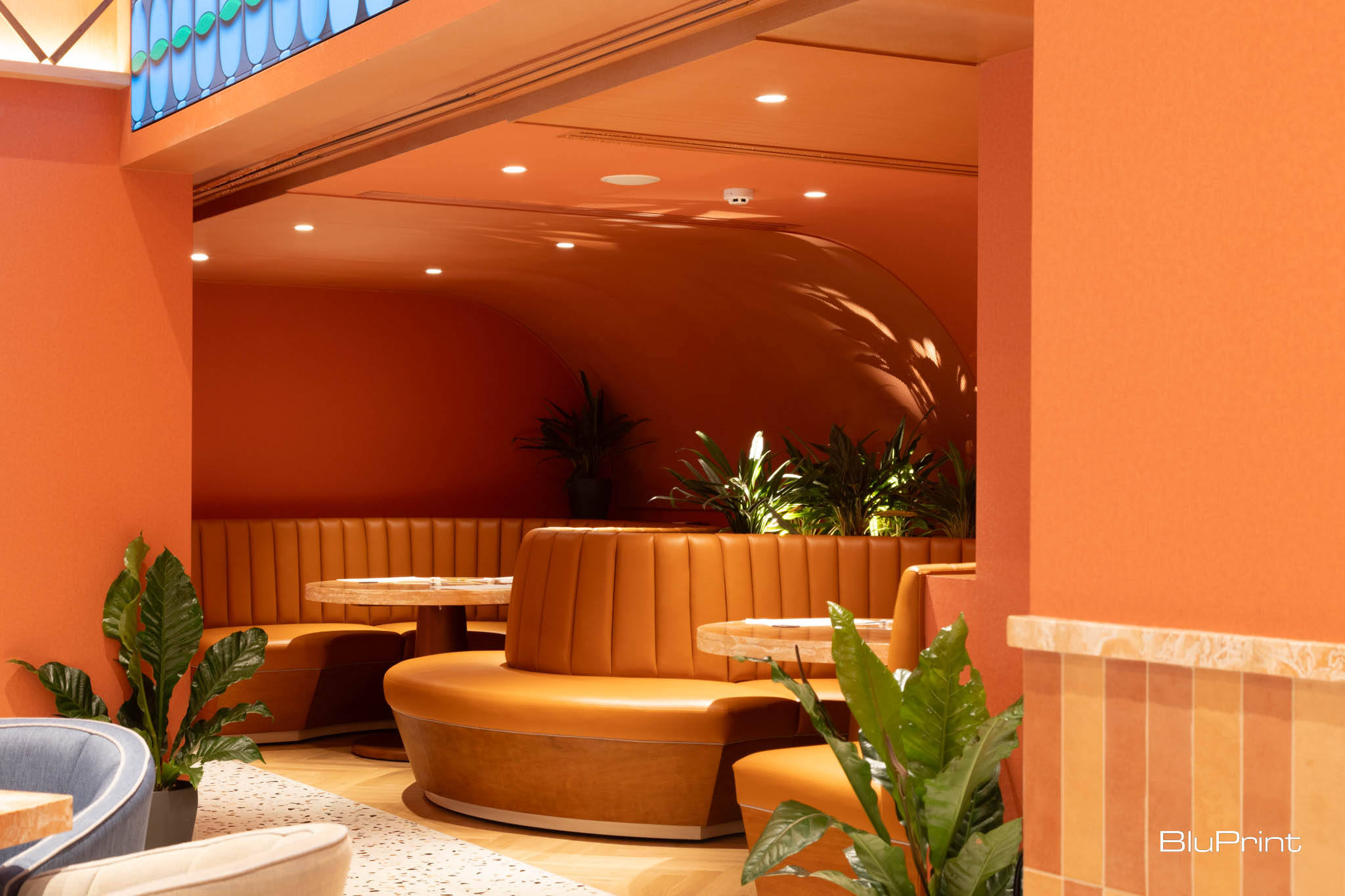
With its vibrant interior designInterior DesignThe discipline of planning and shaping interior spaces for function, comfort, safety, and beauty. It covers layout, lighting, materials, finishes, furniture, and color, and in the Philippines is a licensedGo to Interior Design Glossary that blends Japanese influences with contemporary design, the cafe’s seating arrangement creates a culinary journey in each corner of the space.
Related Reading: Kazu Cafe: A Treat for Your Senses
Frequently Asked Questions
The spatial layout impacts the dining experience by balancing functional efficiency with aesthetic atmosphere to shape how diners perceive a meal. For example, a 60:40 dining-to-kitchen ratio ensures a spacious guest area while open kitchens promote transparency and engagement between the chef and the customer.
Designers visually expand small restaurant spaces by using full-height bronze mirrors and open ceilings to maximize verticality. These features create an illusion of depth and openness, preventing the dining area from feeling cramped while allowing for luxury elements like integrated wine rooms or decorative lighting.
A balance of sophistication and casual comfort is best achieved using a palette of natural terrazzo, leather, marble, and wood. These premium materials provide a high-end feel, while warm color tones like blacks and browns foster a welcoming, unpretentious environment that encourages diners to relax.
Flexible seating arrangements allow staff to accommodate varying group sizes easily, enhancing hospitality and floor efficiency. By utilizing reconfigurable furniture and a mix of indoor and outdoor zones, restaurants can maintain an airy, spacious feel even during peak hours, ensuring guests do not feel overcrowded.
Semi-circular booth seats are used to “cocoon” guests, providing a sense of privacy and intimacy without completely isolating them from the cafe’s vibrant atmosphere. This design choice creates a cozy, private dining experience that is ideal for small groups while maintaining the social connection of the larger space.
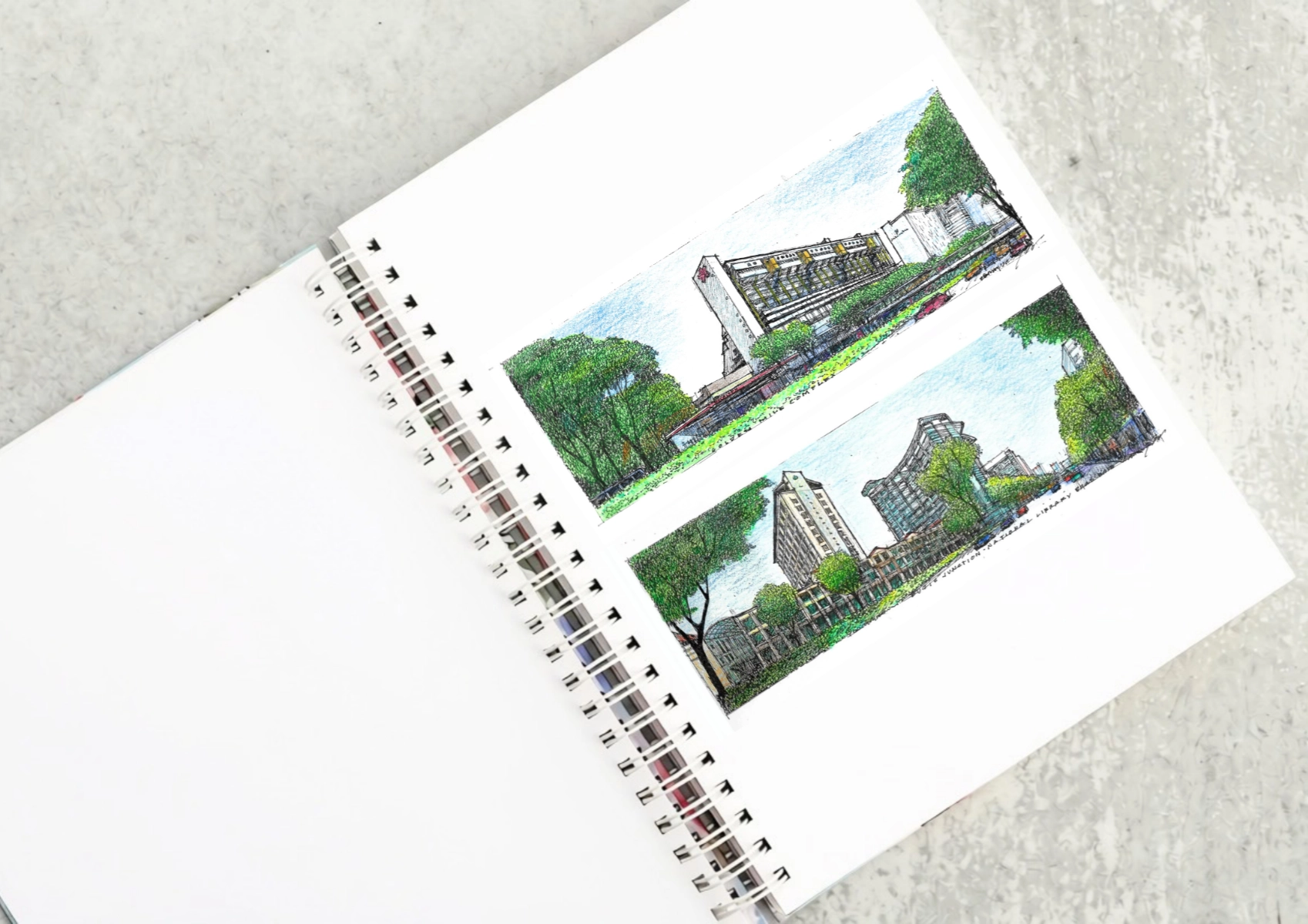
Two sketches of Singapore connect BluPrint Editor in Chief Paulo G. Alcazaren’s personal and professional history with Shared Ground: ArchitectureArchitectureThe art and science of designing and constructing buildings, structures, and spaces that are functional, safe, and aesthetically pleasing. It encompasses the planning, design, materials, and techniques used to createGo to Architecture Glossary of Care, Culture, […]
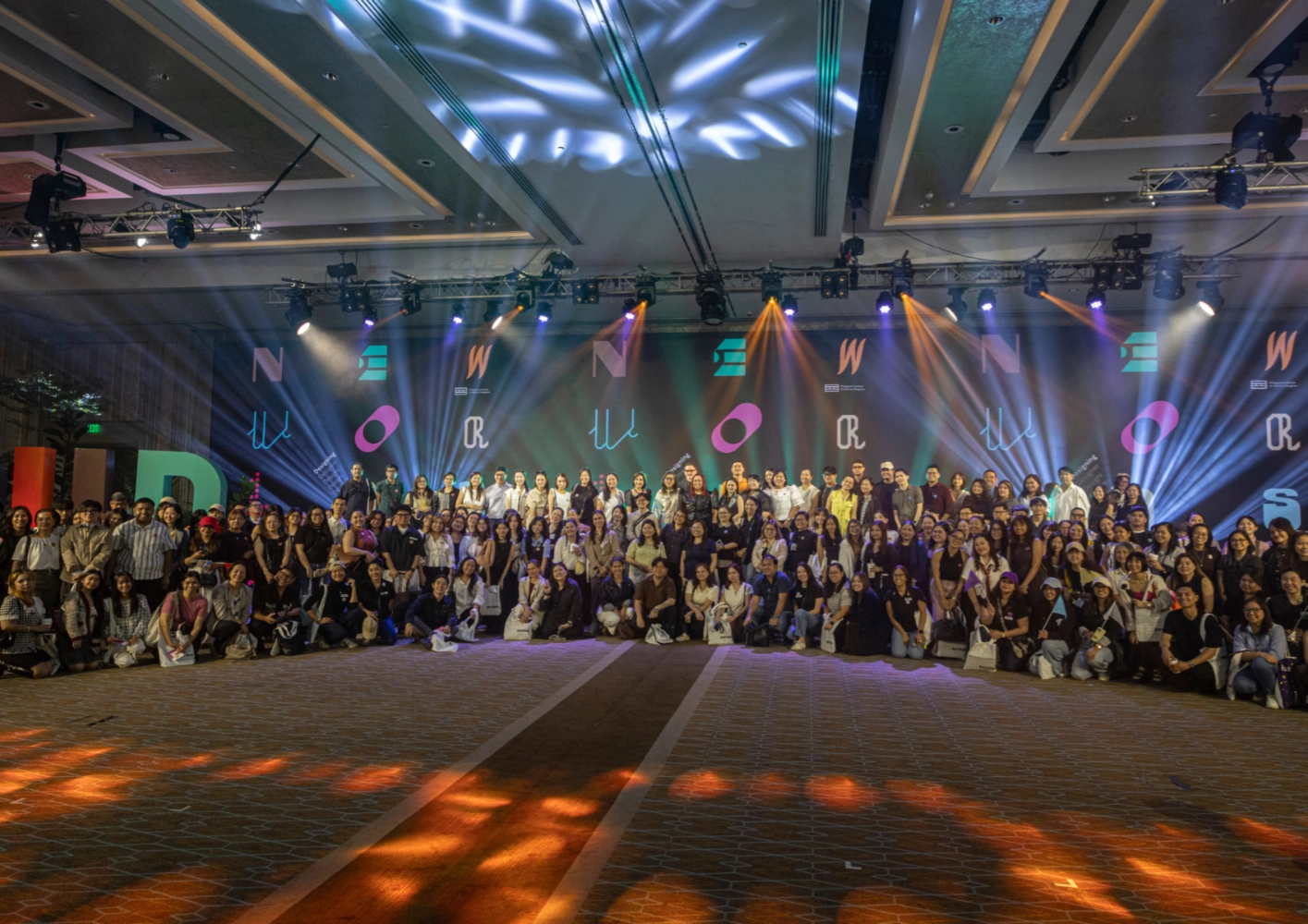
In a way, designers are the modern-day soothsayers and prophets. They design for the future, predicting how a room, a house, a building or a whole city will be used by people. They foresee how users will interact with a space, conjure exact shades of colors to elicit specific behavior and arrange furniture to build […]
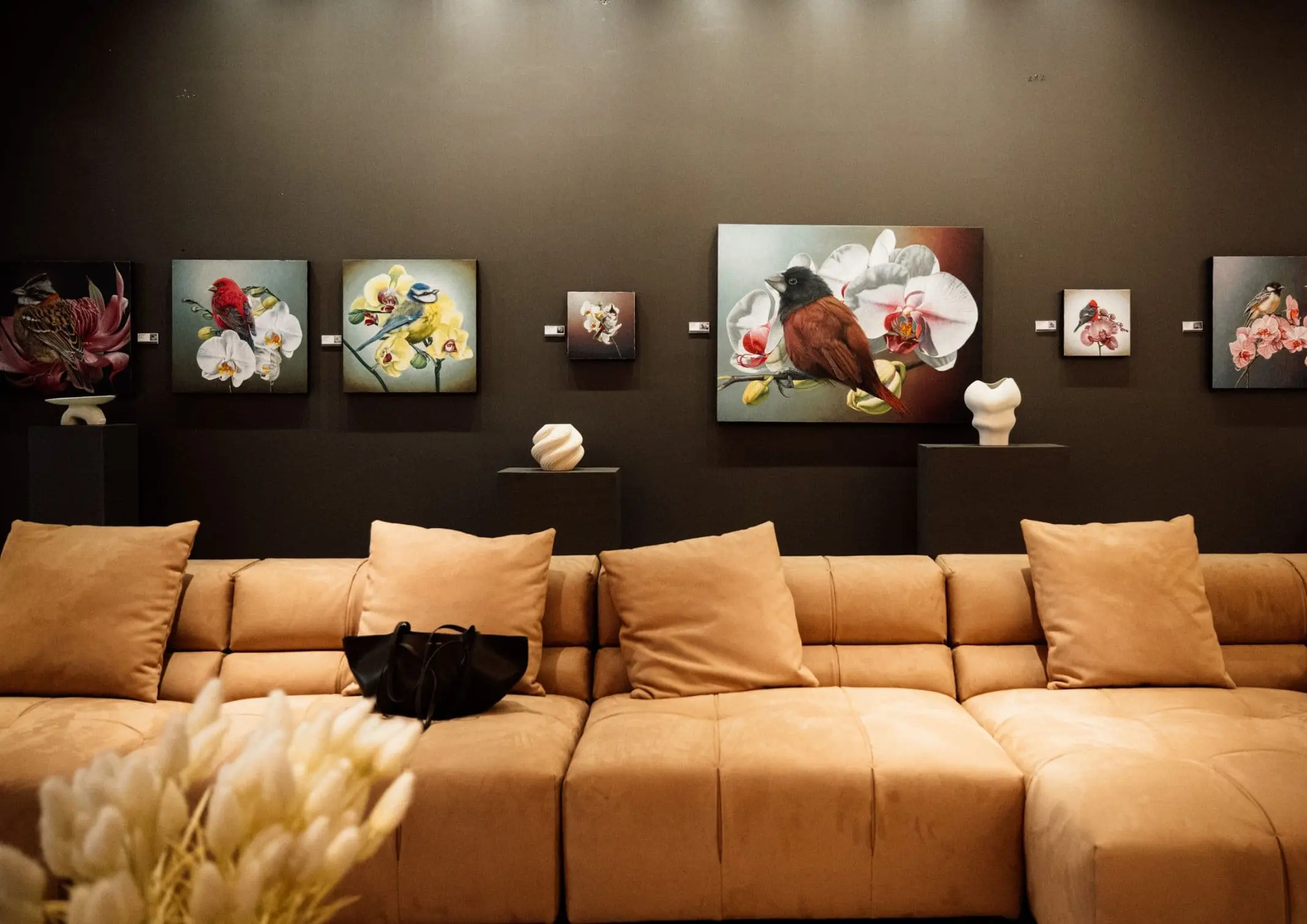
Art and furniture are often selected separately, yet their relationship can shape how a room looks and feels. The collaboration between Hooga and Galerie Joaquin explores how these elements can work together, bringing contemporary artworks into furnished residential settings at Hooga’s showroom in Uptown Mall, Bonifacio Global City. For Hooga, which curates furniture, lighting, and […]
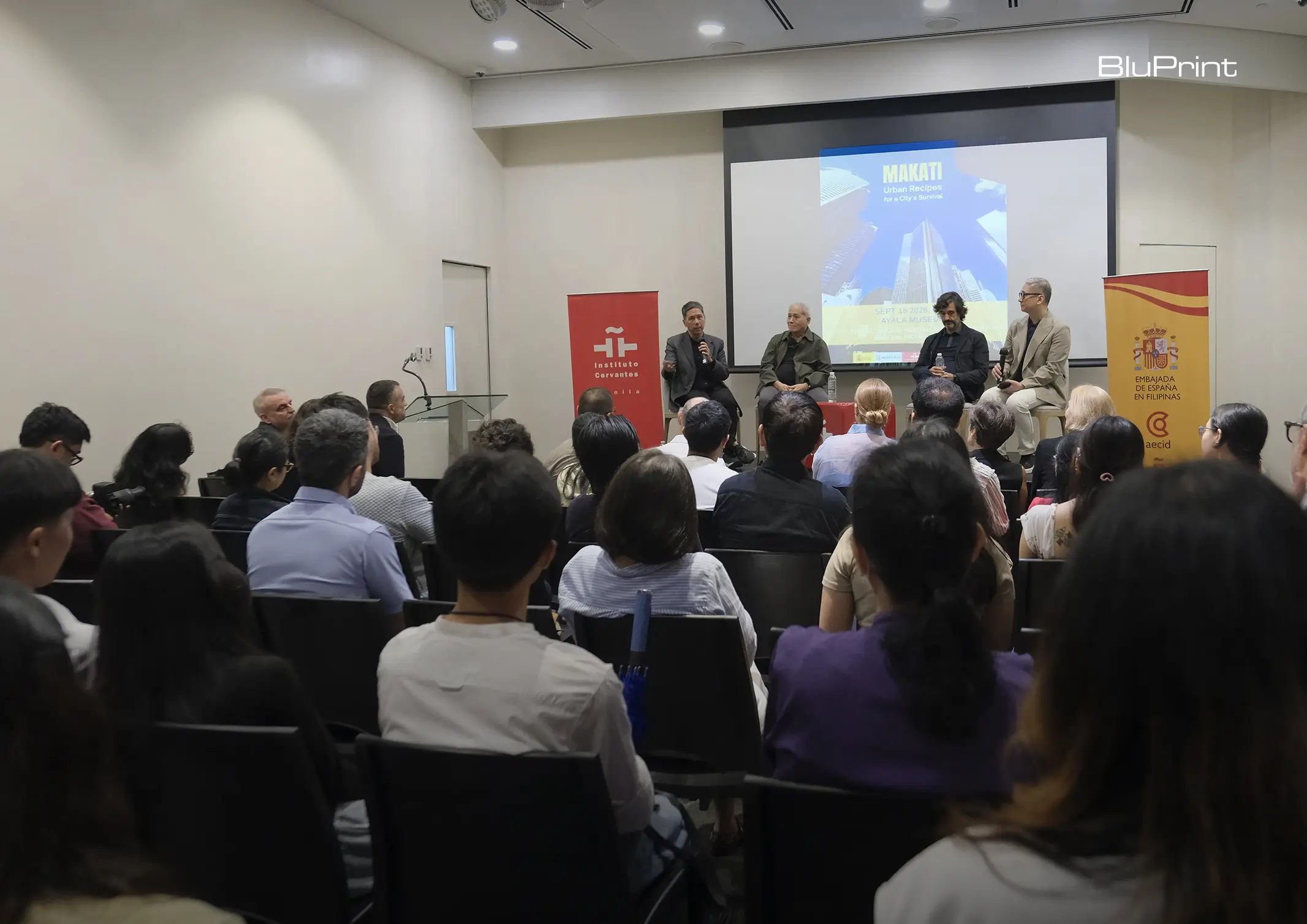
How can better-planned cities create the conditions for more creative, livable, and resilient urban environments? “Makati Urban Recipes for a City’s Survival,” a colloquium held at the Ayala Museum on September 15, brought together architects and practitioners from the fields of urbanism and the creative economy to discuss how design, planning, and collaboration can address […]
Read the issues.

Collect the volumes.

Recommended Video
Tap to Unmute
Unmute
0:00
0:00