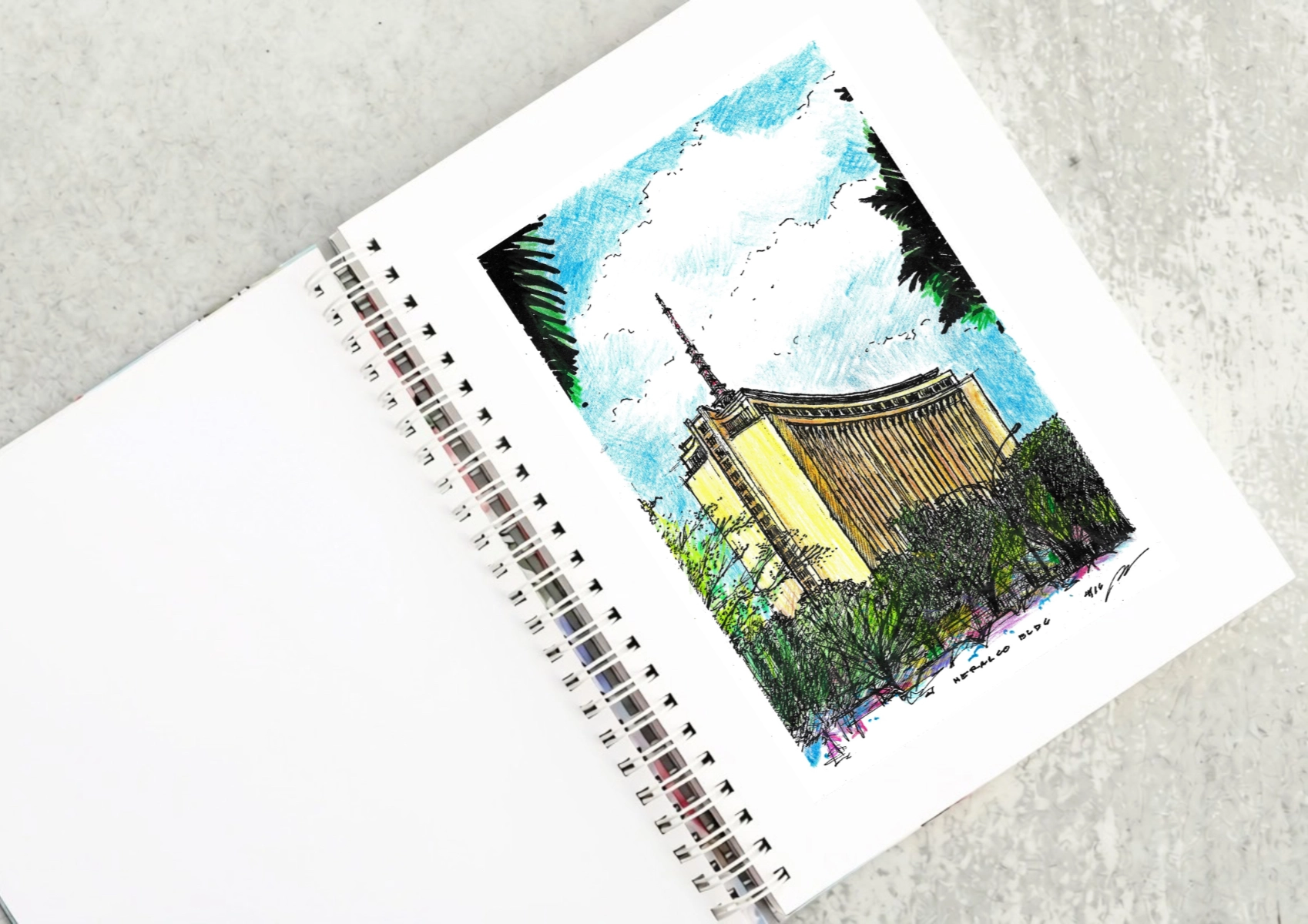
Revisiting Jose Maria Zaragoza’s 1969 modernist landmark on Ortigas Avenue, where corporate architectureArchitectureThe art and science of designing and constructing buildings, structures, and spaces that are functional, safe, and aesthetically pleasing. It encompasses the planning, design, materials, and techniques used to createGo to Architecture Glossary, performing arts, and personal memories come together. The Meralco Building […]
Canto Bogchi Joint Breathes Life into Baguio’s Vibrant Cultural Scene


Just a stone’s throw away from Burnham Park along Kisad Road lies one of Baguio City’s beloved culinary destinations. Canto Bogchi Joint, which first opened its doors on June 8, 2008, has grown into more than just a place to eat over the years. It’s a celebration of Baguio’s rich culture, creativity, and community spirit.
Humble Beginnings
Canto’s story began in a small, 172-square-foot space not far from the city’s iconic Session Road. With a tiny kitchen, just three tables, and nine seats, it might have seemed like a modest start. But the owners had big dreams and a deep commitment to quality.
“Maybe it was not an option for us to fail, being our primary source of income,” owner Carlo Blanco reflects. “That’s why we’re still up and about and making this restaurant work.”
Together with his wife Dimps, their determination, coupled with their passion for good food and great music, kept Canto thriving and evolving for almost two decades. The original Canto adorned its walls with art and photographs, creating a warm and inviting atmosphere for anyone who walked through the door. Even back then, music always played a vital role in the Canto experience. This blend of art, music, and food quickly formed a winning formula that resonated with locals.
The Allure of Old Baguio

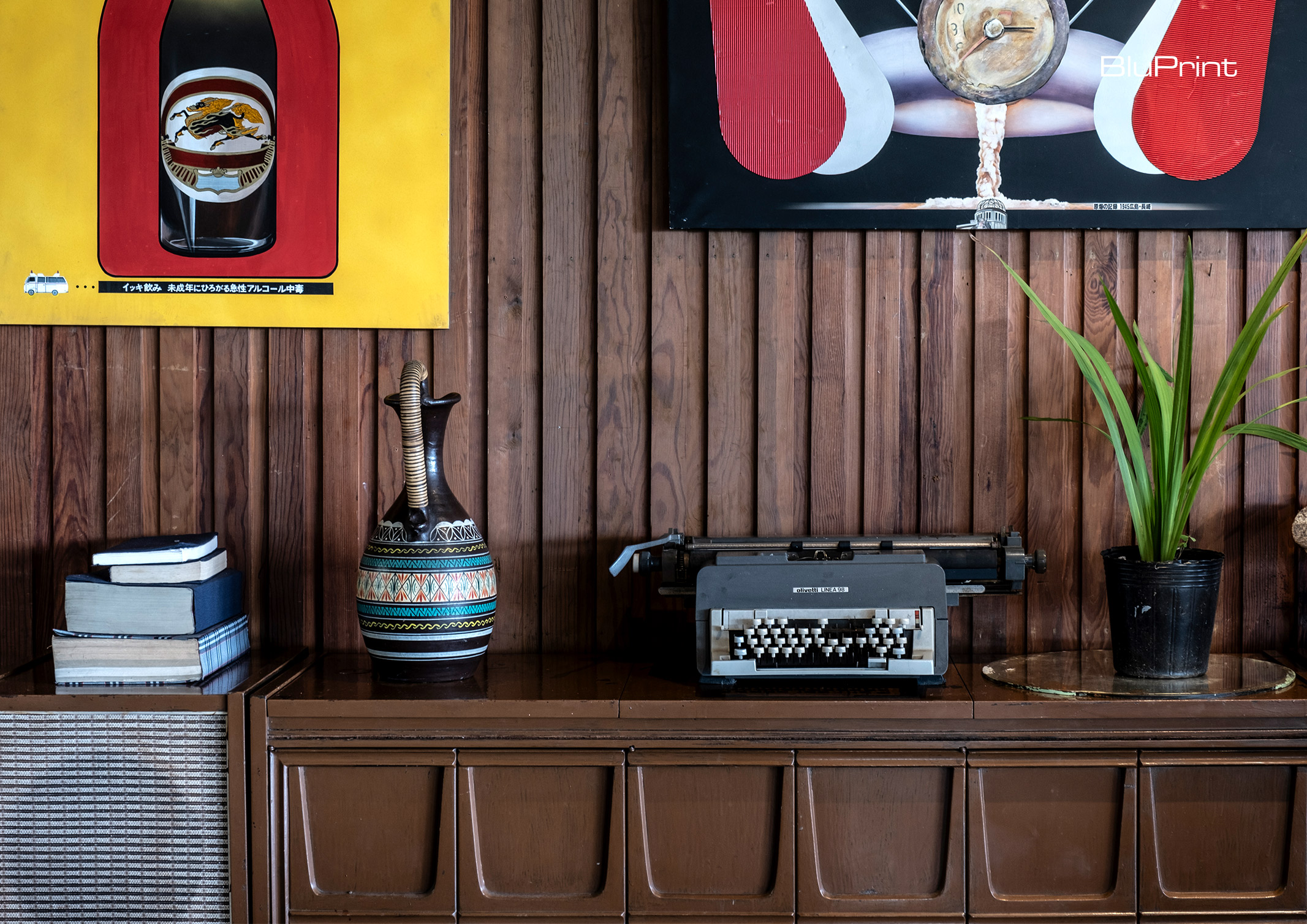
As the restaurant grew, the Blancos moved to several locations before finding the perfect venue that encapsulated the old-world charm of their hometown. Built in 1958, the house was once the home of a former Agriculture Secretary. Surrounded by pine trees, plants, and flowers, the home’s terraces of blossoms seemed to beckon them. Its rustic, pine wood structure and verdant surroundings offered a nostalgic glimpse into Baguio’s past, making it the ideal spot for Canto Bogchi Joint’s next chapter.
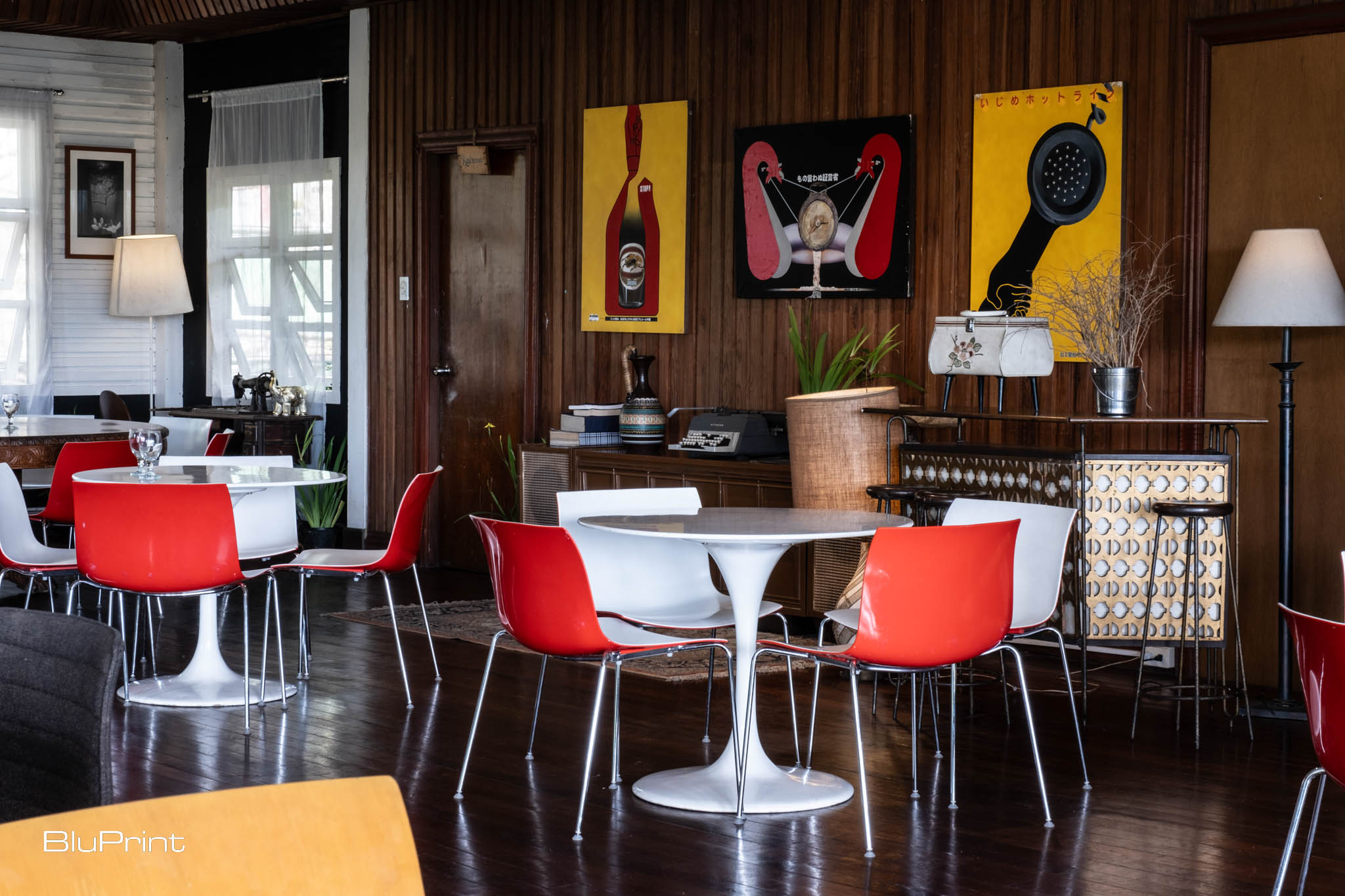
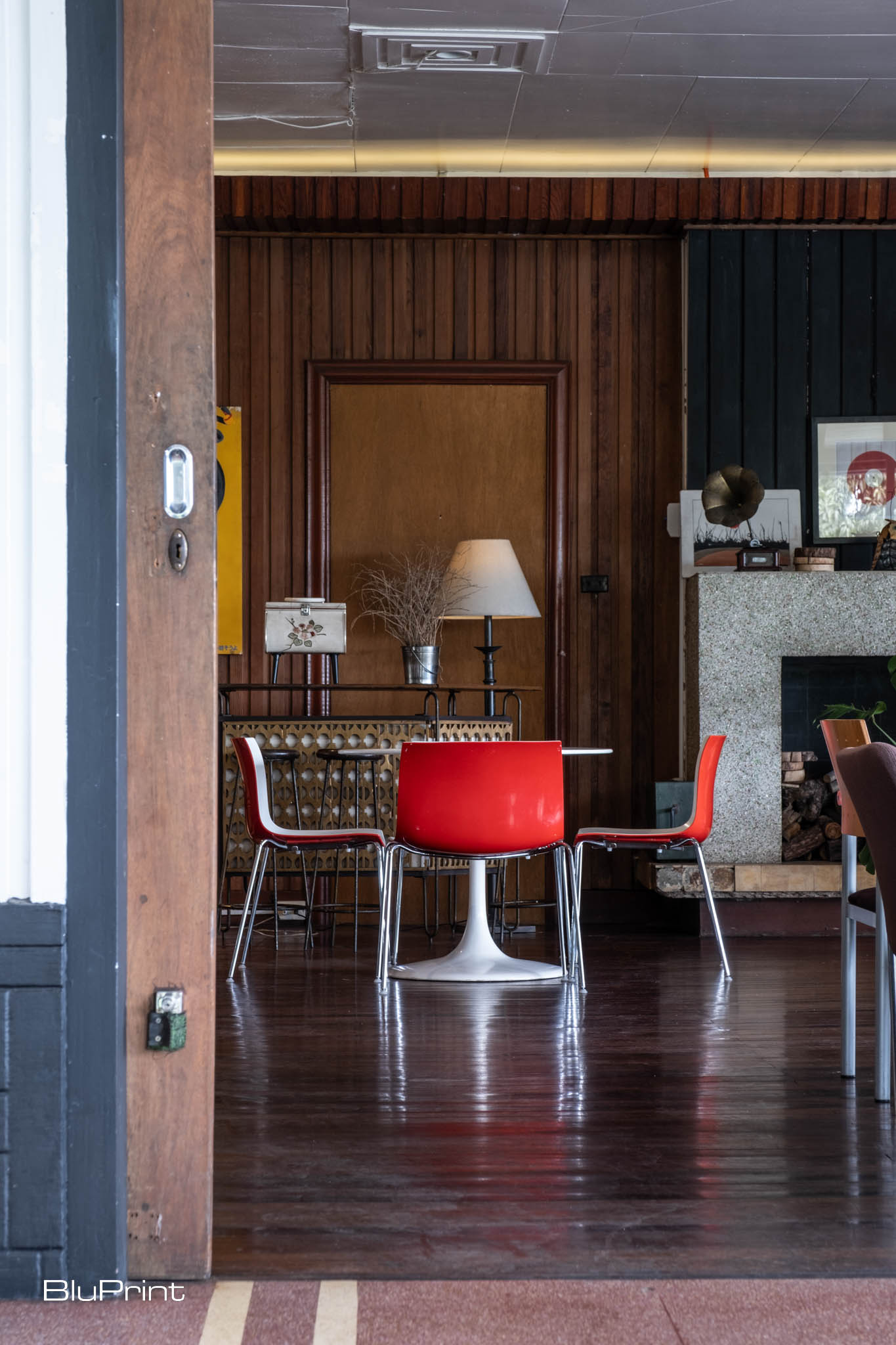
This location allowed Canto to expand its offerings and further embrace the culture of Baguio. The choice of mid-century and modern retro furniture was deliberate, as it reflected the aesthetic of old Baguio. This style brought a sense of history and continuity to the space, reminding patrons of the city’s golden age while enjoying the contemporary comforts of today.
A Trio of Experiences
Today, Canto is a multi-faceted space that offers different experiences depending on where you choose to sit. The main dining area features an open kitchen concept, where the sights and sounds of food preparation are part of the dining experience. Airy and spacious, this area is designed with large glass windows that let natural light flood in. Vines crawl up the ceilings and walls, adding a touch of greenery to the black, white, and mahogany color palette. This space is perfect for a relaxed meal where you can watch the chefs at work while enjoying the lush surroundings.
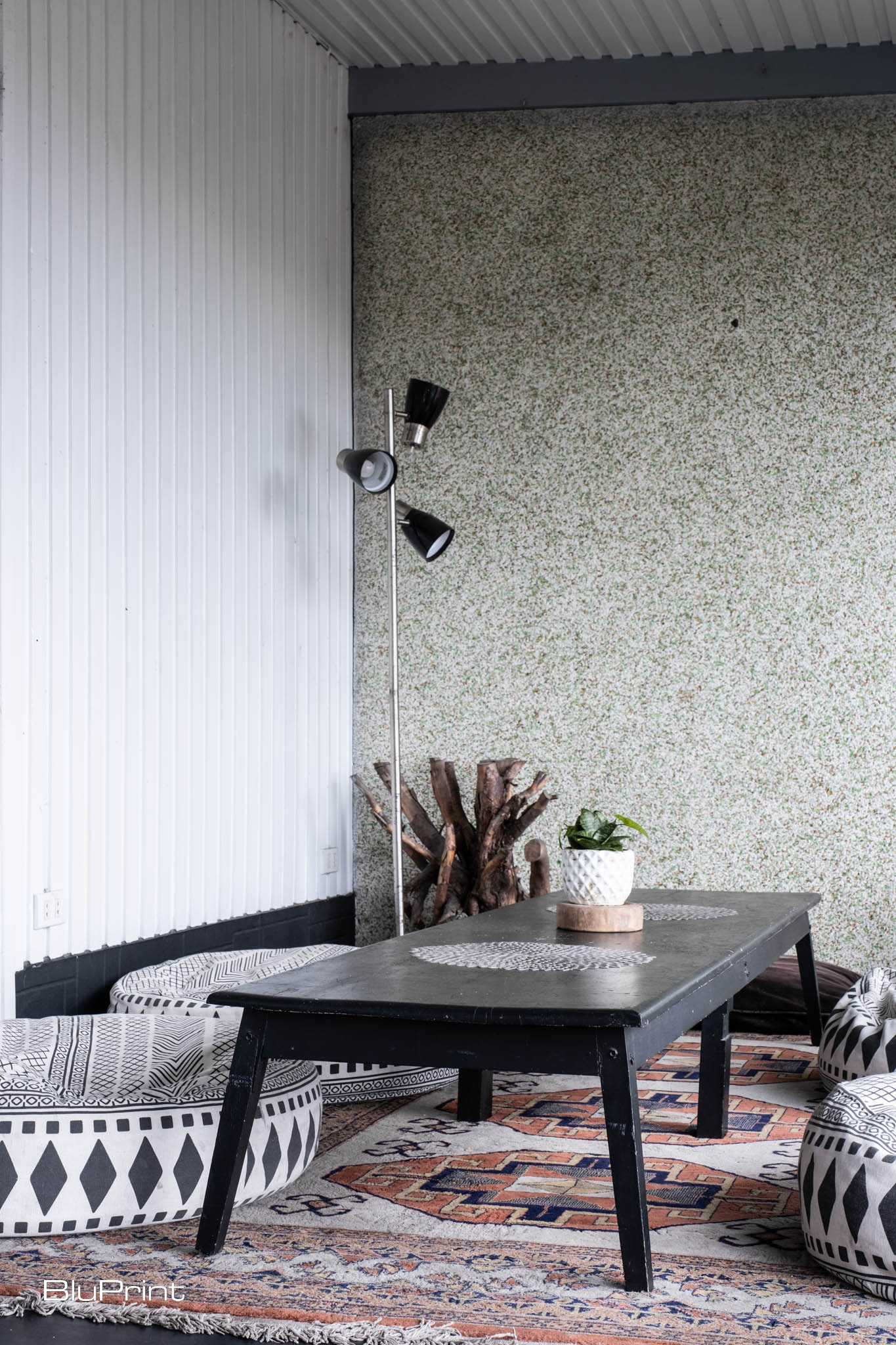
For larger groups or those looking to enjoy a more casual dining experience, the garden dining area is the place to be. This outdoor space is home to Canto’s pizza place and Kalye Treats, a local food business. It’s a lively area where friends and families can gather to share a meal in the open air, surrounded by the greenery that is so central to Canto’s identity.

But perhaps the most unique part of Canto Bogchi Joint is the old house, now transformed into an art space. This area hosts music gigs featuring both local and foreign acts, art exhibits showcasing upcoming Baguio artists, and various life events. They serve their brunch and lounge menu here, offering a more laid-back dining experience in an environment brimming with creativity. This space represents Canto’s commitment to supporting local talent and fostering a sense of community, making it a cultural hub as well as a culinary destination.
Canto Bogchi Joint: A True Representation of Baguio
Canto’s commitment to Baguio goes beyond its aesthetic and ambiance—it’s deeply rooted in the community and culture of the city. The restaurant proudly uses local produce sourced from nearby farmers, ensuring that the ingredients are fresh and the dishes are a true representation of the region’s flavors. They also support local artisans and businesses, purchasing many of the restaurant’s needs from within the community.
One of Canto’s most cherished aspects is its connection to nature. The Blancos consider the plants and foliage that fill the restaurant priceless, and for good reason. They provide a calming and soothing effect, offering a refreshing contrast to the hustle and bustle of the city. Even in the midst of a concrete jungle, Canto feels like an oasis, a place where you can unwind and reconnect with nature over a delicious meal.

Moreover, Canto is a platform for local musicians and artists. The art space regularly features performances by local bands playing original music. And just like the first Canto, artwork and photographs from homegrown talents adorn the walls. This dedication to showcasing homegrown talent has made Canto a vibrant part of Baguio’s cultural landscape.
A Legacy of Passion and Community
Canto’s journey from a small café to a beloved cultural hub is a testament to the power of passion, perseverance, and community. It’s a place where food, art, and music come together to create something truly special. Whether you’re a long-time resident of Baguio or a first-time visitor, Canto offers an experience that is both familiar and new. It’s a reflection of the city’s past and ever-evolving future. As Canto Bogchi Joint continues to grow and evolve, it remains a shining example of what can be achieved when you stay true to your roots while embracing new possibilities.
Canto is located on #32 Kisad Rd., Baguio City 2600.
Photographed by Ed Simon.
Read more: Café by the Ruins: Discover Baguio City’s Cultural and Culinary Gem
There is no excerpt because this is a protected post.
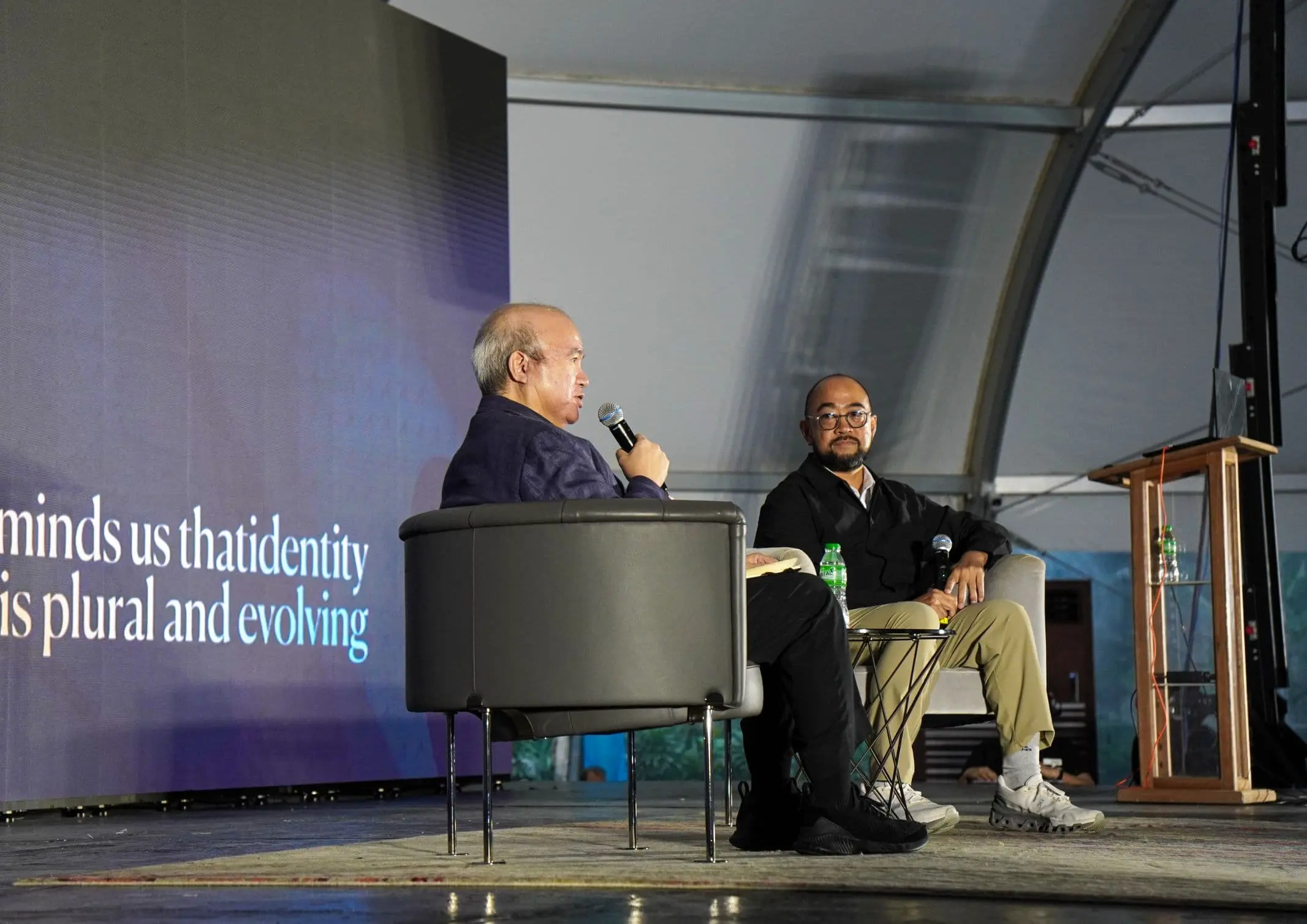
Culture is not just a motif incorporated into architectureArchitectureThe art and science of designing and constructing buildings, structures, and spaces that are functional, safe, and aesthetically pleasing. It encompasses the planning, design, materials, and techniques used to createGo to Architecture Glossary and interior design. It is shaped by people, places, and shared experiences. On the […]
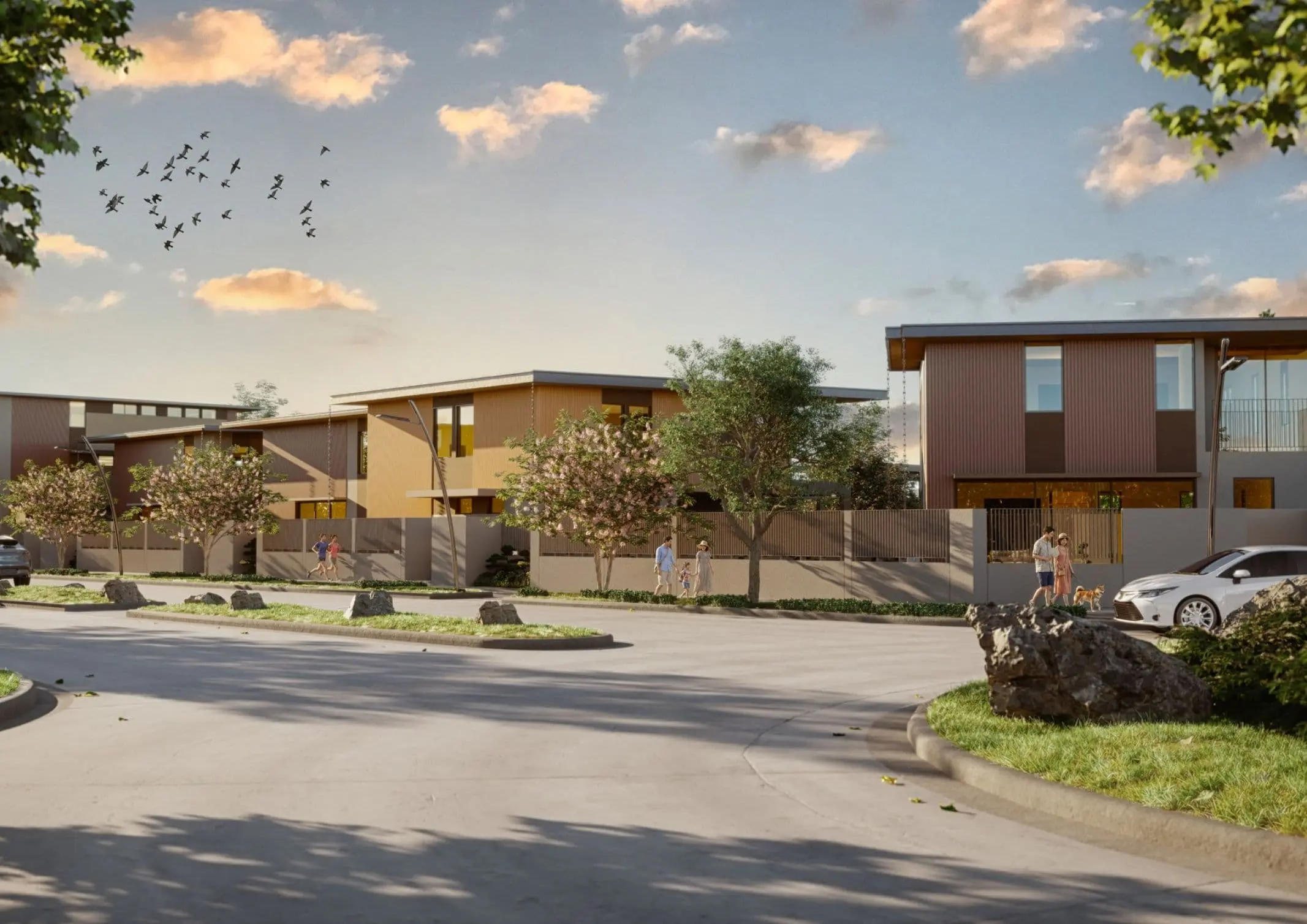
The idea of home extends beyond the walls of the house. It also considers the spaces and environments people share—the larger setting that supports everyday life. At Yume at Riverpark, these considerations begin with individual homes and lots, extend to the shared landscape of an 18-hectare residential development in General Trias, Cavite, and ultimately connect […]

PSID presents “What the Pop!,” an exhibition opened on the third floor of V-Mall in Greenhills, San Juan City, that examined how popular culture shaped Filipino homes and lifestyles. Through spaces representing four generations—Baby Boomers, Generation X, Millennials, and Generation Z—the exhibit explored how each era’s experiences inform its approach to interior designInterior DesignThe discipline […]
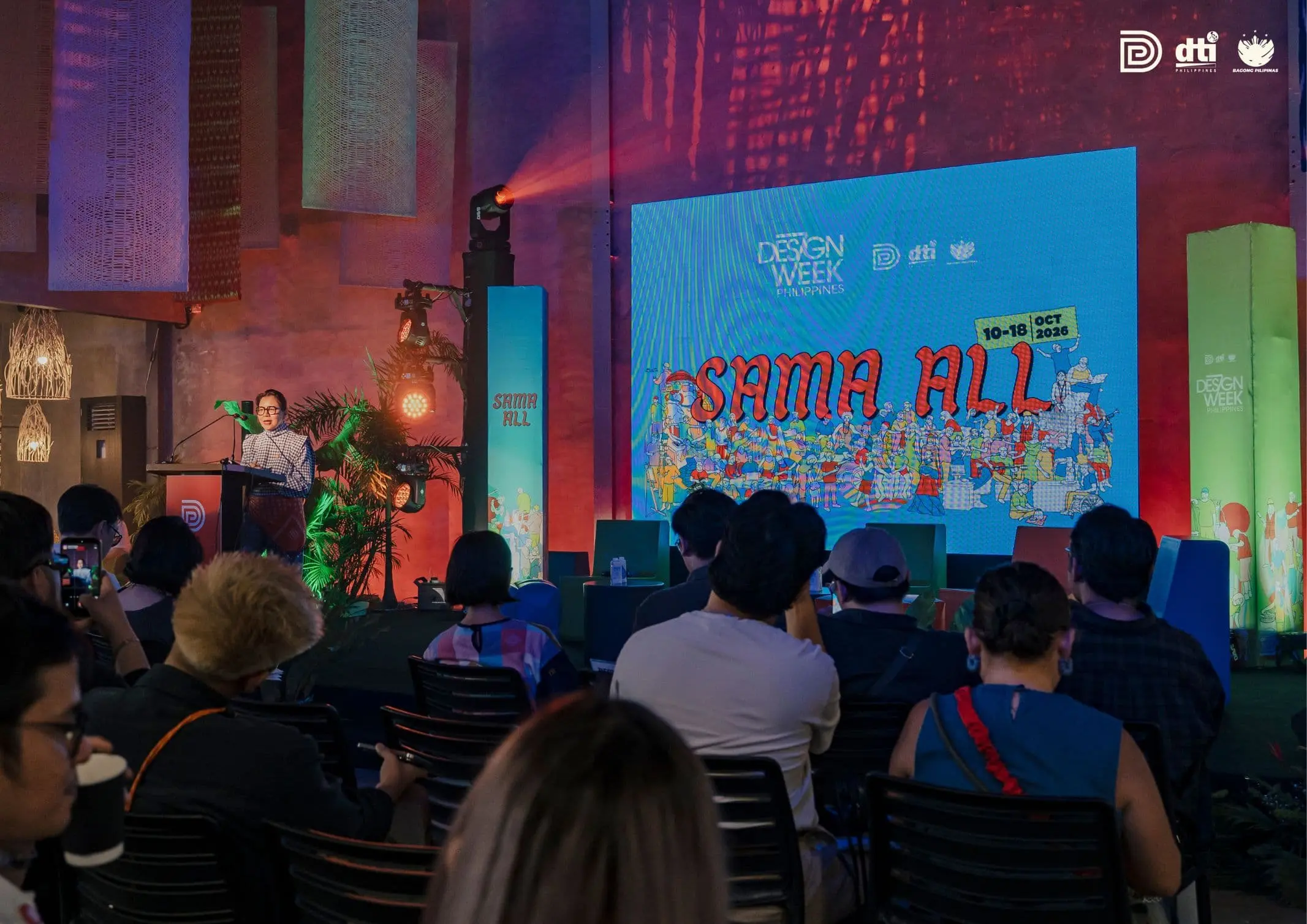
Design Week Philippines 2026 marked its 15th year with “Sama All,” a theme that invited designers, industry leaders, and communities to come together in shaping the future of Filipino design. Organized by the Design Center of the Philippines (DCP), the festival opened with festivities on October 10, followed by the design fair and exhibitions from […]
Read the issues.

Collect the volumes.

Recommended Video
Tap to Unmute
Unmute
0:00
0:00