Bigkis is the act of binding. In Tagalog, the word can refer to something used to bind or encircle, as well as a bundle formed by tying several separate elements together. Figuratively, it can also mean a bond, union, or unity. The meanings move from the physical act of joining things together to the connection […]
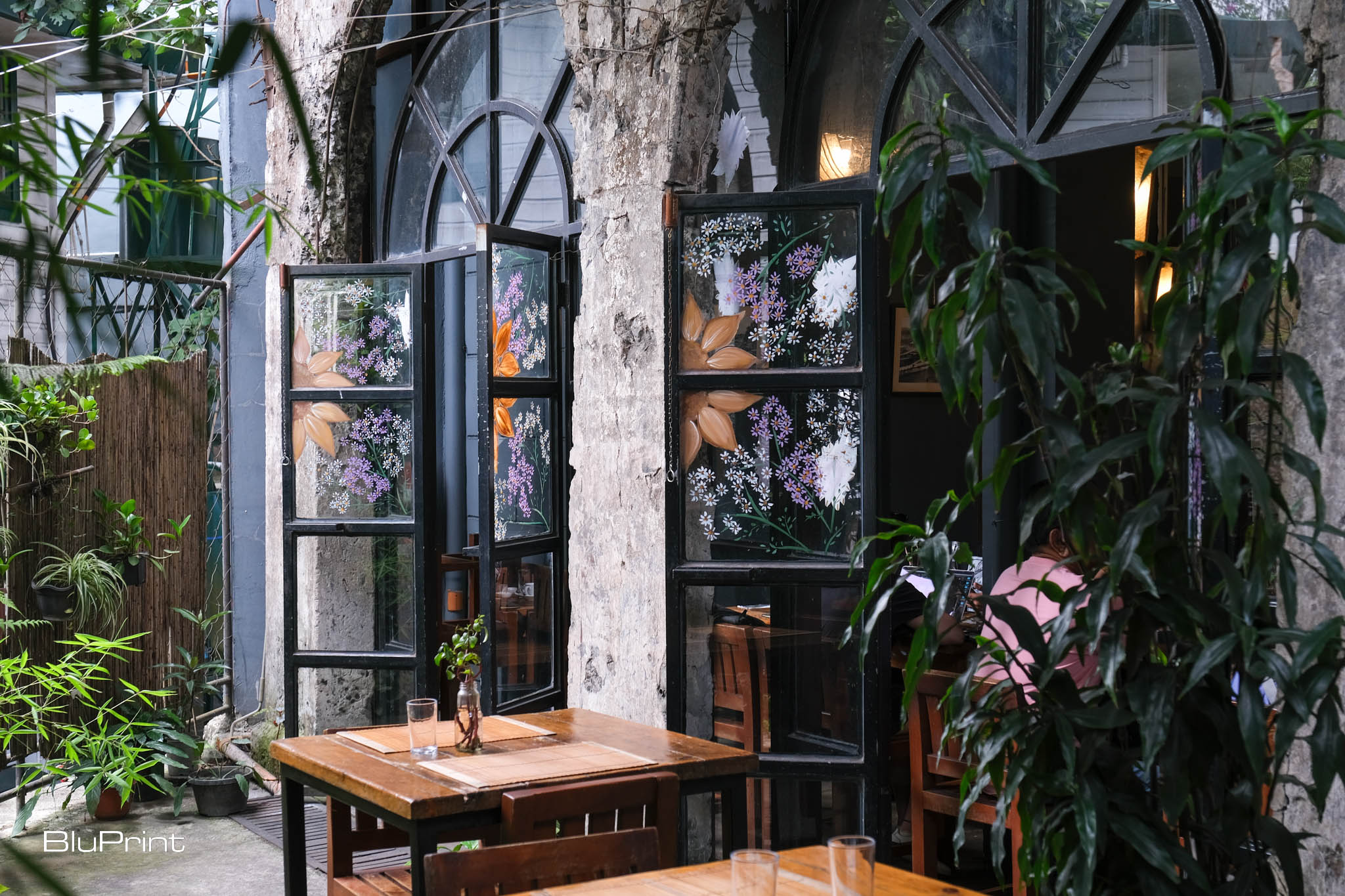
Café by the Ruins: Discover Baguio City’s Cultural and Culinary Gem



Nestled in the heart of Baguio City, Café by the Ruins is a symbol of resilience, history, and artistic spirit. Co-founded by artists and writers in the mid-1980s, this café has grown into an iconic cultural and culinary landmark. We spoke with co-founder Laida Lim Perez to explore the café’s rich history, distinctive architectureArchitectureThe art and science of designing and constructing buildings, structures, and spaces that are functional, safe, and aesthetically pleasing. It encompasses the planning, design, materials, and techniques used to createGo to Architecture Glossary, and its vital role in Baguio’s arts and culture scene.
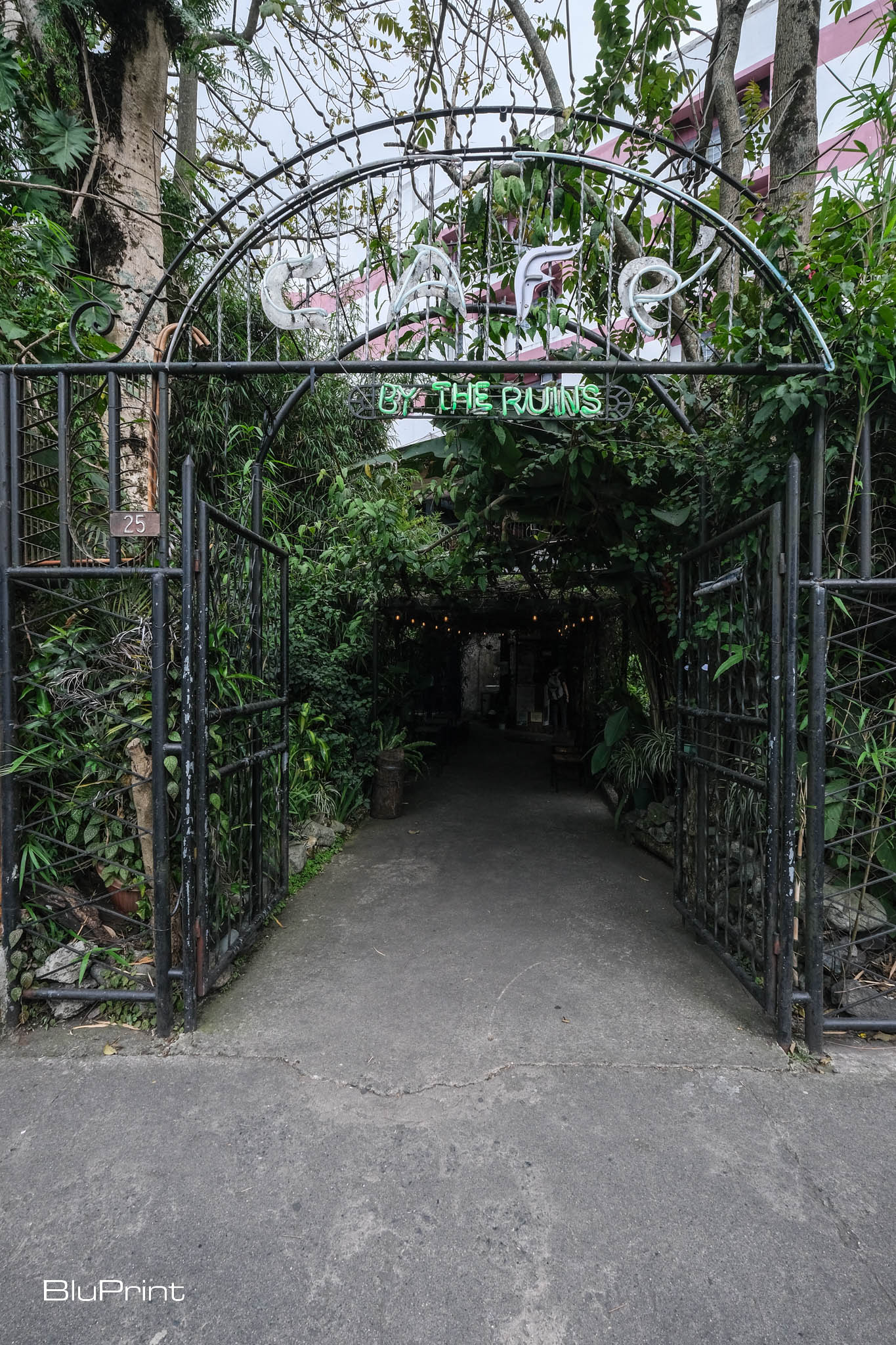
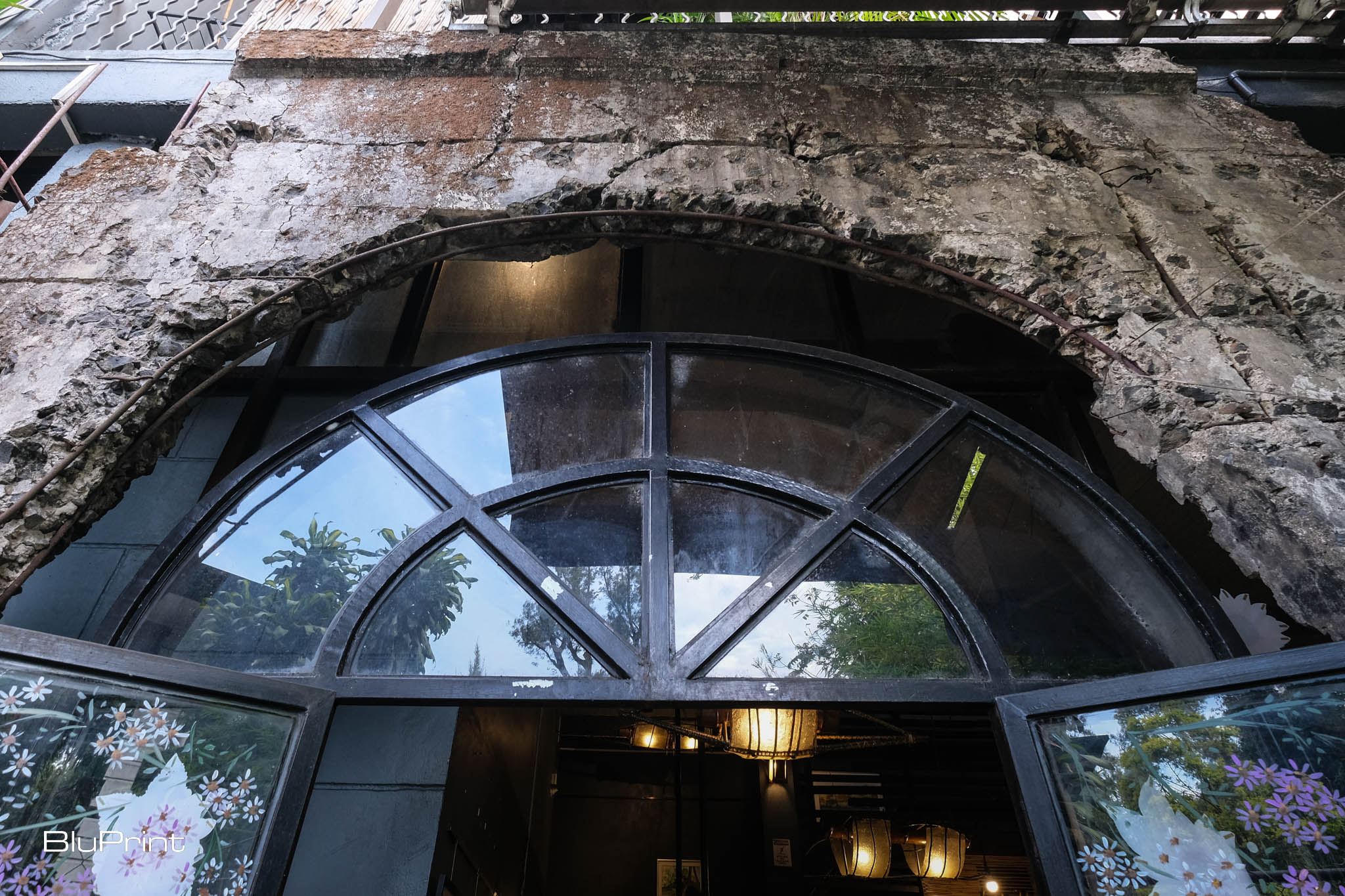
Café by the Ruins is named for its foundation on the remnants of an old house once owned by H. Phelps Whitmarsh, a key figure in Baguio’s early development. This house, known for its elegant arches, was repurposed as a theater and museum before being destroyed in World War II. The remaining ruins now form the core of the café.
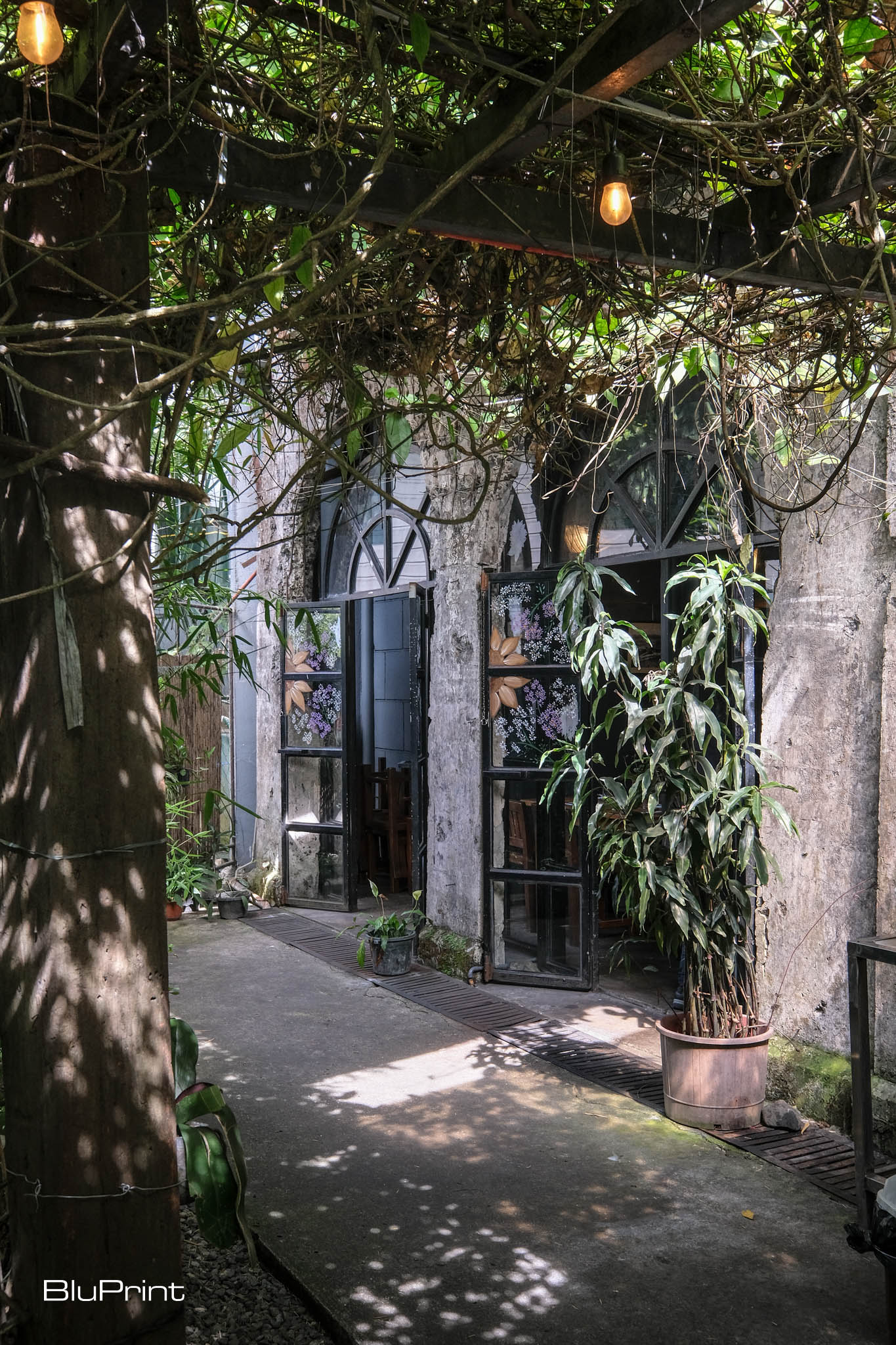
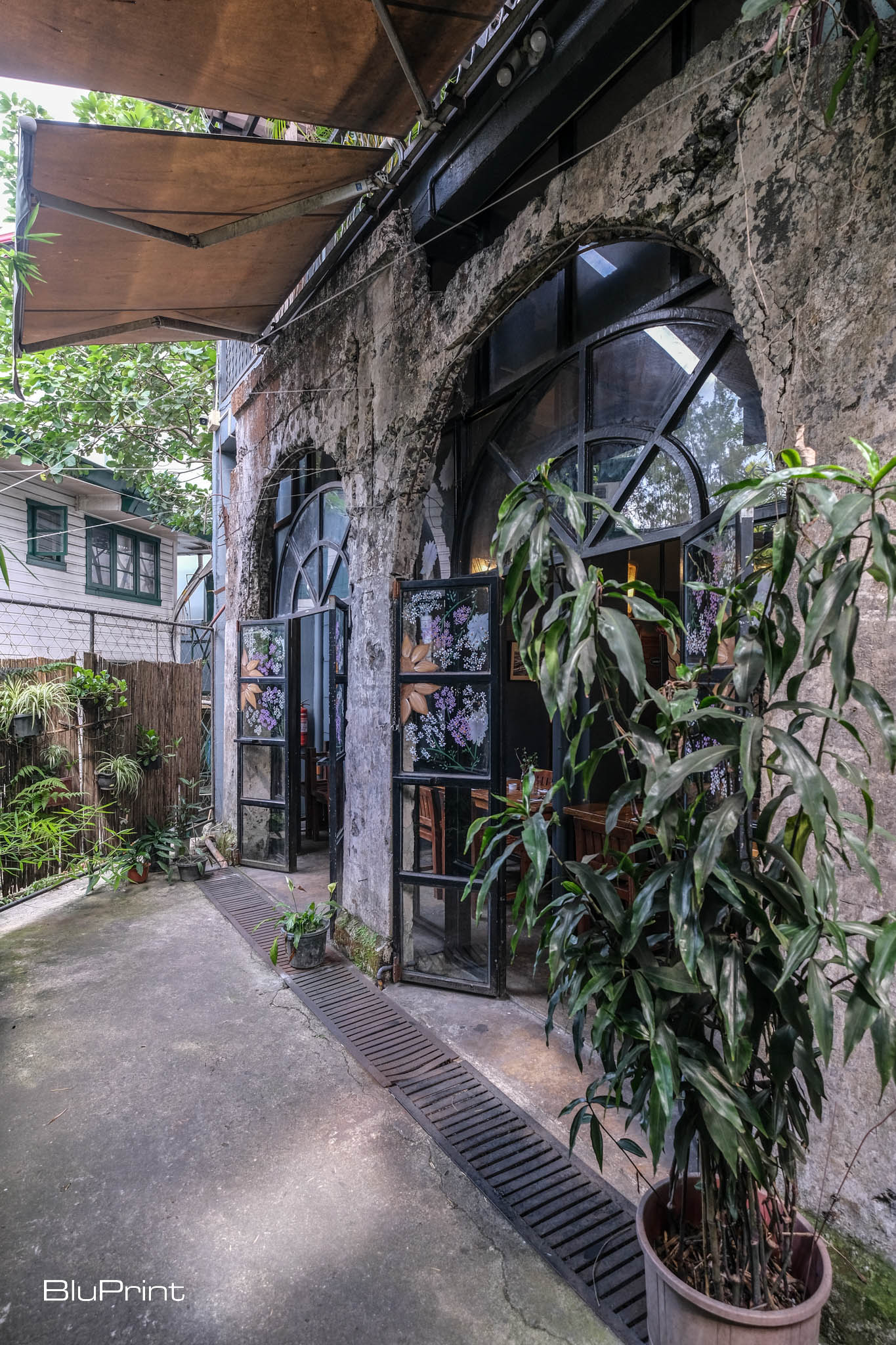
“We worked hard to preserve the ruins,” Perez says. “The arches and remnants provide a real connection to the past.”
Architectural Evolution of Café by the Ruins
When it first opened, the café had a simple bamboo and thatch roof, reflecting a natural aesthetic. “We didn’t even have a roof at first, so we had to close when it rained,” Perez laughs. Over time, the café has evolved with several renovations driven by both practical needs and a focus on sustainability.
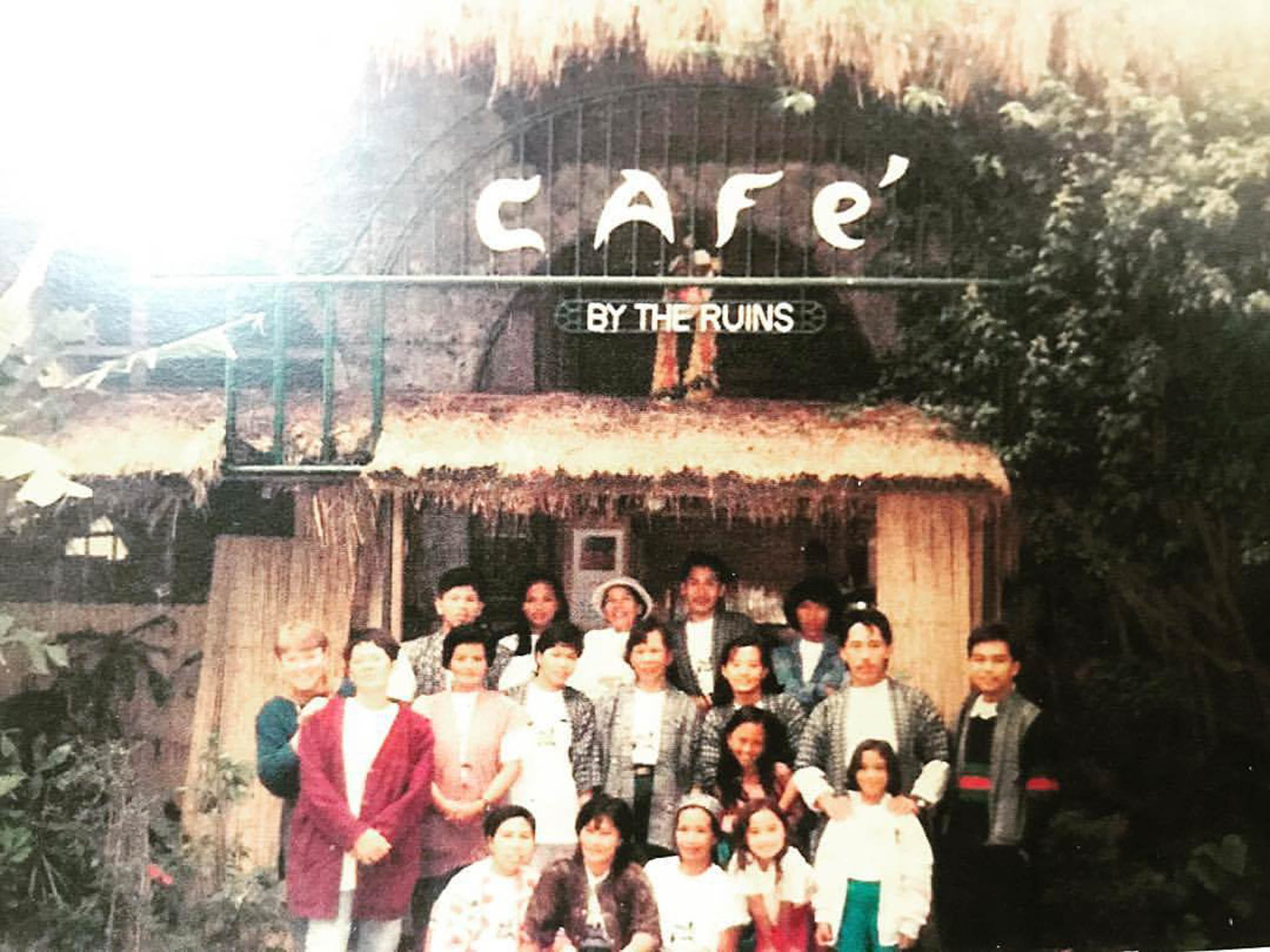
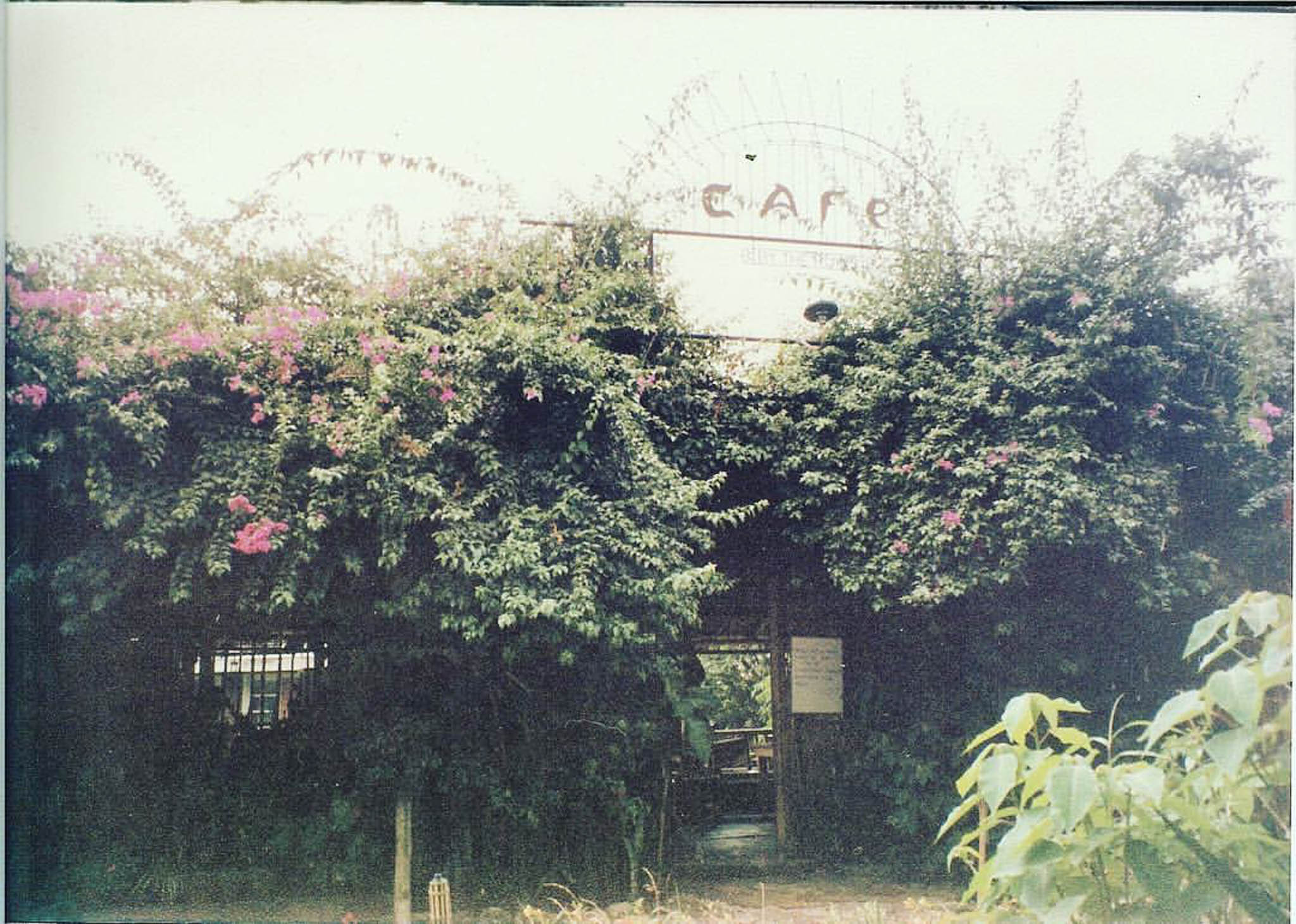
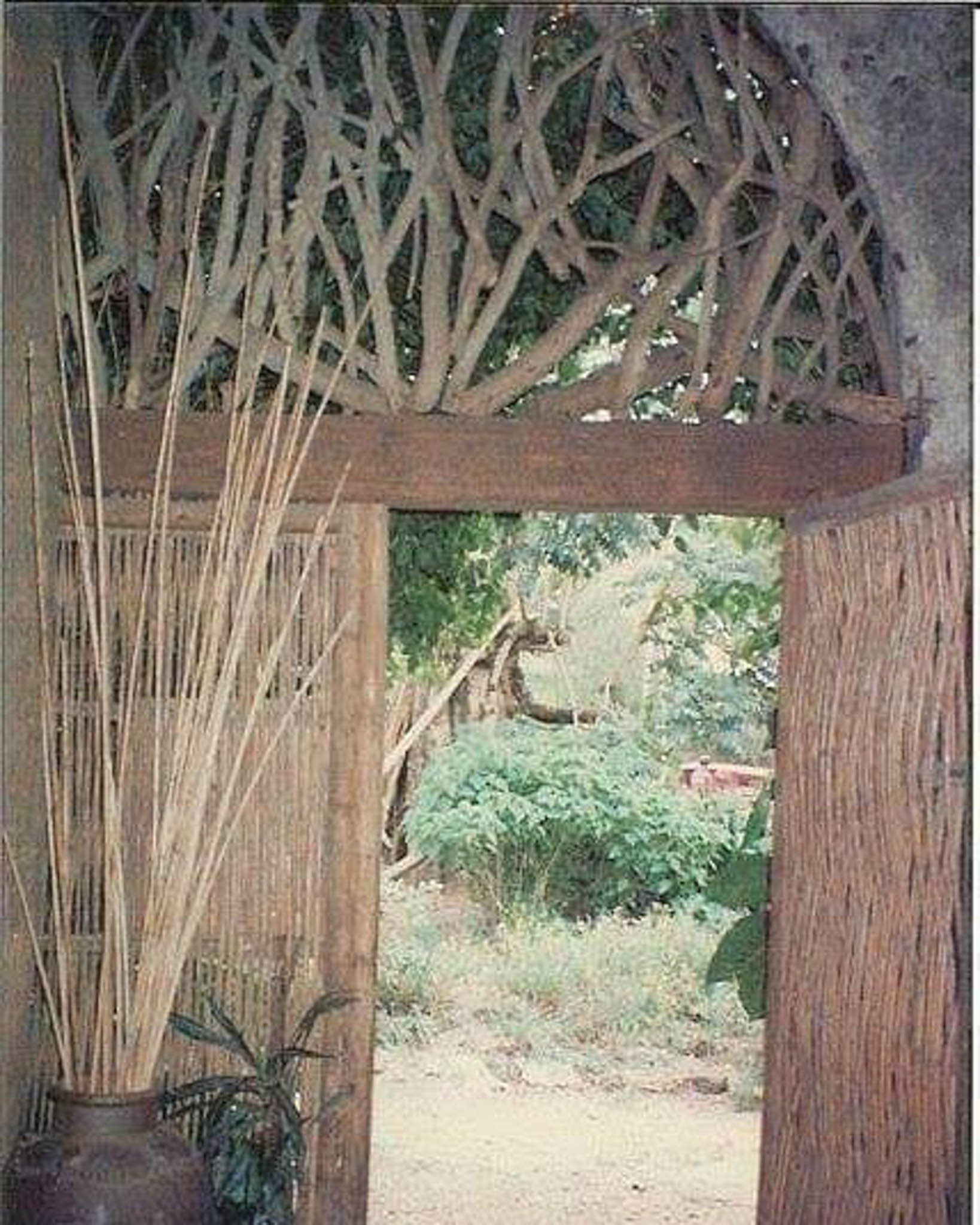
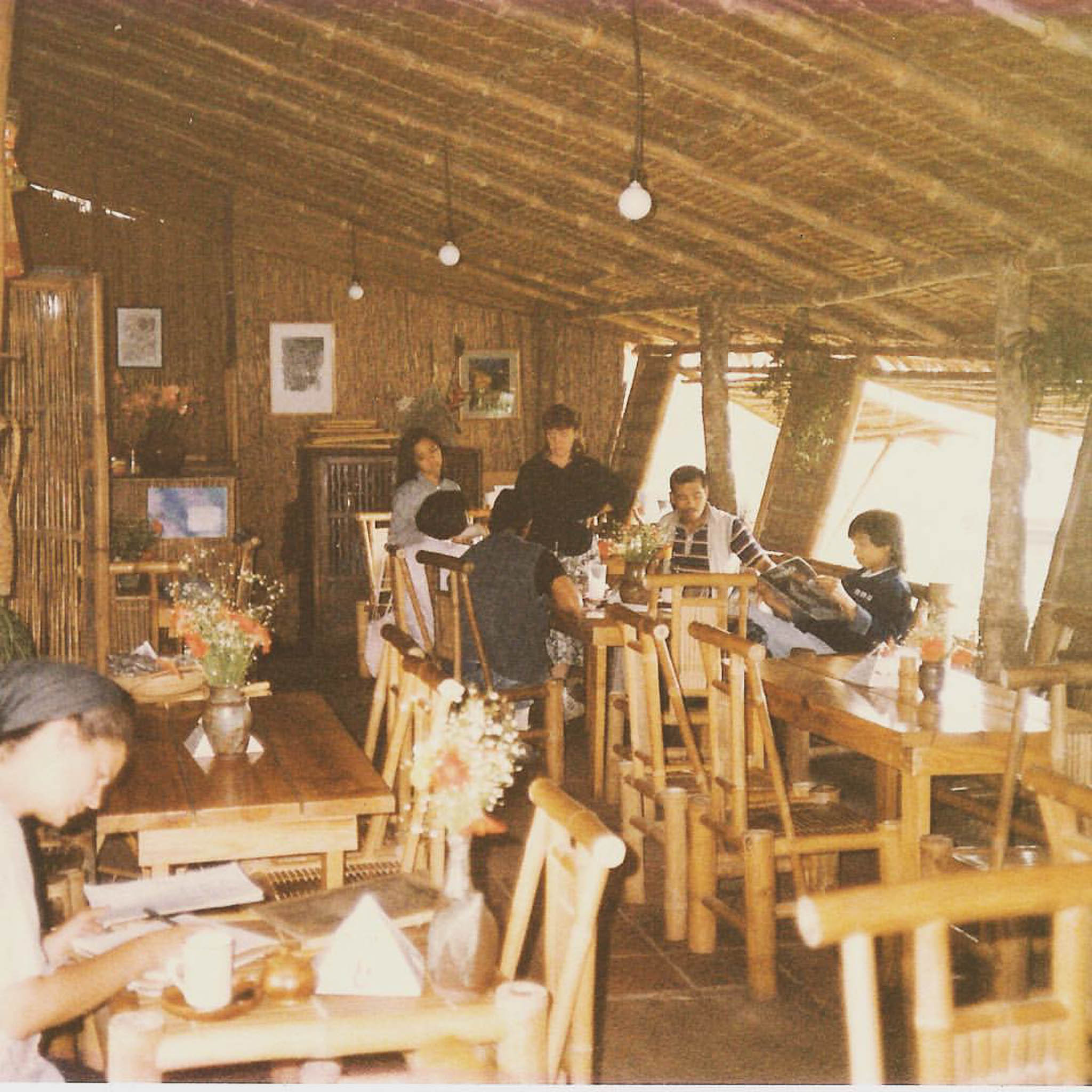
A fire caused by a stray cigarette butt led to a significant redesign. “We would have liked to keep the bamboo roofing, but for sustainability, we chose more durable materials,” Perez explains. Today, the café combines modern and rustic elements, balancing openness with historical charm.
Preserving the Ruins
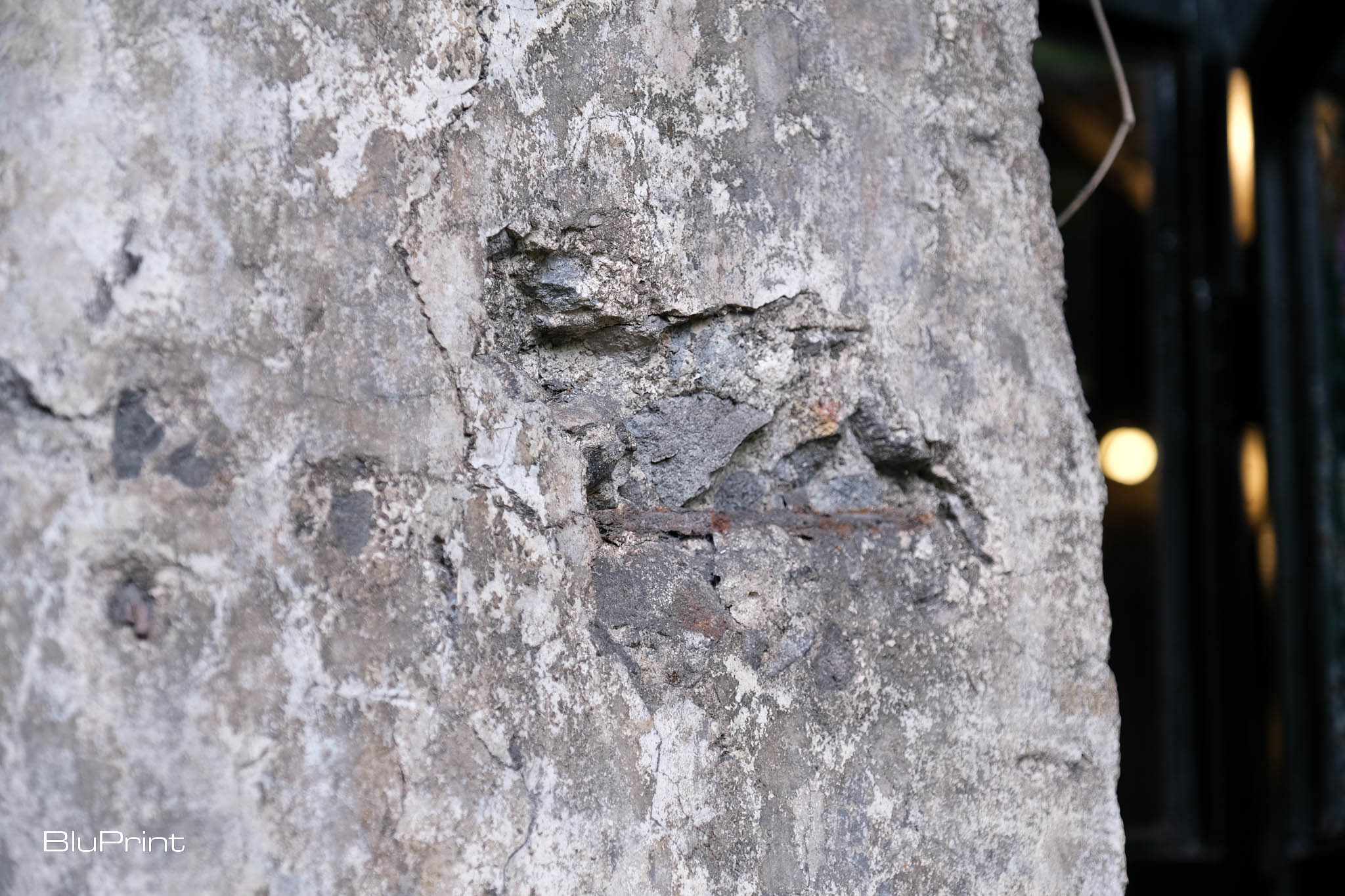
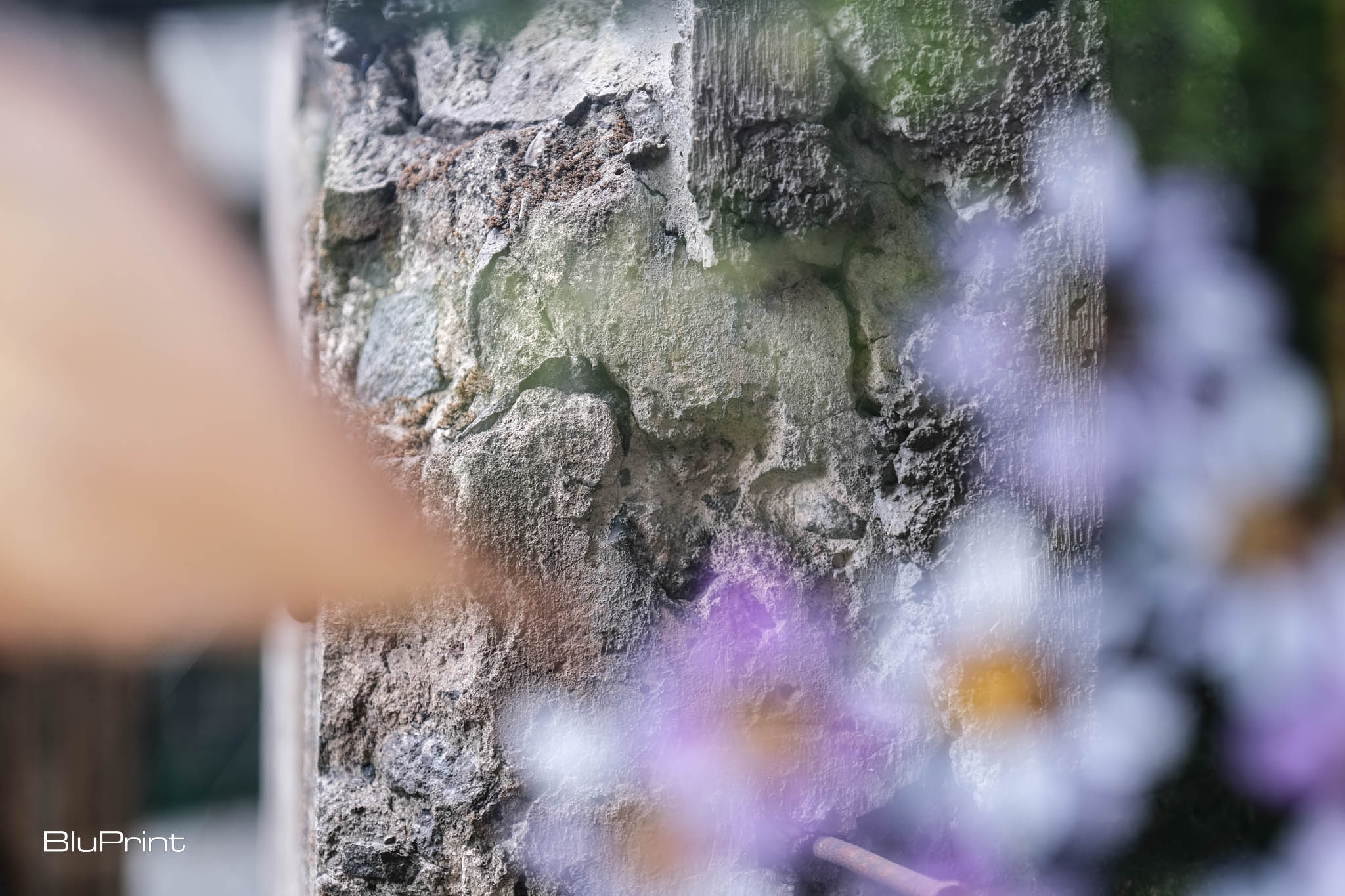
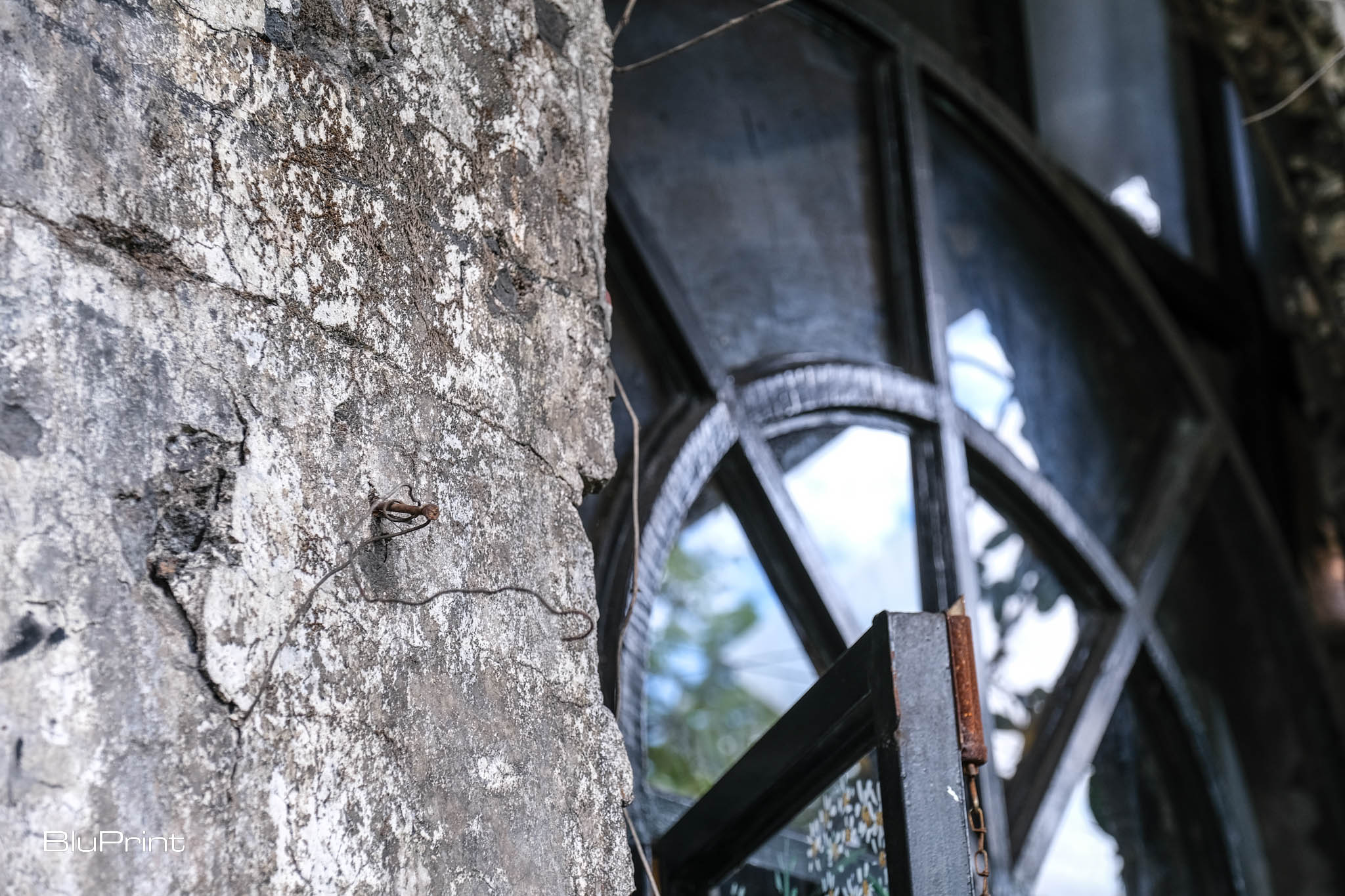
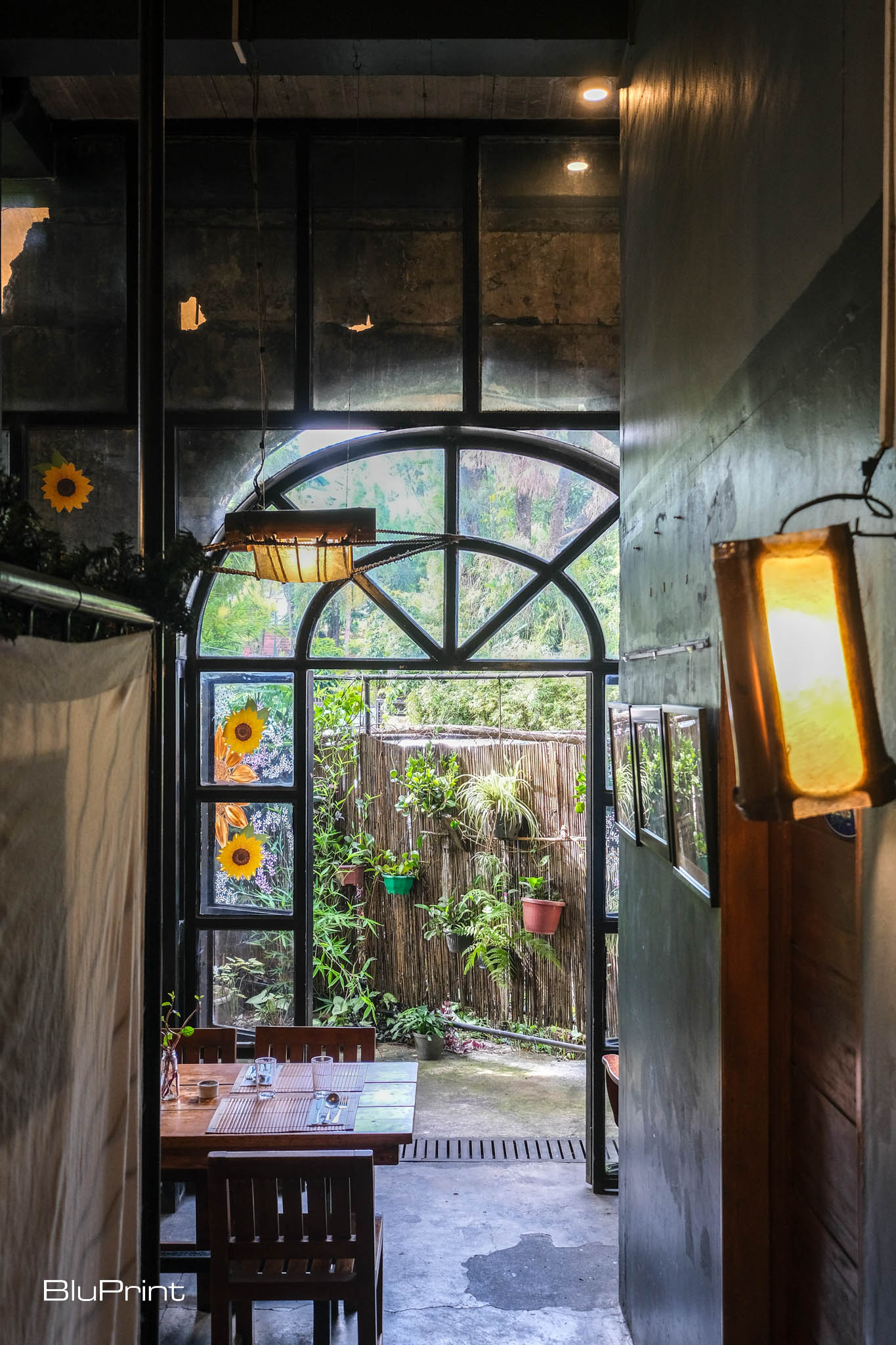
The café’s design beautifully incorporates the original ruins, with old stone arches serving both decorative and structural purposes. These arches blend seamlessly with newer construction, maintaining a sense of continuity between the past and present.
Natural Materials and Sustainable Design
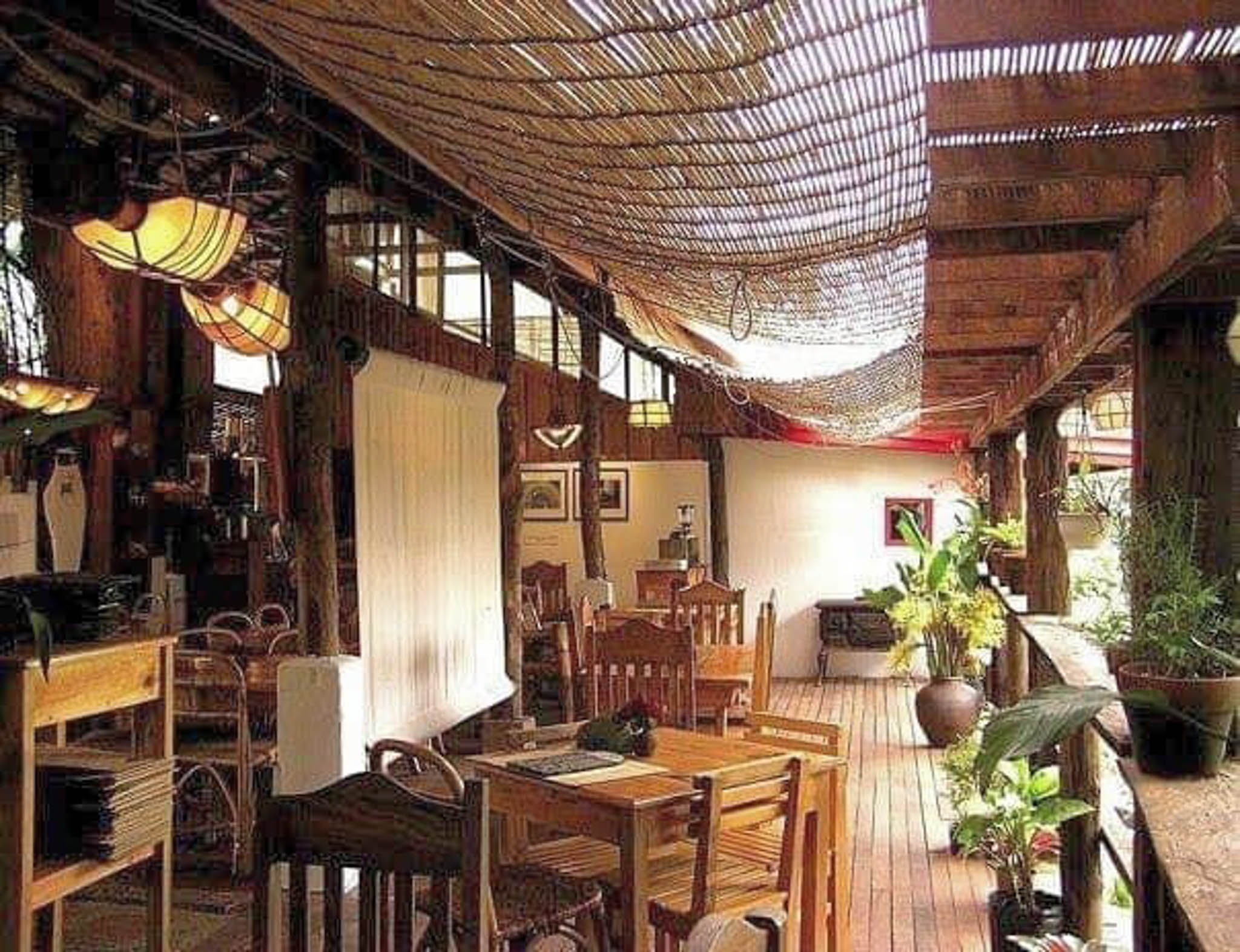
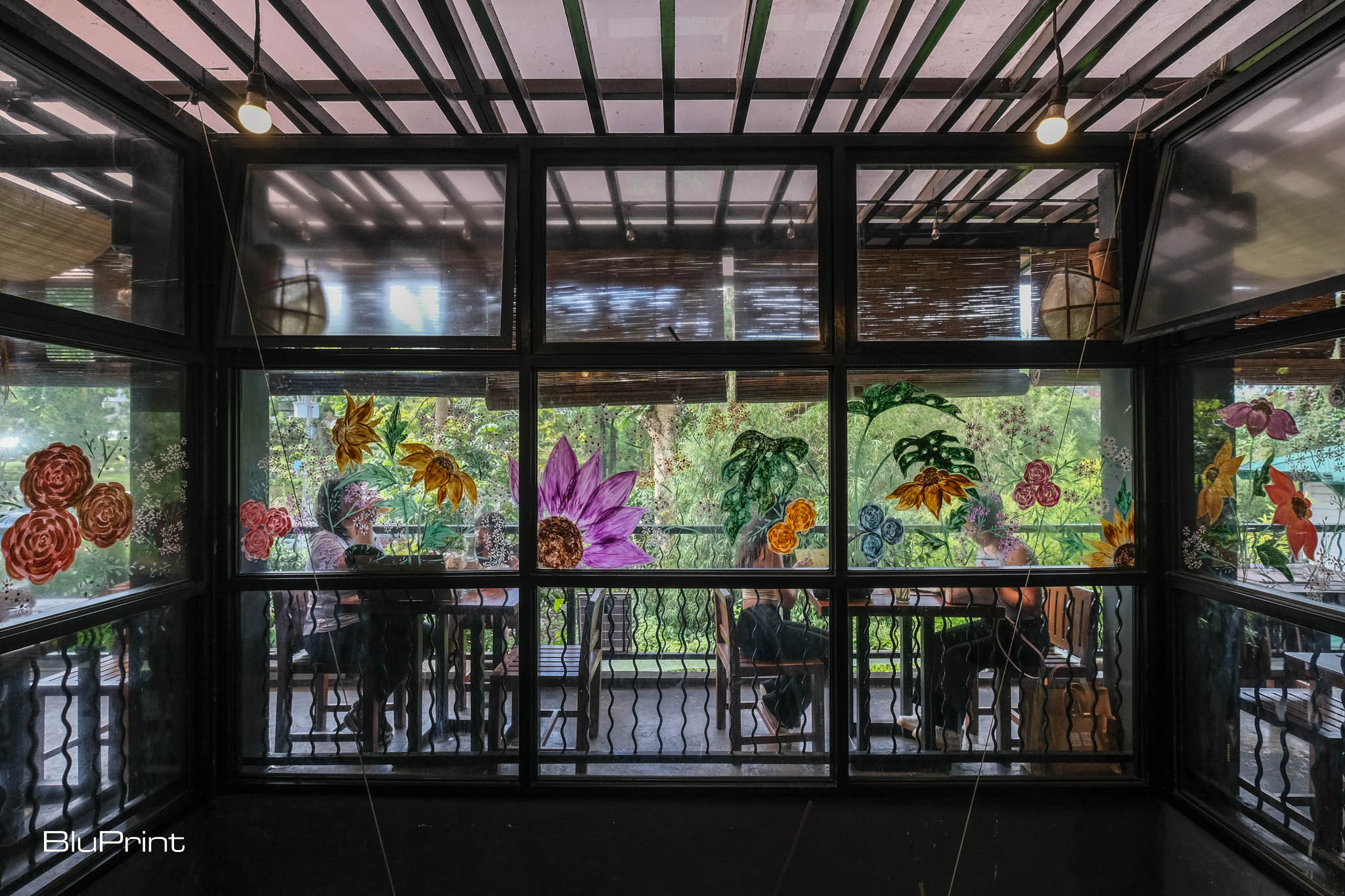
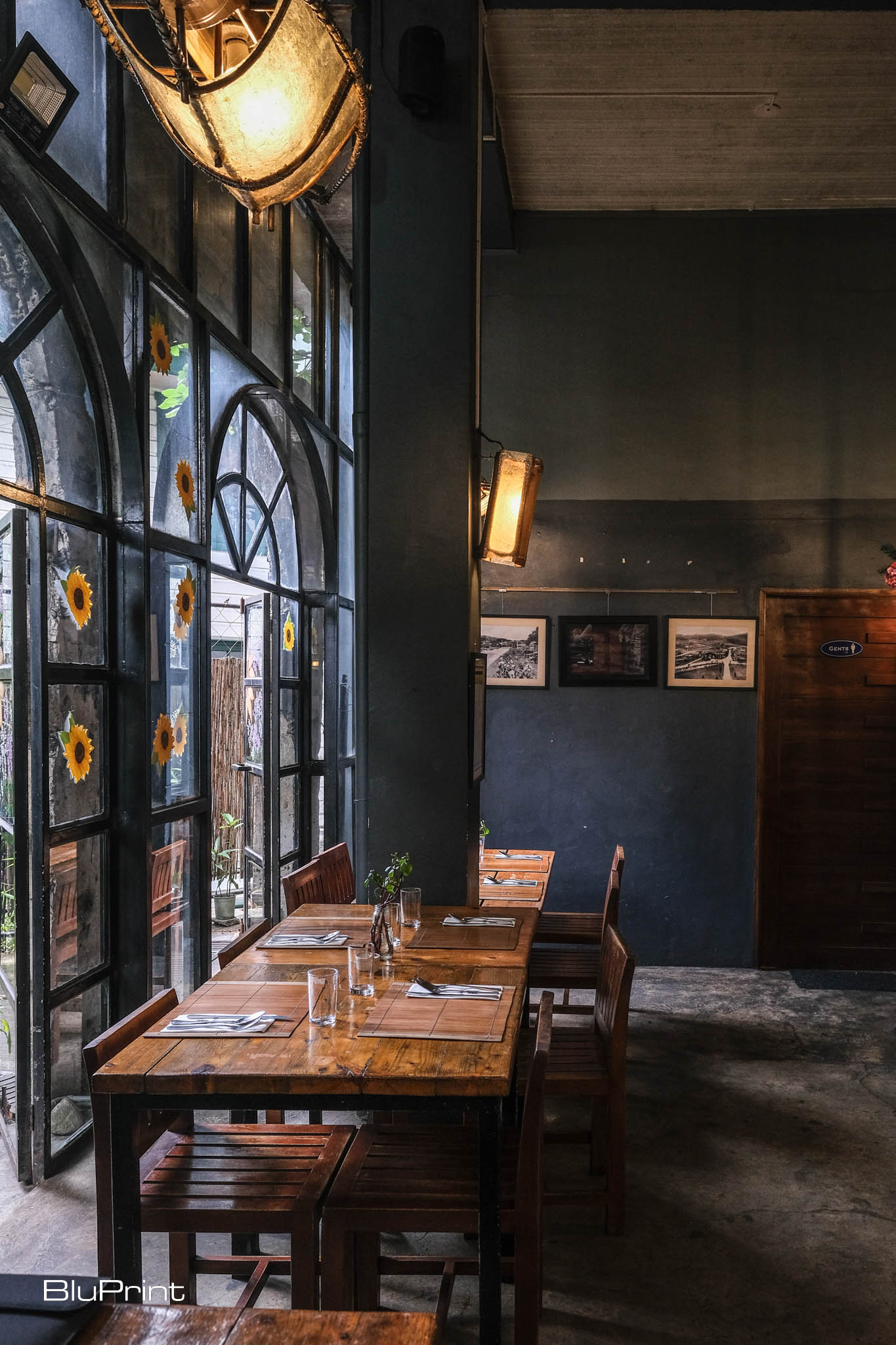
Café by the Ruins prominently features natural materials like bamboo, stone, and wood, emphasizing its commitment to sustainability and harmony with the environment. The café’s open design allows natural light to flood the space, enhancing the atmosphere and minimizing the need for artificial lighting. Large windows and open areas connect the interior with the garden outside.
Innovative Roofing Solutions
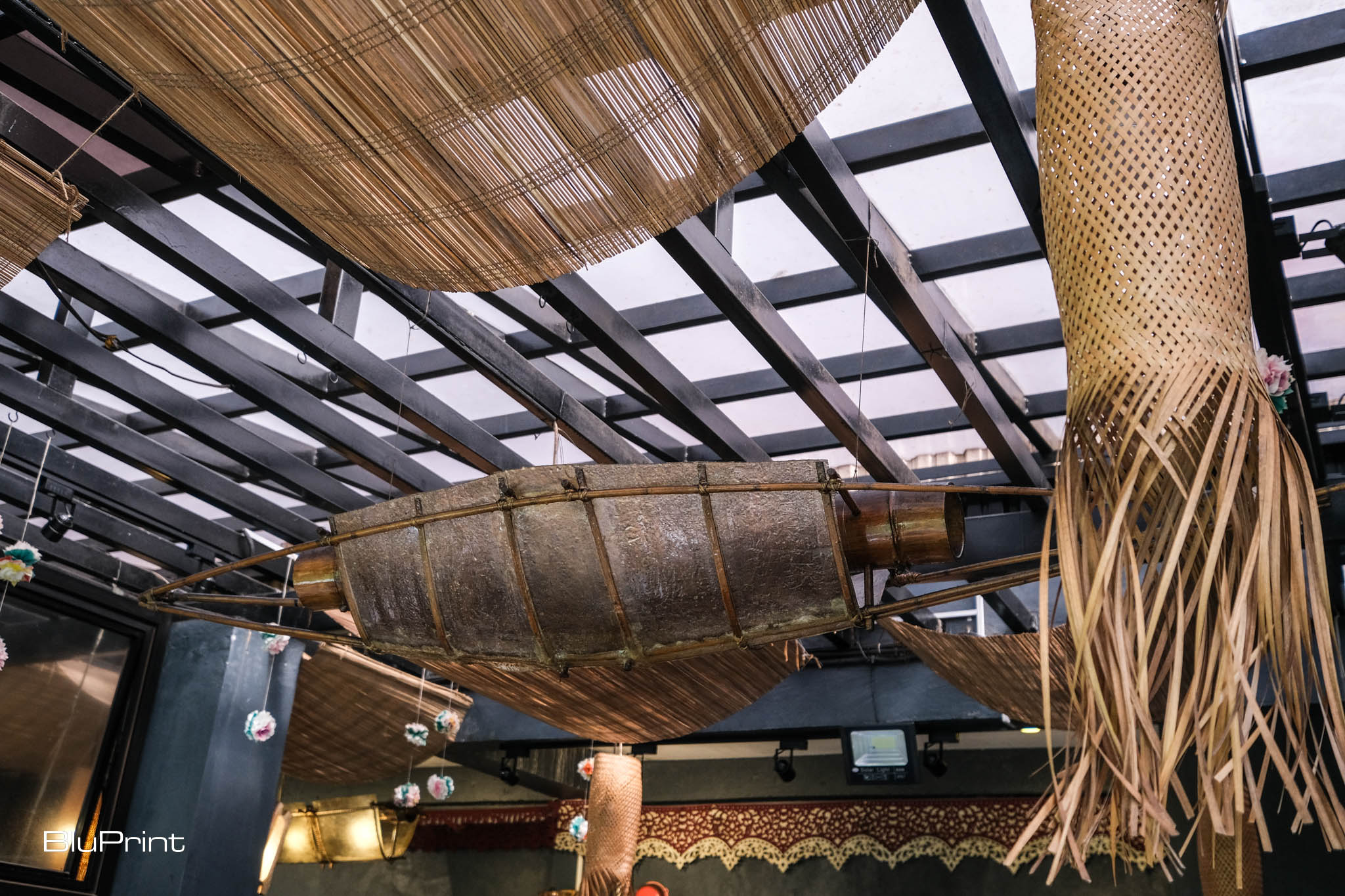
To address Baguio’s frequent rainfall, the café’s roofing has been updated from thatch and bamboo to a blend of traditional and modern materials. This approach ensures durability while preserving the café’s rustic charm.
Artistic Touches
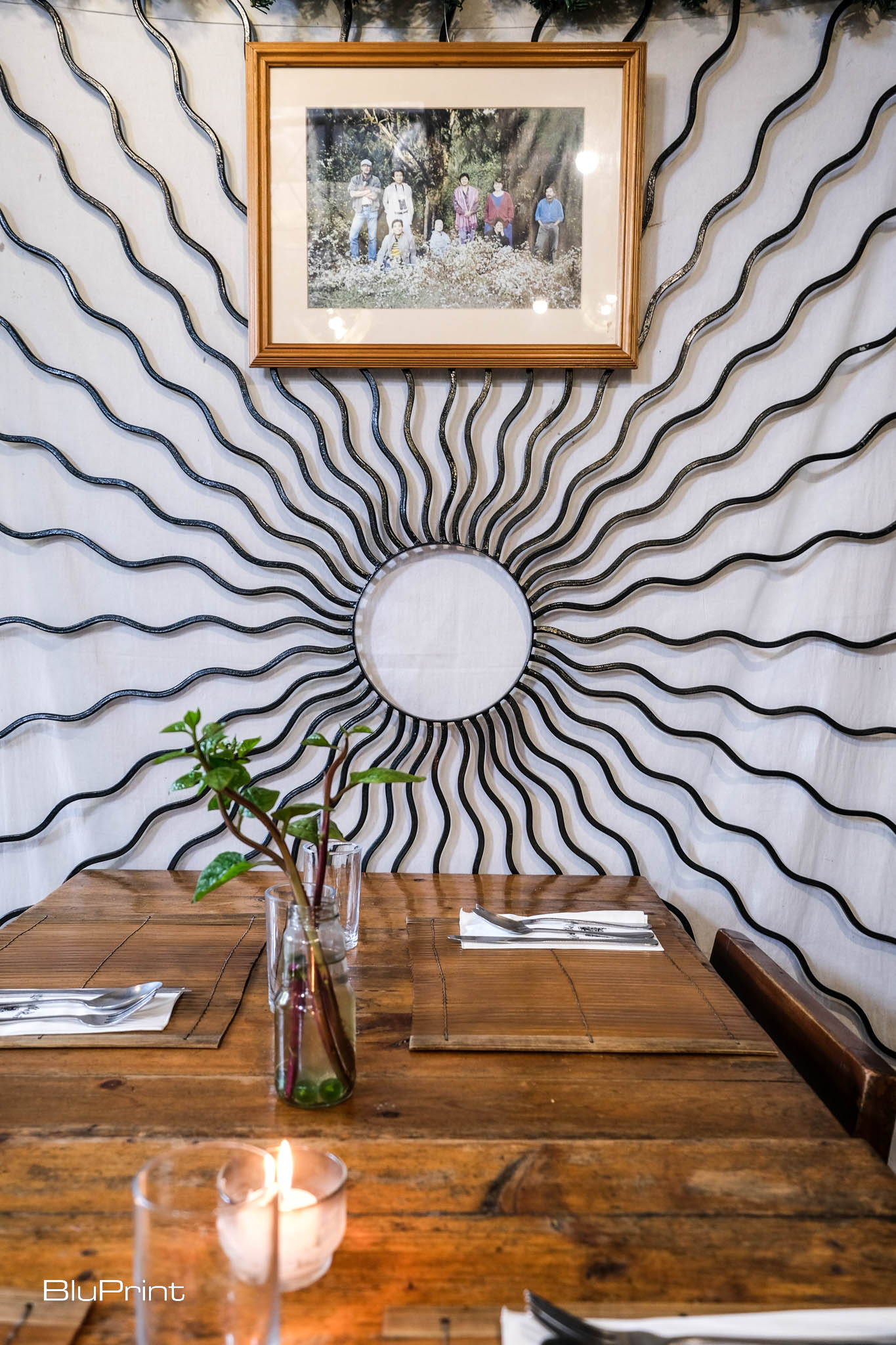
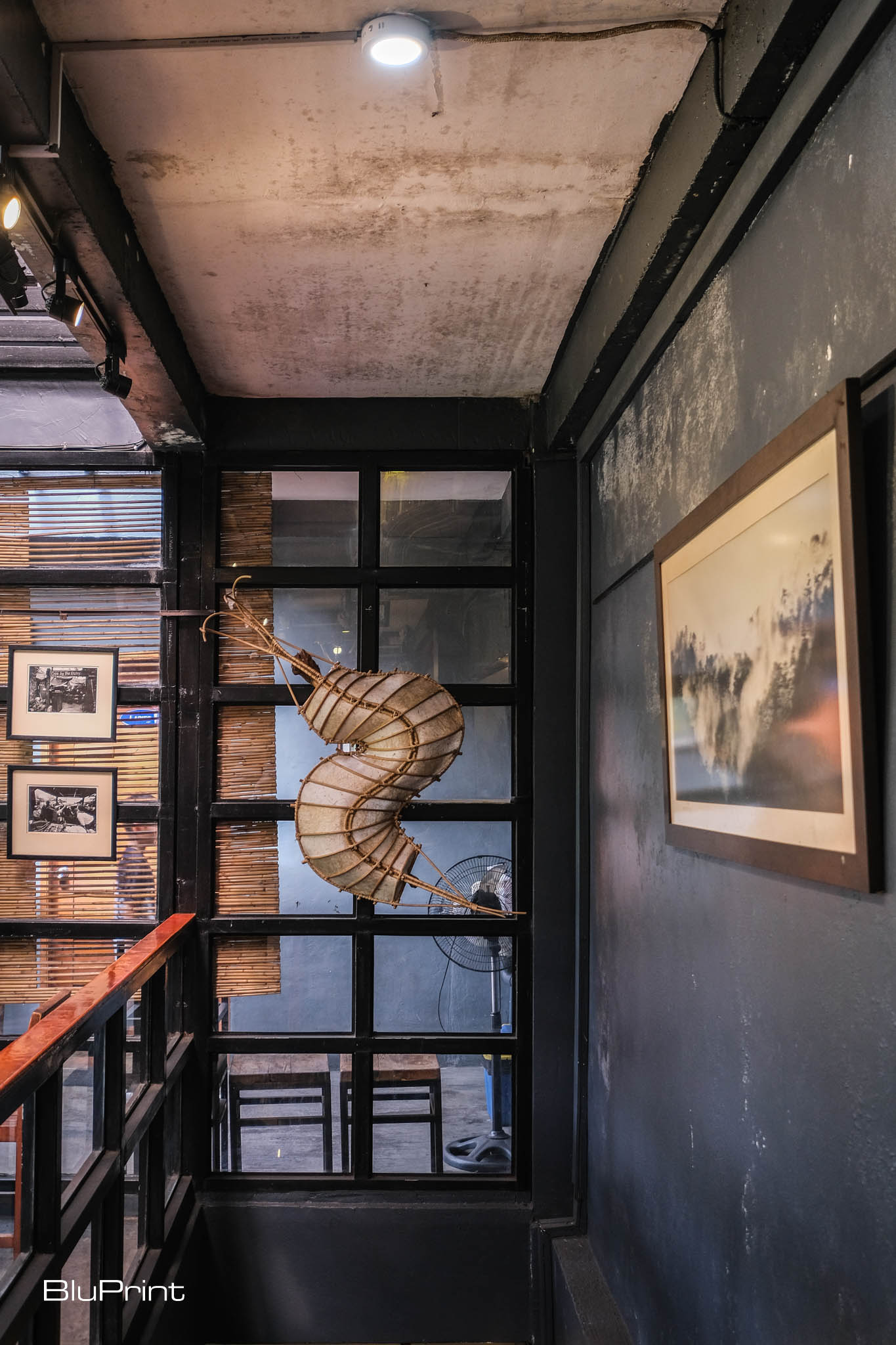
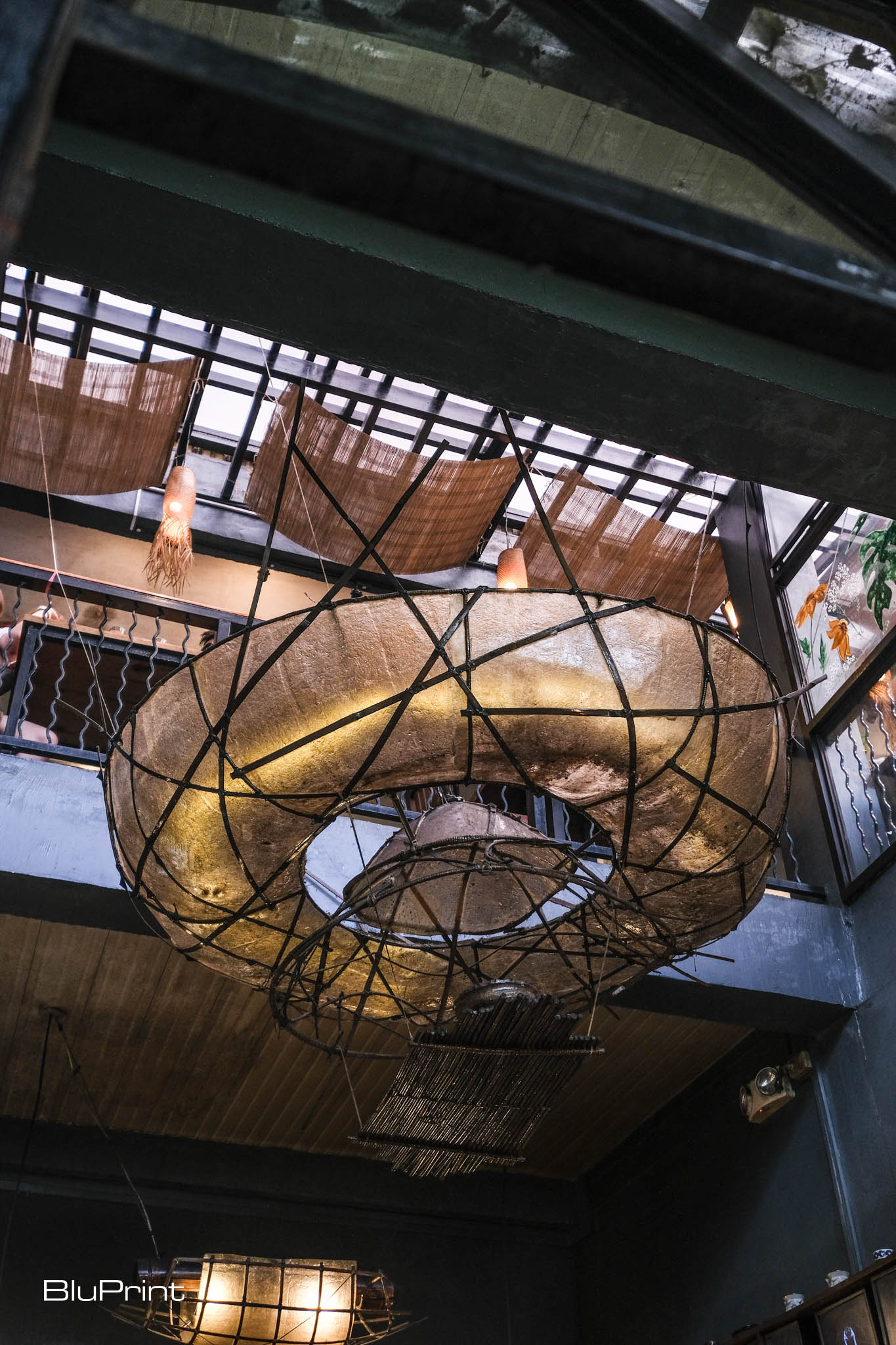
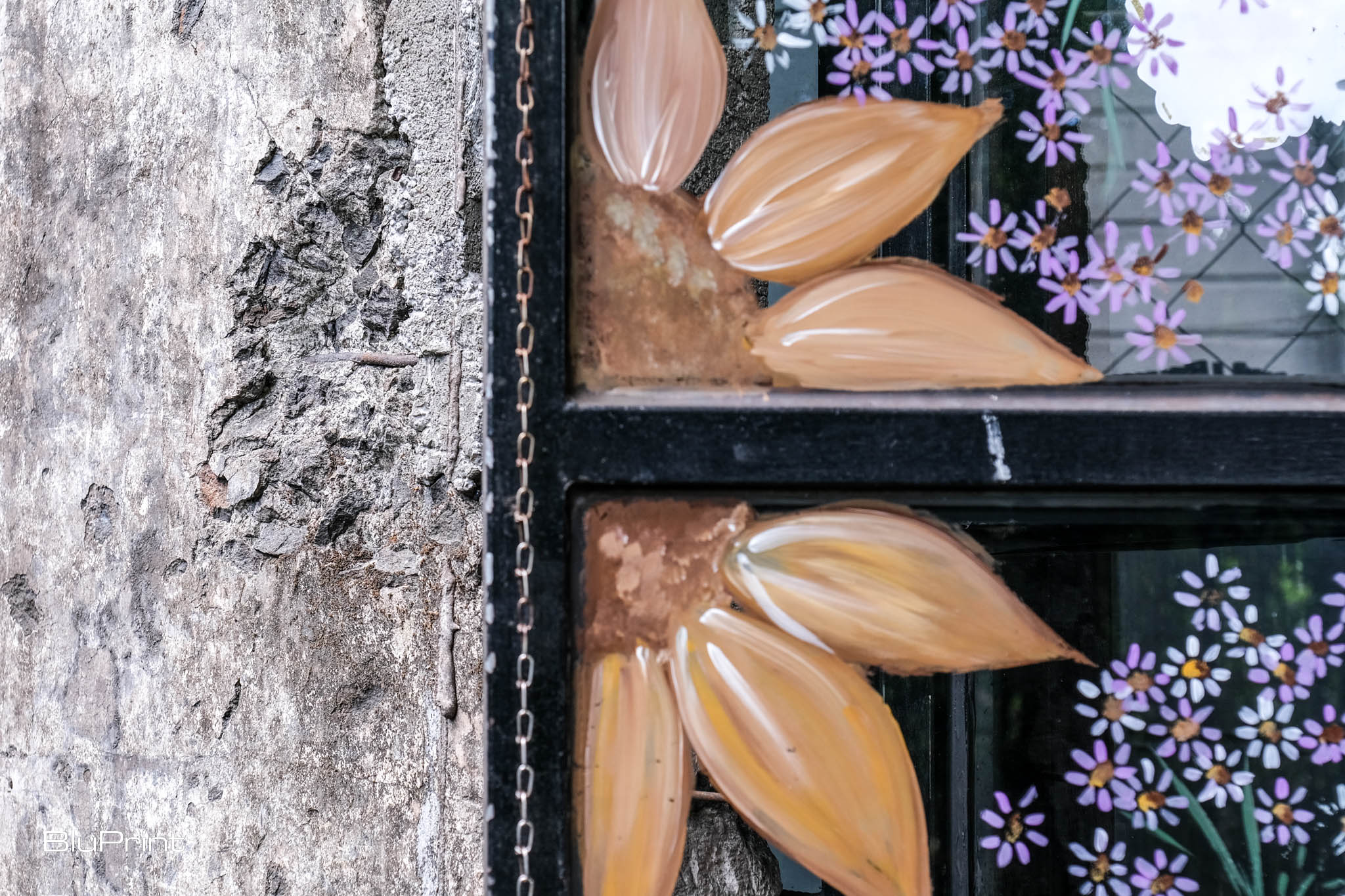
Art and architecture blend effortlessly at Café by the Ruins. The café features local artists’ works, including handcrafted lamps by Perry Mamaril and various sculptures. These artistic elements add a unique touch to the interior, complementing the natural materials used in construction.
Green Spaces
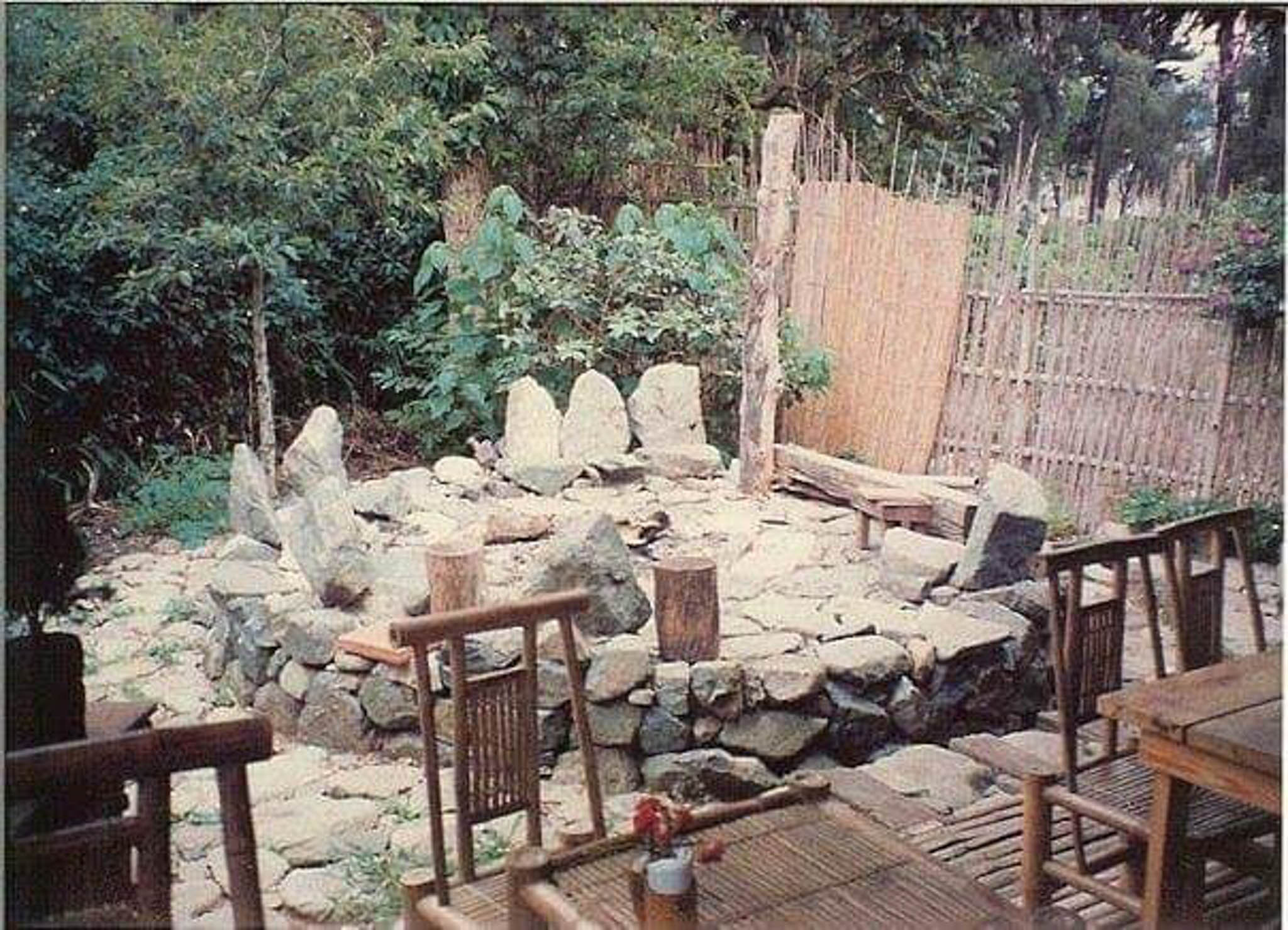
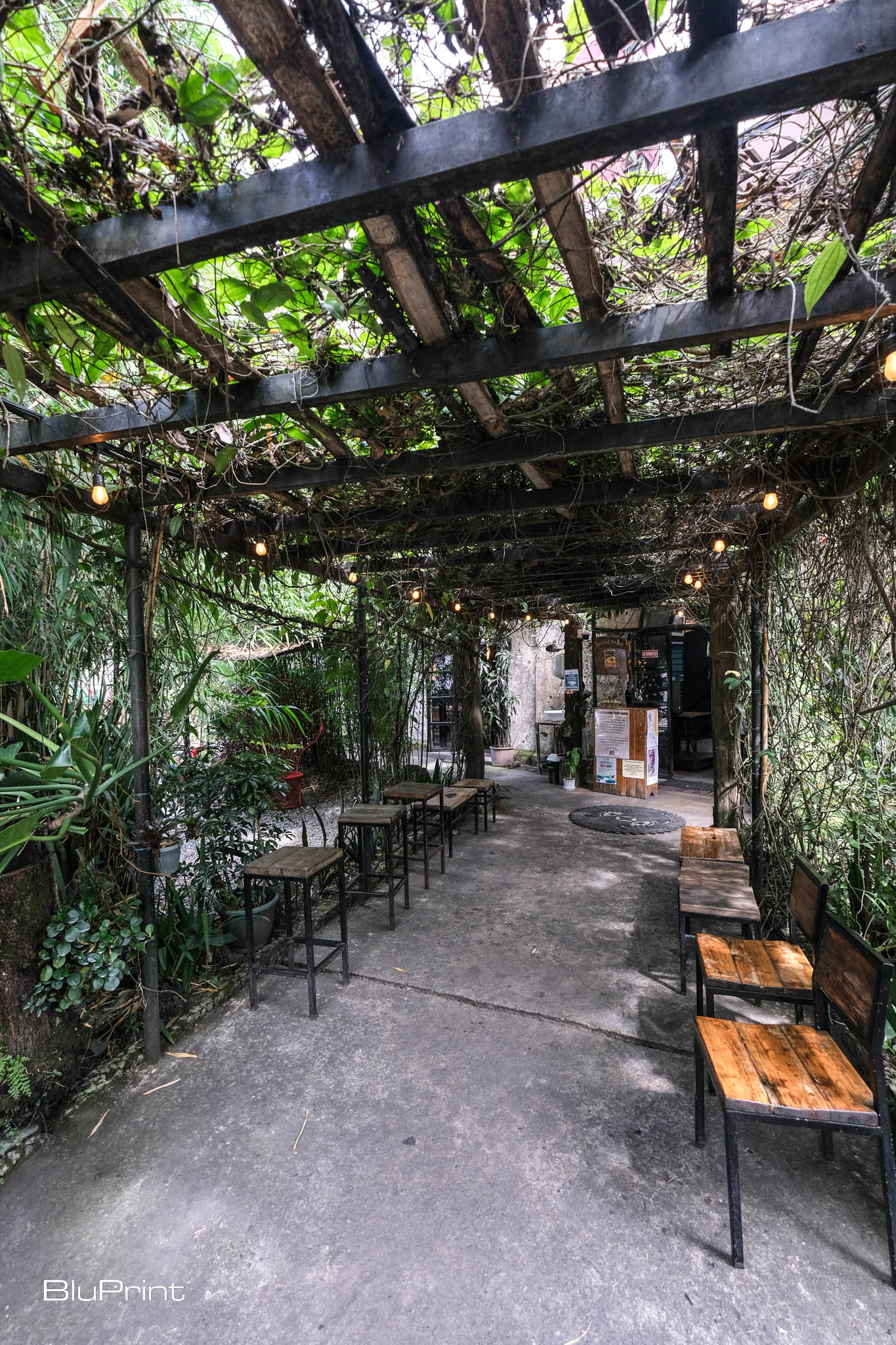
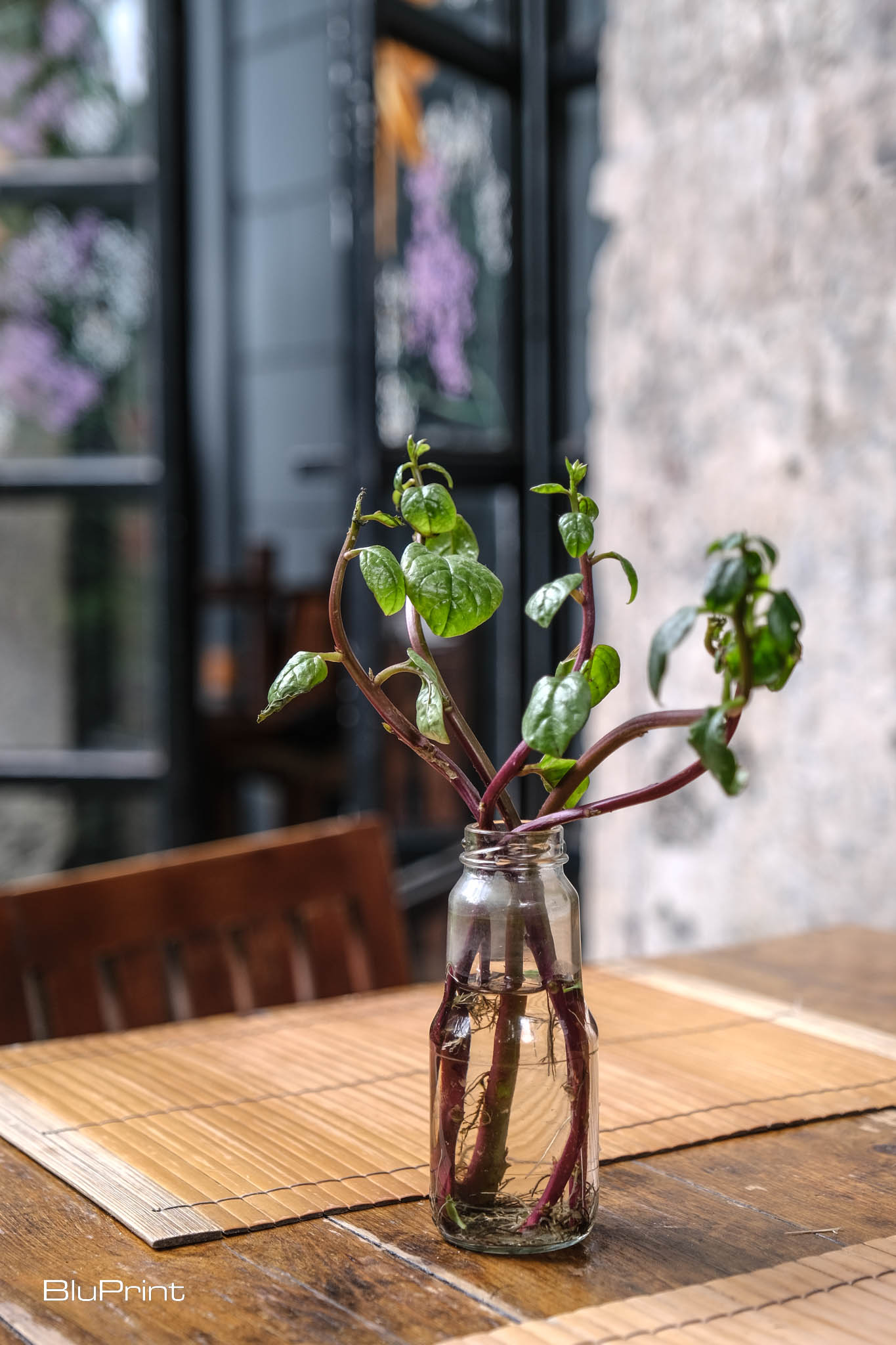
The café’s garden is a key part of its design, featuring lush greenery and carefully curated landscaping that creates a peaceful environment. A traditional Cordilleran dap-ay stone circle in the garden highlights the café’s connection to local culture.
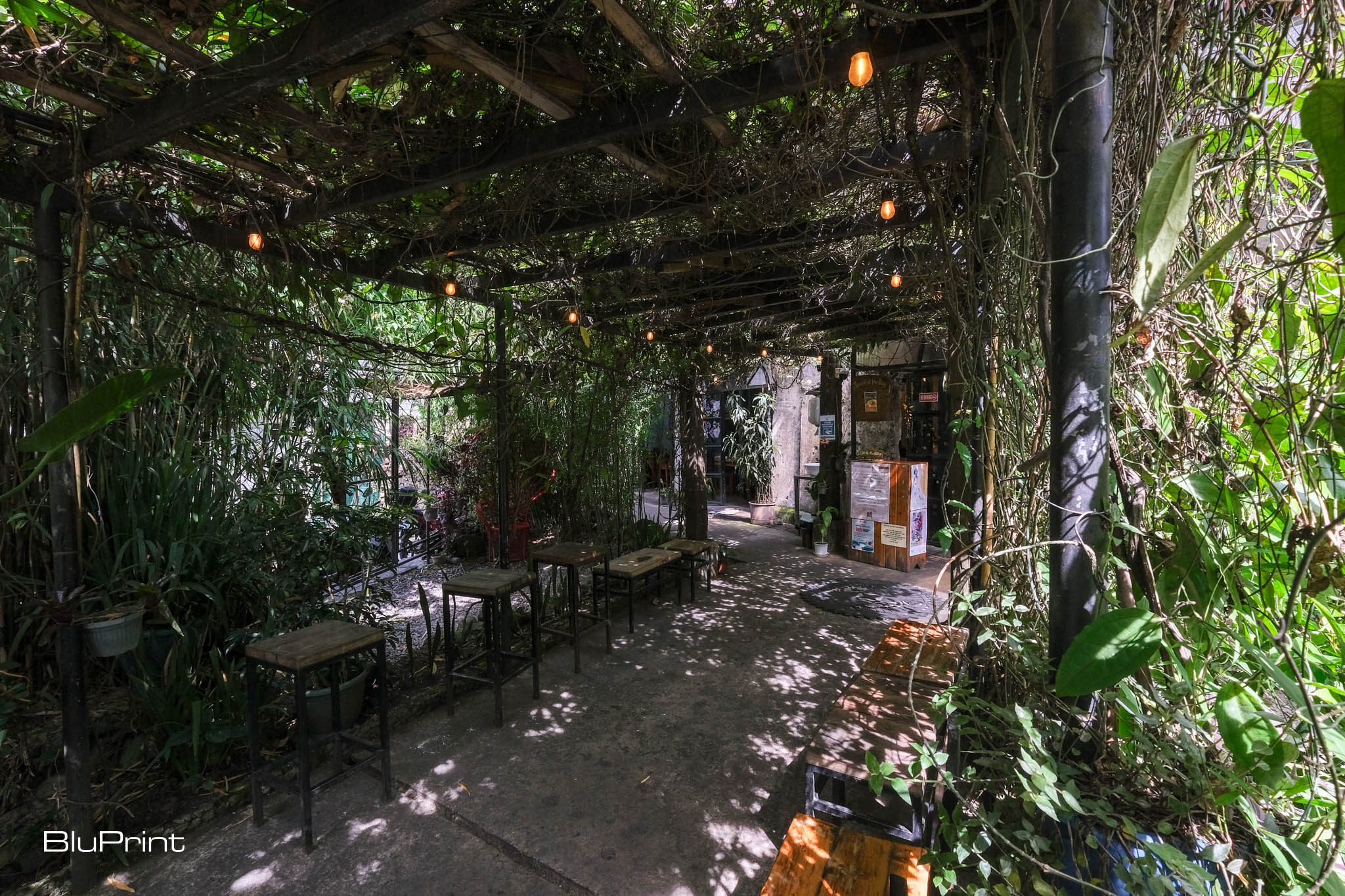
Adaptable and Evolving
Over the years, Café by the Ruins has adapted its architecture and offerings to meet changing needs while staying true to its original vision. Regular updates and renovations keep the space dynamic and vibrant, making it suitable for various events and gatherings. Despite these changes, the café remains dedicated to preserving history, fostering creativity, and embracing sustainability.
A Hub for Arts and Culture
Café by the Ruins is more than just a restaurant; it’s a cultural center. It played a crucial role in founding the Baguio Arts Festival, reflecting the founders’ commitment to the local artistic community. “We hosted meetings and organized the arts festival here,” Perez notes. Founders like Benedicto Reyes Cabrera (BenCab), Dave Baradas, and Robert Villanueva were essential in establishing this artistic haven.
The café regularly collaborates with local artists, featuring their work throughout the space. From Perry Mamaril’s lamps to various sculptures, Café by the Ruins is a living gallery showcasing Baguio’s creative talent.
Culinary Excellence and Local Flavors
The café’s menu celebrates local and seasonal ingredients, supporting local farmers and producers. “We focus on natural, locally available, and seasonal ingredients,” Perez says. The menu includes traditional Cordilleran dishes like pinikpikan and creative takes on Filipino classics, such as kamote bread and pomelo brioche.
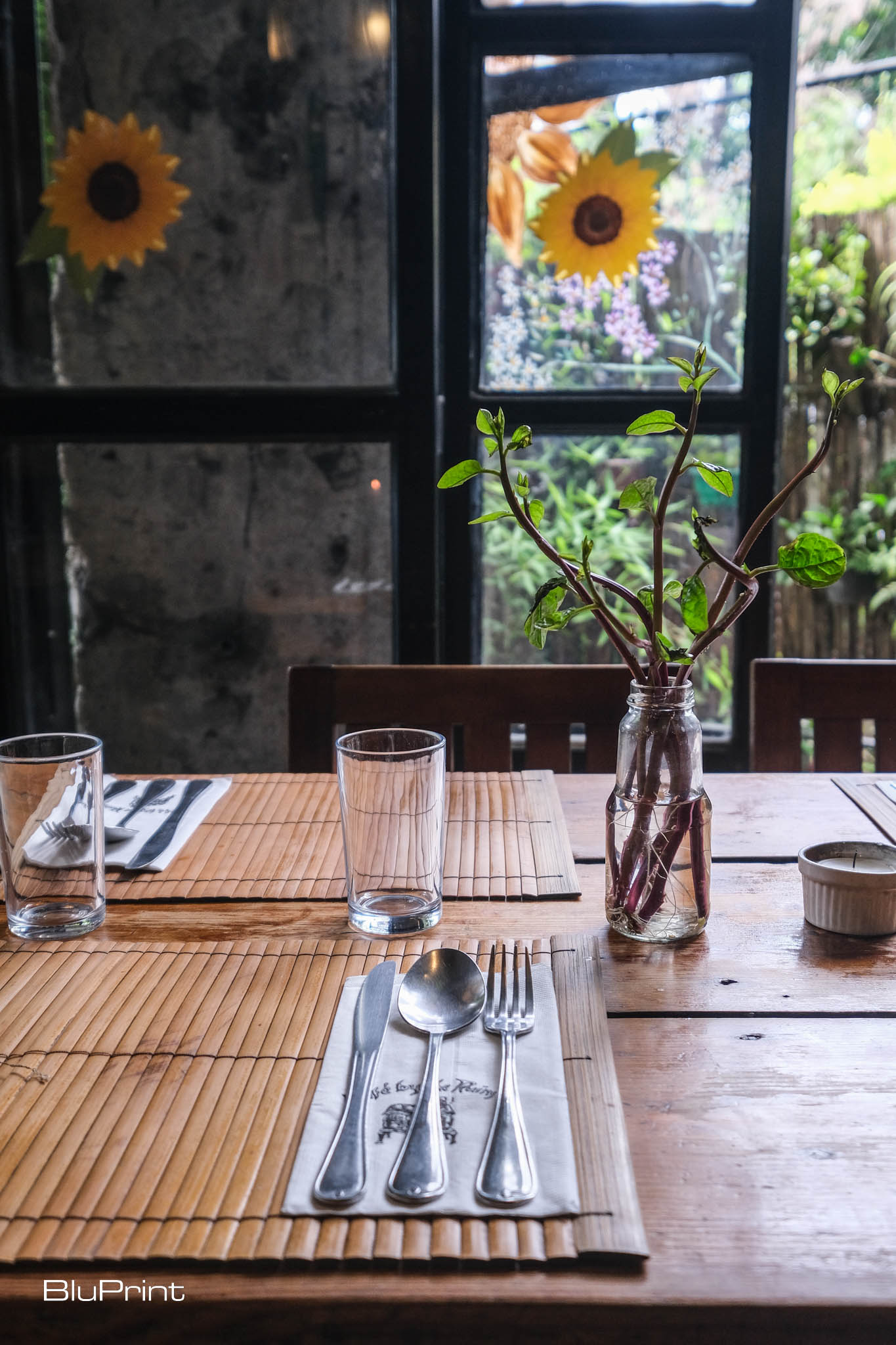
A standout dish is the fresh lumpia, inspired by Perez’s grandmother. “It’s a cherished childhood recipe that’s now a menu staple,” she adds.
A Community Experience
Visitors to Café by the Ruins enjoy more than just a meal—they experience a slice of Baguio’s rich cultural heritage. The café’s design, with open spaces and a garden area, provides a serene setting for dining. Unique features like the dap-ay stone circle enhance the café’s charm.
“We want to share our philosophy of natural, seasonal food, simply prepared,” Perez explains. “It’s about creating a space where people can connect with local culture and history.”
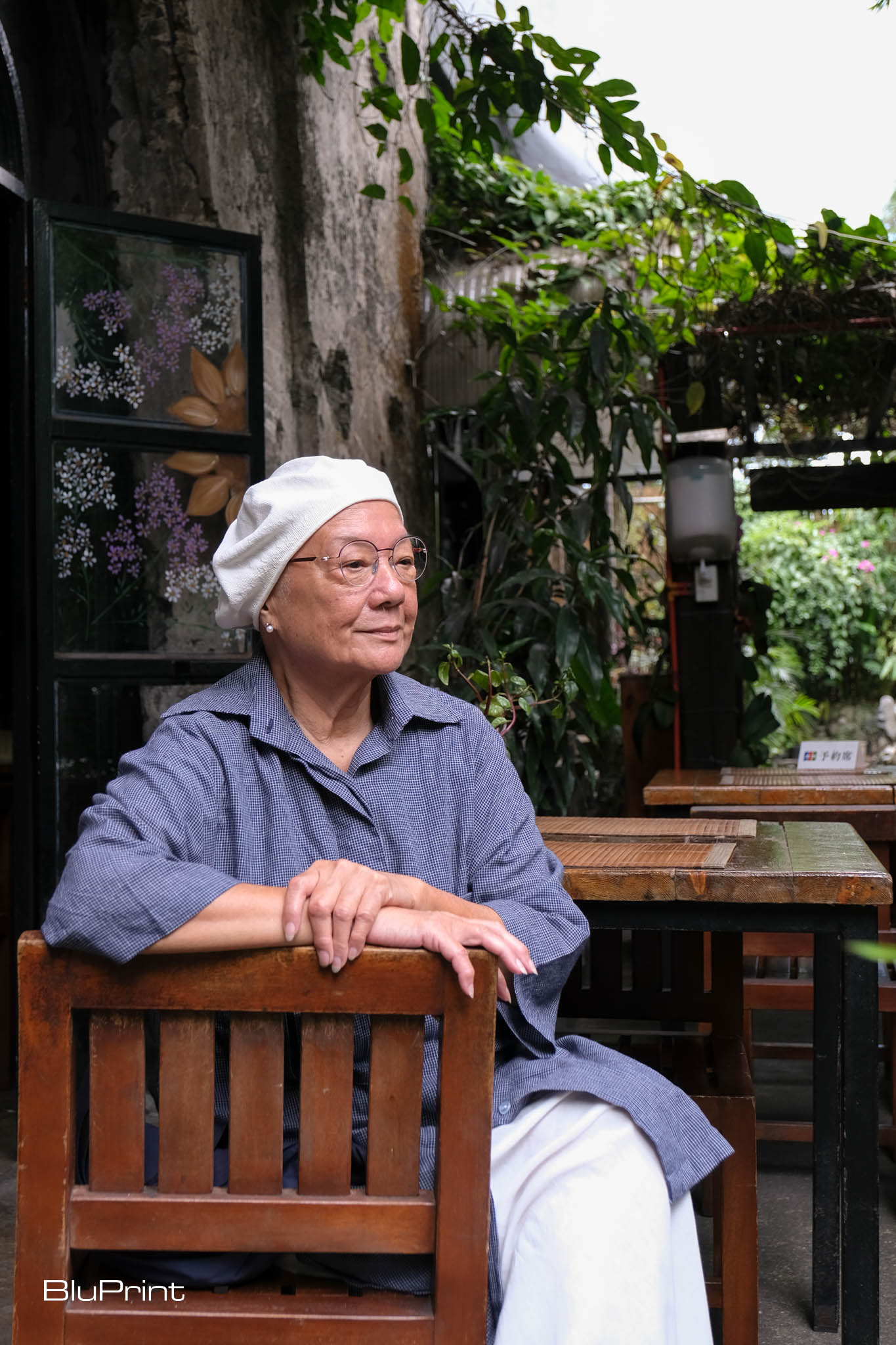
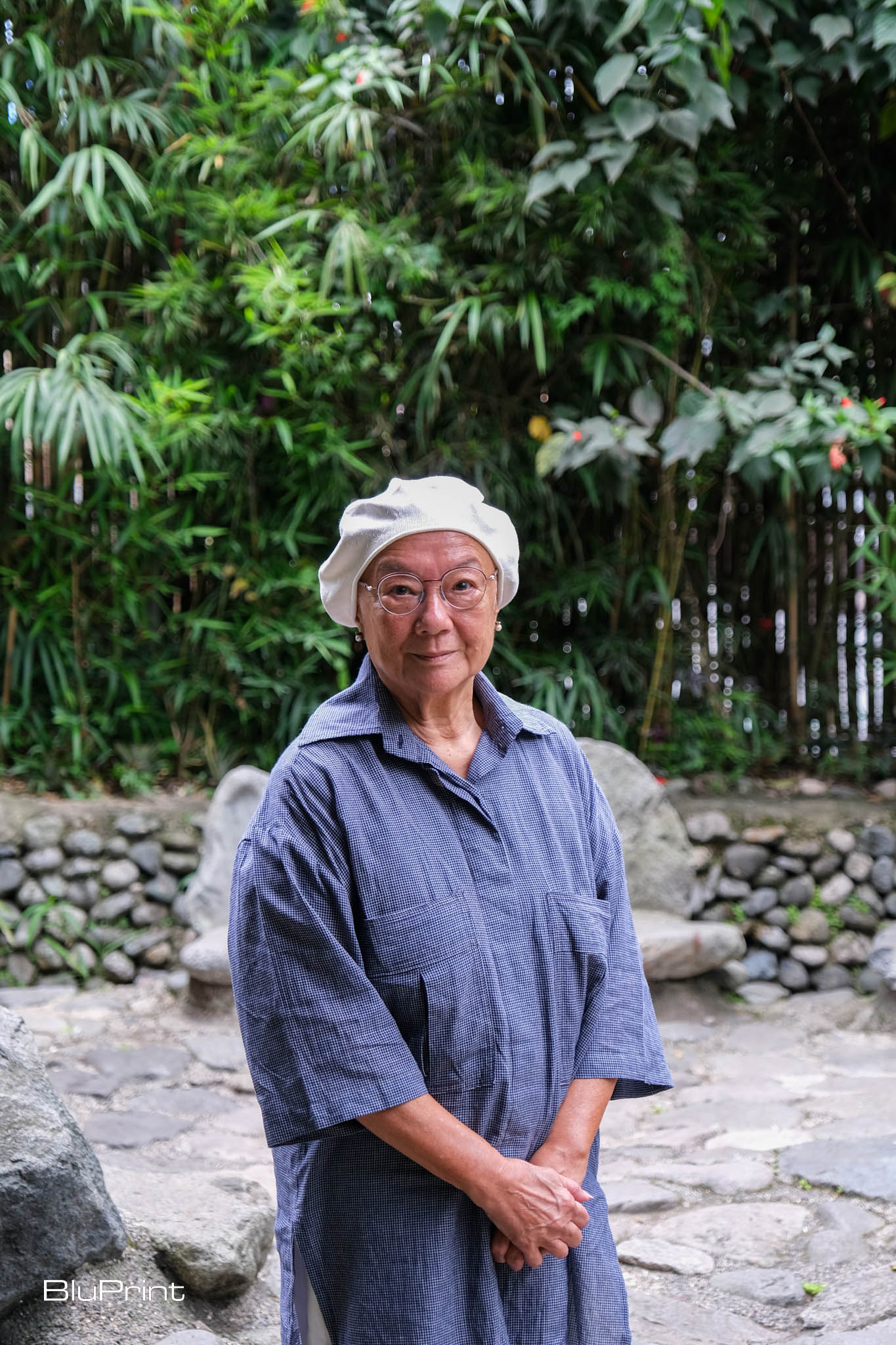
With nearly four decades of history, Café by the Ruins continues to evolve while remaining true to its roots. Regular updates keep the experience fresh and exciting. Despite its challenges, the café remains a beloved Baguio institution where history, art, and culinary excellence come together.
For an authentic taste of Baguio’s culture and cuisine, Café by the Ruins is a must-visit destination. As Perez puts it, “We strive to find unique elements that others might overlook… It’s about staying close to the local scene and sharing that with our visitors.”
Photos by Ed Simon
Frequently Asked Questions (FAQs)
The café got its name from its unique location beside the remains of a World War II building in Baguio. The ruins serve as both backdrop and inspiration, giving the place its historic charm.
Cafe by the Ruins is located at 25 Shuntug Rd, Baguio, Benguet, near Burnham Park. Its central spot makes it easy to visit before exploring other Baguio attractions.
Yes, the café welcomes pets in its outdoor dining area. Guests often bring their furry friends to enjoy the relaxed ambiance while they dine.
Cafe by the Ruins usually opens daily from morning to evening. However, schedules may vary, so it’s best to confirm via their official page.
Yes, the café is family-friendly with a welcoming atmosphere for kids. It also offers parking space, though it can get full during peak hours.
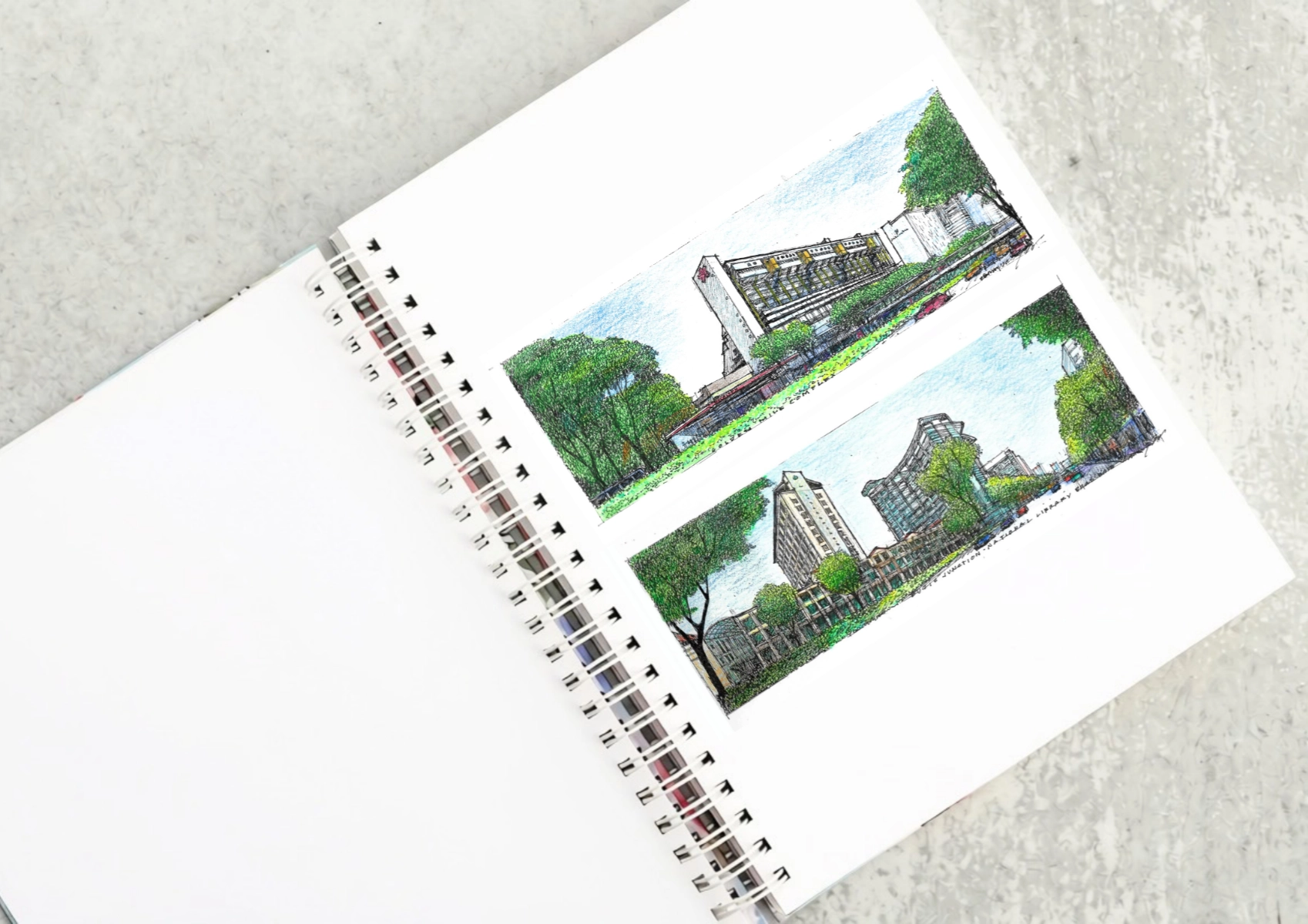
Two sketches of Singapore connect BluPrint Editor in Chief Paulo G. Alcazaren’s personal and professional history with Shared Ground: ArchitectureArchitectureThe art and science of designing and constructing buildings, structures, and spaces that are functional, safe, and aesthetically pleasing. It encompasses the planning, design, materials, and techniques used to createGo to Architecture Glossary of Care, Culture, […]
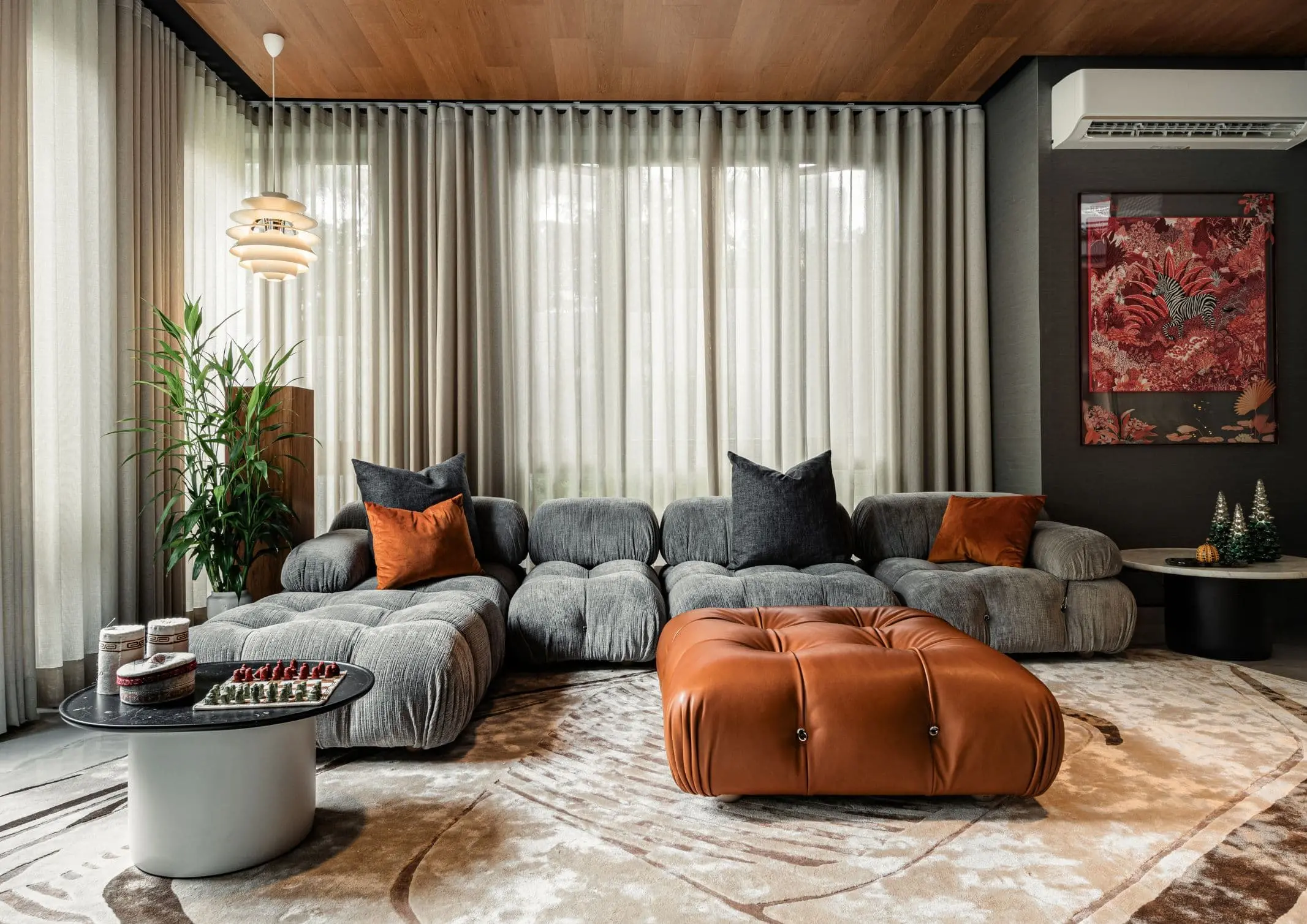
Some have become household names – Coleman, Oster, and KitchenAid – products that have found their way into Filipino kitchens, homes and family routines. In home furnishings, brands such as B&B Italia, Ethan Allen, Sub-Zero, Miele, SieMatic, Louis Poulsen, Hunter Douglas, Tempur, and Technogym, have helped shape the way Filipinos live. From everyday essentials to […]

In a way, designers are the modern-day soothsayers and prophets. They design for the future, predicting how a room, a house, a building or a whole city will be used by people. They foresee how users will interact with a space, conjure exact shades of colors to elicit specific behavior and arrange furniture to build […]
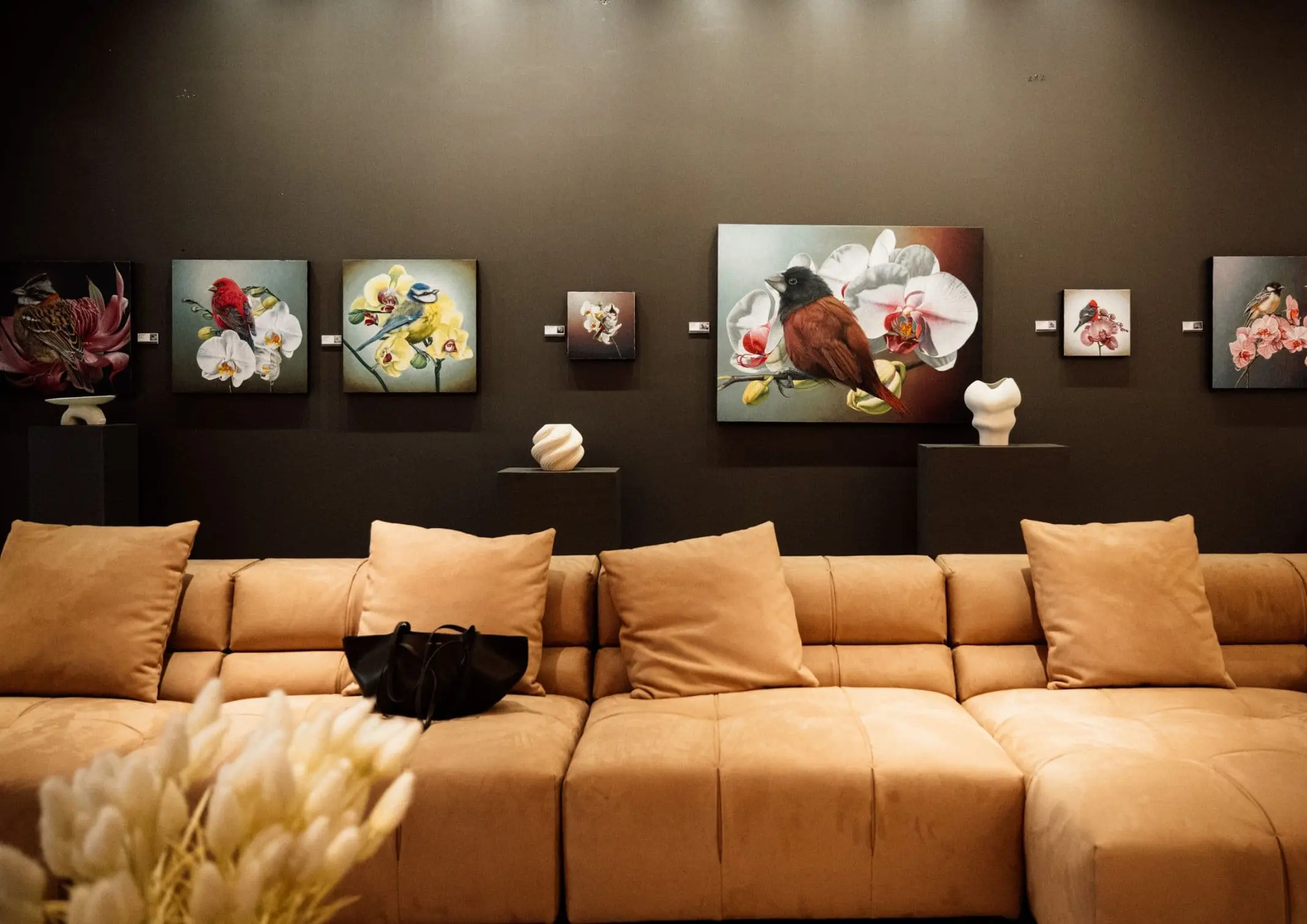
Art and furniture are often selected separately, yet their relationship can shape how a room looks and feels. The collaboration between Hooga and Galerie Joaquin explores how these elements can work together, bringing contemporary artworks into furnished residential settings at Hooga’s showroom in Uptown Mall, Bonifacio Global City. For Hooga, which curates furniture, lighting, and […]
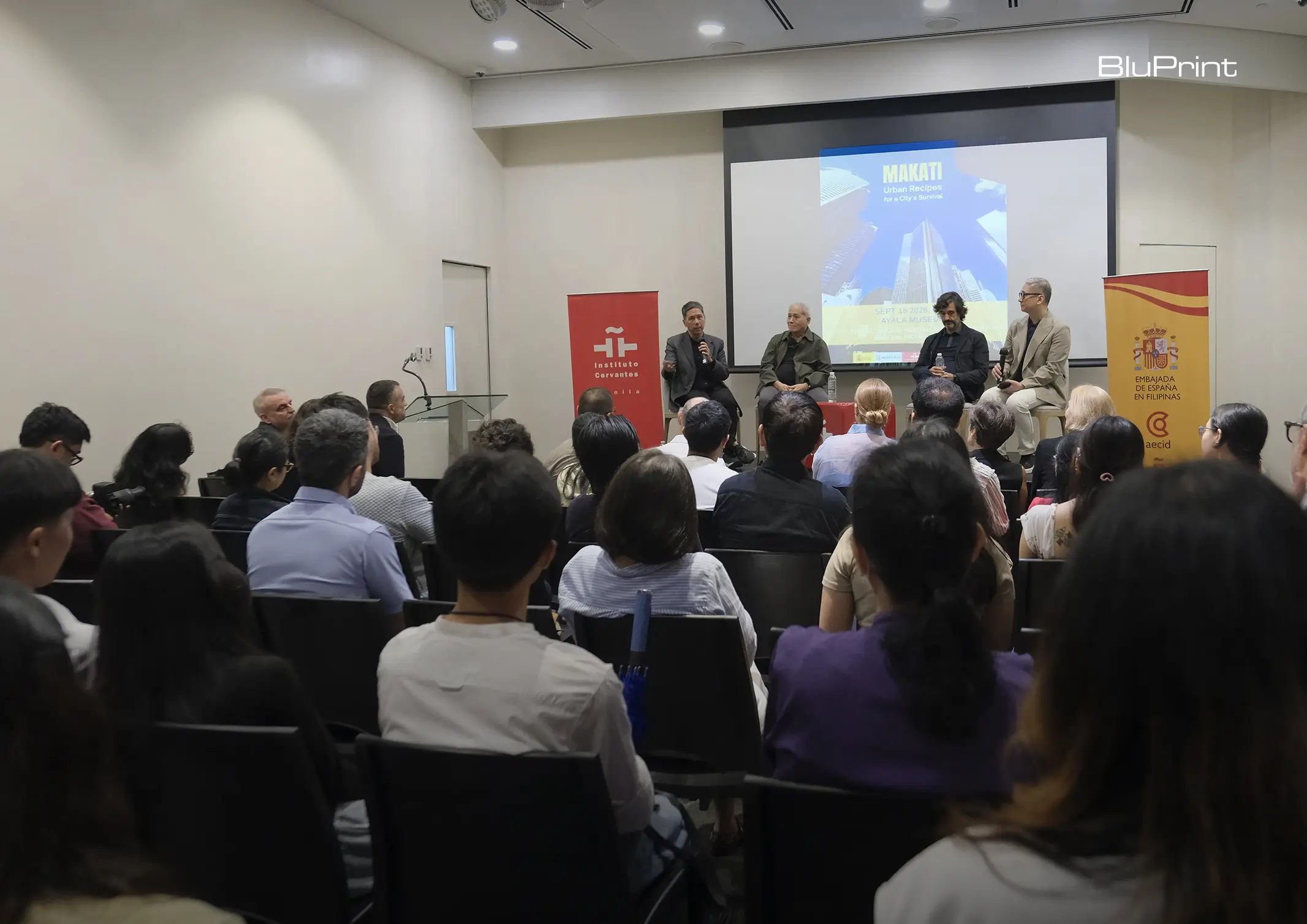
How can better-planned cities create the conditions for more creative, livable, and resilient urban environments? “Makati Urban Recipes for a City’s Survival,” a colloquium held at the Ayala Museum on September 15, brought together architects and practitioners from the fields of urbanism and the creative economy to discuss how design, planning, and collaboration can address […]
Read the issues.

Collect the volumes.

Recommended Video
Tap to Unmute
Unmute
0:00
0:00