Bigkis is the act of binding. In Tagalog, the word can refer to something used to bind or encircle, as well as a bundle formed by tying several separate elements together. Figuratively, it can also mean a bond, union, or unity. The meanings move from the physical act of joining things together to the connection […]
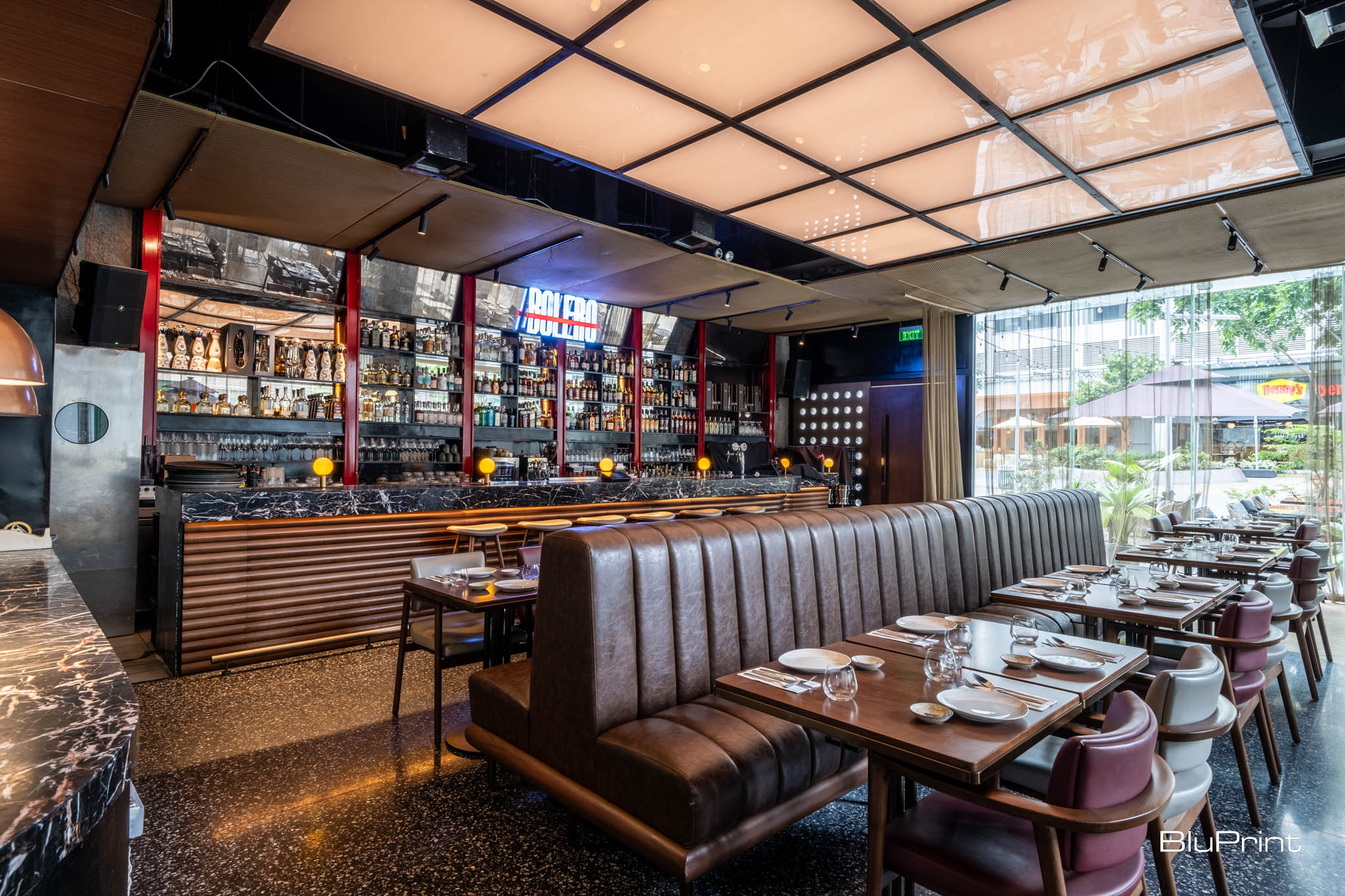
Bolero: Where Flavor Meets Fun



The beauty of a fine dining experience and the comfort of a laid-back ambiance intersect at Bolero. This restaurant in Bonifacio Global City offers modern European fare in an environment where you can simply be yourself.
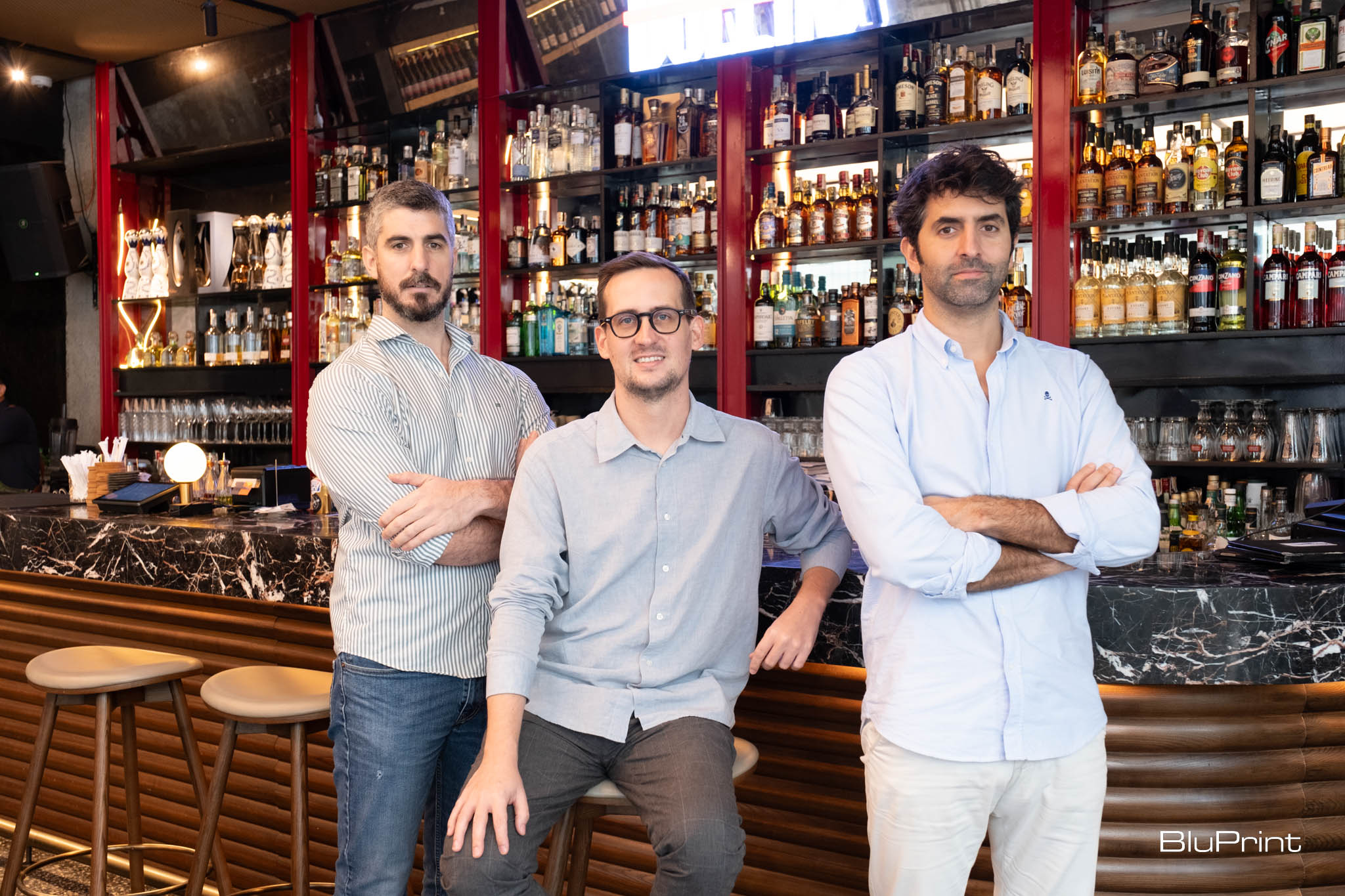
“It’s a place where, [when] you step in, you feel a bit flattered by the architectureArchitectureThe art and science of designing and constructing buildings, structures, and spaces that are functional, safe, and aesthetically pleasing. It encompasses the planning, design, materials, and techniques used to createGo to Architecture Glossary, by the food, by the music,” explains Felipe Diaz de Miranda, one of the co-founders and architects of Bolero. “But at the same time, you don’t feel intimidated. You don’t feel like you’re in a place where you have to pretend.”
This feeling of being flattered relates to one of the meanings of the word Bolero, which is a sweet talker in Filipino. Bolero is also a music genre, a Spanish dance, and a short, cropped jacket often without buttons in front. “We really like this word because it has four different meanings that can be kind of playful,” says Luis de Isasa Muñoz, one of the co-owners of Bolero.
Material Integrity
The owners wanted an elegant but relaxed vibe at Bolero, so a mix of playful and elegant details pepper the restaurant. “Everything is well curated,” describes Endika Ampudia, architect and co-owner of Bolero. “It’s very cohesive all throughout.”
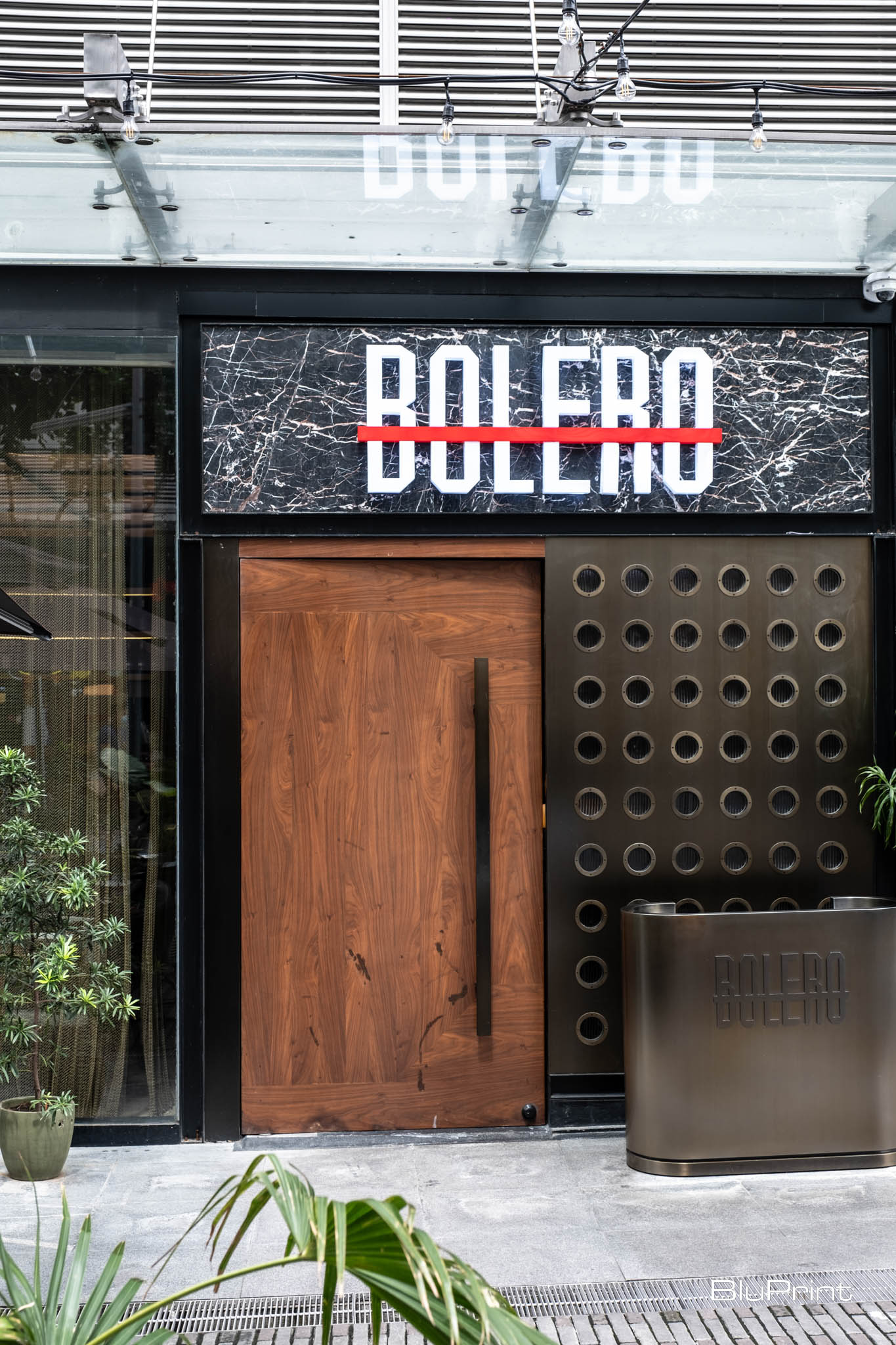
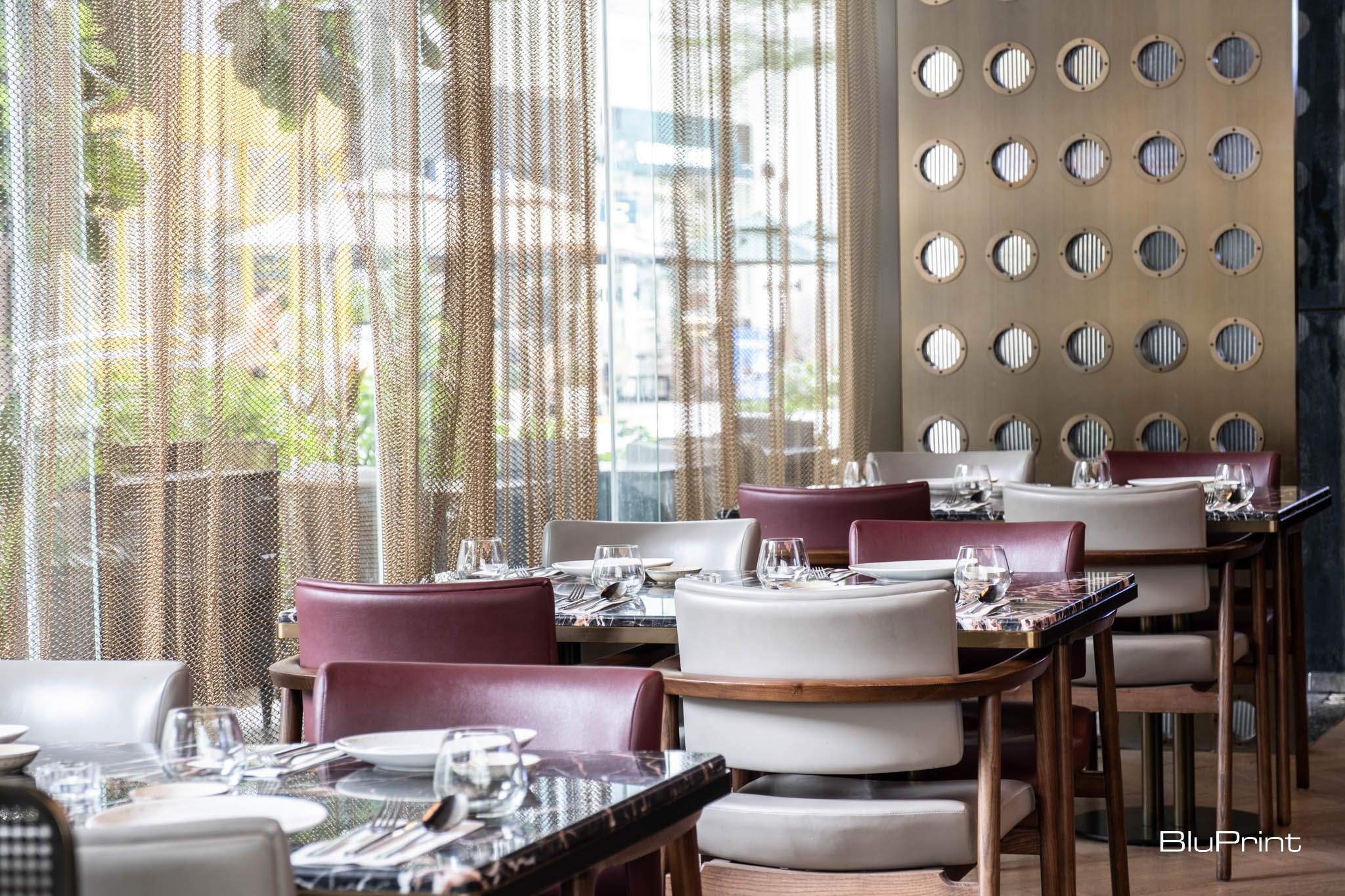
Upon entering the restaurant, a color palette of blacks and browns, along with a play of materials, greets you. Natural terrazzoTerrazzoA composite flooring and surface material made from chips of marble, granite, glass, or other aggregates set in cement or resin, then ground and polished smooth. Durable and cool underfoot,Go to Terrazzo Glossary flooring, leather seats, marble and wood table tops, brass table bases, and solid wood chairs create a polished interior. Meanwhile, metal accents add an industrial vibe, toning down the upscale look. The splash of red striking through the “Bolero” signage gives character.
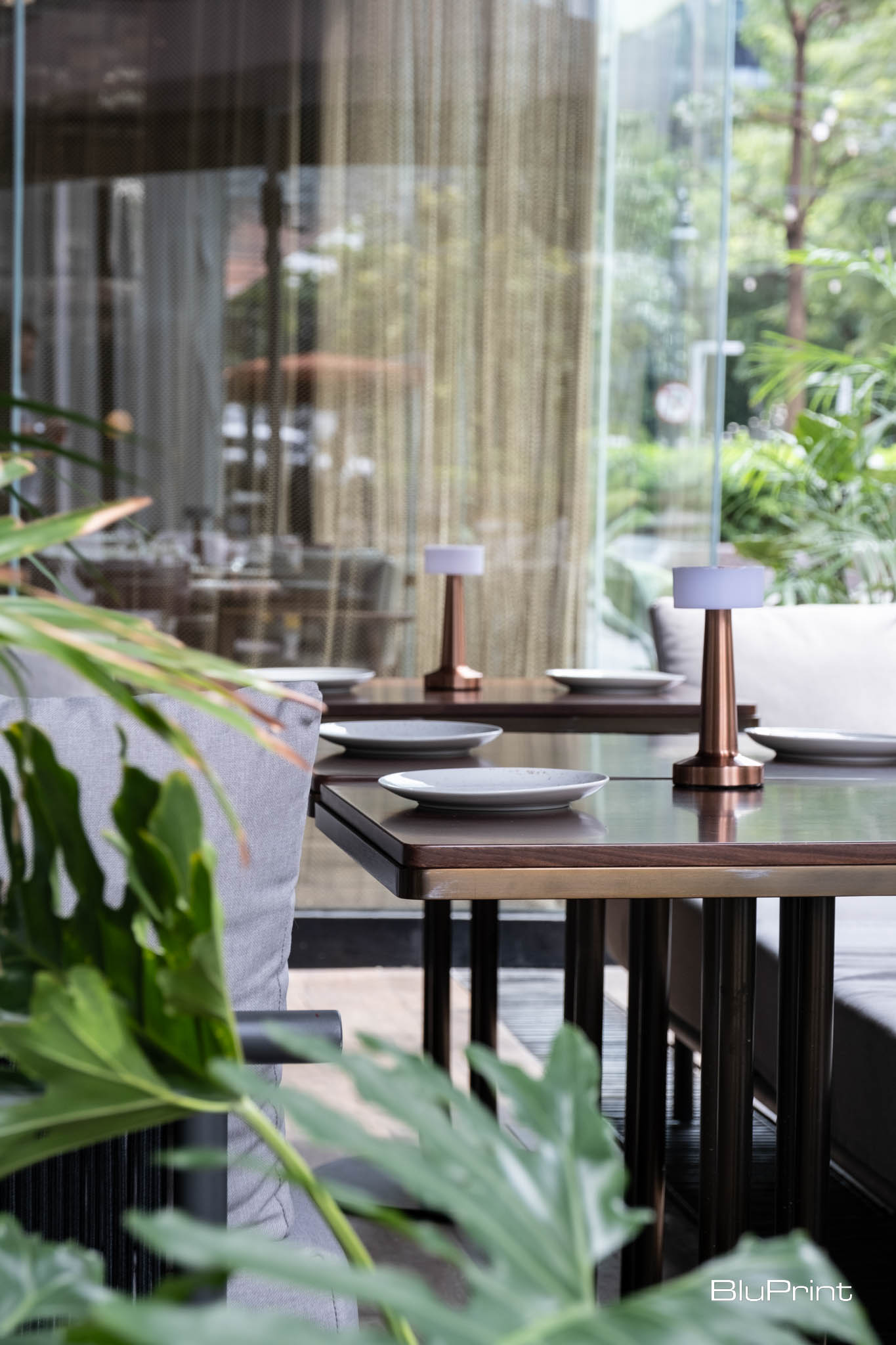
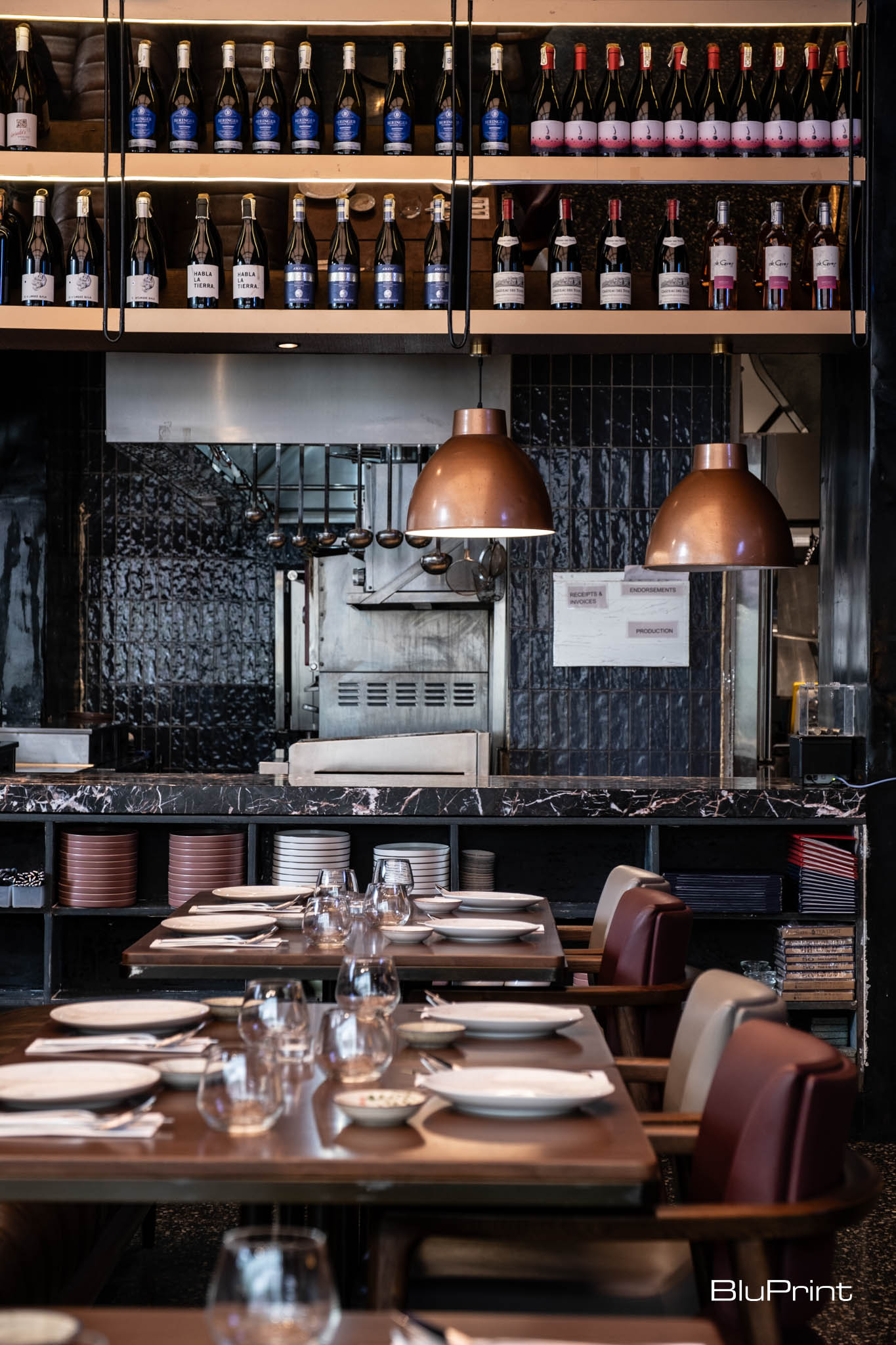
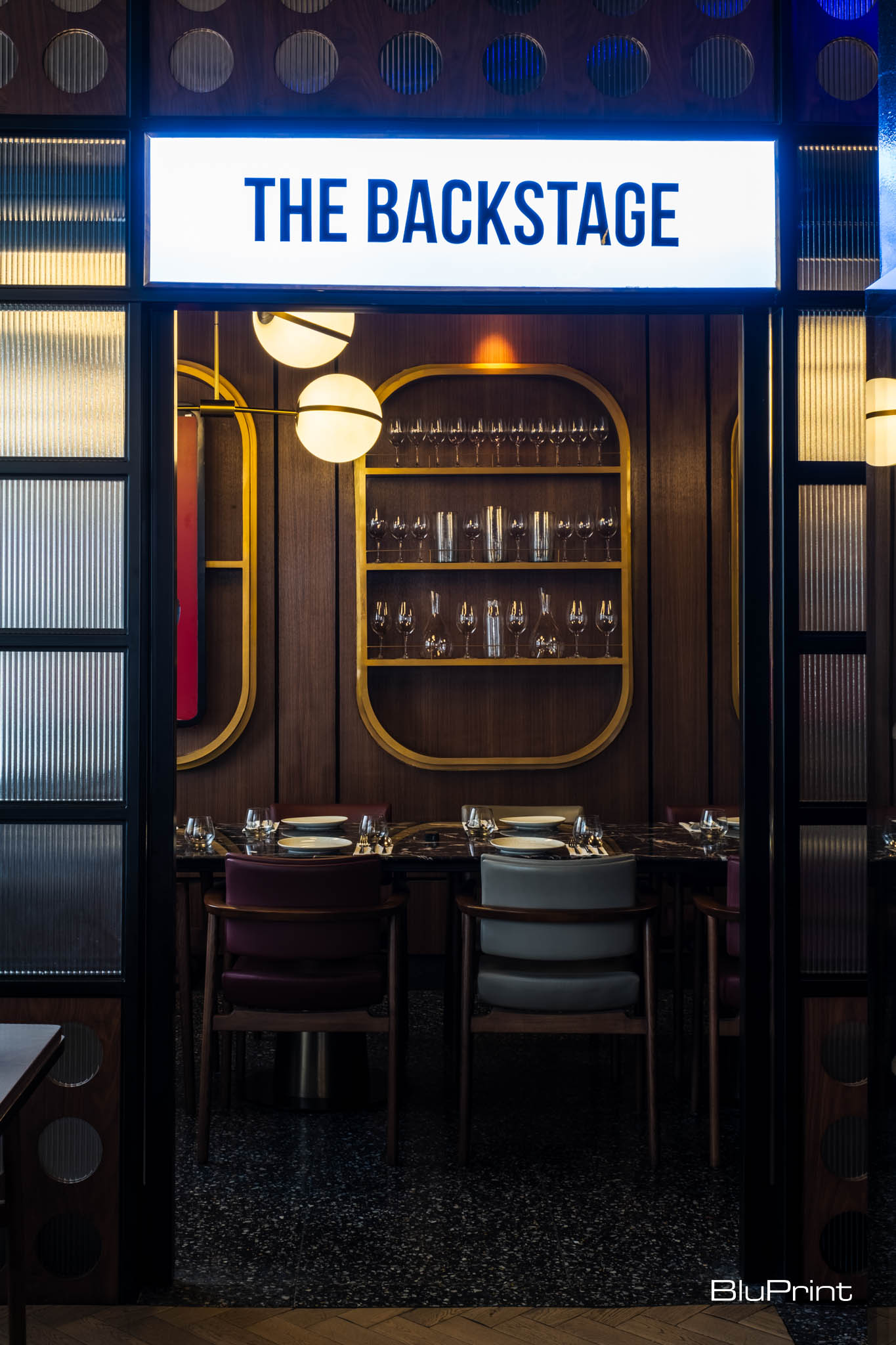
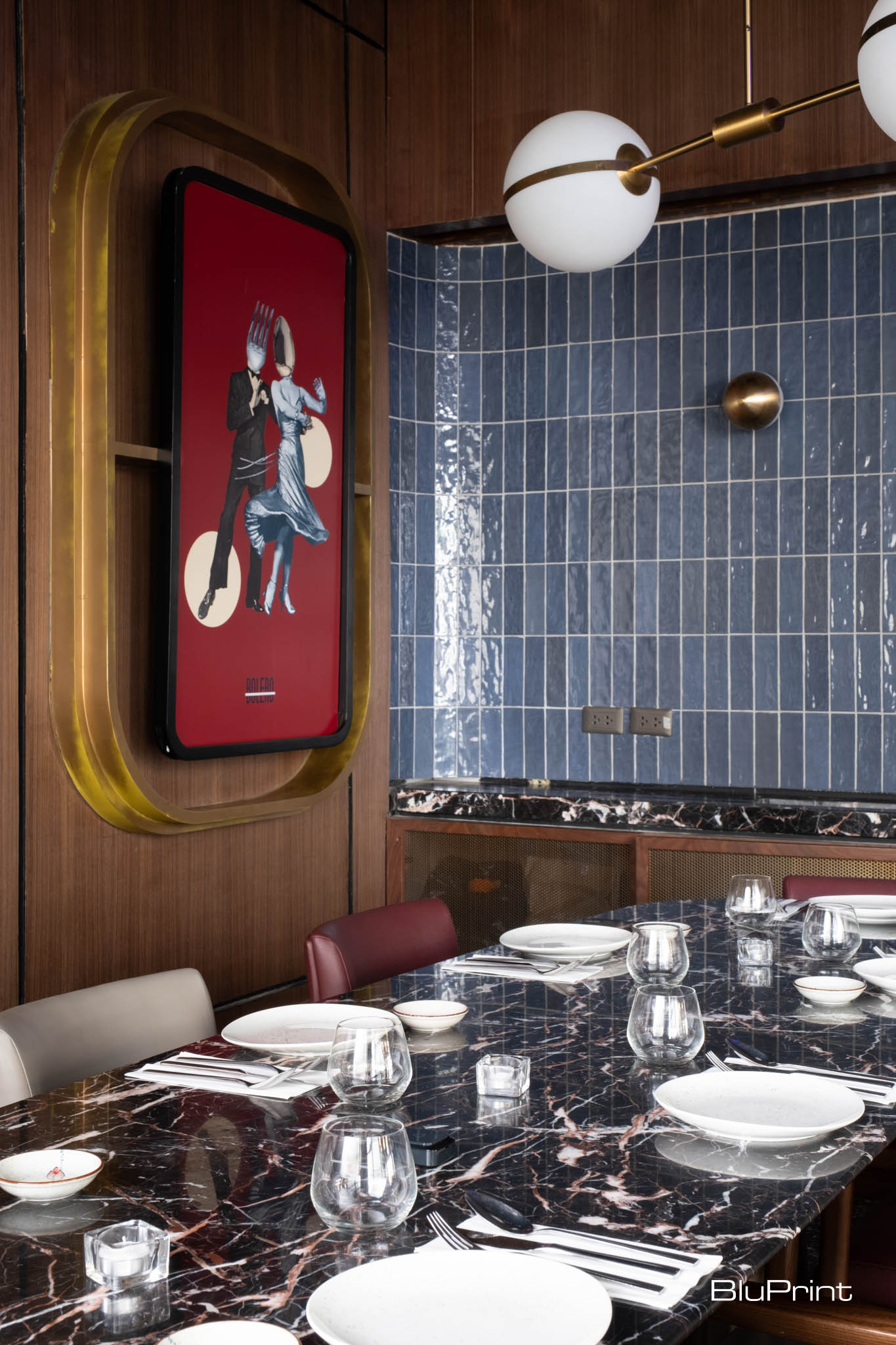
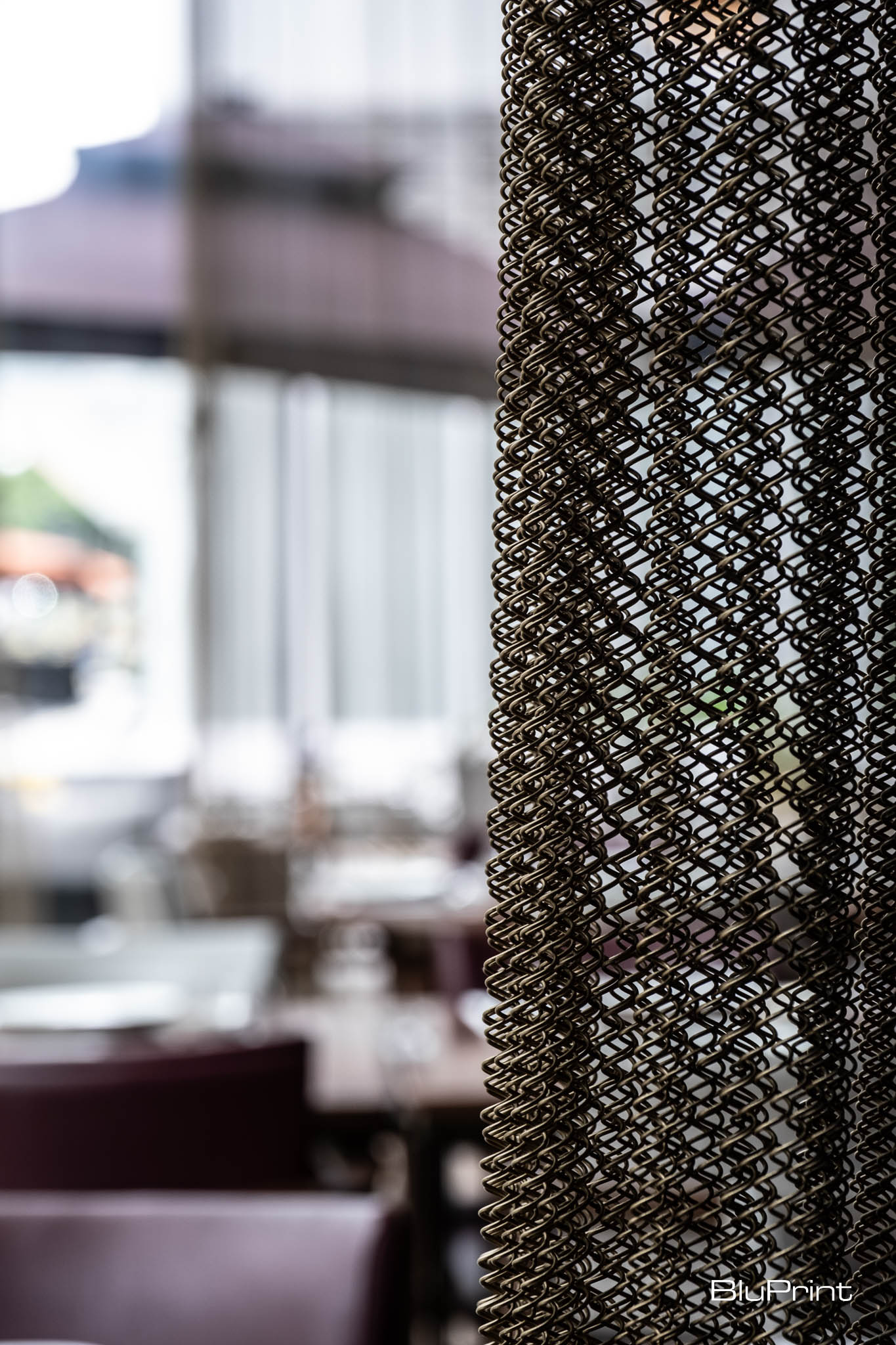
High-quality, authentic materials and finishes make Bolero’s interiors refined and elegant.
Bolero, in Filipino, may mean “a flatterer,” but the materials and other design elements in the restaurant are anything but mere bola. “We never try to use fake materials or synthetic materials. Everything that you see is the actual material,” Ampudia says, adding that doing so brings “honesty to the materiality of the space.”
The use of authentic materials reflects the quality that Bolero brings to its customers, both in its design and its cuisine.
Impeccable Design Details
Everything at Bolero is well thought out, transforming everyday objects into something unique. The main entrance, for one, is crafted from solid wood. Beside it is a fluted glass behind a metal panel, enhancing the restaurant’s facade.
The metal mesh curtains are another highlight. They not only act as a decorative element but also give the diners privacy while allowing them to have a view of the outdoors. At the same time, passers-by can also glimpse the restaurant’s interiors.
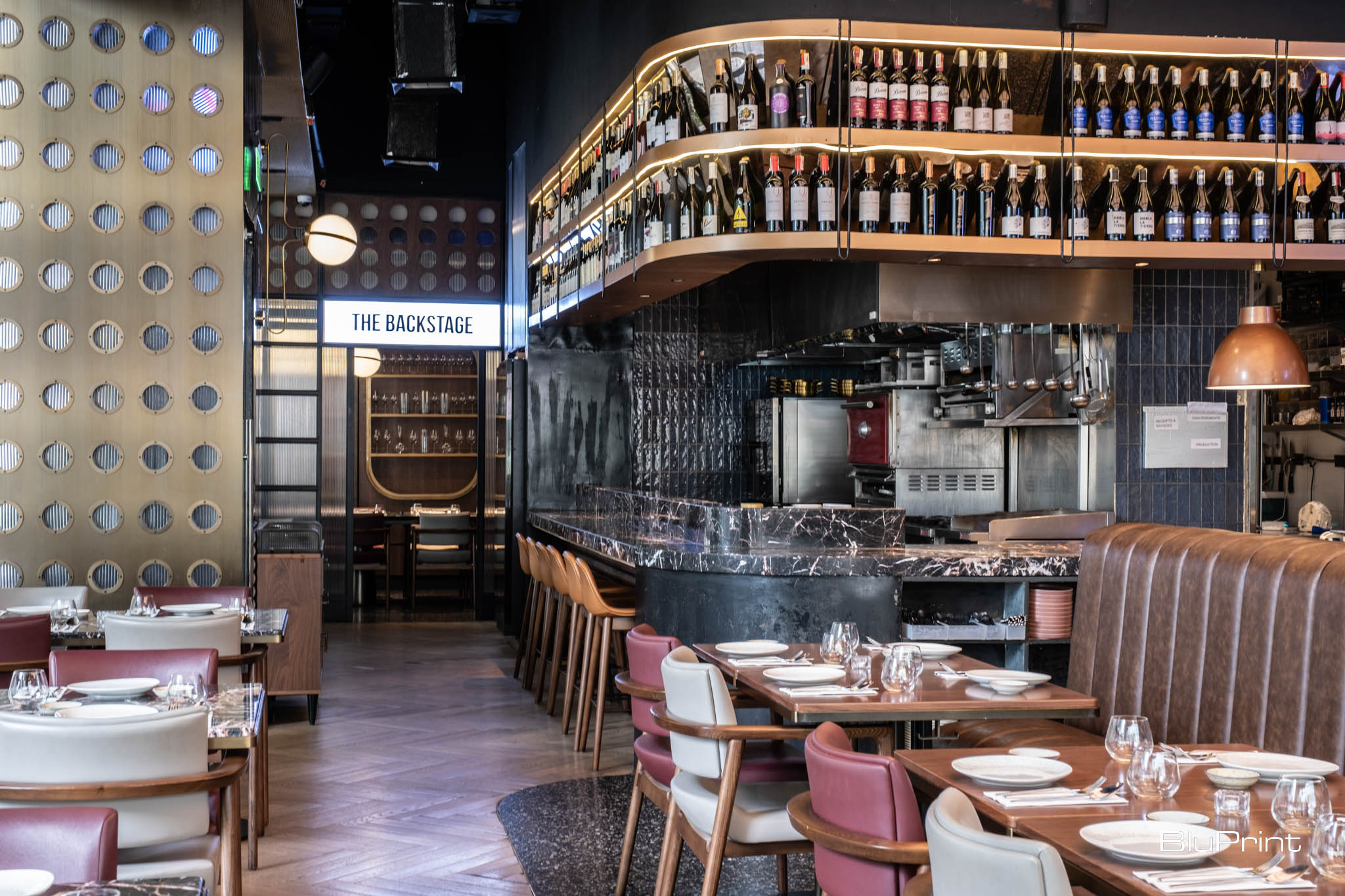
Meanwhile, the open kitchen serves as the “centerpiece of the restaurant.” De Isasa Muñoz says, “[It’s] a big part of the entertainment…and all the guests can see what is happening there, how the team is running the kitchen. And I think it’s a very, very important element.”
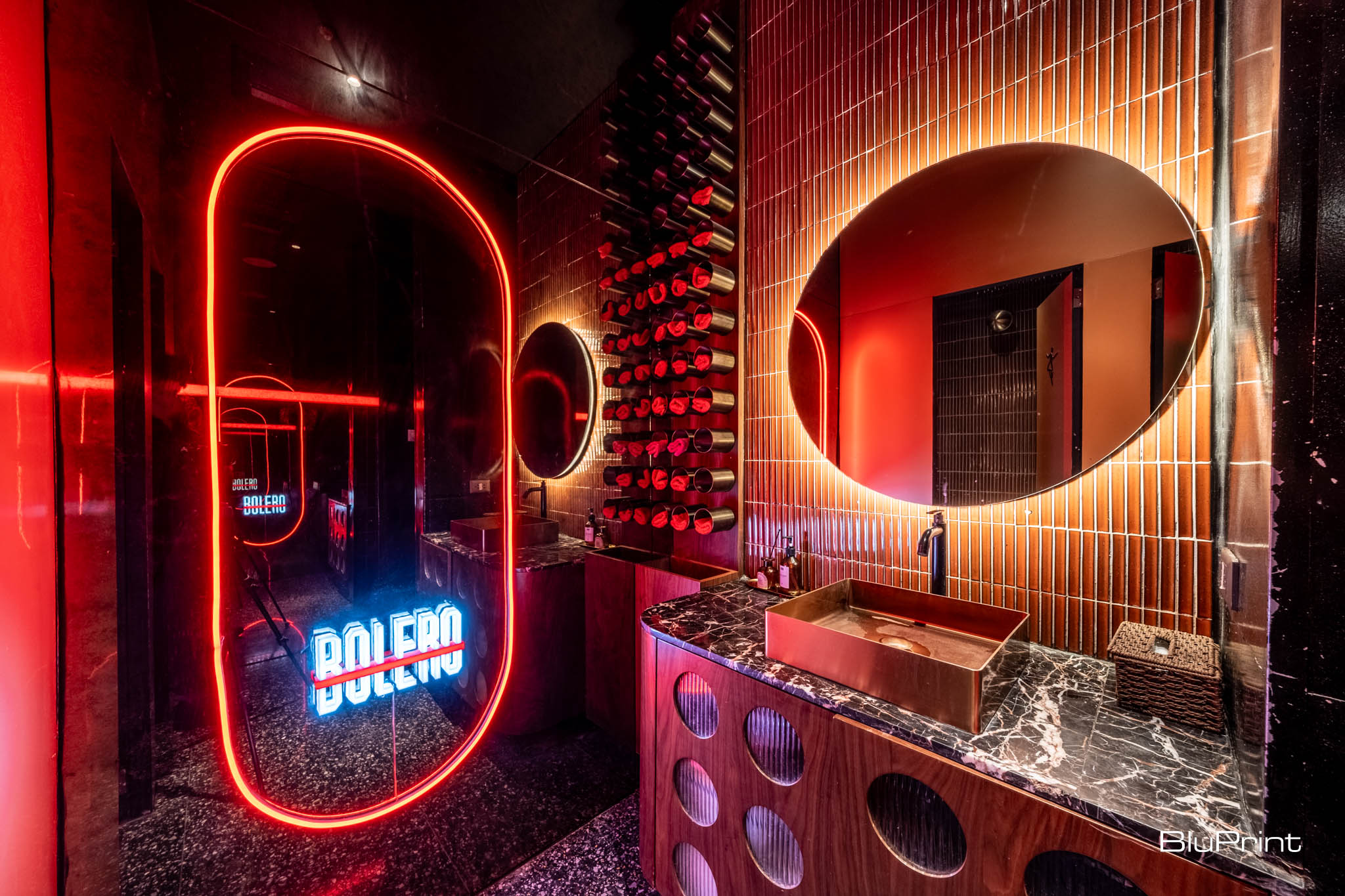
Even the towel handler in the bathroom is extraordinary. Metal tubes attached to a wall panel each hold a hand towel. This practical installation also acts as an accent piece. And throughout the restaurant, more details—from the custom tables and chairs made in partnership with MPM Design, Bolero’s partner in F&B interiors, and the central lighting that can be dimmed to enhance the restaurant’s ambiance—show the team’s meticulous design planning.
Sophisticated yet Unpretentious
Bolero offers its customers a premium experience, from how guests are greeted at the door and seated at their tables to how they are served throughout their stay. “But we didn’t want to go to a level of fine dining that is sometimes misunderstood by the main consumer,” De Isasa Muñoz explains.
Diaz de Miranda likens this experience to entering a fancy house where each piece looks curated. “But then, it’s like you feel it’s to be used,” he quips. “It’s a place that you know, when you’re inside, that even if it looks very good, it was designed to be used, not to be like a showcase.”
This refined but comfortable experience is also reflected in Bolero’s menu, offering high-quality food that customers can understand and appreciate. “If you go to the menu, you will relate [to it], or you will see that you are familiar with almost all the dishes. But there is always a twist or something special that you didn’t see,” explains De Isasa Muñoz.
The menu contains specialty dishes like the Skipjack Tuna with Ajoblanco and the Spanish Cheesecake, chef Fernando Alcala’s recipe that earned him the title at the National Championship of Cheesecake in 2019. At the same time, you’ll also find familiar but elevated offerings like the cheese doughnuts with lime salt, Iberian pork chop, and tuna steak in puttanesca sauce.
Elevating the Guests’ Journey
To encourage diners to come back to Bolero, the team is keen on maintaining the restaurant’s welcoming atmosphere and keeping it a place where people can enjoy good food and have fun. De Isasa Muñoz adds that they also plan to continue training and developing their team “to offer the best possible experience for the guests” and welcoming ideas from Alcala “to try to offer something different to the guests as much as possible every time they come.”
Whether you’re having a business lunch or going out on a Friday night with your friends, Bolero can be your place to be. From the restaurant ambiance to the food and the quality of service you get, everything is bound to give you a good experience—and that is not bola.
Read more: Architecture of Dining: The Best Restaurant Interior Design of 2024
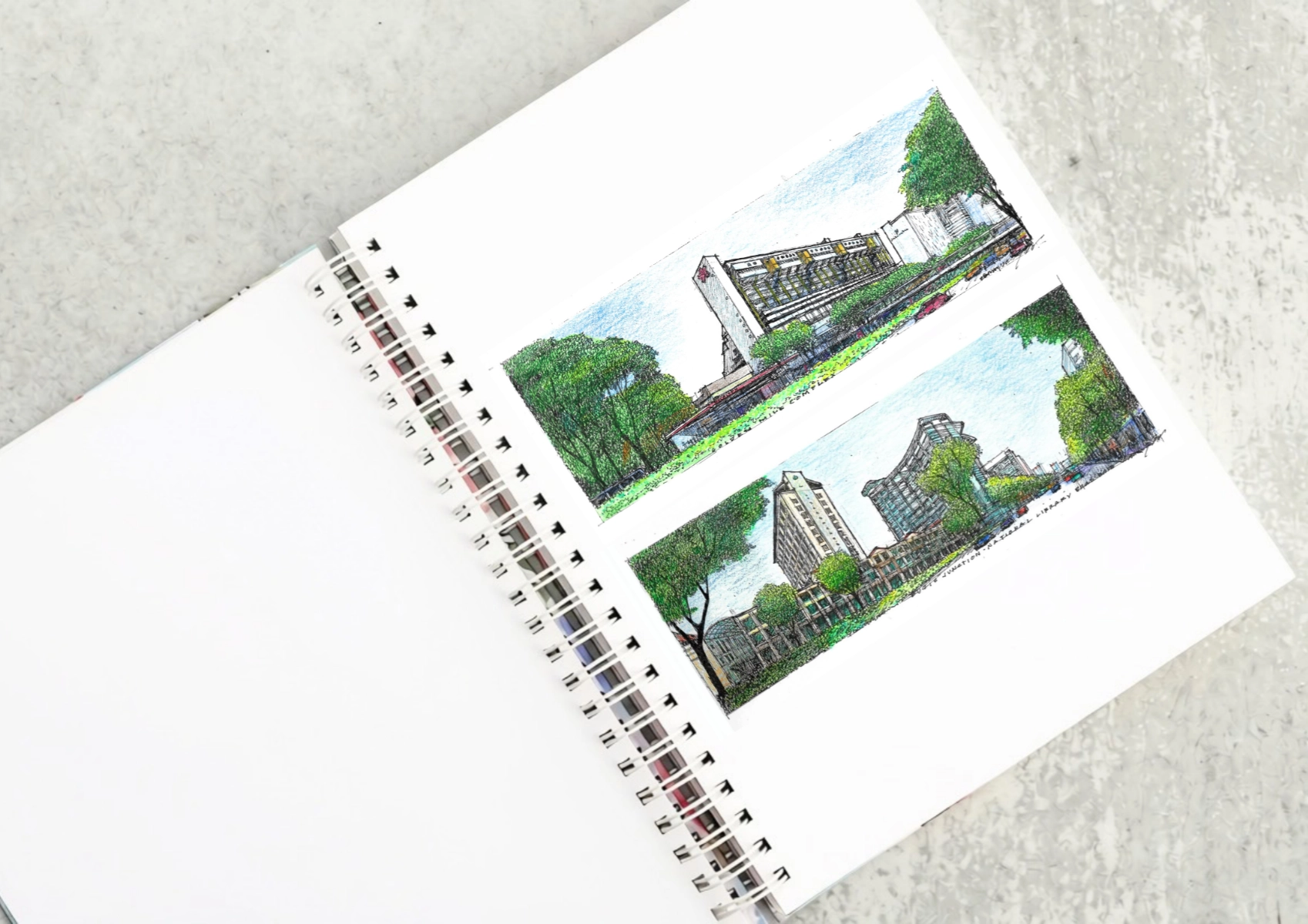
Two sketches of Singapore connect BluPrint Editor in Chief Paulo G. Alcazaren’s personal and professional history with Shared Ground: ArchitectureArchitectureThe art and science of designing and constructing buildings, structures, and spaces that are functional, safe, and aesthetically pleasing. It encompasses the planning, design, materials, and techniques used to createGo to Architecture Glossary of Care, Culture, […]

In a way, designers are the modern-day soothsayers and prophets. They design for the future, predicting how a room, a house, a building or a whole city will be used by people. They foresee how users will interact with a space, conjure exact shades of colors to elicit specific behavior and arrange furniture to build […]
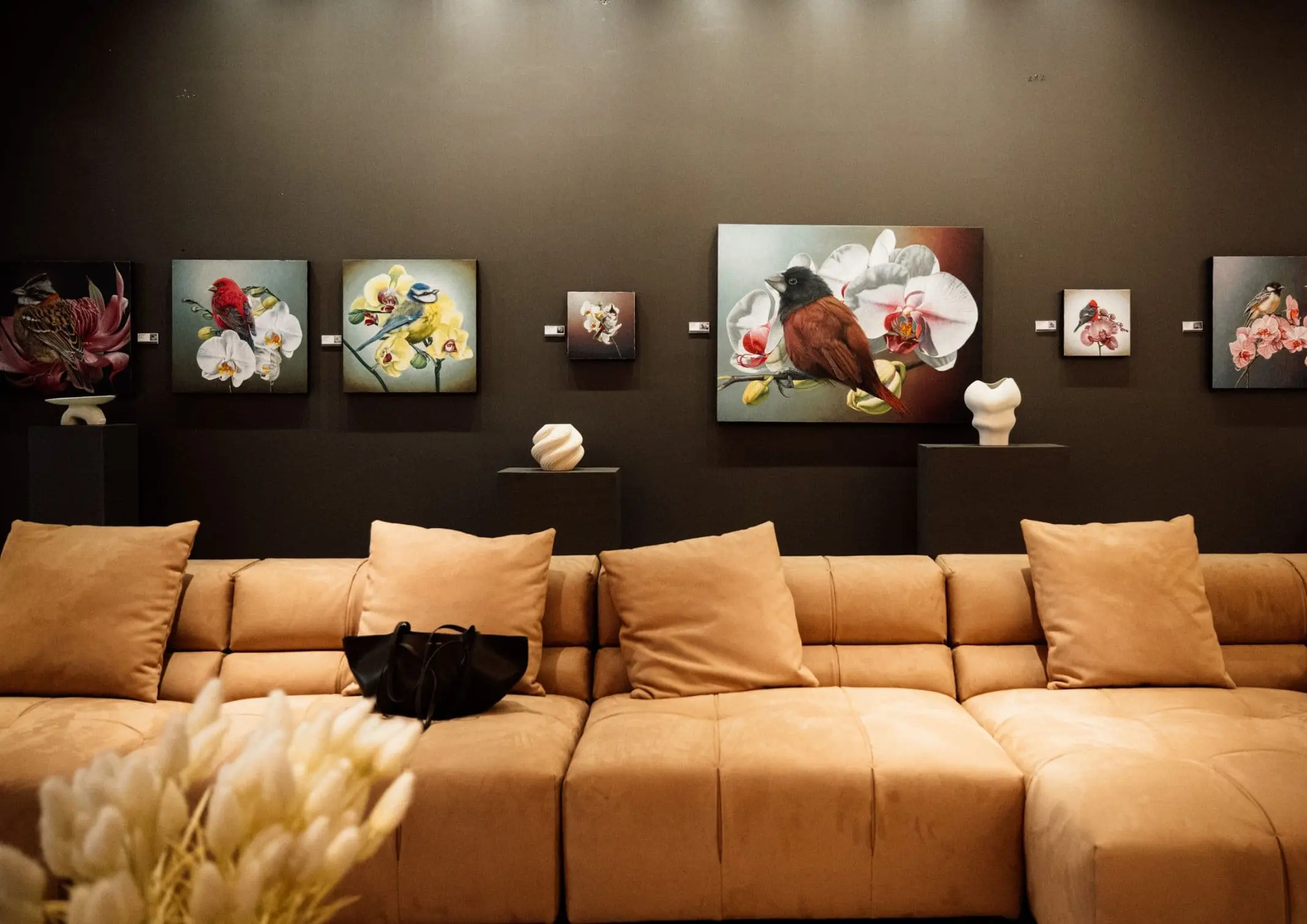
Art and furniture are often selected separately, yet their relationship can shape how a room looks and feels. The collaboration between Hooga and Galerie Joaquin explores how these elements can work together, bringing contemporary artworks into furnished residential settings at Hooga’s showroom in Uptown Mall, Bonifacio Global City. For Hooga, which curates furniture, lighting, and […]
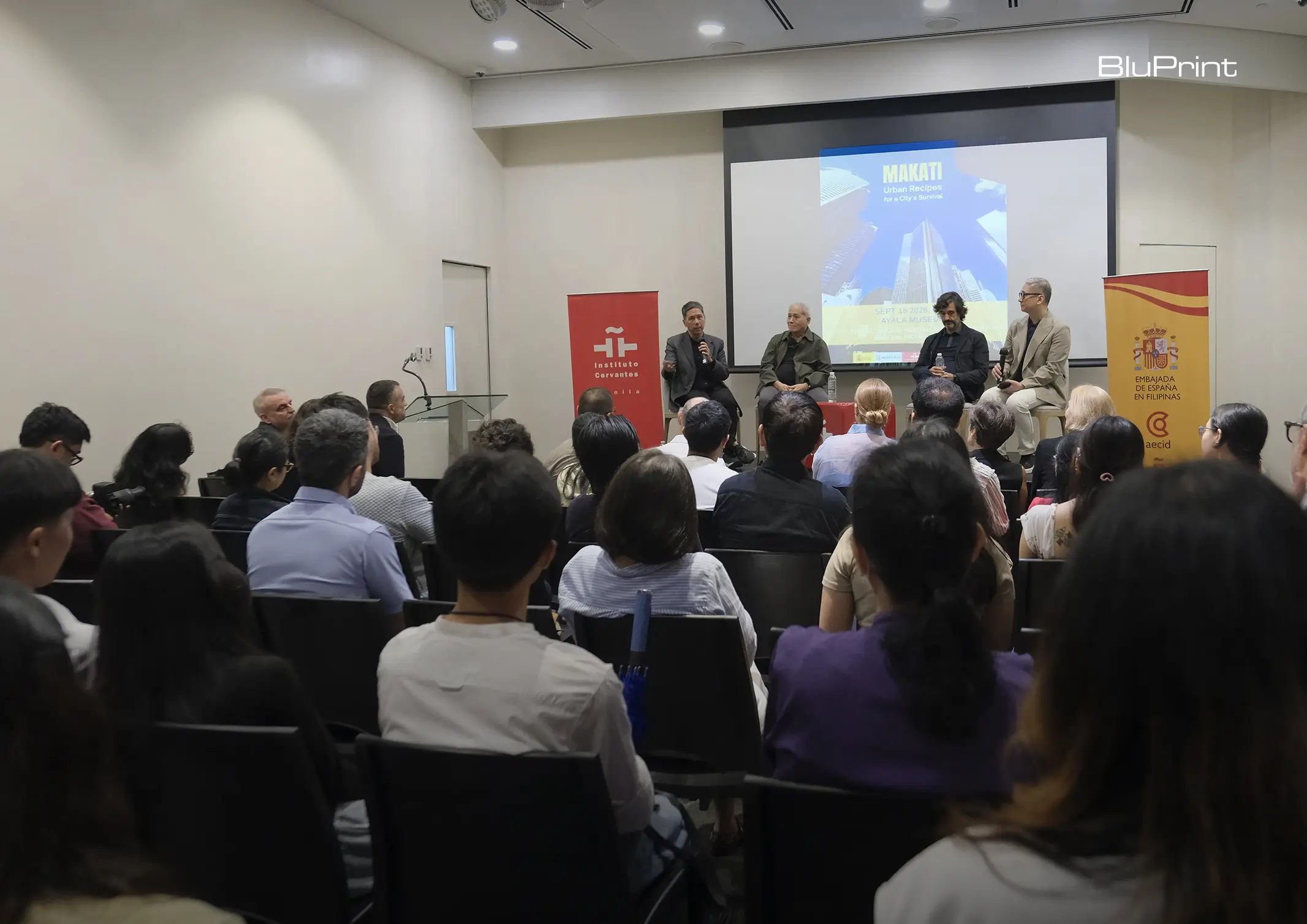
How can better-planned cities create the conditions for more creative, livable, and resilient urban environments? “Makati Urban Recipes for a City’s Survival,” a colloquium held at the Ayala Museum on September 15, brought together architects and practitioners from the fields of urbanism and the creative economy to discuss how design, planning, and collaboration can address […]
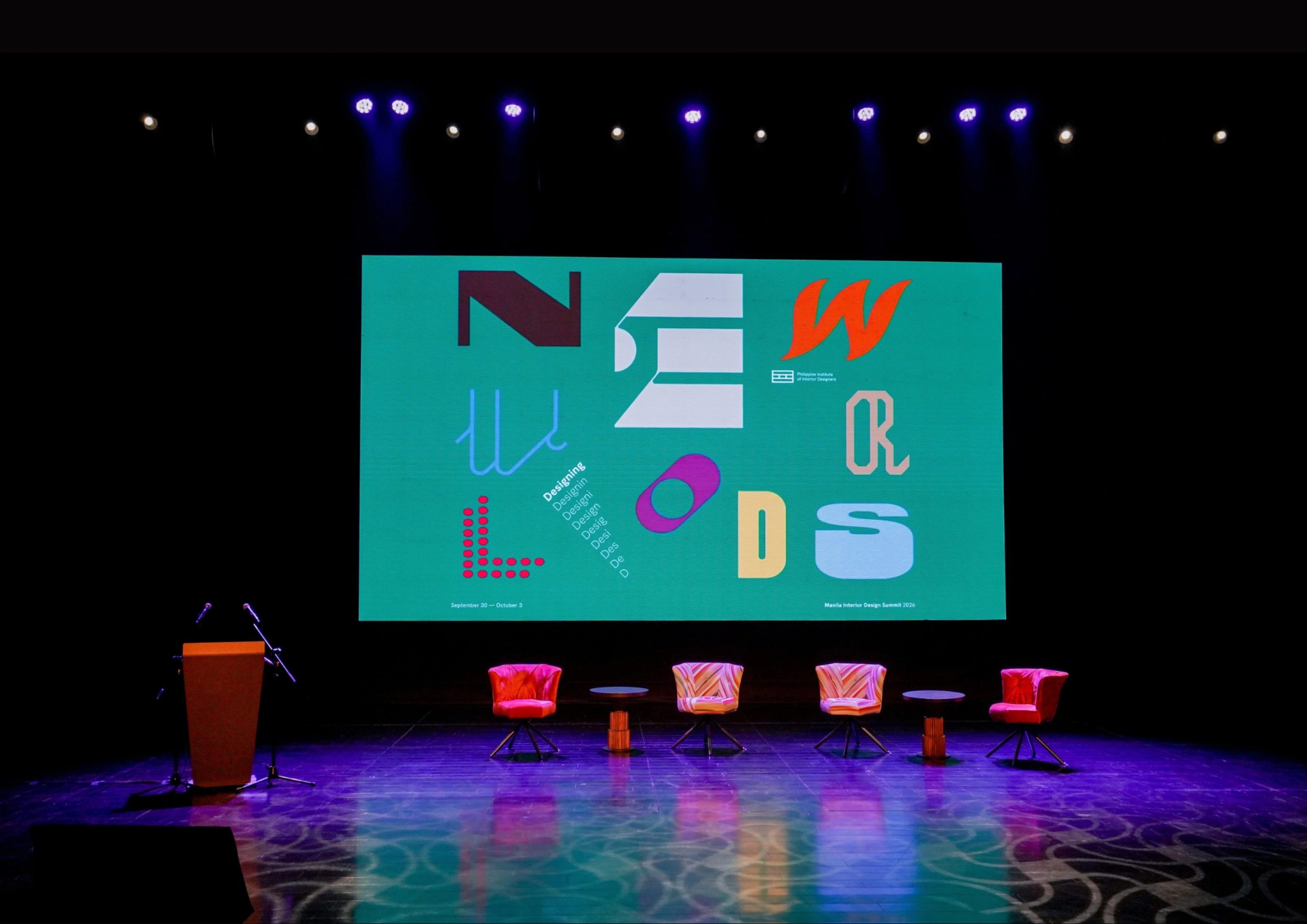
The fourth Manila Interior DesignInterior DesignThe discipline of planning and shaping interior spaces for function, comfort, safety, and beauty. It covers layout, lighting, materials, finishes, furniture, and color, and in the Philippines is a licensedGo to Interior Design Glossary Summit (MIDS) brought together more than 300 delegates for four days of conversations, exhibitions, and design […]
Read the issues.

Collect the volumes.

Recommended Video
Tap to Unmute
Unmute
0:00
0:00