A museum tells stories, not only through the artifacts it houses, but also through the spaces that bring them together. And Basilan’s first museum, Museo Pantán, does just that. Located along the coast of Fuego-Fuego Beachfront, the building embraces its coastal landscape, offering an architectural expression of the city’s culture and relationship with its surroundings. […]
Museo Pantán: Rooted in Culture, Informed by Nature


A museum tells stories, not only through the artifacts it houses, but also through the spaces that bring them together. And Basilan’s first museum, Museo Pantán, does just that. Located along the coast of Fuego-Fuego Beachfront, the building embraces its coastal landscape, offering an architectural expression of the city’s culture and relationship with its surroundings.
The museum’s architectural identity was realized by renowned architect and founder of Royal Pineda Plus, Ar. Royal Pineda, together with its creative director, Angel Aguinaldo. From the outset, Pineda wanted the institution to be more than just a repository of artifacts. He envisioned it as a structure that genuinely reflects Isabela and its local community.
“This museum cannot be pretentious and it should reflect the lifestyle of Isabeleños. They should be owning it,” he shared.
Related Reading: Sketching Modernity 01: Ayala Museum
When Architecture Becomes One with Nature
Drawing from the Filipino belief of “tabi-tabi po”—a cultural expression rooted in respect for the unseen, particularly spirits or supernatural beings believed to inhabit natural surroundings such as trees, rocks, forests, and bodies of water—Pineda sought to carry this sense of respect into the architectureArchitectureThe art and science of designing and constructing buildings, structures, and spaces that are functional, safe, and aesthetically pleasing. It encompasses the planning, design, materials, and techniques used to createGo to Architecture Glossary, allowing the landscape to guide the design rather than imposing on it.
This meant recognizing the existing environment as something to coexist with, preserving its presence, and allowing the museum to become part of the place rather than displacing what was already there.
“I think what is crucial is that [building] with all those intentions of understanding the nature of things, because I believe in the nature of things. As it tells you what it’s asking for, you just have to listen. And the architecture starts to present the gesture it’s wanting to give,” Pineda added.
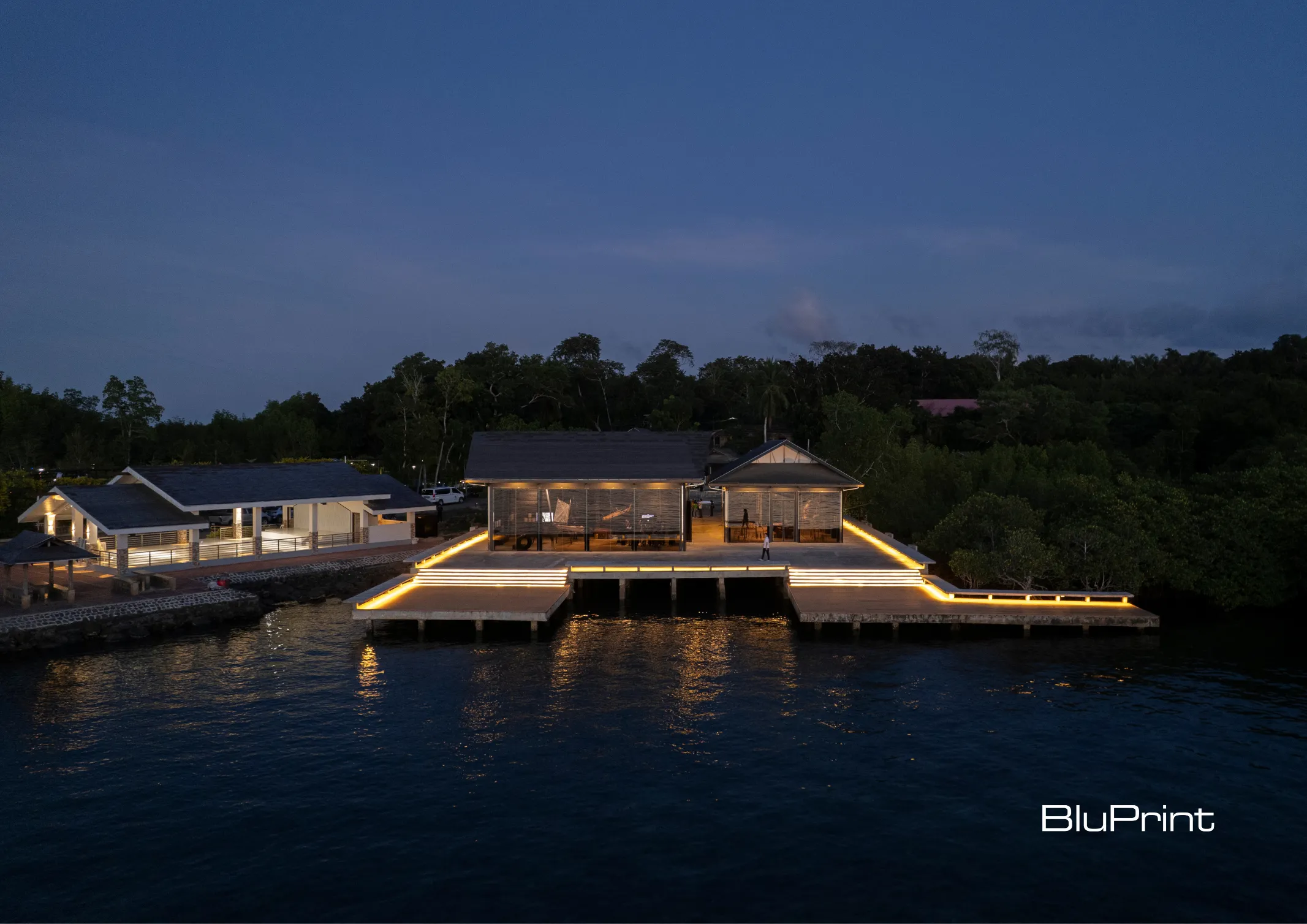
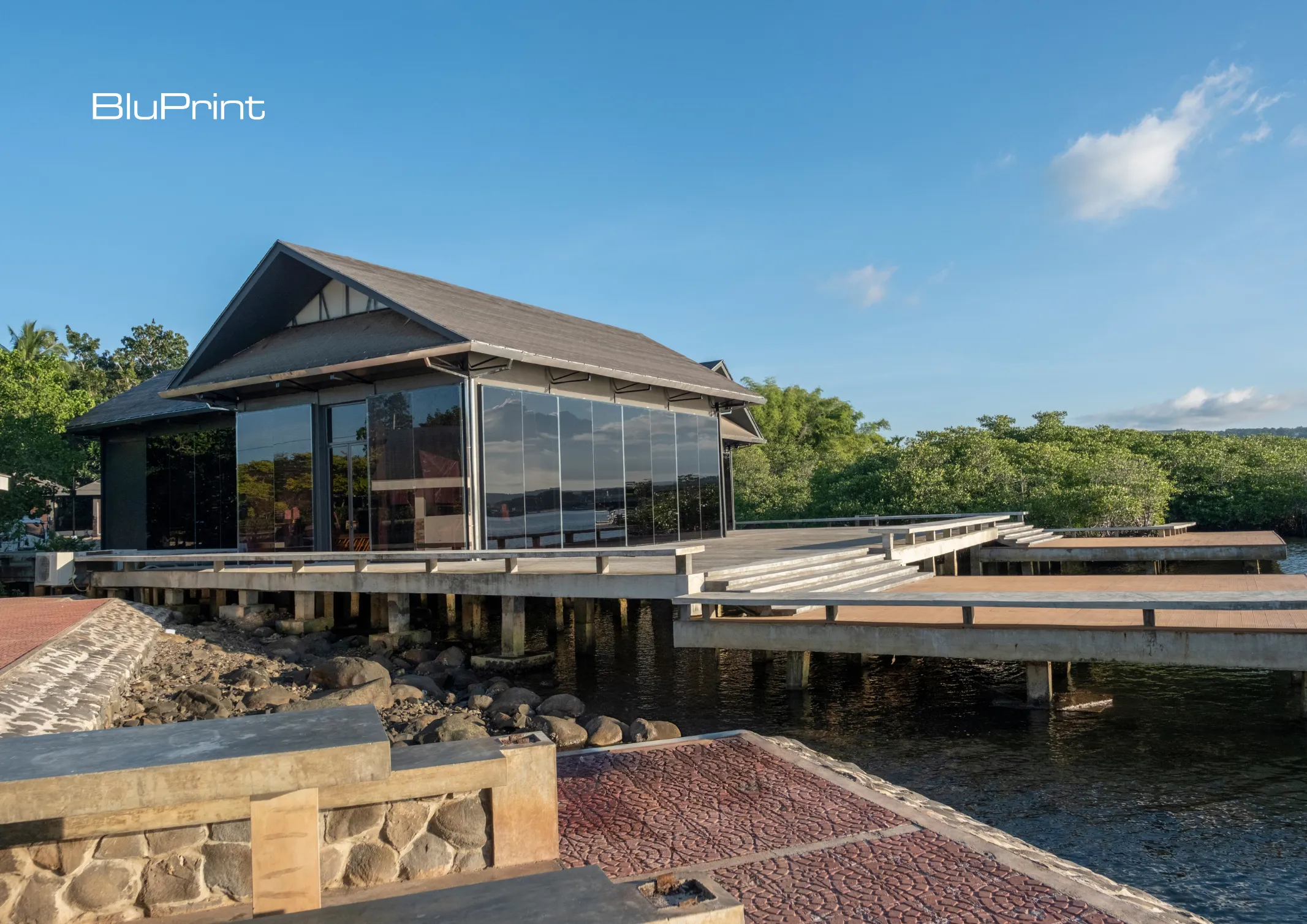
In Museo Pantán, this approach is exemplified through the placement of its three pavilions, which sit on a raised platform just a few meters above the water, surrounded by mangrove trees that remain untouched. At the edges are two pantans without railings, recalling the outdoor extensions of the Badjao community’s houses on stilts. These interconnected spaces provide areas for peaceful interaction, where residents can pass through, dock their boats, and relax. Pineda explained that this became his inspiration for the museum’s docks, which he intentionally designed without any railings to establish a connection between the museum and the water. This architectural feature is also where the museum derives its name, serving as an extension of the institution, where visitors can enjoy the waters and views of the Badjao stilt houses in the middle of the sea. It also provides an additional docking area for fishermen.
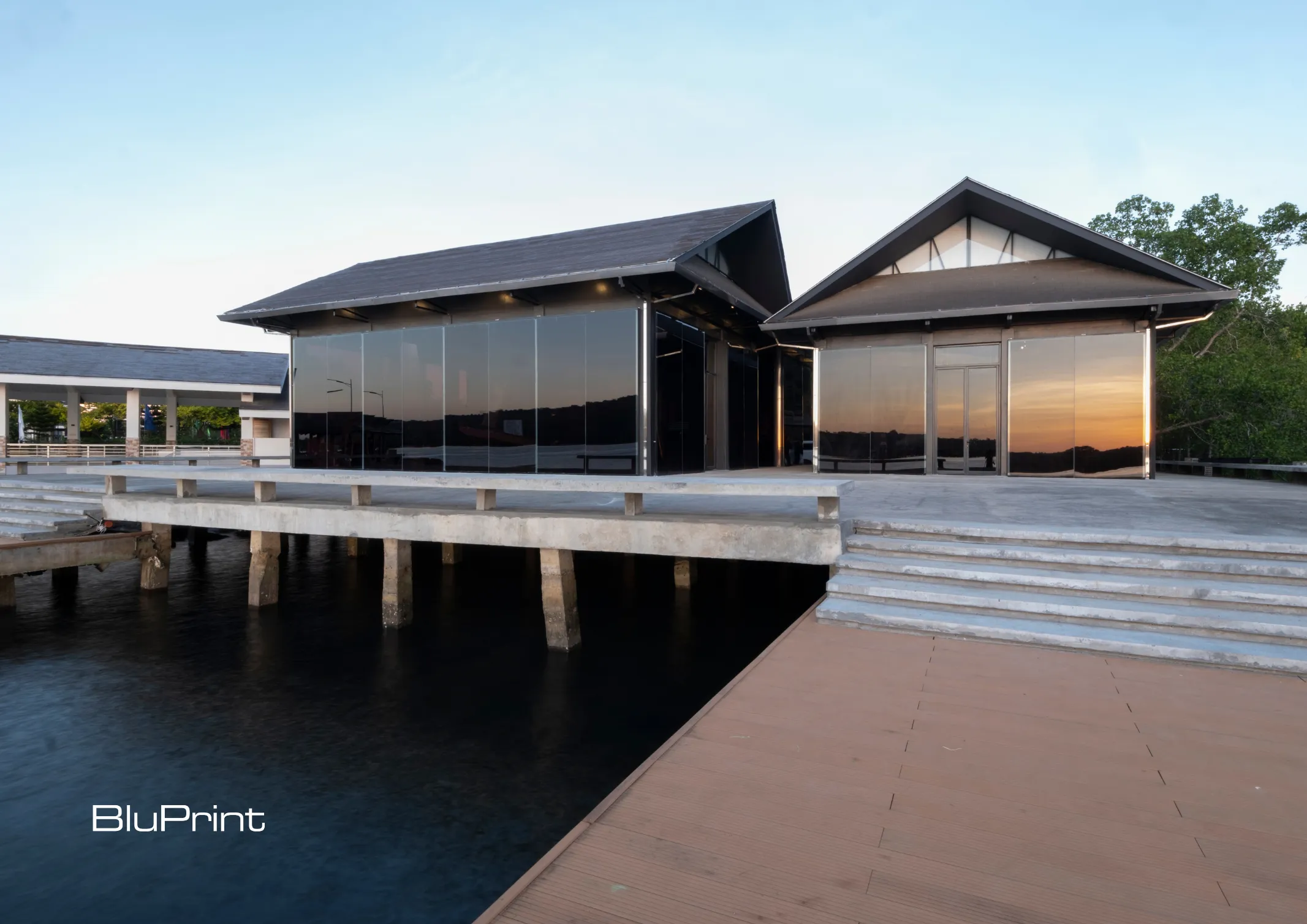
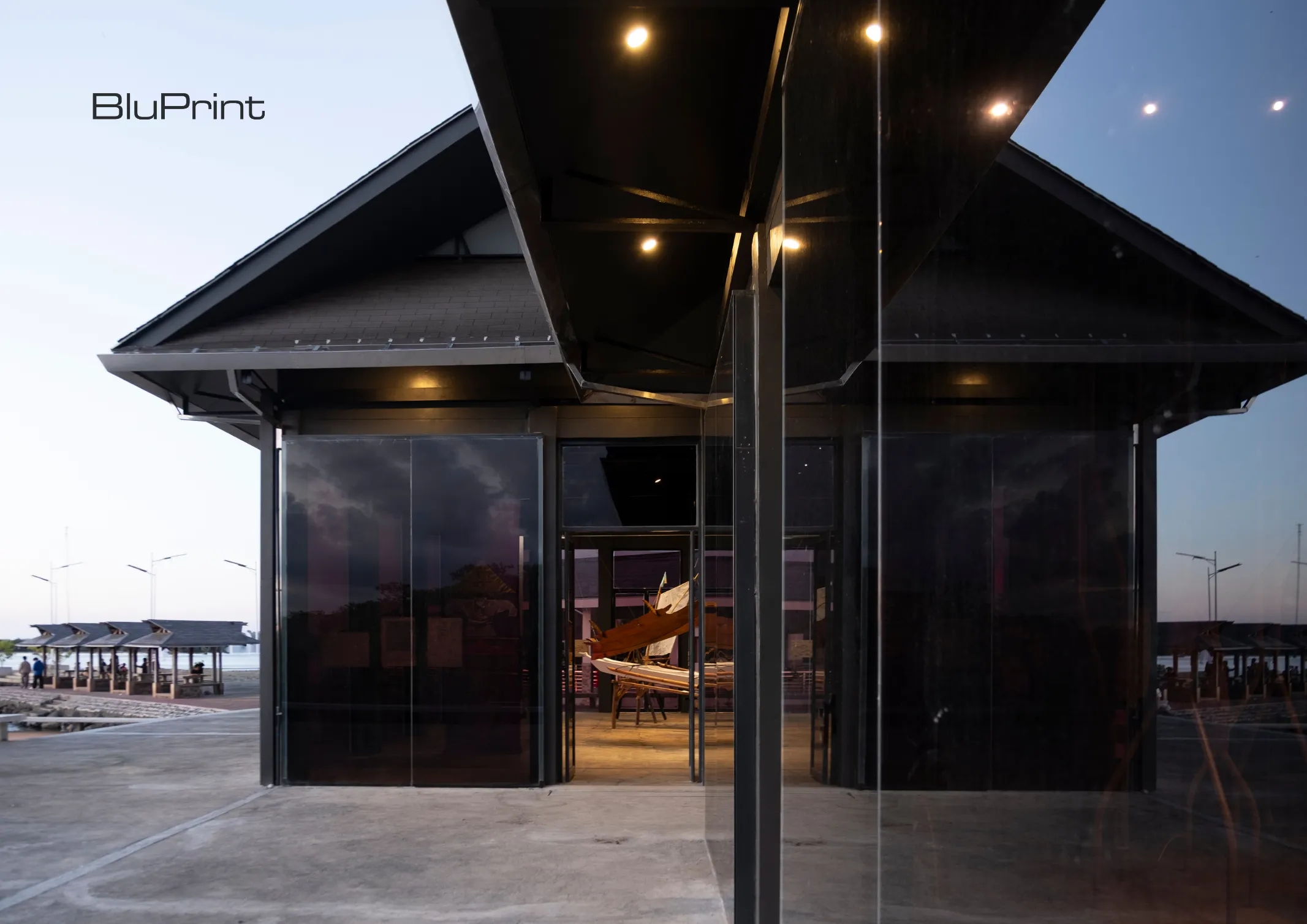
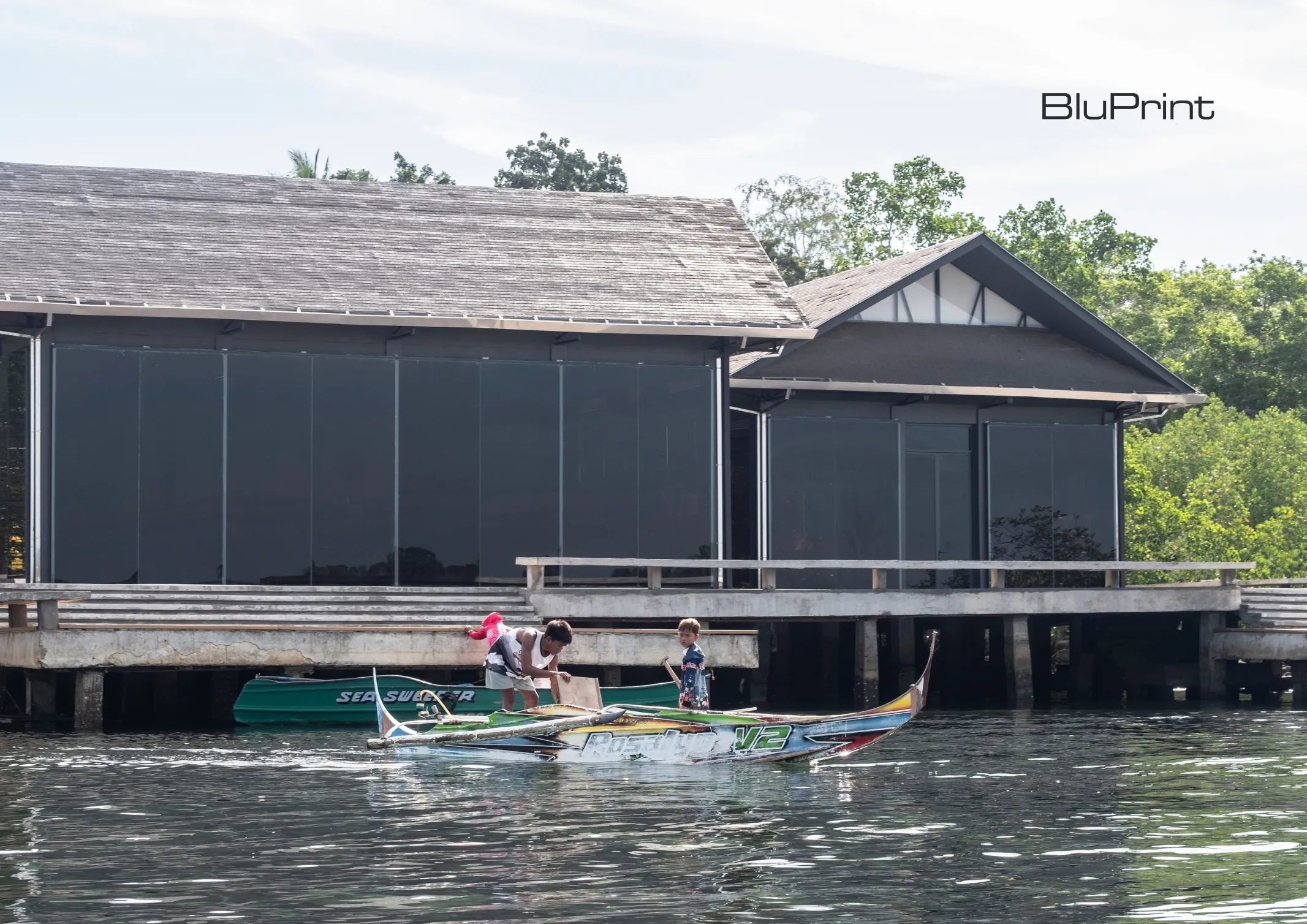
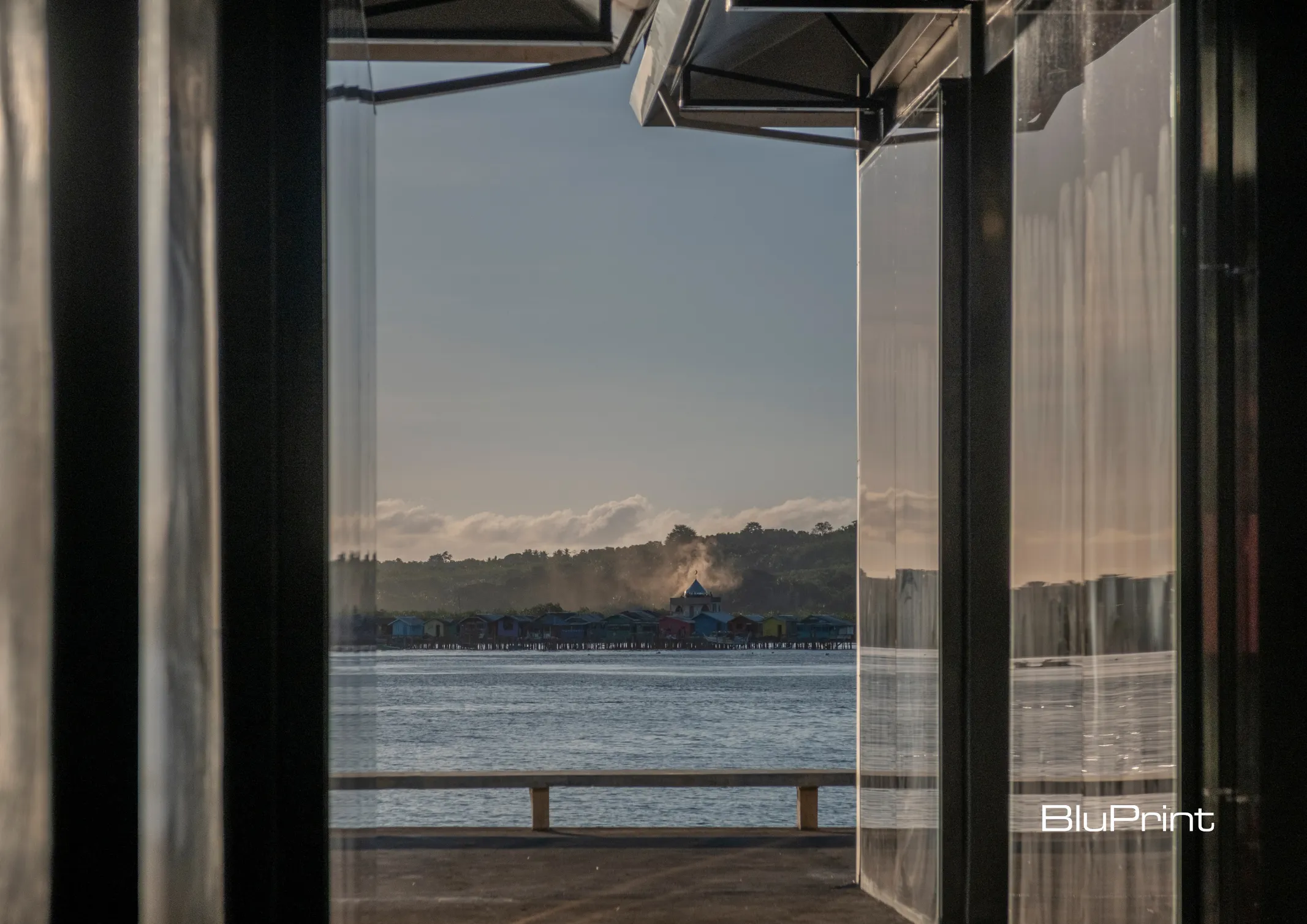
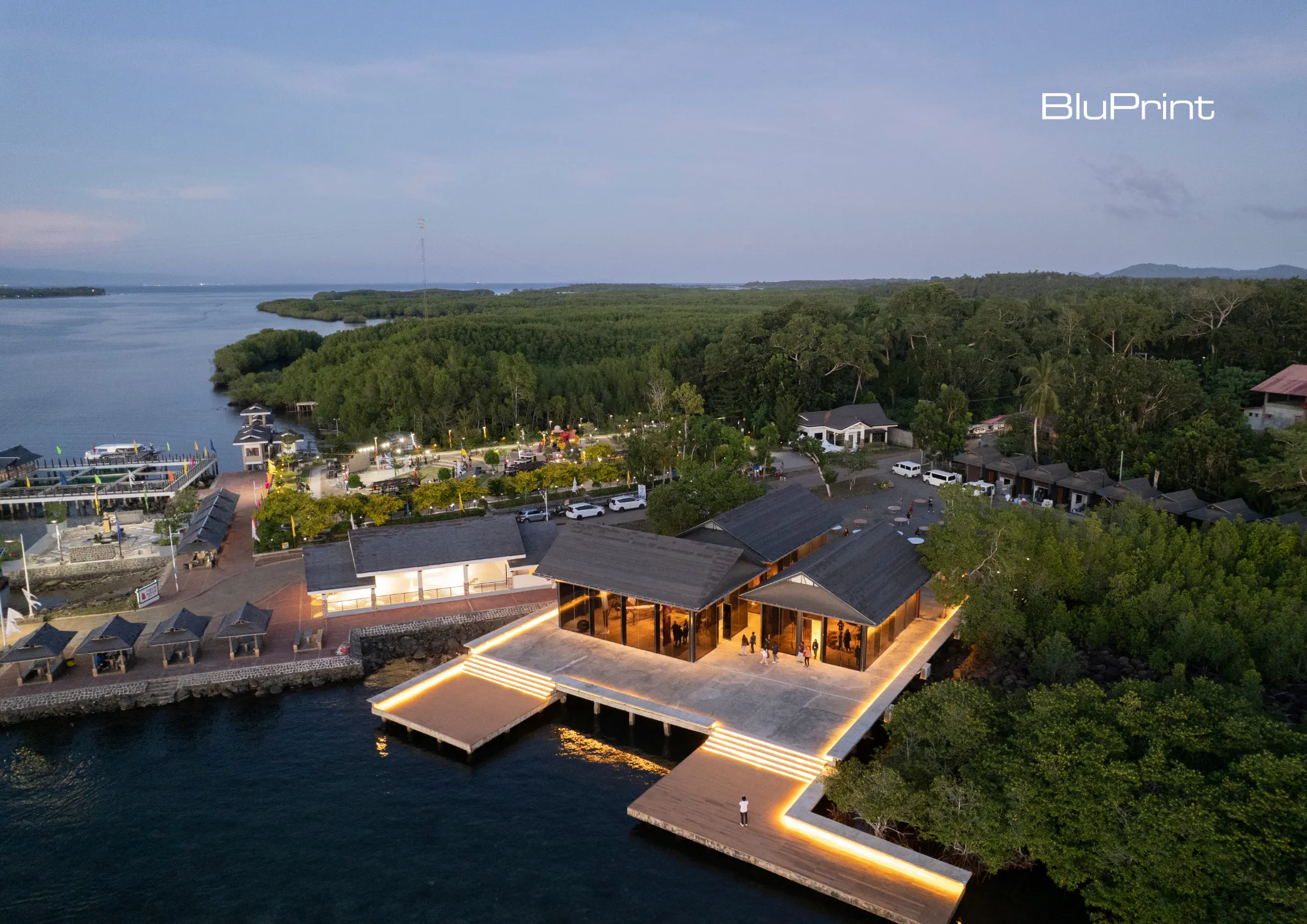
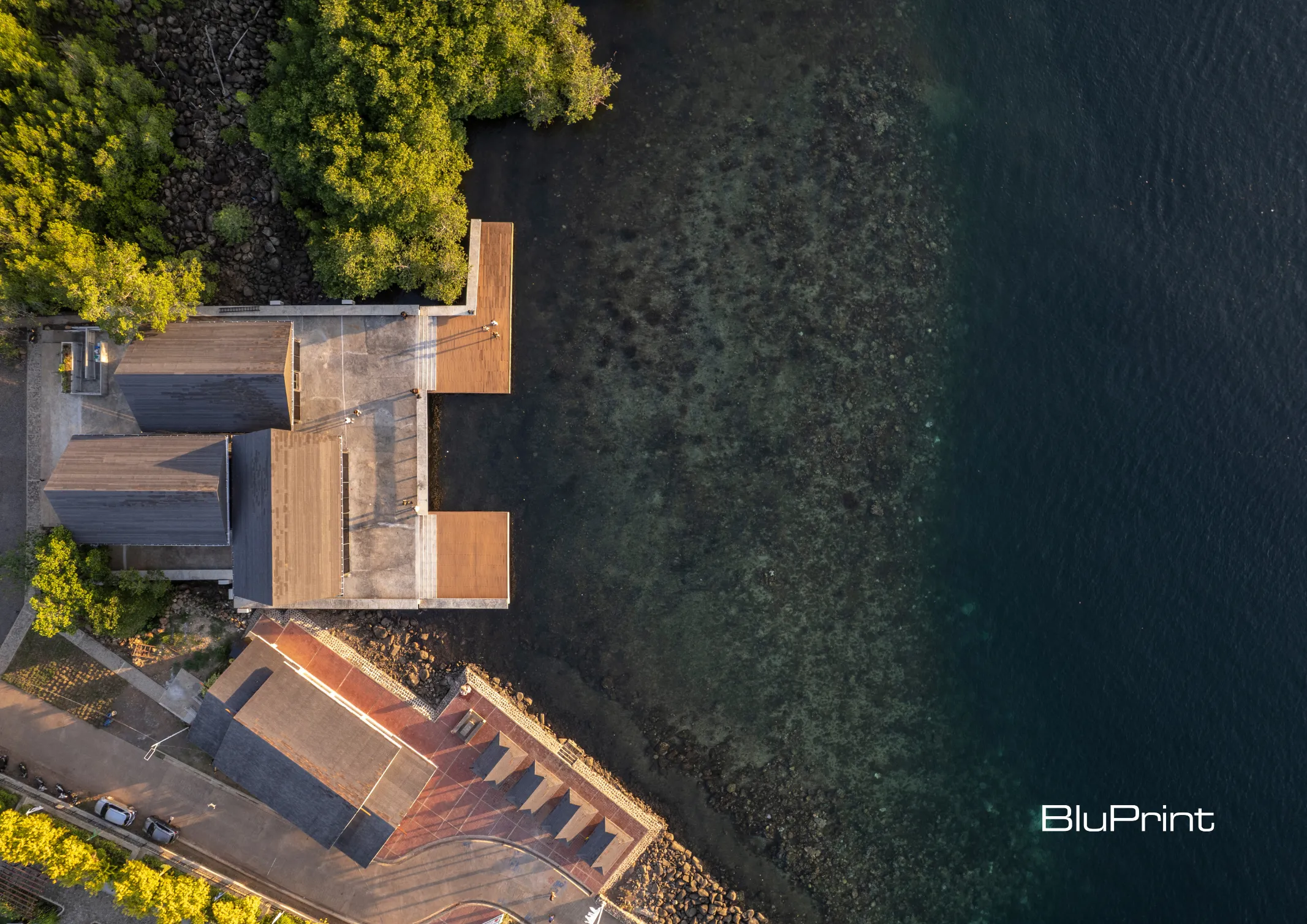
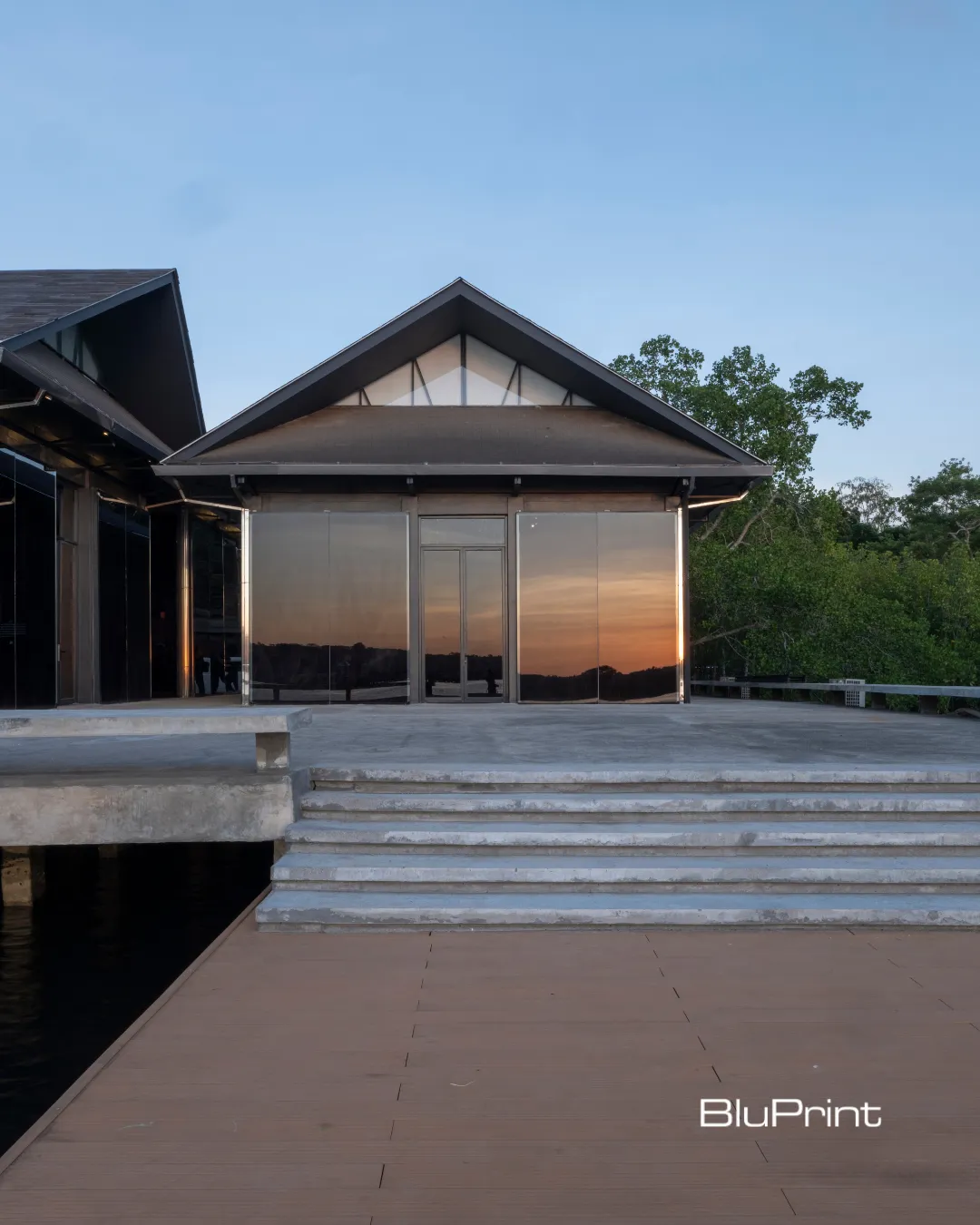
Extending this connection between architecture and nature, the pavilions feature tinted glass walls, which act as mirrors during the day, reflecting the surrounding environment. At night, however, the exhibitions inside illuminate the buildings, making them visible from the outside and creating the illusion of lamps floating on the water.
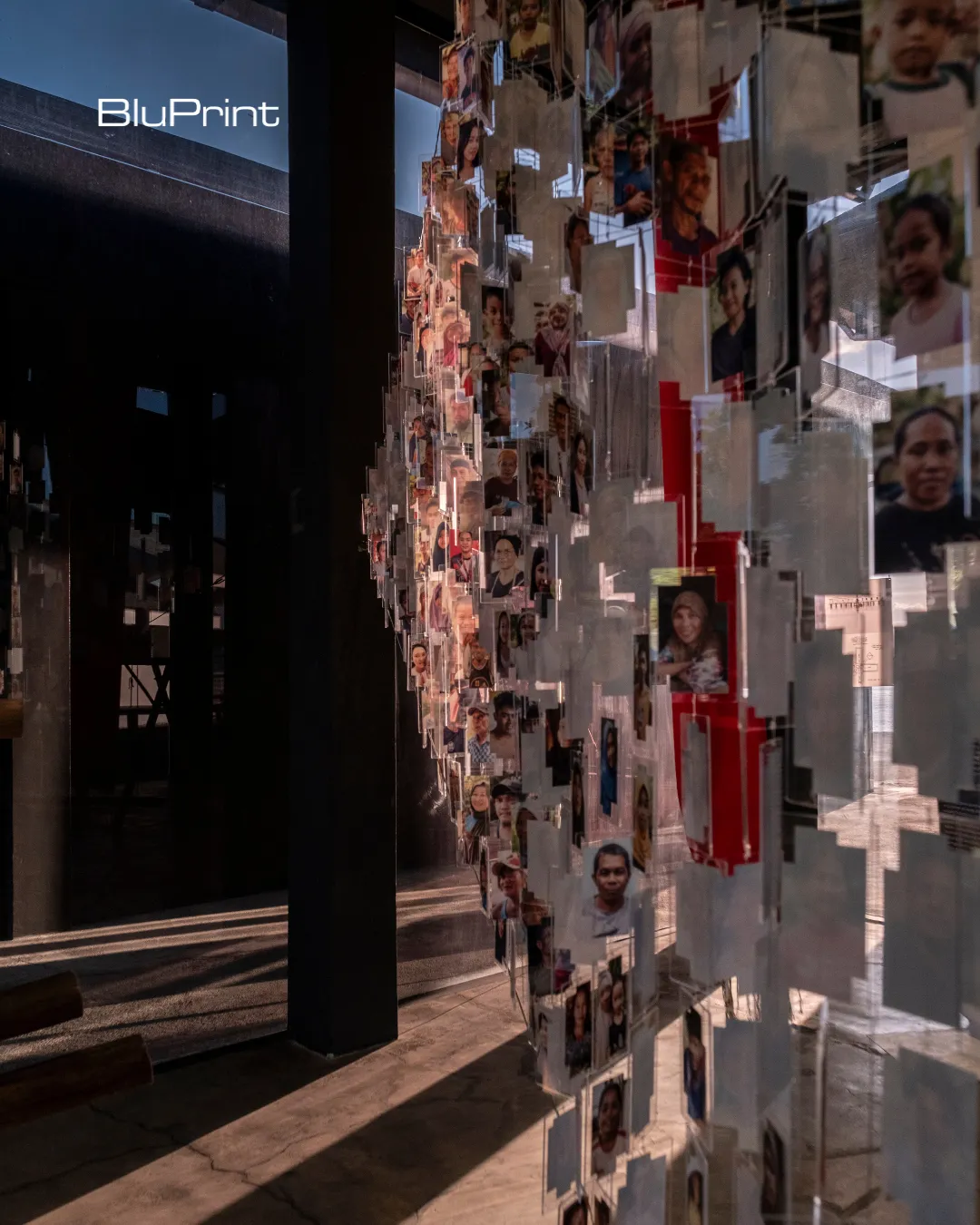
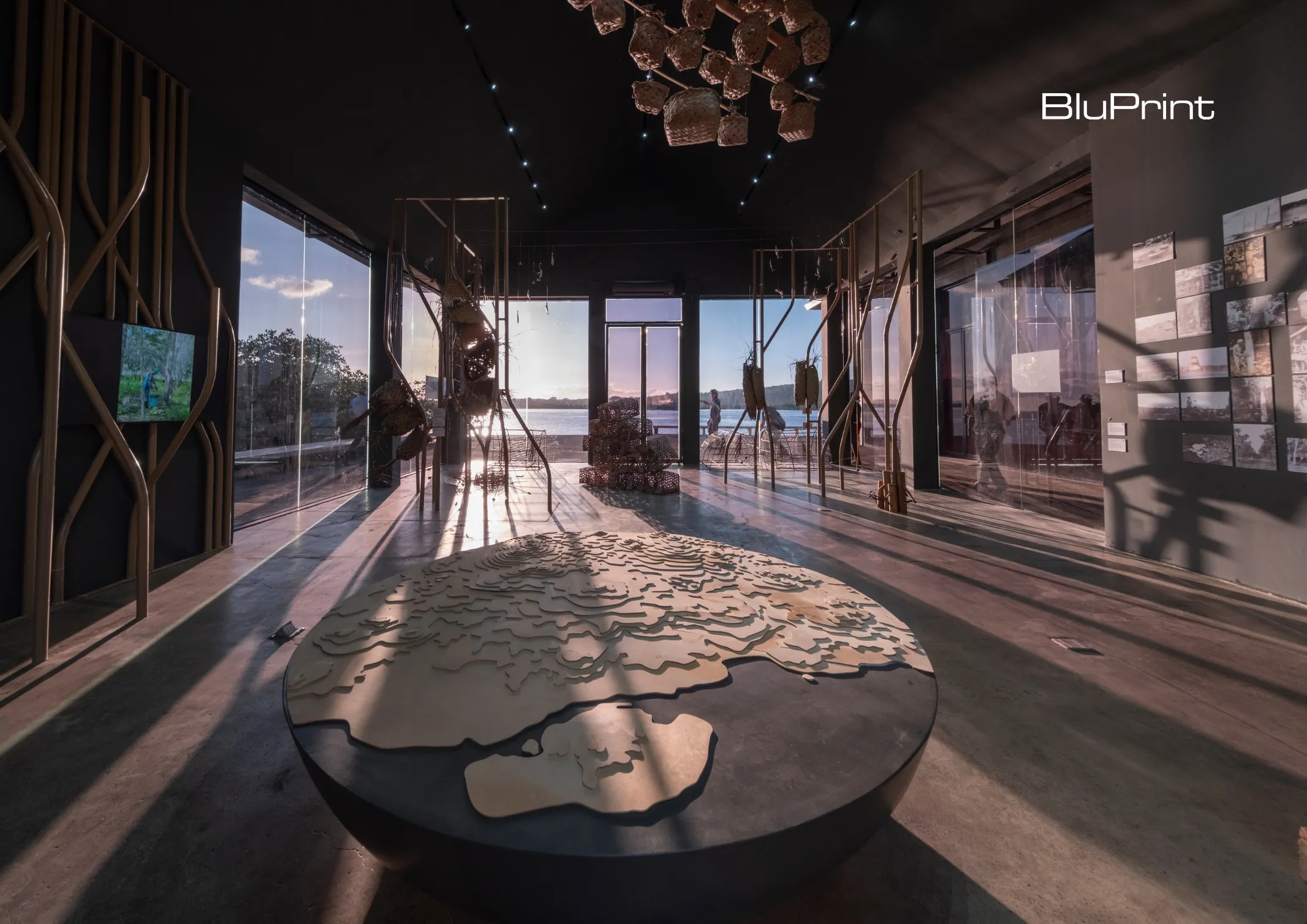
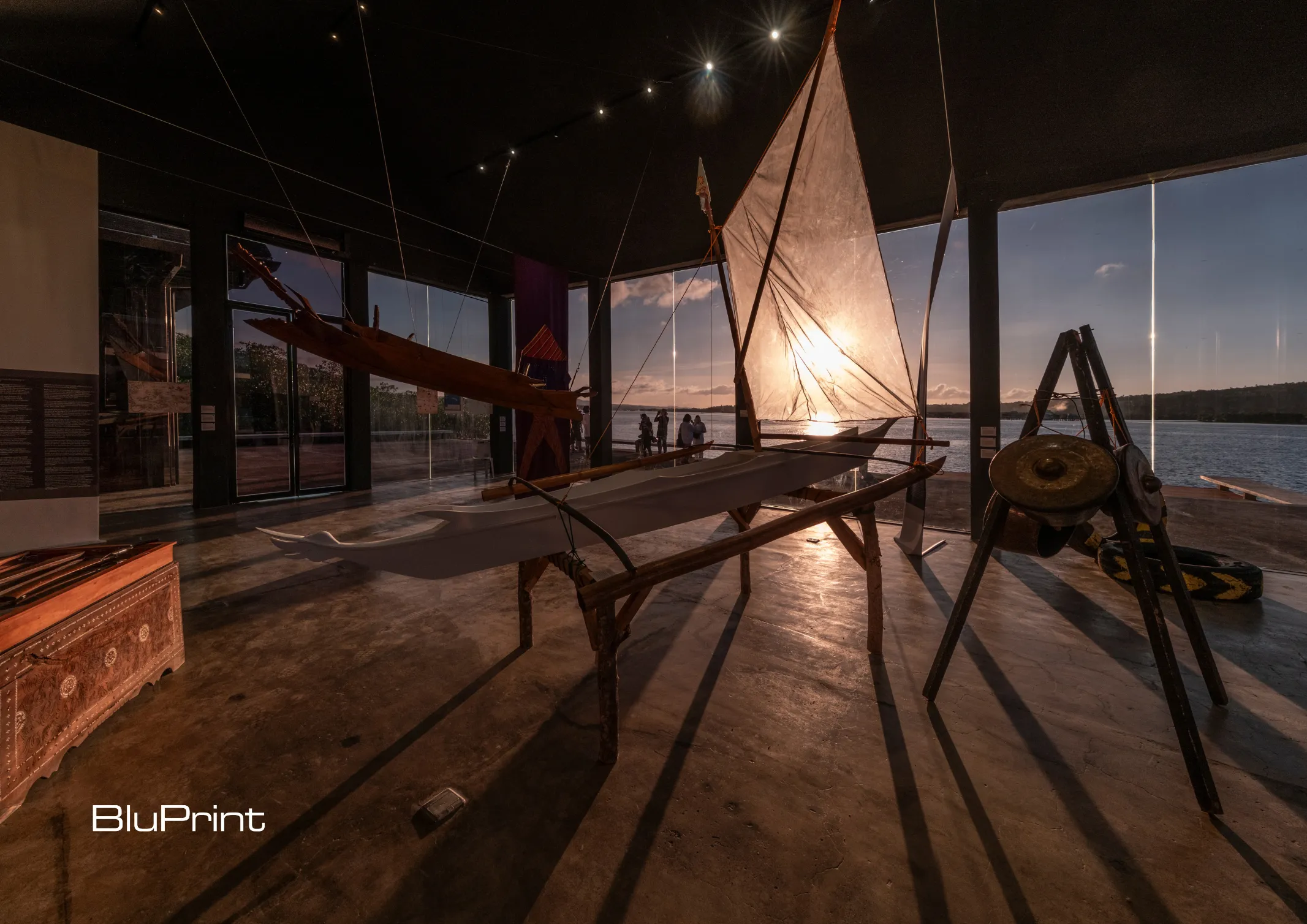
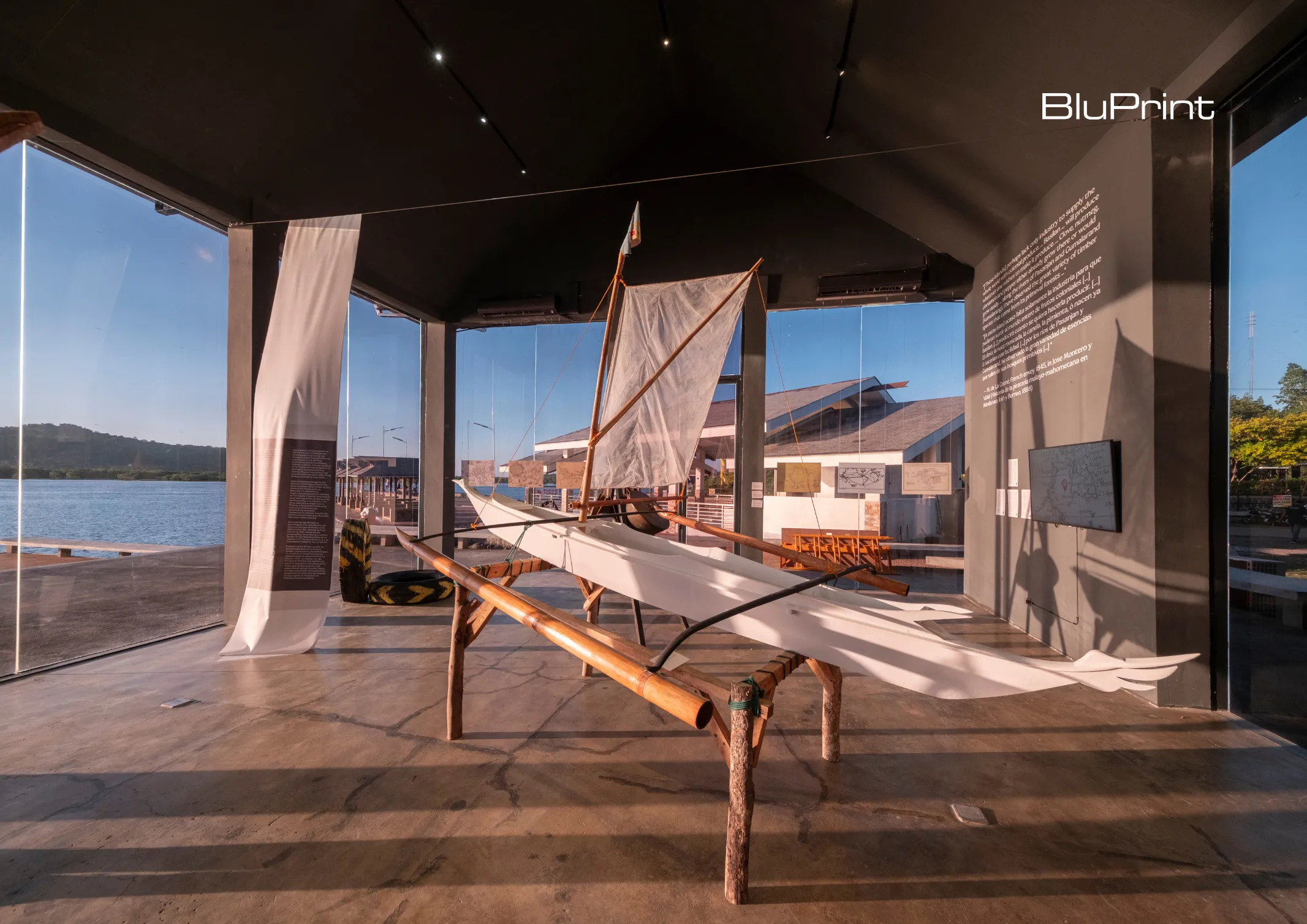
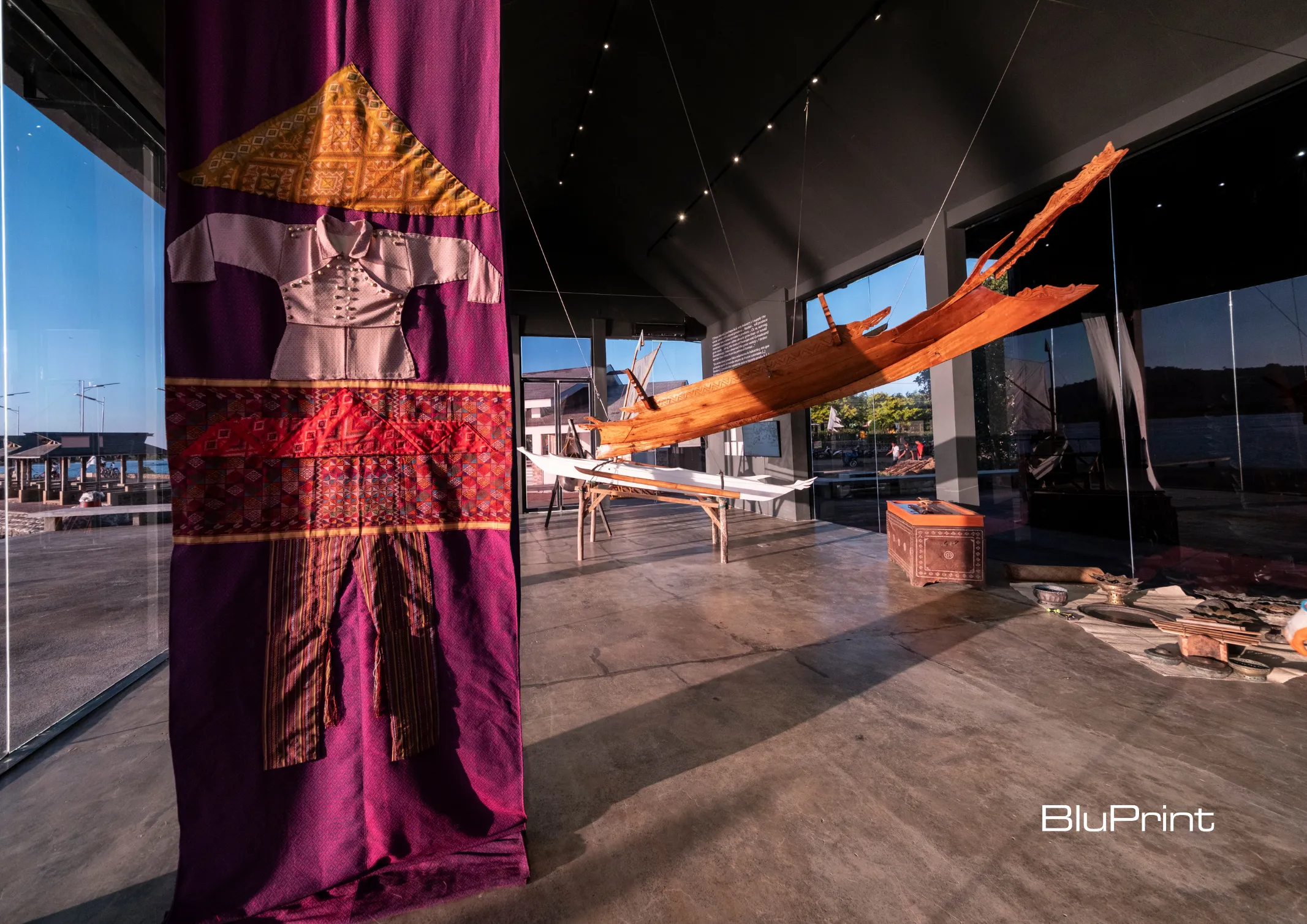
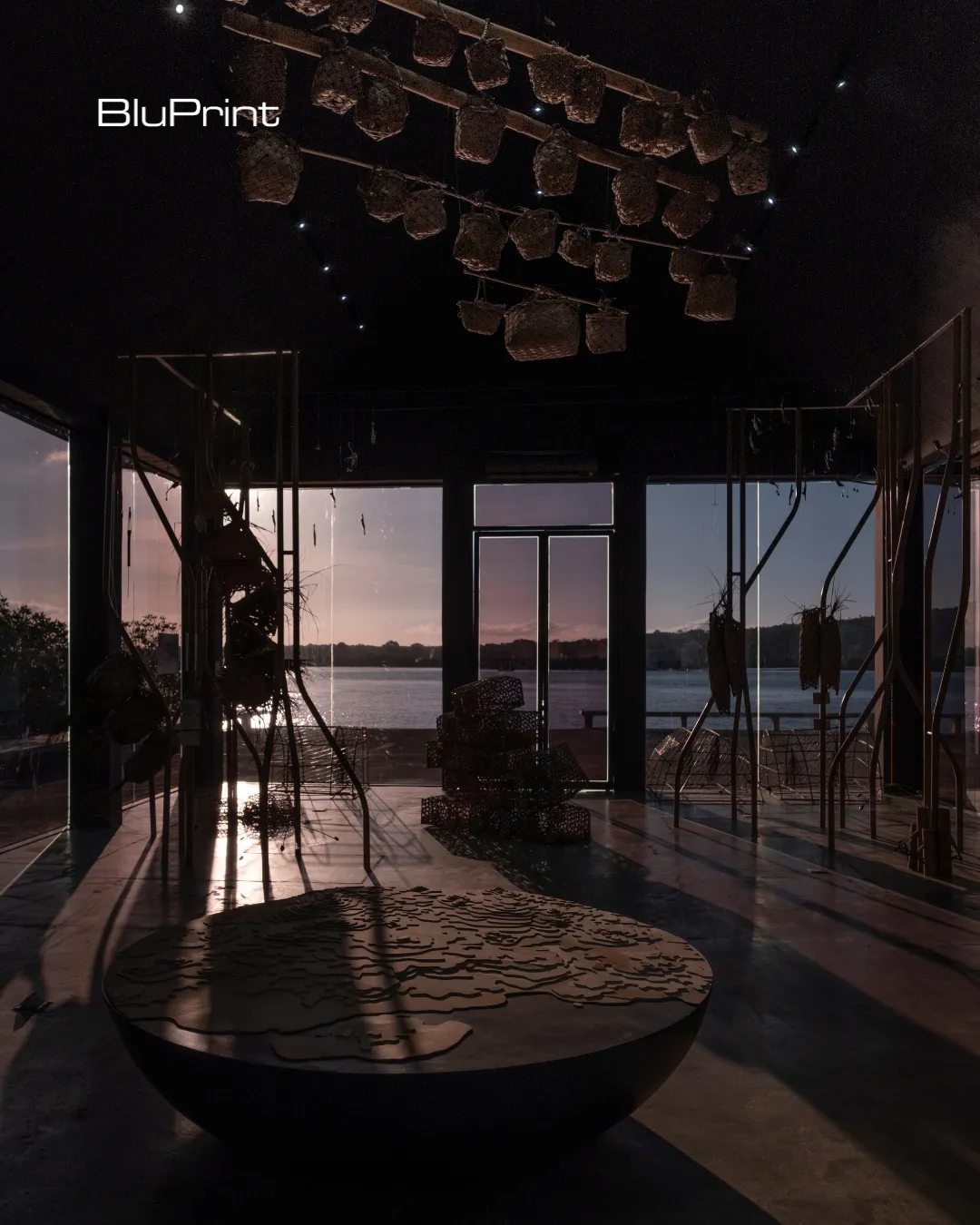
The current exhibition inside Museo Pantán reflects the culture of the Isabeleños, featuring fishing baskets, wooden boats, woven Yakan fabrics, and displays of the island’s fauna and traditional wear. Beyond these artifacts, the museum also takes advantage of the scenery beyond its windows, allowing visitors to appreciate the surrounding landscape as part of the experience. In this way, the natural environment becomes an extension of the museum’s storytelling, connecting the objects on display to the place and community from which they came.
“I think the most important thing that this architecture represents is that we are revealing an identity. We’re not even creating an identity. We’re just revealing it, because nature is already here. Look at those mangroves—I don’t have that in Manila. I don’t have that beautiful Badjao house in front that frames the mosque,” Pineda mused.
Related Reading: Museums in Makati and Manila you can visit for free (and for a fee)
A Different Approach to Museum Architecture
For Pineda, Museo Pantán was an opportunity for him to pursue a long-held vision of bringing museums to smaller communities across the Philippines. The project came about through his earlier collaboration with curator Marian Pastor Roces on Bangkota, the Philippine Pavilion at Expo 2020 Dubai, where he met incumbent Isabela de Basilan Mayor Sitti Djalia Turabin-Hataman. Two years later, the mayor approached him about creating a museum in Basilan, an opportunity he readily embraced.
Pineda saw the project as a chance to challenge the conventional idea of what a museum should look like. Rather than creating a grand institution that would require extensive resources, he envisioned a modest structure that could work with the materials, skills, and capabilities available in the area.
“If I can do it in Basilan, there is no excuse for any Filipino to say, we can’t do it,” he shared.
This approach also informed the museum’s materiality and construction. Working with locally available resources meant embracing the rawness of certain finishes—such as exposed concrete—rather than relying on imported tiles or elaborate treatments to achieve a sense of refinement. Pineda explained that these decisions were not compromises but expressions of authenticity, demonstrating how thoughtful architectureArchitectureThe art and science of designing and constructing buildings, structures, and spaces that are functional, safe, and aesthetically pleasing. It encompasses the planning, design, materials, and techniques used to createGo to Architecture Glossary can create a less intimidating institution, and a more dignified and meaningful space without depending on excess.
Pineda shared that Museo Pantán represents his belief that every community deserves a museum of its own, regardless of its location or available resources. As he envisions similar institutions in other settings, from forests to rice fields, the project becomes an example of how architectureArchitectureThe art and science of designing and constructing buildings, structures, and spaces that are functional, safe, and aesthetically pleasing. It encompasses the planning, design, materials, and techniques used to createGo to Architecture Glossary can respond to different landscapes while giving communities a place to present their own identities.
“I just want [visitors] to see what Basilan is. As truthful as I can show it [….] Usually in museums, the architect [will] put a stamp to his work. It should look iconic. But […] when your architectureArchitectureThe art and science of designing and constructing buildings, structures, and spaces that are functional, safe, and aesthetically pleasing. It encompasses the planning, design, materials, and techniques used to createGo to Architecture Glossary makes the people great, then it’s iconic. That, for me, is what iconic is,” Pineda said.
Related Reading: Viewing the Alchemy of Growth with Royal Pineda
Museo Pantán was first introduced to the people of Basilan through a soft launch on November 16, 2026, before opening to the general public on November 19. The project brings together the initial architectural vision of Isabela-based architect Valerie Luistria-Zaragoza, the architectural identity developed by Ar. Royal Pineda and Royal Pineda Plus creative director Angel Aguinaldo, and the exhibition curation of Marian Pastor Roces. Initiated by Isabela de Basilan Mayor Sitti Djalia Turabin-Hataman, the museum stands as a collaborative effort to give the city a dedicated space for preserving and sharing its history, culture, and identity.
About Royal Pineda Plus
Royal Pineda Plus is an architectureArchitectureThe art and science of designing and constructing buildings, structures, and spaces that are functional, safe, and aesthetically pleasing. It encompasses the planning, design, materials, and techniques used to createGo to Architecture Glossary and design practice founded by Filipino architect Royal Pineda. Guided by a design philosophy that draws from Filipino culture, local contexts, and the natural environment, the firm explores how architecture can express identity through materials, forms, and spatial experiences. Its work seeks to create contemporary spaces that remain grounded in the people, traditions, and landscapes they serve.
Frequently Asked Questions
Museo Pantán is Basilan’s first museum, located along Fuego-Fuego Beachfront in Isabela de Basilan. It is a social history museum that presents the city’s cultural identity, history, traditions, and relationship with its coastal environment through architecture and exhibitions.
Museo Pantán is located along Fuego-Fuego Beachfront in Isabela de Basilan, Basilan, Philippines. Its coastal setting allows the surrounding mangroves, waters, and views of Badjao stilt houses to become part of the museum experience.
The museum’s initial architectural vision was developed by Isabela-based architect Valerie Luistria-Zaragoza. Its architectural identity was later developed by architect Royal Pineda, founder of Royal Pineda Plus, together with the firm’s creative director, Angel Aguinaldo. Marian Pastor Roces served as the exhibition curator.
Museo Pantán responds to its coastal setting through three pavilions raised above the water and positioned among existing mangroves. Its tinted glass walls reflect the surroundings during the day, while the illuminated exhibitions make the structures appear like floating lamps at night. Its open pantans and docks also create a direct connection between the museum and the water.
The museum’s exhibitions feature objects and displays that reflect Isabeleño culture, including fishing baskets, wooden boats, woven Yakan fabrics, local fauna, and traditional clothing. The surrounding coastal landscape also forms part of the visitor experience, connecting the exhibits to the community and environment they represent.

Art has a way of changing how we experience a space. A photo, in particular, can tell stories without relying on words. Through the way a subject is framed, how light falls across a scene, or which details are brought into focus, an image communicates its own perspective of the world. These visual decisions form […]
Design is not limited to the creation of finished objects. It is also a process of experimentation, problem-solving, and exchanging ideas across disciplines. This approach to making took center stage at the 2026 edition of MakersCon Philippines, held from November 12 to 13 at the University of the Philippines (UP) Fine Arts Gallery (Parola) in […]
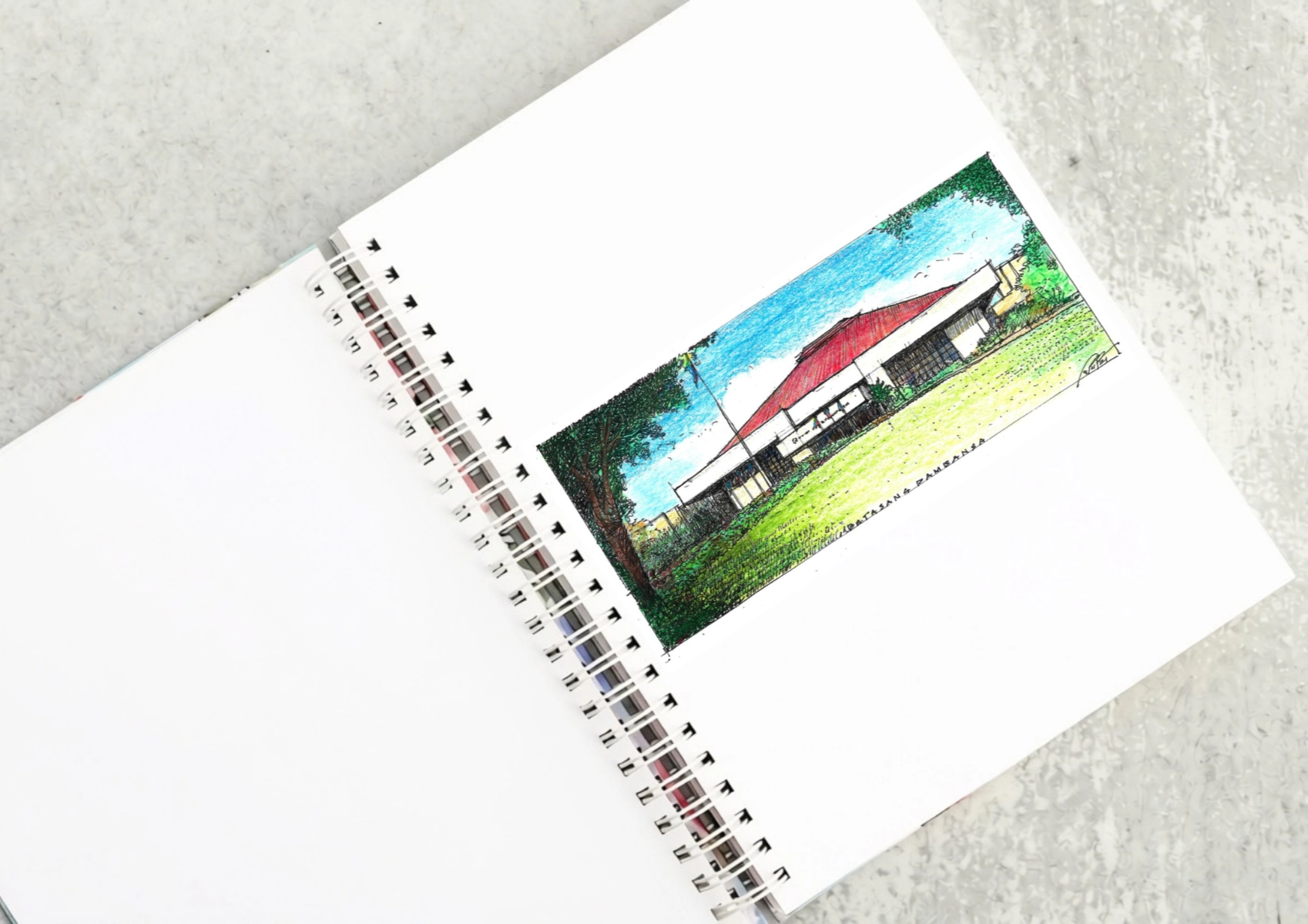
The Batasang Pambansa as a Landmark of Philippine Civic Architecture The congress of the Republic of the Philippines is housed in a complex in Quezon City. It was the first and only of the three main branches of the government to move to what was, for a period, the capital of the Philippines. The Batasang […]

In a curated event presented by Focus Global Inc. and co-hosted by BluPrint, Technogym unveiled its Sand Stone Collection to the Philippine market at Bigger Pictures in Mandaluyong City. The launch brought together over 100 guests, including architects, designers, and media representatives, for an introduction to the collection and its approach to fitness equipment. The […]
Read the issues.

Collect the volumes.

Recommended Video
Tap to Unmute
Unmute
0:00
0:00